The Story
Plant Bio
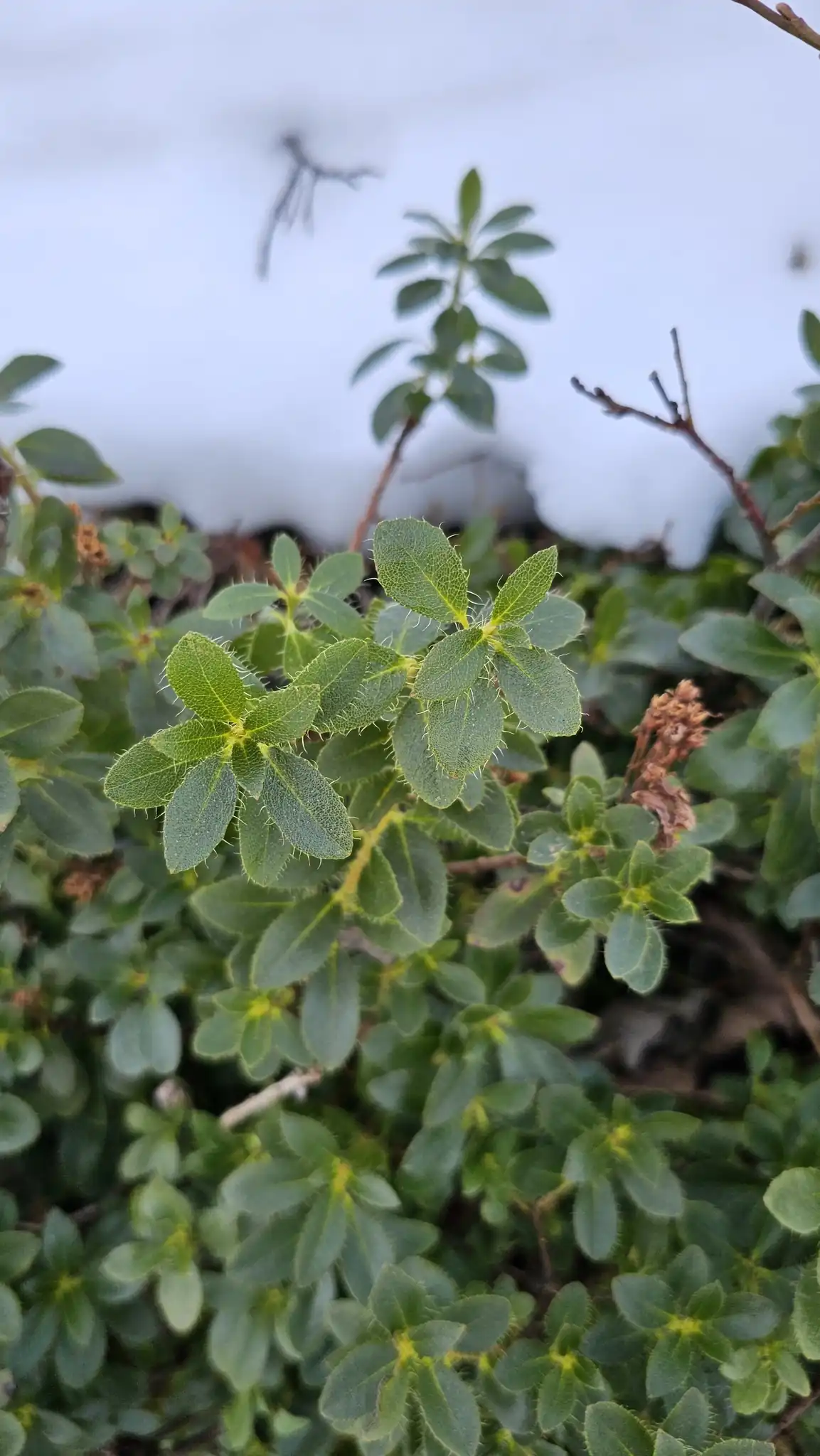
Rhododendron hirsutum, the hairy alpenrose, is a compact, evergreen shrub native to the limestone cliffs and subalpine zones of the European Alps. Unlike most members of its genus, this species is a strict calcicole that thrives in alkaline, lime-rich soils rather than acidic peat.
It is distinguished by small, dark green leaves featuring conspicuously bristled margins and scaly undersides. Bright pink, tubular-campanulate flowers emerge in dense terminal clusters of ten or more from late spring through mid-summer.
Uses & Benefits:
Essentials
At a Glance
Plant Type
Shrub
Height
40"
Width
36"
Light
Full Sun, Partial Sun
Zones
4, 5, 6, 7
Water
Moderate
Humidity
Moderate to high
Lifespan
Perennial
Native To
Europe
Toxicity
Highly toxic if ingested
Bloom period
Late spring – Mid-summer
In flower about 3 months of the year
Planting
How to Grow
- Select a planting site with full sun to partial shade, ensuring afternoon protection in warmer climates.
- Incorporate limestone grit and organic humus into the planting hole to ensure alkaline, free-draining conditions.
- Set the plant high in the soil, keeping the root crown slightly above the surrounding grade to prevent waterlogging.
- Water regularly to maintain even moisture, especially during dry summer periods, but never allow the soil to become stagnant.
Pro Tip
Never plant this species in standard acidic rhododendron mix; it requires a gritty, alkaline soil and exceptional drainage to prevent fatal root rot.
Keep It Thriving
Care Guide
Do
- Grow in lime-rich, alkaline to neutral soils.
- Provide immaculate drainage using grit or gravel.
- Water consistently to keep the root zone evenly moist.
- Prune lightly immediately after flowering finishes.
Don't
- Do not plant in heavy, acidic peat soils.
- Do not cut back hard into old, leafless bare wood.
- Do not allow the soil to dry out completely during summer droughts.
- Do not use heavy acidifying fertilizers.
Seasonal Care Calendar
| Task | Jan | Feb | Mar | Apr | May | Jun | Jul | Aug | Sep | Oct | Nov | Dec |
|---|---|---|---|---|---|---|---|---|---|---|---|---|
| Fertilize | ||||||||||||
| Pest Check | ||||||||||||
| Prune | ||||||||||||
| Winter Prep |
Watch Out For
Pests & Diseases
Common Pests
Common Diseases
In the Garden
Landscape Uses & Companions
Landscape Uses
Companion Plants
Multiply
Propagation Methods
Good to Know
Common Questions
Hairy Alpenrose questions
What zones can Hairy Alpenrose grow in?
Hairy Alpenrose is hardy in USDA Zones 4–7. Inside that range it survives winter in the ground; outside it, grow it as an annual or a container plant you protect.
Is Hairy Alpenrose deer resistant?
Not reliably. Deer may browse Hairy Alpenrose, especially tender spring growth — plan on repellents or fencing where pressure is high.
When does Hairy Alpenrose bloom?
Hairy Alpenrose typically blooms in late spring through mid-summer. Exact timing shifts a week or two with your zone — Sow's bloom calendar maps it to your garden.
Does Hairy Alpenrose need full sun?
Hairy Alpenrose does best in full sun to part shade. In hot climates, afternoon shade keeps blooms fresher longer.
More Rhododendron to compare
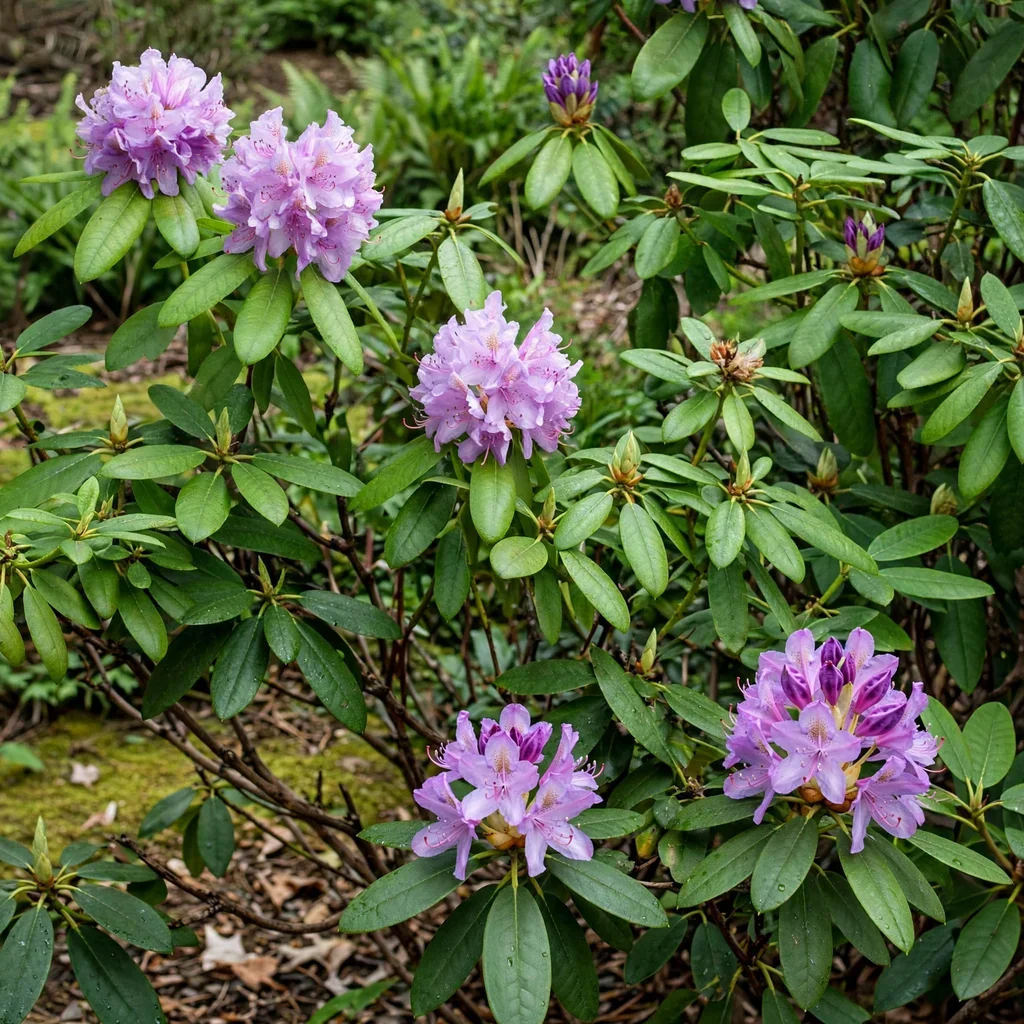
Catawba Rhododendron
Rhododendron catawbiense
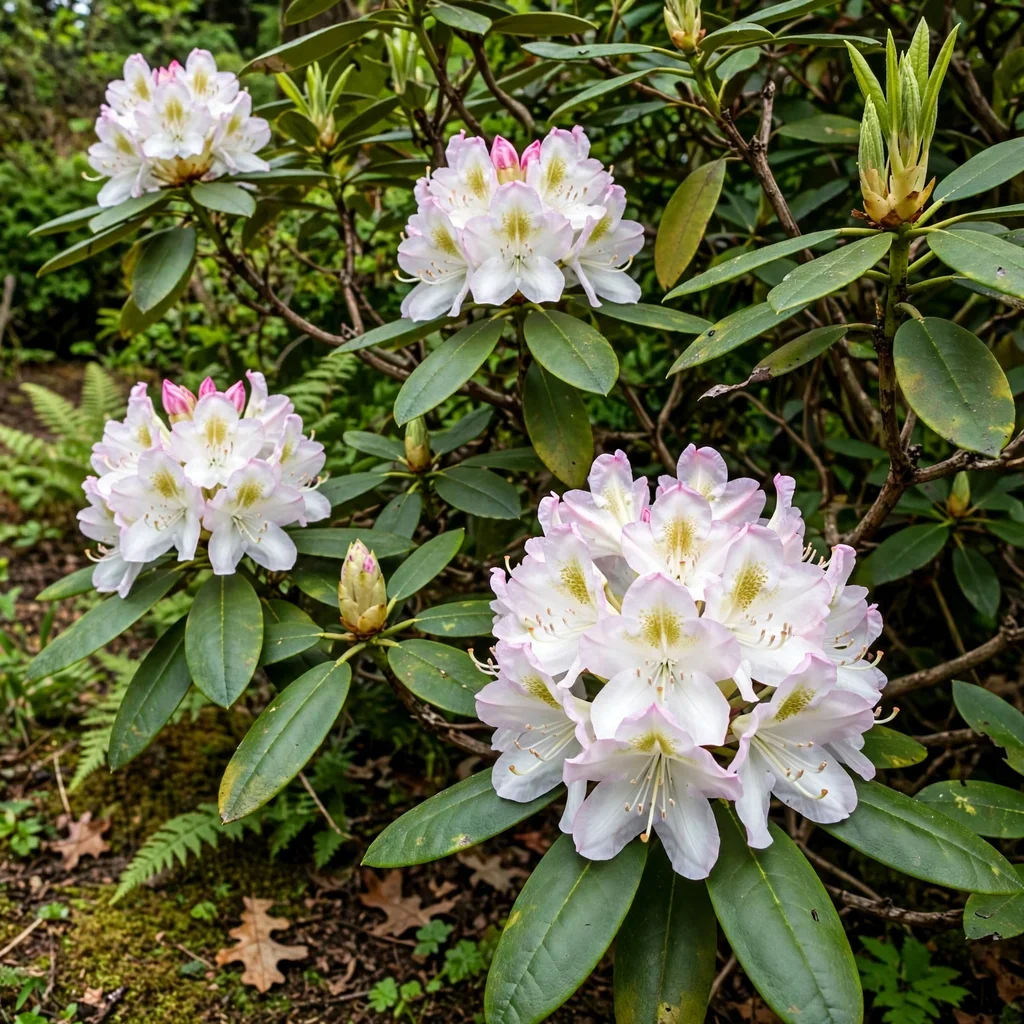
Great Laurel Rhododendron
Rhododendron maximum
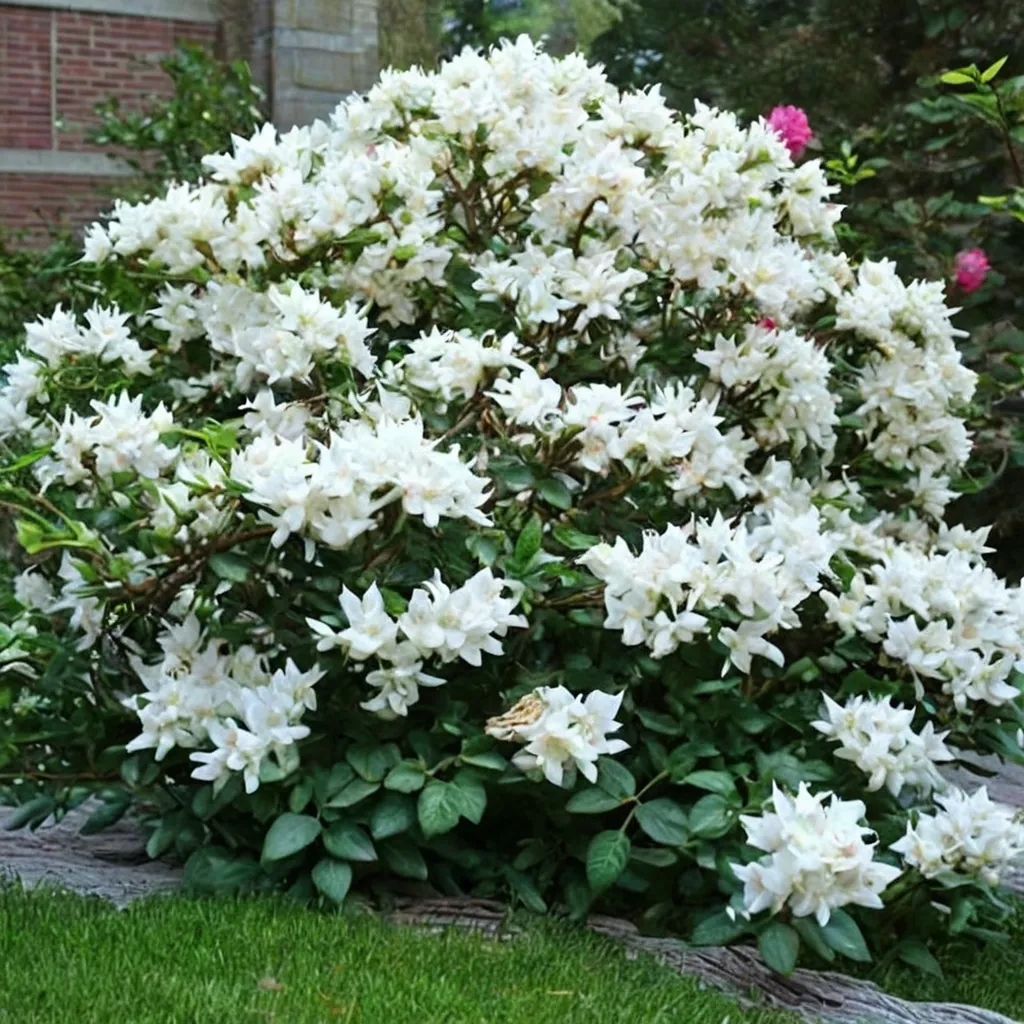
Double White Rhododendron
Rhododendron x hybrida 'Double White'
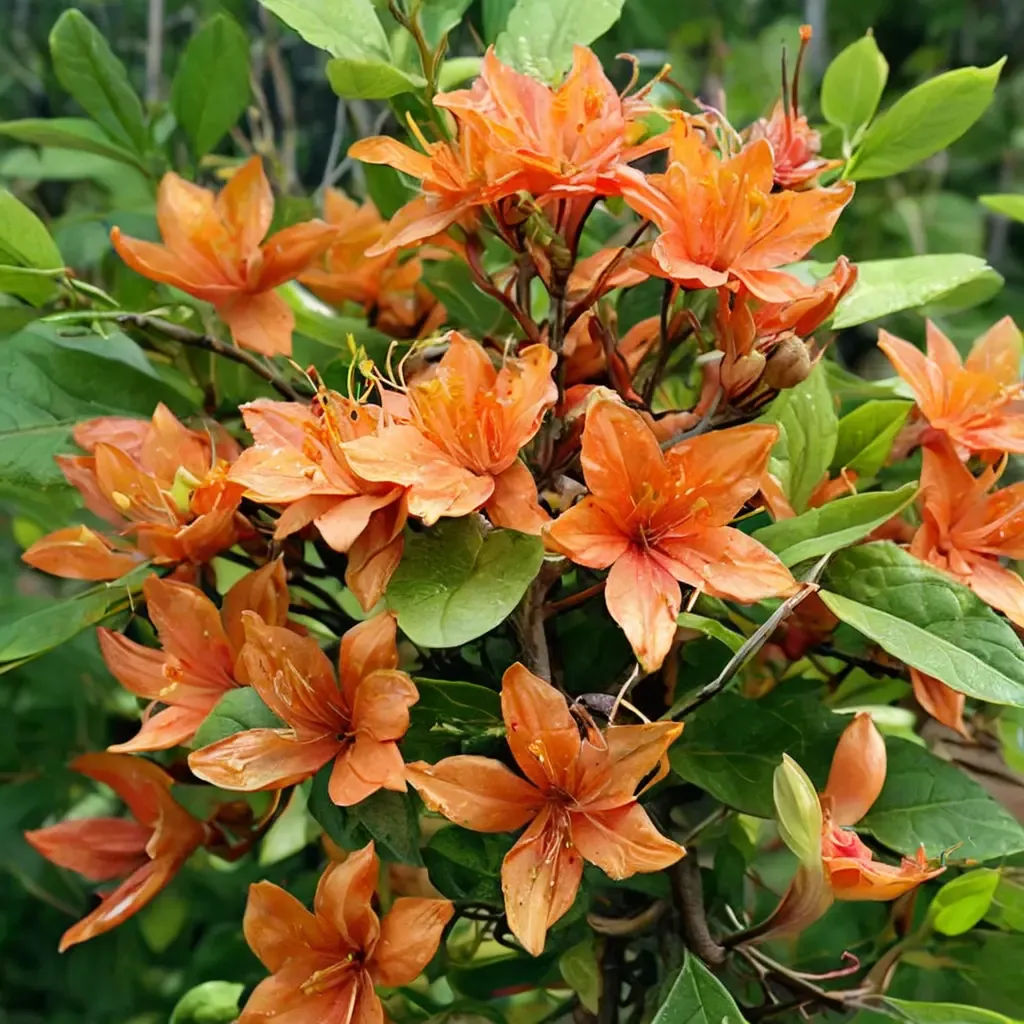
Flame Azalea
Rhododendron calendulaceum
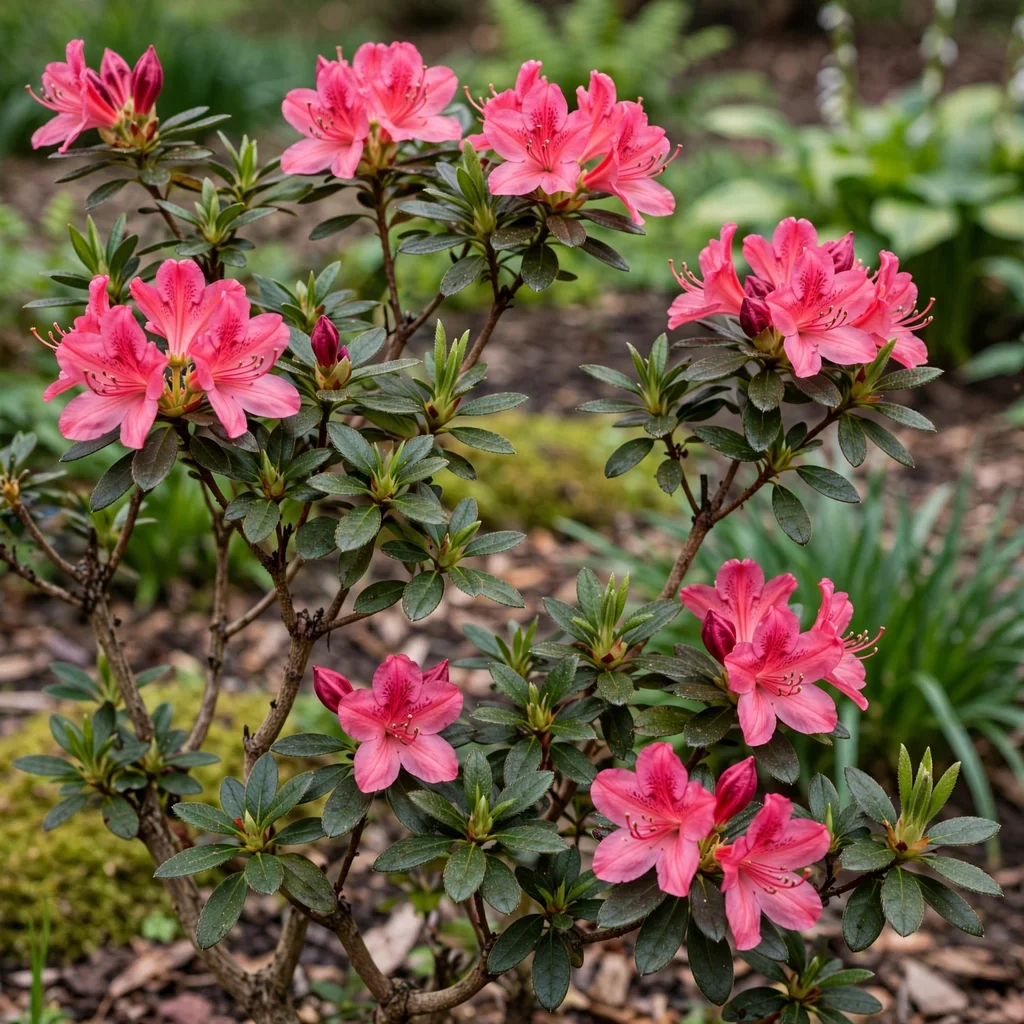
Bone Hardy Azalea
Rhododendron x hybrida 'Bone Hardy Azalea Sampler'
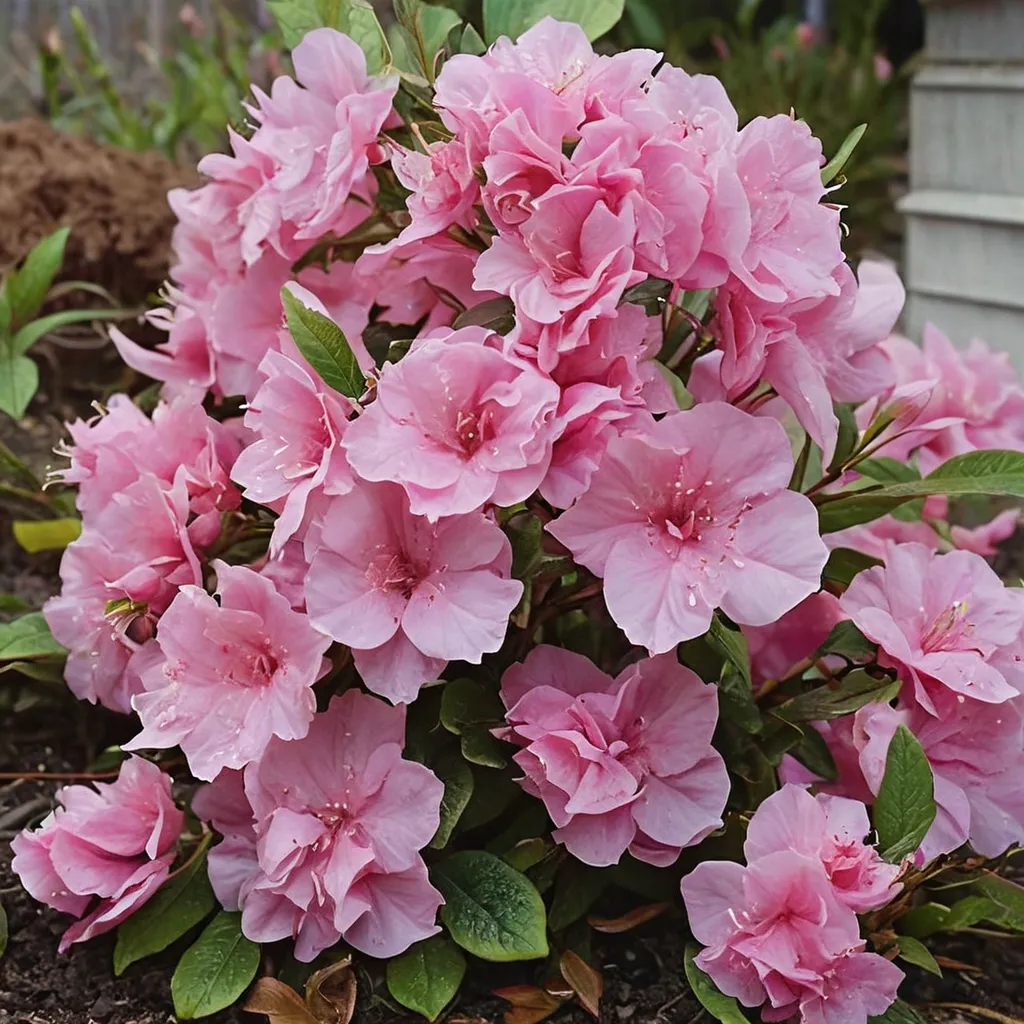
Rhododendron x hybrida Double Pink
Rhododendron x hybrida 'Double Pink'
Keep exploring
Explore the genus
Hardy in your zone?
Grow Hairy Alpenrose with confidence
See it in a design of your actual yard, get zone-matched care reminders, and track it season by season in your garden journal.