The Story
Plant Bio
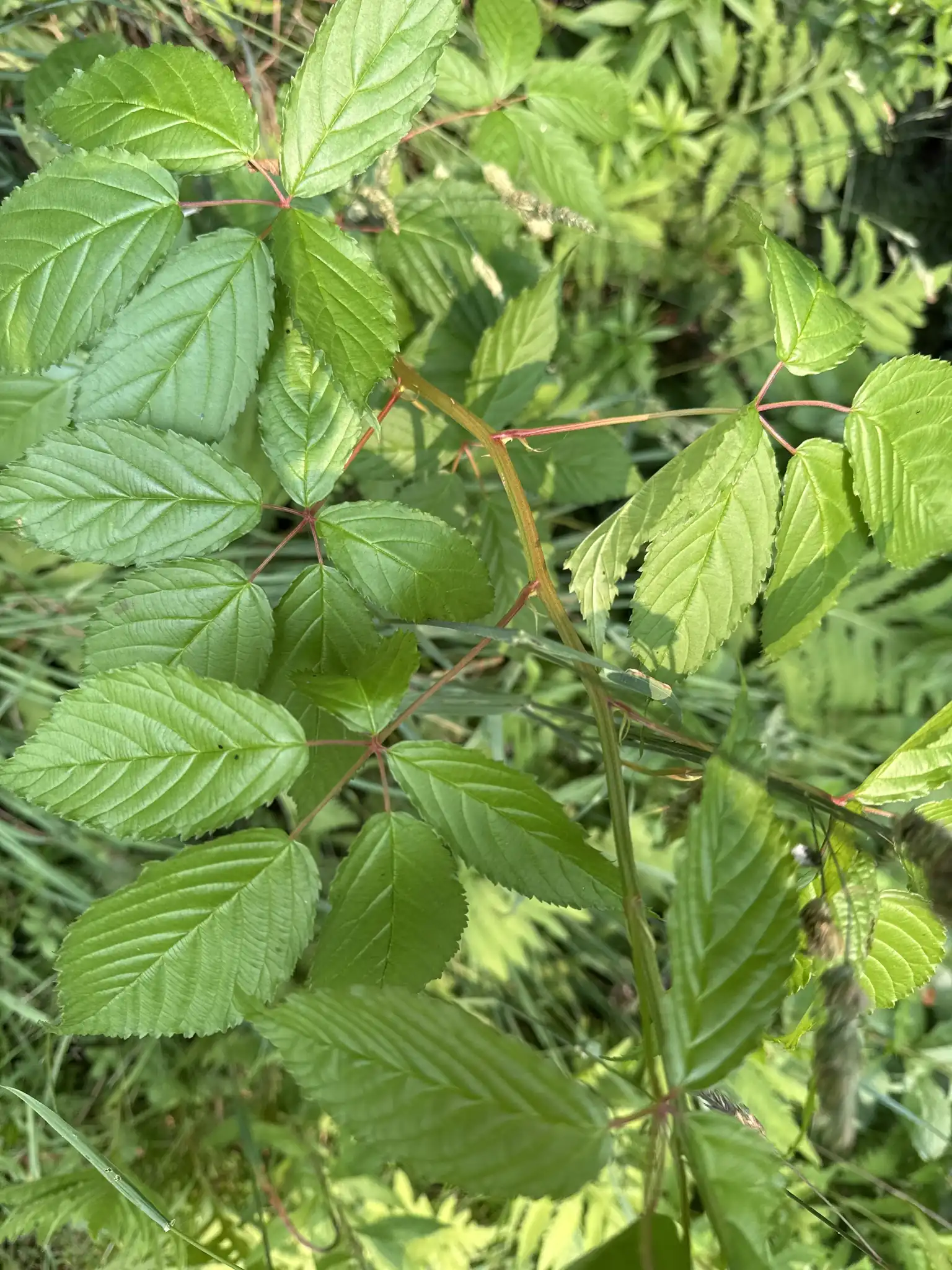
Rubus canadensis is a deciduous, thicket-forming shrub native to eastern North America, characterized by its nearly thornless, smooth arching canes. In late spring and summer, it produces clusters of white, five-petaled flowers that give way to edible black fruits highly valued by local wildlife.
Unlike most highbush blackberries, this species is distinguished by its exceptionally smooth stems that lack prickles, making it safe and easy to handle. The foliage is notably lustrous and dark green above, turning to a smooth, nearly hairless texture on the undersides.
Uses & Benefits:
Essentials
At a Glance
Plant Type
Shrub
Height
118"
Width
98"
Light
Full Sun, Partial Sun
Zones
4, 5, 6, 7, 8
Water
Medium
Humidity
Medium
Lifespan
Perennial
Native To
North America
Toxicity
Non-toxic
Bloom period
Late spring – Summer
In flower about 4 months of the year
Planting
How to Grow
- Select a planting site in full sun to partial shade with moist, rich, well-drained soil.
- Dig a hole twice the width of the root ball and set the plant at the same depth it was growing in the container.
- Backfill with native soil, press firmly to eliminate air pockets, and water thoroughly to settle the roots.
- Apply a thick layer of organic mulch around the base to conserve moisture and suppress competing weeds.
Pro Tip
Avoid applying high-nitrogen fertilizers, which stimulate excessive, soft vegetative growth that is highly susceptible to fungal diseases like cane blight and powdery mildew.
Keep It Thriving
Care Guide
Do
- Prune spent floricanes to the ground immediately after the summer harvest to encourage healthy new primocanes.
- Leave several dead, hollow stems cut back to 12 to 24 inches standing through winter to provide nesting sites for native bees.
- Top-dress the root zone annually with organic compost in early spring to maintain soil fertility.
Don't
- Do not over-fertilize with synthetic chemical fertilizers, as this weakens the canes and invites disease.
- Do not plant in poorly drained, soggy soils where Phytophthora root rot can easily develop.
- Do not shear the entire plant aggressively, which destroys the natural arching habit and reduces fruit yield.
Seasonal Care Calendar
| Task | Jan | Feb | Mar | Apr | May | Jun | Jul | Aug | Sep | Oct | Nov | Dec |
|---|---|---|---|---|---|---|---|---|---|---|---|---|
| Harvest | ||||||||||||
| Mulch | ||||||||||||
| Pest Check | ||||||||||||
| Prune |
Watch Out For
Pests & Diseases
Common Pests
Common Diseases
In the Garden
Landscape Uses & Companions
Landscape Uses
Multiply
Propagation Methods
Good to Know
Common Questions
Smooth Blackberry questions
What zones can Smooth Blackberry grow in?
Smooth Blackberry is hardy in USDA Zones 4–8. Inside that range it survives winter in the ground; outside it, grow it as an annual or a container plant you protect.
Is Smooth Blackberry deer resistant?
Not reliably. Deer may browse Smooth Blackberry, especially tender spring growth — plan on repellents or fencing where pressure is high.
When does Smooth Blackberry bloom?
Smooth Blackberry typically blooms in late spring through summer. Exact timing shifts a week or two with your zone — Sow's bloom calendar maps it to your garden.
Does Smooth Blackberry need full sun?
Smooth Blackberry does best in full sun to part shade. In hot climates, afternoon shade keeps blooms fresher longer.
More Rubus to compare
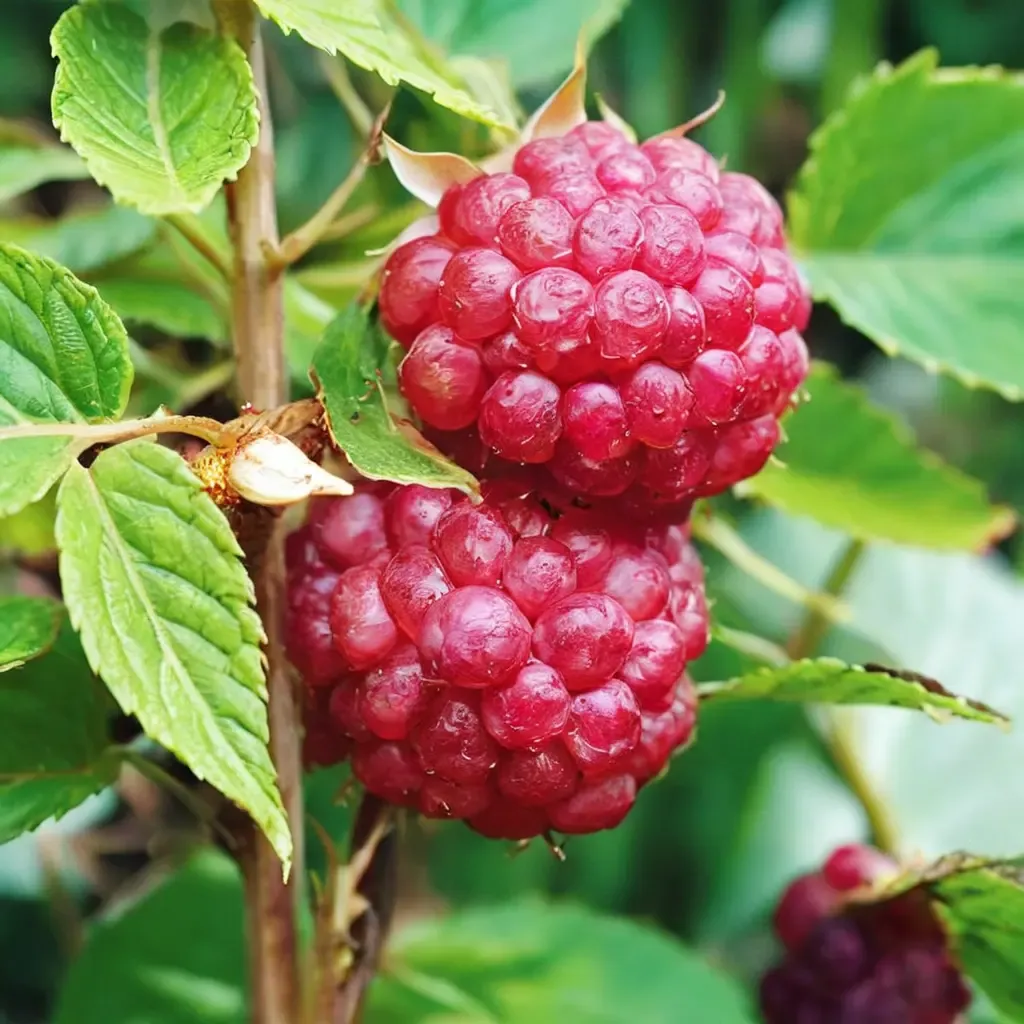
Mammoth Red Raspberry
Rubus idaeus 'Mammoth Red'
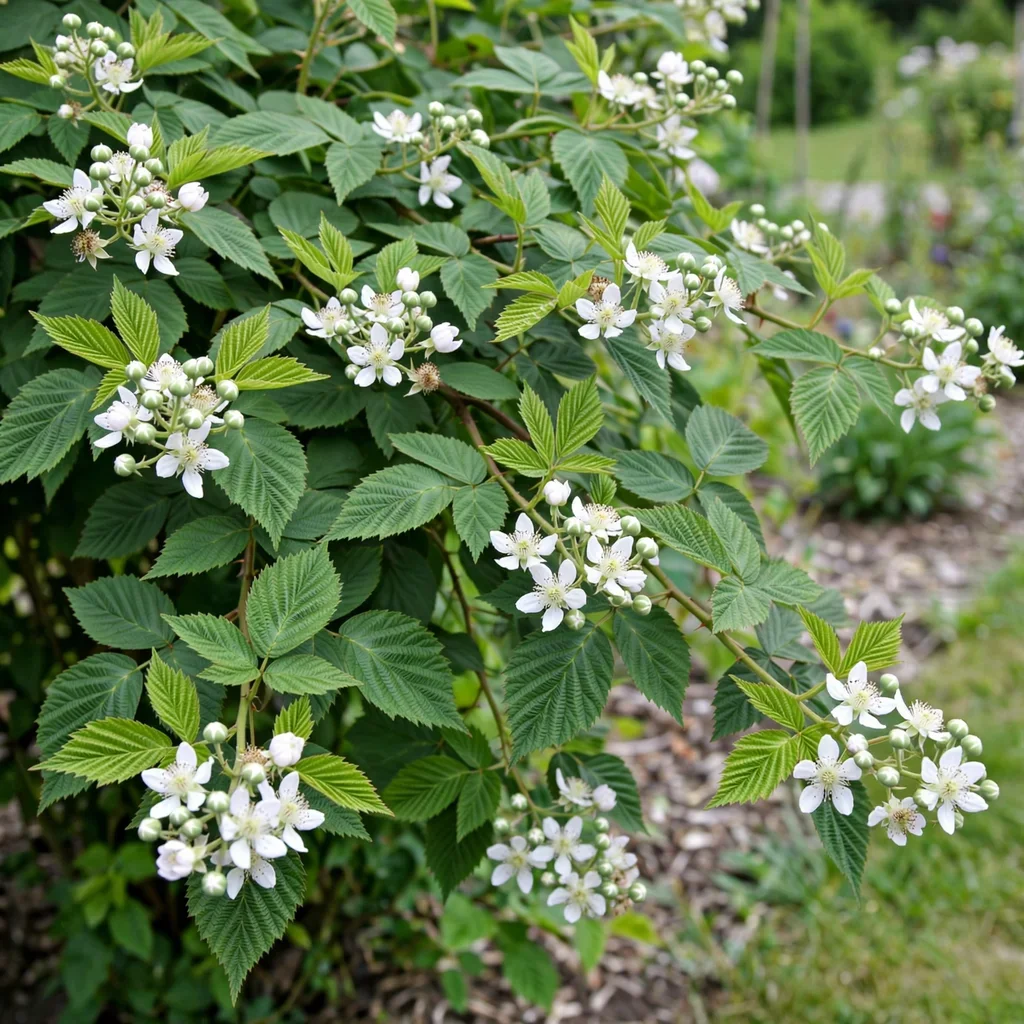
Triple Crown Blackberry
Rubus fruticosus 'Triple Crown'
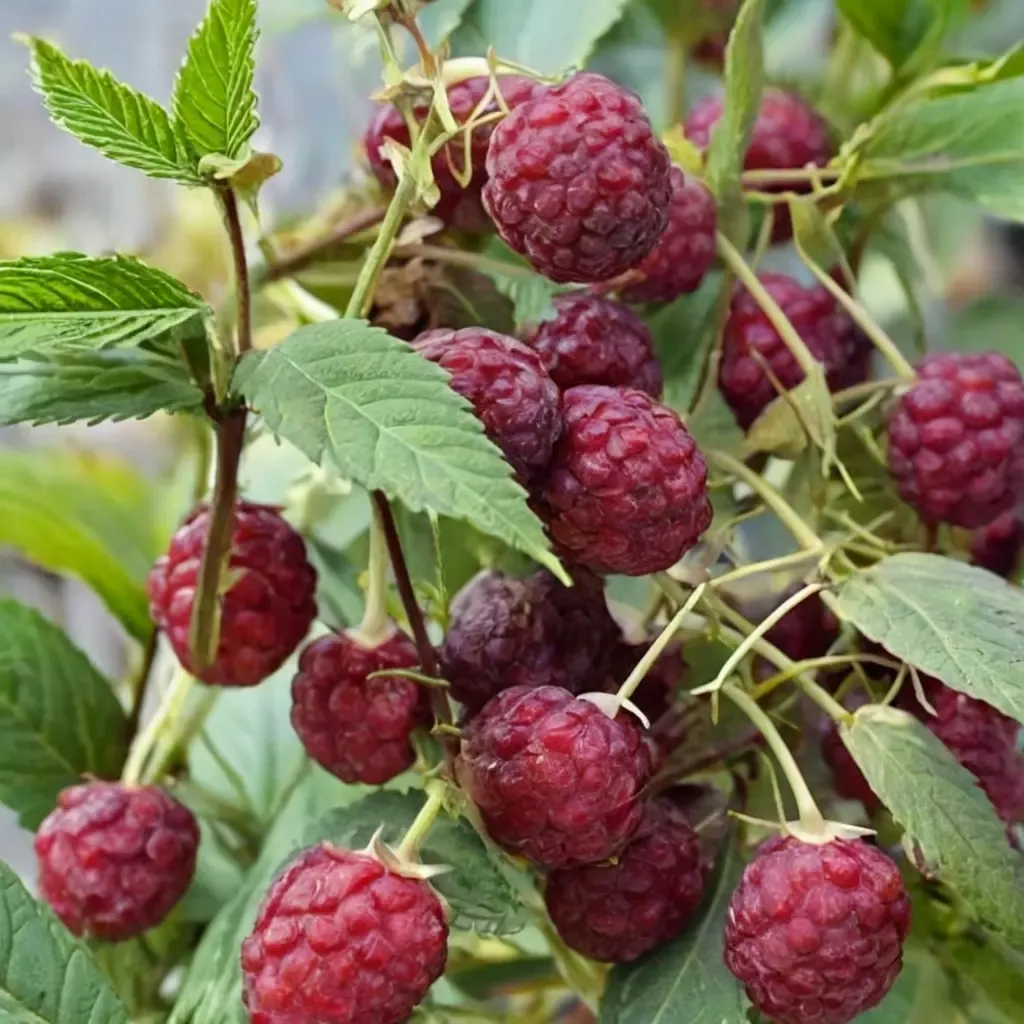
Crimson Night Raspberry
Rubus idaeus 'Crimson Night'
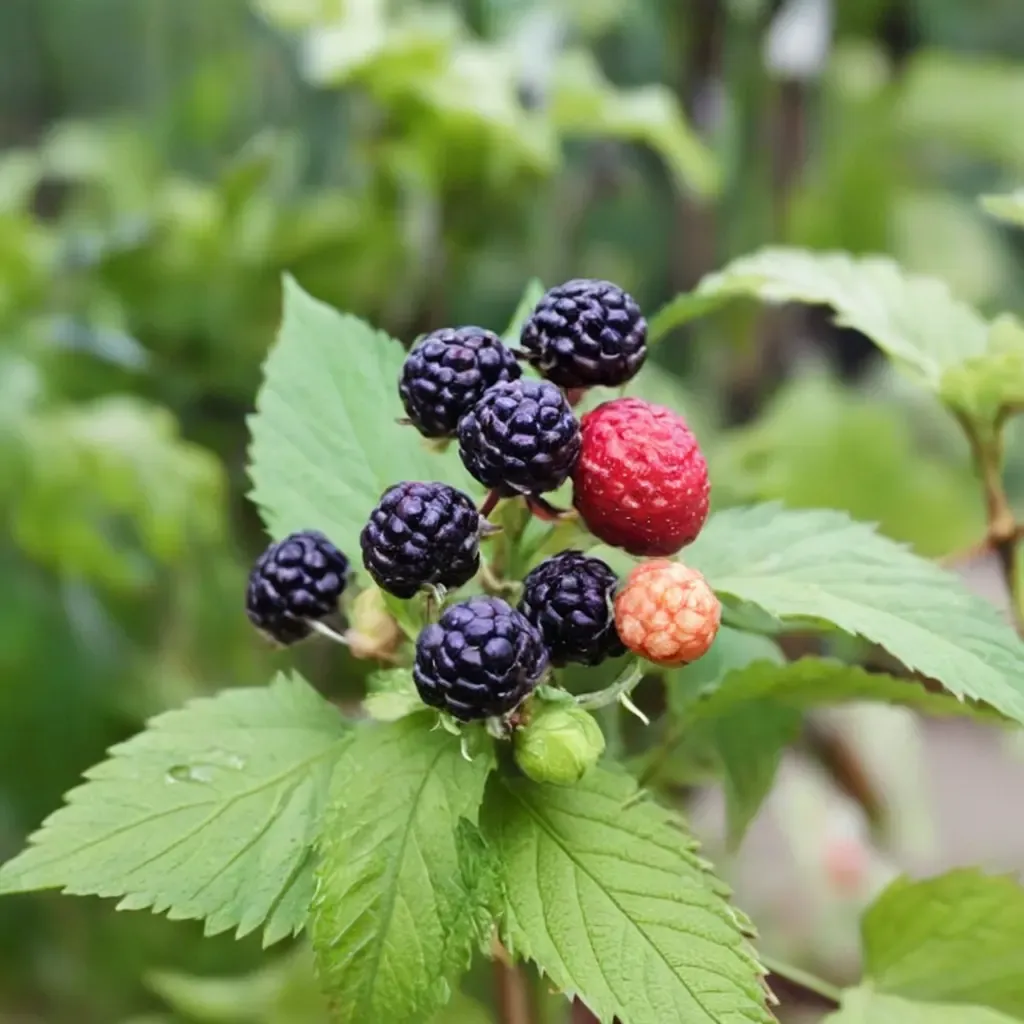
Jewel Black Raspberry
Rubus idaeus 'Jewel'
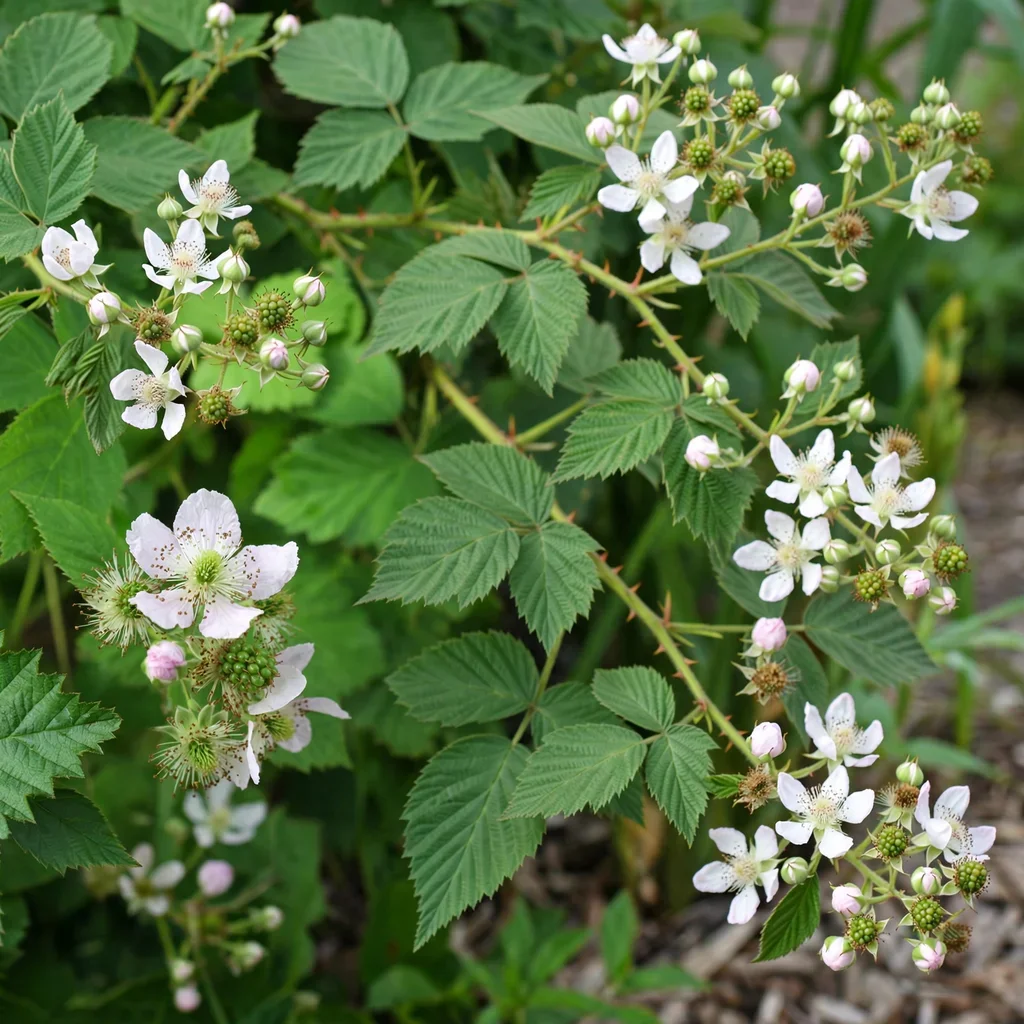
Apache Thornless Blackberry
Rubus fruticosus 'Apache Thornless'
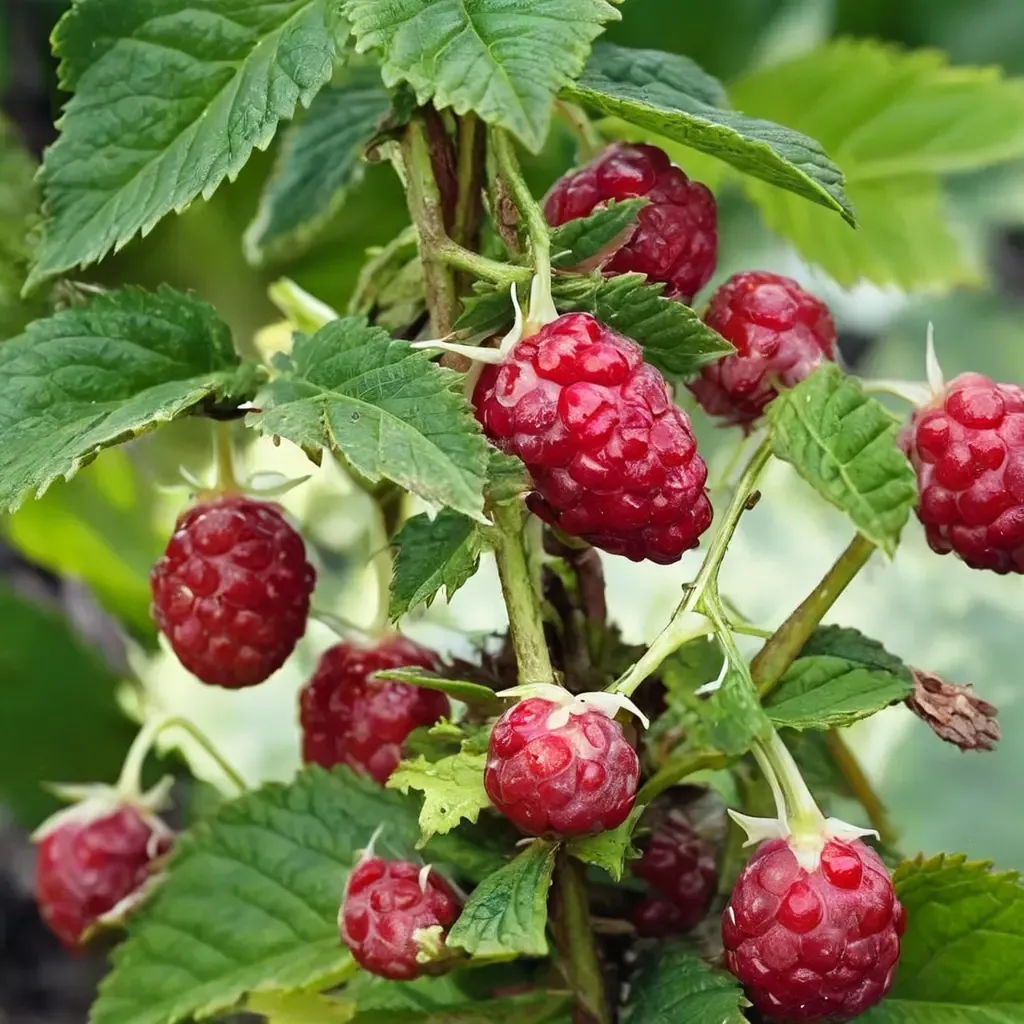
Canby raspberry
Rubus idaeus 'Canby'
Keep exploring
Explore the genus
Hardy in your zone?
Grow Smooth Blackberry with confidence
See it in a design of your actual yard, get zone-matched care reminders, and track it season by season in your garden journal.