The Story
Plant Bio
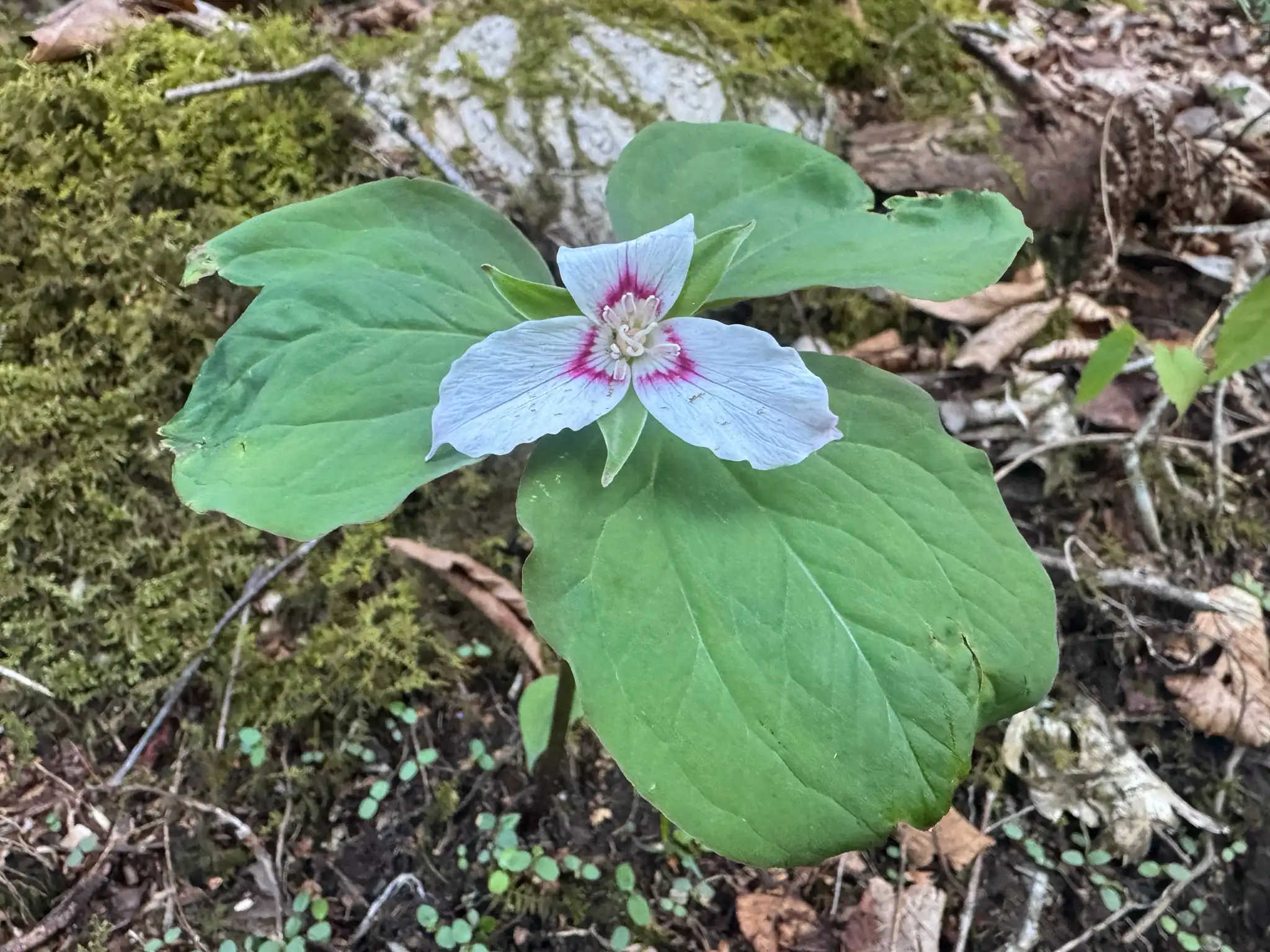
Trillium undulatum is an herbaceous woodland perennial that arises from a thick horizontal rhizome to form an unbranched stem topped by three maroon-infused leaves. In mid-spring, a single stalked flower opens directly above the foliage display, featuring three wavy white petals marked with a deep red-pink chevron at the base.
This species is distinguished from other trilliums by its striking V-shaped floral throat markings and strict requirement for cold, strongly acidic soils. Following pollination by native insects, the blooms form bright red berries in late summer before the foliage goes naturally dormant.
Uses & Benefits:
Essentials
At a Glance
Plant Type
Perennial
Height
18"
Width
12"
Light
Partial Sun, Shade
Zones
4, 5, 6, 7, 8
Water
Medium to High
Humidity
Moderate to High
Lifespan
Perennial
Native To
North America
Toxicity
Toxic if ingested
Bloom period
Mid spring – Early summer
In flower about 3 months of the year
Planting
How to Grow
- Select a deeply shaded site with cool, strongly acidic soil rich in leaf mold.
- Plant dormant rhizomes two inches deep and oriented horizontally.
- Water thoroughly after planting and maintain consistent moisture through spring and early summer.
- Apply an annual top-dressing of shredded oak leaves or pine needles to maintain soil acidity and suppress weeds.
Pro Tip
Maintain a cool, strongly acidic root zone enriched with composted leaf mold, and never remove yellowing summer foliage prematurely while it is recharging the underground rhizome.
Keep It Thriving
Care Guide
Do
- Keep soil consistently moist and rich in organic forest humus.
- Mulch heavily with acidic leaf mold to keep soil cool.
- Protect emerging spring foliage from deer browsing.
Don't
- Do not plant in neutral or lime-rich alkaline soils.
- Do not allow soil to dry out during the spring growing season.
- Do not cut back foliage while leaves remain green.
Seasonal Care Calendar
| Task | Jan | Feb | Mar | Apr | May | Jun | Jul | Aug | Sep | Oct | Nov | Dec |
|---|---|---|---|---|---|---|---|---|---|---|---|---|
| Mulch | ||||||||||||
| Pest Check | ||||||||||||
| Plant | ||||||||||||
| Propagate |
Watch Out For
Pests & Diseases
Common Pests
Common Diseases
In the Garden
Landscape Uses & Companions
Landscape Uses
Multiply
Propagation Methods
Good to Know
Common Questions
Painted Trillium questions
What zones can Painted Trillium grow in?
Painted Trillium is hardy in USDA Zones 4–8. Inside that range it survives winter in the ground; outside it, grow it as an annual or a container plant you protect.
Is Painted Trillium deer resistant?
Not reliably. Deer may browse Painted Trillium, especially tender spring growth — plan on repellents or fencing where pressure is high.
When does Painted Trillium bloom?
Painted Trillium typically blooms in mid spring through early summer. Exact timing shifts a week or two with your zone — Sow's bloom calendar maps it to your garden.
Does Painted Trillium need full sun?
Painted Trillium does best in part shade.
More Trillium to compare
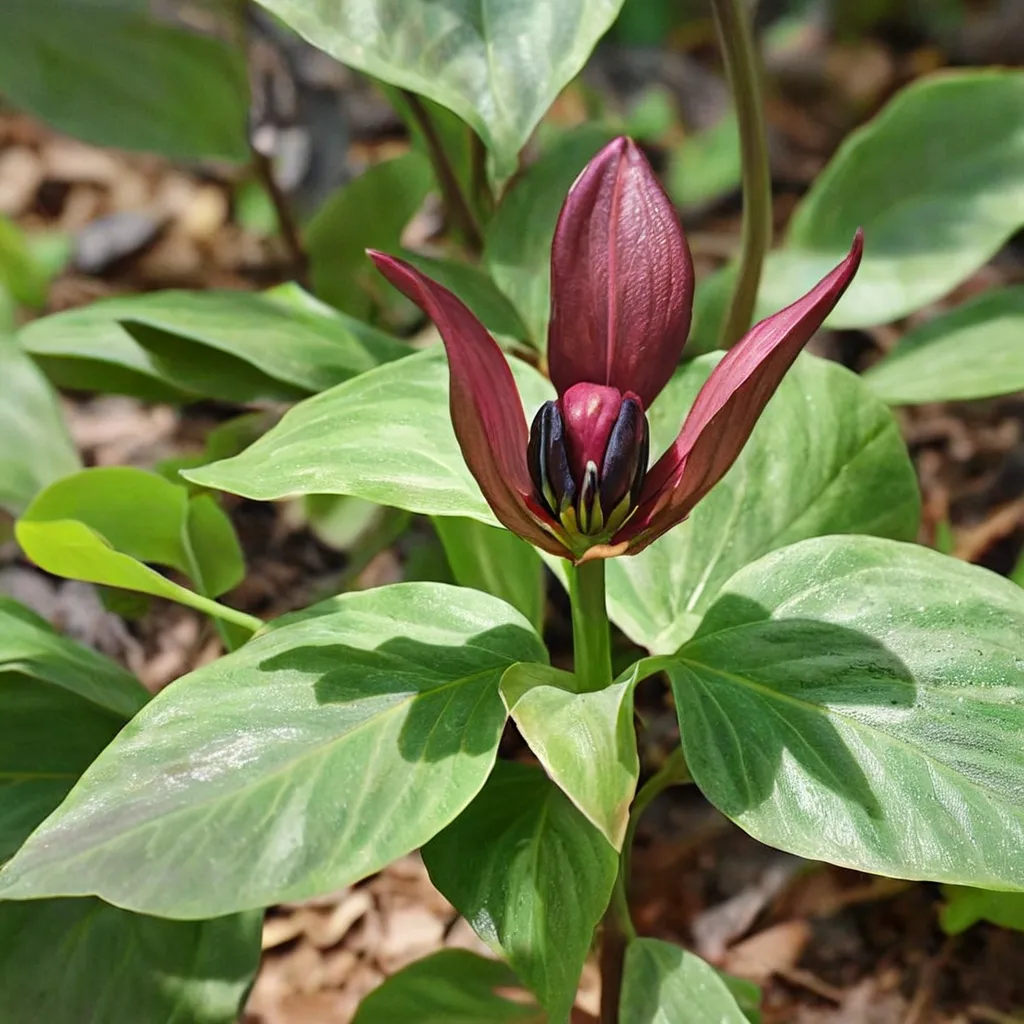
Missouri form Large-flowered Trillium
Trillium recurvatum 'Missouri form'
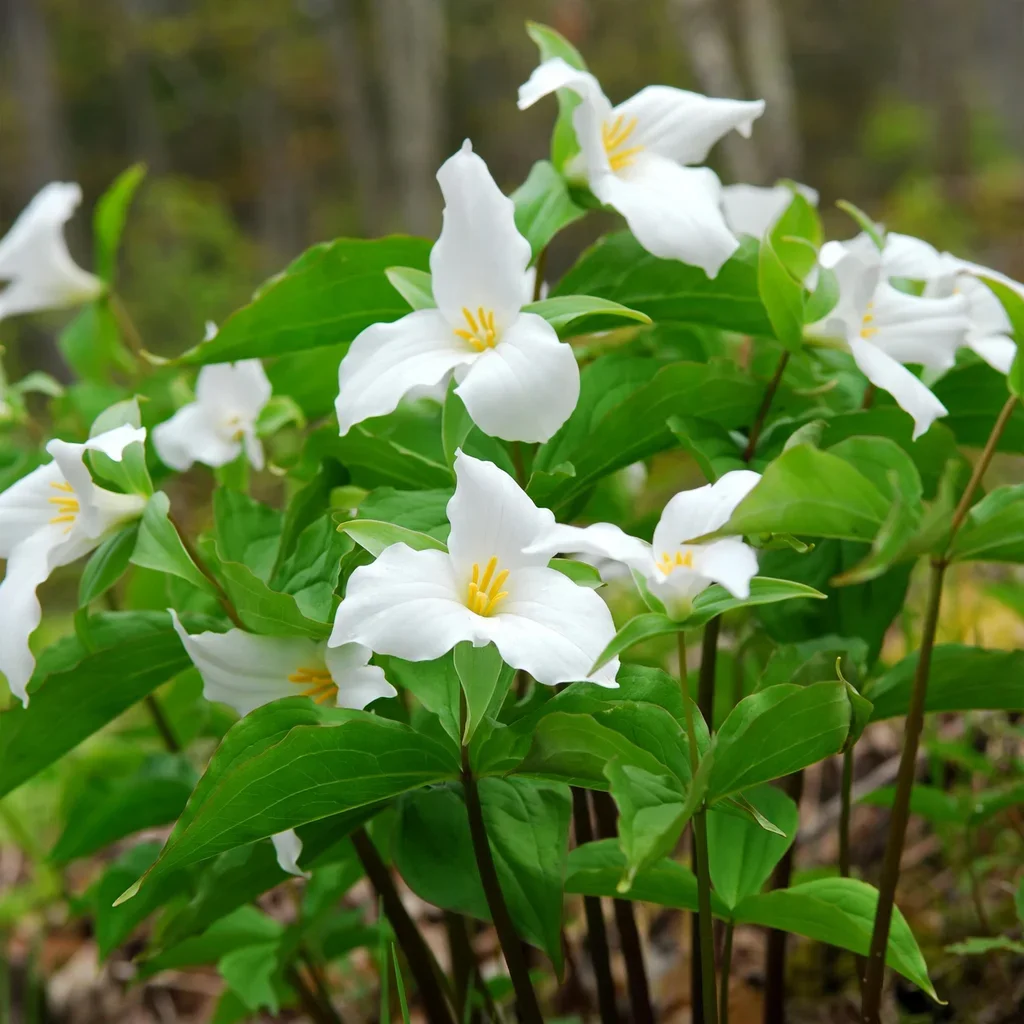
Great White Trillium
Trillium grandiflorum
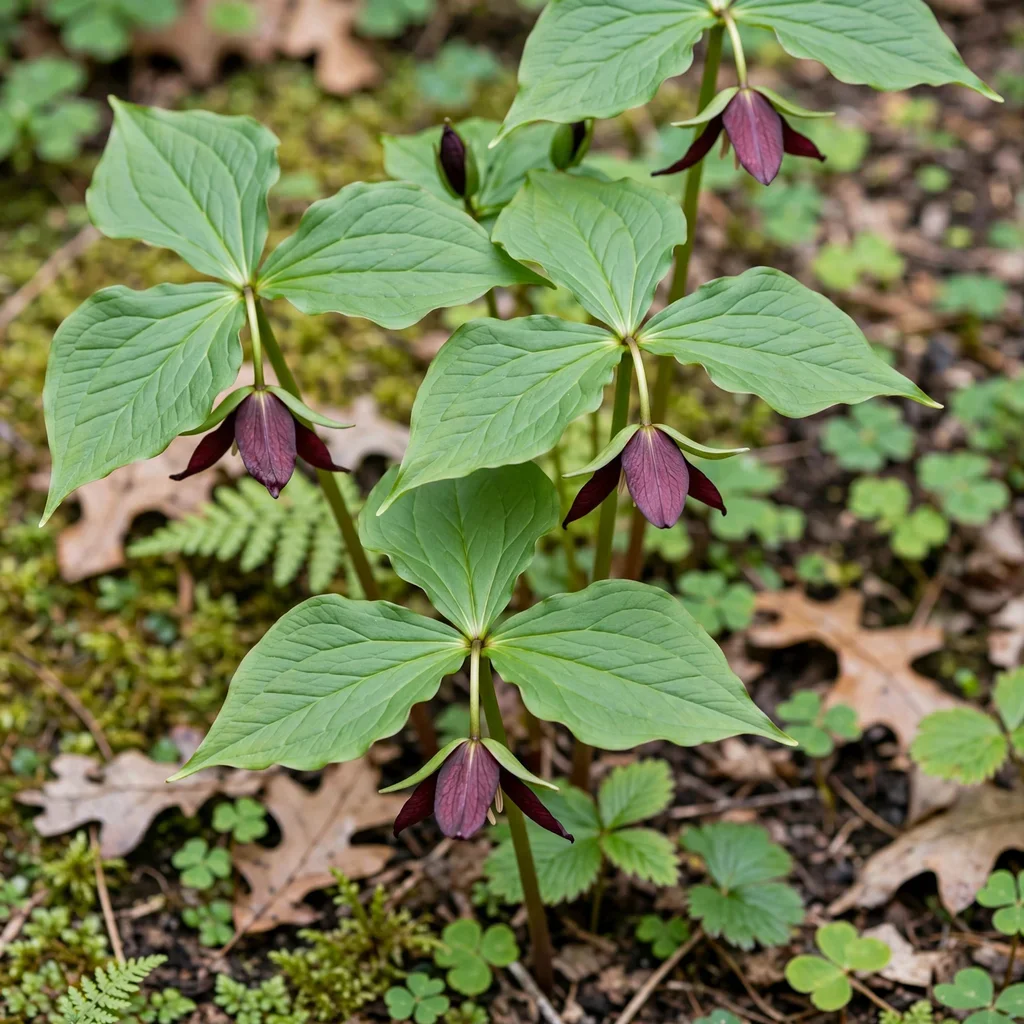
Vasey's Trillium
Trillium vaseyi
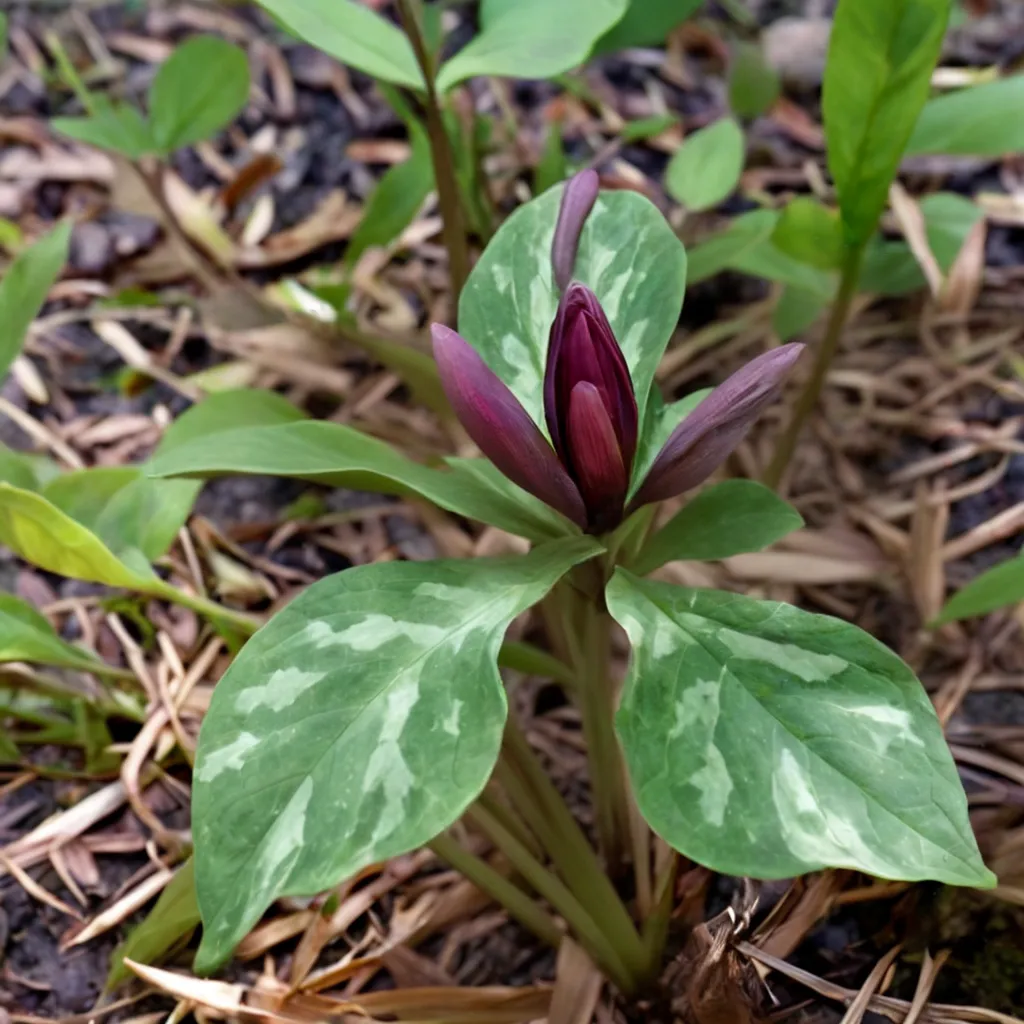
Toadshade
Trillium cuneatum
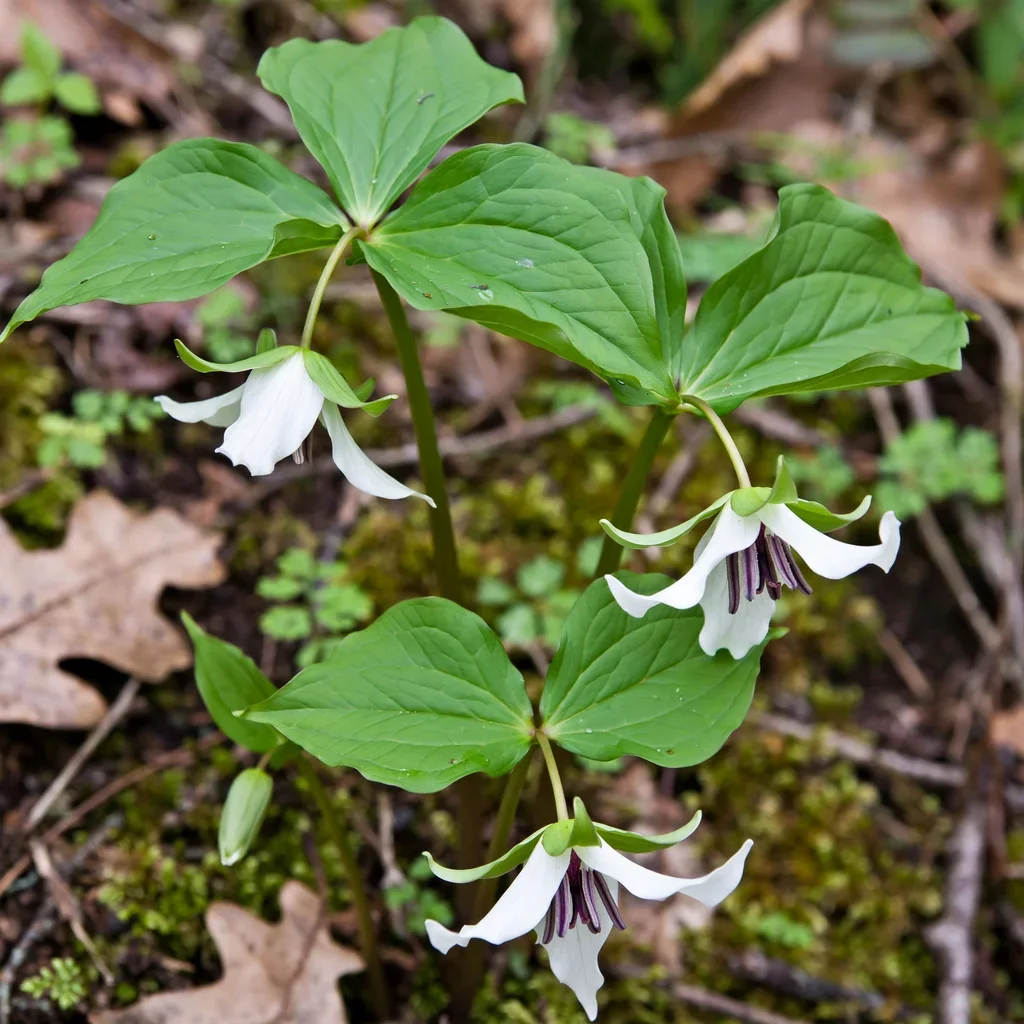
Rugel's Trillium
Trillium rugelii
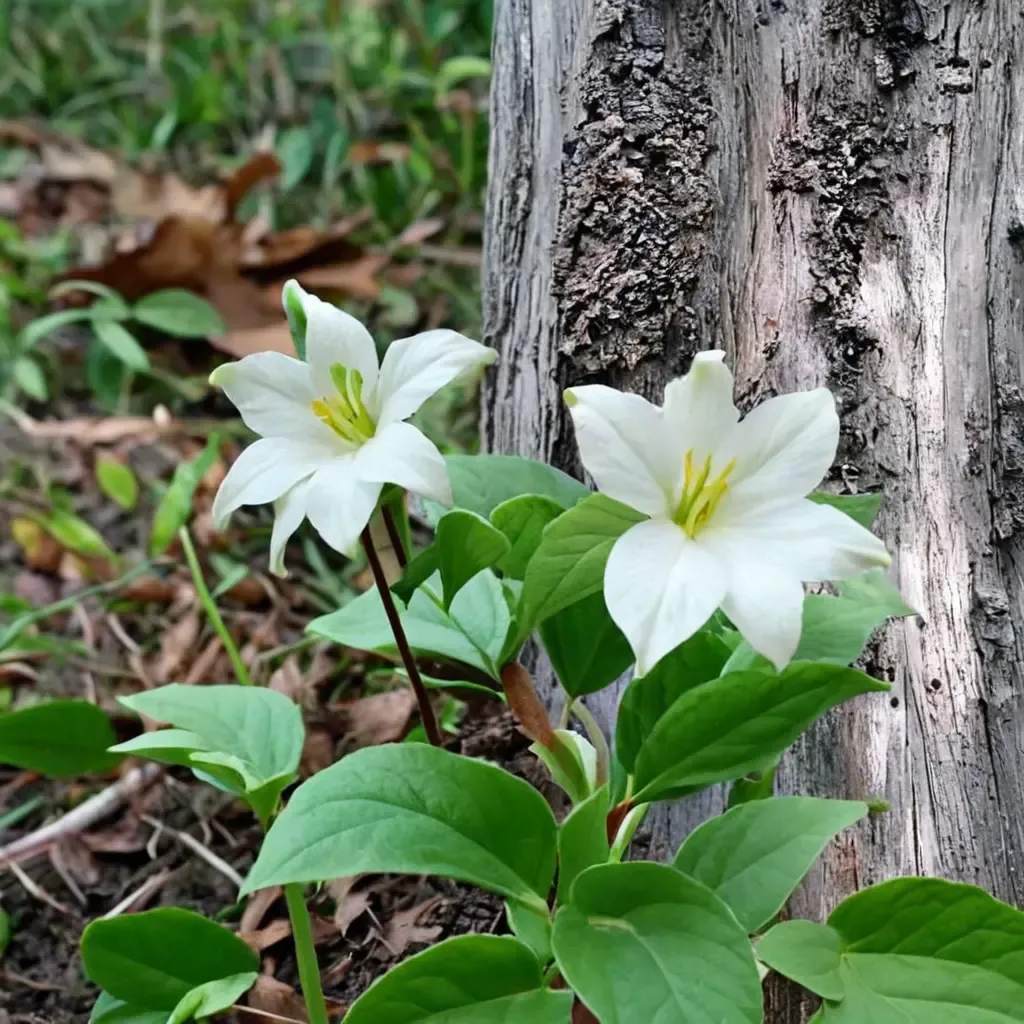
Large-flowered Trillium
Trillium grandiflorum 'Mix'
Keep exploring
Explore the genus
Hardy in your zone?
Grow Painted Trillium with confidence
See it in a design of your actual yard, get zone-matched care reminders, and track it season by season in your garden journal.