Also known as False Solomon's Seal · 94 saves
Maianthemum
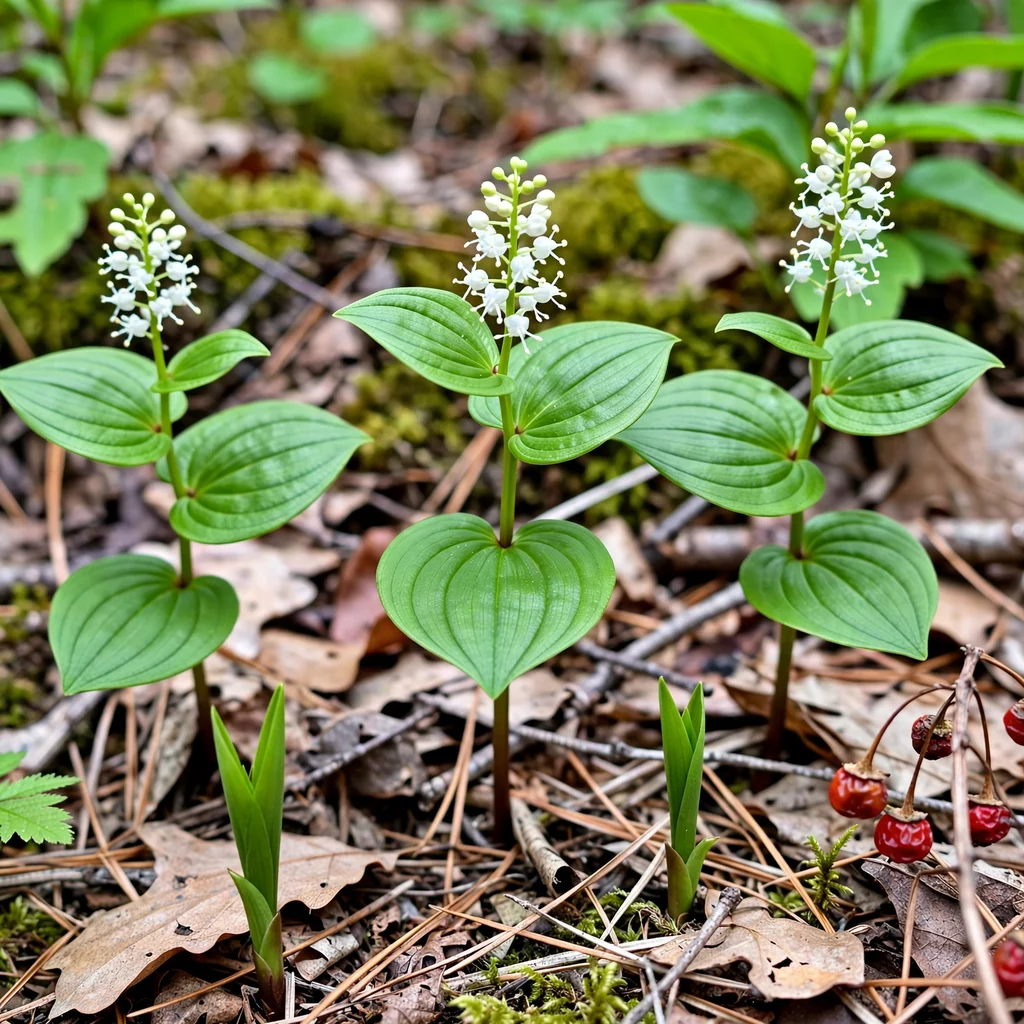
Maianthemum, the genus most gardeners know as false solomon's seal. We track 5 varieties; the ones most used by real gardeners.
The 5 most-saved Maianthemum varieties
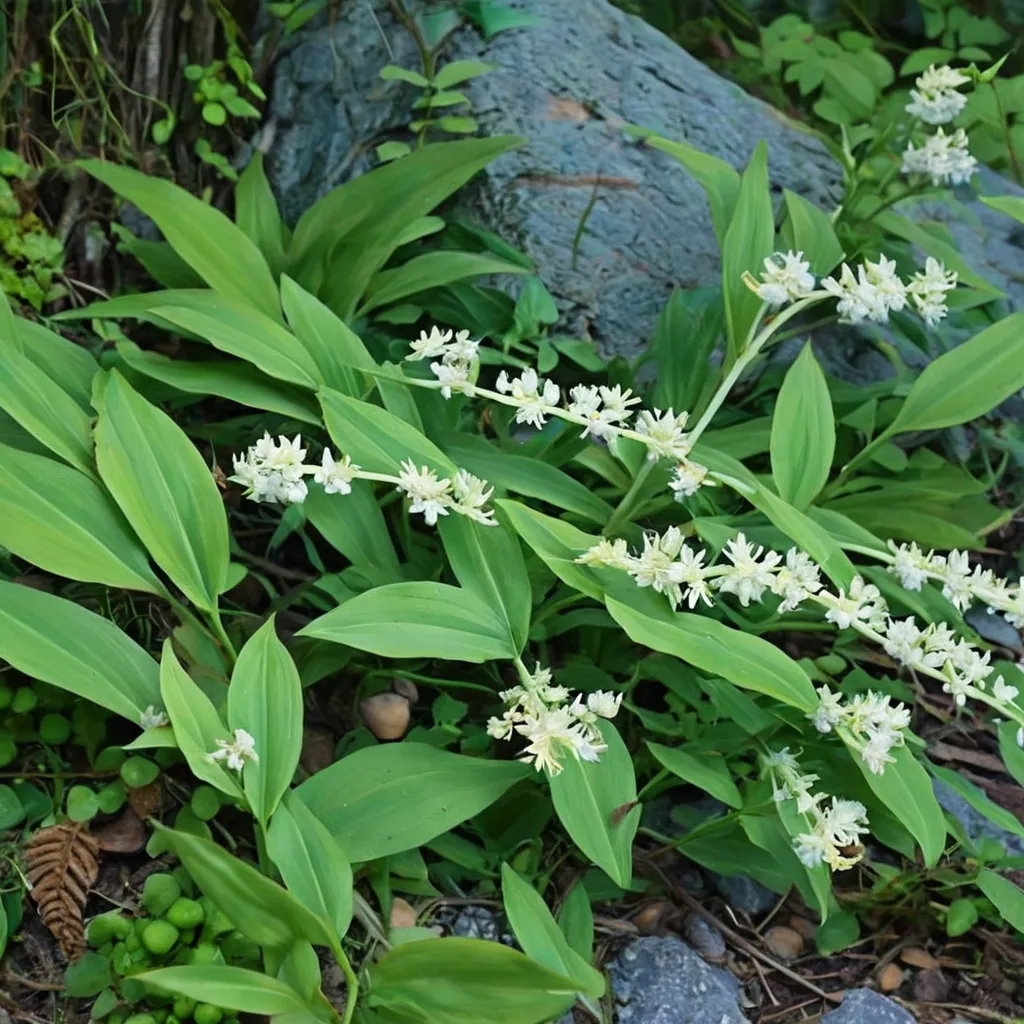
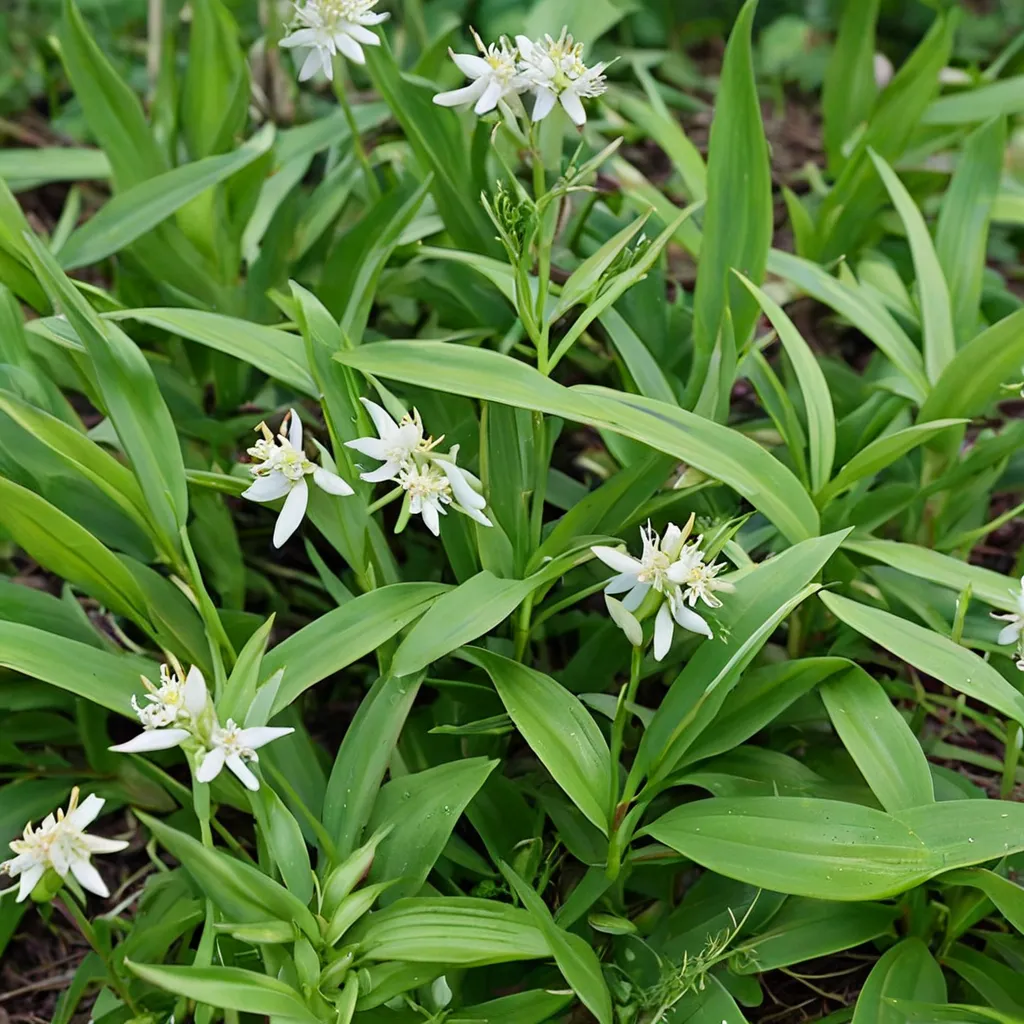
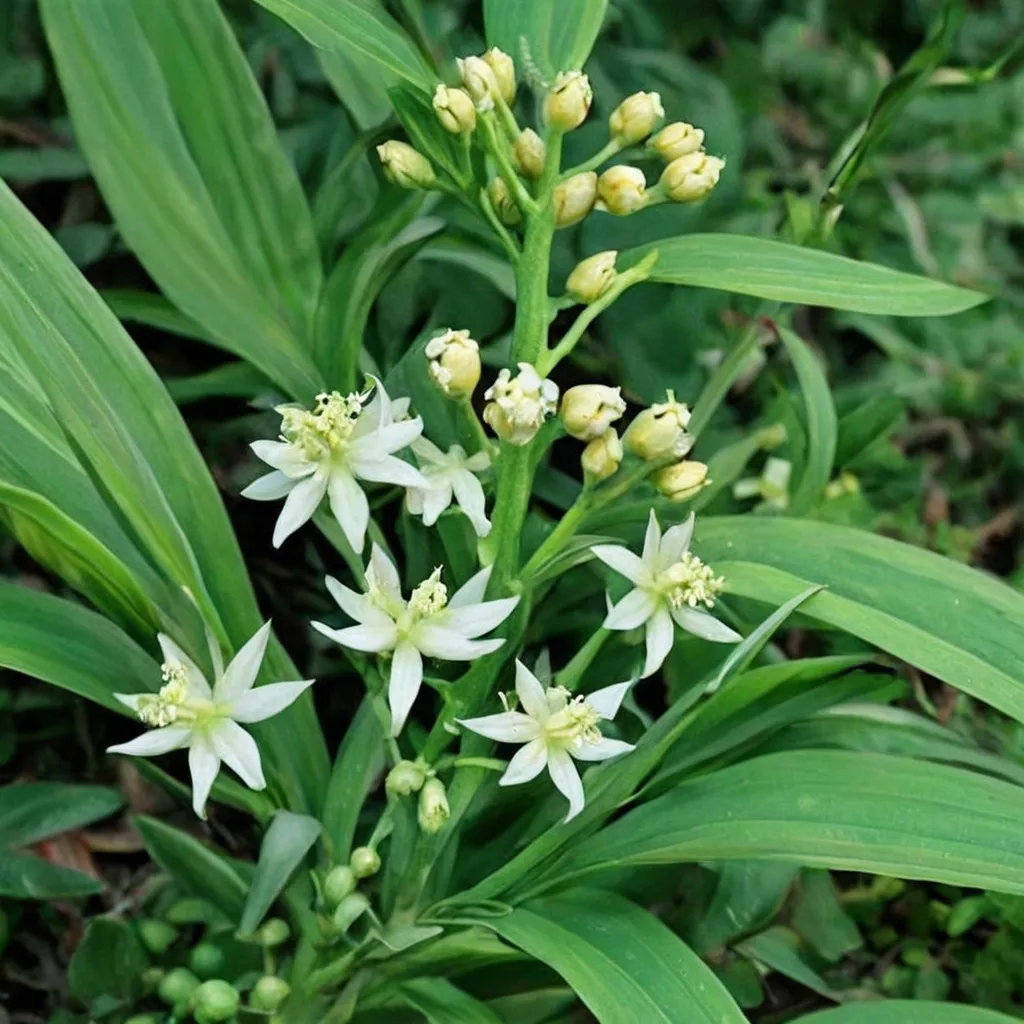
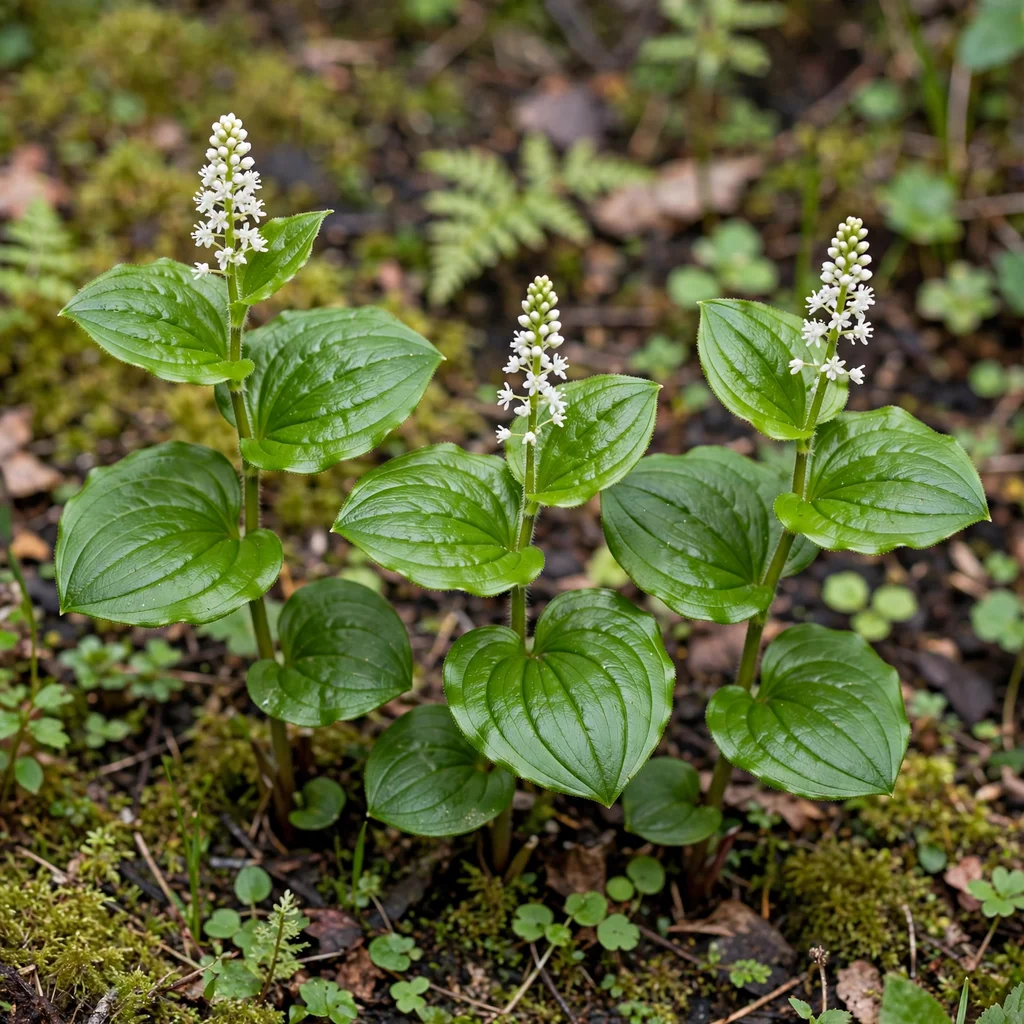
2 species of Maianthemum
Each one is a parent of the varieties above.
Track your Maianthemum in Sow
Save the Maianthemum you grow and get care reminders timed to your zone.
How to grow Maianthemum
Whats common across all Maianthemum varieties in our catalog — drawn from the care records of the 5 most-grown of them.
The Maianthemum year
- MulchApril and November100% of varieties
Apply a fresh layer of shredded leaves to insulate shallow rhizomes over winter.
- DivideMarch and October100% of varieties
Divide root crowns and underground rhizomes while the plant is dormant.
- Spring CleanupMarch80% of varieties
Clear away winter-damaged foliage before new shoots break through the soil surface.
- PlantApril, October and November60% of varieties
Plant or transplant rhizomes in early spring or fall.


Do
- Mulch to conserve moisture and regulate temperature
- Top-dress annually with leaf mold or compost in spring to mimic the natural forest floor.
- Provide supplemental water during warm dry spells to keep foliage green through summer.
- Install deep garden borders if you need to limit rhizomatous spreading into adjacent beds.
- Water regularly to keep soil moist 💧
Avoid
- Do not plant in locations exposed to hot, direct afternoon sunlight.
- Do not allow the root zone to dry out completely during summer heat.
- Do not apply high-nitrogen chemical fertilizers that disrupt forest soil chemistry.
- Avoid waterlogging the roots ❌
What goes wrong with Maianthemum
| Problem | What you'll see | What to do |
|---|---|---|
| Aphids | — | — |
| Slugs and Snails | — | — |
| Slugs | Holes in leaves | Use organic slug bait or handpick pests |
| Slugs and snails | Irregular holes chewed into tender young spring leaves. | Apply physical barriers or organic iron phosphate baits around the colony base early in spring. |
| Root rot | Wilting and browning leaves | Improve drainage and reduce watering |
| Fungal Leaf Spot | — | — |
| Leaf spot fungi | Small brown or purple spots developing across leaf blades during humid weather. | Ensure good air circulation and avoid overhead watering to keep foliage dry. |
Making more Maianthemum
Division
- Dig up mature plants in early spring.
- Separate clumps with a sharp knife.
- Replant divisions immediately in prepared soil.
Rhizome Division
- Lift established rhizome mats in early spring before shoot emergence or in late fall.
- Slice sections of underground stem containing at least two healthy buds and attached roots.
- Replant immediately into moist, humus-rich soil at a depth of 1 to 2 inches.
- Water thoroughly and keep shady until new leaves unfurl.
Maianthemum questions
How many types of Maianthemum are there?
The Sow catalog tracks 5 distinct Maianthemum varieties. The most popular — ranked by 94 real gardeners — are shown first above.
What zones does Maianthemum grow in?
Across its varieties, Maianthemum covers USDA Zones 4–8. Individual varieties differ — each plant page lists its exact range, and Sow filters the catalog to your zone automatically.
When does Maianthemum bloom?
Most Maianthemum varieties bloom from early spring to early summer.
Which Maianthemum should I choose?
Start from the most-saved varieties above — popularity across thousands of gardens is a strong signal of reliability — then filter by your zone and sun. In the Sow app you can preview any of them in a photo of your actual yard before you buy.