The Story
Plant Bio
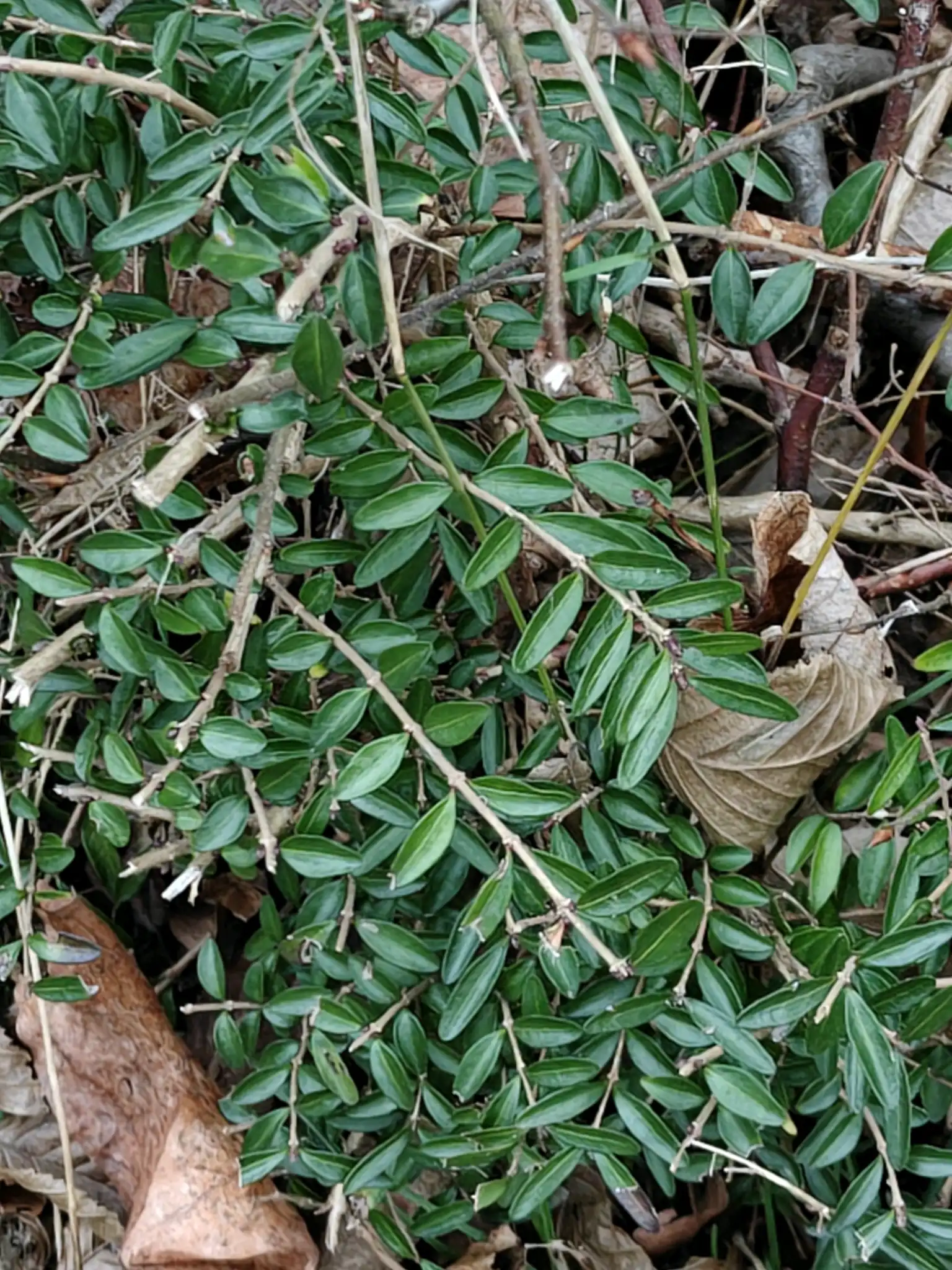
Lonicera pileata is a low, broad-spreading evergreen shrub native to slopes and open forests of central and southeastern China. It forms a dense structure of stiff, horizontal arching branches lined with small, glossy, dark green leaves.
Horizontal shoots root naturally wherever node junctions rest against moist soil, enabling single plants to blanket wide banks. In late spring, small pairs of pale cream funnel-shaped flowers produce translucent purple-black berries.
Uses & Benefits:
Essentials
At a Glance
Plant Type
Shrub
Height
36"
Width
96"
Light
Full Sun, Partial Sun
Zones
5, 6, 7, 8
Water
Medium
Humidity
Adaptable
Lifespan
Perennial
Native To
Central to Southeastern China
Toxicity
Berries mildly toxic if ingested; sap may irritate skin
Bloom period
Late spring
In flower about 1 month of the year
Planting
How to Grow
- Select a site in full sun or partial shade with humus-rich, well-draining soil.
- Dig a planting hole twice as wide as the root ball and equal in depth.
- Set the plant into the hole so the soil crown matches the surrounding grade, then backfill and tamp firmly.
- Water thoroughly at installation and maintain consistent soil moisture until roots establish.
Pro Tip
Prune immediately after late spring flowering finishes, taking care not to cut back into old leafless wood where latent buds are sparse.
Keep It Thriving
Care Guide
Do
- Prune annually right after spring bloom finishes to maintain low density.
- Plant in light partial shade in regions with hot summer weather.
- Ensure soil drains freely to prevent root rot.
Don't
- Do not cut back into old, leafless woody stems where recovery is weak.
- Do not allow soil to remain waterlogged for extended periods.
- Do not overhead-water late in the day to minimize powdery mildew risk.
Seasonal Care Calendar
| Task | Jan | Feb | Mar | Apr | May | Jun | Jul | Aug | Sep | Oct | Nov | Dec |
|---|---|---|---|---|---|---|---|---|---|---|---|---|
| Fertilize | ||||||||||||
| Mulch | ||||||||||||
| Pest Check | ||||||||||||
| Prune |
Watch Out For
Pests & Diseases
Common Pests
Common Diseases
In the Garden
Landscape Uses & Companions
Landscape Uses
Multiply
Propagation Methods
Good to Know
Common Questions
Privet Honeysuckle questions
What zones can Privet Honeysuckle grow in?
Privet Honeysuckle is hardy in USDA Zones 5–8. Inside that range it survives winter in the ground; outside it, grow it as an annual or a container plant you protect.
Is Privet Honeysuckle deer resistant?
Not reliably. Deer may browse Privet Honeysuckle, especially tender spring growth — plan on repellents or fencing where pressure is high.
When does Privet Honeysuckle bloom?
Privet Honeysuckle typically blooms in late spring through late spring. Exact timing shifts a week or two with your zone — Sow's bloom calendar maps it to your garden.
Does Privet Honeysuckle need full sun?
Privet Honeysuckle does best in full sun to part shade. In hot climates, afternoon shade keeps blooms fresher longer.
Is Privet Honeysuckle drought tolerant?
Yes — once established (usually after the first full season), Privet Honeysuckle handles dry spells with minimal watering. Water deeply its first year to build the root system that makes that possible.
More Lonicera to compare
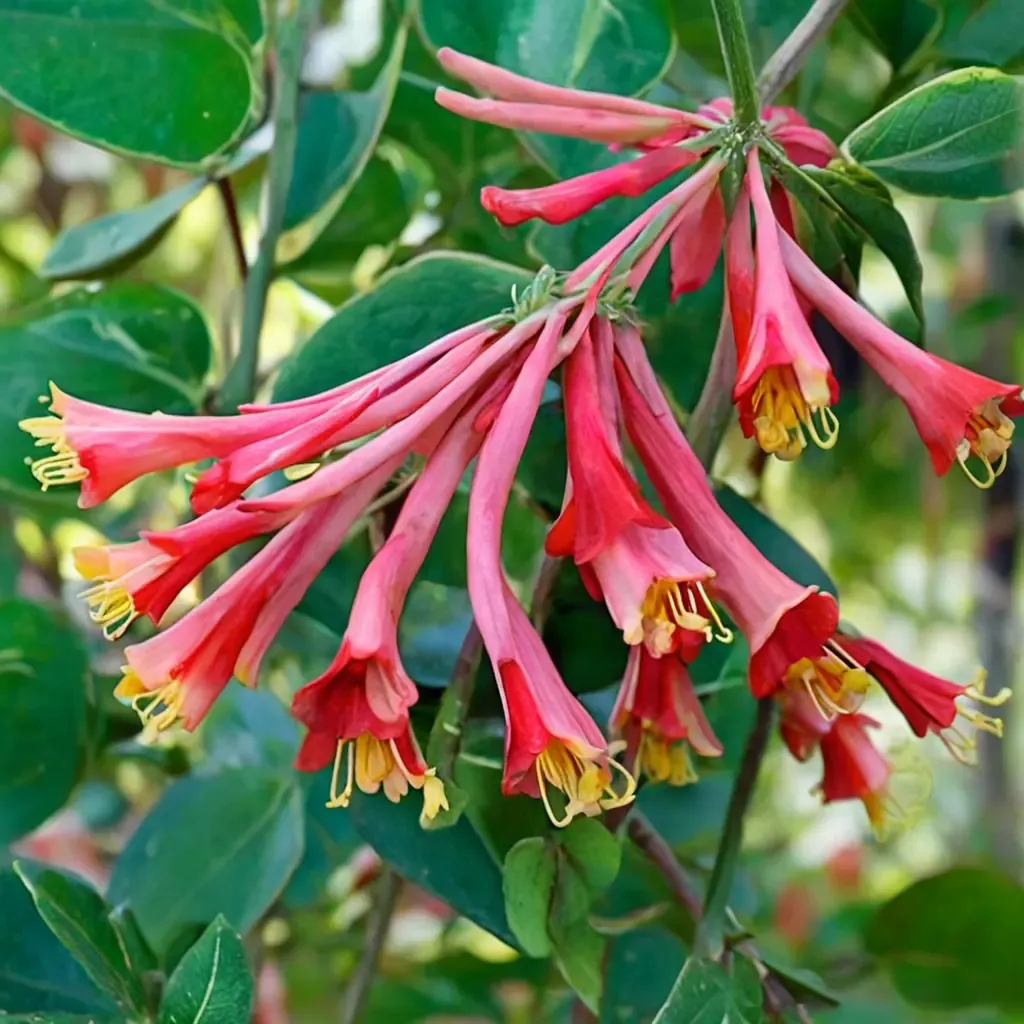
Coral Honeysuckle
Lonicera sempervirens 'Coral Honeysuckle'
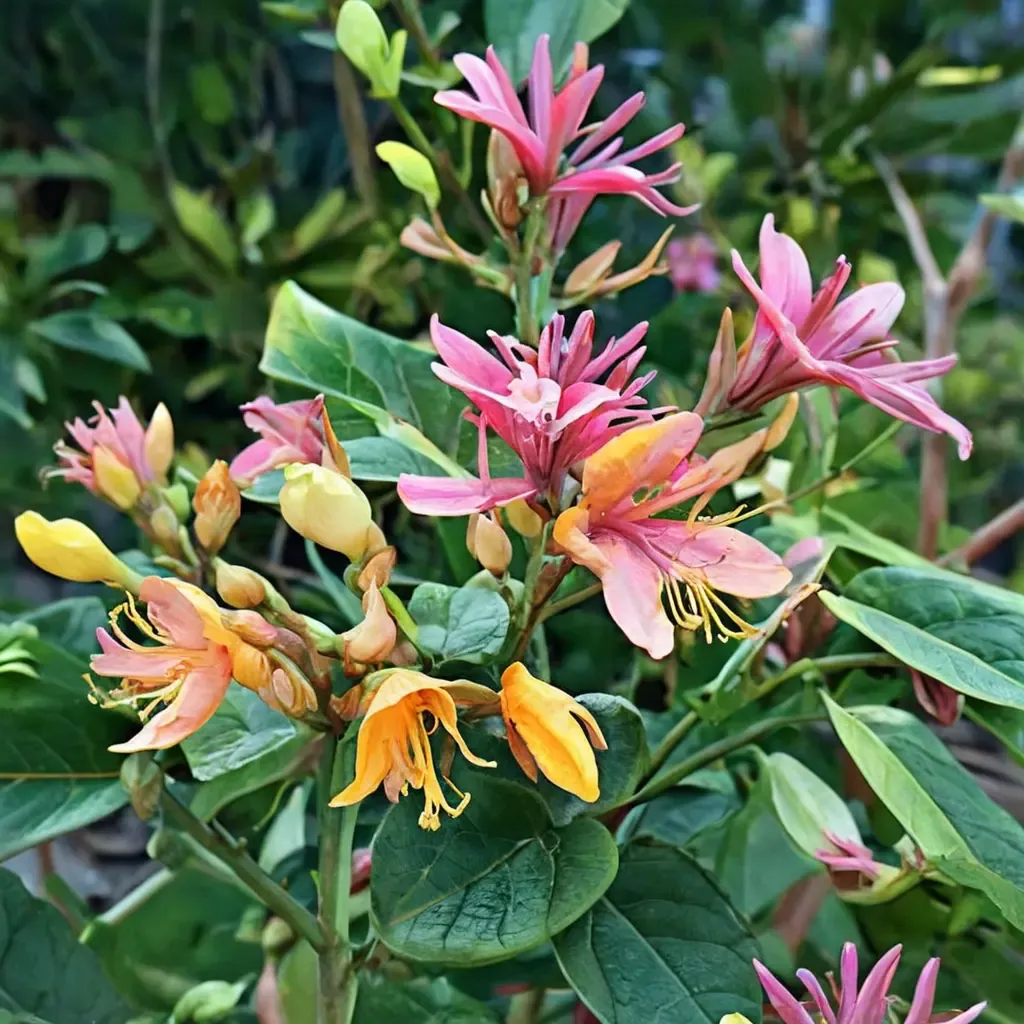
Goldflame Honeysuckle
Lonicera x heckrottii 'Goldflame'
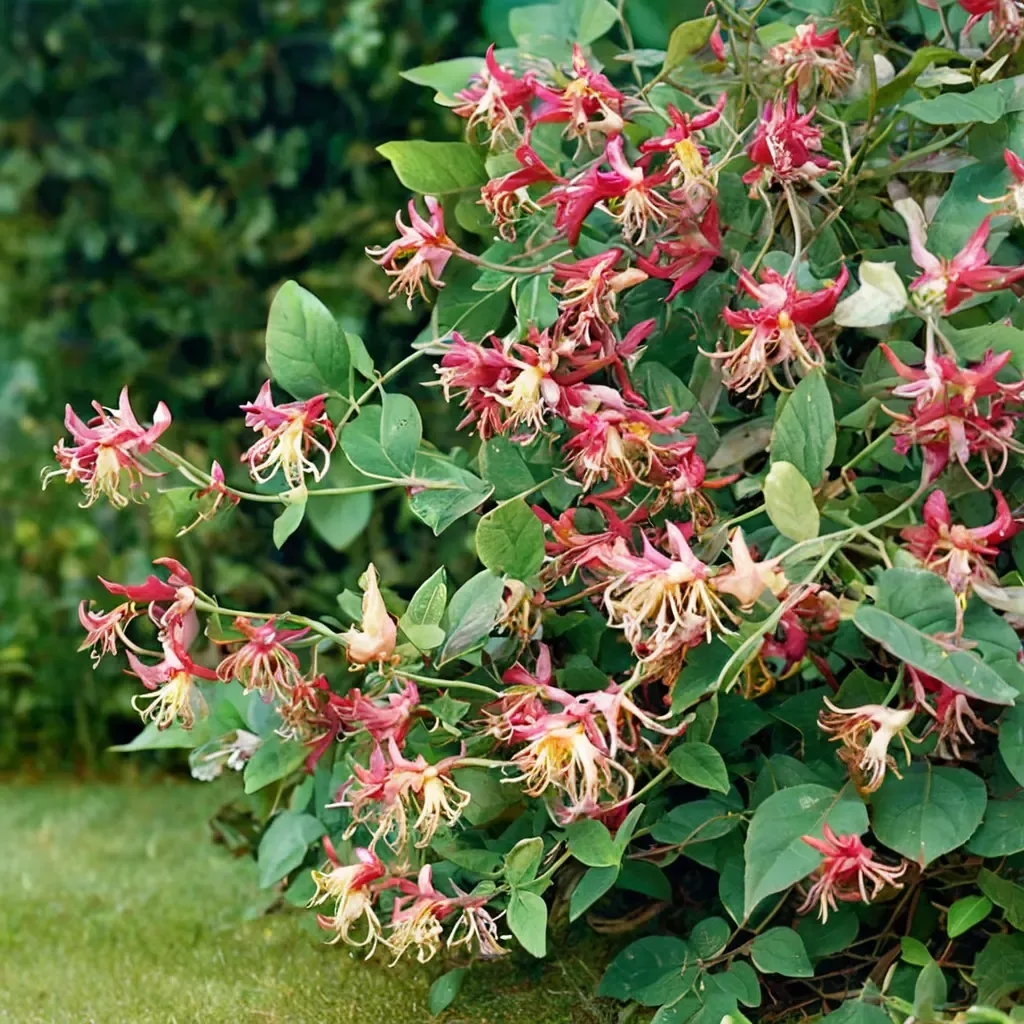
Late Dutch Honeysuckle
Lonicera serotina
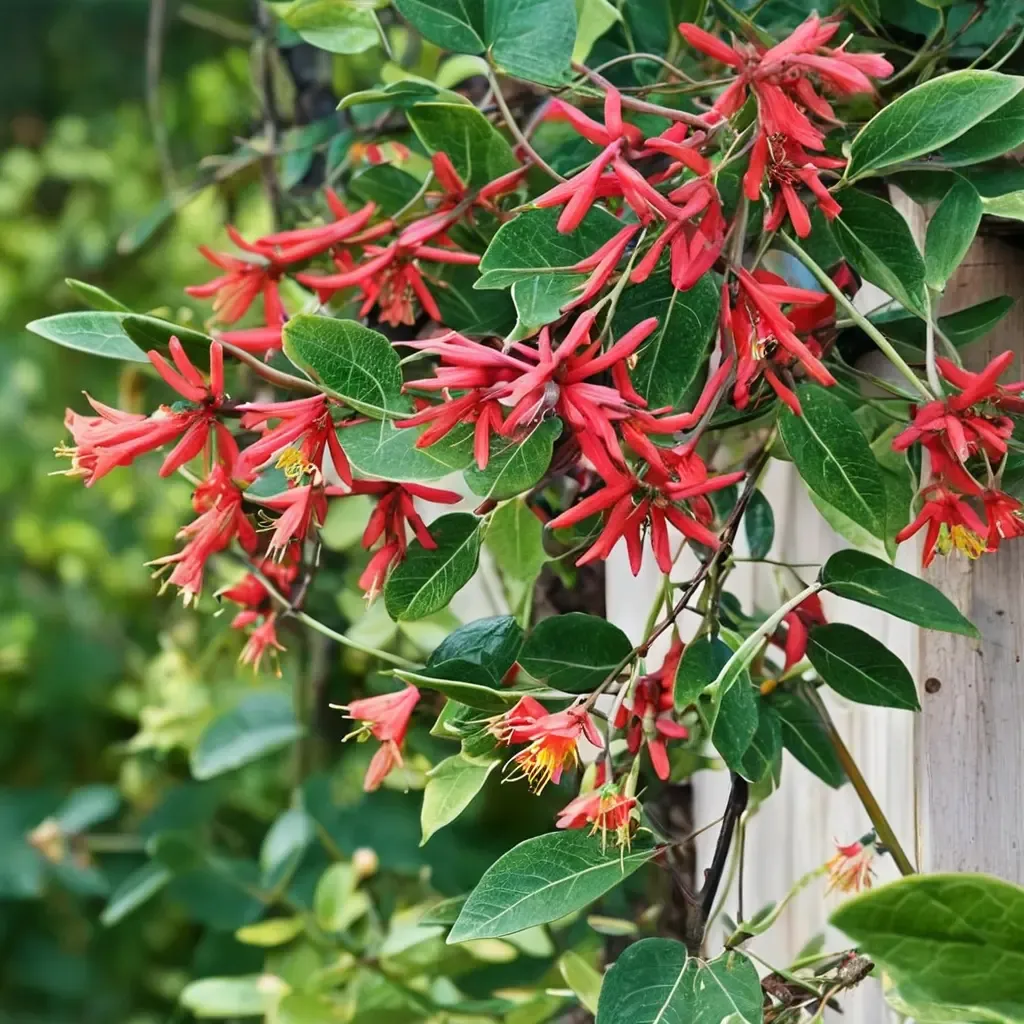
Major Wheeler honeysuckle
Lonicera sempervirens 'Major Wheeler'
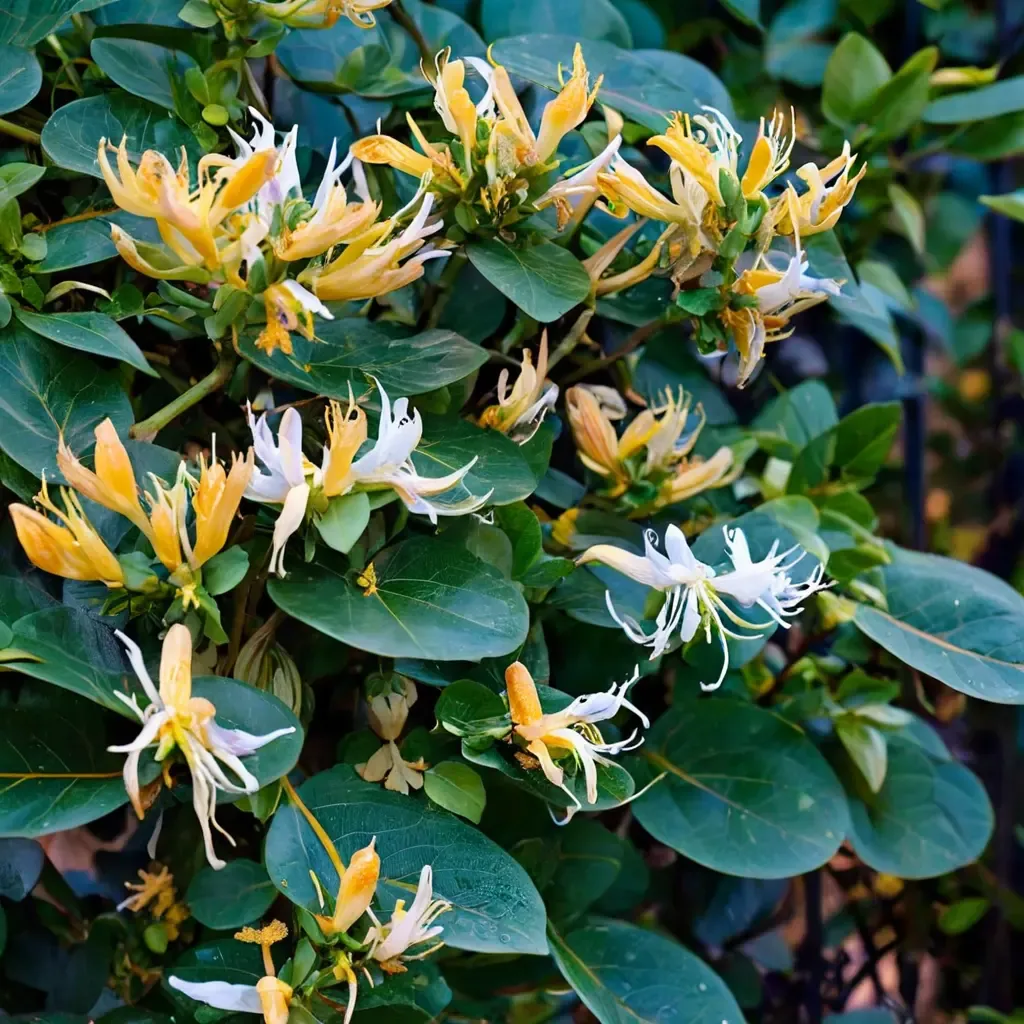
Japanese Honeysuckle
Lonicera japonica
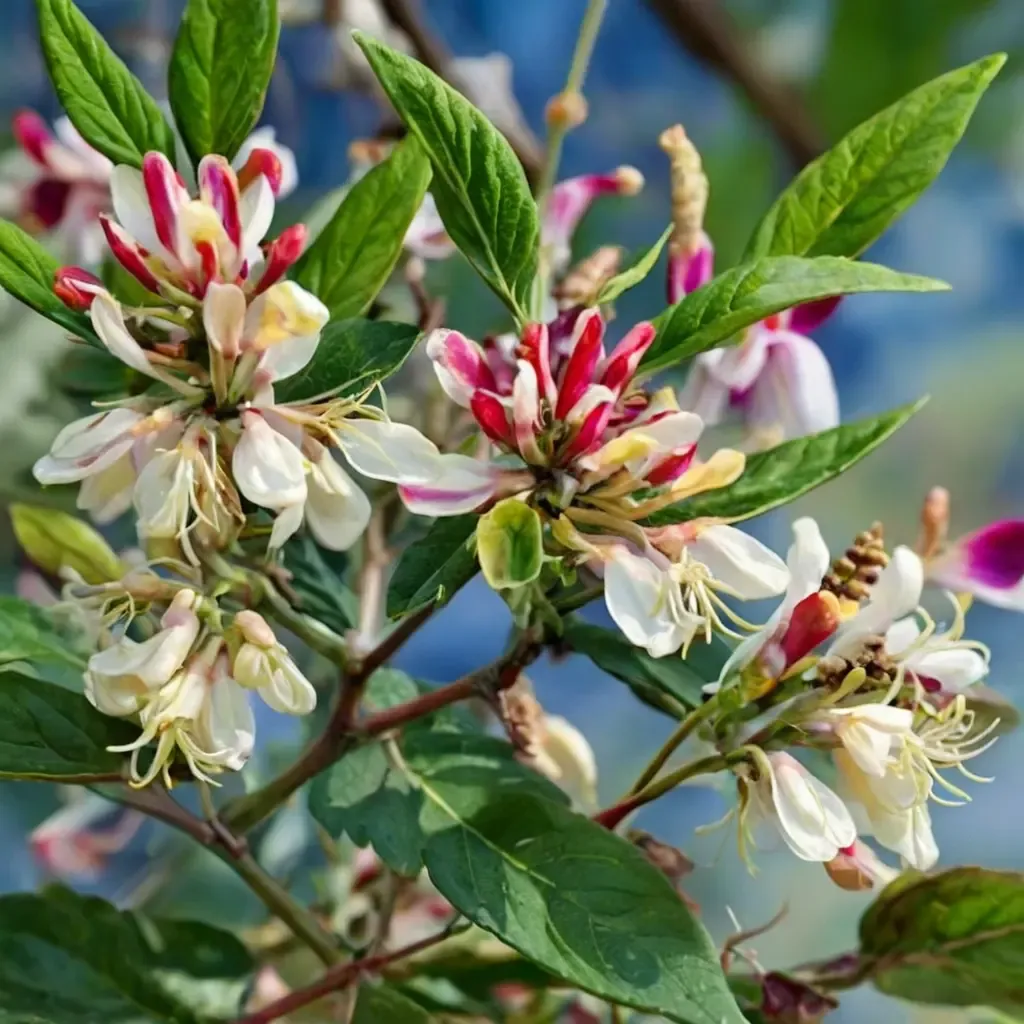
Winter Honeysuckle
Lonicera fragrantissima 'Fragrant Cloud'
Keep exploring
Explore the genus
Hardy in your zone?
Grow Privet Honeysuckle with confidence
See it in a design of your actual yard, get zone-matched care reminders, and track it season by season in your garden journal.