The Story
Plant Bio
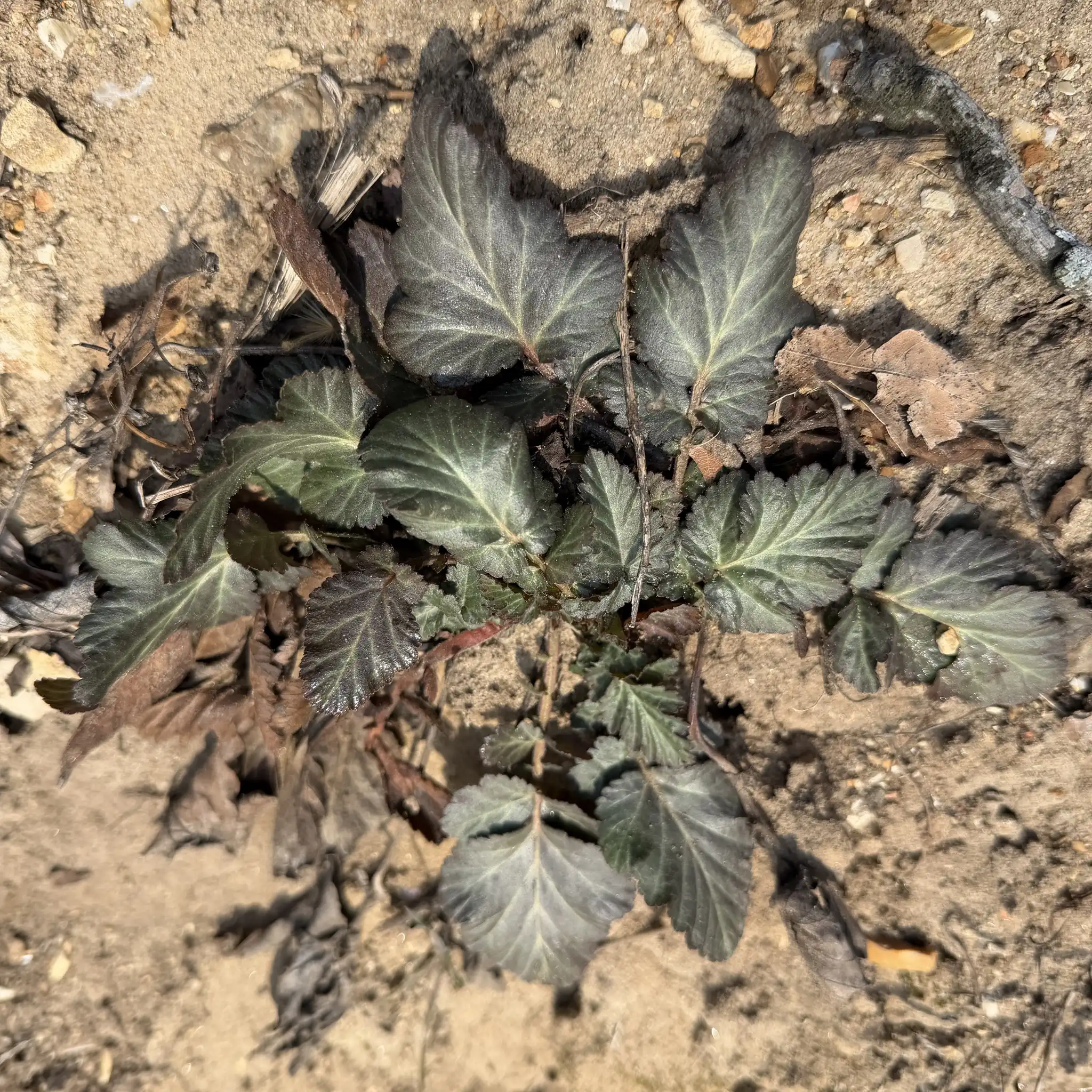
Geum canadense, commonly known as white avens, is a deciduous herbaceous perennial native to North American woodlands, forming a low basal rosette of coarsely serrated compound leaves. In late spring, it sends up upright, branching stems bearing small, five-petaled white flowers followed by globose, hooked seed heads.
This species is distinguished by its fine pubescence on the upper foliage and its highly functional, bur-like achenes designed to cling to passing wildlife for seed dispersal. While individual rosettes are short-lived, the plant sustains its presence in shade gardens through a reliable, non-aggressive self-sowing habit.
Uses & Benefits:
Essentials
At a Glance
Plant Type
Perennial
Height
35"
Width
24"
Light
Partial Sun, Shade
Zones
4, 5, 6, 7, 8
Water
Low to moderate
Humidity
Moderate
Lifespan
Short-lived perennial (self-sows)
Native To
North America
Toxicity
Non-toxic
Bloom period
Late spring – Summer
In flower about 4 months of the year
Planting
How to Grow
- Plant in a partially shaded to fully shaded site with moist, humus-rich, well-drained loam or clay.
- Water regularly during the first growing season to establish a deep root system, maintaining soil moisture during dry spells.
- Apply a thin layer of organic mulch around the base to retain moisture and mimic a natural woodland floor.
- Allow the plant to self-sow in late summer to ensure new rosettes replace older, declining parent plants.
Pro Tip
Leave a portion of the hooked seed heads intact at the end of summer; because individual plants are short-lived, allowing them to self-sow naturally is essential to maintaining a continuous groundcover colony.
Keep It Thriving
Care Guide
Do
- Provide supplemental water during prolonged dry summer spells to maintain leaf quality.
- Allow some seed heads to mature and drop to sustain the colony over time.
- Ensure the planting site has excellent drainage, especially during wet winter months.
Don't
- Do not plant in waterlogged soils or heavy, poorly drained depressions where winter rot can occur.
- Do not apply heavy annual fertilizers, as this species thrives in low-nutrient organic soils.
- Do not clear away all spent flower heads if you wish to establish a permanent groundcover colony.
Seasonal Care Calendar
| Task | Jan | Feb | Mar | Apr | May | Jun | Jul | Aug | Sep | Oct | Nov | Dec |
|---|---|---|---|---|---|---|---|---|---|---|---|---|
| Divide | ||||||||||||
| Pest Check | ||||||||||||
| Propagate | ||||||||||||
| Spring Cleanup |
Watch Out For
Pests & Diseases
Common Pests
Common Diseases
In the Garden
Landscape Uses & Companions
Landscape Uses
Companion Plants
Multiply
Propagation Methods
Good to Know
Common Questions
White Avens questions
What zones can White Avens grow in?
White Avens is hardy in USDA Zones 4–8. Inside that range it survives winter in the ground; outside it, grow it as an annual or a container plant you protect.
When does White Avens bloom?
White Avens typically blooms in late spring through summer. Exact timing shifts a week or two with your zone — Sow's bloom calendar maps it to your garden.
Does White Avens need full sun?
White Avens does best in part shade.
More Geum to compare
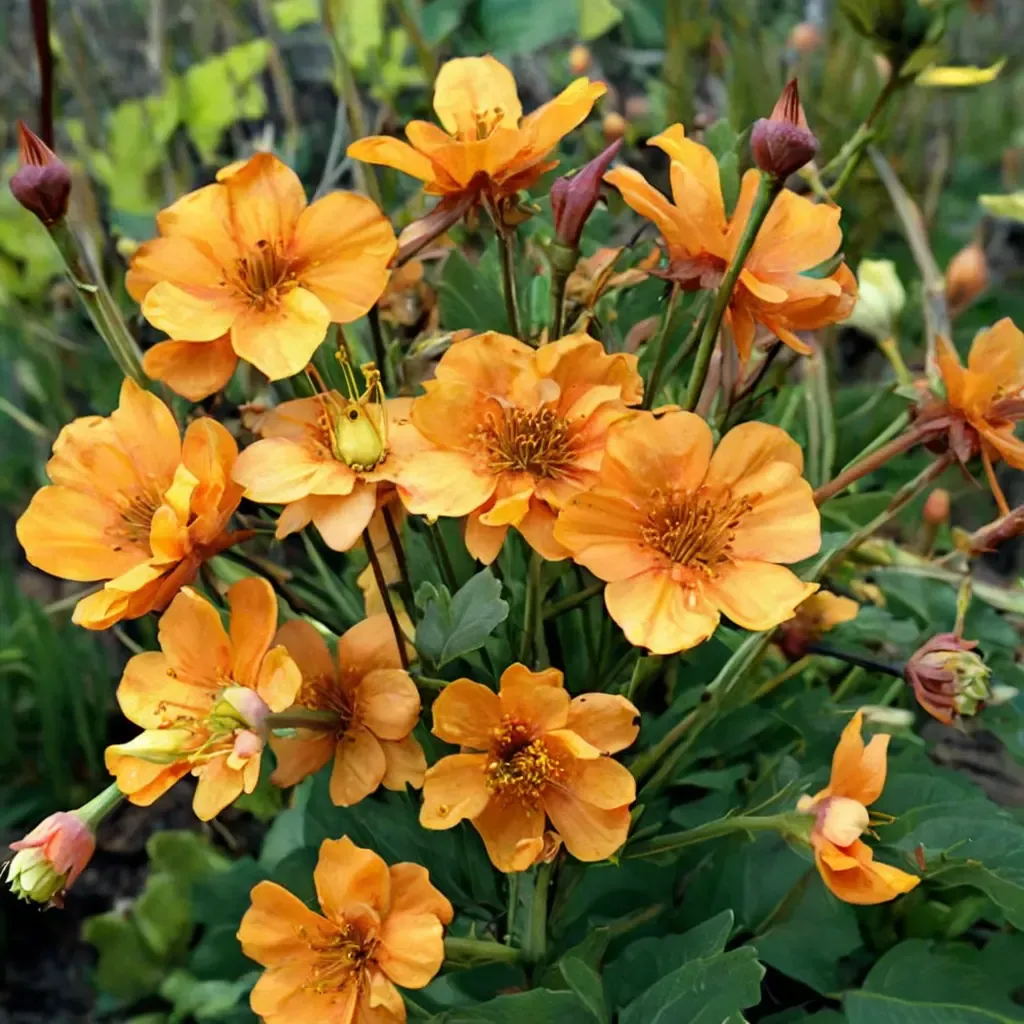
Fireball Avens
Geum rivale 'Fireball'
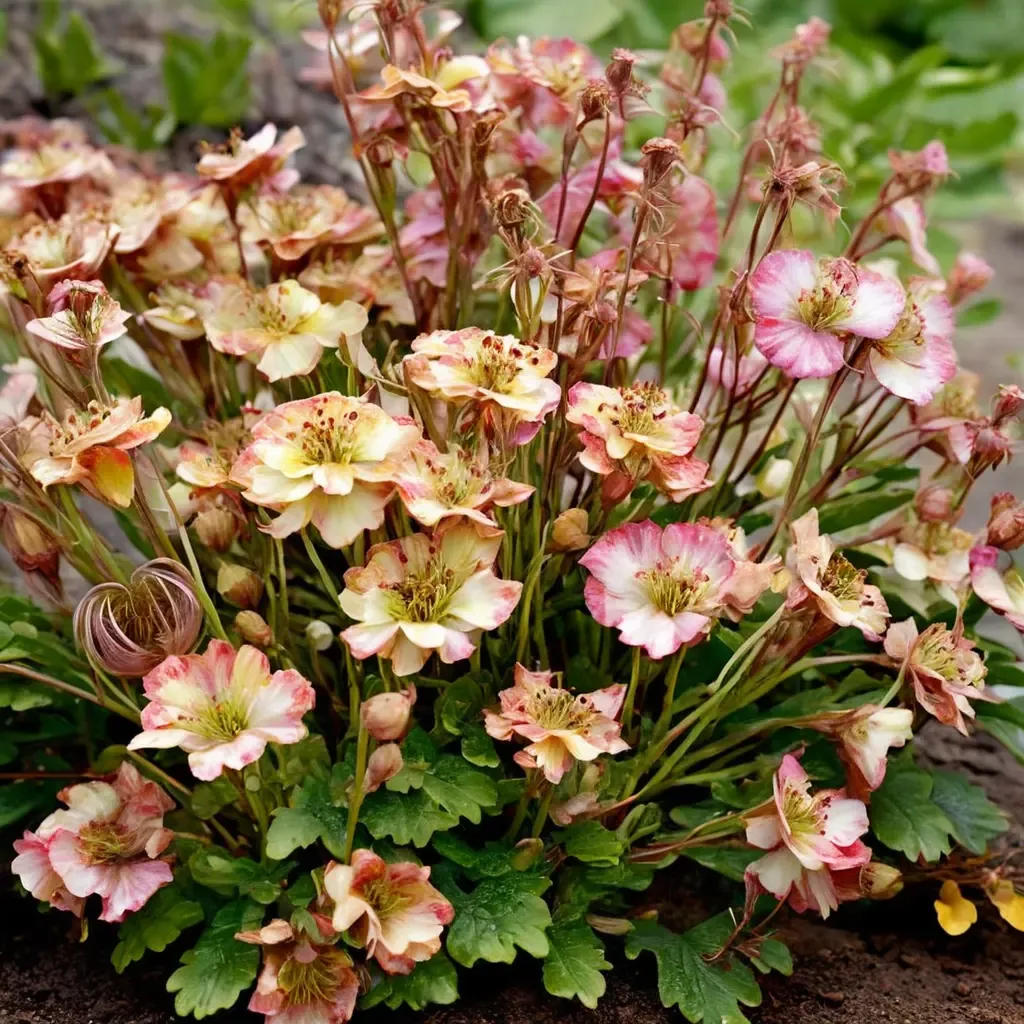
Pretticoats Peach Avens
Geum coccineum 'Pretticoats Peach'
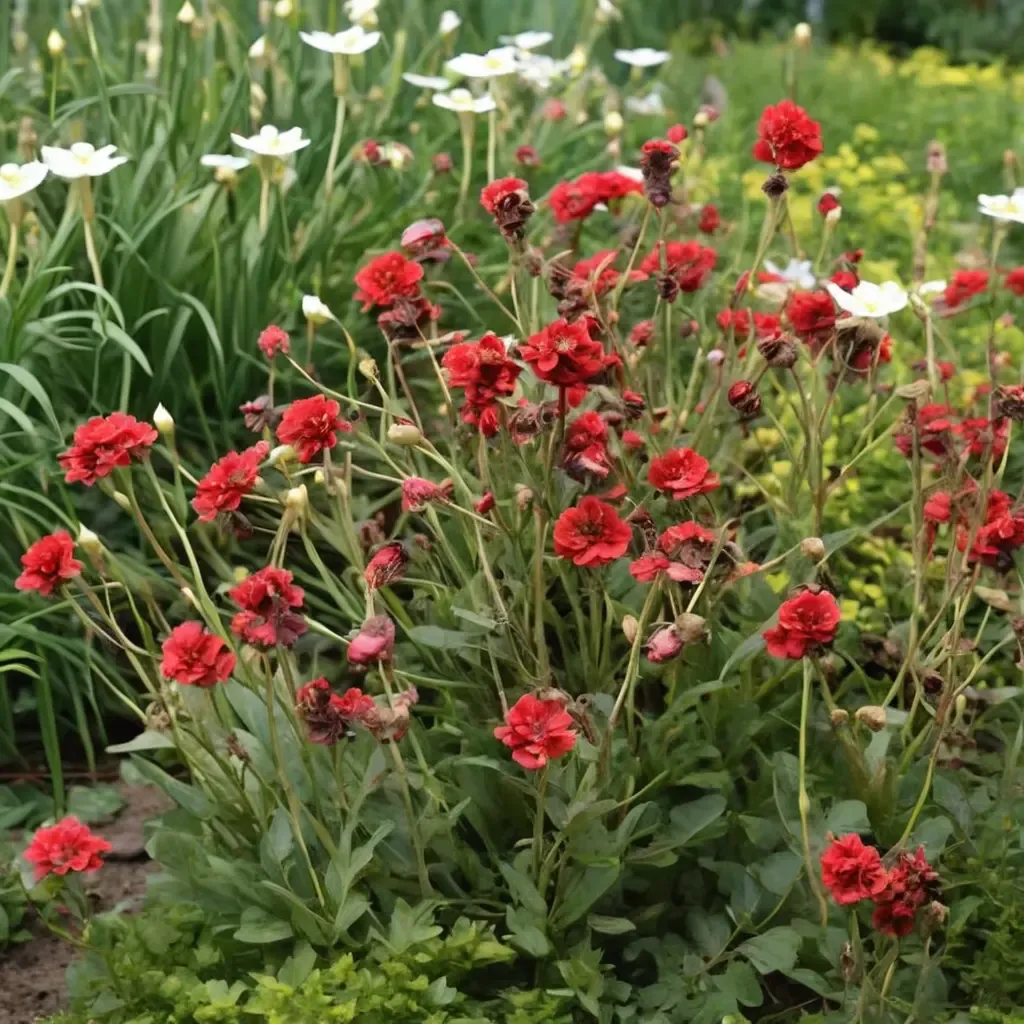
Blazing Sunset Geum
Geum quellyon 'Blazing Sunset'
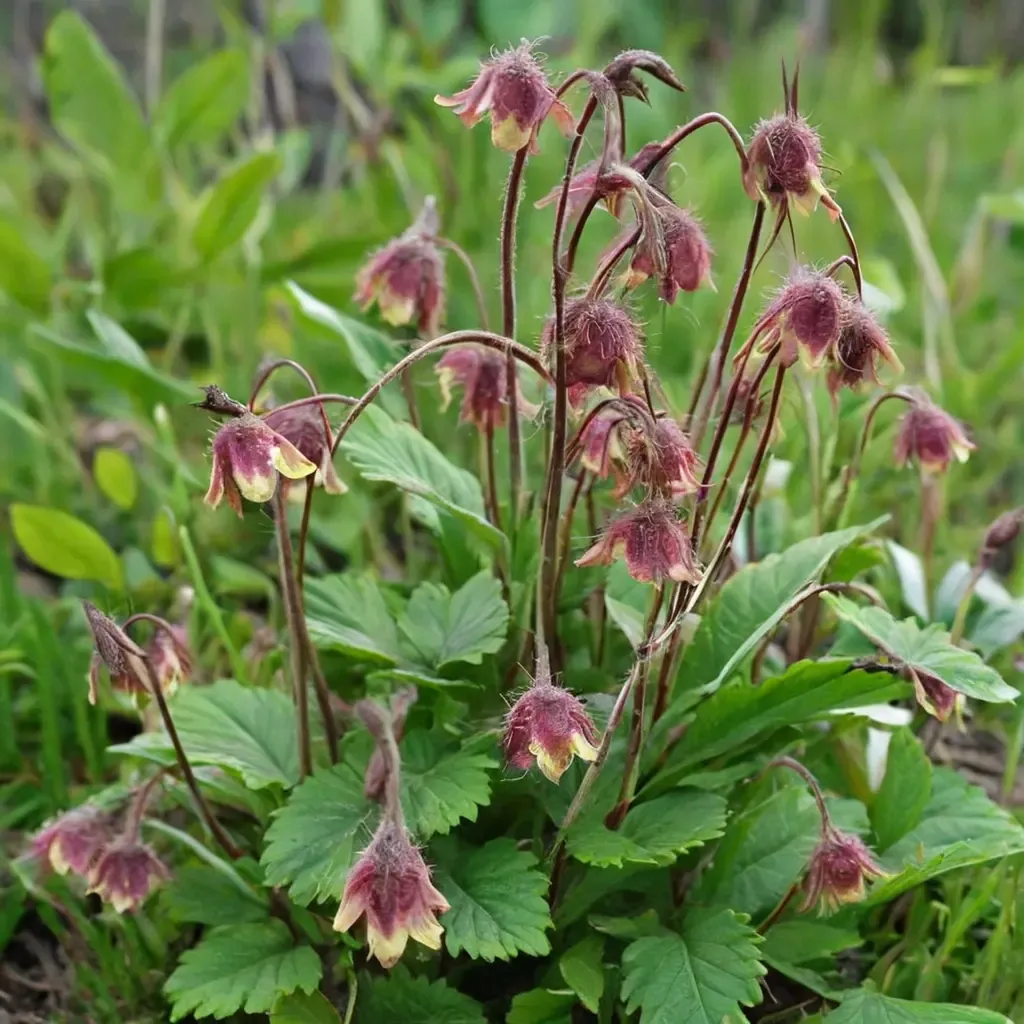
Water Avens
Geum rivale
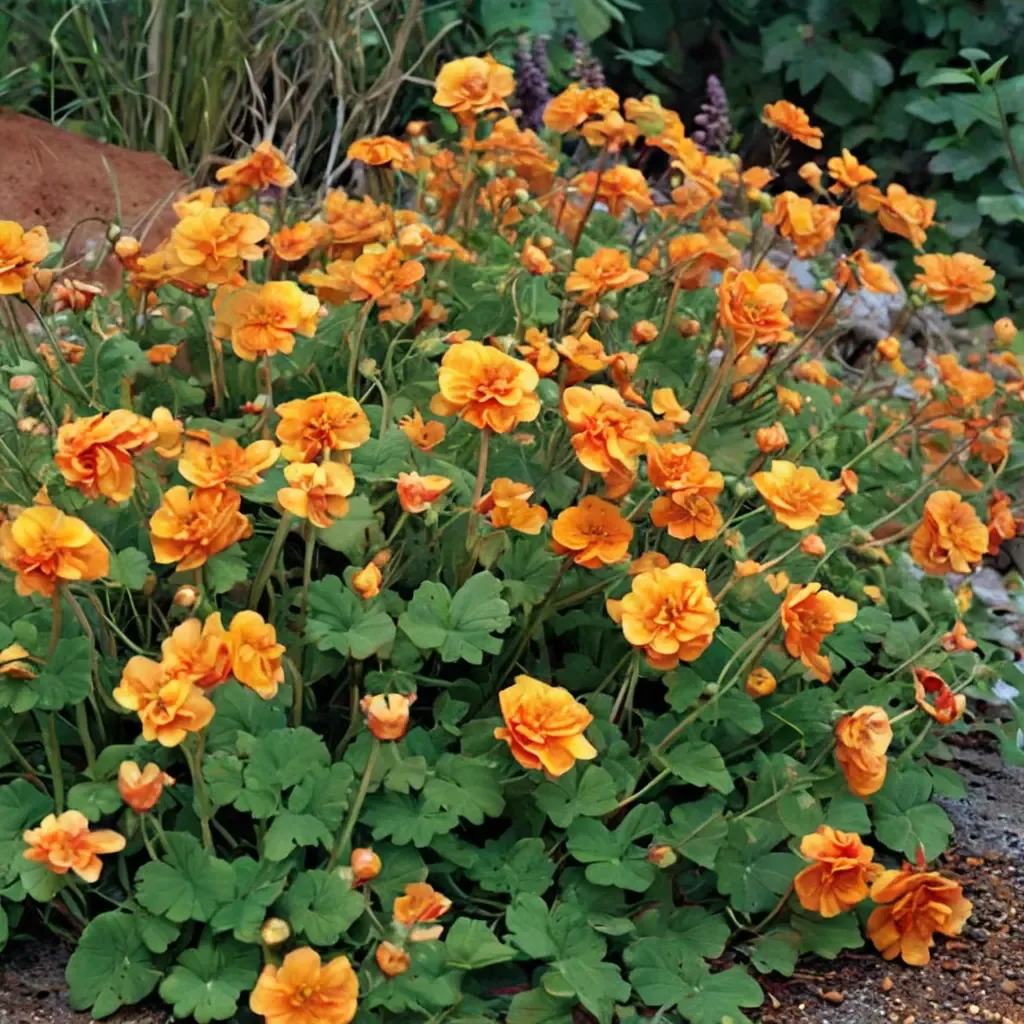
Fire Storm Avens
Geum x hybrida 'Fire Storm'
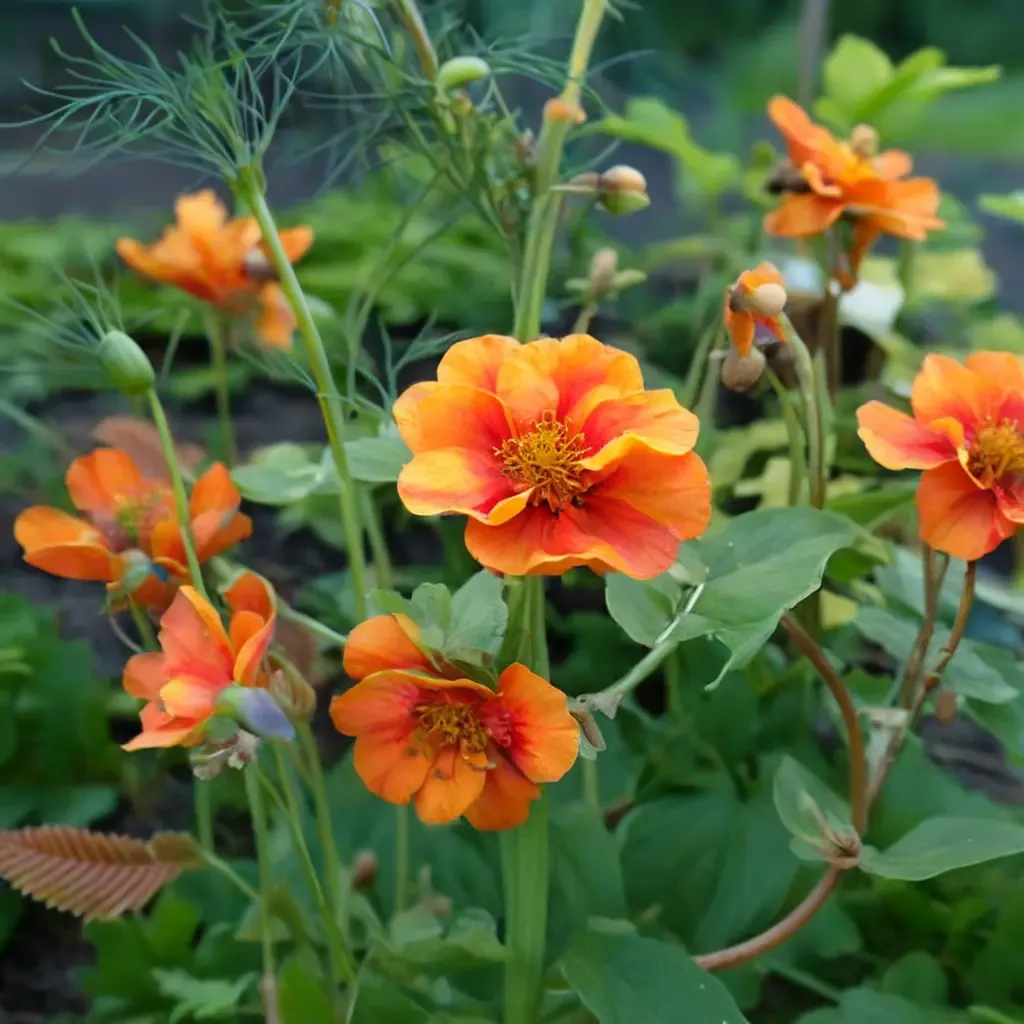
Prinses Juliana Geum
Geum x hybrida 'Prinses Juliana'
Keep exploring
Explore the genus
Hardy in your zone?
Grow White Avens with confidence
See it in a design of your actual yard, get zone-matched care reminders, and track it season by season in your garden journal.