The Story
Plant Bio
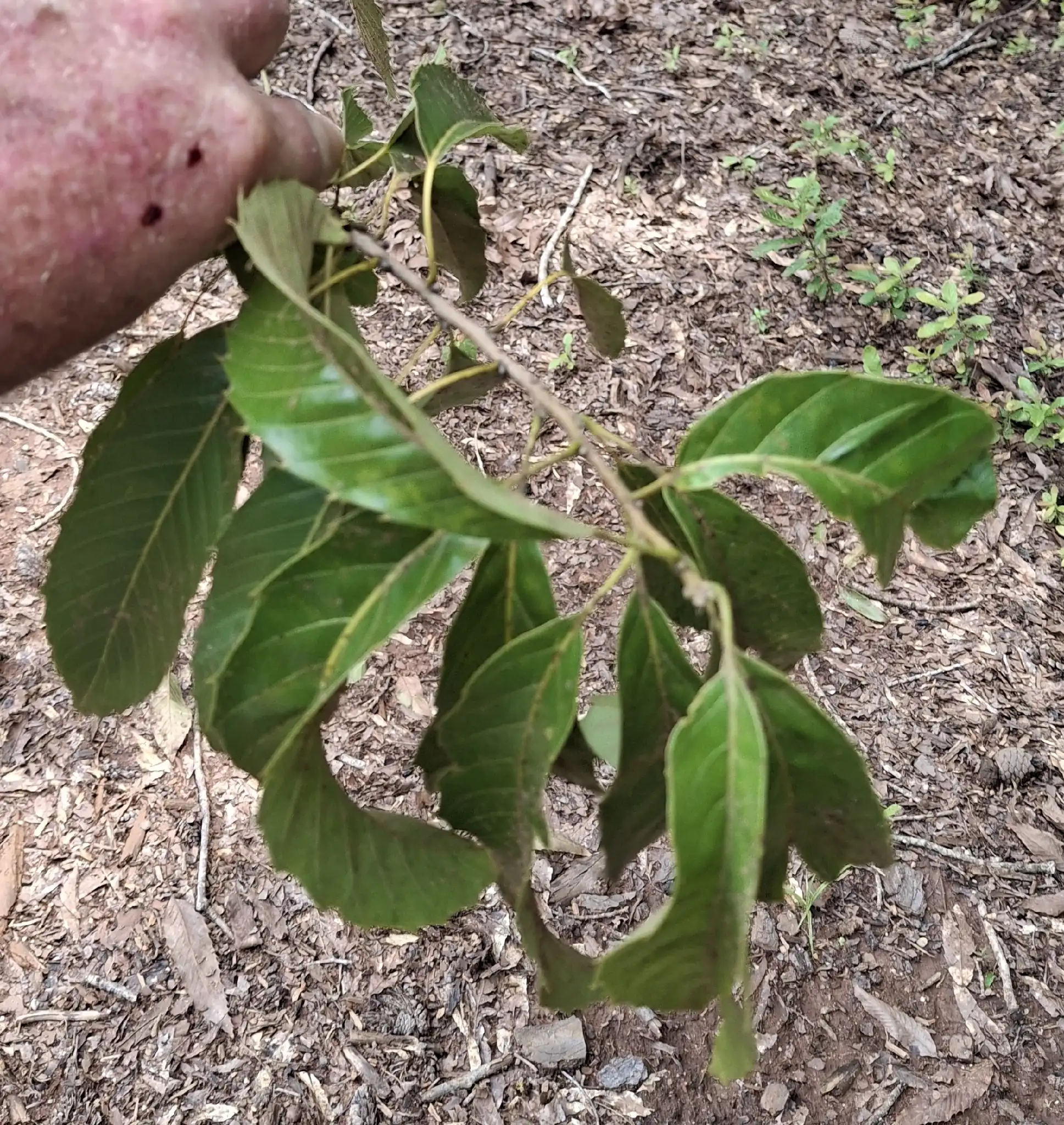
Quercus acutissima is a medium-sized deciduous tree that develops a broad-spreading, rounded crown and a short trunk with dark gray, corky ridged bark. The glossy dark green leaves feature prominent bristle-tipped teeth along the margins, resembling a chestnut leaf, and turn golden brown in fall.
This species is distinguished by its heavy annual production of large acorns with distinctive frilly, bur-like cups. It grows rapidly compared to many native oaks, making it a functional shade tree, though its aggressive self-seeding has led to its classification as an invasive species in parts of the eastern United States.
Uses & Benefits:
Essentials
At a Glance
Plant Type
Tree
Height
720"
Width
600"
Light
Full Sun
Zones
5, 6, 7, 8, 9
Water
Moderate
Humidity
Moderate
Lifespan
Long
Native To
Asia
Toxicity
Non-toxic
Bloom period
Spring
In flower about 3 months of the year
Planting
How to Grow
- Select a planting site in full sun with well-drained soil, ensuring ample space for a broad mature canopy.
- Dig a hole twice as wide as the root ball but no deeper, keeping the root flare level with the surrounding soil.
- Backfill with native soil without adding soil amendments, tamping lightly to remove large air pockets.
- Water deeply at the root zone immediately after planting and maintain consistent moisture during the first growing season.
Pro Tip
Plant the tree with the root flare fully exposed at or slightly above grade level; burying the collar encourages stem-girdling roots that eventually choke the tree.
Keep It Thriving
Care Guide
Do
- Expose the root flare completely at planting to prevent collar rot.
- Apply a thin layer of organic mulch over the root zone, keeping it several inches away from the trunk.
- Perform structural pruning in late winter while the tree is dormant.
Don't
- Do not pile mulch against the bark, which traps moisture and invites fungal pathogens.
- Do not apply fast-release high-nitrogen fertilizers that can burn the root system.
- Do not prune into old, leafless wood or make heavy heading cuts.
Seasonal Care Calendar
| Task | Jan | Feb | Mar | Apr | May | Jun | Jul | Aug | Sep | Oct | Nov | Dec |
|---|---|---|---|---|---|---|---|---|---|---|---|---|
| Mulch | ||||||||||||
| Pest Check | ||||||||||||
| Plant | ||||||||||||
| Prune |
Watch Out For
Pests & Diseases
Common Pests
Common Diseases
In the Garden
Landscape Uses & Companions
Landscape Uses
Companion Plants
Multiply
Propagation Methods
Good to Know
Common Questions
Sawtooth Oak questions
What zones can Sawtooth Oak grow in?
Sawtooth Oak is hardy in USDA Zones 5–9. Inside that range it survives winter in the ground; outside it, grow it as an annual or a container plant you protect.
When does Sawtooth Oak bloom?
Sawtooth Oak typically blooms in spring through spring. Exact timing shifts a week or two with your zone — Sow's bloom calendar maps it to your garden.
Does Sawtooth Oak need full sun?
Sawtooth Oak does best in full sun (6+ hours).
Is Sawtooth Oak drought tolerant?
Yes — once established (usually after the first full season), Sawtooth Oak handles dry spells with minimal watering. Water deeply its first year to build the root system that makes that possible.
More Quercus to compare
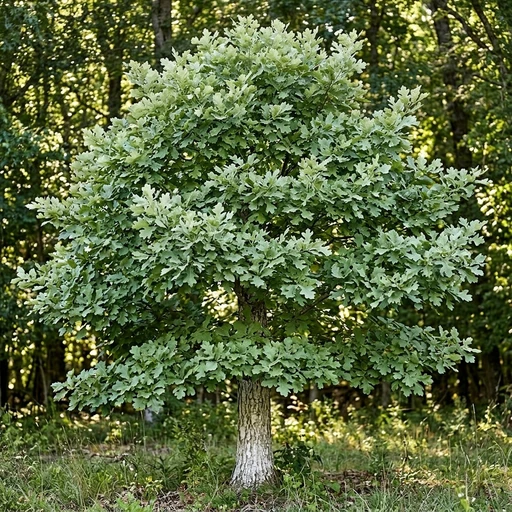
White Oak
Quercus alba
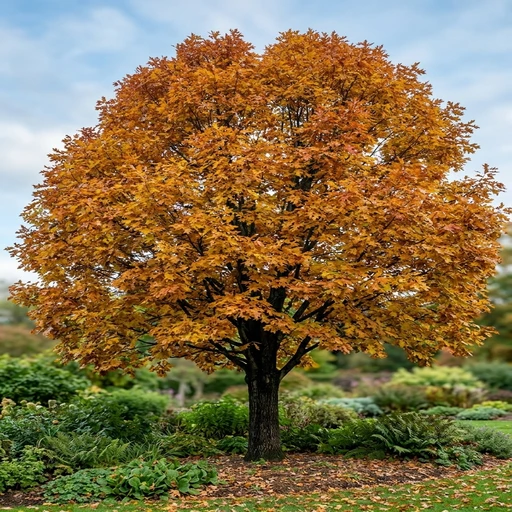
Black Oak
Quercus velutina
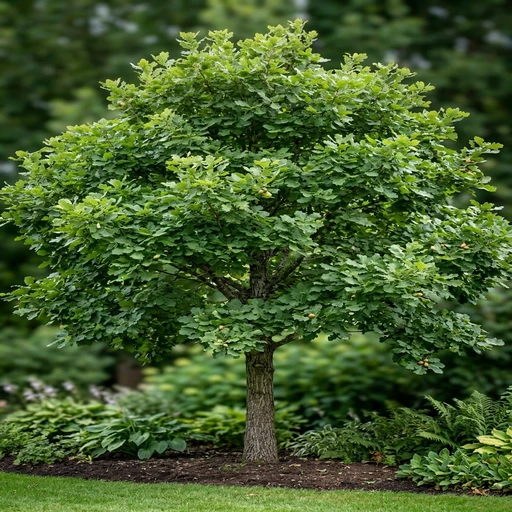
English Oak
Quercus robur
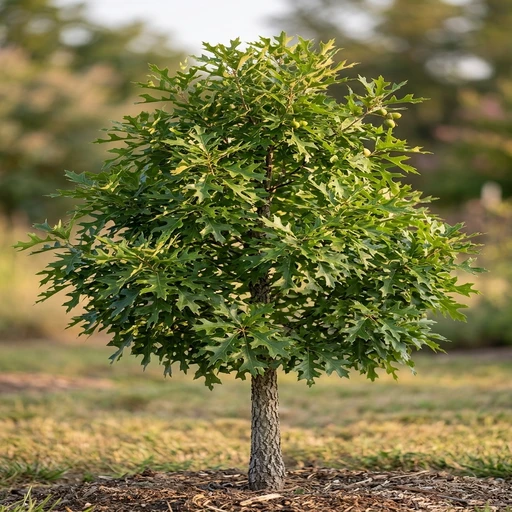
Nuttall Oak
Quercus texana
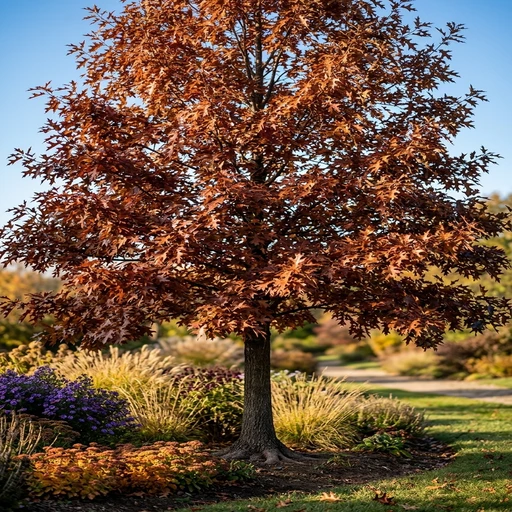
Pin Oak
Quercus palustris
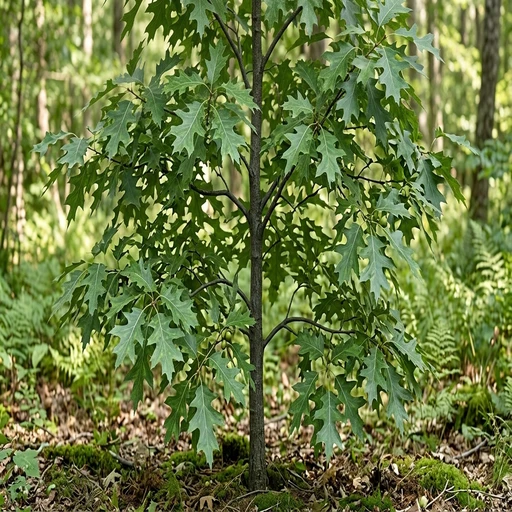
Scarlet Oak
Quercus coccinea
Keep exploring
Explore the genus
Hardy in your zone?
Grow Sawtooth Oak with confidence
See it in a design of your actual yard, get zone-matched care reminders, and track it season by season in your garden journal.