
Garden hybrid
 Fuchsia x hybridaGarden Fuchsia
10 other cultivars
 ‘Dollar Princess’Dollar Princess Fuchsia
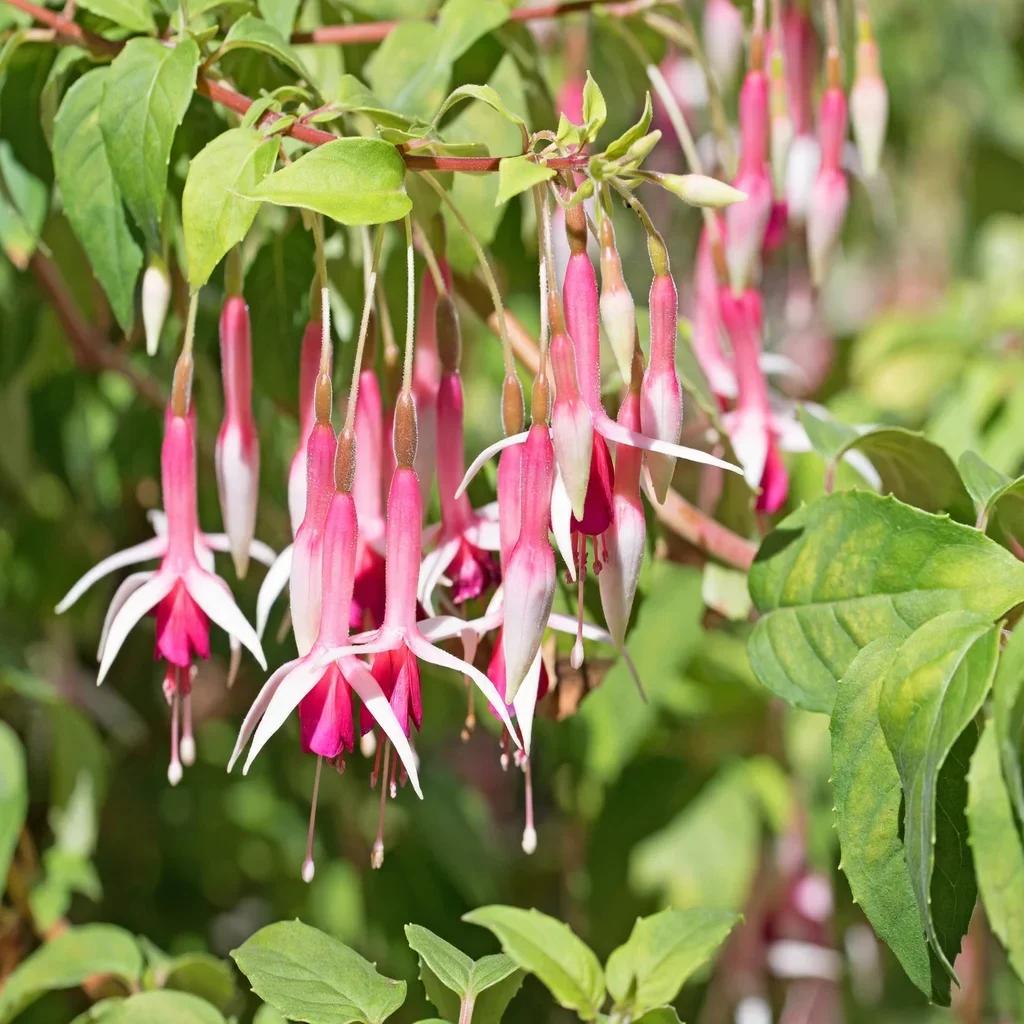 ‘Galfrey Lye’Galfrey Lye Fuchsia
 ‘Sanihanf’Upright Fuchsia
 ‘Sunistanf’Sunistanf Fuchsia
 ‘Dark Eyes’Fuchsia Dark Eyes
 ‘Sanicomf’Confetti Fuchsia
 ‘Old Berkeley’Old Berkeley Fuchsia
 ‘Mendonoma Belle’Mendonoma Belle Fuchsia
 ‘Jingle BellsSwingtime’Jingle BellsSwingtime Fuchsia Swingtime
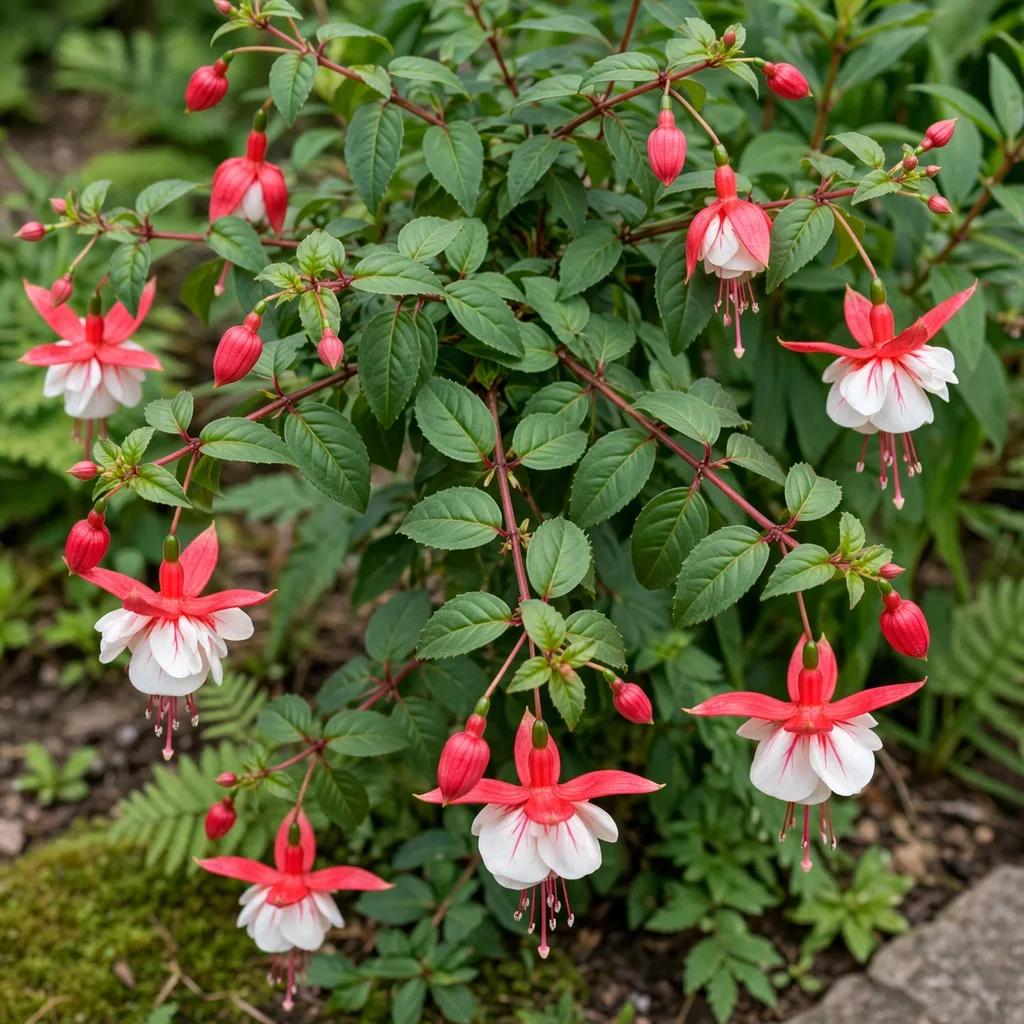 ‘Swingtime’Fuchsia Swingtime
The Story
Plant Bio
Fuchsia is a genus of deciduous shrubs native to Central and South America, characterized by pendulous, tubular flowers. These plants require cool, humid conditions with consistently moist, well-draining soil and protection from intense afternoon sun.
'Mrs Popple' is a vigorous, upright cultivar raised in 1899, notable for its cold hardiness down to USDA Zone 8. It produces single, medium-sized flowers with scarlet-crimson sepals and rich violet-purple corollas from early summer until the first frost.
Uses & Benefits:
Essentials
At a Glance
Plant Type
Shrub
Height
48"
Width
36"
Light
Full Sun, Partial Sun
Zones
8, 9, 10
Water
Regular
Humidity
Moderate to high
Lifespan
Perennial
Native To
South and Central America (genus)
Toxicity
Toxic to cats and dogs
Bloom period
Summer – Fall
In flower about 6 months of the year
Planting
How to Grow
- Select a planting site with rich, fertile, humus-rich soil that receives full sun to partial shade, ensuring afternoon shade in hot climates.
- Dig a hole twice the width of the root ball and amend the soil with organic matter to ensure excellent drainage while retaining moisture.
- Set the plant at the same depth as its nursery container, backfill with soil, and water thoroughly to settle the roots.
- Apply a layer of organic mulch around the base to retain soil moisture and keep the root zone cool during summer.
Pro Tip
Prune stems back hard in early spring to strong framework buds; cutting into old, dead wood without visible buds prevents new growth.
Keep It Thriving
Care Guide
Do
- Water regularly to maintain evenly moist soil, especially during dry summer spells.
- Prune back hard in early spring to strong framework buds once the threat of hard frost has passed.
- Apply a balanced, slow-release fertilizer during the active growing season to support continuous blooming.
Don't
- Do not allow the soil to dry out completely, as this cultivar has low drought tolerance.
- Do not prune into old, dead, leafless wood that lacks live buds.
- Do not plant in heavy, poorly drained soils where waterlogged conditions can cause root rot.
Seasonal Care Calendar
| Task | Jan | Feb | Mar | Apr | May | Jun | Jul | Aug | Sep | Oct | Nov | Dec |
|---|---|---|---|---|---|---|---|---|---|---|---|---|
| Fertilize | ||||||||||||
| Pest Check | ||||||||||||
| Prune | ||||||||||||
| Winter Prep |
Watch Out For
Pests & Diseases
Common Pests
Common Diseases
In the Garden
Landscape Uses & Companions
Landscape Uses
Multiply
Propagation Methods
Good to Know
Common Questions
Mrs Popple Fuchsia questions
What zones can Mrs Popple Fuchsia grow in?
Mrs Popple Fuchsia is hardy in USDA Zones 8–10. Inside that range it survives winter in the ground; outside it, grow it as an annual or a container plant you protect.
Is Mrs Popple Fuchsia deer resistant?
Yes — Mrs Popple Fuchsia is rated deer-resistant. Deer typically pass it over, though extreme hunger can override any plant's defenses.
When does Mrs Popple Fuchsia bloom?
Mrs Popple Fuchsia typically blooms in summer through fall. Exact timing shifts a week or two with your zone — Sow's bloom calendar maps it to your garden.
Does Mrs Popple Fuchsia need full sun?
Mrs Popple Fuchsia does best in full sun to part shade. In hot climates, afternoon shade keeps blooms fresher longer.
More Fuchsia to compare
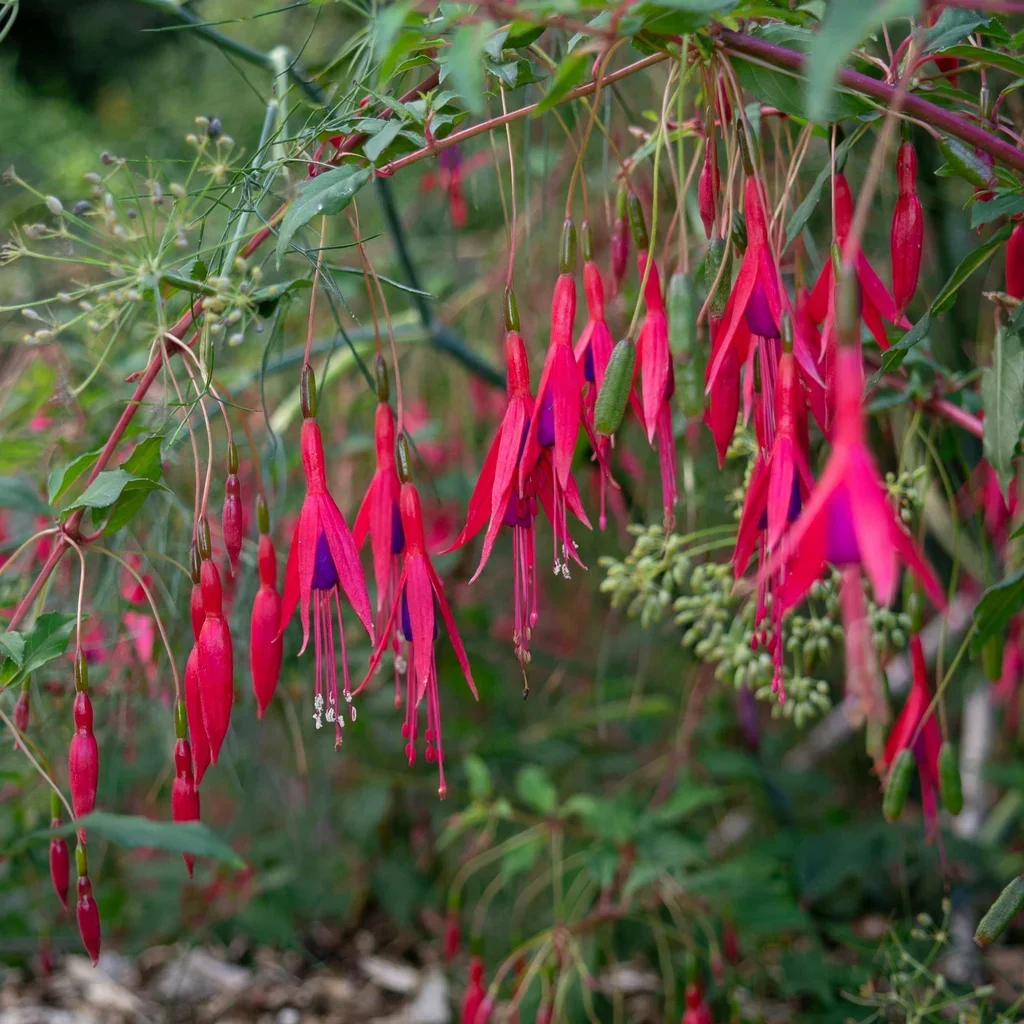
Santa Cruz Fuchsia
Fuchsia magellanica 'Santa Cruz'
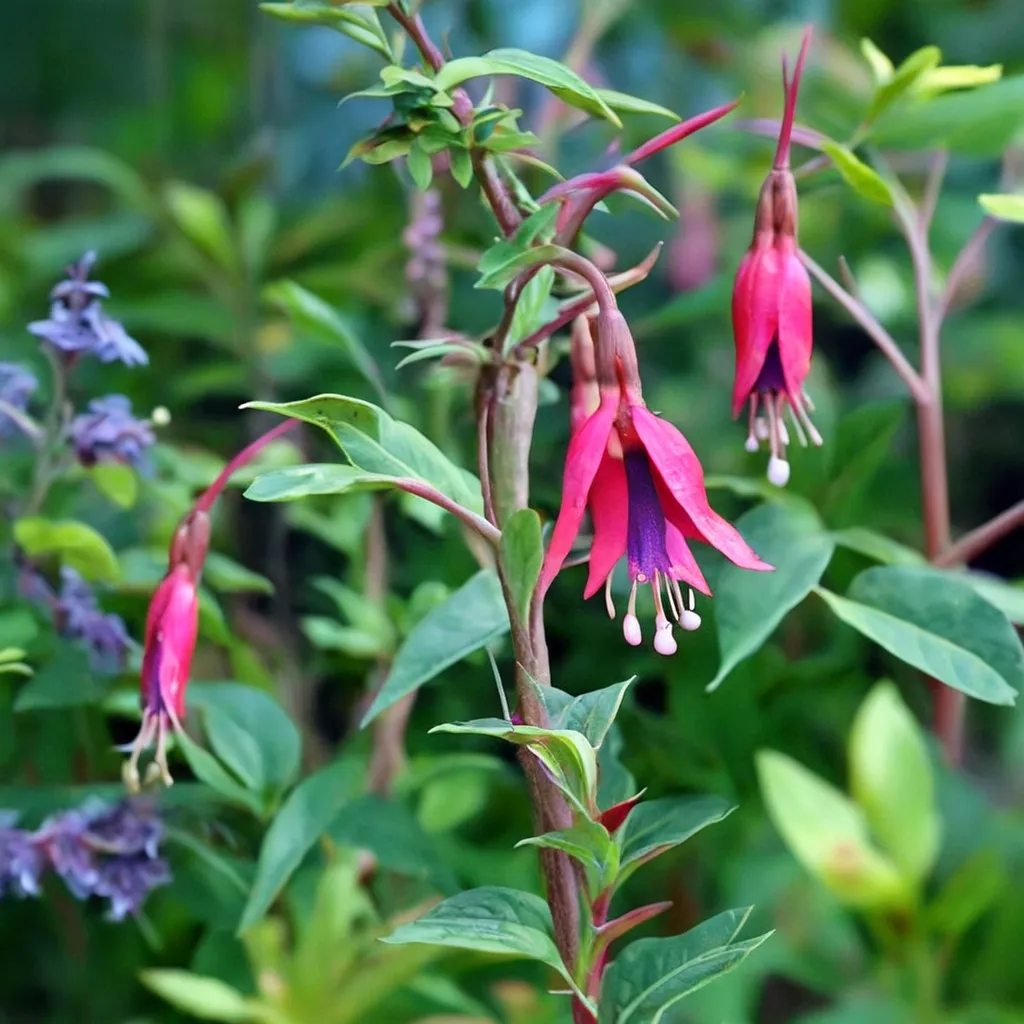
Hardy Fuchsia 'Riccartonii'
Fuchsia magellanica 'Riccartonii'
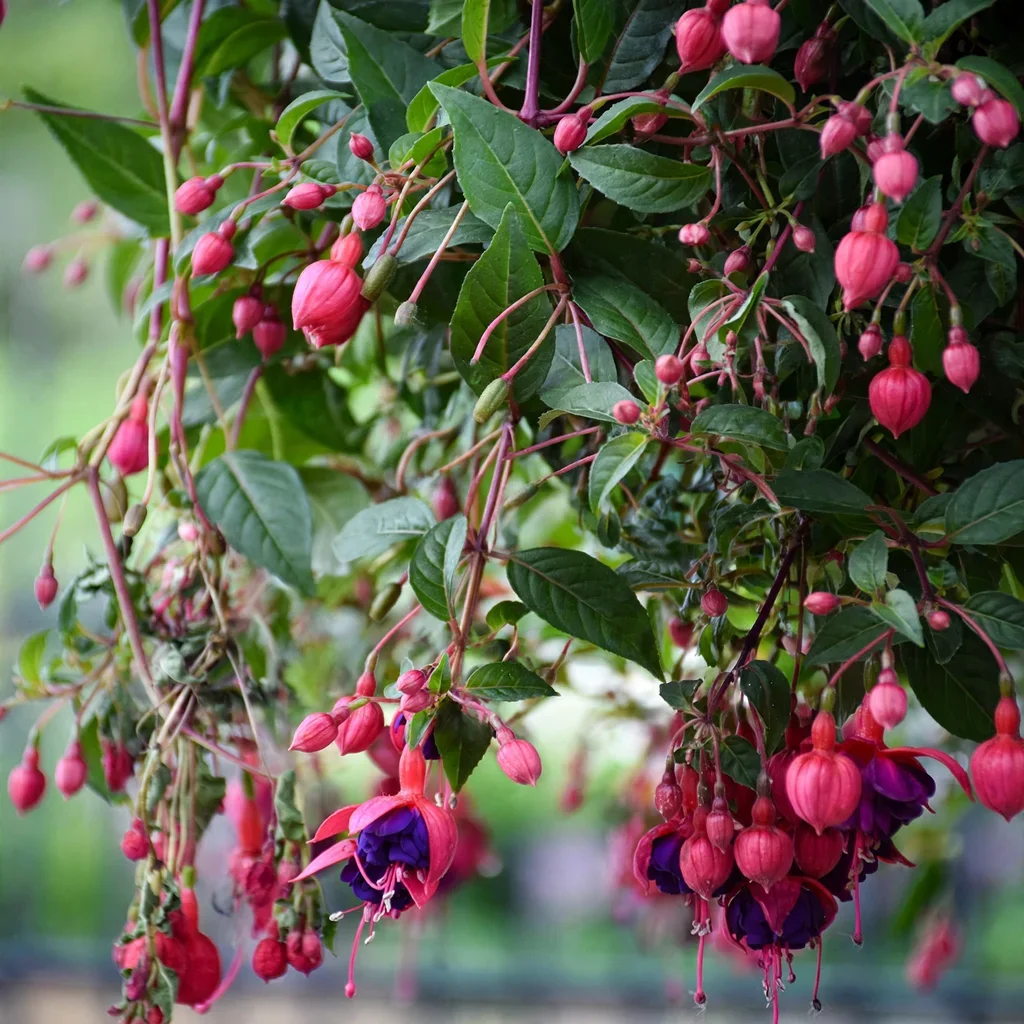
Dollar Princess Fuchsia
Fuchsia x hybrida 'Dollar Princess'
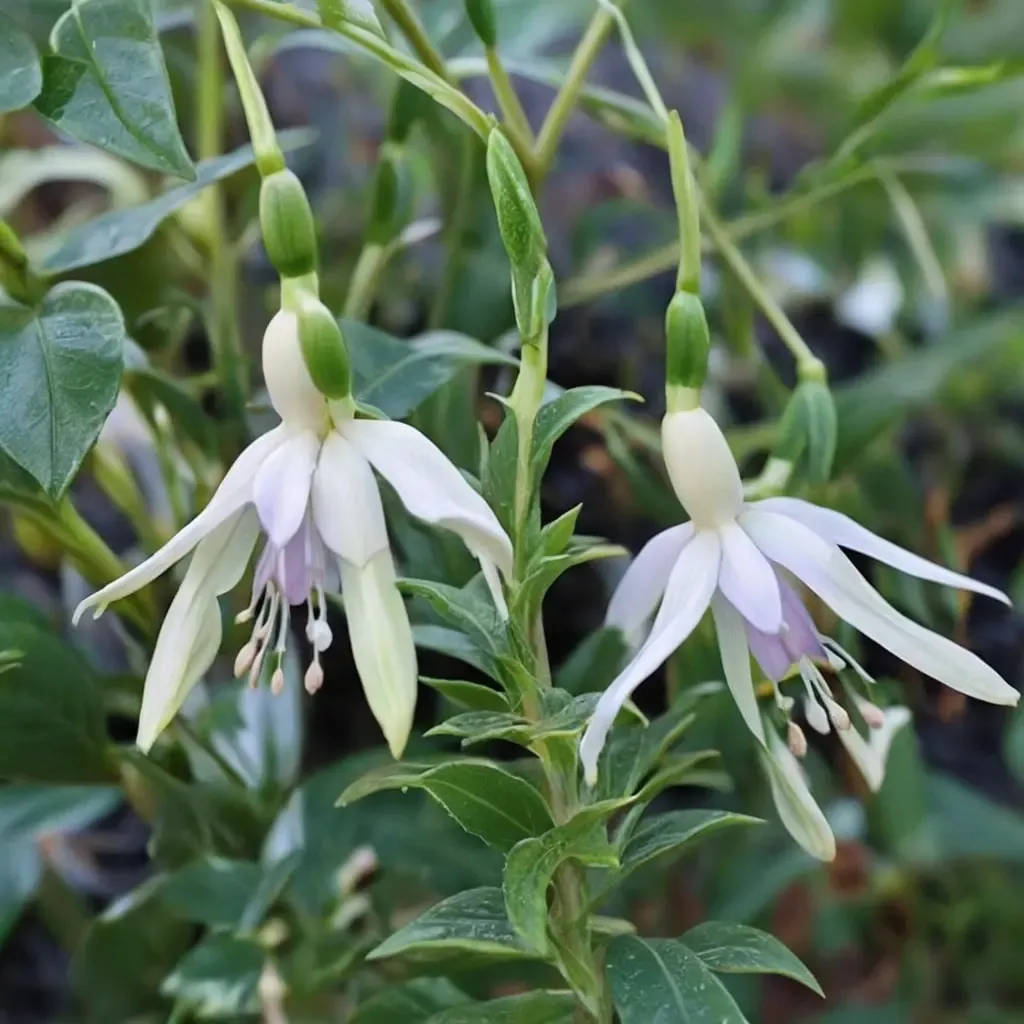
Hawkshead Fuchsia
Fuchsia magellanica 'Hawkshead'
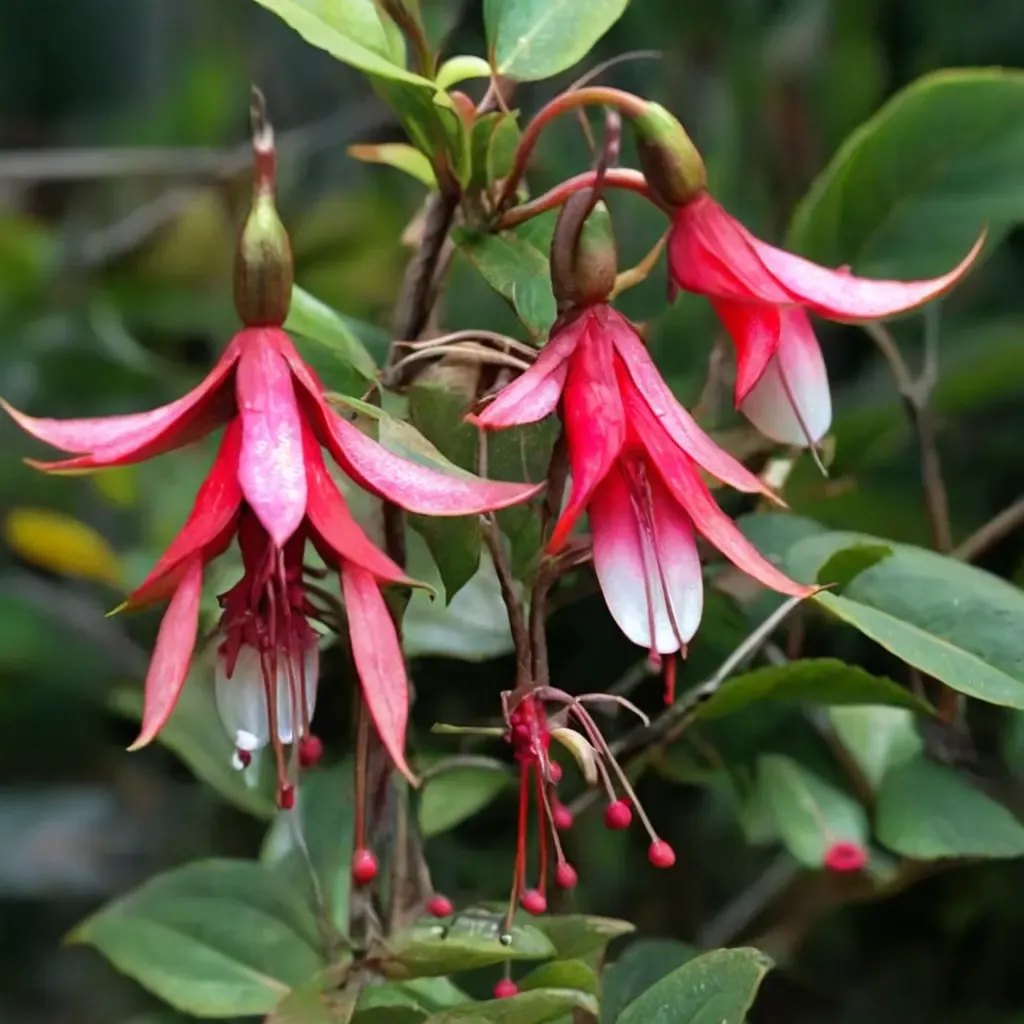
Ruddy Rodney Fuchsia
Fuchsia magellanica 'Ruddy Rodney'
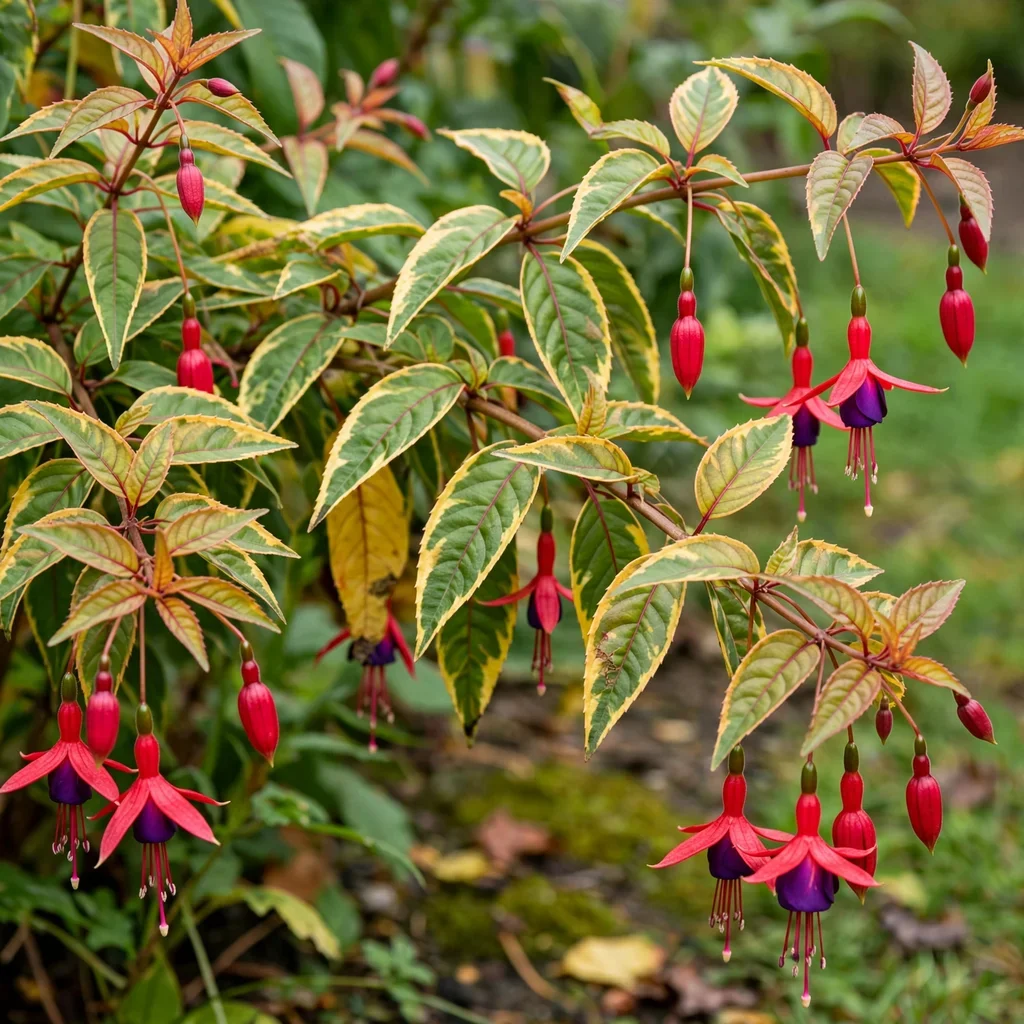
Autumnale Hardy Fuchsia
Fuchsia magellanica 'Autumnale'
Keep exploring
Explore the genus
Hardy in your zone?
Grow Mrs Popple Fuchsia with confidence
See it in a design of your actual yard, get zone-matched care reminders, and track it season by season in your garden journal.