The Story
Plant Bio
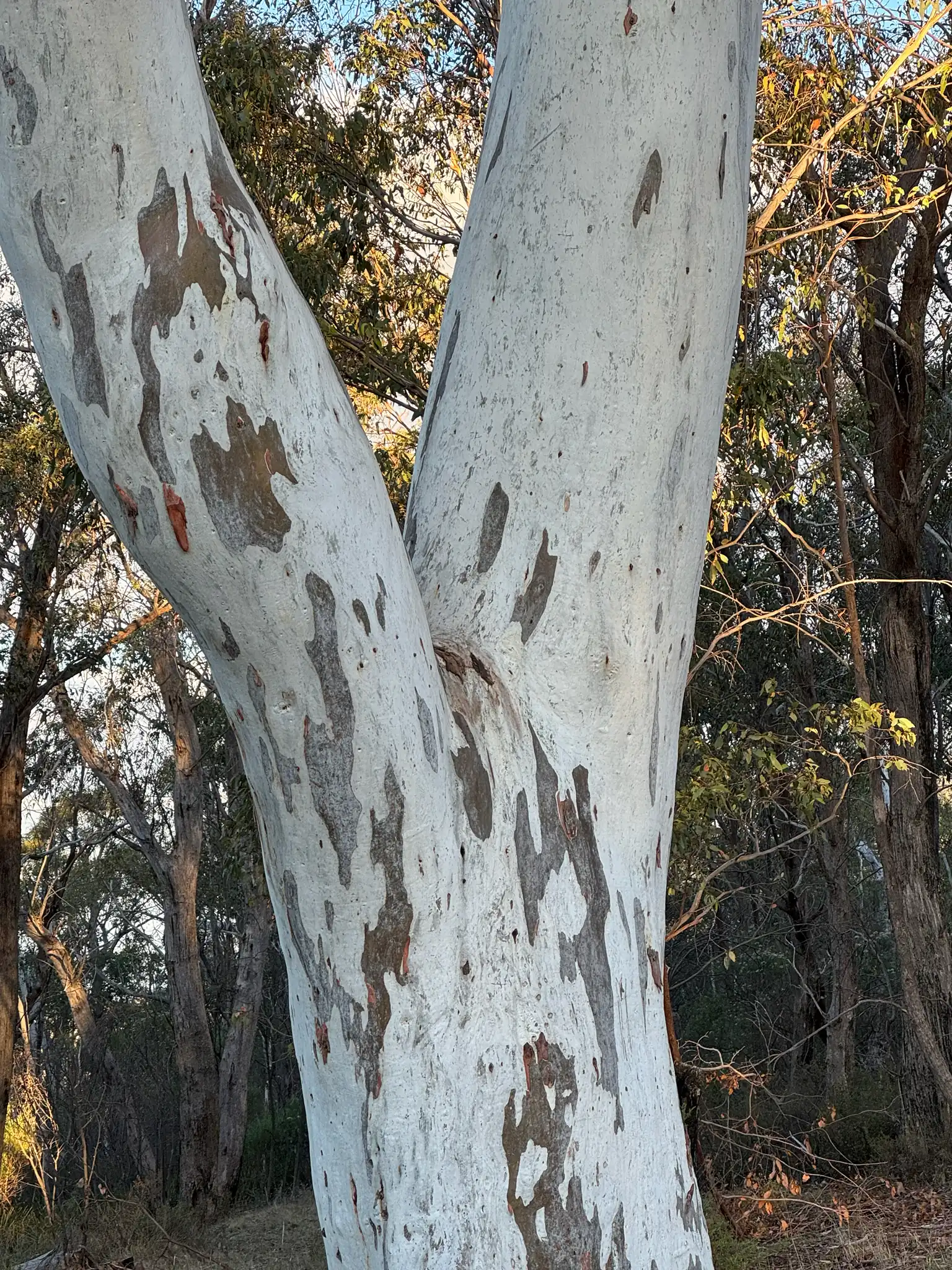
Eucalyptus mannifera is an evergreen tree native to southeastern Australia, characterized by its open, spreading canopy and smooth, powdery bark that transitions from white to pinkish-gray. The adult foliage consists of narrow, dull blue-green leaves that release aromatic essential oils when crushed.
This species is highly distinguished by its powdery white trunk, which intensifies in color when wet and sheds in patches to reveal red-spotted new bark. In late summer, it produces clusters of small white flowers that develop into woody, cup-shaped gumnuts.
Uses & Benefits:
Essentials
At a Glance
Plant Type
Tree
Height
984"
Width
511"
Light
Full Sun
Zones
8, 9, 10
Water
Low
Humidity
Moderate
Lifespan
Long
Native To
Australia
Toxicity
Toxic if Ingested
Bloom period
Summer – Fall
In flower about 6 months of the year
Planting
How to Grow
- Select a planting site in full sun with deep, well-draining soil, ensuring it is positioned away from structures and high-traffic areas.
- Dig a hole twice as wide as the root ball but equal in depth, keeping the soil loose to encourage rapid lateral root development.
- Gently remove the tree from its container, taking care not to disturb the sensitive root system, and place it in the hole at its original soil level.
- Backfill with native soil without adding fertilizers, water deeply to settle the ground, and apply a thick layer of organic mulch around the base.
Pro Tip
Plant this tree well away from structures, patios, and walkways, as the wood is inherently brittle and naturally sheds small branches under wind or drought stress.
Keep It Thriving
Care Guide
Do
- Water deeply and regularly during the first growing season to establish a deep, drought-tolerant root system.
- Plant in a highly visible spot where the striking white and pink trunk can be viewed against a dark background.
- Ensure the soil drains rapidly to prevent root rot pathogens from taking hold.
Don't
- Do not apply high-phosphorus or heavy synthetic fertilizers, as established trees require no supplemental feeding.
- Do not prune heavily into old, leafless wood, which lacks active buds and will fail to recover cleanly.
- Do not plant directly over parking spaces, patios, or roofs due to the tree's natural habit of dropping minor limbs.
Seasonal Care Calendar
| Task | Jan | Feb | Mar | Apr | May | Jun | Jul | Aug | Sep | Oct | Nov | Dec |
|---|---|---|---|---|---|---|---|---|---|---|---|---|
| Pest Check | ||||||||||||
| Plant | ||||||||||||
| Prune | ||||||||||||
| Winter Prep |
Watch Out For
Pests & Diseases
Common Pests
Common Diseases
In the Garden
Landscape Uses & Companions
Landscape Uses
Companion Plants
Multiply
Propagation Methods
Good to Know
Common Questions
Brittle Gum questions
What zones can Brittle Gum grow in?
Brittle Gum is hardy in USDA Zones 8–10. Inside that range it survives winter in the ground; outside it, grow it as an annual or a container plant you protect.
When does Brittle Gum bloom?
Brittle Gum typically blooms in summer through fall. Exact timing shifts a week or two with your zone — Sow's bloom calendar maps it to your garden.
Does Brittle Gum need full sun?
Brittle Gum does best in full sun (6+ hours).
Is Brittle Gum drought tolerant?
Yes — once established (usually after the first full season), Brittle Gum handles dry spells with minimal watering. Water deeply its first year to build the root system that makes that possible.
More Eucalyptus to compare
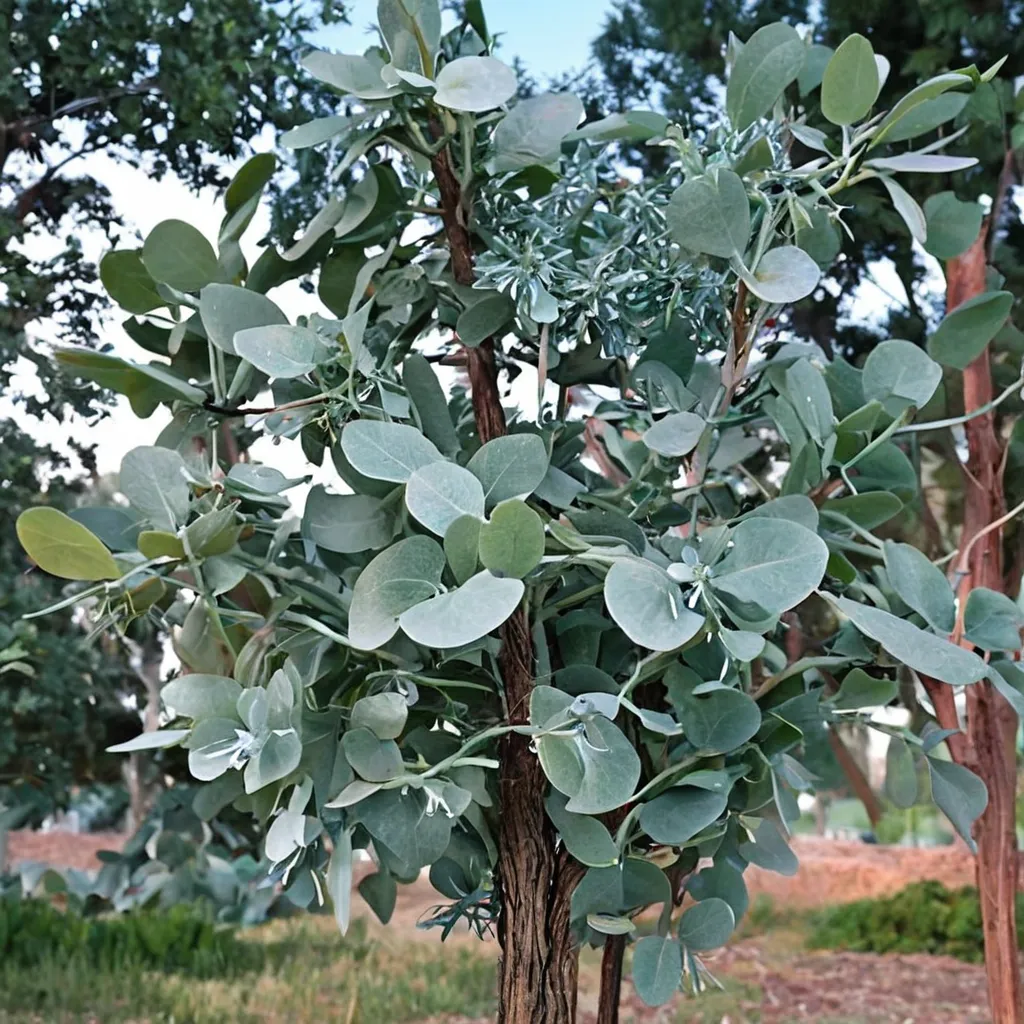
Silver Dollar Eucalyptus
Eucalyptus cinerea
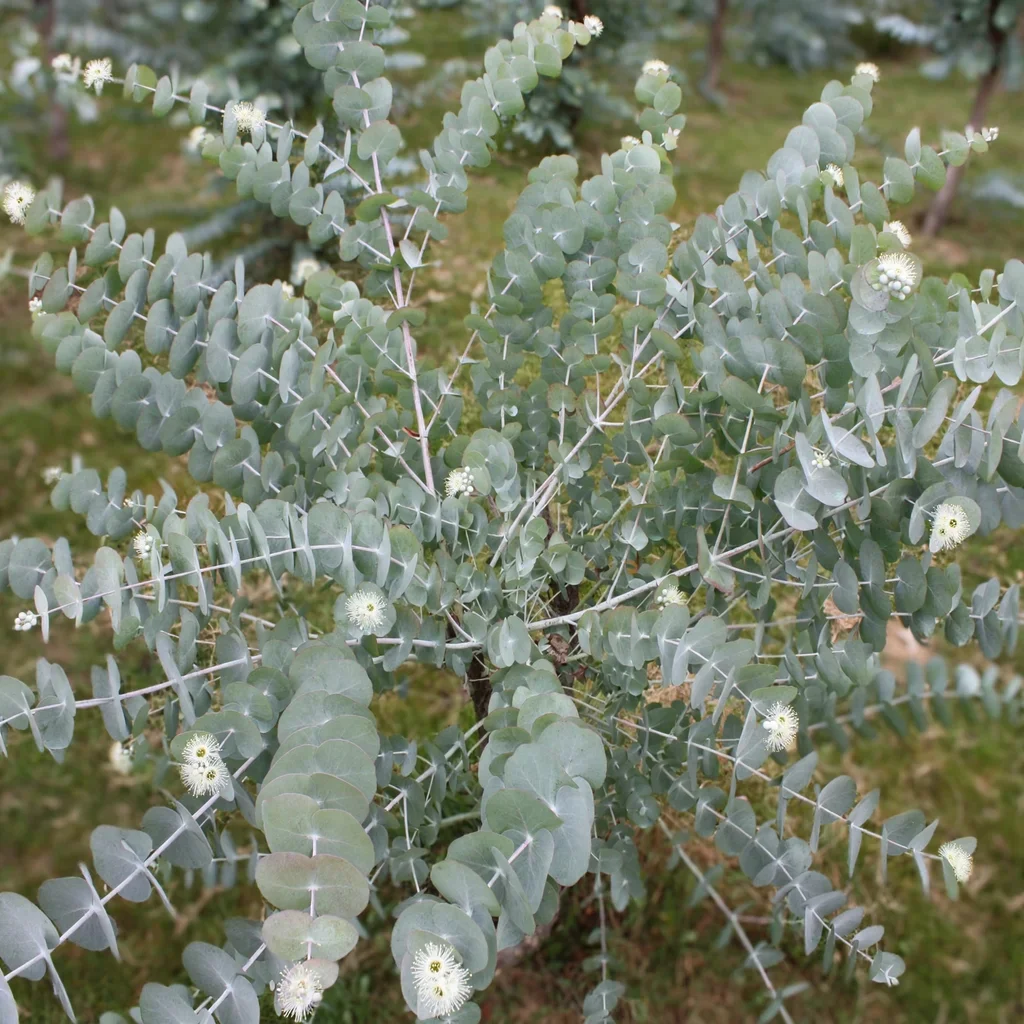
Silver Dollar Tree
Eucalyptus cinerea 'Silver Dollar Tree'
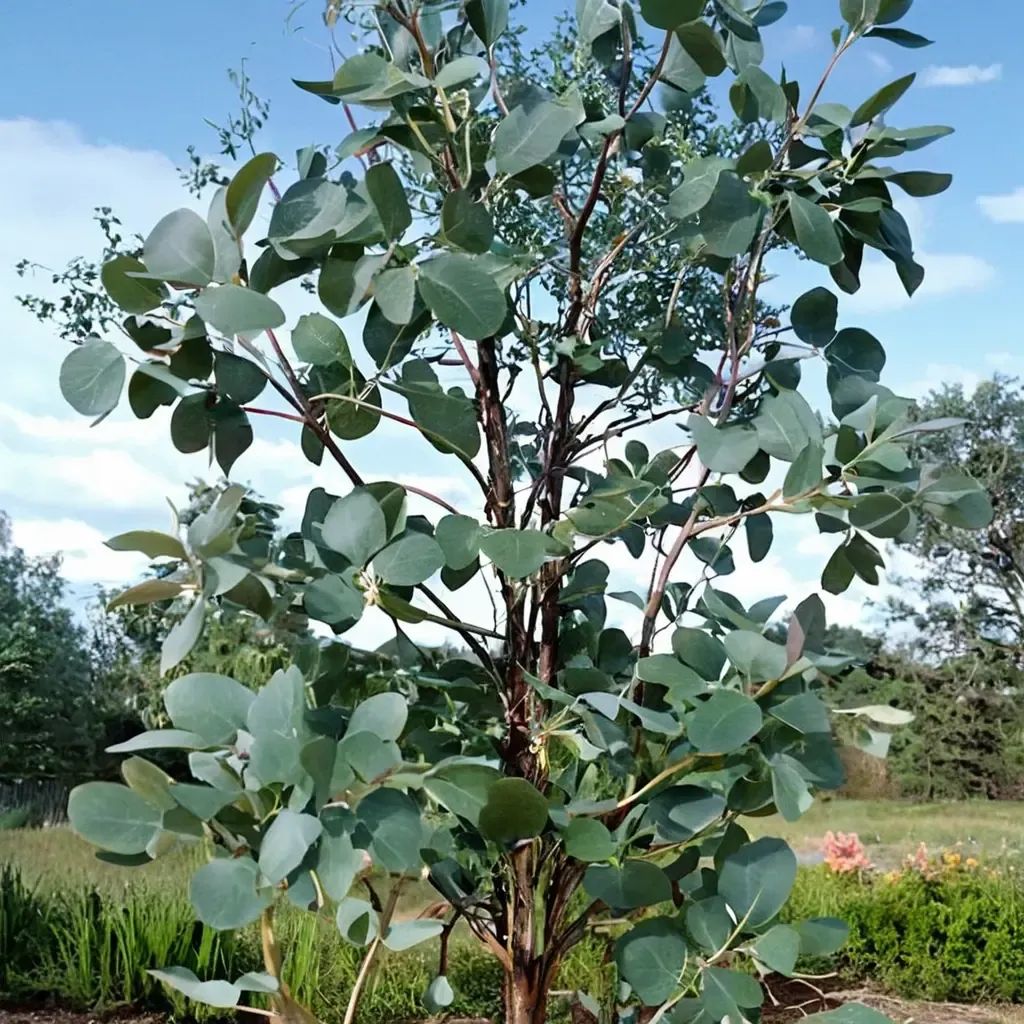
Omeo Gum
Eucalyptus neglecta
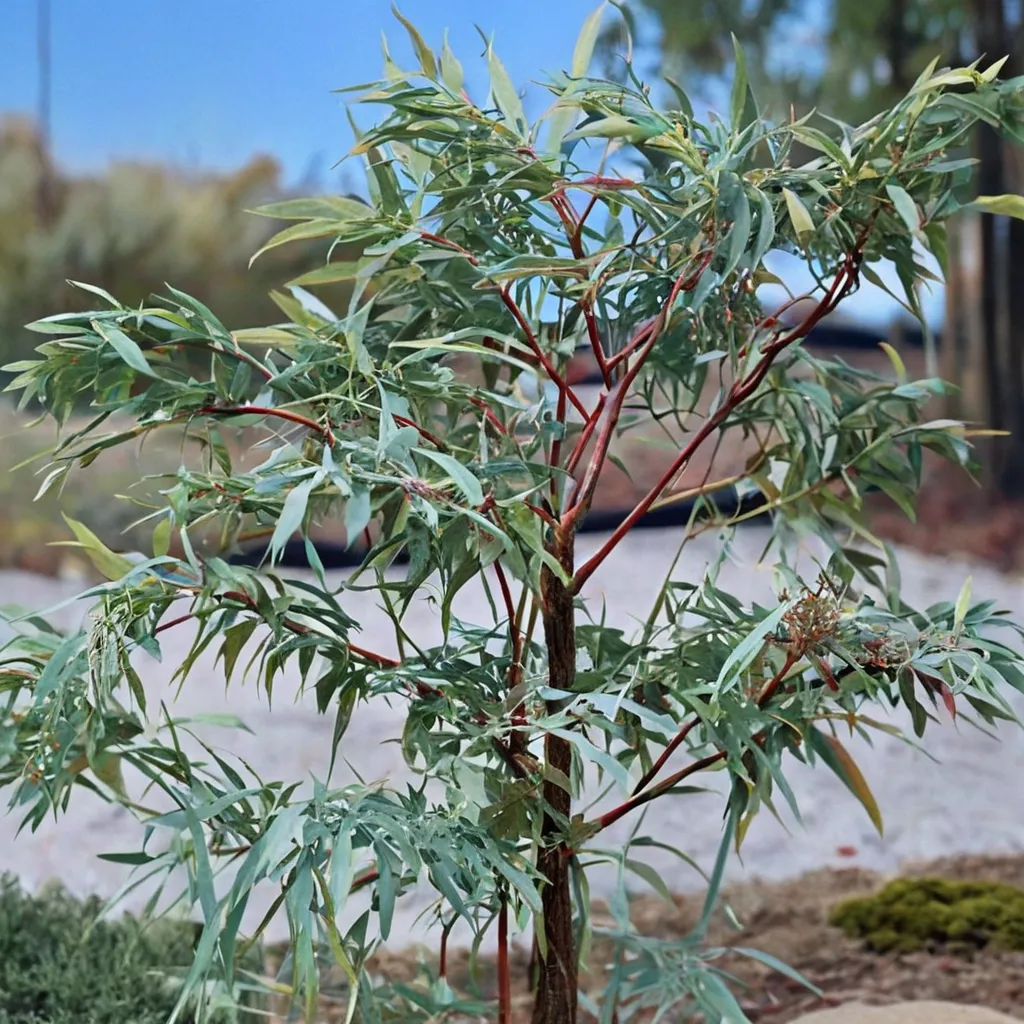
Narrow-leaved Peppermint Eucalyptus
Eucalyptus nicholii
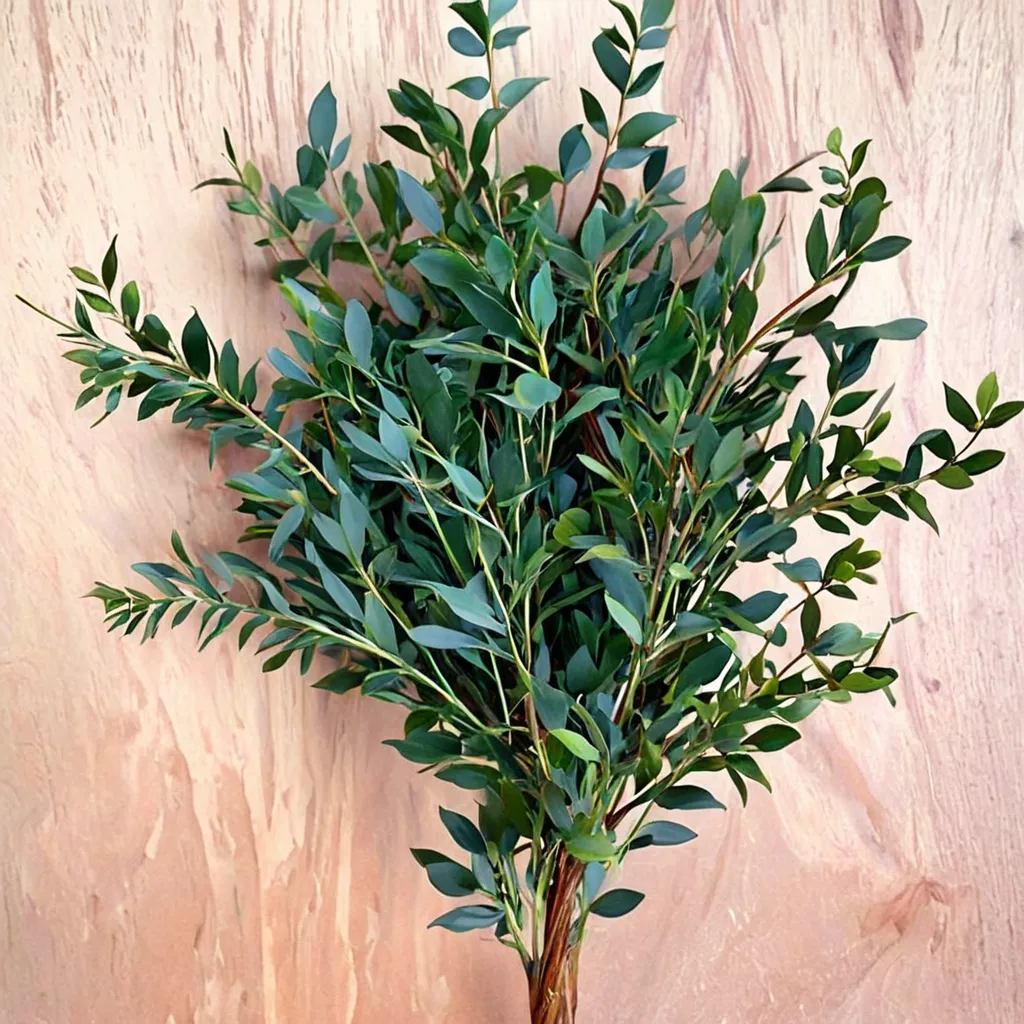
Small-leaved Gum
Eucalyptus parvifolia
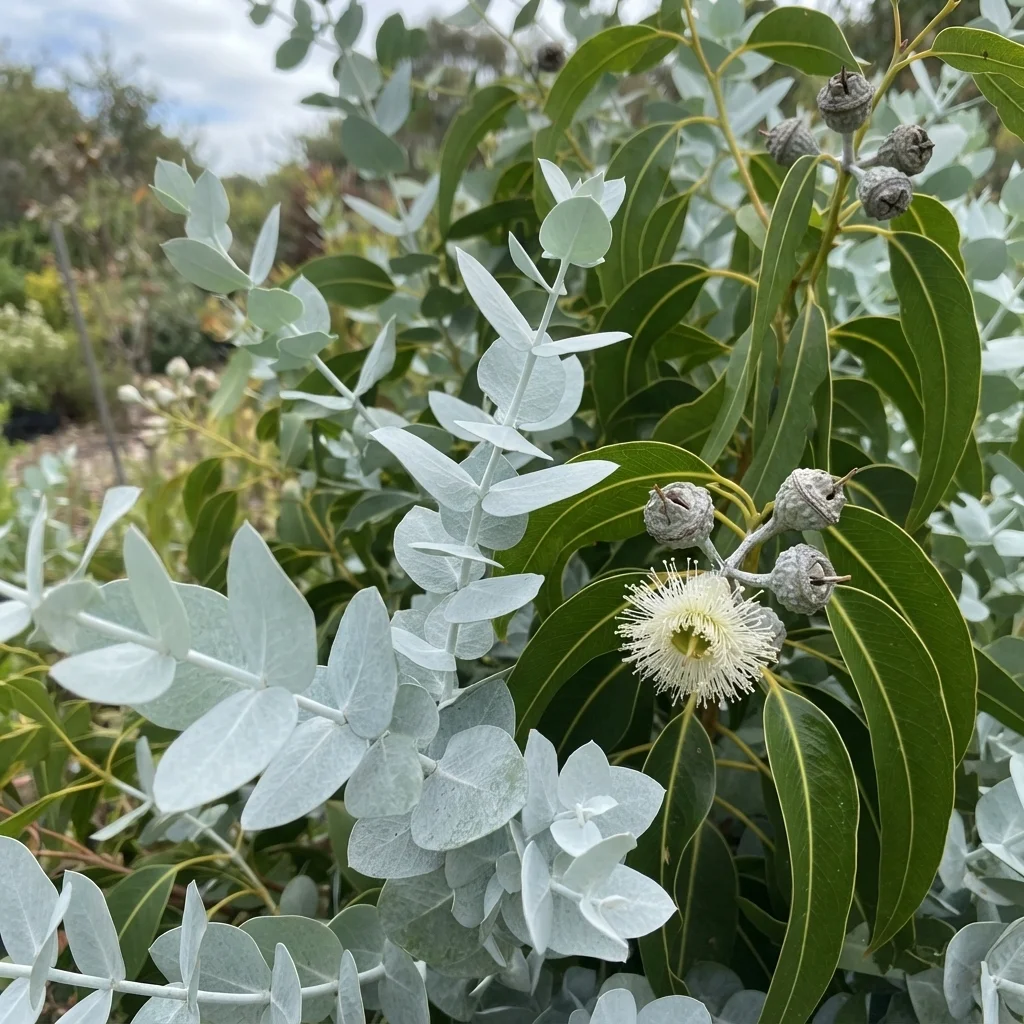
Tasmanian Blue Gum
Eucalyptus globulus
Keep exploring
Explore the genus
Hardy in your zone?
Grow Brittle Gum with confidence
See it in a design of your actual yard, get zone-matched care reminders, and track it season by season in your garden journal.