The Story
Plant Bio
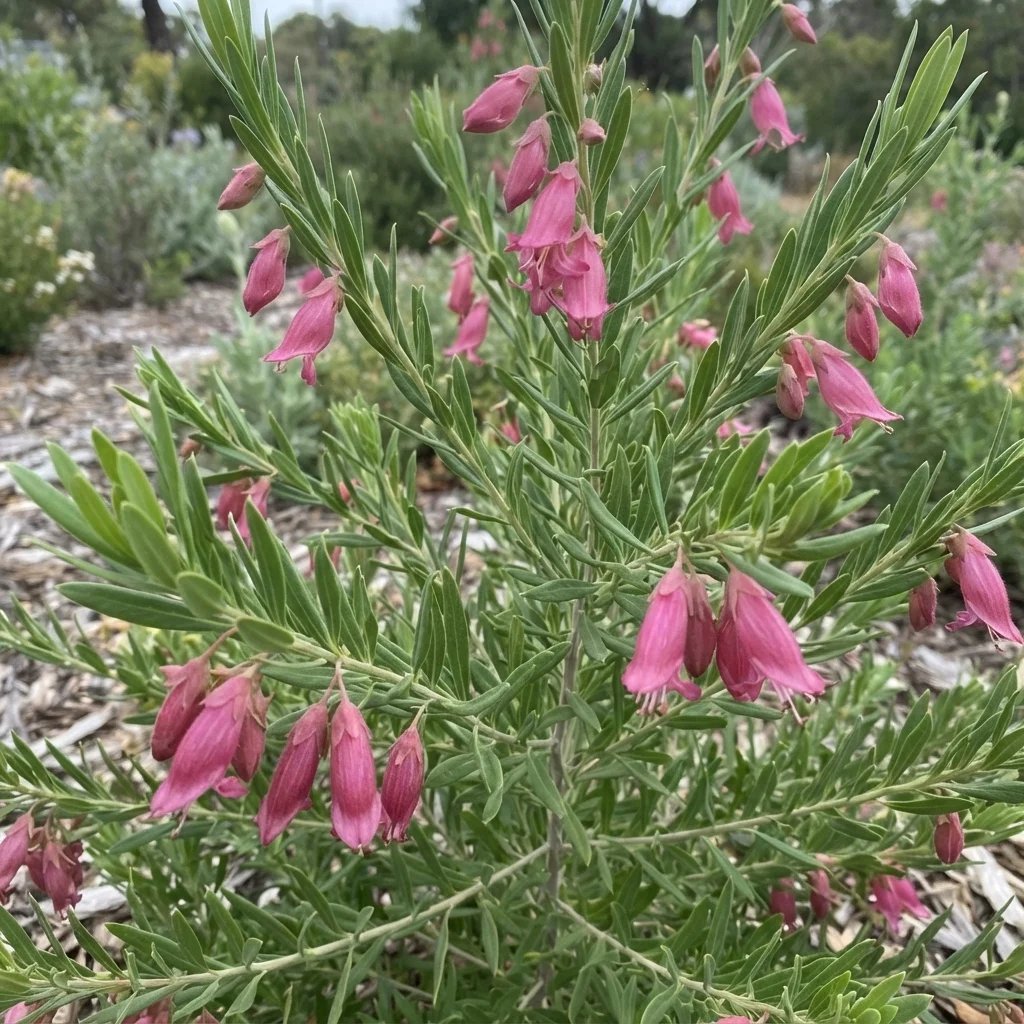
Eremophila racemosa is an erect, open-branching evergreen shrub native to the semi-arid interior of southwestern Australia. It features narrow, soft-textured, gray-green leaves and produces tubular flowers on distinctive S-shaped stalks directly from the leaf axils.
This species is distinguished by its multicolored floral display, bearing buds that emerge orange-yellow before opening to shades of pink, red, purple, or cream simultaneously on the same plant. In North American gardens, these nectar-rich blooms are highly attractive to hummingbirds.
Uses & Benefits:
Essentials
At a Glance
Plant Type
Shrub
Height
71"
Width
59"
Light
Full Sun, Partial Sun
Zones
9, 10
Water
Low
Humidity
Low
Lifespan
Short-lived in high humidity
Native To
Australia
Toxicity
Non-toxic
Bloom period
Late winter – Early summer
In flower about 5 months of the year
Planting
How to Grow
- Select a planting site in full sun with exceptionally well-draining sandy loam or stony soil.
- Dig a hole twice as wide as the root ball but equal in depth, ensuring the crown sits slightly above the surrounding soil level.
- Backfill with native soil without adding organic amendments that retain moisture.
- Apply a thin layer of gravel or pebble mulch around the base of the plant to keep the root crown dry.
Pro Tip
Plant on a slope, mound, or in a raised bed to guarantee the mandatory sharp drainage; stagnant moisture around the root crown triggers fatal root rot.
Keep It Thriving
Care Guide
Do
- Do plant in a fully exposed, airy site to maximize air circulation and minimize fungal issues.
- Do water sparingly once established, allowing the soil to dry out completely between waterings.
- Do use a low-phosphorus native fertilizer if supplemental feeding is necessary.
Don't
- Don't use heavy organic mulches like wood chips that trap moisture against the stem.
- Don't prune heavily into old, leafless woody stems, as the plant will fail to produce new shoots from old wood.
- Don't overwater during humid summer periods when the plant is highly susceptible to root rot.
Seasonal Care Calendar
| Task | Jan | Feb | Mar | Apr | May | Jun | Jul | Aug | Sep | Oct | Nov | Dec |
|---|---|---|---|---|---|---|---|---|---|---|---|---|
| Fertilize | ||||||||||||
| Mulch | ||||||||||||
| Pest Check | ||||||||||||
| Prune |
Watch Out For
Pests & Diseases
Common Pests
Common Diseases
In the Garden
Landscape Uses & Companions
Landscape Uses
Companion Plants
Multiply
Propagation Methods
Good to Know
Common Questions
Easter Egg Bush questions
What zones can Easter Egg Bush grow in?
Easter Egg Bush is hardy in USDA Zones 9–10. Inside that range it survives winter in the ground; outside it, grow it as an annual or a container plant you protect.
When does Easter Egg Bush bloom?
Easter Egg Bush typically blooms in late winter through early summer. Exact timing shifts a week or two with your zone — Sow's bloom calendar maps it to your garden.
Does Easter Egg Bush need full sun?
Easter Egg Bush does best in full sun to part shade. In hot climates, afternoon shade keeps blooms fresher longer.
Is Easter Egg Bush drought tolerant?
Yes — once established (usually after the first full season), Easter Egg Bush handles dry spells with minimal watering. Water deeply its first year to build the root system that makes that possible.
More Eremophila to compare
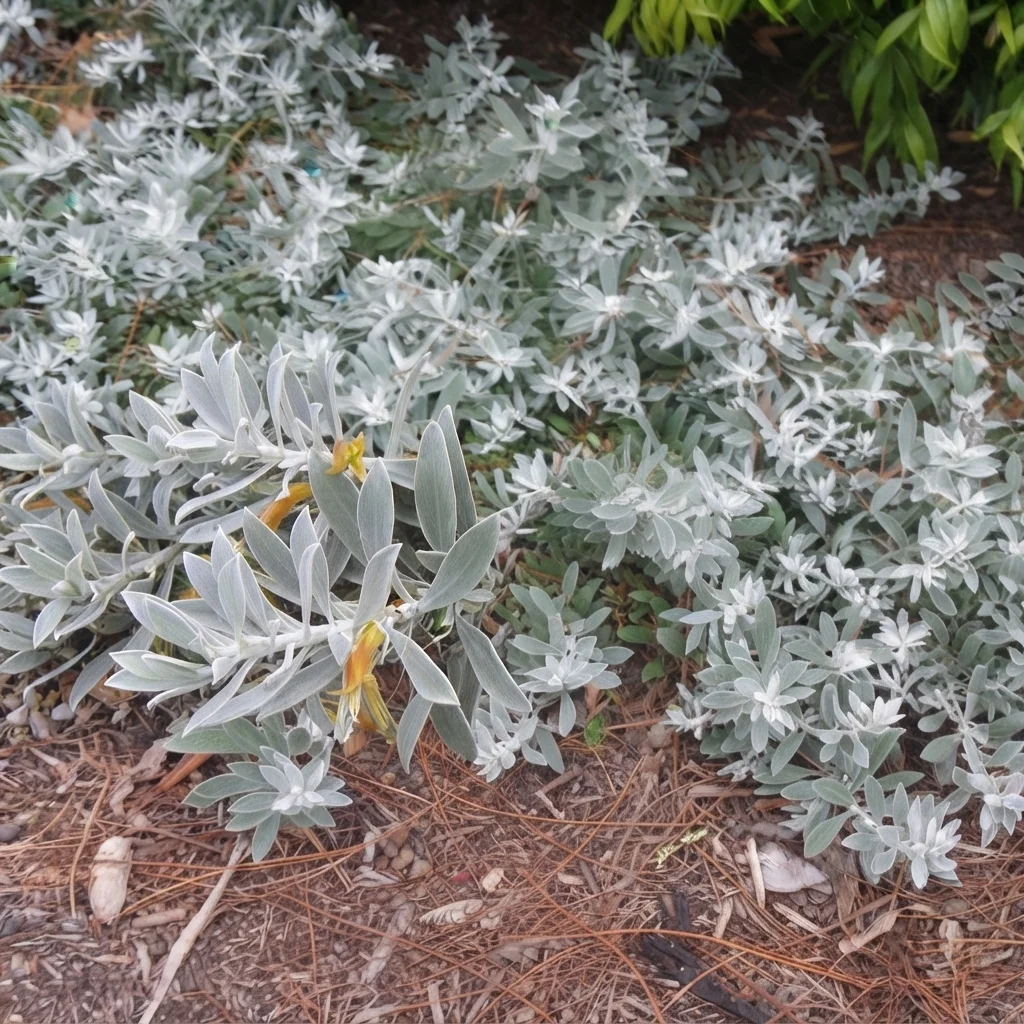
Emu Bush
Eremophila glabra 'Kalbarri Carpet'
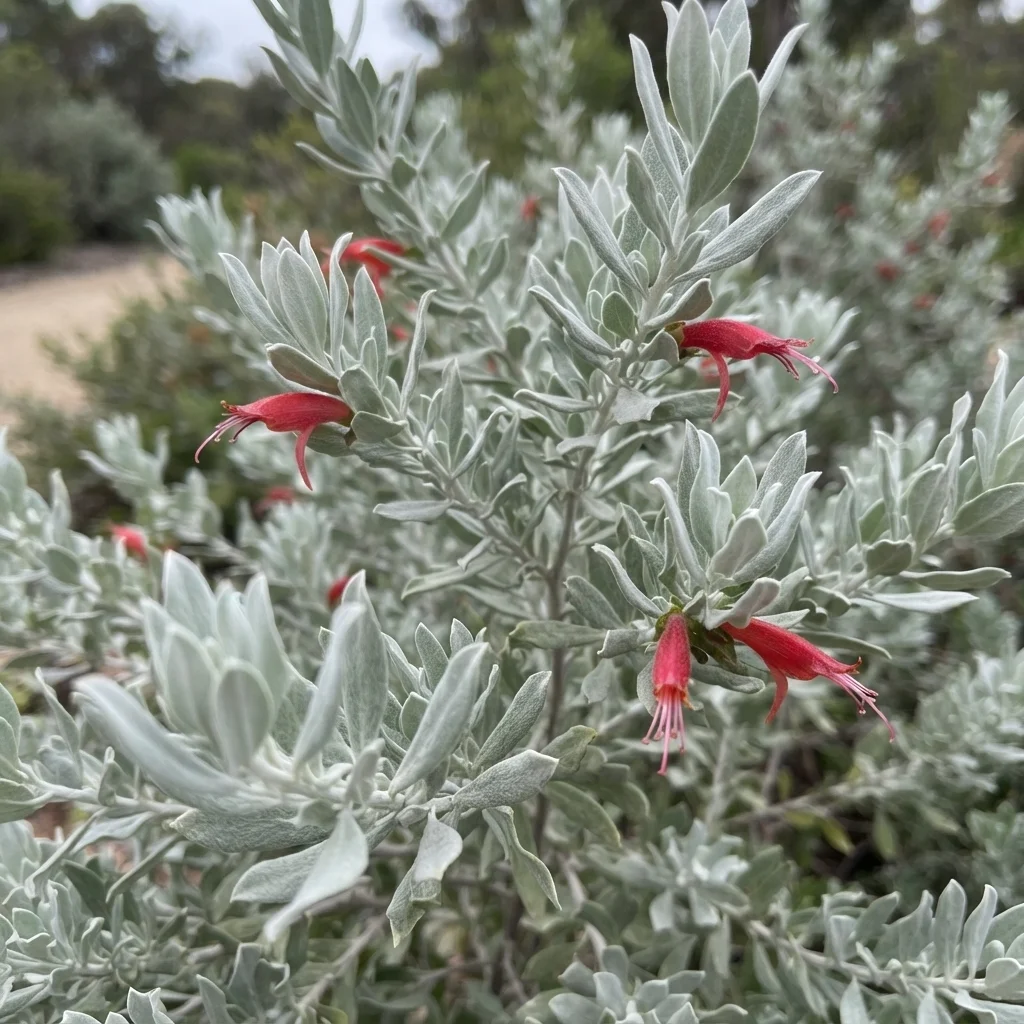
Common Emu Bush
Eremophila glabra
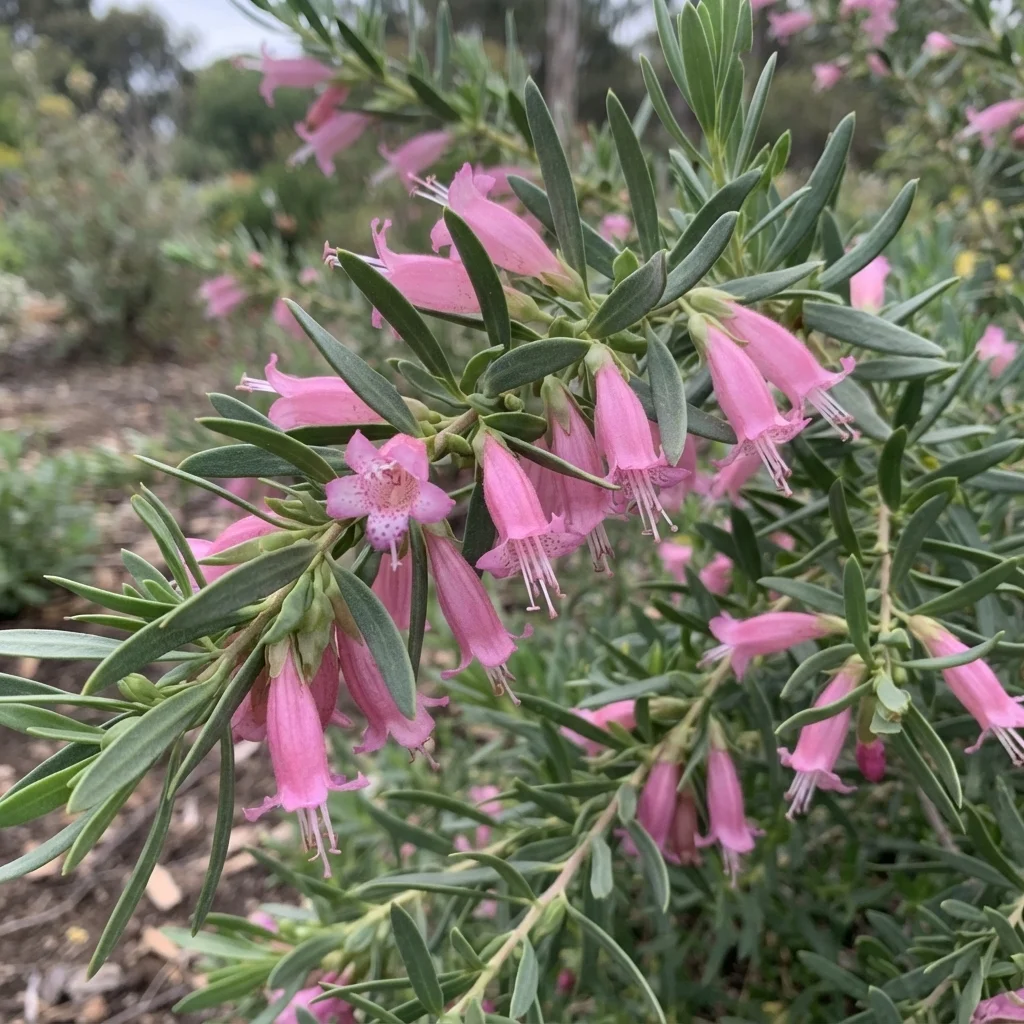
Pink Emu Bush
Eremophila laanii
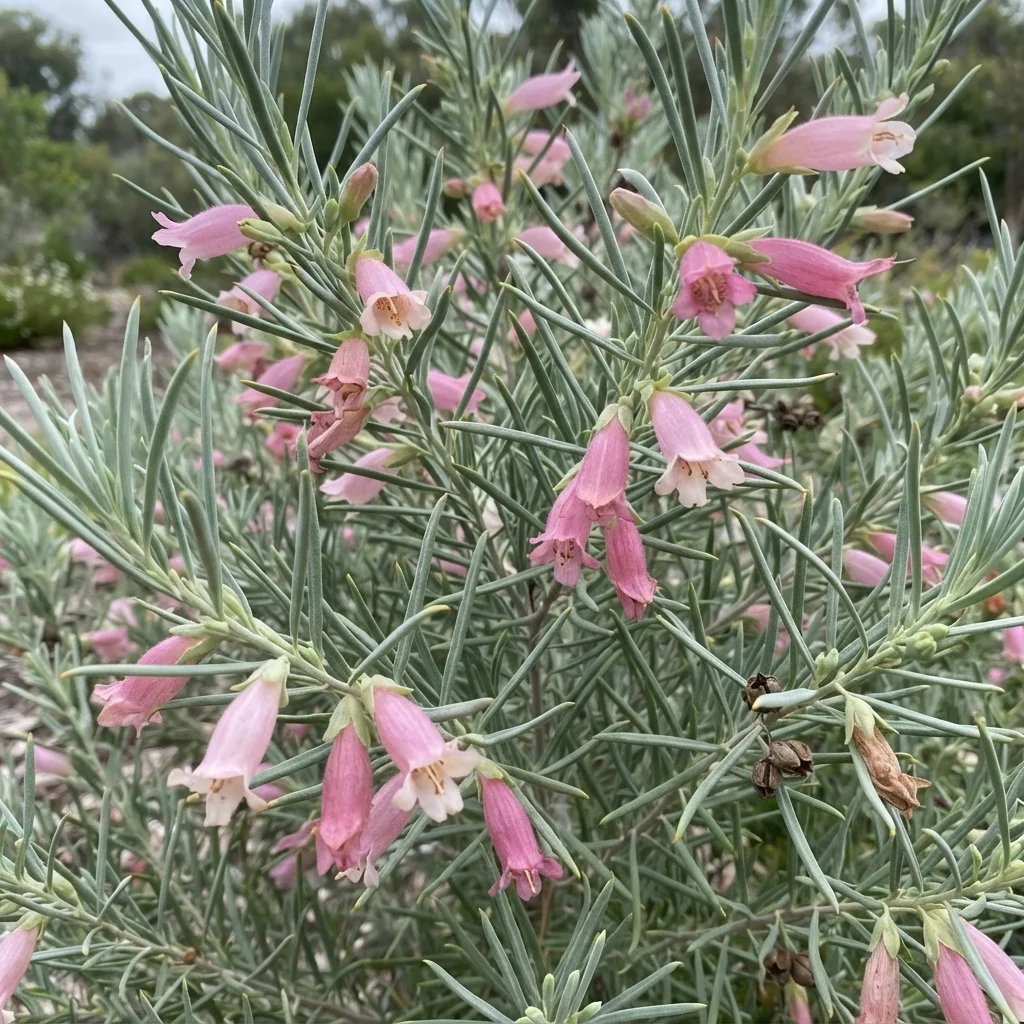
Twin-leaf Emu Bush
Eremophila oppositifolia
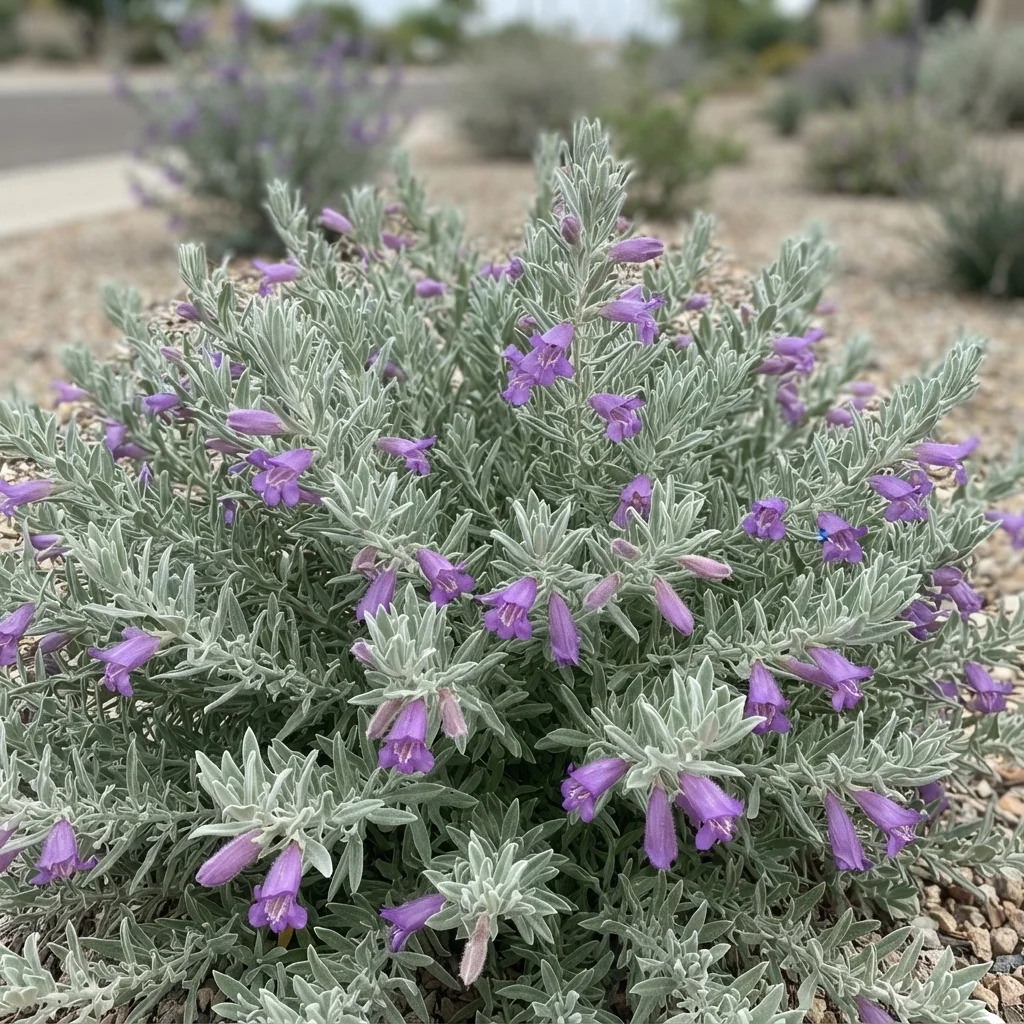
Blue Bells Emu Bush
Eremophila hygrophana 'Blue Bells'
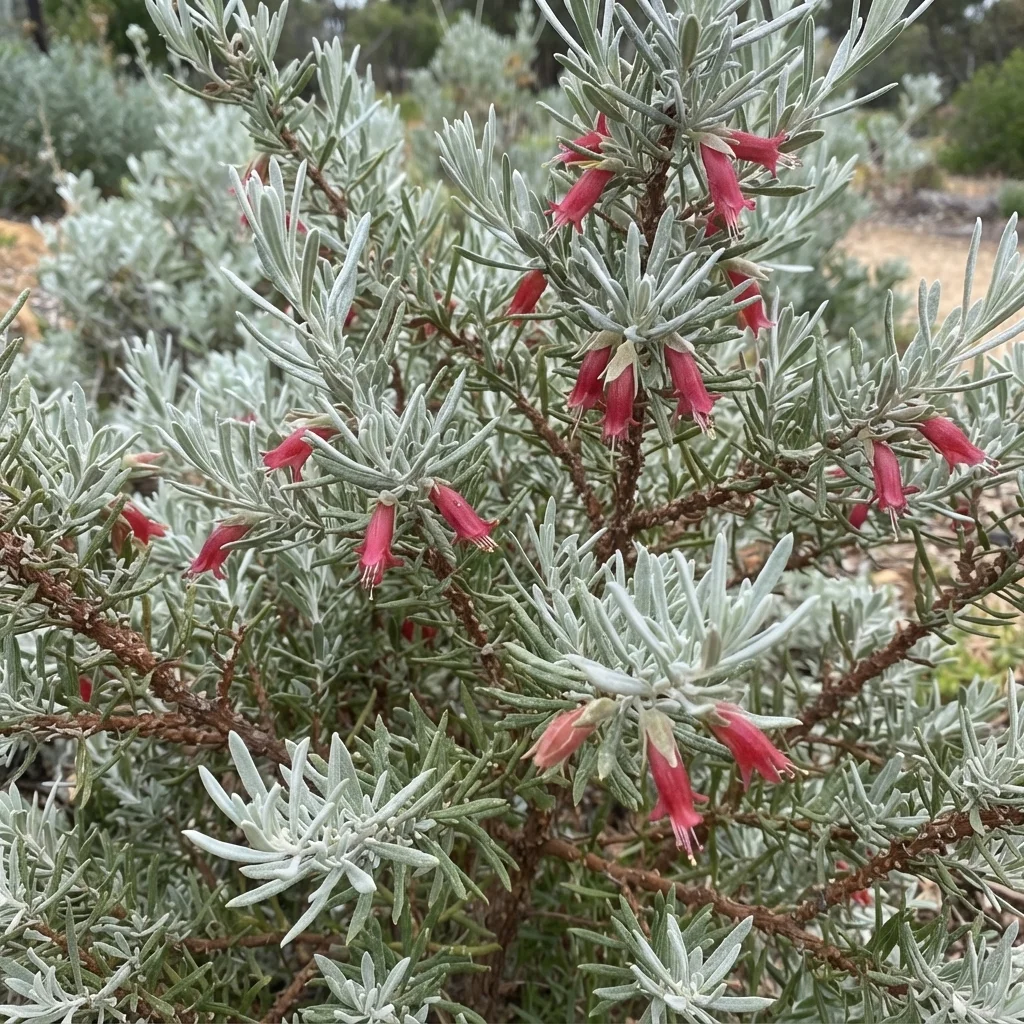
Crimson Turkey Bush
Eremophila latrobei
Keep exploring
Explore the genus
Hardy in your zone?
Grow Easter Egg Bush with confidence
See it in a design of your actual yard, get zone-matched care reminders, and track it season by season in your garden journal.