The Story
Plant Bio
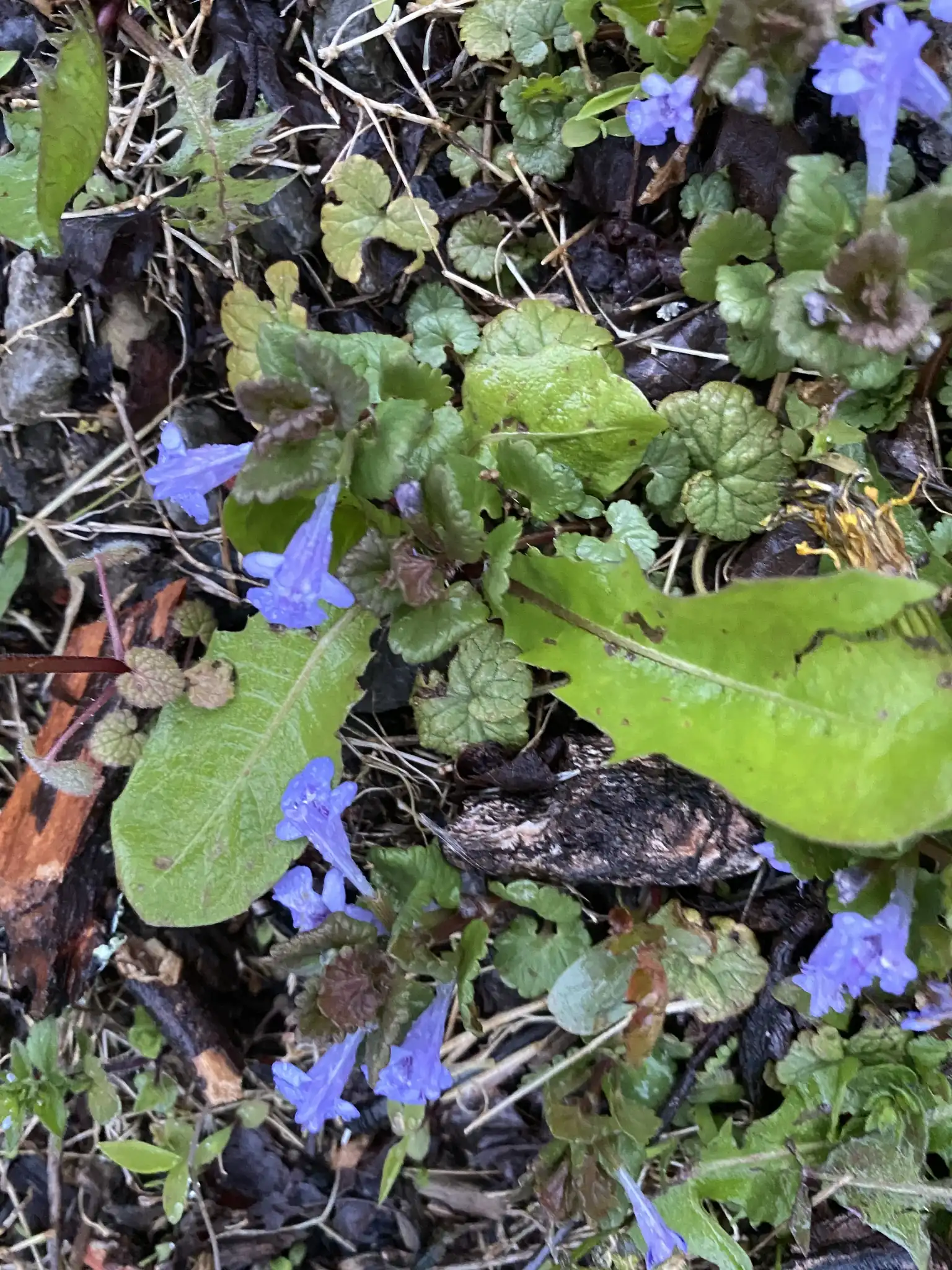
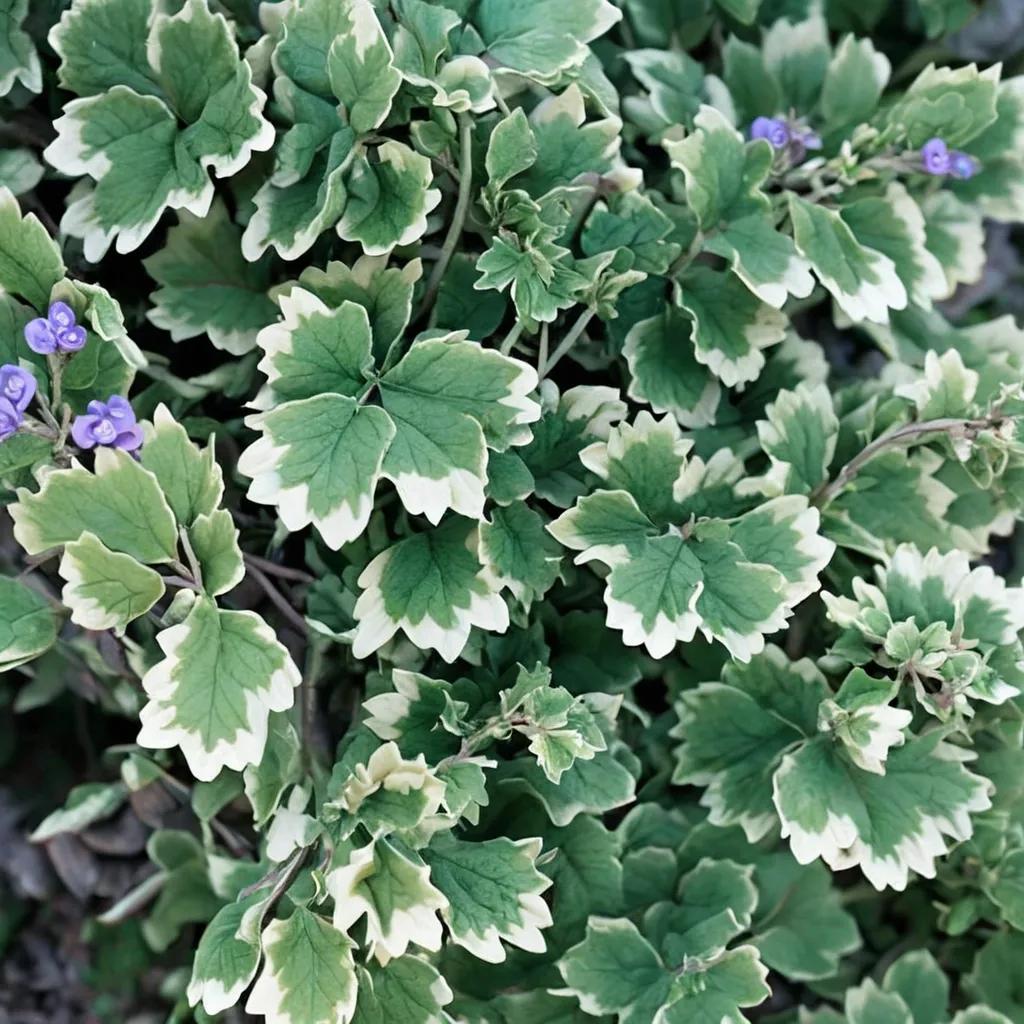
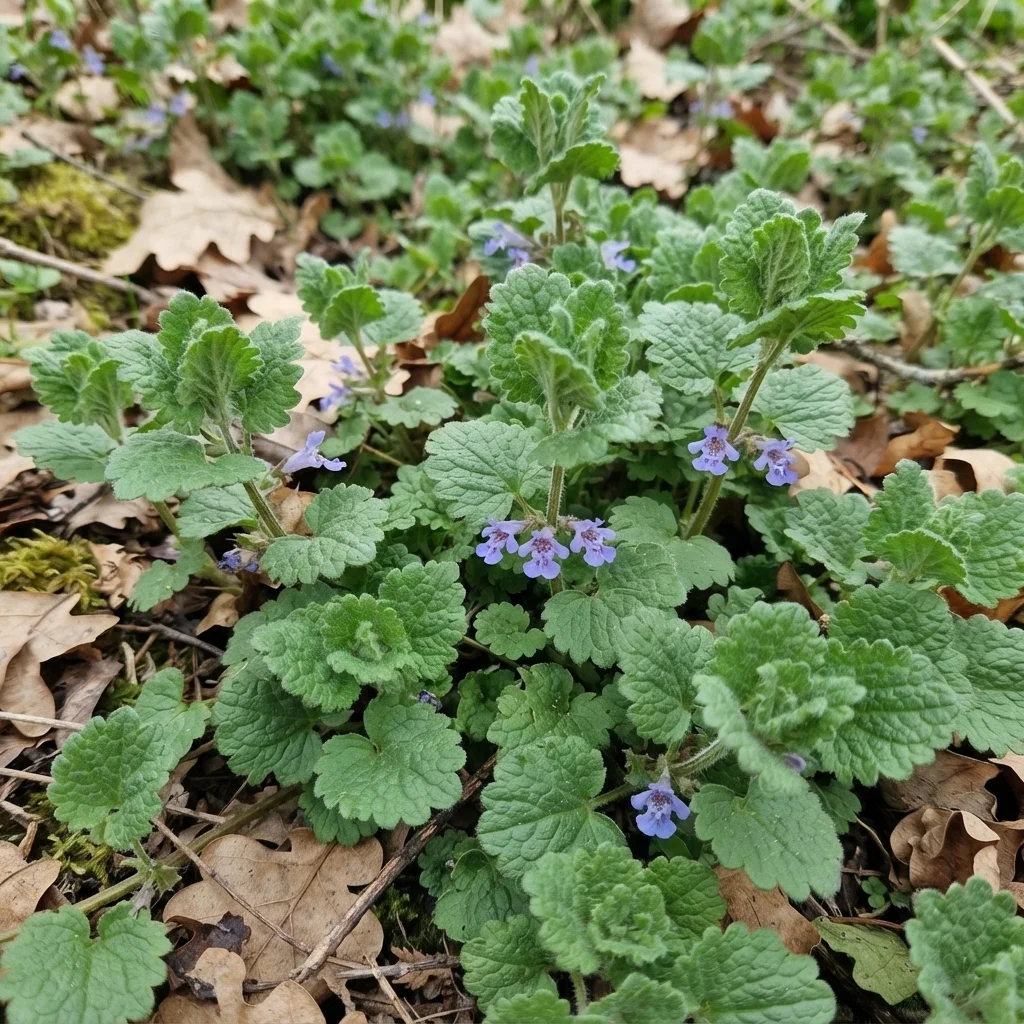
Glechoma hederacea, ground ivy or creeping Charlie, is a low creeping perennial from Europe and Asia, now naturalised across North America. Square stems root at every node as they run, carrying scalloped kidney-shaped leaves that smell strongly when crushed, and small tubular blue-violet flowers open in whorls in spring.
It is among the hardest lawn weeds to remove precisely because it roots at every node — pulling a runner leaves a dozen new plants behind, so removal means lifting the whole mat rather than tugging at it. It is toxic to horses, which matters near pasture. The leaves are edible to people and were used to flavour and clarify ale before hops.
Uses & Benefits:
Essentials
At a Glance
Plant Type
Groundcover
Height
4"
Width
24"
Light
Partial Sun, Shade
Zones
4, 5, 6, 7, 8, 9
Water
Moderate
Humidity
Moderate
Lifespan
Perennial
Native To
Europe to Siberia
Toxicity
Toxic to horses; leaves edible to people
Planting
How to Grow
- Expect it in damp, shaded, compacted ground.
- Lift whole mats rather than pulling runners.
- Improve drainage and light to discourage it.
- Keep it away from horse pasture.
- Bag material for disposal rather than composting.
- Never plant the variegated form in open ground.
Pro Tip
Every node roots, so tugging a runner multiplies it — the only removal that works is lifting the whole mat intact.
Keep It Thriving
Care Guide
Do
- Lift whole mats when removing it 🧤
- Improve light and drainage 🌤️
- Keep it clear of horse pasture 🐴
- Bag it rather than composting 🗑️
Don't
- Pull at individual runners ❌
- Plant the variegated form outdoors ❌
- Let it reach grazing animals ❌
Seasonal Care Calendar
| Task | Jan | Feb | Mar | Apr | May | Jun | Jul | Aug | Sep | Oct | Nov | Dec |
|---|---|---|---|---|---|---|---|---|---|---|---|---|
| Control | ||||||||||||
| Identify |
Watch Out For
Pests & Diseases
Common Pests
Common Diseases
In the Garden
Landscape Uses & Companions
Landscape Uses
Multiply
Propagation Methods
Good to Know
Common Questions
Creeping Charlie Variegated questions
What zones can Creeping Charlie Variegated grow in?
Creeping Charlie Variegated is hardy in USDA Zones 4–9. Inside that range it survives winter in the ground; outside it, grow it as an annual or a container plant you protect.
Is Creeping Charlie Variegated deer resistant?
Not reliably. Deer may browse Creeping Charlie Variegated, especially tender spring growth — plan on repellents or fencing where pressure is high.
When does Creeping Charlie Variegated bloom?
Creeping Charlie Variegated typically blooms in spring through late fall. Exact timing shifts a week or two with your zone — Sow's bloom calendar maps it to your garden.
Does Creeping Charlie Variegated need full sun?
Creeping Charlie Variegated does best in part shade.
More Glechoma to compare
Keep exploring
Explore the genus
Grow Creeping Charlie Variegated with confidence
See it in a design of your actual yard, get zone-matched care reminders, and track it season by season in your garden journal.