Also known as Ground Ivy · 31 saves
Glechoma
Glechoma, the genus most gardeners know as ground ivy. We track 3 varieties; the ones most used by real gardeners.
The 2 most-saved Glechoma varieties
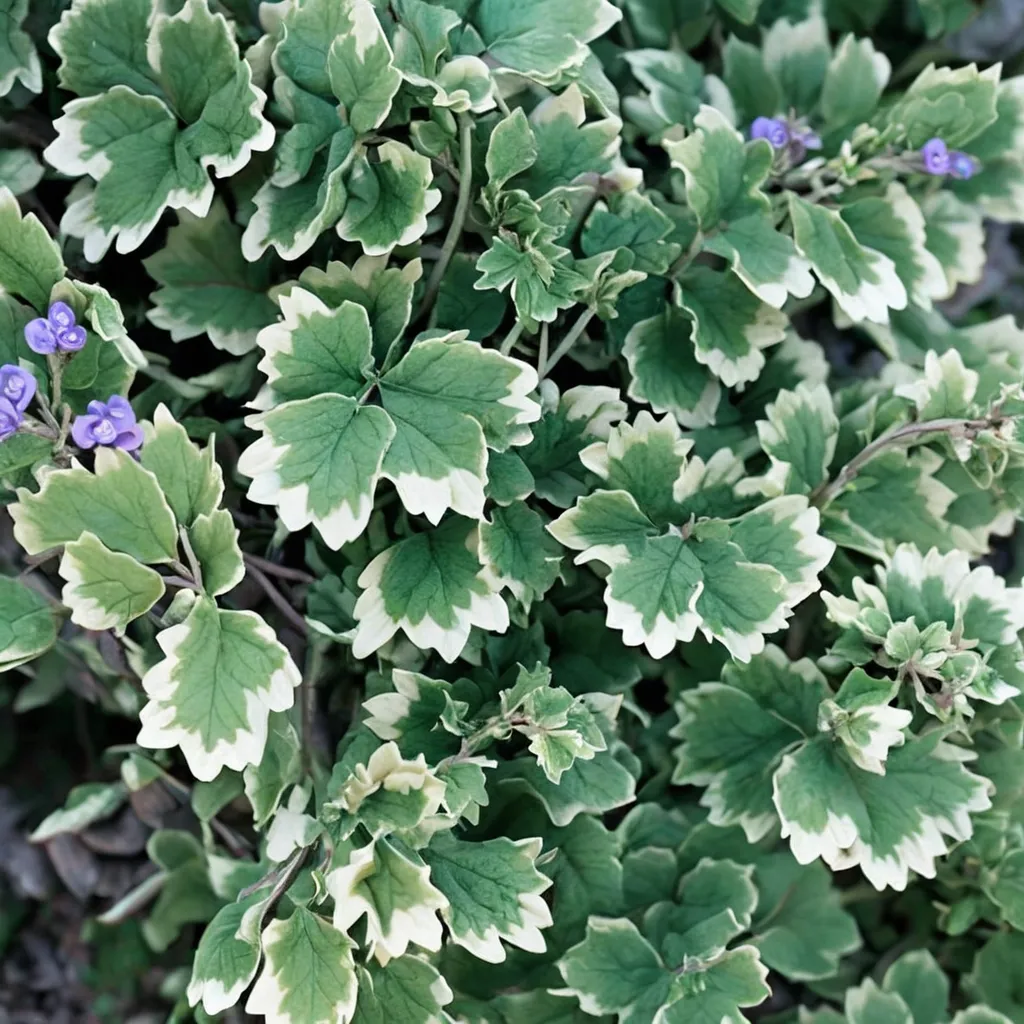
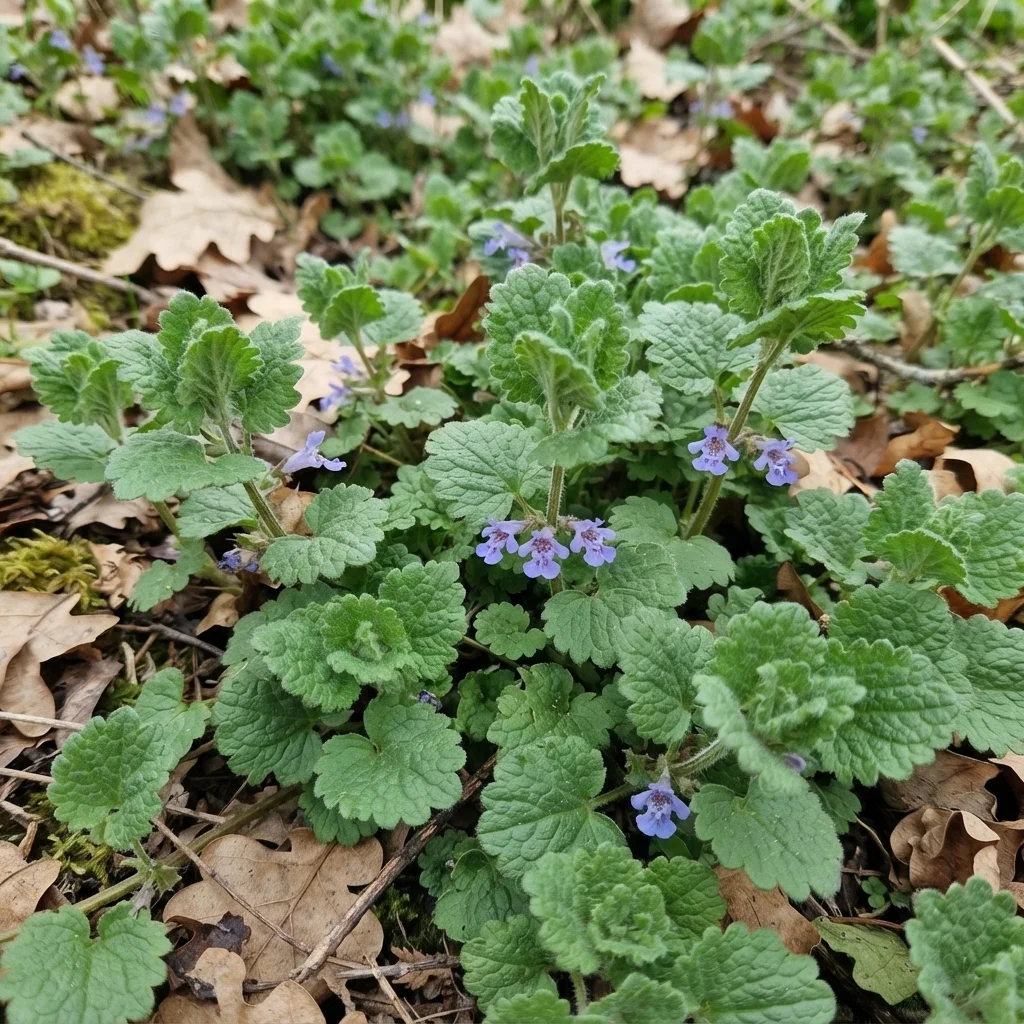
Browse all 3 Glechoma varieties →
2 species of Glechoma
Each one is a parent of the varieties above.
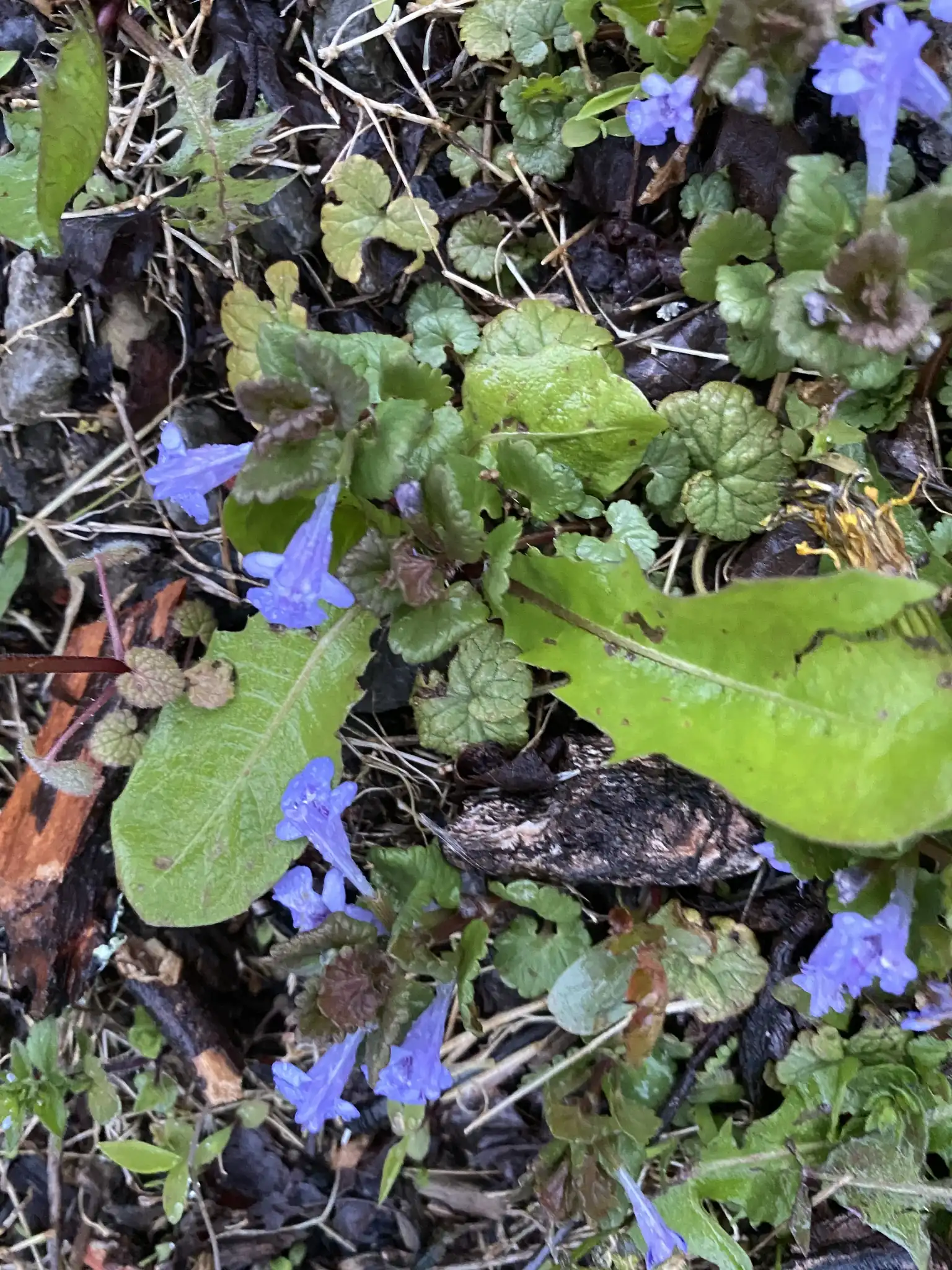
Track your Glechoma in Sow
Save the Glechoma you grow and get care reminders timed to your zone.
How to grow Glechoma
Whats common across all Glechoma varieties in our catalog — drawn from the care records of the 3 most-grown of them.
The Glechoma year
- PruneApril and September67% of varieties
Cut back aggressively or edge borders to contain creeping stolons.

Do
- Lift whole mats when removing it 🧤
- Improve light and drainage 🌤️
- Keep it clear of horse pasture 🐴
- Bag it rather than composting 🗑️
- Keep soil consistently moist but well-drained to support healthy foliage.
Avoid
- Pull at individual runners ❌
- Plant the variegated form outdoors ❌
- Let it reach grazing animals ❌
- Do not plant this species near delicate alpine or rockery plants that can be easily overwhelmed.
What goes wrong with Glechoma
| Problem | What you'll see | What to do |
|---|---|---|
| Aphids | Distorted leaf growth and sticky honeydew on stems during dry periods. | Wash foliage with a strong spray of water or apply insecticidal soap if infestations persist. |
| Generally pest-free | No significant insect damage is typical | Monitor only; nothing here meaningfully limits its spread |
| Spider Mites | Fine webbing and stippled, dusty-looking leaves in hot, dry conditions. | Increase humidity around the foliage and spray with water or horticultural oil. |
| Deer | Chewed foliage and stems, though browsing is usually minor and occasional. | Protect vulnerable borders with physical barriers or deer-repellent sprays if browsing becomes frequent. |
| Powdery mildew | White floury film across the mat in humid late-season weather | Cosmetic; the plant regrows regardless and no treatment is warranted |
| Powdery Mildew | White, powdery fungal patches on the leaf surfaces in dense shade or poor air circulation. | Thin the canopy to improve airflow and avoid overhead watering. |
| Root Rot | Yellowing foliage, wilting, and mushy, blackened roots in poorly drained soils. | Ensure the soil has reasonable drainage and reduce watering frequency. |
Making more Glechoma
Division
- Lift a rooted section of runner at any time in growth.
- It establishes immediately without help.
- Replant only into a fully contained position.
Cuttings
- Take softwood cuttings in late spring.
- Dip cut ends in rooting hormone.
- Plant in moist soil or potting mix.
- Keep soil moist and place in partial shade for 3 weeks.
Glechoma questions
How many types of Glechoma are there?
The Sow catalog tracks 3 distinct Glechoma varieties. The most popular — ranked by 31 real gardeners — are shown first above.
What zones does Glechoma grow in?
Across its varieties, Glechoma covers USDA Zones 4–9. Individual varieties differ — each plant page lists its exact range, and Sow filters the catalog to your zone automatically.
When does Glechoma bloom?
Most Glechoma varieties bloom in late spring, spring. Staggering early, mid, and late varieties extends the genus's season in one bed.
Which Glechoma should I choose?
Start from the most-saved varieties above — popularity across thousands of gardens is a strong signal of reliability — then filter by your zone and sun. In the Sow app you can preview any of them in a photo of your actual yard before you buy.