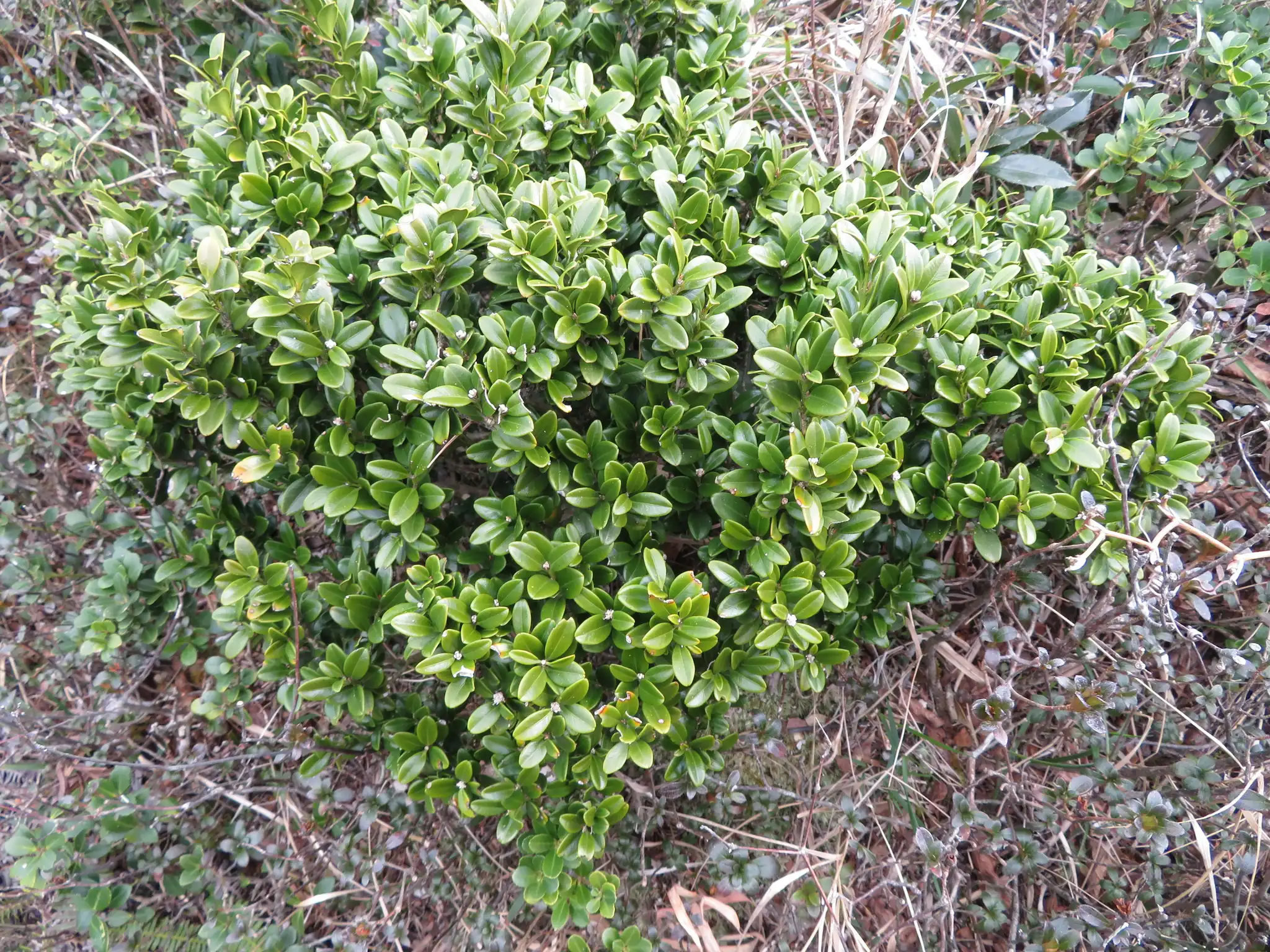
10 named cultivars
 ‘Winter Gem’Winter Gem Boxwood
 ‘Wintergreen’Wintergreen Boxwood
 ‘Gregem’Baby Gem Boxwood
 ‘Newgen Freedom’NewGen Freedom Boxwood
 ‘Green Beauty’Green Beauty Boxwood
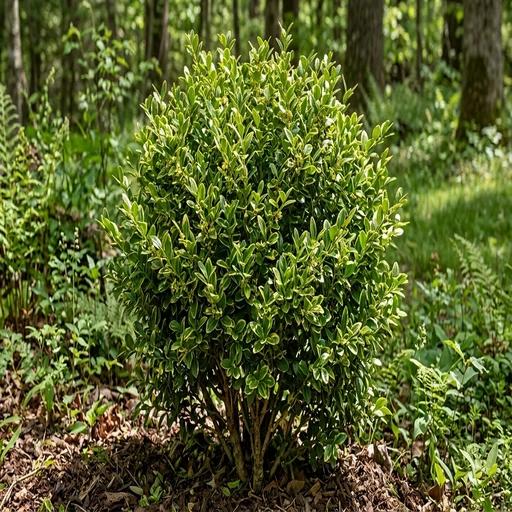 ‘John Baldwin’John Baldwin Boxwood
 ‘Little Missy’Little Missy Boxwood
 ‘Conrowe’Gordo Boxwood
 ‘Newgen Independence’NewGen Independence Boxwood
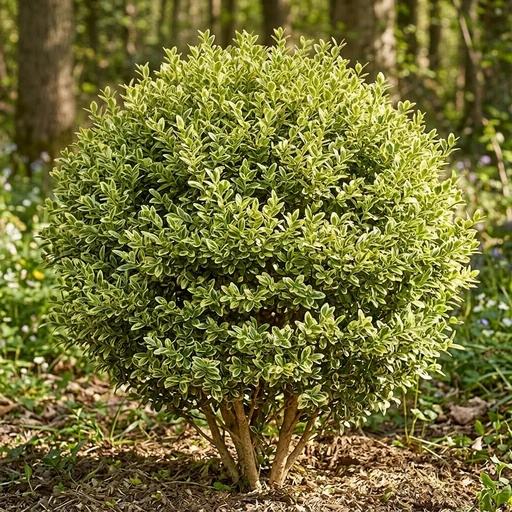 ‘Golden Dream’Golden Dream Boxwood
The Story
Plant Bio
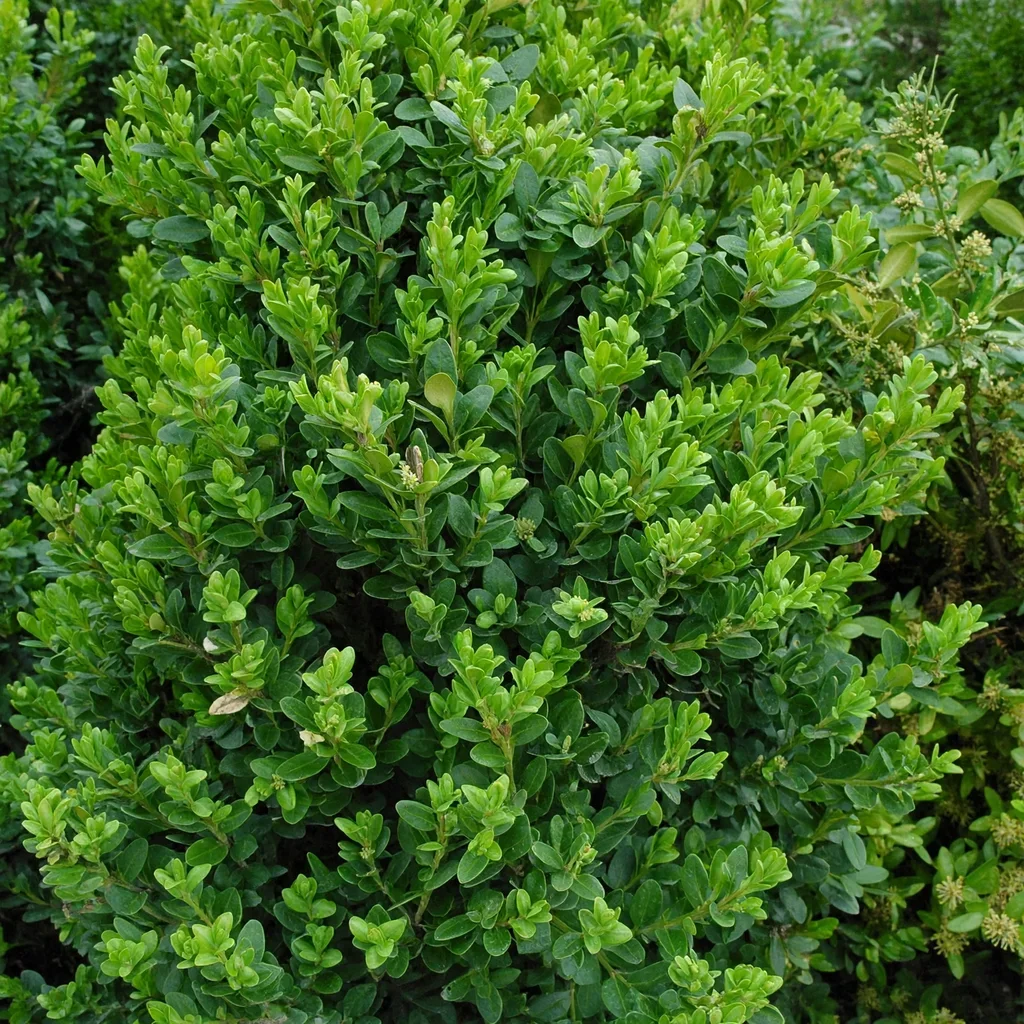
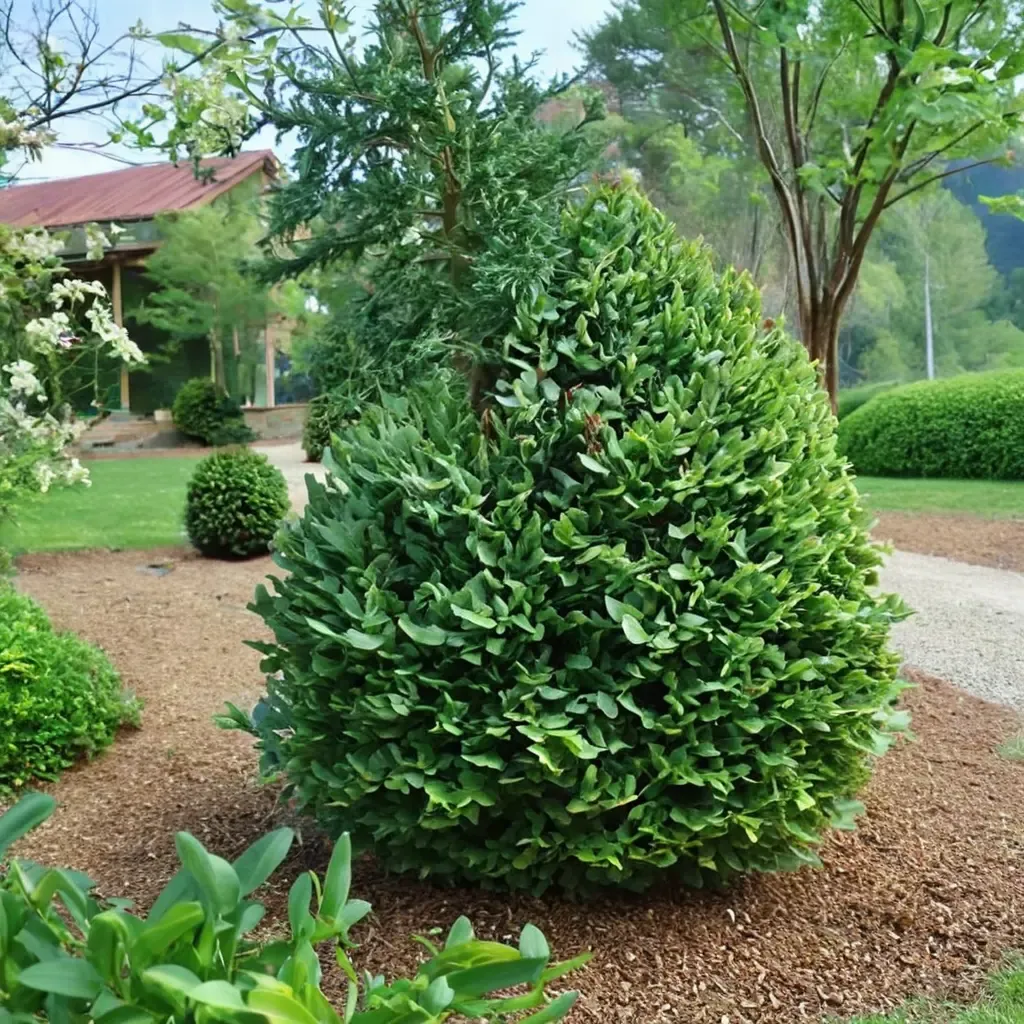
Buxus microphylla, the littleleaf boxwood, is a slow-growing, densely branched evergreen shrub native to East Asia that forms a compact, rounded mound of tiny, leathery leaves. The small, petalless, greenish-yellow flowers cluster in leaf axils during spring, providing minor forage for early pollinators while remaining largely inconspicuous.
This species is distinguished by its exceptionally small, blunt-tipped leaves that emerge as a bright, light yellow-green before maturing to a deep, leathery green. Its naturally compact, slow-growing habit makes it highly responsive to formal shearing and structural shaping.
Uses & Benefits:
Essentials
At a Glance
Plant Type
Shrub
Height
48"
Width
48"
Light
Full Sun, Partial Sun
Zones
6, 7, 8, 9
Water
Moderate
Humidity
Moderate
Lifespan
Long-lived
Native To
Asia
Toxicity
Toxic to humans and pets
Planting
How to Grow
- Select a site with well-drained, loamy or sandy soil in full sun to partial shade, preferably with protection from harsh afternoon sun.
- Dig a hole twice as wide as the root ball but no deeper, ensuring the top of the root flare sits slightly above the surrounding soil grade.
- Apply a three-inch layer of organic mulch over the root zone to conserve moisture and protect the shallow, sensitive roots from temperature extremes.
- Water deeply and regularly during the first growing season to establish a deep root system, allowing the soil to dry slightly between waterings.
- Thin the interior canopy annually to improve air penetration and reduce the risk of fungal diseases.
Pro Tip
Thin the interior branches annually to improve air circulation and light penetration, and never shear back into old, leafless wood which lacks dormant buds to regenerate.
Keep It Thriving
Care Guide
Do
- Mulch the root zone to protect the shallow root system from heat and mechanical damage.
- Thin out interior branches annually to allow light and air to penetrate the canopy.
- Water consistently during dry spells to maintain moderate soil moisture.
Don't
- Never cultivate or till the soil deeply around the base of the plant, as this damages the shallow roots.
- Never prune into old, leafless wood, as it lacks the dormant buds required to regenerate.
- Do not prune late in the season or before the last spring frost, which exposes tender new growth to cold damage.
Seasonal Care Calendar
| Task | Jan | Feb | Mar | Apr | May | Jun | Jul | Aug | Sep | Oct | Nov | Dec |
|---|---|---|---|---|---|---|---|---|---|---|---|---|
| Fertilize | ||||||||||||
| Mulch | ||||||||||||
| Pest Check | ||||||||||||
| Prune |
Watch Out For
Pests & Diseases
Common Pests
Common Diseases
In the Garden
Landscape Uses & Companions
Landscape Uses
Companion Plants
Multiply
Propagation Methods
Good to Know
Common Questions
Littleleaf Boxwood questions
What zones can Littleleaf Boxwood grow in?
Littleleaf Boxwood is hardy in USDA Zones 6–9. Inside that range it survives winter in the ground; outside it, grow it as an annual or a container plant you protect.
Is Littleleaf Boxwood deer resistant?
Yes — Littleleaf Boxwood is rated deer-resistant. Deer typically pass it over, though extreme hunger can override any plant's defenses.
When does Littleleaf Boxwood bloom?
Littleleaf Boxwood typically blooms in spring through spring. Exact timing shifts a week or two with your zone — Sow's bloom calendar maps it to your garden.
Does Littleleaf Boxwood need full sun?
Littleleaf Boxwood does best in full sun to part shade. In hot climates, afternoon shade keeps blooms fresher longer.
Is Littleleaf Boxwood drought tolerant?
Yes — once established (usually after the first full season), Littleleaf Boxwood handles dry spells with minimal watering. Water deeply its first year to build the root system that makes that possible.
More Buxus to compare
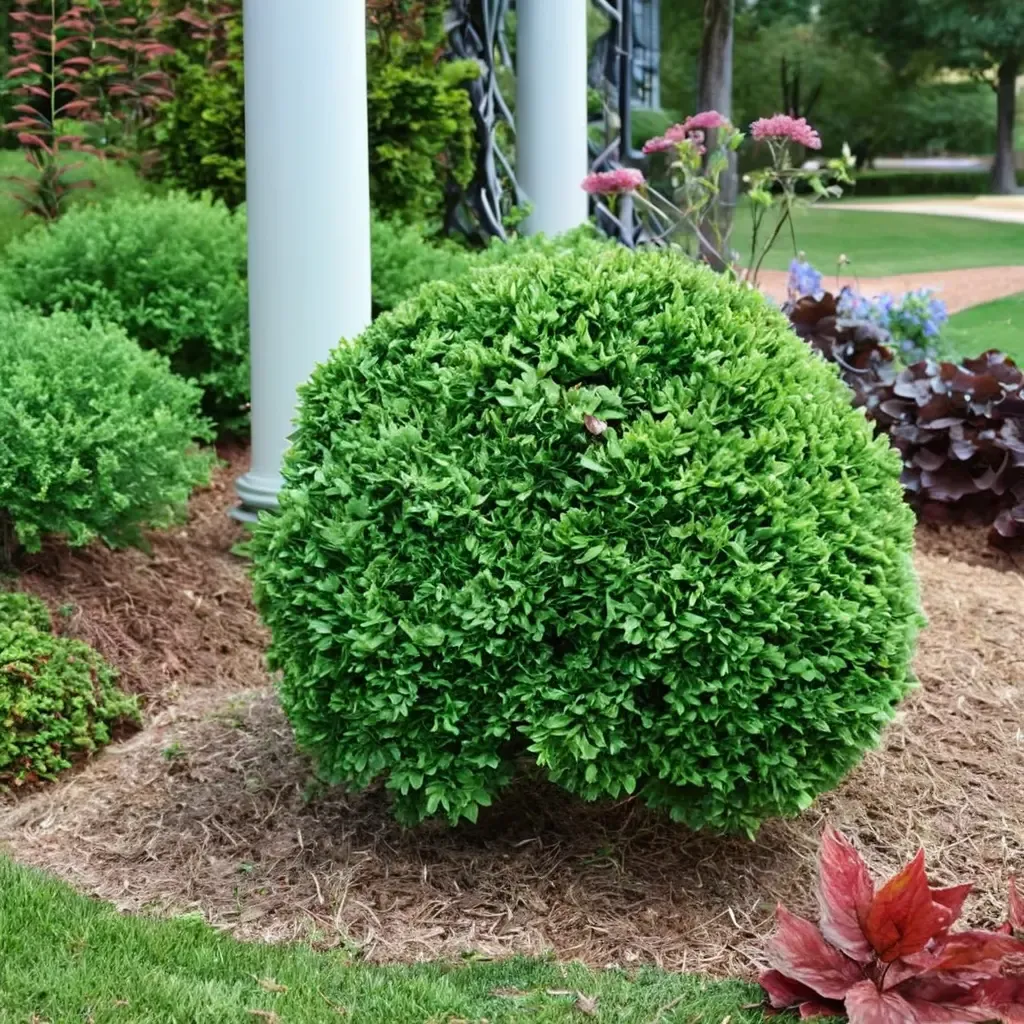
Green Velvet Boxwood
Buxus sempervirens 'Green Velvet'
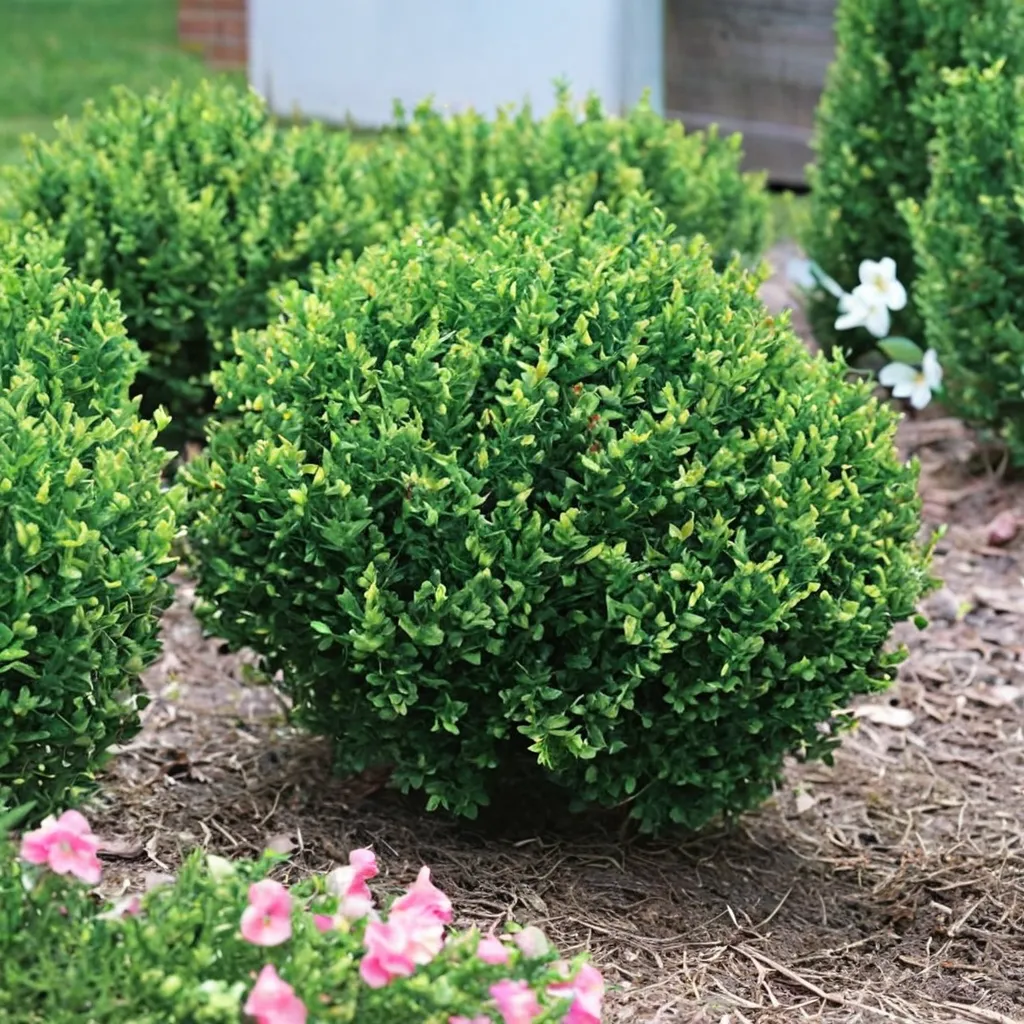
Green Mountain Boxwood
Buxus sempervirens 'Green Mountain'
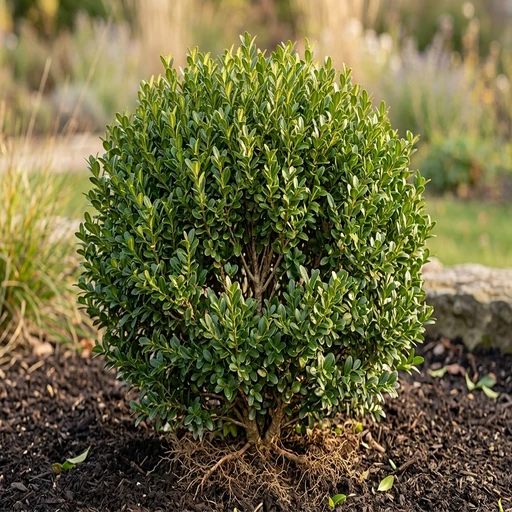
Boxwood Sprinter
Buxus x hybrida 'Sprinter'
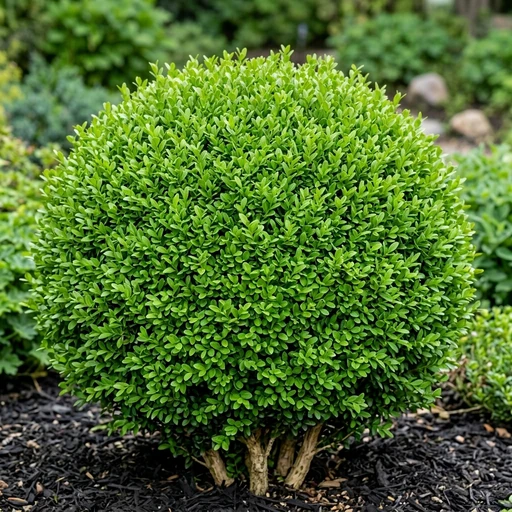
Winter Gem Boxwood
Buxus microphylla 'Winter Gem'
Wintergreen Boxwood
Buxus microphylla 'Wintergreen'
Common Boxwood
Buxus sempervirens
Keep exploring
Explore the genus
Hardy in your zone?
Grow Littleleaf Boxwood with confidence
See it in a design of your actual yard, get zone-matched care reminders, and track it season by season in your garden journal.