The Story
Plant Bio
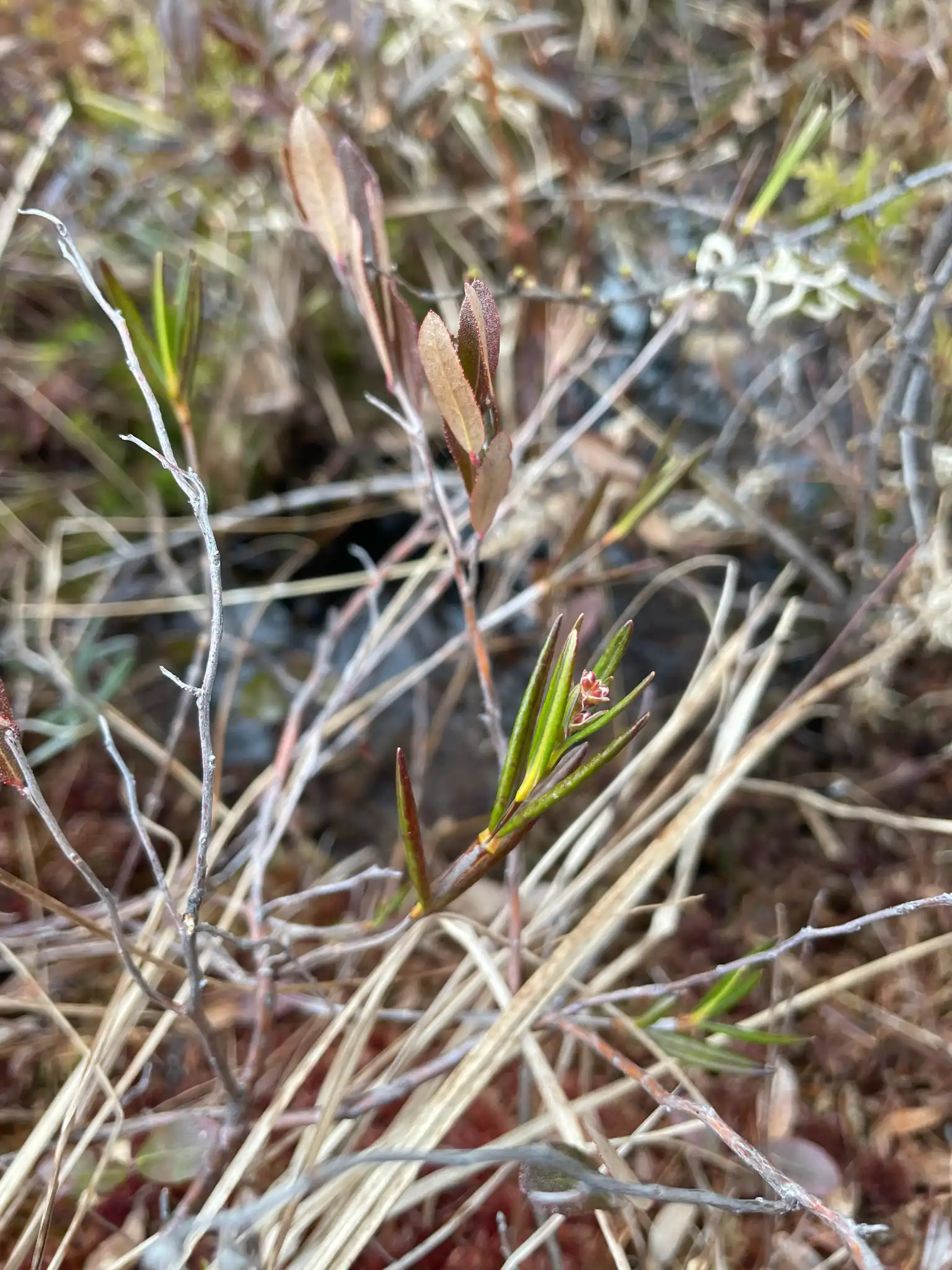
Kalmia polifolia, the bog laurel, is a slow-growing, evergreen dwarf shrub native to cold bogs and wet subarctic regions of North America. The low-growing, mat-forming branches carry narrow, dark green leaves with distinctly white, rolled-under margins and characteristic two-angled twigs.
Terminal clusters of rose-purple to pink flowers open from spring to mid-summer, featuring specialized explosive anthers that spring outward when triggered by visiting insects. The entire plant contains grayanotoxins, making all parts highly toxic if ingested.
Uses & Benefits:
Essentials
At a Glance
Plant Type
Shrub
Height
36"
Width
36"
Light
Full Sun, Partial Sun
Zones
4, 5, 6
Water
High
Humidity
High
Lifespan
Perennial
Native To
North America
Toxicity
Highly toxic if ingested
Bloom period
Spring – Mid summer
In flower about 5 months of the year
Planting
How to Grow
- Select a site in full sun to partial shade with highly acidic soil, ideally with a pH below 6.0.
- Incorporate generous amounts of peat moss or organic matter to simulate a natural bog habitat.
- Maintain consistent moisture, ensuring the soil never dries out while keeping the root zone aerated.
- Avoid applying high-nitrogen or alkaline fertilizers, as these will disrupt the plant's nutrient uptake.
Pro Tip
Establish this species in a dedicated bog profile with high-organic peat and a constant moisture level; standard garden loam or any drying out will quickly kill the root system.
Keep It Thriving
Care Guide
Do
- Keep the soil consistently wet or moist.
- Grow in highly acidic, organic-rich media.
- Provide dappled sunlight in hotter climates.
Don't
- Do not allow the root zone to dry out.
- Never prune hard into old, leafless wood.
- Avoid using lime or synthetic fertilizers.
Seasonal Care Calendar
| Task | Jan | Feb | Mar | Apr | May | Jun | Jul | Aug | Sep | Oct | Nov | Dec |
|---|---|---|---|---|---|---|---|---|---|---|---|---|
| Mulch | ||||||||||||
| Pest Check | ||||||||||||
| Propagate | ||||||||||||
| Prune |
Watch Out For
Pests & Diseases
Common Pests
Common Diseases
In the Garden
Landscape Uses & Companions
Landscape Uses
Companion Plants
Multiply
Propagation Methods
Good to Know
Common Questions
Bog laurel questions
What zones can Bog laurel grow in?
Bog laurel is hardy in USDA Zones 4–6. Inside that range it survives winter in the ground; outside it, grow it as an annual or a container plant you protect.
Is Bog laurel deer resistant?
Yes — Bog laurel is rated deer-resistant. Deer typically pass it over, though extreme hunger can override any plant's defenses.
When does Bog laurel bloom?
Bog laurel typically blooms in spring through mid summer. Exact timing shifts a week or two with your zone — Sow's bloom calendar maps it to your garden.
Does Bog laurel need full sun?
Bog laurel does best in full sun to part shade. In hot climates, afternoon shade keeps blooms fresher longer.
More Kalmia to compare
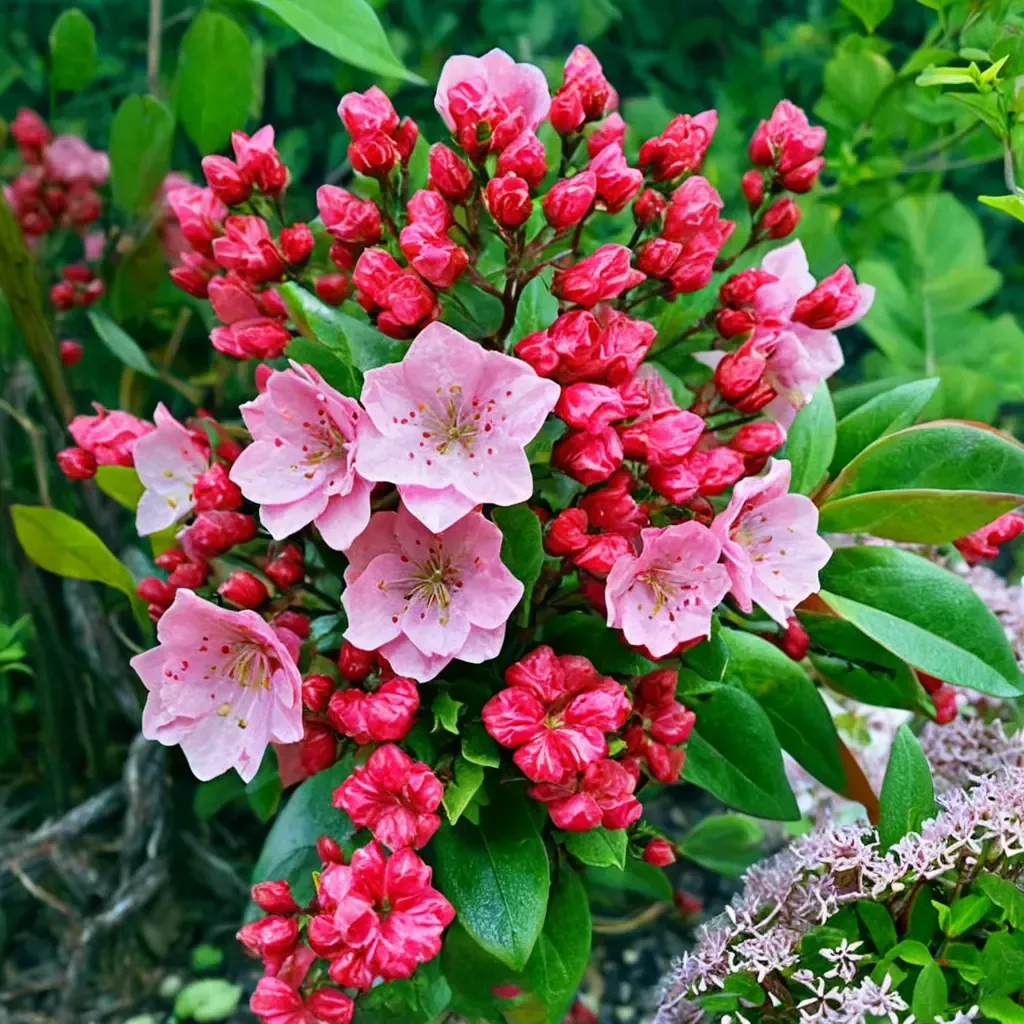
Firecracker Mountain Laurel
Kalmia latifolia 'Firecracker'
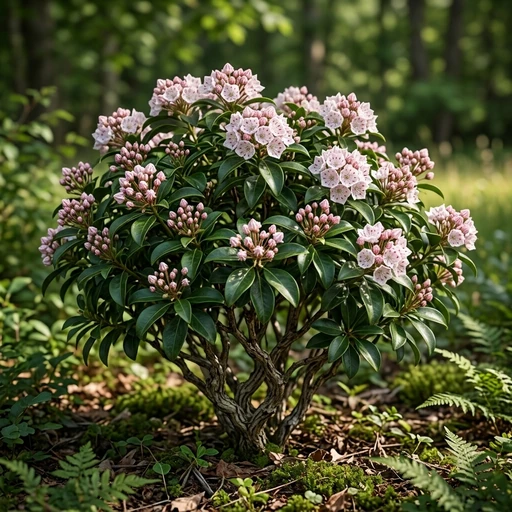
Elf Mountain Laurel
Kalmia latifolia 'Elf'
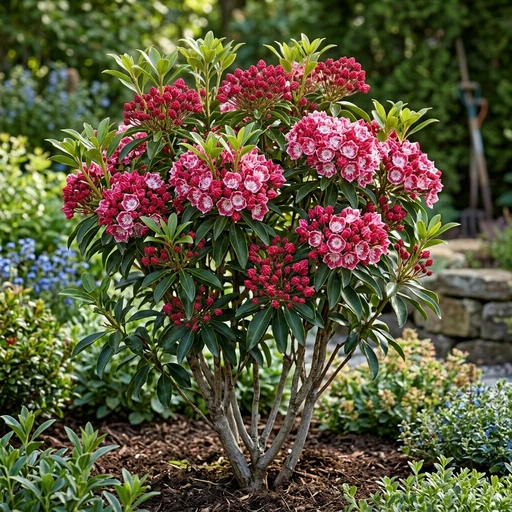
Olympic Fire Mountain Laurel
Kalmia latifolia 'Olympic Fire'
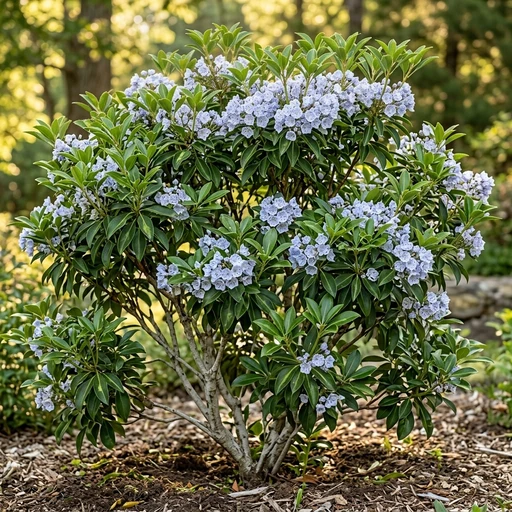
Carol Mountain Laurel
Kalmia latifolia 'Carol'
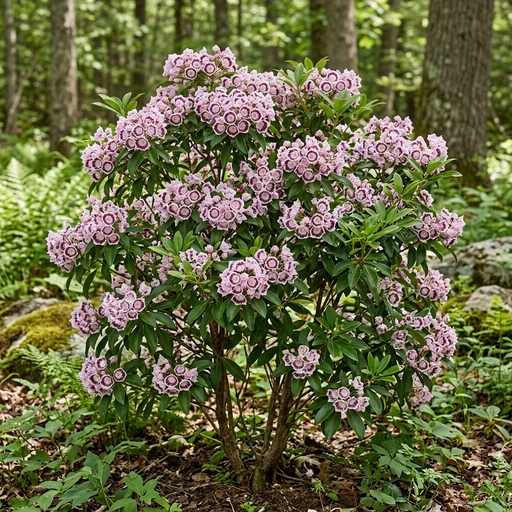
Minuet Mountain Laurel
Kalmia latifolia 'Minuet'
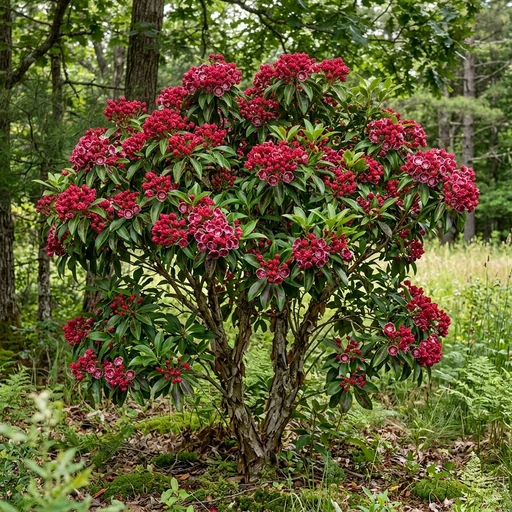
Sarah Mountain Laurel
Kalmia latifolia 'Sarah'
Keep exploring
Explore the genus
Hardy in your zone?
Grow Bog laurel with confidence
See it in a design of your actual yard, get zone-matched care reminders, and track it season by season in your garden journal.