The Story
Plant Bio
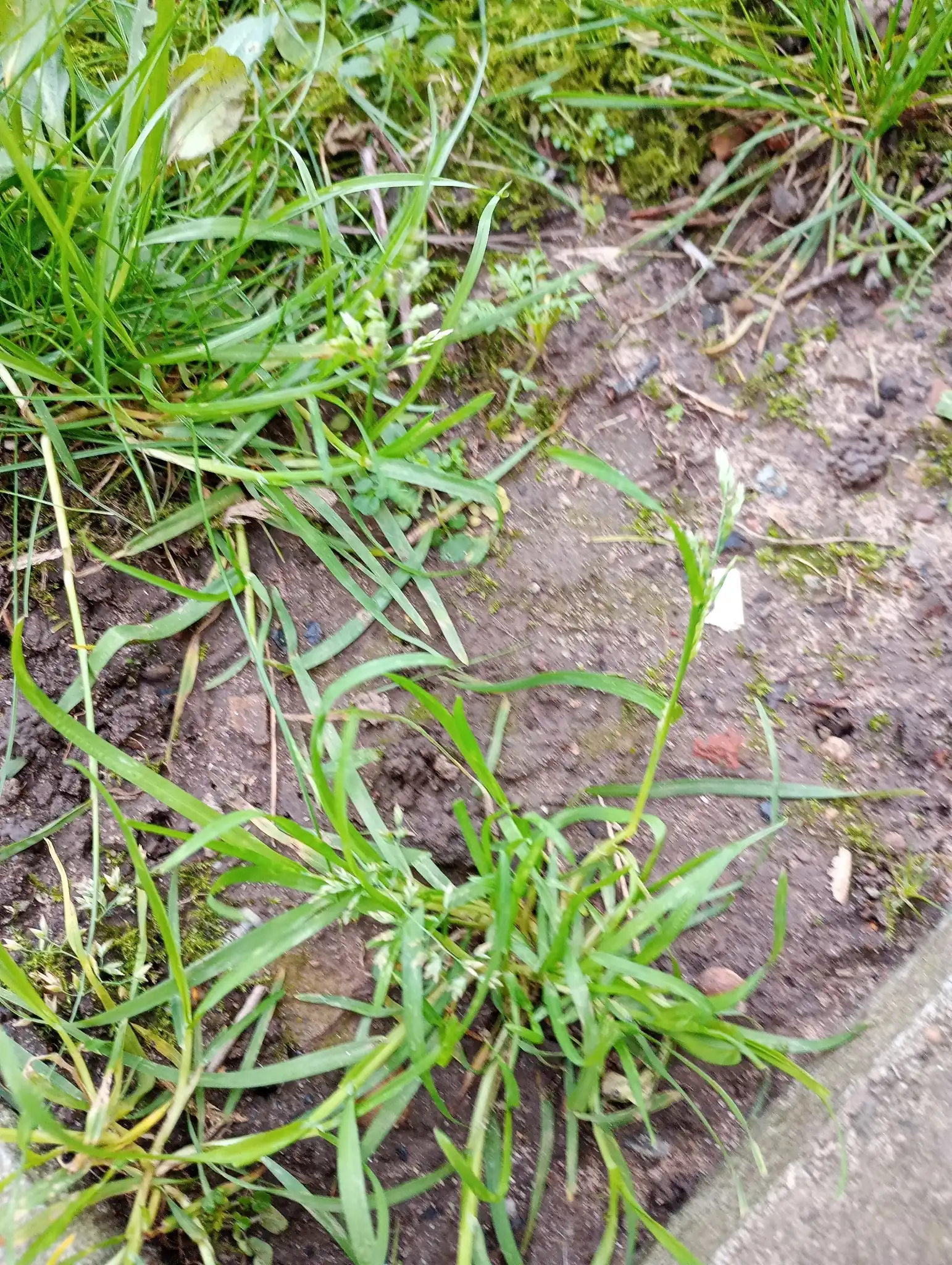
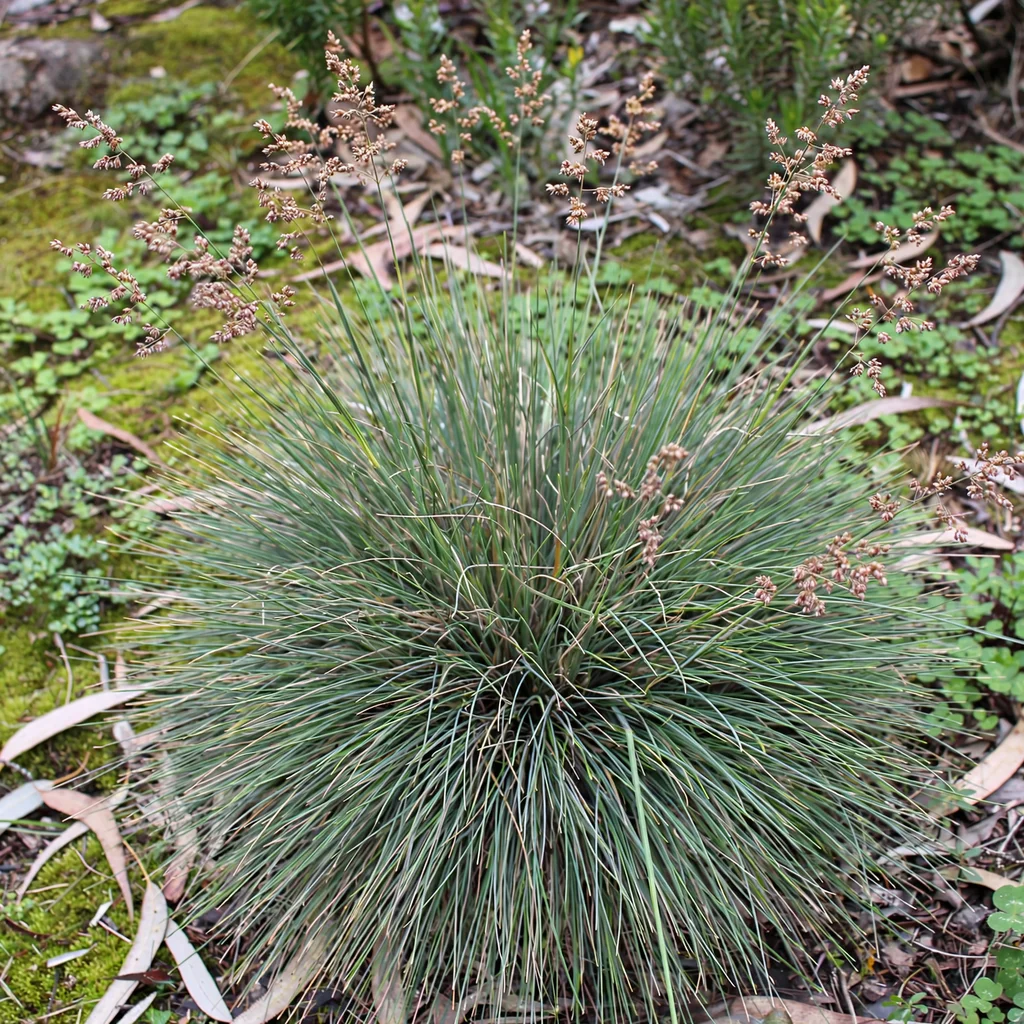
Poa annua, commonly known as annual bluegrass, is a low-growing, tufted winter annual grass native to Eurasia that has naturalized extensively across North America. It features soft, light green leaves with characteristic boat-shaped tips and produces small, open, greenish-white flower panicles throughout the year in moist conditions.
This species is distinguished by its highly adaptable, opportunistic growth habit, thriving in compacted, damp soils where other turfgrasses struggle. It functions primarily as a persistent weed in managed lawns and golf courses, rapidly colonizing bare or over-watered areas.
Uses & Benefits:
Essentials
At a Glance
Plant Type
Grass
Height
12"
Width
8"
Light
Full Sun, Partial Sun, Shade
Zones
4, 5, 6, 7, 8, 9, 10
Water
High
Humidity
Moderate
Lifespan
Annual
Native To
Eurasia and North Africa
Toxicity
Non-toxic
Bloom period
Spring – Winter
In flower about 12 months of the year
Planting
How to Grow
- Identify infestations early by looking for light green, tufted clumps with boat-shaped leaf tips in late fall or early spring.
- Apply a pre-emergence herbicide in late summer or early autumn before soil temperatures drop below seventy degrees Fahrenheit to prevent seed germination.
- Aerate compacted soil profiles to improve drainage and encourage the root systems of desirable turfgrasses.
- Adjust irrigation schedules to allow the top inch of soil to dry out, as dry surface conditions inhibit seedling survival.
Pro Tip
To suppress this opportunistic grass, focus on reducing soil compaction through aeration and deep, infrequent watering rather than hand-pulling established patches that have already shed seed.
Keep It Thriving
Care Guide
Do
- Aerate compacted soils regularly to improve drainage and turf competition.
- Mow frequently to reduce the visibility of the prolific silvery seedheads.
- Apply pre-emergence controls in late summer before seeds germinate.
Don't
- Do not over-water lawns, as constant surface moisture encourages seed germination.
- Do not apply high-nitrogen fertilizers during peak germination periods in autumn.
- Do not hand-pull mature seeding plants without addressing the soil seed bank.
Seasonal Care Calendar
| Task | Jan | Feb | Mar | Apr | May | Jun | Jul | Aug | Sep | Oct | Nov | Dec |
|---|---|---|---|---|---|---|---|---|---|---|---|---|
| Fertilize | ||||||||||||
| Pest Check | ||||||||||||
| Spring Cleanup | ||||||||||||
| Winter Prep |
Watch Out For
Pests & Diseases
Common Pests
Common Diseases
In the Garden
Landscape Uses & Companions
Landscape Uses
Multiply
Propagation Methods
Good to Know
Common Questions
Annual Bluegrass questions
What zones can Annual Bluegrass grow in?
Annual Bluegrass is hardy in USDA Zones 4–10. Inside that range it survives winter in the ground; outside it, grow it as an annual or a container plant you protect.
When does Annual Bluegrass bloom?
Annual Bluegrass typically blooms in spring through winter. Exact timing shifts a week or two with your zone — Sow's bloom calendar maps it to your garden.
Does Annual Bluegrass need full sun?
Annual Bluegrass does best in full sun to part shade. In hot climates, afternoon shade keeps blooms fresher longer.
More Poa to compare
Keep exploring
Explore the genus
Grow Annual Bluegrass with confidence
See it in a design of your actual yard, get zone-matched care reminders, and track it season by season in your garden journal.