The Story
Plant Bio
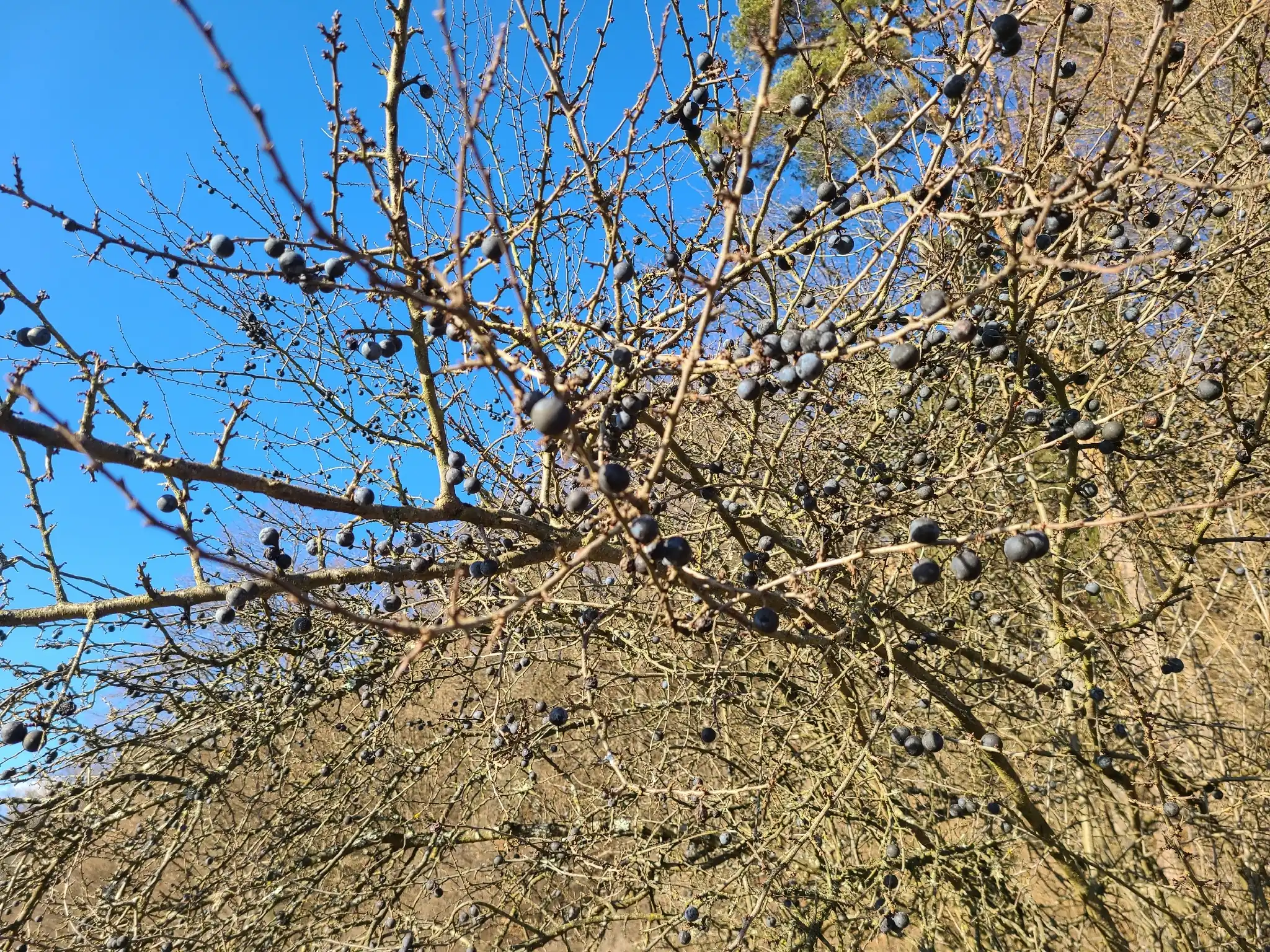
Prunus dulcis is a dense, rounded, deciduous tree or large multi-stemmed shrub native to western Asia and the Middle East. It features lanceolate to oblong-lanceolate finely serrate green leaves and smooth bark that becomes fissured with age, producing pale pink to white five-petaled flowers in late winter to early spring before the foliage emerges.
This species produces edible sweet almond kernels enclosed in a hard woody shell, which develop from flowers borne singly or in pairs on short lateral spurs. Optimal fruit production requires a Mediterranean climate with low humidity and hot, dry summers to prevent fungal infections.
Uses & Benefits:
Essentials
At a Glance
Plant Type
Tree
Height
358"
Width
358"
Light
Full Sun
Zones
7, 8, 9
Water
Low
Humidity
Low
Native To
Western Asia and the Middle East
Toxicity
Low to Moderate
Bloom period
Late winter – Early spring
In flower about 2 months of the year
Planting
How to Grow
- Select a planting site in full sun with deep, fertile, exceptionally well-drained sandy or loamy soil.
- Plant bare-root or container-grown trees during late winter dormancy, ensuring the graft union remains above the soil line.
- Water deeply to establish the root system, maintaining a regular irrigation schedule during dry summer periods to support fruit development.
- Apply a balanced fruit-tree fertilizer annually in early spring before active growth begins, avoiding excess nitrogen.
Pro Tip
Prune strictly during the dormant winter season to open the canopy center and never cut back aggressively into old, leafless wood, which fails to resprout.
Keep It Thriving
Care Guide
Do
- Prune annually in winter to remove dead, diseased, or crossing branches and maximize light penetration.
- Apply preventative copper-based fungicide sprays during the dormant winter season to control fungal pathogens.
- Provide supplemental water during dry summer spells to ensure proper nut development.
Don't
- Do not plant in heavy, wet clay soils or areas prone to standing water and waterlogging.
- Do not prune during the summer, as open wounds during active growth increase vulnerability to bacterial and fungal pathogens.
- Do not plant a single self-incompatible cultivar if reliable fruit production is desired.
Seasonal Care Calendar
| Task | Jan | Feb | Mar | Apr | May | Jun | Jul | Aug | Sep | Oct | Nov | Dec |
|---|---|---|---|---|---|---|---|---|---|---|---|---|
| Fertilize | ||||||||||||
| Pest Check | ||||||||||||
| Prune | ||||||||||||
| Spray |
Watch Out For
Pests & Diseases
Common Pests
Common Diseases
In the Garden
Landscape Uses & Companions
Landscape Uses
Multiply
Propagation Methods
Good to Know
Common Questions
Almond questions
What zones can Almond grow in?
Almond is hardy in USDA Zones 7–9. Inside that range it survives winter in the ground; outside it, grow it as an annual or a container plant you protect.
Is Almond deer resistant?
Not reliably. Deer may browse Almond, especially tender spring growth — plan on repellents or fencing where pressure is high.
When does Almond bloom?
Almond typically blooms in late winter through early spring. Exact timing shifts a week or two with your zone — Sow's bloom calendar maps it to your garden.
Does Almond need full sun?
Almond does best in full sun (6+ hours).
Is Almond drought tolerant?
Yes — once established (usually after the first full season), Almond handles dry spells with minimal watering. Water deeply its first year to build the root system that makes that possible.
More Prunus to compare
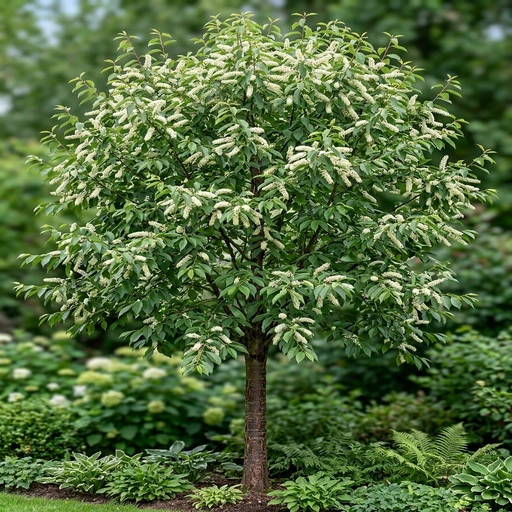
Black Cherry
Prunus serotina
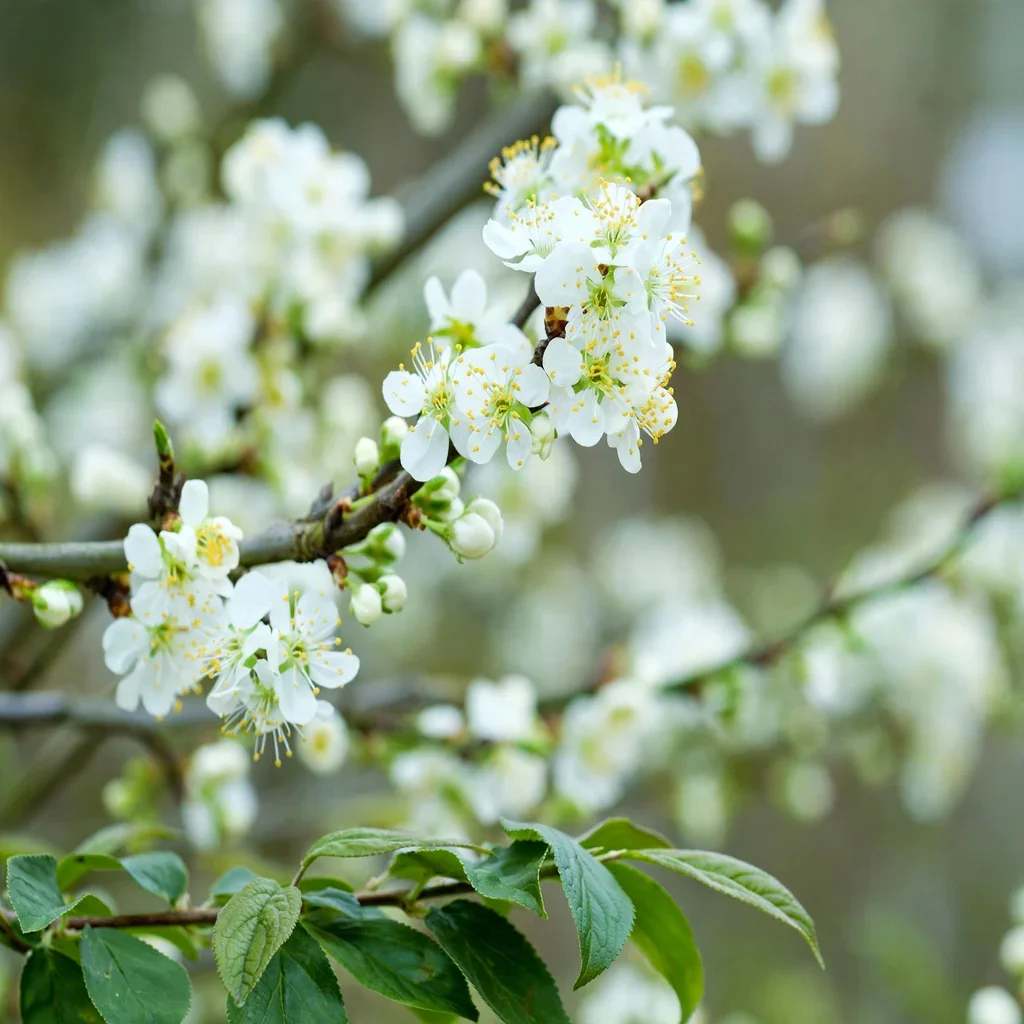
Sugar Plum
Prunus domestica 'Sugar Plum'
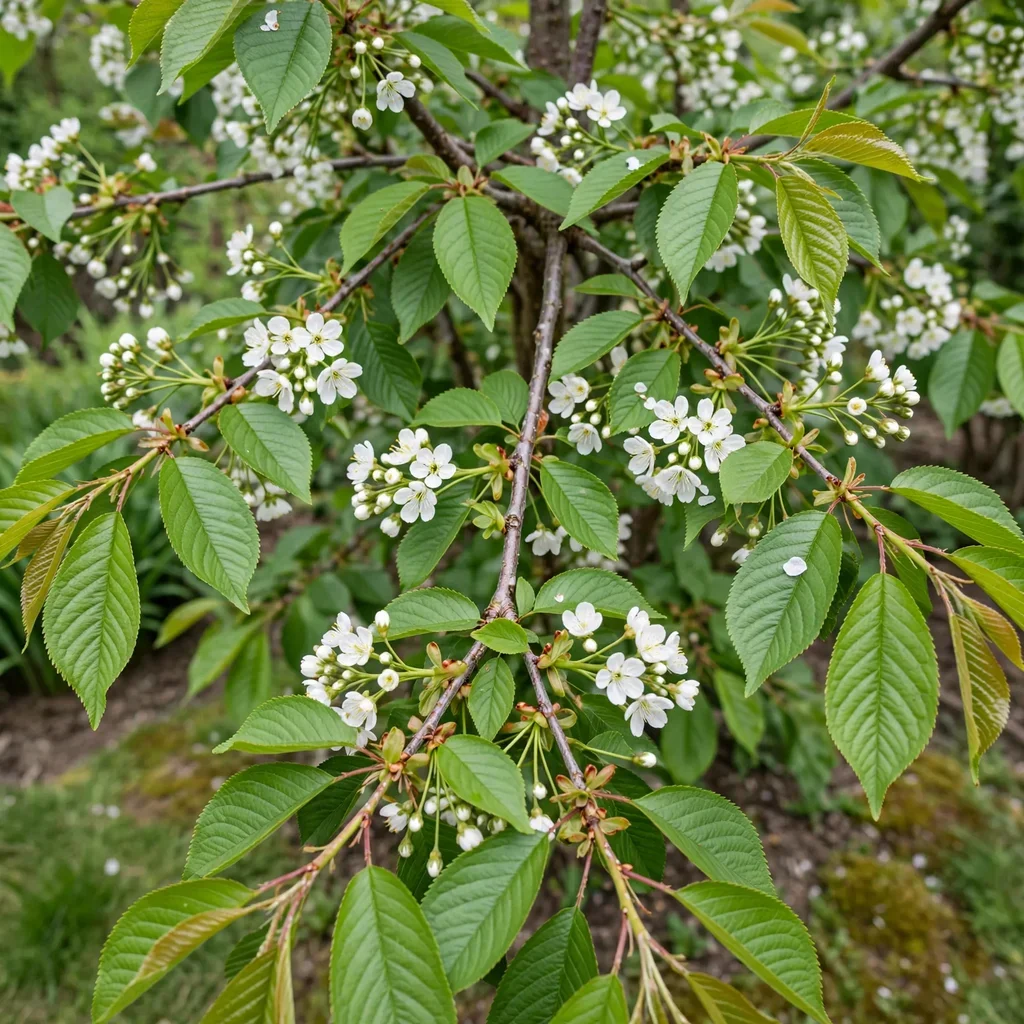
Sweet Cherry
Prunus avium 'Mix'
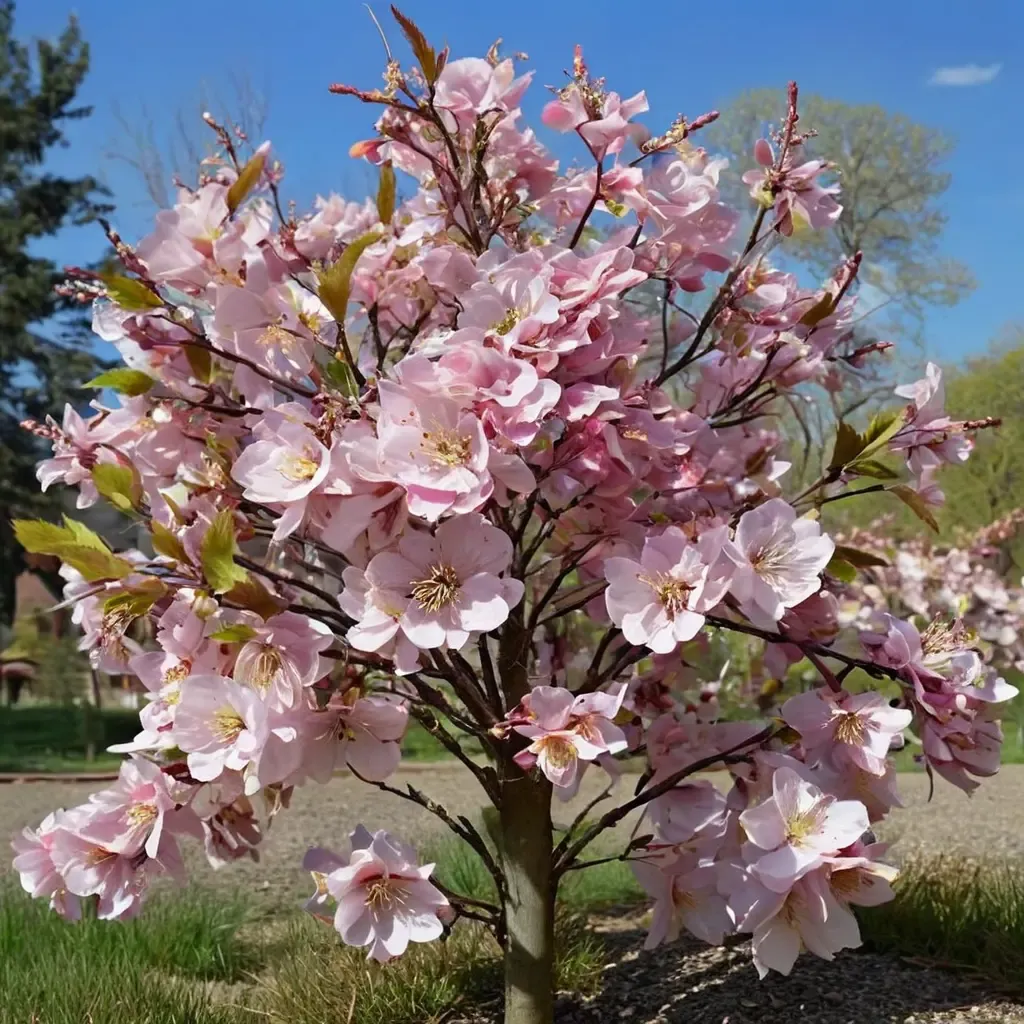
Japanese Flowering Cherry
Prunus serrulata
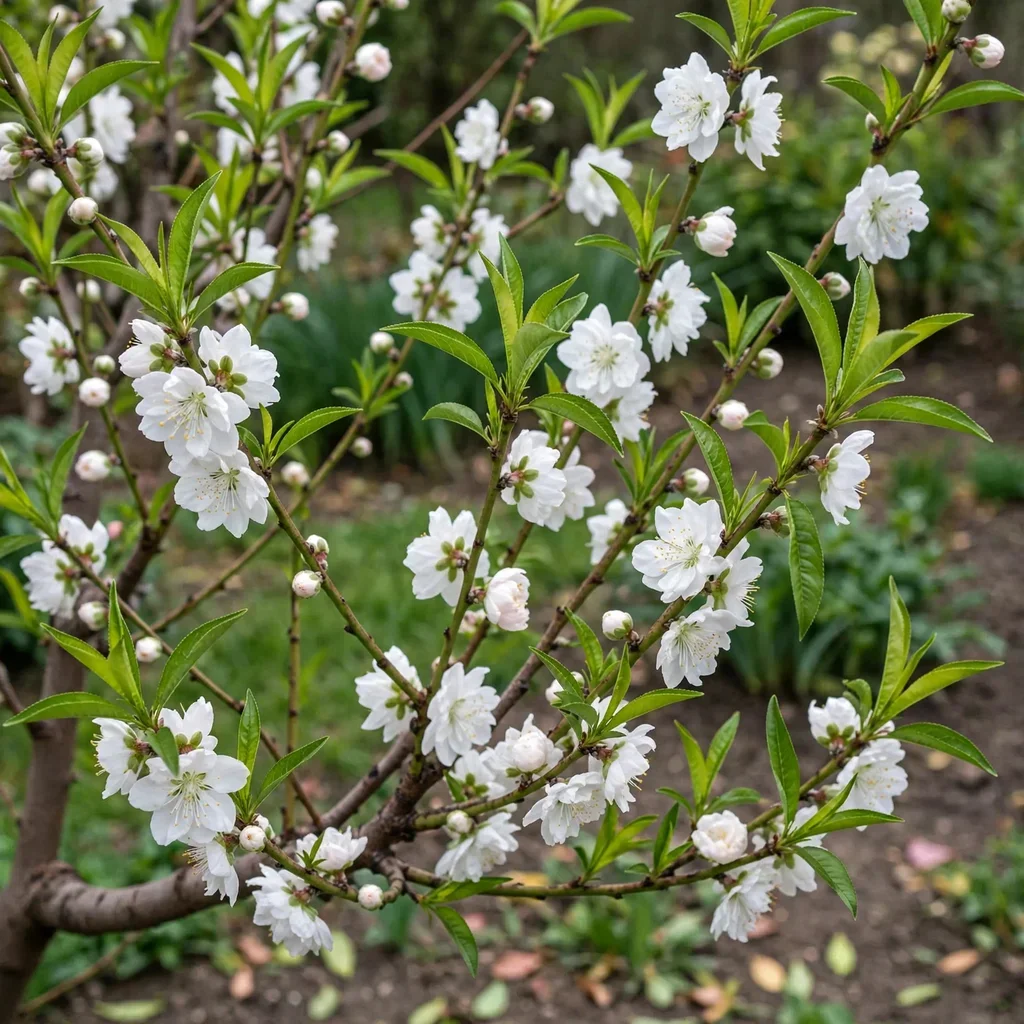
Feiching Tao White Peach
Prunus persica 'Feiching Tao White'
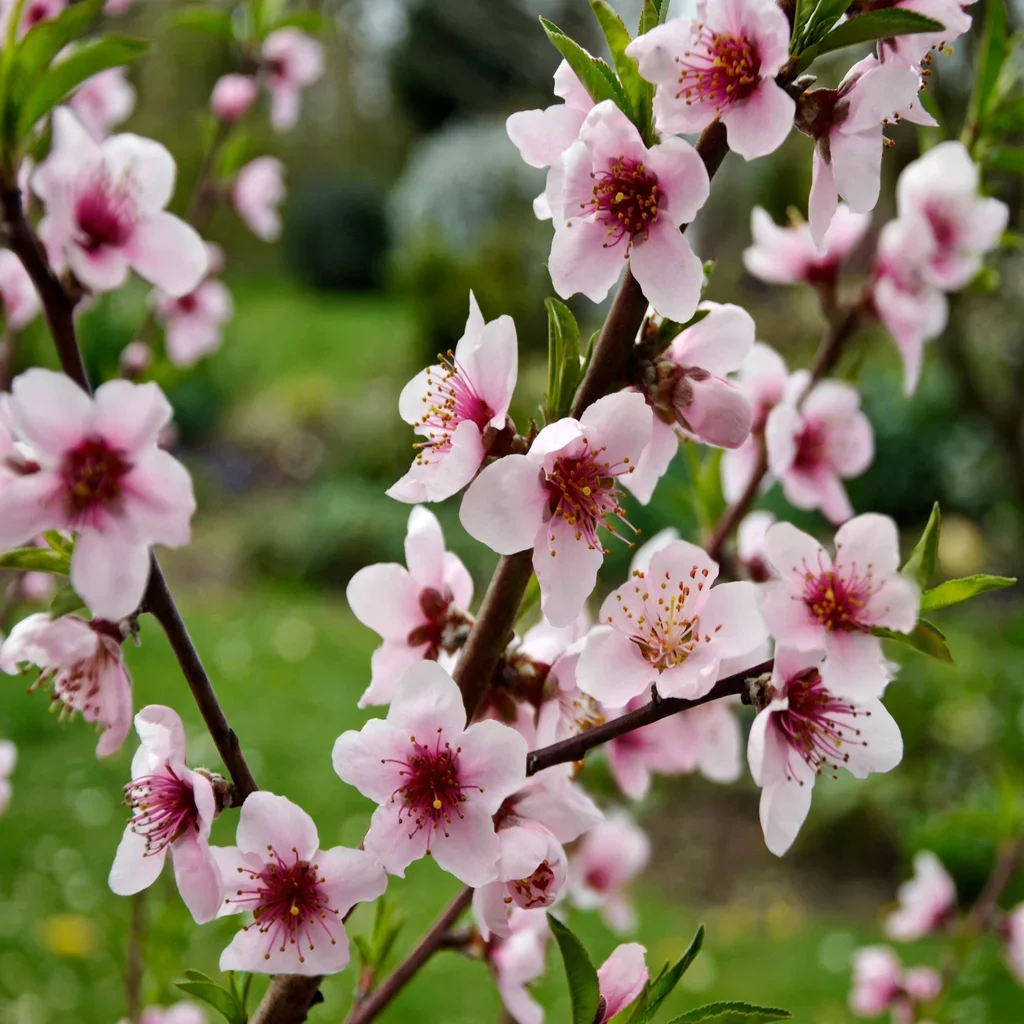
Hale Haven Peach
Prunus persica 'Hale Haven'
Keep exploring
Explore the genus
Hardy in your zone?
Grow Almond with confidence
See it in a design of your actual yard, get zone-matched care reminders, and track it season by season in your garden journal.