The Story
Plant Bio
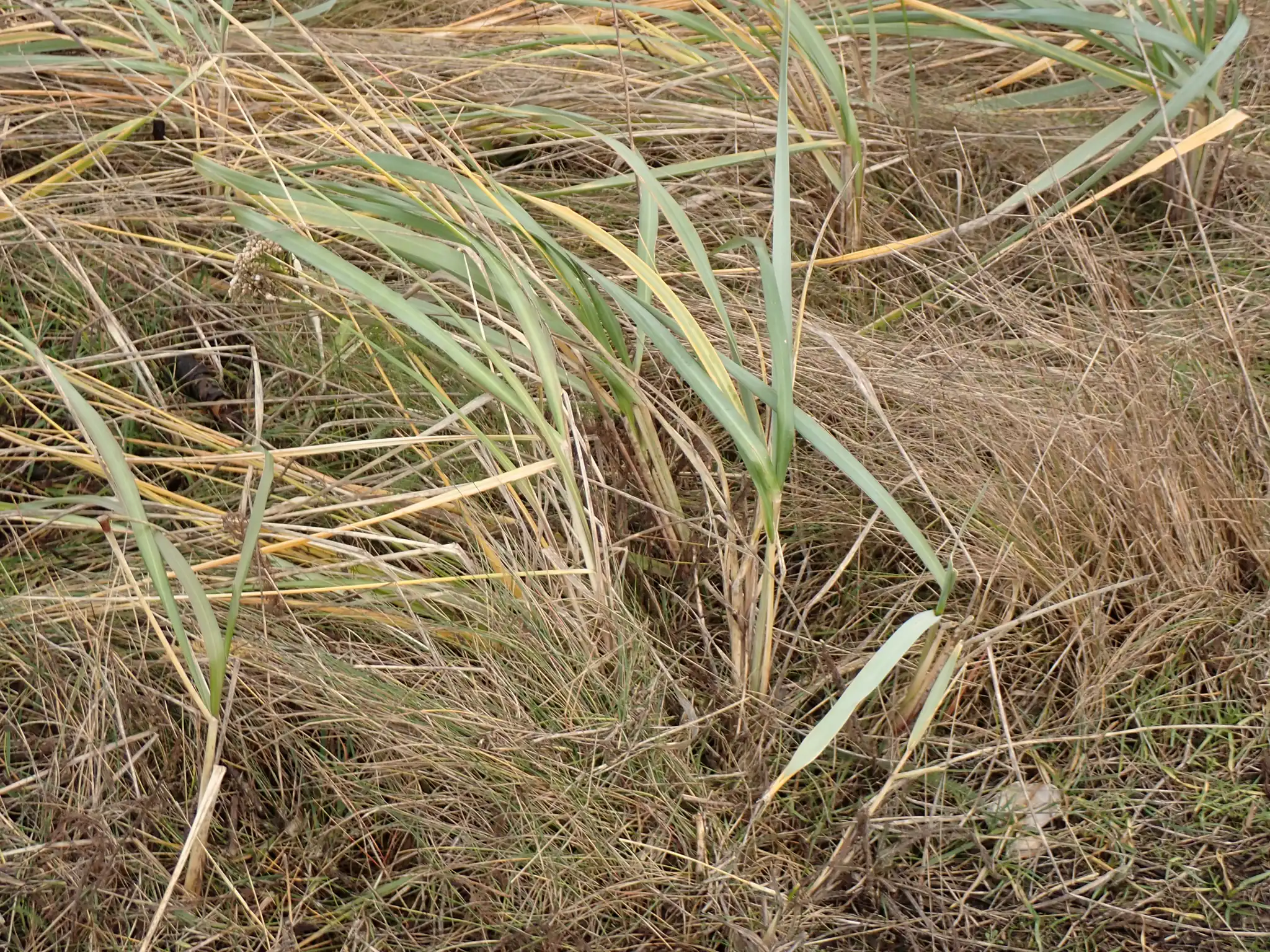
Leymus mollis is a robust, rhizomatous perennial grass native to northern coastal regions, where it forms dense colonies in shifting sands. The upright stems bear tough, glaucous blue-gray leaves and terminal wheat-like flower spikes that mature to a pale yellow or bronze.
This species is distinguished by its exceptional tolerance to salt spray, wind, and alkaline coastal sands, making it a primary stabilizer for maritime dunes. Its aggressive underground rhizomes spread indefinitely, creating a binding network that holds loose, dry soils in place.
Uses & Benefits:
Essentials
At a Glance
Plant Type
Grass
Height
60"
Width
24"
Light
Full Sun
Zones
4, 5, 6, 7, 8
Water
Low
Humidity
Cool Maritime
Lifespan
Perennial
Native To
North America, Asia, Europe
Toxicity
Non-toxic
Bloom period
Spring – Summer
In flower about 6 months of the year
Planting
How to Grow
- Select a site in full sun with coarse, sandy, or gravelly soil that drains instantly.
- Dig a hole twice the width of the root ball and set the plant at its original growing depth.
- Backfill with the native sand or gravelly soil without adding organic matter or fertilizer.
- Water deeply immediately after planting, then water sparingly only until the root system is established.
Pro Tip
Plant this grass exclusively in sharp, rapidly draining sand or gravelly soil, as heavy clay or rich loam triggers swift crown and root rot.
Keep It Thriving
Care Guide
Do
- Do plant in poor, sandy, or gravelly soils to maintain upright, sturdy growth.
- Do install physical root barriers if planting near garden beds to contain the spreading rhizomes.
- Do cut the entire clump back to ground level in late winter before new shoots emerge.
Don't
- Don't apply supplemental fertilizers, which cause the stems to become weak and floppy.
- Don't plant in heavy clay, rich loam, or poorly drained soils where water collects.
- Don't water established plants regularly, as they thrive on natural rainfall and dry conditions.
Seasonal Care Calendar
| Task | Jan | Feb | Mar | Apr | May | Jun | Jul | Aug | Sep | Oct | Nov | Dec |
|---|---|---|---|---|---|---|---|---|---|---|---|---|
| Divide | ||||||||||||
| Pest Check | ||||||||||||
| Propagate | ||||||||||||
| Spring Cleanup |
Watch Out For
Pests & Diseases
Common Pests
Common Diseases
In the Garden
Landscape Uses & Companions
Landscape Uses
Companion Plants
Multiply
Propagation Methods
Good to Know
Common Questions
American Dune Grass questions
What zones can American Dune Grass grow in?
American Dune Grass is hardy in USDA Zones 4–8. Inside that range it survives winter in the ground; outside it, grow it as an annual or a container plant you protect.
Is American Dune Grass deer resistant?
Yes — American Dune Grass is rated deer-resistant. Deer typically pass it over, though extreme hunger can override any plant's defenses.
When does American Dune Grass bloom?
American Dune Grass typically blooms in spring through summer. Exact timing shifts a week or two with your zone — Sow's bloom calendar maps it to your garden.
Does American Dune Grass need full sun?
American Dune Grass does best in full sun (6+ hours).
Is American Dune Grass drought tolerant?
Yes — once established (usually after the first full season), American Dune Grass handles dry spells with minimal watering. Water deeply its first year to build the root system that makes that possible.
More Leymus to compare
Keep exploring
Explore the genus
Hardy in your zone?
Grow American Dune Grass with confidence
See it in a design of your actual yard, get zone-matched care reminders, and track it season by season in your garden journal.