The Story
Plant Bio
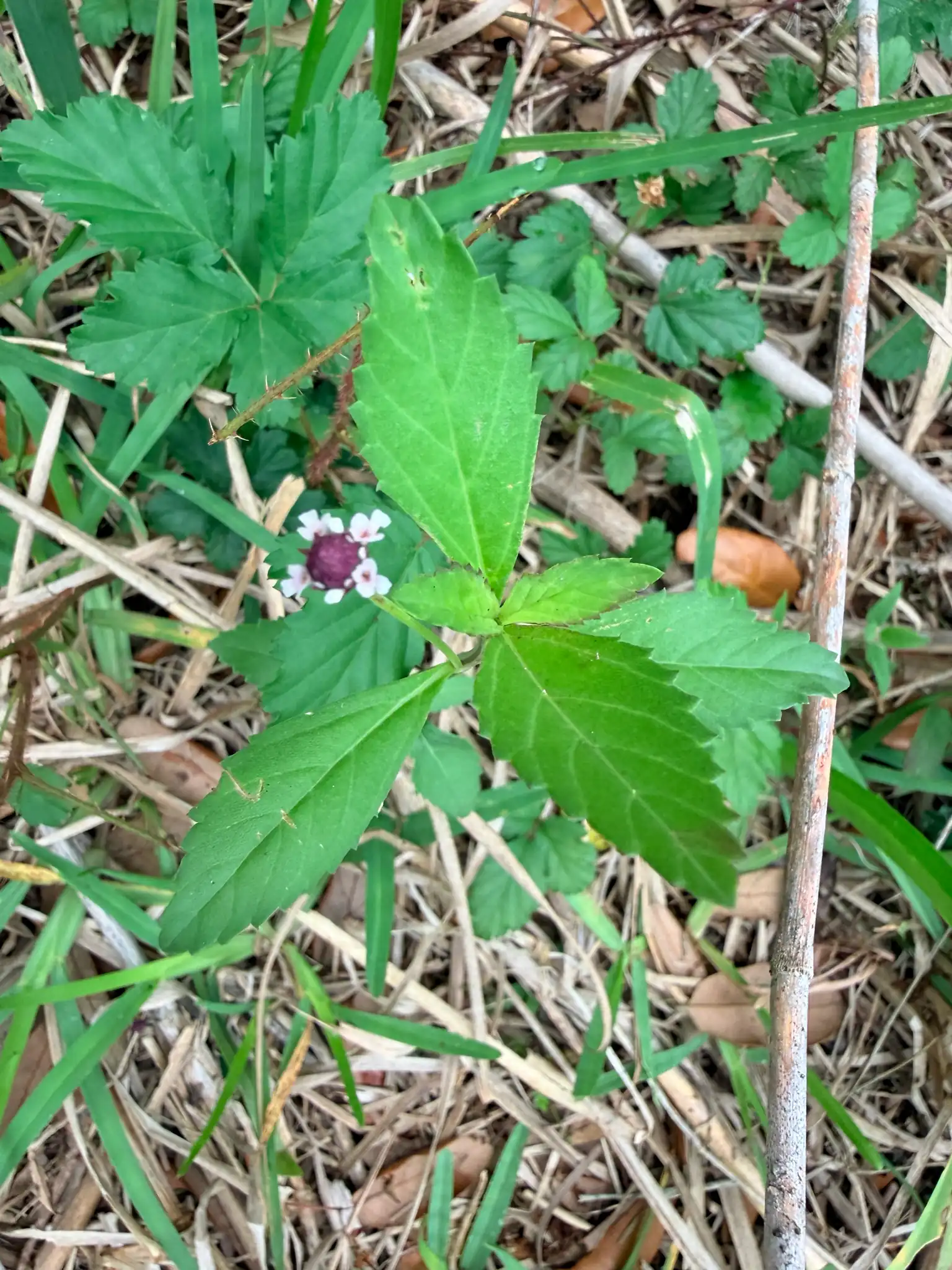
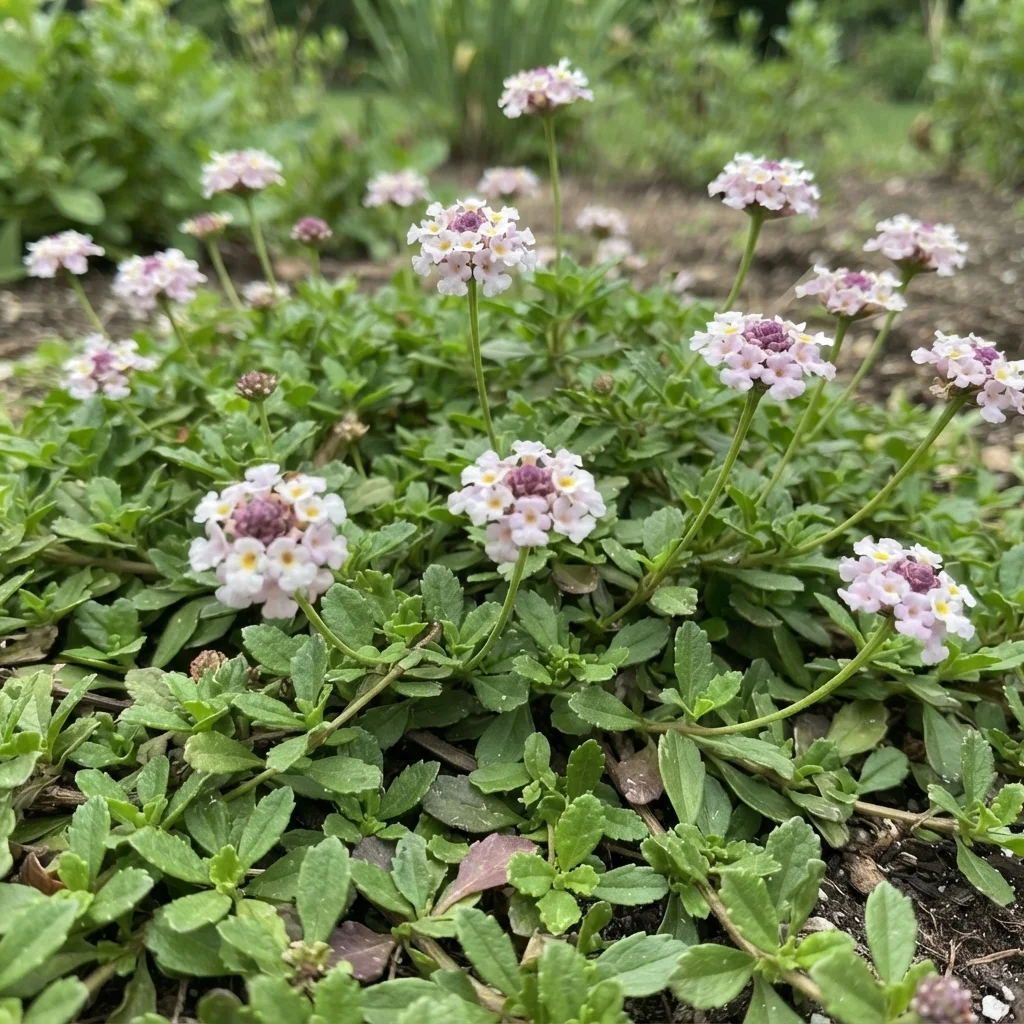
Phyla lanceolata is a low-growing, herbaceous perennial native to North American wetlands, where it forms dense, creeping mats via rooting stolons. The lance-shaped, finely pubescent green leaves feature sharply toothed margins toward the tips.
This species produces small, tubular pale purple or lavender flowers clustered in tight, head-like spikes on upright stems from spring through fall. It serves as an essential larval host plant for the Phaon crescent butterfly and attracts numerous native pollinating insects.
Uses & Benefits:
Essentials
At a Glance
Plant Type
Groundcover
Height
24"
Width
40"
Light
Full Sun, Partial Sun
Zones
4, 5, 6, 7, 8, 9
Water
High
Humidity
Moderate to High
Lifespan
Perennial
Native To
North America
Toxicity
Non-toxic
Bloom period
Spring – Fall
In flower about 9 months of the year
Planting
How to Grow
- Select a site with full sun to partial shade and moist, rich soil.
- Space starter plugs or potted plants twelve to eighteen inches apart to allow room for the creeping stems to spread.
- Water thoroughly after planting and maintain consistent moisture until the root system is established.
- Mow or trim back the foliage in late winter to clear away dead stems before new spring growth emerges.
Pro Tip
Install physical edging around garden beds to contain the trailing stems, as the rooting stolons spread rapidly in moist, fertile soils.
Keep It Thriving
Care Guide
Do
- Keep the soil consistently moist to wet, especially during dry summer spells.
- Use physical barriers to prevent the creeping stolons from invading adjacent garden beds.
Don't
- Do not apply supplemental fertilizer, as this species thrives and spreads aggressively in natural, unamended soils.
- Do not plant in dry, upland sites without access to regular irrigation.
Seasonal Care Calendar
| Task | Jan | Feb | Mar | Apr | May | Jun | Jul | Aug | Sep | Oct | Nov | Dec |
|---|---|---|---|---|---|---|---|---|---|---|---|---|
| Pest Check | ||||||||||||
| Plant | ||||||||||||
| Propagate | ||||||||||||
| Spring Cleanup | ||||||||||||
| Winter Prep |
Watch Out For
Pests & Diseases
Common Pests
Common Diseases
In the Garden
Landscape Uses & Companions
Landscape Uses
Multiply
Propagation Methods
Good to Know
Common Questions
Lanceleaf Fogfruit questions
What zones can Lanceleaf Fogfruit grow in?
Lanceleaf Fogfruit is hardy in USDA Zones 4–9. Inside that range it survives winter in the ground; outside it, grow it as an annual or a container plant you protect.
When does Lanceleaf Fogfruit bloom?
Lanceleaf Fogfruit typically blooms in spring through fall. Exact timing shifts a week or two with your zone — Sow's bloom calendar maps it to your garden.
Does Lanceleaf Fogfruit need full sun?
Lanceleaf Fogfruit does best in full sun to part shade. In hot climates, afternoon shade keeps blooms fresher longer.
More Phyla to compare
Keep exploring
Explore the genus
Grow Lanceleaf Fogfruit with confidence
See it in a design of your actual yard, get zone-matched care reminders, and track it season by season in your garden journal.