


The Story
Plant Bio
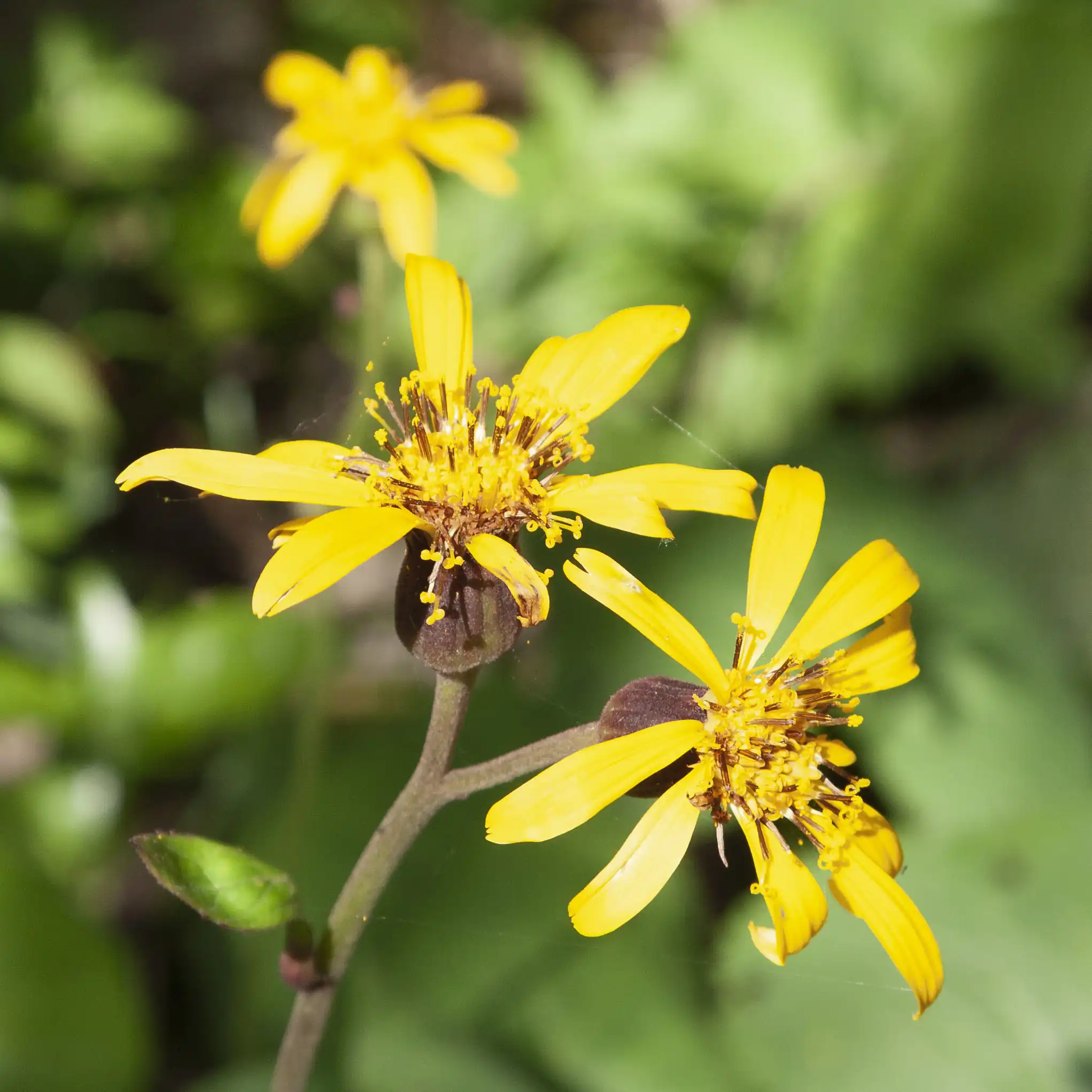
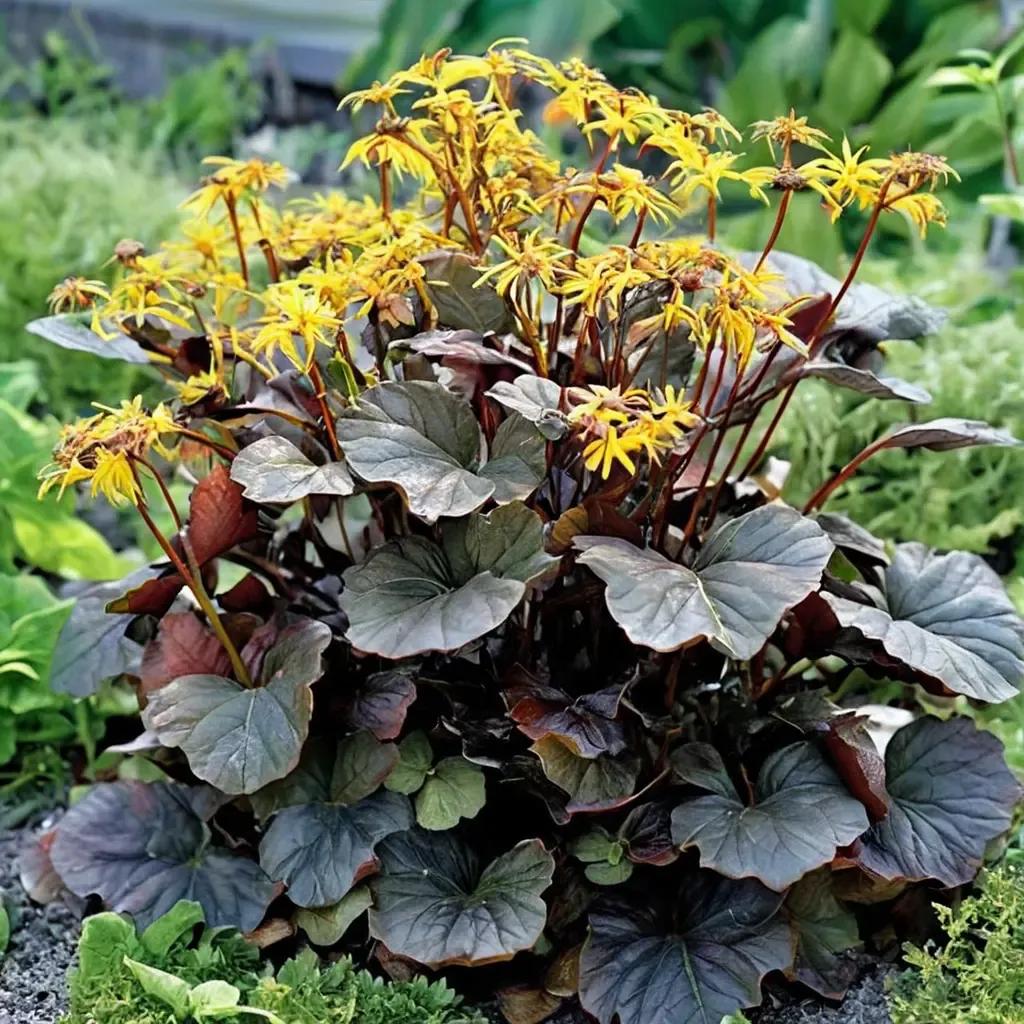
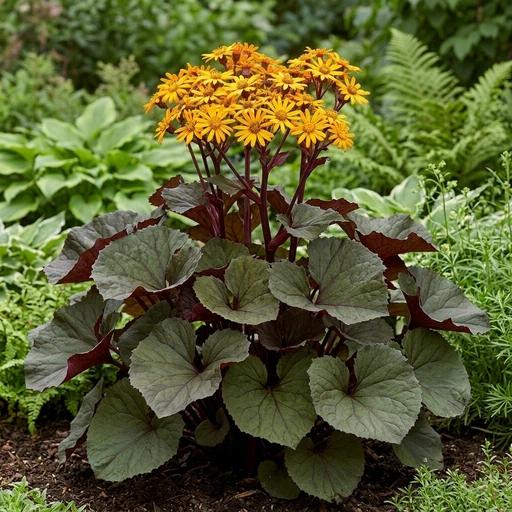
Ligularia dentata, or leopard plant, is a bold clump-forming perennial from China and Japan, standing three to four feet high and two to three across. Large rounded leaves with toothed margins, often purple beneath, make the main display. Loose flat heads of orange-yellow daisies open above them in June and July on dark stems.
The foliage droops dramatically on hot afternoons even when the soil is wet, recovering overnight; it is alarming the first time and does not mean the plant needs more water. What it does need is genuine shade and soil that never dries, so site it on the north side of a building or beside water rather than trying to irrigate it through sun.
Uses & Benefits:
Essentials
At a Glance
Plant Type
Perennial
Height
40"
Width
30"
Light
Partial Sun, Shade
Zones
4, 5, 6, 7, 8
Water
High
Humidity
High
Lifespan
Perennial
Native To
China and Japan
Toxicity
Non-toxic
Planting
How to Grow
- Plant in spring in part to full shade.
- Choose deep, humus-rich soil that stays moist to wet.
- Set the crown level with the surrounding soil.
- Water deeply and regularly through the first summers.
- Mulch thickly each spring to hold moisture.
- Cut spent flower stems back after bloom.
Pro Tip
Afternoon wilting in heat is normal and self-correcting; treat it as a siting problem, not a watering one.
Keep It Thriving
Care Guide
Do
- Keep the soil moist to wet at all times 💧
- Site it in part to full shade 🌳
- Mulch deeply each spring 🍂
- Use it beside ponds and streams 🪷
Don't
- Plant it in full sun or dry ground ❌
- Panic-water when the leaves droop in heat ❌
- Leave slug damage unchecked on young growth ❌
Seasonal Care Calendar
| Task | Jan | Feb | Mar | Apr | May | Jun | Jul | Aug | Sep | Oct | Nov | Dec |
|---|---|---|---|---|---|---|---|---|---|---|---|---|
| Mulch |
Watch Out For
Pests & Diseases
Common Pests
Common Diseases
In the Garden
Landscape Uses & Companions
Landscape Uses
Companion Plants
Multiply
Propagation Methods
Good to Know
Common Questions
Bigleaf Ligularia questions
What zones can Bigleaf Ligularia grow in?
Bigleaf Ligularia is hardy in USDA Zones 4–8. Inside that range it survives winter in the ground; outside it, grow it as an annual or a container plant you protect.
Is Bigleaf Ligularia deer resistant?
Yes — Bigleaf Ligularia is rated deer-resistant. Deer typically pass it over, though extreme hunger can override any plant's defenses.
When does Bigleaf Ligularia bloom?
Bigleaf Ligularia typically blooms in early to midsummer through late summer. Exact timing shifts a week or two with your zone — Sow's bloom calendar maps it to your garden.
Does Bigleaf Ligularia need full sun?
Bigleaf Ligularia does best in part shade.
More Ligularia to compare
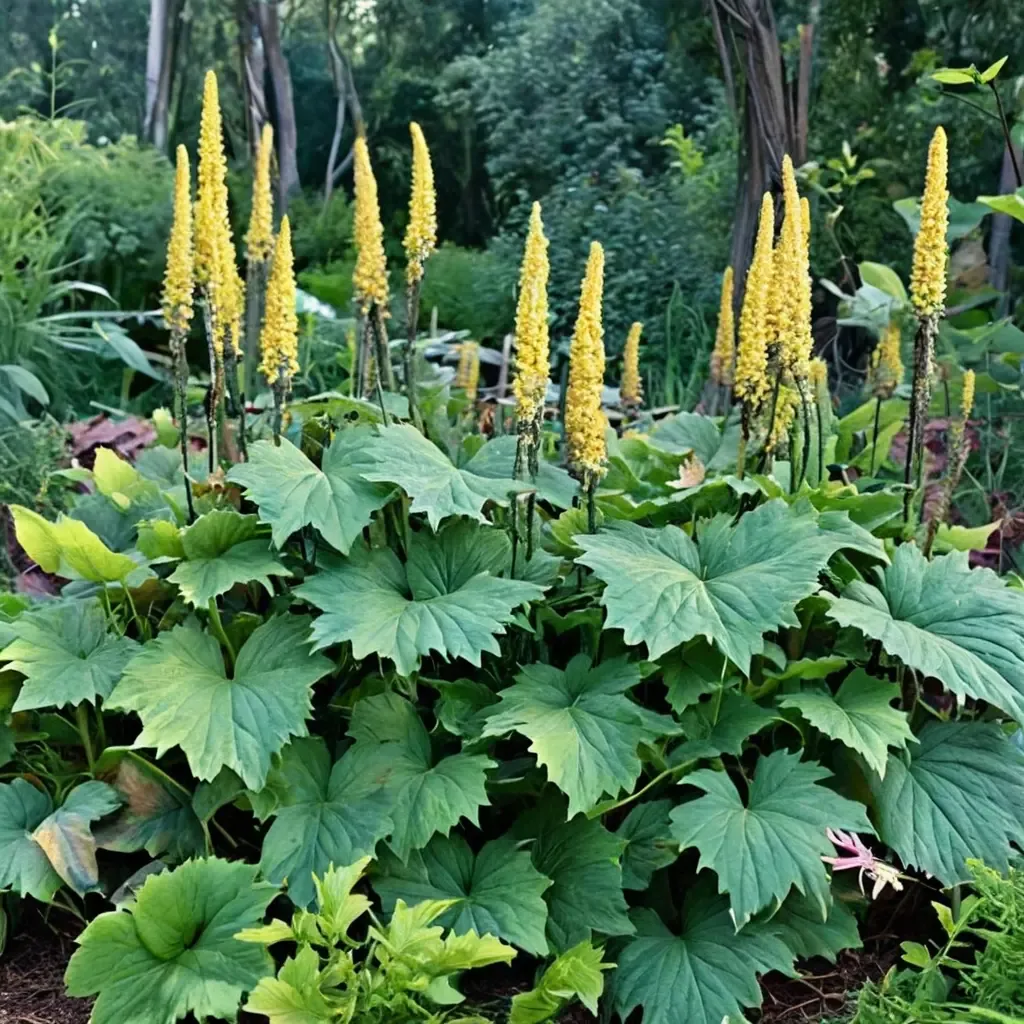
Narrow-spiked Ligularia
Ligularia stenocephala
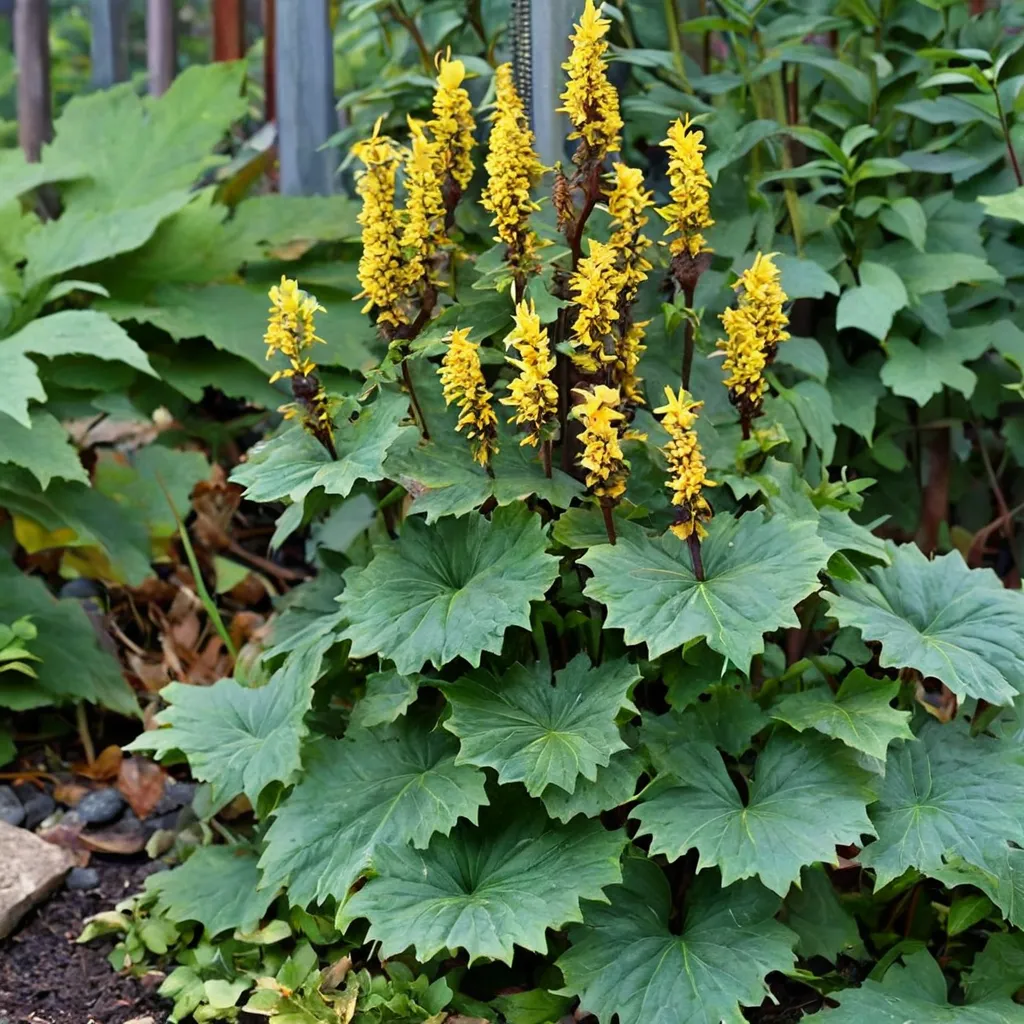
Ligularia Bottle Rocket
Ligularia x hybrida 'Bottle Rocket'
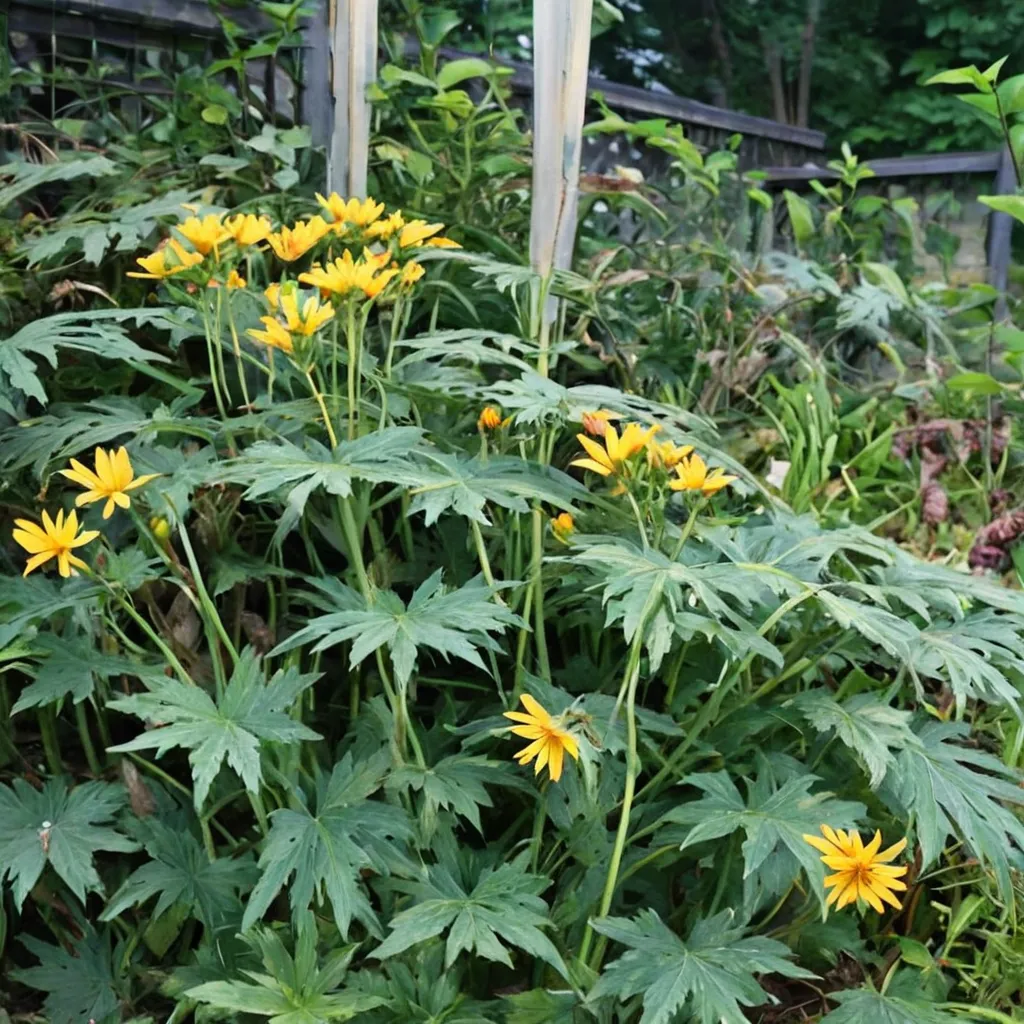
Japanese Ligularia
Ligularia japonica
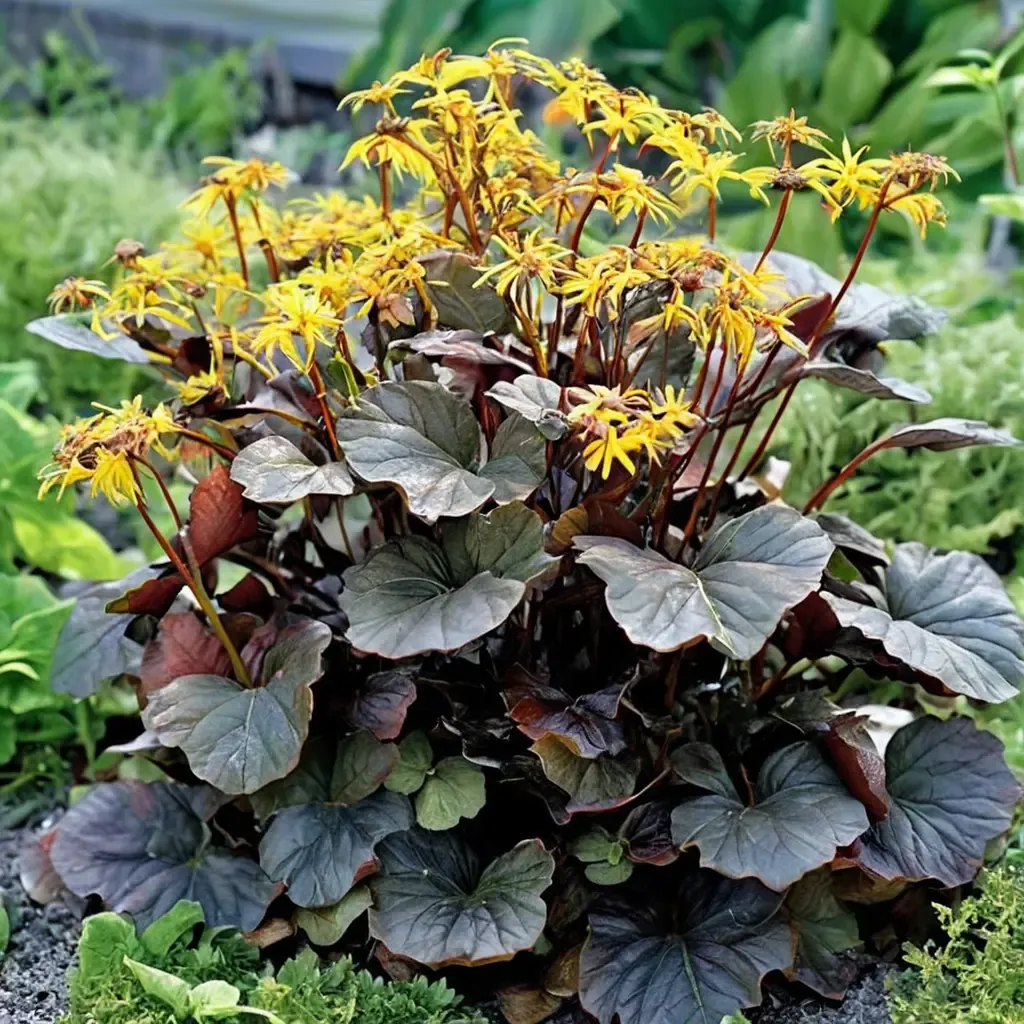
Pandora Leopard Plant
Ligularia dentata 'Pandora'
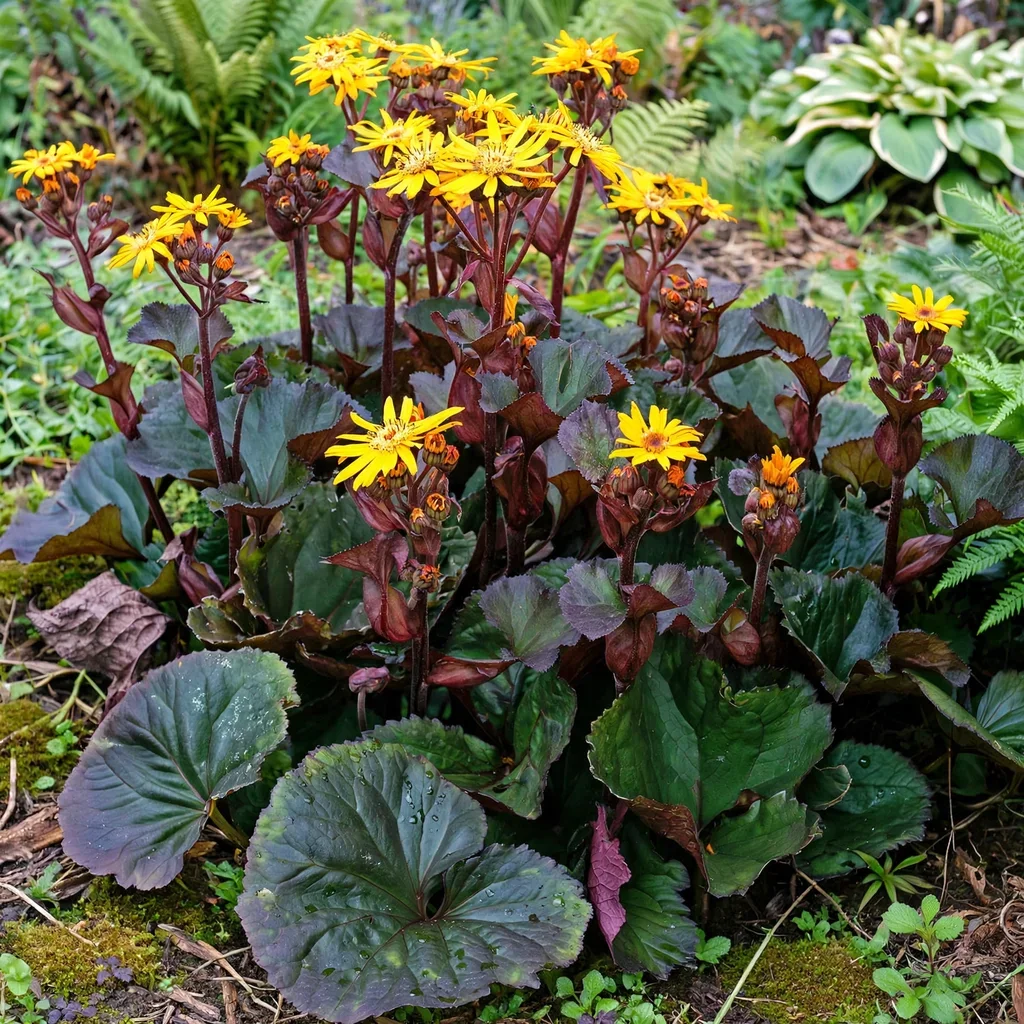
BBQ Banana Ligularia
Ligularia dentata 'BBQ Banana'
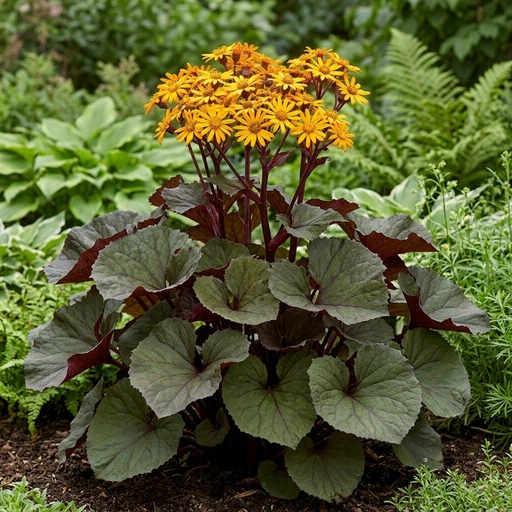
Desdemona Bigleaf Ligularia
Ligularia dentata 'Desdemona'
Keep exploring
Explore the genus
Hardy in your zone?
Grow Bigleaf Ligularia with confidence
See it in a design of your actual yard, get zone-matched care reminders, and track it season by season in your garden journal.