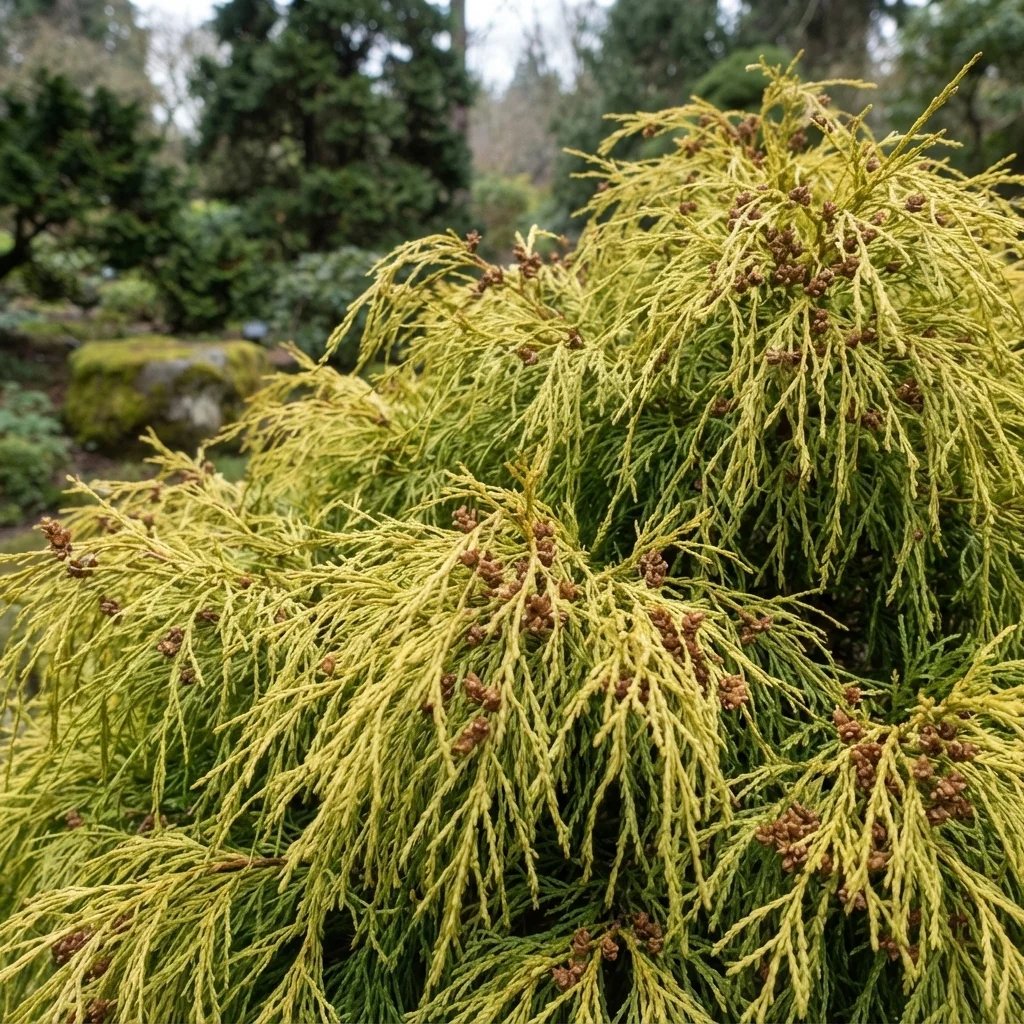
Species
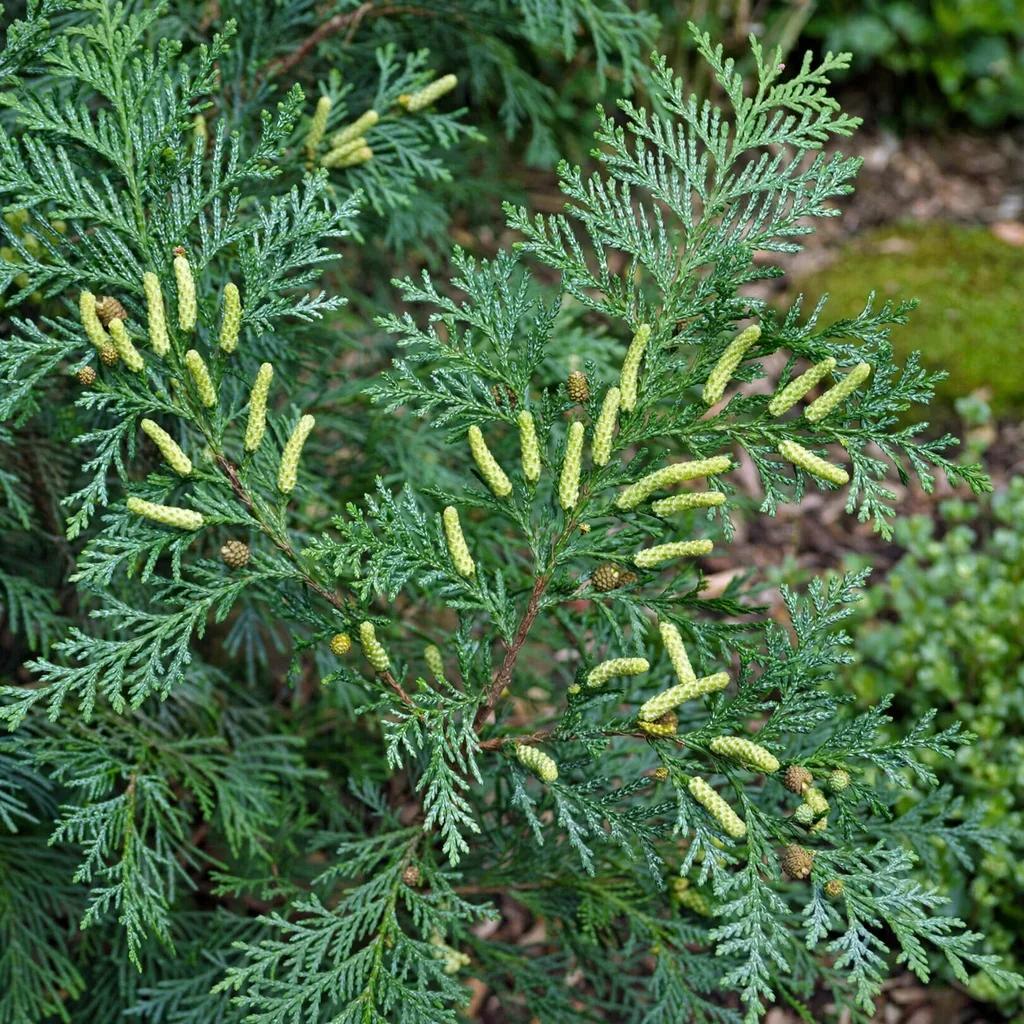 Chamaecyparis pisiferaSawara Cypress
18 other cultivars
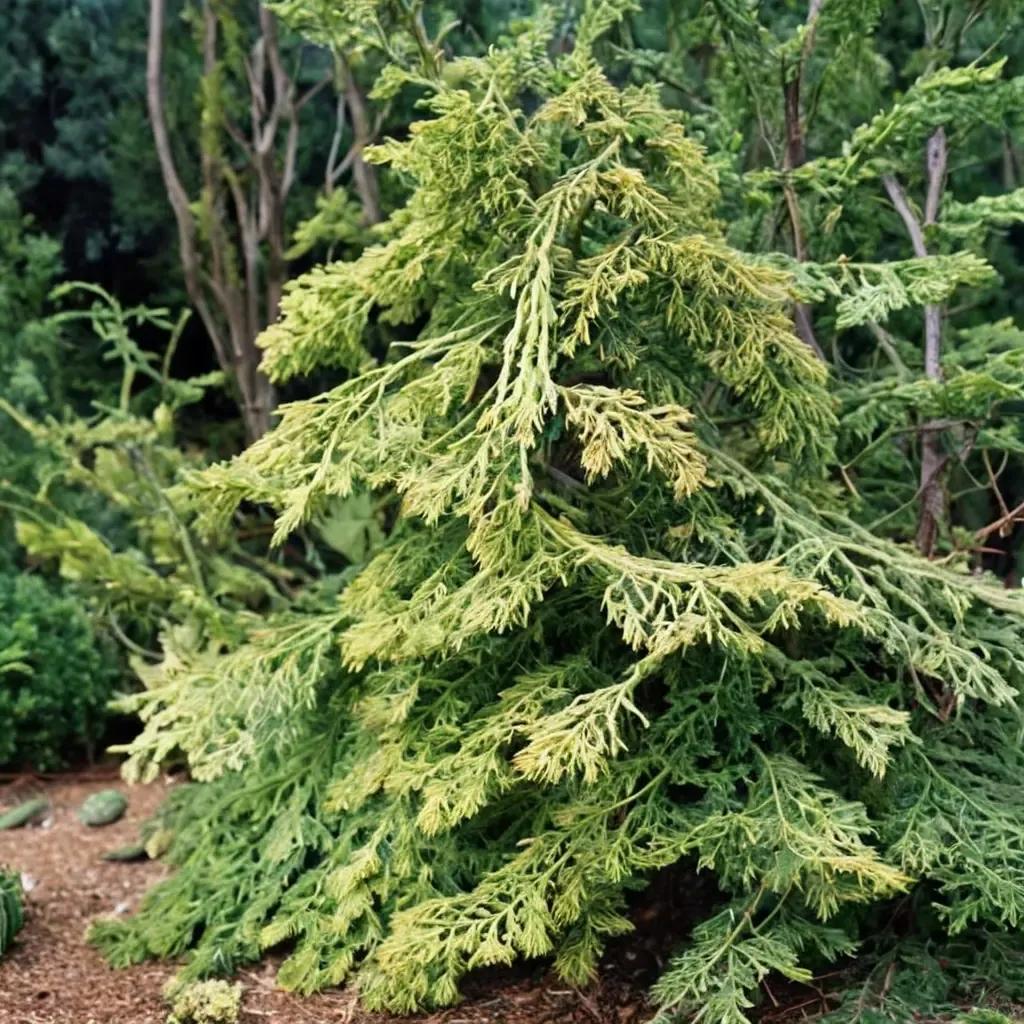 ‘Filifera Aurea’Golden Threadleaf False Cypress
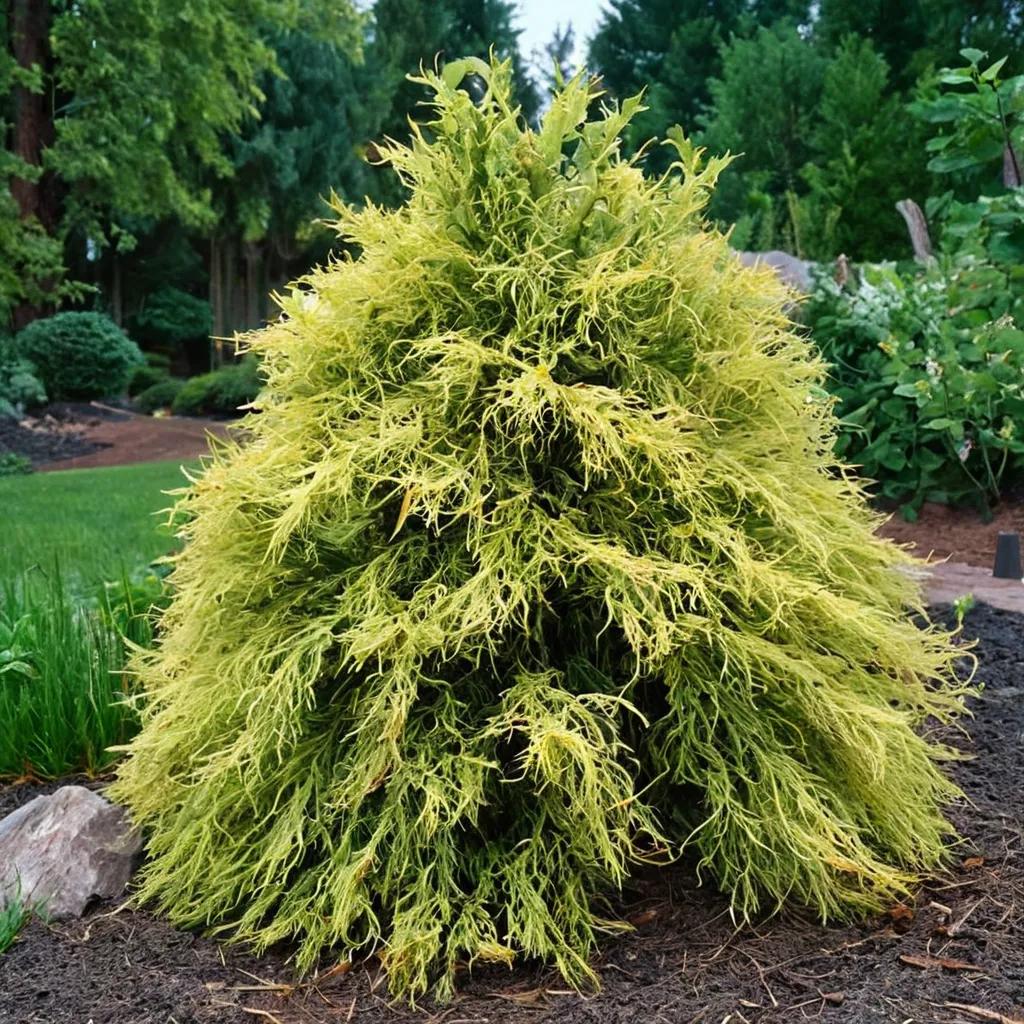 ‘Gold Mop’Gold Mop Cypress
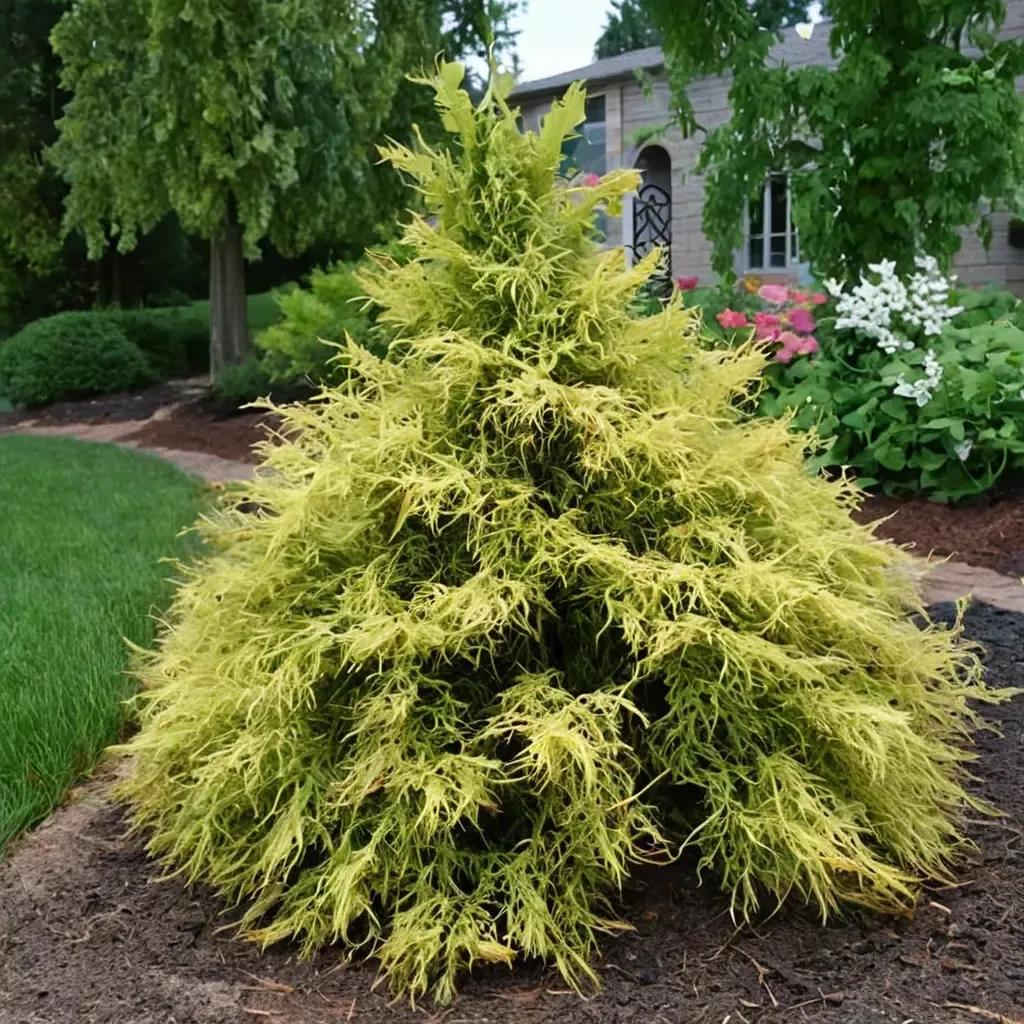 ‘Golden Mop’Golden Mop False Cypress
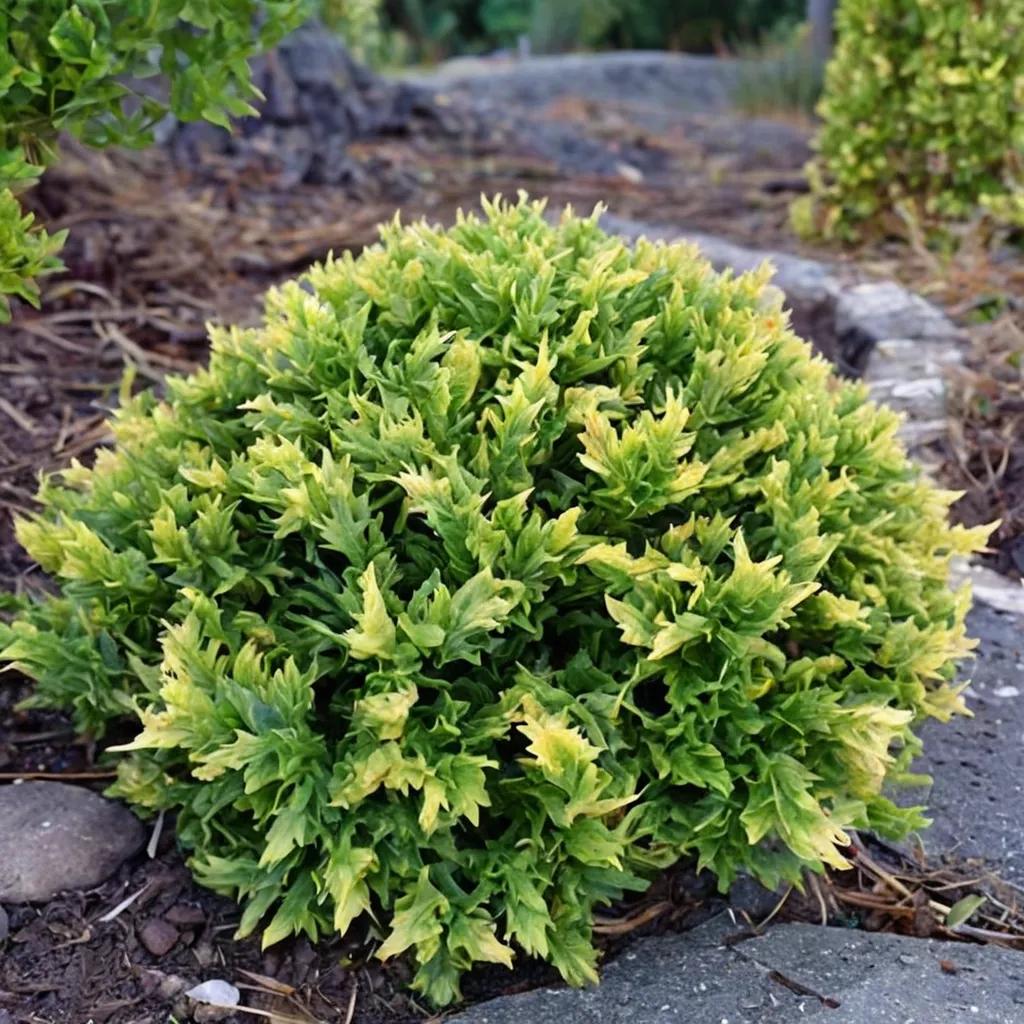 ‘Golden Pin Cushion’Golden Pin Cushion Cypress
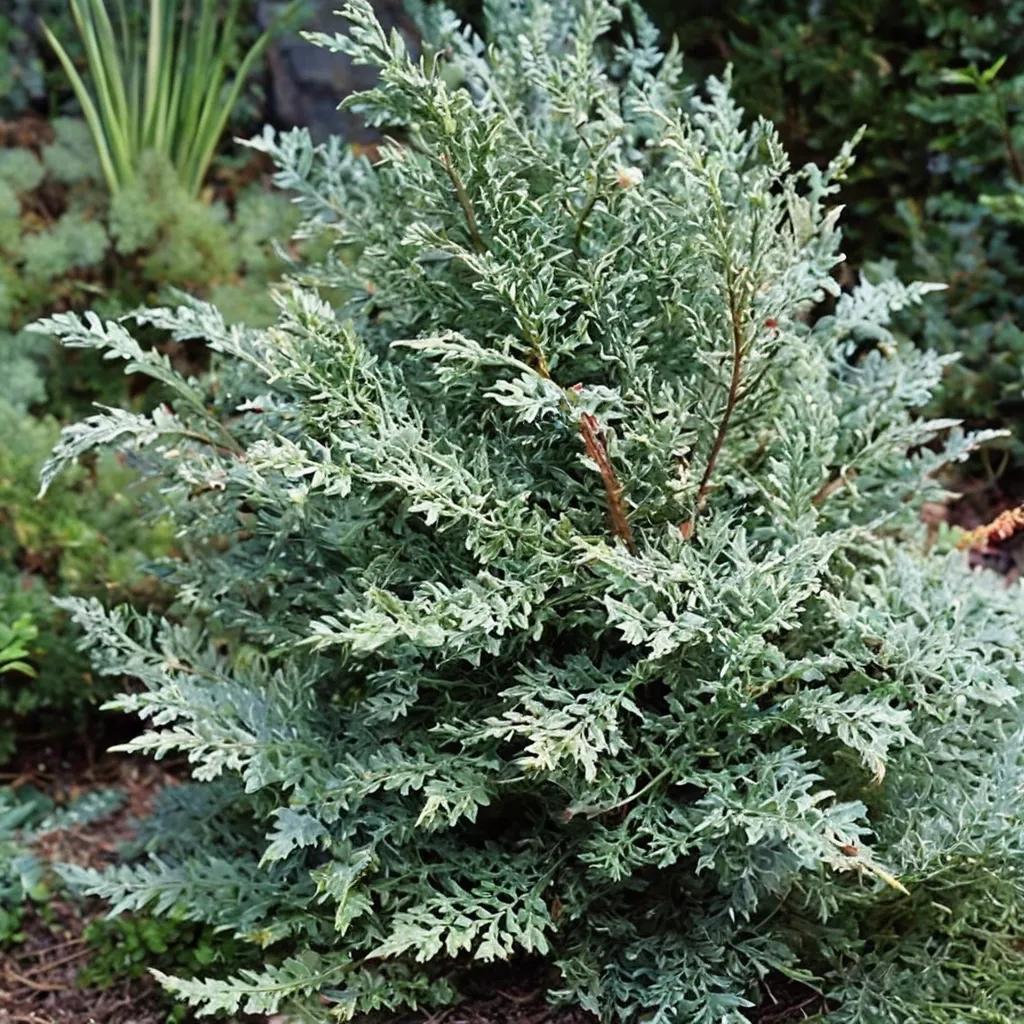 ‘Snow’Snow Sawara Cypress
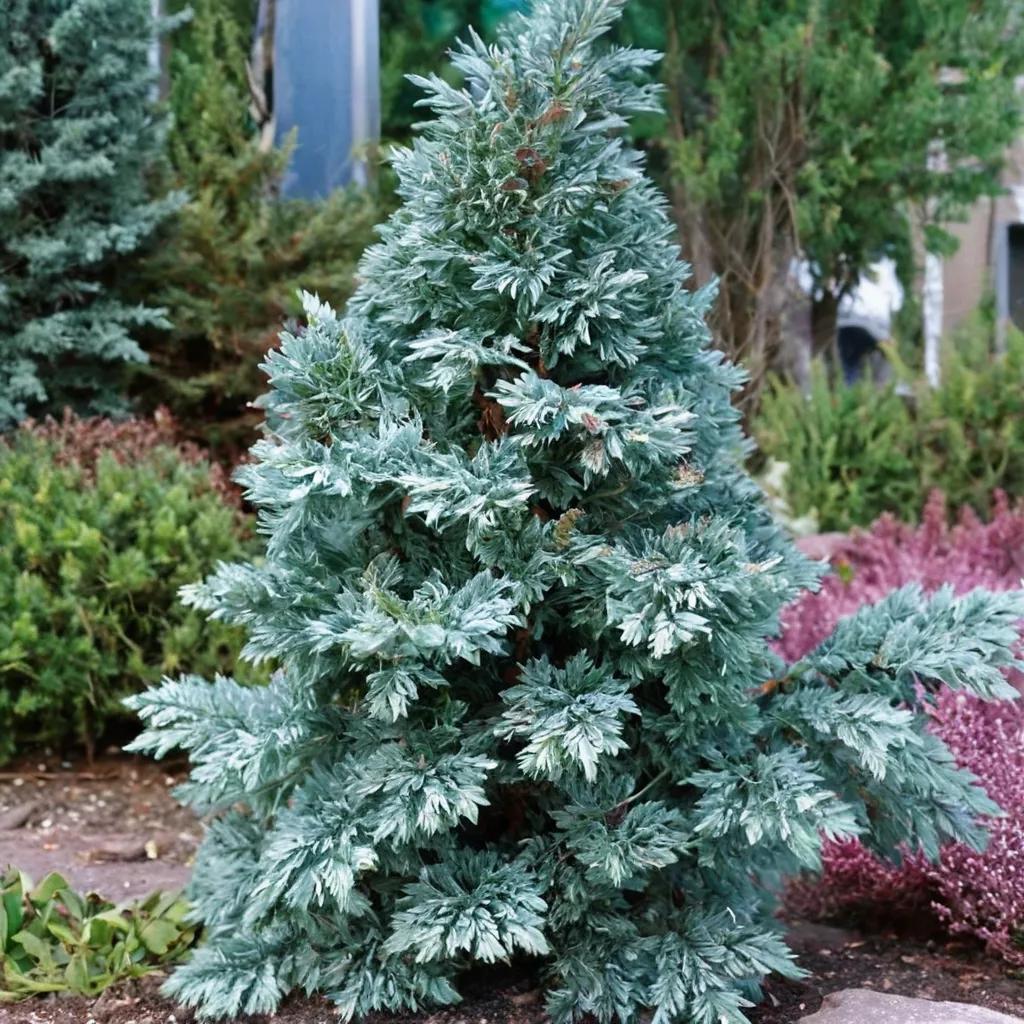 ‘Boulevard’Boulevard Falsecypress
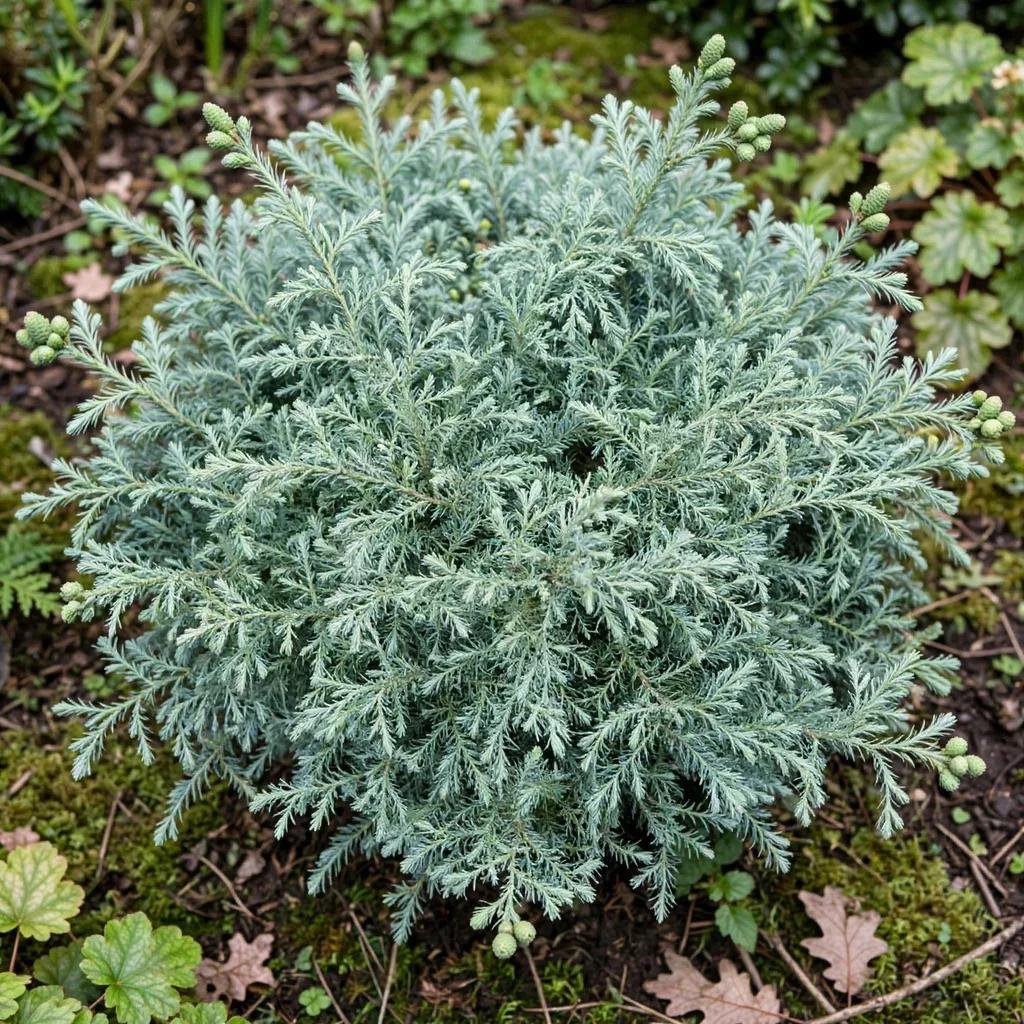 ‘Squarrosa Dumosa’Squarrosa Dumosa Dwarf Sawara Cypress
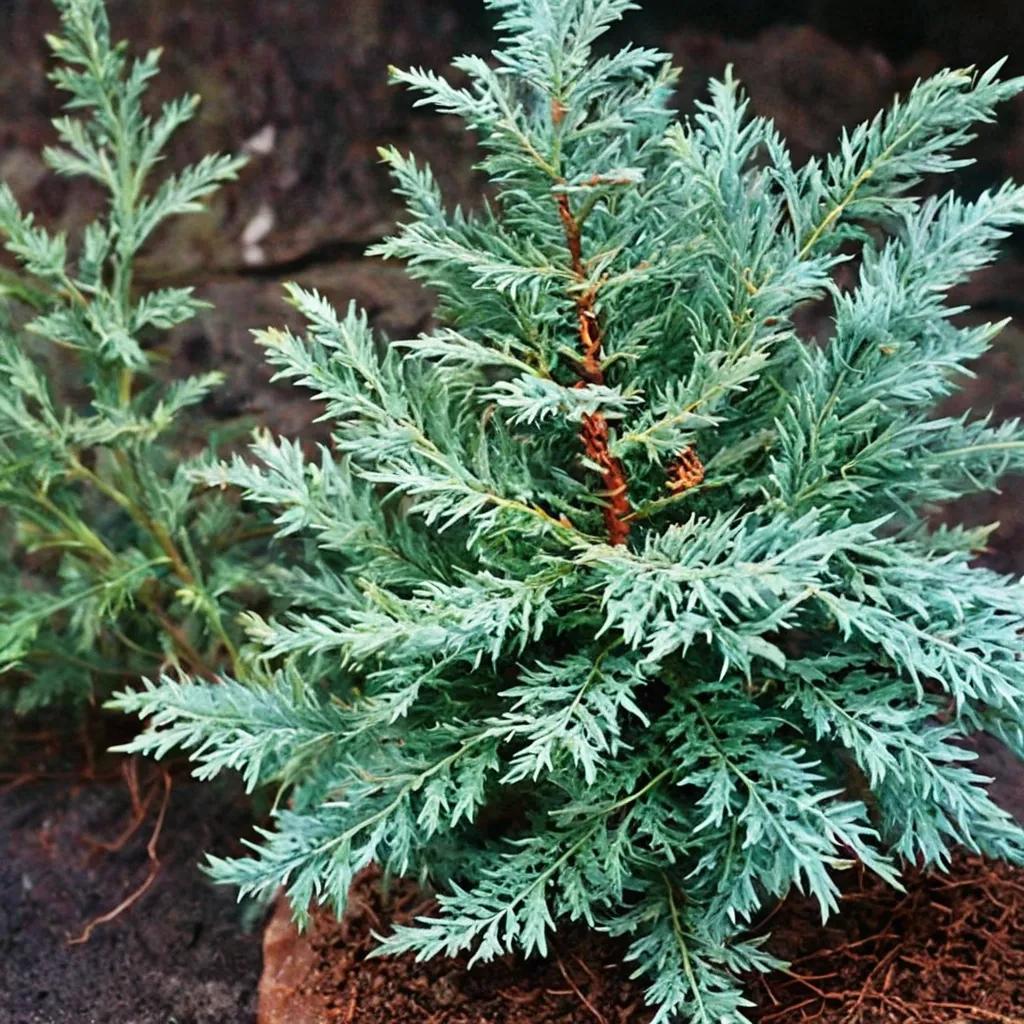 ‘Squarrosa’Moss False Cypress
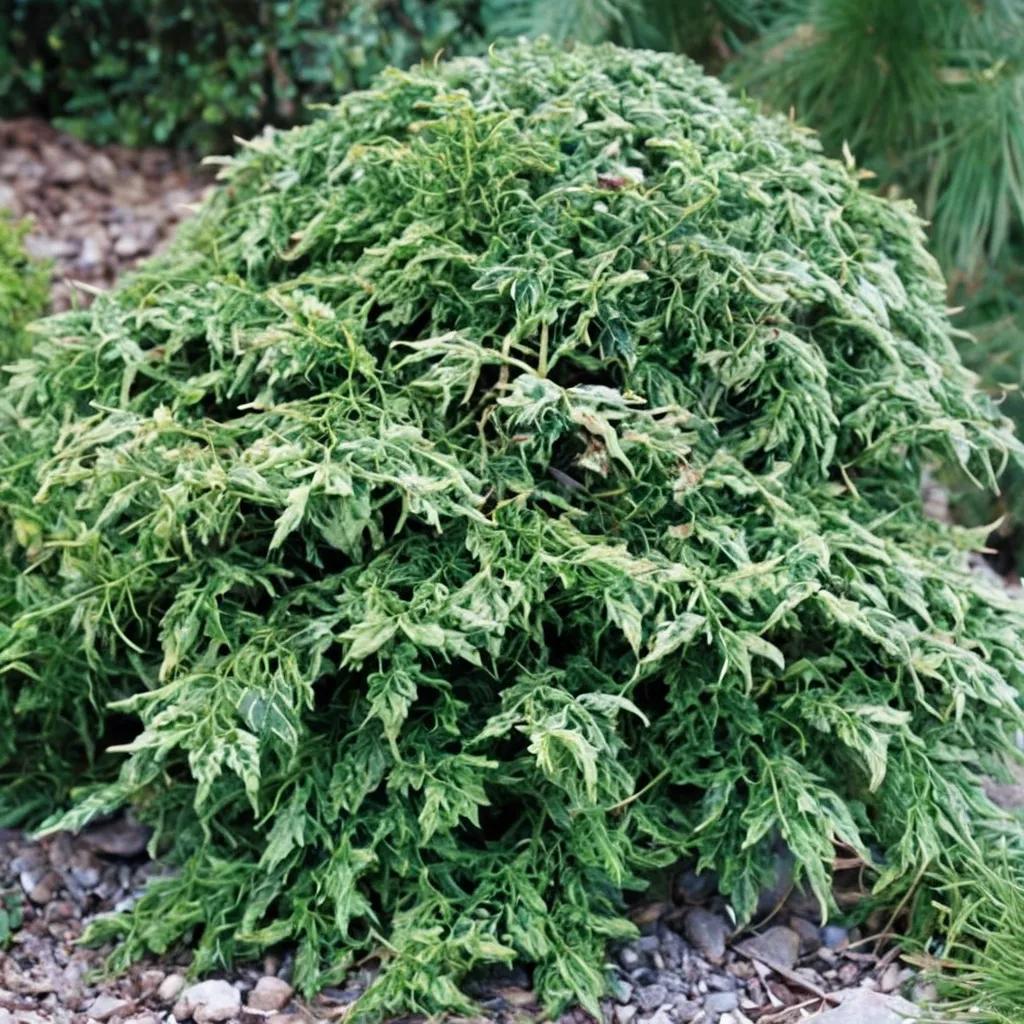 ‘Nana’Nana Dwarf Sawara Cypress
 ‘Silverlode’Silverlode False Cypress
 ‘Gold Dust’Gold Dust Cypress
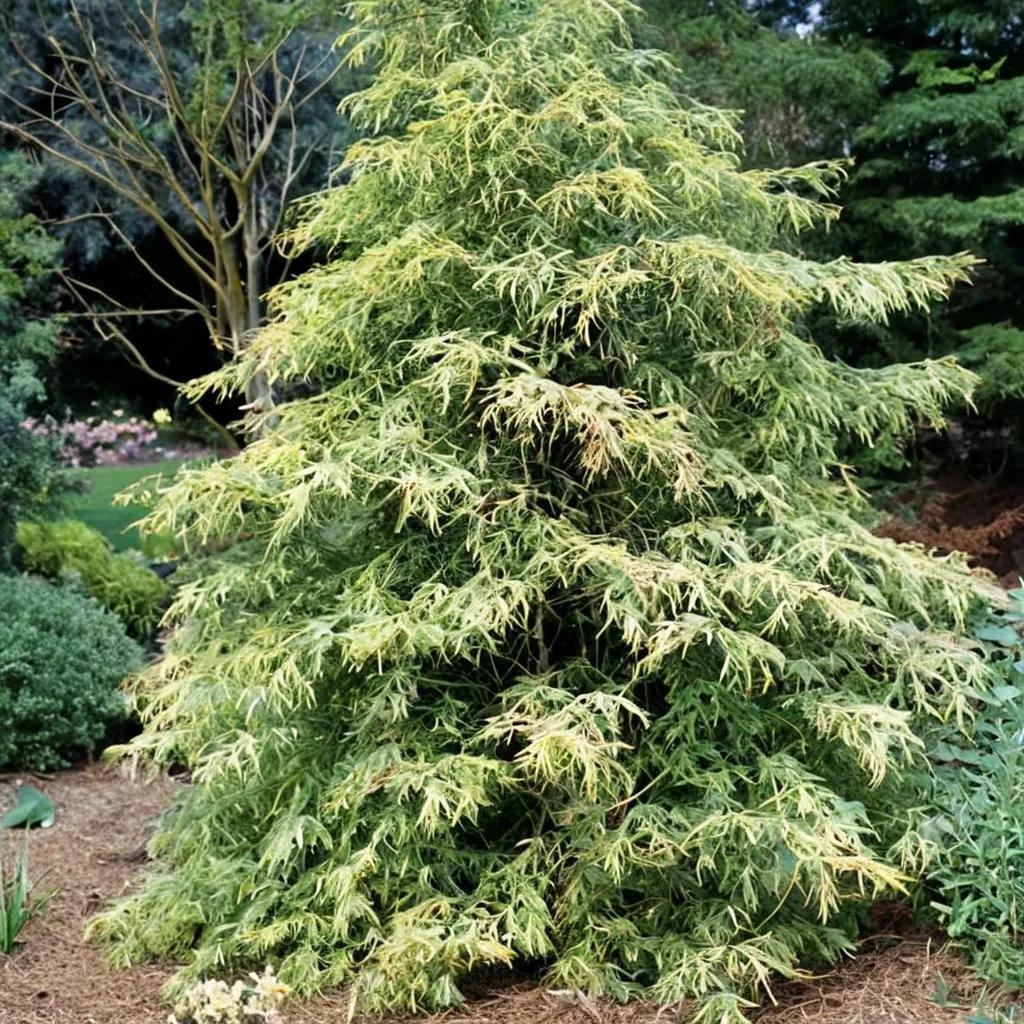 ‘Filifera Aureovariegata’Filifera Aureovariegata Japanese Cypress
 ‘Squarrosa Minima’Squarrosa Minima Japanese False Cypress
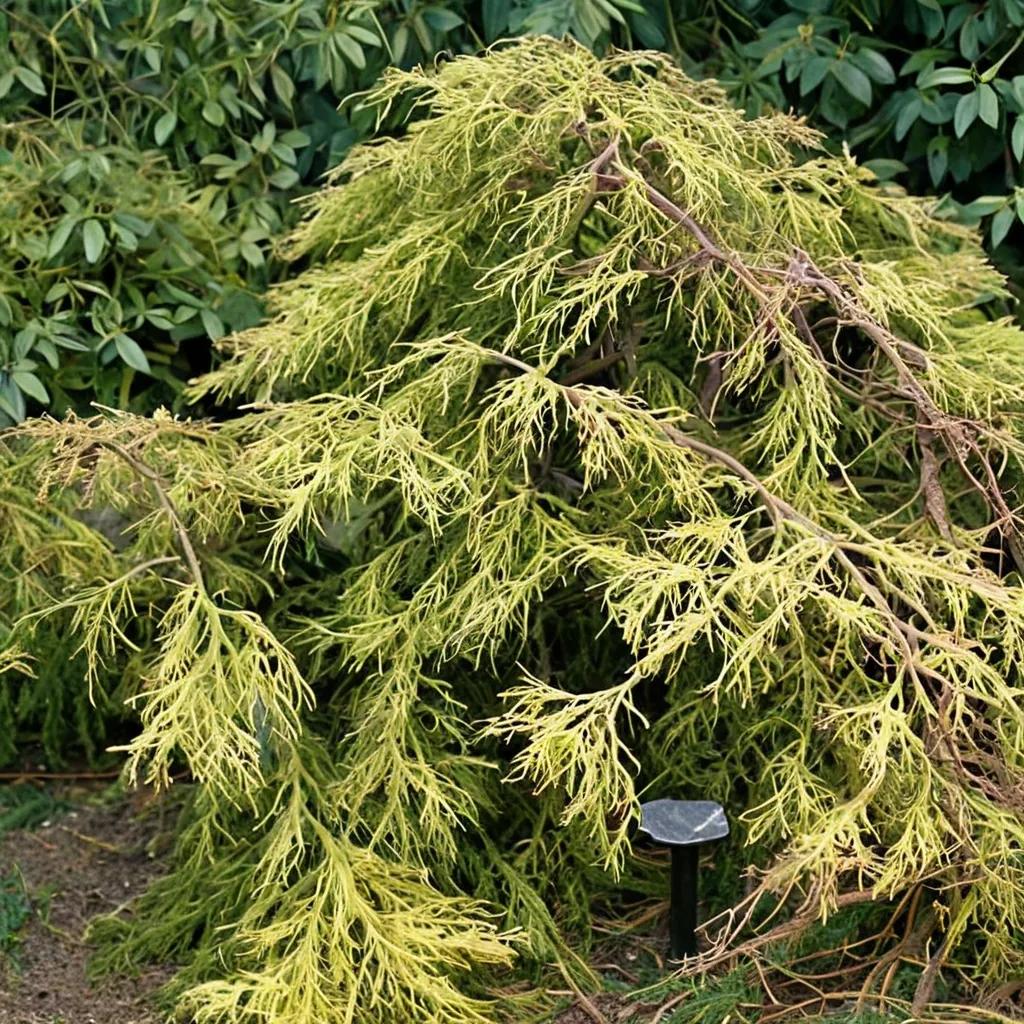 ‘Aurea Nana’Aurea Nana Dwarf Golden Sawara Cypress
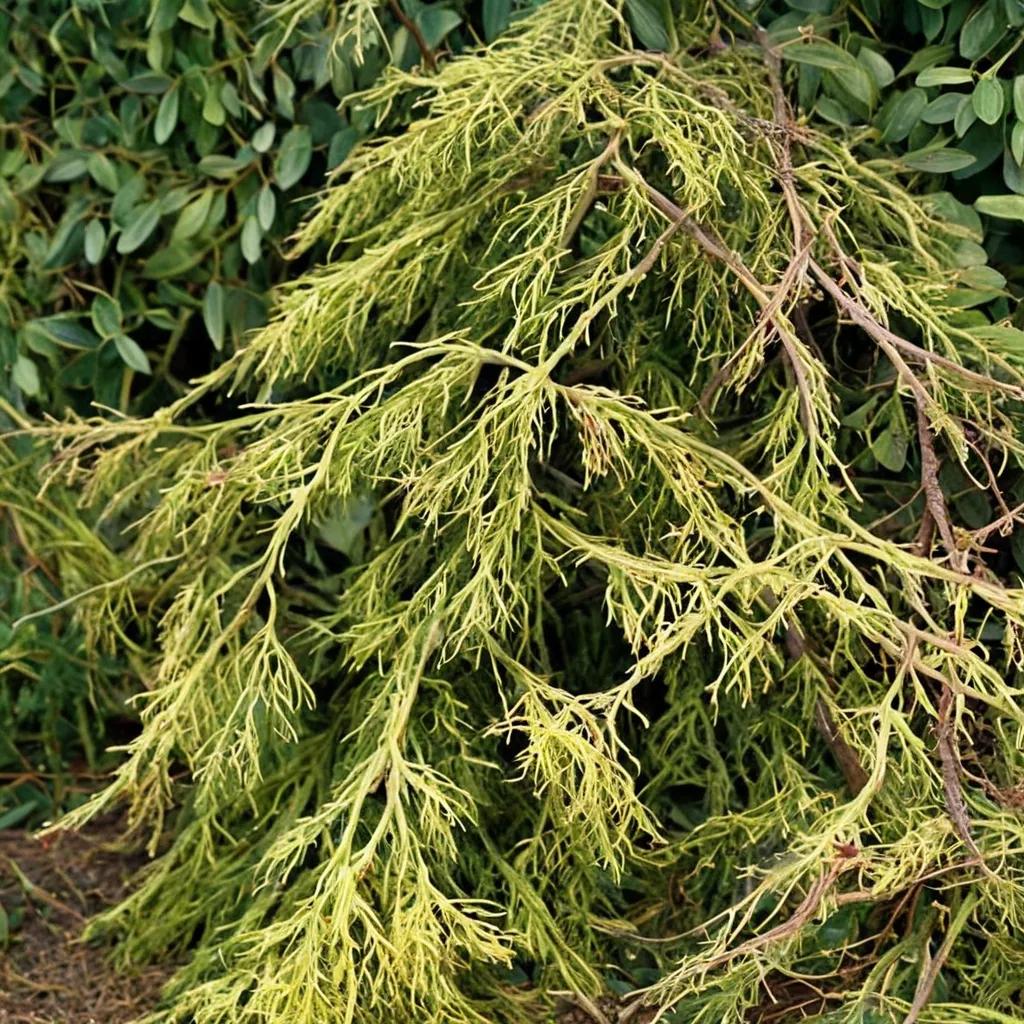 ‘Filifera Aurea Nana’Dwarf Golden Threadleaf Cypress
 ‘Squarrosa Lutea’Squarrosa Lutea Japanese False Cypress
 ‘Minima Aureovariegata’Minima Aureovariegata Japanese falsecypress
 ‘King's Gold’King's Gold False Cypress
The Story
Plant Bio
Chamaecyparis pisifera, native to the damp mountain valleys of Japan, is an evergreen conifer featuring delicate, scale-like foliage arranged in flat, feathery sprays. The species produces small, globose cones that ripen to dark brown and naturally forms a large pyramidal tree over time.
'Bright Gold' is a dwarf, mound-forming cultivar distinguished by its thread-like, pendulous foliage that maintains a bright golden-yellow color throughout all four seasons. Its whip-like branches build a dense, rounded shrub reaching four to five feet in height and spread without requiring aggressive shearing.
Uses & Benefits:
Essentials
At a Glance
Plant Type
Shrub
Height
59"
Width
59"
Light
Full Sun, Partial Sun
Zones
4, 5, 6, 7, 8
Water
Moderate
Humidity
Moderate
Lifespan
Perennial
Native To
Japan
Toxicity
Non-toxic
Bloom period
Spring
In flower about 3 months of the year
Planting
How to Grow
- Select a planting location receiving full sun for maximum color, or afternoon shade in hotter southern zones.
- Dig a pit twice as wide as the root ball, ensuring the top of the root crown rests level with or slightly above the surrounding soil grade.
- Backfill with native soil enriched with organic compost, pressing firmly to eliminate air pockets around the roots.
- Water thoroughly upon planting and maintain consistent moisture through the first growing season while roots establish.
Pro Tip
Never prune back past the outer green foliage into old bare stems, as old cypress wood lacks dormant buds and cannot regenerate.
Keep It Thriving
Care Guide
Do
- Plant in sharply draining soil to prevent Phytophthora root rot.
- Provide full sun to morning sun for the most vivid foliage color.
- Apply a organic mulch layer around the base to preserve soil moisture.
Don't
- Do not plant in boggy, low-lying, or waterlogged areas.
- Do not shear hard into leafless interior wood when shaping.
- Do not over-fertilize with high-nitrogen synthetic feeds.
Seasonal Care Calendar
| Task | Jan | Feb | Mar | Apr | May | Jun | Jul | Aug | Sep | Oct | Nov | Dec |
|---|---|---|---|---|---|---|---|---|---|---|---|---|
| Fertilize | ||||||||||||
| Pest Check | ||||||||||||
| Prune | ||||||||||||
| Winter Prep |
Watch Out For
Pests & Diseases
Common Pests
Common Diseases
In the Garden
Landscape Uses & Companions
Landscape Uses
Companion Plants
Multiply
Propagation Methods
Good to Know
Common Questions
Sawara False Cypress questions
What zones can Sawara False Cypress grow in?
Sawara False Cypress is hardy in USDA Zones 4–8. Inside that range it survives winter in the ground; outside it, grow it as an annual or a container plant you protect.
Is Sawara False Cypress deer resistant?
Not reliably. Deer may browse Sawara False Cypress, especially tender spring growth — plan on repellents or fencing where pressure is high.
When does Sawara False Cypress bloom?
Sawara False Cypress typically blooms in spring through spring. Exact timing shifts a week or two with your zone — Sow's bloom calendar maps it to your garden.
Does Sawara False Cypress need full sun?
Sawara False Cypress does best in full sun to part shade. In hot climates, afternoon shade keeps blooms fresher longer.
Is Sawara False Cypress drought tolerant?
Yes — once established (usually after the first full season), Sawara False Cypress handles dry spells with minimal watering. Water deeply its first year to build the root system that makes that possible.
More Chamaecyparis to compare
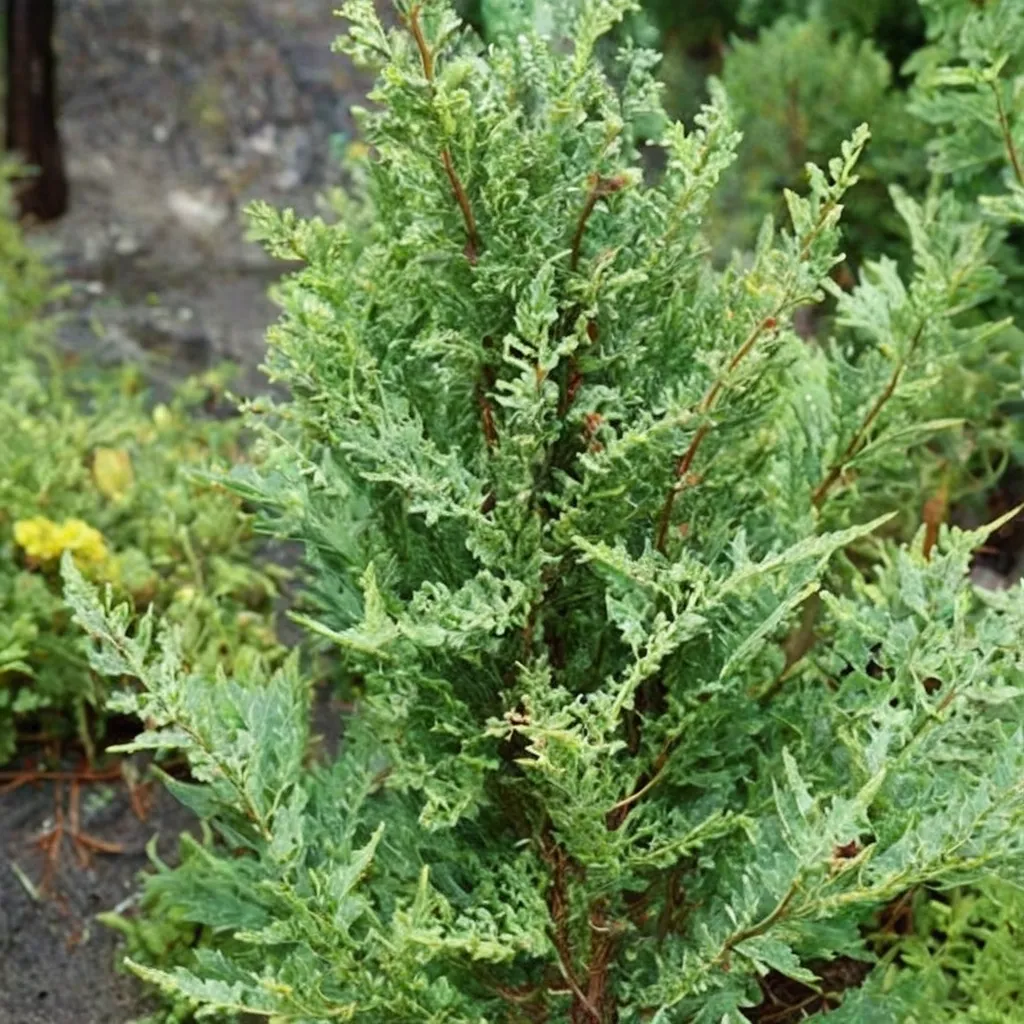
Meth Dwarf Atlantic White Cedar
Chamaecyparis thyoides 'Meth Dwarf'
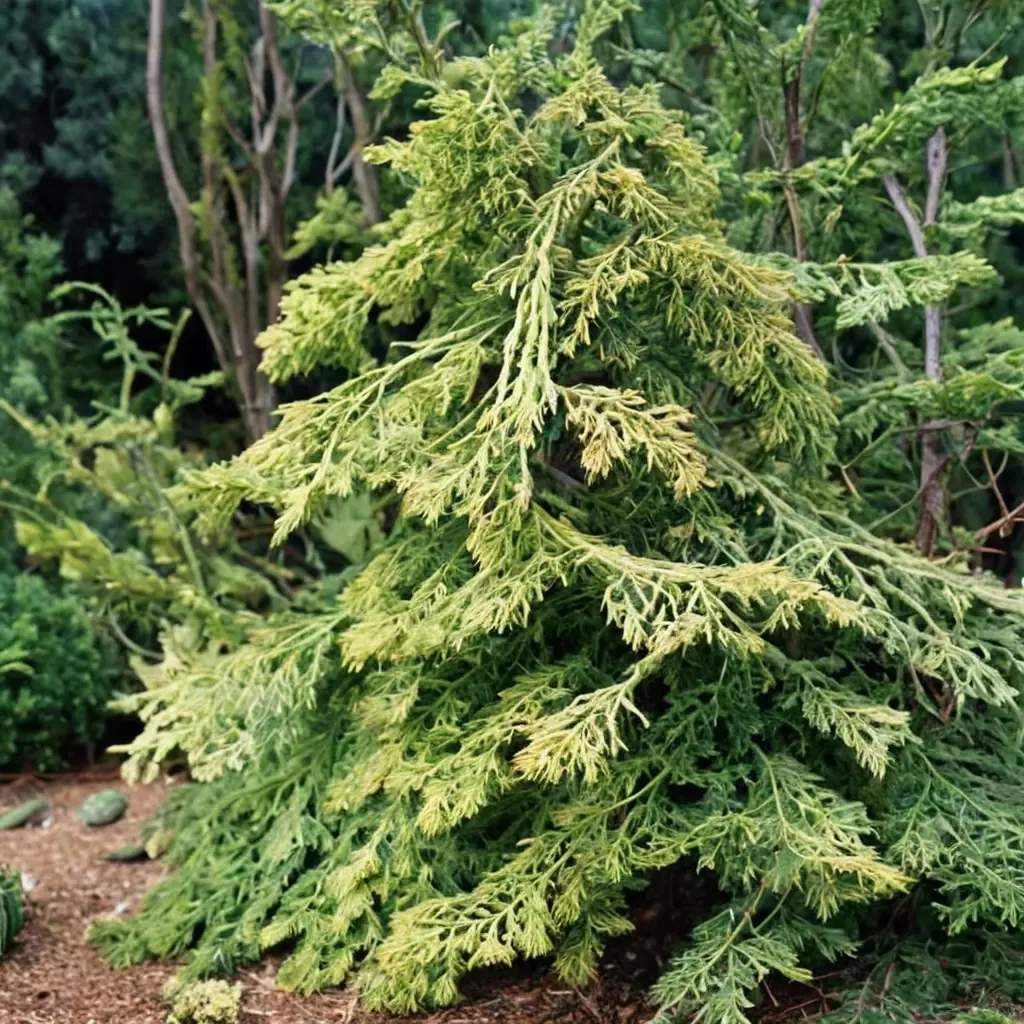
Golden Threadleaf False Cypress
Chamaecyparis pisifera 'Filifera Aurea'
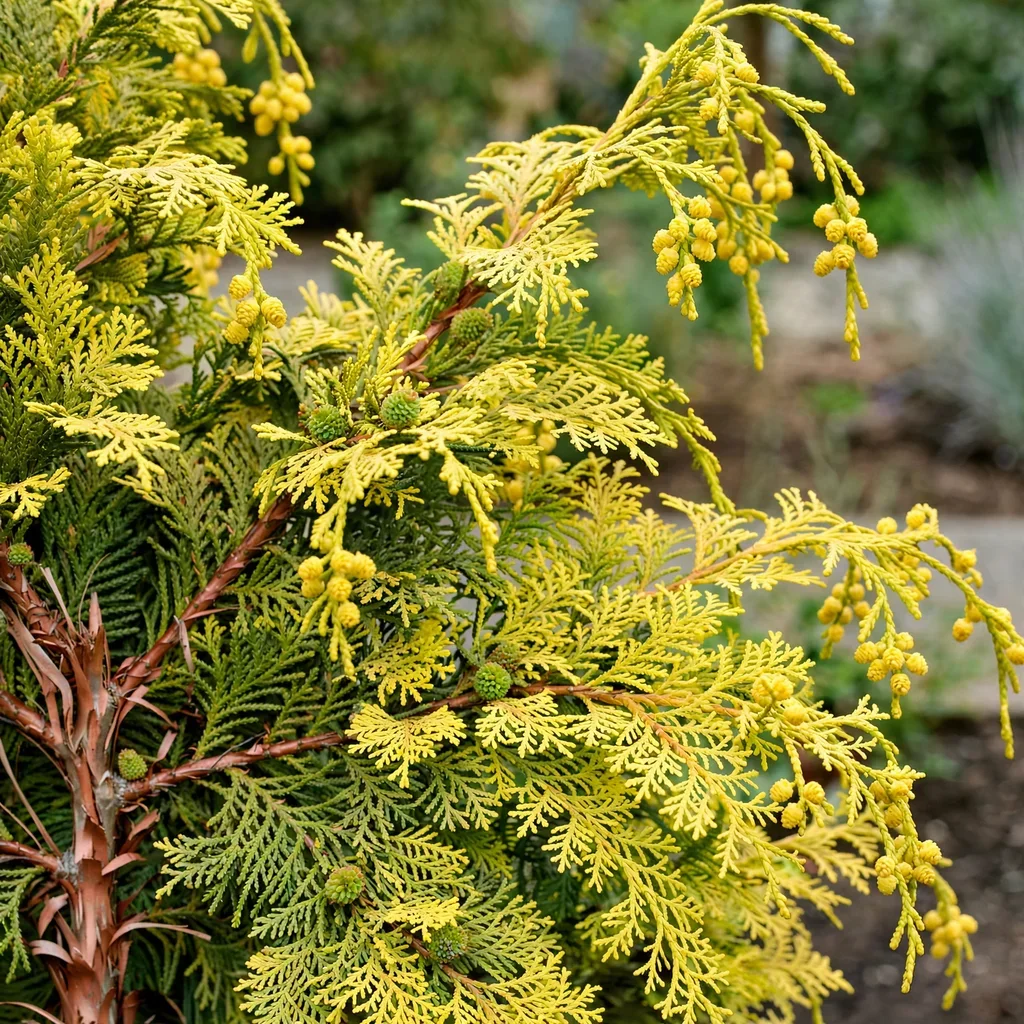
Webb Gold Atlantic White Cedar
Chamaecyparis thyoides 'Webb Gold'
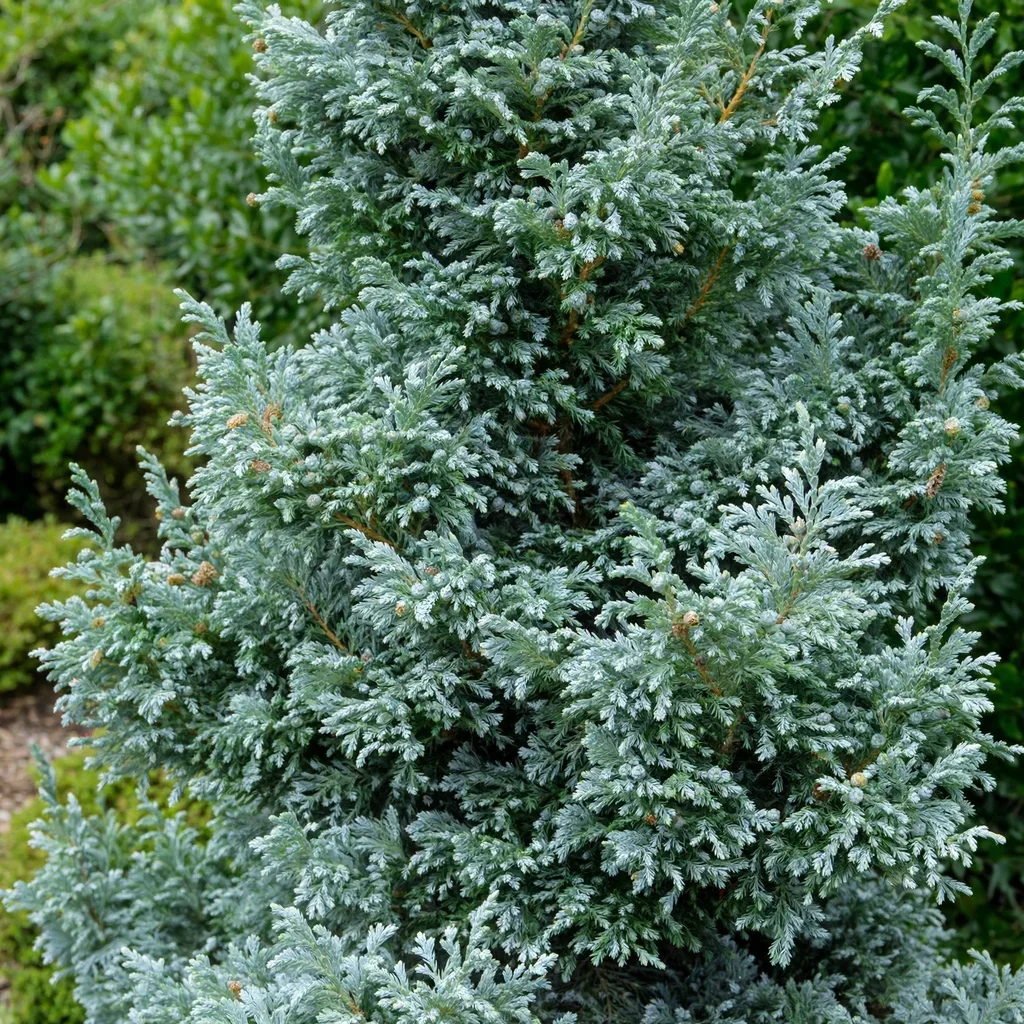
Blue Nootka Cypress
Chamaecyparis nootkatensis 'Glauca'
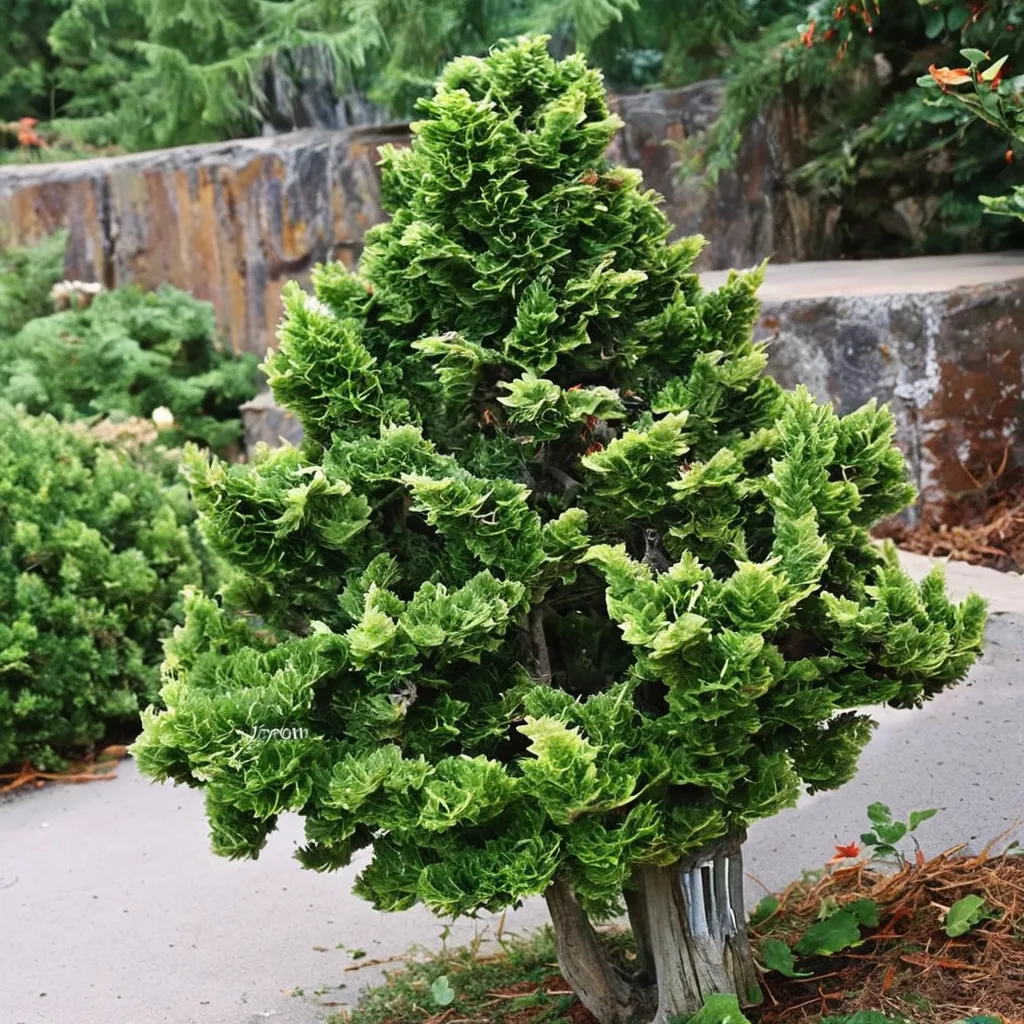
Nana Gracilis Dwarf Hinoki Cypress
Chamaecyparis obtusa 'Nana Gracilis'
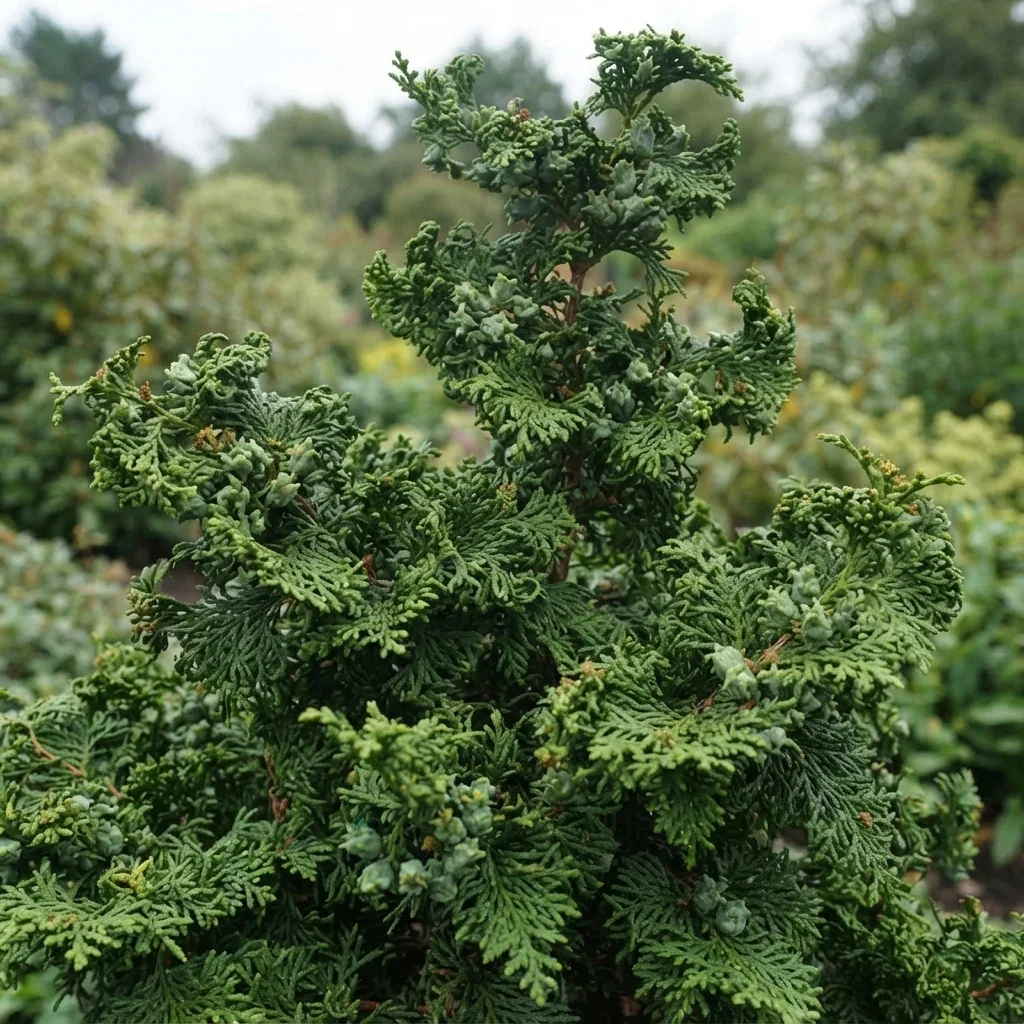
Kosteri Hinoki Cypress
Chamaecyparis obtusa 'Kosteri'
Keep exploring
Explore the genus
Hardy in your zone?
Grow Sawara False Cypress with confidence
See it in a design of your actual yard, get zone-matched care reminders, and track it season by season in your garden journal.