The Story
Plant Bio
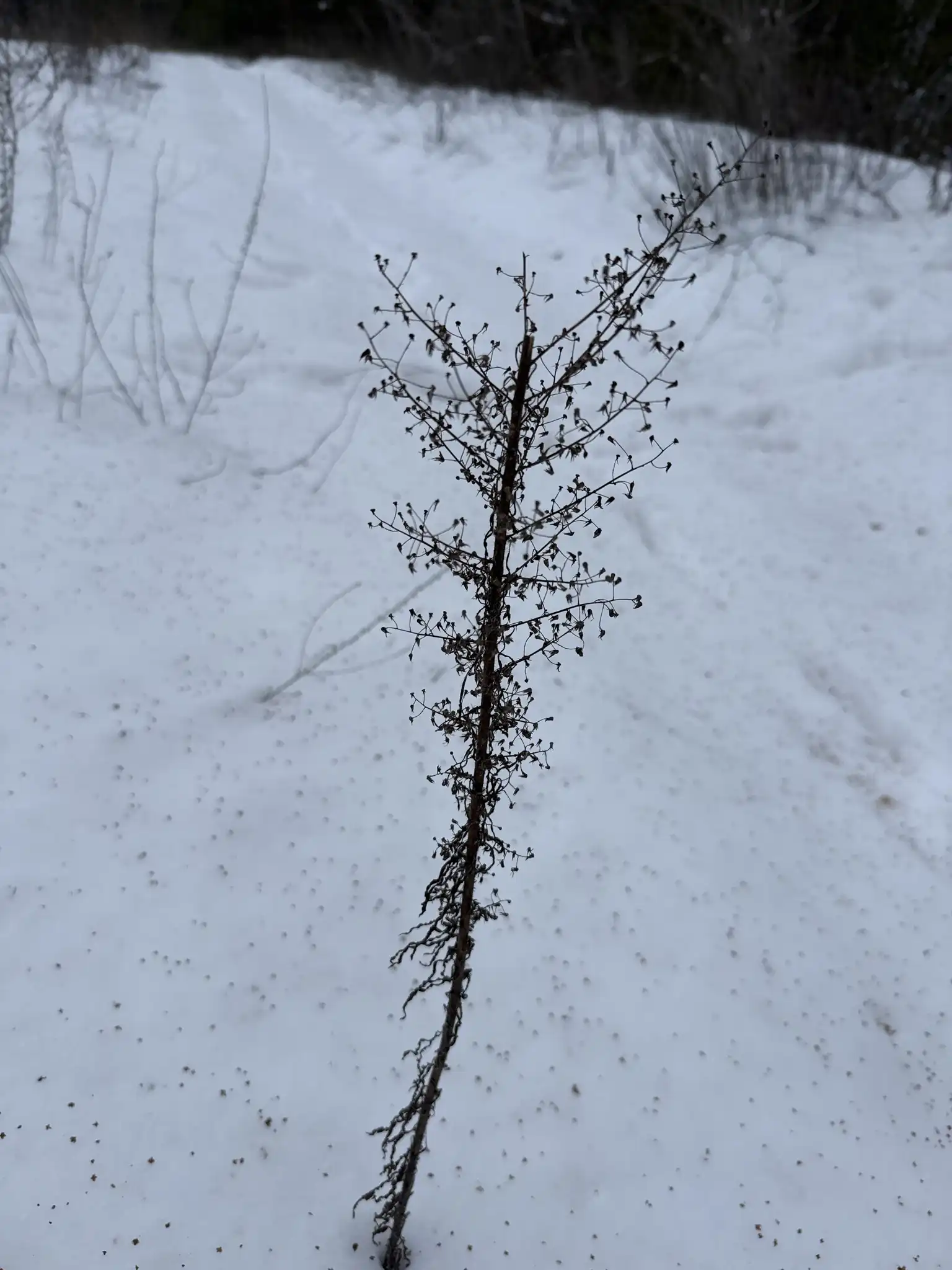
Erigeron canadensis is an upright, single-stemmed annual herb native to North America that begins as a basal rosette before bolting a rigid, leafy stem. In summer and fall, it produces numerous small, inconspicuous white composite flower heads arranged in terminal panicles.
This species is highly adaptable to compacted, poor, and disturbed soils, frequently colonizing roadsides and agricultural fields. The hollow, pithy stems provide valuable nesting sites for native solitary bees, while the abundant seeds feed small birds.
Uses & Benefits:
Essentials
At a Glance
Plant Type
Annual
Height
71"
Width
18"
Light
Full Sun
Zones
4, 5, 6, 7, 8, 9
Water
Low to Moderate
Humidity
High
Lifespan
Annual
Native To
North America
Toxicity
Mild Skin Irritant
Bloom period
Summer – Fall
In flower about 6 months of the year
Planting
How to Grow
- Sow seeds directly onto the soil surface in a full sun location during fall or early spring.
- Do not cover the seeds with soil, as they require light to trigger germination.
- Provide minimal water, as the seedlings quickly establish deep taproots and tolerate dry conditions.
- Hand-pull unwanted plants before they flower to prevent aggressive self-seeding across the garden.
Pro Tip
To manage this aggressive self-seeder in a native restoration plot, manually pull or cut the stems down to the ground before the flowers mature to prevent wind-dispersed seed set.
Keep It Thriving
Care Guide
Do
- Pull plants manually before flowering to control unwanted spreading.
- Leave some dead, dry stems standing in winter to provide nesting sites for native solitary bees.
- Grow in poor, well-drained soils where other plants struggle to establish.
Don't
- Do not apply supplemental fertilizer, as this plant thrives on neglect and poor soil nutrients.
- Do not allow the plant to set seed if you wish to keep it from dominating the garden space.
- Do not plant in poorly drained, waterlogged soils where root rot can develop.
Seasonal Care Calendar
| Task | Jan | Feb | Mar | Apr | May | Jun | Jul | Aug | Sep | Oct | Nov | Dec |
|---|---|---|---|---|---|---|---|---|---|---|---|---|
| Pest Check | ||||||||||||
| Plant | ||||||||||||
| Prune | ||||||||||||
| Winter Prep |
Watch Out For
Pests & Diseases
Common Pests
Common Diseases
In the Garden
Landscape Uses & Companions
Landscape Uses
Companion Plants
Multiply
Propagation Methods
Good to Know
Common Questions
Horseweed questions
What zones can Horseweed grow in?
Horseweed is hardy in USDA Zones 4–9. Inside that range it survives winter in the ground; outside it, grow it as an annual or a container plant you protect.
When does Horseweed bloom?
Horseweed typically blooms in summer through fall. Exact timing shifts a week or two with your zone — Sow's bloom calendar maps it to your garden.
Does Horseweed need full sun?
Horseweed does best in full sun (6+ hours).
Is Horseweed drought tolerant?
Yes — once established (usually after the first full season), Horseweed handles dry spells with minimal watering. Water deeply its first year to build the root system that makes that possible.
More Erigeron to compare
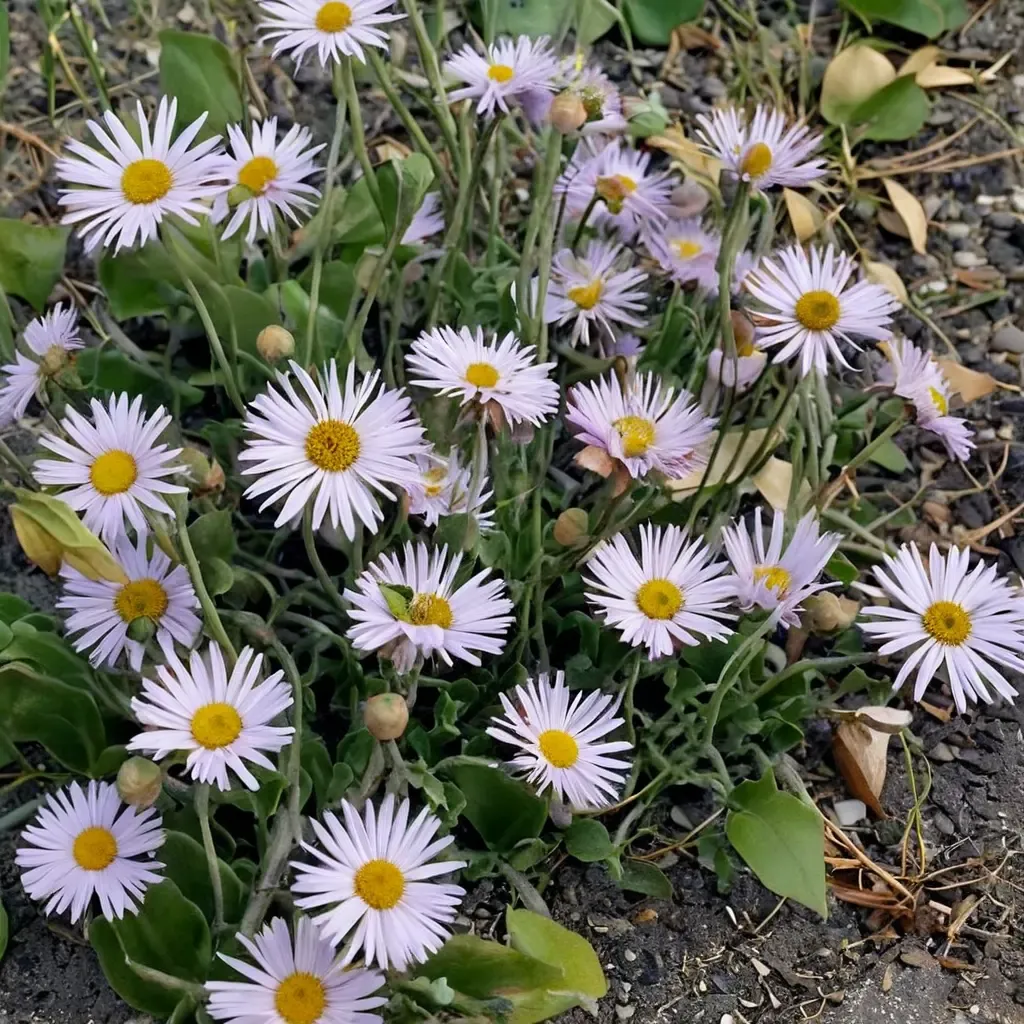
Robin's Plantain 'Meadow Muffin'
Erigeron pulchellus 'Meadow Muffin'
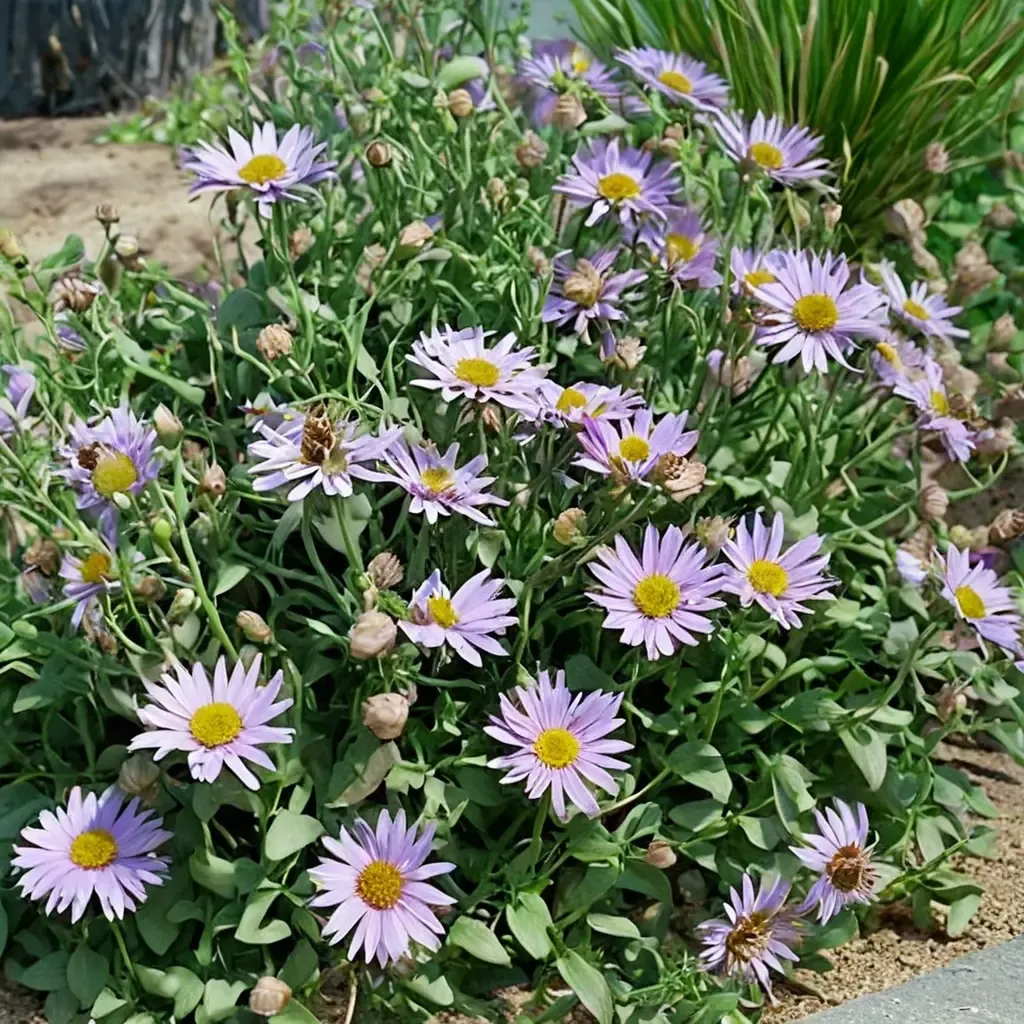
Wayne Roderick fleabane
Erigeron glaucus 'Wayne Roderick'
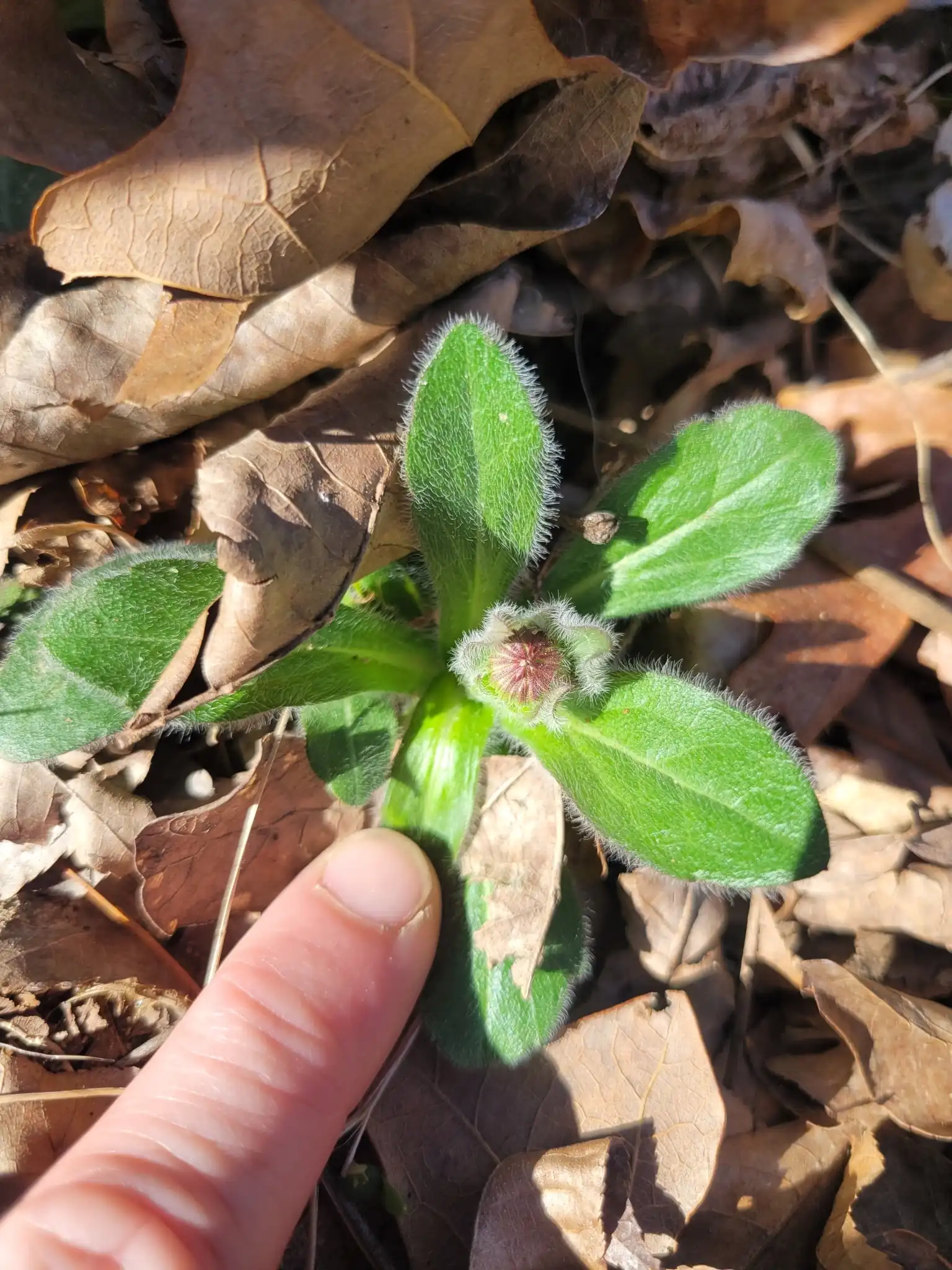
Robin's Plantain
Erigeron pulchellus
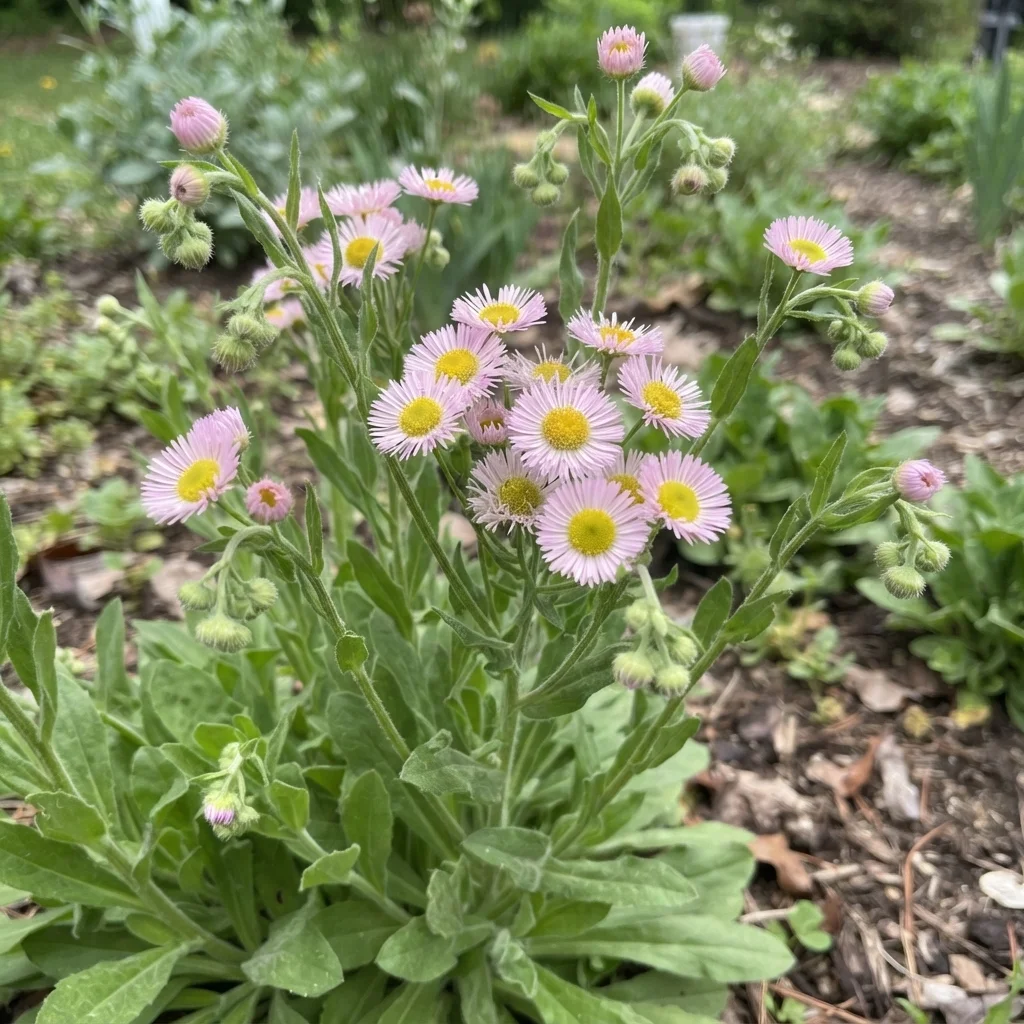
Philadelphia Fleabane
Erigeron philadelphicus
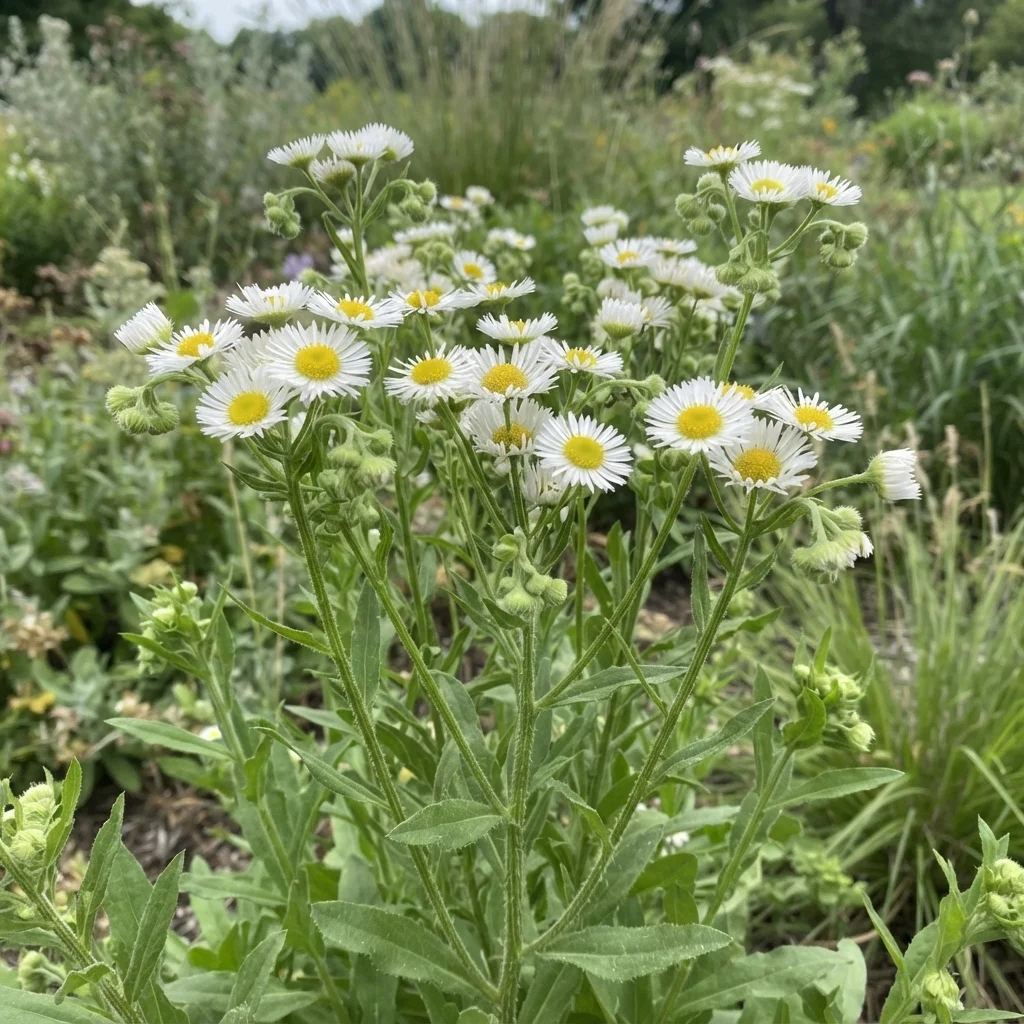
Prairie Fleabane
Erigeron strigosus
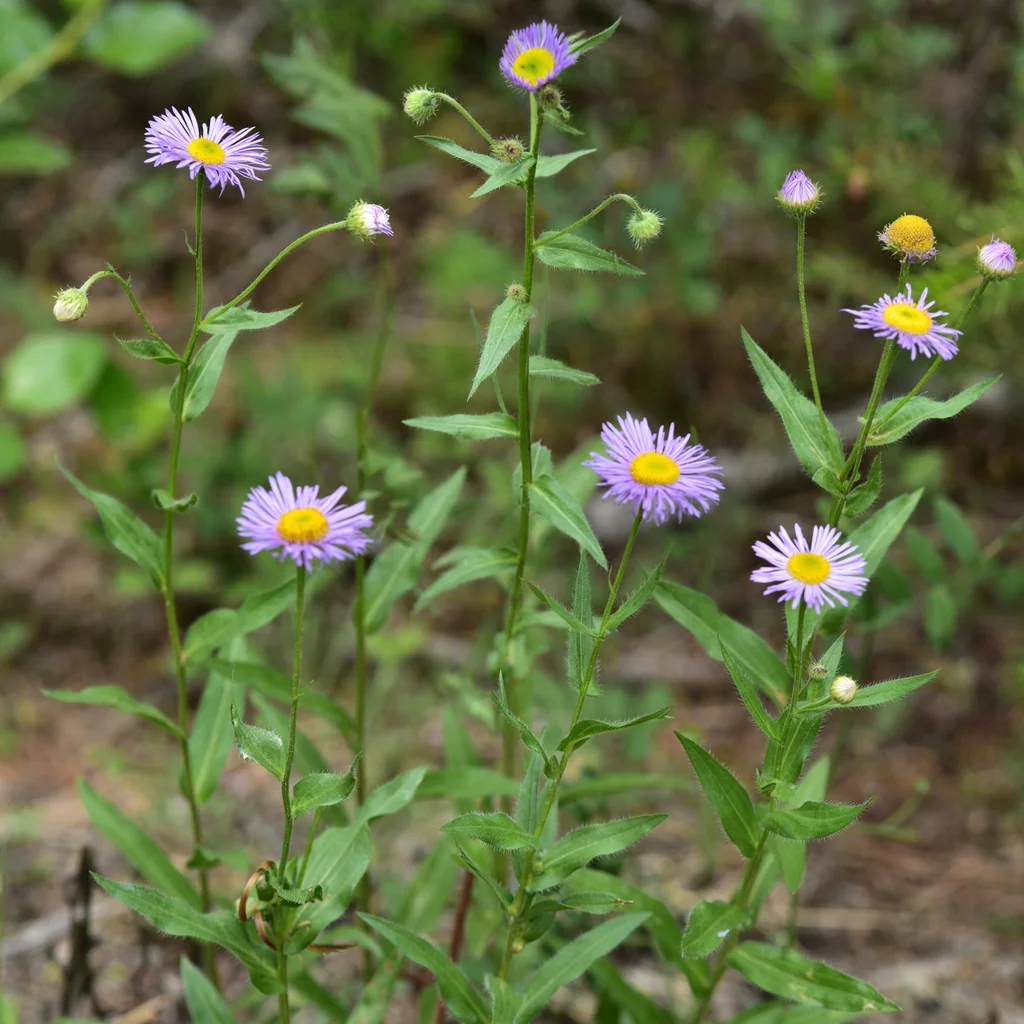
Aspen Fleabane
Erigeron speciosus
Keep exploring
Explore the genus
Grow Horseweed with confidence
See it in a design of your actual yard, get zone-matched care reminders, and track it season by season in your garden journal.