The Story
Plant Bio
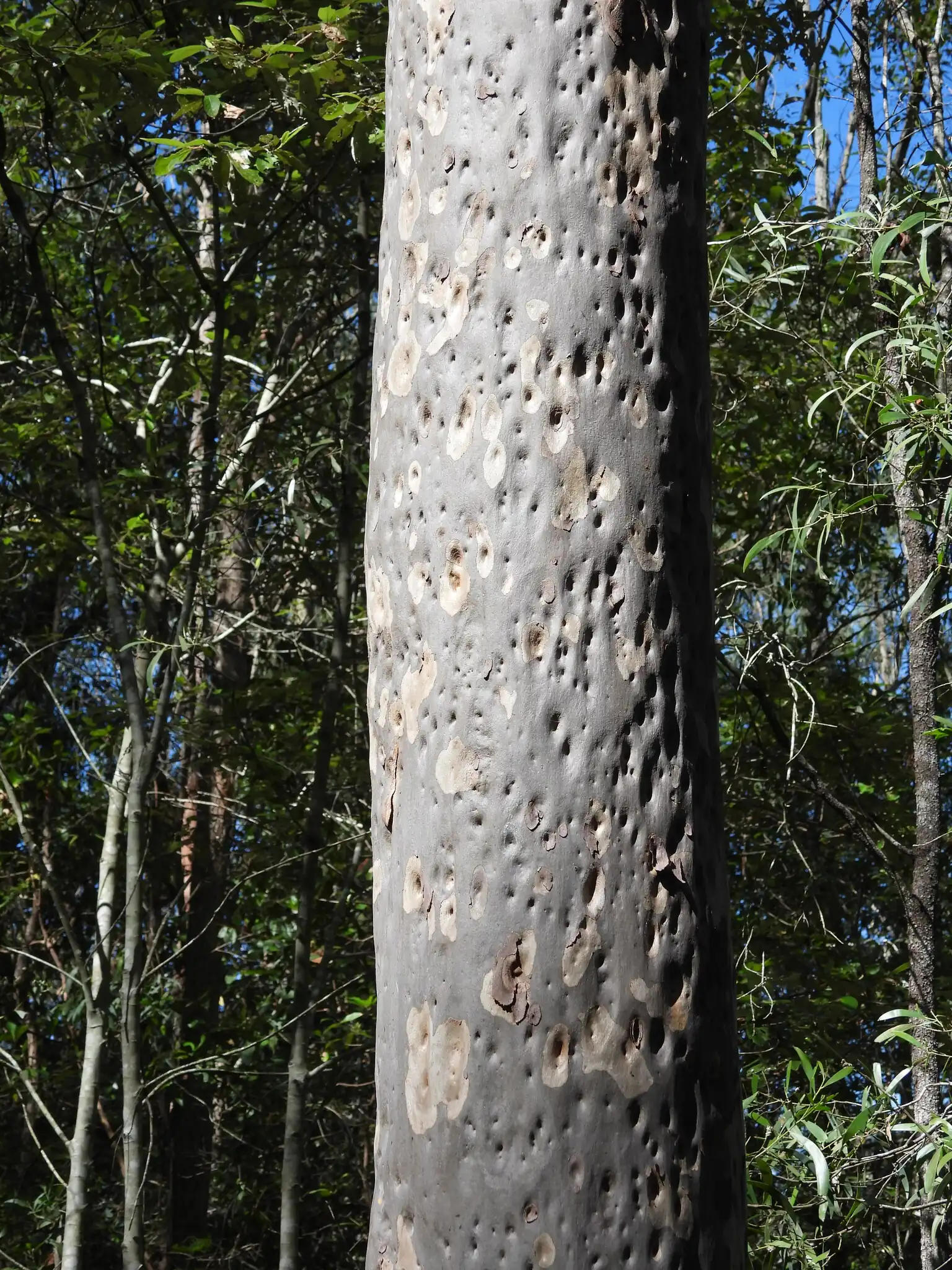
Corymbia citriodora, the lemon-scented gum, is a tall, single-stemmed evergreen tree distinguished by its smooth, powdery white-to-pinkish bark that sheds in thin, mottled patches. The narrow, lanceolate adult leaves emit a strong citronella aroma when crushed, while the open canopy carries clusters of small, cream-colored flowers from winter into spring.
This species stands out for its remarkably straight, architectural trunk and highly aromatic foliage that yields essential oils. Unlike many other eucalypts, it maintains a graceful, sparse habit that allows filtered light to reach the understory.
Uses & Benefits:
Essentials
At a Glance
Plant Type
Tree
Height
1574"
Width
984"
Light
Full Sun
Zones
9, 10
Water
Low
Humidity
Moderate
Lifespan
Long-lived
Native To
Australia
Toxicity
Toxic if Ingested
Bloom period
Winter – Spring
In flower about 6 months of the year
Marketplace
Where to Buy
Shipping costs Year-round shipping Free shipping
Planting
How to Grow
- Select a planting site in full sun with highly draining sandy loam, gravel, or light clay-loam.
- Dig a hole twice the width of the root ball but to the same depth, ensuring the soil is loose.
- Gently remove the plant from its container, place it in the hole, and backfill without burying the collar.
- Water thoroughly to settle the soil, and apply a light layer of mulch, keeping it clear of the trunk.
Pro Tip
Never top or pollard this tree; cutting back into old, leafless wood prevents reliable resprouting and permanently disfigures the canopy.
Keep It Thriving
Care Guide
Do
- Plant in a location with exceptional drainage to prevent root rot.
- Protect young saplings from frost during their first few winters.
- Prune lightly and only when young to establish a strong central leader.
Don't
- Do not plant in heavy, waterlogged clay soils.
- Do not overwater once the root system is established.
- Do not cut back into old, bare wood during pruning.
Seasonal Care Calendar
| Task | Jan | Feb | Mar | Apr | May | Jun | Jul | Aug | Sep | Oct | Nov | Dec |
|---|---|---|---|---|---|---|---|---|---|---|---|---|
| Fertilize | ||||||||||||
| Pest Check | ||||||||||||
| Plant | ||||||||||||
| Prune |
Watch Out For
Pests & Diseases
Common Pests
Common Diseases
In the Garden
Landscape Uses & Companions
Landscape Uses
Companion Plants
Multiply
Propagation Methods
Good to Know
Common Questions
Lemon-scented Gum questions
What zones can Lemon-scented Gum grow in?
Lemon-scented Gum is hardy in USDA Zones 9–10. Inside that range it survives winter in the ground; outside it, grow it as an annual or a container plant you protect.
Is Lemon-scented Gum deer resistant?
Not reliably. Deer may browse Lemon-scented Gum, especially tender spring growth — plan on repellents or fencing where pressure is high.
When does Lemon-scented Gum bloom?
Lemon-scented Gum typically blooms in winter through spring. Exact timing shifts a week or two with your zone — Sow's bloom calendar maps it to your garden.
Does Lemon-scented Gum need full sun?
Lemon-scented Gum does best in full sun (6+ hours).
Is Lemon-scented Gum drought tolerant?
Yes — once established (usually after the first full season), Lemon-scented Gum handles dry spells with minimal watering. Water deeply its first year to build the root system that makes that possible.
More Corymbia to compare
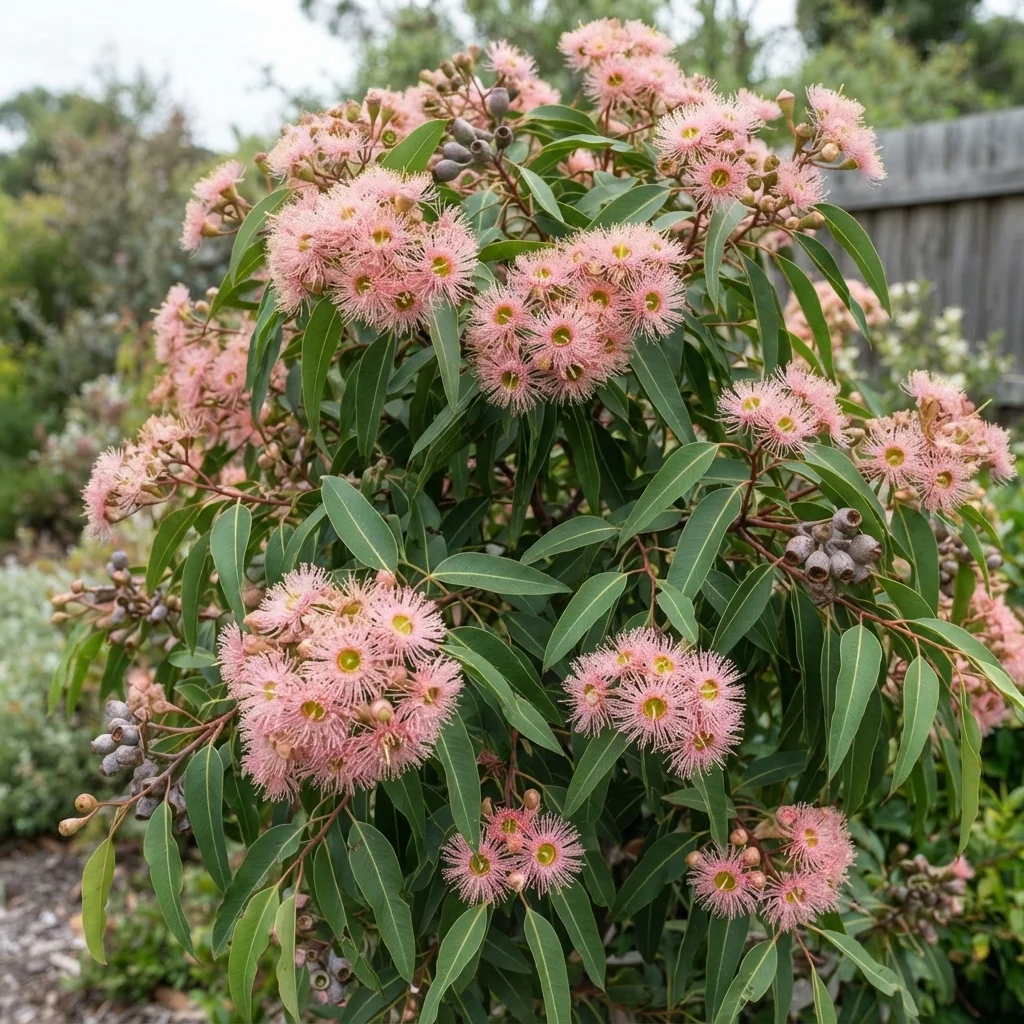
Summer Beauty Flowering Gum
Corymbia x hybrida 'Summer Beauty'
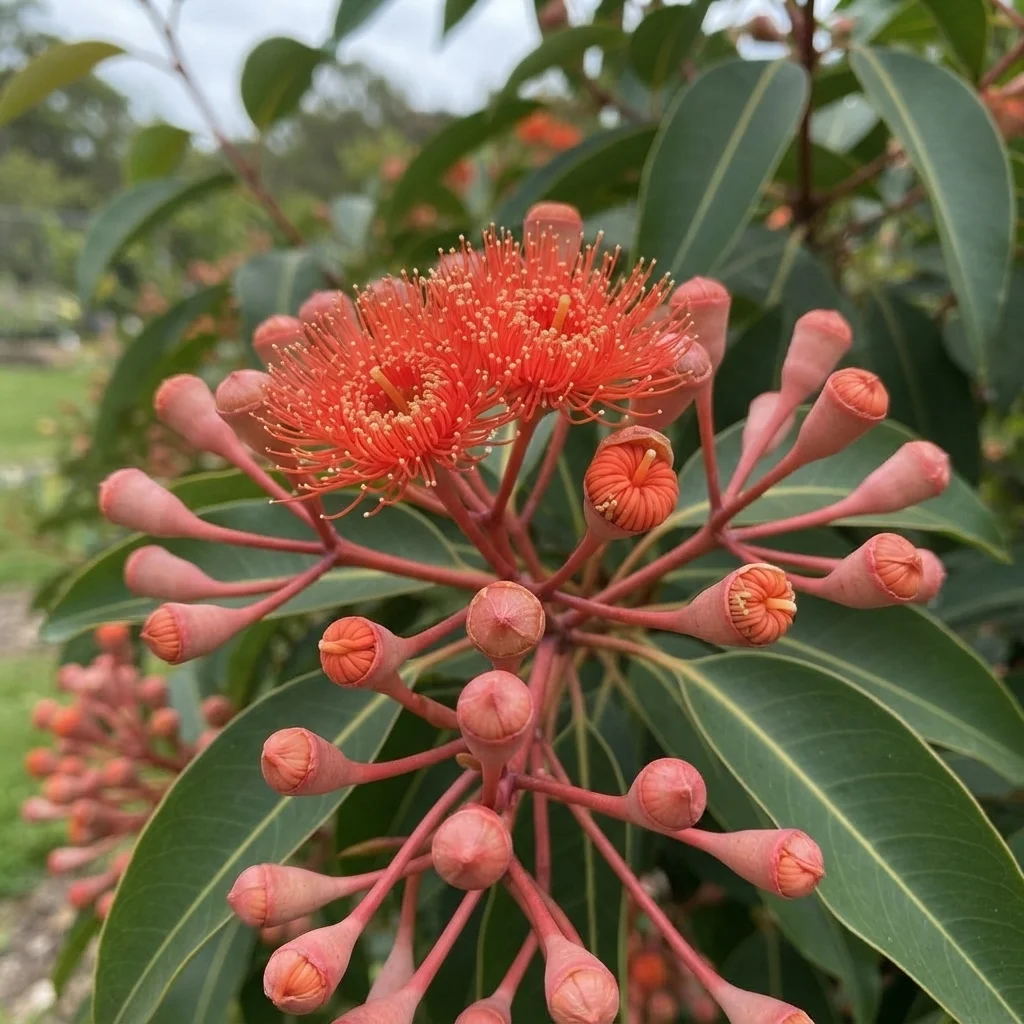
Baby Orange Flowering Gum
Corymbia ficifolia 'Baby Orange'
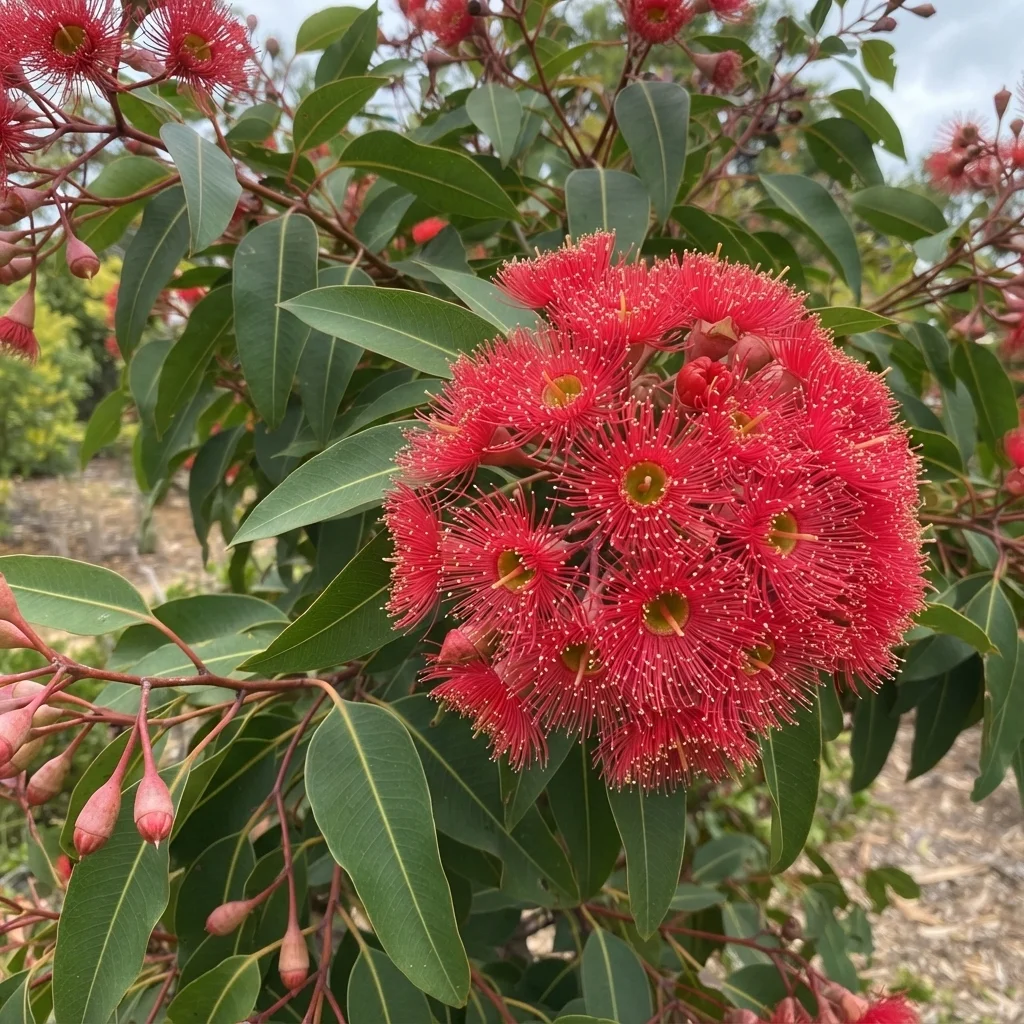
Red Flowering Gum
Corymbia ficifolia
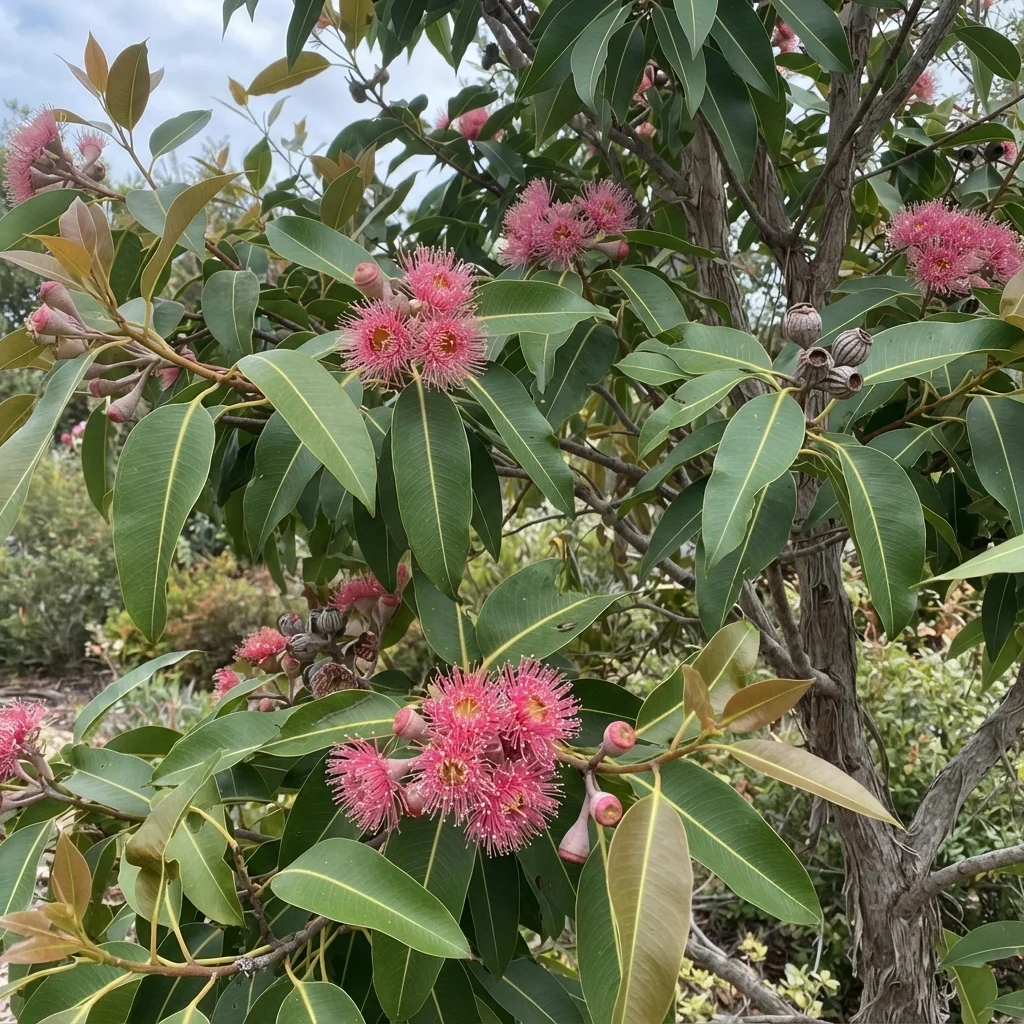
Swamp Bloodwood
Corymbia ptychocarpa
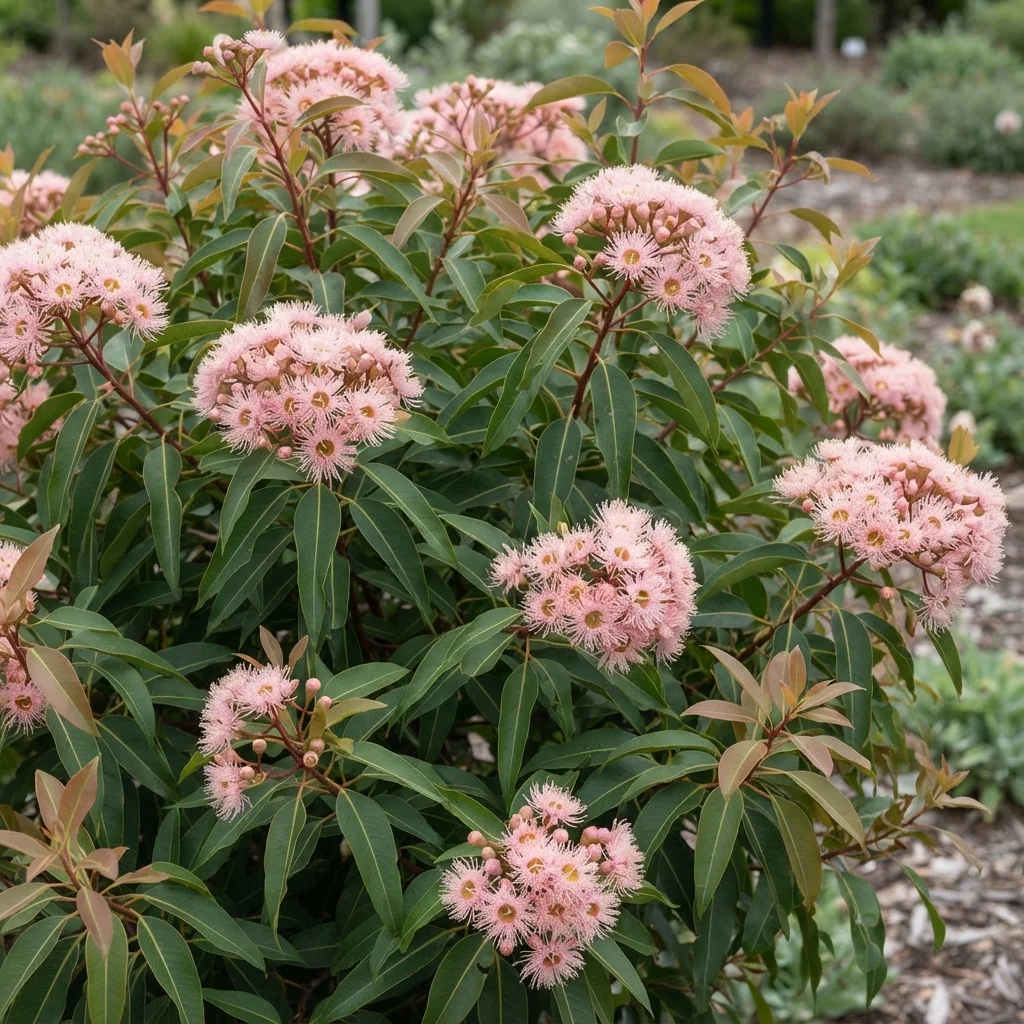
Red-flowering Gum
Corymbia ficifolia 'Fairy Floss'
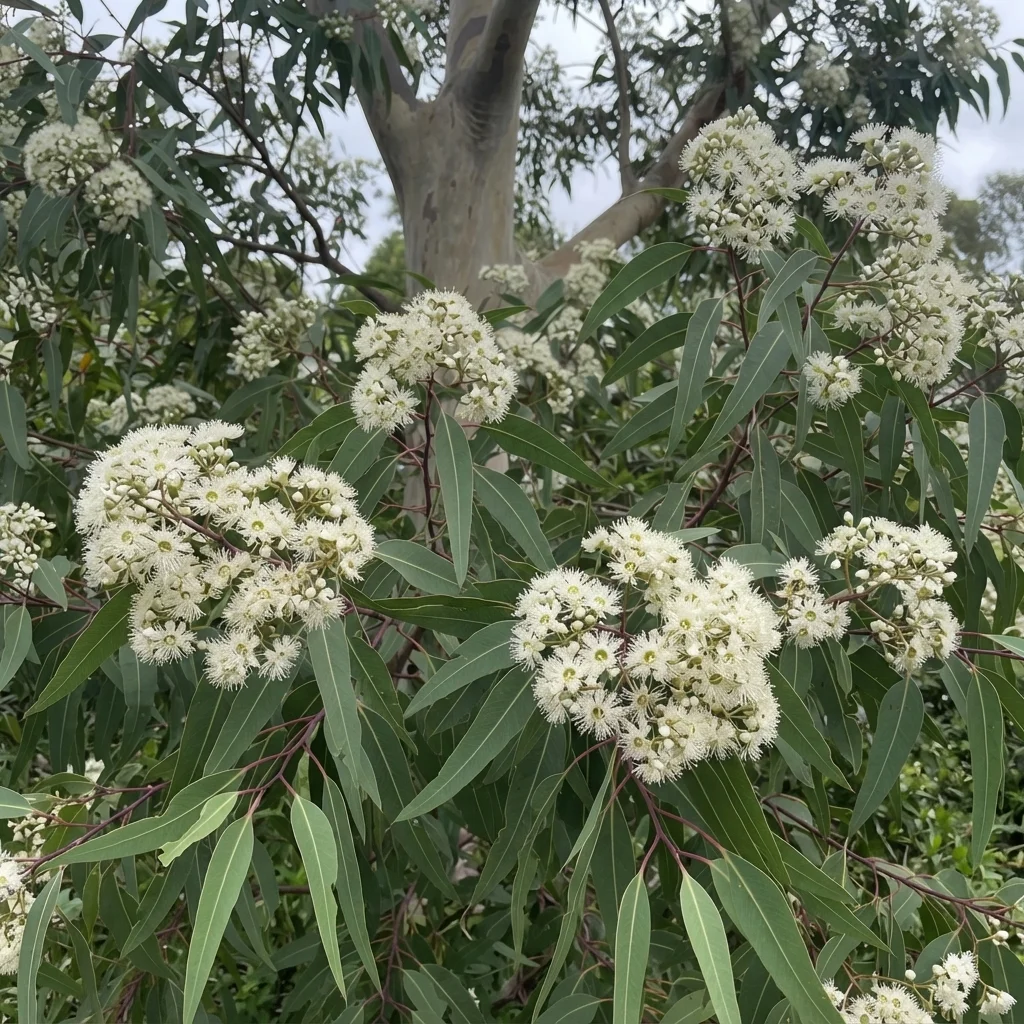
Spotted Gum
Corymbia maculata
Keep exploring
Explore the genus
Hardy in your zone?
Grow Lemon-scented Gum with confidence
See it in a design of your actual yard, get zone-matched care reminders, and track it season by season in your garden journal.