Also known as Flowering Gum · 70 saves
Corymbia
Corymbia, the genus most gardeners know as flowering gum. We track 13 varieties; the ones most used by real gardeners.
The 11 most-saved Corymbia varieties
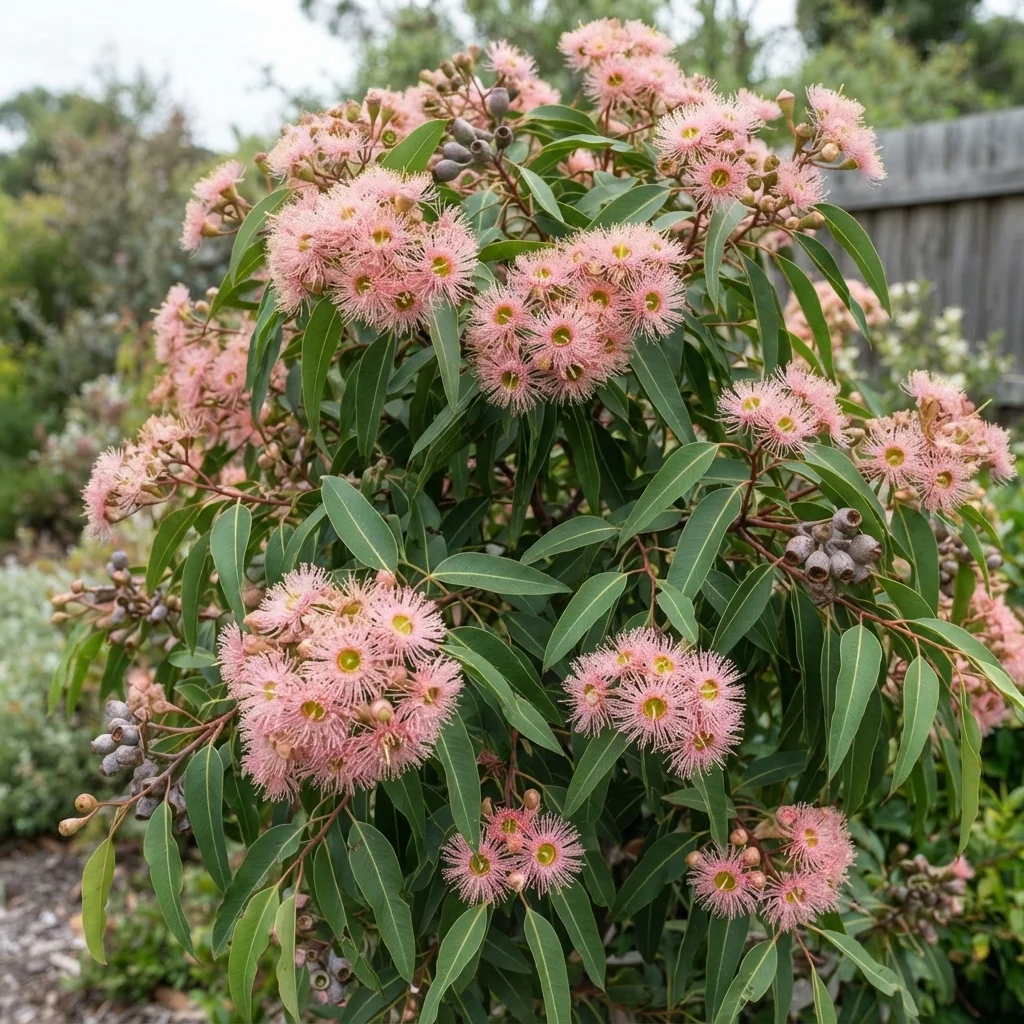
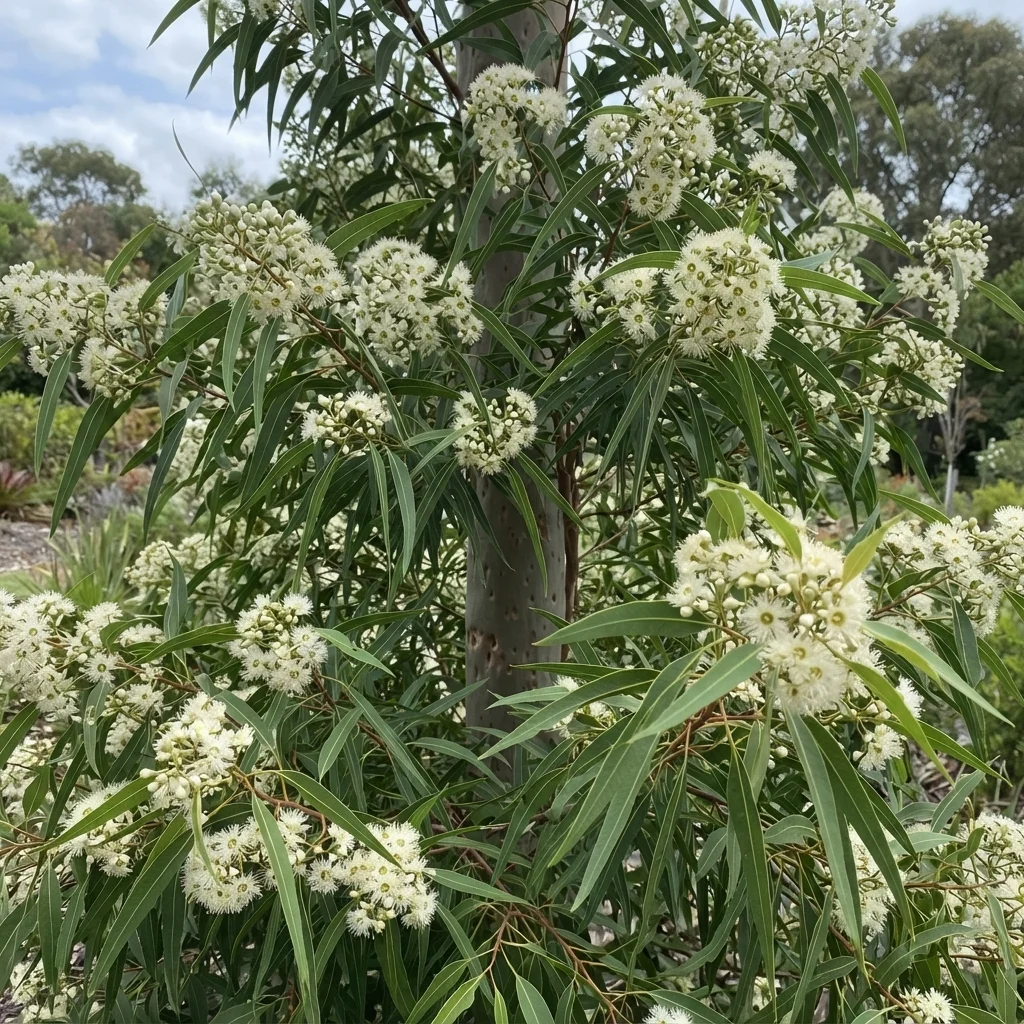
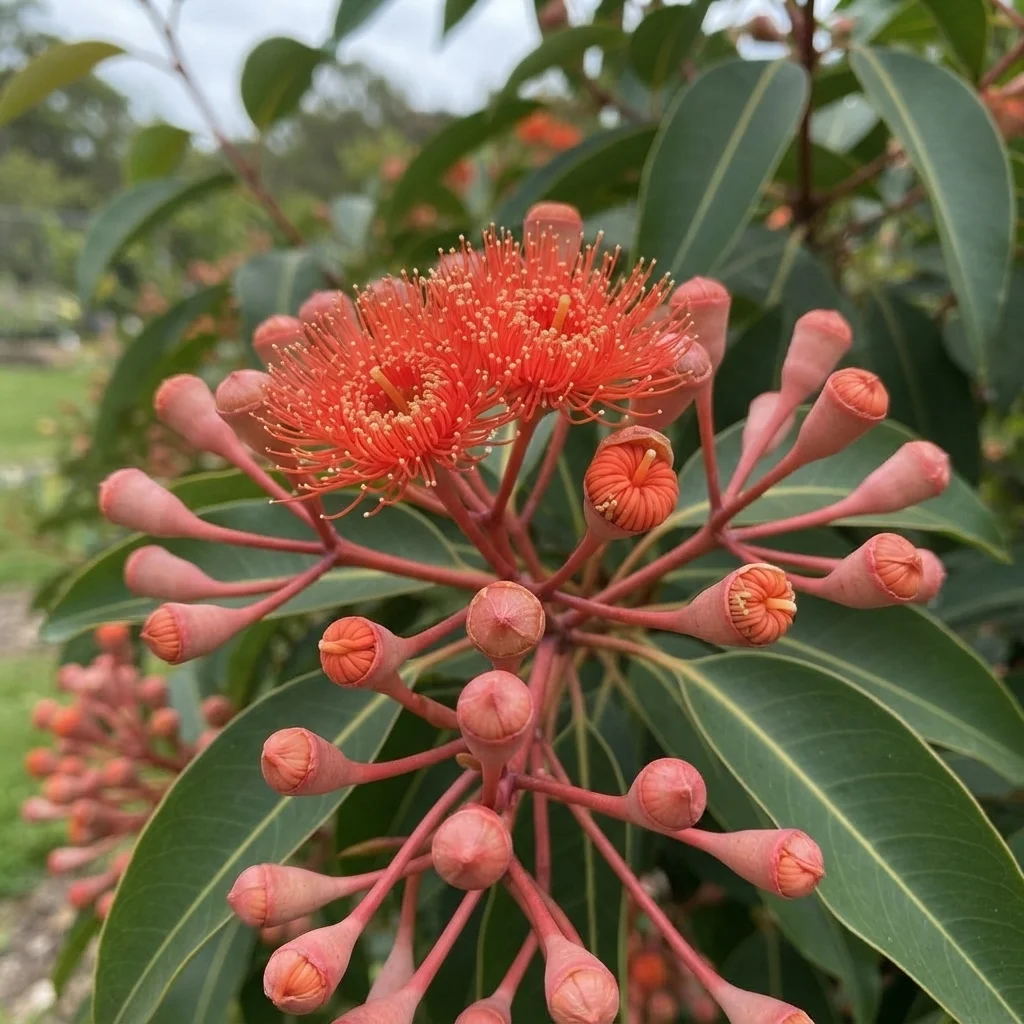
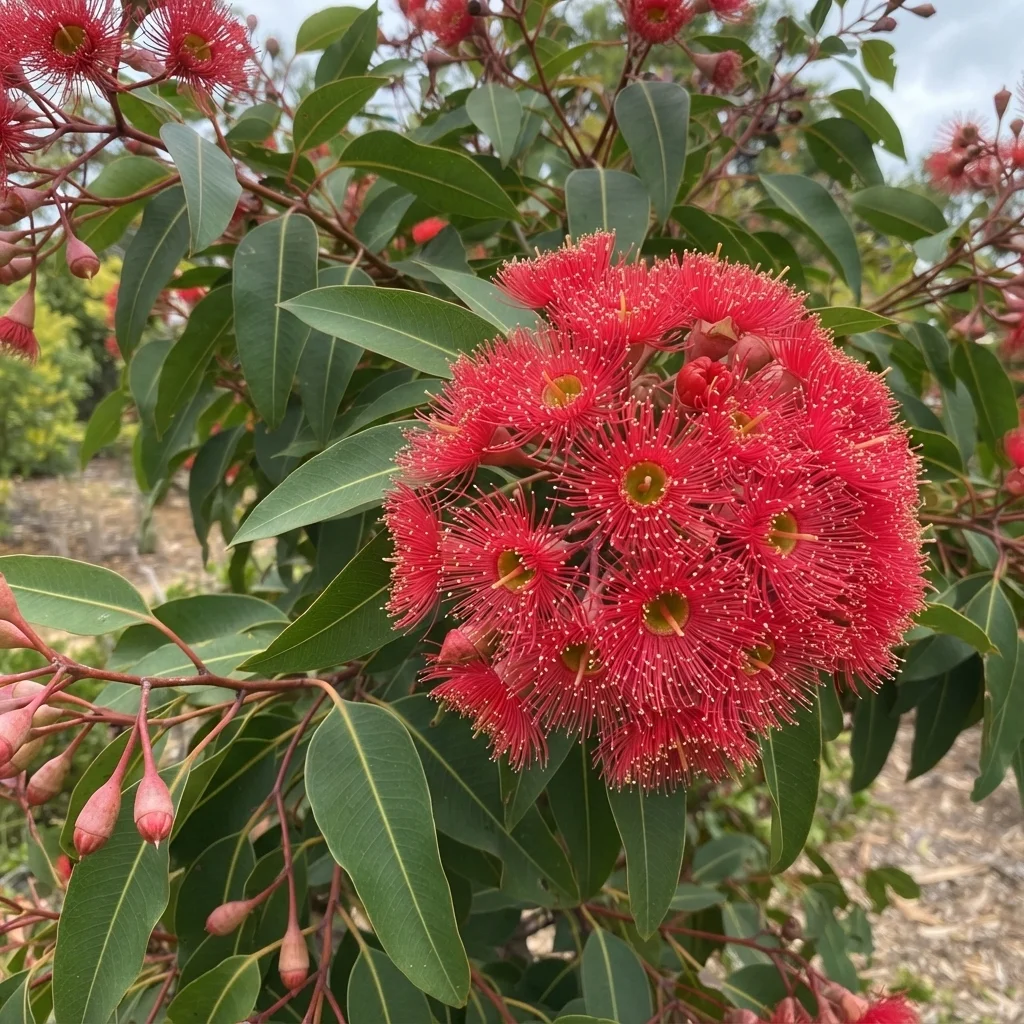
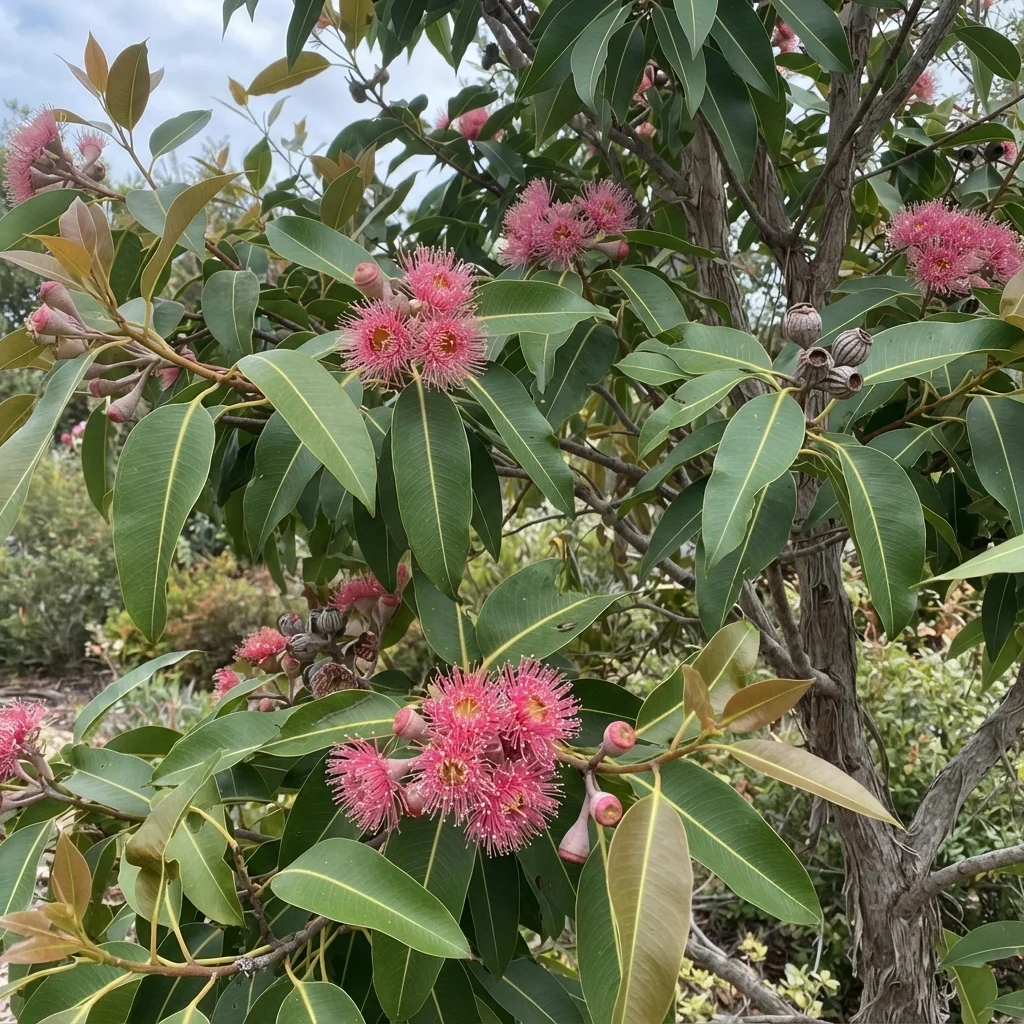
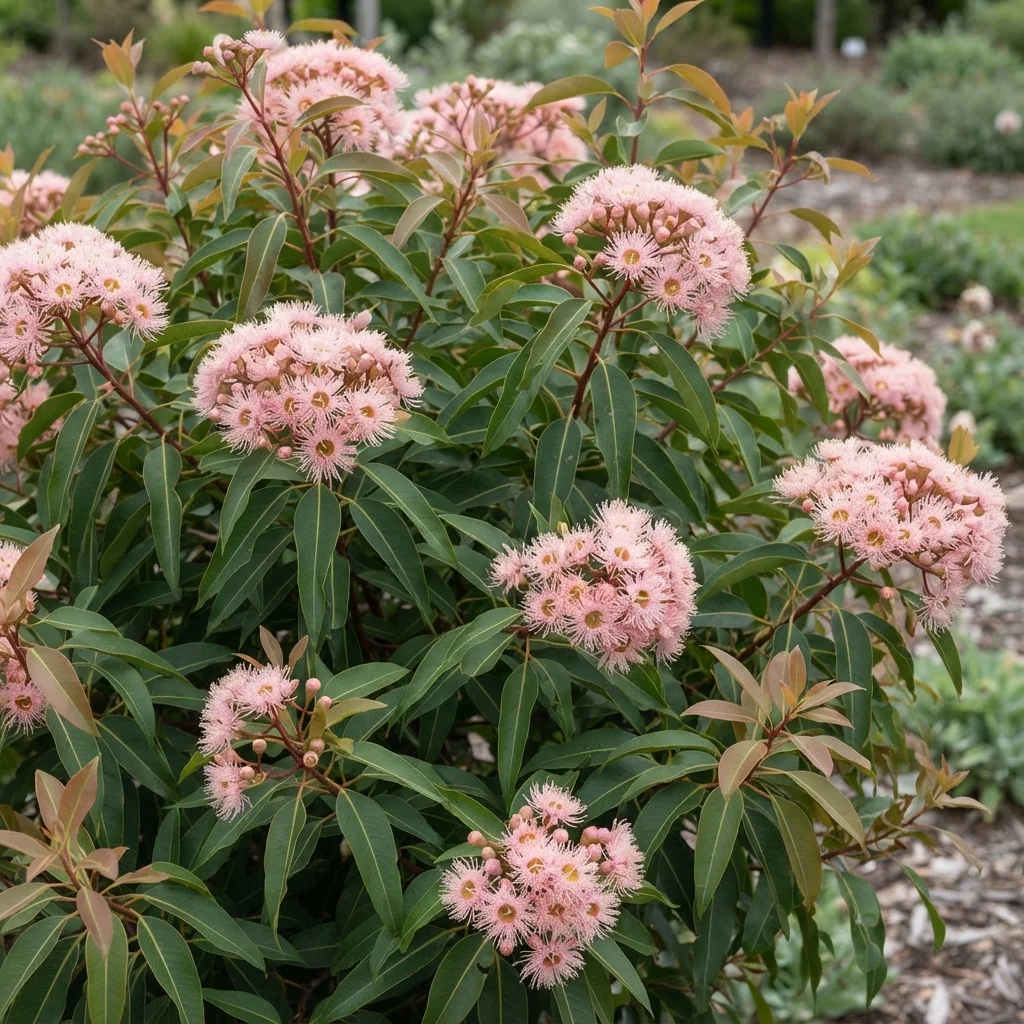
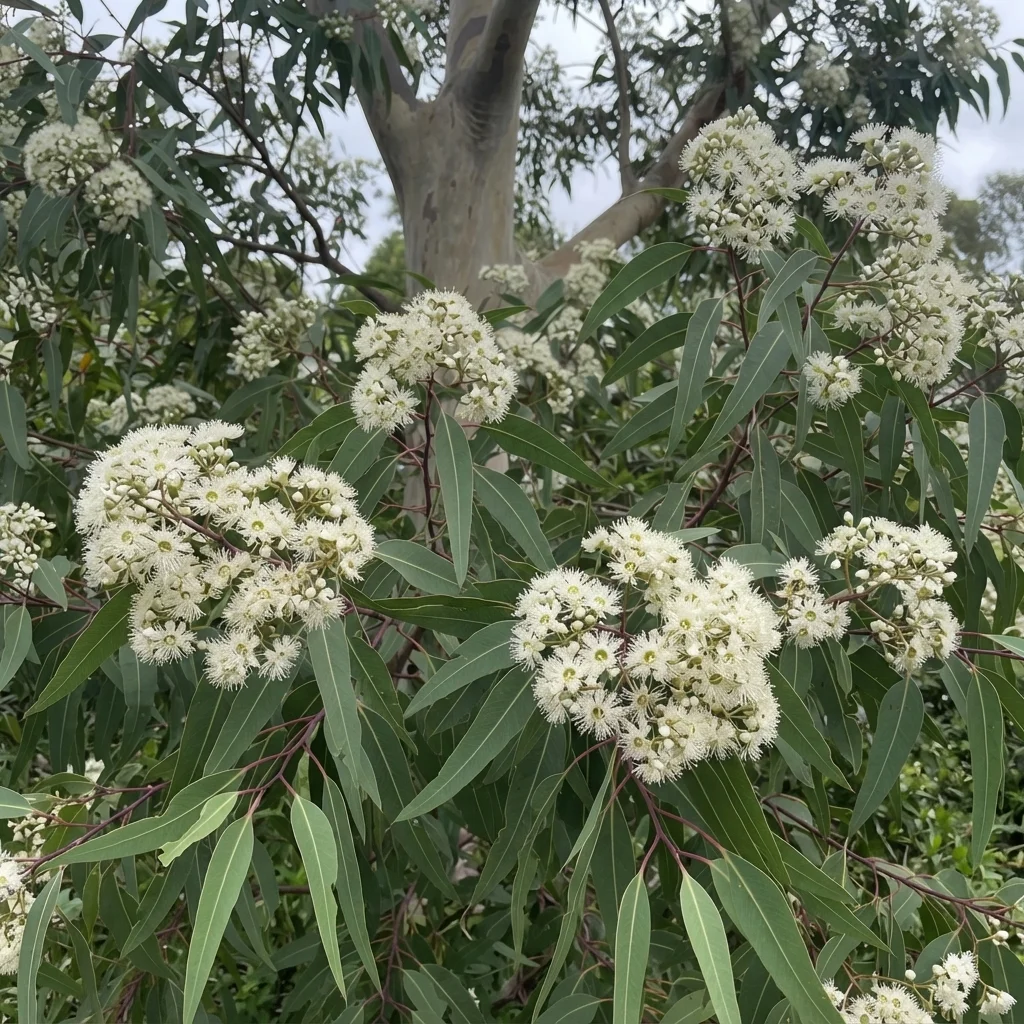
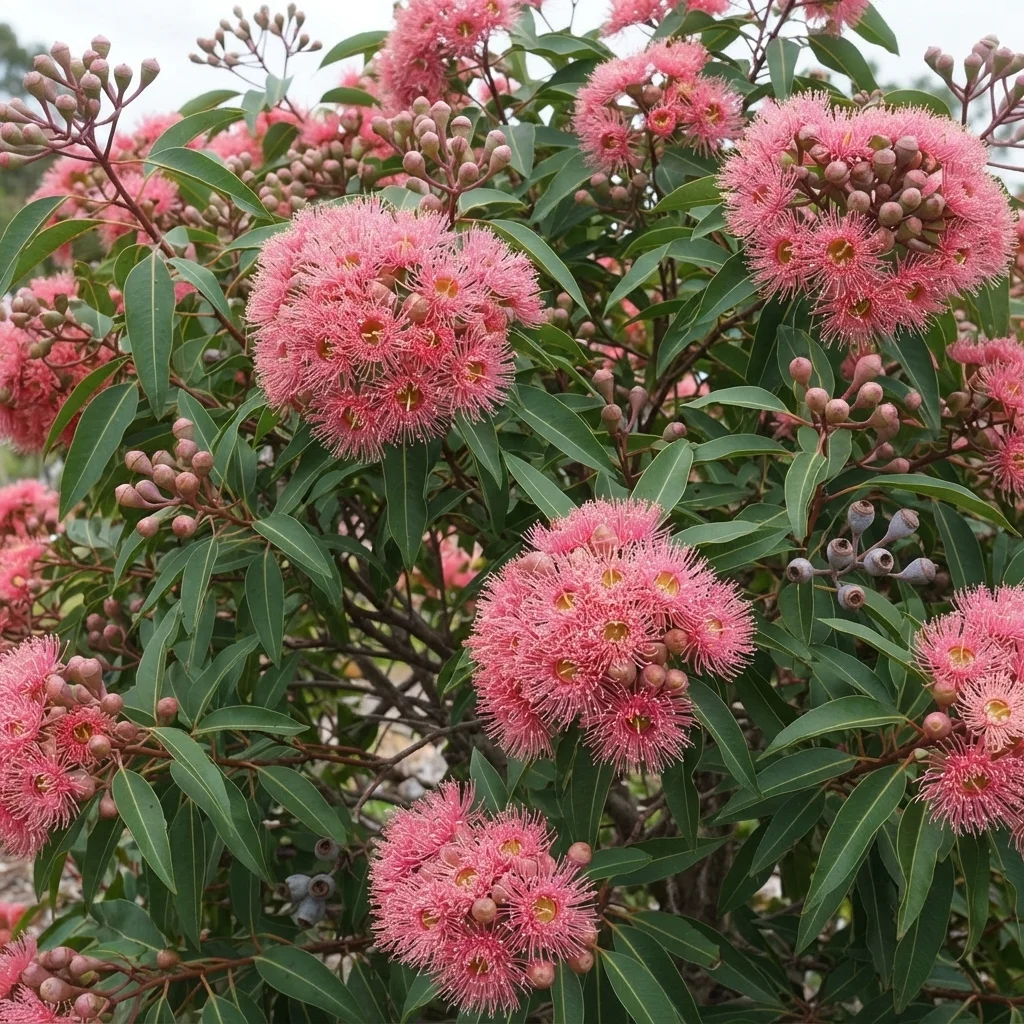
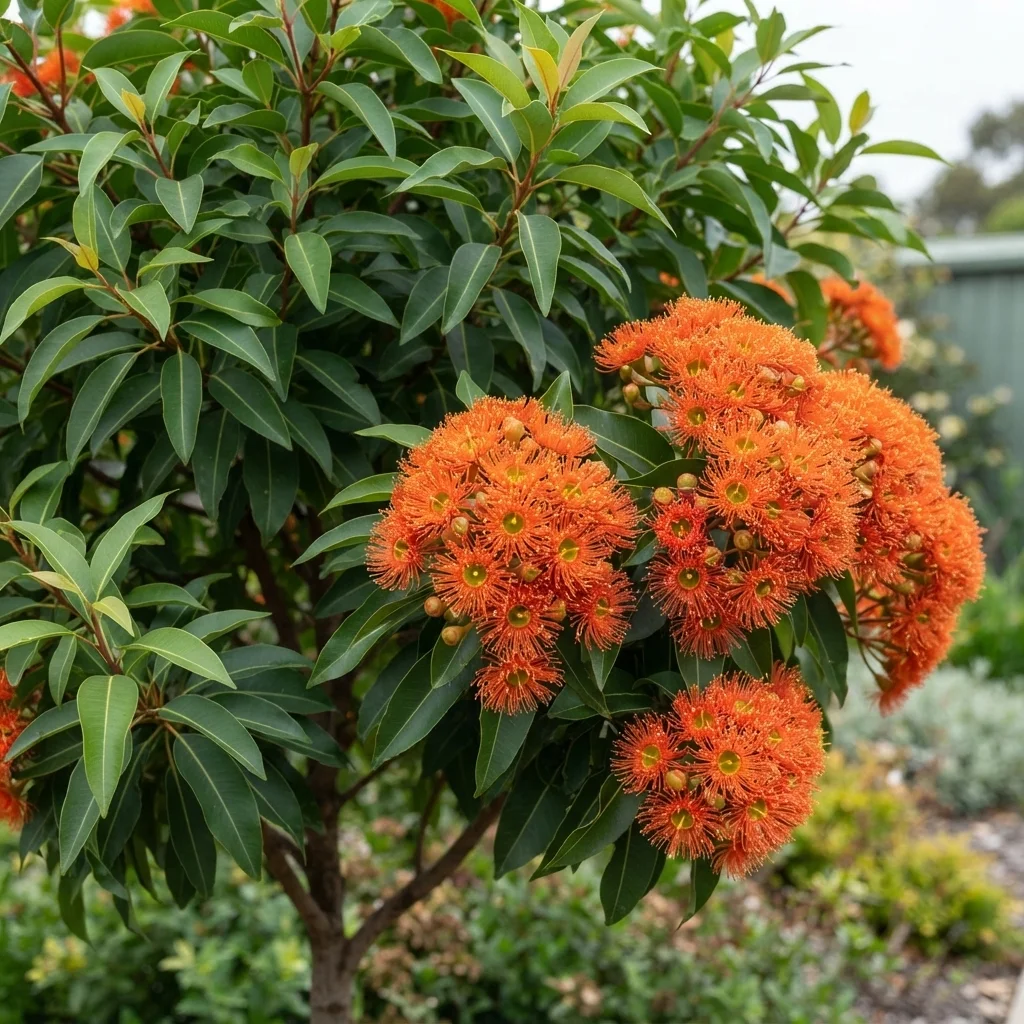
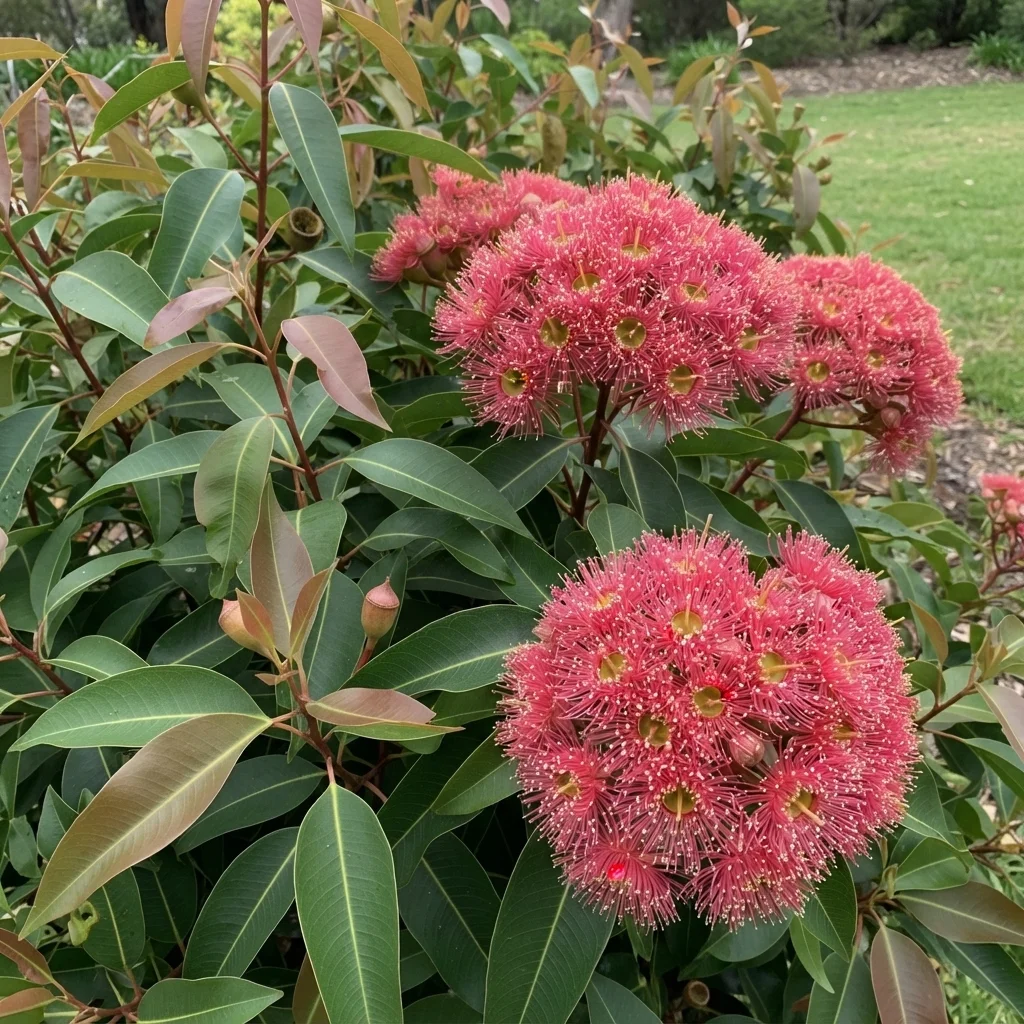
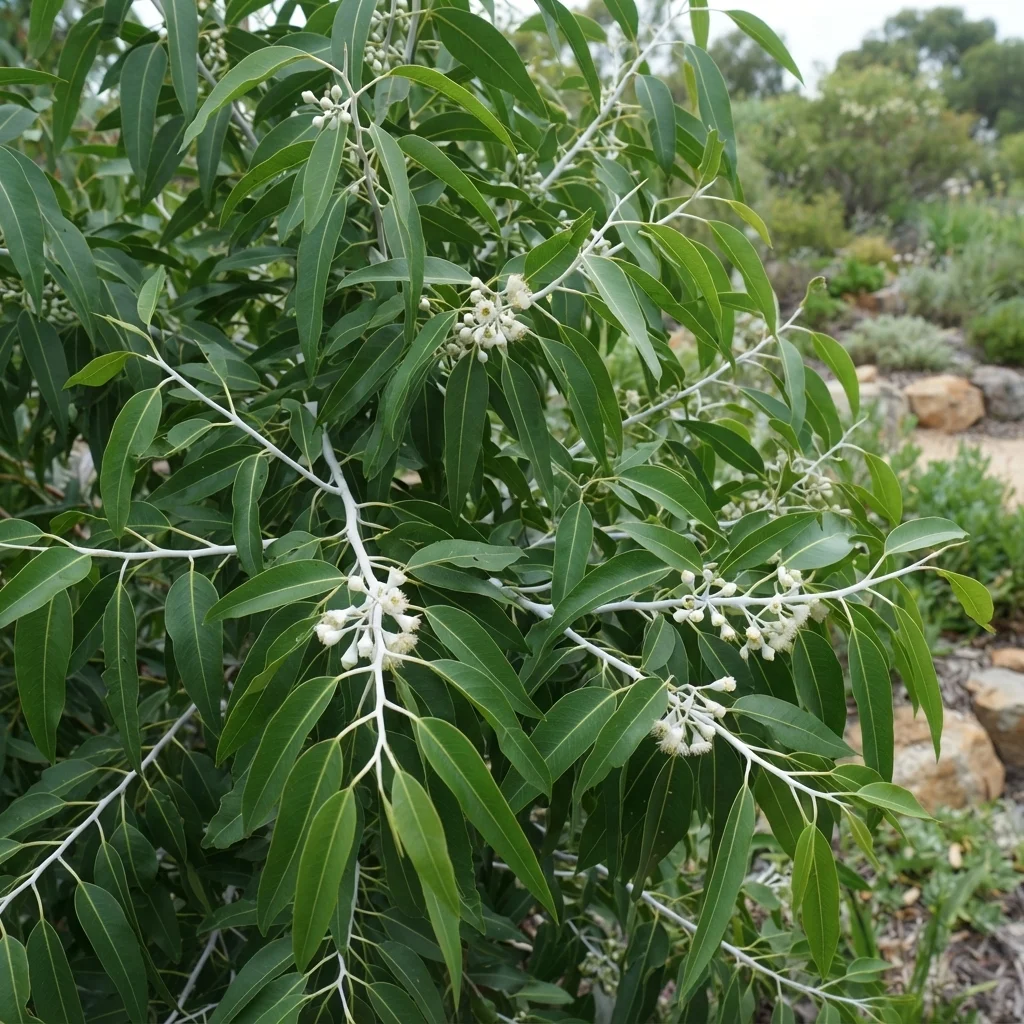
Browse all 13 Corymbia varieties →
5 species of Corymbia
Each one is a parent of the varieties above.
Track your Corymbia in Sow
Save the Corymbia you grow and get care reminders timed to your zone.
How to grow Corymbia
Whats common across all Corymbia varieties in our catalog — drawn from the care records of the 13 most-grown of them.
The Corymbia year
- PruneSeptember100% of varieties
Prune lightly to shape young structural framework or remove dead wood, avoiding old bare timber.
- FertilizeMarch and April100% of varieties
Apply a low-phosphorus native fertilizer sparingly in early spring.
- Check for PestsJune and July100% of varieties
Inspect foliage for aphids, spider mites, and scale insects under warm conditions.
- Winter PrepNovember and December54% of varieties
Protect young, establishing trees from hard frosts using frost cloth.
- MulchApril, October and November31% of varieties
Apply a thick layer of organic mulch around the root zone to protect against cool winter temperatures.


Do
- Grow in well-drained sandy or loamy soils to prevent waterlogging.
- Protect young trees from frost and freezing temperatures below 32 degrees Fahrenheit.
- Use low-phosphorus fertilizers to avoid root toxicity.
- Ensure the soil drains rapidly to prevent root rot.
- Protect young trees from hard frosts below 28°F (-2°C).
Avoid
- Do not prune heavily into old, bare wood.
- Do not plant in heavy clay or poorly draining boggy areas.
- Do not prune heavily into old, leafless wood as the tree fails to resprout from bare timber.
- Do not over-fertilize, which leads to weak structural growth and root damage.
What goes wrong with Corymbia
| Problem | What you'll see | What to do |
|---|---|---|
| Aphids | Distorted new growth and sticky honeydew on foliage under greenhouse or container stress. | Wash pests off with a strong spray of water or apply insecticidal soap. |
| Spider mites | Fine webbing and yellow stippling on leaves during hot, dry periods. | Increase humidity around the plant and apply horticultural oil if infestations persist. |
| Scale insects | Small, raised brown bumps on stems and leaves, accompanied by sooty mold. | Scrape off manually or apply horticultural oil during the crawler stage. |
| Deer | Browsed, ragged tips on young, tender growth. | Install physical tree guards or cages around young trees until they grow out of reach. |
| Powdery mildew | White, powdery fungal patches on leaves in humid, stagnant conditions. | Prune to improve air circulation and avoid overhead watering. |
| Root rot | Wilting, yellowing foliage, and dieback caused by Phytophthora or Pythium in wet soils. | Improve soil drainage and reduce watering frequency immediately. |
| Phytophthora Root Rot | Sudden wilting, yellowing foliage, and rapid tree collapse. | Ensure strict soil drainage and avoid planting in heavy clay. |
Making more Corymbia
Grafting
- Select scion wood from a mature tree with the desired flower color.
- Prepare a compatible, hardy Corymbia or Eucalyptus rootstock.
- Perform a cleft or whip-and-tongue graft during the active growing season.
- Secure the union with grafting tape and keep in a humid, protected environment until healed.
Seed
- Sow seeds in spring onto the surface of a sandy, well-draining seed-raising mix.
- Cover seeds lightly with a thin layer of fine grit or vermiculite.
- Keep the medium moist but not wet, placing the tray in a warm, bright position.
- Prick out seedlings into individual pots once they develop their first set of true leaves.
Corymbia questions
How many types of Corymbia are there?
The Sow catalog tracks 13 distinct Corymbia varieties. The most popular — ranked by 70 real gardeners — are shown first above.
What zones does Corymbia grow in?
Across its varieties, Corymbia covers USDA Zones 9–10. Individual varieties differ — each plant page lists its exact range, and Sow filters the catalog to your zone automatically.
When does Corymbia bloom?
Most Corymbia varieties bloom in summer, winter, late spring. Staggering early, mid, and late varieties extends the genus's season in one bed.
Which Corymbia should I choose?
Start from the most-saved varieties above — popularity across thousands of gardens is a strong signal of reliability — then filter by your zone and sun. In the Sow app you can preview any of them in a photo of your actual yard before you buy.