The Story
Plant Bio
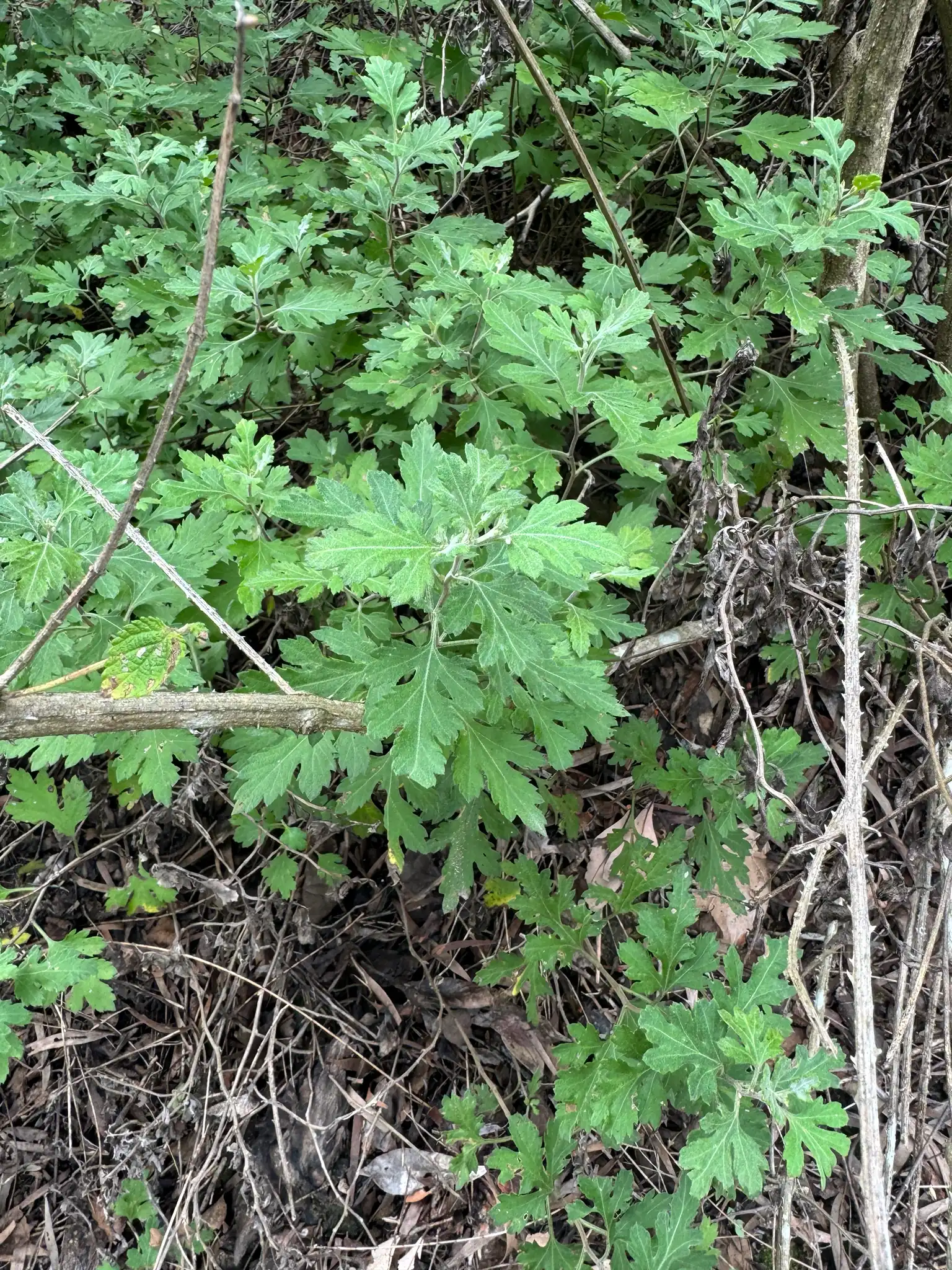
Chrysanthemum indicum, the Indian chrysanthemum, is an upright, multi-stemmed herbaceous perennial forming bushy clumps of deeply lobed, aromatic, dark green foliage. In late summer and fall, it bears loose, flat-topped clusters of small, daisy-like yellow flower heads measuring up to an inch and a half across.
This species spreads slowly via short rhizomes and features a slightly fuzzy or hairy underside on its leaves. Unlike highly bred modern cultivars, it retains a wild, naturalistic form and exceptional cold hardiness down to USDA zone 5.
Uses & Benefits:
Essentials
At a Glance
Plant Type
Perennial
Height
48"
Width
24"
Light
Full Sun
Zones
5, 6, 7, 8, 9
Water
Moderate
Humidity
Moderate
Lifespan
Perennial
Native To
East Asia
Toxicity
Toxic to Pets / Skin Irritant
Bloom period
Late summer – Fall
In flower about 4 months of the year
Planting
How to Grow
- Select a planting site in full sun with fertile, humus-rich, and exceptionally well-draining soil.
- Space plants 18 to 24 inches apart to ensure excellent air circulation and minimize foliar diseases.
- Water deeply at the base of the plant during dry spells, keeping the foliage dry to prevent mildew.
- Cut the entire plant back to ground level in late winter after the danger of hard frost has passed.
Pro Tip
Pinch back the growing tips in late spring and early summer to prevent leggy stems and maximize the fall flower display.
Keep It Thriving
Care Guide
Do
- Pinch back stems in late spring to encourage a bushy, compact growth habit.
- Divide mature clumps every three to four years in spring to maintain vigor.
- Apply a balanced organic fertilizer in early spring as new growth emerges.
- Ensure high soil drainage to protect the root system from winter rot.
Don't
- Do not water overhead, as wet foliage invites powdery mildew and rust.
- Do not plant in heavy, poorly drained clay without amending it with organic matter.
- Do not crowd plants closely against walls or other dense vegetation.
- Do not apply high-nitrogen fertilizers in mid-summer, which causes weak, leggy growth.
Seasonal Care Calendar
| Task | Jan | Feb | Mar | Apr | May | Jun | Jul | Aug | Sep | Oct | Nov | Dec |
|---|---|---|---|---|---|---|---|---|---|---|---|---|
| Divide | ||||||||||||
| Fertilize | ||||||||||||
| Pinch | ||||||||||||
| Prune | ||||||||||||
| Winter Prep |
Watch Out For
Pests & Diseases
Common Pests
Common Diseases
In the Garden
Landscape Uses & Companions
Landscape Uses
Multiply
Propagation Methods
Good to Know
Common Questions
Indian Chrysanthemum questions
What zones can Indian Chrysanthemum grow in?
Indian Chrysanthemum is hardy in USDA Zones 5–9. Inside that range it survives winter in the ground; outside it, grow it as an annual or a container plant you protect.
Is Indian Chrysanthemum deer resistant?
Not reliably. Deer may browse Indian Chrysanthemum, especially tender spring growth — plan on repellents or fencing where pressure is high.
When does Indian Chrysanthemum bloom?
Indian Chrysanthemum typically blooms in late summer through fall. Exact timing shifts a week or two with your zone — Sow's bloom calendar maps it to your garden.
Does Indian Chrysanthemum need full sun?
Indian Chrysanthemum does best in full sun (6+ hours).
Is Indian Chrysanthemum drought tolerant?
Yes — once established (usually after the first full season), Indian Chrysanthemum handles dry spells with minimal watering. Water deeply its first year to build the root system that makes that possible.
More Chrysanthemum to compare
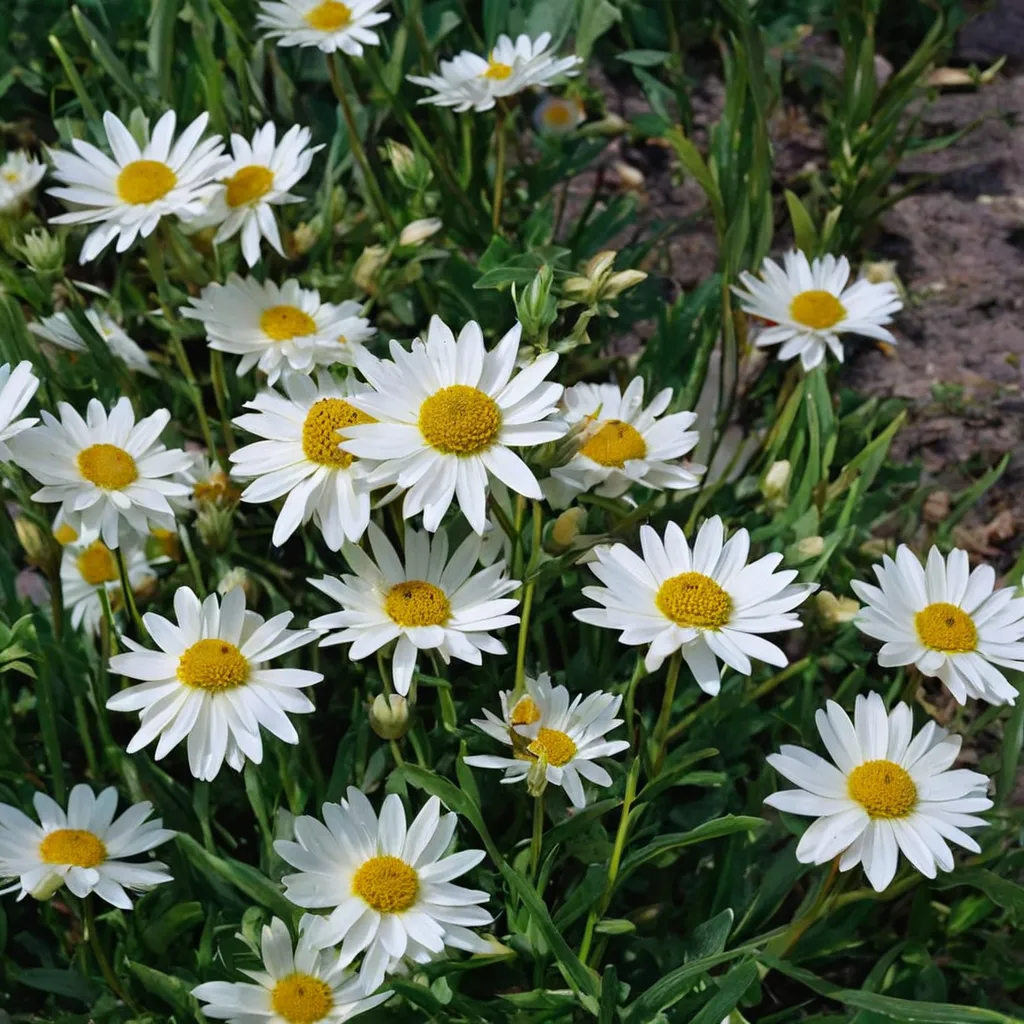
May Queen Shasta Daisy
Chrysanthemum leucanthemum 'May Queen'
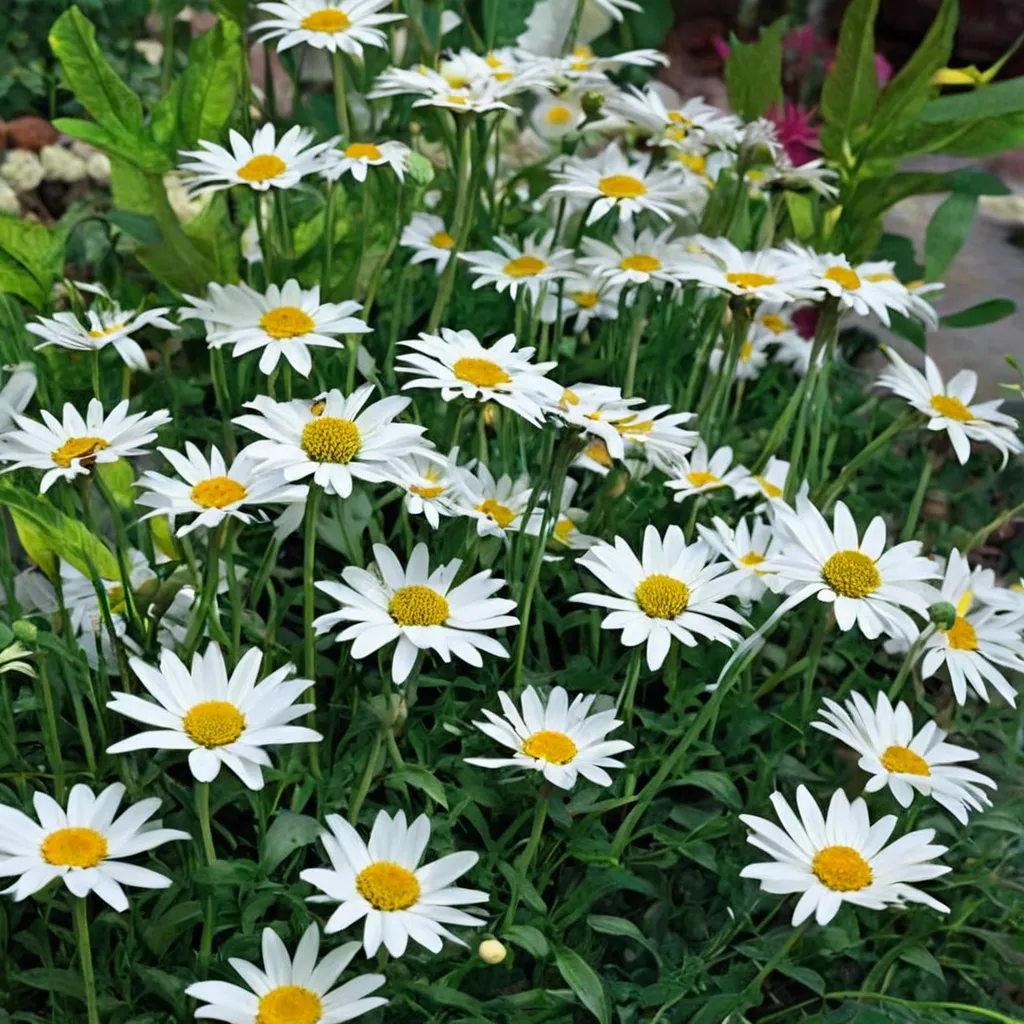
Becky Shasta Daisy
Chrysanthemum leucanthemum 'Becky'
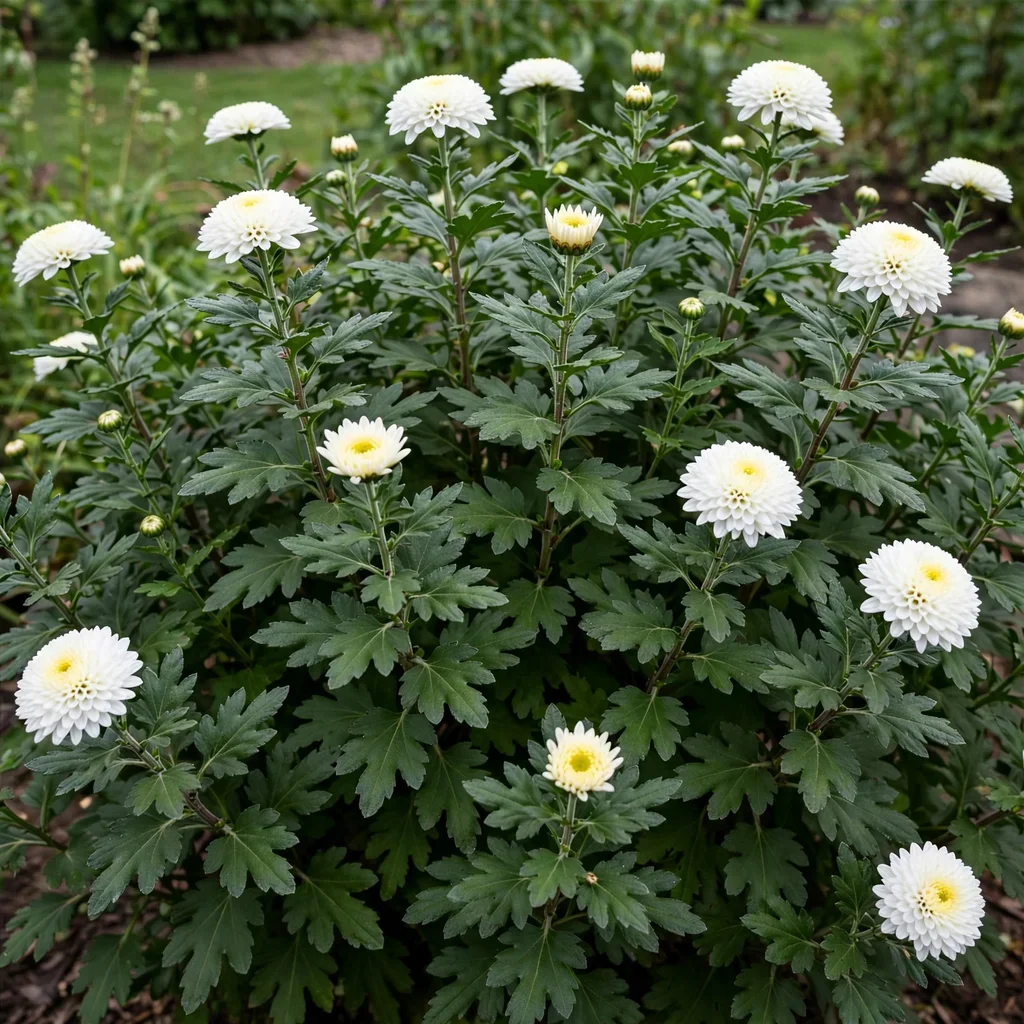
Christy Garden Mum
Chrysanthemum x hybrida 'Christy'
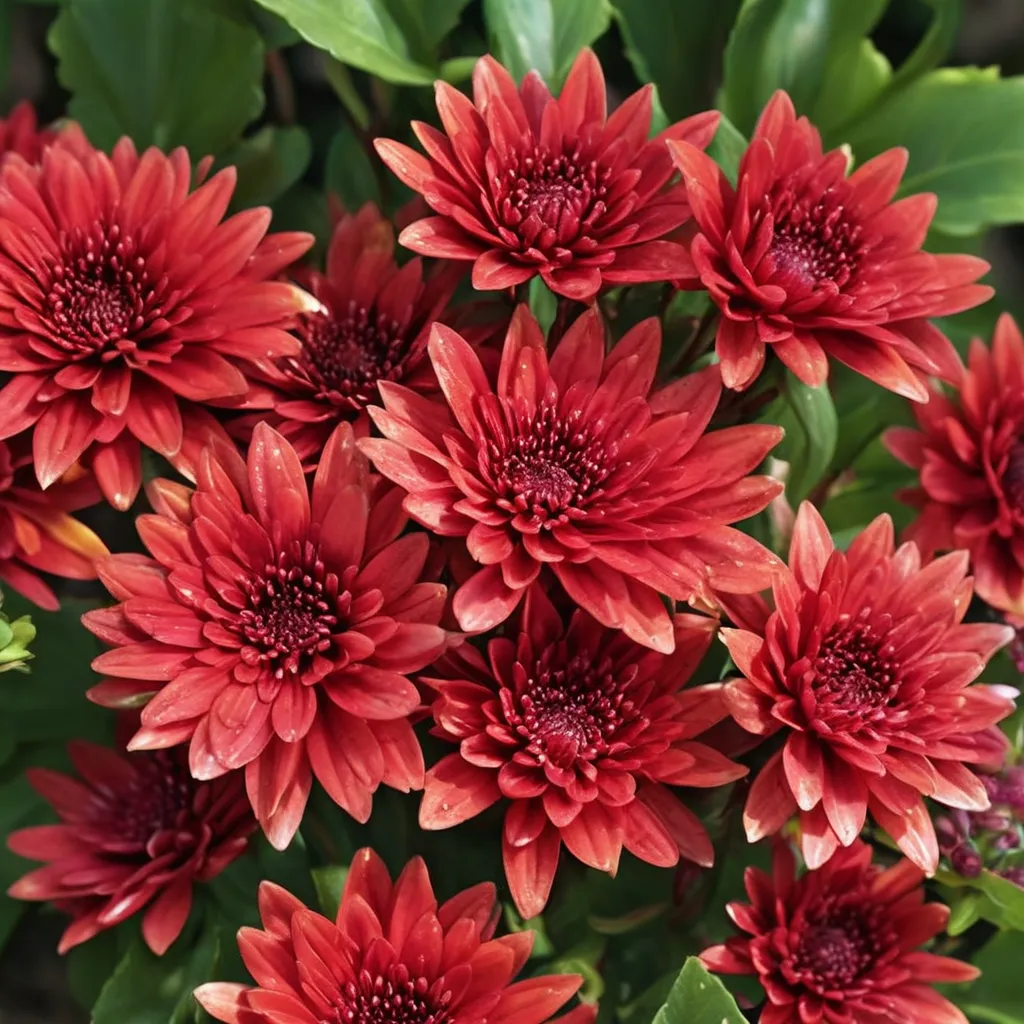
Chrysanthemum x morifolium Red
Chrysanthemum x morifolium 'Red'
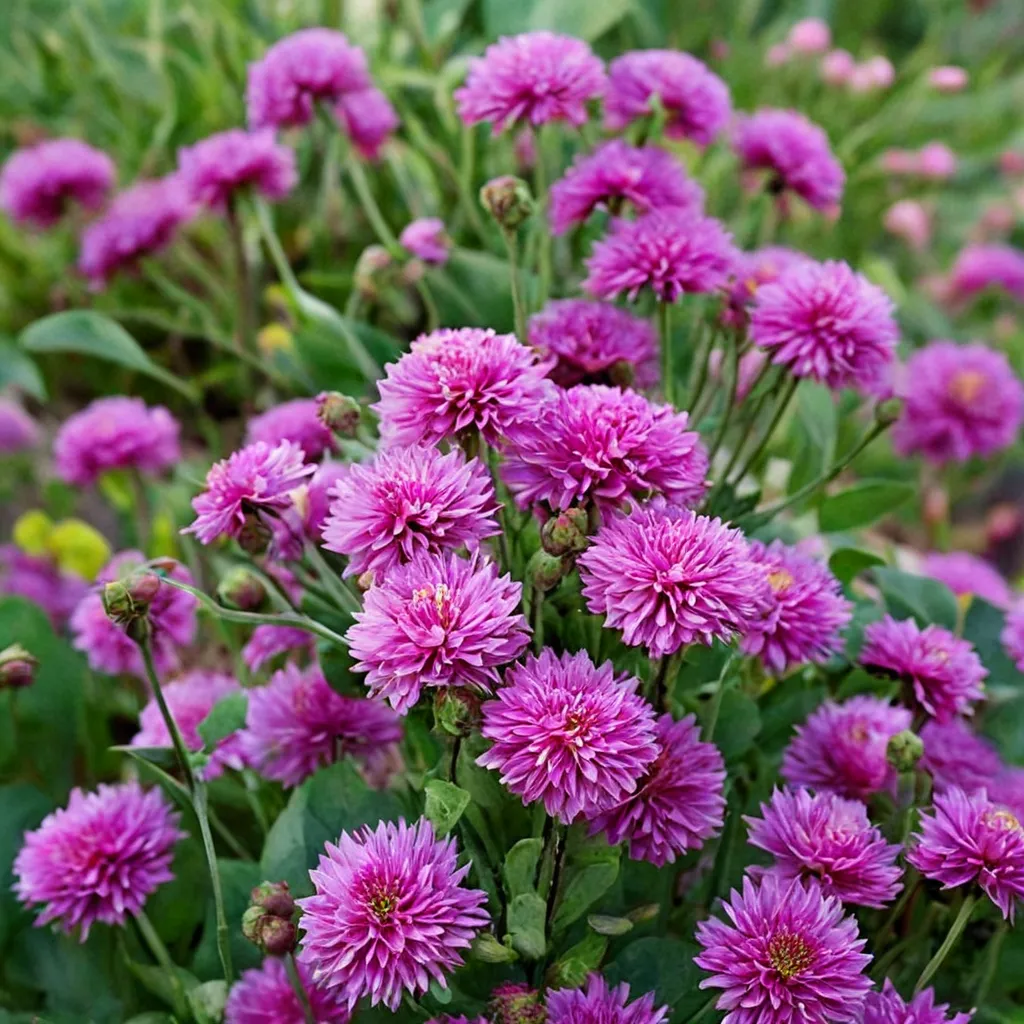
Small Wonder Chrysanthemum
Chrysanthemum x morifolium 'Small Wonder'
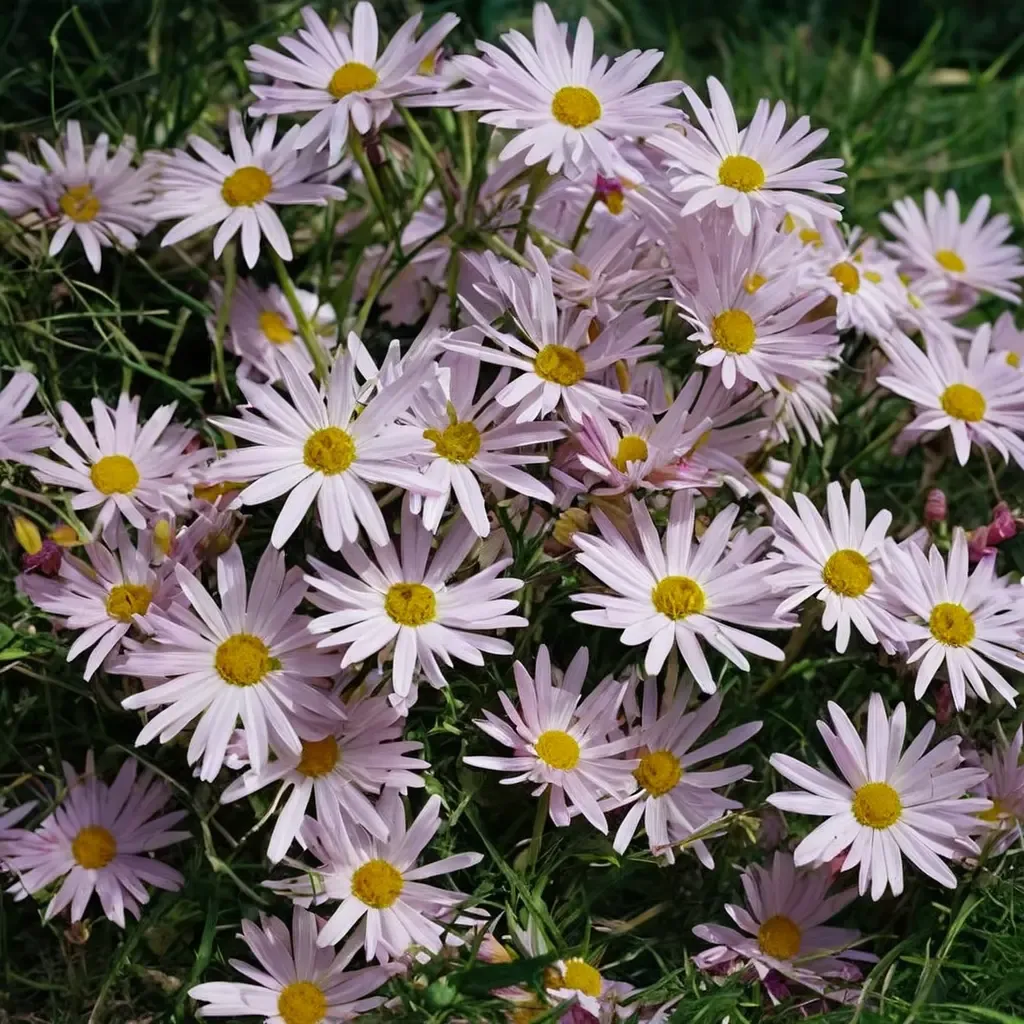
Country Girl Mum
Chrysanthemum x morifolium 'Country Girl'
Keep exploring
Explore the genus
Hardy in your zone?
Grow Indian Chrysanthemum with confidence
See it in a design of your actual yard, get zone-matched care reminders, and track it season by season in your garden journal.