The Story
Plant Bio
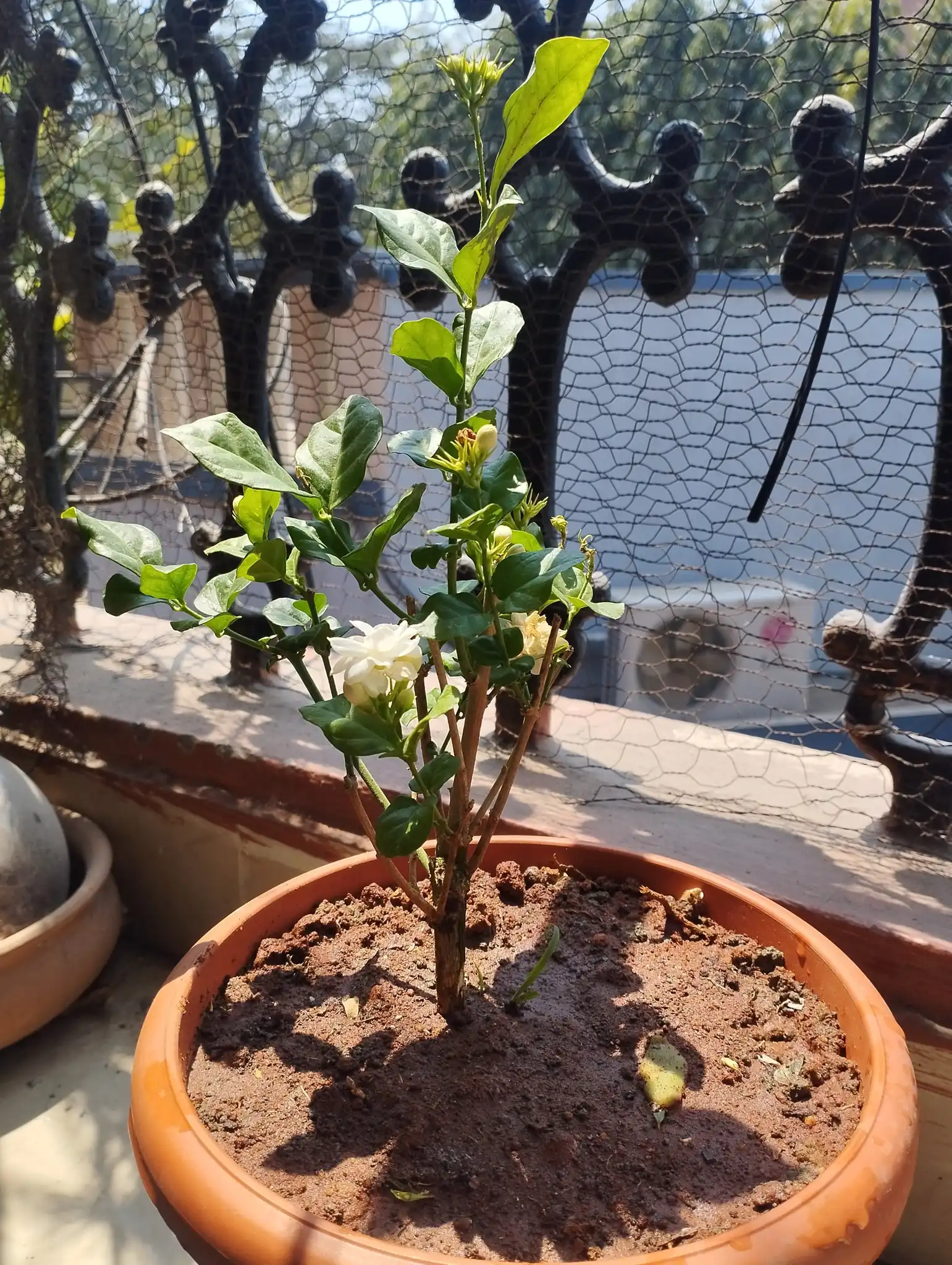
Jasminum sambac is a sprawling, broadleaf evergreen shrub or climbing vine native to tropical Asia, reaching six to ten feet in frost-free gardens. It features glossy, dark green, simple leaves and produces terminal clusters of intensely fragrant, snow-white flowers that fade to light pink.
The salverform blooms open in clusters of three to twelve, appearing continuously through the summer months and year-round in tropical climates. Cultivars like 'Grand Duke of Tuscany' produce heavily layered, double-flowered blooms that resemble miniature gardenias.
Uses & Benefits:
Essentials
At a Glance
Plant Type
Shrub
Height
120"
Width
120"
Light
Full Sun, Partial Sun
Zones
9, 10
Water
Moderate
Humidity
Moderate to high
Lifespan
Perennial
Native To
Tropical Asia (Bhutan and India)
Toxicity
Non-toxic
Bloom period
Summer – Fall
In flower about 6 months of the year
Planting
How to Grow
- Select a planting site receiving at least six hours of direct sunlight daily to ensure optimal flower production.
- Prepare loose, humus-rich, well-draining soil with a slightly acidic to neutral pH, avoiding highly alkaline soils.
- Water regularly to keep the soil evenly moist, especially during active summer growth, while ensuring excellent drainage to prevent root rot.
- Provide a trellis, fence, or sturdy support if training the sprawling stems to grow as a climbing vine.
Pro Tip
Prune lightly immediately after a major flowering flush to encourage new lateral branching; cutting back heavily into old, leafless wood results in slow, patchy regrowth.
Keep It Thriving
Care Guide
Do
- Provide at least six hours of direct sunlight daily for maximum flower production.
- Keep the soil evenly moist but strictly well-drained to avoid waterlogging.
- Feed monthly during the active spring and summer growing season with a balanced fertilizer.
- Bring container specimens indoors before the first autumn frost in zones below USDA Zone 9.
Don't
- Do not allow the roots to sit in standing water or waterlogged soil.
- Avoid heavy pruning during the off-season, which strips away developing flower buds.
- Do not cut back into old, bare wood, as it fails to reshoot easily.
- Avoid planting in strongly alkaline soils, which lock up essential micronutrients.
Seasonal Care Calendar
| Task | Jan | Feb | Mar | Apr | May | Jun | Jul | Aug | Sep | Oct | Nov | Dec |
|---|---|---|---|---|---|---|---|---|---|---|---|---|
| Fertilize | ||||||||||||
| Pest Check | ||||||||||||
| Propagate | ||||||||||||
| Prune | ||||||||||||
| Winter Prep |
Watch Out For
Pests & Diseases
Common Pests
Common Diseases
In the Garden
Landscape Uses & Companions
Landscape Uses
Companion Plants
Multiply
Propagation Methods
Good to Know
Common Questions
Arabian Jasmine questions
What zones can Arabian Jasmine grow in?
Arabian Jasmine is hardy in USDA Zones 9–10. Inside that range it survives winter in the ground; outside it, grow it as an annual or a container plant you protect.
Is Arabian Jasmine deer resistant?
Not reliably. Deer may browse Arabian Jasmine, especially tender spring growth — plan on repellents or fencing where pressure is high.
When does Arabian Jasmine bloom?
Arabian Jasmine typically blooms in summer through fall. Exact timing shifts a week or two with your zone — Sow's bloom calendar maps it to your garden.
Does Arabian Jasmine need full sun?
Arabian Jasmine does best in full sun to part shade. In hot climates, afternoon shade keeps blooms fresher longer.
More Jasminum to compare
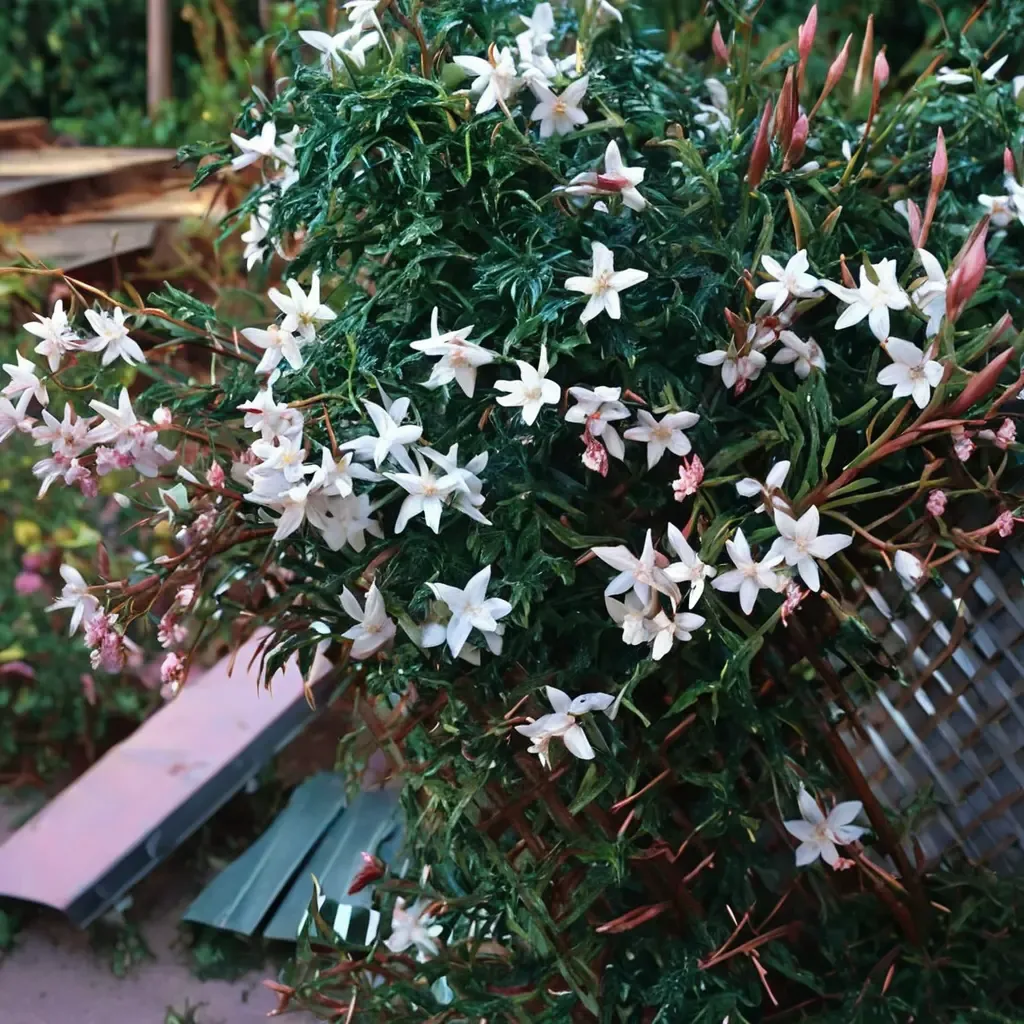
Pink Jasmine
Jasminum polyanthum
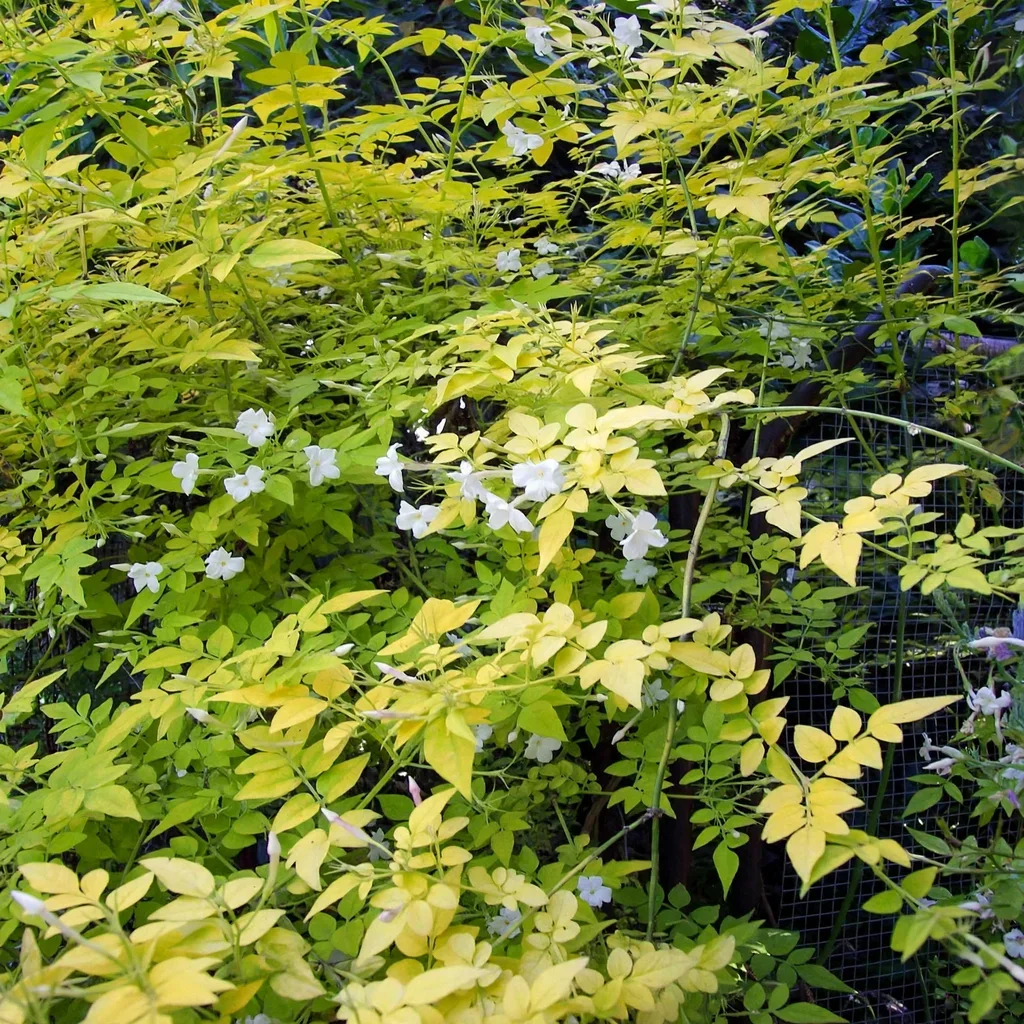
Fiona Sunrise Common Jasmine
Jasminum officinale 'Frojas'
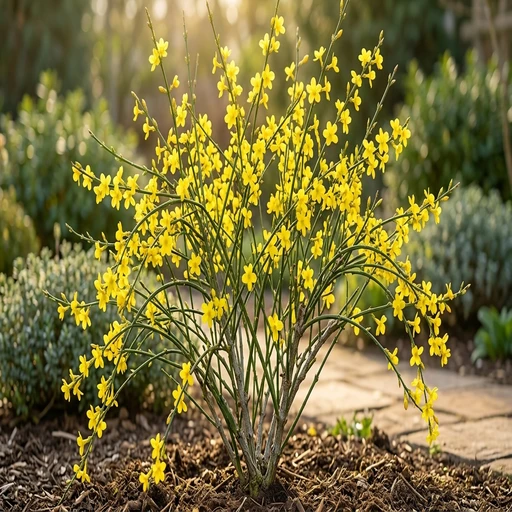
Winter Jasmine
Jasminum nudiflorum
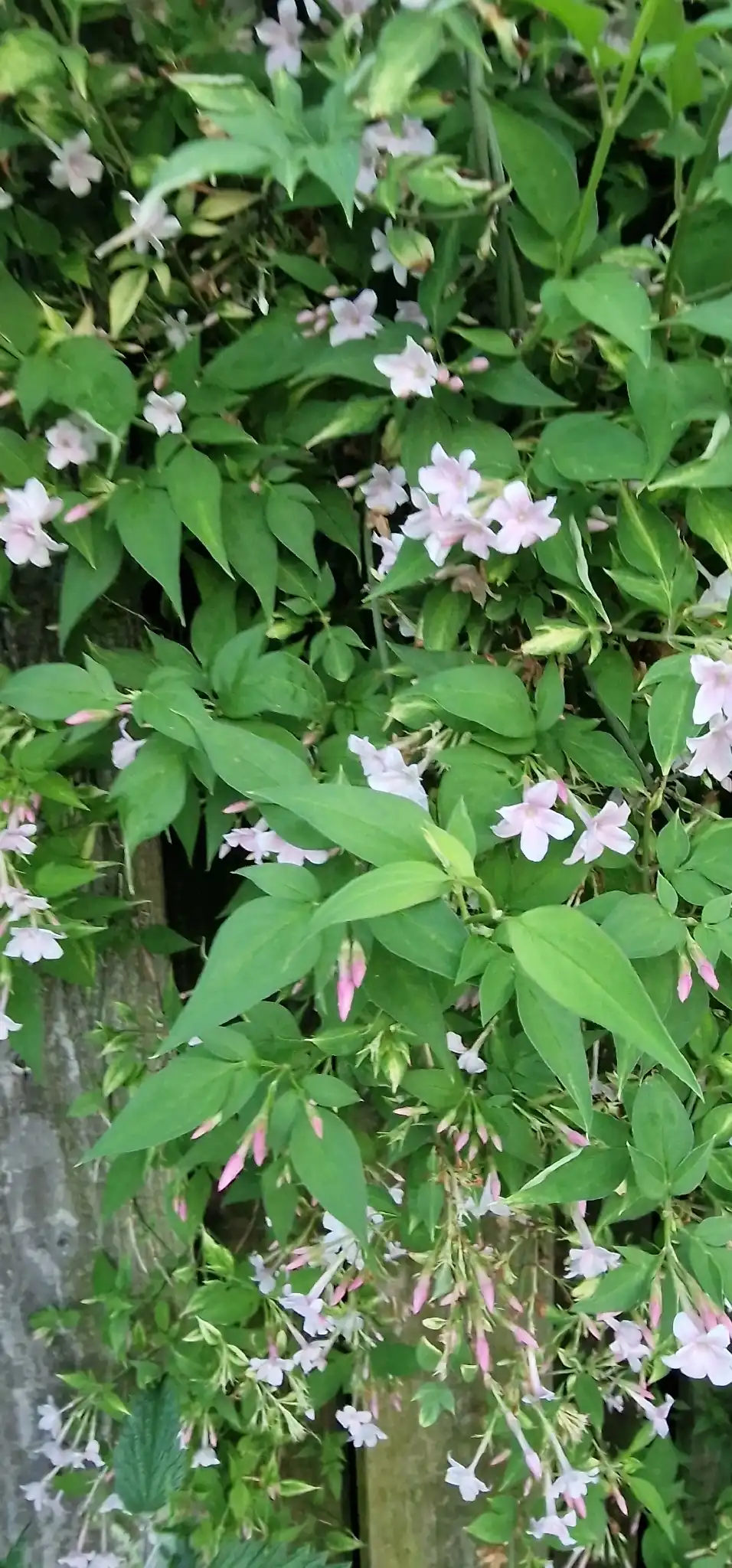
Common Jasmine
Jasminum officinale
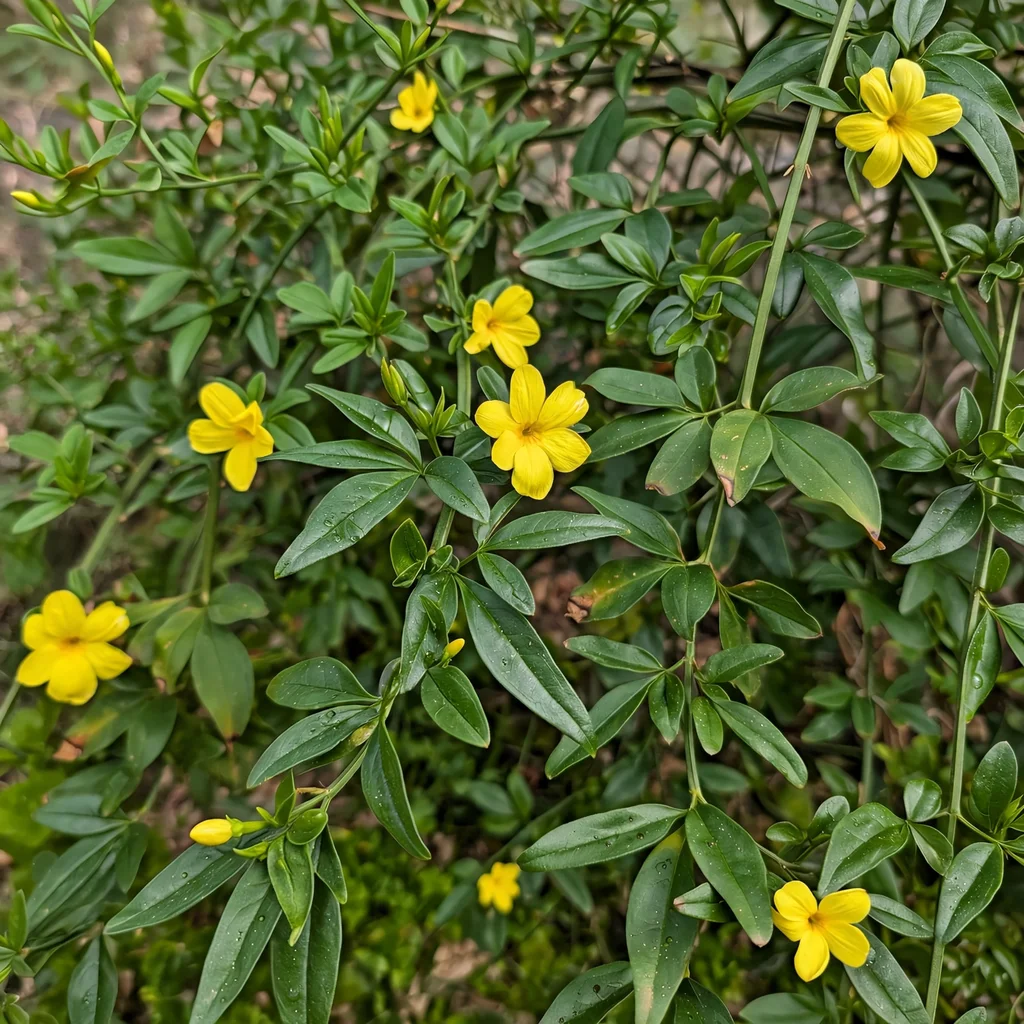
Primrose Jasmine
Jasminum mesnyi
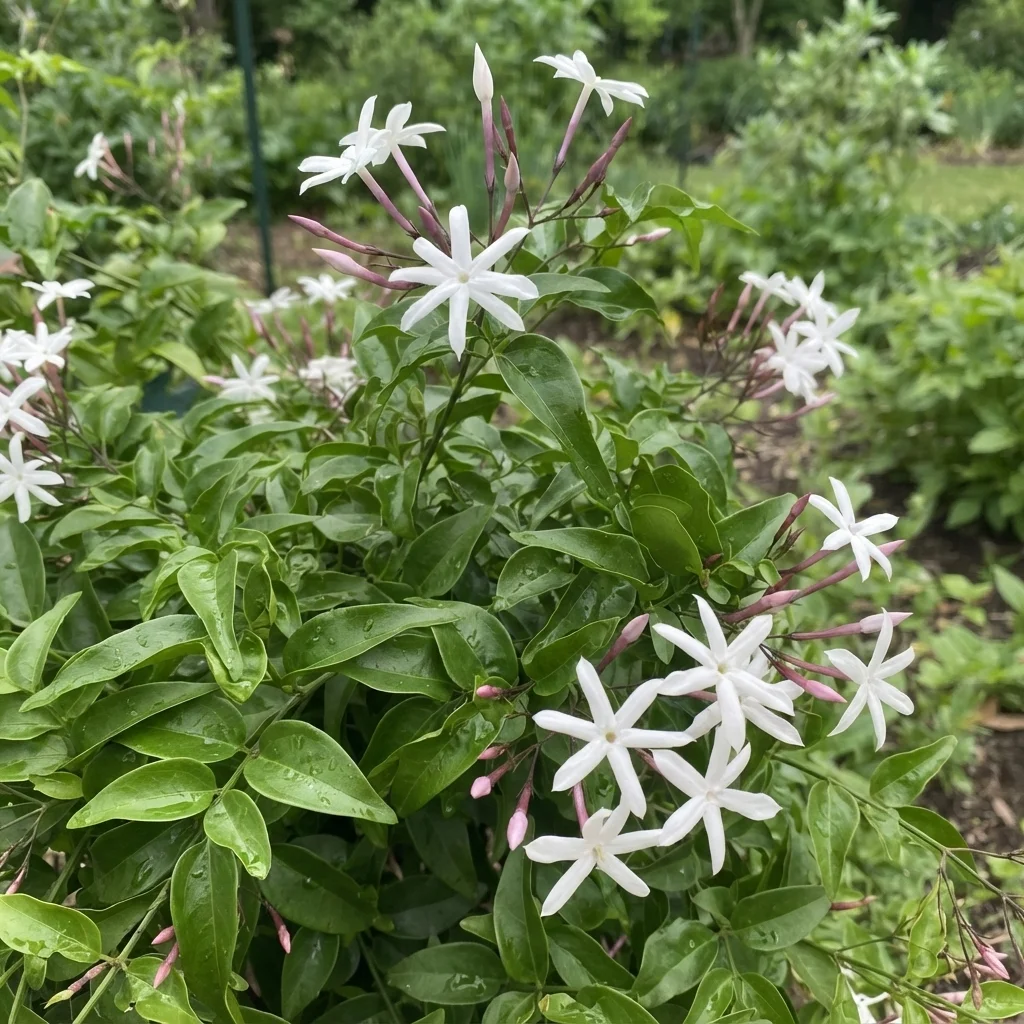
Angel-wing Jasmine
Jasminum laurifolium
Keep exploring
Explore the genus
Hardy in your zone?
Grow Arabian Jasmine with confidence
See it in a design of your actual yard, get zone-matched care reminders, and track it season by season in your garden journal.