The Story
Plant Bio
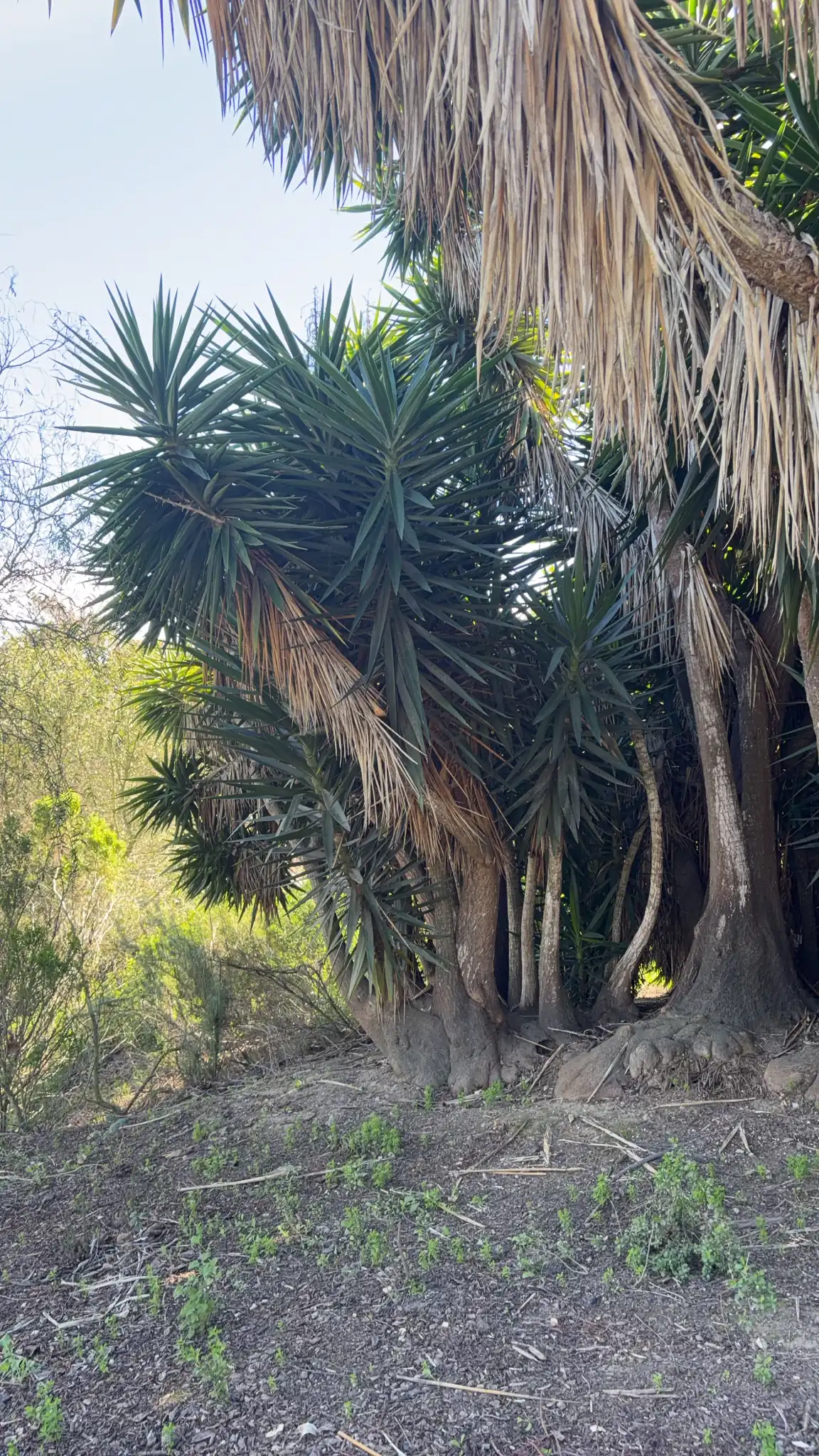
Yucca gigantea is an evergreen, multi-trunked succulent tree native to Mesoamerica, characterized by a swollen, elephant-foot-like base and an irregular branching crown. Unlike most members of its genus, the strap-like, leathery leaves terminate in soft, pliable tips that present no puncture hazard.
This species is highly valued for its architectural silhouette and its exceptional tolerance to dry indoor air and prolonged drought. In spring and summer, mature outdoor specimens produce large, upright terminal panicles up to 100 centimeters tall, bearing pendulous, bell-shaped creamy-white flowers.
Uses & Benefits:
Essentials
At a Glance
Plant Type
Cactus Succulent
Height
354"
Width
295"
Light
Full Sun, Partial Sun
Zones
10
Water
Low
Humidity
Adaptable
Lifespan
Long-lived
Native To
Belize, Costa Rica, El Salvador, Guatemala, Honduras, Mexico, Nicaragua, and Panama
Toxicity
Non-toxic to pets
Bloom period
Spring – Summer
In flower about 6 months of the year
Planting
How to Grow
- Select a planting site with full sun to partial shade and exceptionally well-draining, sandy or loamy soil.
- Dig a hole twice as wide as the root ball but no deeper, ensuring the swollen base of the trunk sits level with or slightly above the surrounding soil line.
- Water thoroughly immediately after planting to settle the soil, then allow the medium to dry out completely before watering again.
- Apply a balanced, slow-release granular fertilizer sparingly once in spring to support steady, strong growth without causing weak, stretched stems.
Pro Tip
Avoid cutting back into old, bare brown trunk wood when pruning; these leafless sections lack active nodes and will fail to resprout, leading to dieback or rot.
Keep It Thriving
Care Guide
Do
- Plant in highly permeable, sandy or gravelly mineral soils to ensure rapid drainage.
- Allow the soil to dry out completely between waterings to prevent root and stem rot.
- Provide bright, direct light for indoor container-grown specimens to maintain a compact crown.
Don't
- Do not overwater or plant in heavy, moisture-retentive clay soils without significant drainage amendments.
- Do not prune into old, leafless woody trunk sections, as they will not produce adventitious buds.
- Do not overfertilize, which leads to weak, structurally compromised, stretched growth.
Seasonal Care Calendar
| Task | Jan | Feb | Mar | Apr | May | Jun | Jul | Aug | Sep | Oct | Nov | Dec |
|---|---|---|---|---|---|---|---|---|---|---|---|---|
| Fertilize | ||||||||||||
| Pest Check | ||||||||||||
| Prune | ||||||||||||
| Winter Prep |
Watch Out For
Pests & Diseases
Common Pests
Common Diseases
In the Garden
Landscape Uses & Companions
Landscape Uses
Companion Plants
Multiply
Propagation Methods
Good to Know
Common Questions
Spineless Yucca questions
What zones can Spineless Yucca grow in?
Spineless Yucca is hardy in USDA Zone 10. Inside that range it survives winter in the ground; outside it, grow it as an annual or a container plant you protect.
When does Spineless Yucca bloom?
Spineless Yucca typically blooms in spring through summer. Exact timing shifts a week or two with your zone — Sow's bloom calendar maps it to your garden.
Does Spineless Yucca need full sun?
Spineless Yucca does best in full sun to part shade. In hot climates, afternoon shade keeps blooms fresher longer.
Is Spineless Yucca drought tolerant?
Yes — once established (usually after the first full season), Spineless Yucca handles dry spells with minimal watering. Water deeply its first year to build the root system that makes that possible.
More Yucca to compare
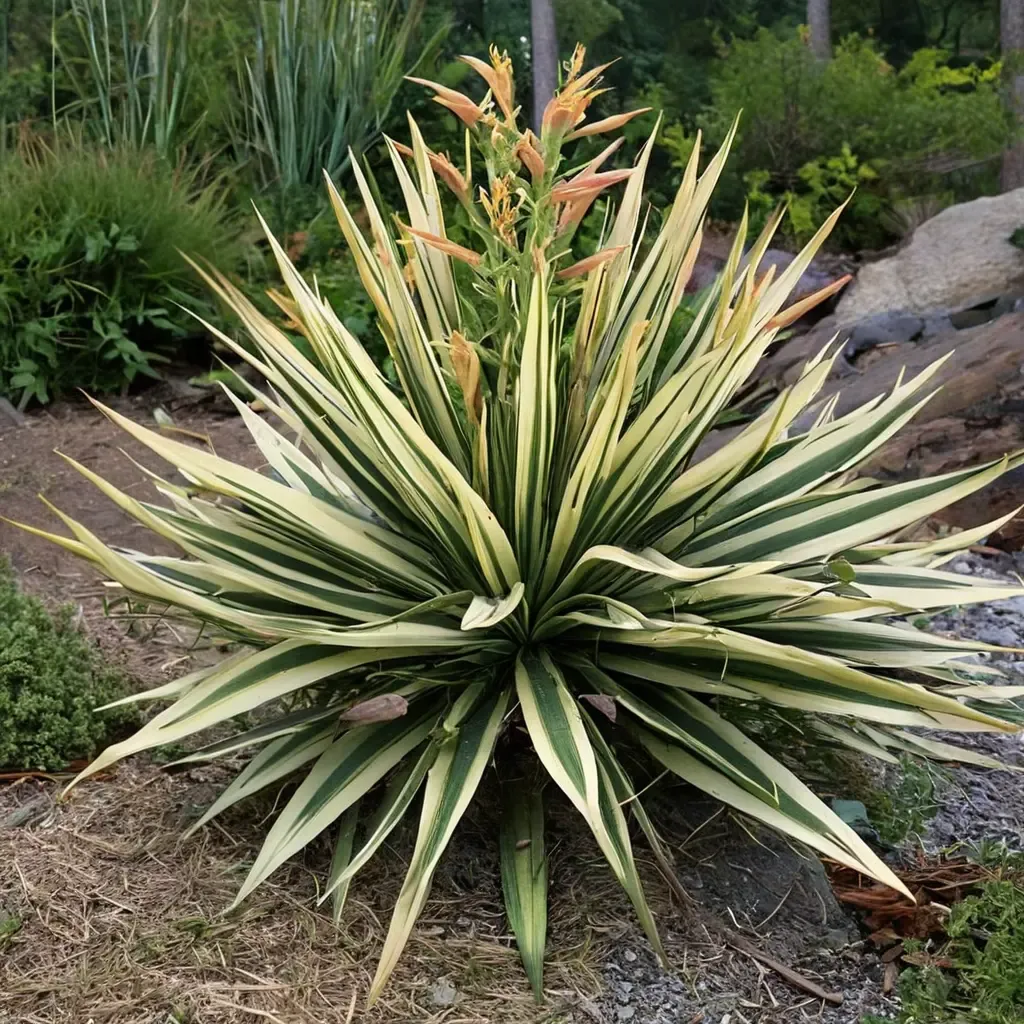
Color Guard Yucca
Yucca flaccida 'Color Guard'
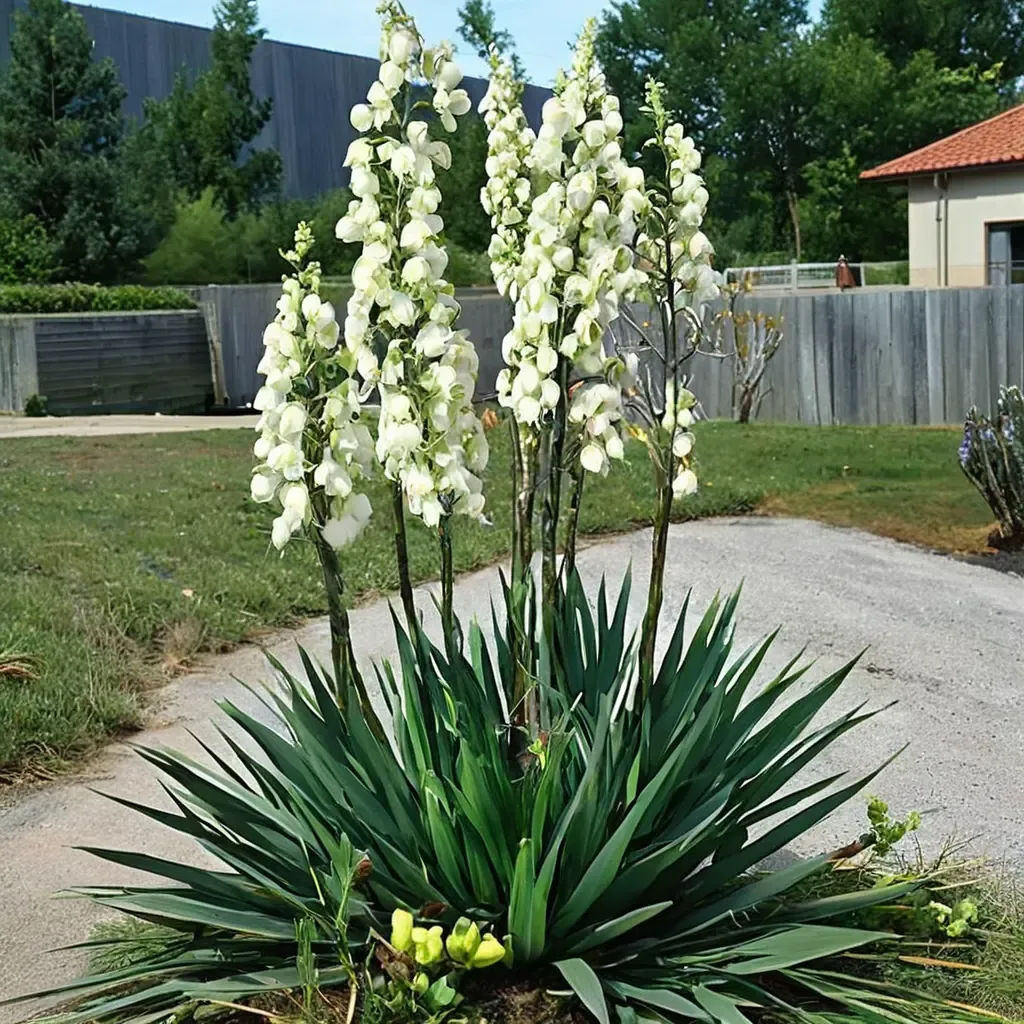
Adam's Needle
Yucca filamentosa
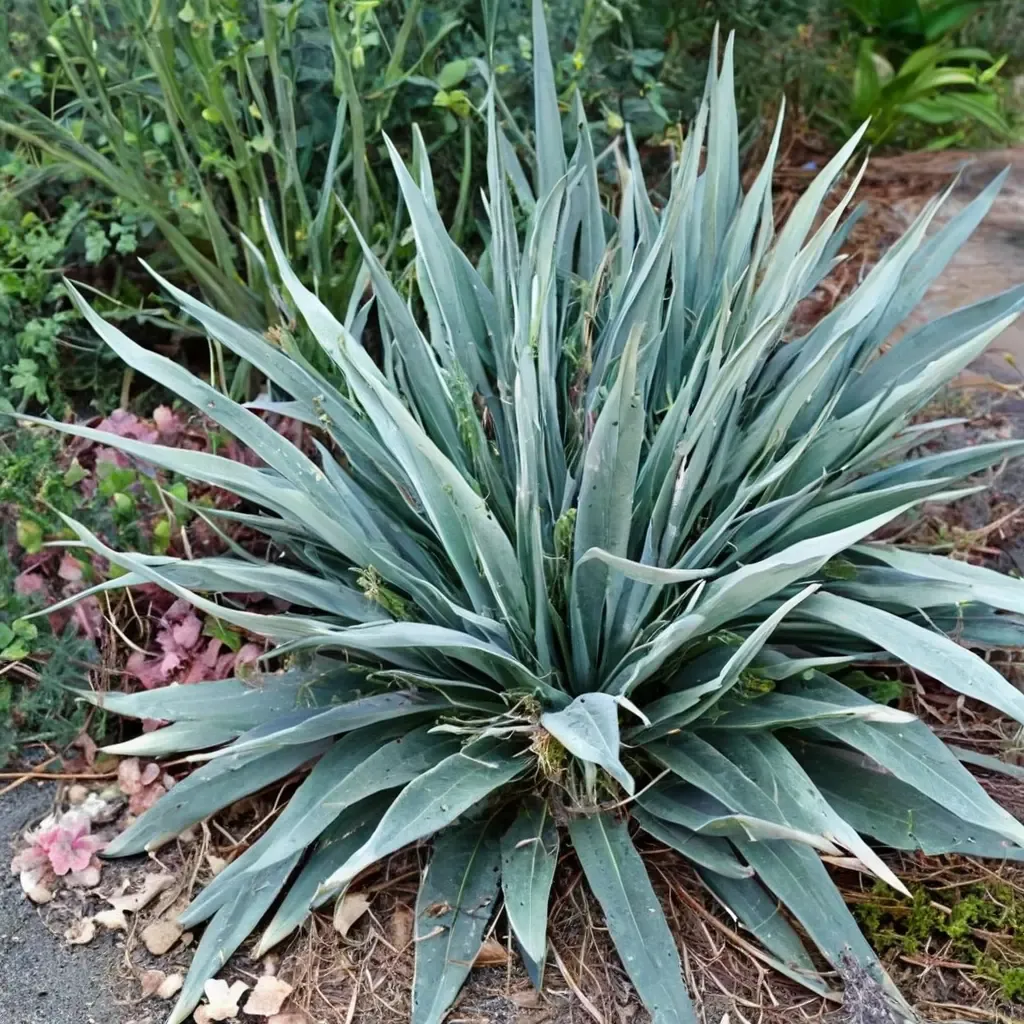
Weak-leaf Yucca
Yucca flaccida 'Hairy'
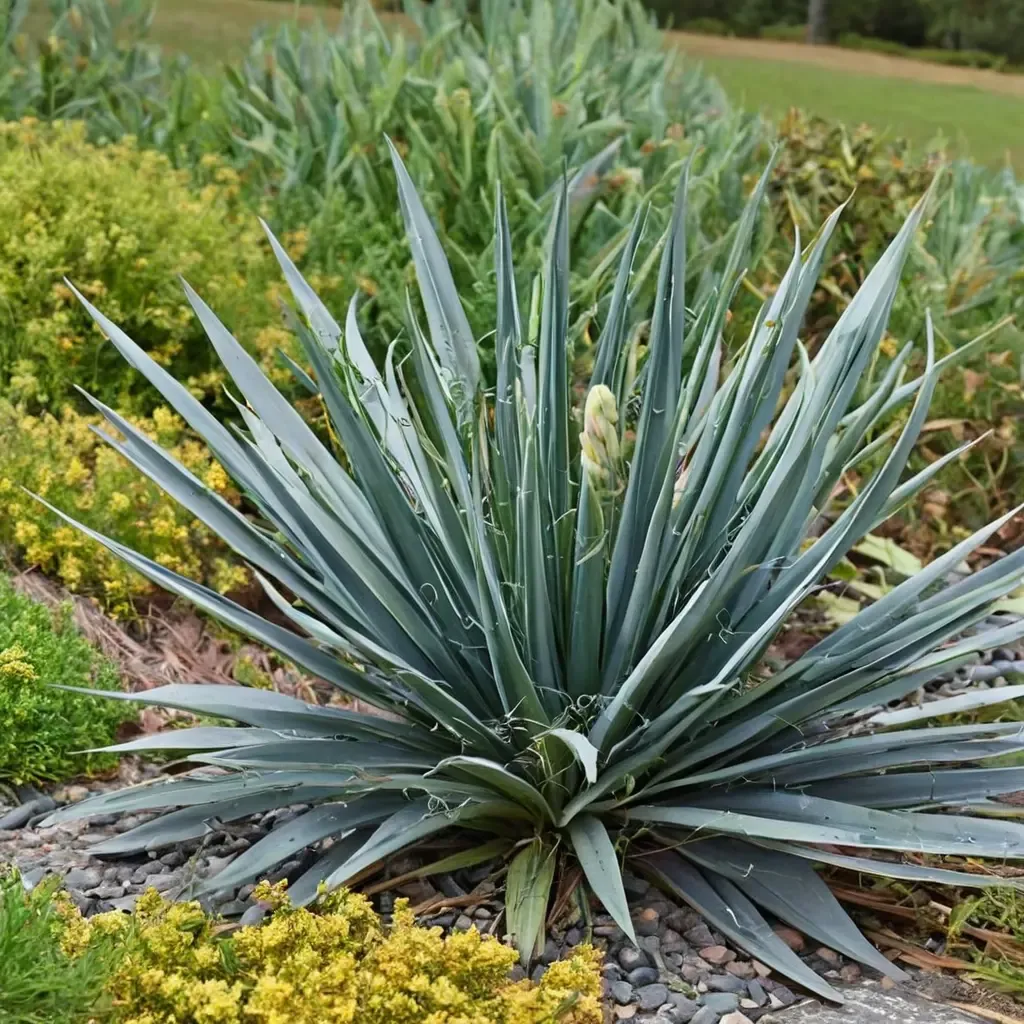
Excalibur Yucca
Yucca filamentosa 'Excalibur'
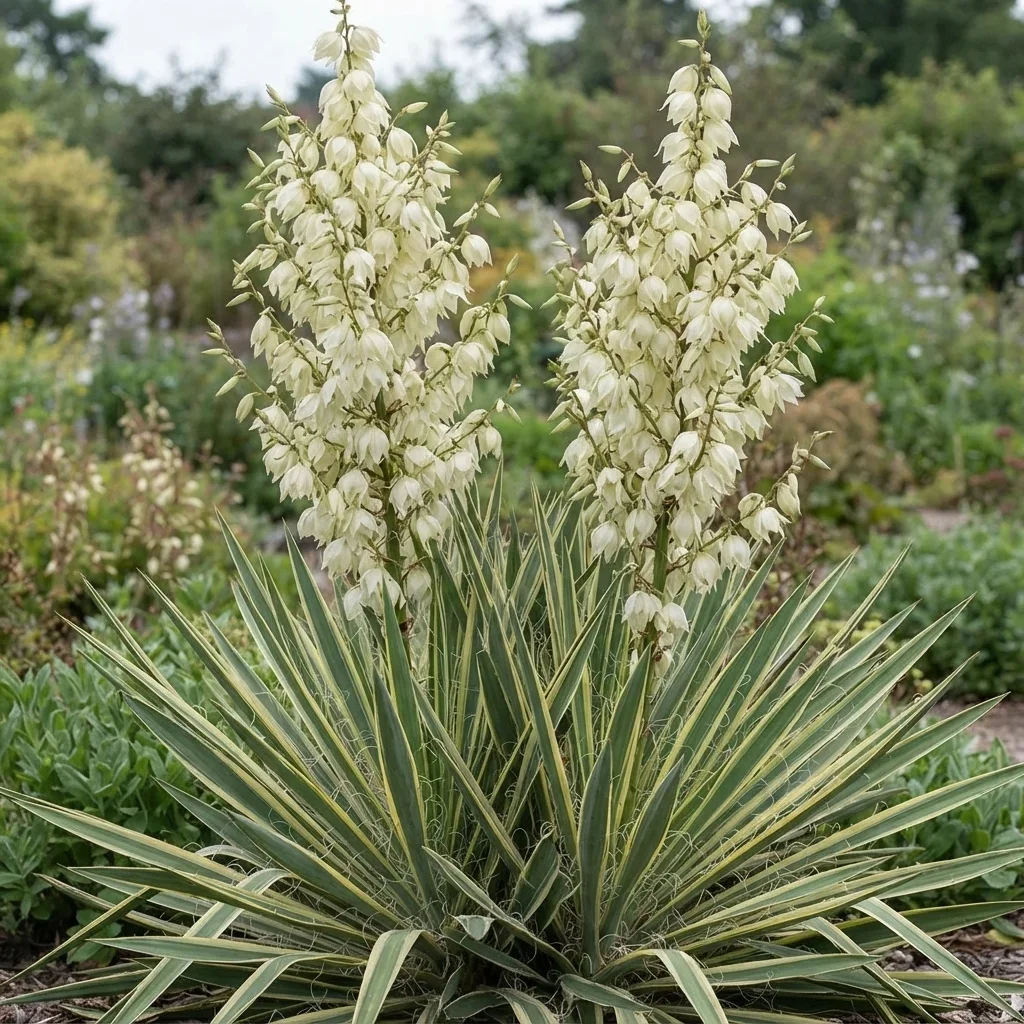
Variegated Adam's Needle
Yucca filamentosa 'Variegata'
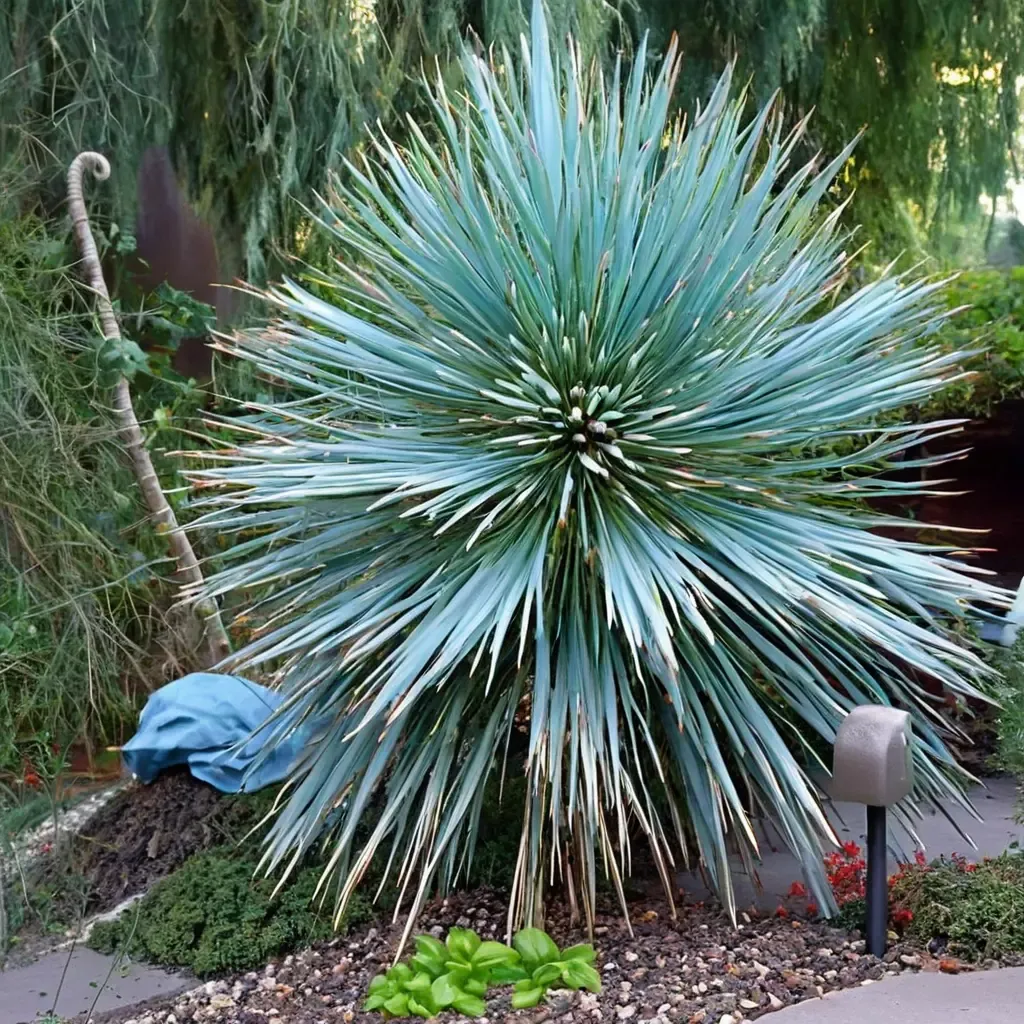
Beaked Yucca 'Sapphire Skies'
Yucca rostrata 'Sapphire Skies'
Keep exploring
Explore the genus
Hardy in your zone?
Grow Spineless Yucca with confidence
See it in a design of your actual yard, get zone-matched care reminders, and track it season by season in your garden journal.