The Story
Plant Bio
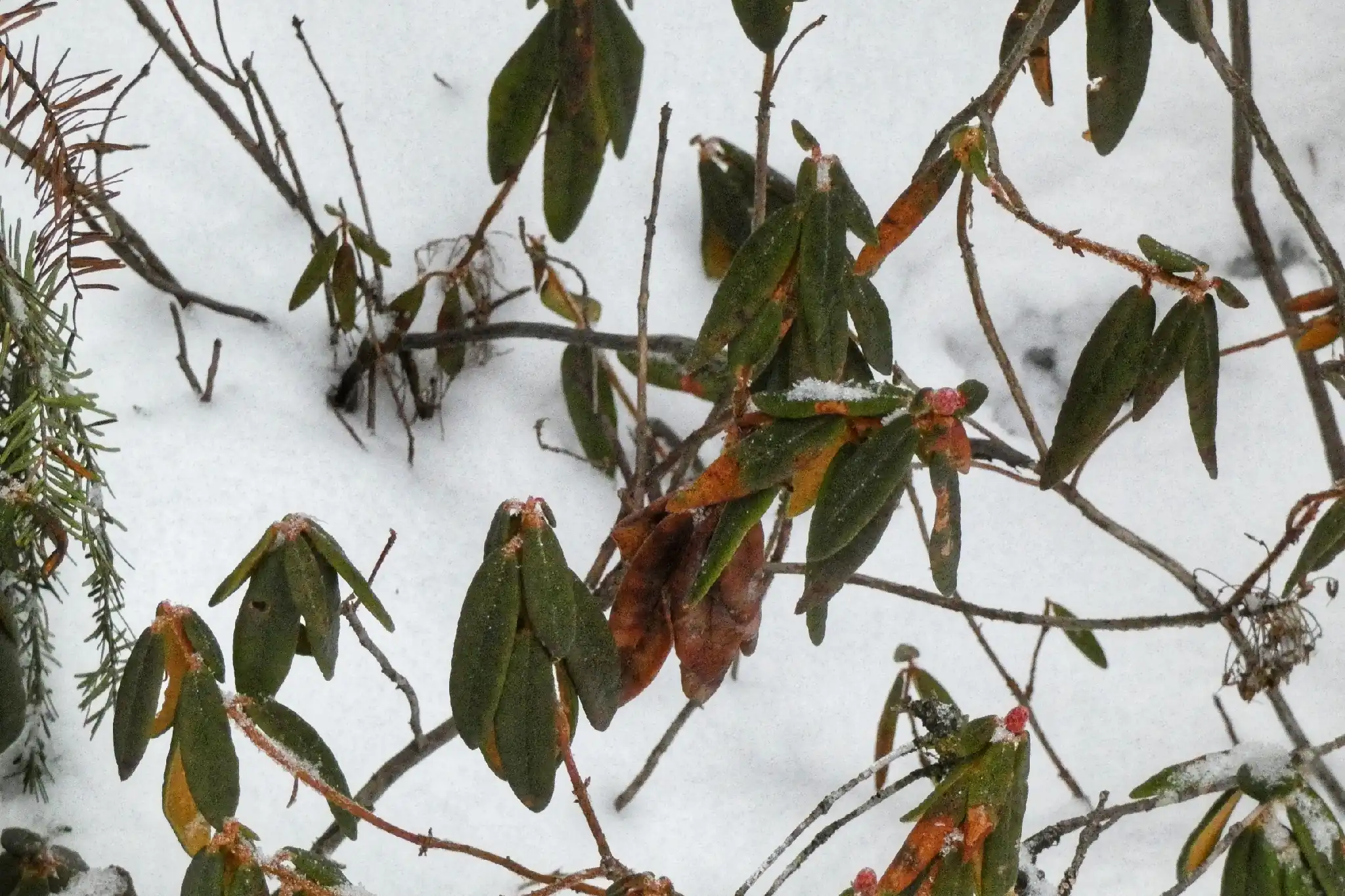
Rhododendron groenlandicum, commonly known as Bog Labrador tea, is a slow-growing evergreen shrub native to the cold bogs and wet forests of northern North America. It forms a low, dense, rounded mound of leathery, dark green leaves distinguished by their strongly rolled edges and thick, woolly, rust-colored undersides.
In late spring, terminal clusters of small, star-shaped white flowers erupt at the branch tips, displaying exceptionally long, prominent stamens that attract native bees and butterflies. The foliage contains grayanotoxins, making all parts of the plant highly toxic if ingested by livestock, pets, or humans.
Uses & Benefits:
Essentials
At a Glance
Plant Type
Shrub
Height
39"
Width
39"
Light
Full Sun, Partial Sun
Zones
4, 5, 6
Water
High
Humidity
High
Lifespan
Long-lived
Native To
North America
Toxicity
Highly toxic if ingested
Bloom period
Late spring – Early summer
In flower about 2 months of the year
Planting
How to Grow
- Select a planting site with full sun to partial shade and highly acidic soil, ideally with a pH between 4.5 and 5.5.
- Incorporate generous amounts of peat moss, composted pine bark, or acidic muck to mimic a natural bog environment.
- Plant container-grown specimens at the same depth they were in the pot, ensuring the soil remains consistently moist and never dries out.
- Apply a thick layer of organic mulch, such as pine needles or shredded bark, to conserve soil moisture and keep roots cool.
Pro Tip
Never prune back into old, leafless wood; this species lacks dormant buds on old stems, and hard cutting will kill the branch.
Keep It Thriving
Care Guide
Do
- Keep the soil consistently moist to wet at all times.
- Test soil pH regularly to ensure it remains strictly acidic.
- Use rainwater or acidified water if your tap water is alkaline.
Don't
- Do not allow the root zone to dry out even temporarily.
- Do not prune hard into old, brown, leafless wood.
- Do not apply standard high-phosphorus fertilizers.
Seasonal Care Calendar
| Task | Jan | Feb | Mar | Apr | May | Jun | Jul | Aug | Sep | Oct | Nov | Dec |
|---|---|---|---|---|---|---|---|---|---|---|---|---|
| Deadhead | ||||||||||||
| Mulch | ||||||||||||
| Propagate | ||||||||||||
| Spring Cleanup |
Watch Out For
Pests & Diseases
Common Pests
Common Diseases
In the Garden
Landscape Uses & Companions
Landscape Uses
Companion Plants
Multiply
Propagation Methods
Good to Know
Common Questions
Bog Labrador Tea questions
What zones can Bog Labrador Tea grow in?
Bog Labrador Tea is hardy in USDA Zones 4–6. Inside that range it survives winter in the ground; outside it, grow it as an annual or a container plant you protect.
Is Bog Labrador Tea deer resistant?
Not reliably. Deer may browse Bog Labrador Tea, especially tender spring growth — plan on repellents or fencing where pressure is high.
When does Bog Labrador Tea bloom?
Bog Labrador Tea typically blooms in late spring through early summer. Exact timing shifts a week or two with your zone — Sow's bloom calendar maps it to your garden.
Does Bog Labrador Tea need full sun?
Bog Labrador Tea does best in full sun to part shade. In hot climates, afternoon shade keeps blooms fresher longer.
More Rhododendron to compare
Catawba Rhododendron
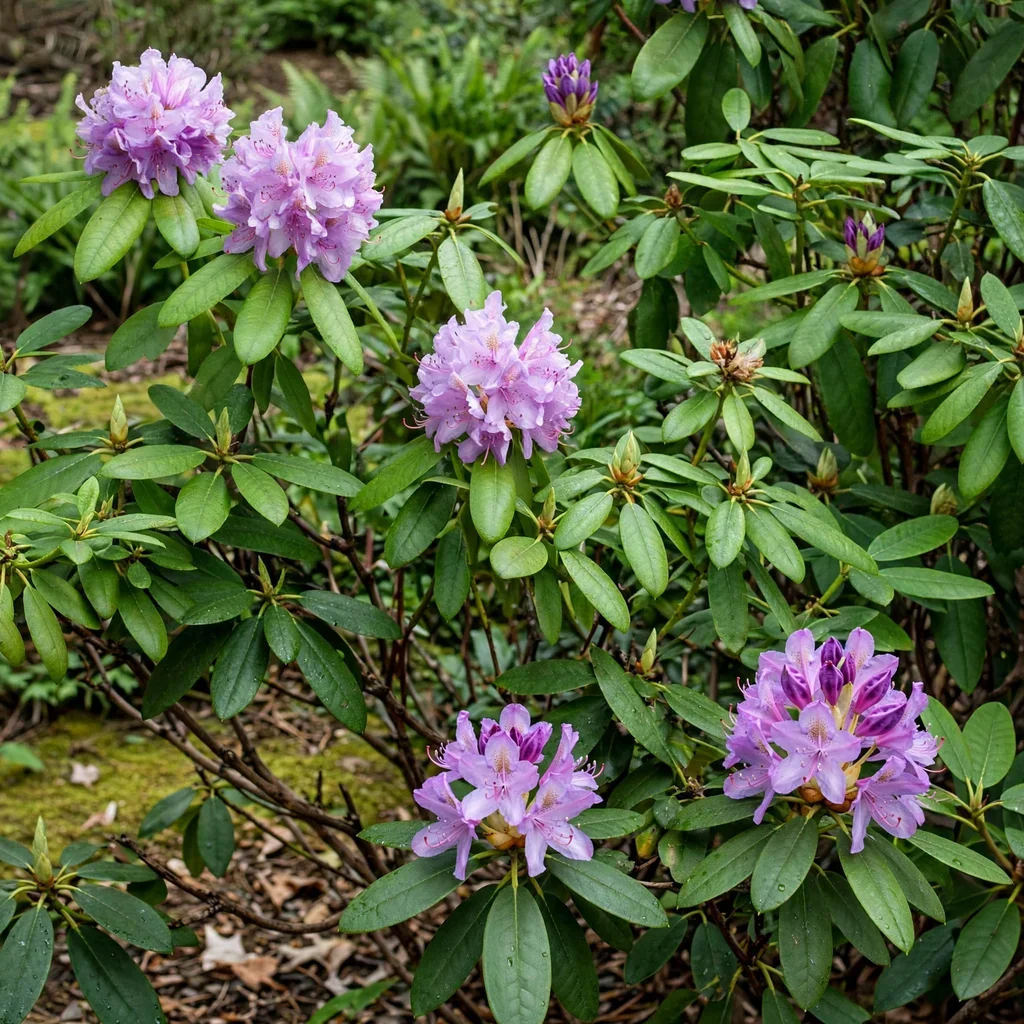
Rhododendron catawbiense
Great Laurel Rhododendron
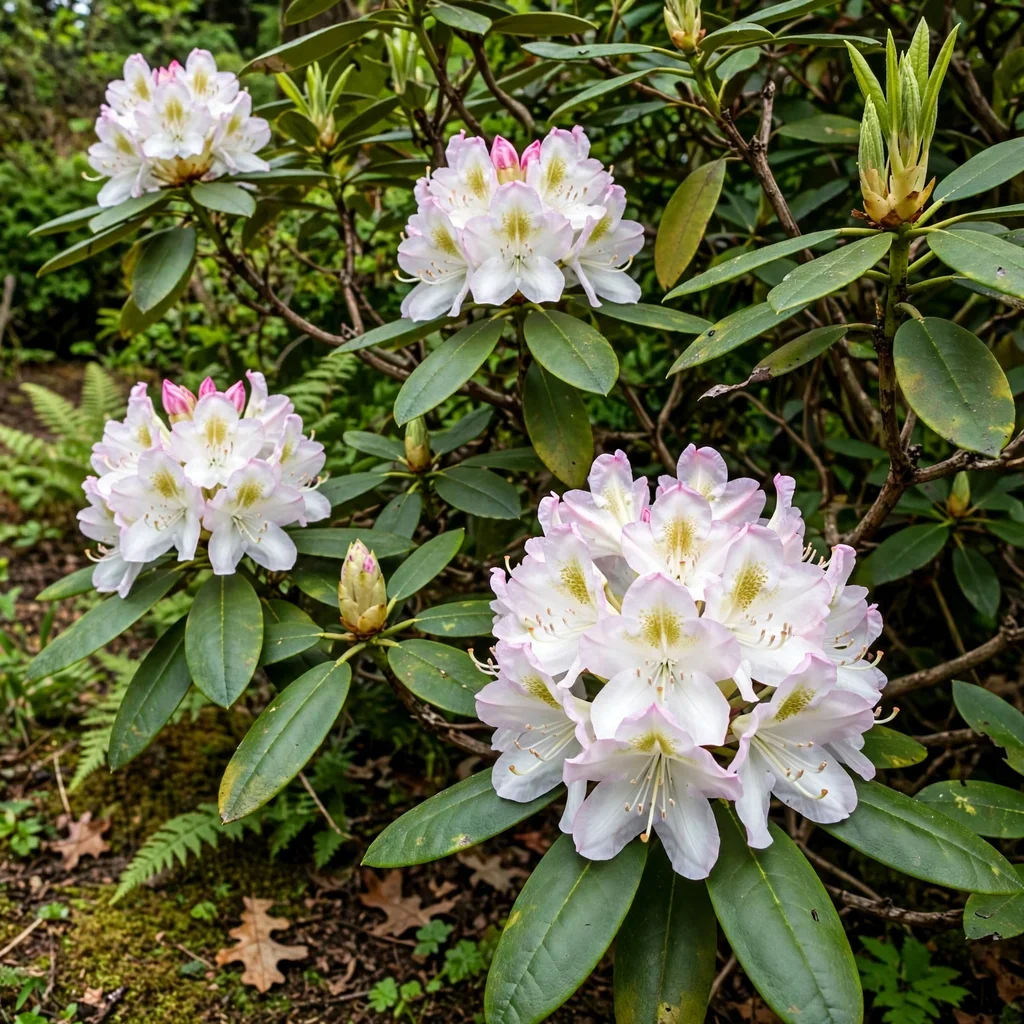
Rhododendron maximum
Double White Rhododendron
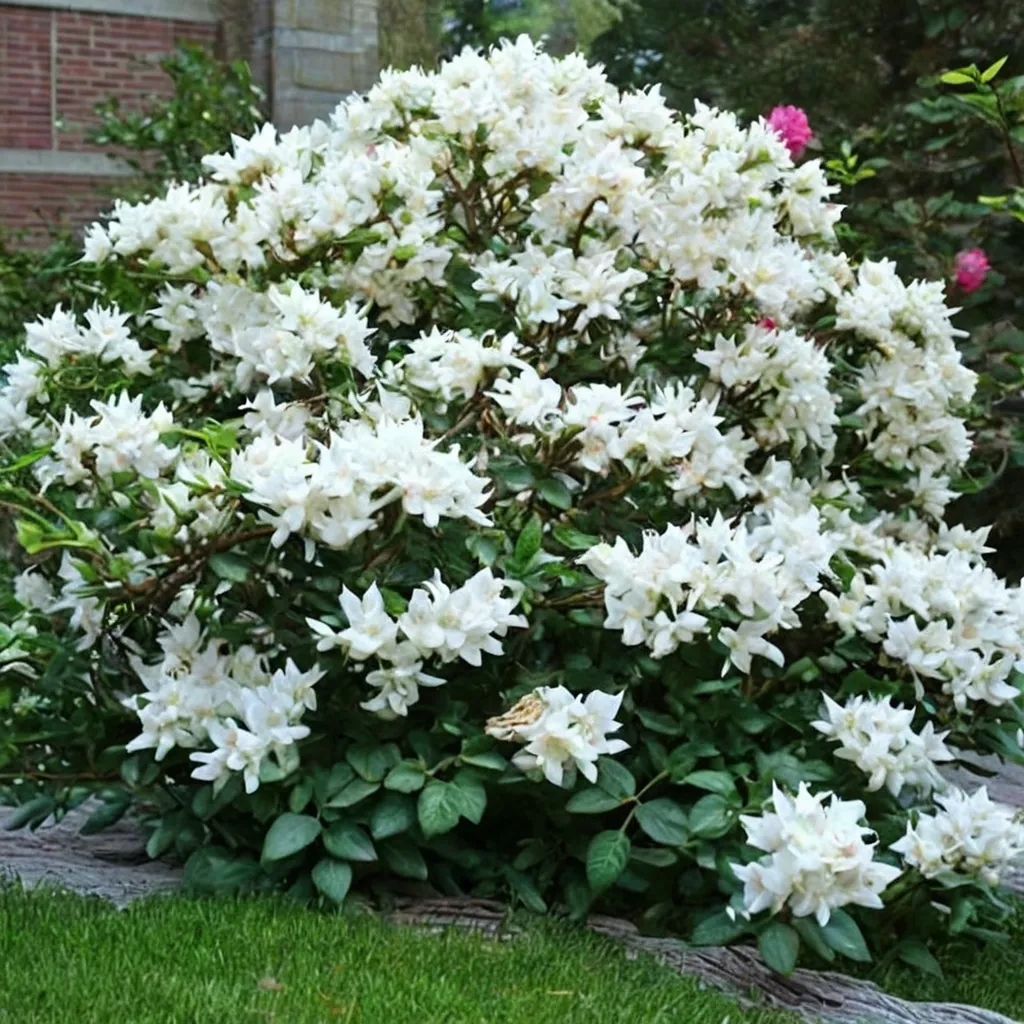
Rhododendron x hybrida 'Double White'
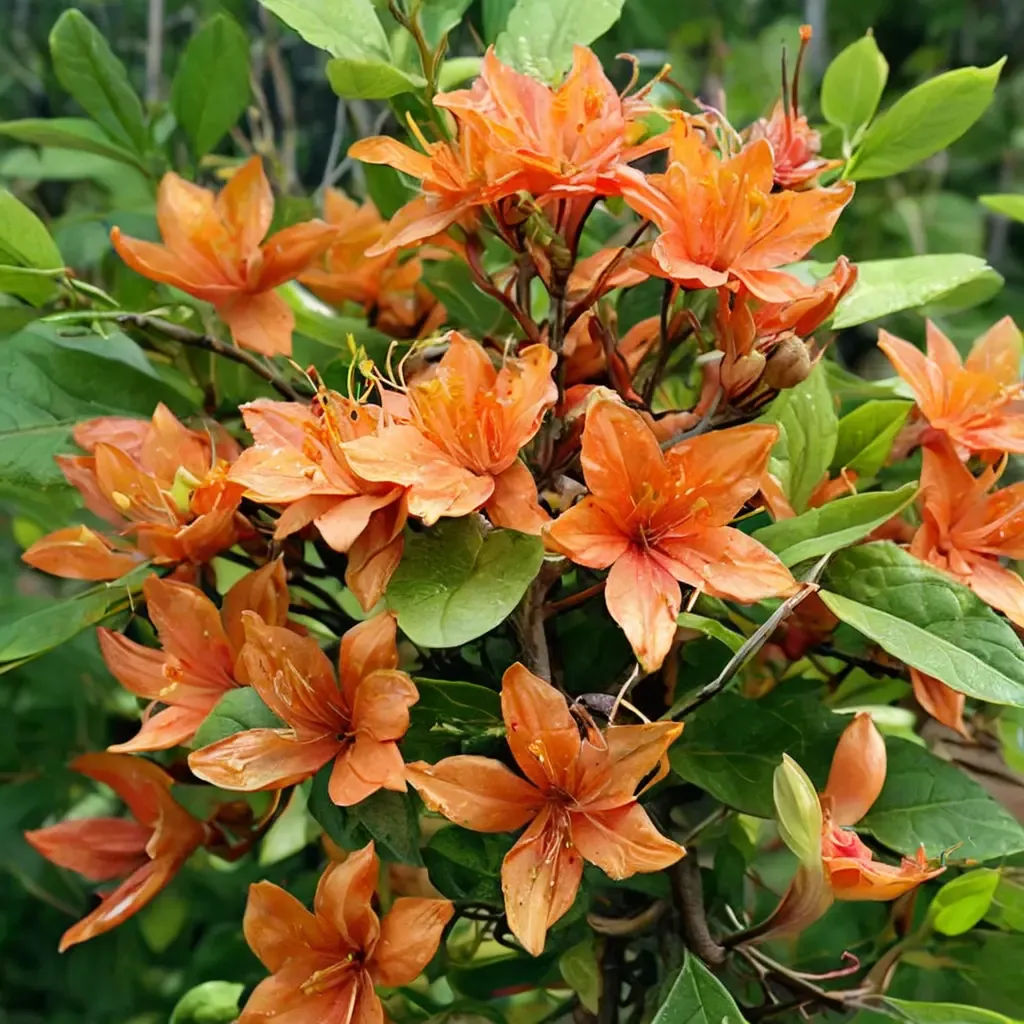
Flame Azalea
Rhododendron calendulaceum
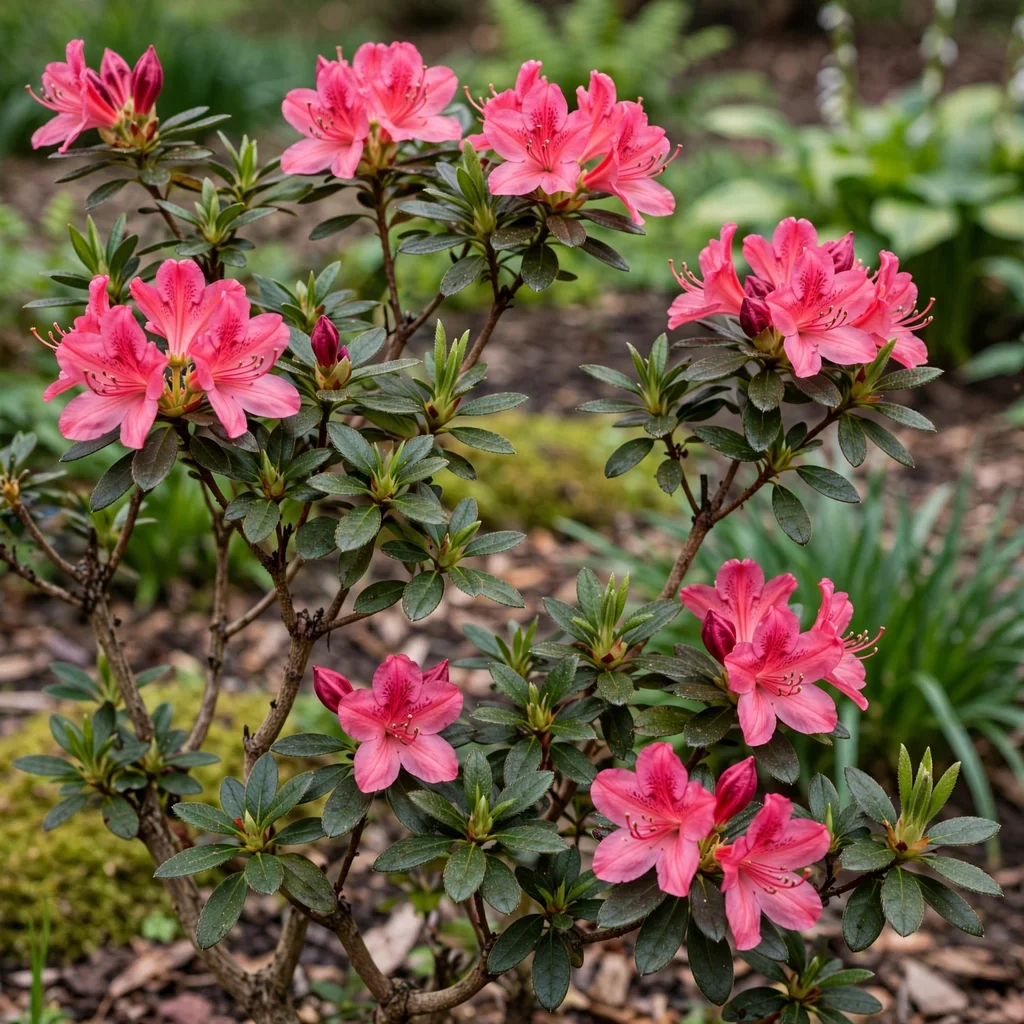
Bone Hardy Azalea
Rhododendron x hybrida 'Bone Hardy Azalea Sampler'
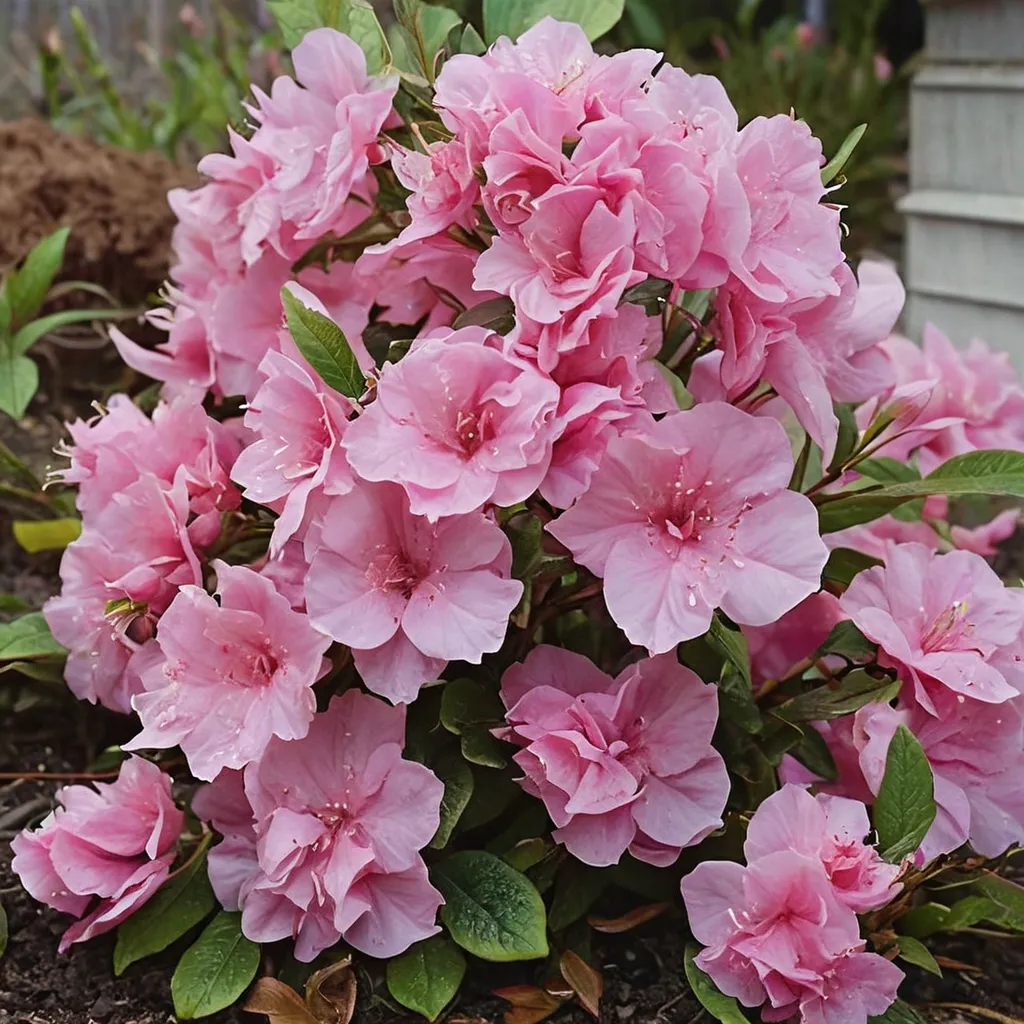
Rhododendron x hybrida Double Pink
Rhododendron x hybrida 'Double Pink'
Keep exploring
Explore the genus
Hardy in your zone?
Grow Bog Labrador Tea with confidence
See it in a design of your actual yard, get zone-matched care reminders, and track it season by season in your garden journal.