The Story
Plant Bio
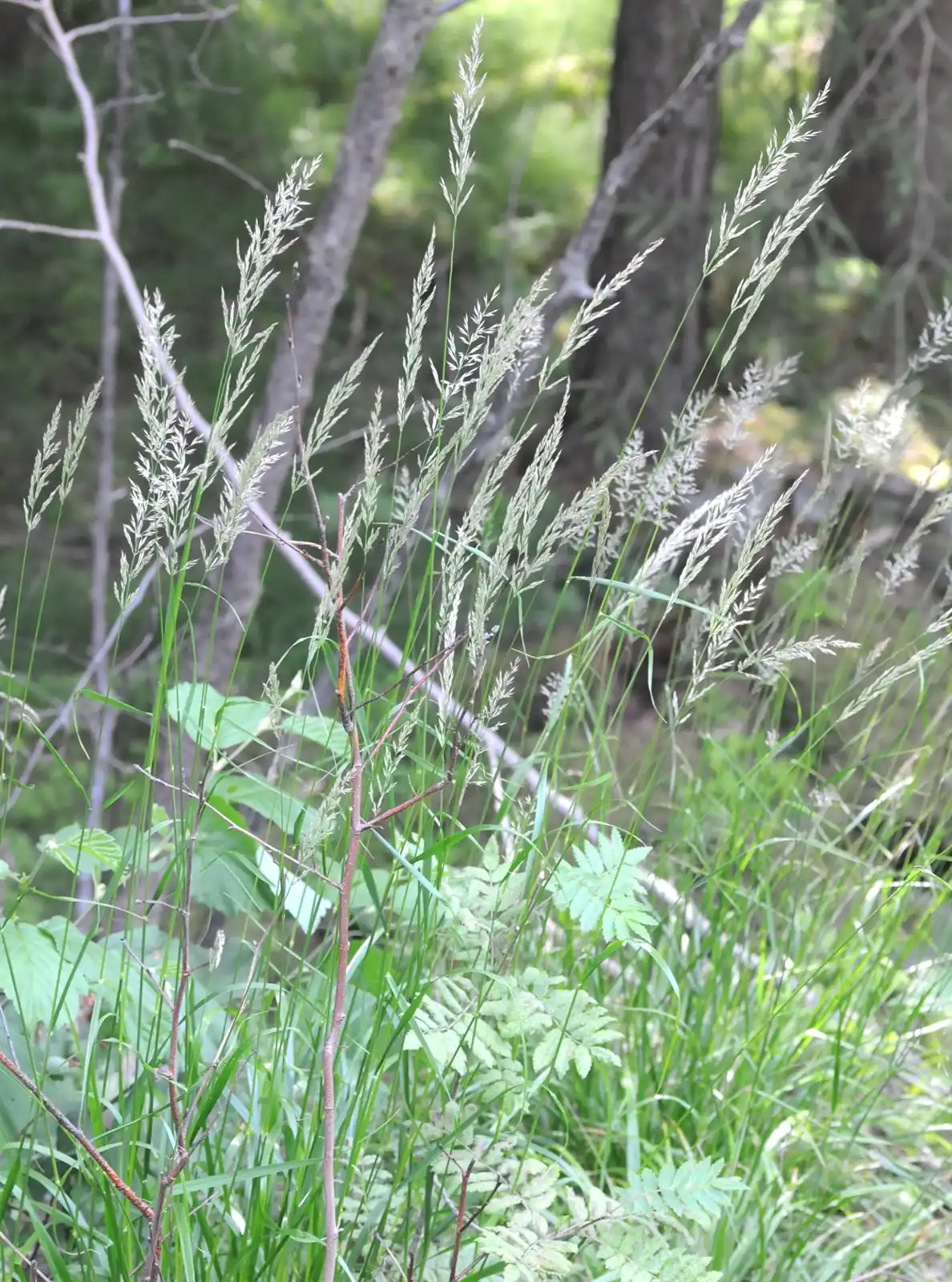
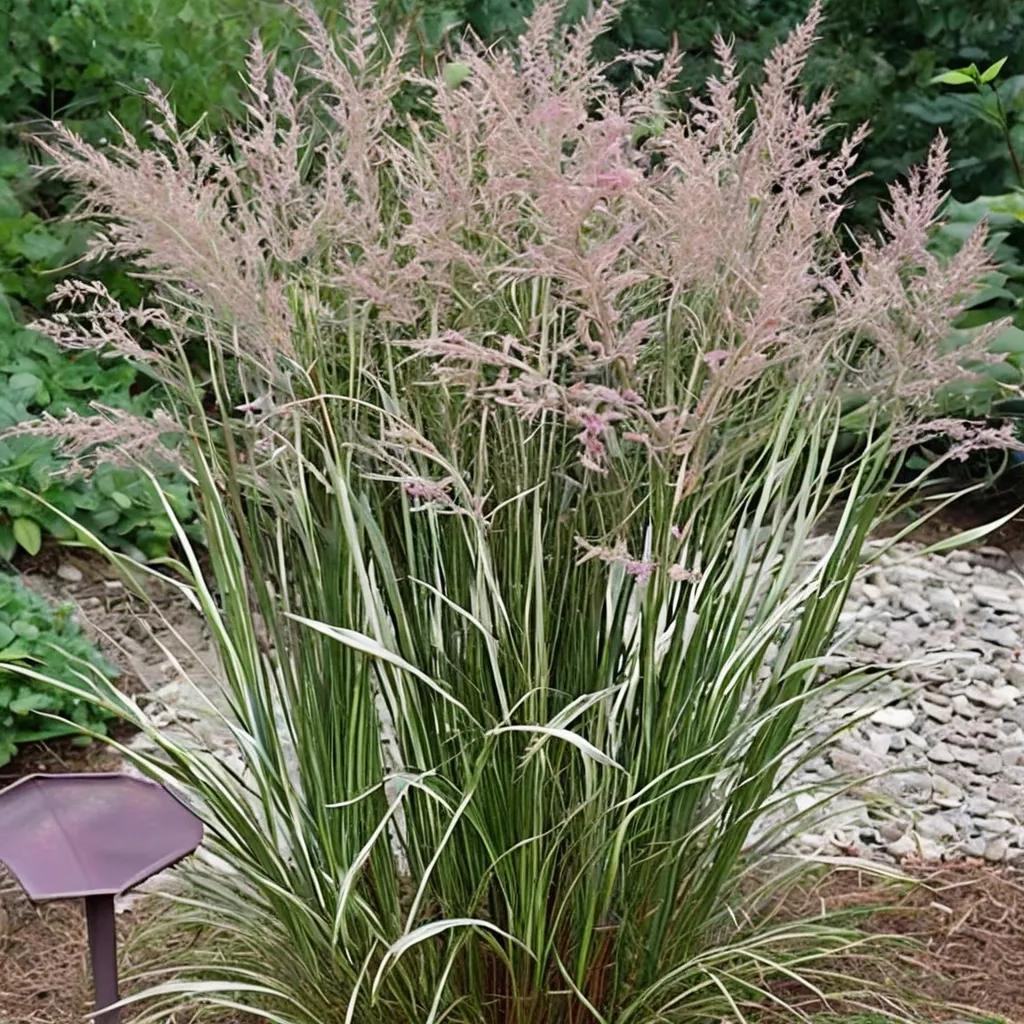
Calamagrostis arundinacea, reed grass, is a clumping perennial grass from temperate Eurasia, forming an arching mound three to four feet high and two to three across. Narrow stiff green leaves rise from a dense multi-stemmed base, and slim upright flowering spikes open in late summer, drying to tan and standing through winter.
It is a true clump-former, unlike the running reed grasses it is often confused with, so it stays where it is planted. Growth is slow, which makes it a poor choice if you want quick cover but an excellent one for a small garden where a faster grass would need constant reduction. The dried heads hold shape through snow.
Uses & Benefits:
Essentials
At a Glance
Plant Type
Grass
Height
48"
Width
24"
Light
Full Sun, Partial Sun
Zones
4, 5, 6, 7, 8
Water
Moderate
Humidity
Moderate
Lifespan
Perennial
Native To
Temperate Eurasia
Toxicity
Non-toxic
Planting
How to Grow
- Plant in full sun or partial shade.
- Give it moist soil; it tolerates occasional wet.
- Allow three feet of width for a mature clump.
- Water through dry spells in its first summers.
- Leave the flowering stems standing for winter.
- Cut back to a few inches in late winter.
Pro Tip
It is slow, so buy the biggest plant you can rather than expecting a small one to fill its space in a season.
Keep It Thriving
Care Guide
Do
- Give it moist soil and sun 💧
- Leave the seed stems for winter ❄️
- Cut back in late winter ✂️
- Divide congested clumps in spring 🔁
Don't
- Expect fast cover ❌
- Let it bake dry ❌
- Cut it down in autumn ❌
Seasonal Care Calendar
| Task | Jan | Feb | Mar | Apr | May | Jun | Jul | Aug | Sep | Oct | Nov | Dec |
|---|---|---|---|---|---|---|---|---|---|---|---|---|
| Cut Back | ||||||||||||
| Divide |
Watch Out For
Pests & Diseases
Common Pests
Common Diseases
In the Garden
Landscape Uses & Companions
Landscape Uses
Companion Plants
Multiply
Propagation Methods
Good to Know
Common Questions
Korean Feather Reed Grass questions
What zones can Korean Feather Reed Grass grow in?
Korean Feather Reed Grass is hardy in USDA Zones 4–8. Inside that range it survives winter in the ground; outside it, grow it as an annual or a container plant you protect.
Is Korean Feather Reed Grass deer resistant?
Yes — Korean Feather Reed Grass is rated deer-resistant. Deer typically pass it over, though extreme hunger can override any plant's defenses.
When does Korean Feather Reed Grass bloom?
Korean Feather Reed Grass typically blooms in late summer through mid-fall. Exact timing shifts a week or two with your zone — Sow's bloom calendar maps it to your garden.
Does Korean Feather Reed Grass need full sun?
Korean Feather Reed Grass does best in full sun to part shade. In hot climates, afternoon shade keeps blooms fresher longer.
Is Korean Feather Reed Grass drought tolerant?
Yes — once established (usually after the first full season), Korean Feather Reed Grass handles dry spells with minimal watering. Water deeply its first year to build the root system that makes that possible.
More Calamagrostis to compare
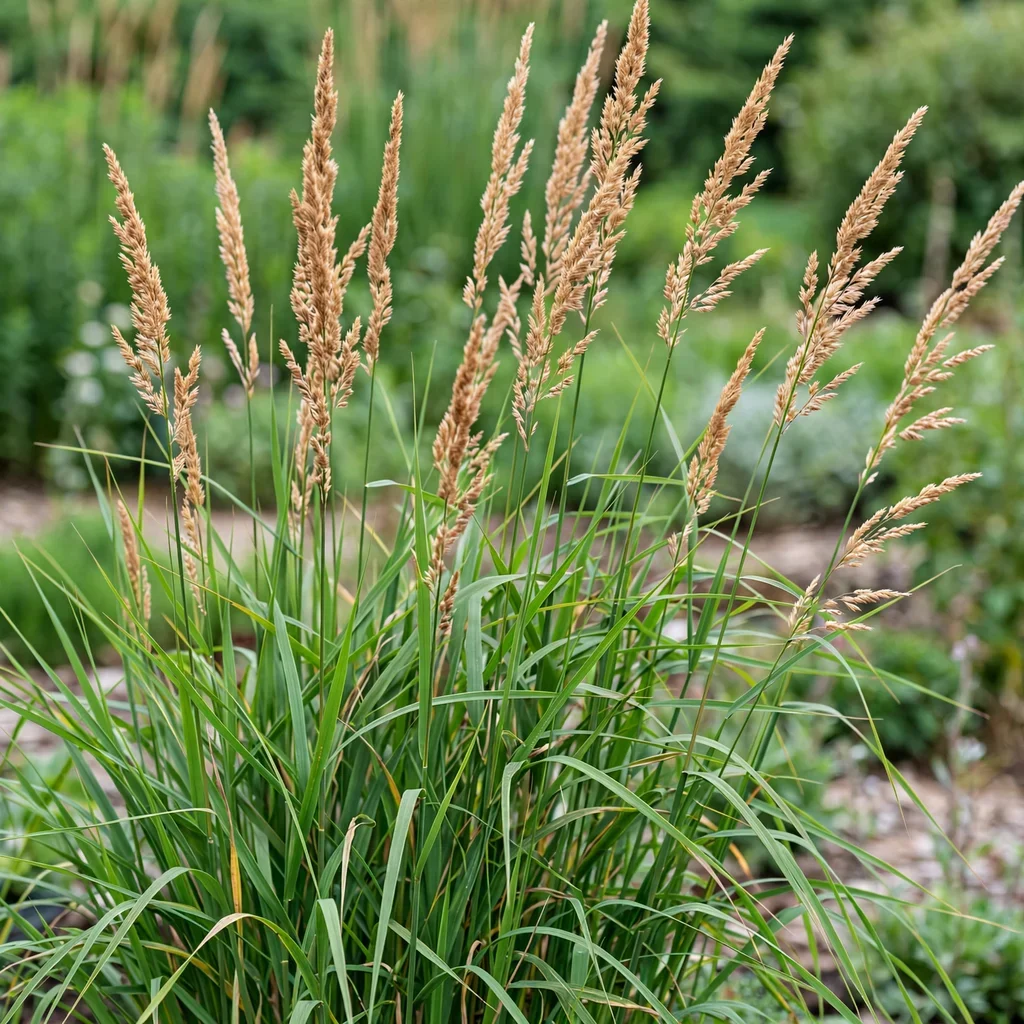
Karl Foerster Feather Reed Grass
Calamagrostis x hybrida 'Karl Foerster'
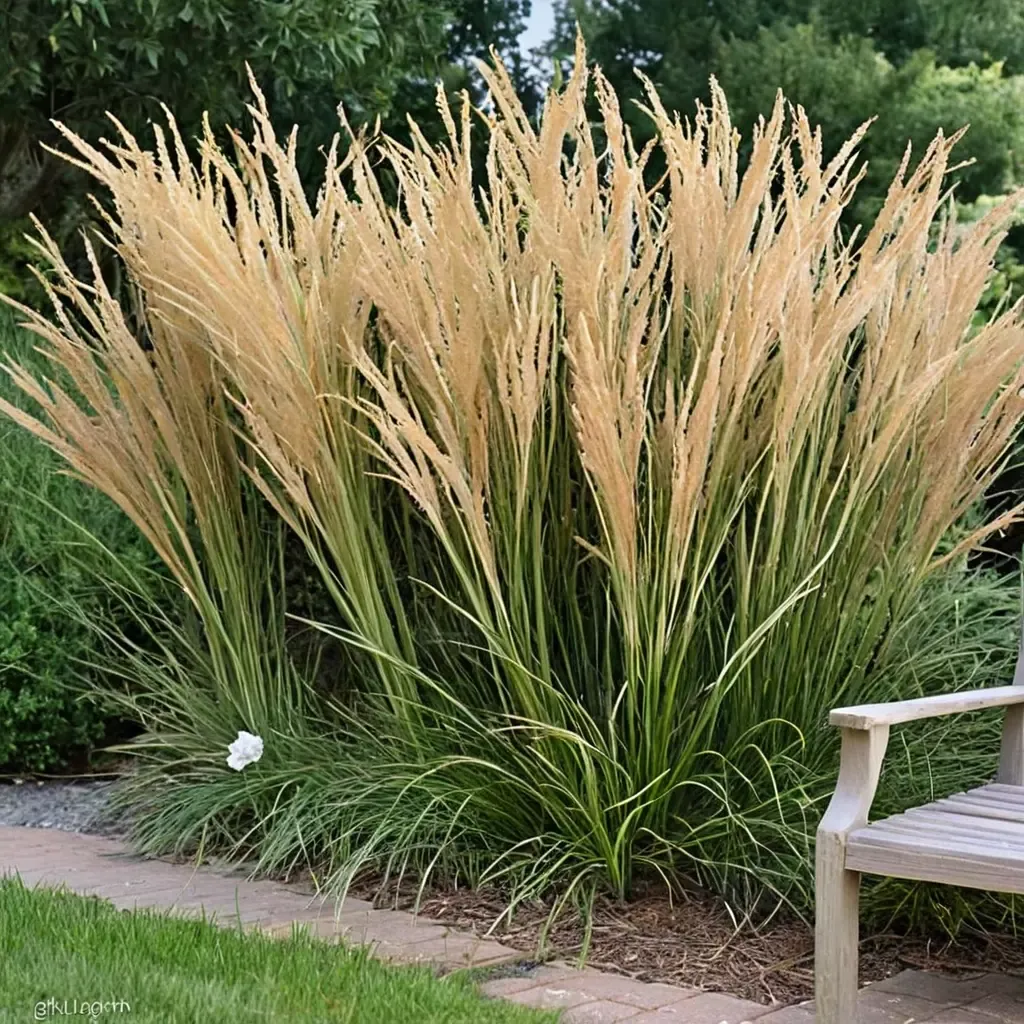
Feather reed grass
Calamagrostis x acutiflora
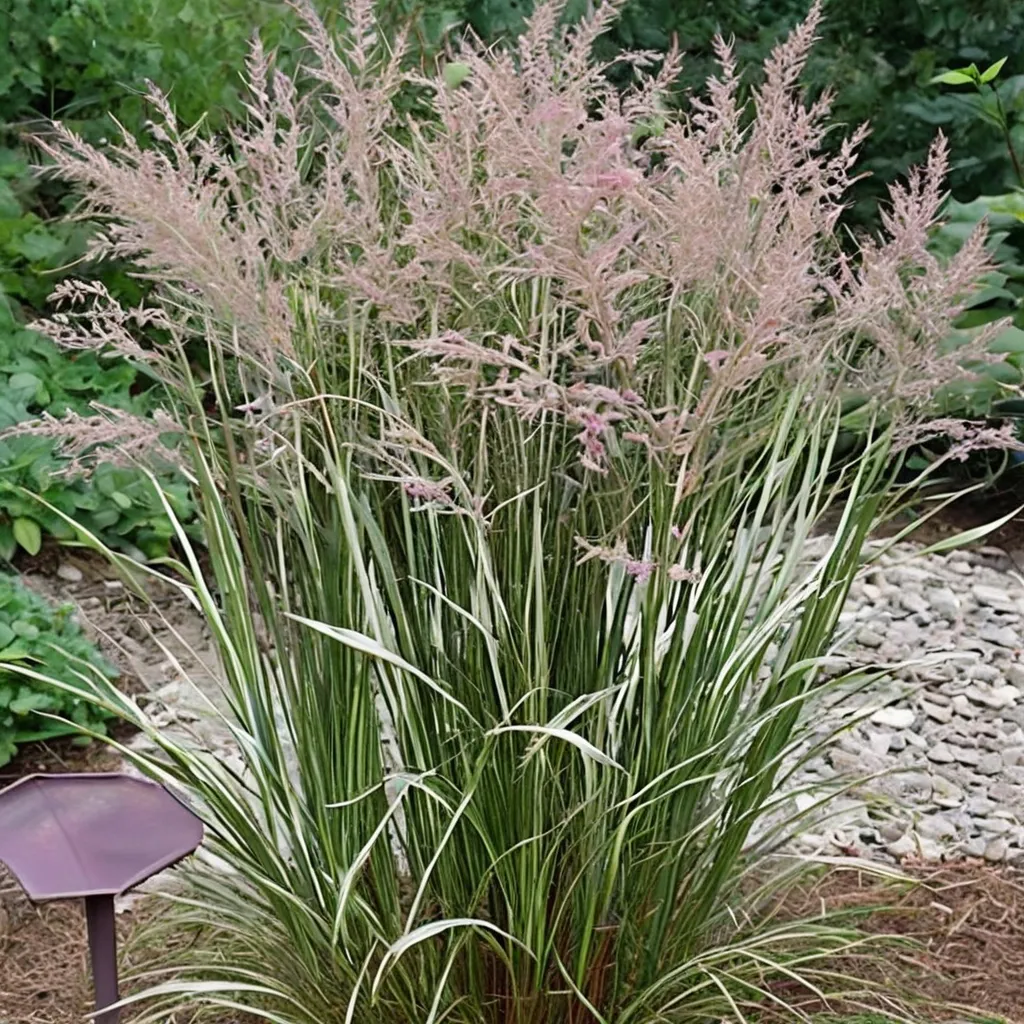
Variegated Feather Reed Grass
Calamagrostis arundinacea 'Overdam'
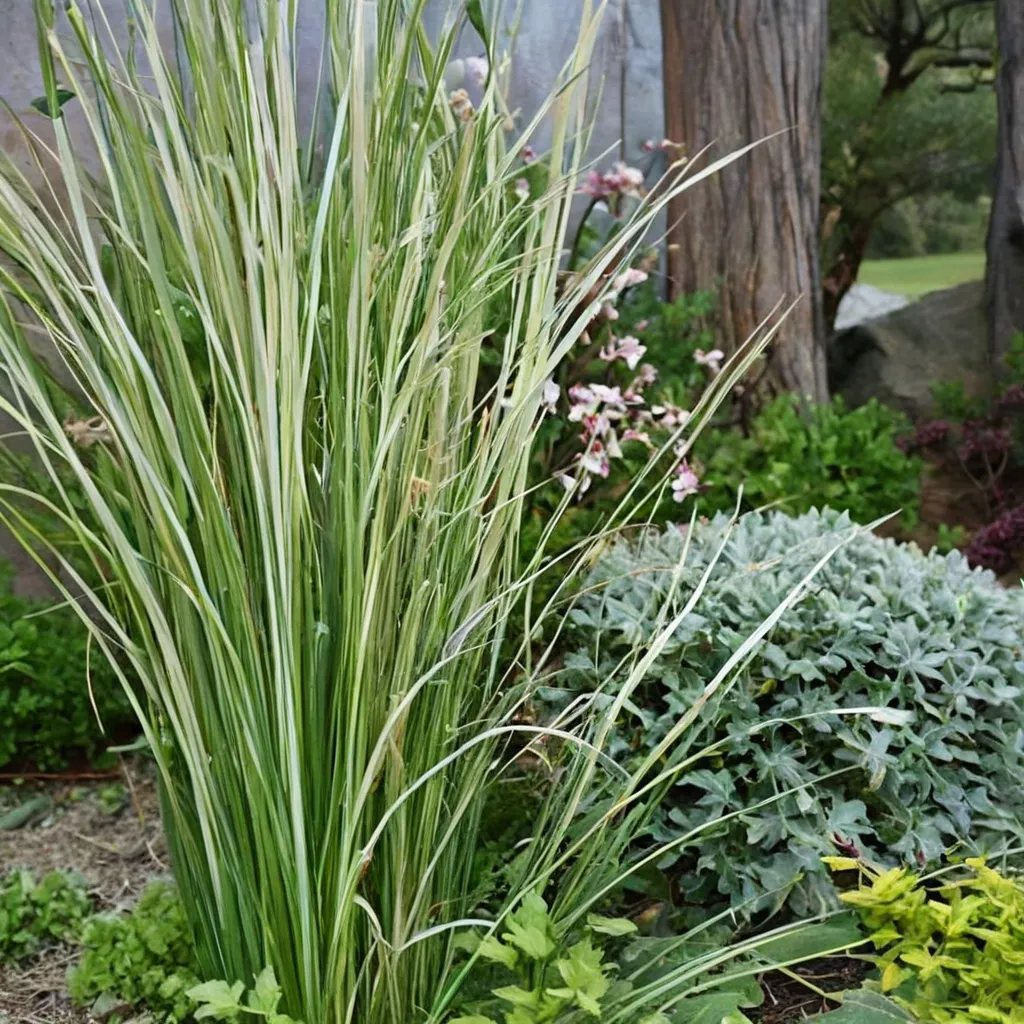
Calamagrostis Avalanche
Calamagrostis x acutiflora 'Avalanche'
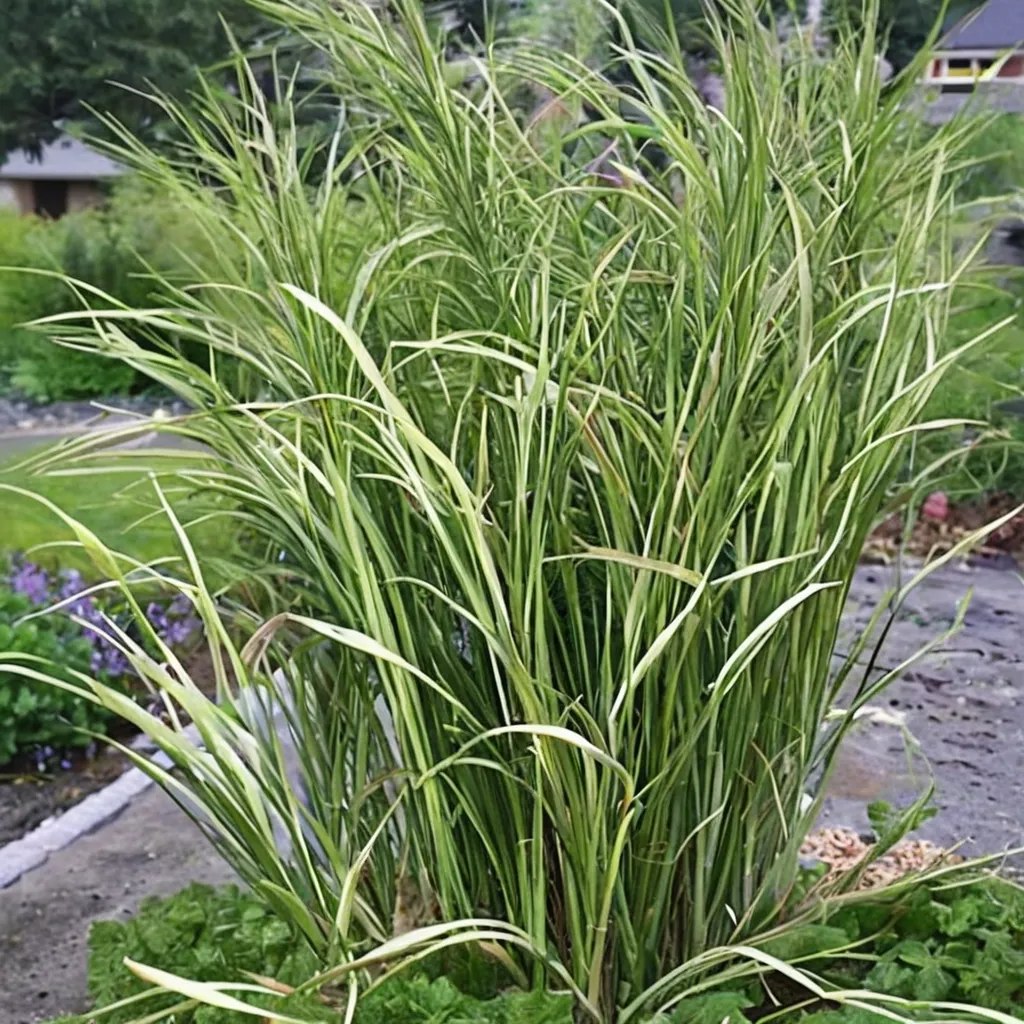
Eldorado Feather Reed Grass
Calamagrostis x acutiflora 'Eldorado'
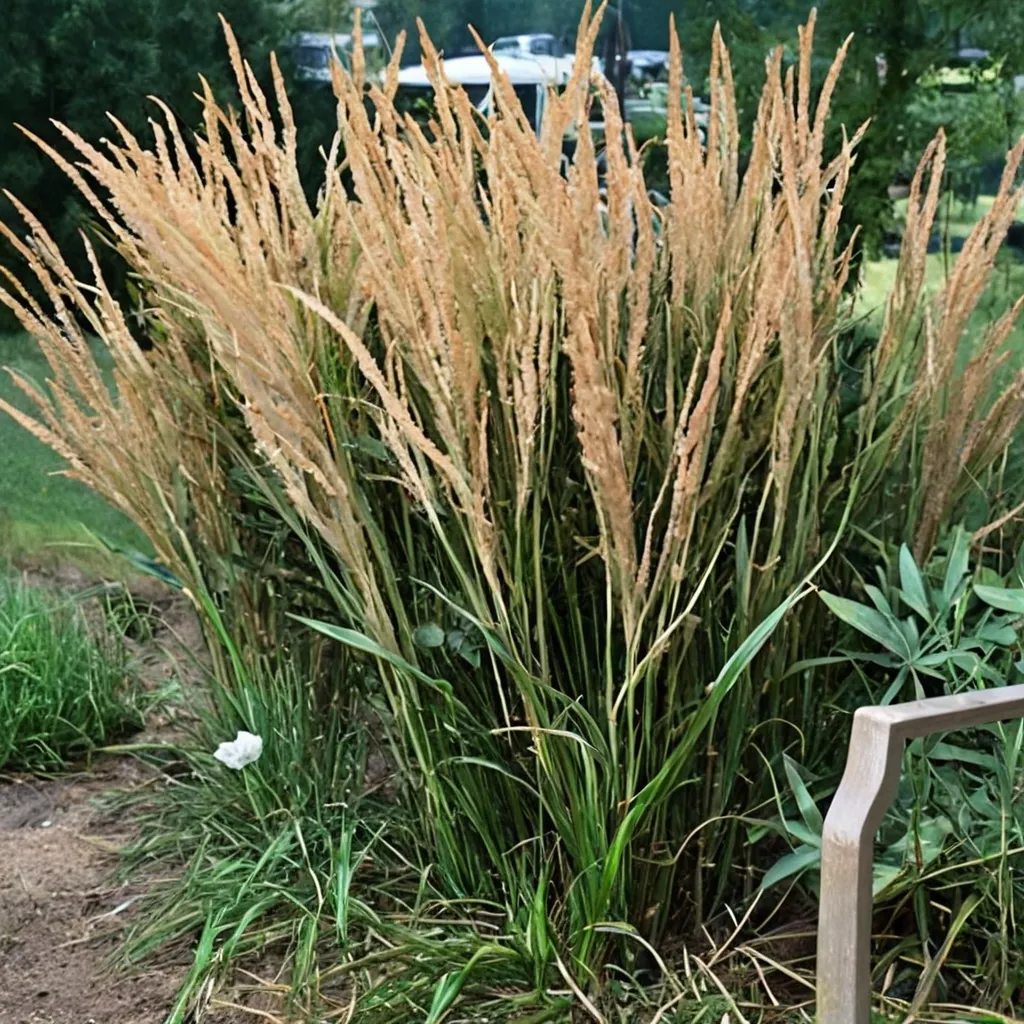
Stricta Feather Reed Grass
Calamagrostis x acutiflora 'Stricta'
Keep exploring
Explore the genus
Hardy in your zone?
Grow Korean Feather Reed Grass with confidence
See it in a design of your actual yard, get zone-matched care reminders, and track it season by season in your garden journal.