The Story
Plant Bio
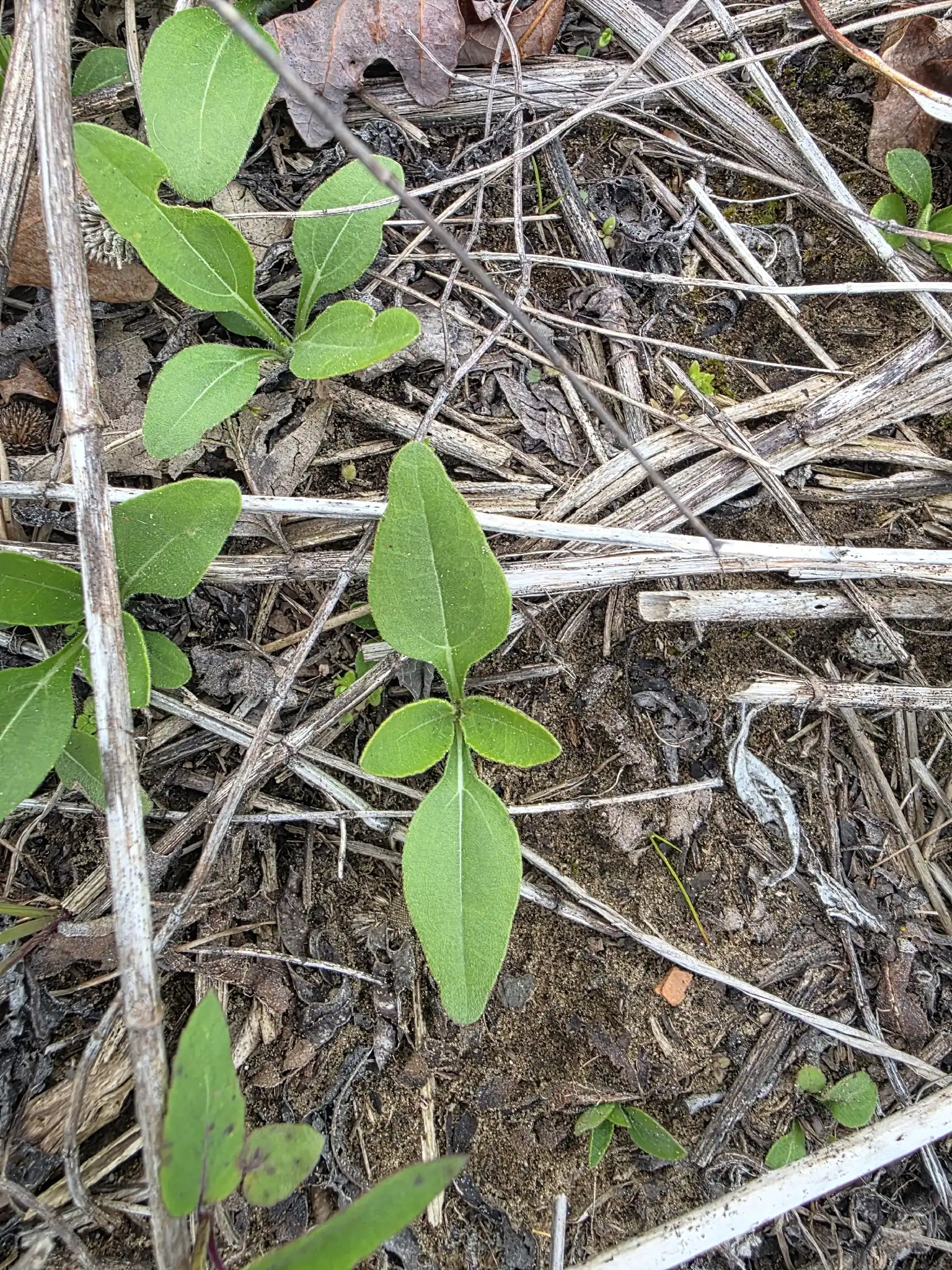
Helianthus occidentalis is an herbaceous perennial native to central and eastern North American prairies, glades, and open woods. It forms a low basal rosette of coarse, rough-textured leaves from which stiff stems rise to produce yellow daisy-like flower heads from mid-summer into early fall.
Unlike most sunflowers, this species bears nearly naked flowering stems above its low foliage clump, creating an open and uncluttered appearance. It spreads steadily via creeping underground rhizomes to establish loose, naturalized colonies without overcrowding companion plants.
Uses & Benefits:
Essentials
At a Glance
Plant Type
Perennial
Height
36"
Width
24"
Light
Full Sun, Partial Sun
Zones
4, 5, 6, 7, 8
Water
Low to Medium
Humidity
Tolerant
Lifespan
Perennial
Native To
North America
Toxicity
Non-toxic
Bloom period
Mid summer – Early fall
In flower about 3 months of the year
Planting
How to Grow
- Select a site in full sun with dry to medium, well-draining soil.
- Plant dormant plugs or potted stock in spring, spacing individual plants 18 to 24 inches apart.
- Water thoroughly until established, after which rainfall is typically sufficient.
- Divide overcrowded clumps every three to four years in early spring to maintain vigor and control spread.
Pro Tip
Keep soil lean and avoid adding high-nitrogen fertilizers; excess nutrients cause the upright stems to grow weak and flop over.
Keep It Thriving
Care Guide
Do
- Plant in lean, well-draining soil to encourage self-supporting stems.
- Cut spent flower stems back to the ground in late winter or early spring.
- Divide clumps periodically to revitalize older growth.
Don't
- Do not over-fertilize, which leads to weak growth that requires staking.
- Do not plant in heavy, unamended clay or standing water, as roots will rot.
- Do not crowd in heavy shade, which reduces flowering and causes flopping.
Seasonal Care Calendar
| Task | Jan | Feb | Mar | Apr | May | Jun | Jul | Aug | Sep | Oct | Nov | Dec |
|---|---|---|---|---|---|---|---|---|---|---|---|---|
| Divide | ||||||||||||
| Mulch | ||||||||||||
| Pest Check | ||||||||||||
| Spring Cleanup |
Watch Out For
Pests & Diseases
Common Pests
Common Diseases
In the Garden
Landscape Uses & Companions
Landscape Uses
Multiply
Propagation Methods
Good to Know
Common Questions
Naked-Stem Sunflower questions
What zones can Naked-Stem Sunflower grow in?
Naked-Stem Sunflower is hardy in USDA Zones 4–8. Inside that range it survives winter in the ground; outside it, grow it as an annual or a container plant you protect.
Is Naked-Stem Sunflower deer resistant?
Not reliably. Deer may browse Naked-Stem Sunflower, especially tender spring growth — plan on repellents or fencing where pressure is high.
When does Naked-Stem Sunflower bloom?
Naked-Stem Sunflower typically blooms in mid summer through early fall. Exact timing shifts a week or two with your zone — Sow's bloom calendar maps it to your garden.
Does Naked-Stem Sunflower need full sun?
Naked-Stem Sunflower does best in full sun to part shade. In hot climates, afternoon shade keeps blooms fresher longer.
Is Naked-Stem Sunflower drought tolerant?
Yes — once established (usually after the first full season), Naked-Stem Sunflower handles dry spells with minimal watering. Water deeply its first year to build the root system that makes that possible.
More Helianthus to compare
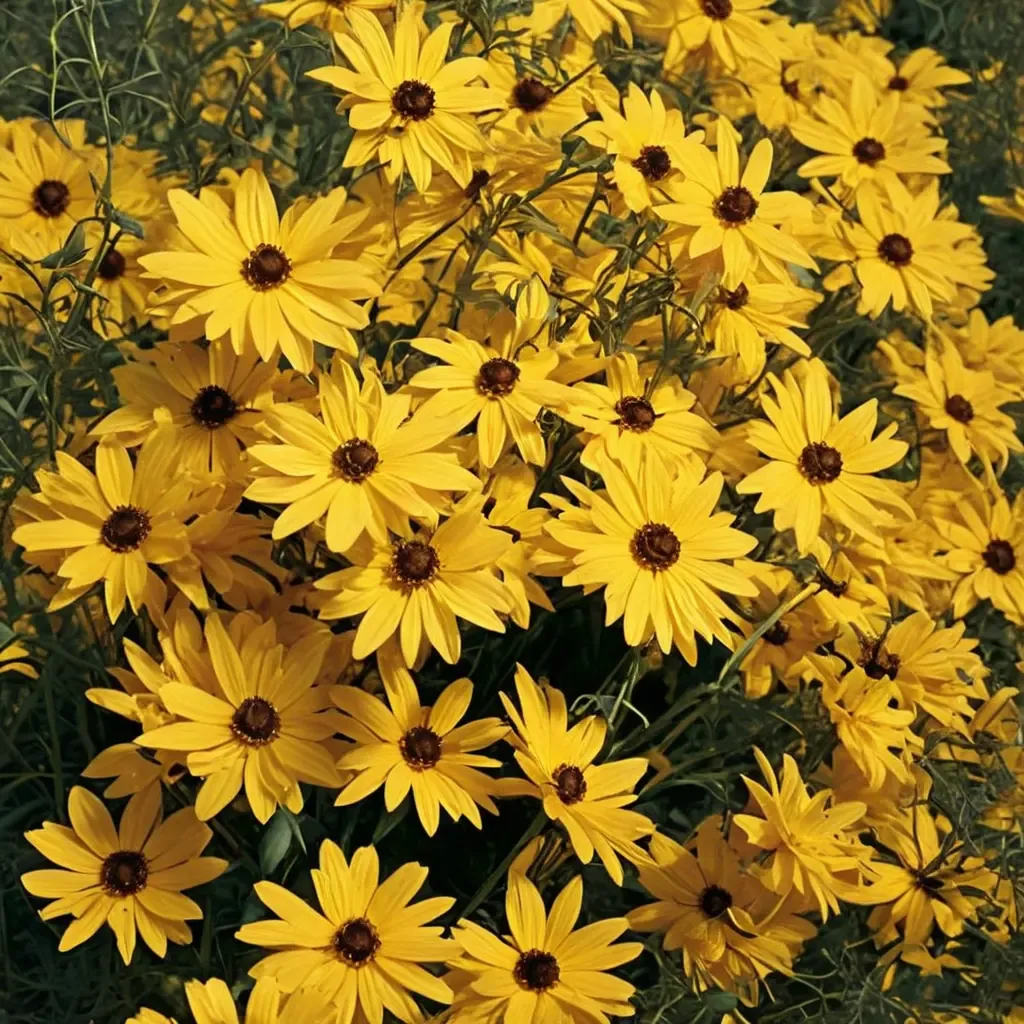
Swamp Sunflower
Helianthus angustifolius 'First Light'
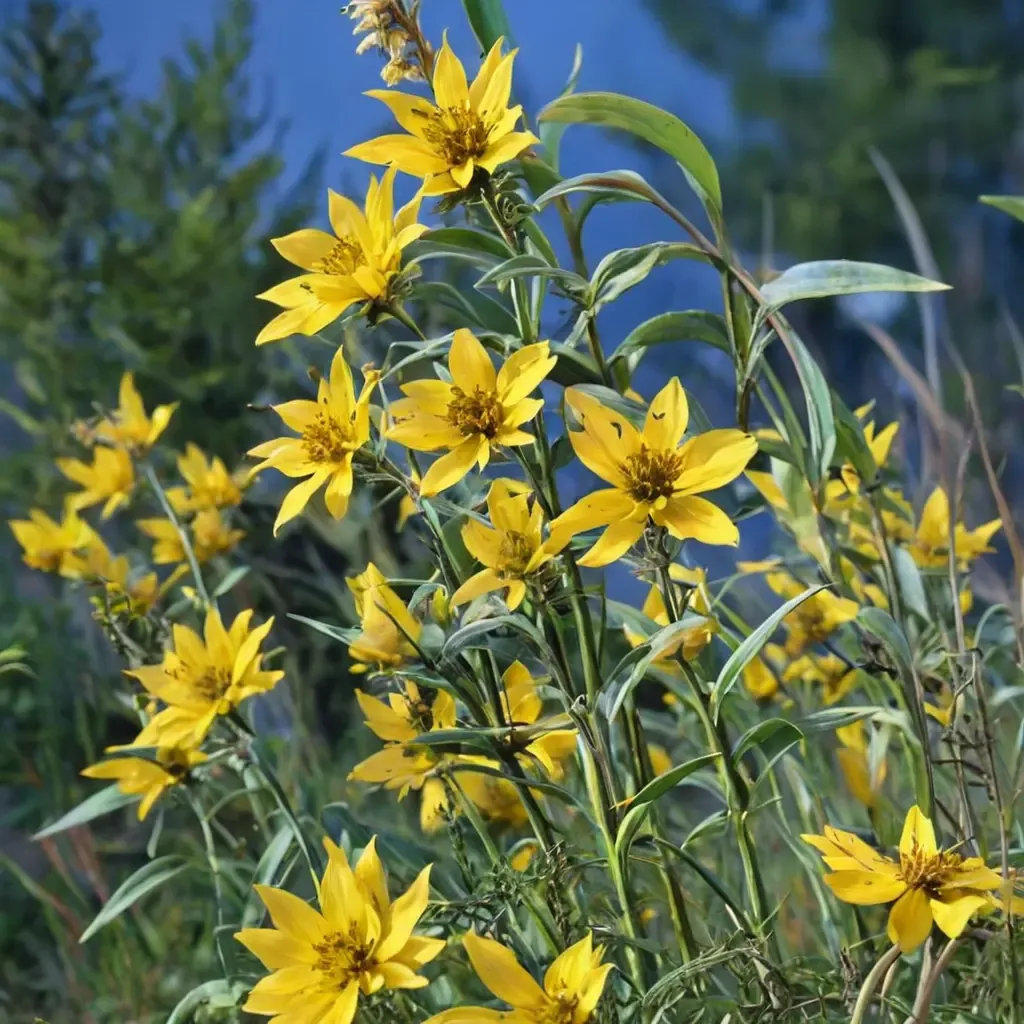
Maximilian sunflower
Helianthus maximiliani
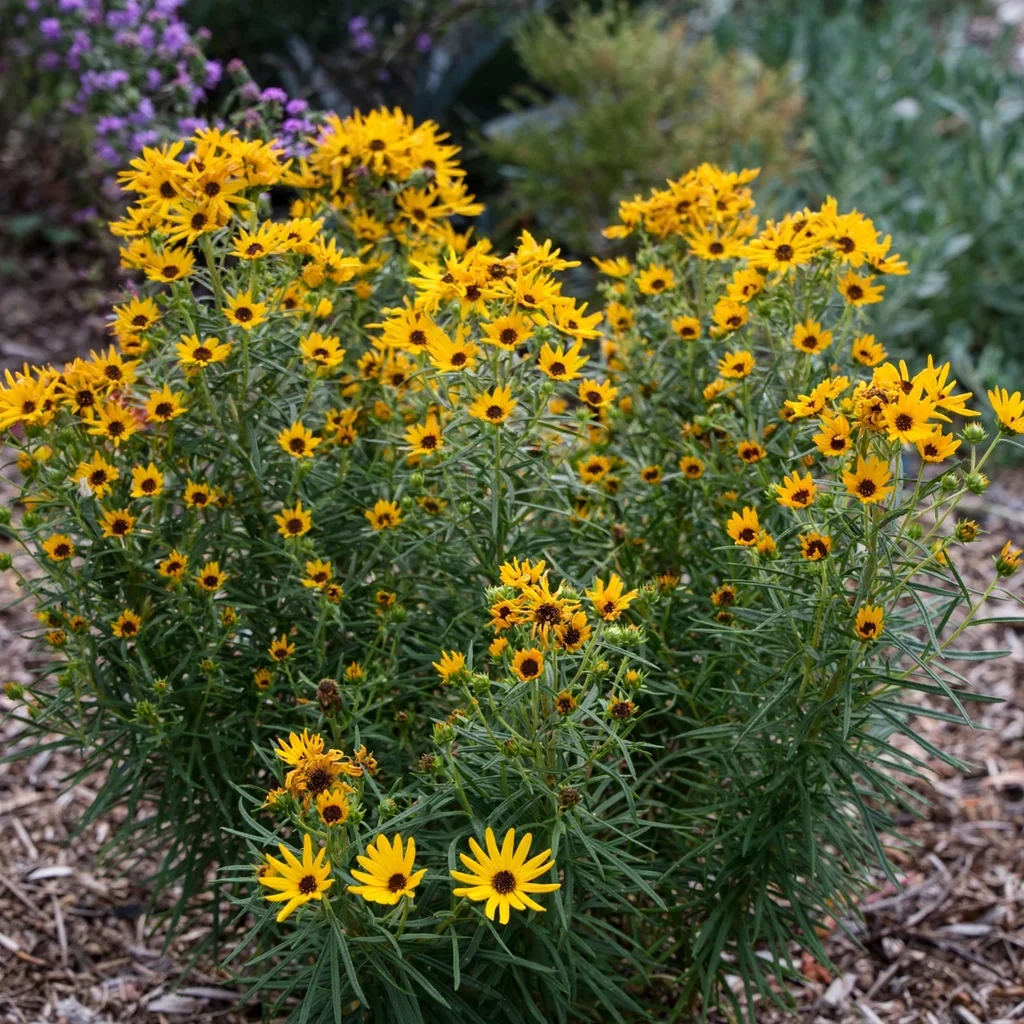
Narrow-Leaf Sunflower Low Down
Helianthus angustifolius 'Low Down'
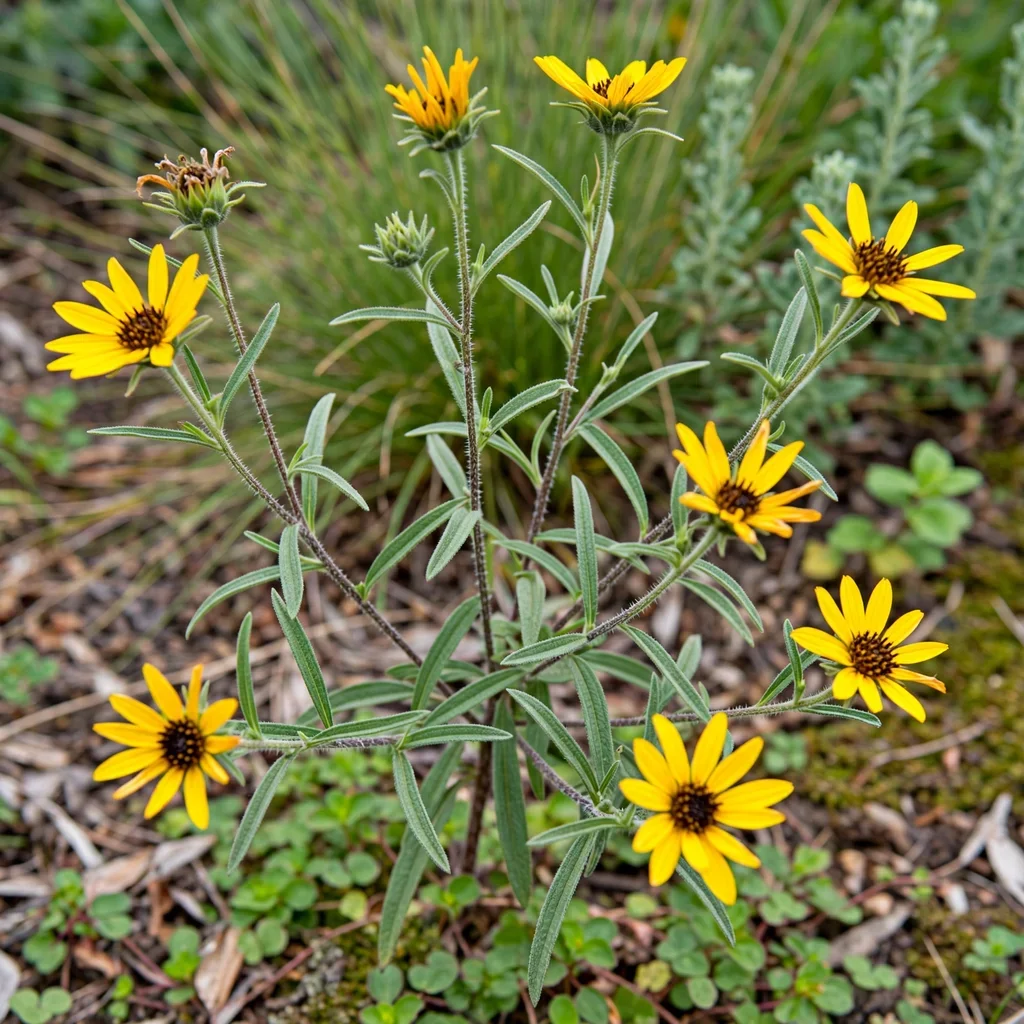
Bolander's Sunflower
Helianthus bolanderi
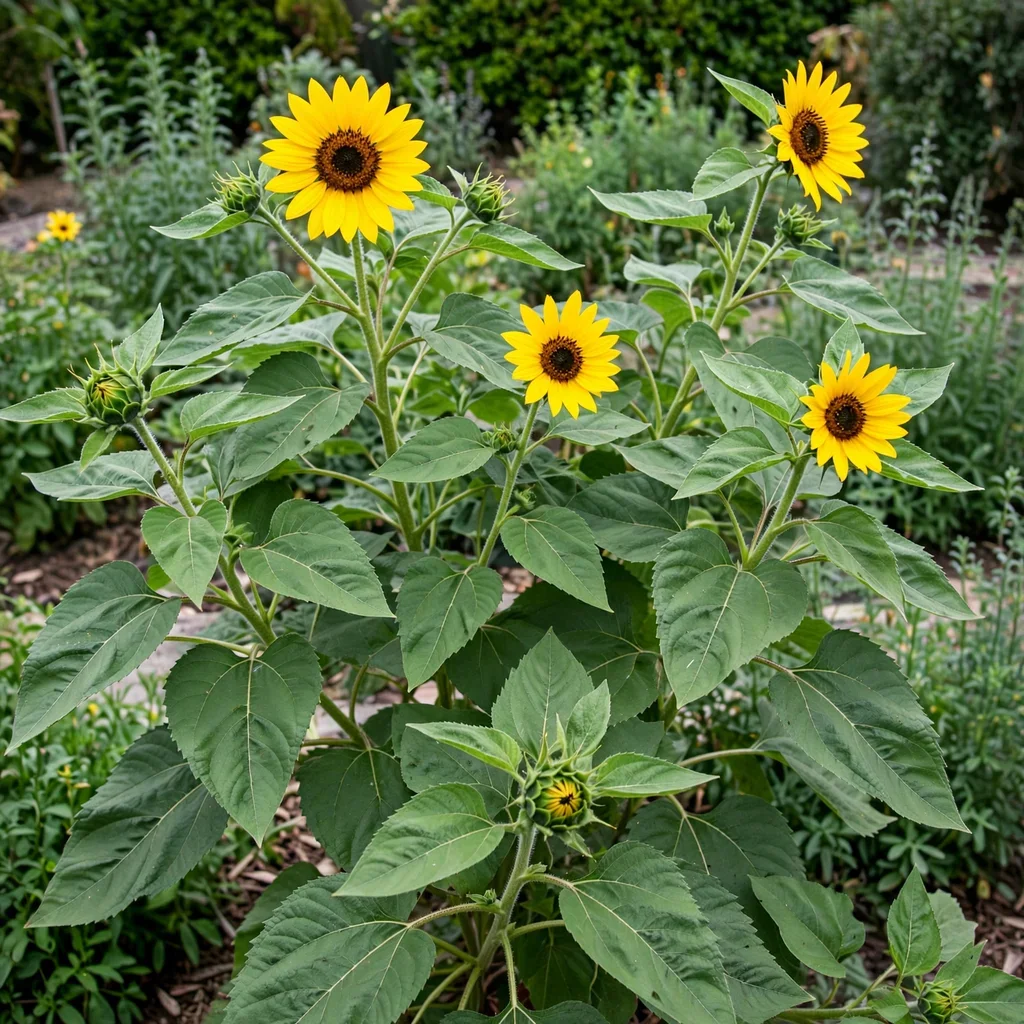
Table Mountain Sunflower
Helianthus annuus 'Table Mountain'
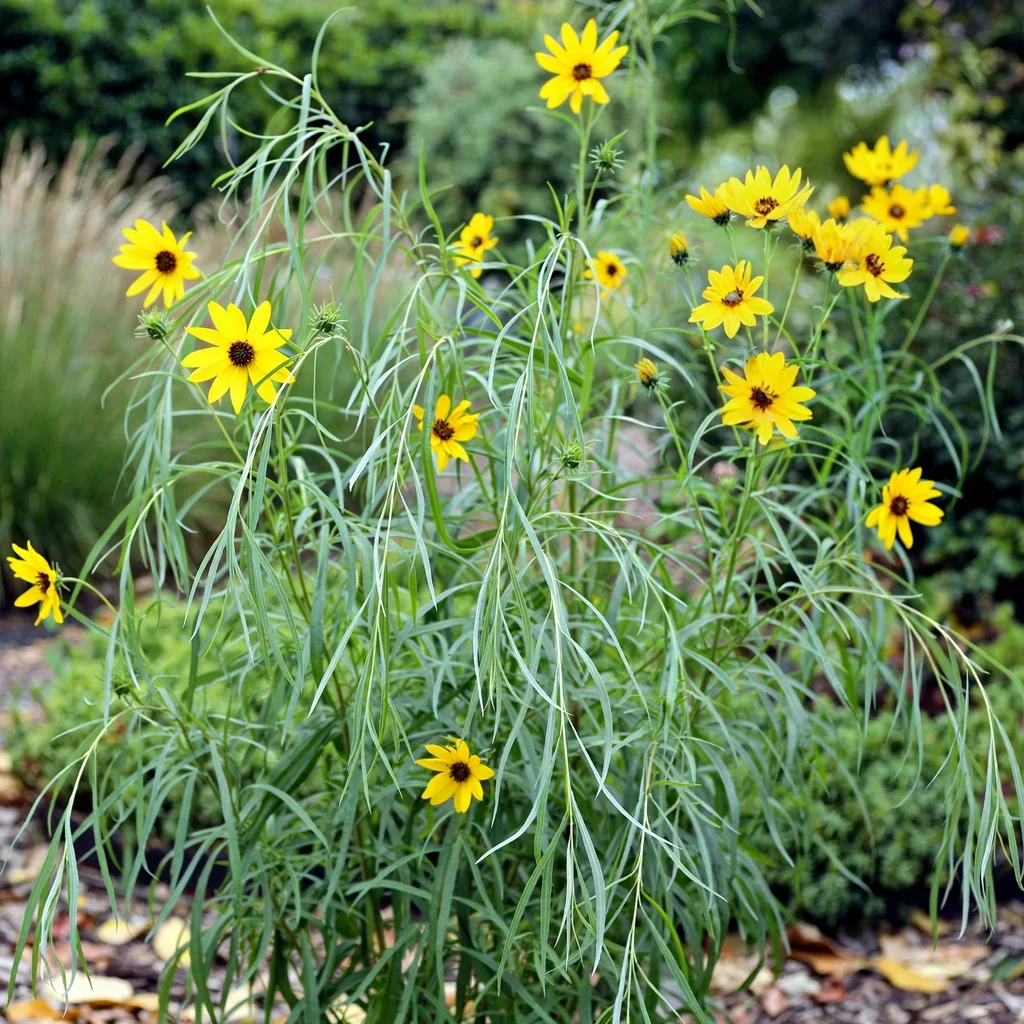
Salicifolius Sunflower Willowleaf Sunflower
Helianthus salicifolius
Keep exploring
Explore the genus
Hardy in your zone?
Grow Naked-Stem Sunflower with confidence
See it in a design of your actual yard, get zone-matched care reminders, and track it season by season in your garden journal.