The Story
Plant Bio
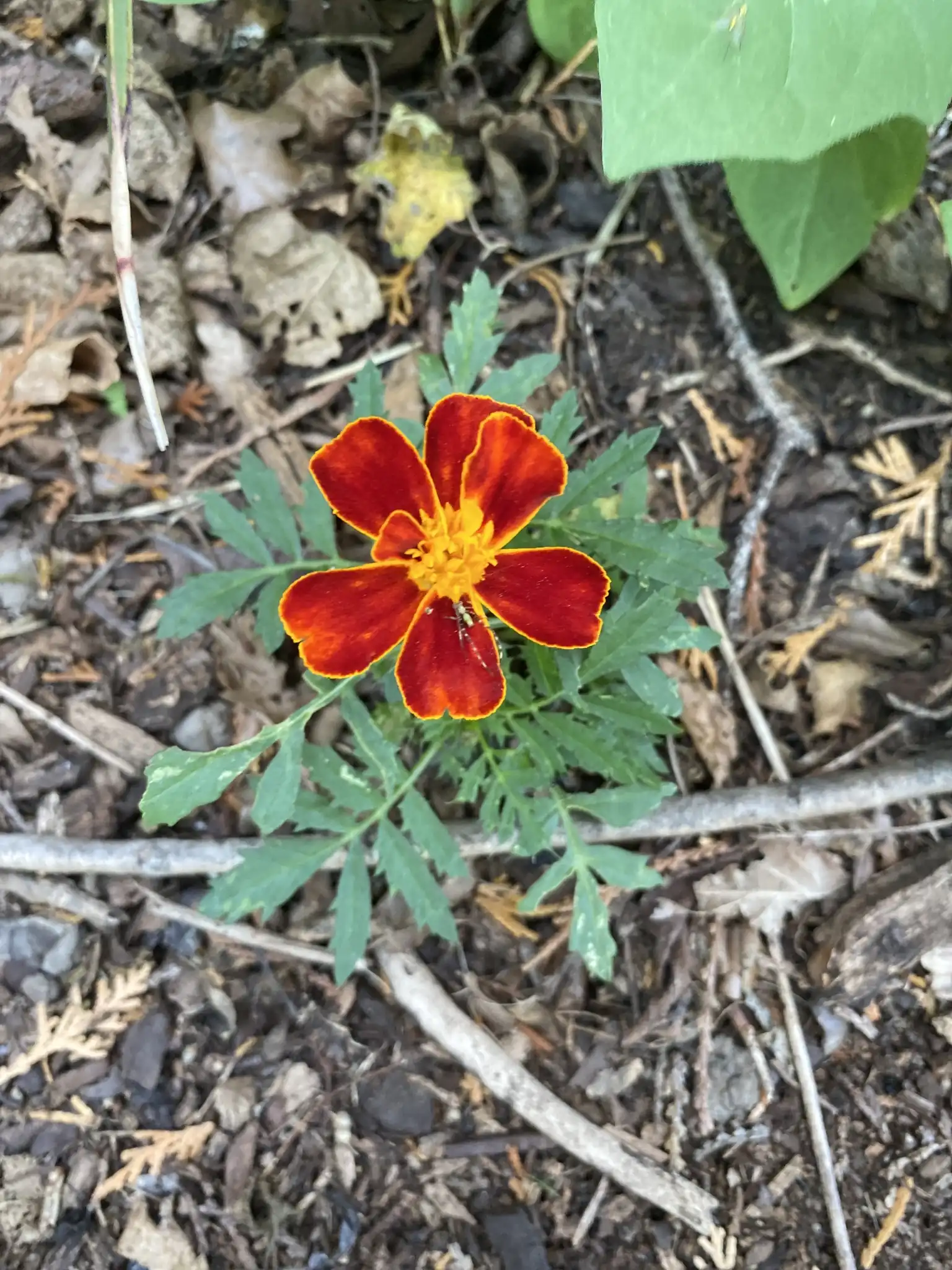
Tagetes patula is a compact, bushy annual forming a mounded habit of deeply divided, dark green foliage with a strong, pungent scent. Solitary composite flower heads emerge on swollen stems from summer until frost, displaying warm shades of yellow, orange, red, and mahogany.
The roots of this species exude alpha-terthienyl, a compound that actively suppresses parasitic root-knot nematodes in the surrounding soil. The pungent essential oils in the leaves serve as a highly effective natural deterrent against browsing deer and rabbits.
Uses & Benefits:
Essentials
At a Glance
Plant Type
Annual
Height
20"
Width
18"
Light
Full Sun, Partial Sun
Zones
4, 5, 6, 7, 8, 9, 10
Water
Low to Medium
Humidity
Moderate
Lifespan
Annual
Native To
Mexico, Central America
Toxicity
Low toxicity if ingested; sap can cause skin irritation
Bloom period
Summer – Autumn
In flower about 6 months of the year
Planting
How to Grow
- Sow seeds directly into warm, well-draining soil after all danger of frost has passed, covering them lightly with one-quarter inch of soil.
- Thin seedlings or space nursery starts six to twelve inches apart in a location that receives at least six hours of direct sunlight daily.
- Water deeply at the base of the plants when the top inch of soil feels dry, keeping foliage dry to prevent fungal issues.
- Pinch back the growing tips of young plants to encourage a bushier habit and increase the number of future flowering stems.
Pro Tip
Avoid high-nitrogen fertilizers, which stimulate excessive foliage growth at the expense of flower production, and plant only in free-draining soil to prevent root rot.
Keep It Thriving
Care Guide
Do
- Deadhead spent blooms weekly to stimulate continuous flower production throughout the season.
- Incorporate spent plants directly into vegetable garden beds in fall to help control soil nematodes.
- Provide full sun to maximize flower density and maintain a compact growth habit.
Don't
- Do not overwater or plant in heavy, poorly drained soils where standing water causes root rot.
- Do not apply high-nitrogen fertilizers, which cause lush leaf growth but suppress blooming.
- Do not water overhead in the evening, as prolonged leaf moisture invites powdery mildew and botrytis.
Seasonal Care Calendar
| Task | Jan | Feb | Mar | Apr | May | Jun | Jul | Aug | Sep | Oct | Nov | Dec |
|---|---|---|---|---|---|---|---|---|---|---|---|---|
| Deadhead | ||||||||||||
| Fertilize | ||||||||||||
| Pest Check | ||||||||||||
| Plant |
Watch Out For
Pests & Diseases
Common Pests
Common Diseases
In the Garden
Landscape Uses & Companions
Landscape Uses
Multiply
Propagation Methods
Good to Know
Common Questions
French Marigold questions
What zones can French Marigold grow in?
French Marigold is hardy in USDA Zones 4–10. Inside that range it survives winter in the ground; outside it, grow it as an annual or a container plant you protect.
Is French Marigold deer resistant?
Yes — French Marigold is rated deer-resistant. Deer typically pass it over, though extreme hunger can override any plant's defenses.
When does French Marigold bloom?
French Marigold typically blooms in summer through autumn. Exact timing shifts a week or two with your zone — Sow's bloom calendar maps it to your garden.
Does French Marigold need full sun?
French Marigold does best in full sun to part shade. In hot climates, afternoon shade keeps blooms fresher longer.
Is French Marigold drought tolerant?
Yes — once established (usually after the first full season), French Marigold handles dry spells with minimal watering. Water deeply its first year to build the root system that makes that possible.
More Tagetes to compare
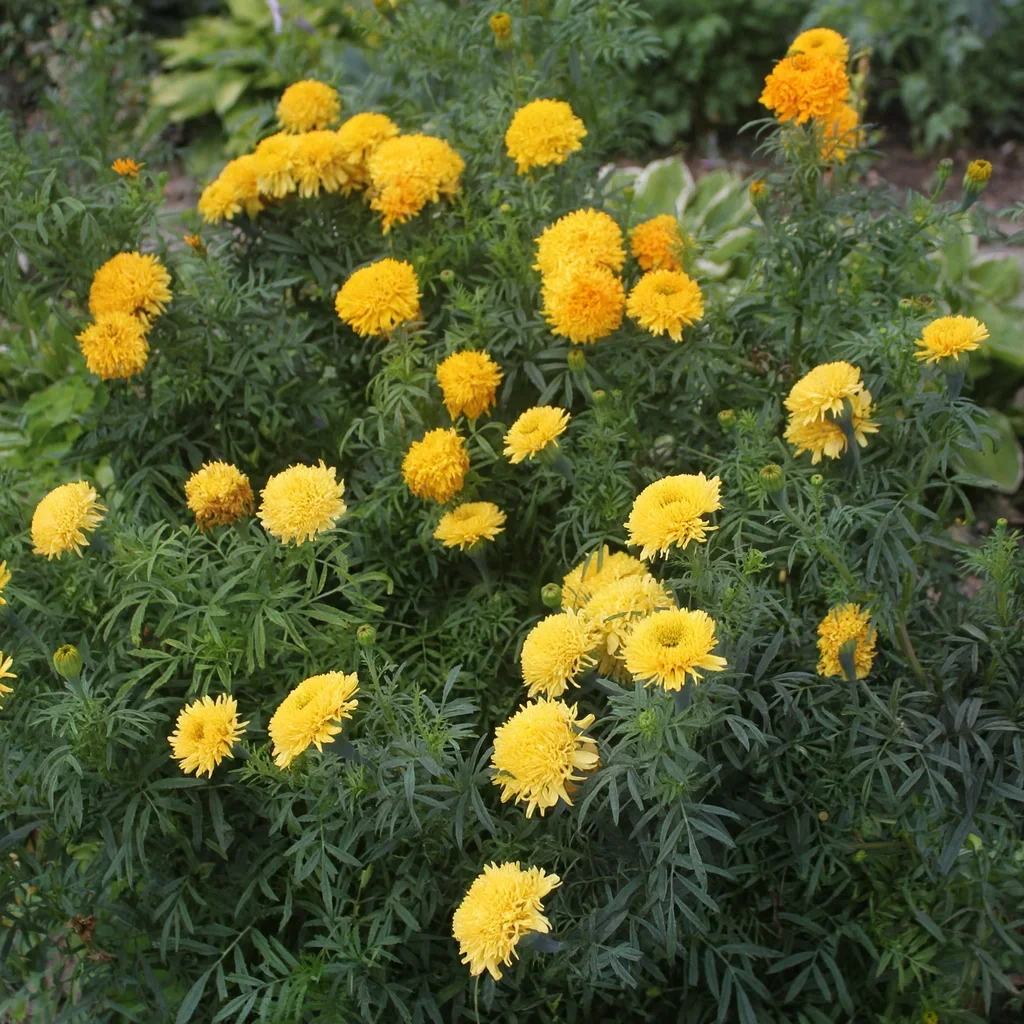
Villandry African Marigold
Tagetes erecta 'Villandry'
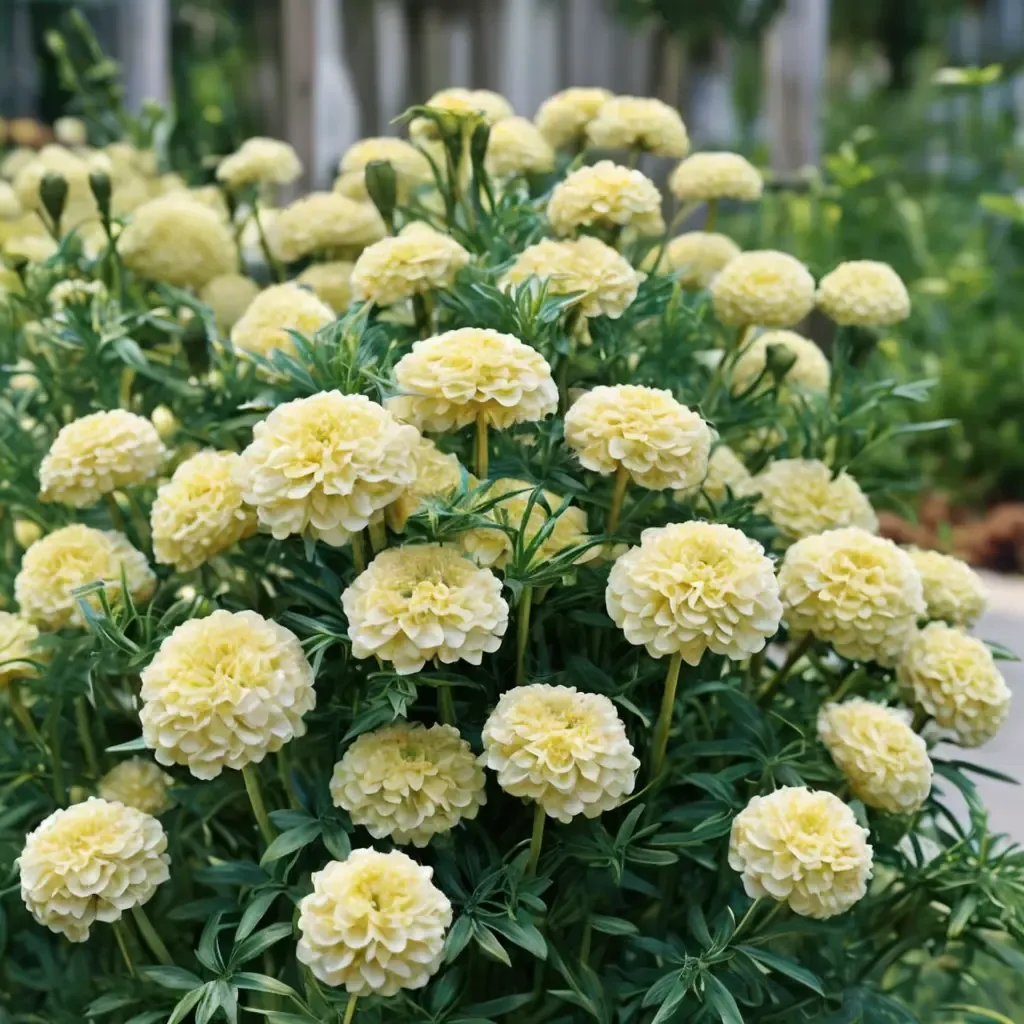
African Marigold 'White Swan'
Tagetes erecta 'White Swan'
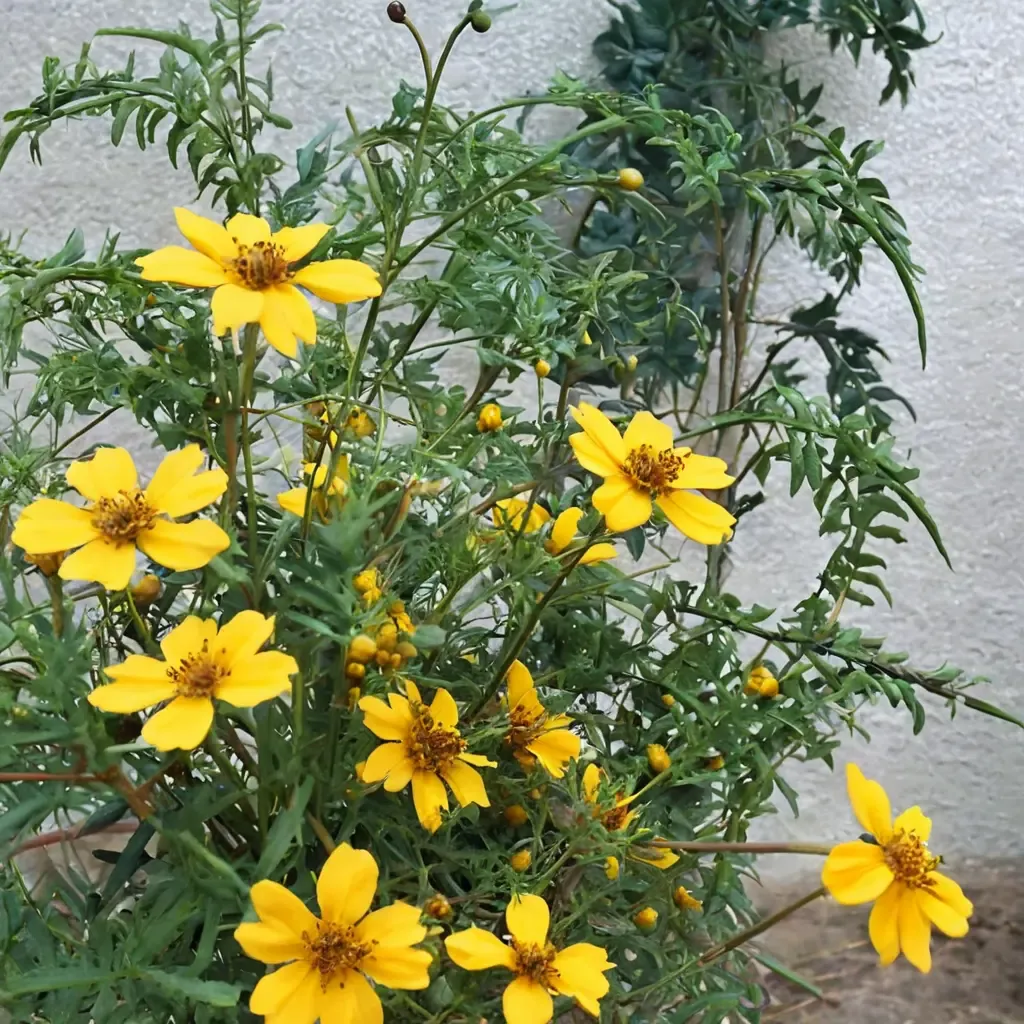
Mexican Marigold
Tagetes lemmonii
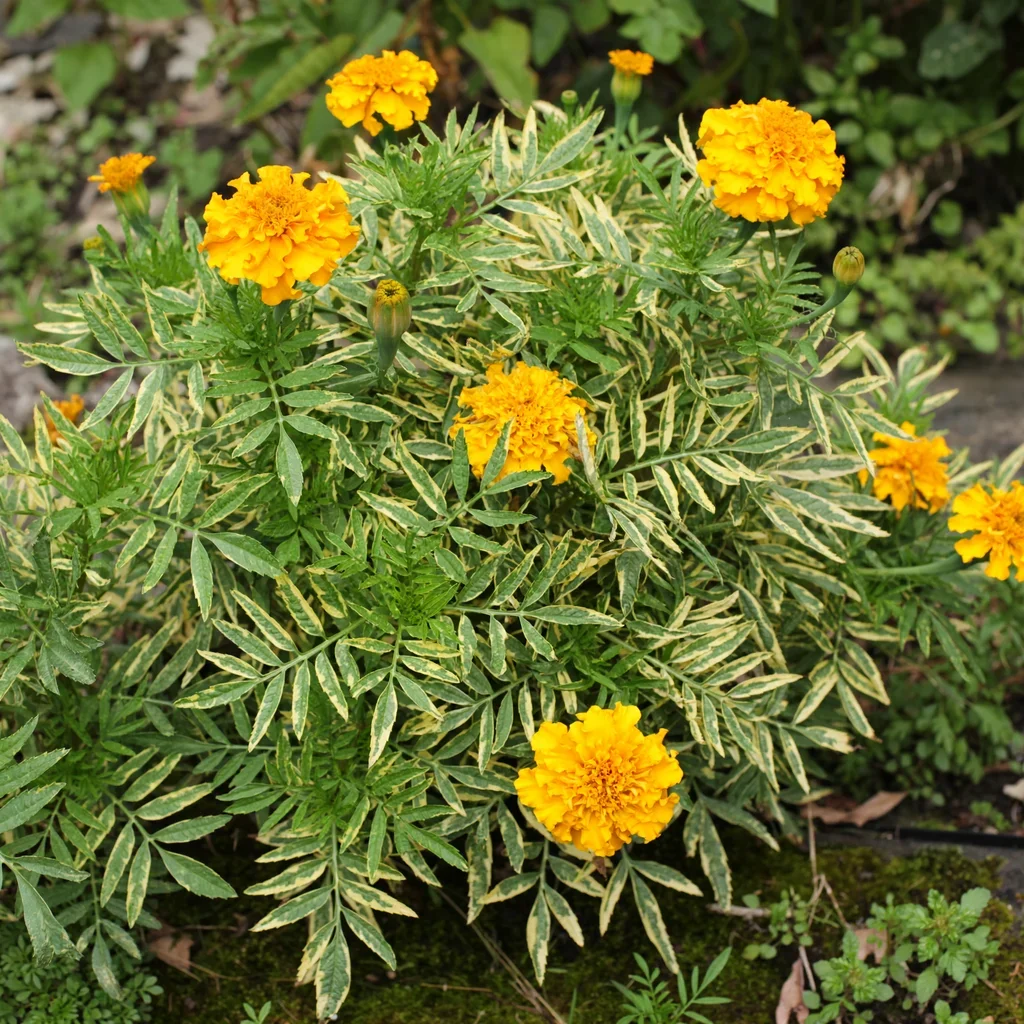
Dwarf African Marigold
Tagetes erecta 'Dwarf Jaguar'
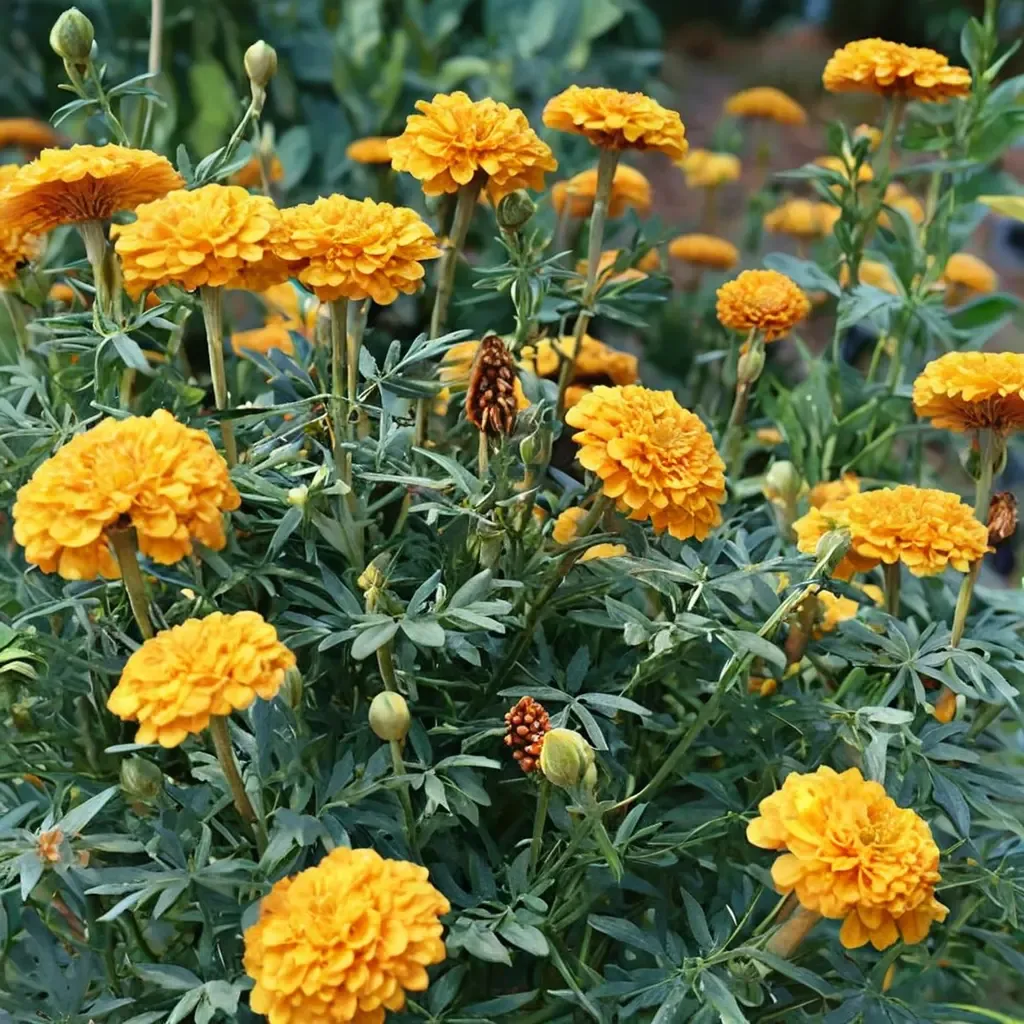
Hot Sun African Marigold
Tagetes erecta 'Hot Sun'
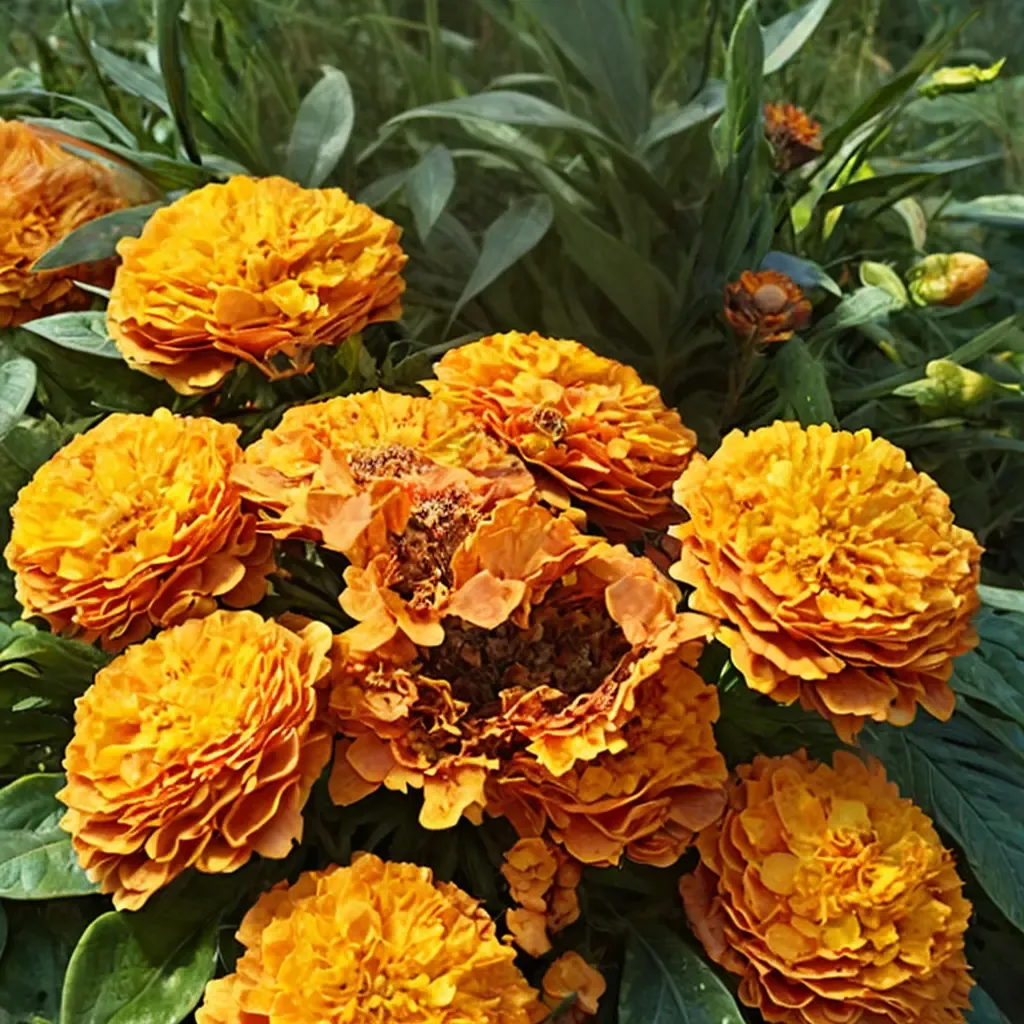
Day of the Dead Orange African Marigold
Tagetes erecta 'Day of the Dead Orange'
Keep exploring
Explore the genus
Grow French Marigold with confidence
See it in a design of your actual yard, get zone-matched care reminders, and track it season by season in your garden journal.