

The Story
Plant Bio
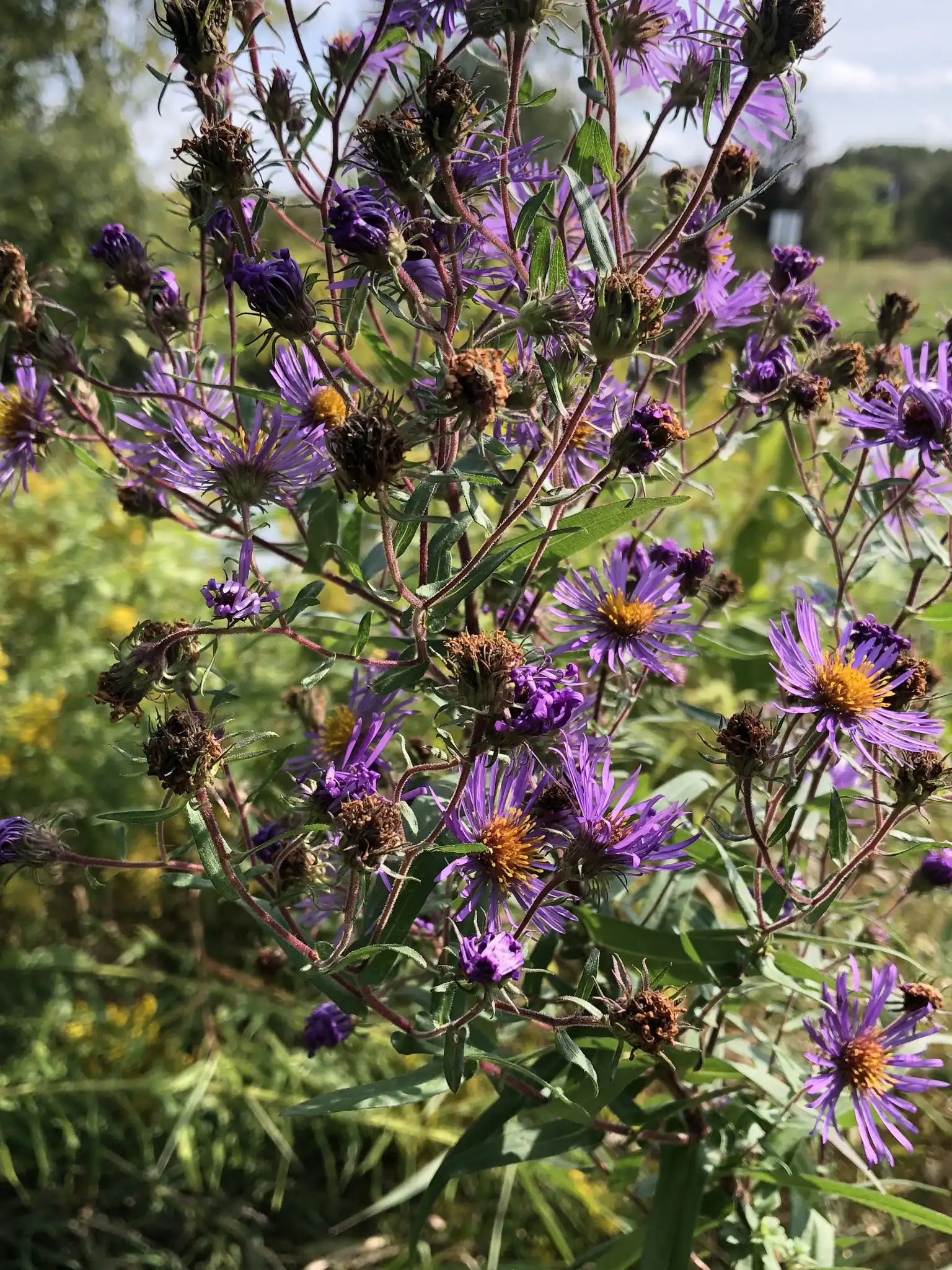
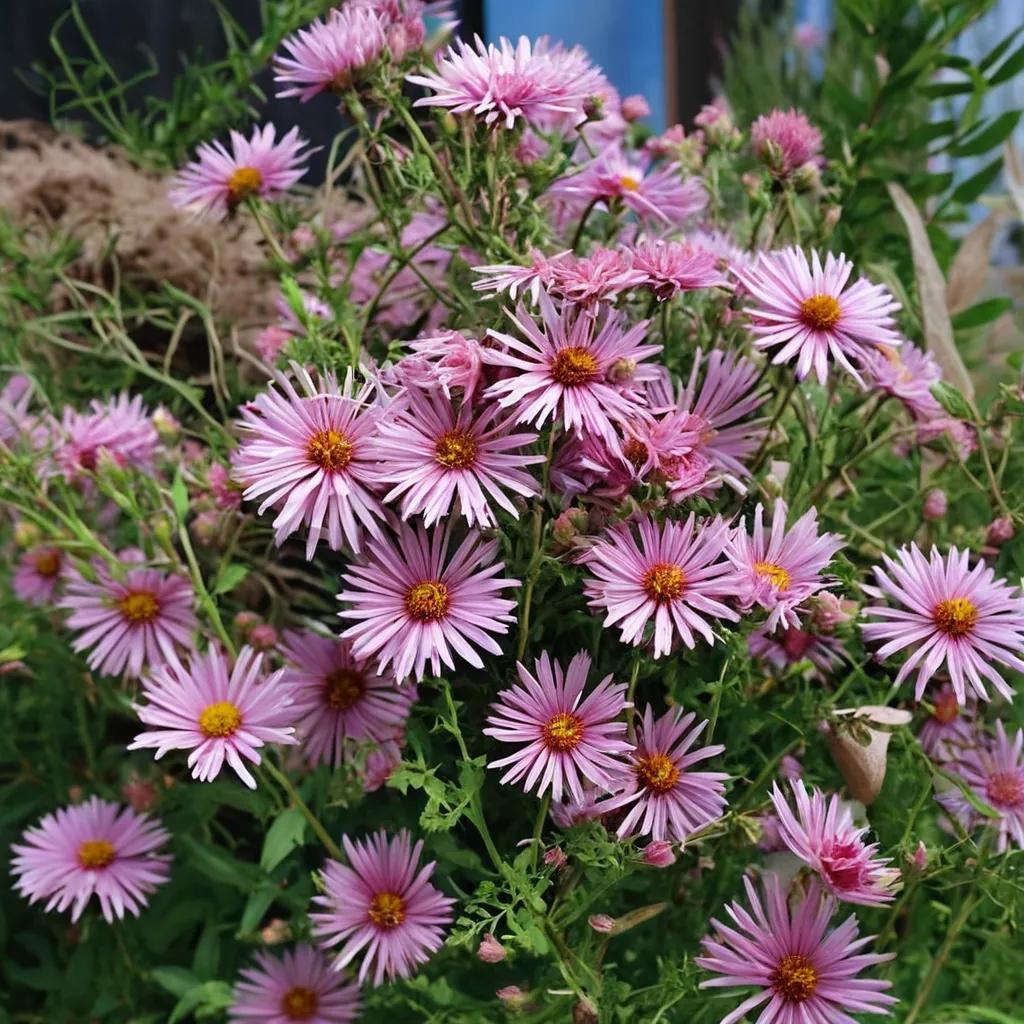
Symphyotrichum novae-angliae, New England aster, is a tall clumping perennial native to eastern North America, reaching three to six feet. Inch-and-a-half daisies carry up to a hundred violet-purple rays around a golden centre, opening from late summer through October. Stems are stout and hairy, clothed in clasping grey-green leaves that feel rough to the touch.
It is among the last significant nectar sources of the year, which makes it disproportionately valuable to migrating monarchs and late bumblebees. Lower leaves brown and drop as it flowers, so it is best planted behind something that covers its legs, and tall plants benefit from a pinch in early summer rather than staking.
Uses & Benefits:
Essentials
At a Glance
Plant Type
Perennial
Height
54"
Width
24"
Light
Full Sun
Zones
4, 5, 6, 7, 8
Water
Moderate
Humidity
Moderate
Lifespan
Perennial
Native To
Eastern North America
Toxicity
Non-toxic
Marketplace
Where to Buy
Shipping costs Year-round shipping Free shipping
Planting
How to Grow
- Plant in spring in moist, fertile soil.
- Choose full sun for the strongest stems.
- Space about two feet apart for air movement.
- Water through dry spells; it dislikes drying out.
- Pinch back by a third in early summer to reduce flopping.
- Divide every three years to keep clumps vigorous.
Pro Tip
Pinch it by a third in early June — it halves the flopping without costing you flowers, and beats staking a six-foot plant.
Keep It Thriving
Care Guide
Do
- Plant in full sun and moist soil ☀️
- Pinch in early summer for sturdier stems ✂️
- Divide every three years 🌱
- Plant something in front to hide bare legs 🌿
Don't
- Let it dry out; lower leaves brown badly ❌
- Crowd it, which brings on mildew ❌
- Cut it back in autumn and lose the winter seed ❌
Seasonal Care Calendar
| Task | Jan | Feb | Mar | Apr | May | Jun | Jul | Aug | Sep | Oct | Nov | Dec |
|---|---|---|---|---|---|---|---|---|---|---|---|---|
| Divide | ||||||||||||
| Prune |
Watch Out For
Pests & Diseases
Common Pests
Common Diseases
In the Garden
Landscape Uses & Companions
Landscape Uses
Multiply
Propagation Methods
Good to Know
Common Questions
New England Aster questions
What zones can New England Aster grow in?
New England Aster is hardy in USDA Zones 4–8. Inside that range it survives winter in the ground; outside it, grow it as an annual or a container plant you protect.
Is New England Aster deer resistant?
Yes — New England Aster is rated deer-resistant. Deer typically pass it over, though extreme hunger can override any plant's defenses.
When does New England Aster bloom?
New England Aster typically blooms in late summer to fall through mid-fall. Exact timing shifts a week or two with your zone — Sow's bloom calendar maps it to your garden.
Does New England Aster need full sun?
New England Aster does best in full sun (6+ hours).
More Symphyotrichum to compare
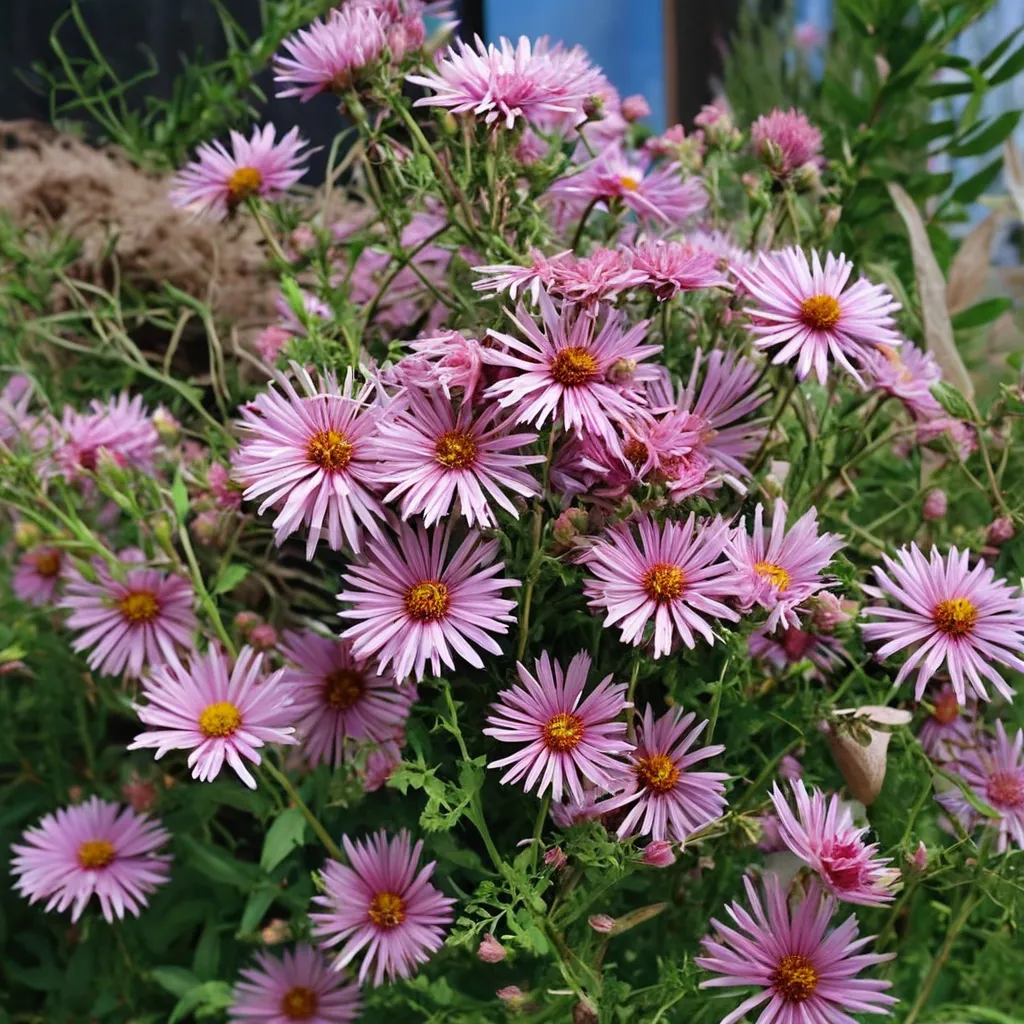
New England Aster Harringtons Pink
Symphyotrichum novae-angliae 'Harringtons Pink'
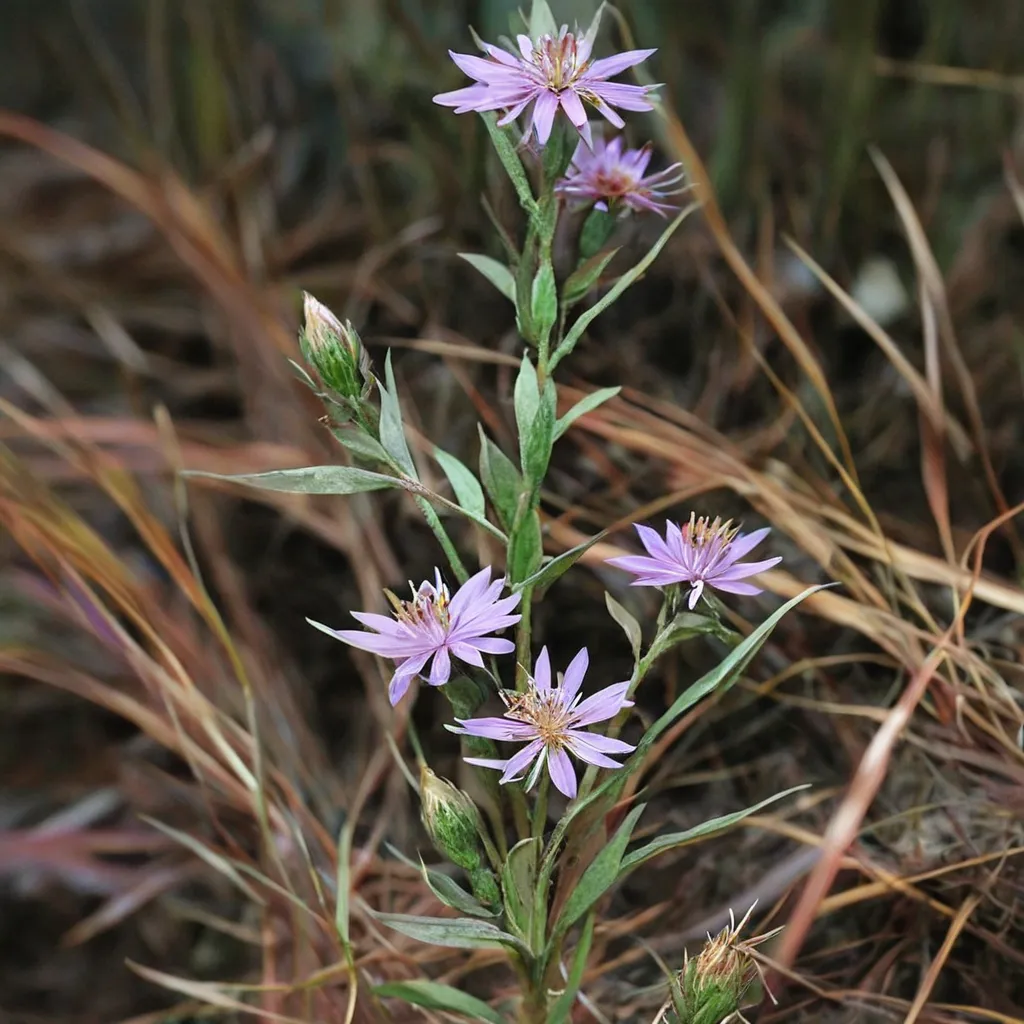
Eastern Silver Aster
Symphyotrichum concolor
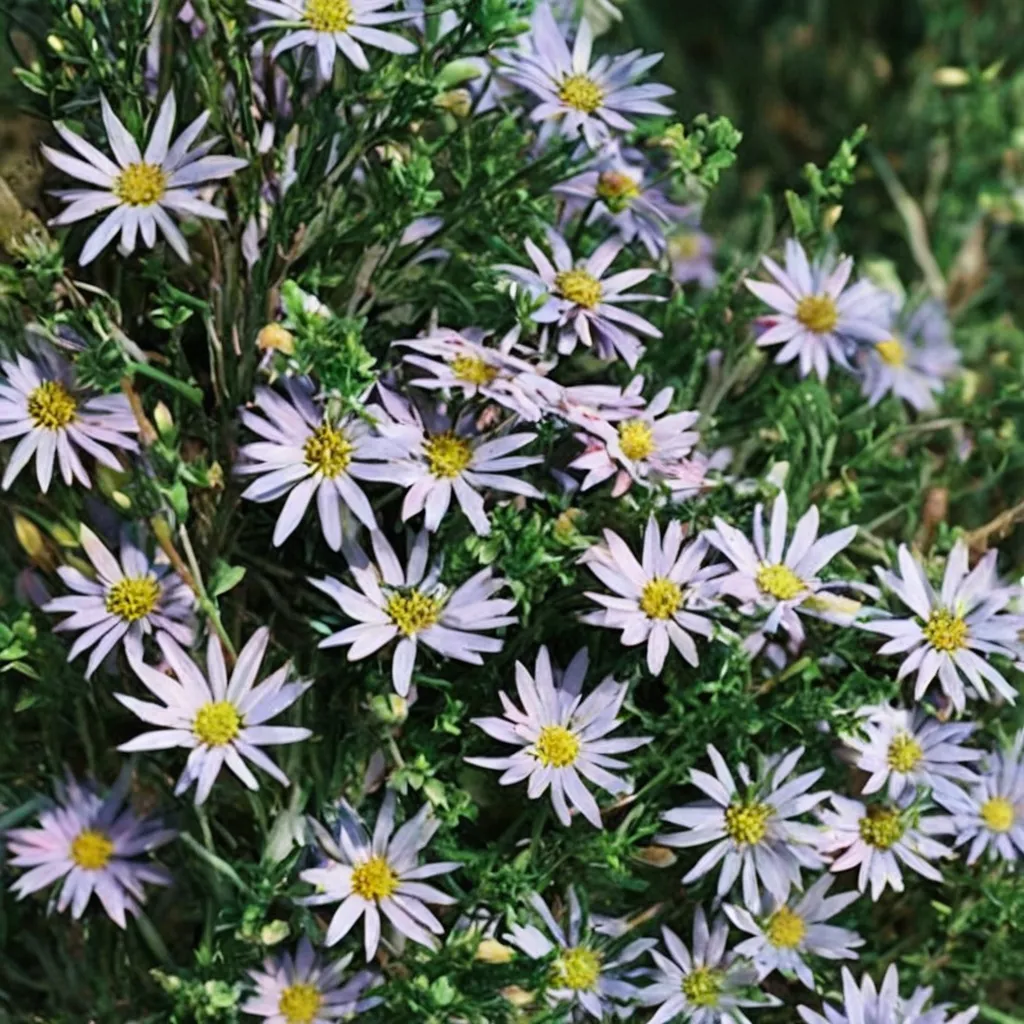
New Mexico Aster My Antonia
Symphyotrichum fendleri 'My Antonia'
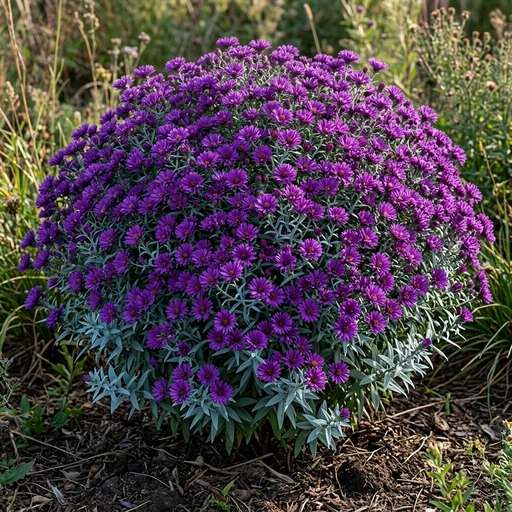
Purple Dome New England Aster
Symphyotrichum novae-angliae 'Purple Dome'
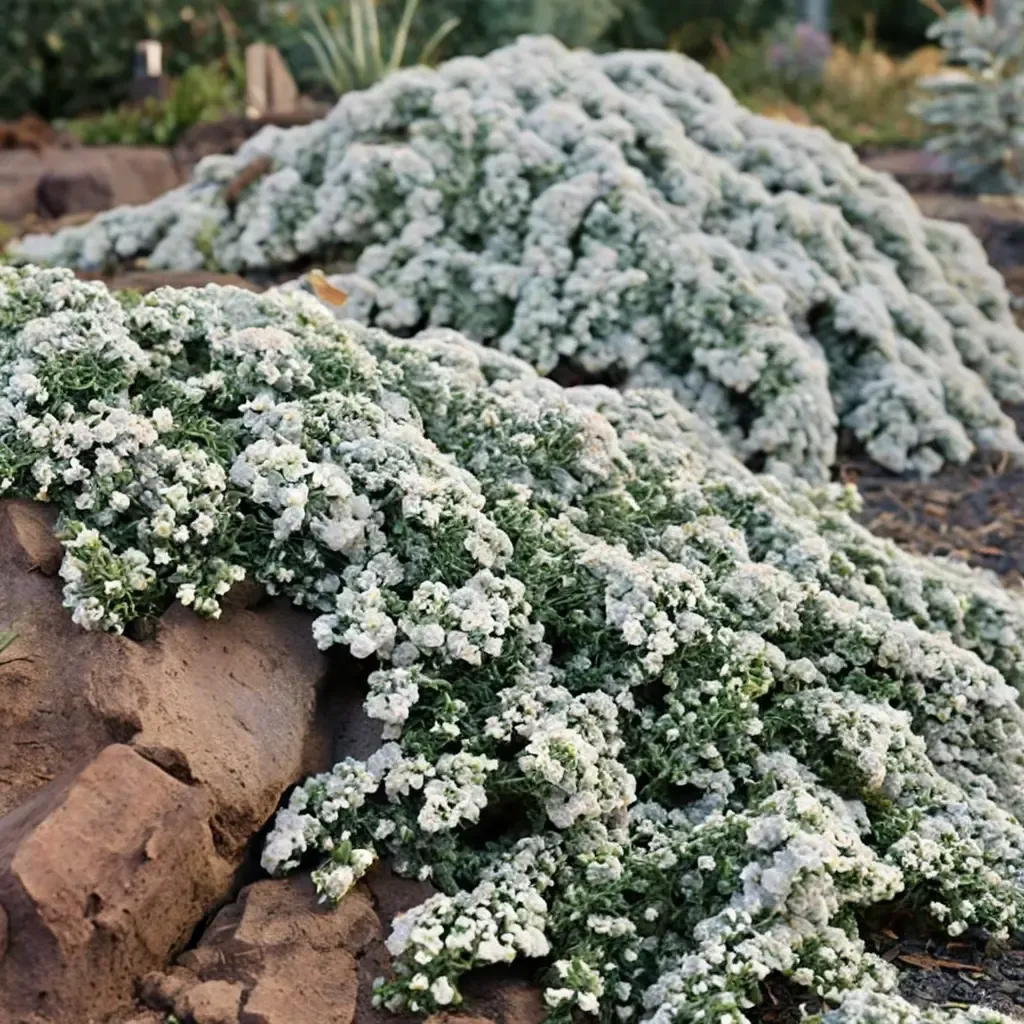
Snow Flurry Heath Aster
Symphyotrichum ericoides 'Snow Flurry'
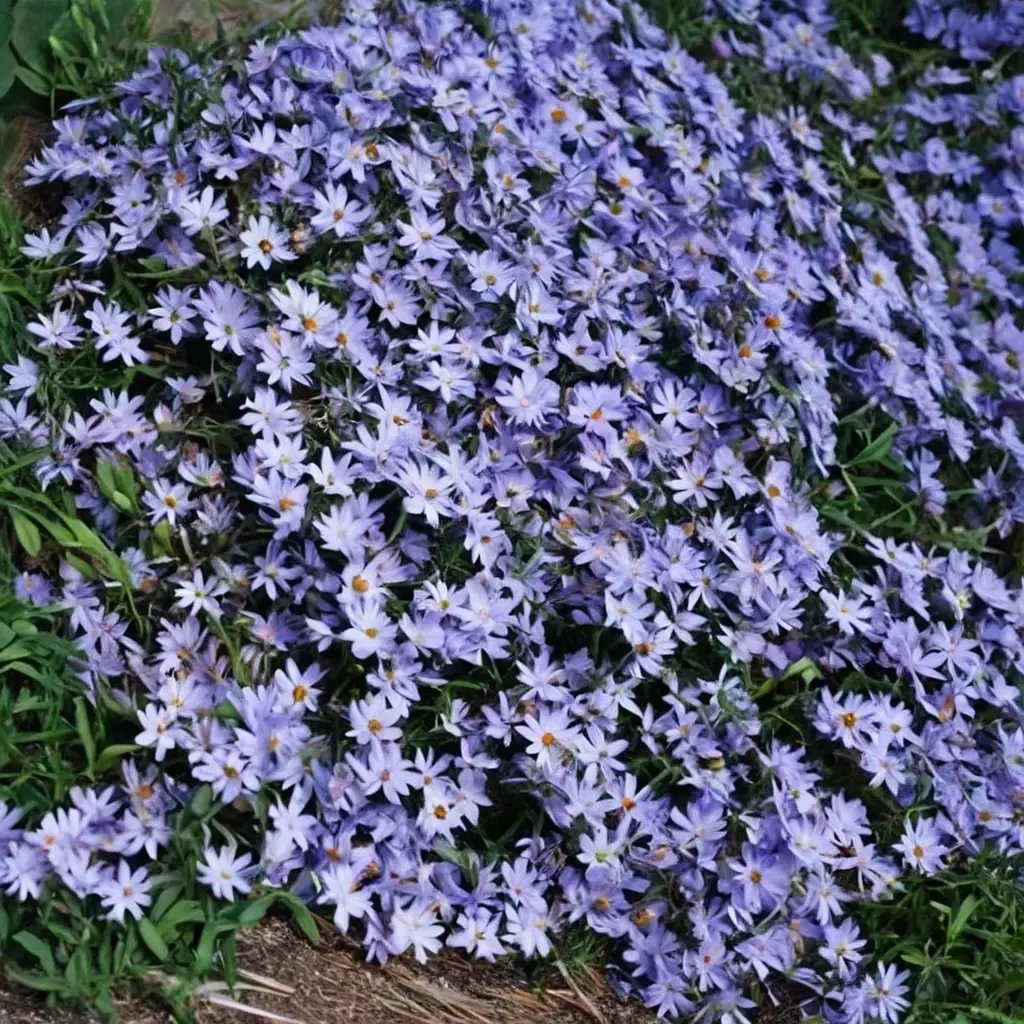
Fanny aster
Symphyotrichum oblongifolium 'Fanny'
Keep exploring
Explore the genus
Hardy in your zone?
Grow New England Aster with confidence
See it in a design of your actual yard, get zone-matched care reminders, and track it season by season in your garden journal.