
Species
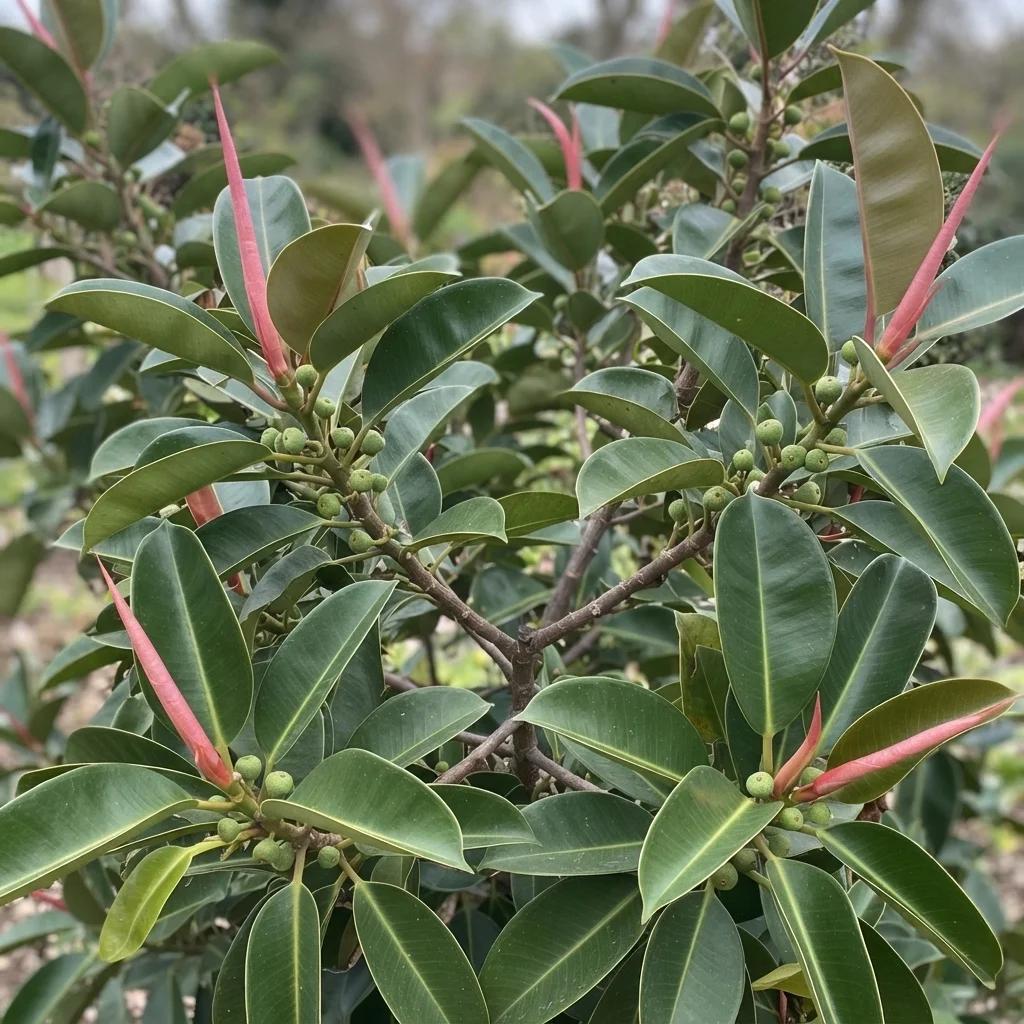 Ficus elasticaRubber Plant
1 other cultivar

The Story
Plant Bio
Ficus elastica, native to tropical Asia, grows as a large evergreen tree in its native habitat but maintains a smaller, upright form when restricted to containers. The species is characterized by thick, leathery, elliptic leaves and a milky white latex sap that can cause skin irritation upon contact.
'Ruby' is distinguished by its striking variegated foliage featuring shades of dark green, cream, and vibrant coral-pink to ruby-red. New leaf growth emerges enclosed in bright pink-to-red stipules, and maintaining this intense coloration requires exposure to bright, indirect light.
Uses & Benefits:
Essentials
At a Glance
Plant Type
Tropical
Height
120"
Width
48"
Light
Partial Sun, Shade
Zones
10
Water
Moderate
Humidity
Moderate to high (40-60%)
Lifespan
Long-lived
Native To
Tropical Asia
Toxicity
Toxic to pets and skin irritant
Bloom period
Spring – Summer
In flower about 6 months of the year
Marketplace
Where to Buy
Shipping costs Year-round shipping Free shipping
Planting
How to Grow
- Select a location that receives bright, indirect sunlight to maintain the vibrant pink variegation.
- Plant in a highly porous, well-draining potting mix, preferably an aroid-specific blend.
- Water thoroughly only when the top two inches of soil have dried out completely.
- Wipe the leaves periodically with a damp cloth to remove dust and maximize light absorption.
Pro Tip
Maximize color vibrancy by placing the plant in bright, indirect light, and restrict watering significantly during the winter dormancy period to prevent root rot.
Keep It Thriving
Care Guide
Do
- Provide bright, indirect light to preserve the intense ruby-red variegation.
- Ensure the container has excellent drainage holes to prevent water accumulation.
- Use a balanced liquid fertilizer monthly during the active spring and summer growing seasons.
Don't
- Do not place the plant in low-light corners, which causes leaves to revert to dull green and drop.
- Avoid overwatering or letting the pot sit in standing water, which rapidly induces root rot.
- Do not prune deep into old, leafless woody stems where nodes are inactive.
Seasonal Care Calendar
| Task | Jan | Feb | Mar | Apr | May | Jun | Jul | Aug | Sep | Oct | Nov | Dec |
|---|---|---|---|---|---|---|---|---|---|---|---|---|
| Fertilize | ||||||||||||
| Pest Check | ||||||||||||
| Prune | ||||||||||||
| Winter Prep |
Watch Out For
Pests & Diseases
Common Pests
Common Diseases
In the Garden
Landscape Uses & Companions
Landscape Uses
Companion Plants
Multiply
Propagation Methods
Good to Know
Common Questions
Ruby rubber tree questions
What zones can Ruby rubber tree grow in?
Ruby rubber tree is hardy in USDA Zone 10. Inside that range it survives winter in the ground; outside it, grow it as an annual or a container plant you protect.
When does Ruby rubber tree bloom?
Ruby rubber tree typically blooms in spring through summer. Exact timing shifts a week or two with your zone — Sow's bloom calendar maps it to your garden.
Does Ruby rubber tree need full sun?
Ruby rubber tree does best in part shade.
Is Ruby rubber tree drought tolerant?
Yes — once established (usually after the first full season), Ruby rubber tree handles dry spells with minimal watering. Water deeply its first year to build the root system that makes that possible.
More Ficus to compare
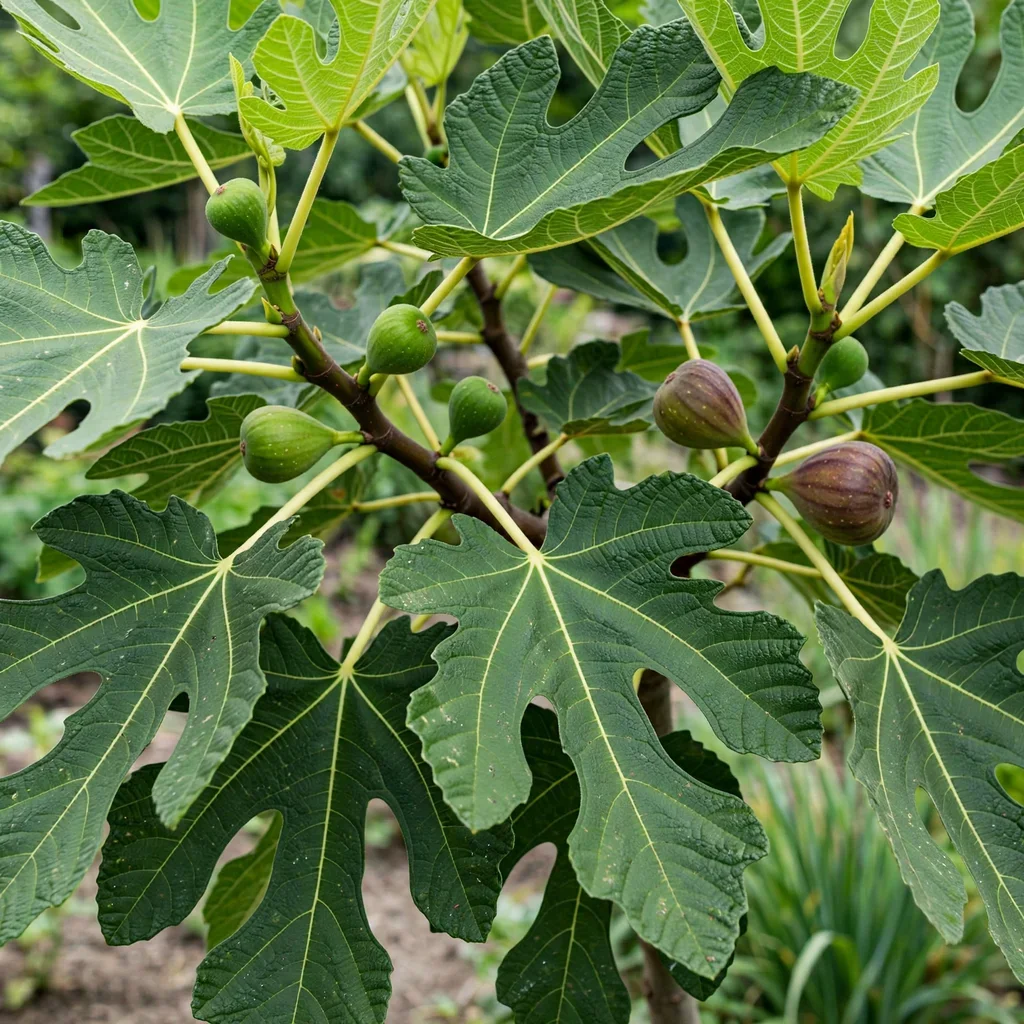
Fig Tree Brown Turkey
Ficus carica 'Brown Turkey'
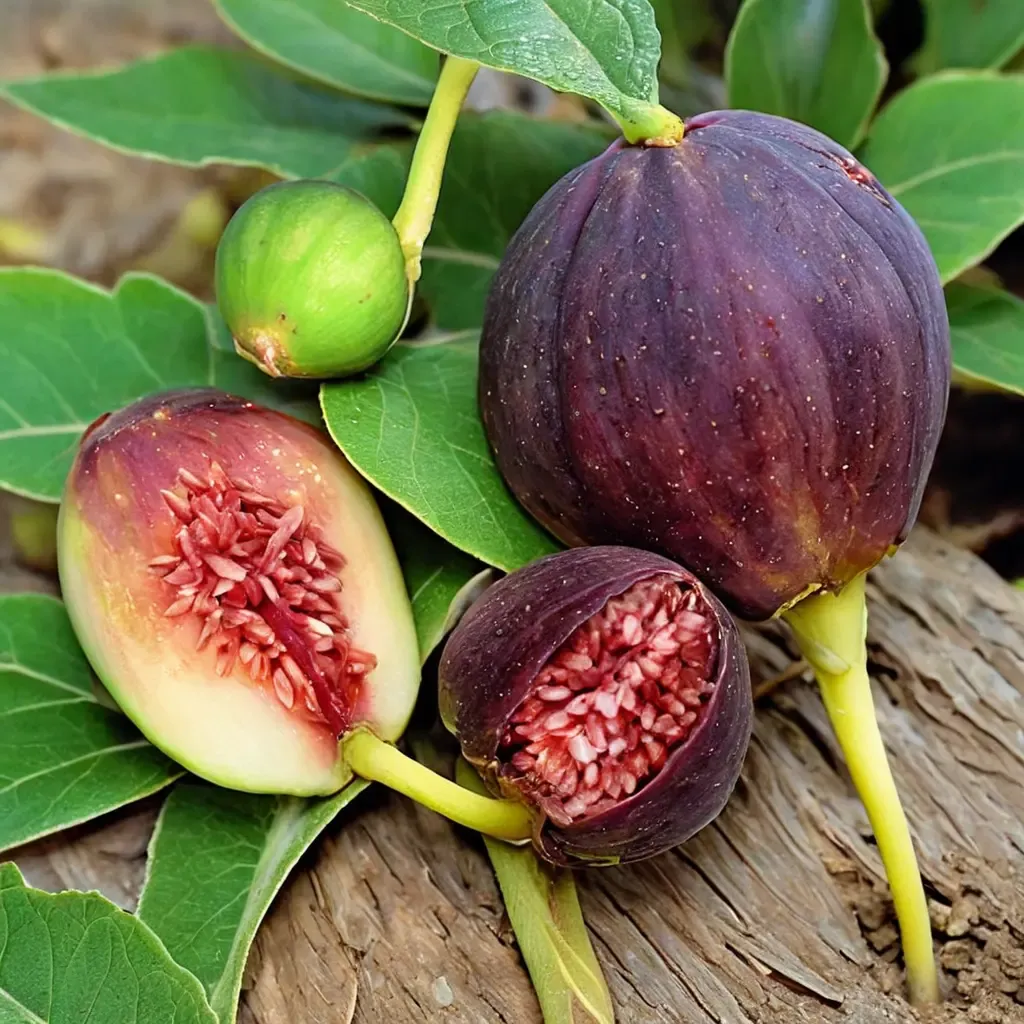
Improved Brown Turkey Fig
Ficus carica 'Improved Brown Turkey'
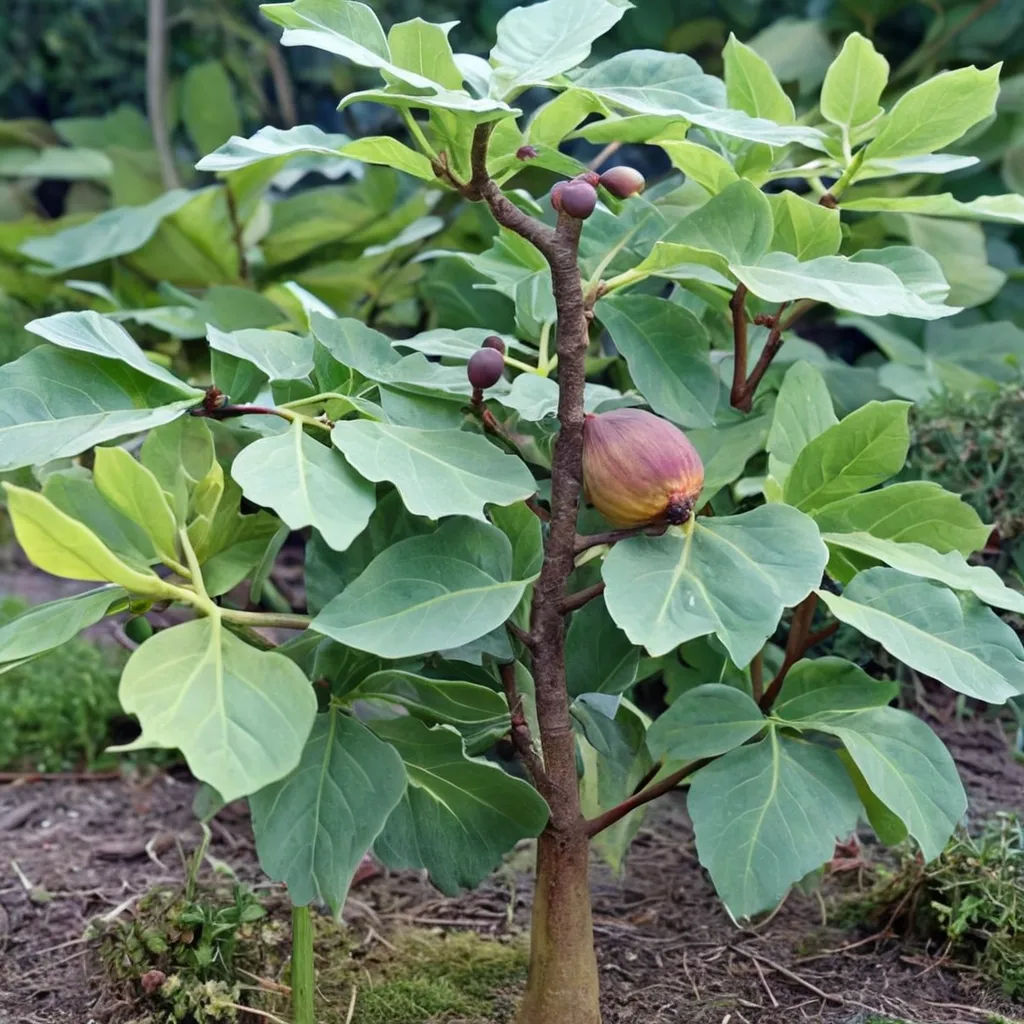
Chicago Hardy Fig
Ficus carica 'Chicago Hardy'
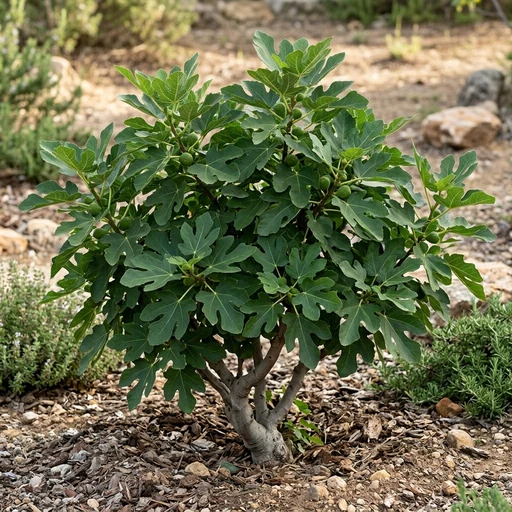
Little Miss Figgy Dwarf Fig
Ficus carica 'Little Miss Figgy'
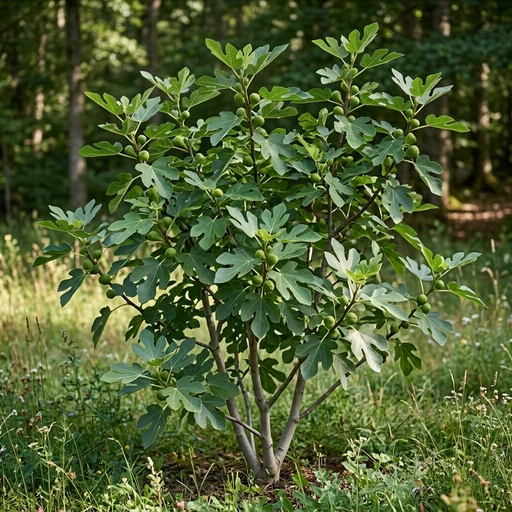
Celeste Fig
Ficus carica 'Celeste'
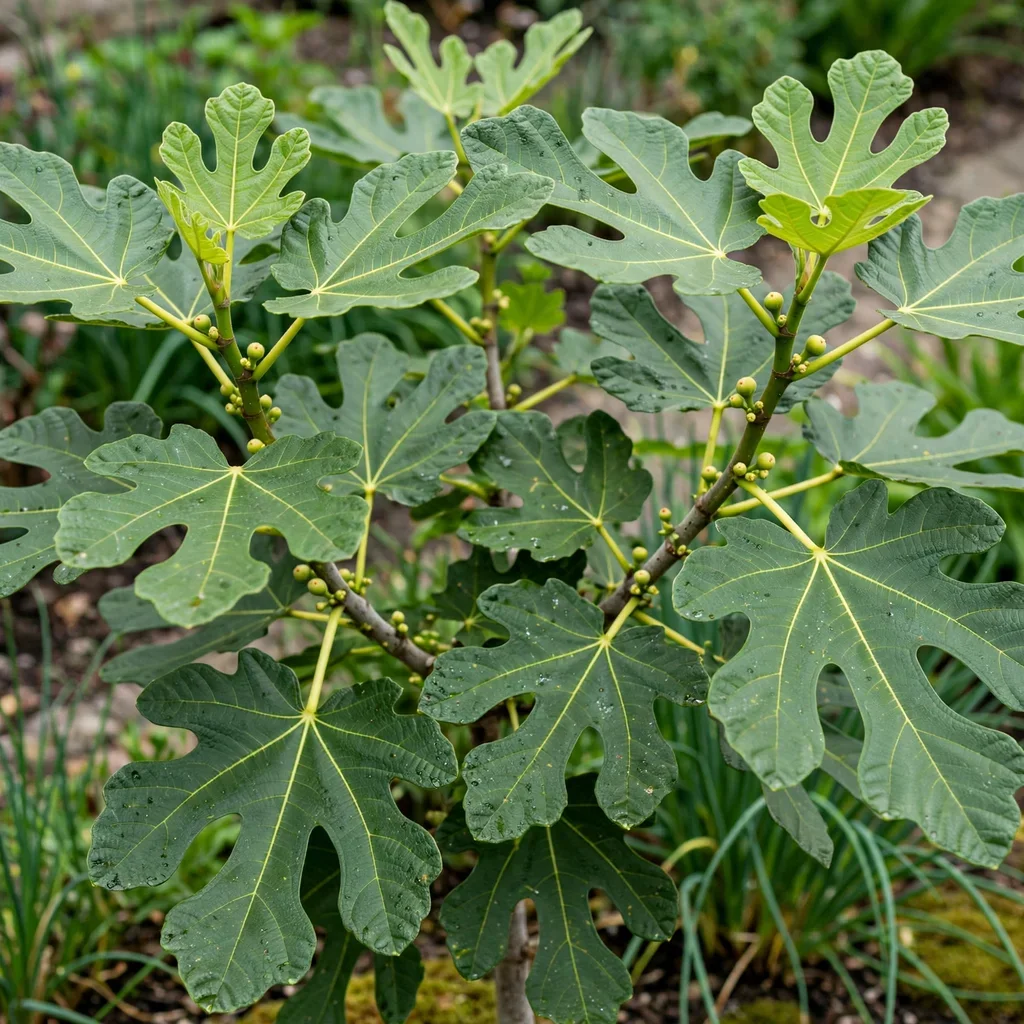
Champagne Fig
Ficus carica 'Champagne'
Keep exploring
Explore the genus
Hardy in your zone?
Grow Ruby rubber tree with confidence
See it in a design of your actual yard, get zone-matched care reminders, and track it season by season in your garden journal.