Zone 9 · winter lows 20°F to 30°F
North American Natives for Zone 9
877 native plants that are hardy through Zone 9, ranked by how many gardeners actually save and grow them.
Most-saved native plants for Zone 9
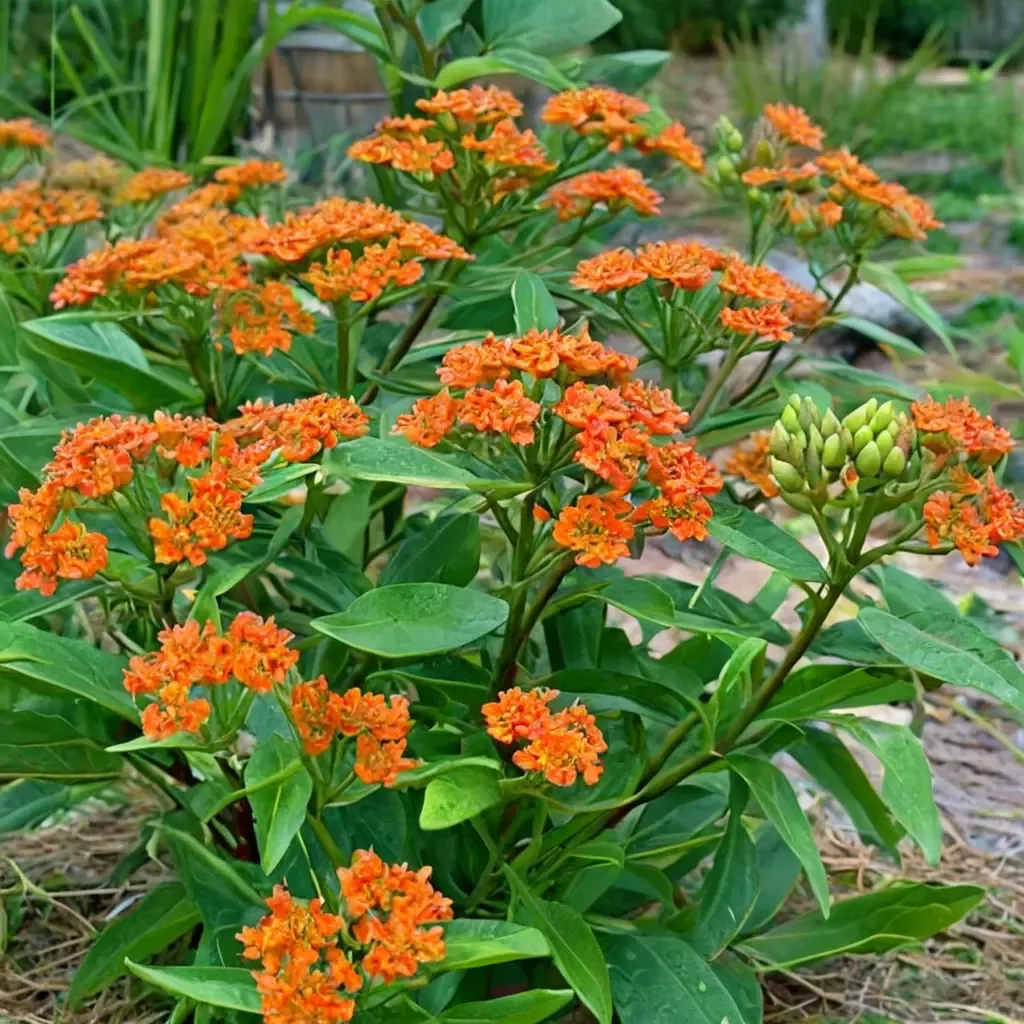 #1 most saved
Butterfly Weed
Asclepias tuberosa
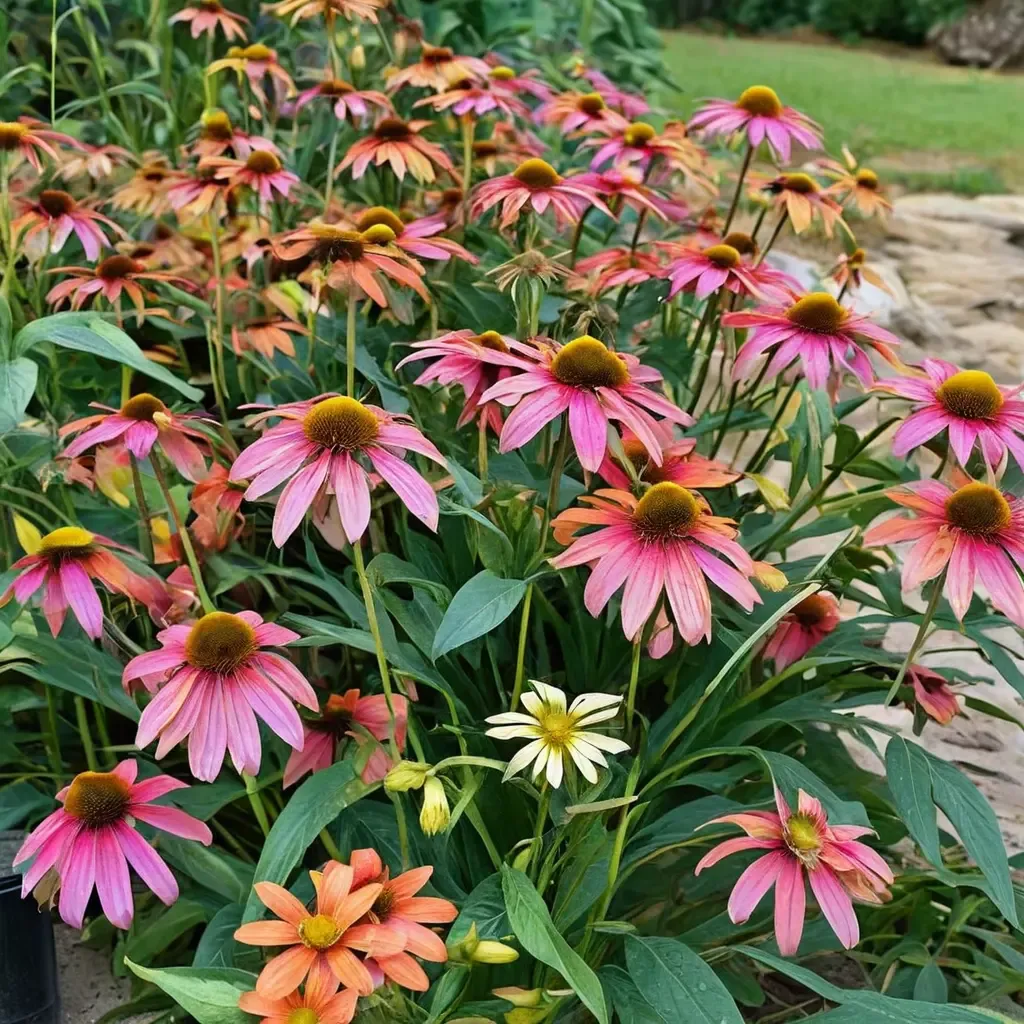 #2 most saved
Cheyenne Spirit Coneflower
Echinacea purpurea 'Cheyenne Spirit'
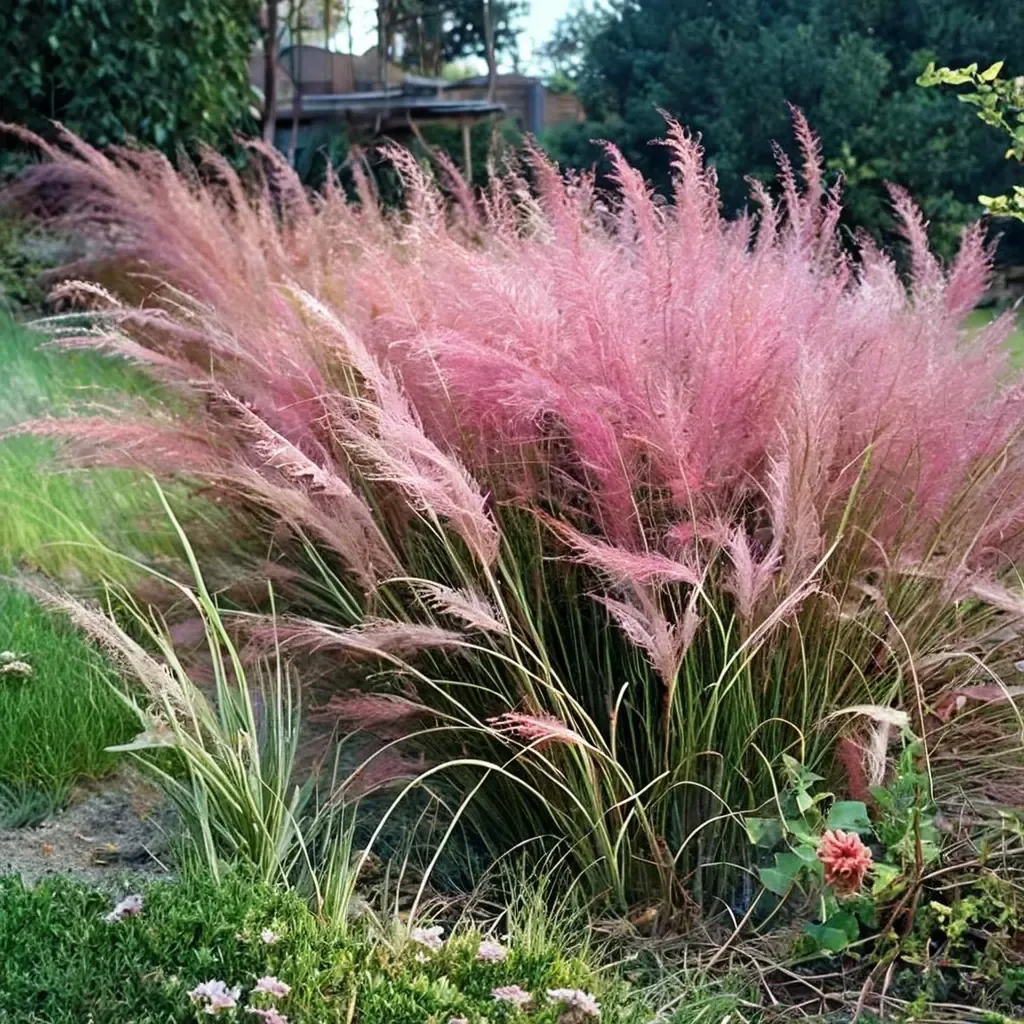 #3 most saved
Pink Muhly Grass
Muhlenbergia capillaris
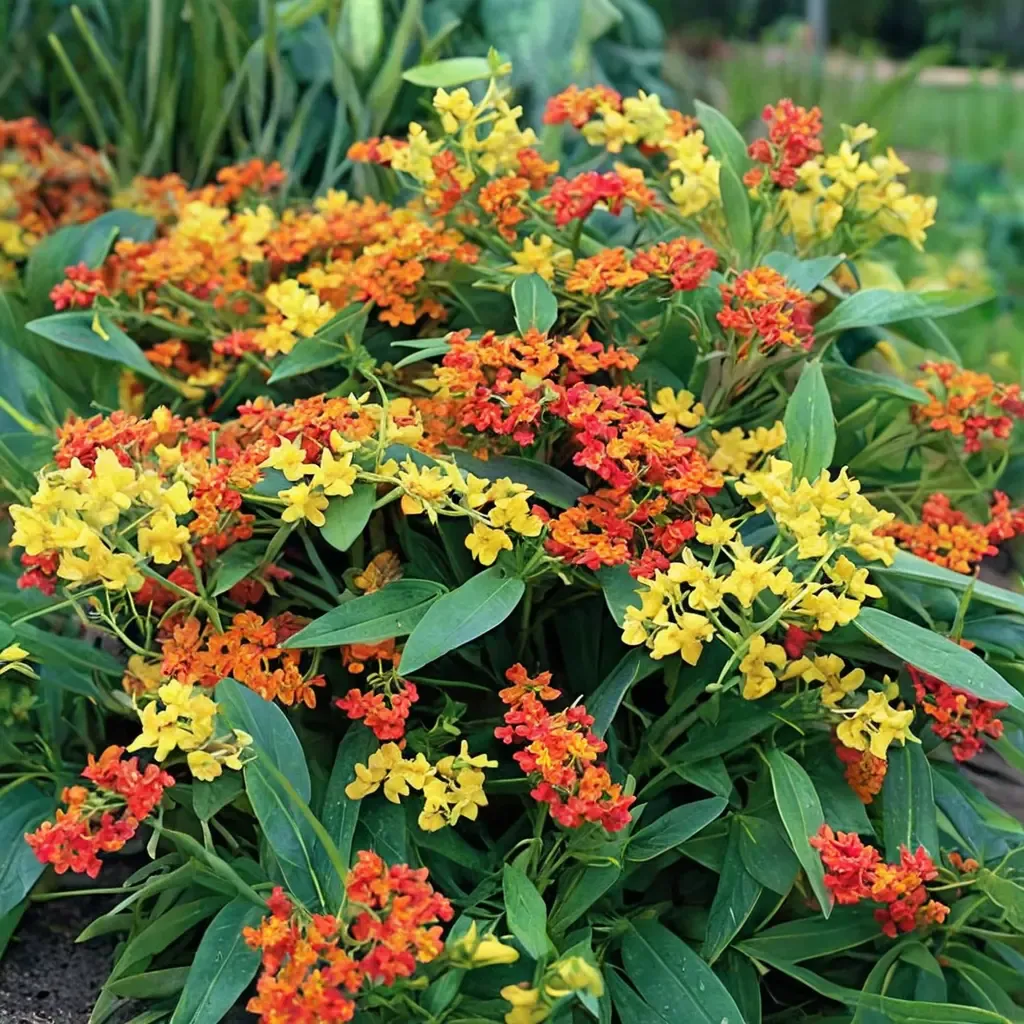
Butterfly Weed
Asclepias tuberosa 'Gay Butterflies Mix'
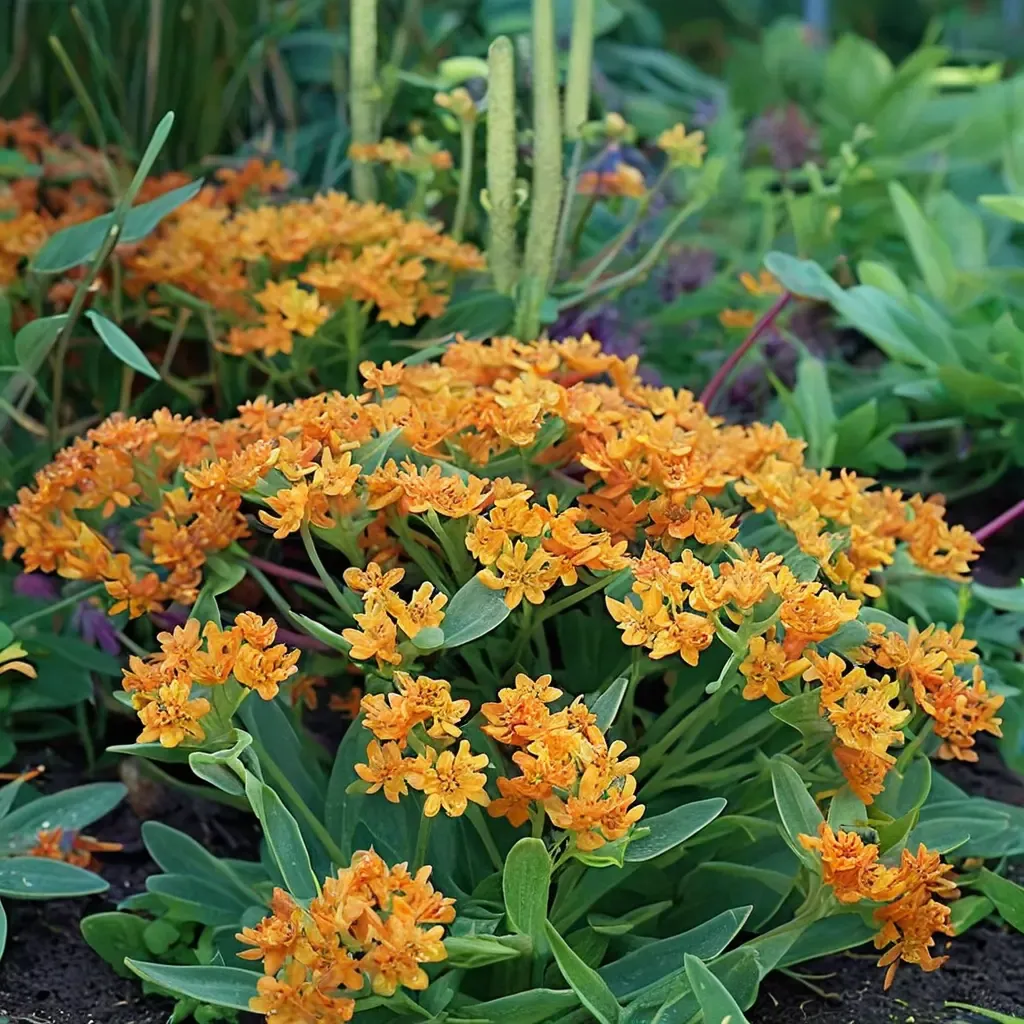
Butterfly Weed Gay Butterflies Milkweed
Asclepias tuberosa 'Gay Butterflies'
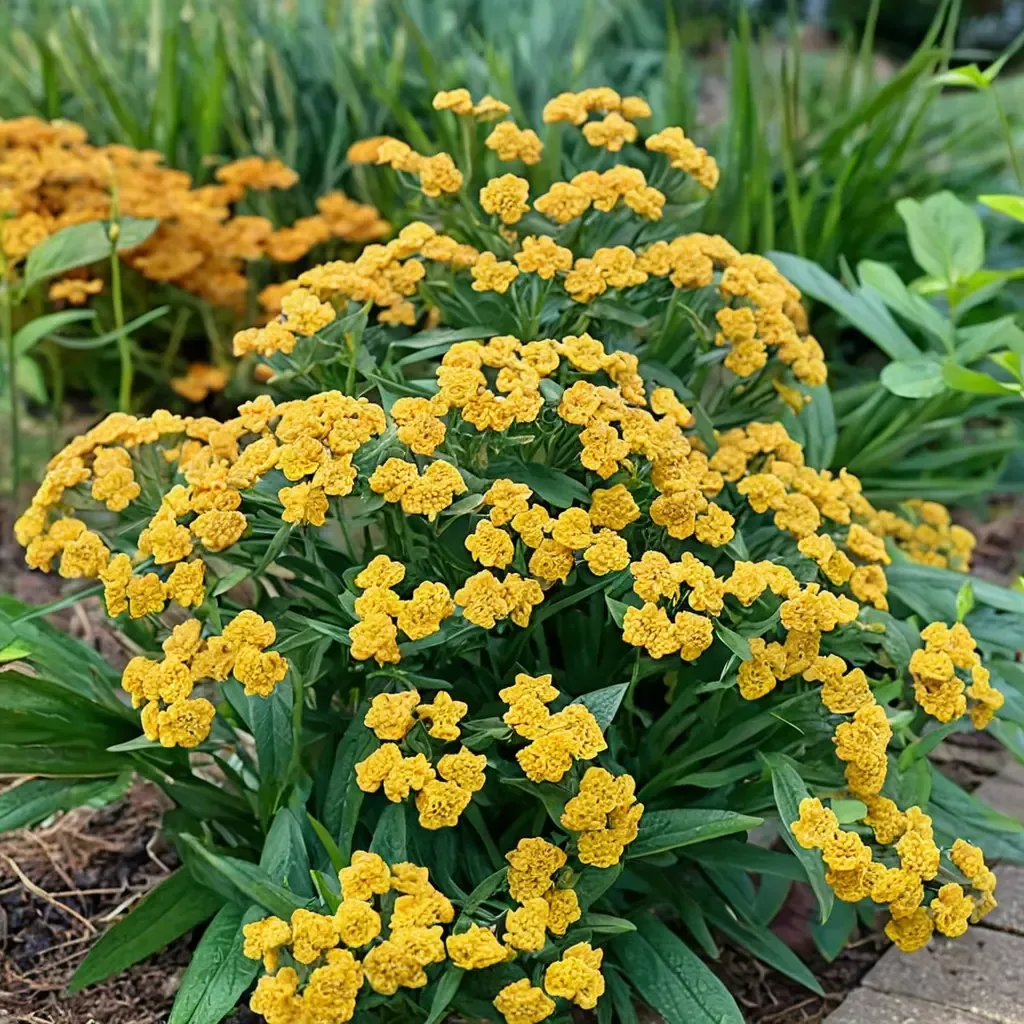
Hello Yellow Butterfly Weed
Asclepias tuberosa 'Hello Yellow'
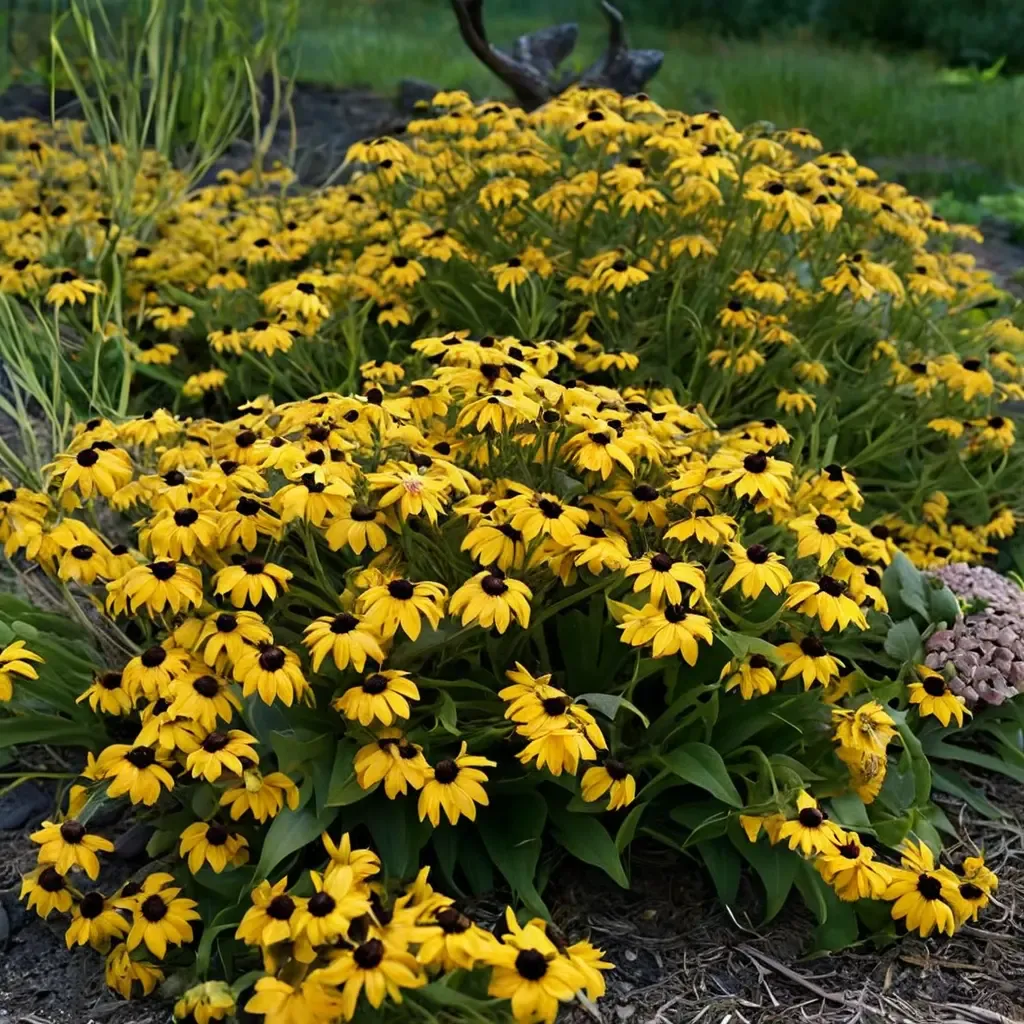
Black-eyed Susan
Rudbeckia hirta 'American Gold Rush'
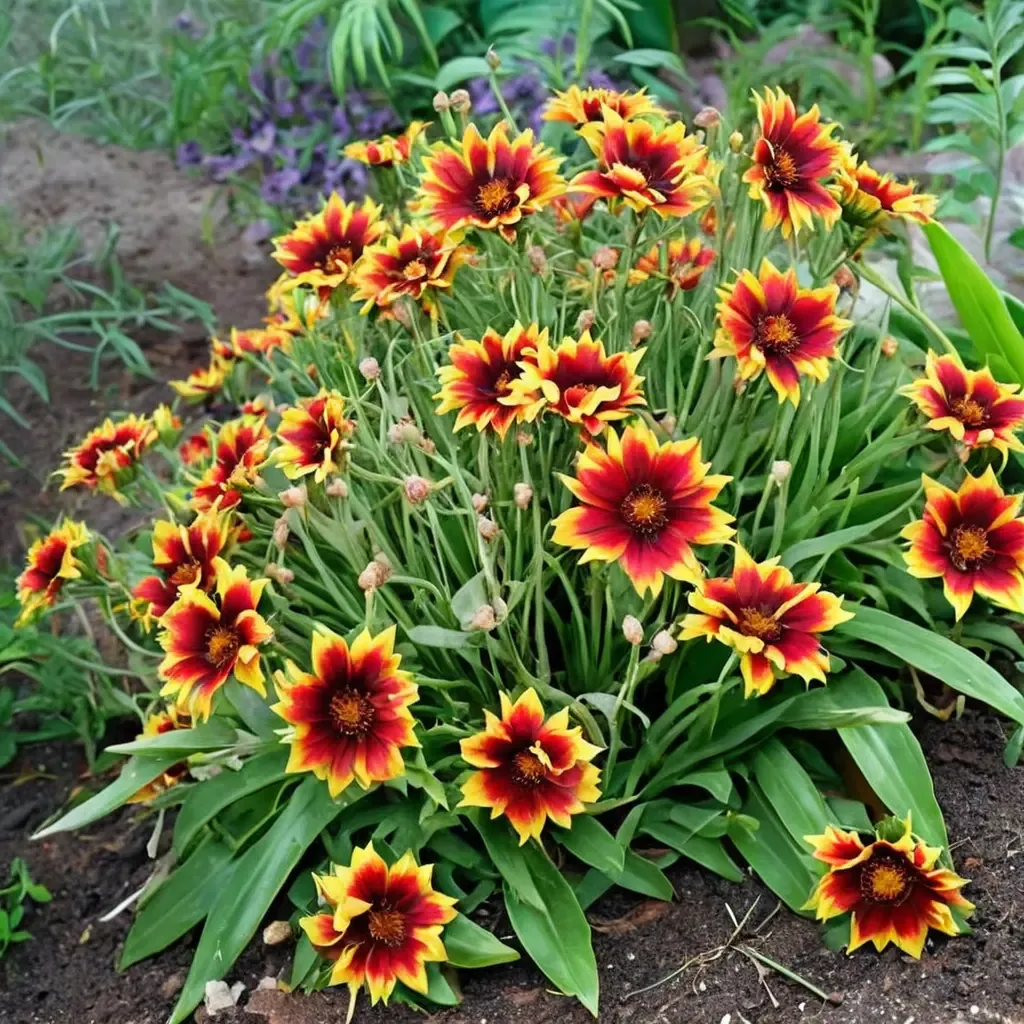
Blanket Flower
Gaillardia x grandiflora 'Mixed Border'
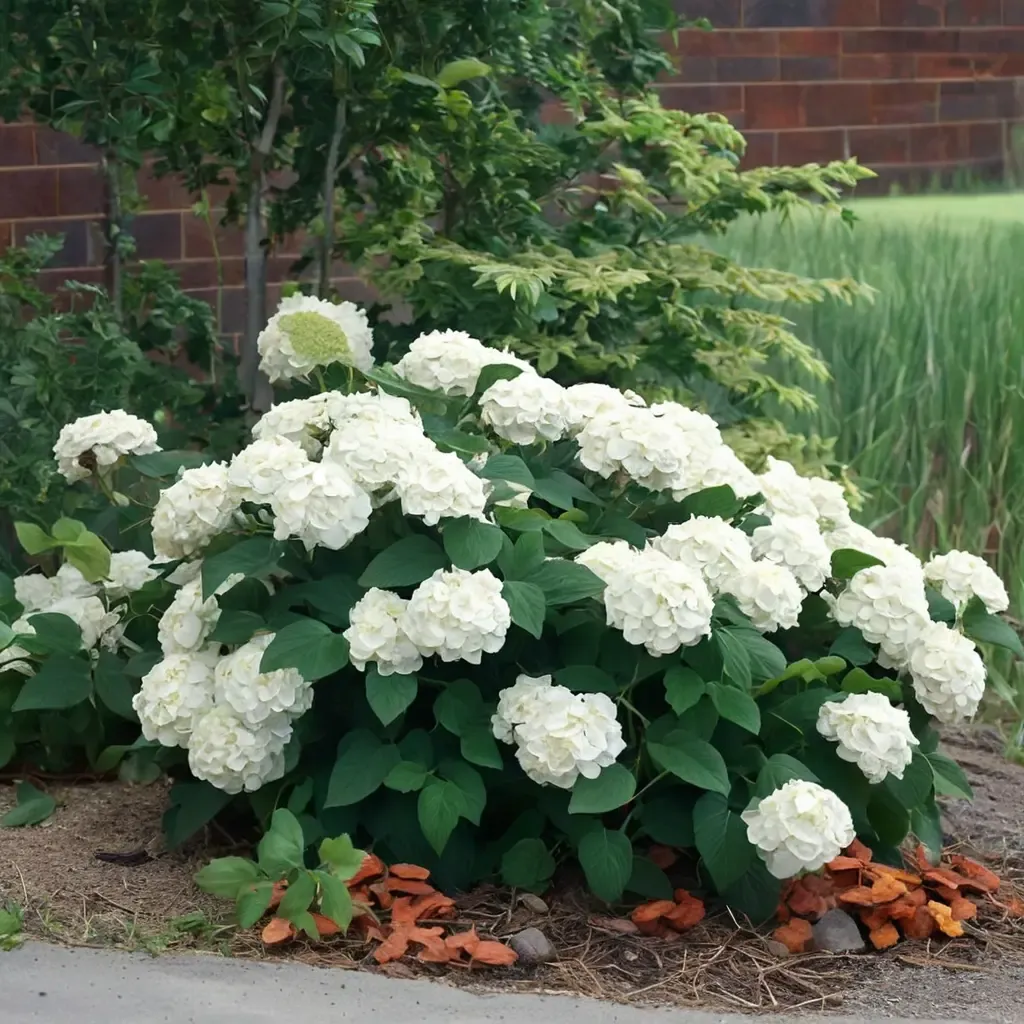
Incrediball Hydrangea
Hydrangea arborescens 'Incrediball'
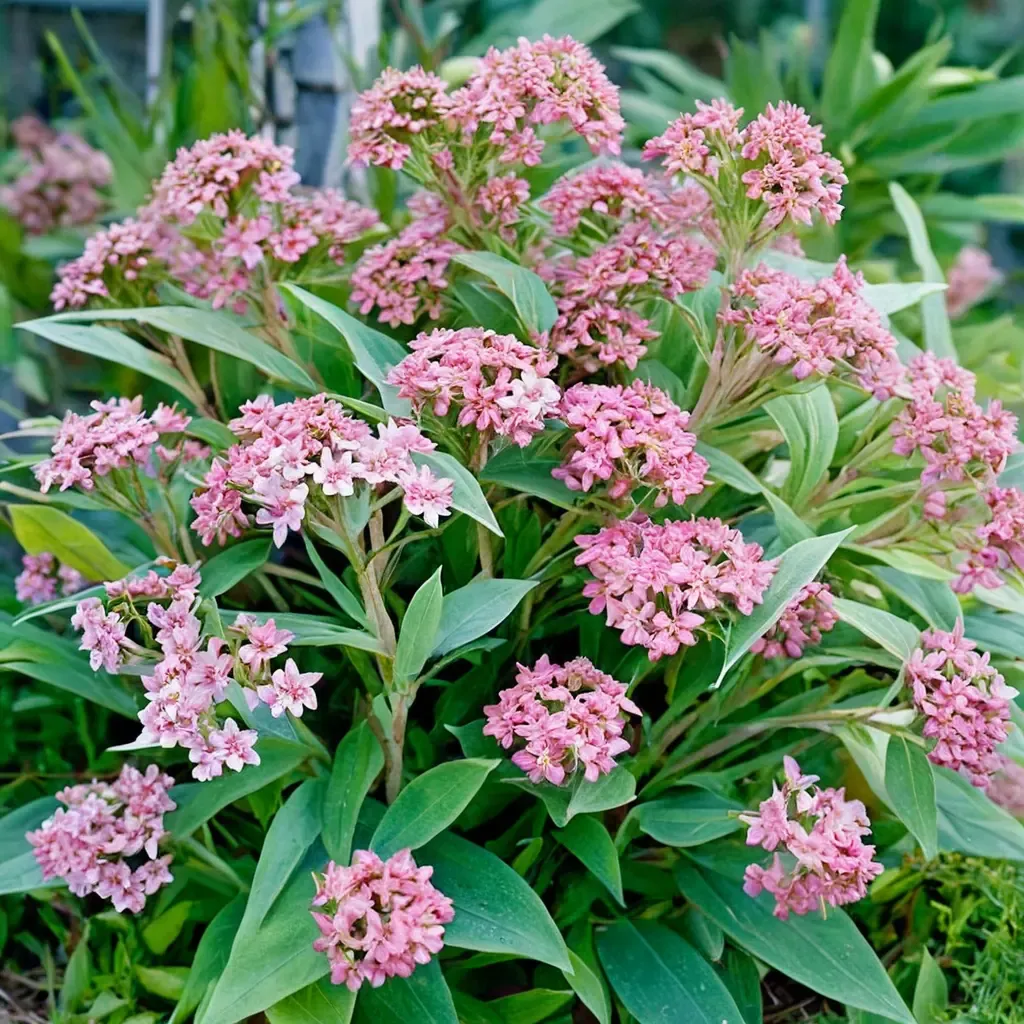
Cinderella Milkweed
Asclepias incarnata 'Cinderella'
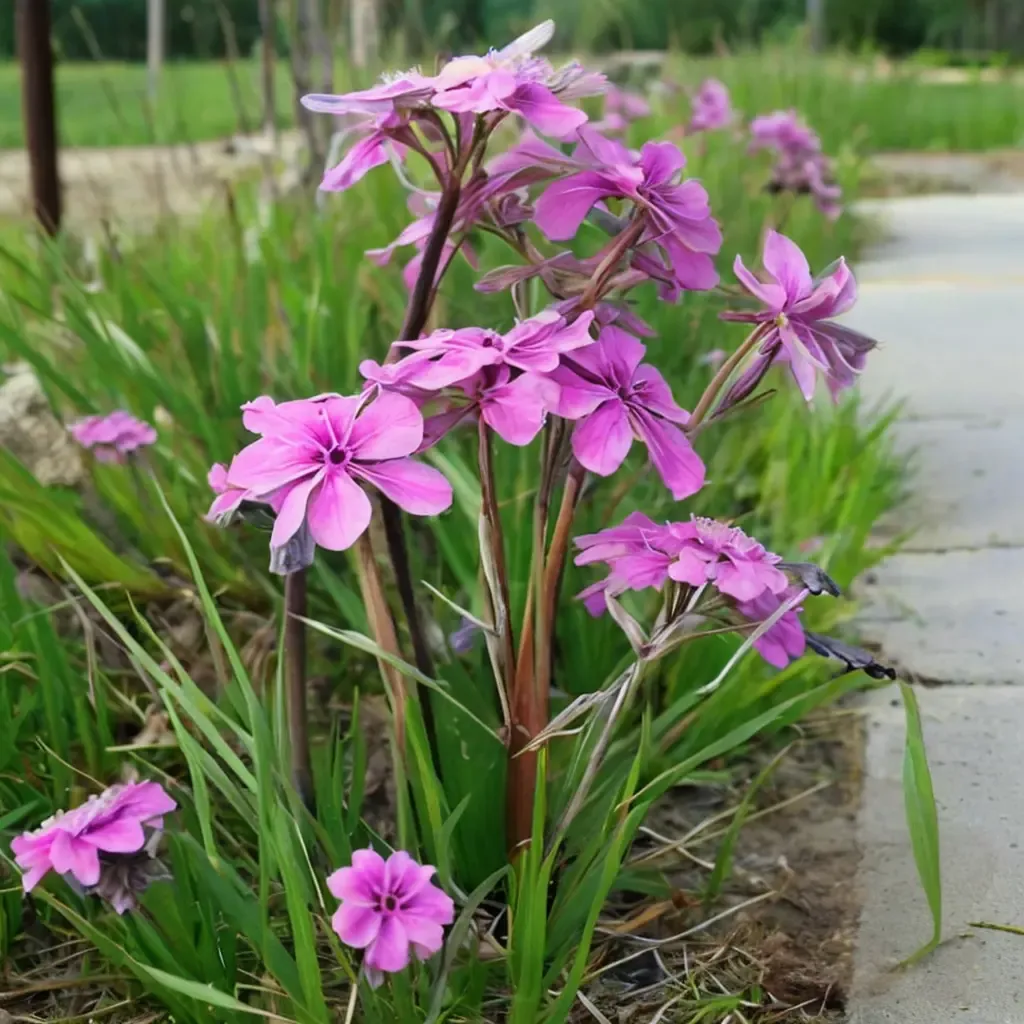
Prairie Phlox
Phlox pilosa
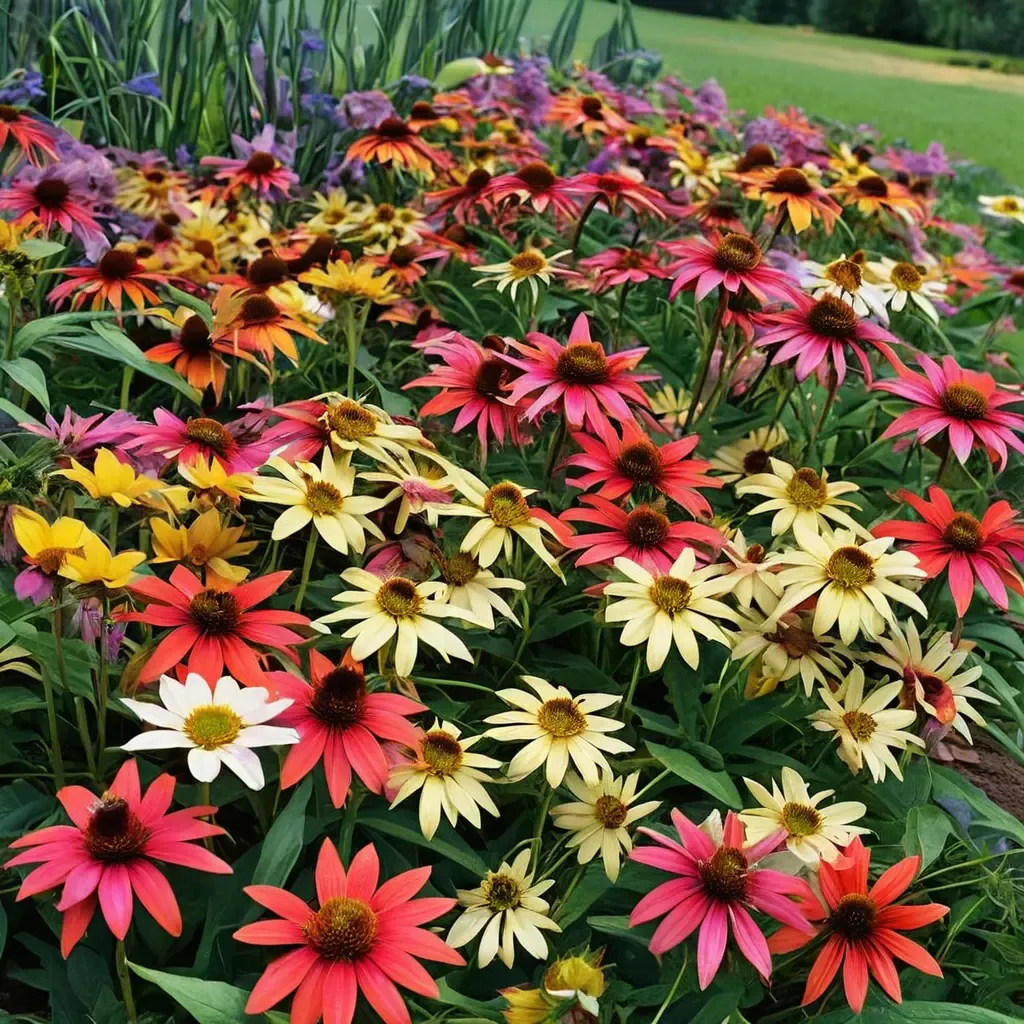
Cheyenne Spirit Coneflower
Echinacea purpurea 'Cheyenne Spirit Mix'
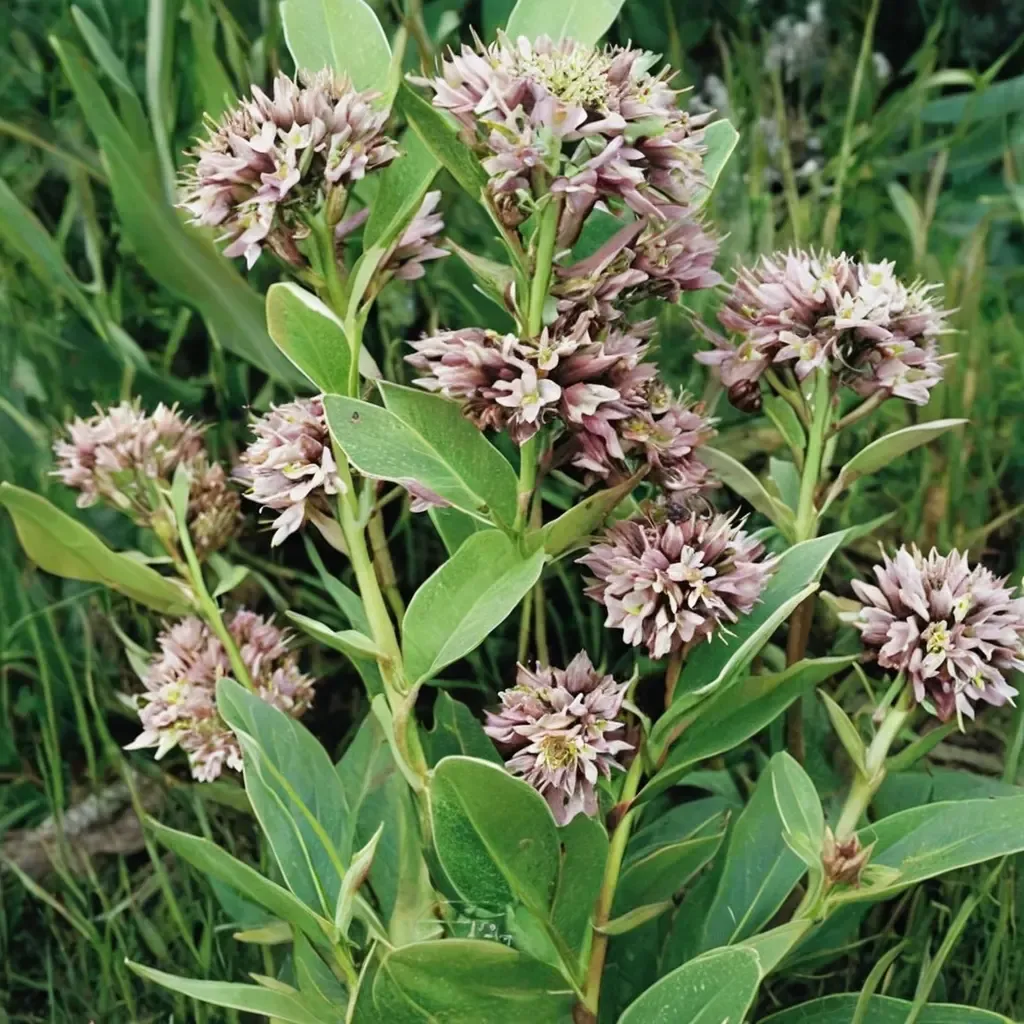
Common Milkweed
Asclepias syriaca
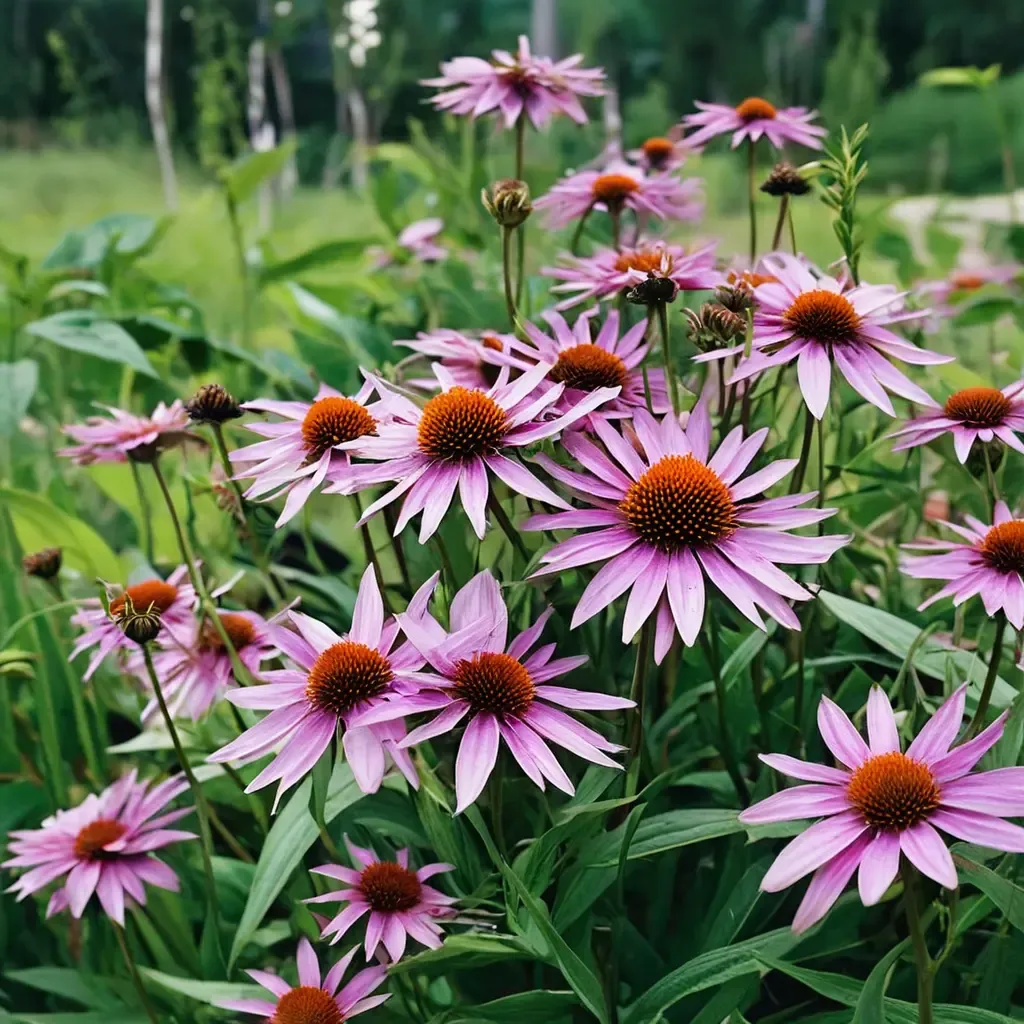
Purple Coneflower
Echinacea purpurea
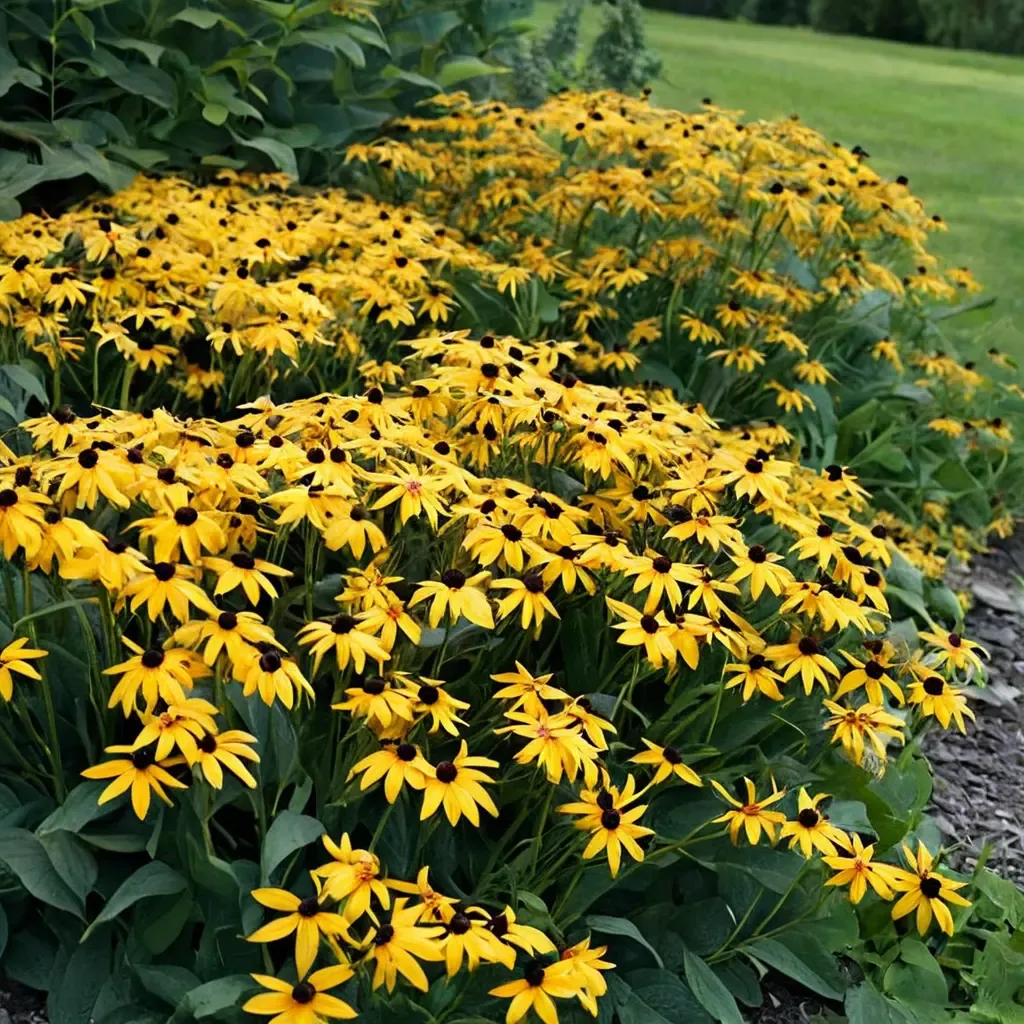
Black-eyed Susan
Rudbeckia fulgida 'Goldsturm'
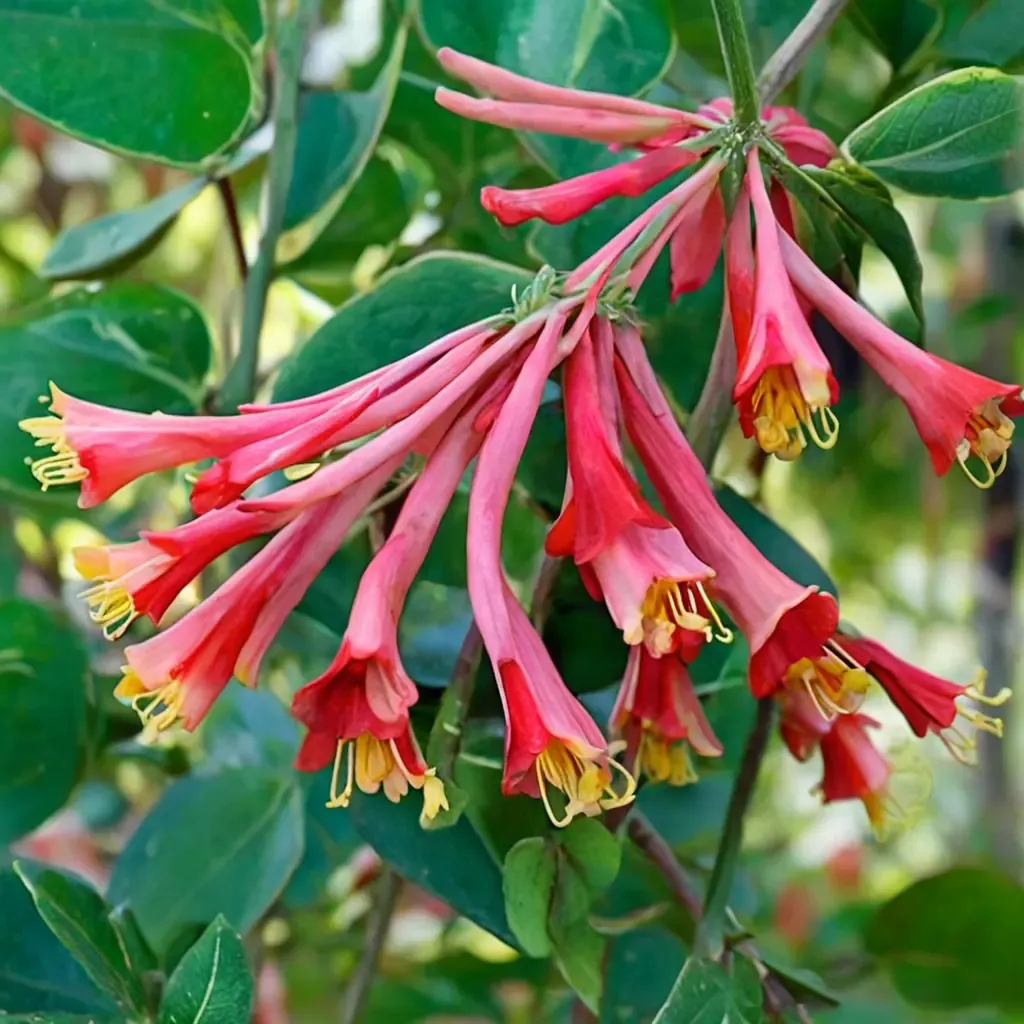
Coral Honeysuckle
Lonicera sempervirens 'Coral Honeysuckle'
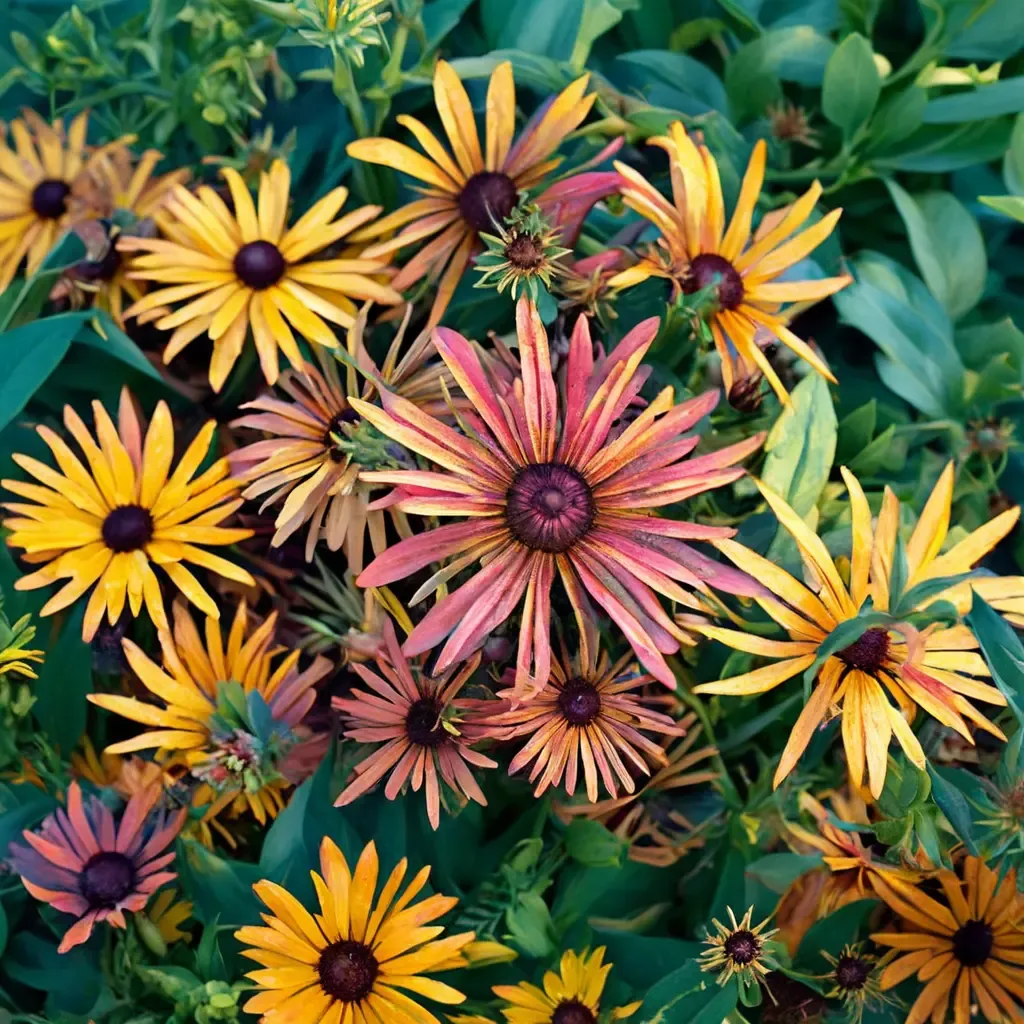
Chim Chiminee Black-eyed Susan
Rudbeckia hirta 'Chim Chiminee'
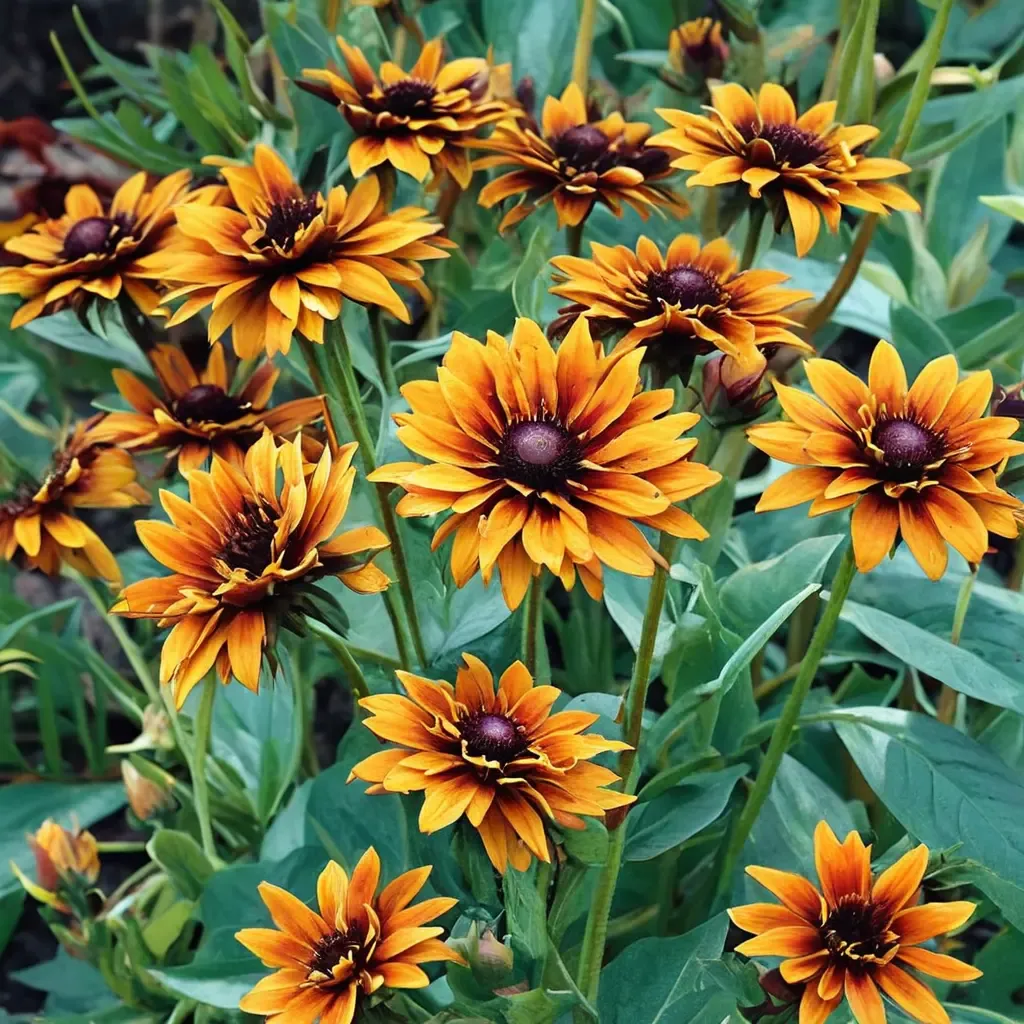
Cherokee Sunset Black-eyed Susan
Rudbeckia hirta 'Cherokee Sunset'
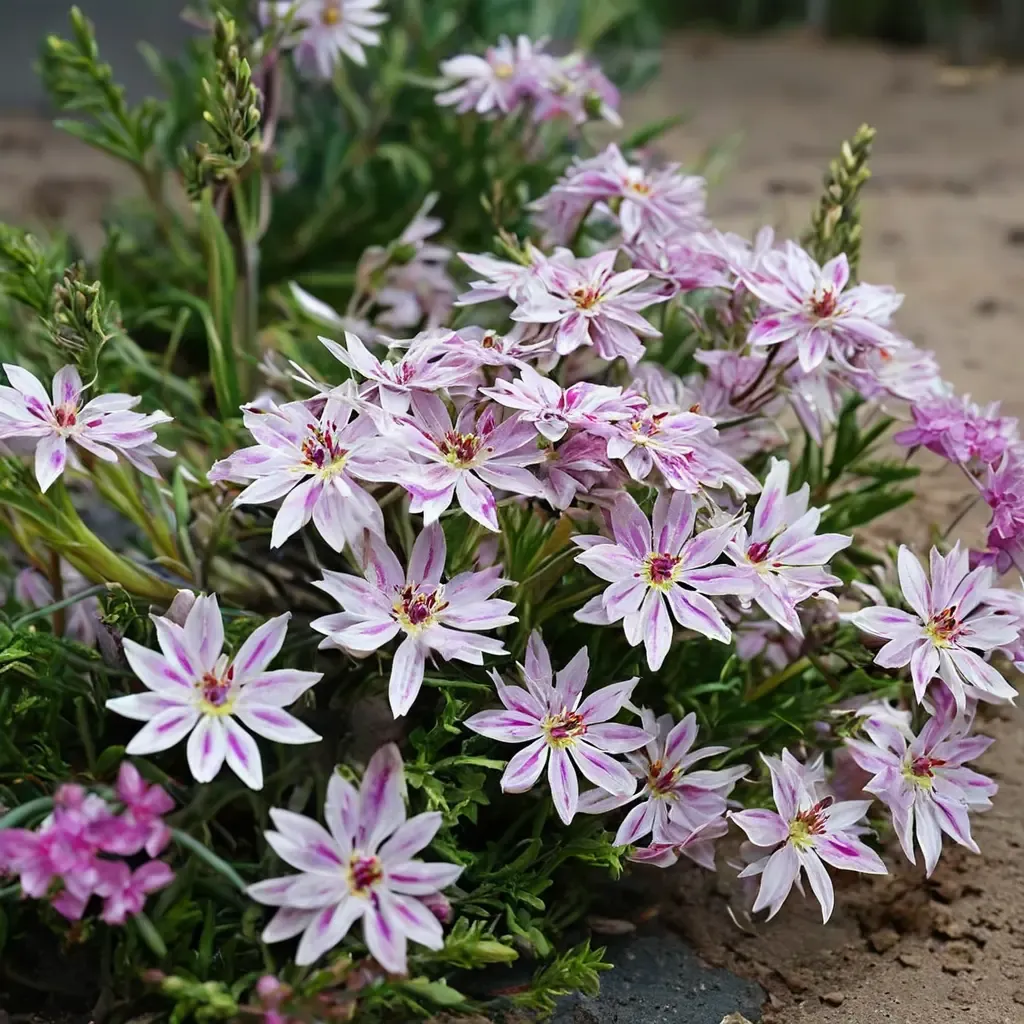
Creeping Phlox
Phlox subulata 'Candy Stripe'
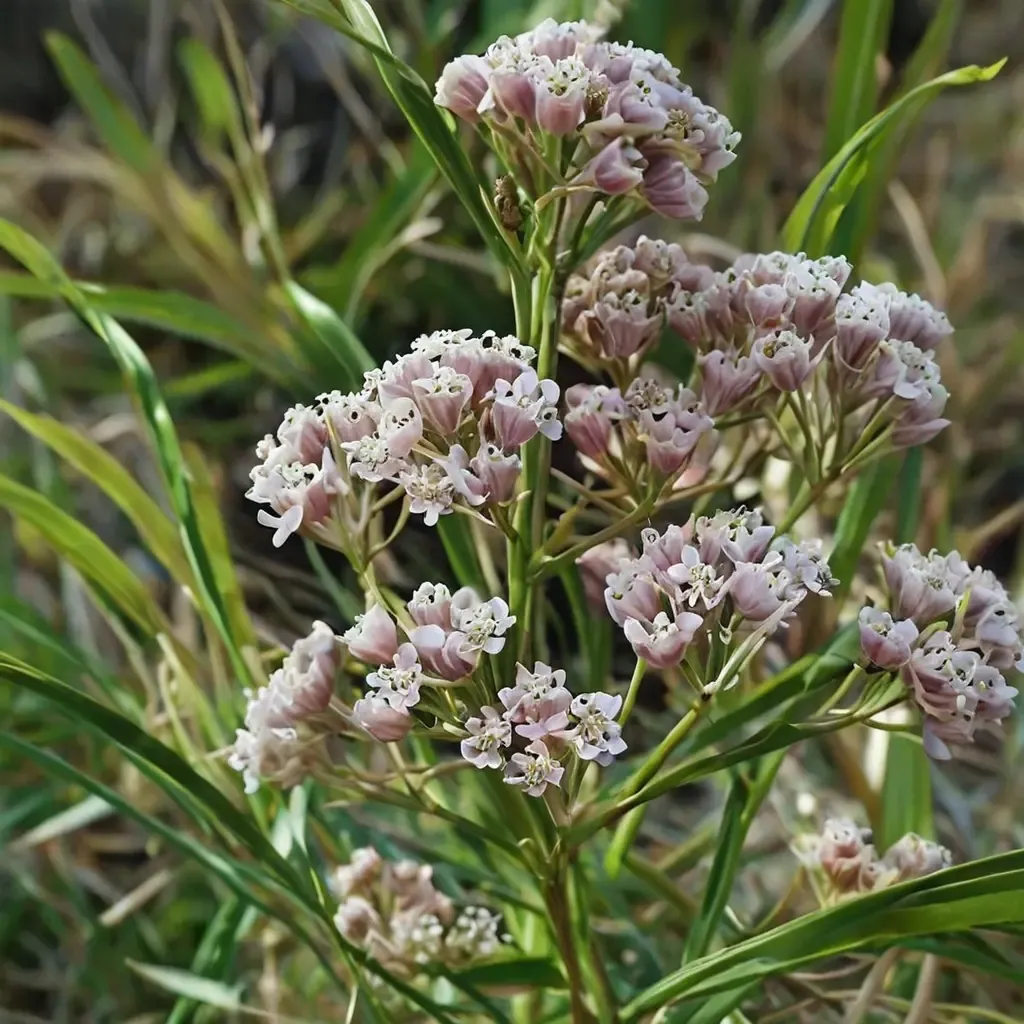
narrowleaf milkweed
Asclepias fascicularis
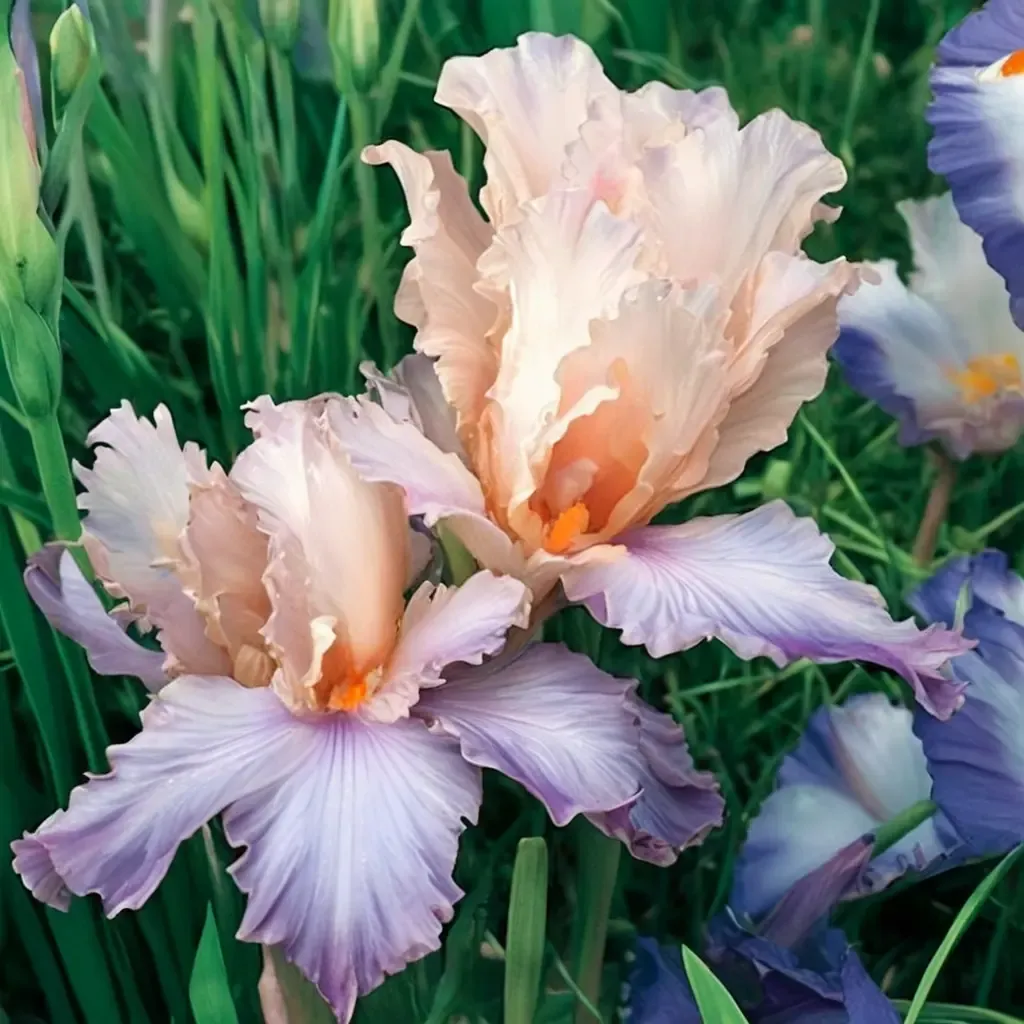
Celebration Song Iris
Iris tenuissima 'Celebration Song'
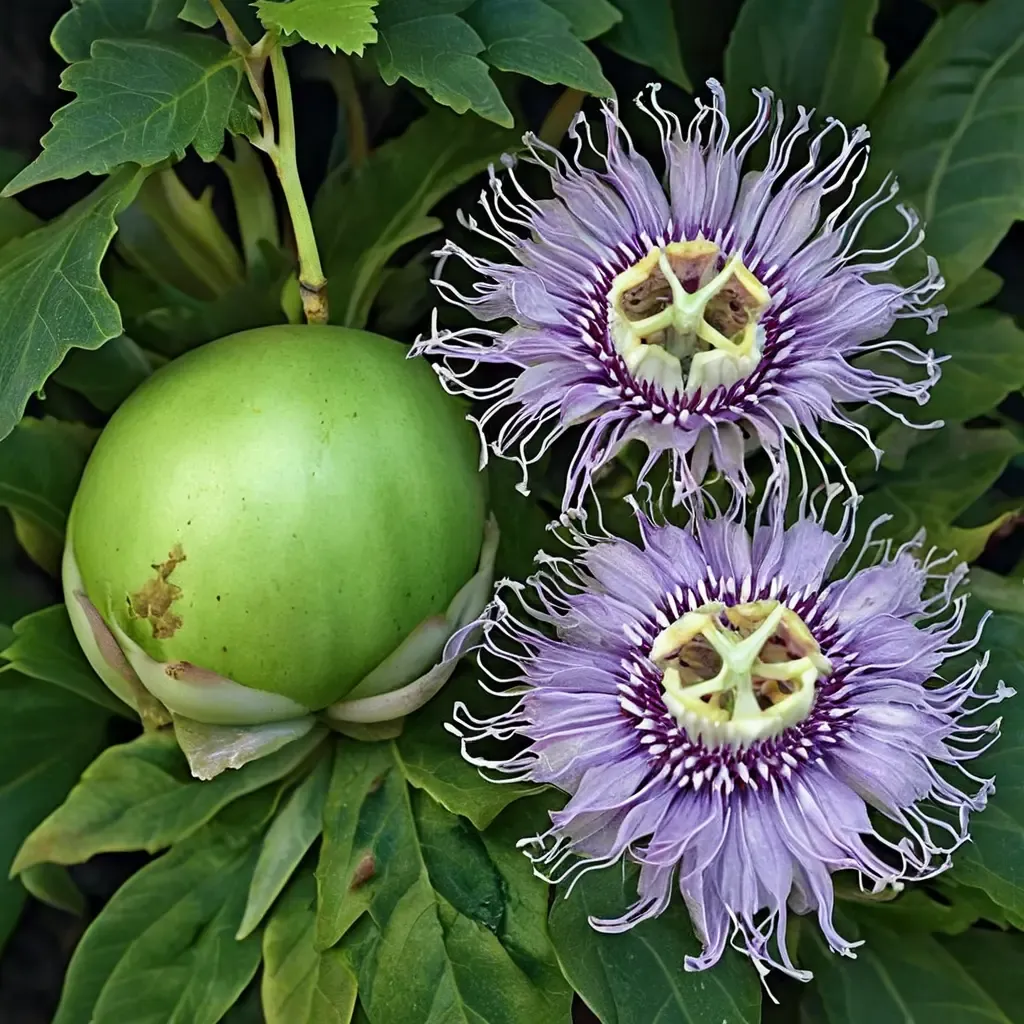
Purple Passionflower
Passiflora incarnata
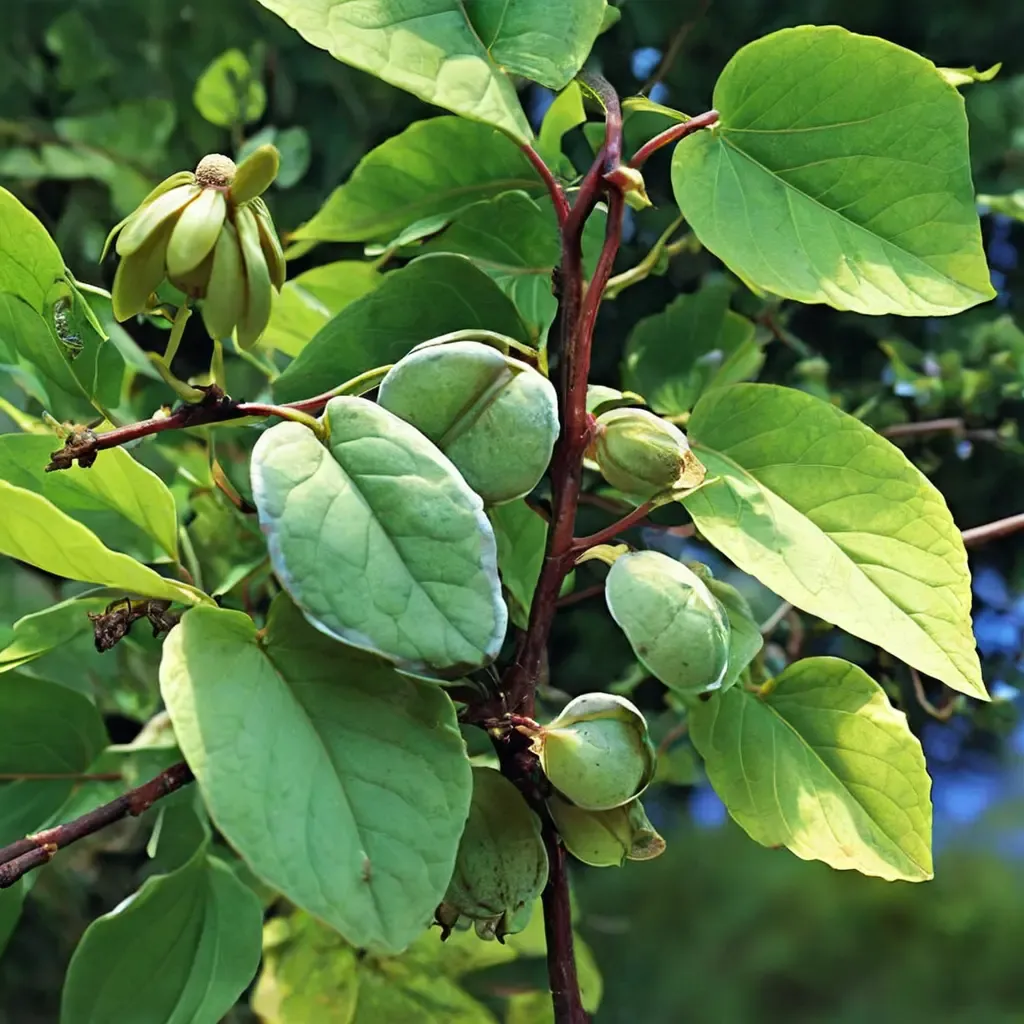
Pawpaw
Asimina triloba
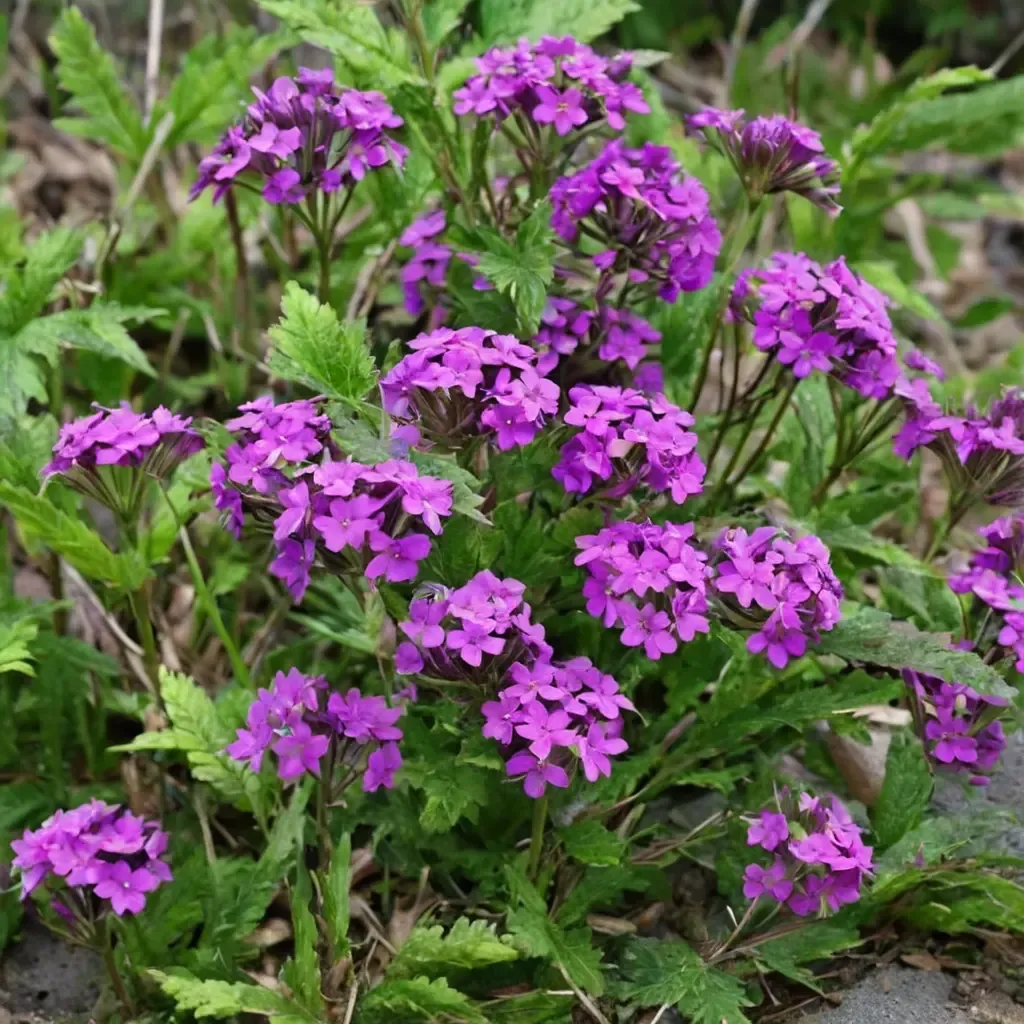
Rose Verbena
Verbena canadensis
Showing the 24 most-saved of 877. See all north american natives →
North American Natives in Zone 9
What are the best native plants for Zone 9?
The 24 above are the most-saved native plants that are also rated hardy through Zone 9. Ranking by real gardeners — not by catalog marketing — surfaces the ones gardeners keep coming back to.
Will these survive Zone 9 winters?
Every plant listed here is rated for Zone 9, where winter lows reach 20°F to 30°F. Site conditions still matter: drainage, wind exposure, and a good layer of mulch make the difference between a rated-hardy plant and a happy one.
Why plant natives?
They support dramatically more caterpillars and pollinators than non-natives (which means more birds), and once established they typically need less watering and no fertilizer.
Are native plants low maintenance?
Mostly yes — matched to your conditions they thrive on rainfall alone after the first season. The key is right plant, right place: a wet-prairie native still wants moisture.
Keep exploring
North American Natives in other zones
Design a Zone 9 bed with these
Snap a photo of your yard and Sow places these plants in it — correctly sized, matched to your zone, with care reminders that follow your real weather.