Zone 9 · winter lows 20°F to 30°F
Pollinator Plants for Zone 9
6.1k pollinators plants that are hardy through Zone 9, ranked by how many gardeners actually save and grow them.
Most-saved pollinators plants for Zone 9
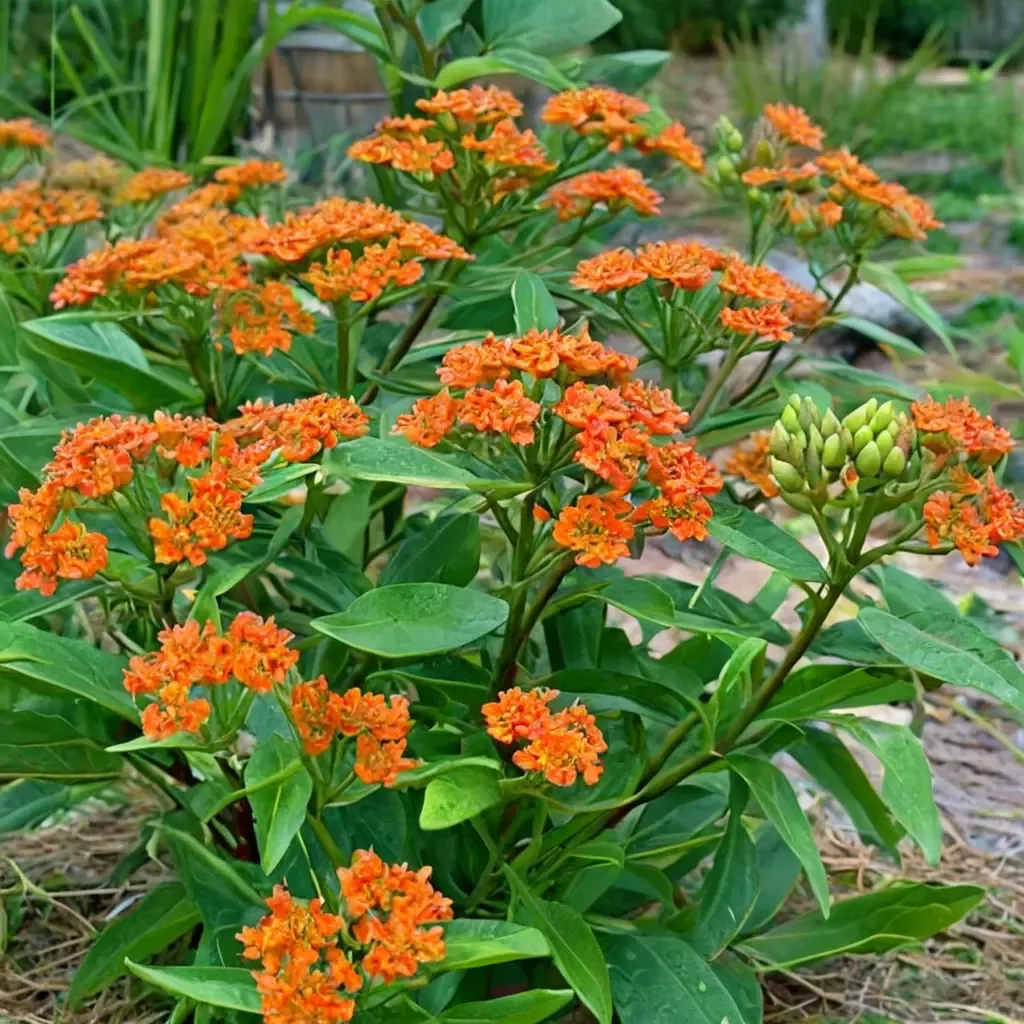 #1 most saved
Butterfly Weed
Asclepias tuberosa
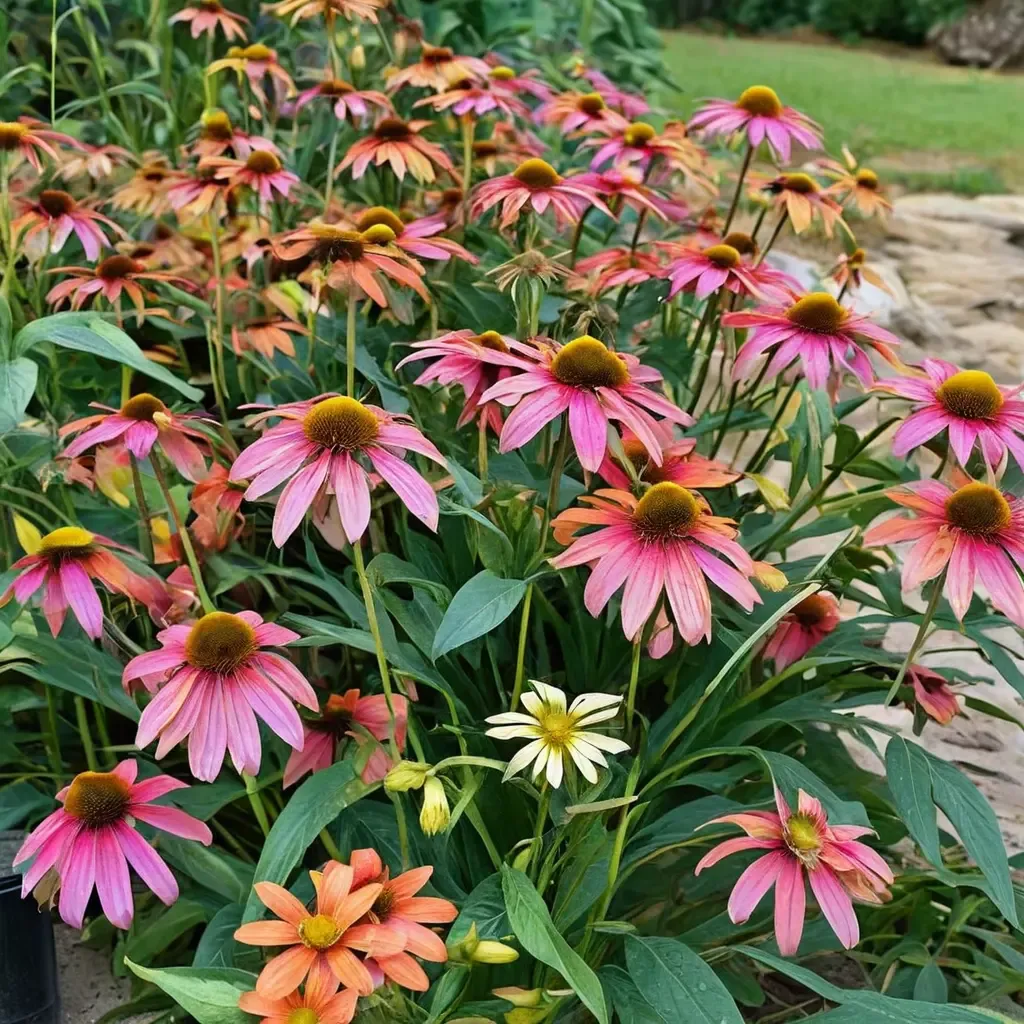 #2 most saved
Cheyenne Spirit Coneflower
Echinacea purpurea 'Cheyenne Spirit'
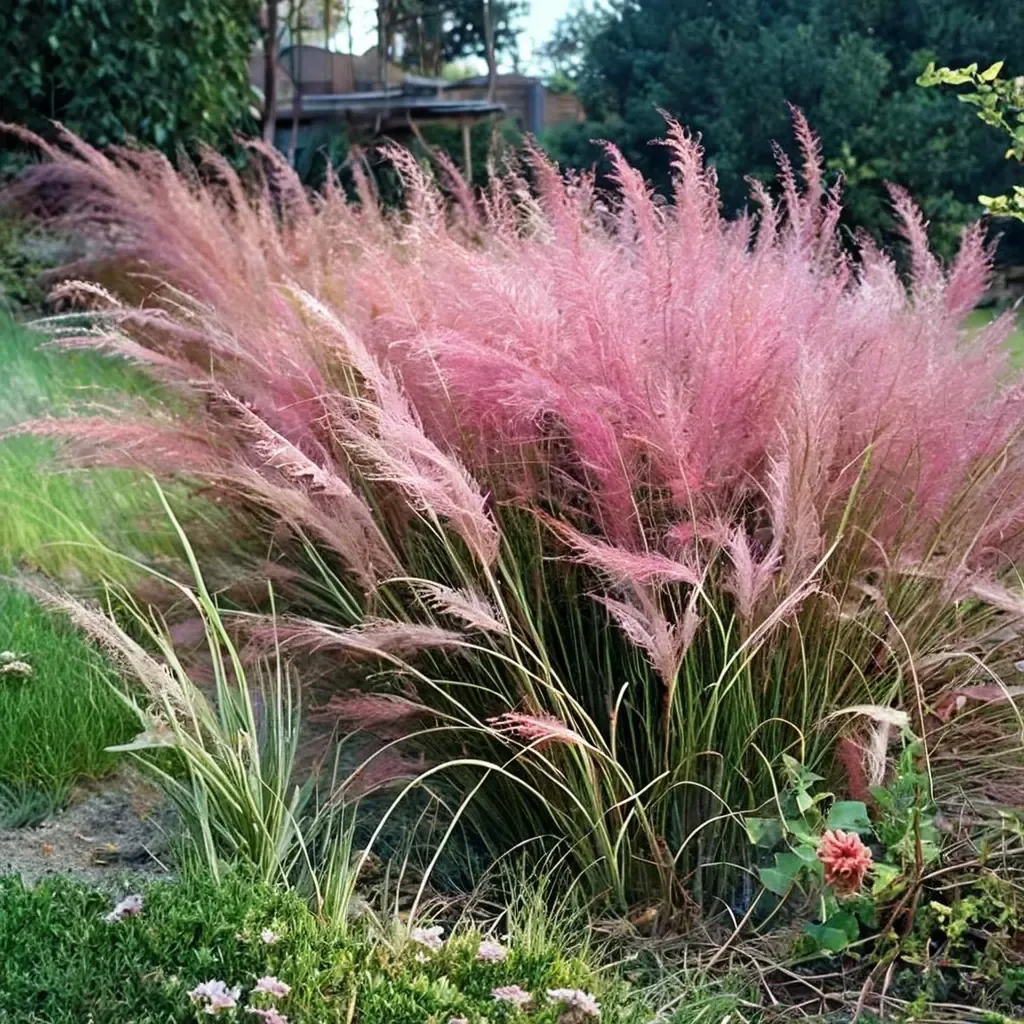 #3 most saved
Pink Muhly Grass
Muhlenbergia capillaris
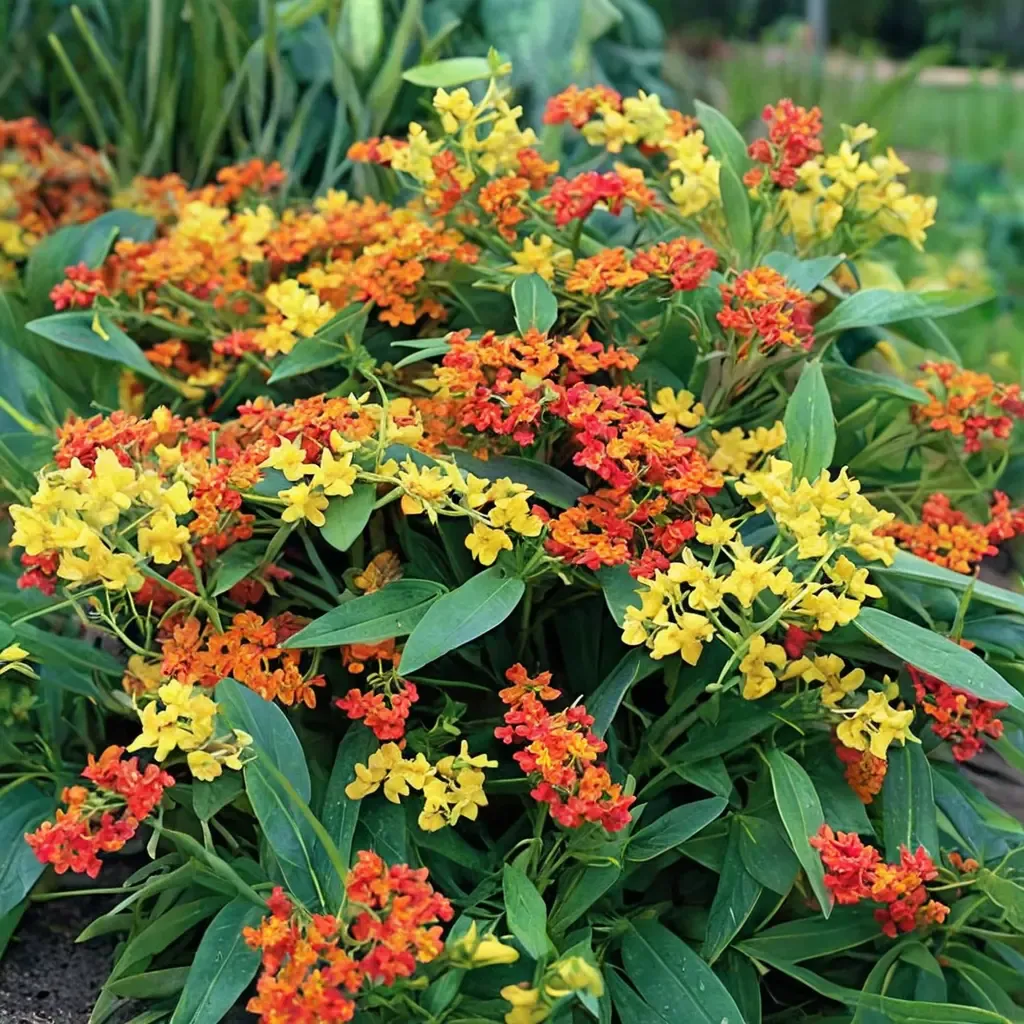
Butterfly Weed
Asclepias tuberosa 'Gay Butterflies Mix'
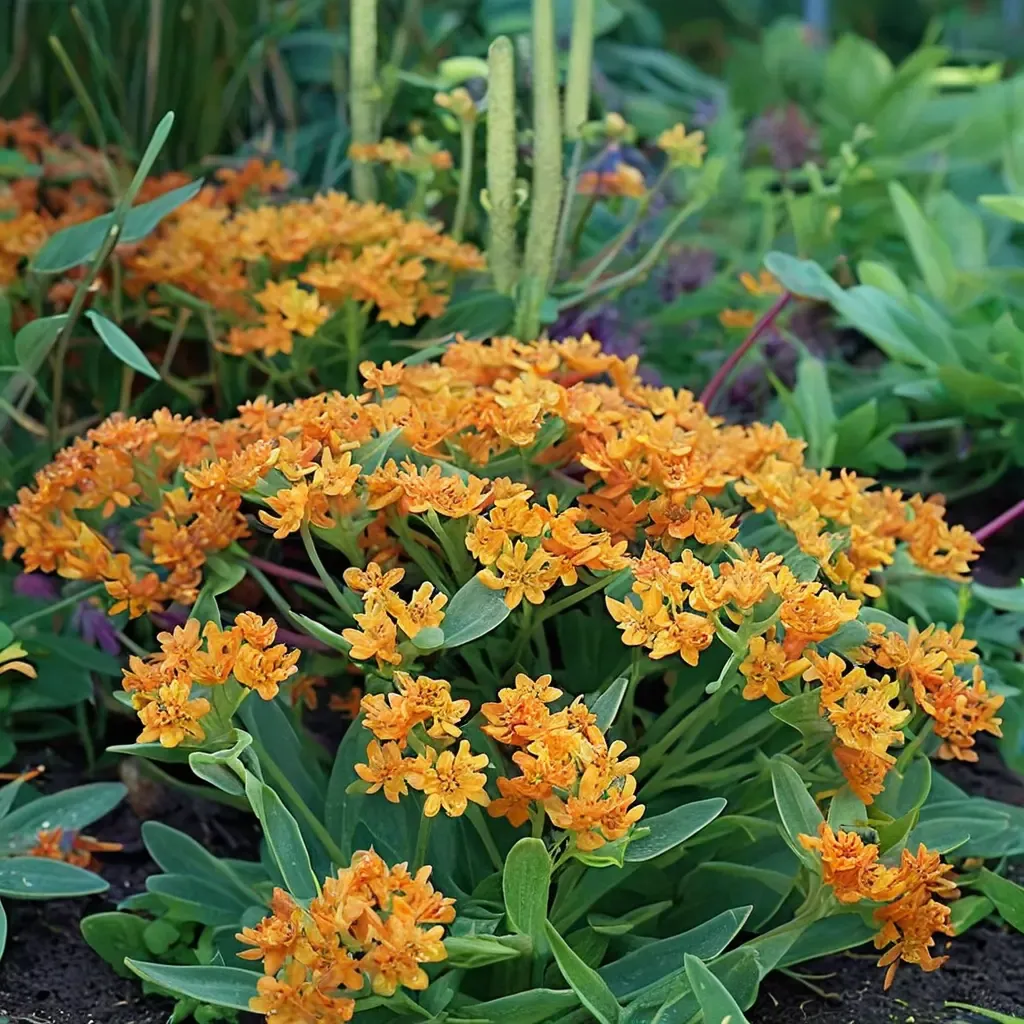
Butterfly Weed Gay Butterflies Milkweed
Asclepias tuberosa 'Gay Butterflies'
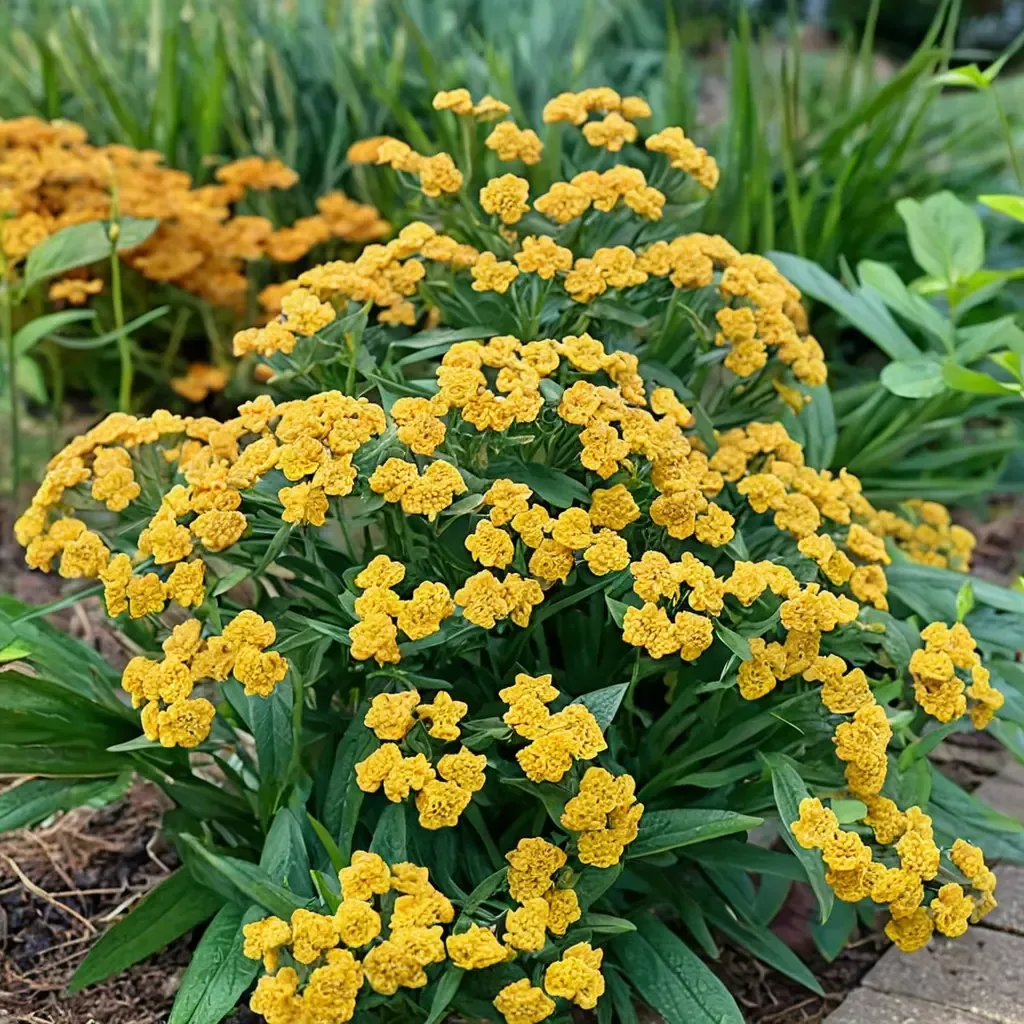
Hello Yellow Butterfly Weed
Asclepias tuberosa 'Hello Yellow'
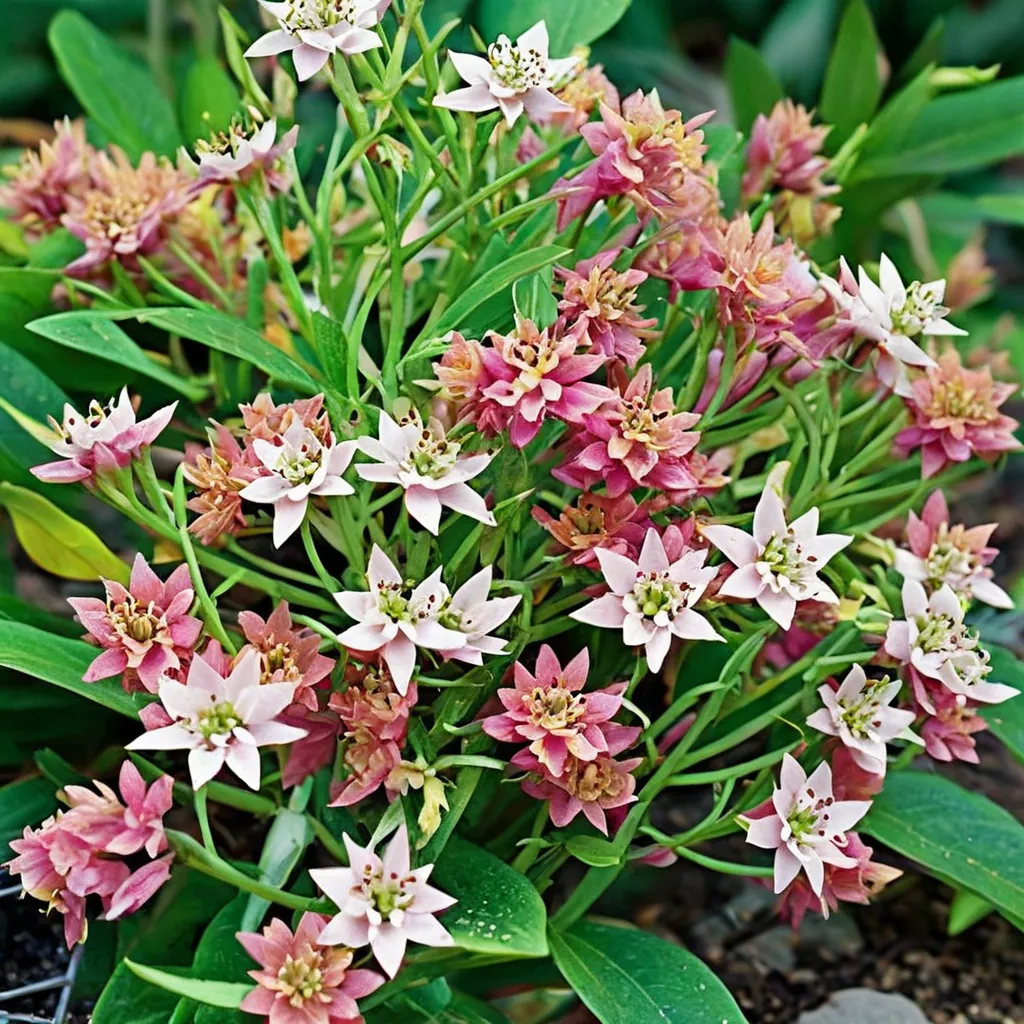
Butterfly Milkweed
Asclepias x hybrida
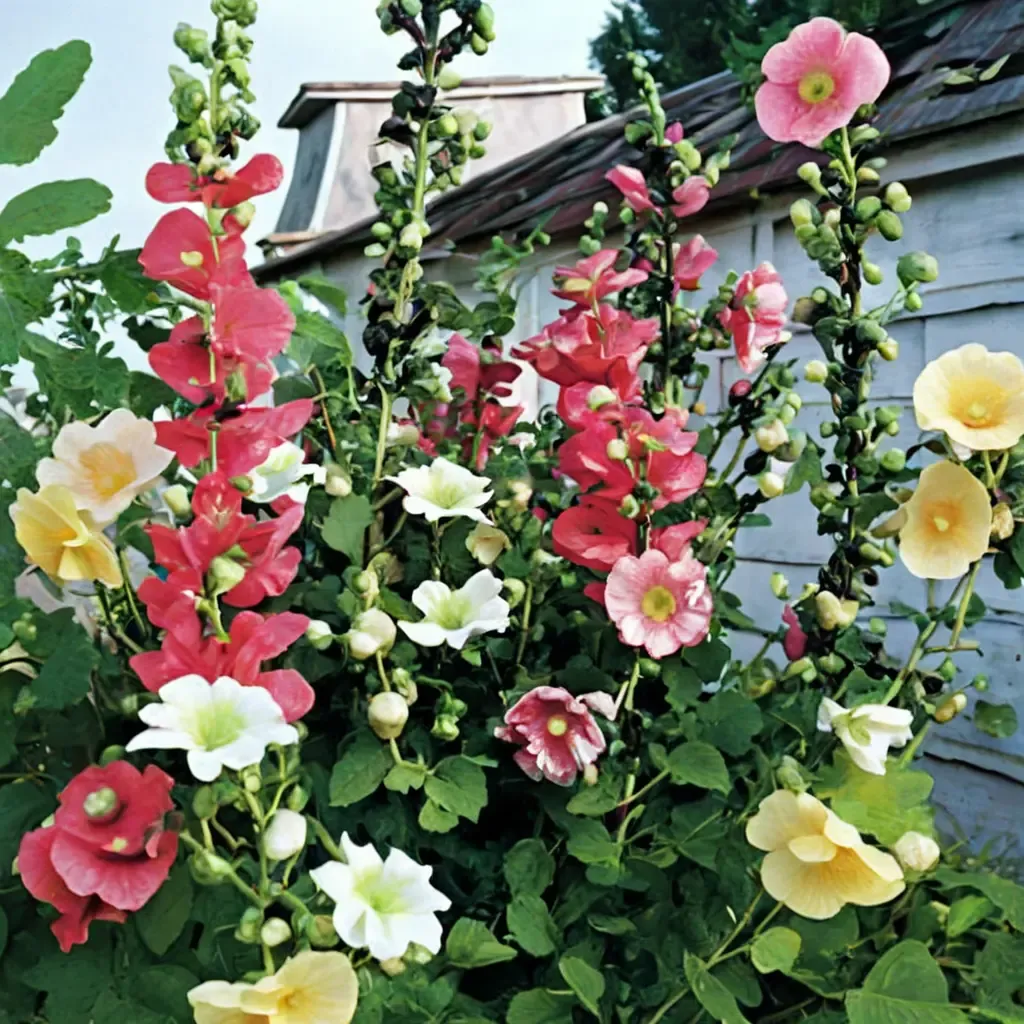
Old Farmyard Hollyhock
Alcea rosea 'Old Farmyard'
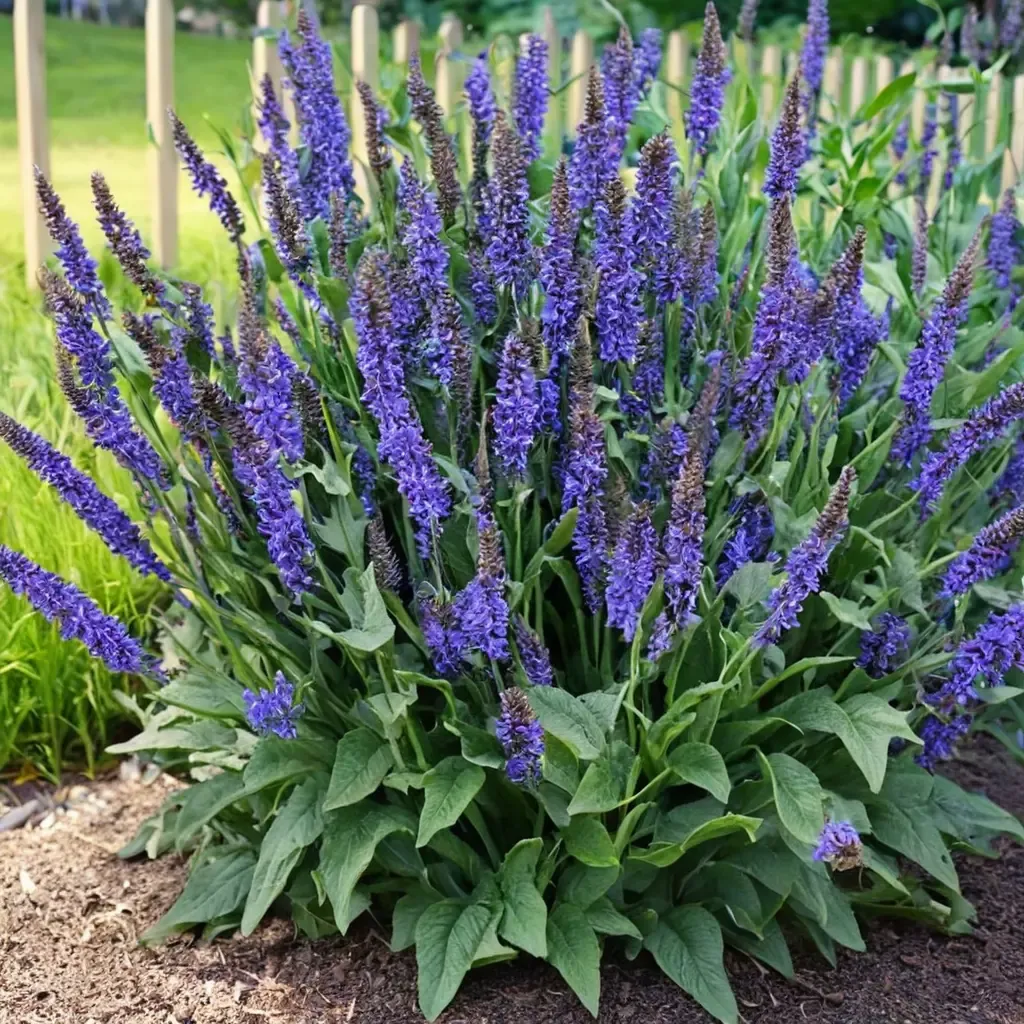
May Night Sage
Salvia nemorosa 'May Night'
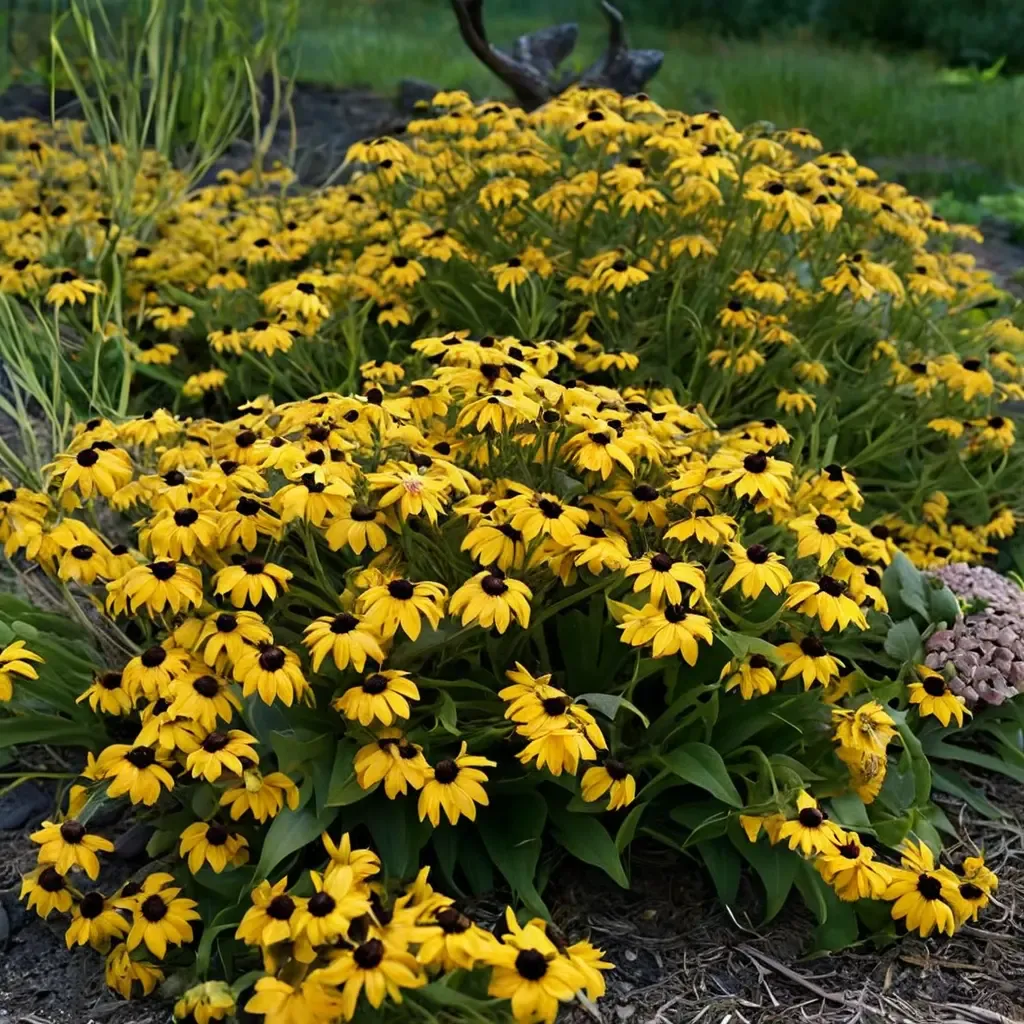
Black-eyed Susan
Rudbeckia hirta 'American Gold Rush'
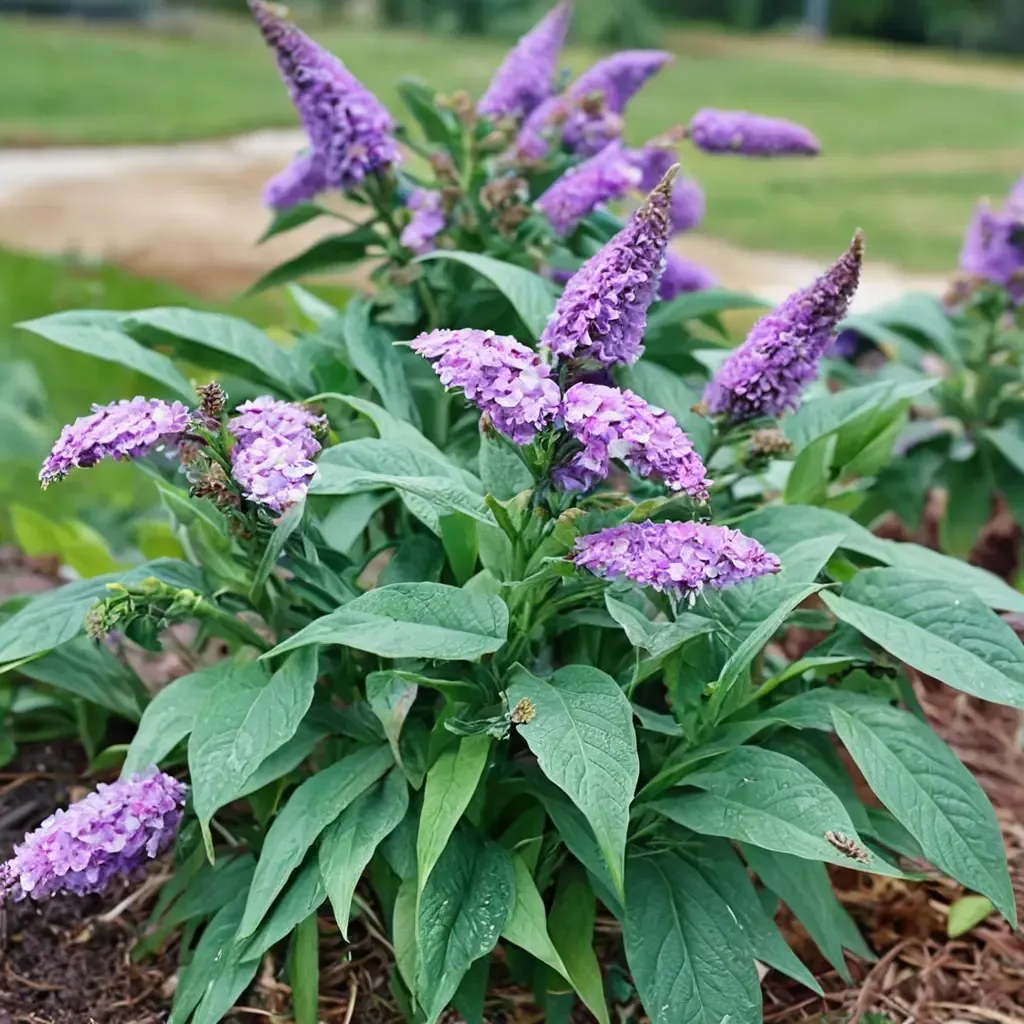
Pugster Amethyst Butterfly Bush
Buddleja davidii 'Pugster Amethyst'
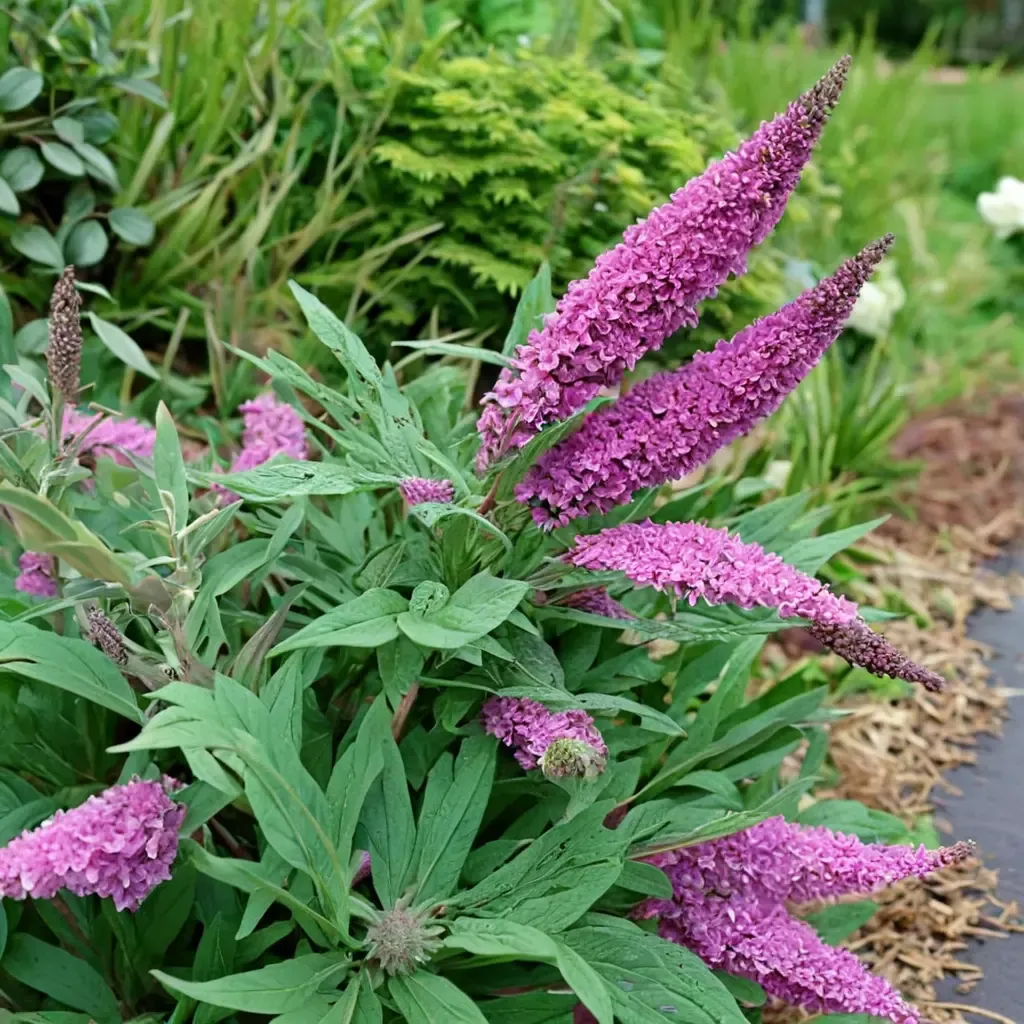
Pugster Pink Butterfly Bush
Buddleia davidii 'Pugster Pinker'
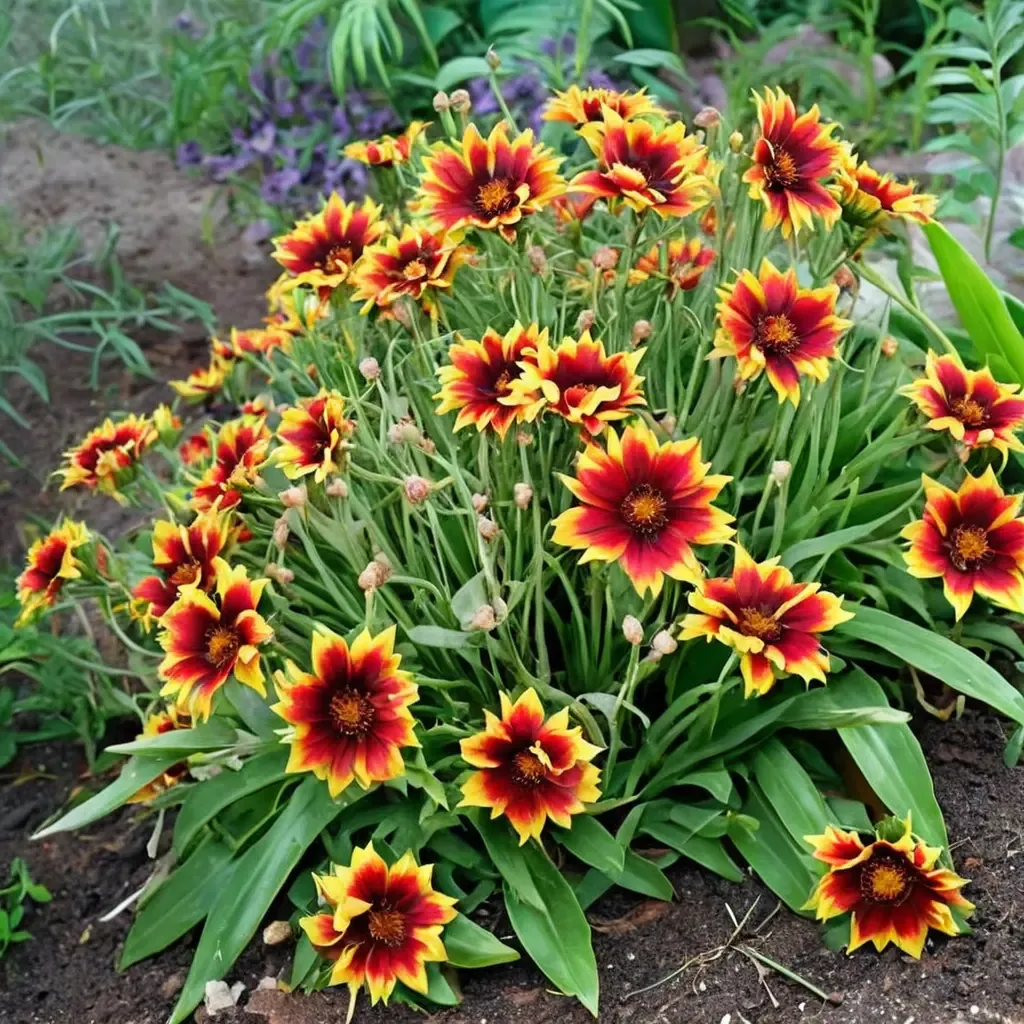
Blanket Flower
Gaillardia x grandiflora 'Mixed Border'
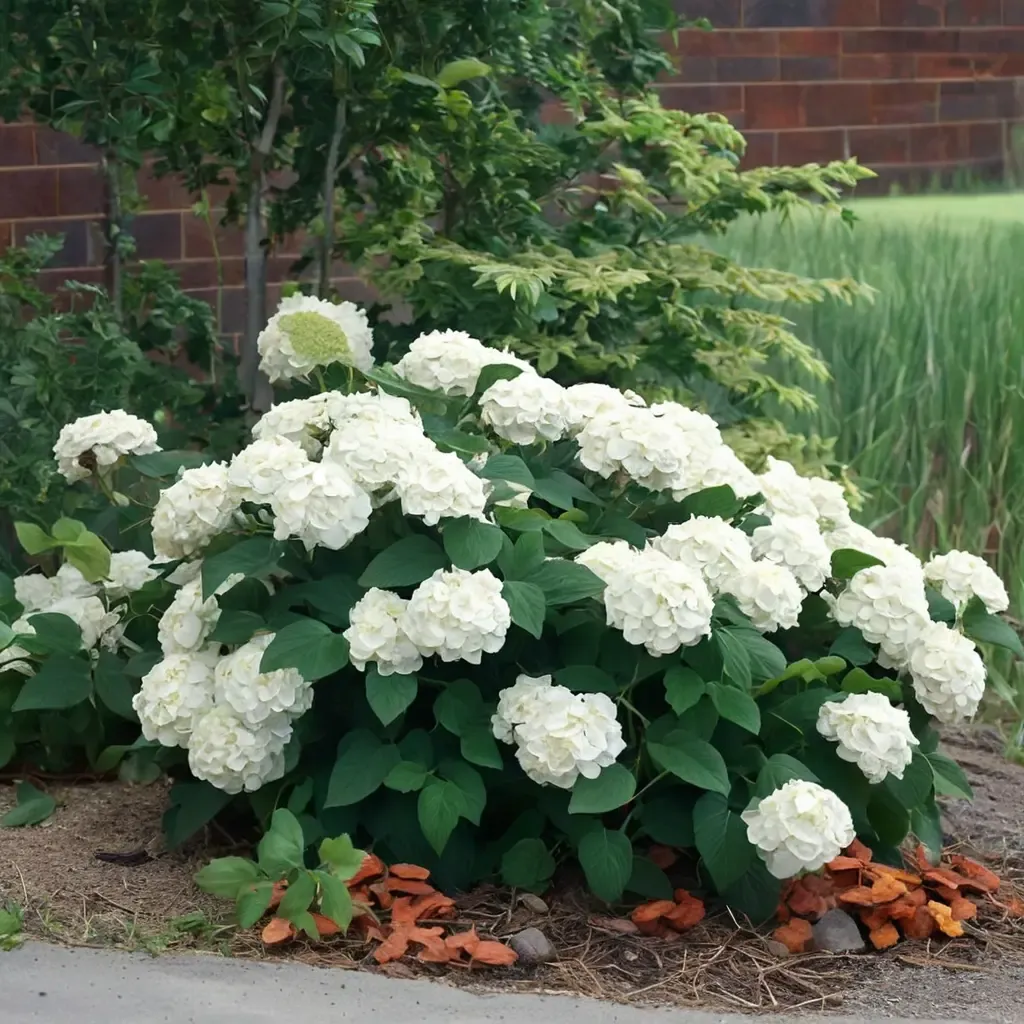
Incrediball Hydrangea
Hydrangea arborescens 'Incrediball'
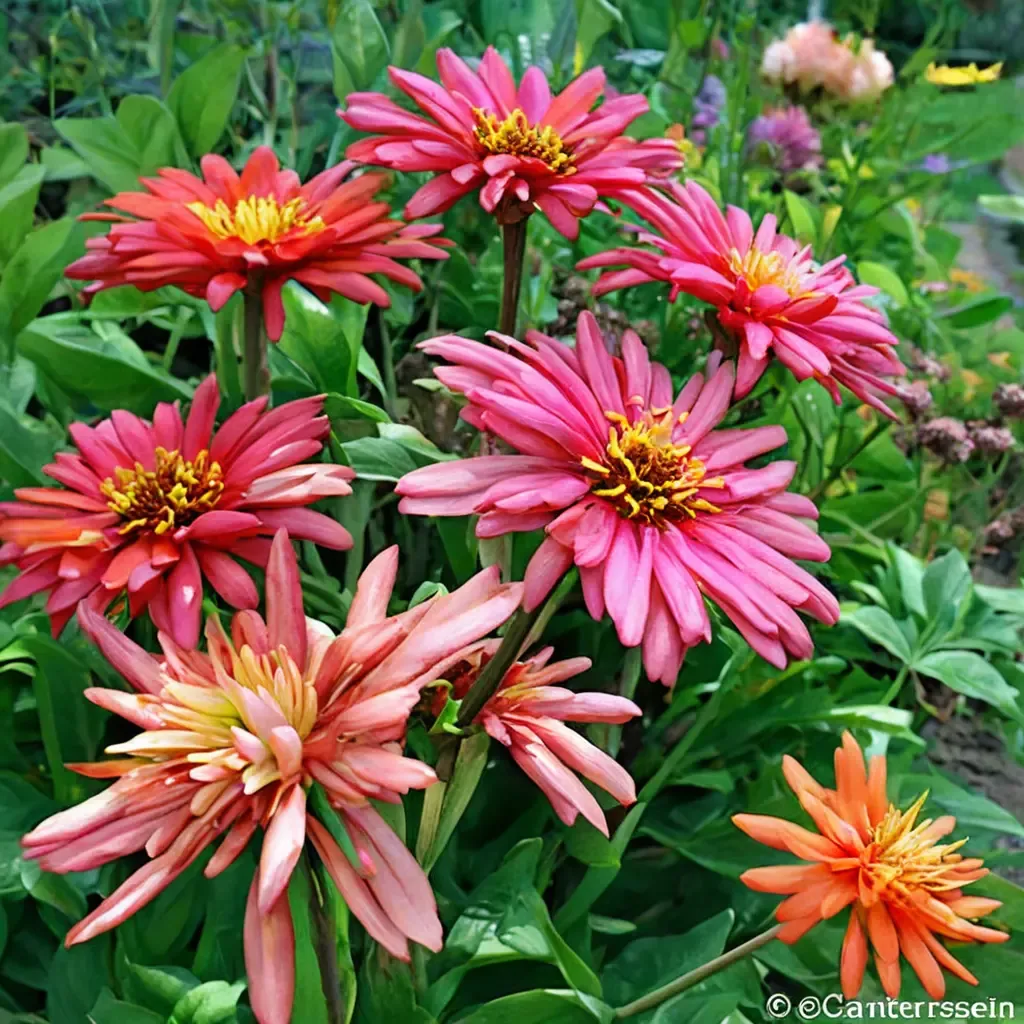
Zinnia Raggedy Ann
Zinnia elegans 'Raggedy Ann'
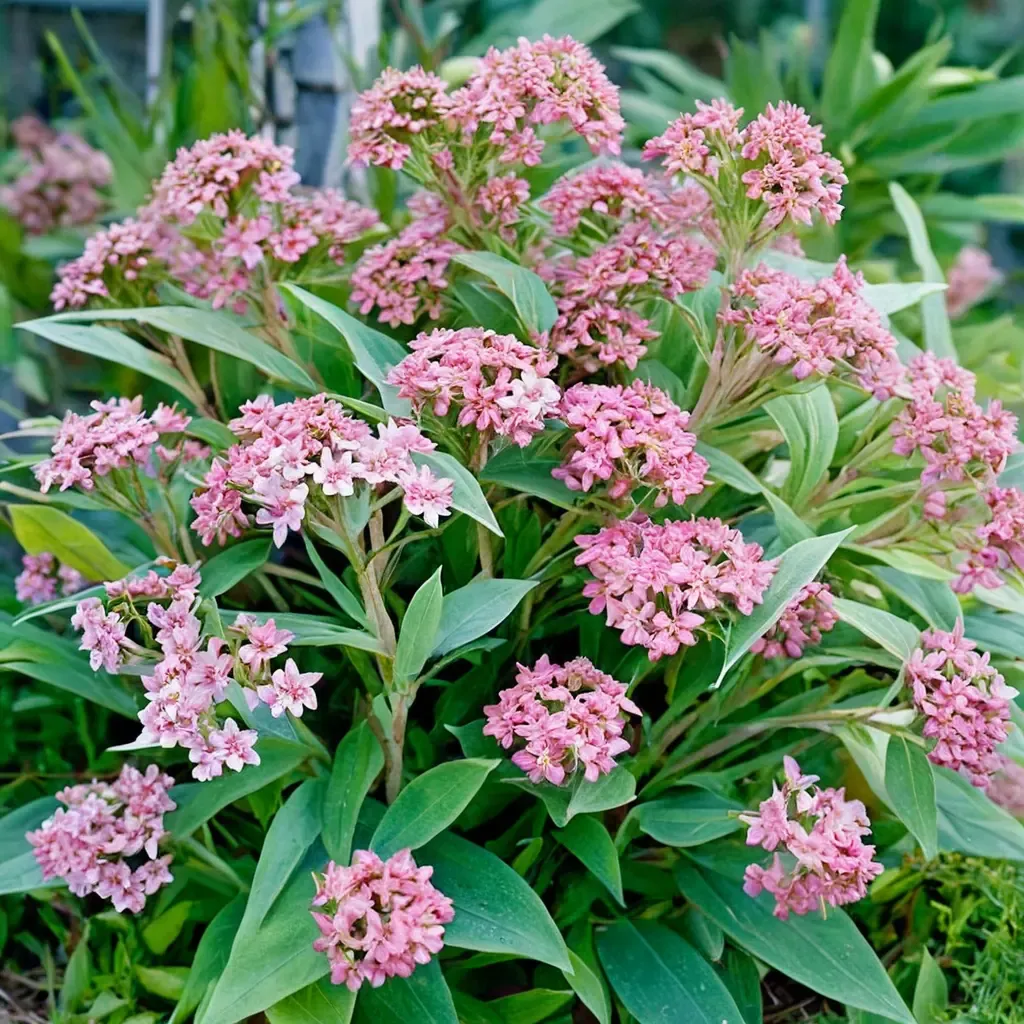
Cinderella Milkweed
Asclepias incarnata 'Cinderella'
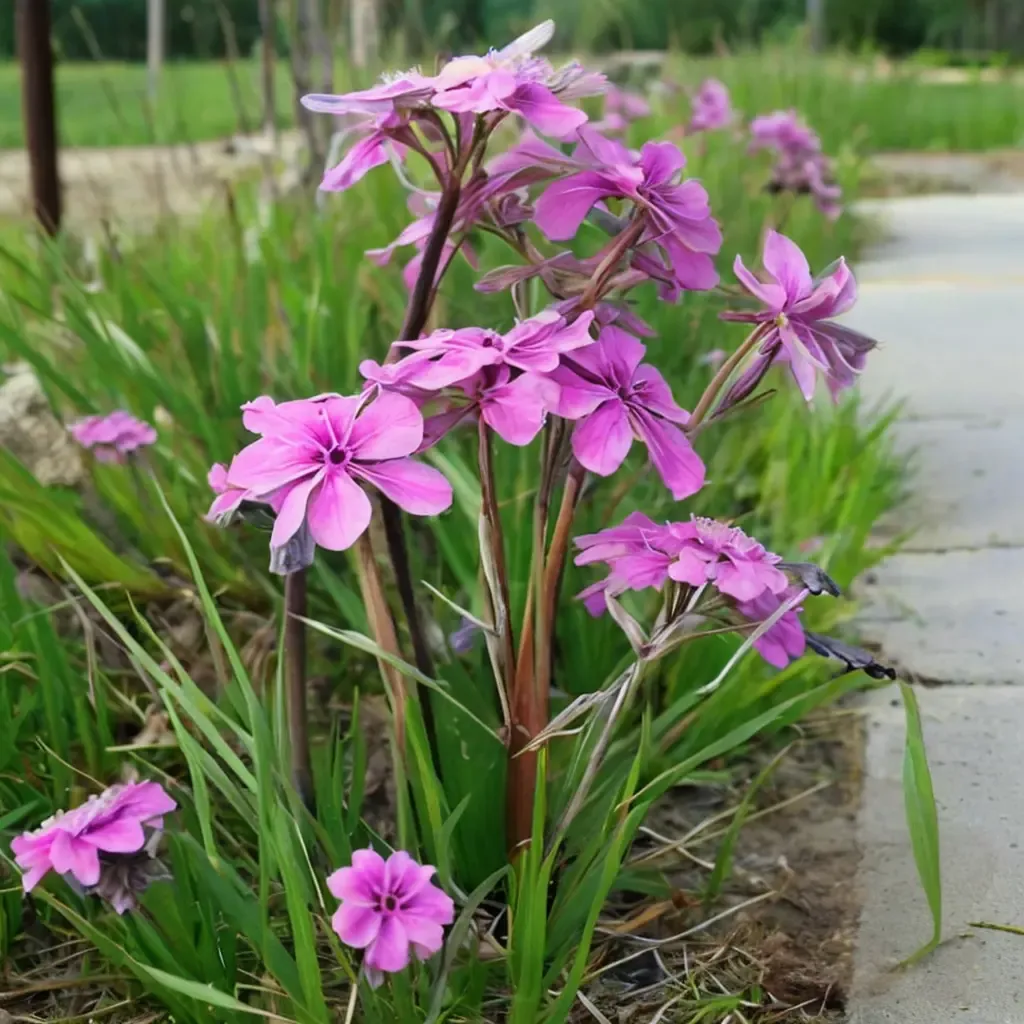
Prairie Phlox
Phlox pilosa
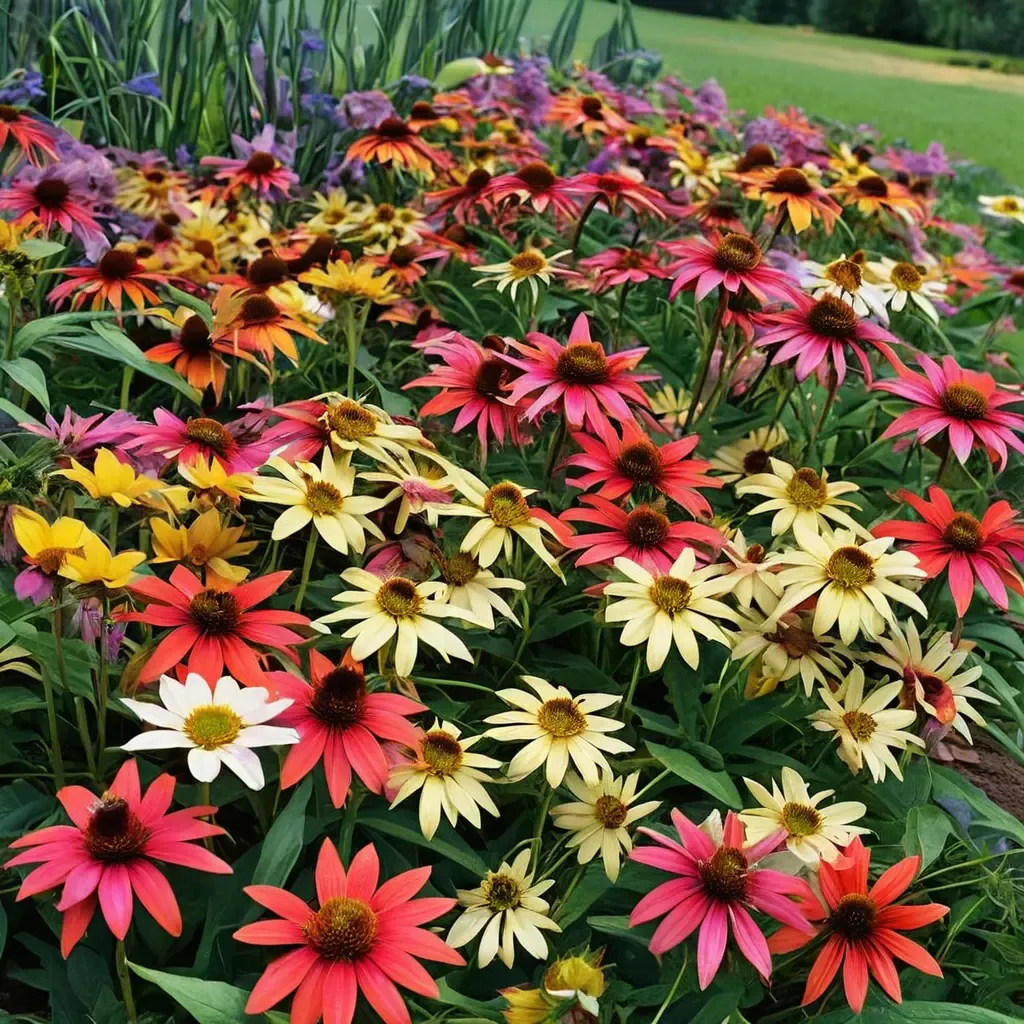
Cheyenne Spirit Coneflower
Echinacea purpurea 'Cheyenne Spirit Mix'
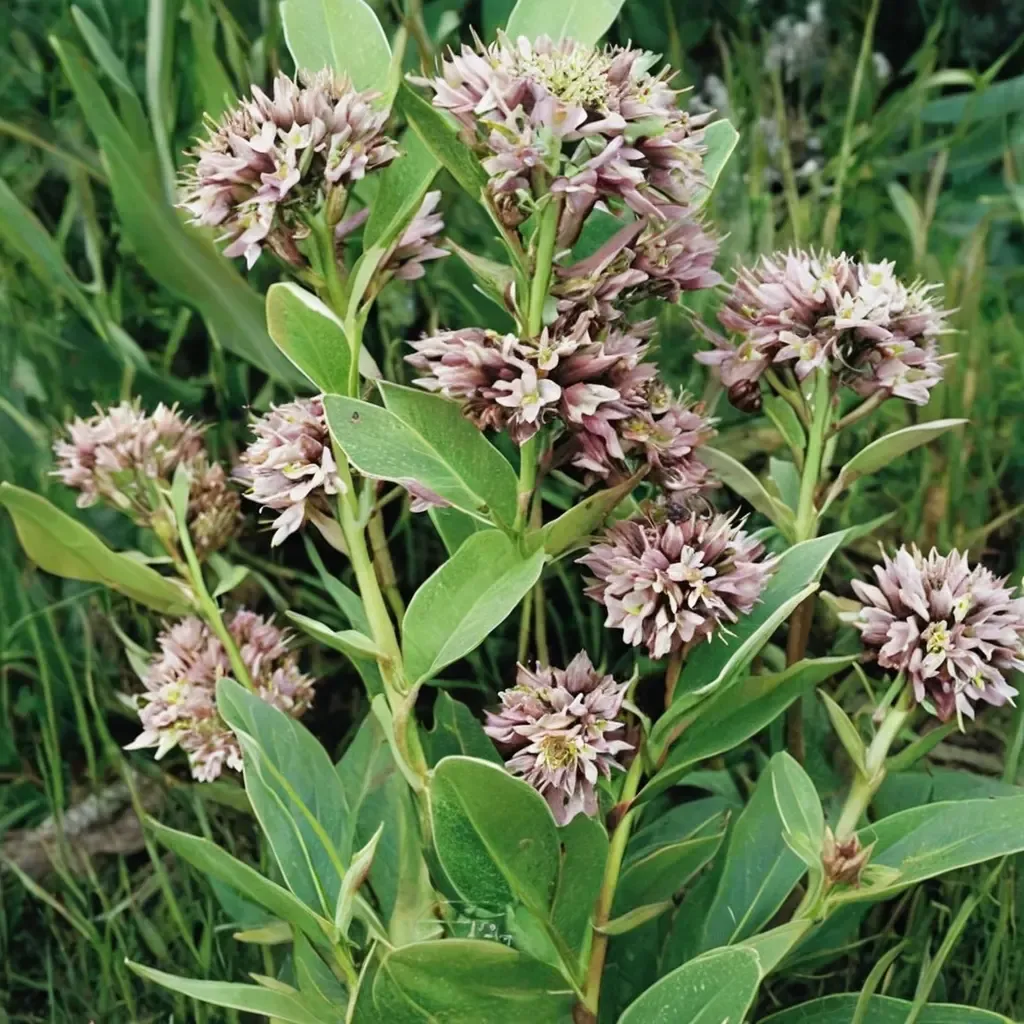
Common Milkweed
Asclepias syriaca
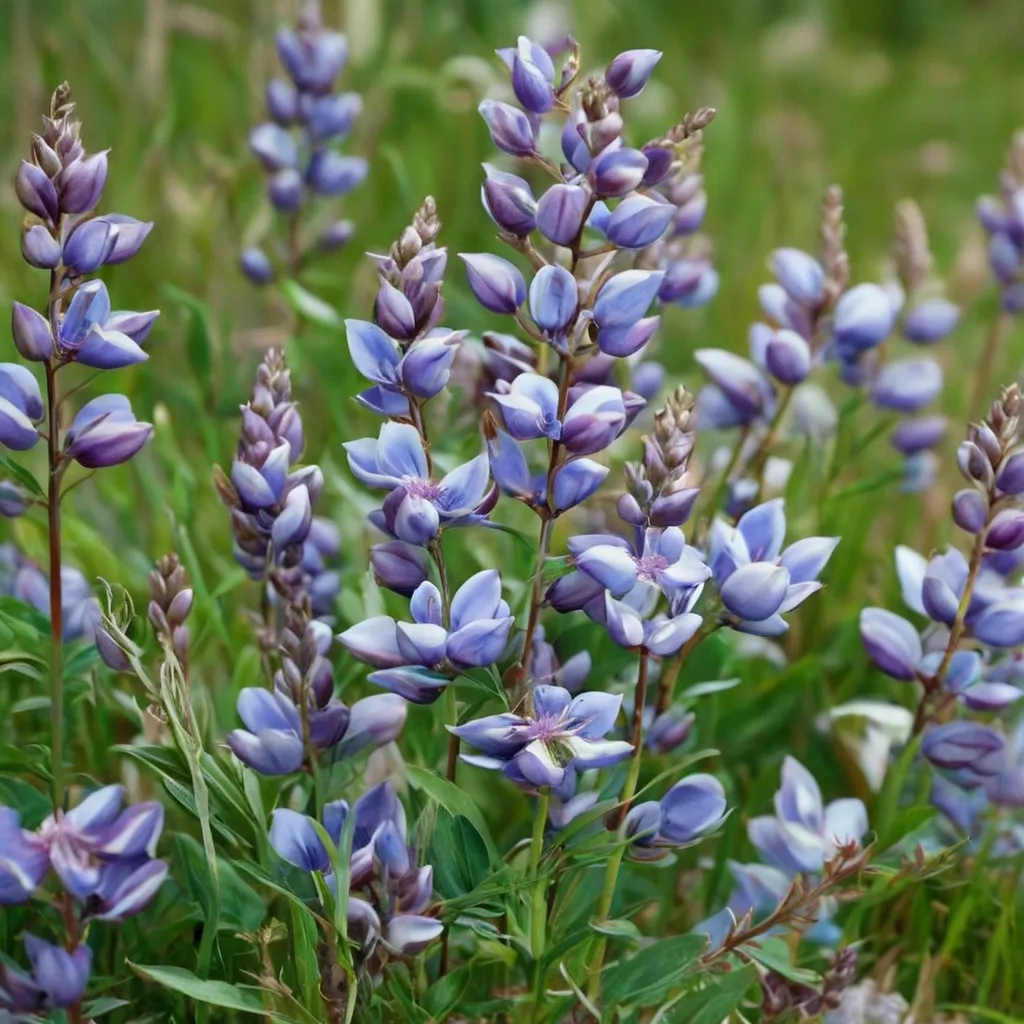
Wild Lupine
Lupinus perennis
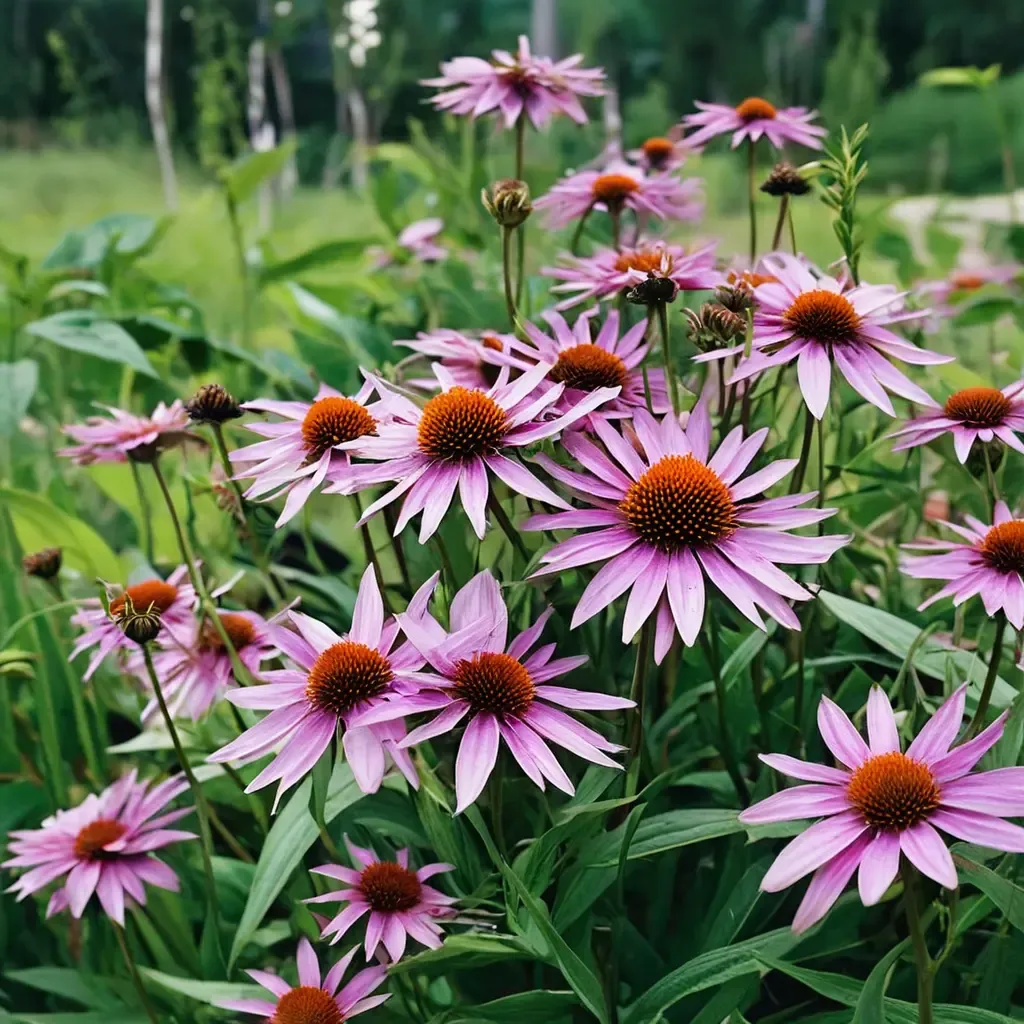
Purple Coneflower
Echinacea purpurea
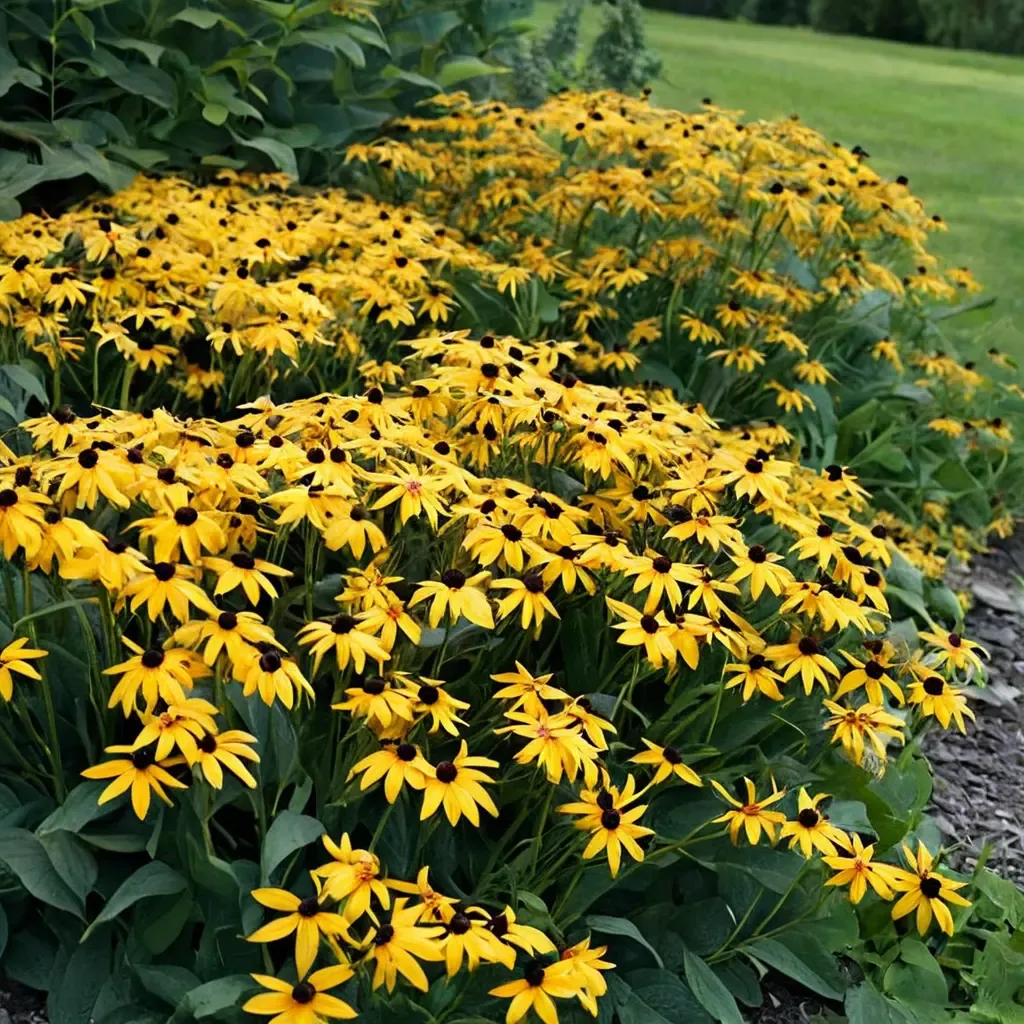
Black-eyed Susan
Rudbeckia fulgida 'Goldsturm'
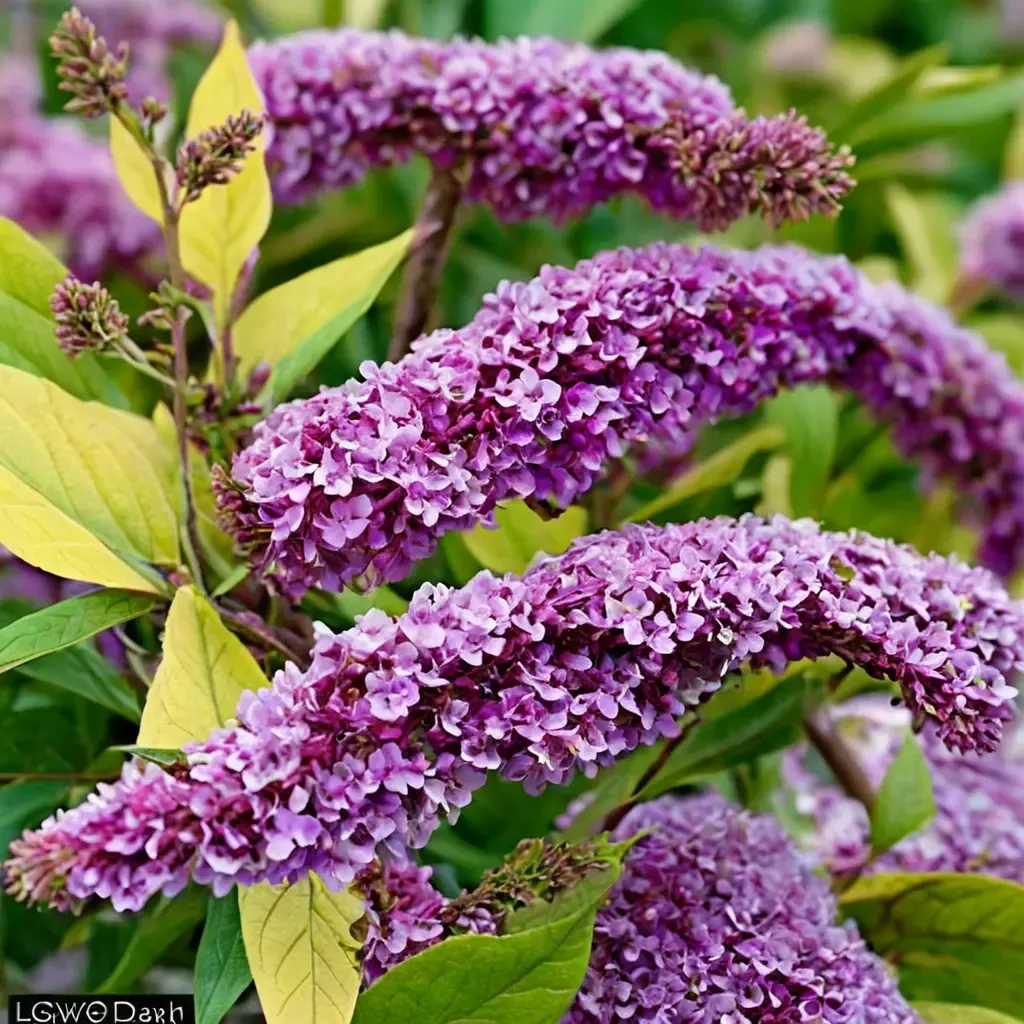
Trio Butterfly Bush
Buddleja davidii 'Trio'
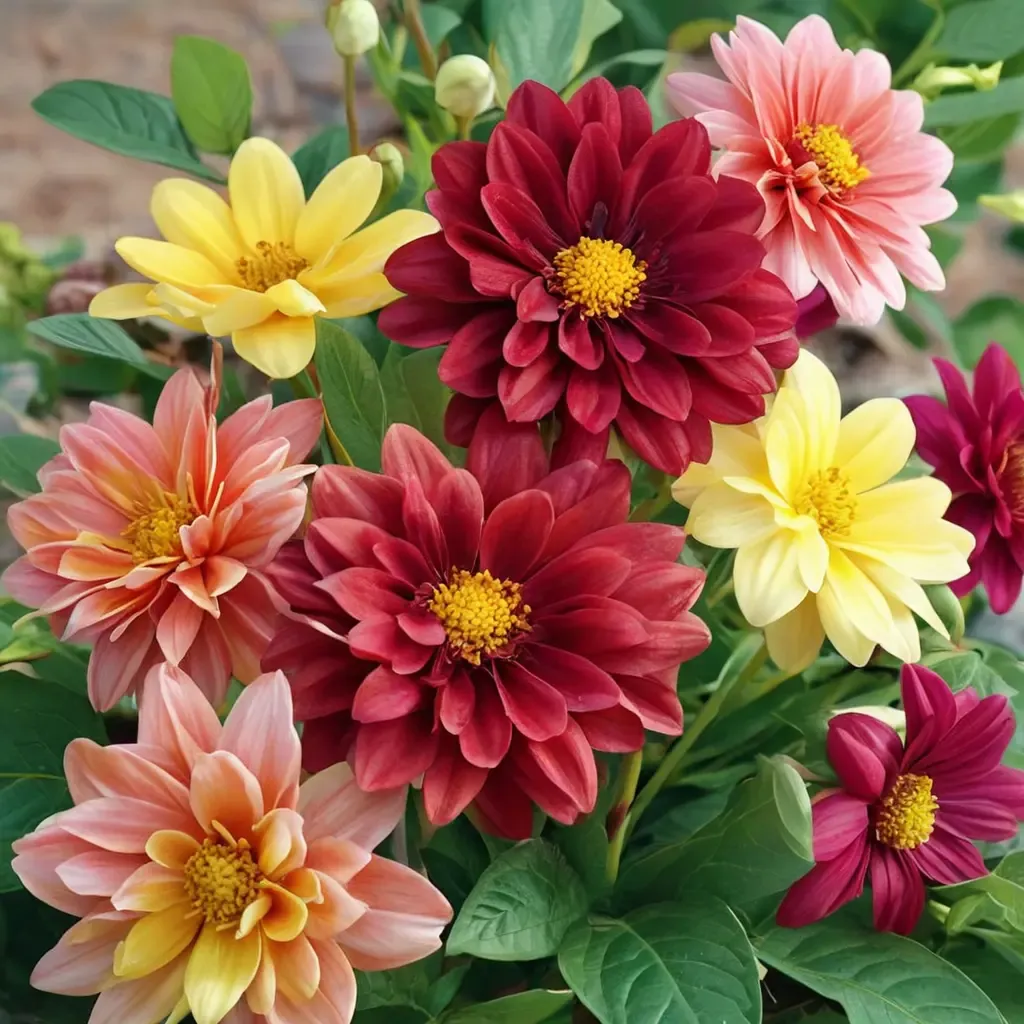
Dahlia
Dahlia variabilis
Showing the 24 most-saved of 6.1k. See all pollinator plants →
Pollinator Plants in Zone 9
What are the best pollinators plants for Zone 9?
The 24 above are the most-saved pollinators plants that are also rated hardy through Zone 9. Ranking by real gardeners — not by catalog marketing — surfaces the ones gardeners keep coming back to.
Will these survive Zone 9 winters?
Every plant listed here is rated for Zone 9, where winter lows reach 20°F to 30°F. Site conditions still matter: drainage, wind exposure, and a good layer of mulch make the difference between a rated-hardy plant and a happy one.
What makes a plant good for pollinators?
Single (not double) flowers with accessible nectar and pollen, long bloom windows, and planting in groups of three or more so foragers can work efficiently. Native species tend to support the widest range of local pollinators.
When should pollinator plants bloom?
Aim for a relay: early-spring bloomers feed emerging queens, summer plants carry the colony season, and late-fall asters and goldenrods fuel migration and overwintering. A good pollinator bed has something open from March to frost.
Keep exploring
Pollinator Plants in other zones
Design a Zone 9 bed with these
Snap a photo of your yard and Sow places these plants in it — correctly sized, matched to your zone, with care reminders that follow your real weather.