Also known as Rockcress · 43 saves
Arabis
Arabis, the genus most gardeners know as rockcress. We track 3 varieties; the ones most used by real gardeners.
The 3 most-saved Arabis varieties
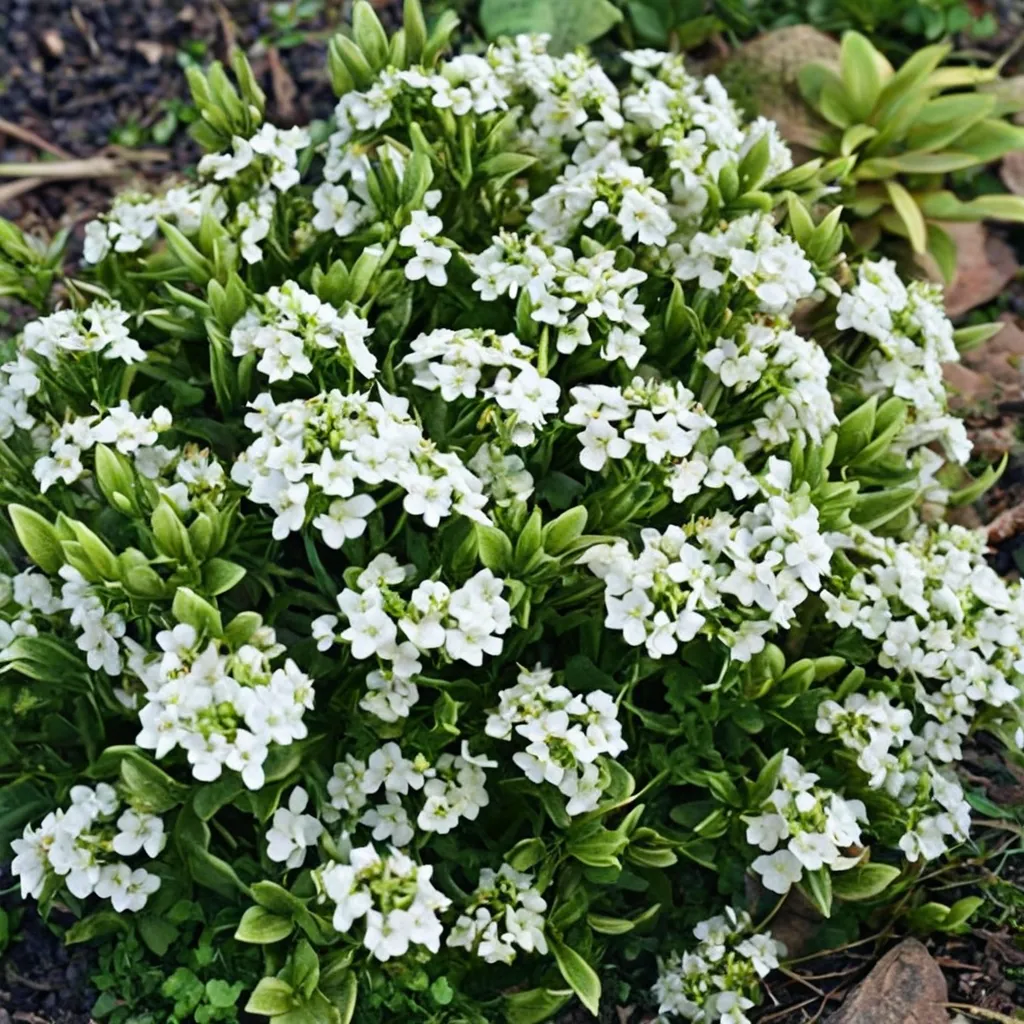
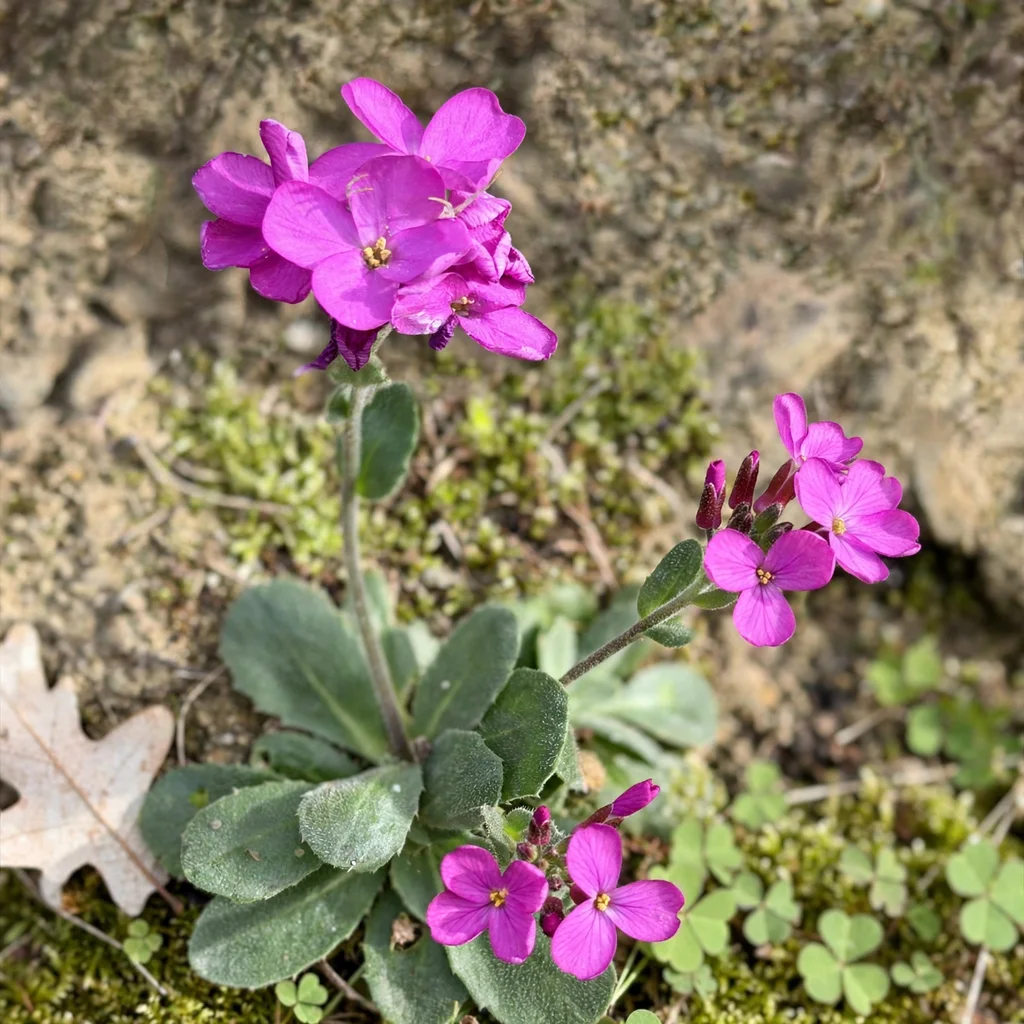
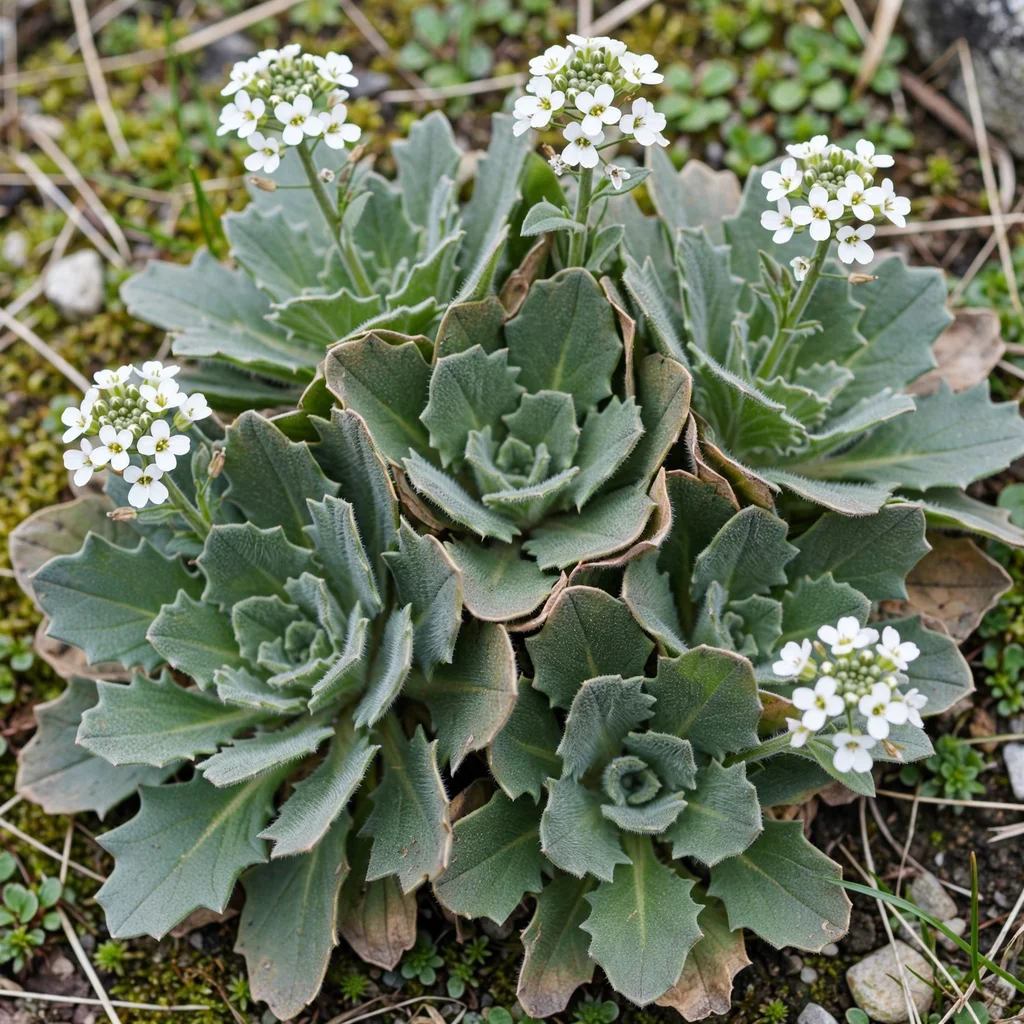
3 species of Arabis
Each one is a parent of the varieties above.
Track your Arabis in Sow
Save the Arabis you grow and get care reminders timed to your zone.
How to grow Arabis
Whats common across all Arabis varieties in our catalog — drawn from the care records of the 3 most-grown of them.
The Arabis year
- PruneMay and June100% of varieties
Cut back flower stems and loose foliage hard right after blooming finishes.
- Check for PestsApril67% of varieties
Inspect new growth for aphids and check lower leaves for mildew symptoms.
- Spring CleanupMarch and April67% of varieties
Clear away winter debris from around rosettes to maintain adequate airflow.


Do
- Prune back hard after flowering finishes in late spring.
- Provide gritty, well-drained, lime-rich soil.
- Ensure excellent air circulation around the crown.
- Plant in gritty rock gardens, gravel beds, or well-draining pots.
- Trim back spent flower stems after blooming to keep the crown compact.
Avoid
- Do not plant in heavy clay or waterlogged soil.
- Do not apply high-nitrogen organic fertilizers.
- Do not disturb established root crowns once settled.
- Do not plant in moisture-retentive clay soil or poorly drained sites.
What goes wrong with Arabis
| Problem | What you'll see | What to do |
|---|---|---|
| Aphids | Clusters of small insects on tender spring growth and buds, leading to leaf distortion and sticky honeydew. | Dislodge with a strong stream of water or spray affected foliage with insecticidal soap. |
| Spider Mites | Fine webbing and foliage stippling during warm, dry conditions. | Increase air circulation around plants and apply horticultural oil spray. |
| Downy mildew and white rust | White pustules or pale discolored patches on foliage during humid spring weather. | Improve air circulation, water at soil level, and trim back affected stems. |
| Root rot | Wilting, yellowing foliage, and sudden crown collapse caused by lingering dampness. | Plant exclusively in gritty, rapidly draining soil and withhold overhead irrigation. |
| Root Rot | Foliage yellowing, softening, and blackening at the base caused by excess soil moisture. | Improve drainage by planting in gritty soil and reduce irrigation during wet seasons. |
Making more Arabis
Seed
- Sow seed indoors or in cold frames in early spring.
- Press seeds onto the surface of a well-draining, sandy seed-starting mix without covering them deeply.
- Maintain a temperature of 60 to 65°F until germination occurs in 2 to 3 weeks.
- Prick out seedlings into individual pots once true leaves form.
Rosette Division
- Wait until flowering completes in late spring.
- Gently lift or separate side rosettes that have formed rooted stems.
- Replant individual rosettes directly into gritty, damp soil.
- Keep lightly moist until new growth appears.
Arabis questions
How many types of Arabis are there?
The Sow catalog tracks 3 distinct Arabis varieties. The most popular — ranked by 43 real gardeners — are shown first above.
What zones does Arabis grow in?
Across its varieties, Arabis covers USDA Zones 4–8. Individual varieties differ — each plant page lists its exact range, and Sow filters the catalog to your zone automatically.
When does Arabis bloom?
Most Arabis varieties bloom in late spring, late winter, spring. Staggering early, mid, and late varieties extends the genus's season in one bed.
Which Arabis should I choose?
Start from the most-saved varieties above — popularity across thousands of gardens is a strong signal of reliability — then filter by your zone and sun. In the Sow app you can preview any of them in a photo of your actual yard before you buy.