The Story
Plant Bio
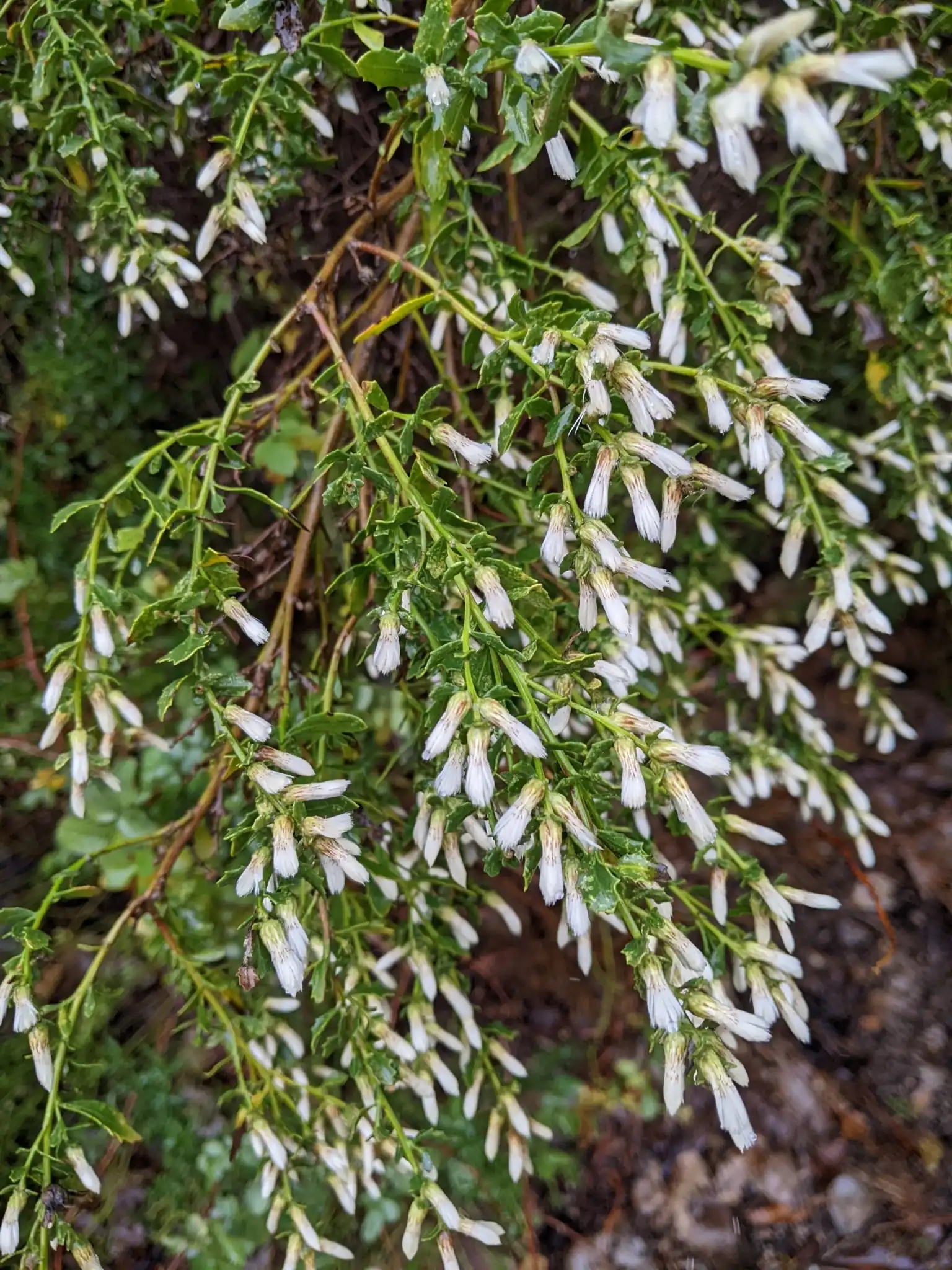
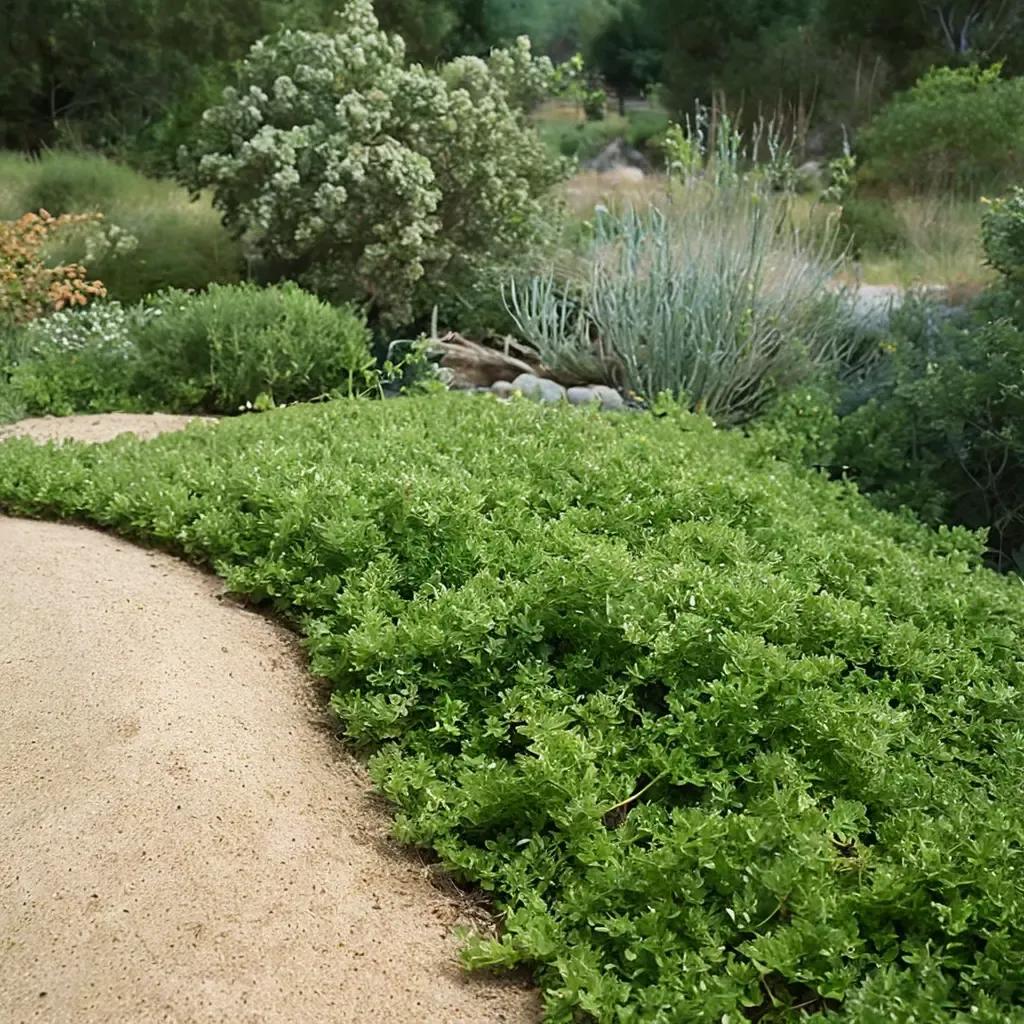
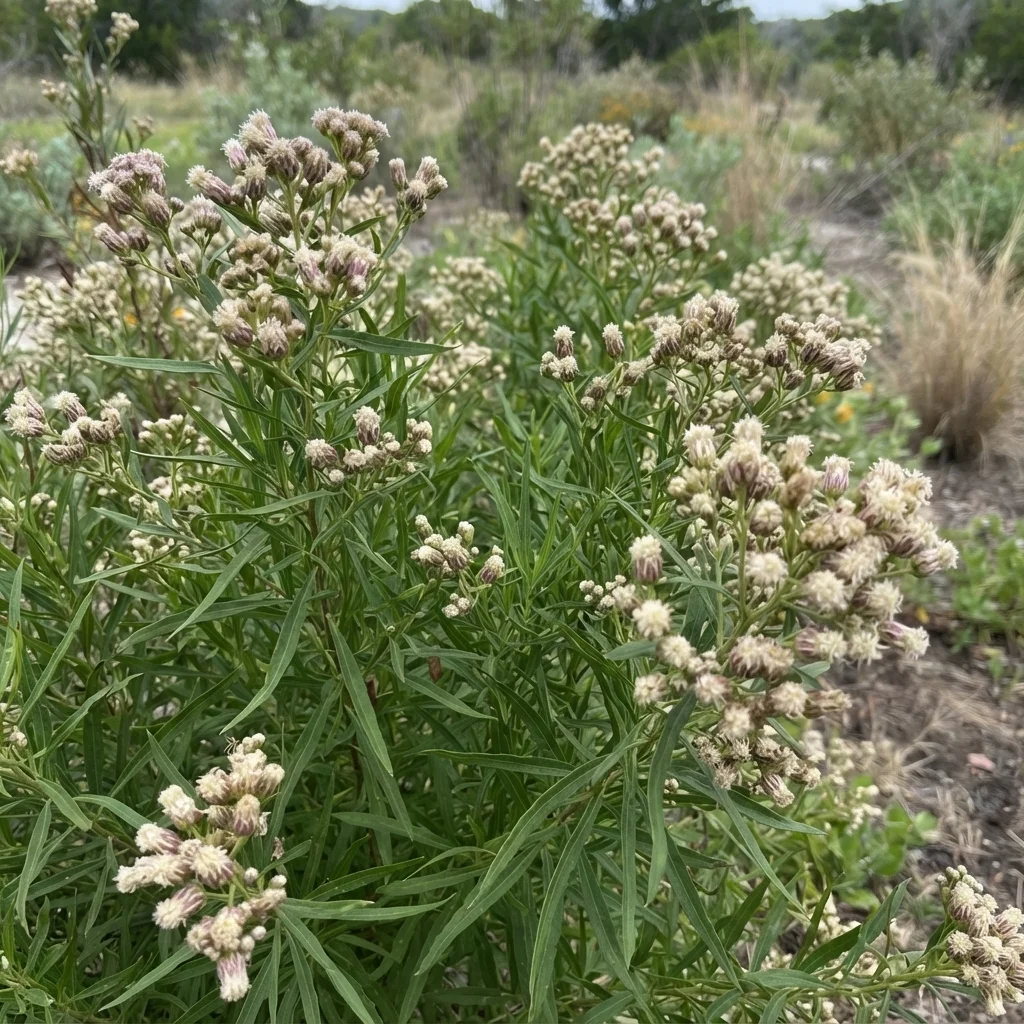
Baccharis pilularis, coyote brush, is an evergreen Californian shrub that ranges from a one-foot mat to a four-foot bush, spreading six to ten feet across. Small resinous toothed leaves stay green through the dry season. Plants are either male or female, and the modest autumn flowers are yellowish on males and white on females, opening in September and October.
Female plants follow their flowers with masses of cottony seed that blows everywhere and seeds into surrounding ground, which is why the prostrate selections sold for ground cover are almost all male. It is also genuinely fire-retardant when kept green and pruned, and is used deliberately around buildings in dry western landscapes.
Uses & Benefits:
Essentials
At a Glance
Plant Type
Shrub
Height
24"
Width
120"
Light
Full Sun, Partial Sun
Zones
8, 9, 10
Water
Low
Humidity
Low
Lifespan
Perennial
Native To
California
Toxicity
Non-toxic
Planting
How to Grow
- Plant in autumn or winter in full sun.
- Choose dry, sandy, sharply drained soil.
- Space plants six to eight feet apart for cover.
- Water through the first summer only.
- Shear lightly each winter to keep growth dense and green.
- Remove any woody dead growth that accumulates inside.
Pro Tip
Its fire-retardant reputation depends on annual shearing; an unpruned plant accumulates dead interior wood and loses that benefit entirely.
Keep It Thriving
Care Guide
Do
- Plant it in full sun and sharp drainage ☀️
- Shear it lightly each winter ✂️
- Use it to stabilise dry banks 🪨
- Choose a male selection to avoid seed fluff 🌱
Don't
- Irrigate it once established ❌
- Let dead interior wood build up ❌
- Plant a seeding female form near wild land ❌
Seasonal Care Calendar
| Task | Jan | Feb | Mar | Apr | May | Jun | Jul | Aug | Sep | Oct | Nov | Dec |
|---|---|---|---|---|---|---|---|---|---|---|---|---|
| Plant | ||||||||||||
| Prune |
Watch Out For
Pests & Diseases
Common Pests
Common Diseases
In the Garden
Landscape Uses & Companions
Landscape Uses
Multiply
Propagation Methods
Good to Know
Common Questions
Dwarf Coyote Bush questions
What zones can Dwarf Coyote Bush grow in?
Dwarf Coyote Bush is hardy in USDA Zones 8–10. Inside that range it survives winter in the ground; outside it, grow it as an annual or a container plant you protect.
Is Dwarf Coyote Bush deer resistant?
Yes — Dwarf Coyote Bush is rated deer-resistant. Deer typically pass it over, though extreme hunger can override any plant's defenses.
When does Dwarf Coyote Bush bloom?
Dwarf Coyote Bush typically blooms in early to mid-fall through early fall. Exact timing shifts a week or two with your zone — Sow's bloom calendar maps it to your garden.
Does Dwarf Coyote Bush need full sun?
Dwarf Coyote Bush does best in full sun to part shade. In hot climates, afternoon shade keeps blooms fresher longer.
Is Dwarf Coyote Bush drought tolerant?
Yes — once established (usually after the first full season), Dwarf Coyote Bush handles dry spells with minimal watering. Water deeply its first year to build the root system that makes that possible.
More Baccharis to compare
Keep exploring
Explore the genus
Hardy in your zone?
Grow Dwarf Coyote Bush with confidence
See it in a design of your actual yard, get zone-matched care reminders, and track it season by season in your garden journal.