Also known as Walnut · 31 saves
Juglans
Juglans, the genus most gardeners know as walnut. We track 3 varieties; the ones most used by real gardeners.
The 3 most-saved Juglans varieties
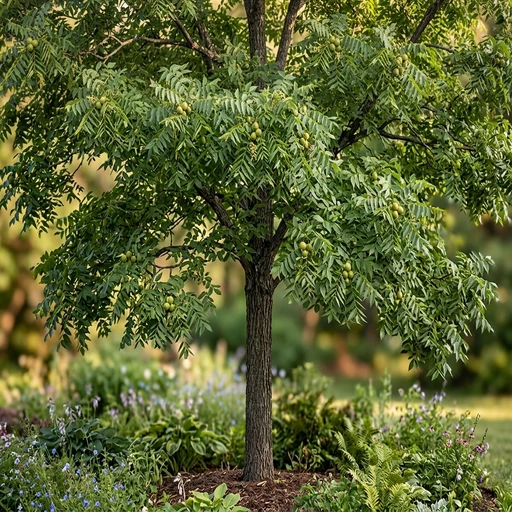
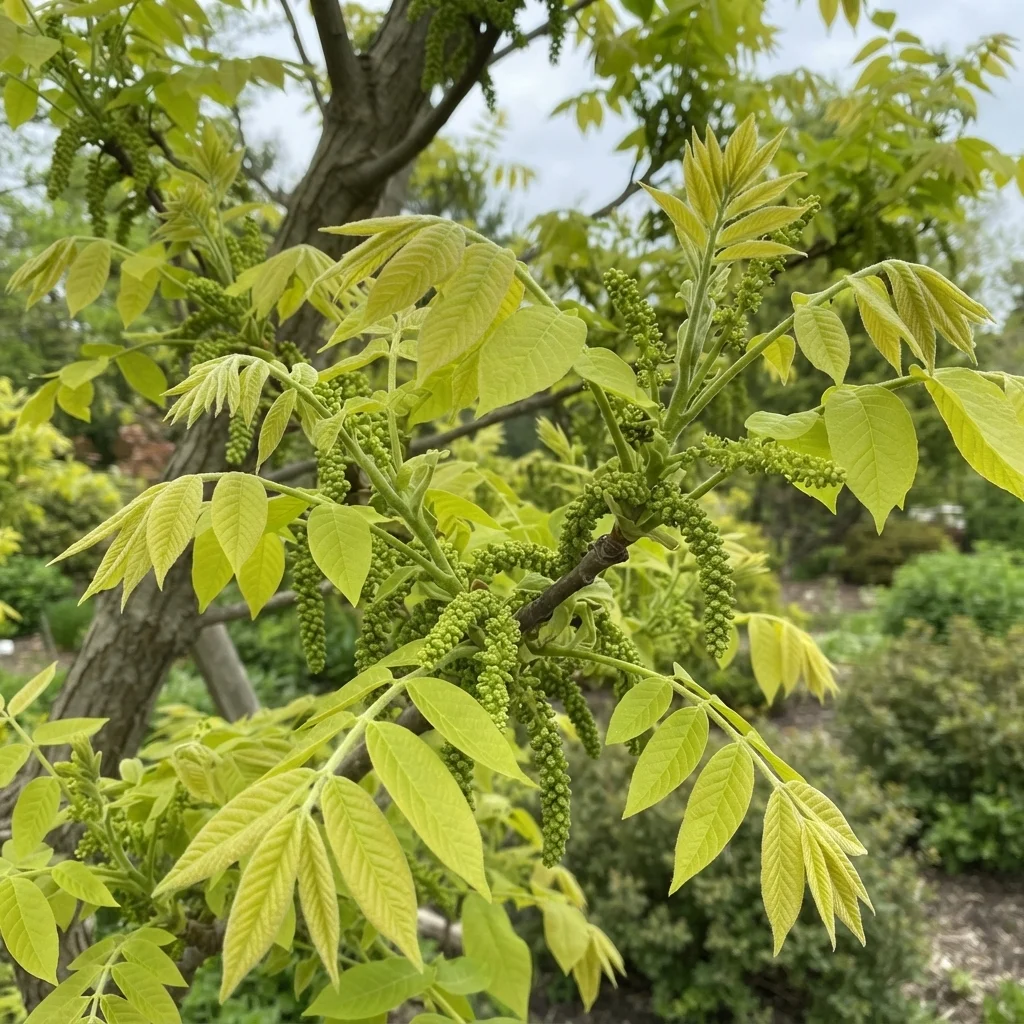

2 species of Juglans
Each one is a parent of the varieties above.
Track your Juglans in Sow
Save the Juglans you grow and get care reminders timed to your zone.
How to grow Juglans
Whats common across all Juglans varieties in our catalog — drawn from the care records of the 3 most-grown of them.
The Juglans year
- PruneFebruary and March100% of varieties
Prune in late winter to establish a single leader and remove low branches.
- HarvestSeptember and October67% of varieties
Collect nuts in fall after they drop; remove husks promptly.
- FertilizeMarch and April67% of varieties
Apply a balanced, slow-release fertilizer sparingly in early spring if growth is slow.
- Check for PestsMay and June67% of varieties
Inspect new growth for butternut curculio damage and lace bugs.


Do
- Keep the area under the tree free of weeds to reduce competition.
- Provide supplemental water during prolonged droughts.
- Rake up fallen leaves, twigs, and nuts to minimize juglone in the soil.
- Prune to maintain a strong central leader when young.
- Prune strictly in late winter or early spring before sap flow begins to prevent excessive bleeding.
Avoid
- Do not plant near tomatoes, potatoes, apples, azaleas, or rhododendrons.
- Avoid using wood chips from black walnut as mulch for other plants.
- Do not plant in poorly drained or shallow soils.
- Avoid heavy foot or vehicle traffic over the root zone.
What goes wrong with Juglans
| Problem | What you'll see | What to do |
|---|---|---|
| Walnut Caterpillar | Large colonies of caterpillars that defoliate entire branches. | Prune out branches with colonies. Apply Bacillus thuringiensis (Bt) when caterpillars are small. |
| Walnut Husk Fly | Maggots feeding inside the nut husk, causing staining and decay. | Use sticky traps to monitor for adults. Apply spinosad-based sprays. Clean up fallen nuts promptly. |
| Butternut curculio | Deformed young shoots and premature nut drop caused by larval boring. | Collect and destroy fallen nuts promptly, and apply appropriate organic insecticides during early spring activity. |
| Lace bugs | Yellow stippling on upper leaf surfaces and dark, tar-like spots on leaf undersides. | Blast the undersides of foliage with a strong stream of water or apply insecticidal soap. |
| Thousand Cankers Disease | Yellowing, wilting foliage, branch dieback, and eventual tree death. Caused by a fungus spread by the walnut twig beetle. | There is no cure. Prevent spread by not moving firewood. Report suspected cases to agricultural authorities. |
| Anthracnose | Irregular brown spots on leaflets, leading to premature leaf drop. | Generally not life-threatening. Rake and destroy fallen leaves. Improve air circulation. |
| Butternut canker | Sinking, soot-colored cankers on branches and trunks, leading to rapid twig dieback and eventual tree death. | There is no cure; prune out infected branches well below the canker using sanitized tools, or plant resistant hybrids. |
Making more Juglans
Seed
- Collect fresh nuts in the fall.
- Remove the husks and place nuts in moist sand.
- Cold stratify for 90-120 days in a refrigerator or outdoors.
- Plant seeds 1-2 inches deep in the spring.
- Germination occurs in late spring.
Dormant grafting
- Collect scion wood from mature, productive trees during winter dormancy.
- Select a compatible seedling or clonal rootstock in late winter.
- Perform a whip-and-tongue graft or patch bud near the base of the rootstock.
- Secure the graft union with grafting tape and seal it to prevent moisture loss.
Juglans questions
How many types of Juglans are there?
The Sow catalog tracks 3 distinct Juglans varieties. The most popular — ranked by 31 real gardeners — are shown first above.
What zones does Juglans grow in?
Across its varieties, Juglans covers USDA Zones 4–9. Individual varieties differ — each plant page lists its exact range, and Sow filters the catalog to your zone automatically.
When does Juglans bloom?
Most Juglans varieties bloom in late spring, spring. Staggering early, mid, and late varieties extends the genus's season in one bed.
Which Juglans should I choose?
Start from the most-saved varieties above — popularity across thousands of gardens is a strong signal of reliability — then filter by your zone and sun. In the Sow app you can preview any of them in a photo of your actual yard before you buy.