
The Story
Plant Bio
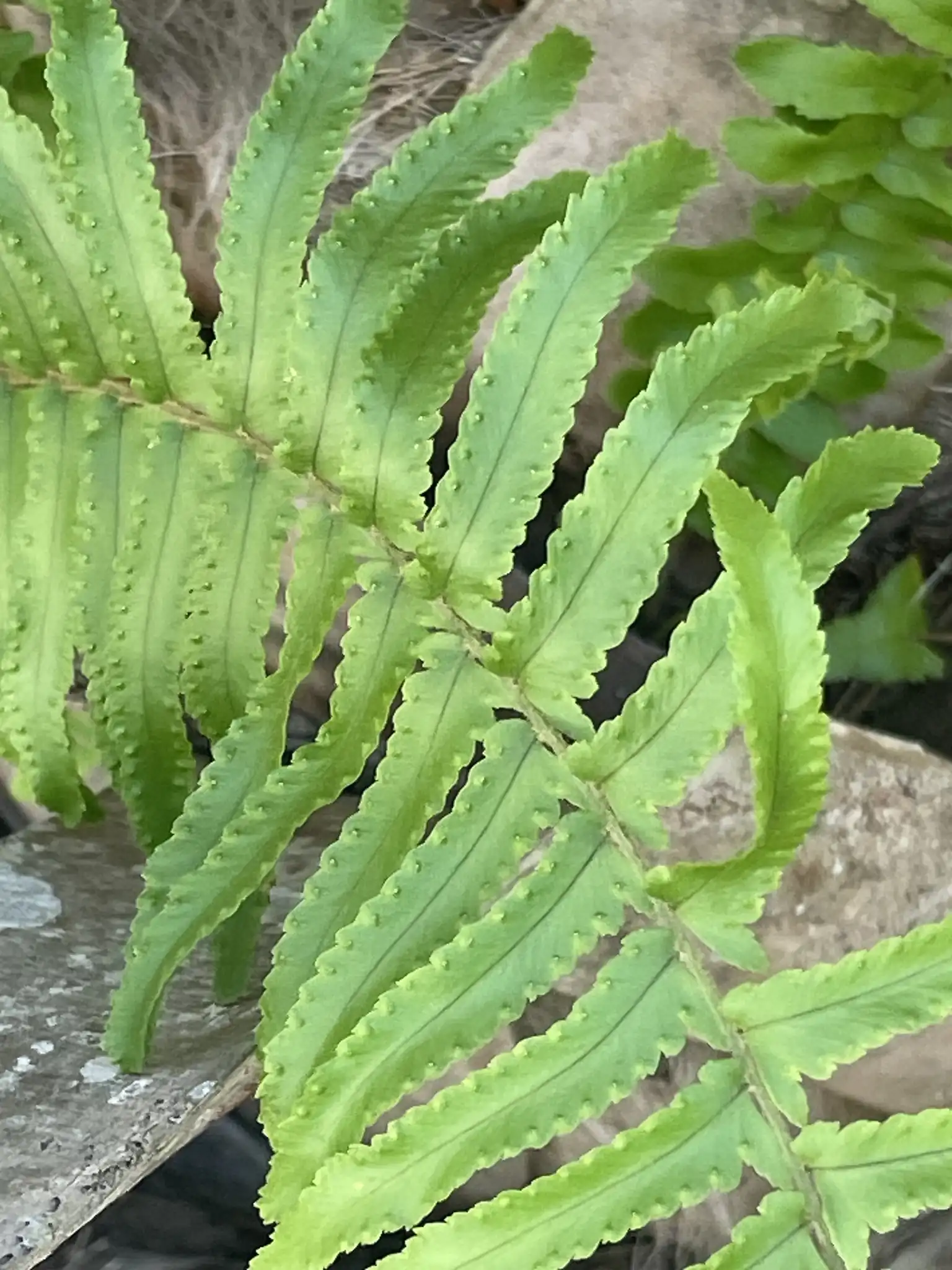
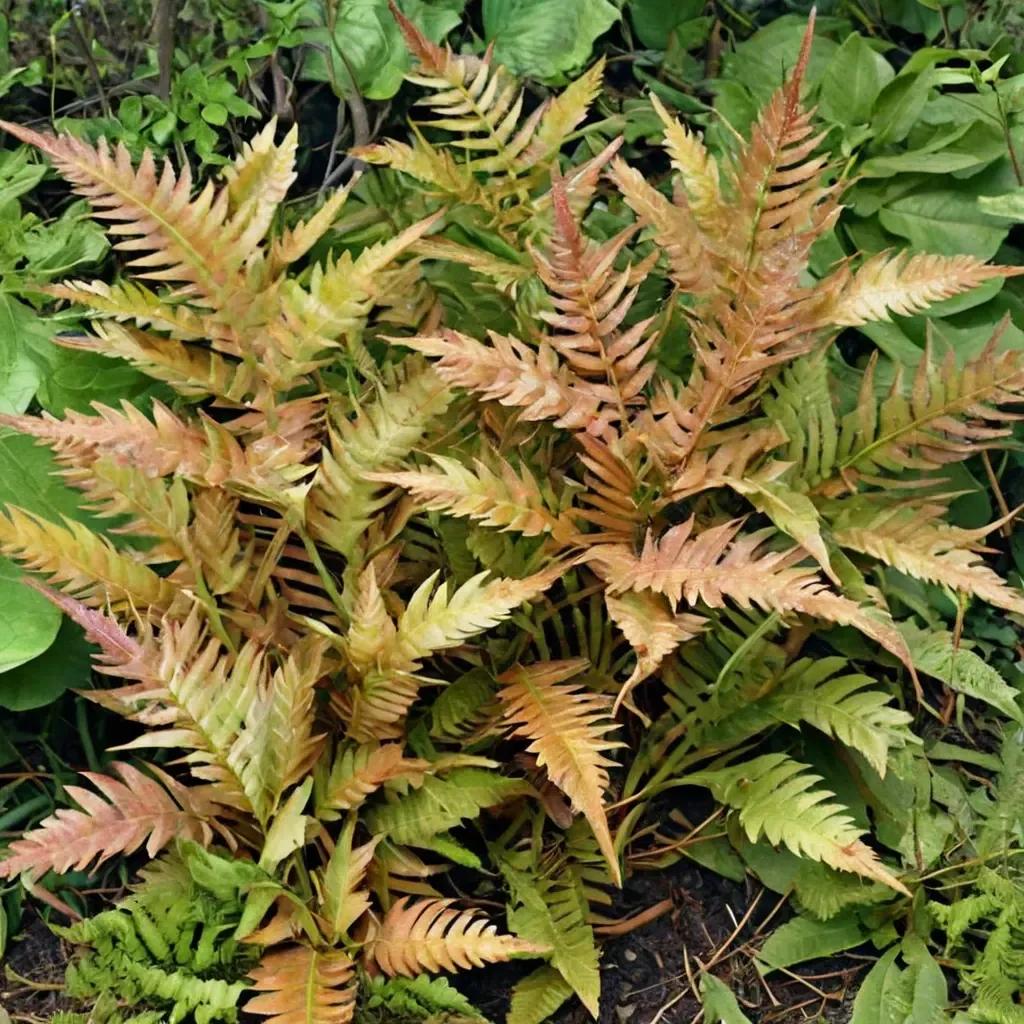
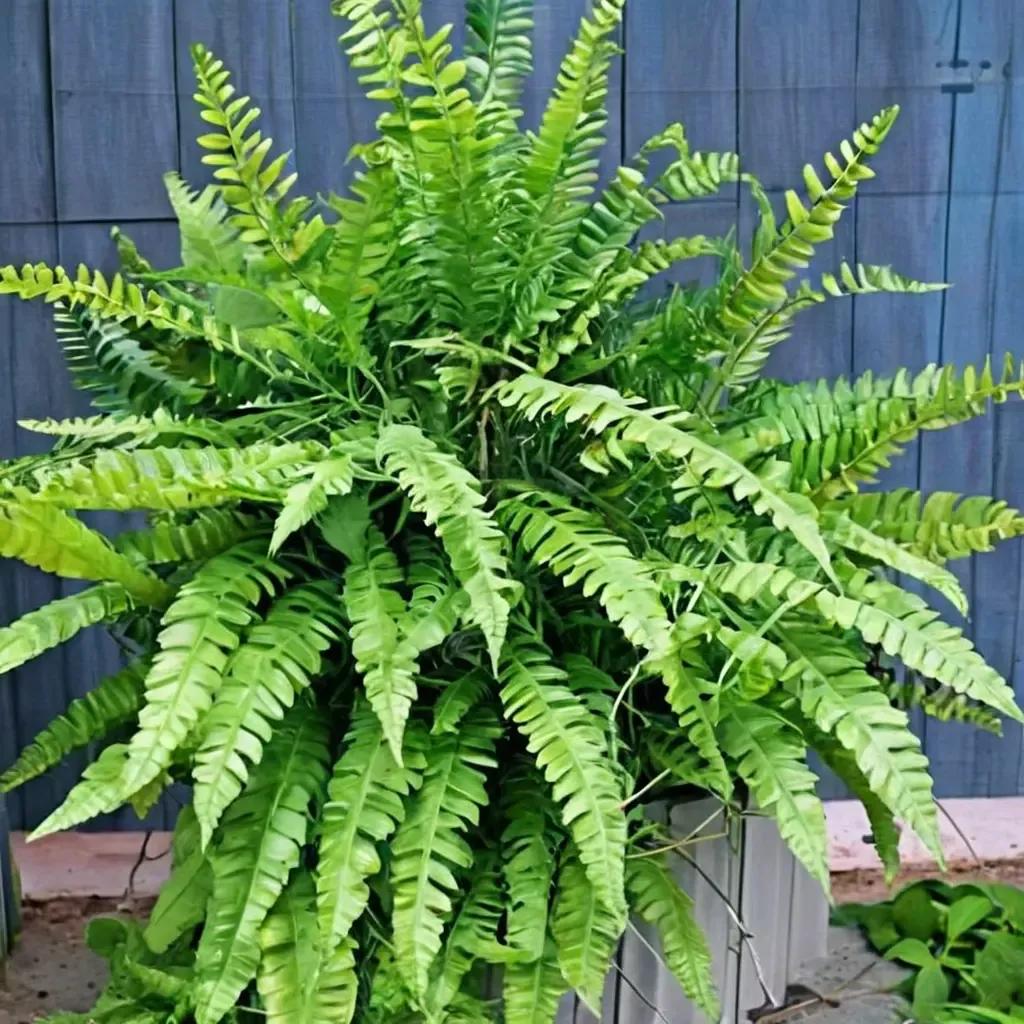
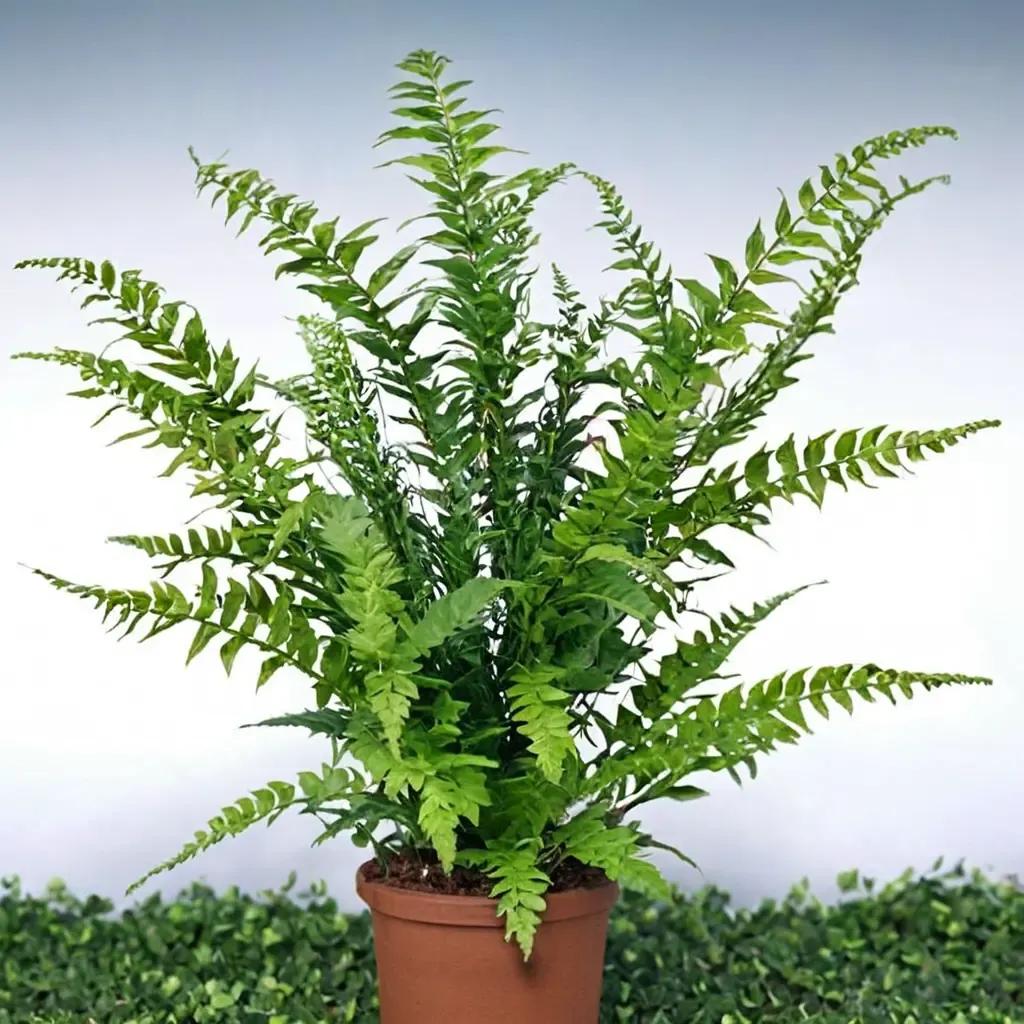
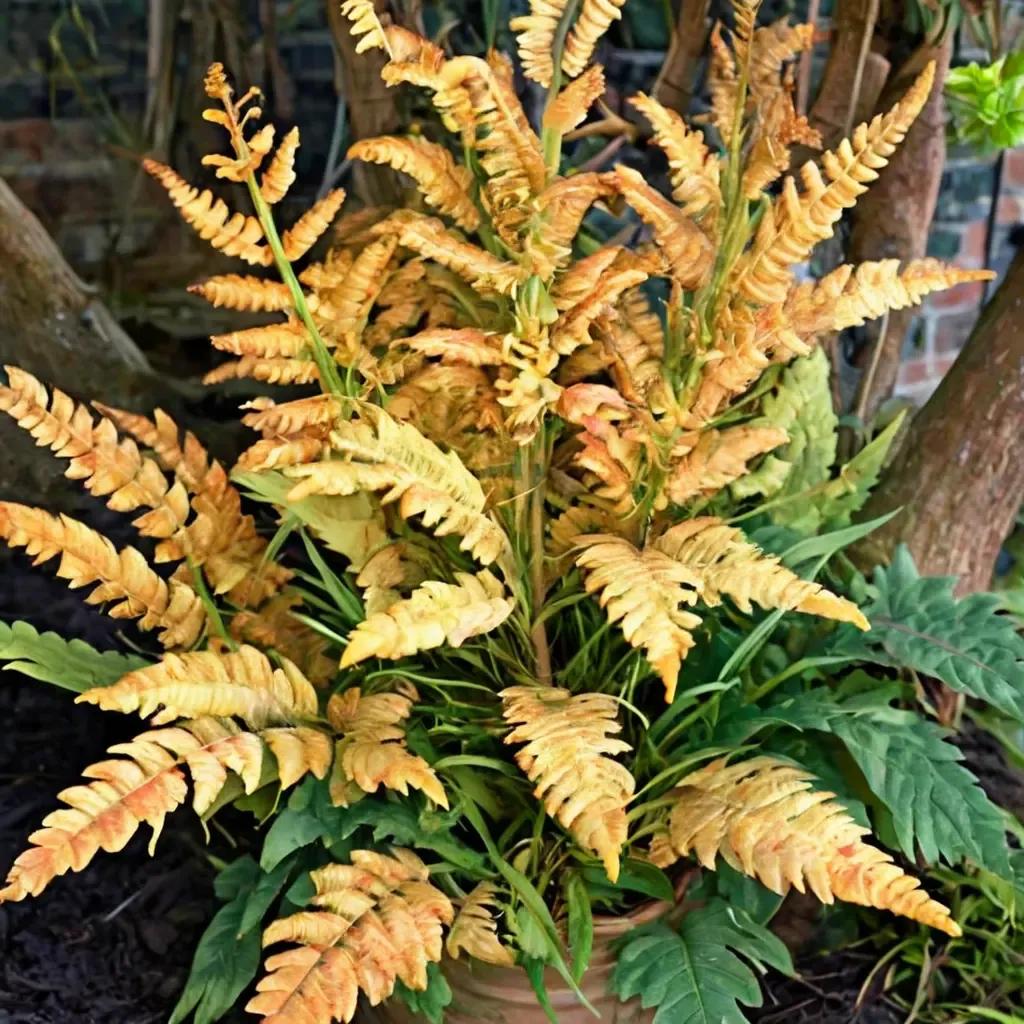
Nephrolepis exaltata, commonly known as the Boston fern, is a popular ornamental fern known for its lush, arching fronds.
This species is particularly appreciated for its ability to thrive in low light conditions and high humidity, making it an excellent choice for indoor spaces.
Uses & Benefits:
Essentials
At a Glance
Plant Type
Fern
Height
36"
Width
36"
Light
Partial Sun, Shade
Zones
10
Water
Consistently moist
Humidity
High humidity preferred
Lifespan
Many years with proper care
Native To
Tropical Americas
Toxicity
Non-toxic to cats and dogs
Marketplace
Where to Buy
Shipping costs Year-round shipping Free shipping
Planting
How to Grow
- Tuck spores or small plants into moist, well-draining soil or media.
- Mist the fronds regularly to maintain humidity levels.
- Place in bright, indirect light for optimal growth.
- Water consistently to keep soil moist but not waterlogged.
- Fertilize monthly with a balanced liquid fertilizer during the growing season.
- Transplant when roots outgrow current container, typically in spring.
Pro Tip
Maintain high humidity and consistent moisture for lush, healthy fronds.
Keep It Thriving
Care Guide
Do
- Keep soil consistently moist 🌱
- Provide bright, indirect light
- Maintain high humidity levels
- Fertilize monthly during active growth
Don't
- Avoid direct sunlight which can scorch fronds ❌
- Do not let soil dry out completely
- Avoid cold drafts or temperatures below 55°F
- Do not over-fertilize to prevent root burn
Seasonal Care Calendar
| Task | Jan | Feb | Mar | Apr | May | Jun | Jul | Aug | Sep | Oct | Nov | Dec |
|---|---|---|---|---|---|---|---|---|---|---|---|---|
| Divide | ||||||||||||
| Fertilize | ||||||||||||
| Spring Cleanup | ||||||||||||
| Winter Prep |
Watch Out For
Pests & Diseases
Common Pests
Common Diseases
In the Garden
Landscape Uses & Companions
Landscape Uses
Companion Plants
Multiply
Propagation Methods
Good to Know
Common Questions
Boston Fern questions
What zones can Boston Fern grow in?
Boston Fern is hardy in USDA Zone 10. Inside that range it survives winter in the ground; outside it, grow it as an annual or a container plant you protect.
Is Boston Fern deer resistant?
Yes — Boston Fern is rated deer-resistant. Deer typically pass it over, though extreme hunger can override any plant's defenses.
Does Boston Fern need full sun?
Boston Fern does best in part shade.
More Nephrolepis to compare
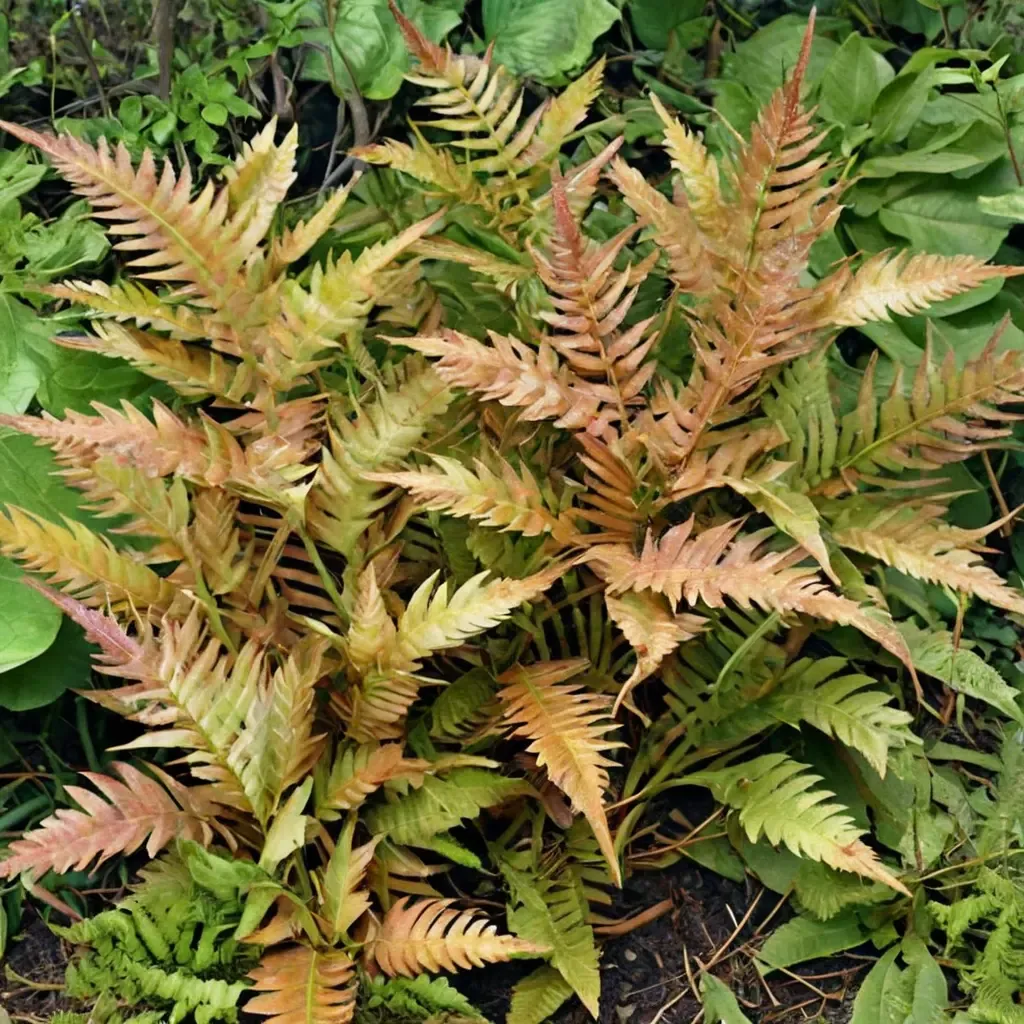
Brilliance Autumn Fern
Nephrolepis exaltata 'Brilliance Autumn'
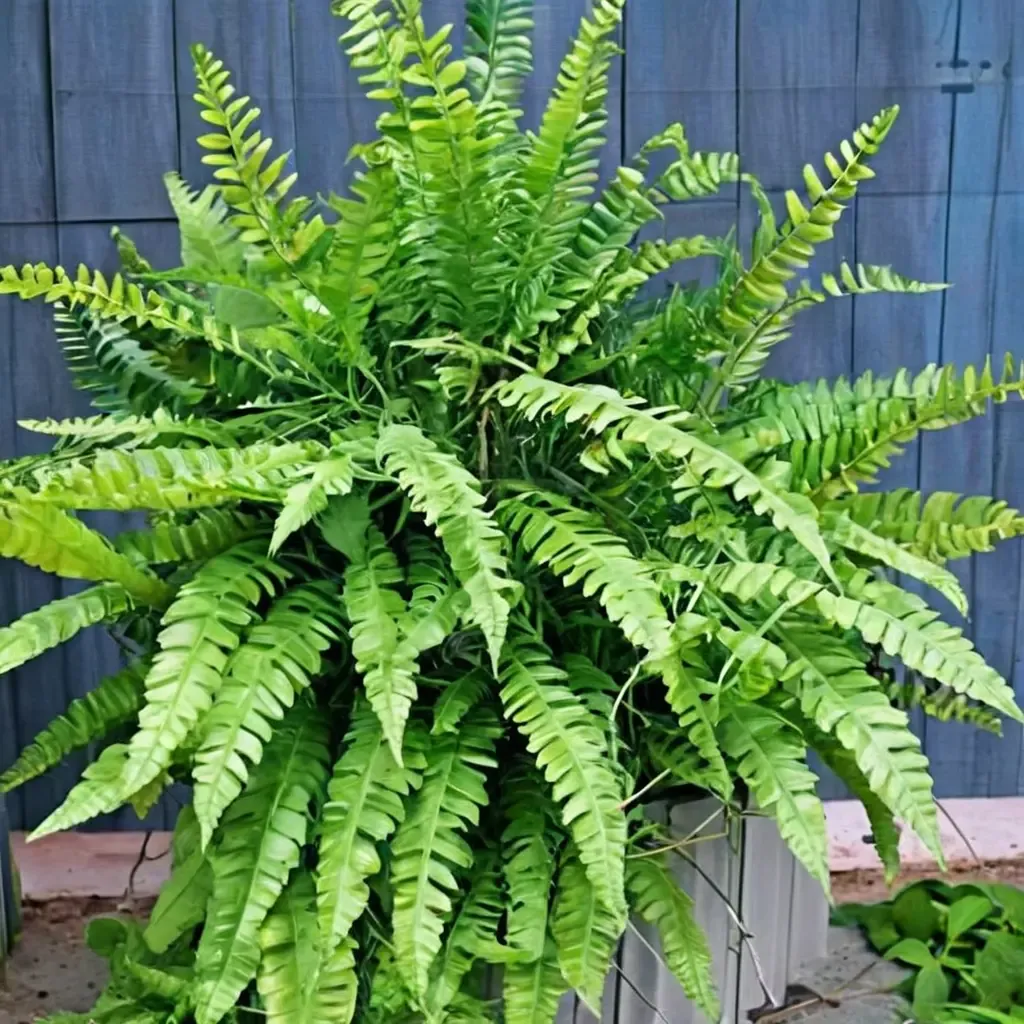
Godzilla Fern
Nephrolepis exaltata 'Godzilla'
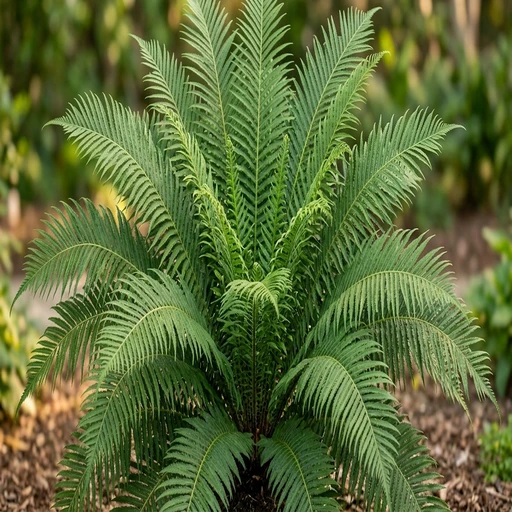
Macho Fern
Nephrolepis biserrata 'Macho'
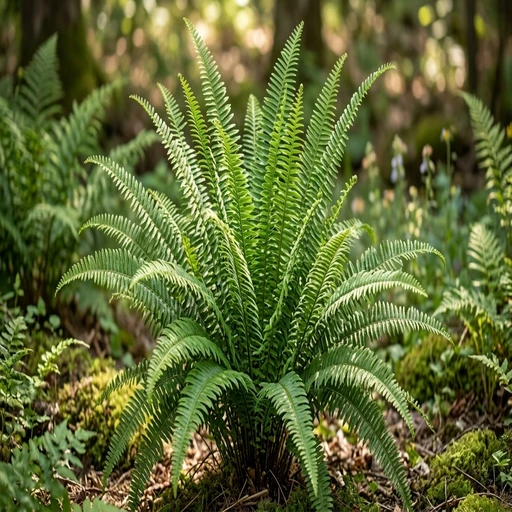
Kimberly Queen Fern
Nephrolepis obliterata 'Kimberly Queen'
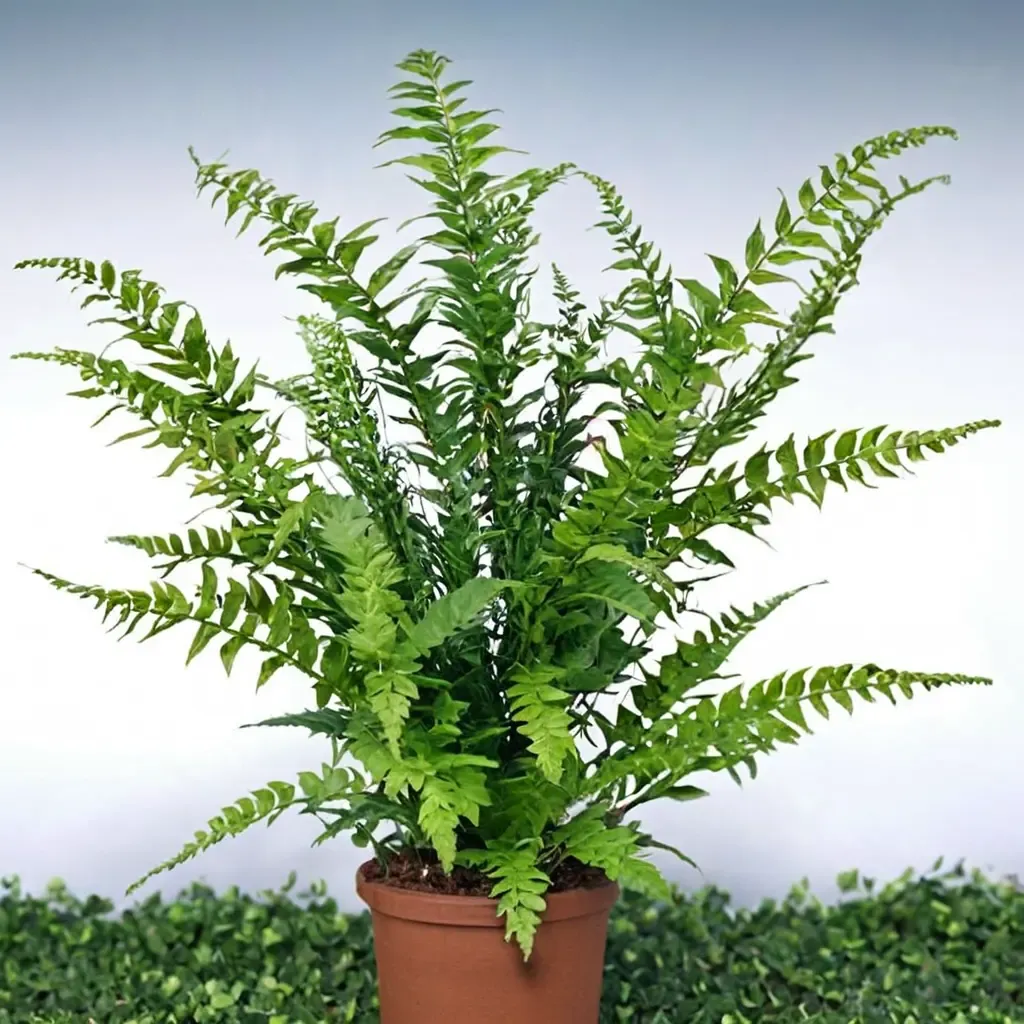
Lady in Red Fern
Nephrolepis exaltata 'Lady in Red'
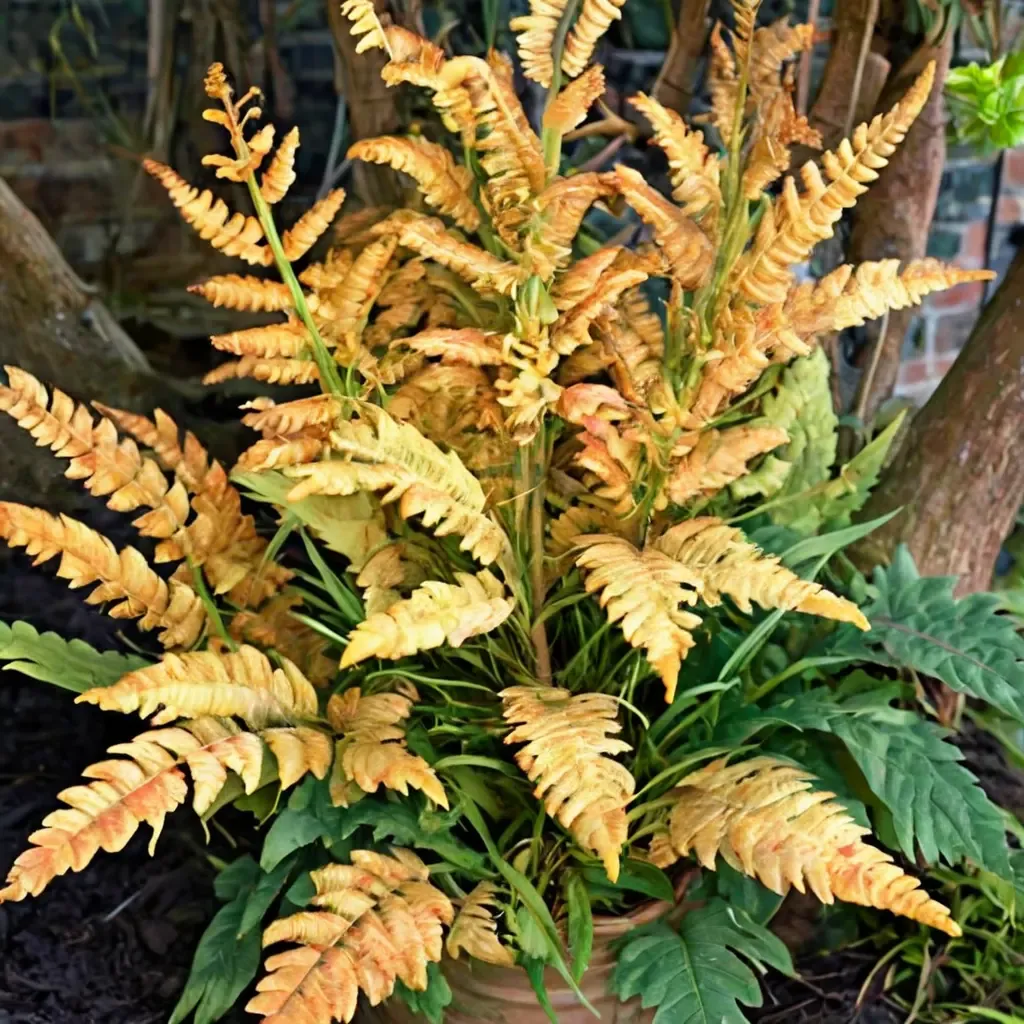
Golden Boston Fern
Nephrolepis exaltata 'Jurassic Gold'
Keep exploring
Explore the genus
Hardy in your zone?
Grow Boston Fern with confidence
See it in a design of your actual yard, get zone-matched care reminders, and track it season by season in your garden journal.