Also known as Indian Hawthorn · 60 saves
Rhaphiolepis
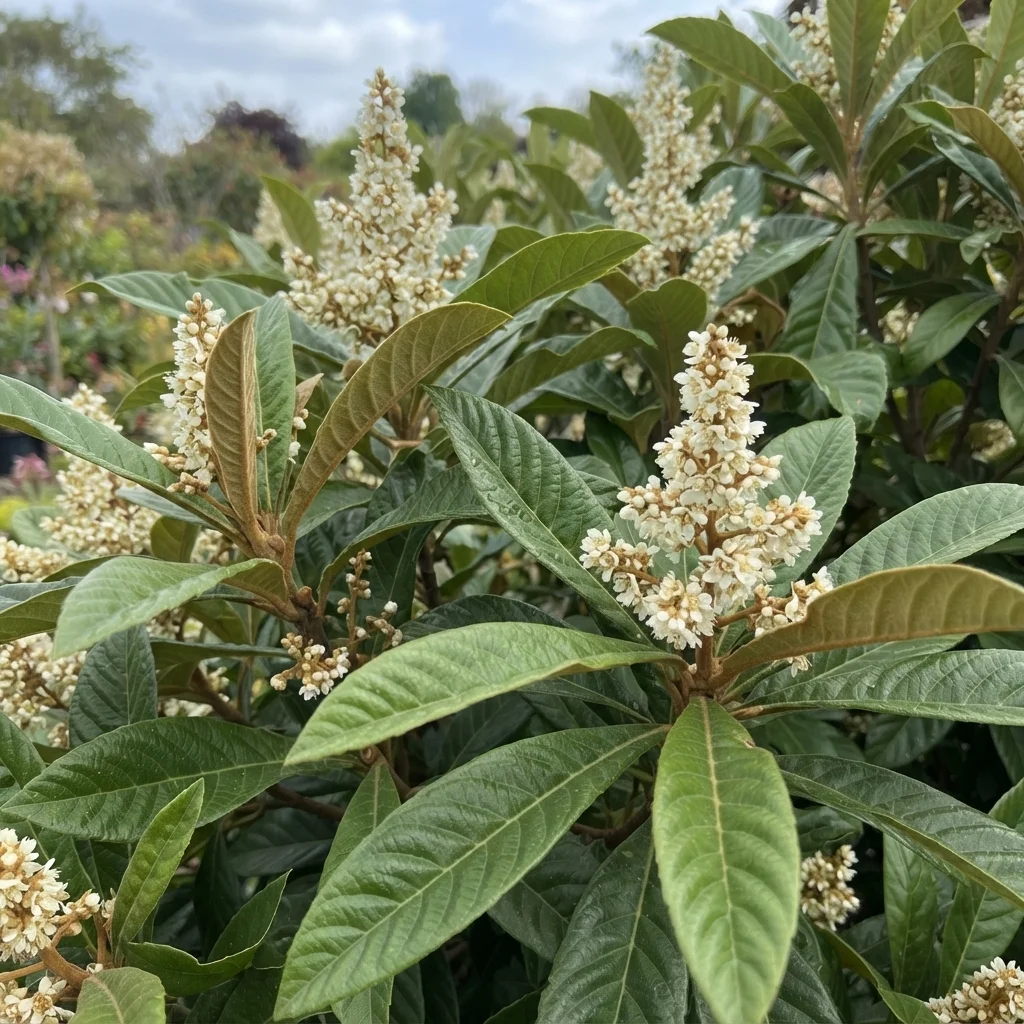
Rhaphiolepis, the genus most gardeners know as indian hawthorn. We track 12 varieties; the ones most used by real gardeners.
The 9 most-saved Rhaphiolepis varieties
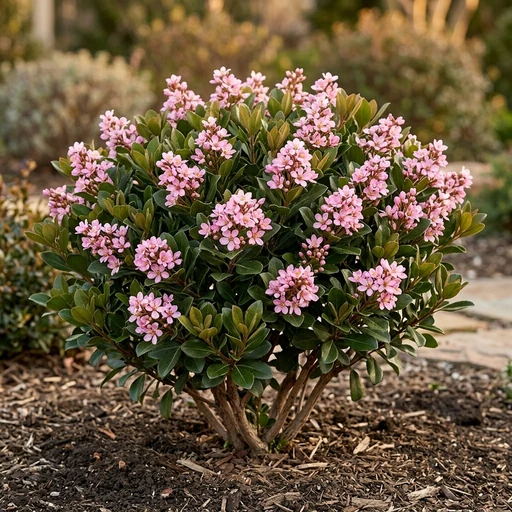
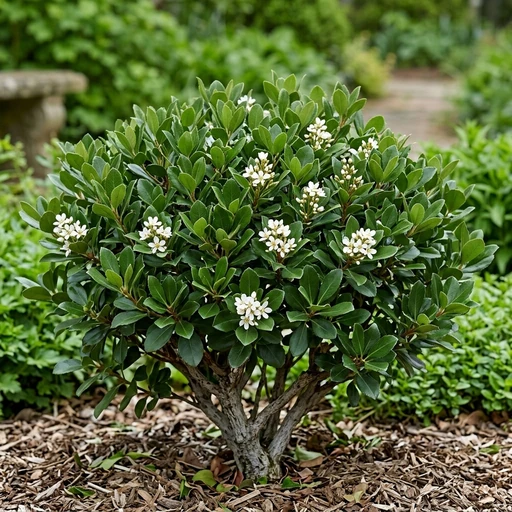
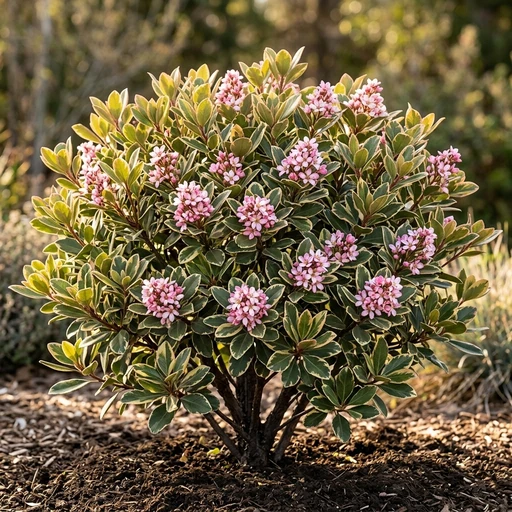
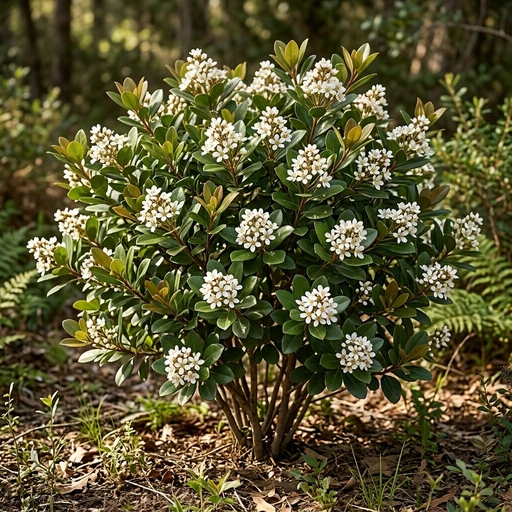
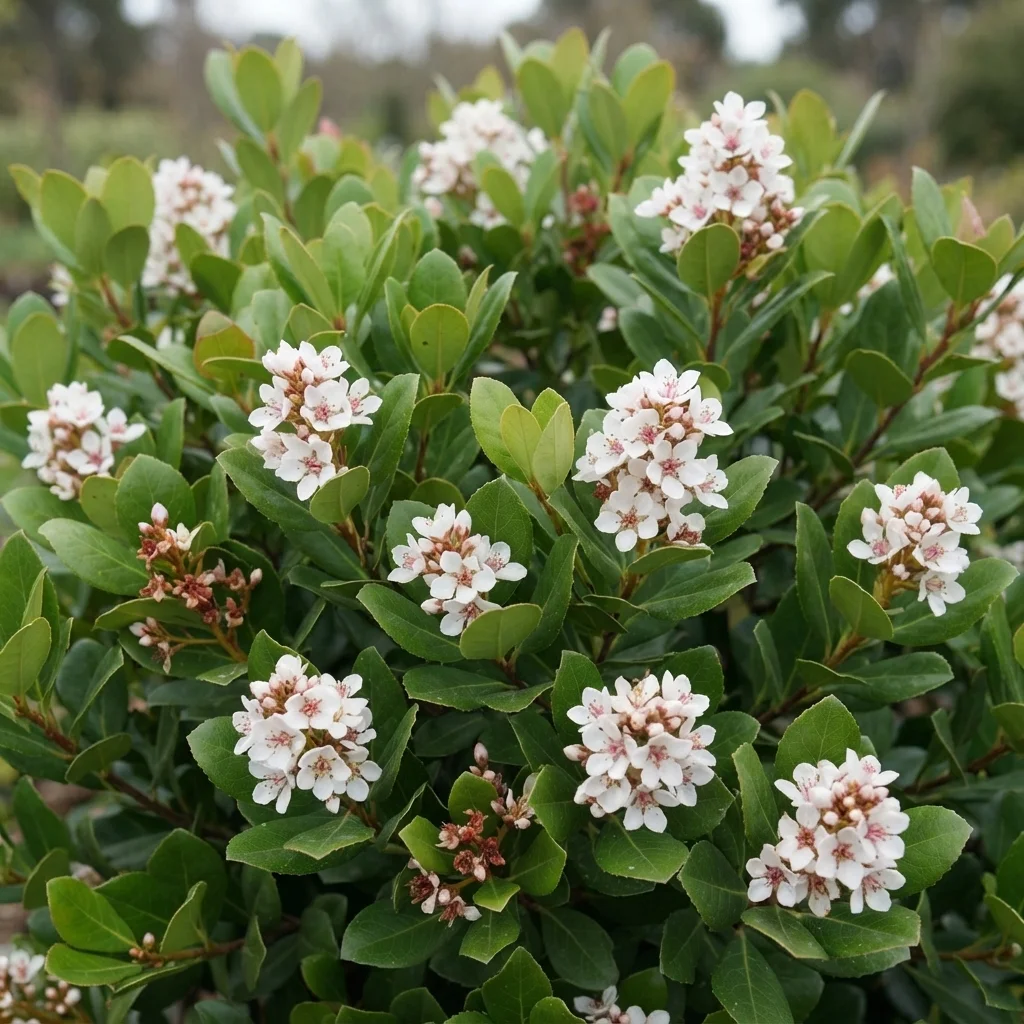
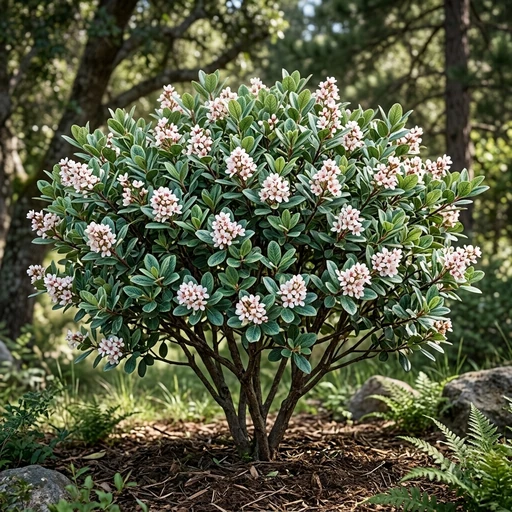
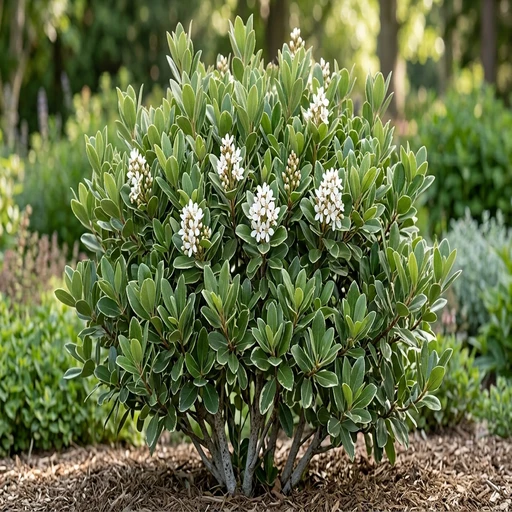
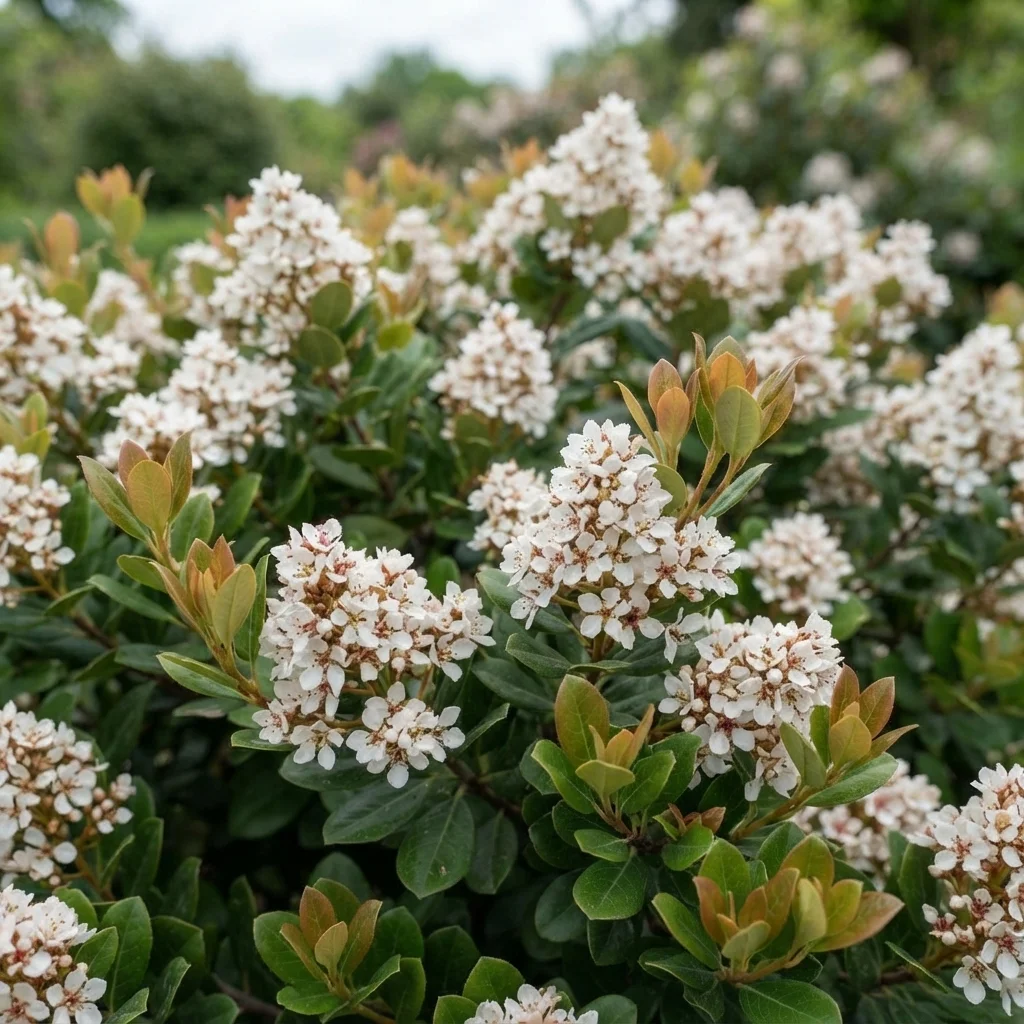
Browse all 12 Rhaphiolepis varieties →
Species of Rhaphiolepis
Each one is a parent of the varieties above.
Track your Rhaphiolepis in Sow
Save the Rhaphiolepis you grow and get care reminders timed to your zone.
How to grow Rhaphiolepis
Whats common across all Rhaphiolepis varieties in our catalog — drawn from the care records of the 12 most-grown of them.
The Rhaphiolepis year
- PruneMay and June92% of varieties
Prune lightly after flowering only if needed to maintain shape.
- FertilizeMarch and April92% of varieties
Apply a balanced slow-release fertilizer to support new growth.
- Check for PestsMay–July83% of varieties
Monitor for signs of Entomosporium leaf spot, especially in humid weather.
- PlantMarch, April, October, November and December42% of varieties
Plant in spring or fall in a sunny, well-drained location.
- MulchOctober and November42% of varieties
Apply a layer of organic mulch around the base to conserve moisture and protect roots.


Do
- Water deeply but infrequently once established.
- Provide good air circulation to minimize disease risk.
- Water at the base of the plant, avoiding overhead irrigation.
- Rake up and dispose of fallen leaves to reduce disease spread.
- Choose disease-resistant varieties for best performance.
Avoid
- Avoid frequent, shallow watering.
- Don't plant in a shady, damp location with poor air flow.
- Don't overwater, as this can encourage root rot.
- Avoid excessive pruning, which can spoil its natural form.
What goes wrong with Rhaphiolepis
| Problem | What you'll see | What to do |
|---|---|---|
| Aphids | Curled and distorted new growth tips. | Apply insecticidal soap or dislodge with a strong stream of water. |
| Scale insects | Raised bumps on stems and sticky honeydew on leaves. | Apply horticultural oil during the dormant season. |
| Scale | Small, immobile bumps on stems and leaves, sometimes with sticky honeydew. | Apply horticultural oil during the dormant season or when crawlers are active. Systemic insecticides can also be effective. |
| Nematodes | Stunted growth, yellowing foliage, and swollen, knotted roots visible upon inspection. | Amend the soil with organic matter to encourage beneficial soil microbes and avoid planting in heavily infested sandy soils. |
| Entomosporium Leaf Spot | Small, circular red or purple spots on leaves that enlarge and develop gray centers. | Plant resistant cultivars. Improve air circulation. Apply preventative fungicides (chlorothalonil) starting at bud break. |
| Entomosporium leaf spot | Small, reddish-brown spots with yellow halos on the foliage, leading to premature leaf drop. | Prune to improve air circulation, avoid overhead watering, and remove fallen leaves from the base. |
| Fire blight | Blackened, scorched twigs and branches. | Prune out infected wood several inches below the damage, sterilizing tools between cuts. |
Making more Rhaphiolepis
Semi-hardwood Cuttings
- Take 4-6 inch cuttings in summer.
- Remove lower leaves and dip in rooting hormone.
- Stick in a well-drained medium.
- Keep moist; rooting can take 2-3 months.
Semi-hardwood cuttings
- Take 4-inch cuttings from semi-hardwood growth in late summer.
- Remove the lower leaves and dip the cut end in rooting hormone.
- Insert the cuttings into a moist, well-draining propagation mix.
- Maintain high humidity and indirect light until roots establish in 6 to 8 weeks.
Rhaphiolepis questions
How many types of Rhaphiolepis are there?
The Sow catalog tracks 12 distinct Rhaphiolepis varieties. The most popular — ranked by 60 real gardeners — are shown first above.
What zones does Rhaphiolepis grow in?
Across its varieties, Rhaphiolepis covers USDA Zones 7–10. Individual varieties differ — each plant page lists its exact range, and Sow filters the catalog to your zone automatically.
When does Rhaphiolepis bloom?
Most Rhaphiolepis varieties bloom in mid-spring, early spring, spring. Staggering early, mid, and late varieties extends the genus's season in one bed.
Which Rhaphiolepis should I choose?
Start from the most-saved varieties above — popularity across thousands of gardens is a strong signal of reliability — then filter by your zone and sun. In the Sow app you can preview any of them in a photo of your actual yard before you buy.