10 named cultivars
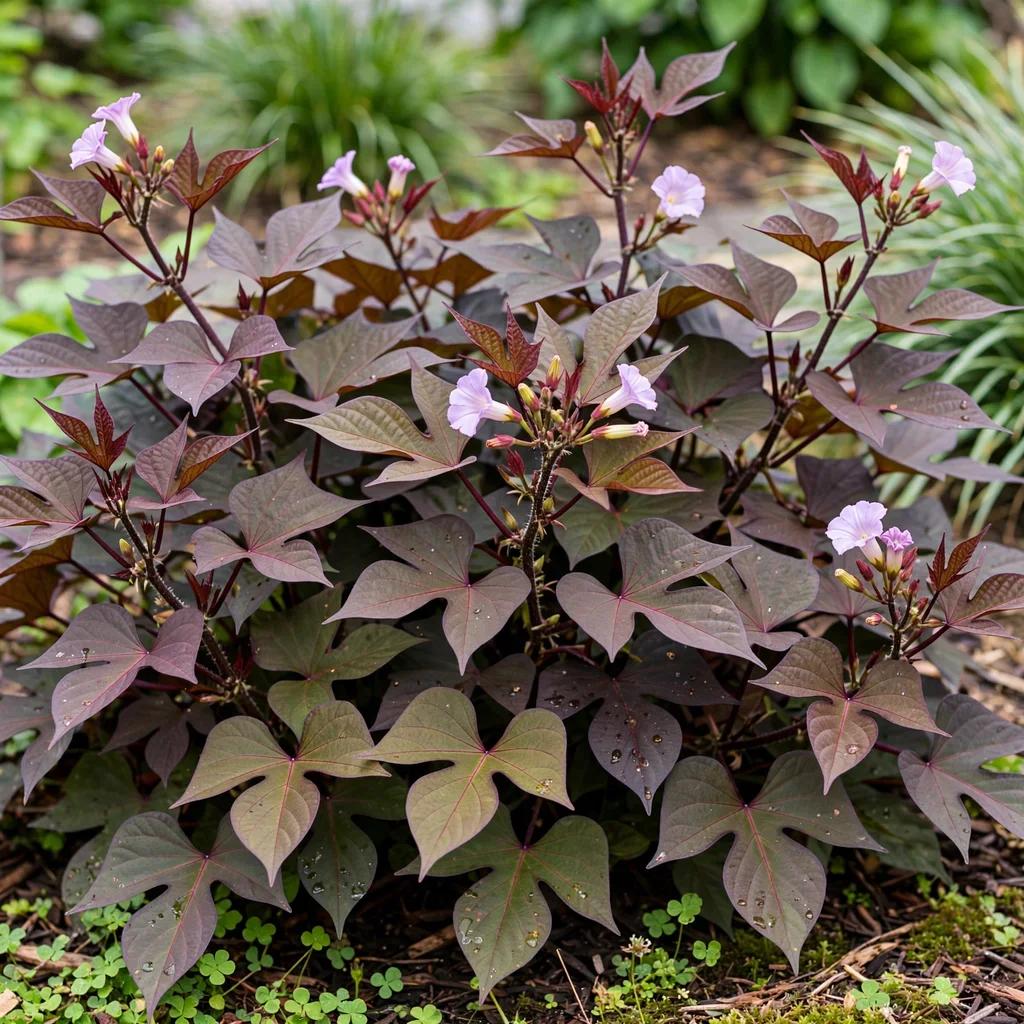 ‘Sweet Georgia Bronze’Sweet Potato
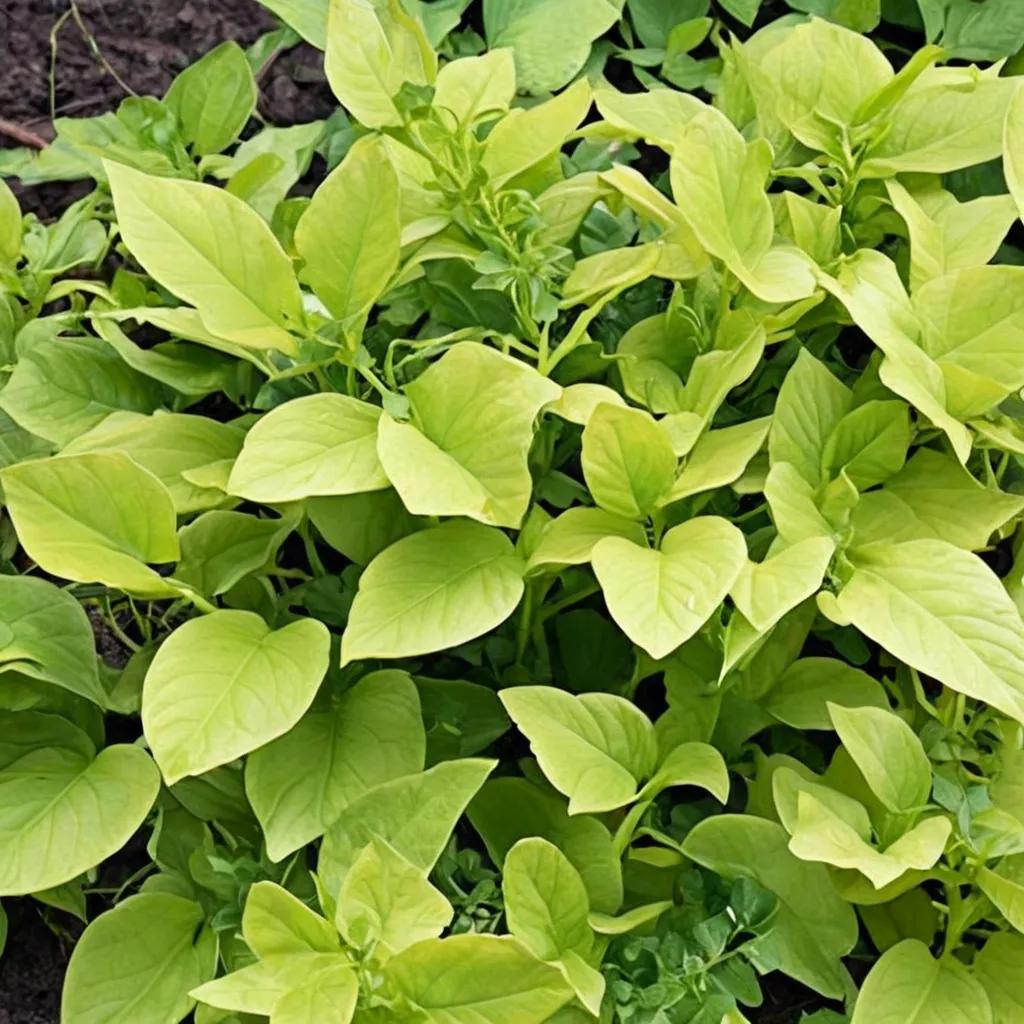 ‘Chartreuse’Ornamental Sweet Potato Vine
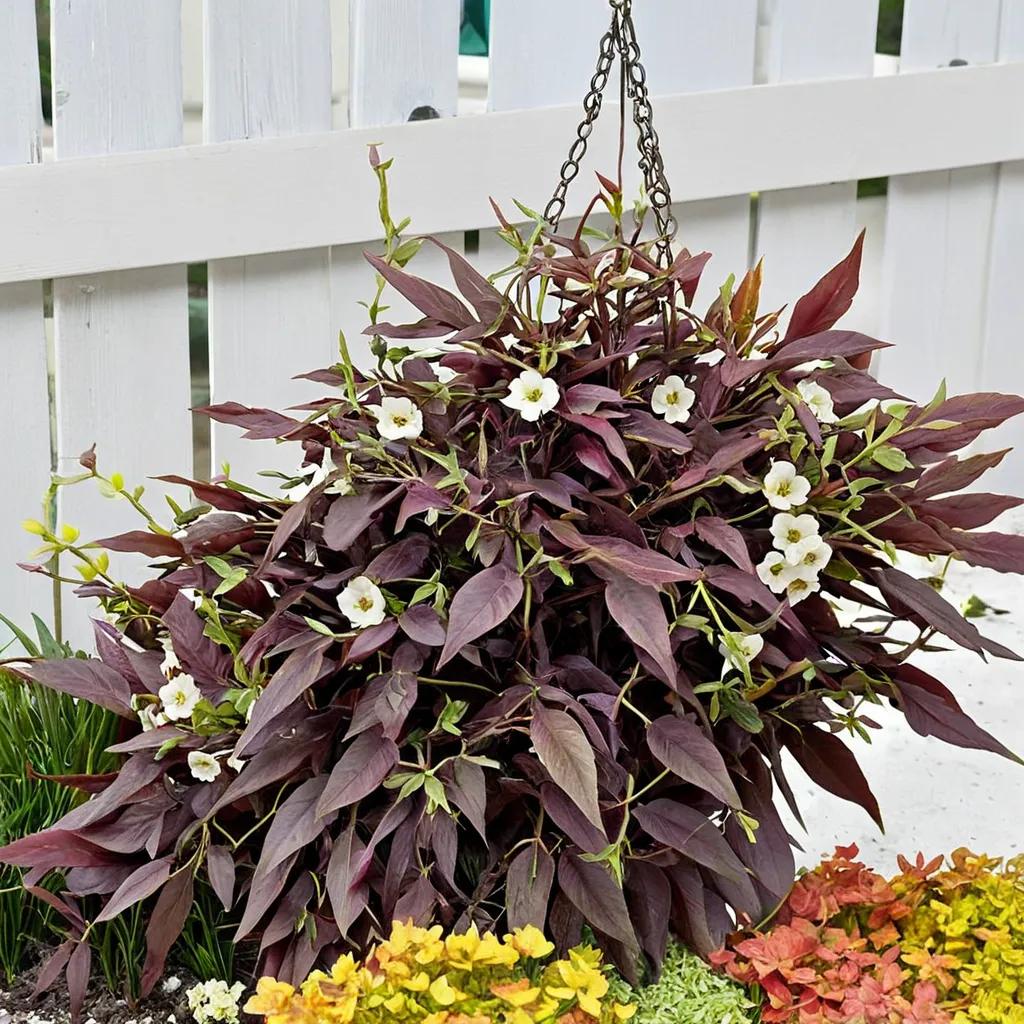 ‘Sweet Caroline Upside Black Coffee’Sweet Caroline Upside Black Coffee Sweet Potato Vine
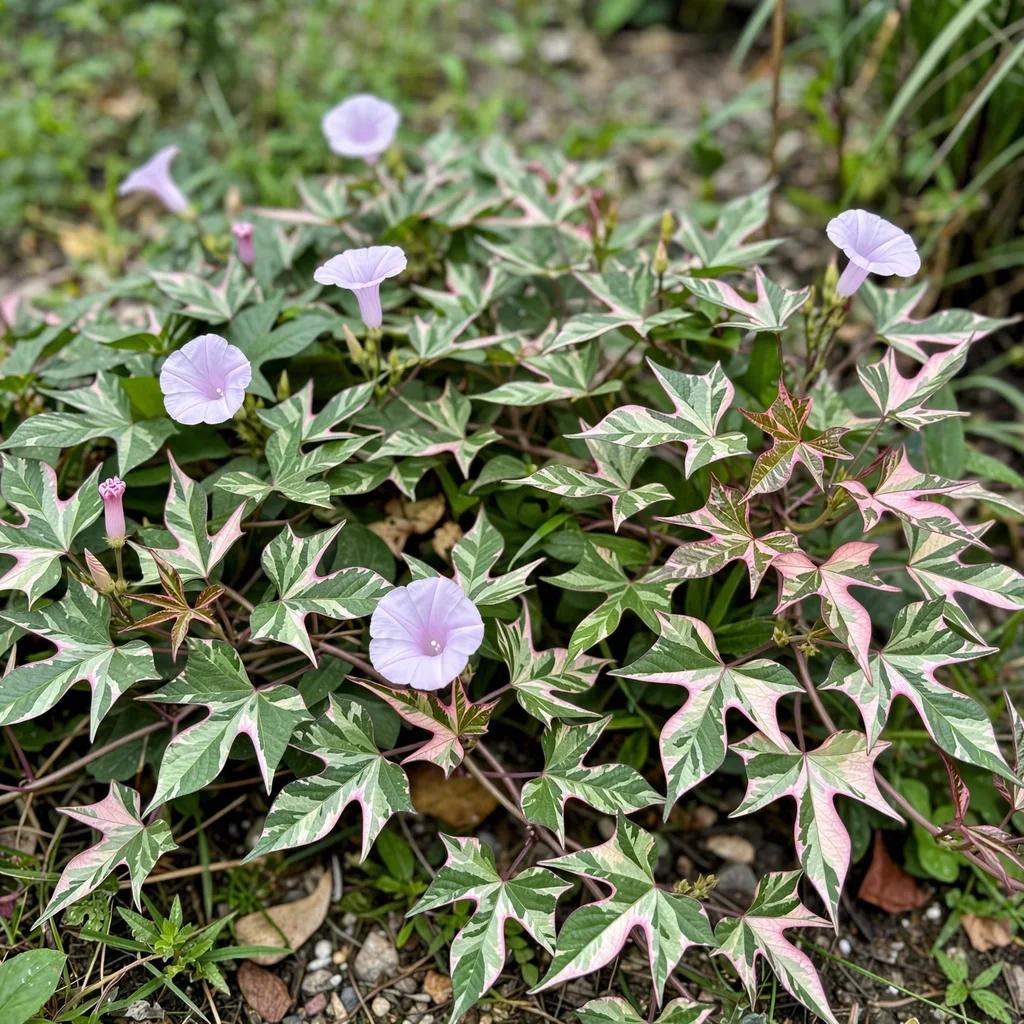 ‘Tricolor’Tricolor Sweet Potato Vine
 ‘Treasure Island Kaukura’Treasure Island Kaukura Sweet Potato
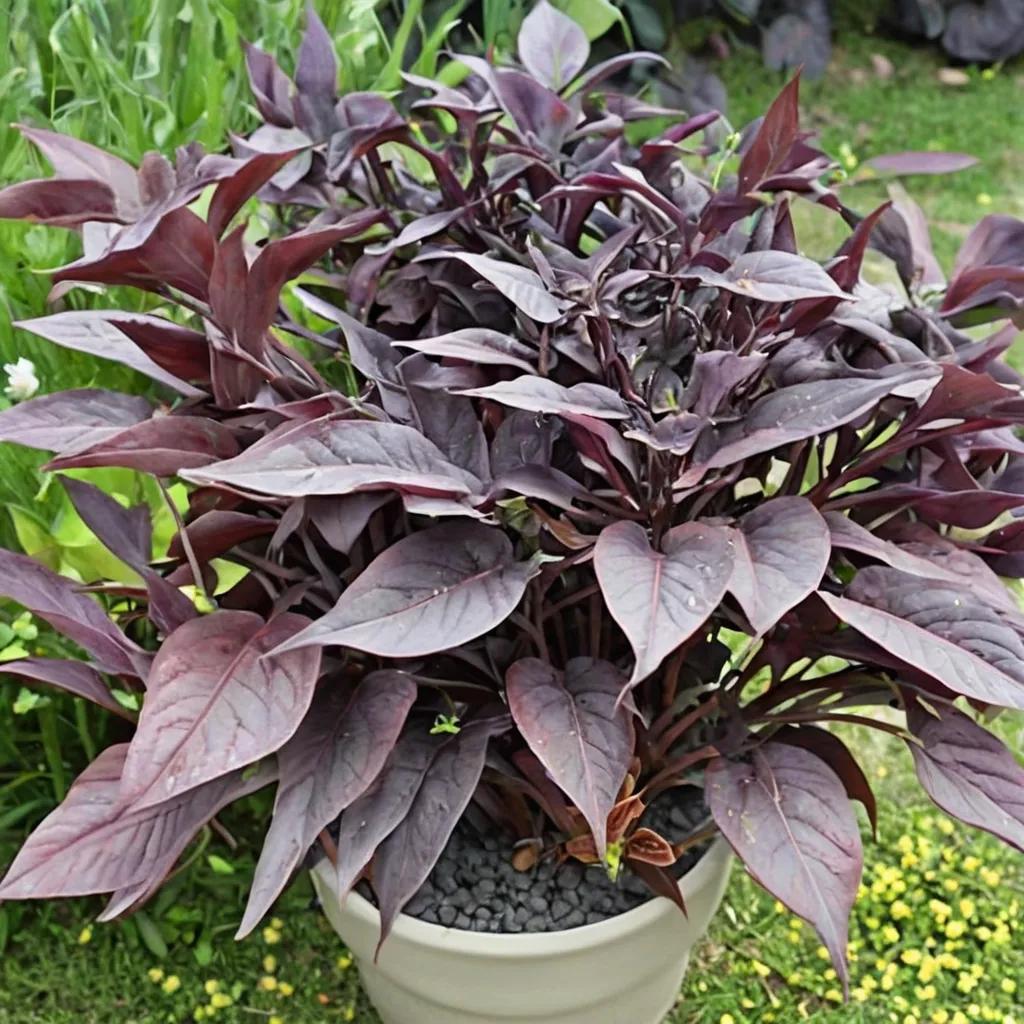 ‘Sweet Caroline Raven’Sweet Caroline Raven Sweet Potato Vine
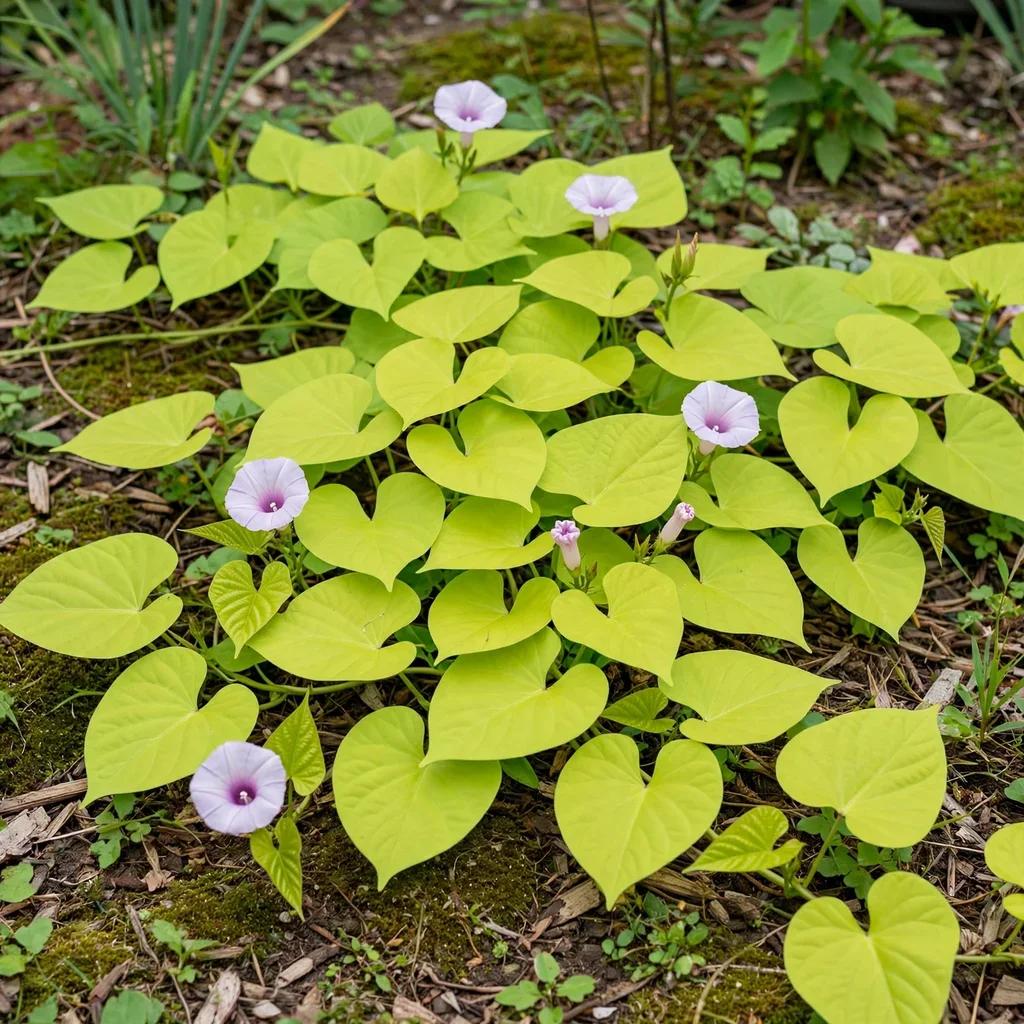 ‘Margarita’Margarita Sweet Potato Vine
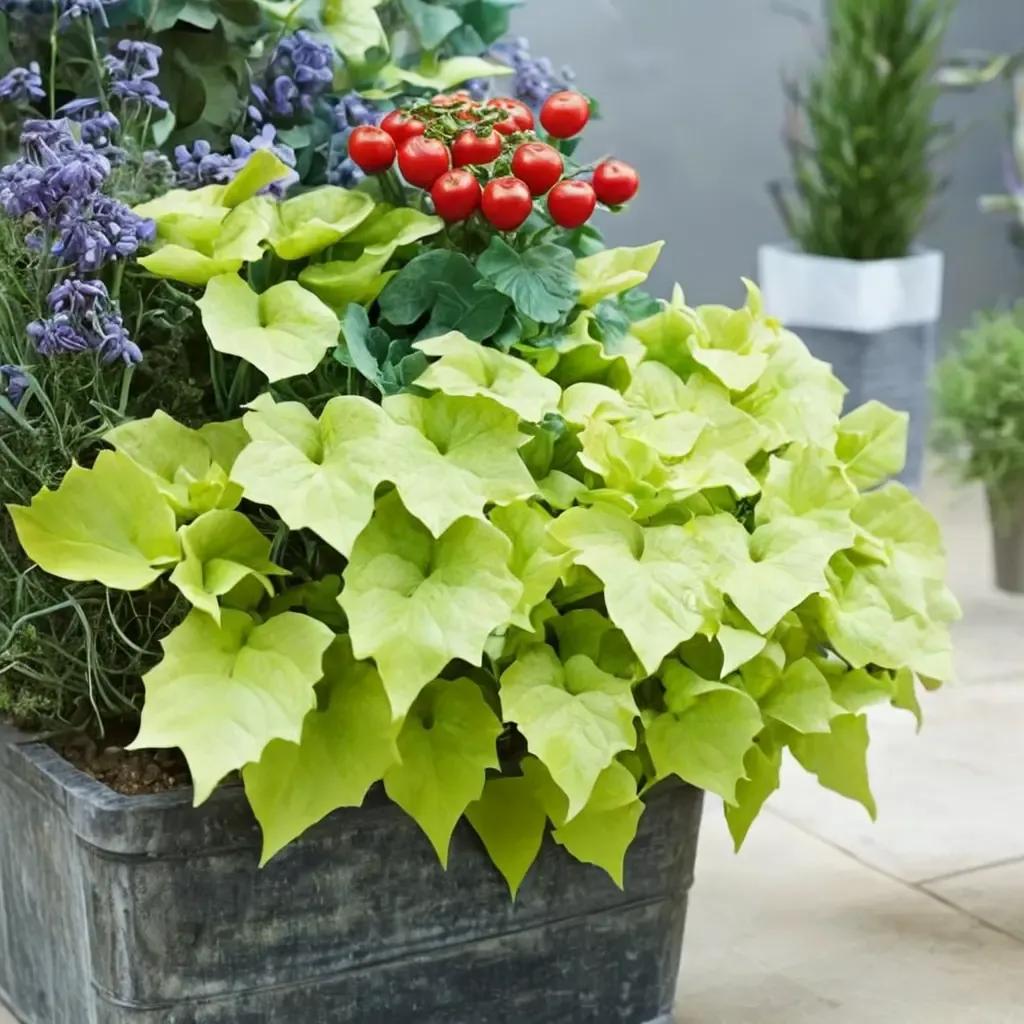 ‘Treasure Island Makatea’Treasure Island Sweet Potato
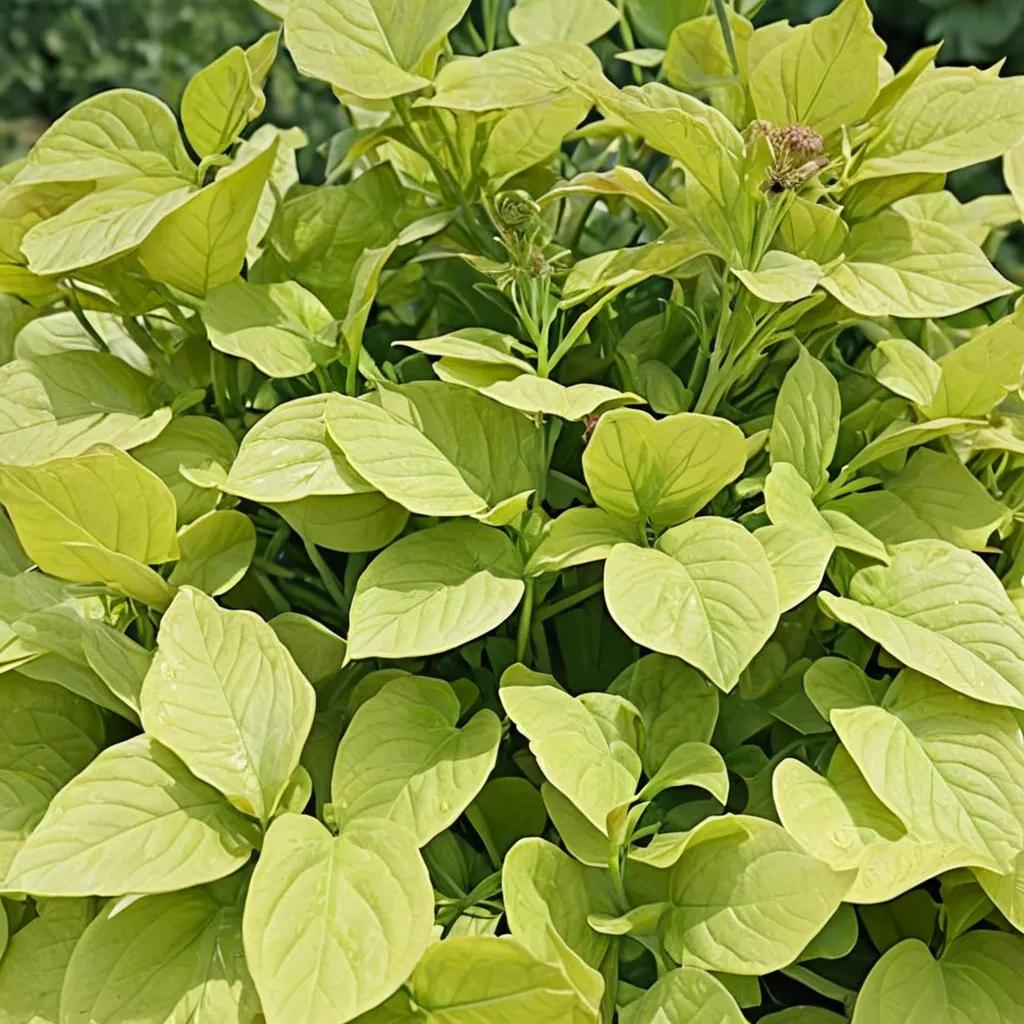 ‘Sweet Caroline Sweetheart Lime’Sweet Potato Vine 'Sweet Caroline Sweetheart Lime'
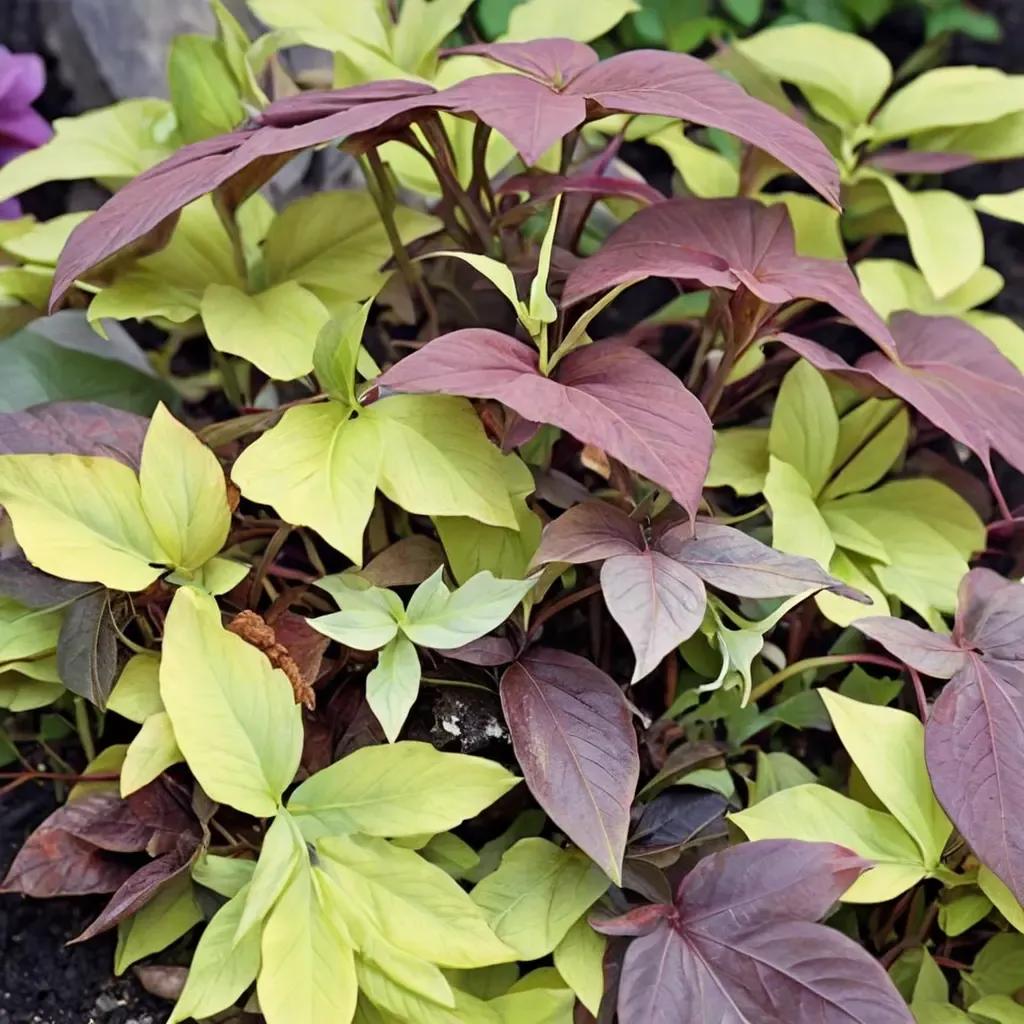 ‘Sweet Potato Vine’Sweet Potato Vine
The Story
Plant Bio
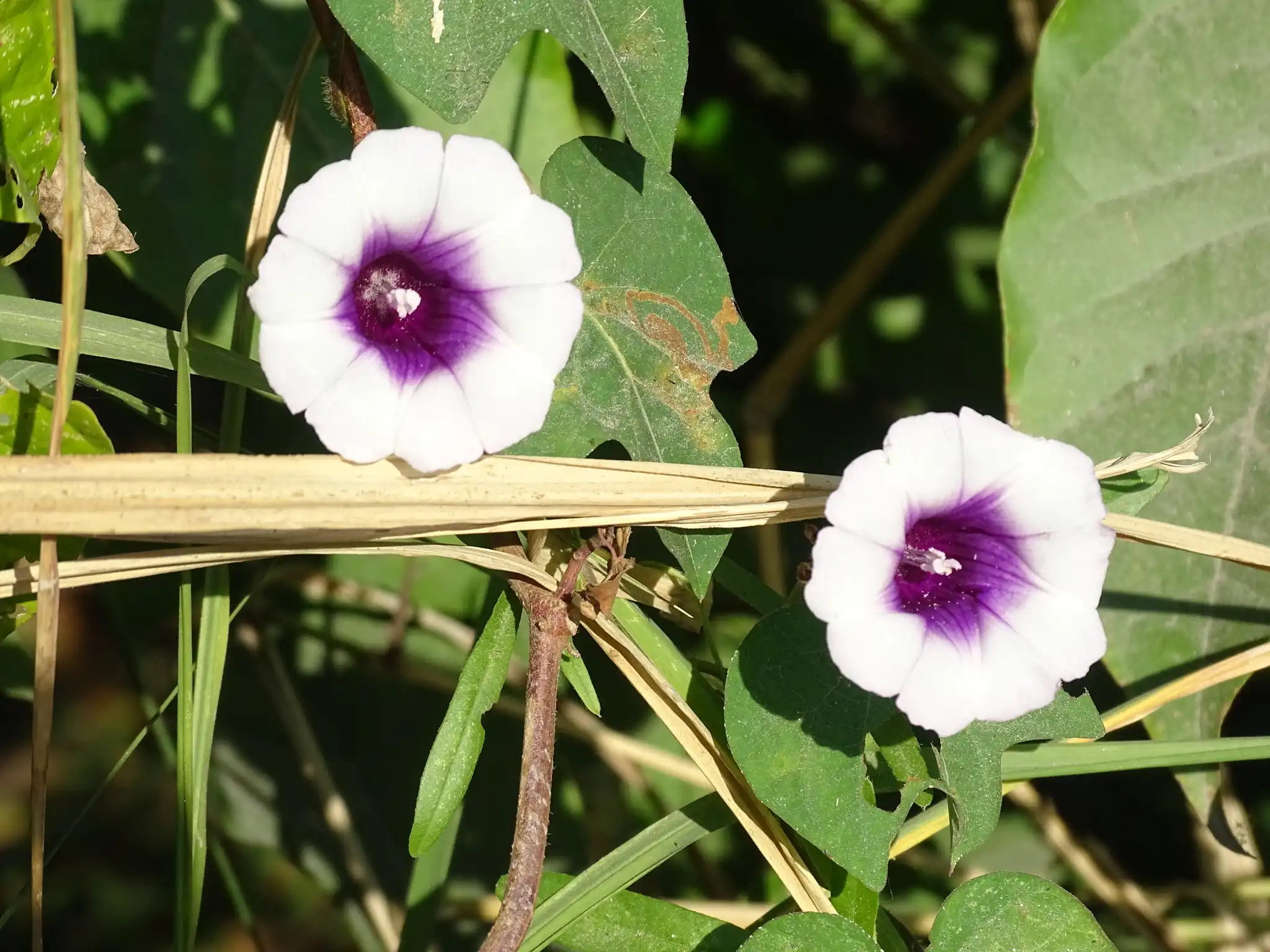
Ipomoea batatas, the sweet potato, is a trailing and twining warm-season vine from Mexico, grown both for its edible tuberous roots and, in ornamental forms, for its foliage. Heart-shaped or deeply lobed leaves up to six inches long come in green, chartreuse, bronze and near-black, and pink funnel-shaped flowers appear sparingly in warm summers.
The ornamental foliage cultivars sold for containers are the same species as the crop, and their roots are edible — NCSU notes only that they are less tasty. In the ground the vines run six to ten feet, so a plant that trails neatly from a basket will cover a large area of bed if planted out.
Uses & Benefits:
Essentials
At a Glance
Plant Type
Fruit Vegetable
Height
12"
Width
48"
Light
Full Sun, Partial Sun
Zones
9, 10
Water
Moderate
Humidity
Moderate
Lifespan
Annual
Native To
Mexico
Toxicity
Edible roots, leaves and stems
Planting
How to Grow
- Plant slips or rooted cuttings after all frost has passed.
- Give it full sun and loose, free-draining soil.
- Allow six to ten feet of run, or grow it in a container.
- Water regularly; it tolerates both dry and wet spells.
- Avoid heavy nitrogen, which gives leaves at the roots' expense.
- Lift the roots before the first frost and cure them warm.
Pro Tip
Cure lifted roots at about 85F for a week before storing — uncured sweet potatoes taste starchy and rot far sooner.
Keep It Thriving
Care Guide
Do
- Plant out only once the soil is thoroughly warm 🌡️
- Grow it in loose, free-draining soil 🌱
- Cure the harvested roots before storing 🍠
- Take cuttings to overwinter favourite forms ✂️
Don't
- Feed heavily with nitrogen ❌
- Plant it out before the last frost ❌
- Leave the roots in the ground through frost ❌
Seasonal Care Calendar
| Task | Jan | Feb | Mar | Apr | May | Jun | Jul | Aug | Sep | Oct | Nov | Dec |
|---|---|---|---|---|---|---|---|---|---|---|---|---|
| Harvest | ||||||||||||
| Plant |
Watch Out For
Pests & Diseases
Common Pests
Common Diseases
In the Garden
Landscape Uses & Companions
Landscape Uses
Companion Plants
Multiply
Propagation Methods
Good to Know
Common Questions
Sweet Potato Vine questions
What zones can Sweet Potato Vine grow in?
Sweet Potato Vine is hardy in USDA Zones 9–10. Inside that range it survives winter in the ground; outside it, grow it as an annual or a container plant you protect.
Is Sweet Potato Vine deer resistant?
Not reliably. Deer may browse Sweet Potato Vine, especially tender spring growth — plan on repellents or fencing where pressure is high.
When does Sweet Potato Vine bloom?
Sweet Potato Vine typically blooms in summer through late summer. Exact timing shifts a week or two with your zone — Sow's bloom calendar maps it to your garden.
Does Sweet Potato Vine need full sun?
Sweet Potato Vine does best in full sun to part shade. In hot climates, afternoon shade keeps blooms fresher longer.
Is Sweet Potato Vine drought tolerant?
Yes — once established (usually after the first full season), Sweet Potato Vine handles dry spells with minimal watering. Water deeply its first year to build the root system that makes that possible.
More Ipomoea to compare
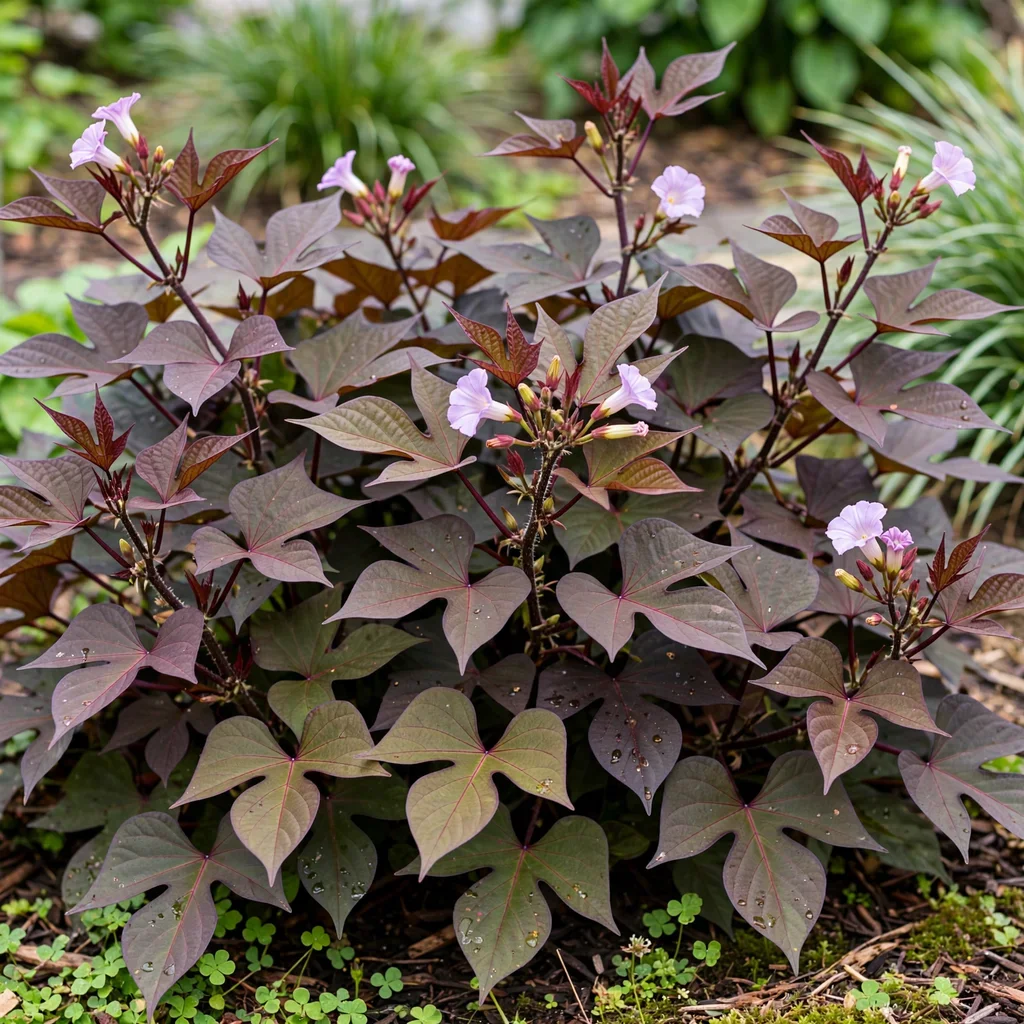
Sweet Potato
Ipomoea batatas 'Sweet Georgia Bronze'
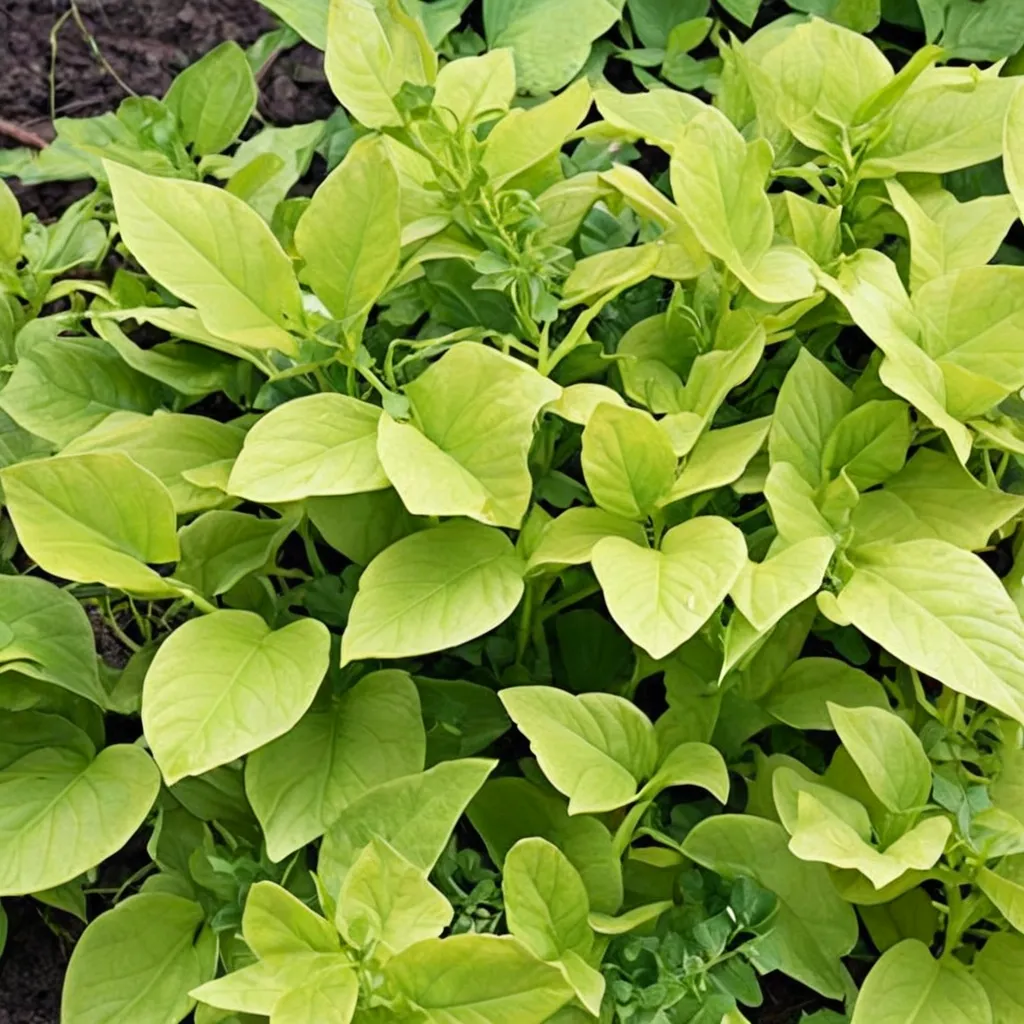
Ornamental Sweet Potato Vine
Ipomoea batatas 'Chartreuse'
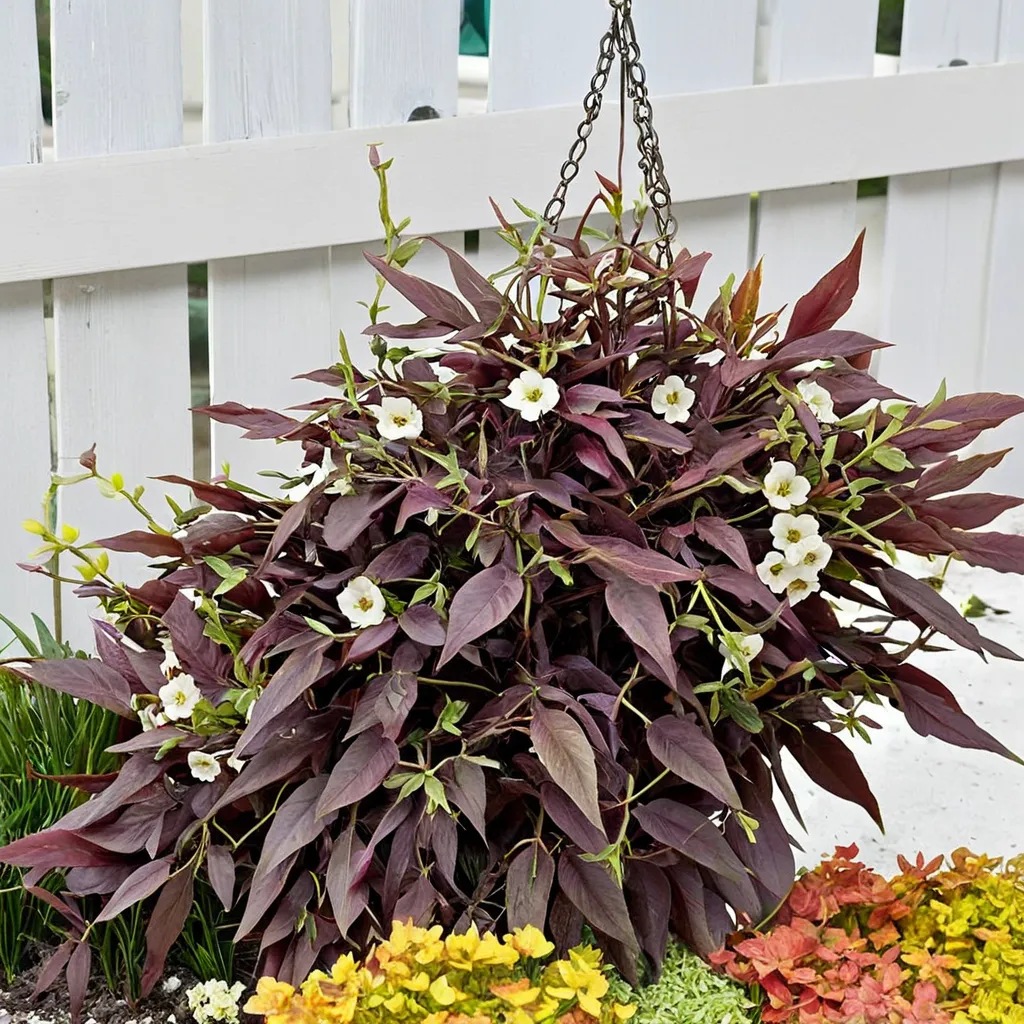
Sweet Caroline Upside Black Coffee Sweet Potato Vine
Ipomoea batatas 'Sweet Caroline Upside Black Coffee'
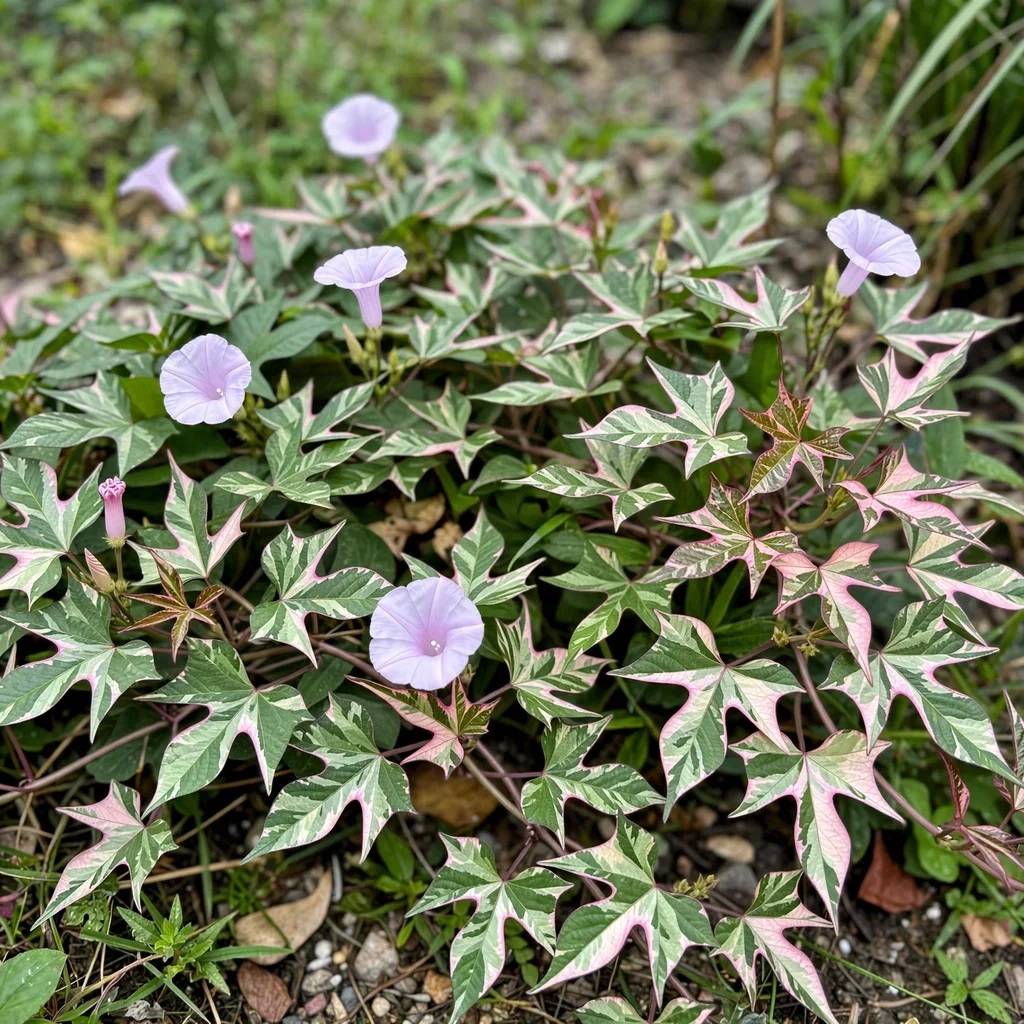
Tricolor Sweet Potato Vine
Ipomoea batatas 'Tricolor'
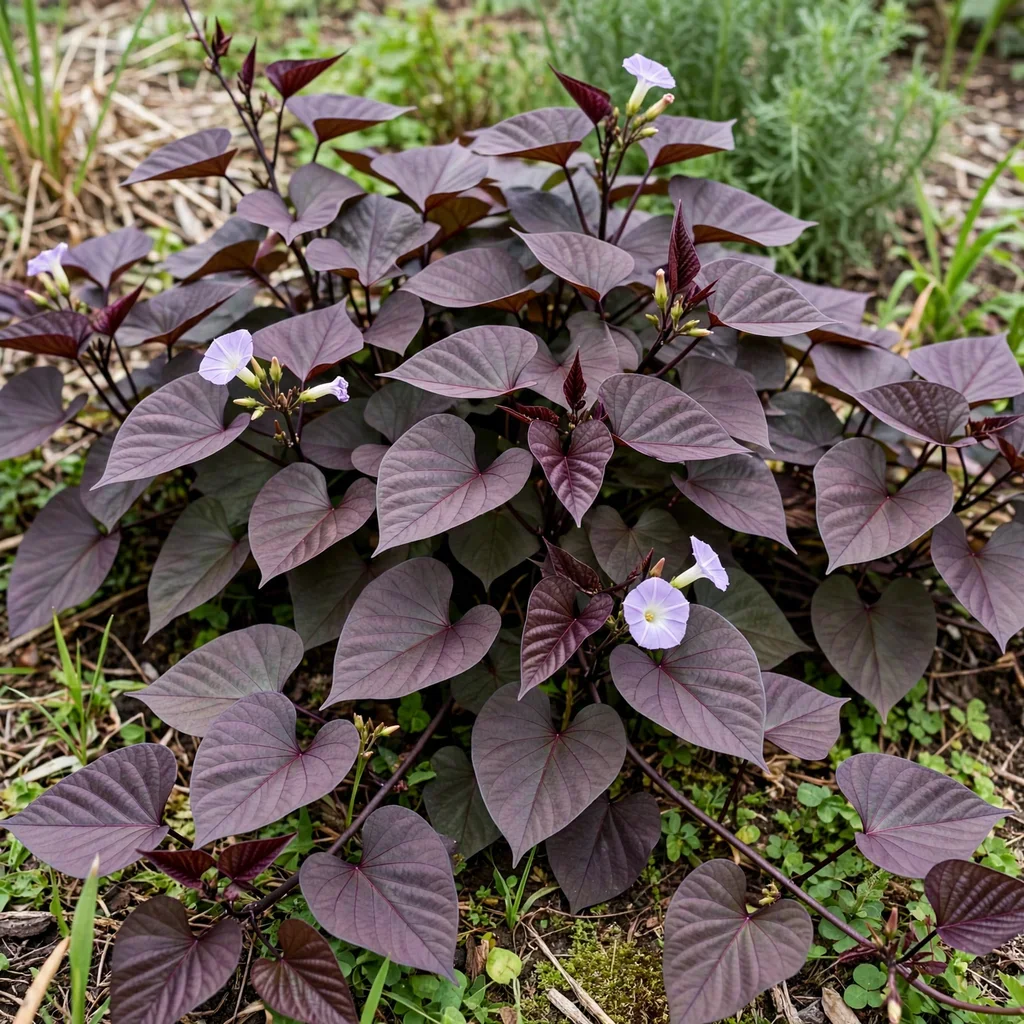
Treasure Island Kaukura Sweet Potato
Ipomoea batatas 'Treasure Island Kaukura'
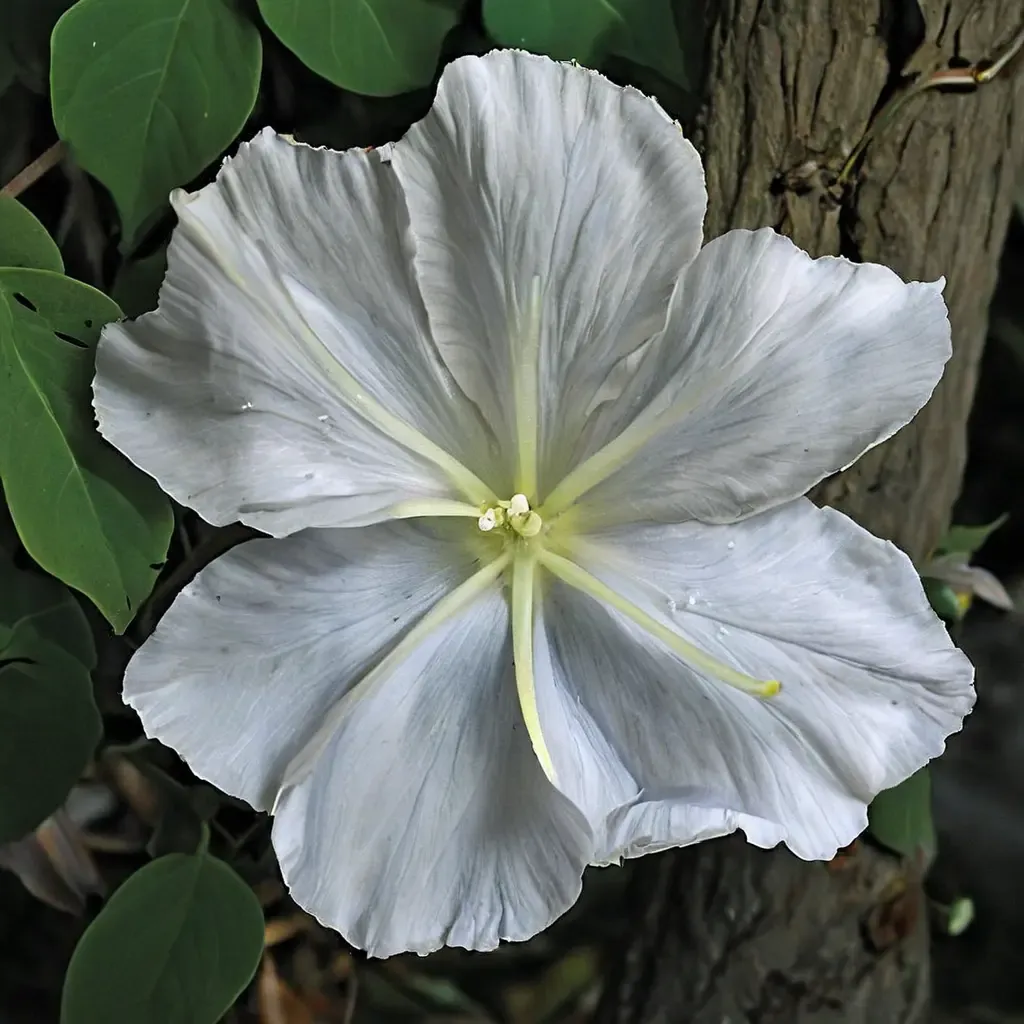
Moonflower
Ipomoea alba
Keep exploring
Explore the genus
Hardy in your zone?
Grow Sweet Potato Vine with confidence
See it in a design of your actual yard, get zone-matched care reminders, and track it season by season in your garden journal.