
The Story
Plant Bio
Buxus microphylla var. japonica, the Japanese boxwood, is a dense, broadleaf evergreen shrub that naturally forms a rounded, multi-stemmed habit up to eight feet tall. Its small, glossy, dark green leaves remain attractive year-round, though they may take on a temporary bronze tint during cold winters.
This variety is highly valued for its superior tolerance to summer heat and humidity compared to European boxwood species. It produces tiny, inconspicuous, greenish-yellow spring flowers that emit a distinct, honey-like fragrance and attract bees.
Uses & Benefits:
Essentials
At a Glance
Plant Type
Shrub
Height
96"
Width
180"
Light
Full Sun, Partial Sun
Zones
6, 7, 8, 9
Water
Medium
Humidity
High
Lifespan
Long-lived
Native To
Japan
Toxicity
Toxic to Humans and Pets
Bloom period
Spring – Late spring
In flower about 3 months of the year
Planting
How to Grow
- Plant in well-drained, loamy or sandy soil in a location receiving full sun to dappled afternoon shade.
- Apply a two- to three-inch layer of organic mulch over the root zone, keeping it clear of the main stems.
- Water regularly during the first growing season to establish a deep, healthy root system, ensuring the soil never becomes waterlogged.
- Apply a balanced, slow-release fertilizer once annually in early spring to support steady, strong growth.
Pro Tip
Avoid digging or cultivating the soil directly beneath the canopy, as the shallow root system is easily damaged; instead, apply a two- to three-inch layer of organic mulch to regulate moisture and protect the roots.
Keep It Thriving
Care Guide
Do
- Prune during the active growing season to maintain a formal shape.
- Ensure excellent soil drainage to prevent root rot.
- Mulch the shallow root zone to conserve moisture and protect roots from temperature extremes.
Don't
- Do not shear back into old, bare wood lacking green buds, as epicormic sprouting is poor.
- Do not cultivate or dig deeply around the base of the plant.
- Do not over-fertilize with high-nitrogen products, which forces weak, pest-susceptible growth.
- Do not let the plant sit in standing water or heavy, waterlogged soil.
Seasonal Care Calendar
| Task | Jan | Feb | Mar | Apr | May | Jun | Jul | Aug | Sep | Oct | Nov | Dec |
|---|---|---|---|---|---|---|---|---|---|---|---|---|
| Fertilize | ||||||||||||
| Mulch | ||||||||||||
| Pest Check | ||||||||||||
| Prune |
Watch Out For
Pests & Diseases
Common Pests
Common Diseases
In the Garden
Landscape Uses & Companions
Landscape Uses
Companion Plants
Multiply
Propagation Methods
Good to Know
Common Questions
Japanese Boxwood questions
What zones can Japanese Boxwood grow in?
Japanese Boxwood is hardy in USDA Zones 6–9. Inside that range it survives winter in the ground; outside it, grow it as an annual or a container plant you protect.
Is Japanese Boxwood deer resistant?
Yes — Japanese Boxwood is rated deer-resistant. Deer typically pass it over, though extreme hunger can override any plant's defenses.
When does Japanese Boxwood bloom?
Japanese Boxwood typically blooms in spring through late spring. Exact timing shifts a week or two with your zone — Sow's bloom calendar maps it to your garden.
Does Japanese Boxwood need full sun?
Japanese Boxwood does best in full sun to part shade. In hot climates, afternoon shade keeps blooms fresher longer.
Is Japanese Boxwood drought tolerant?
Yes — once established (usually after the first full season), Japanese Boxwood handles dry spells with minimal watering. Water deeply its first year to build the root system that makes that possible.
More Buxus to compare
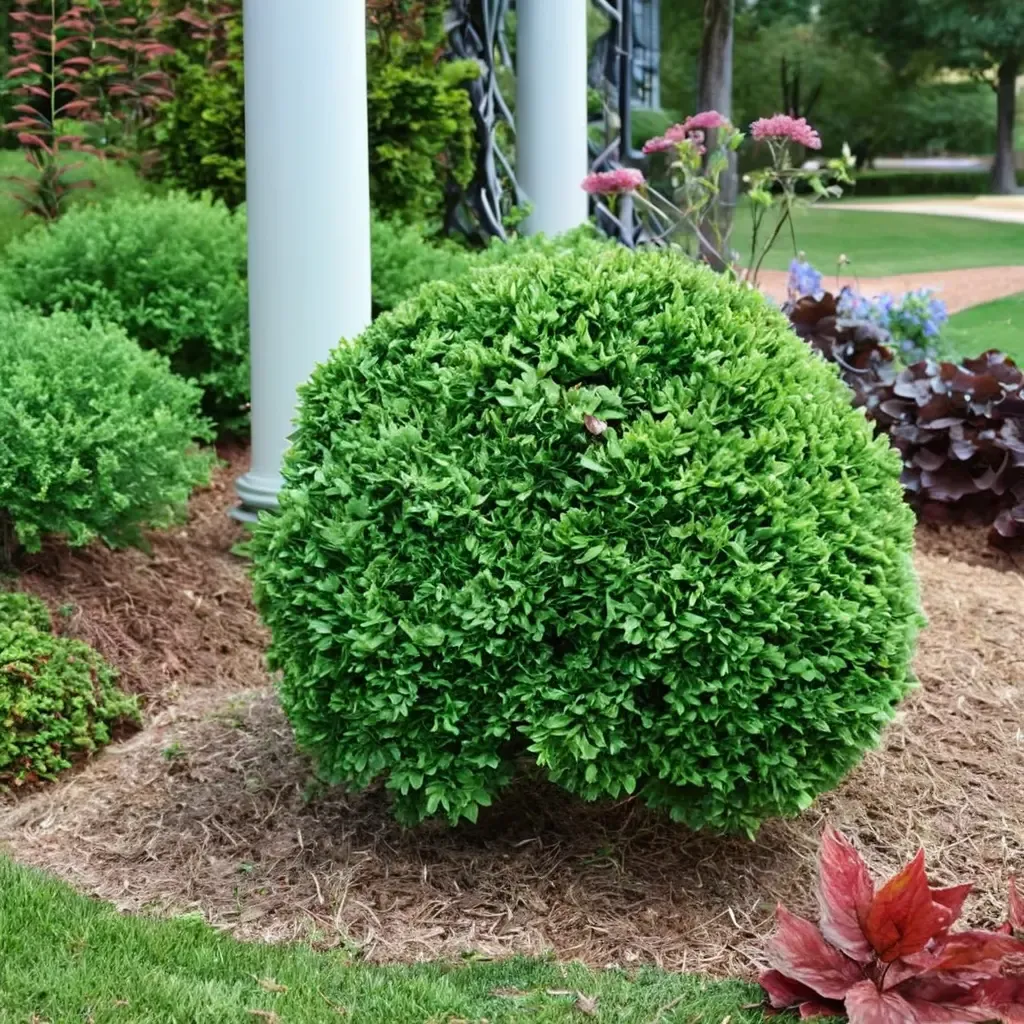
Green Velvet Boxwood
Buxus sempervirens 'Green Velvet'
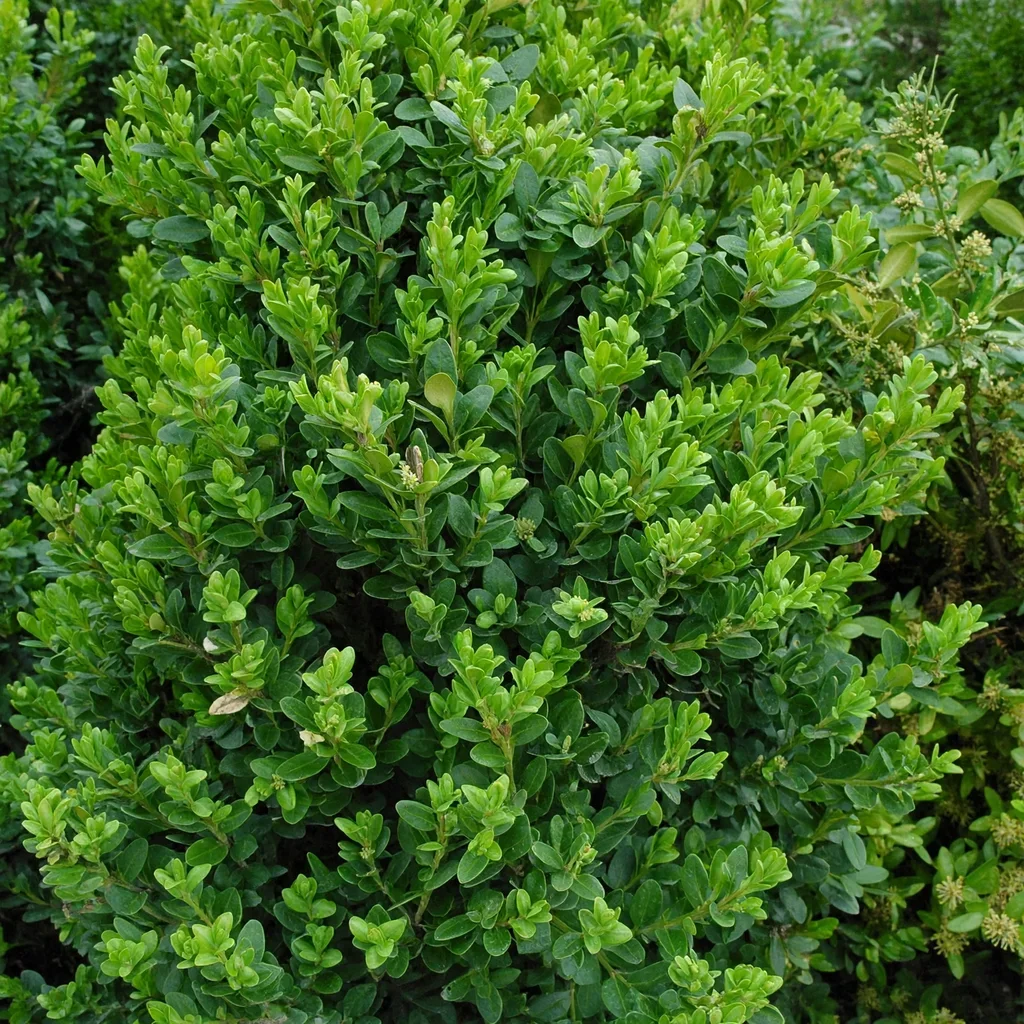
Green Mountain Boxwood
Buxus sempervirens 'Green Mountain'
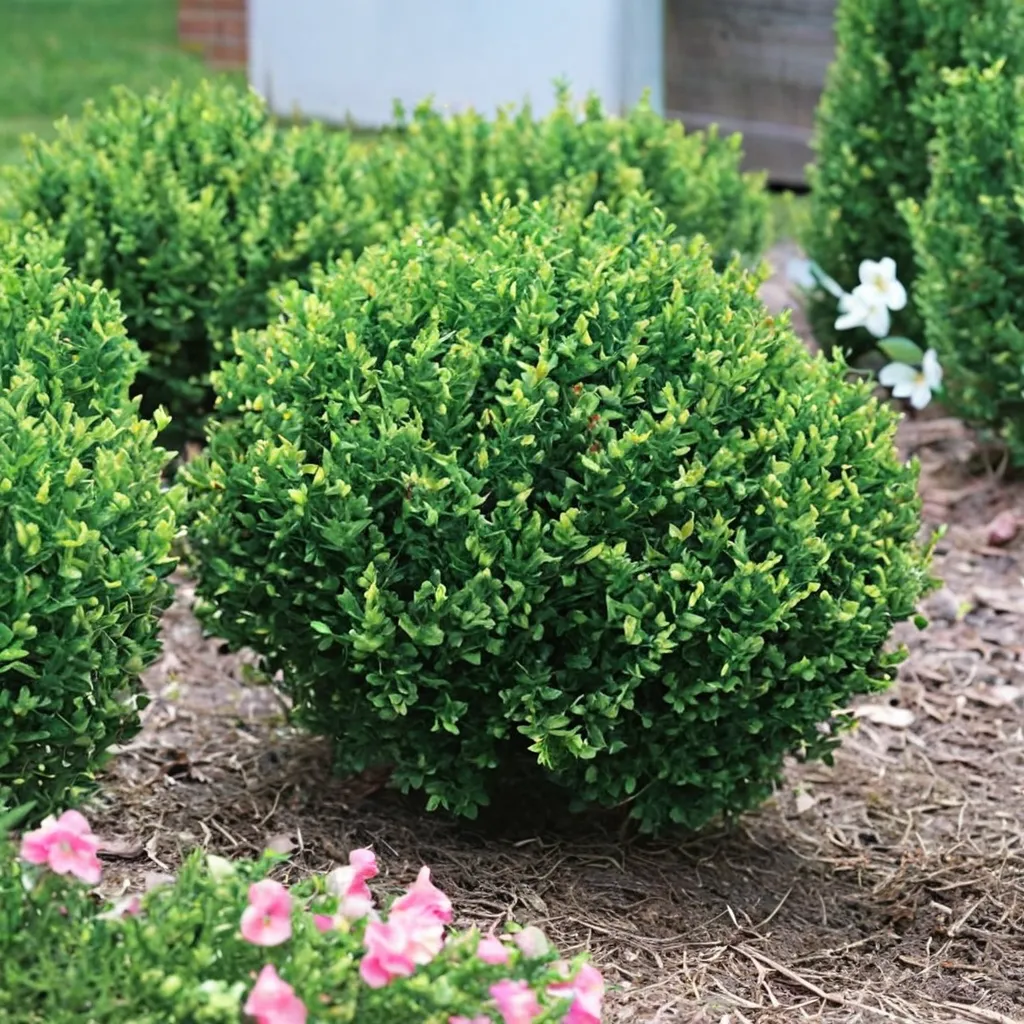
Boxwood Sprinter
Buxus x hybrida 'Sprinter'
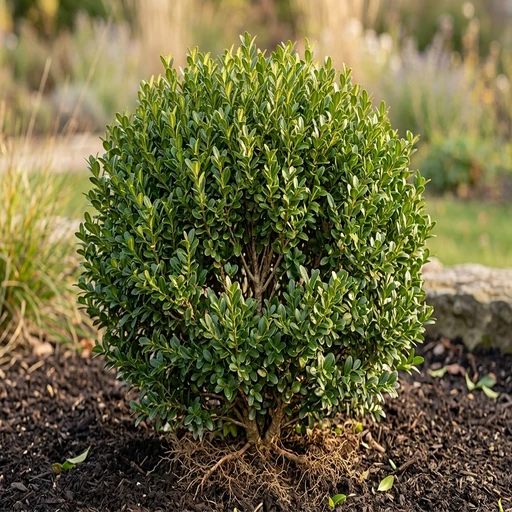
Winter Gem Boxwood
Buxus microphylla 'Winter Gem'
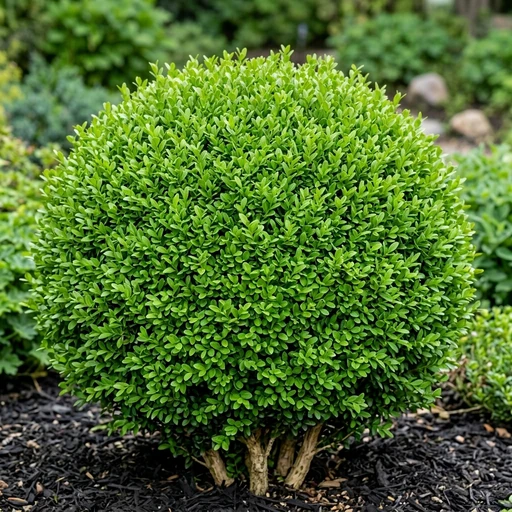
Wintergreen Boxwood
Buxus microphylla 'Wintergreen'
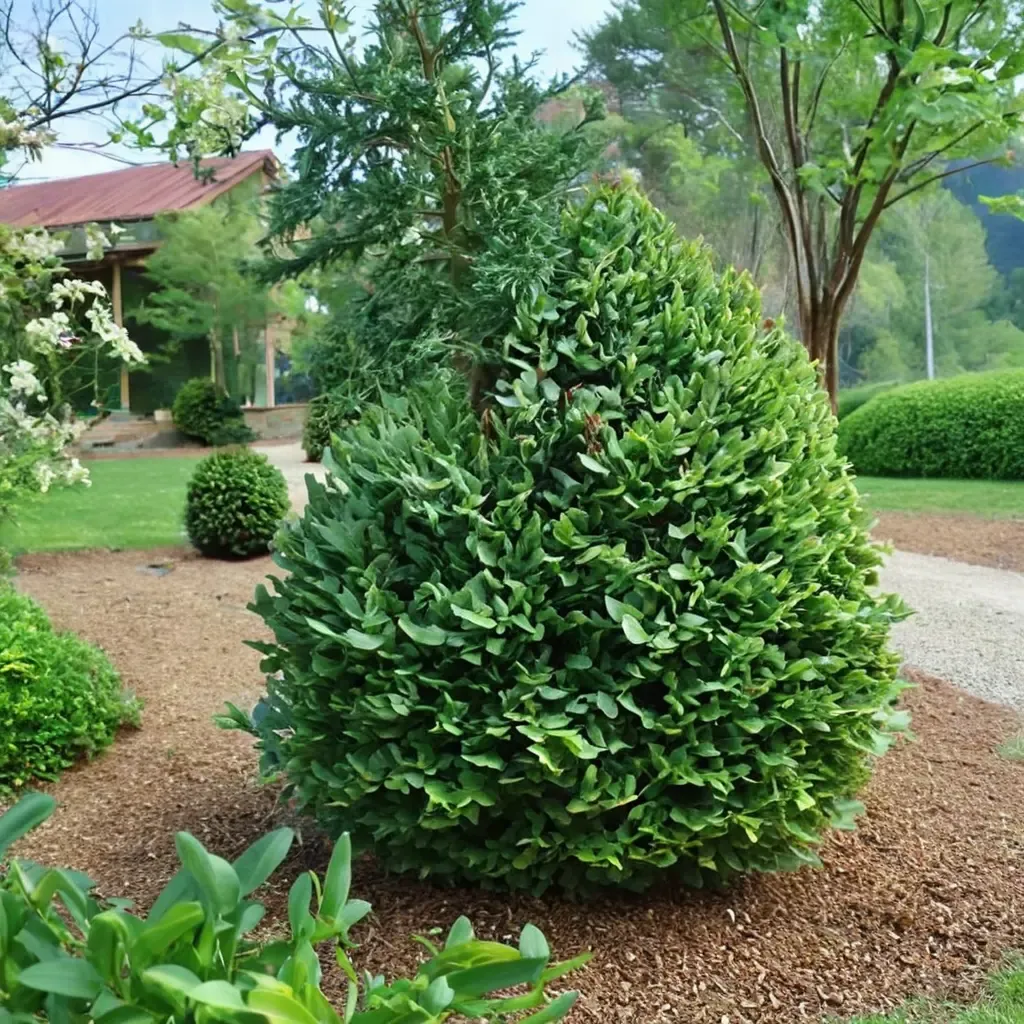
Common Boxwood
Buxus sempervirens
Keep exploring
Explore the genus
Hardy in your zone?
Grow Japanese Boxwood with confidence
See it in a design of your actual yard, get zone-matched care reminders, and track it season by season in your garden journal.