The Story
Plant Bio
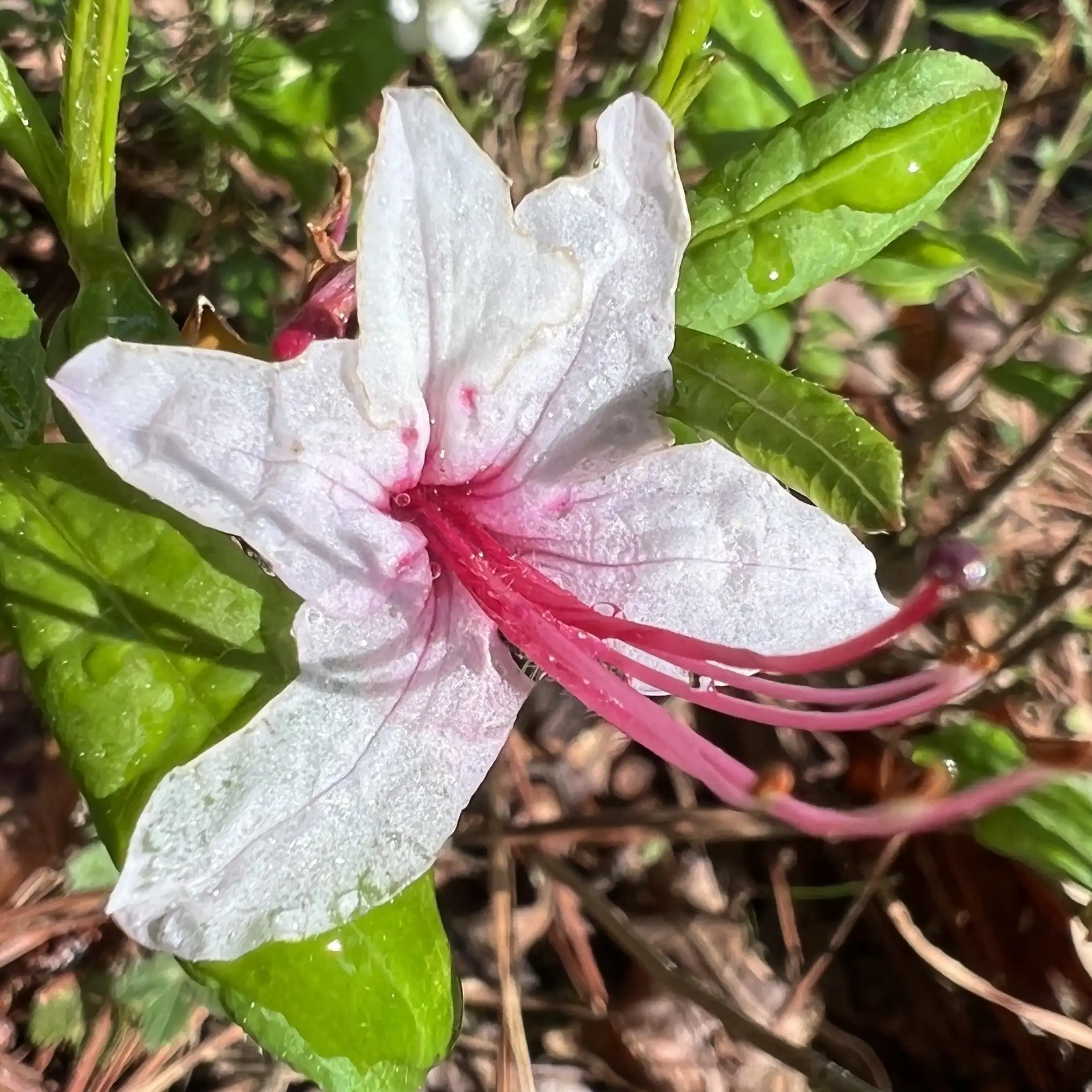
Rhododendron periclymenoides, pinxterbloom azalea, is a deciduous native azalea of eastern North America, reaching four to ten feet with a loose multi-stemmed habit. Clusters of pink to white funnel-shaped flowers with long protruding stamens open in mid-spring before or just as the leaves emerge, carrying a light sweet fragrance.
Flowering before the foliage is what gives it its impact — the blossom stands clear against bare woodland rather than competing with leaves. Unlike evergreen rhododendrons it accepts more sun and drier soil, though like all of them it contains grayanotoxins and is poisonous to people and livestock.
Uses & Benefits:
Essentials
At a Glance
Plant Type
Shrub
Height
84"
Width
54"
Light
Full Sun, Partial Sun, Shade
Zones
4, 5, 6, 7, 8, 9
Water
Moderate
Humidity
Moderate
Lifespan
Perennial
Native To
Eastern North America
Toxicity
Toxic if ingested
Bloom period
Mid-spring – Late spring
In flower about 2 months of the year
Planting
How to Grow
- Plant in spring in acidic, humus-rich, well-drained soil.
- Choose partial shade or dappled light.
- Set the root ball slightly high; azaleas hate deep planting.
- Mulch with leaf litter or pine needles.
- Water through dry spells; roots are shallow.
- Prune only right after flowering.
Pro Tip
Plant it high and mulch rather than digging deep — azalea roots are shallow and fibrous, and burying the crown is the commonest way to kill one.
Keep It Thriving
Care Guide
Do
- Plant in acidic, well-drained soil 🌱
- Mulch with pine needles or leaf mould 🍂
- Prune straight after flowering ✂️
- Water in dry spells 💧
Don't
- Plant deeply or pile mulch on the crown ❌
- Plant in alkaline or waterlogged soil ❌
- Let livestock or children near it ❌
Seasonal Care Calendar
| Task | Jan | Feb | Mar | Apr | May | Jun | Jul | Aug | Sep | Oct | Nov | Dec |
|---|---|---|---|---|---|---|---|---|---|---|---|---|
| Prune |
Watch Out For
Pests & Diseases
Common Pests
Common Diseases
In the Garden
Landscape Uses & Companions
Landscape Uses
Multiply
Propagation Methods
Good to Know
Common Questions
Pinxterbloom Azalea questions
What zones can Pinxterbloom Azalea grow in?
Pinxterbloom Azalea is hardy in USDA Zones 4–9. Inside that range it survives winter in the ground; outside it, grow it as an annual or a container plant you protect.
Is Pinxterbloom Azalea deer resistant?
Not reliably. Deer may browse Pinxterbloom Azalea, especially tender spring growth — plan on repellents or fencing where pressure is high.
When does Pinxterbloom Azalea bloom?
Pinxterbloom Azalea typically blooms in mid-spring through late spring. Exact timing shifts a week or two with your zone — Sow's bloom calendar maps it to your garden.
Does Pinxterbloom Azalea need full sun?
Pinxterbloom Azalea does best in full sun to part shade. In hot climates, afternoon shade keeps blooms fresher longer.
Is Pinxterbloom Azalea drought tolerant?
Yes — once established (usually after the first full season), Pinxterbloom Azalea handles dry spells with minimal watering. Water deeply its first year to build the root system that makes that possible.
More Rhododendron to compare
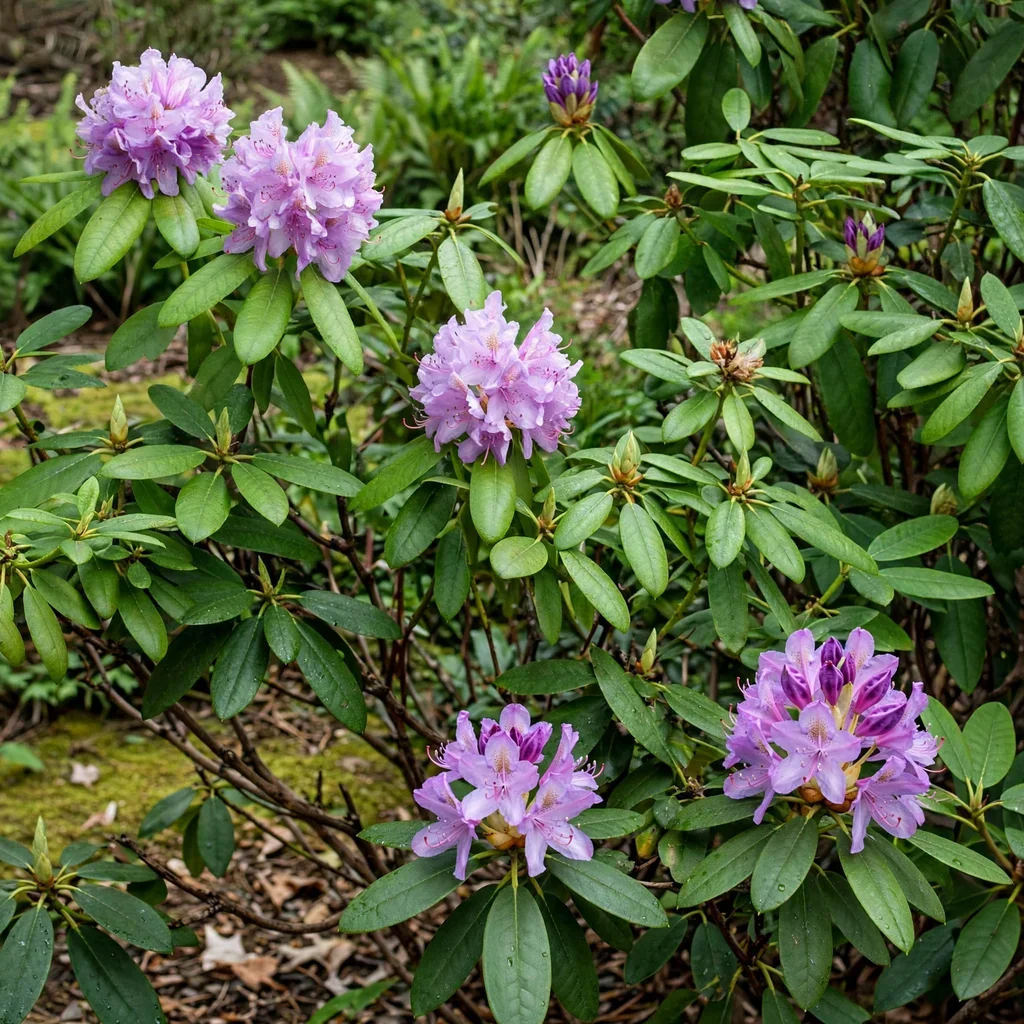
Catawba Rhododendron
Rhododendron catawbiense
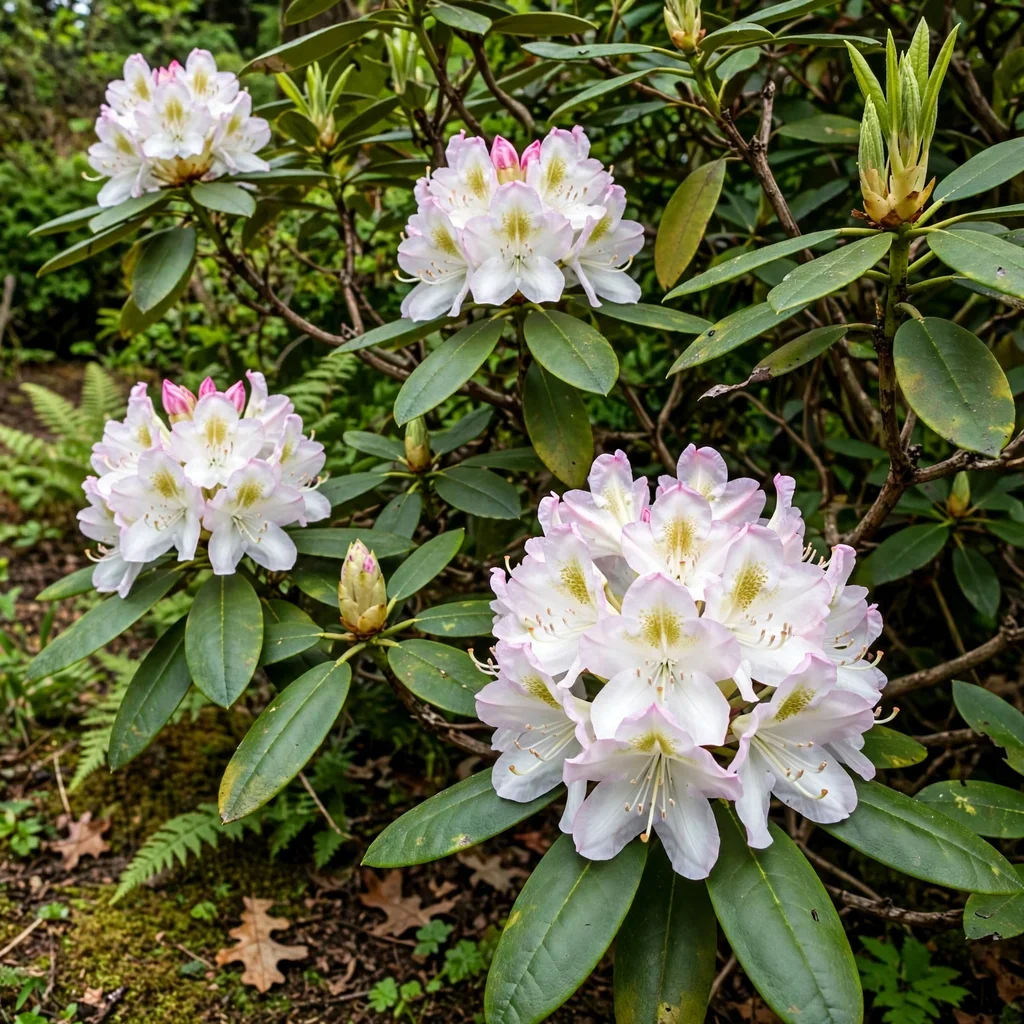
Great Laurel Rhododendron
Rhododendron maximum
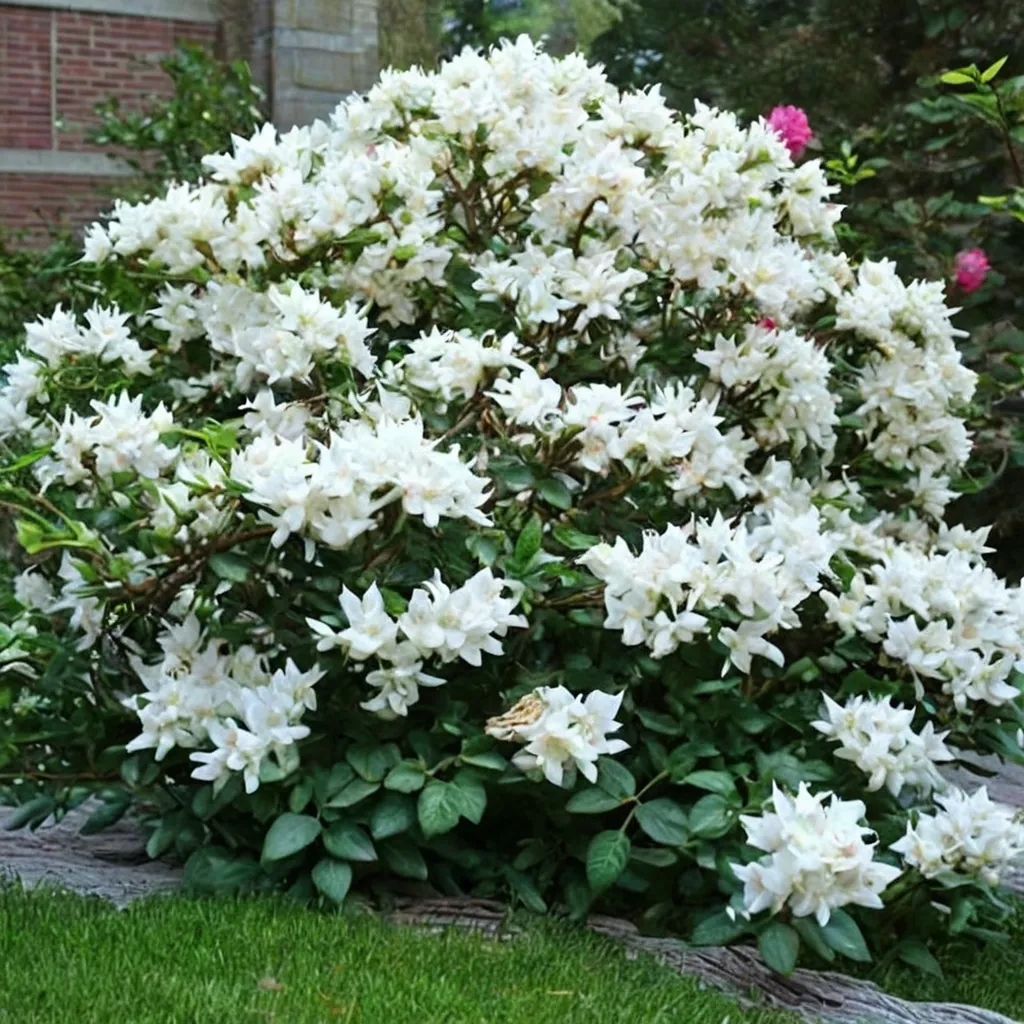
Double White Rhododendron
Rhododendron x hybrida 'Double White'
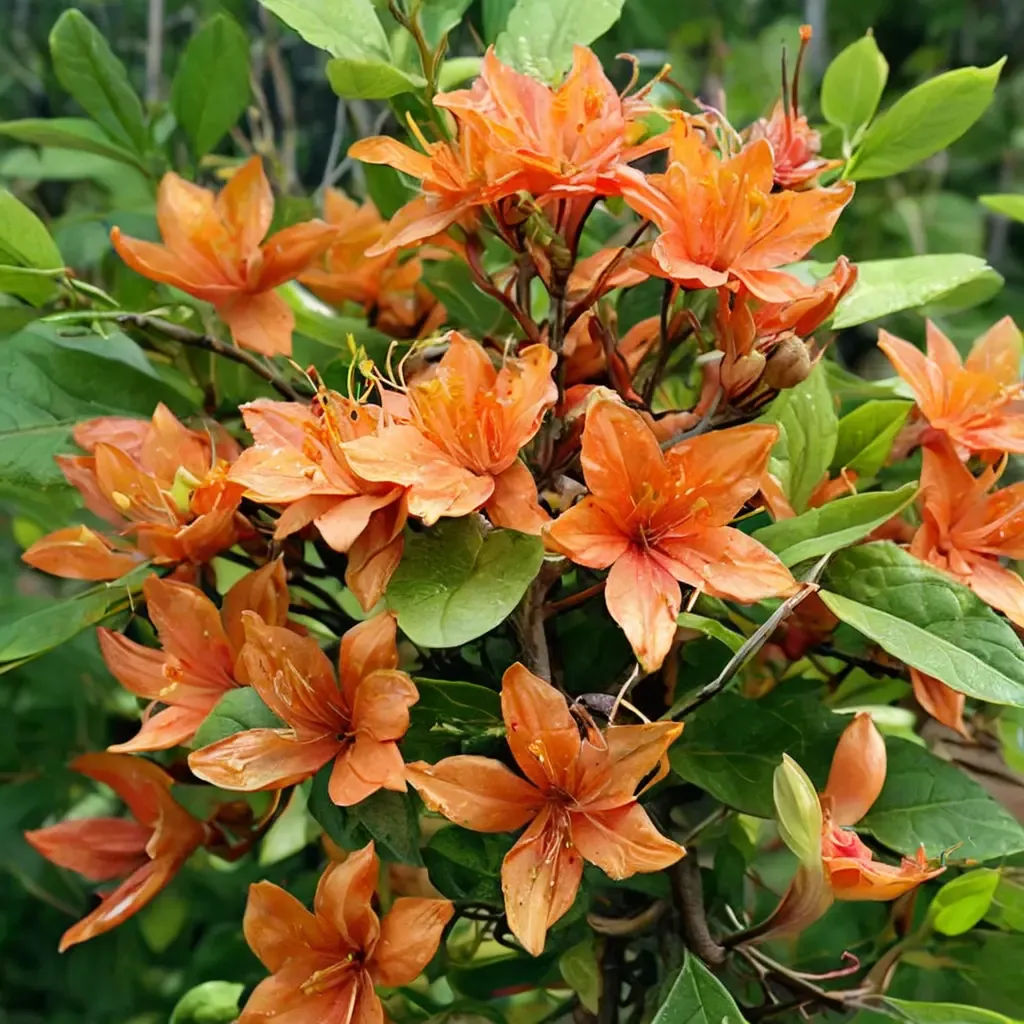
Flame Azalea
Rhododendron calendulaceum
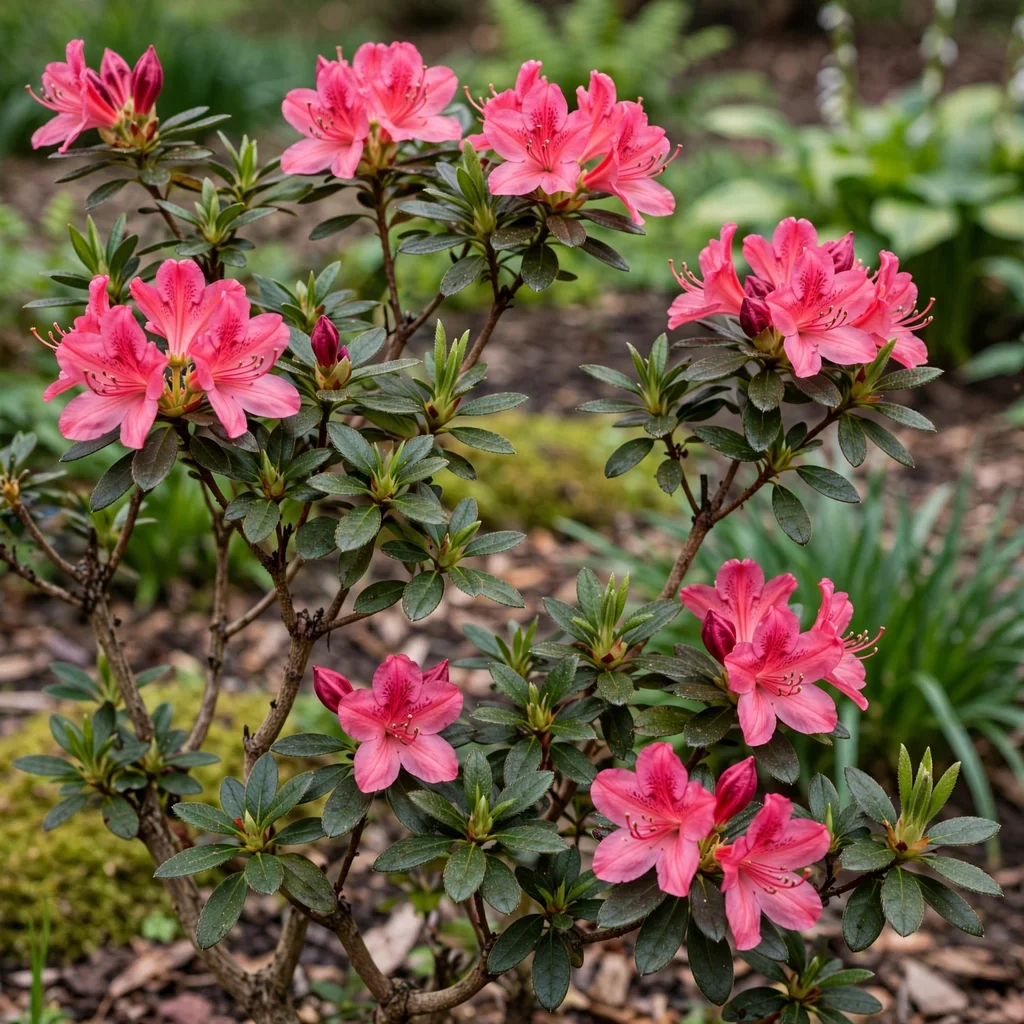
Bone Hardy Azalea
Rhododendron x hybrida 'Bone Hardy Azalea Sampler'
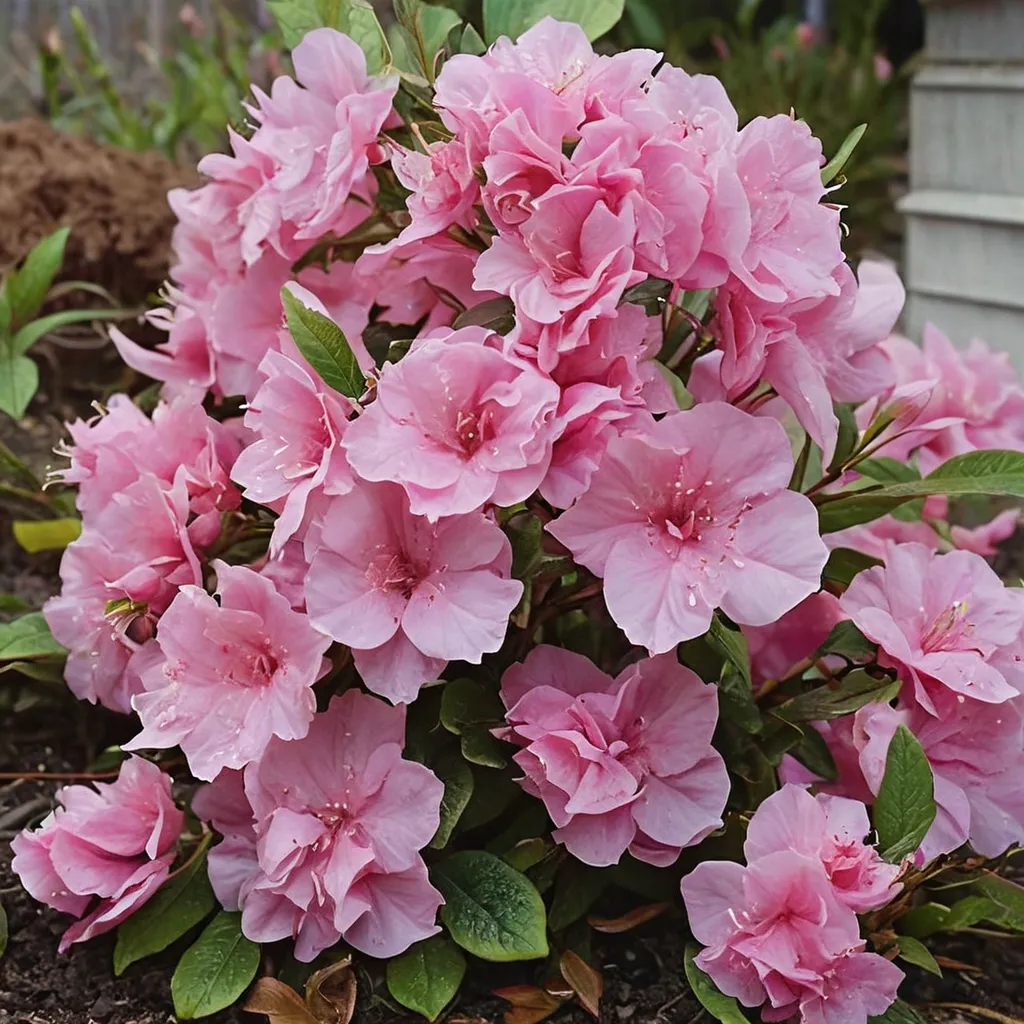
Rhododendron x hybrida Double Pink
Rhododendron x hybrida 'Double Pink'
Keep exploring
Explore the genus
Grow Pinxterbloom Azalea with confidence
See it in a design of your actual yard, get zone-matched care reminders, and track it season by season in your garden journal.