The Story
Plant Bio
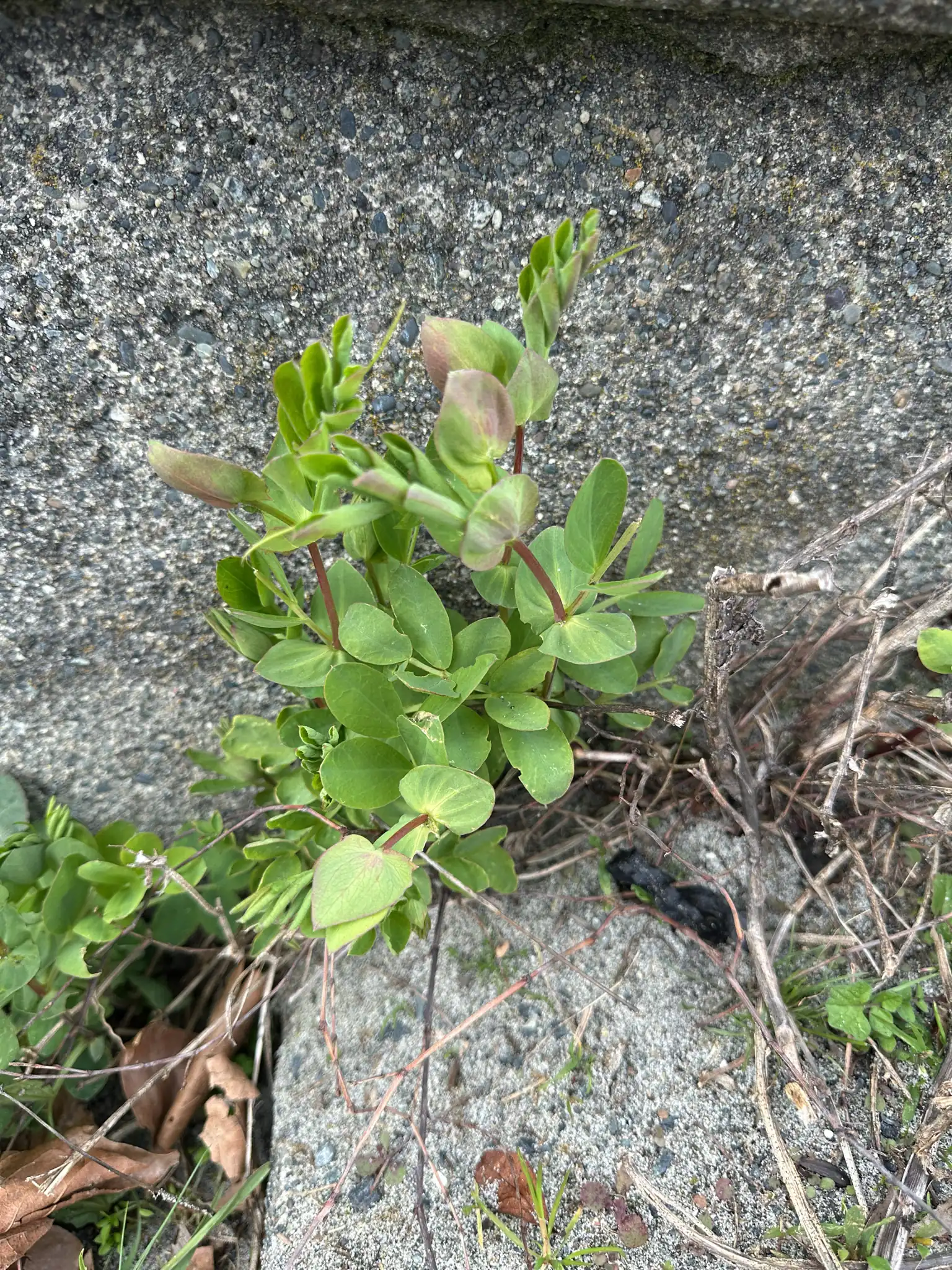
Lathyrus japonicus, commonly known as the beach pea, is a sprawling perennial herbaceous vine native to temperate and arctic coastal dunes across the Northern Hemisphere. It utilizes a creeping rhizome system to anchor itself in shifting sands while clambering over obstacles using terminal tendrils.
This species is distinguished by its fleshy, waxy, glaucous green pinnate foliage that emerges with a distinct bluish-grey tint. In late spring and summer, it produces racemes of three to ten pea-like flowers featuring deep purplish-blue or violet upper petals and paler wings.
Uses & Benefits:
Essentials
At a Glance
Plant Type
Vine
Height
24"
Width
60"
Light
Full Sun
Zones
4, 5, 6, 7, 8
Water
Low
Humidity
Moderate
Lifespan
Perennial
Native To
North America, Europe, Asia
Toxicity
Toxic if Ingested
Bloom period
Late spring – Late summer
In flower about 4 months of the year
Planting
How to Grow
- Select a planting site in full sun with lean, sandy, or gravelly soil that drains rapidly.
- Install container-grown plants or plugs in early spring, handling the roots gently to avoid transplant shock.
- Water sparingly during the first season to help the deep root system establish, then cease supplemental watering.
- Avoid applying compost, manure, or nitrogen-rich fertilizers, as this species thrives in nutrient-poor substrates.
Pro Tip
Plant in lean, gravelly, or sandy soils with sharp drainage and avoid organic amendments or high-nitrogen fertilizers, which trigger root rot and excessive foliage growth at the expense of flowers.
Keep It Thriving
Care Guide
Do
- Grow in poor, sandy, or gravelly soils to mimic its native coastal dune habitat.
- Provide maximum sun exposure to ensure robust flowering and compact growth.
- Cut back dead topgrowth to ground level in late winter or early spring.
Don't
- Do not plant in heavy, poorly drained clay soils, which cause fatal root rot.
- Do not apply high-nitrogen fertilizers, which suppress flower production and cause excessive vine growth.
- Do not overwater once the plant is established in its site.
Seasonal Care Calendar
| Task | Jan | Feb | Mar | Apr | May | Jun | Jul | Aug | Sep | Oct | Nov | Dec |
|---|---|---|---|---|---|---|---|---|---|---|---|---|
| Pest Check | ||||||||||||
| Propagate | ||||||||||||
| Spring Cleanup | ||||||||||||
| Winter Prep |
Watch Out For
Pests & Diseases
Common Pests
Common Diseases
In the Garden
Landscape Uses & Companions
Landscape Uses
Companion Plants
Multiply
Propagation Methods
Good to Know
Common Questions
Beach Pea questions
What zones can Beach Pea grow in?
Beach Pea is hardy in USDA Zones 4–8. Inside that range it survives winter in the ground; outside it, grow it as an annual or a container plant you protect.
Is Beach Pea deer resistant?
Not reliably. Deer may browse Beach Pea, especially tender spring growth — plan on repellents or fencing where pressure is high.
When does Beach Pea bloom?
Beach Pea typically blooms in late spring through late summer. Exact timing shifts a week or two with your zone — Sow's bloom calendar maps it to your garden.
Does Beach Pea need full sun?
Beach Pea does best in full sun (6+ hours).
Is Beach Pea drought tolerant?
Yes — once established (usually after the first full season), Beach Pea handles dry spells with minimal watering. Water deeply its first year to build the root system that makes that possible.
More Lathyrus to compare
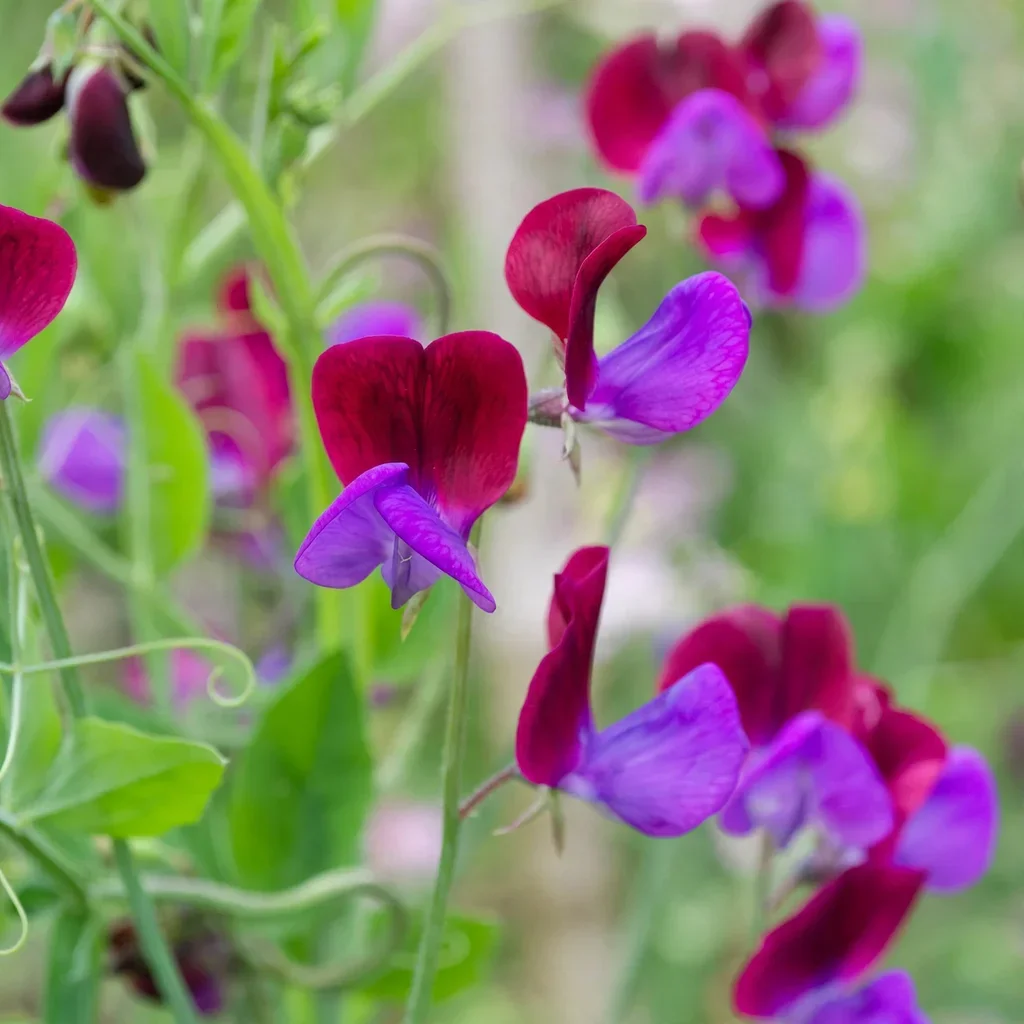
Cupani Sweet Pea
Lathyrus odoratus 'Cupani'
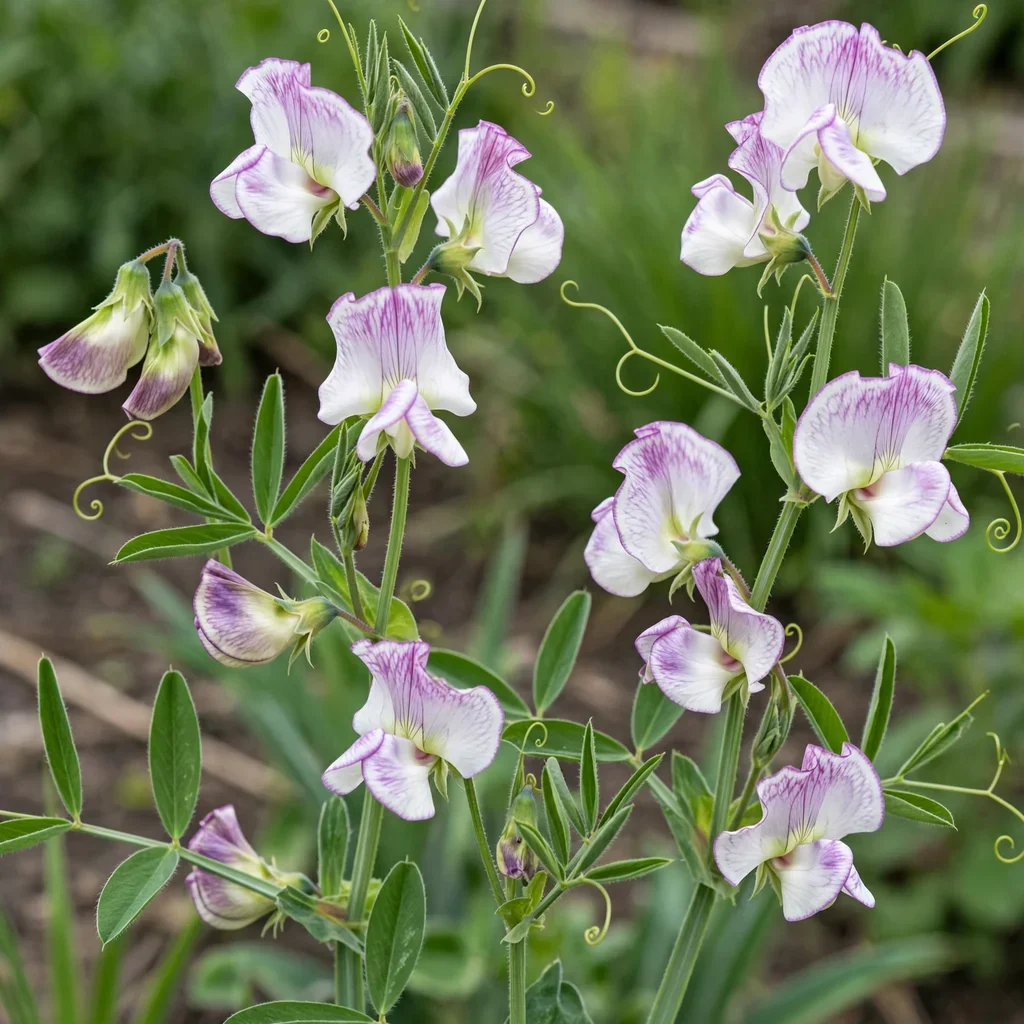
Pulsar Sweet Pea
Lathyrus odoratus 'Pulsar'
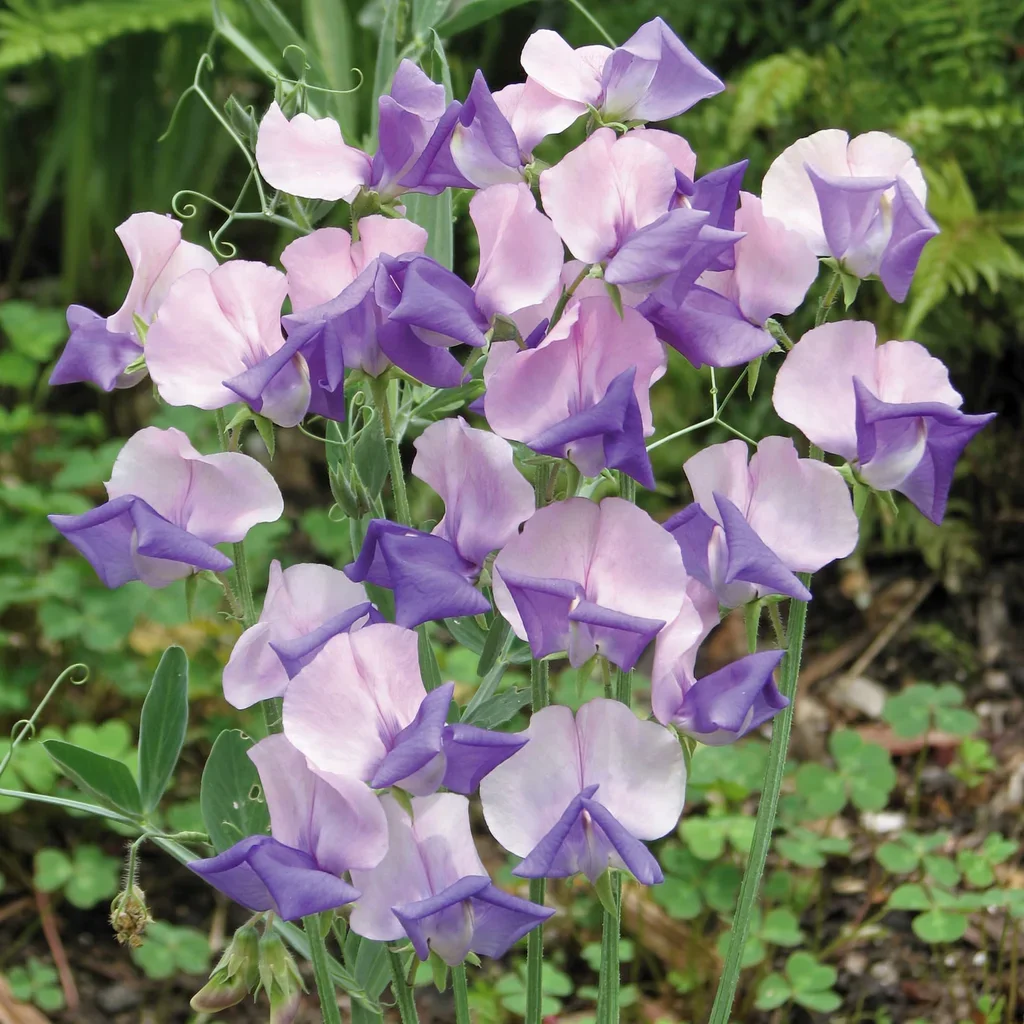
Erewhon Sweet Pea
Lathyrus x belinensis 'Erewhon'
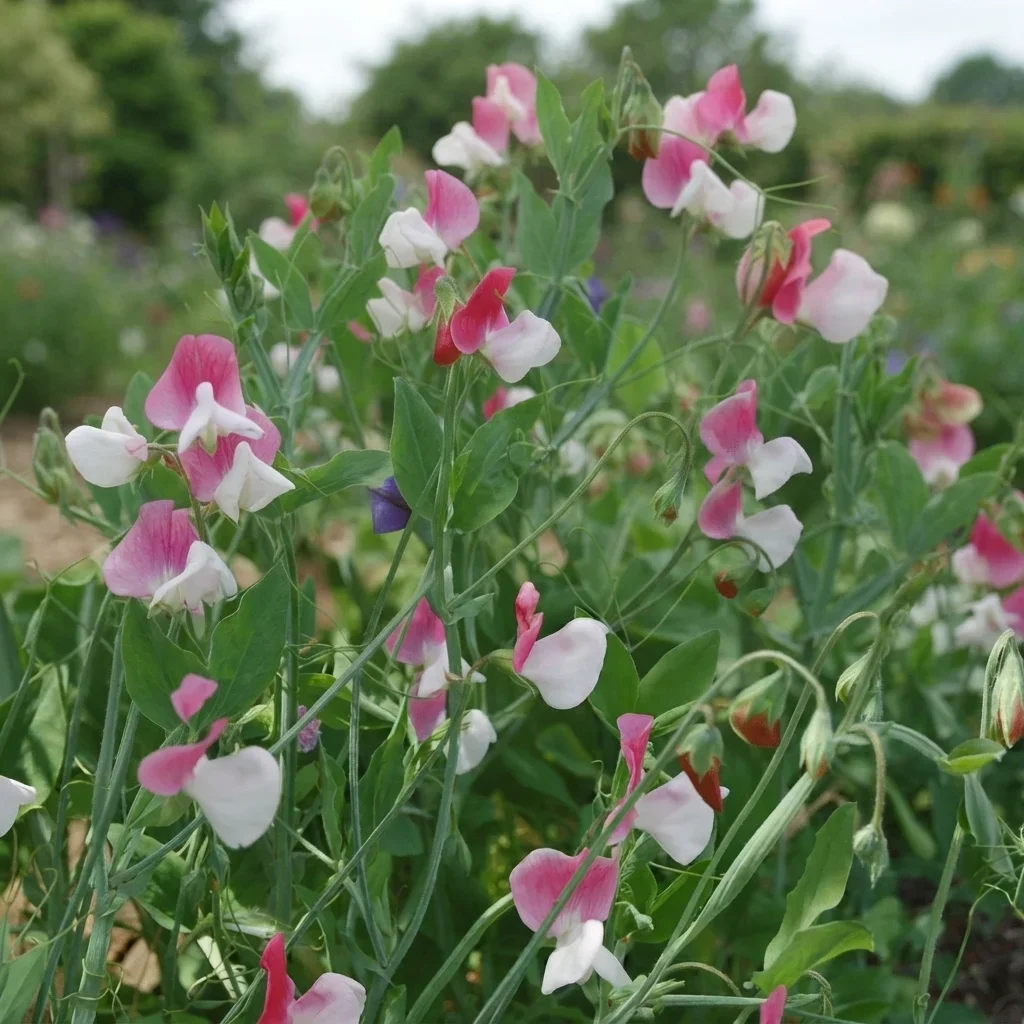
Painted Lady Sweet Pea
Lathyrus odoratus 'Painted Lady'
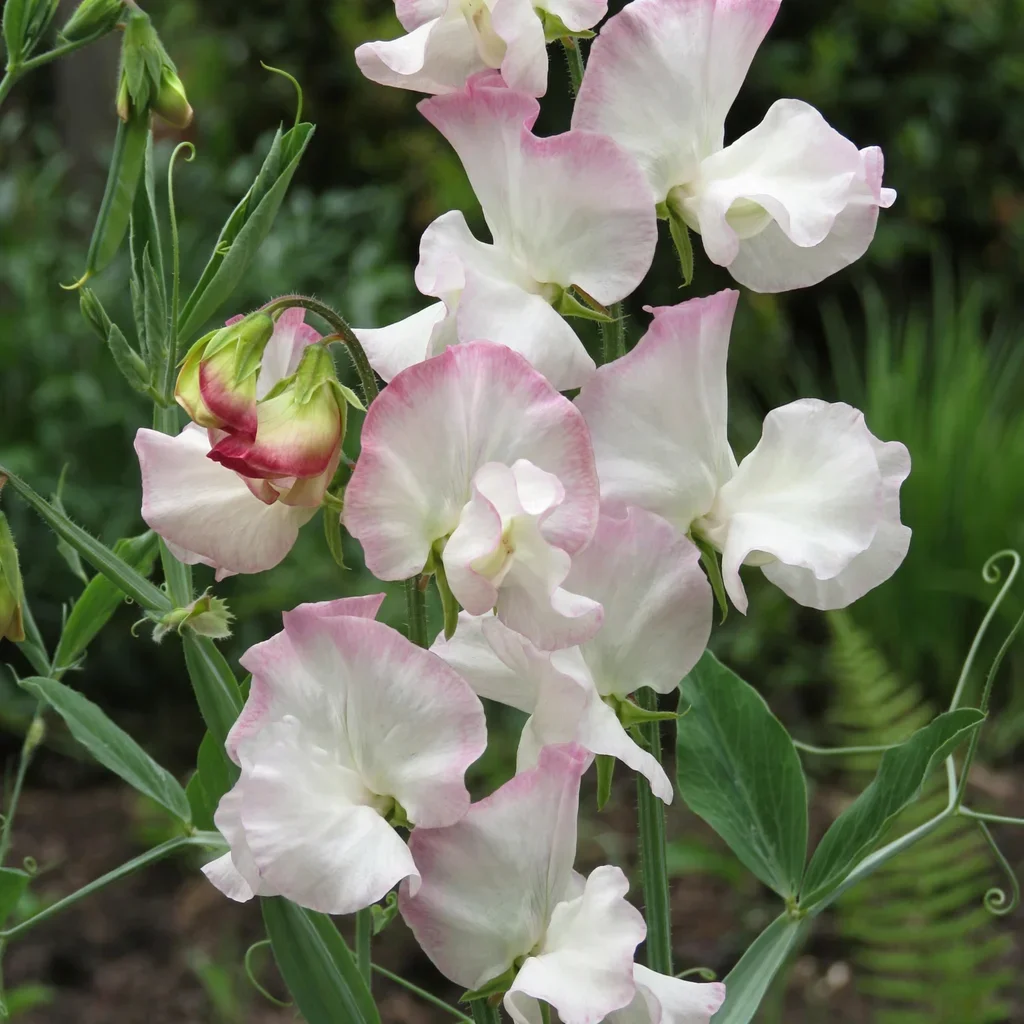
Sweet Pea 'High Society'
Lathyrus odoratus 'High Society'
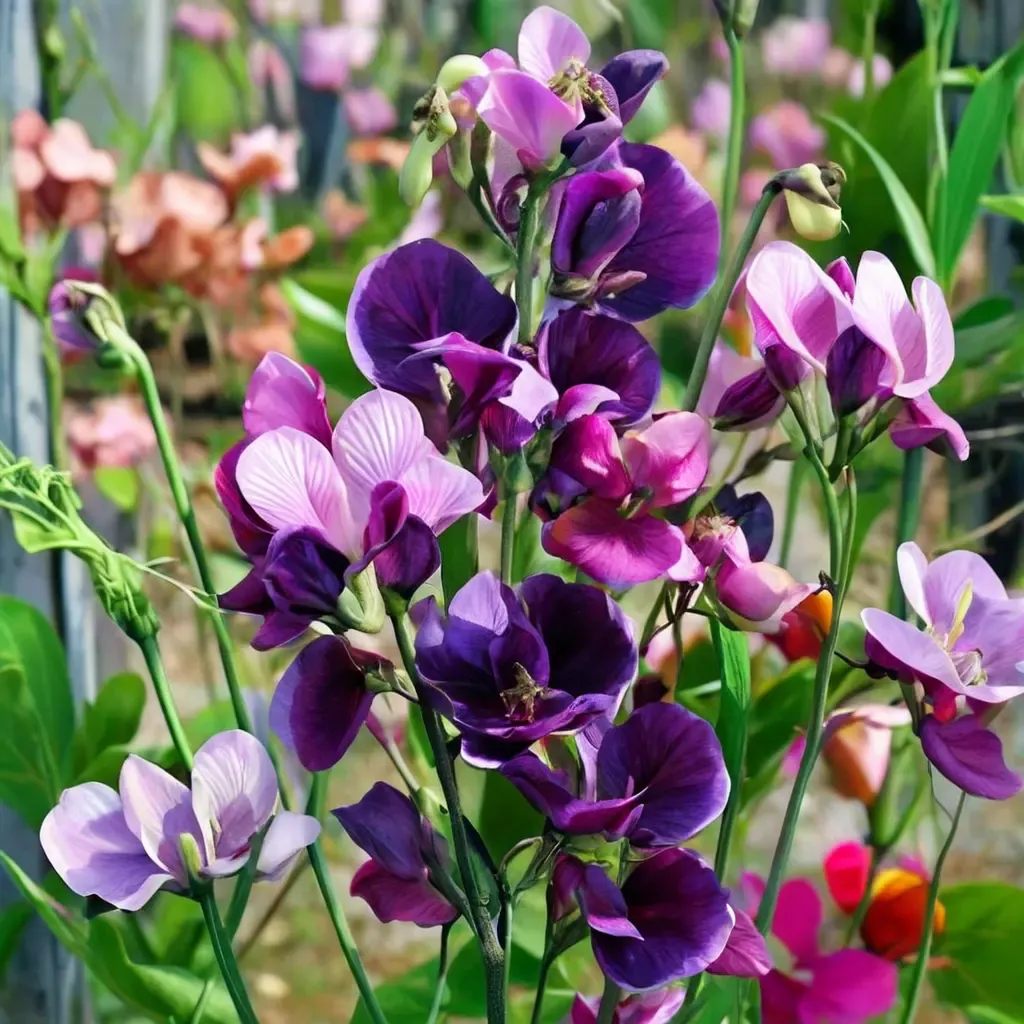
Sweet Pea
Lathyrus odoratus
Keep exploring
Explore the genus
Hardy in your zone?
Grow Beach Pea with confidence
See it in a design of your actual yard, get zone-matched care reminders, and track it season by season in your garden journal.