
Garden hybrid
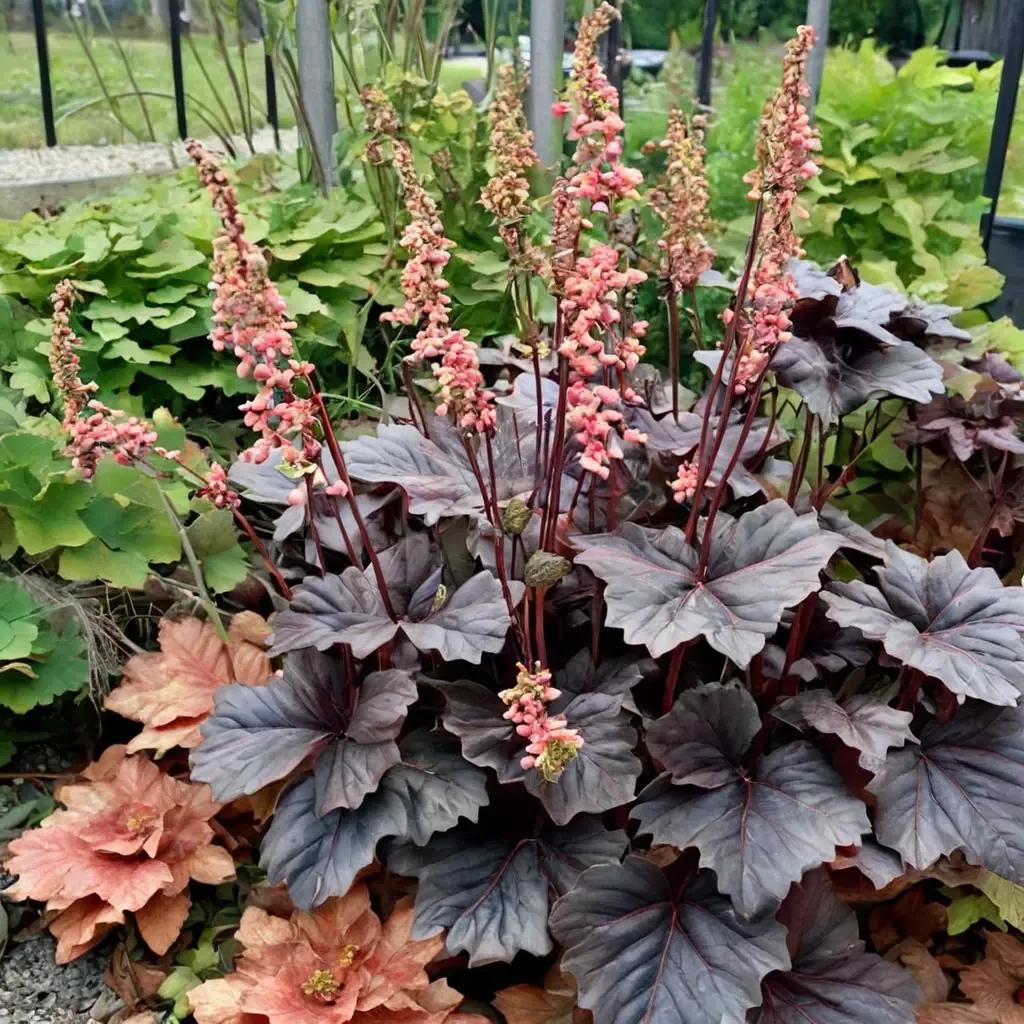 Heuchera x hybridaCoral Bells
81 other cultivars
 ‘Wild Rose’Primo Wild Rose Coral Bells
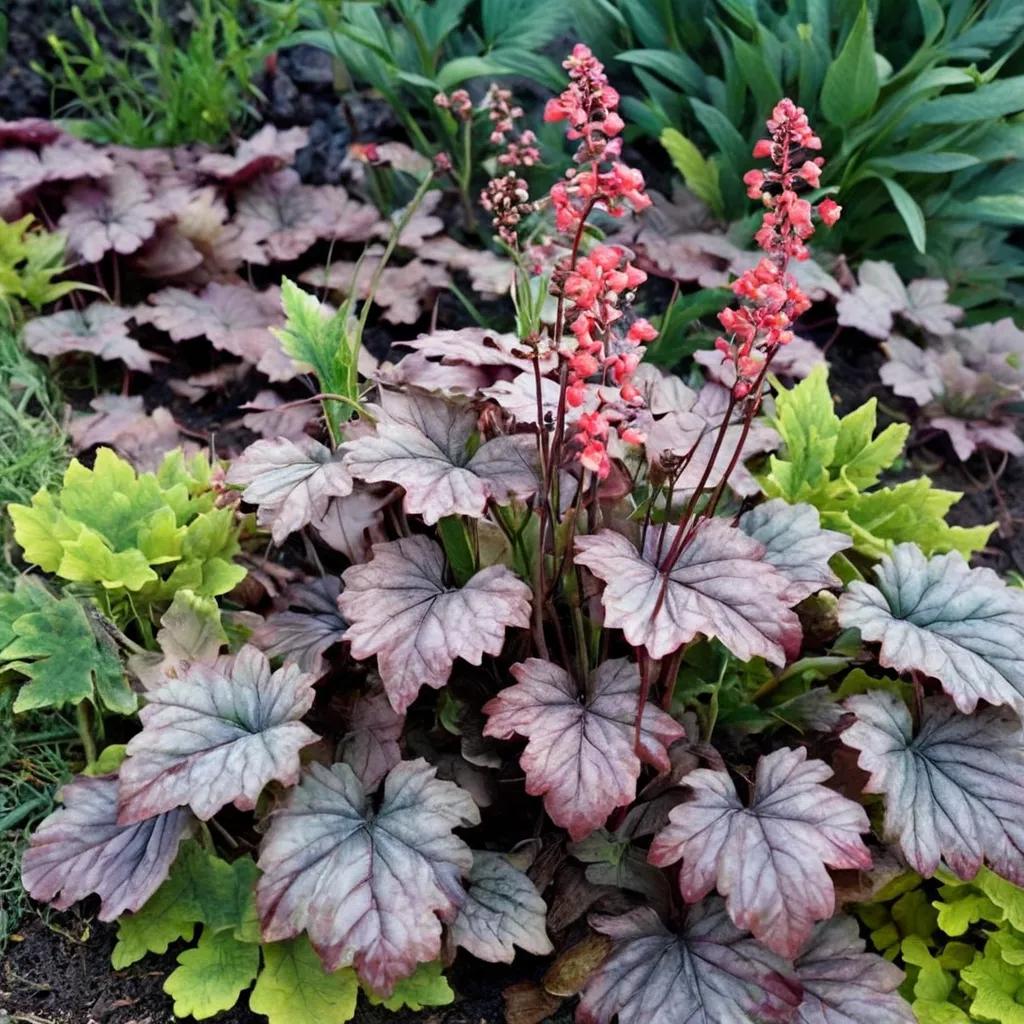 ‘Checkers’Checkers Coral Bells
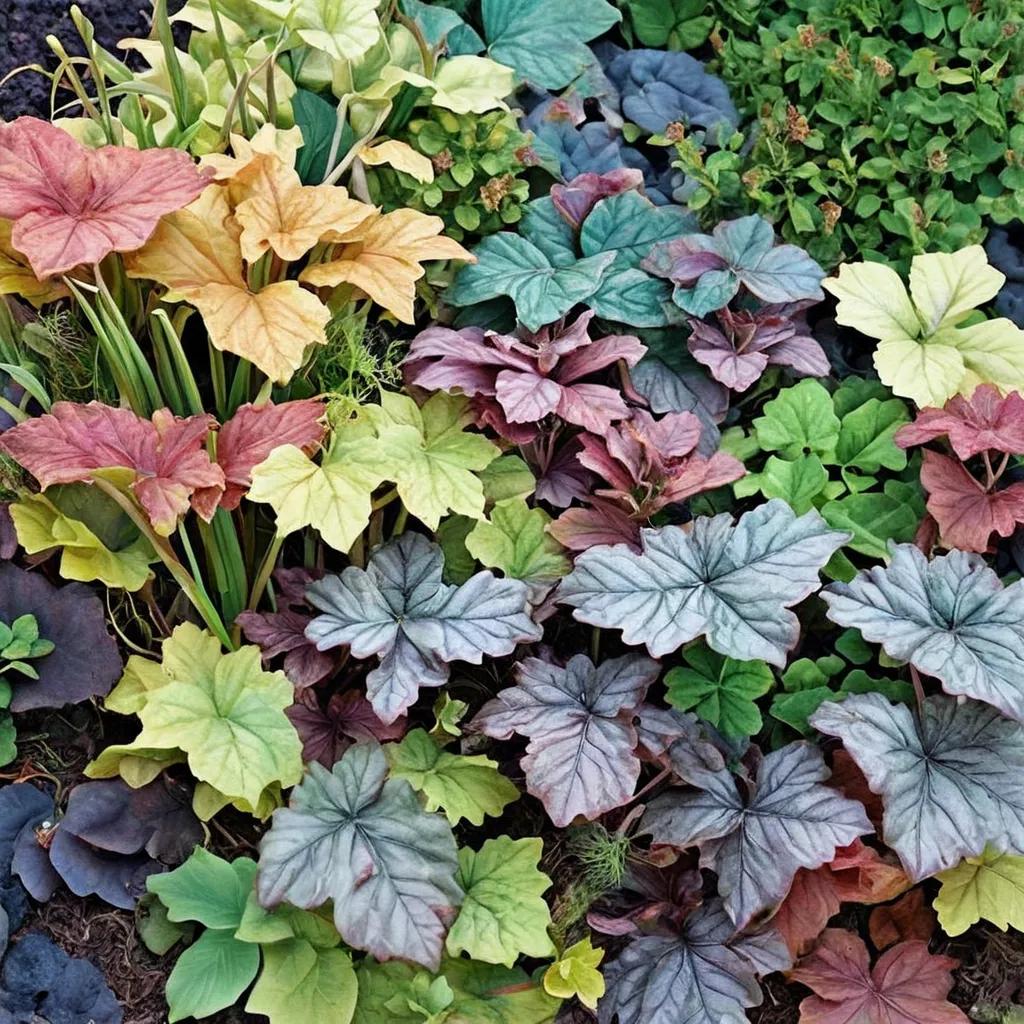 ‘Mix’Coral Bells Mix
 ‘Winter Red’Winter Red Heuchera
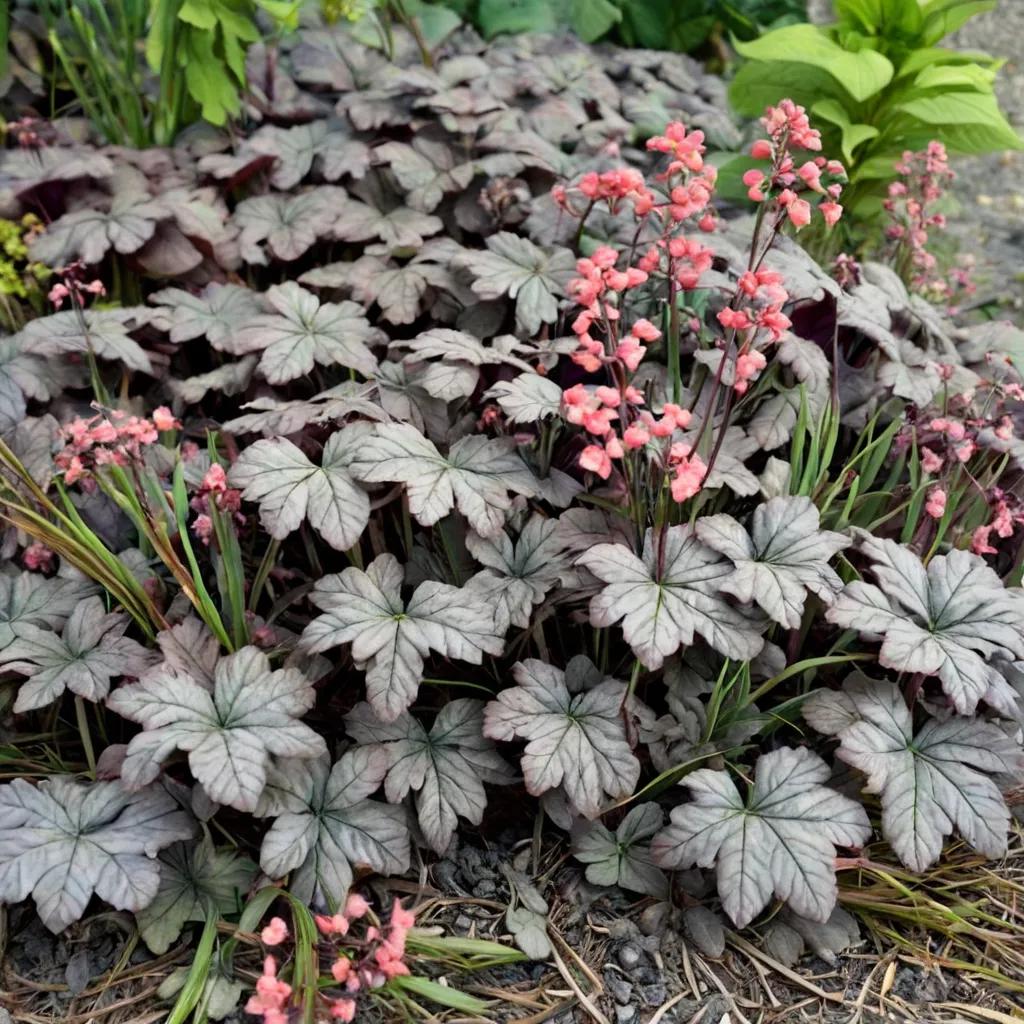 ‘Smoke and Mirrors’Coral Bells Smoke and Mirrors
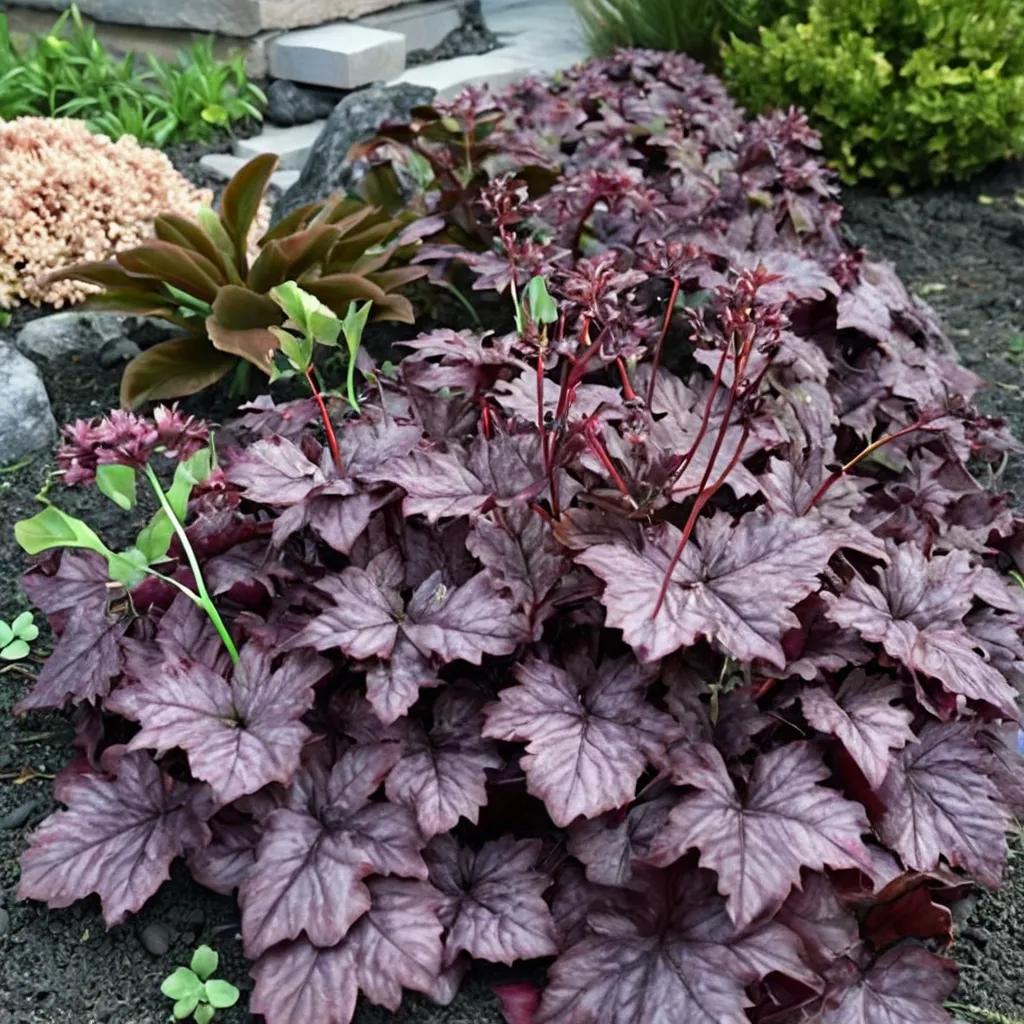 ‘Purple Sails’Purple Sails Coral Bells
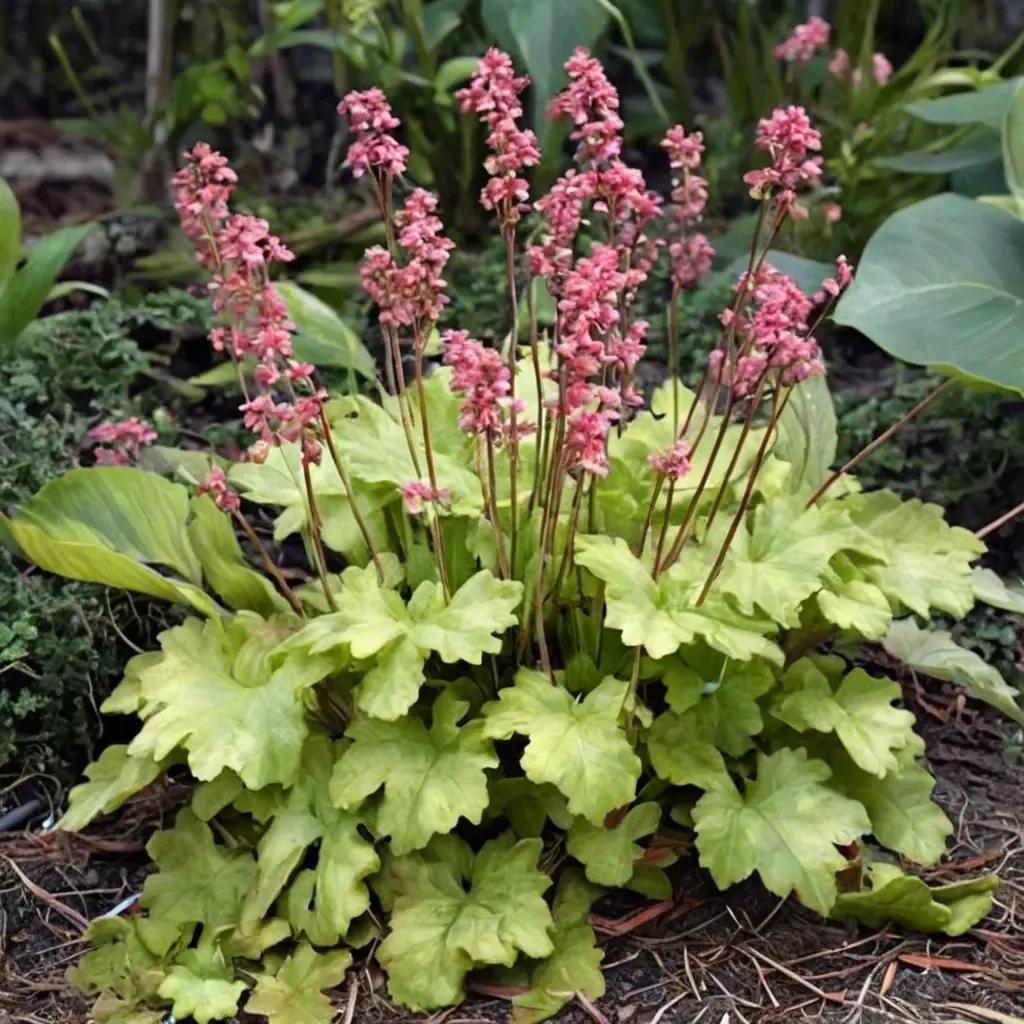 ‘Timeless Glow’Timeless Glow Coral Bells
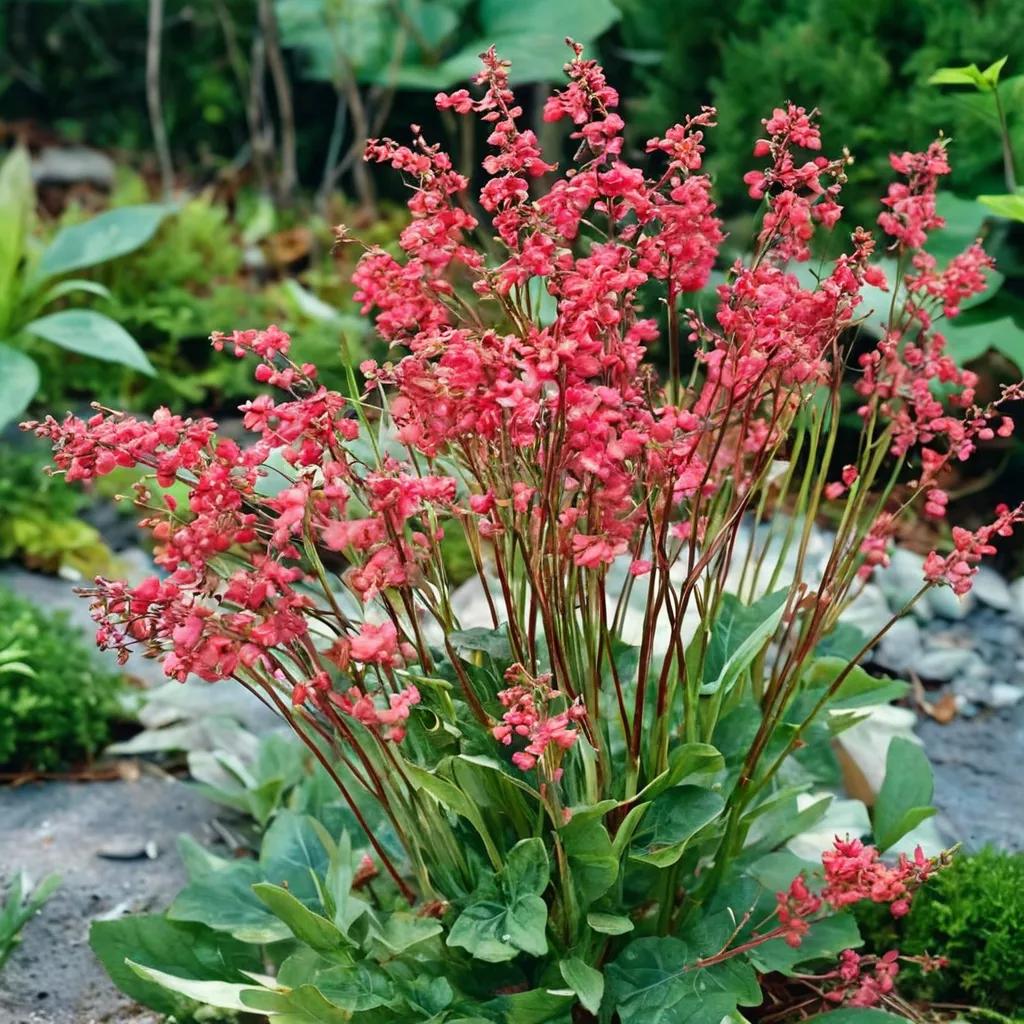 ‘Firefly’Coral Bells 'Firefly'
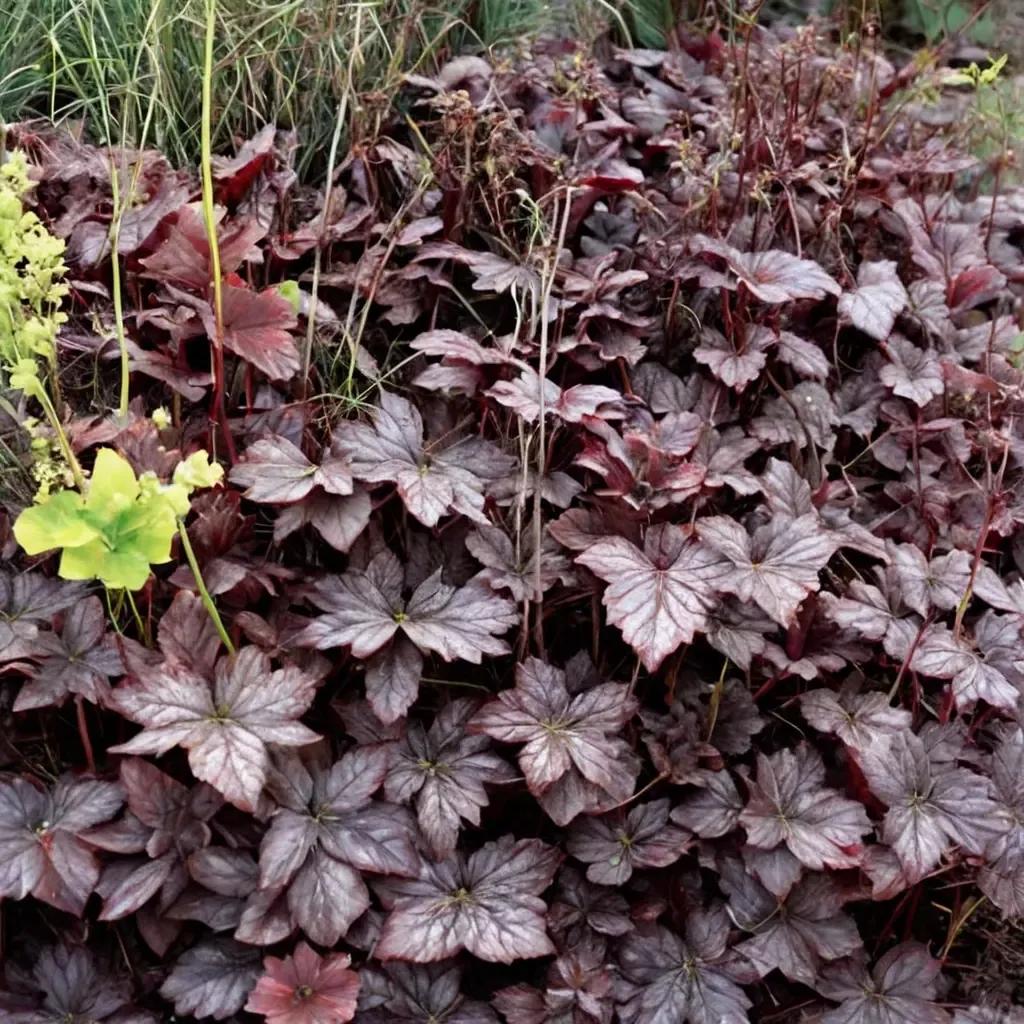 ‘Plum Pudding’Plum Pudding Coral Bells
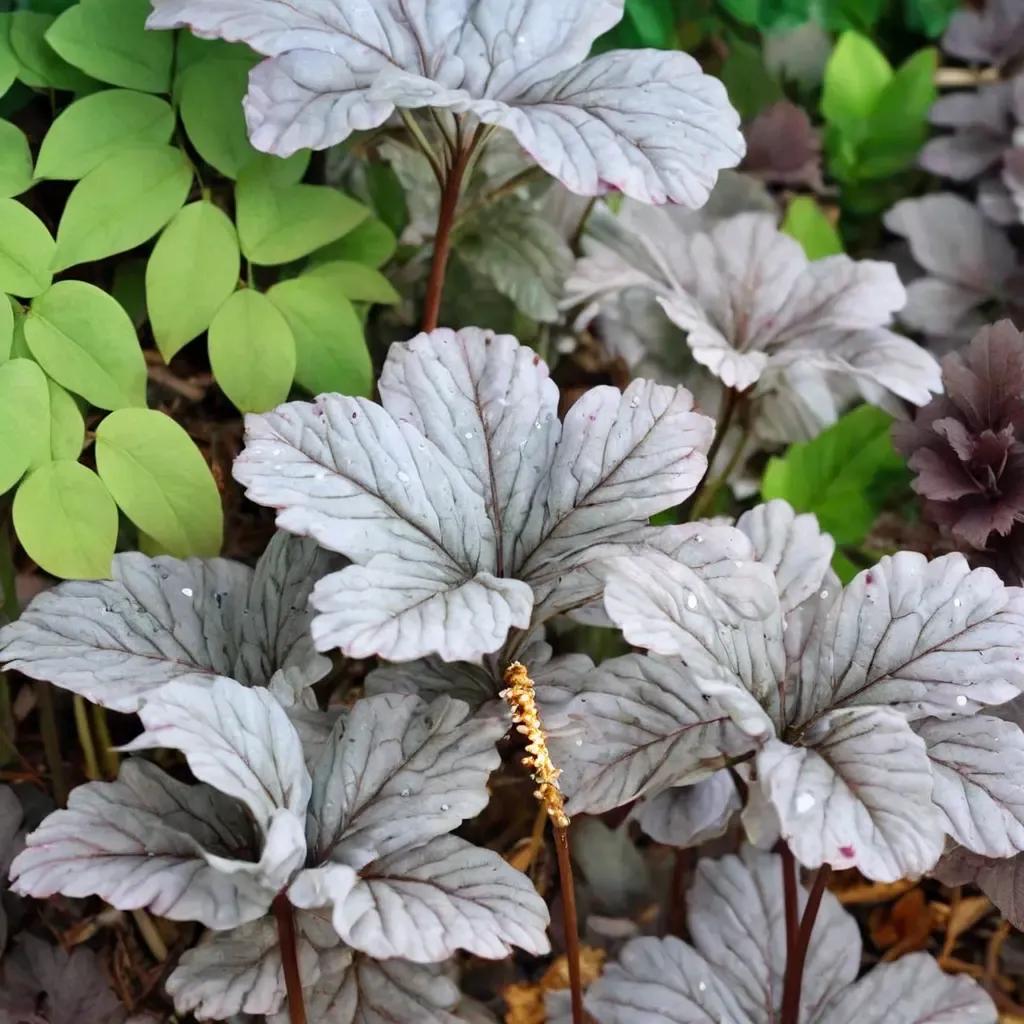 ‘Stainless Steel’Stainless Steel Coral Bells
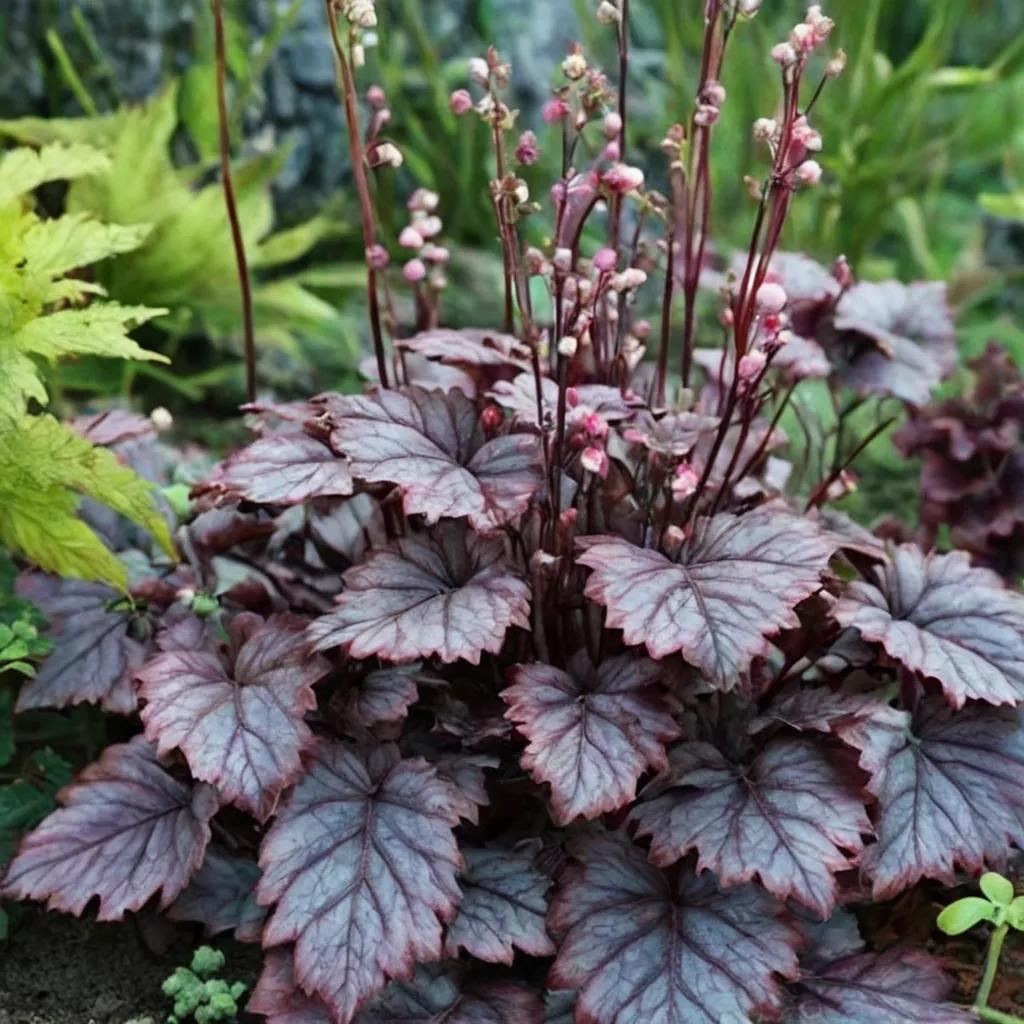 ‘Prince’Coral Bells Prince
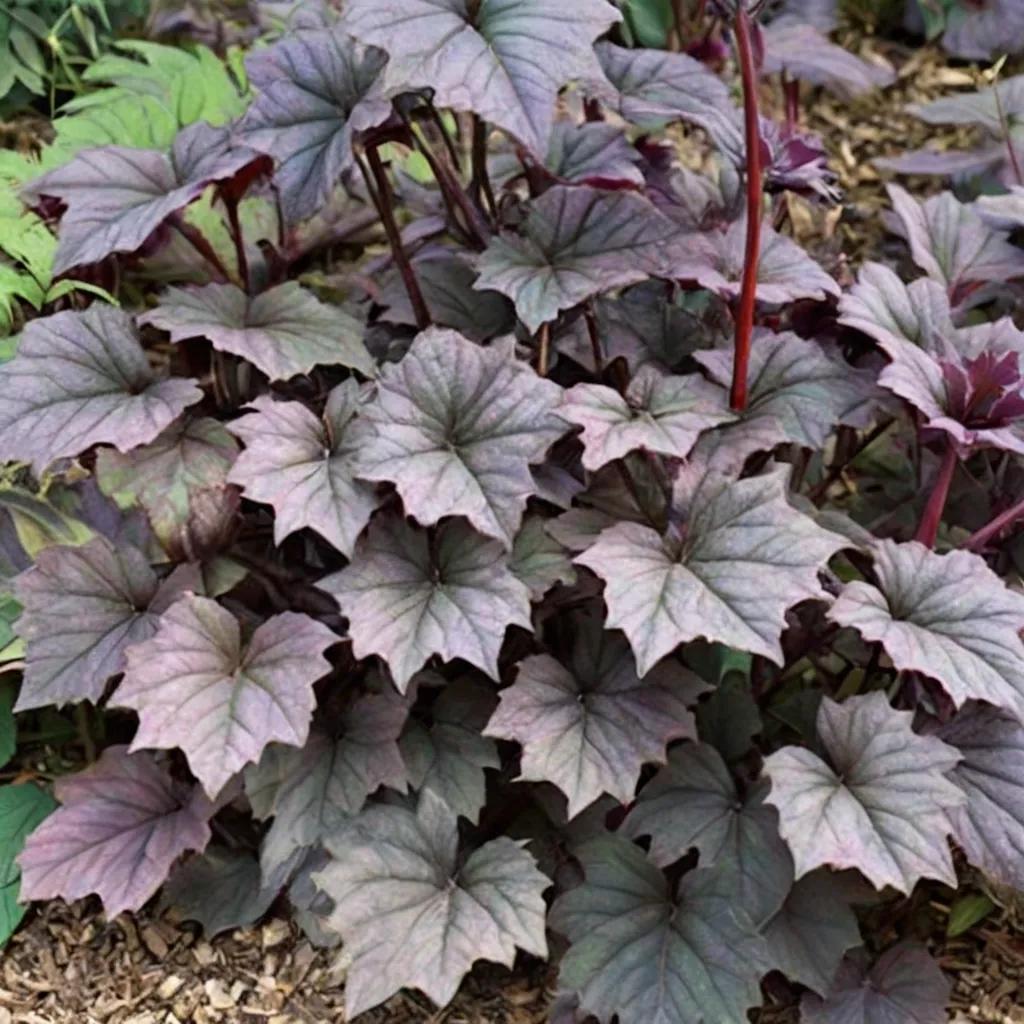 ‘Frosted Violet’Frosted Violet Coral Bells
 ‘Plum Royale’Plum Royale Coral Bells
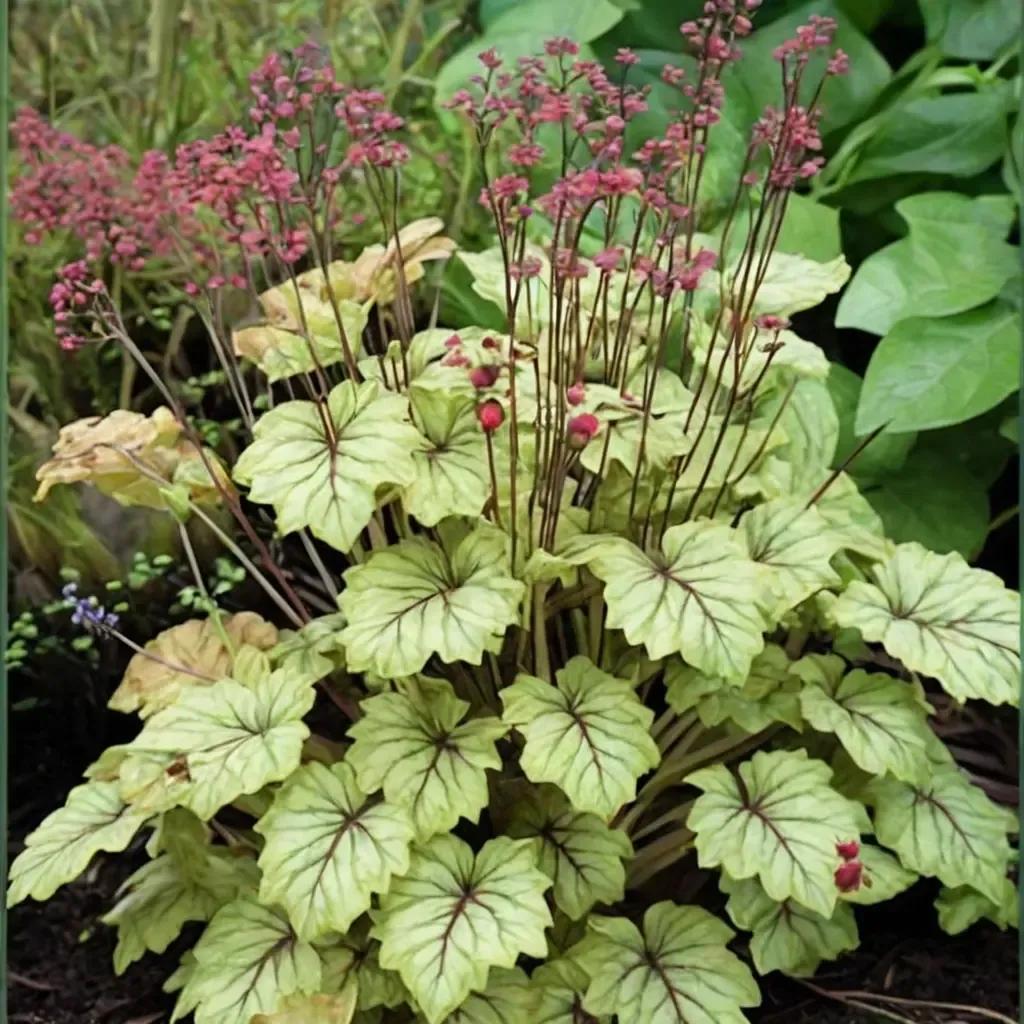 ‘Circus’Circus Coral Bells
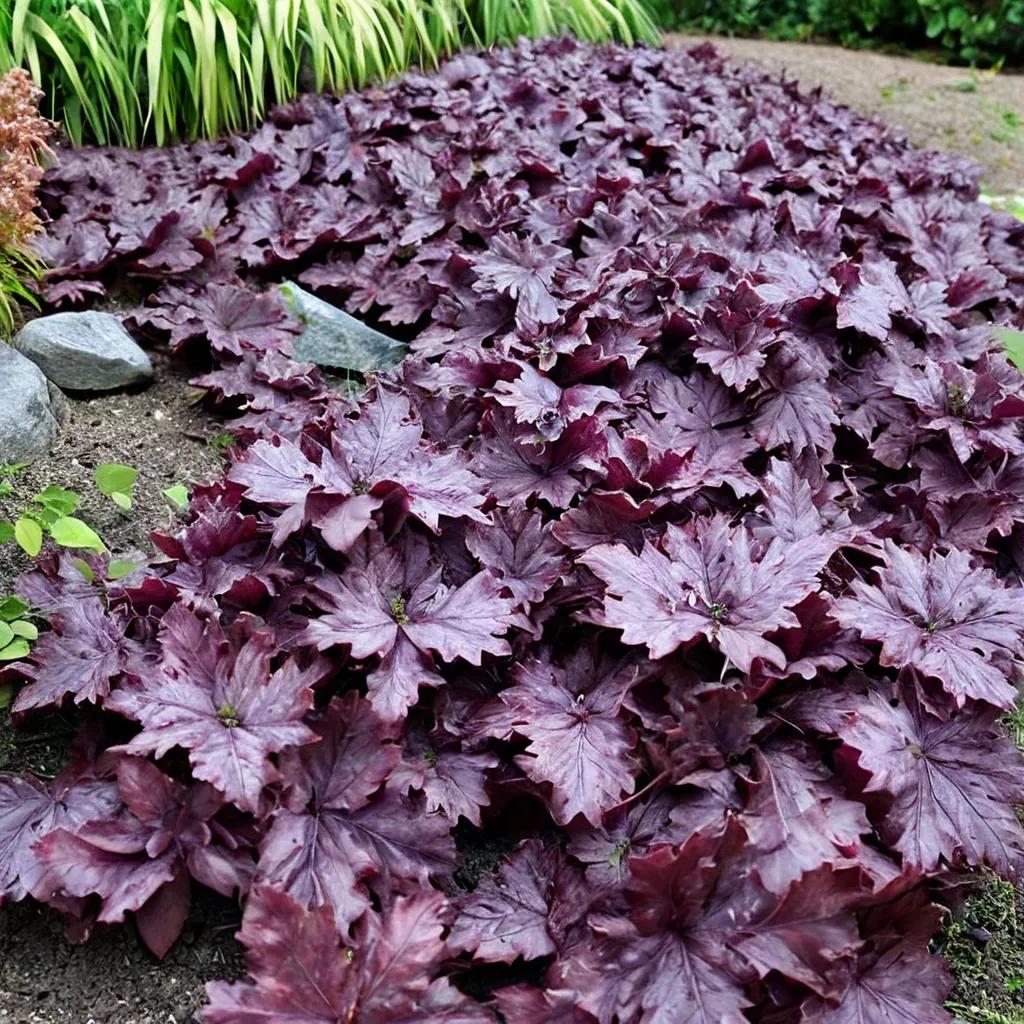 ‘Forever Purple’Forever Purple Heuchera
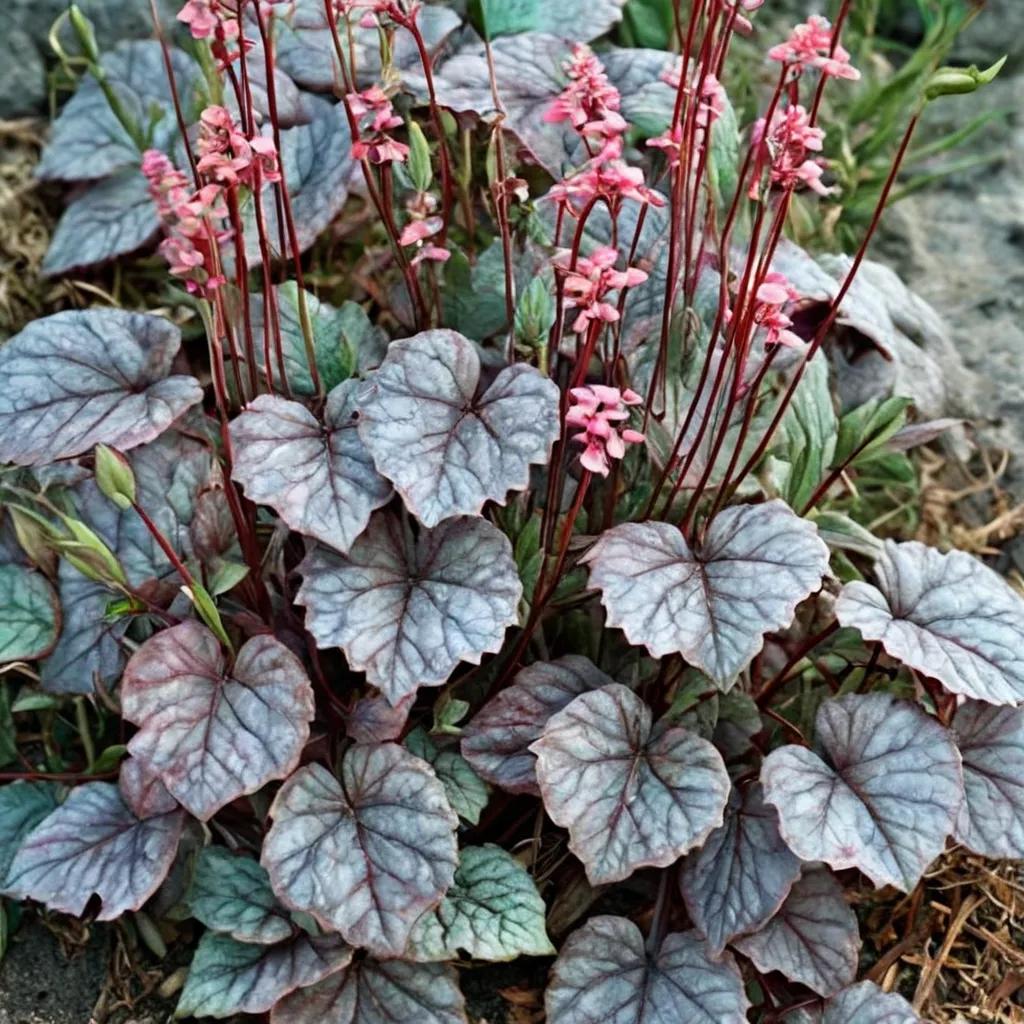 ‘Silver Shadows’Silver Shadows Coral Bells
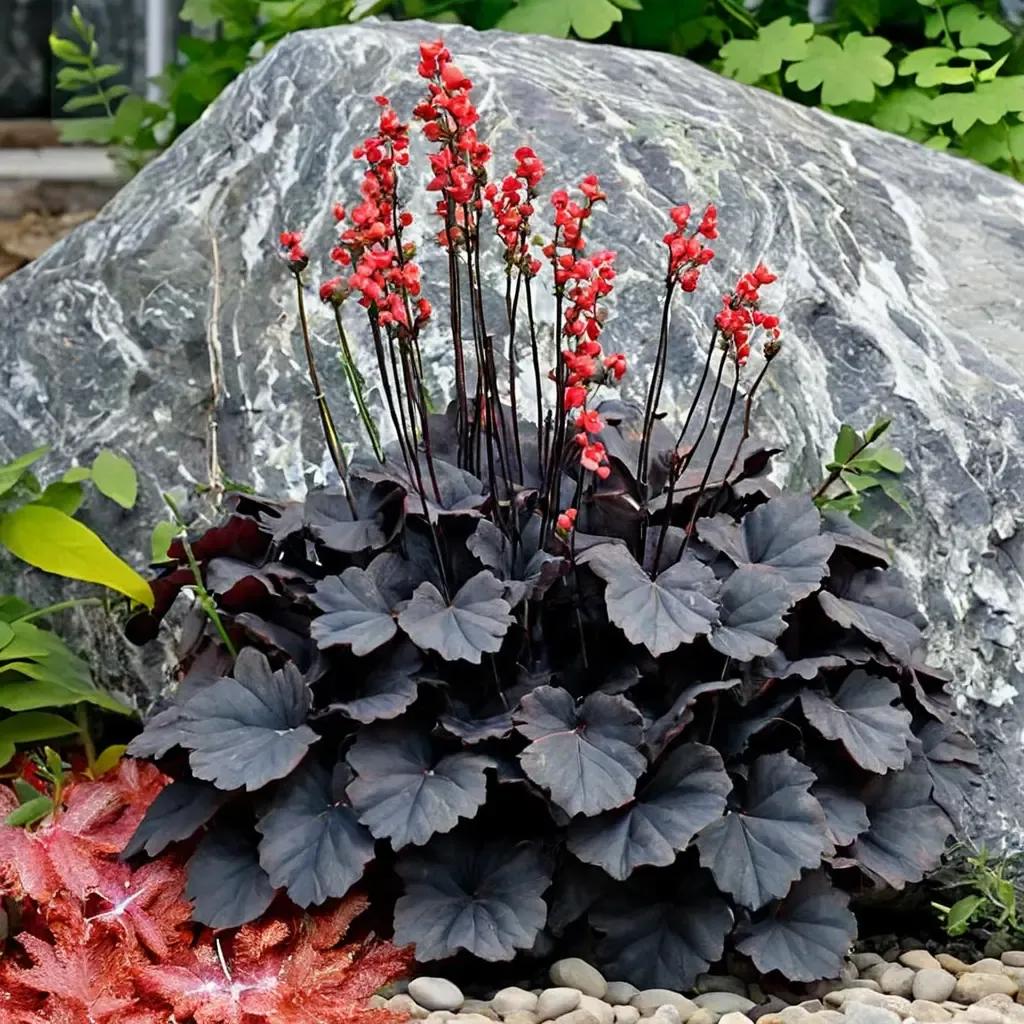 ‘Black Forest Cake’Black Forest Cake Coral Bells
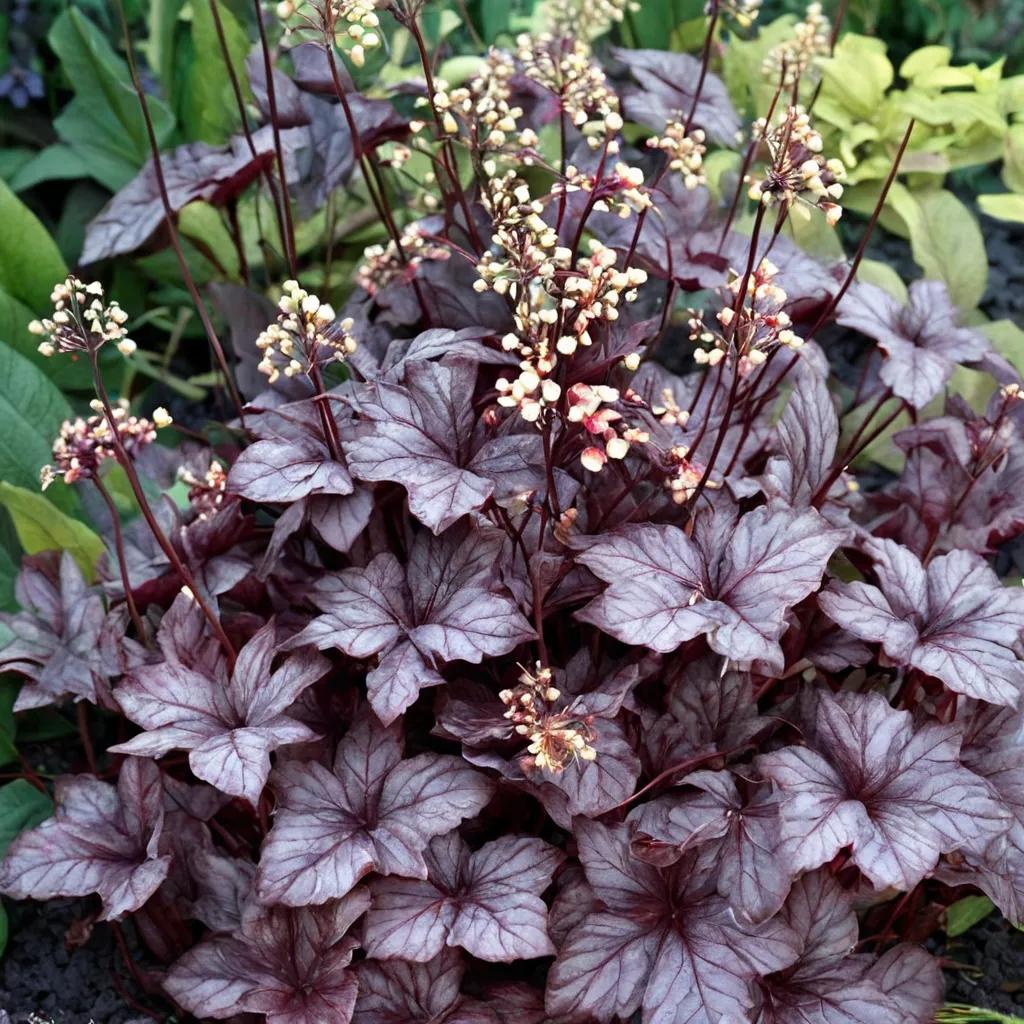 ‘Shanghai’Shanghai Coral Bells
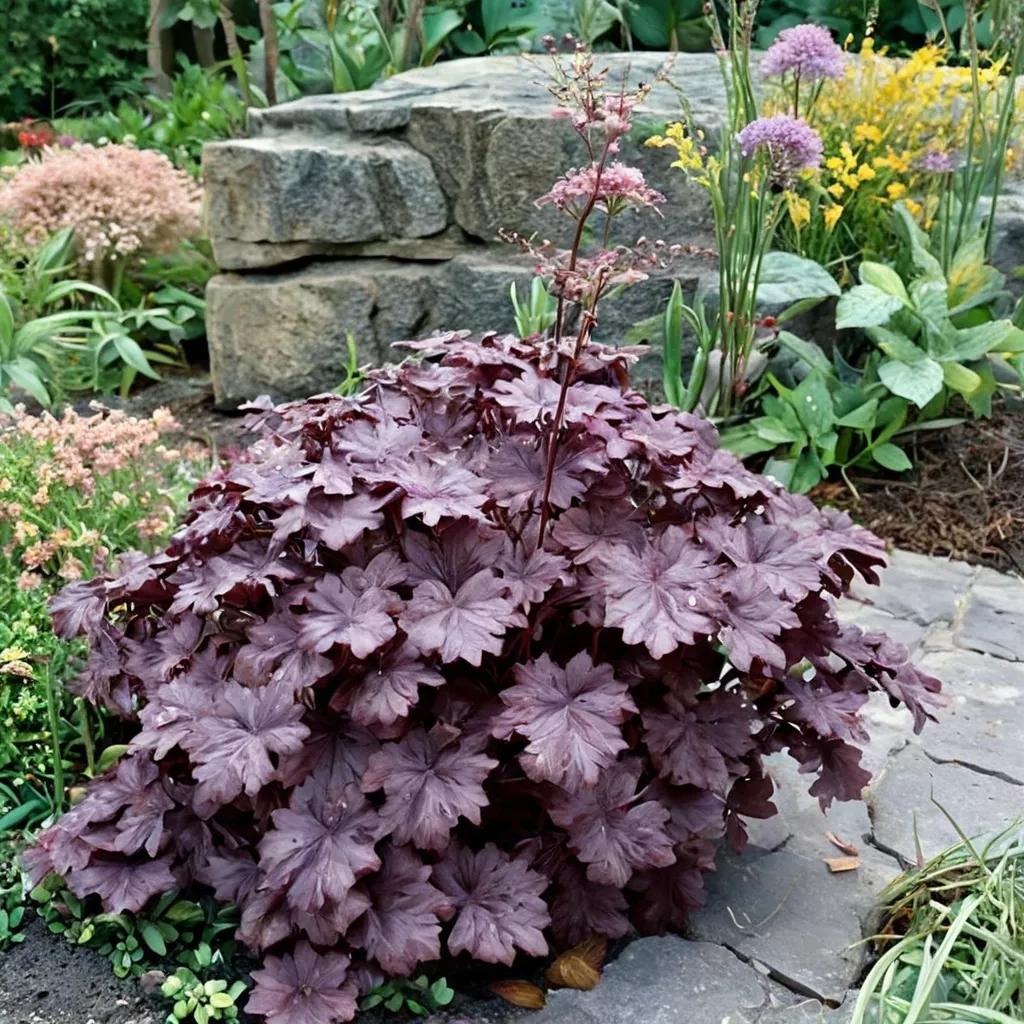 ‘Amethyst’Amethyst Myst Coral Bells
 ‘Southern Comfort’Southern Comfort Coral Bells
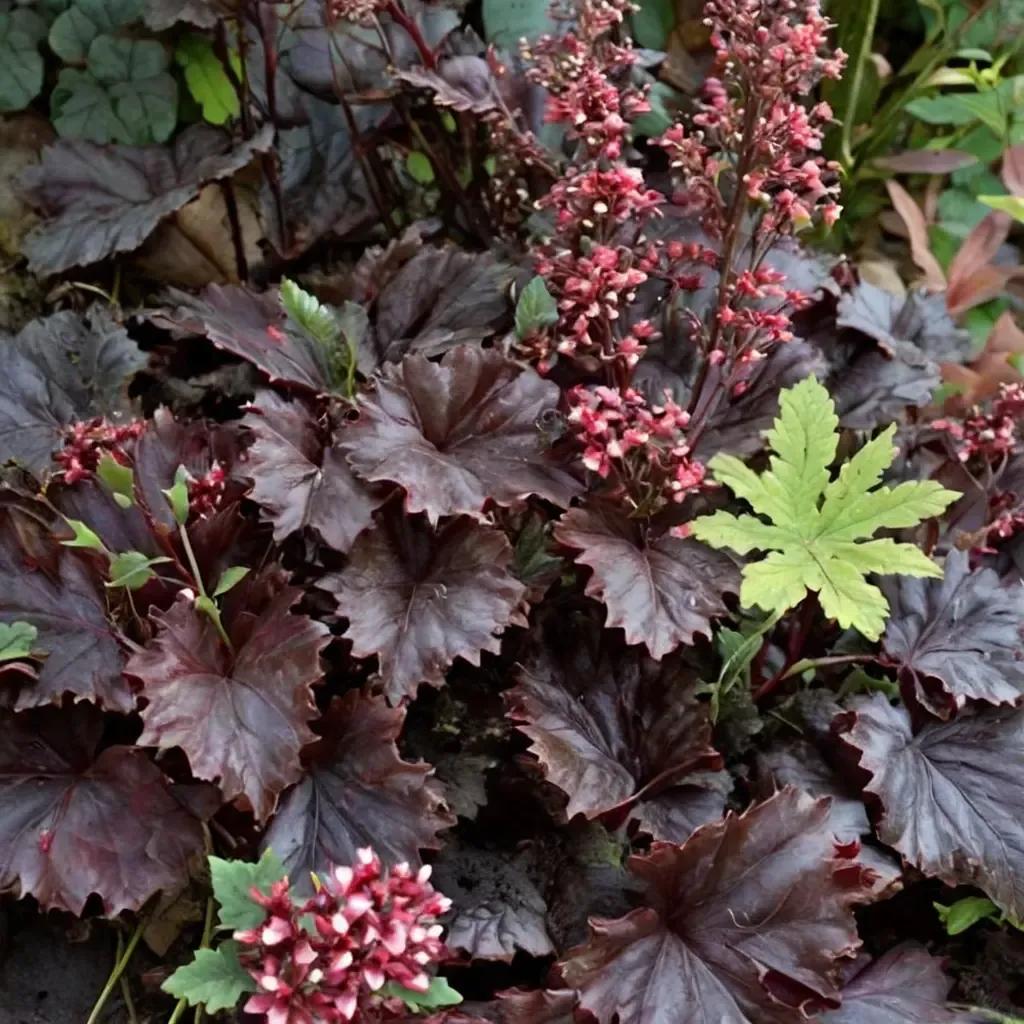 ‘Black Taffeta’Black Taffeta Coral Bells
 ‘Tnheufr’Tnheufr Coral Bells
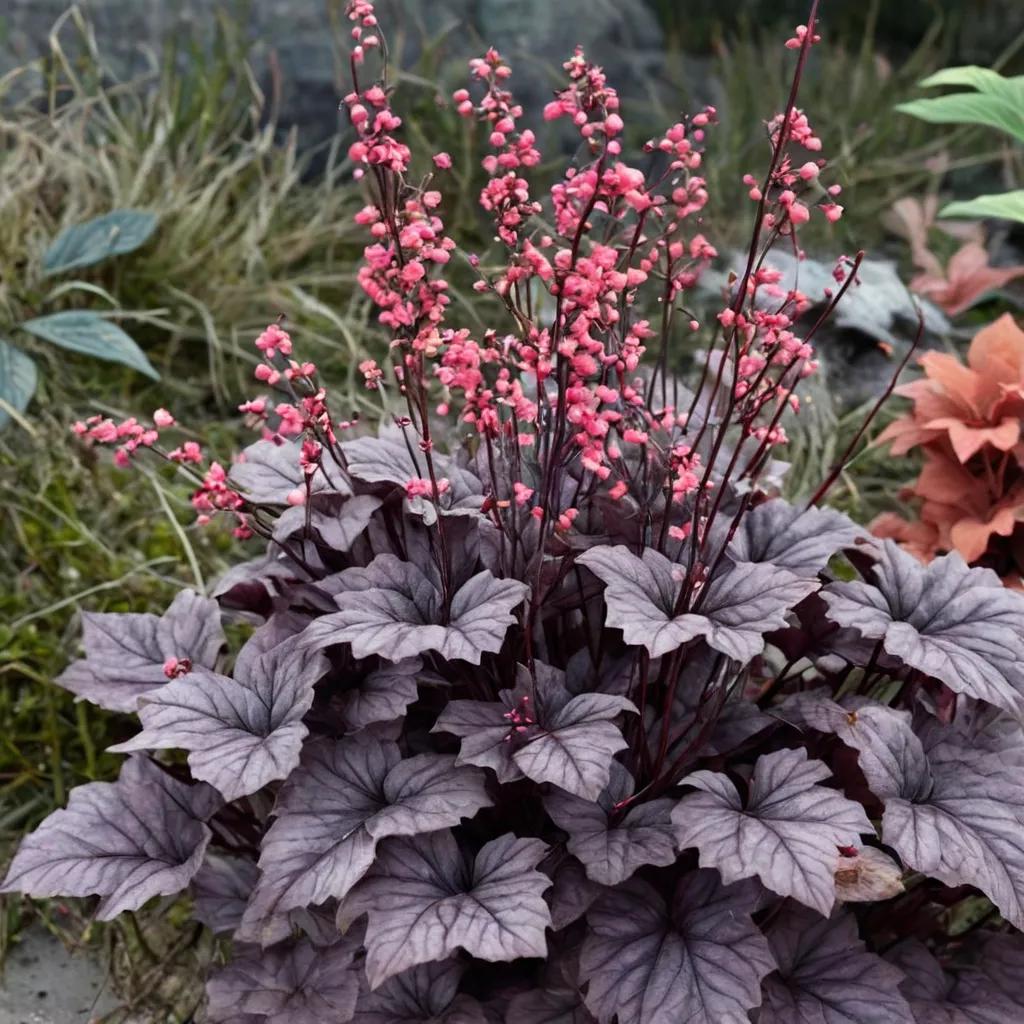 ‘Grape Timeless’Grape Timeless Coral Bells
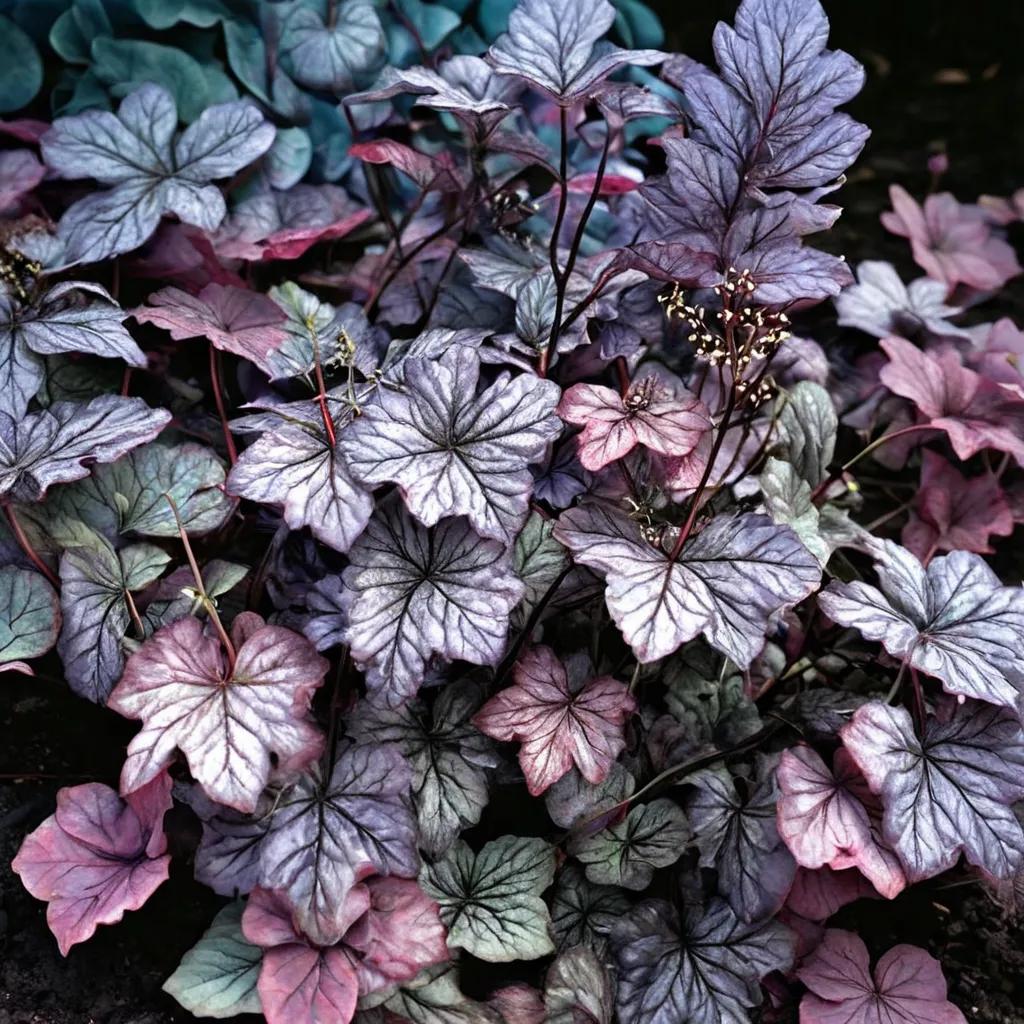 ‘Cascade Dawn’Cascade Dawn Coral Bells
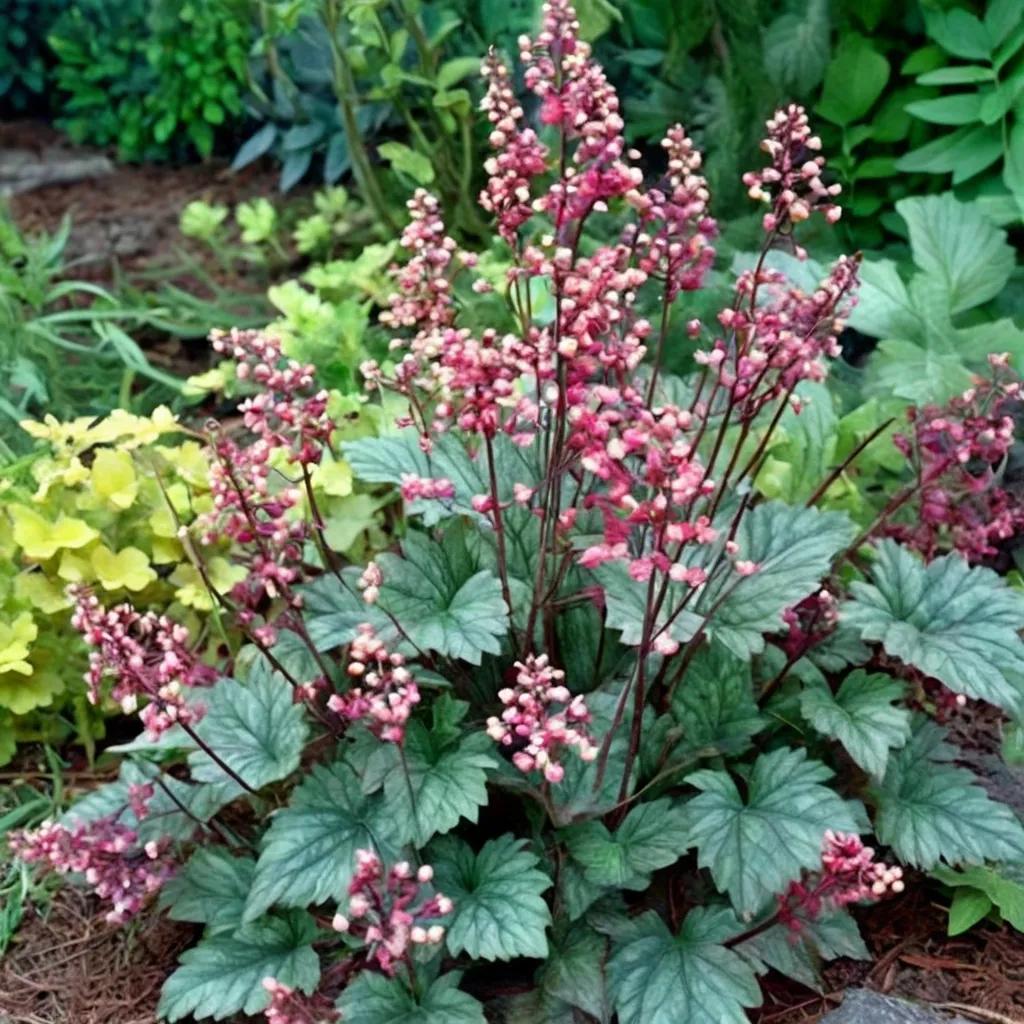 ‘Carousel’Heuchera Carousel
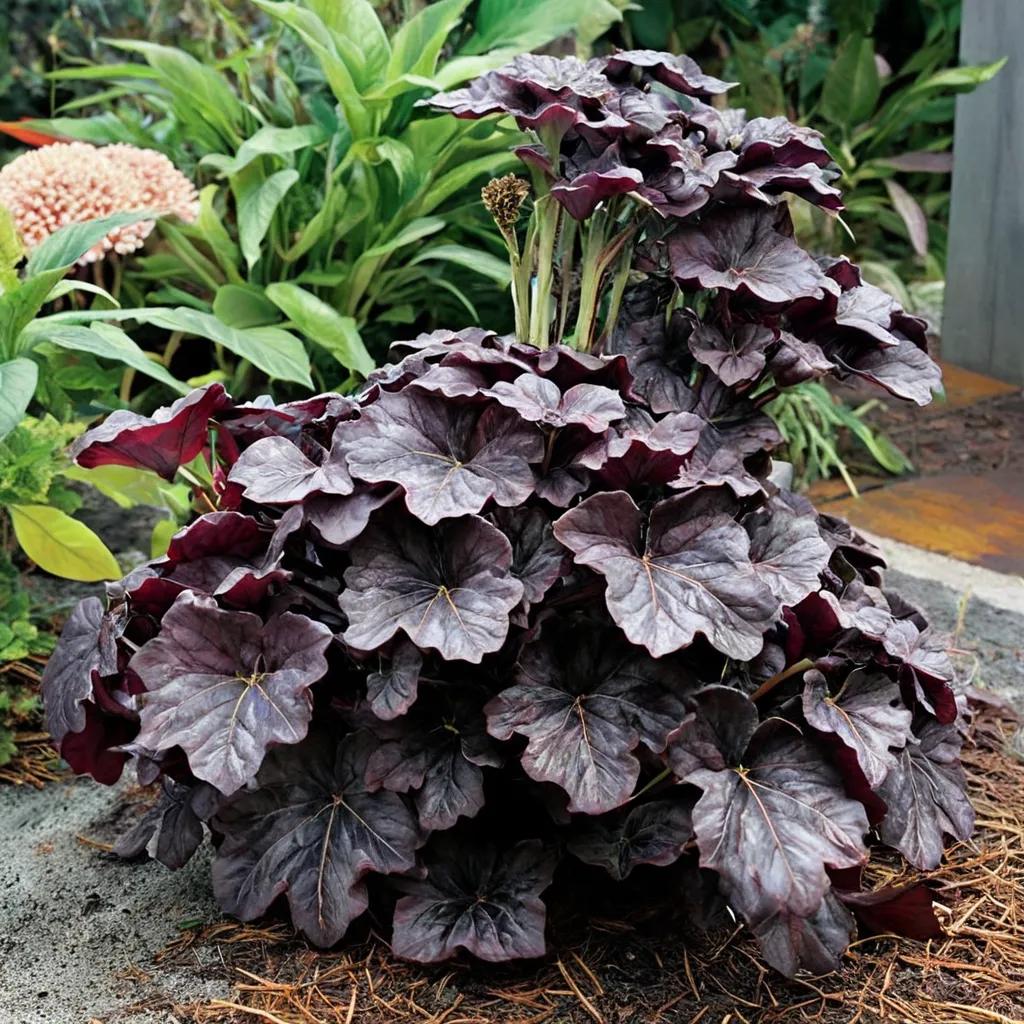 ‘Grande Black’'Grande Black' Coral Bells
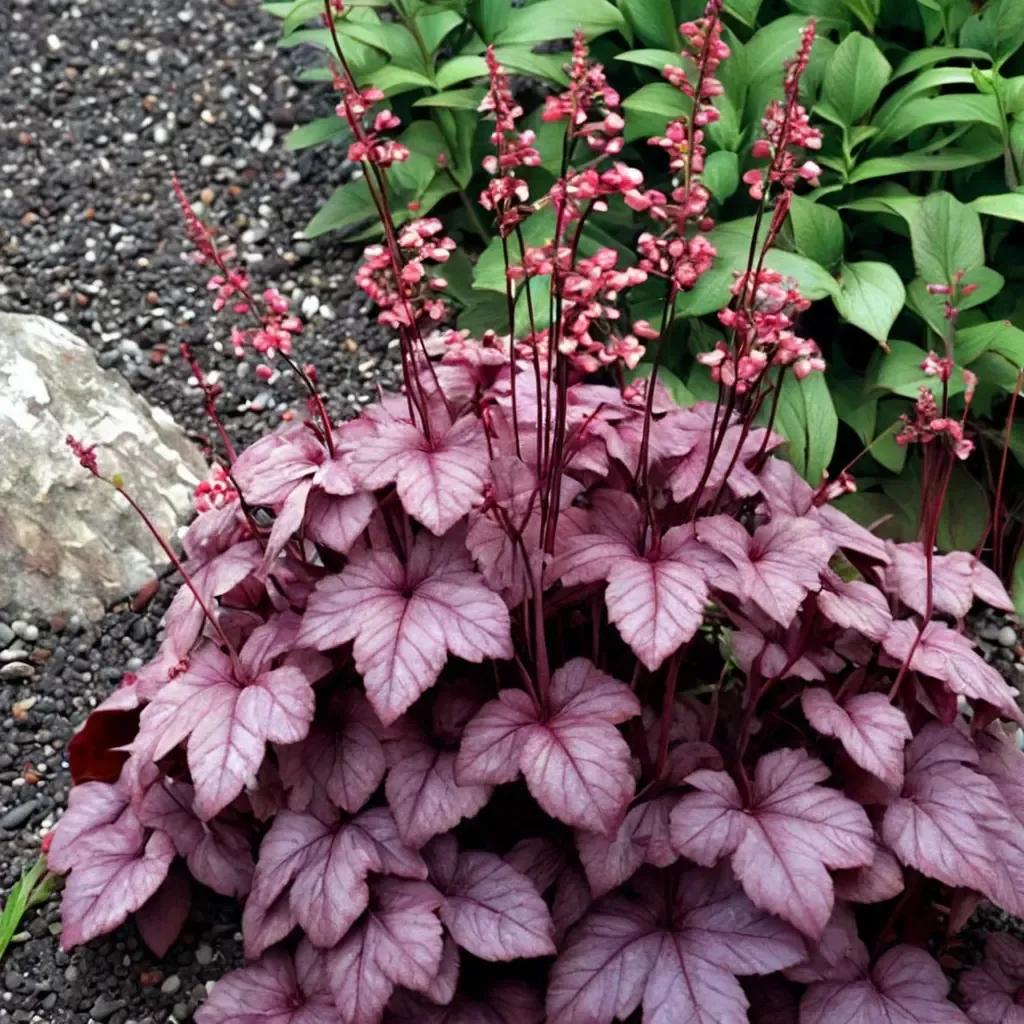 ‘Grape Soda’Grape Soda Coral Bell
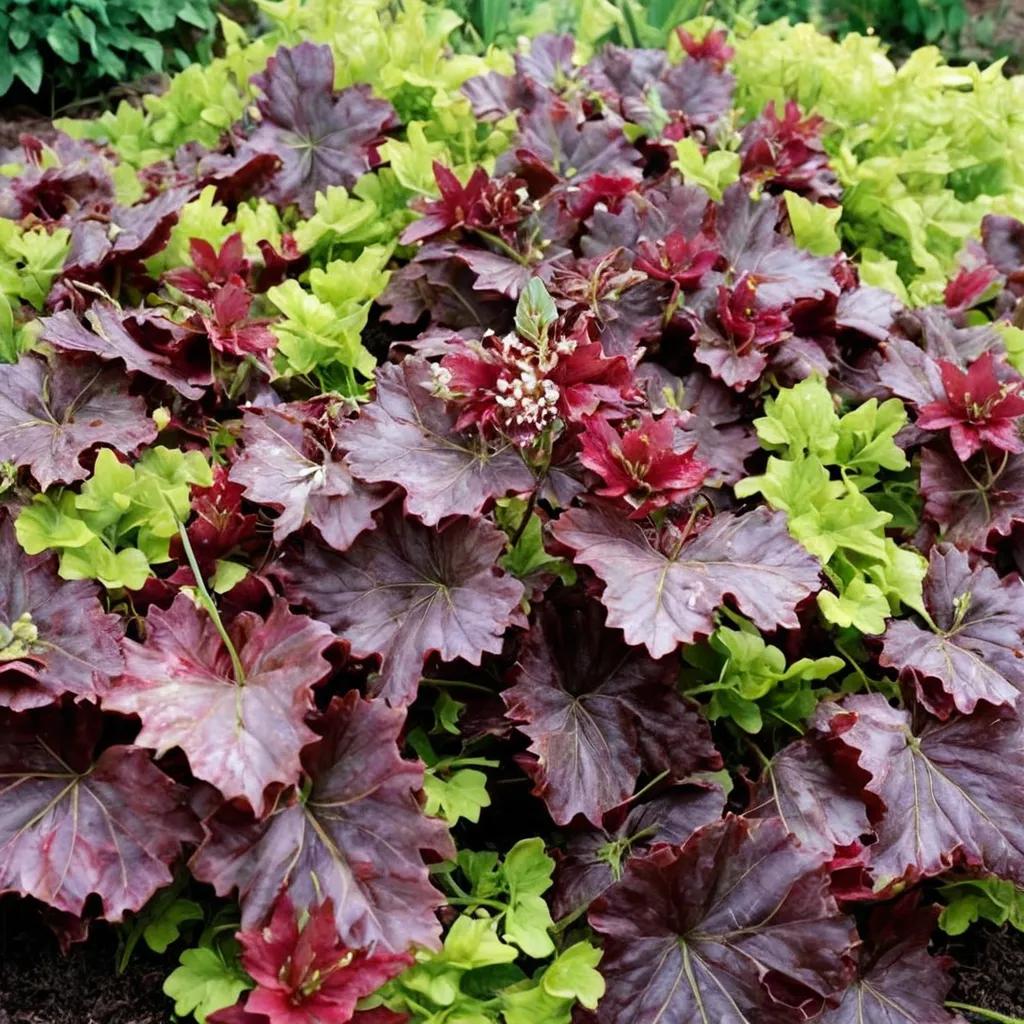 ‘Lace Ruffles’Coral Bells 'Lace Ruffles'
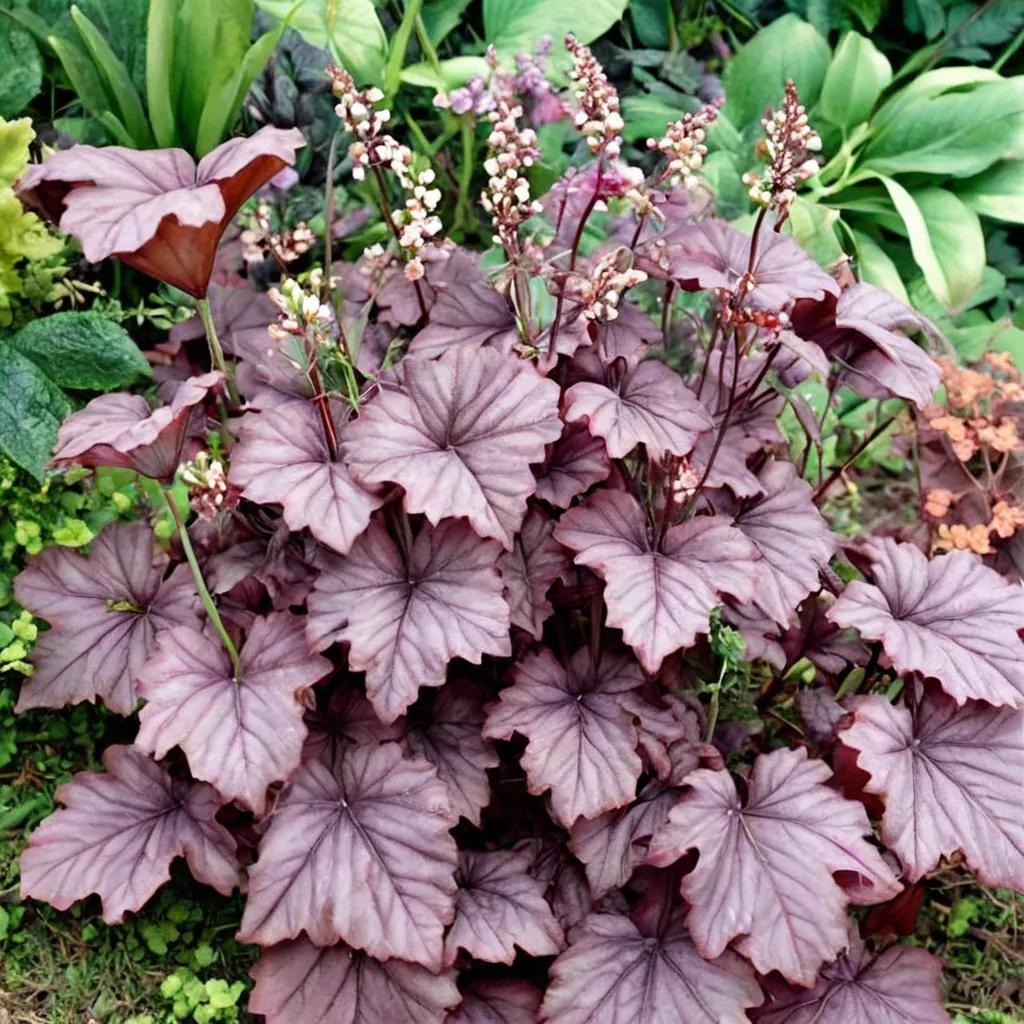 ‘Sugar Berry’Heuchera Sugar Berry
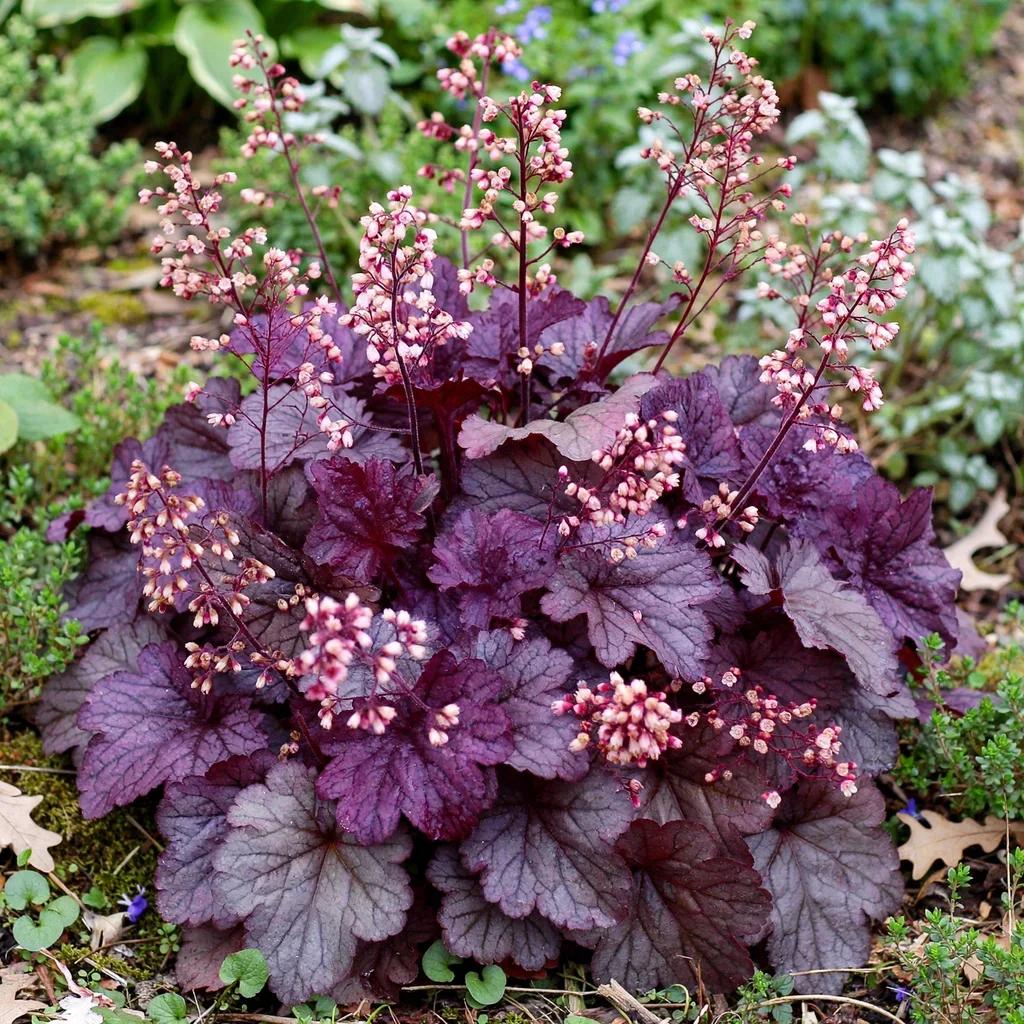 ‘Sparkling Burgundy’Sparkling Burgundy Coral Bells
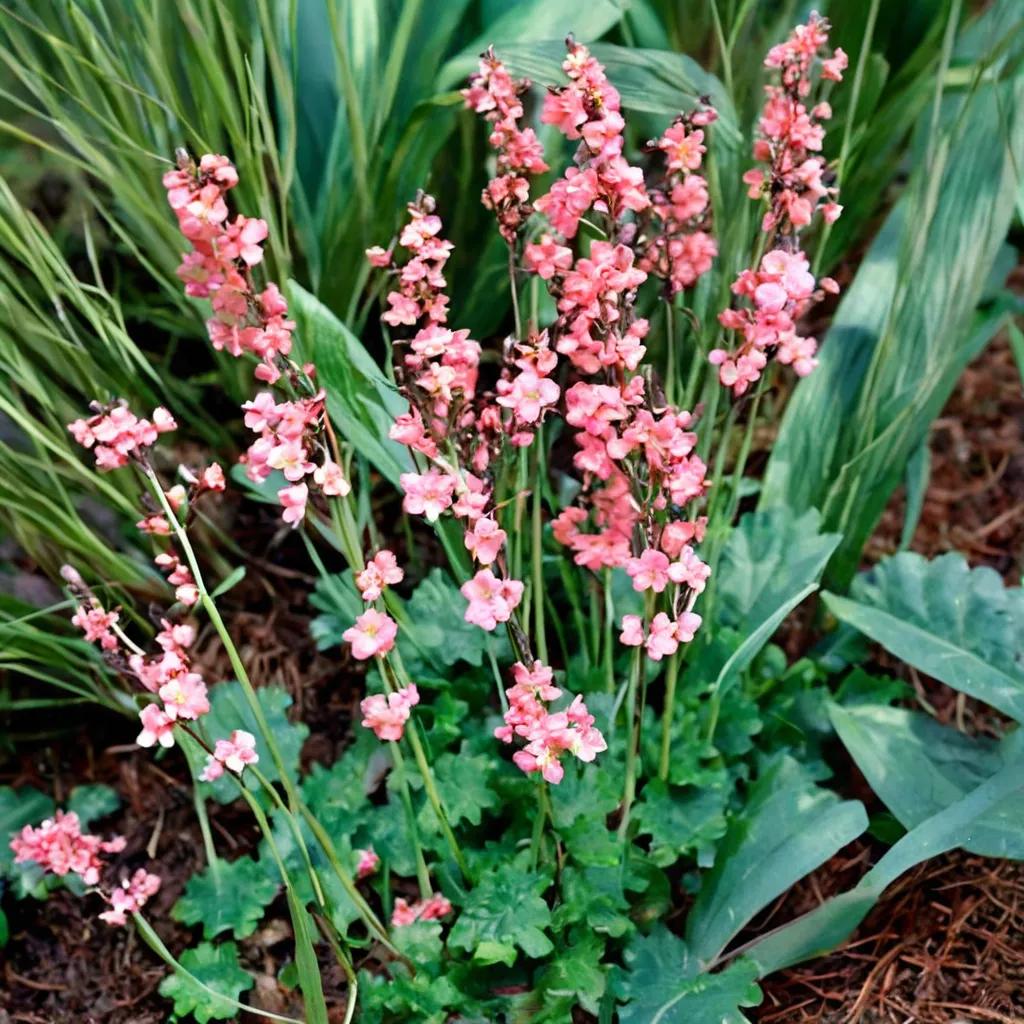 ‘Strawberry Candy’Strawberry Candy Heuchera
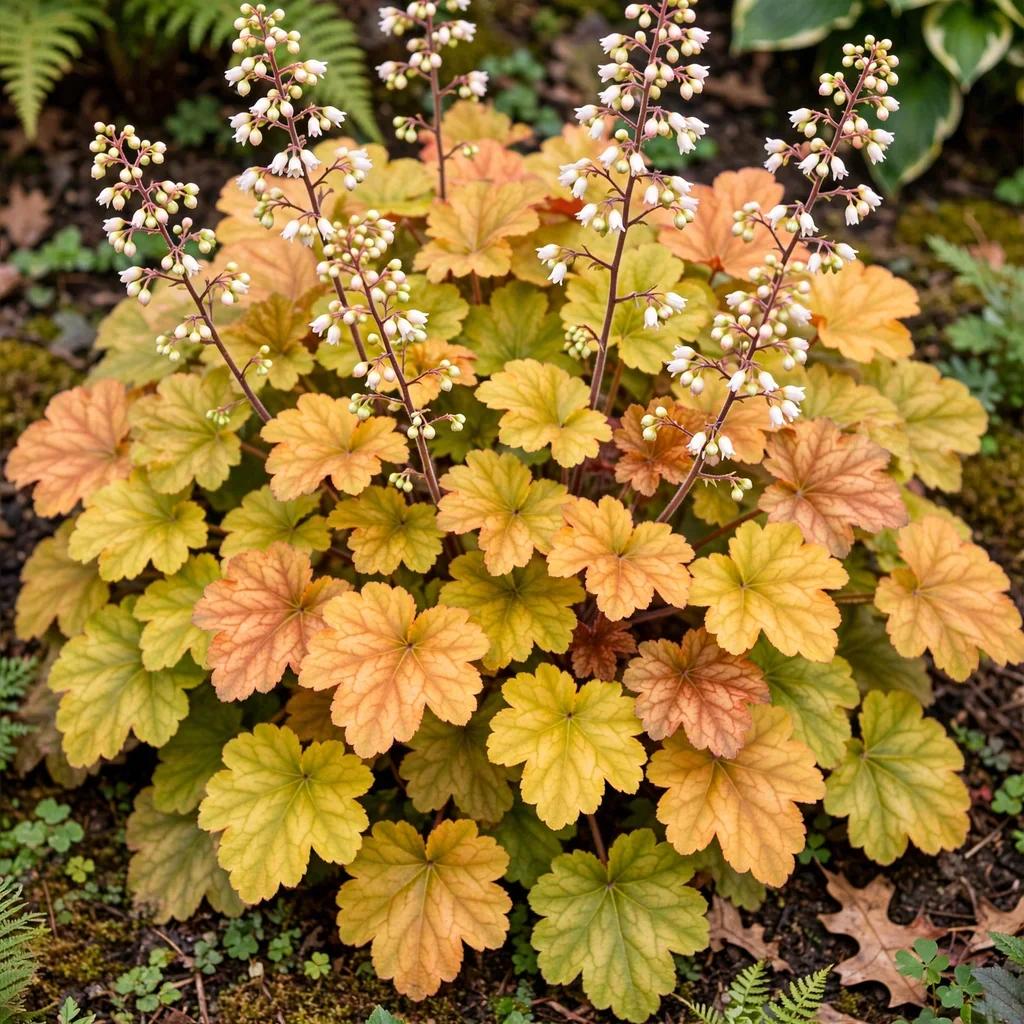 ‘Peach Flambe’Heuchera Peach Flambe
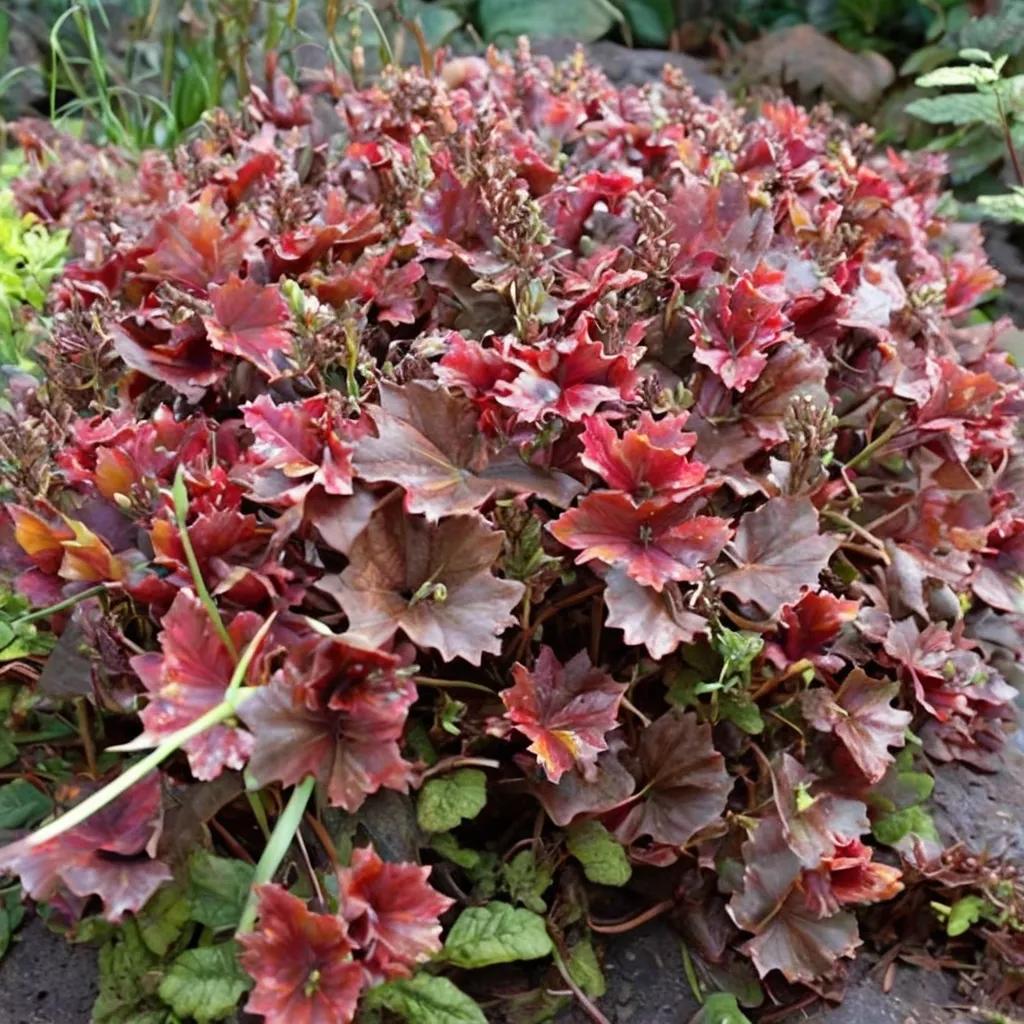 ‘Crimson Curls’Crimson Curls Coral Bells
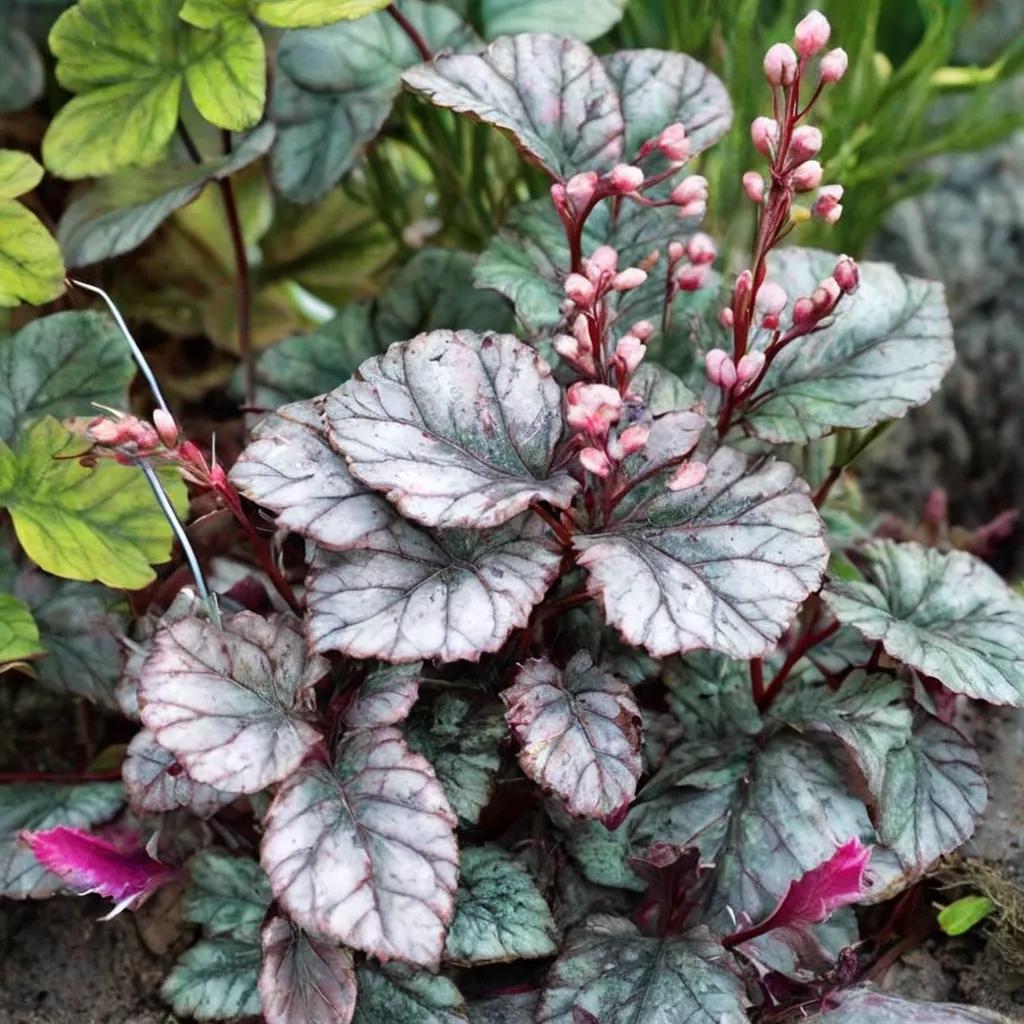 ‘Pewter Moon’Pewter Moon Heuchera
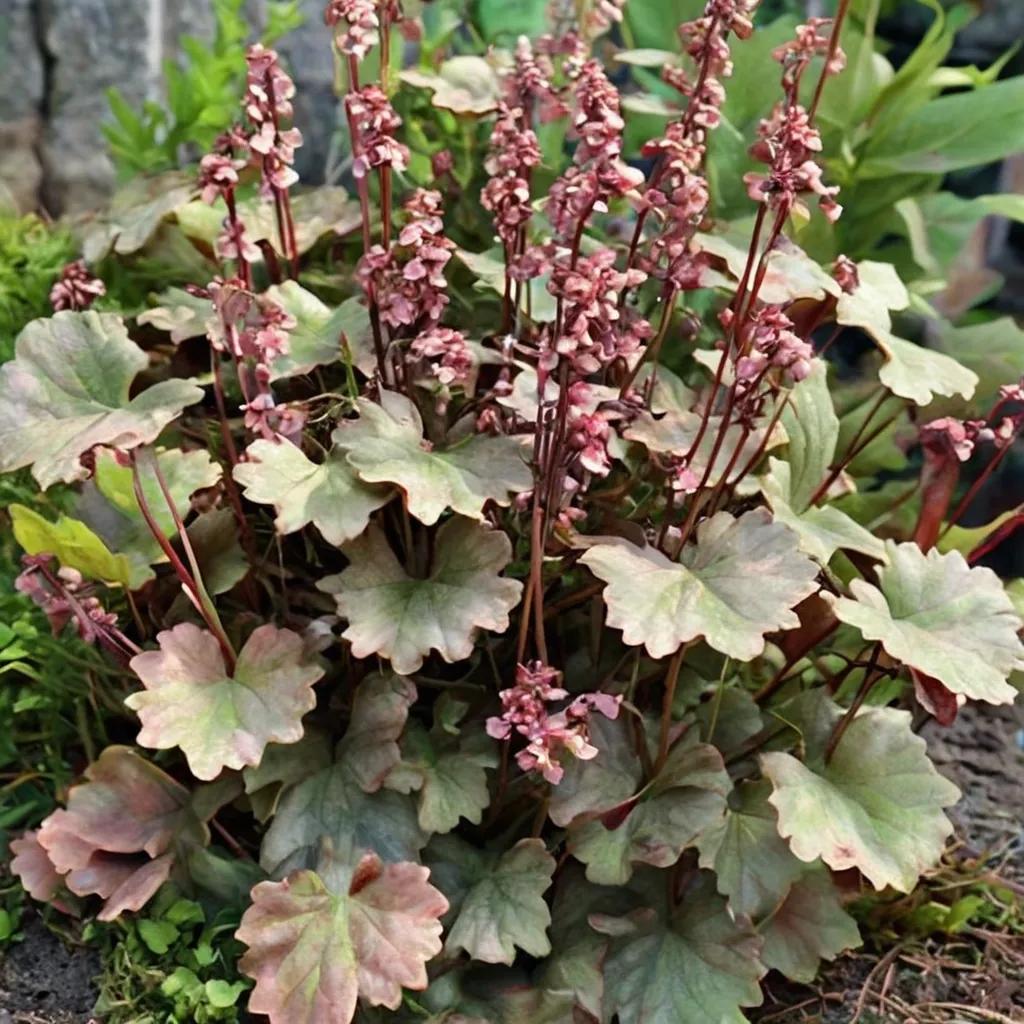 ‘Petite Pearl Fairy’Heuchera Petite Pearl Fairy
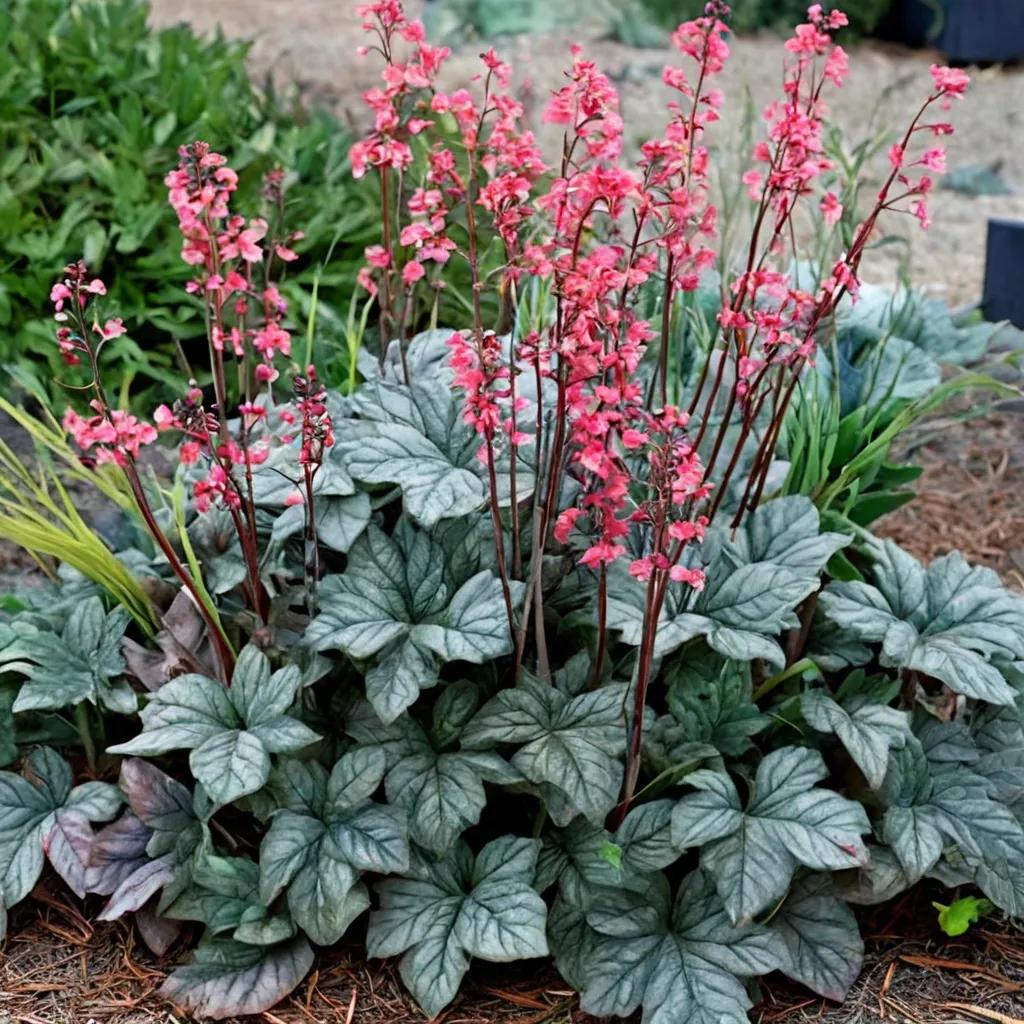 ‘Shimmer’Heuchera Shimmer
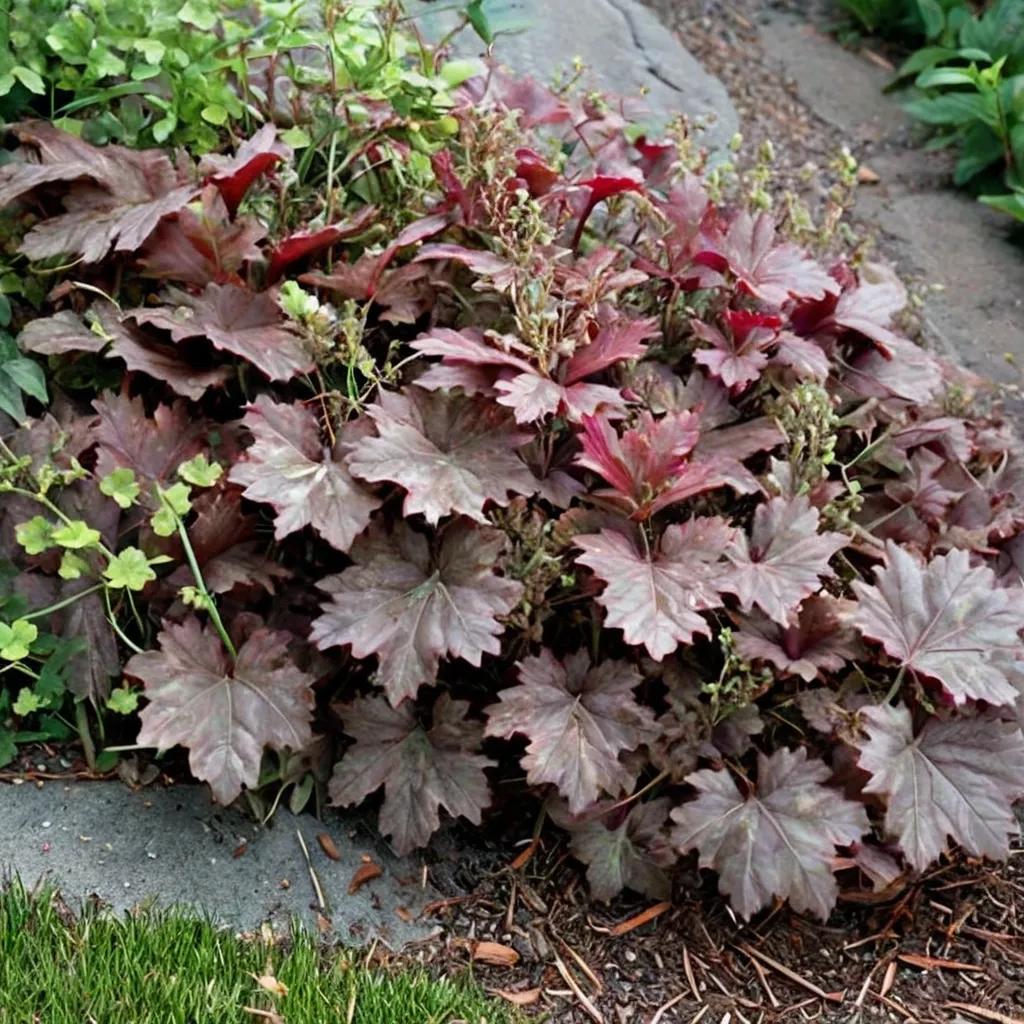 ‘Stormy Seas’Heuchera Stormy Seas
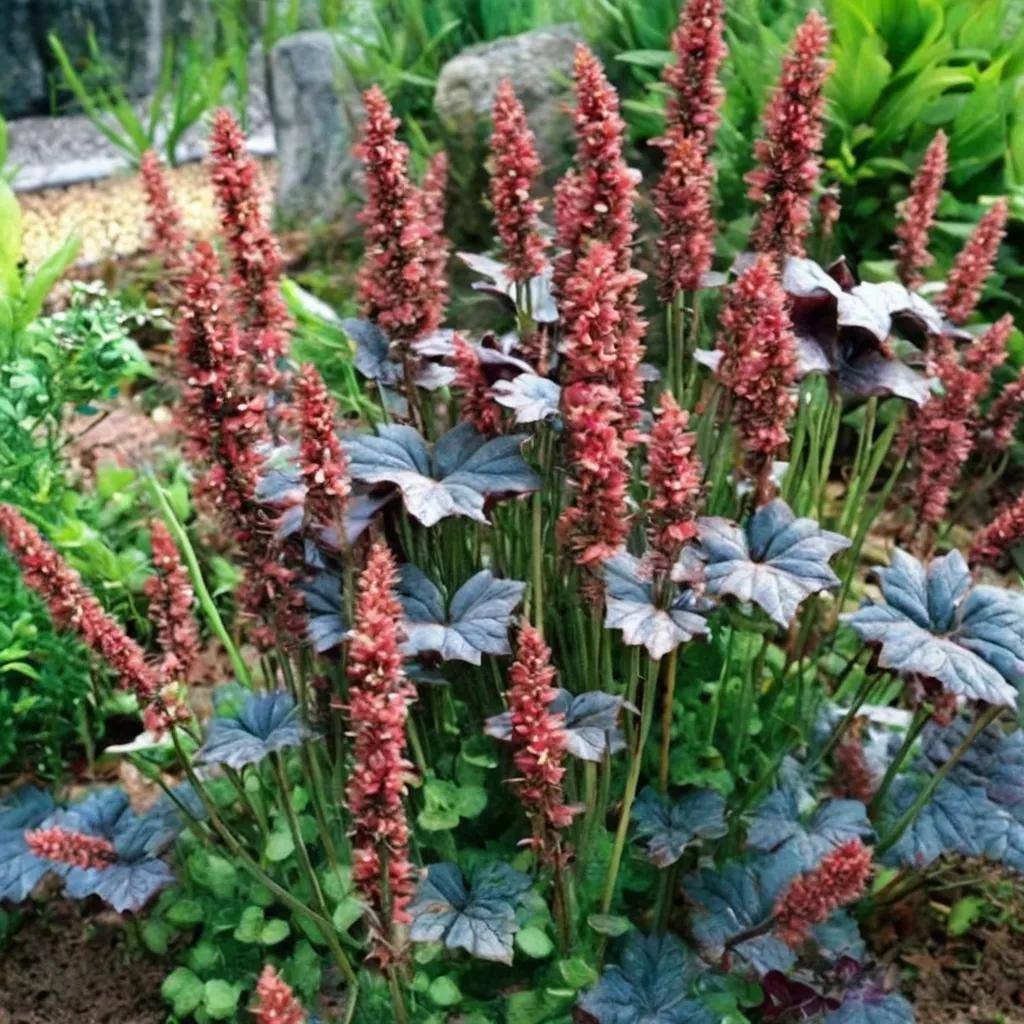 ‘Regal Robe’Coral Bells Regal Robe
 ‘Carnival Cinnamon Stick’Carnival Cinnamon Stick Heuchera
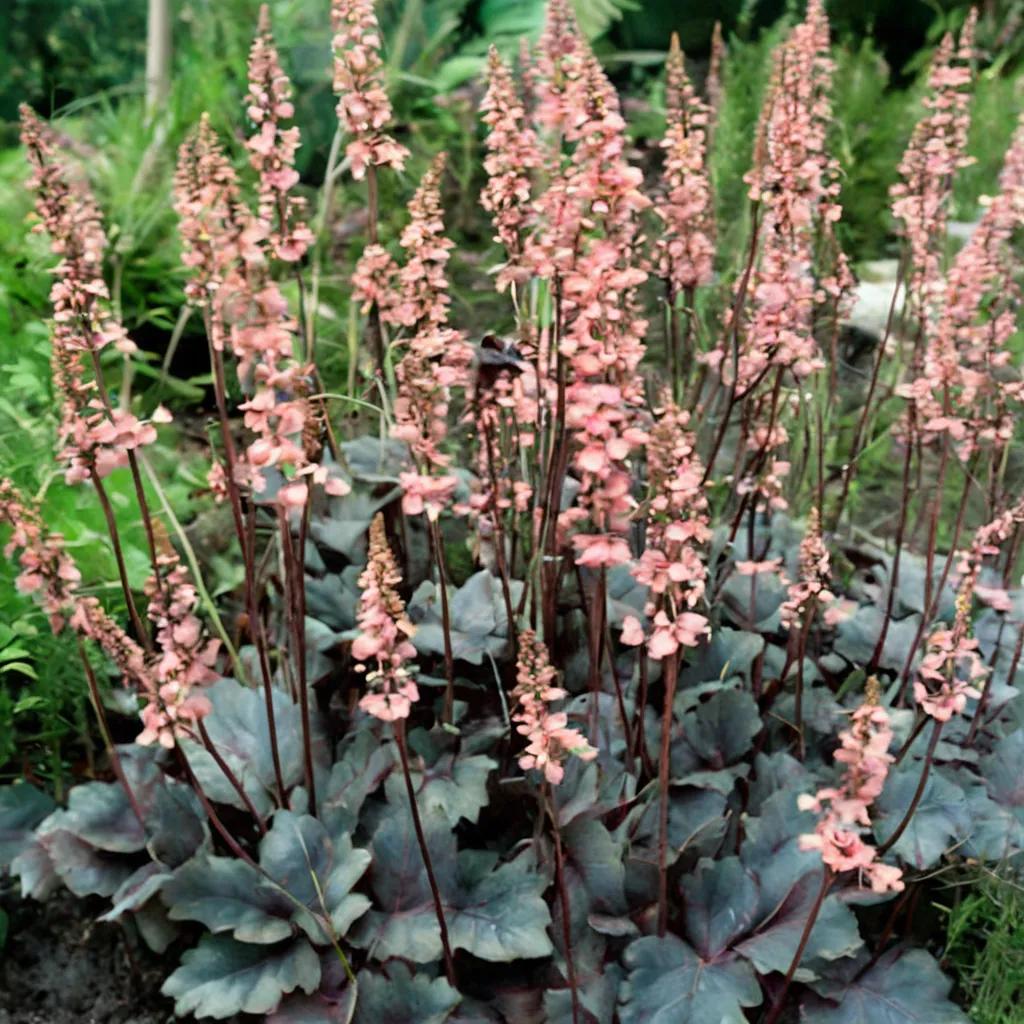 ‘Vesuvius’Heuchera Vesuvius
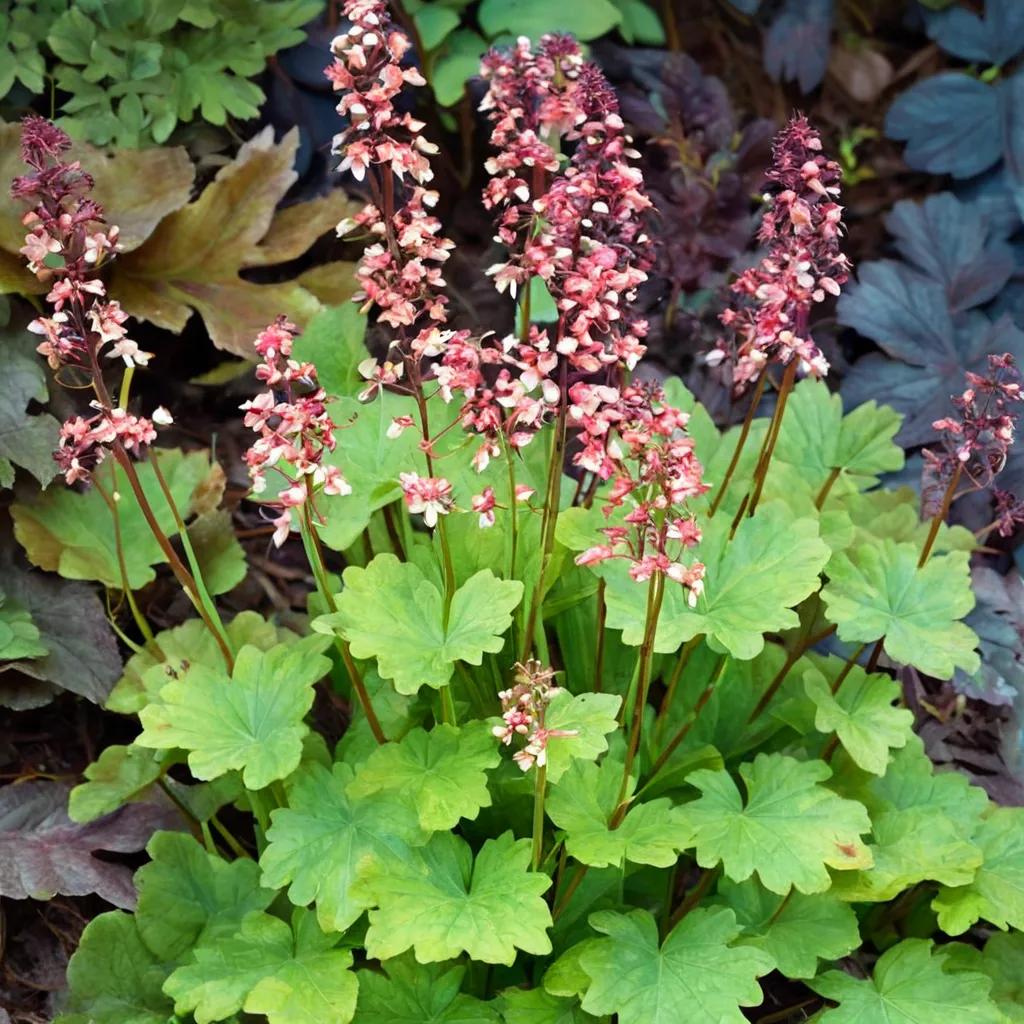 ‘Sweet Tart’Coral Bells Sweet Tart
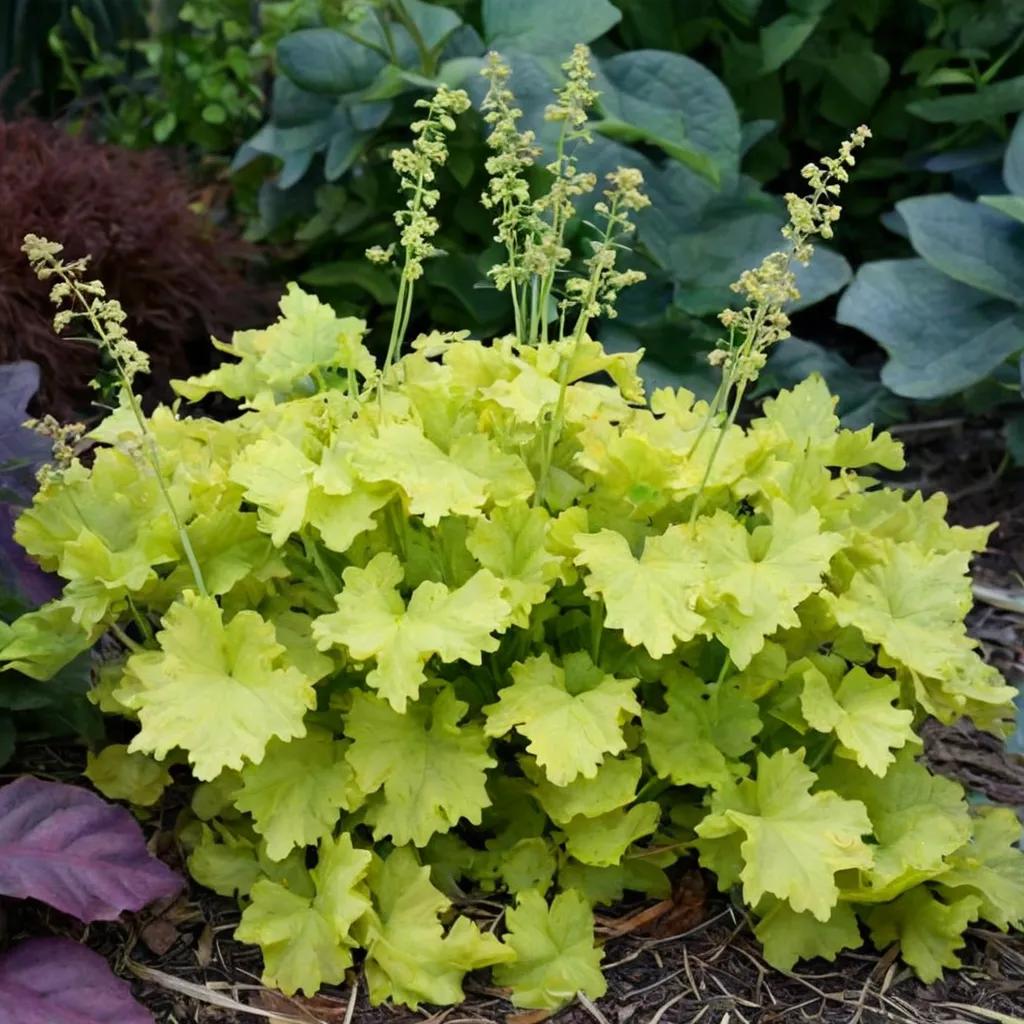 ‘Twist of Lime’Coral Bells 'Twist of Lime'
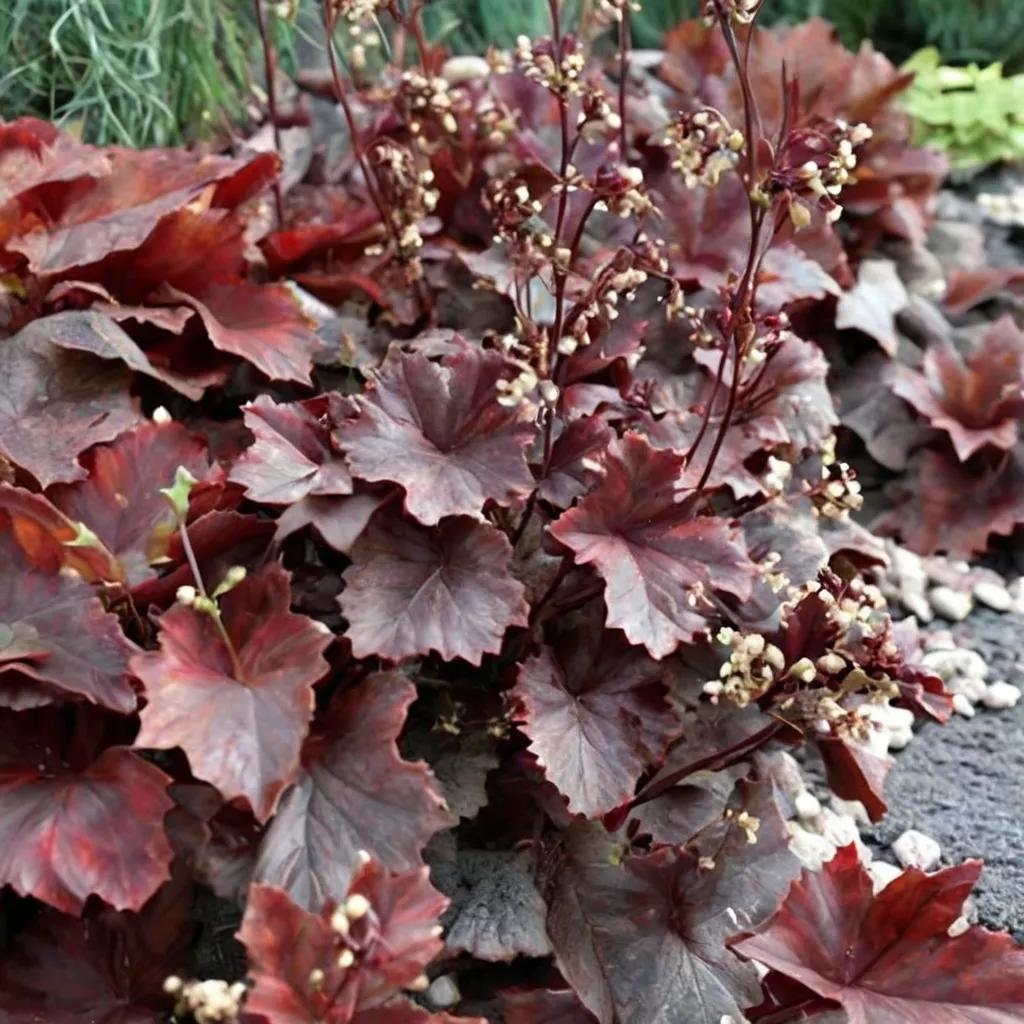 ‘Black Beauty’Black Beauty Coral Bells
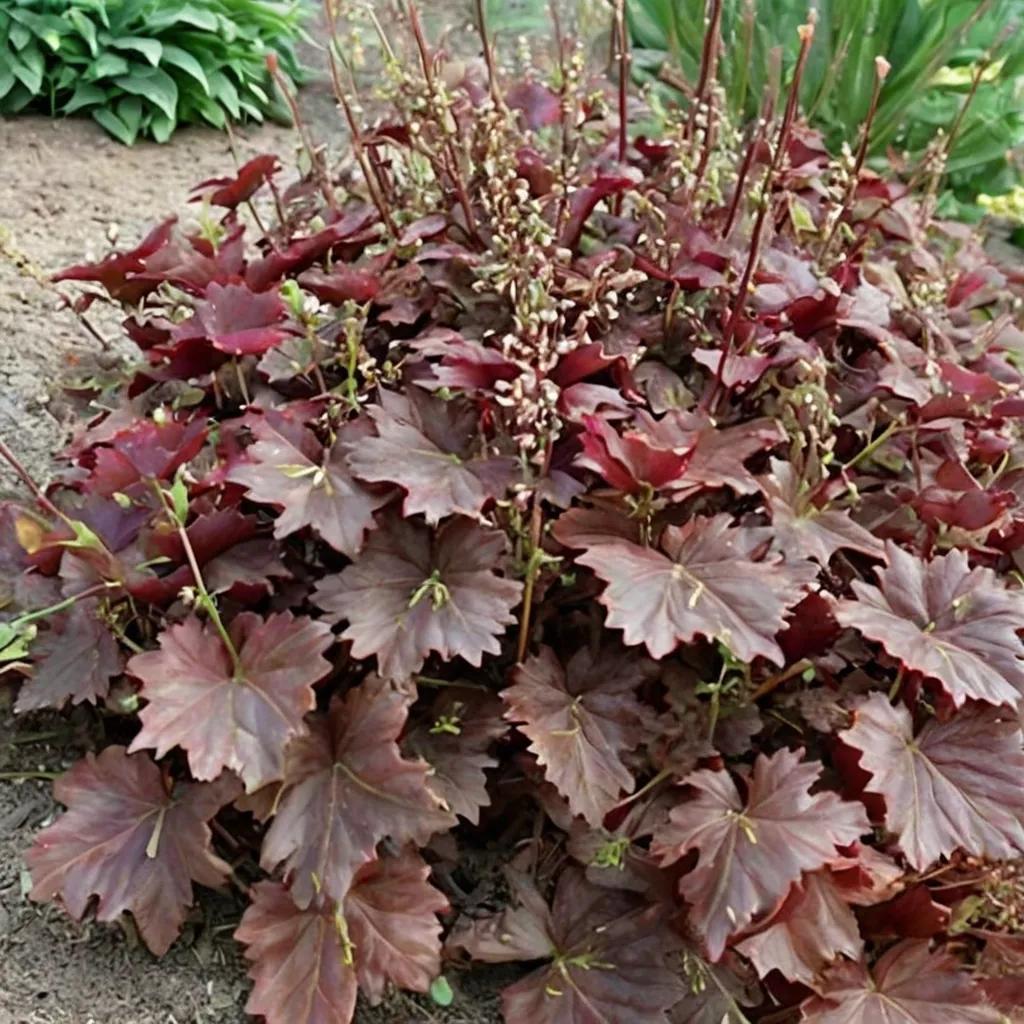 ‘Chocolate Ruffles’Chocolate Ruffles Coral Bell
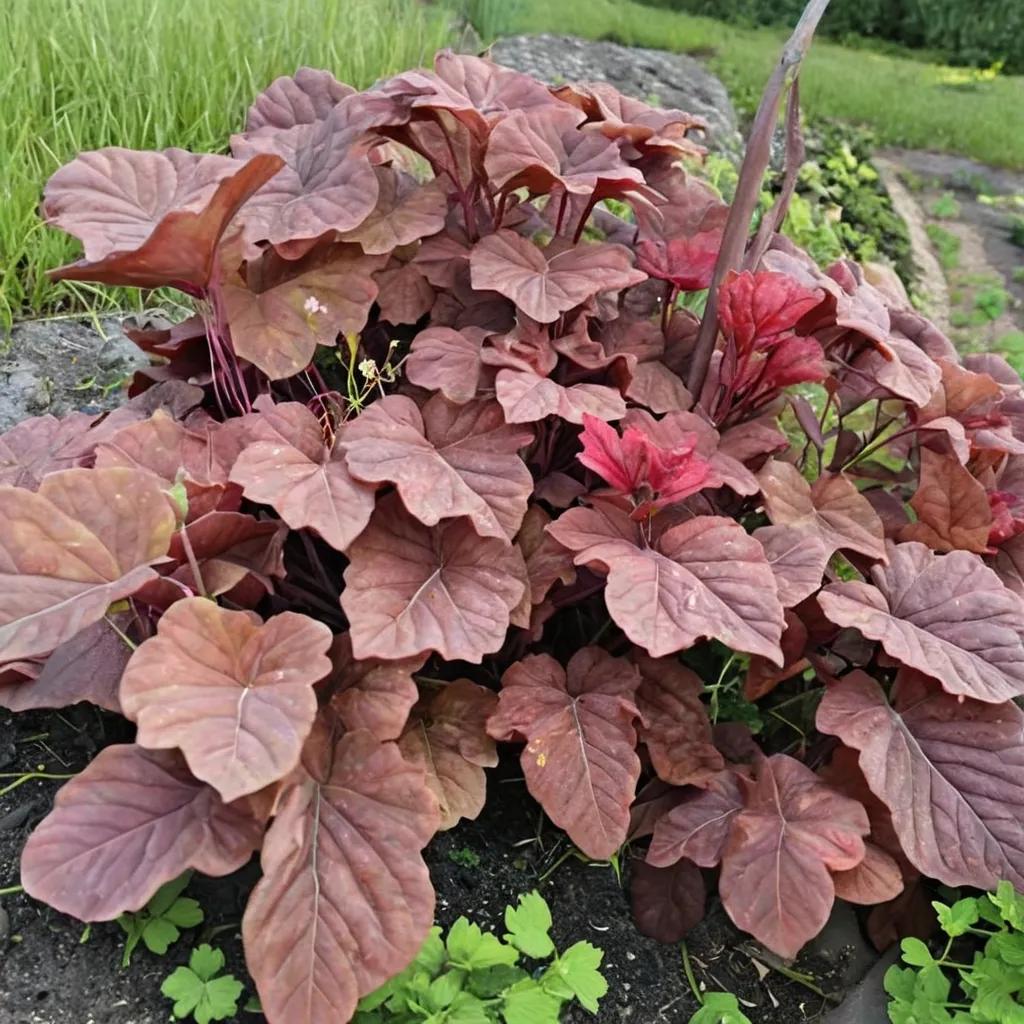 ‘Lava Lamp’Heuchera Lava Lamp
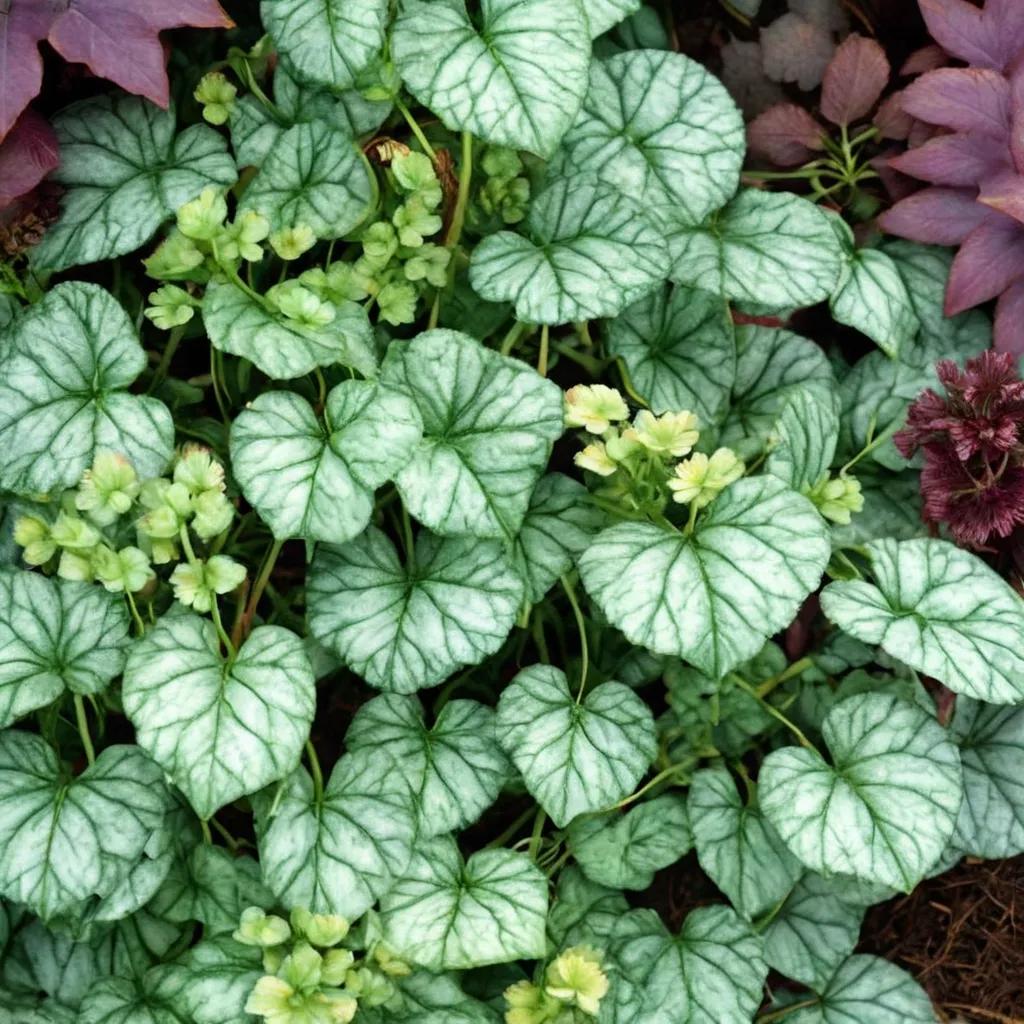 ‘Mint Frost’Mint Frost Heuchera
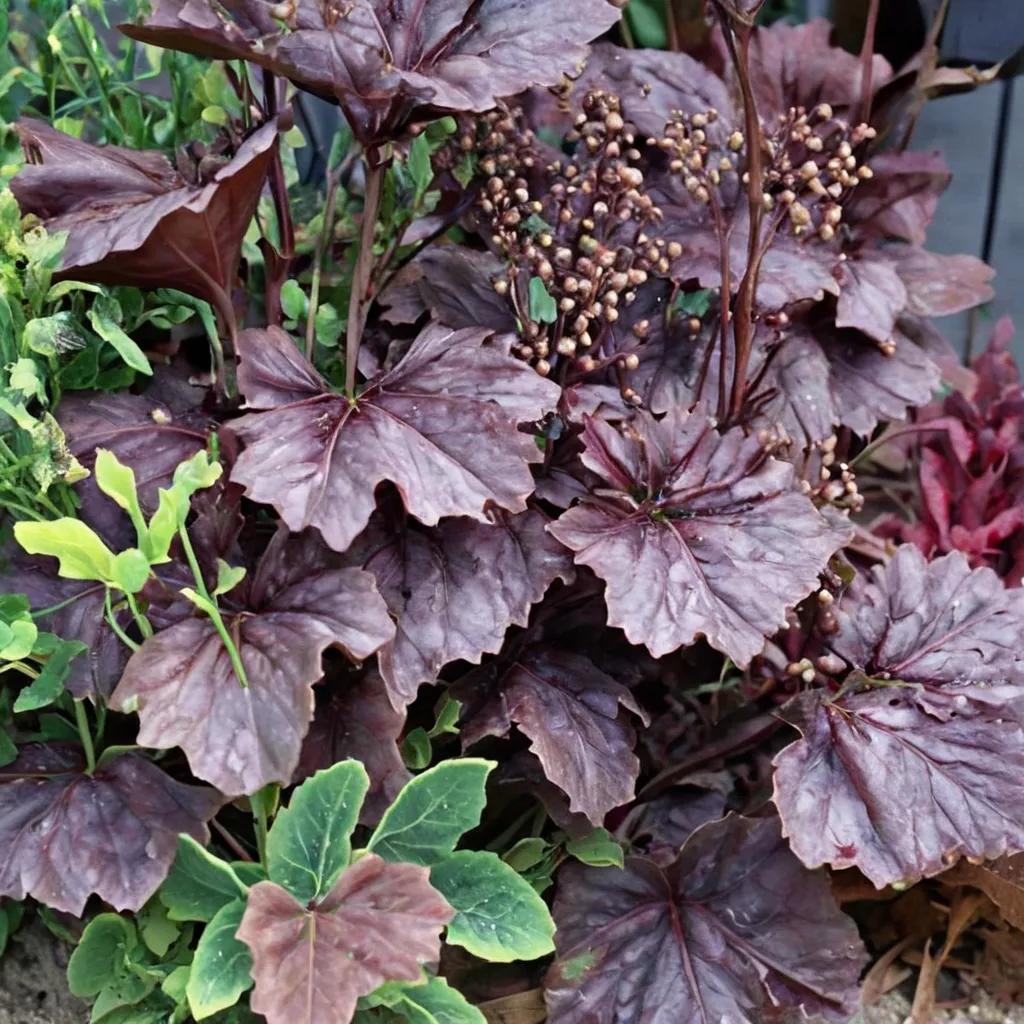 ‘Chocolate Veil’Coral Bells Chocolate Veil
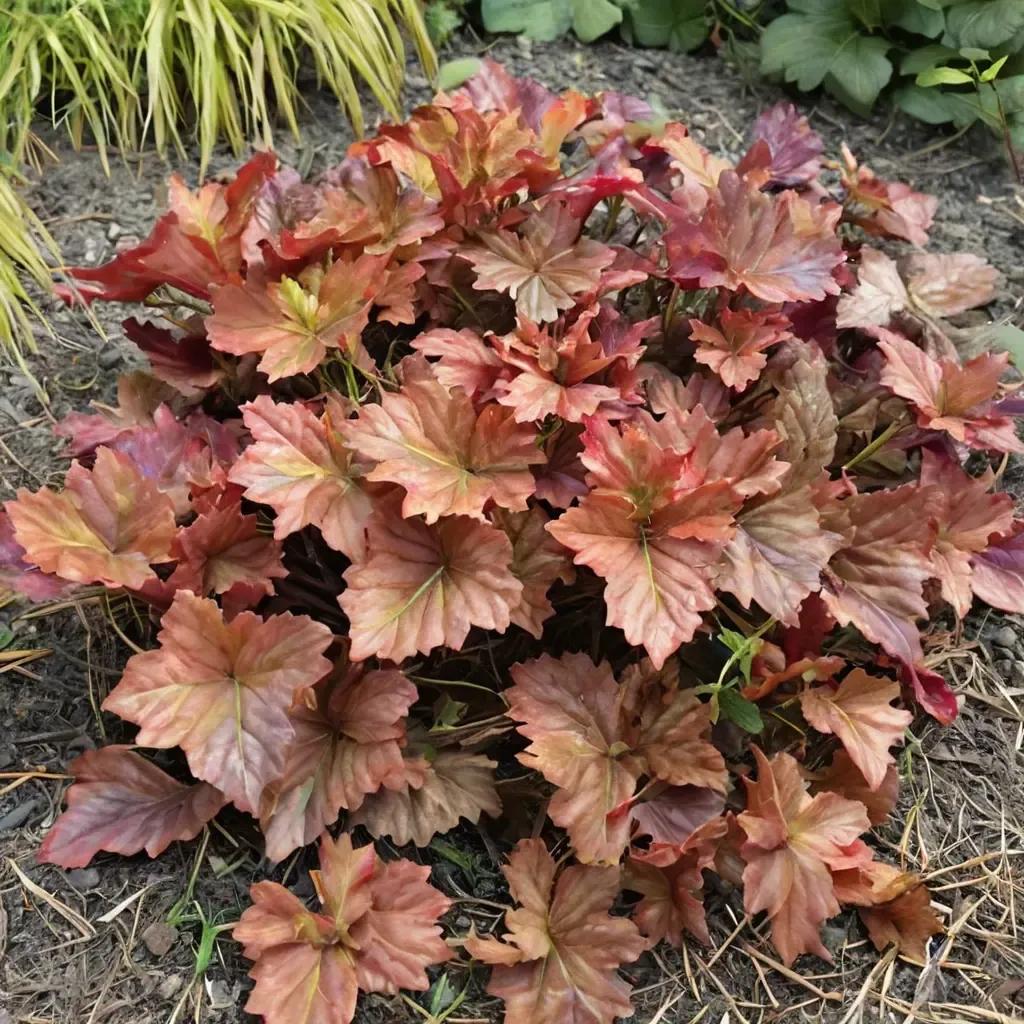 ‘Peachberry Ice’Peachberry Ice Coral Bells
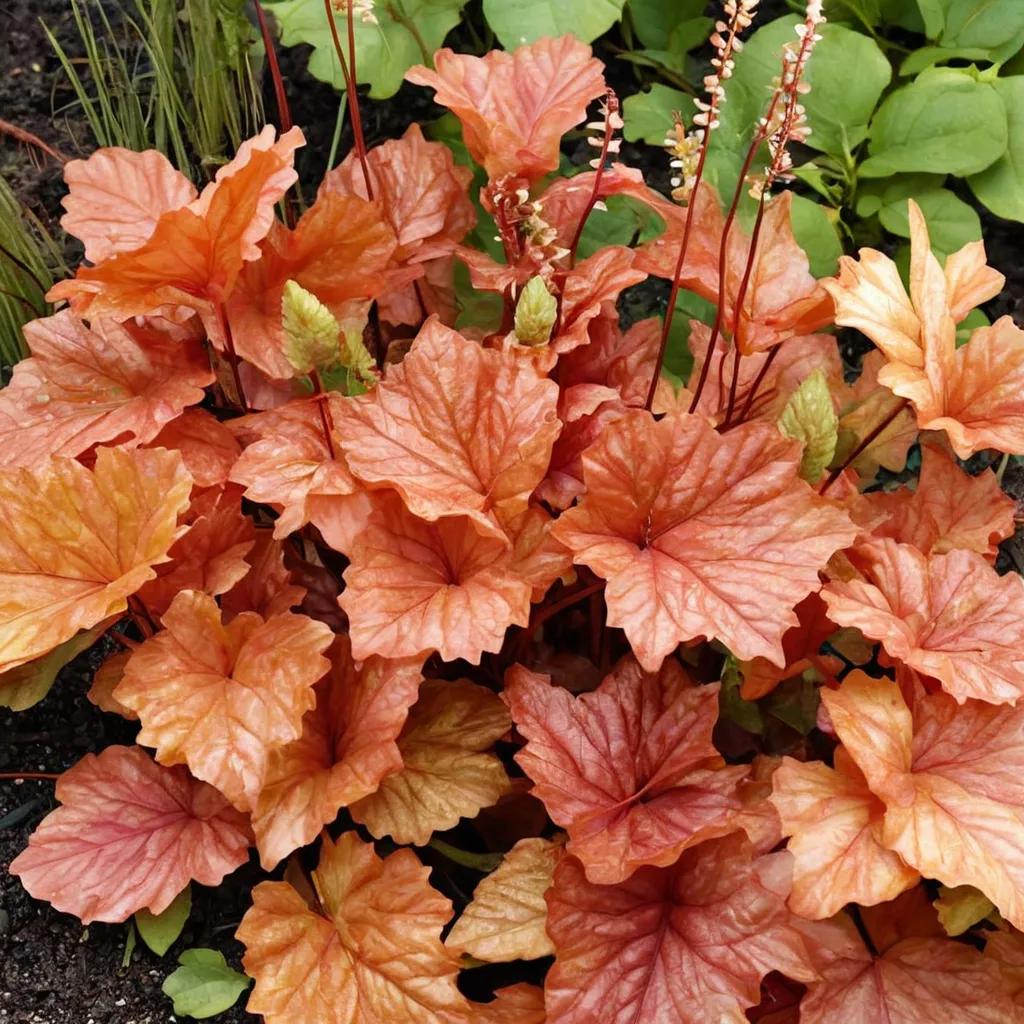 ‘Paprika’Paprika Coral Bells
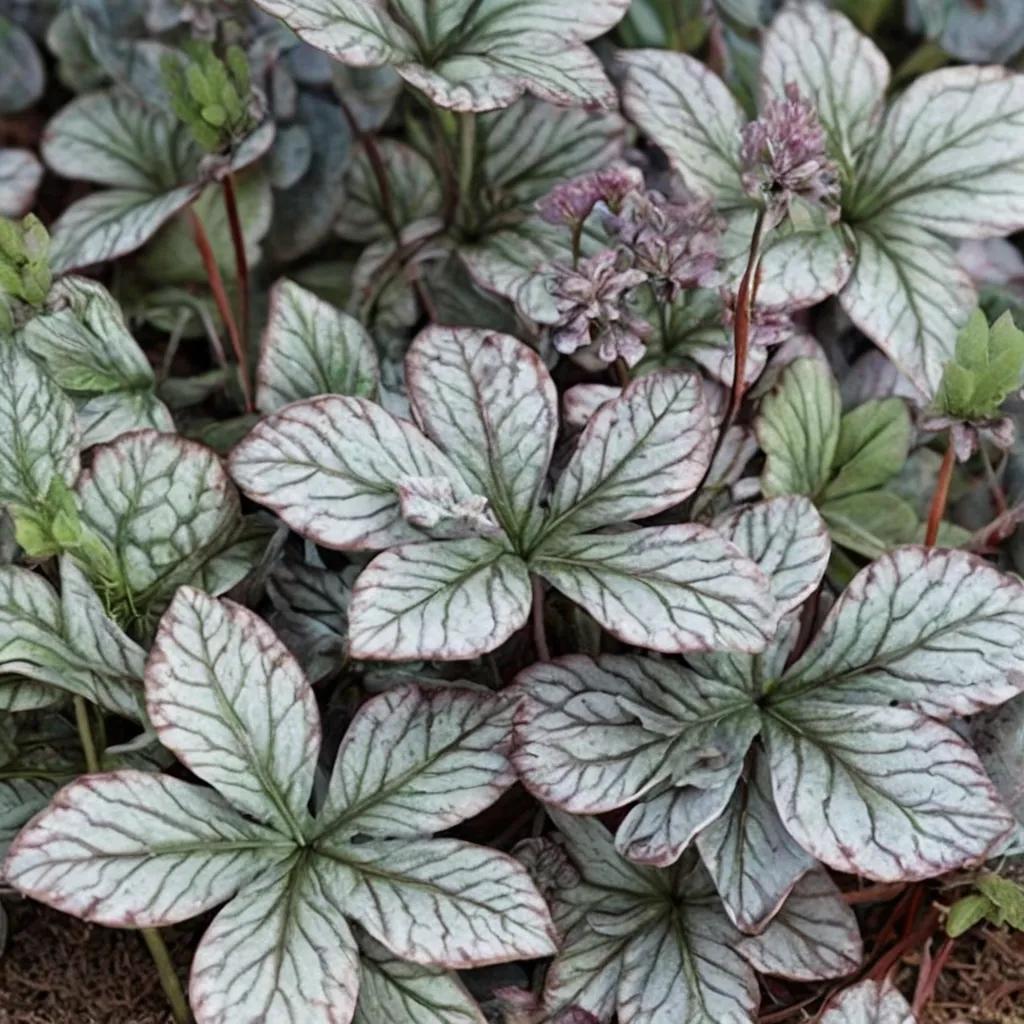 ‘Prince of Silver’Prince of Silver Heuchera
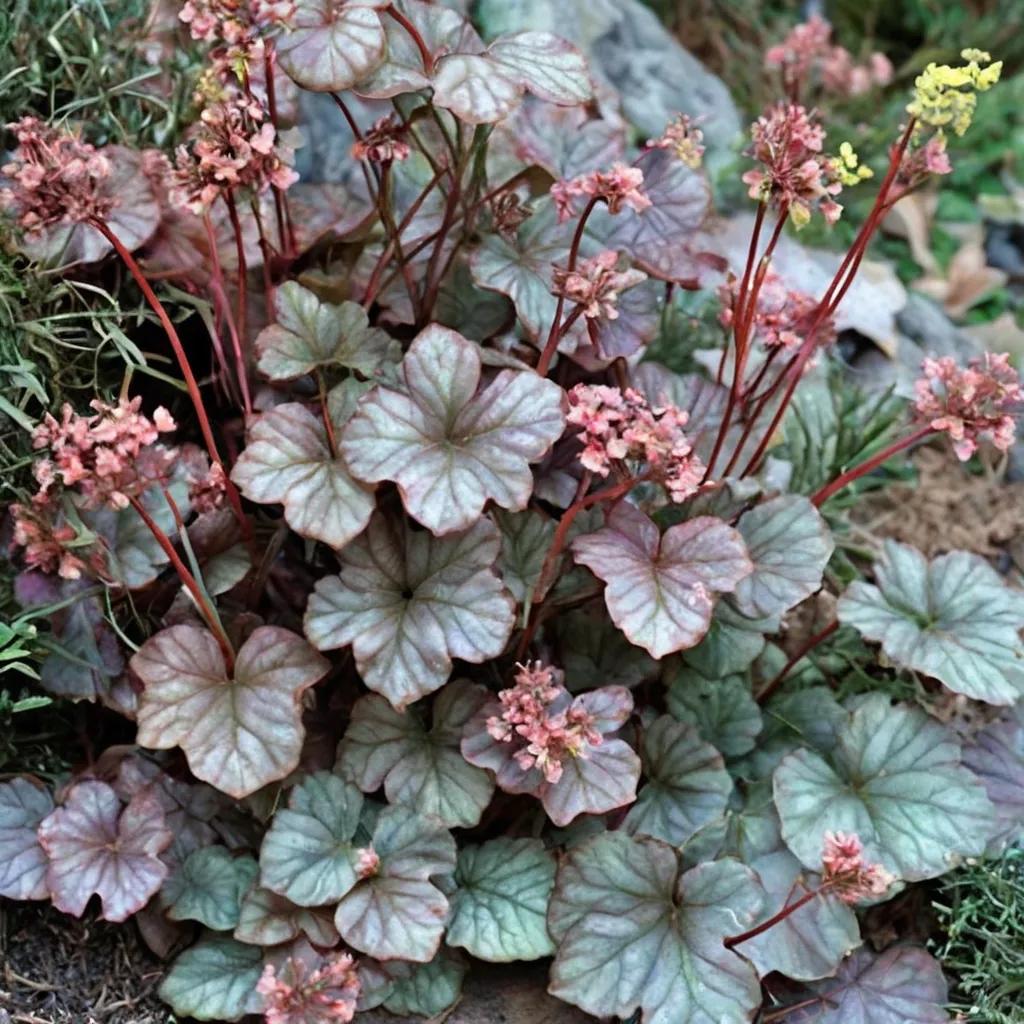 ‘Regina’Coral Bells Regina
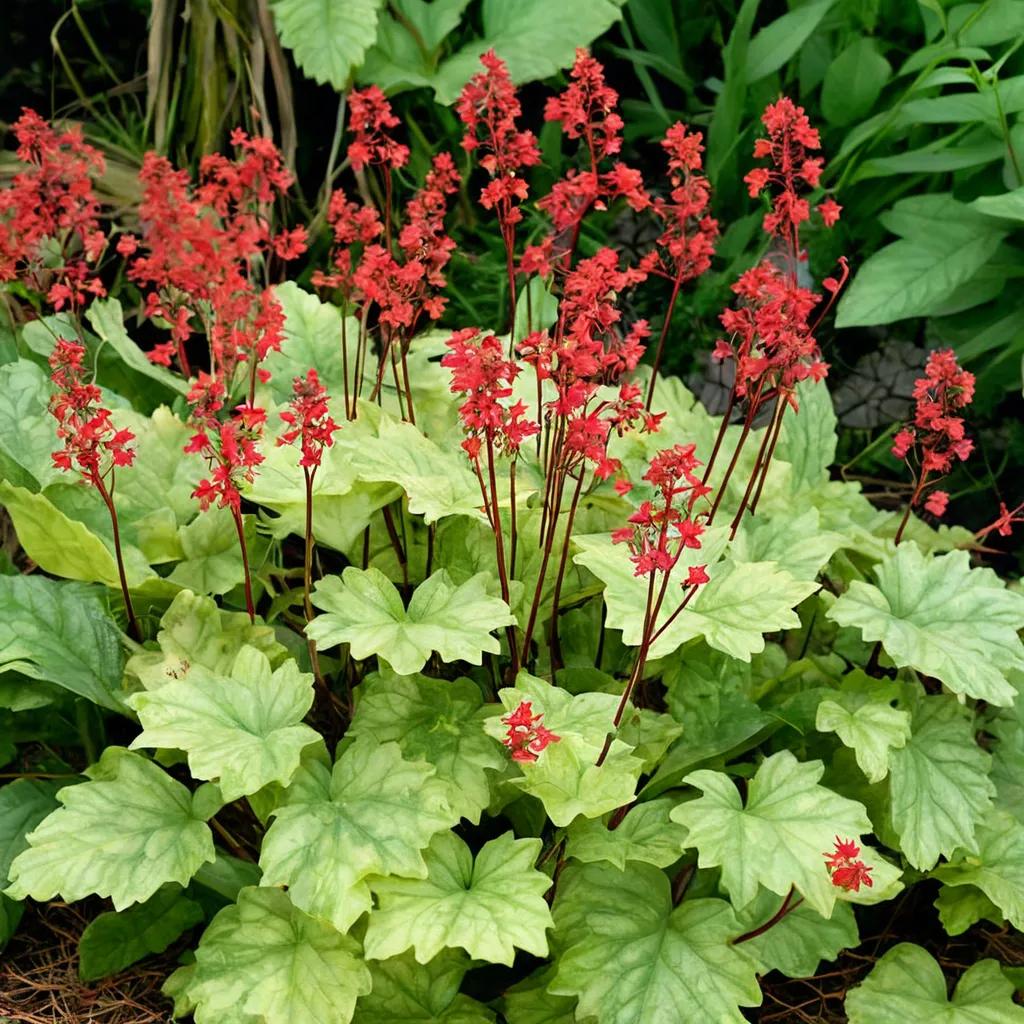 ‘Tokyo’Tokyo Coral Bells
 ‘Rosamund’Heuchera Rosamund Coral Bells
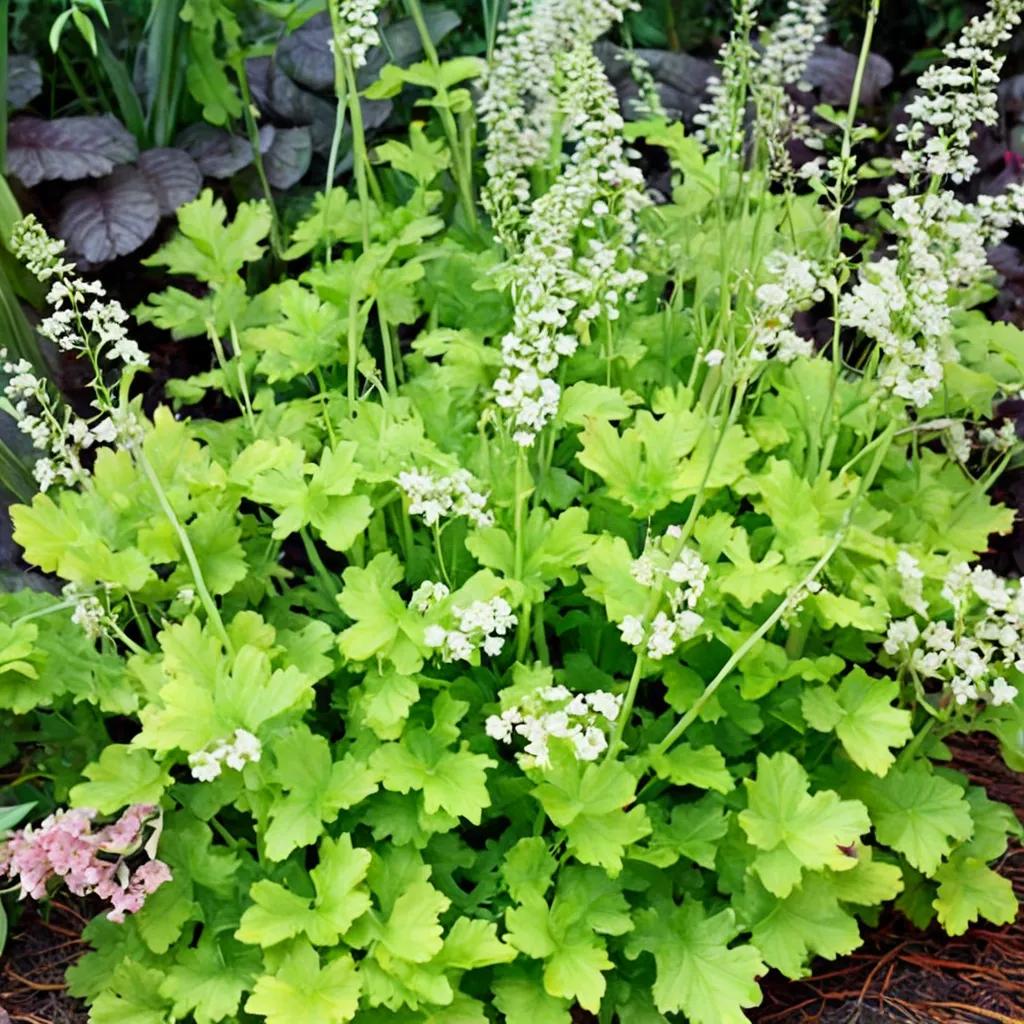 ‘Lime Rickey’Lime Rickey Coral Bells
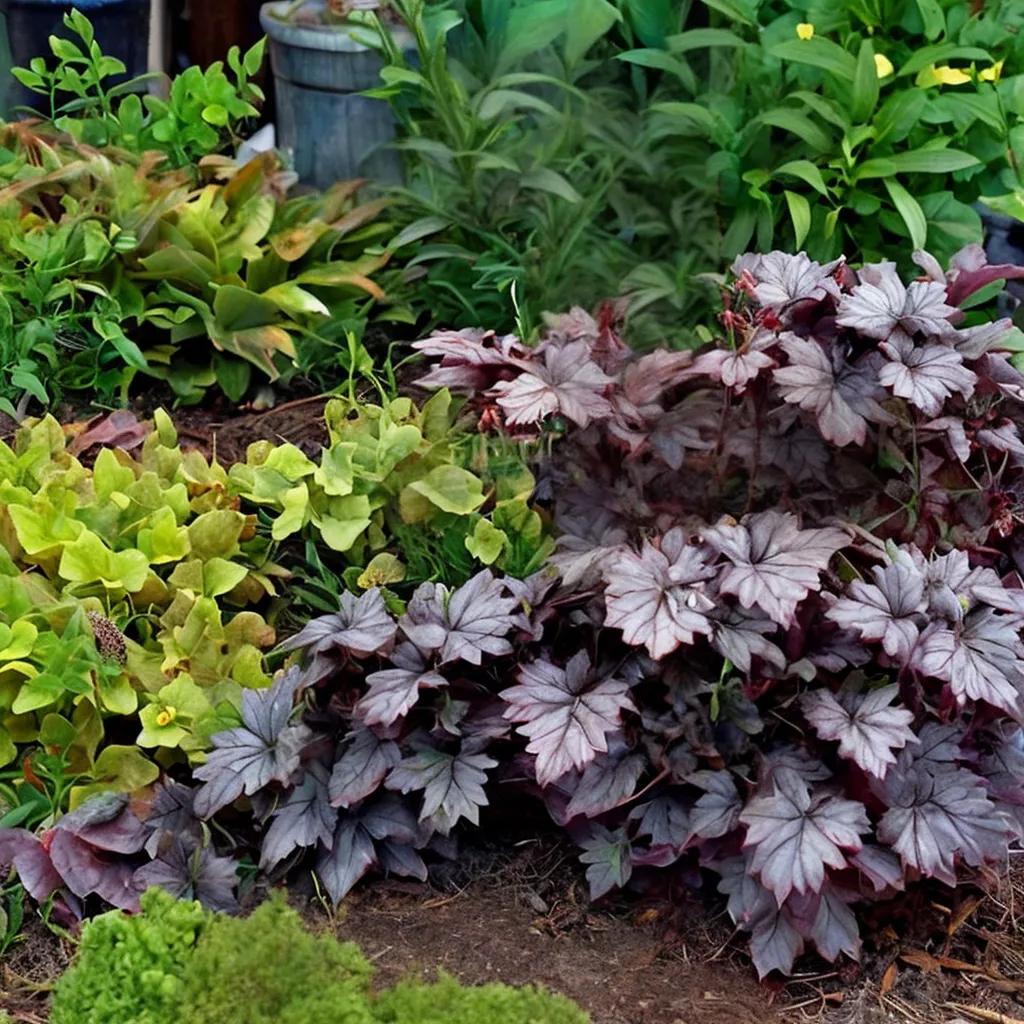 ‘Peacock Feathers’Heuchera Peacock Feathers
 ‘Velvet Knight’Velvet Night Coral Bells
 ‘Northern Exposure Red’Northern Exposure Red Coral Bell
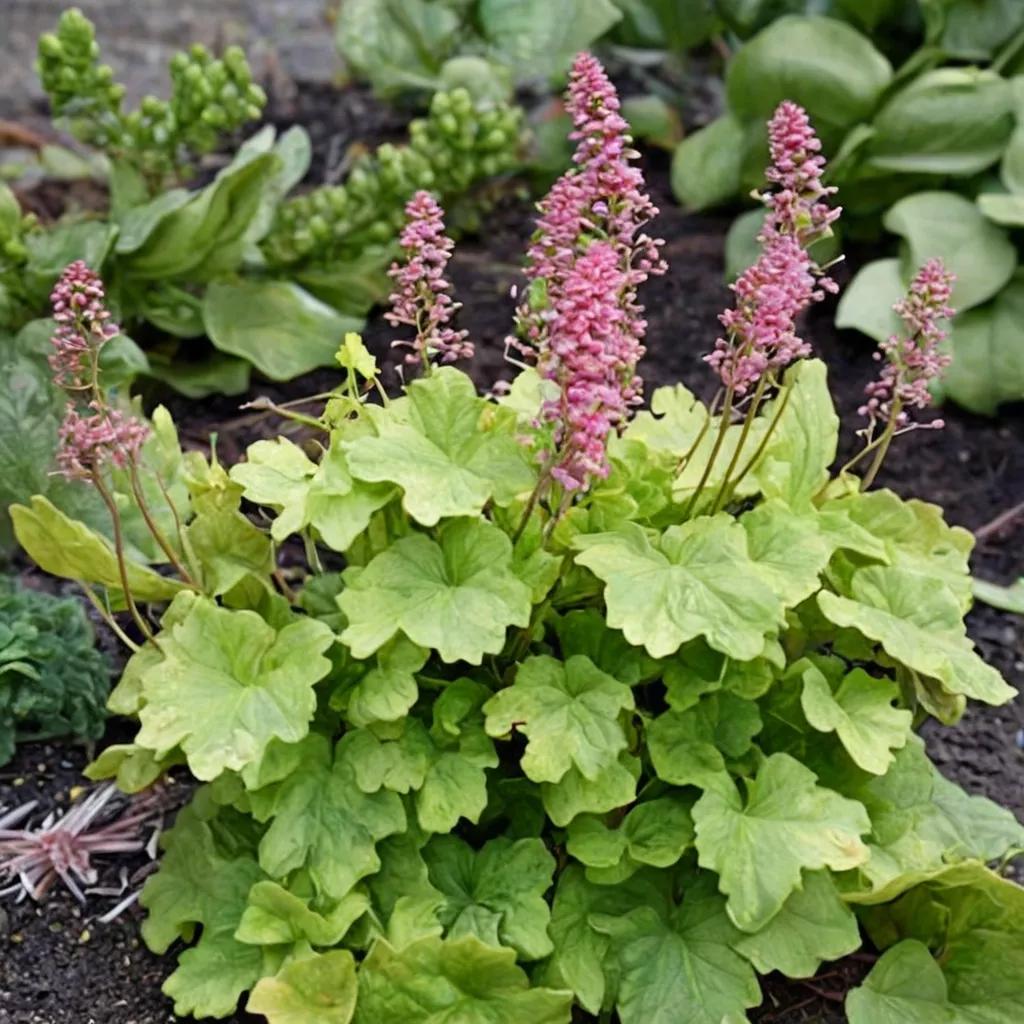 ‘Pistachio Ambrosia’Heuchera Pistachio Ambrosia
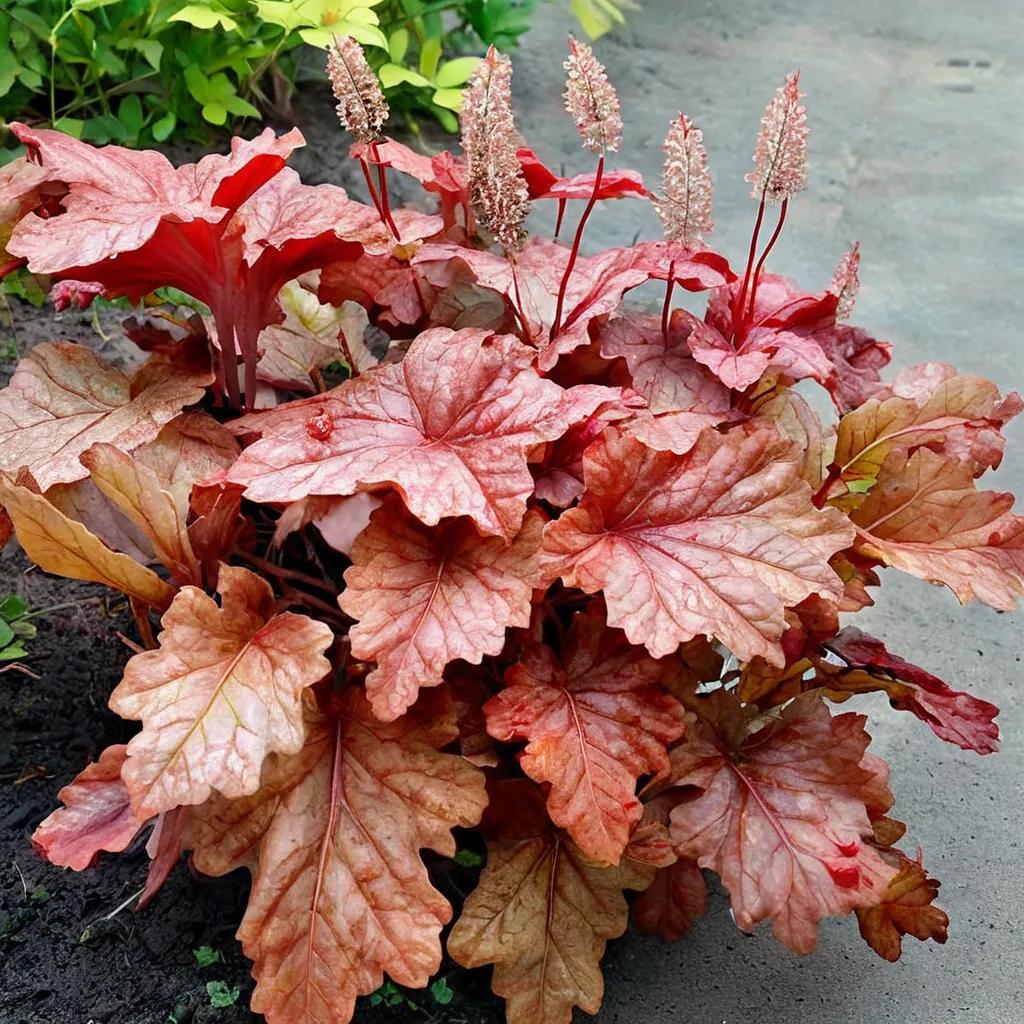 ‘Peach Smoothie’Heuchera Peach Smoothie
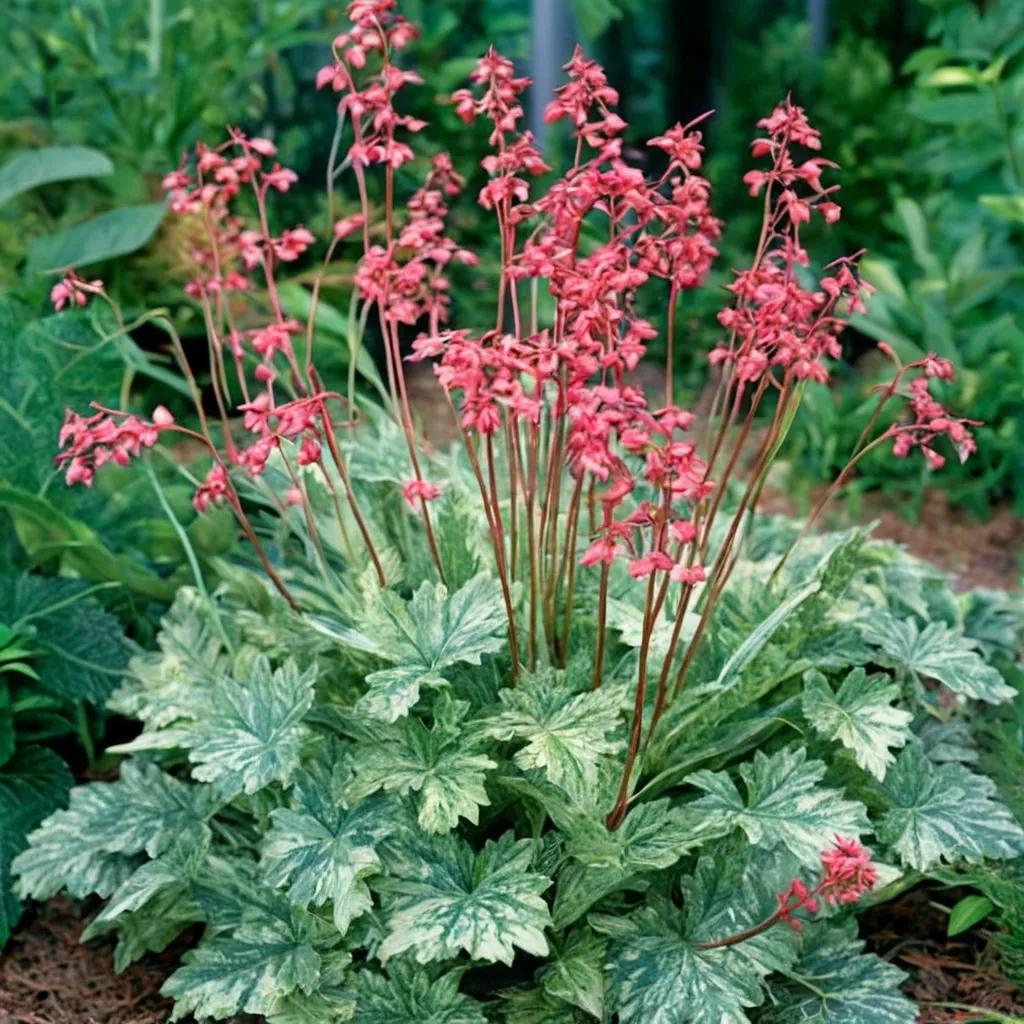 ‘Snow Angel’Heuchera Snow Angel
 ‘Starry Night’Starry Night Coral Bells
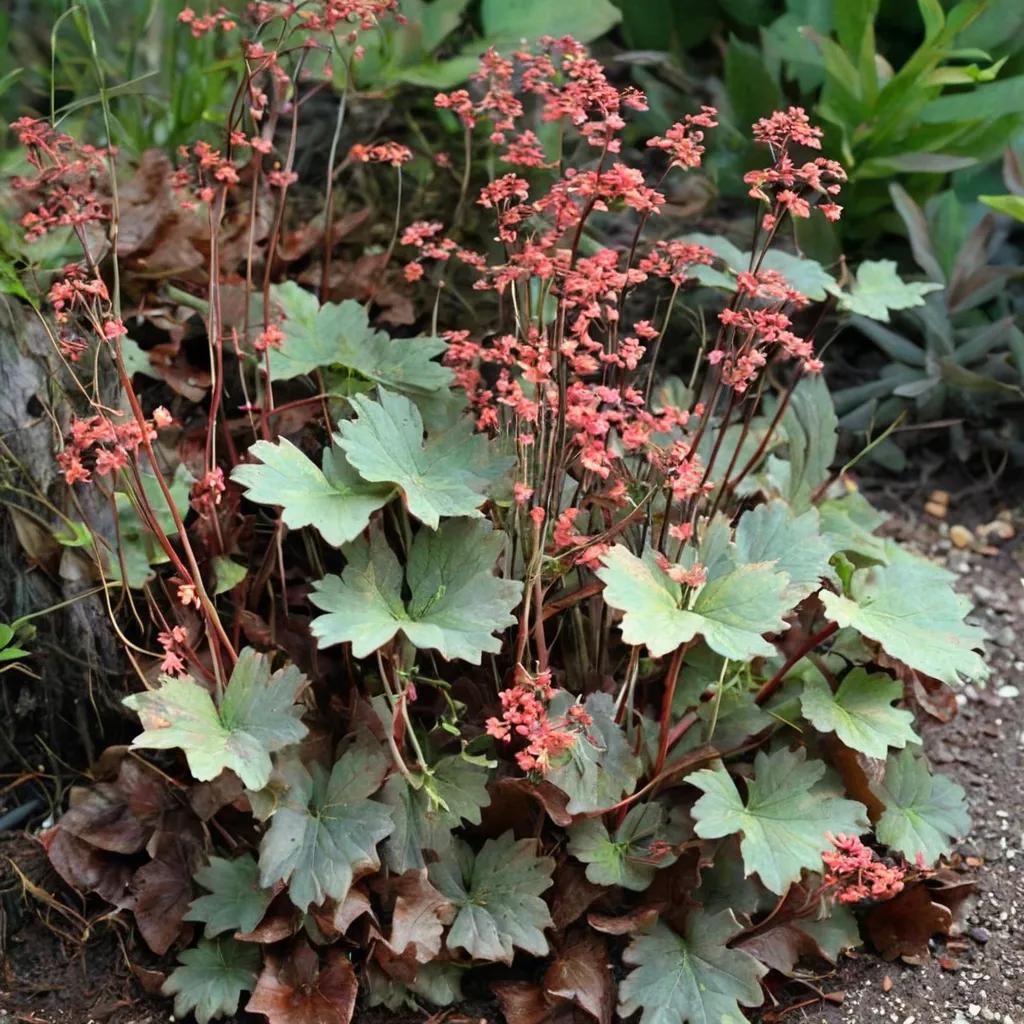 ‘Cherries Jubilee’Coral Bells Cherries Jubilee
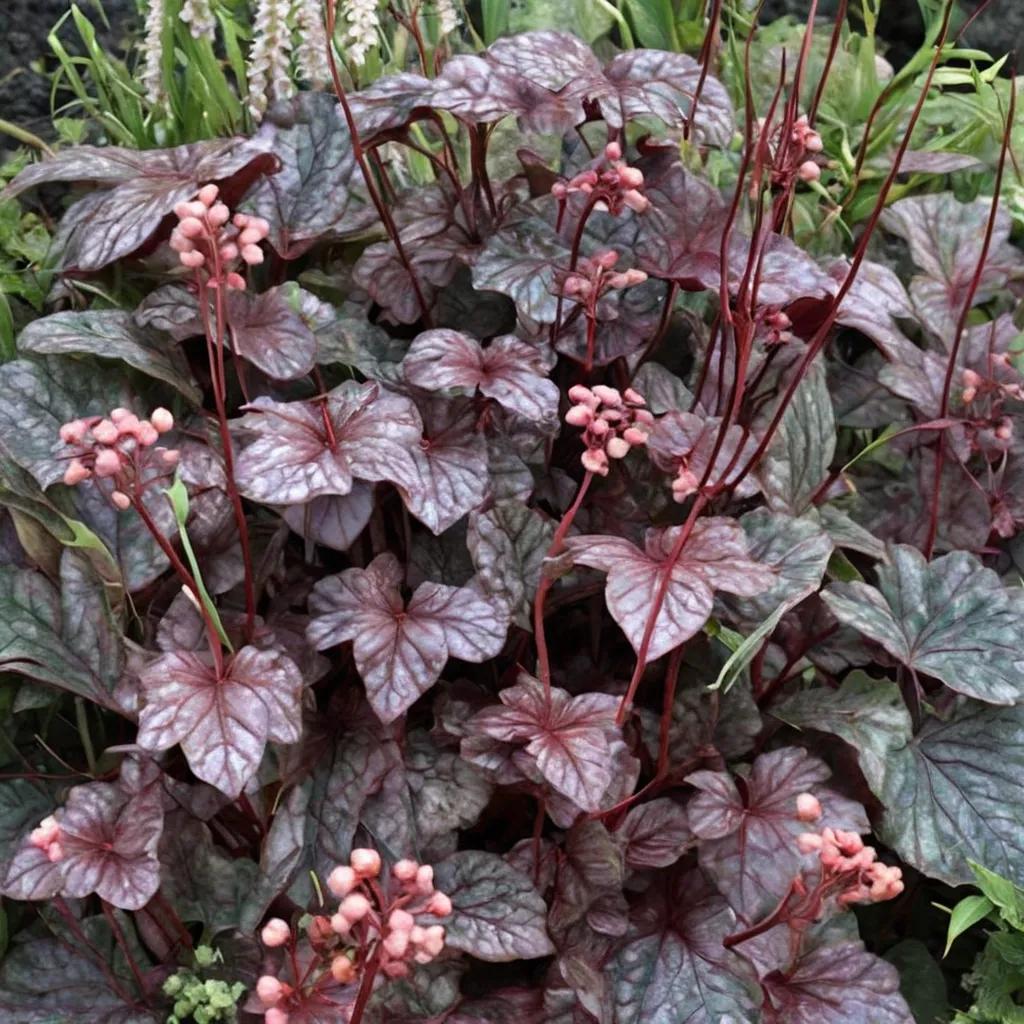 ‘Cathedral Windows’Coral Bells Cathedral Windows
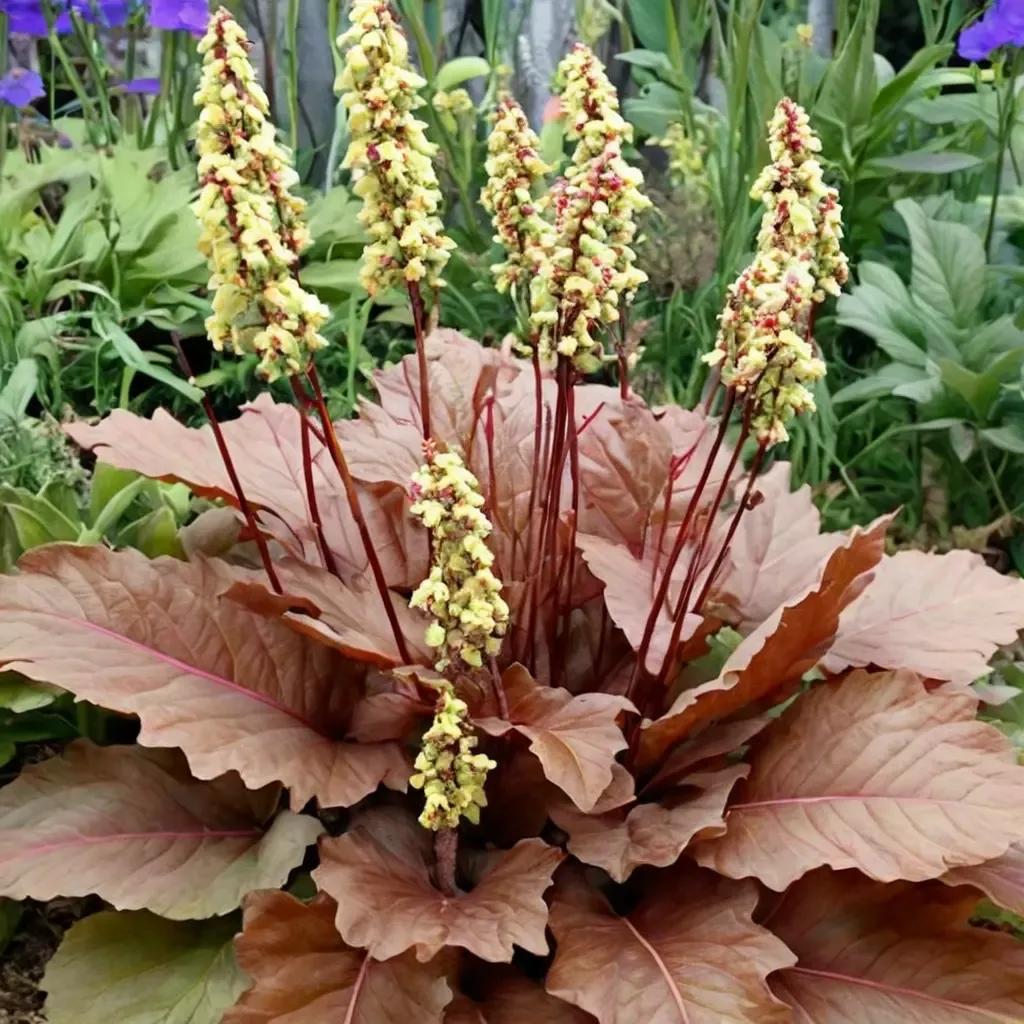 ‘Blondie’Blondie Coral Bell
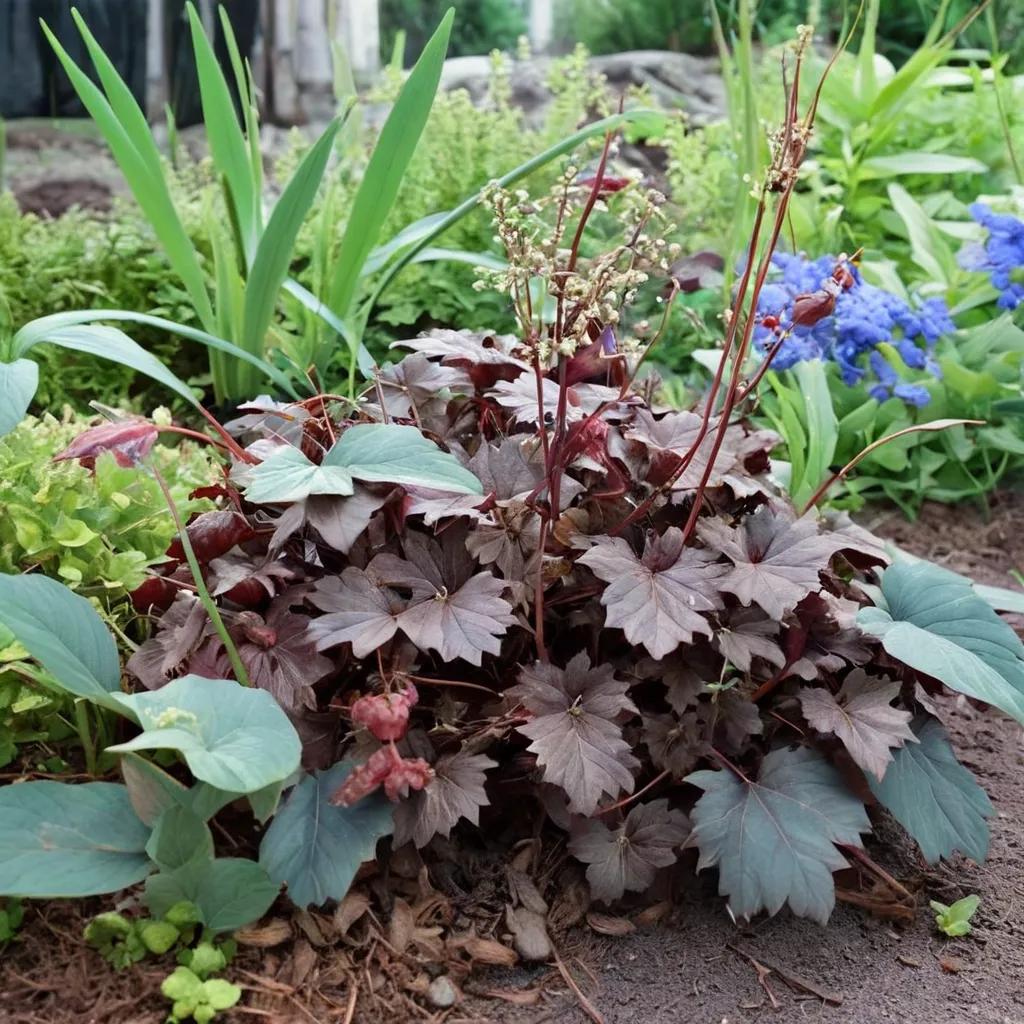 ‘Palace Passion’Coral Bells Palace Passion
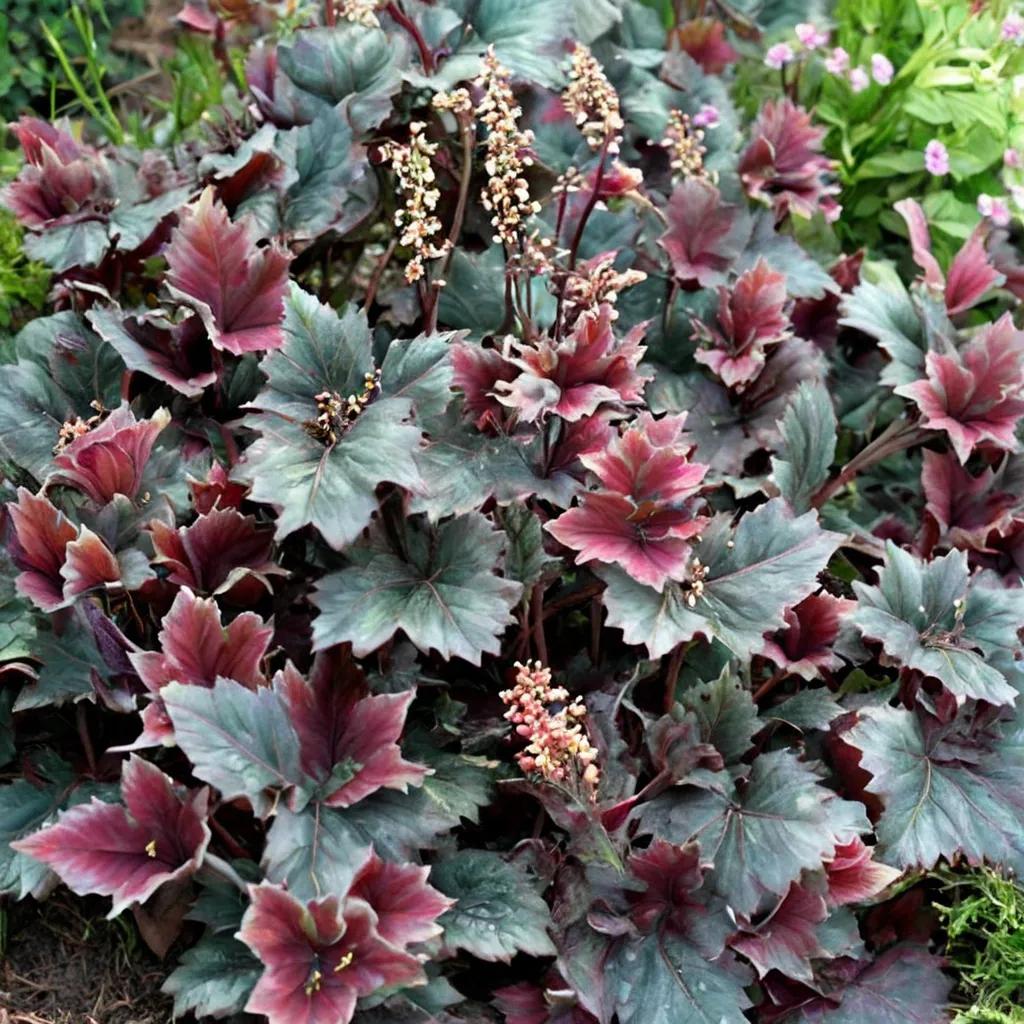 ‘Purple Petticoats’Heuchera Purple Petticoats
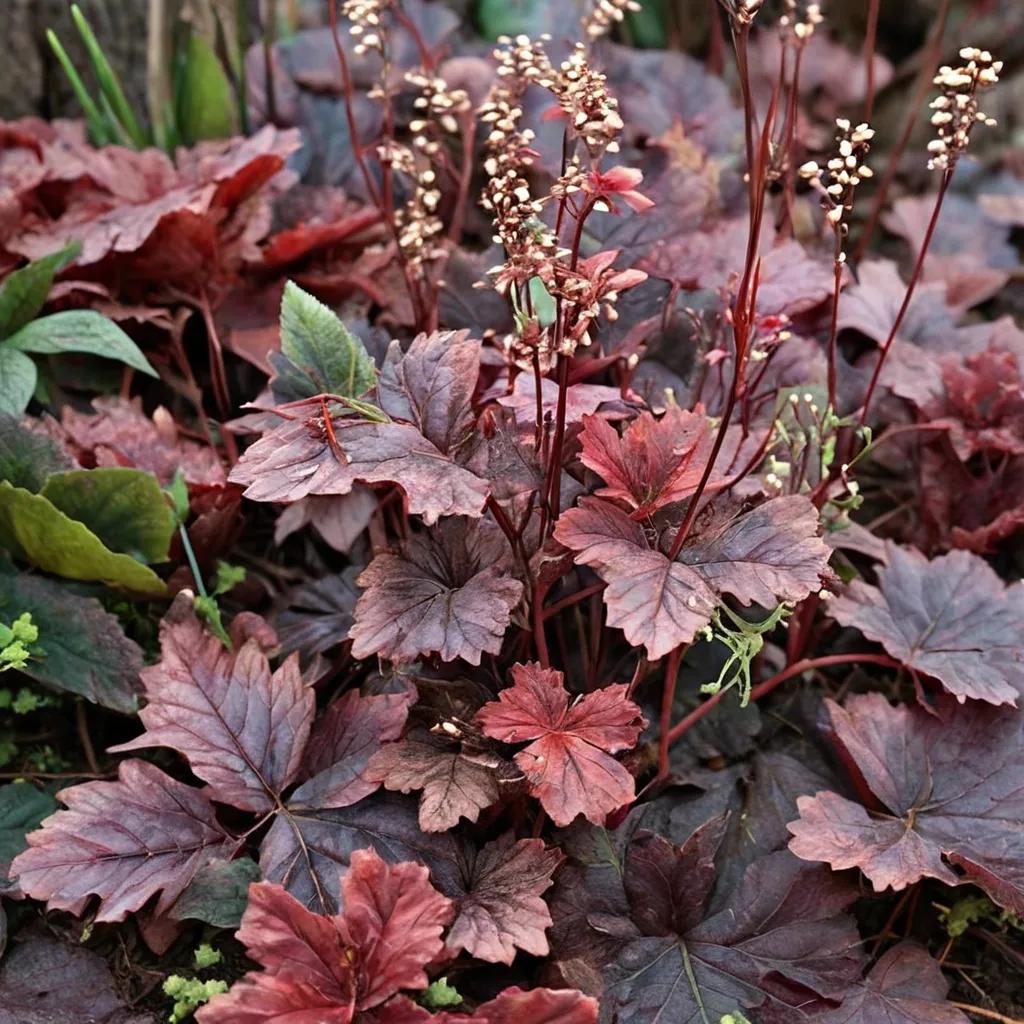 ‘Cajun Fire’Heuchera Cajun Fire
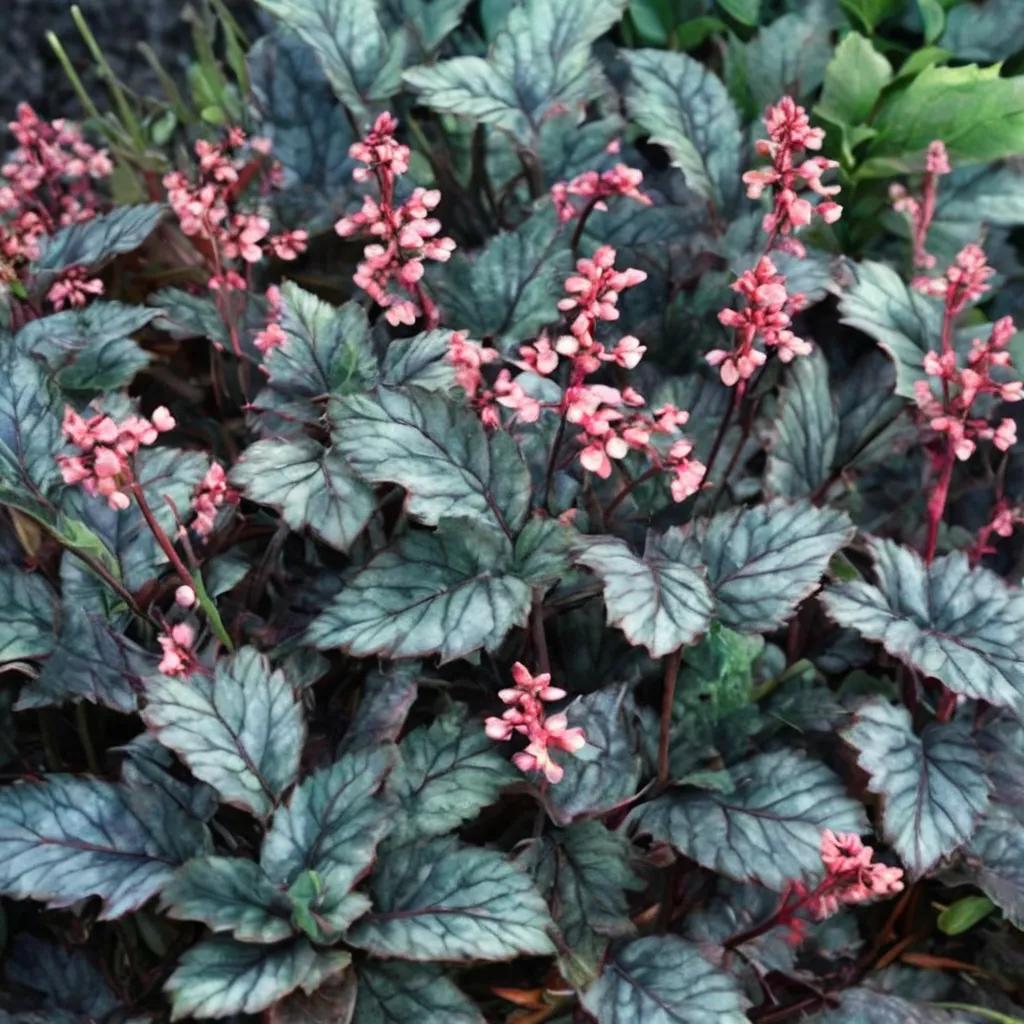 ‘Raspberry Ice’Heuchera Raspberry Ice
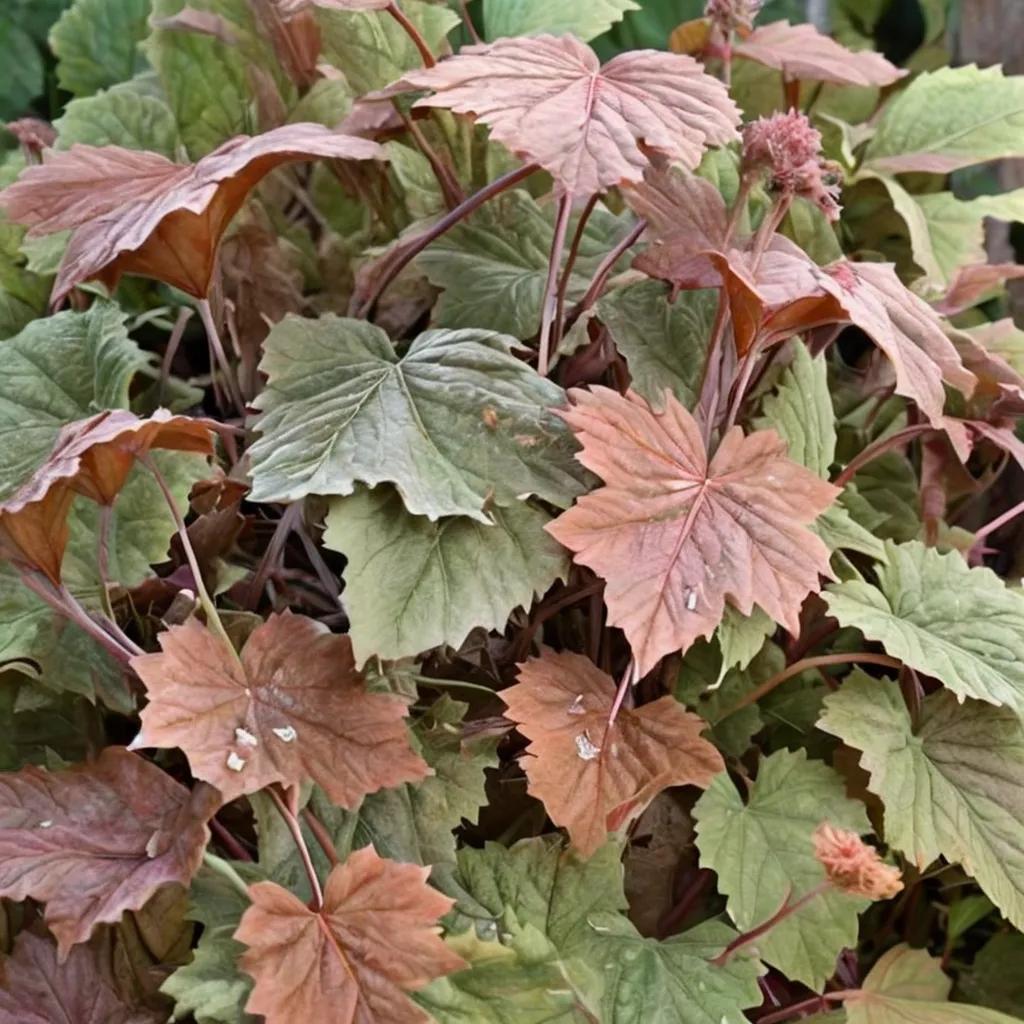 ‘Brownies’Heuchera Brownies
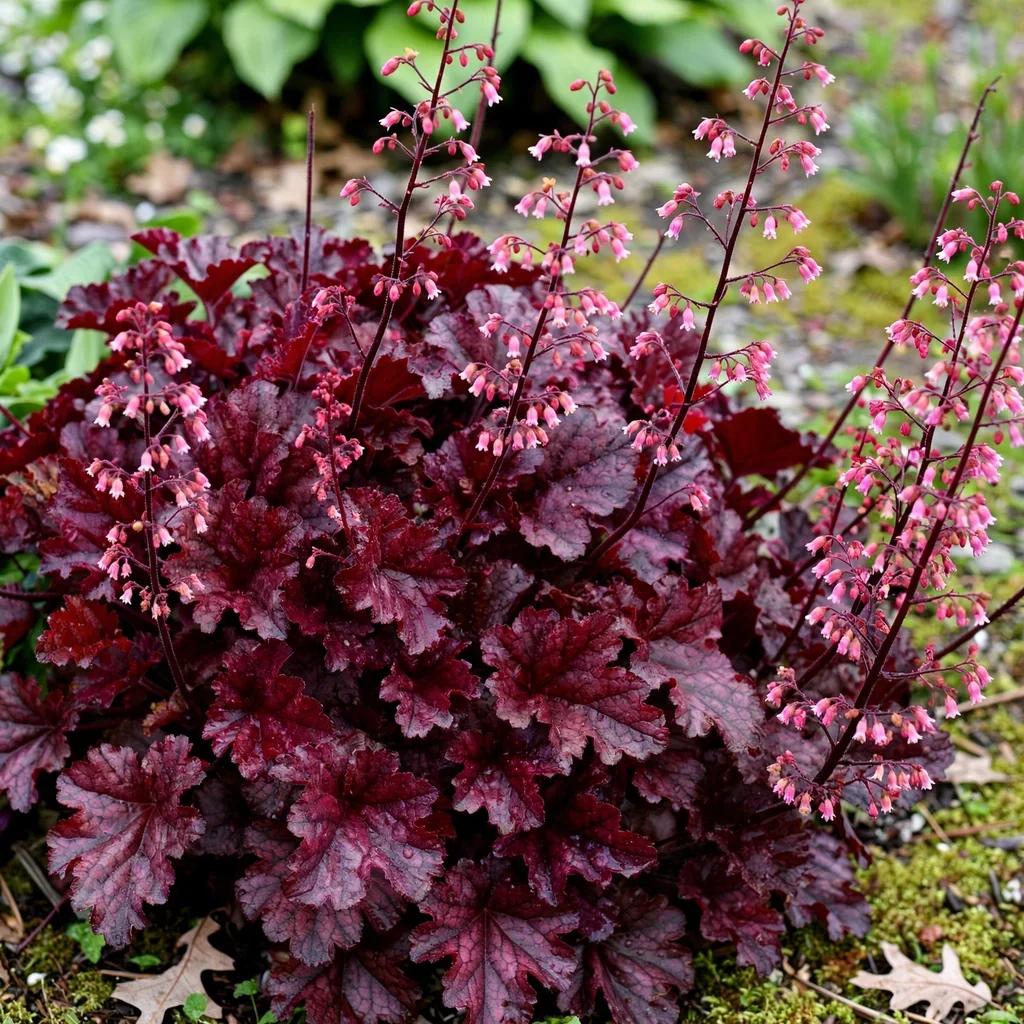 ‘Ruby Ruffles’Heuchera Ruby Ruffles
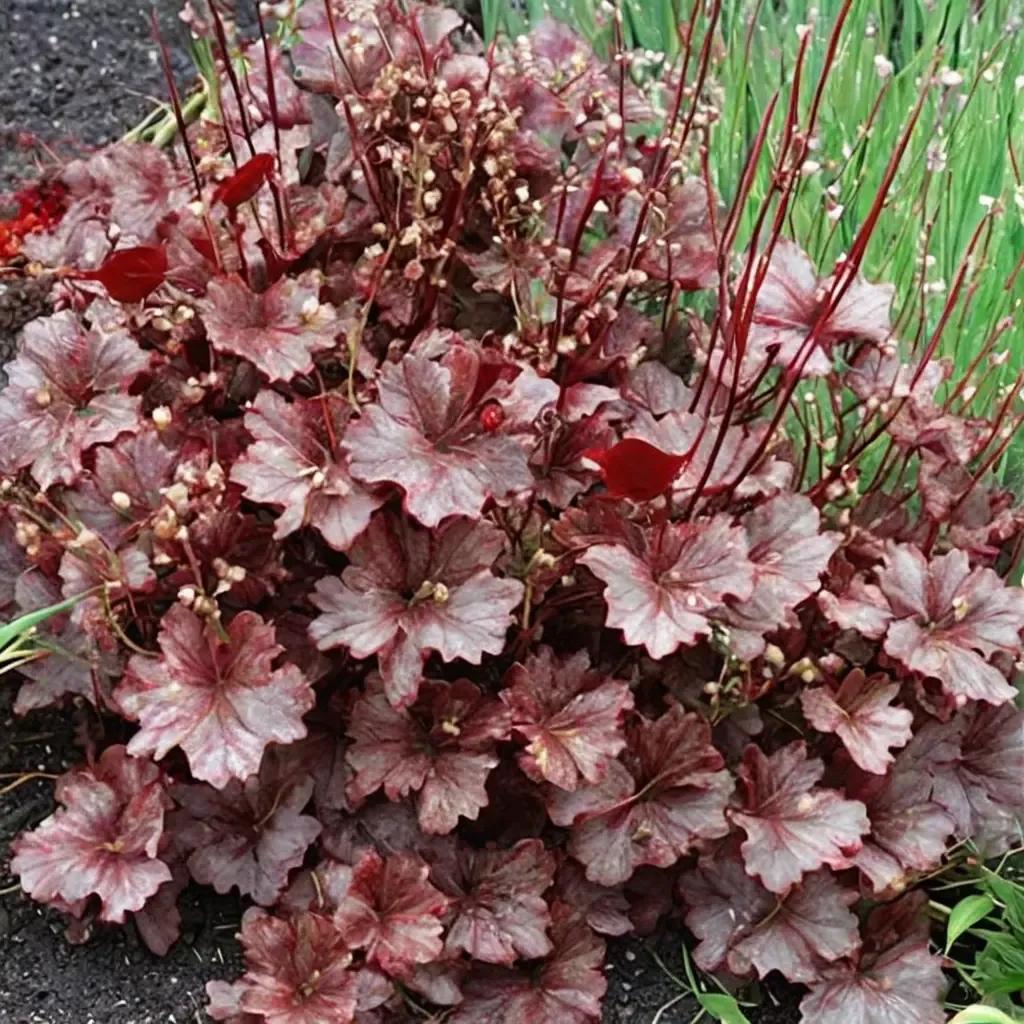 ‘Berry Marmalade’Berry Marmalade Coral Bells
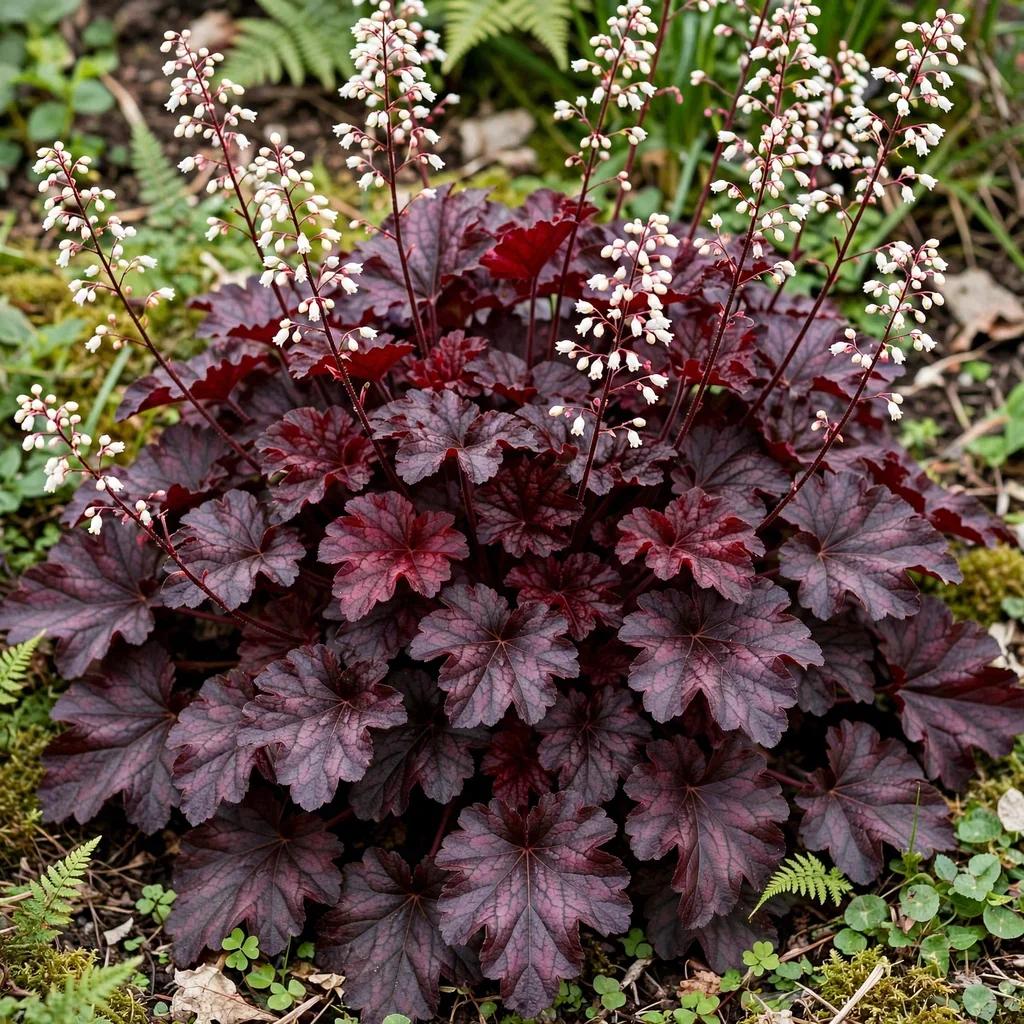 ‘Ruby Veil’Heuchera Ruby Veil
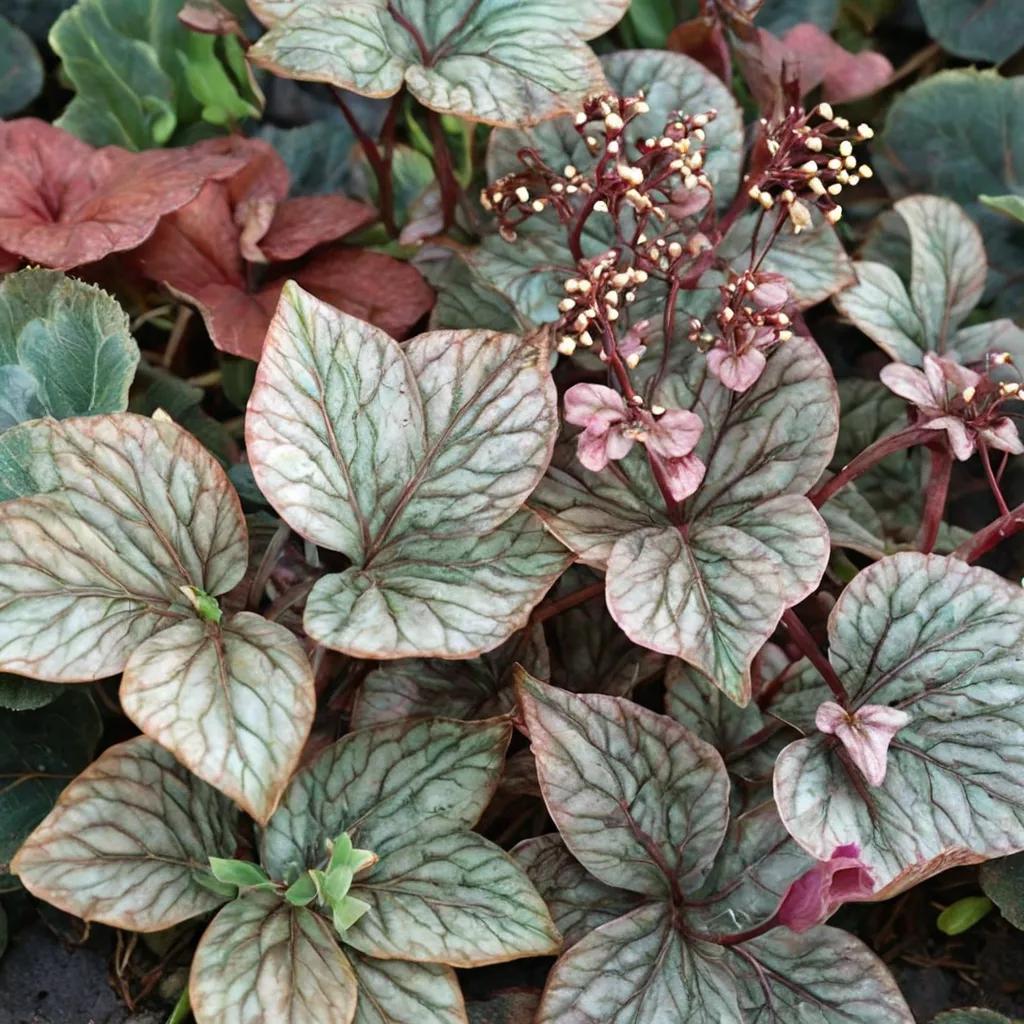 ‘Pewter Veil’Heuchera Pewter Veil
 ‘Tnheufp’Primo Peachberry Ice Coral Bells
 ‘Apple Twist’Heuchera 'Apple Twist'
 ‘Spearmint’Spearmint Coral Bells
 ‘Carnival Rose Granita’Carnival Rose Granita Coral Bells
 ‘Electric Lime’Electric Lime Coral Bells
 ‘Pistache’Pistache Coral Bells
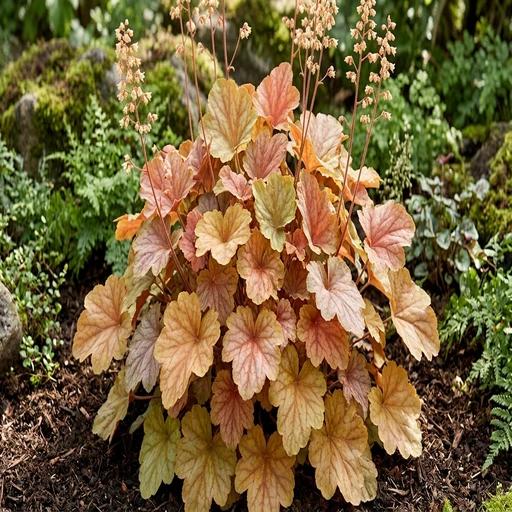 ‘Carnival Peach Parfait’Carnival Peach Parfait Coral Bells
 ‘Northern Exposure Lime’Northern Exposure Lime Coral Bells
The Story
Plant Bio
A clump-forming perennial, member of the saxifrage family. It is primarily grown for its colorful, evergreen to semi-evergreen foliage rather than its small, bell-shaped flowers.
Based on the description, this likely refers to the cultivar 'Marmalade'. It features stunning, deeply-lobed, ruffled foliage that emerges amber-pink in spring, matures to shades of sienna and umber with hot pink undersides, and deepens in color in cooler weather. Heuchera leaves are not edible.
Uses & Benefits:
Essentials
At a Glance
Plant Type
Perennial
Height
10"
Width
18"
Light
Full Sun, Partial Sun
Zones
4, 5, 6, 7, 8, 9
Water
Moderate
Humidity
Prefers moderate humidity
Lifespan
Perennial
Native To
North America
Toxicity
Non-toxic to humans and pets
Bloom period
Late spring to early summer – Early summer
In flower about 2 months of the year
Marketplace
Where to Buy
Shipping costs Year-round shipping Free shipping
Planting
How to Grow
- Tuck seeds lightly into well-drained soil in early spring.
- Mist cuttings regularly to maintain humidity and encourage rooting.
- Transplant seedlings when they are strong enough, typically after 6 weeks.
- Water consistently to keep soil evenly moist but not waterlogged.
- Fertilize with a balanced, slow-release fertilizer in spring and mid-summer.
- Mulch around plants to retain moisture and suppress weeds.
Pro Tip
Use organic compost to improve soil fertility and ensure vibrant foliage.
Keep It Thriving
Care Guide
Do
- Water regularly to keep soil moist 🌱
- Apply mulch to conserve moisture and regulate soil temperature
- Deadhead spent flowers to promote bushier growth
- Fertilize in early spring for optimal growth
Don't
- Avoid overwatering to prevent root rot ❌
- Don’t expose to harsh, direct afternoon sun in hot climates
- Refrain from heavy pruning during late fall
- Don’t plant in poorly drained soil
Seasonal Care Calendar
| Task | Jan | Feb | Mar | Apr | May | Jun | Jul | Aug | Sep | Oct | Nov | Dec |
|---|---|---|---|---|---|---|---|---|---|---|---|---|
| Divide | ||||||||||||
| Fertilize | ||||||||||||
| Mulch | ||||||||||||
| Prune | ||||||||||||
| Spring Cleanup |
Watch Out For
Pests & Diseases
Common Pests
Common Diseases
In the Garden
Landscape Uses & Companions
Landscape Uses
Companion Plants
Multiply
Propagation Methods
Good to Know
Common Questions
Marmalade Coral Bells questions
What zones can Marmalade Coral Bells grow in?
Marmalade Coral Bells is hardy in USDA Zones 4–9. Inside that range it survives winter in the ground; outside it, grow it as an annual or a container plant you protect.
Is Marmalade Coral Bells deer resistant?
Yes — Marmalade Coral Bells is rated deer-resistant. Deer typically pass it over, though extreme hunger can override any plant's defenses.
When does Marmalade Coral Bells bloom?
Marmalade Coral Bells typically blooms in late spring to early summer through early summer. Exact timing shifts a week or two with your zone — Sow's bloom calendar maps it to your garden.
Does Marmalade Coral Bells need full sun?
Marmalade Coral Bells does best in full sun to part shade. In hot climates, afternoon shade keeps blooms fresher longer.
Is Marmalade Coral Bells drought tolerant?
Yes — once established (usually after the first full season), Marmalade Coral Bells handles dry spells with minimal watering. Water deeply its first year to build the root system that makes that possible.
More Heuchera to compare
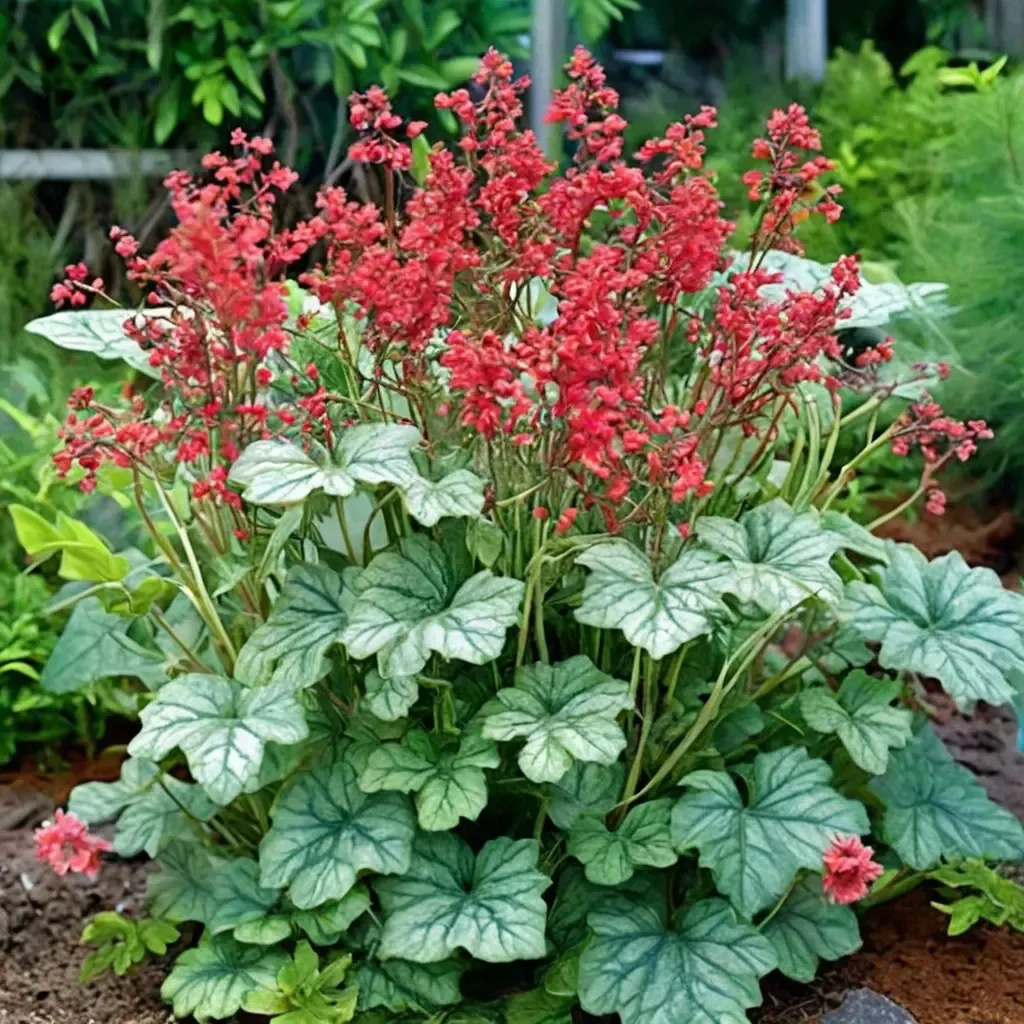
Mixed Coral Bells
Heuchera sanguinea 'Mixed Coral Bells'
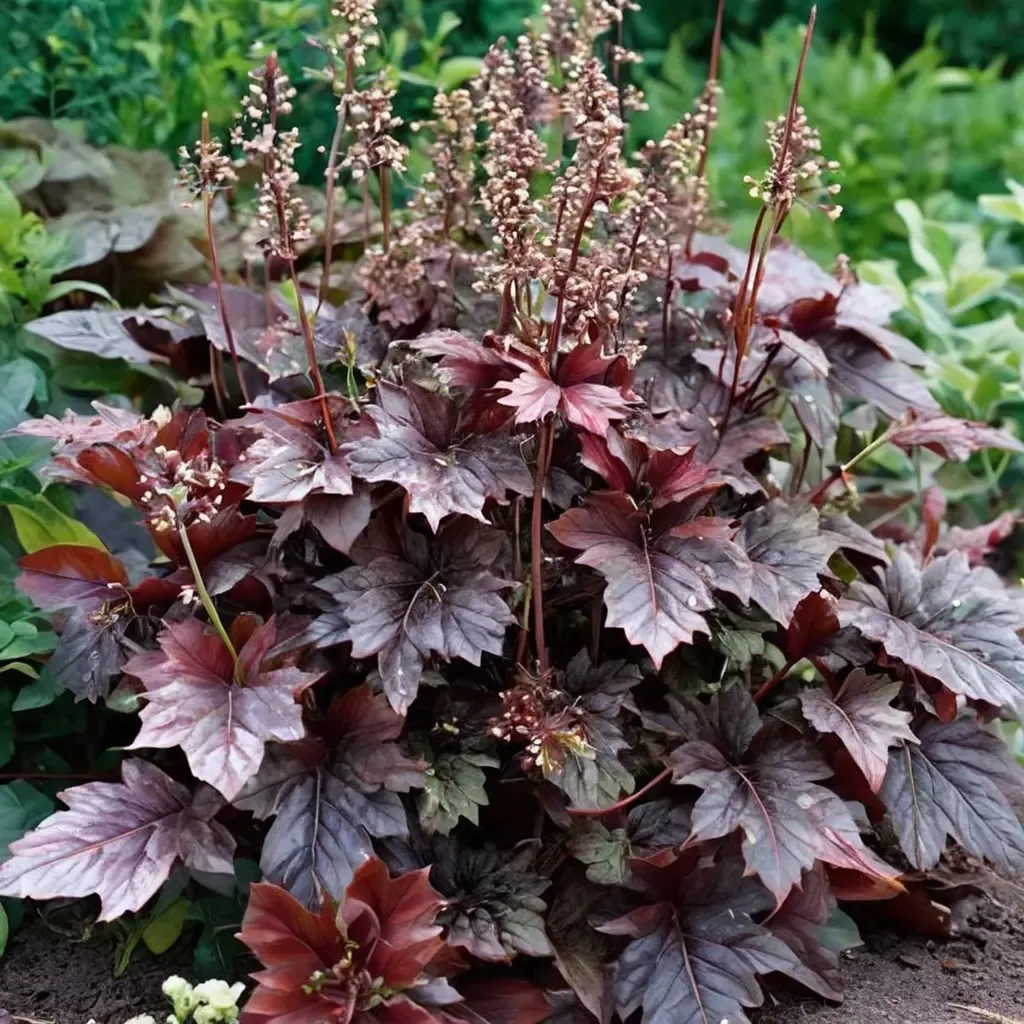
Palace Purple Coral Bells
Heuchera americana 'Palace Purple'
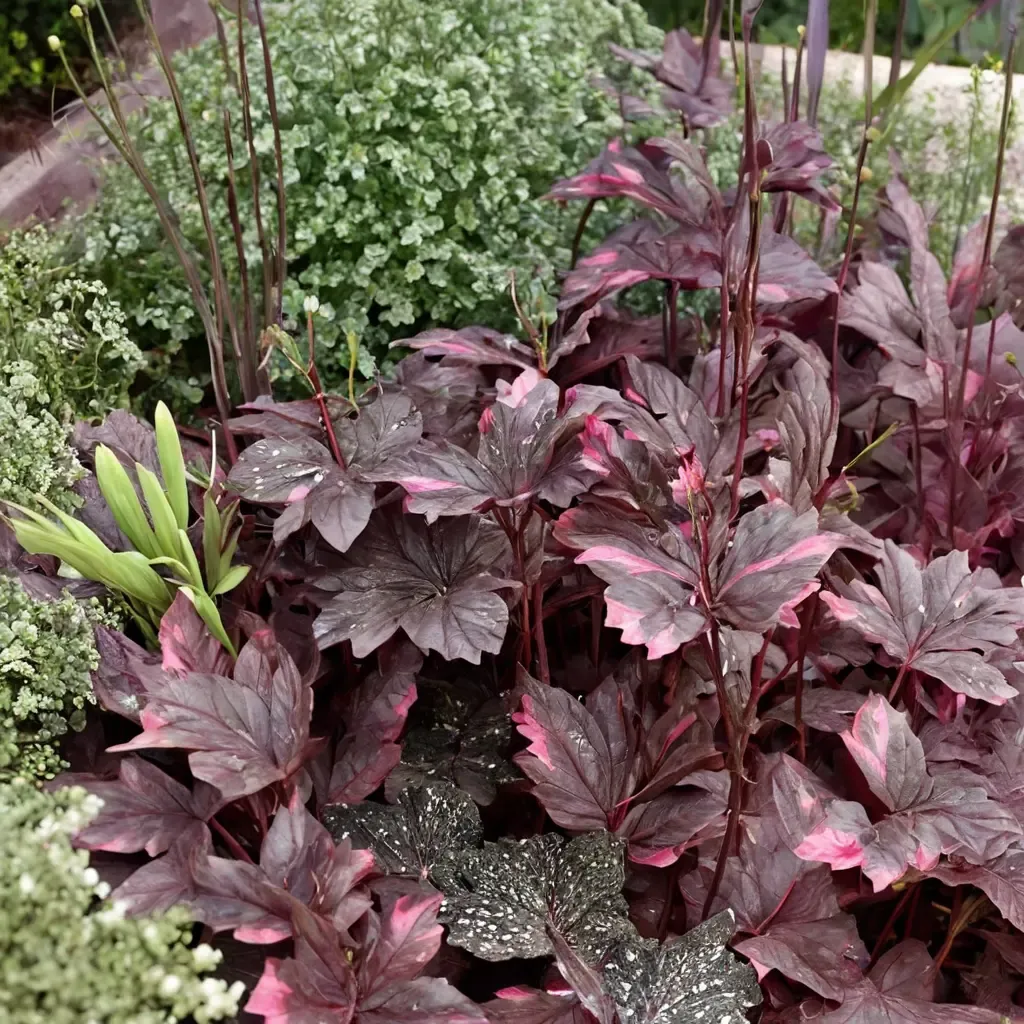
Midnight Rose Coral Bell
Heuchera x brizoides 'Midnight Rose'
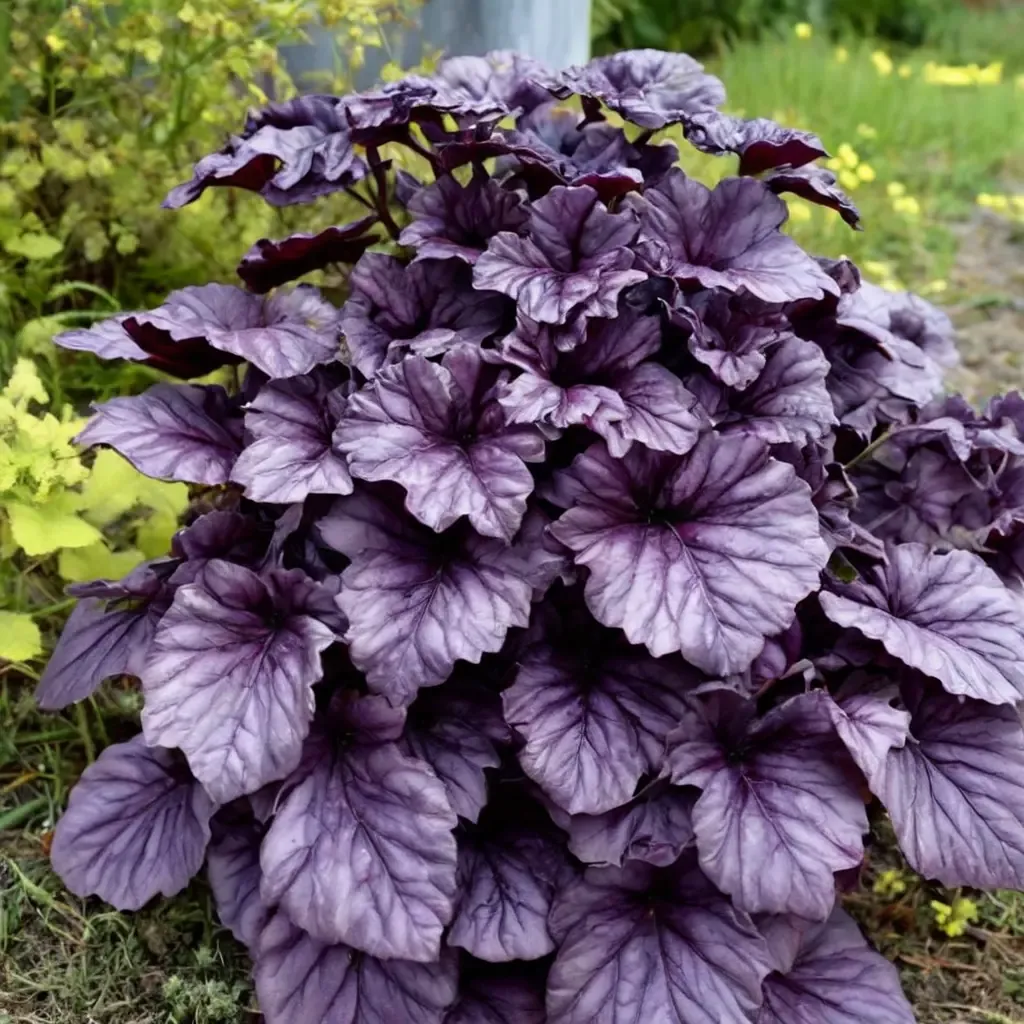
Wildberry Coral Bells
Heuchera x brizoides 'Wildberry'
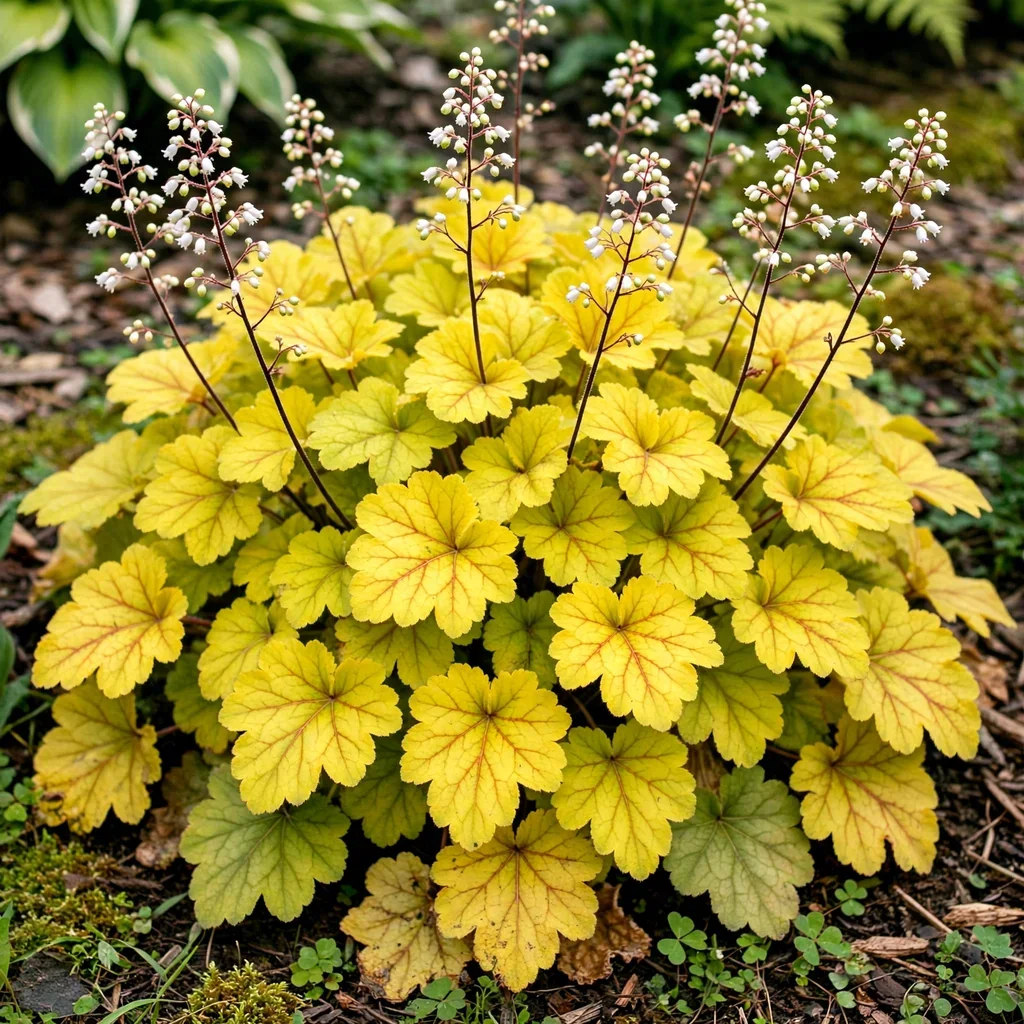
Electra Coral Bells
Heuchera sanguinea 'Electra'
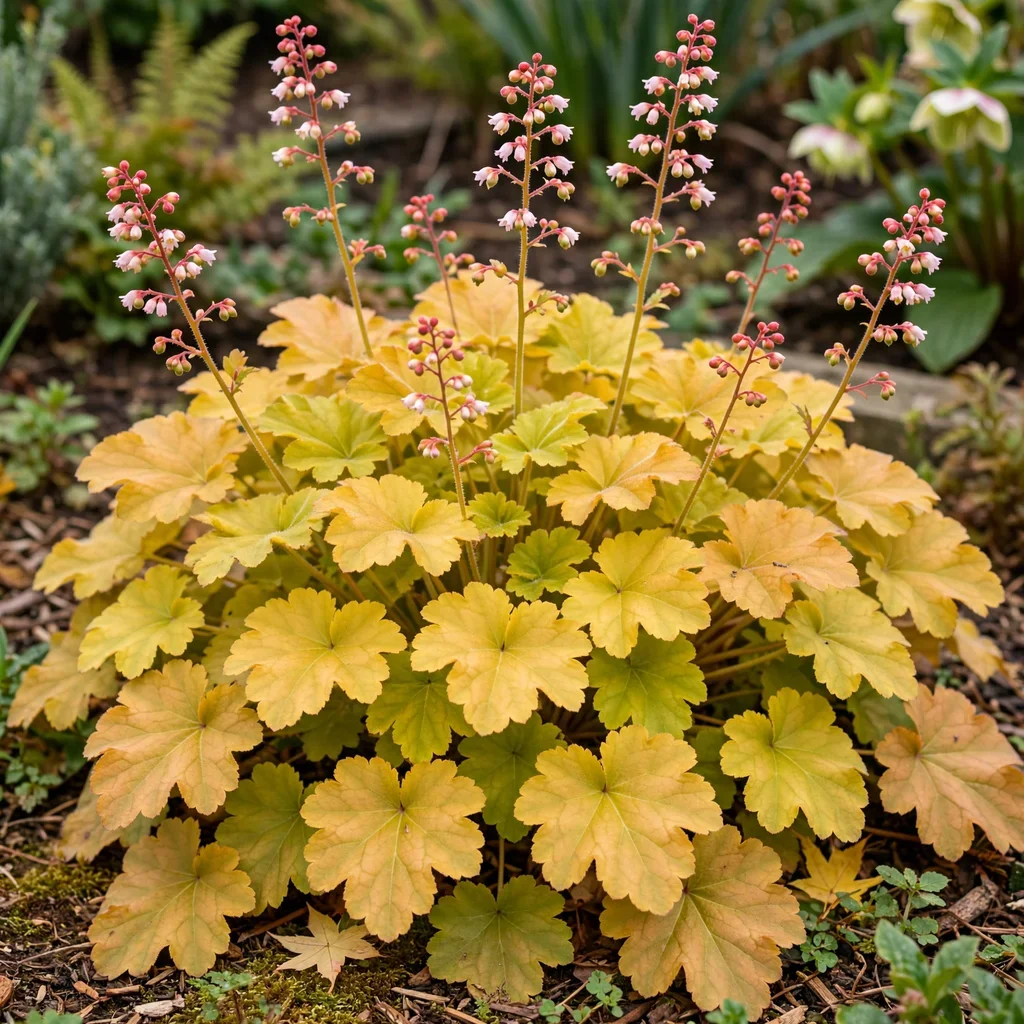
Caramel Coral Bells
Heuchera sanguinea 'Caramel'
Keep exploring
Explore the genus
Grow Marmalade Coral Bells with confidence
See it in a design of your actual yard, get zone-matched care reminders, and track it season by season in your garden journal.