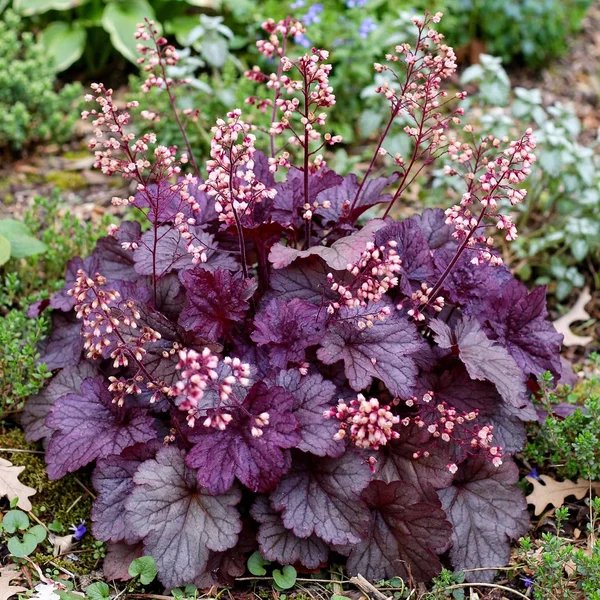
Garden hybrid
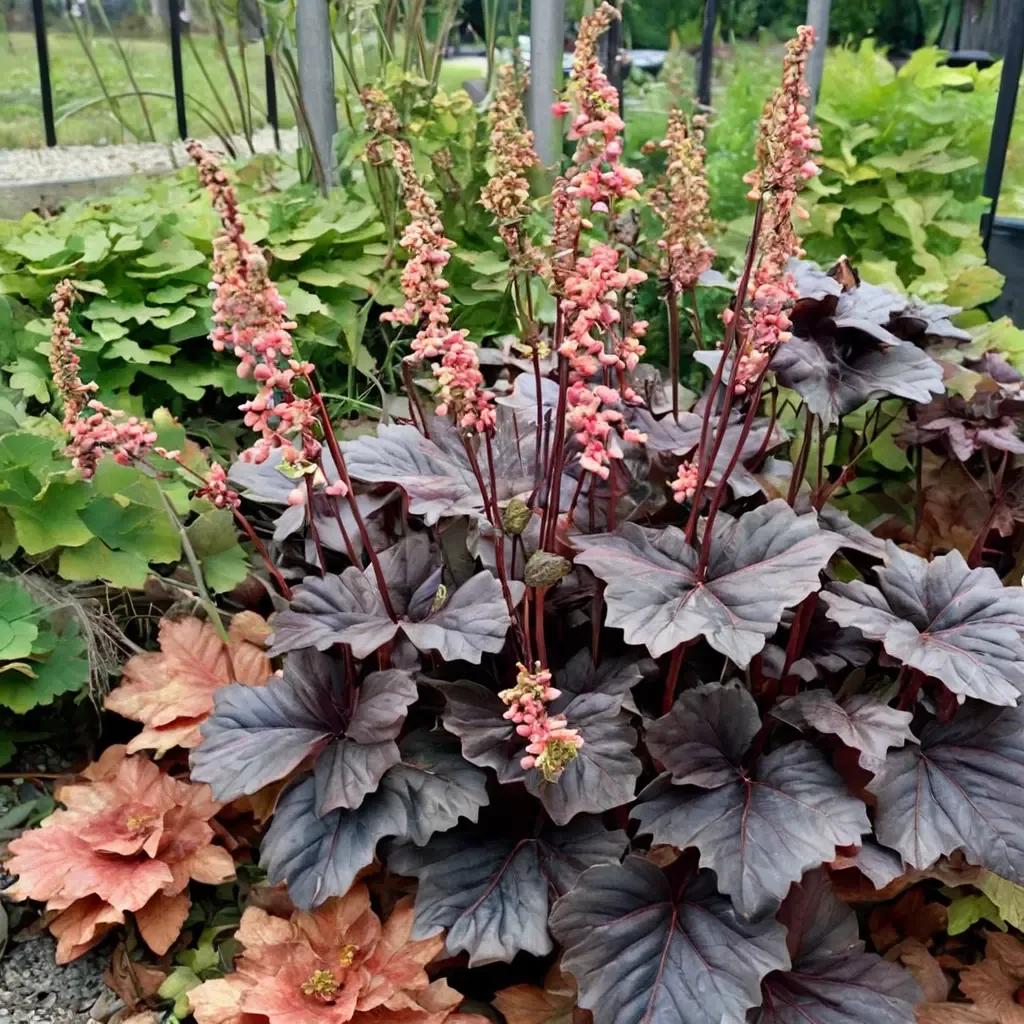
83 other cultivars
- ‘Wild Rose’Primo Wild Rose Coral Bells
- ‘Checkers’Checkers Coral Bells
- ‘Mix’Coral Bells Mix
- ‘Winter Red’Winter Red Heuchera
- ‘Smoke and Mirrors’Coral Bells Smoke and Mirrors
- ‘Purple Sails’Purple Sails Coral Bells
- ‘Timeless Glow’Timeless Glow Coral Bells
- ‘Plum Pudding’Plum Pudding Coral Bells
- ‘Firefly’Coral Bells 'Firefly'
- ‘Frosted Violet’Frosted Violet Coral Bells
- ‘Stainless Steel’Stainless Steel Coral Bells
- ‘Prince’Coral Bells Prince
- ‘Plum Royale’Plum Royale Coral Bells
- ‘Black Forest Cake’Black Forest Cake Coral Bells
- ‘Silver Shadows’Silver Shadows Coral Bells
- ‘Circus’Circus Coral Bells
- ‘Shanghai’Shanghai Coral Bells
- ‘Forever Purple’Forever Purple Heuchera
- ‘Amethyst’Amethyst Myst Coral Bells
- ‘Southern Comfort’Southern Comfort Coral Bells
- ‘Black Taffeta’Black Taffeta Coral Bells
- ‘Grape Soda’Grape Soda Coral Bell
- ‘Grande Black’'Grande Black' Coral Bells
- ‘Lace Ruffles’Coral Bells 'Lace Ruffles'
- ‘Carousel’Heuchera Carousel
- ‘Cascade Dawn’Cascade Dawn Coral Bells
- ‘Tnheufr’Tnheufr Coral Bells
- ‘Grape Timeless’Grape Timeless Coral Bells
- ‘Sugar Berry’Heuchera Sugar Berry
- ‘Strawberry Candy’Strawberry Candy Heuchera
- ‘Pewter Moon’Pewter Moon Heuchera
- ‘Peach Flambe’Heuchera Peach Flambe
- ‘Petite Pearl Fairy’Heuchera Petite Pearl Fairy
- ‘Regal Robe’Coral Bells Regal Robe
- ‘Crimson Curls’Crimson Curls Coral Bells
- ‘Carnival Cinnamon Stick’Carnival Cinnamon Stick Heuchera
- ‘Peachberry Ice’Peachberry Ice Coral Bells
- ‘Shimmer’Heuchera Shimmer
- ‘Stormy Seas’Heuchera Stormy Seas
- ‘Twist of Lime’Coral Bells 'Twist of Lime'
- ‘Sweet Tart’Coral Bells Sweet Tart
- ‘Marmalade’Marmalade Coral Bells
- ‘Vesuvius’Heuchera Vesuvius
- ‘Lava Lamp’Heuchera Lava Lamp
- ‘Mint Frost’Mint Frost Heuchera
- ‘Chocolate Ruffles’Chocolate Ruffles Coral Bell
- ‘Black Beauty’Black Beauty Coral Bells
- ‘Chocolate Veil’Coral Bells Chocolate Veil
- ‘Paprika’Paprika Coral Bells
- ‘Prince of Silver’Prince of Silver Heuchera
- ‘Regina’Coral Bells Regina
- ‘Velvet Knight’Velvet Night Coral Bells
- ‘Rosamund’Heuchera Rosamund Coral Bells
- ‘Starry Night’Starry Night Coral Bells
- ‘Tokyo’Tokyo Coral Bells
- ‘Lime Rickey’Lime Rickey Coral Bells
- ‘Peach Smoothie’Heuchera Peach Smoothie
- ‘Northern Exposure Red’Northern Exposure Red Coral Bell
- ‘Peacock Feathers’Heuchera Peacock Feathers
- ‘Pistachio Ambrosia’Heuchera Pistachio Ambrosia
- ‘Cathedral Windows’Coral Bells Cathedral Windows
- ‘Snow Angel’Heuchera Snow Angel
- ‘Cherries Jubilee’Coral Bells Cherries Jubilee
- ‘Blondie’Blondie Coral Bell
- ‘Cajun Fire’Heuchera Cajun Fire
- ‘Purple Petticoats’Heuchera Purple Petticoats
- ‘Palace Passion’Coral Bells Palace Passion
- ‘Raspberry Ice’Heuchera Raspberry Ice
- ‘Ruby Ruffles’Heuchera Ruby Ruffles
- ‘Brownies’Heuchera Brownies
- ‘Ruby Veil’Heuchera Ruby Veil
- ‘Berry Marmalade’Berry Marmalade Coral Bells
- ‘Pewter Veil’Heuchera Pewter Veil
- ‘Tnheufp’Primo Peachberry Ice Coral Bells
- ‘Apple Twist’Heuchera 'Apple Twist'
- ‘Spearmint’Spearmint Coral Bells
- ‘Carnival Rose Granita’Carnival Rose Granita Coral Bells
- ‘Electric Lime’Electric Lime Coral Bells
- ‘Pistache’Pistache Coral Bells
- ‘Carnival Peach Parfait’Carnival Peach Parfait Coral Bells
- ‘Northern Exposure Lime’Northern Exposure Lime Coral Bells
- ‘Montrose Ruby’Montrose Ruby Coral Bells
- ‘Mahogany Monster’Mahogany Heuchera



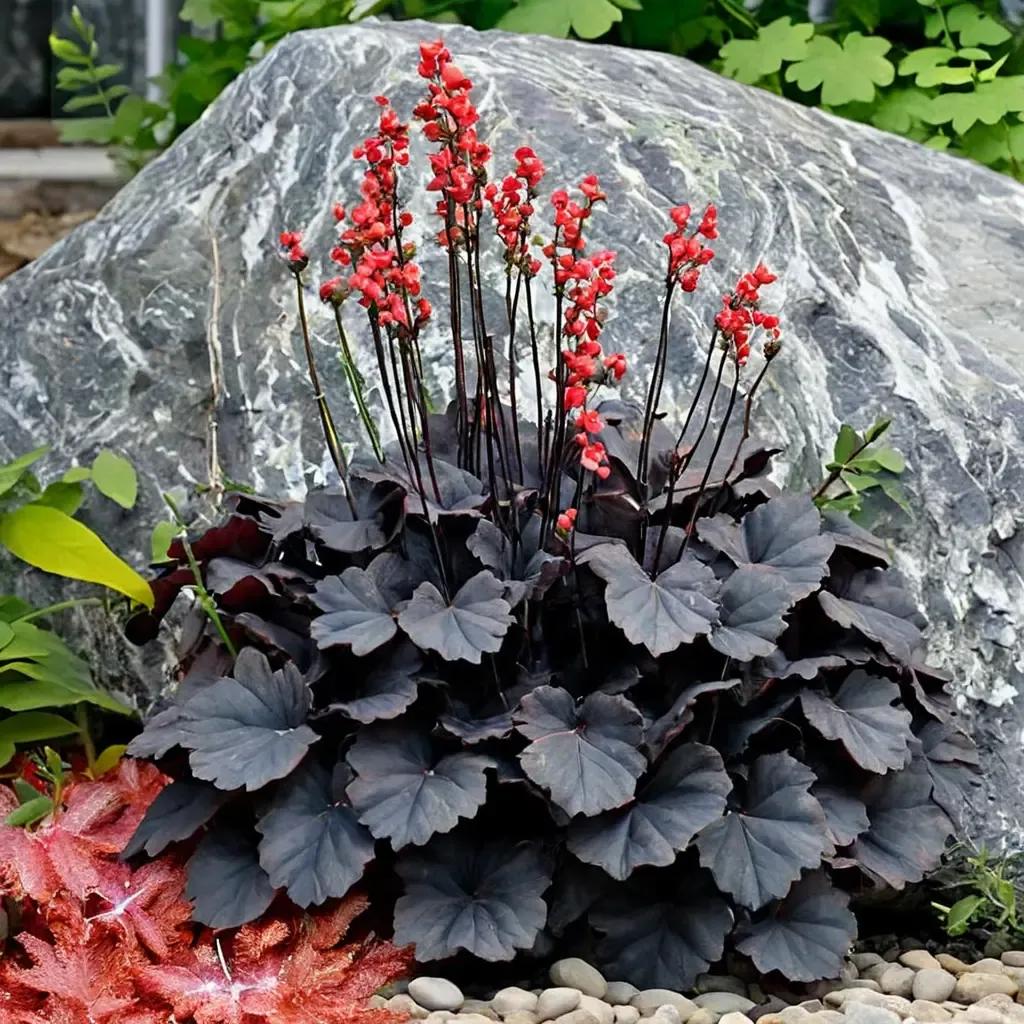
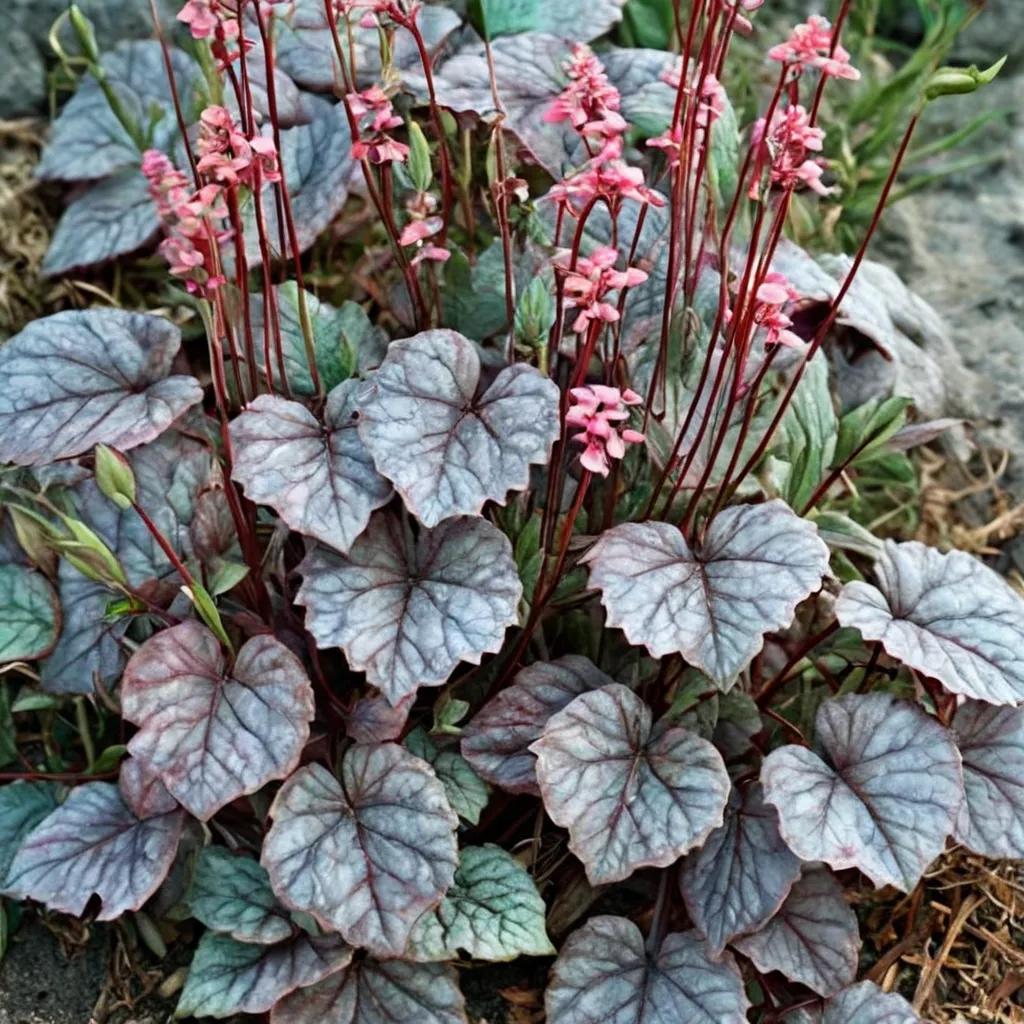
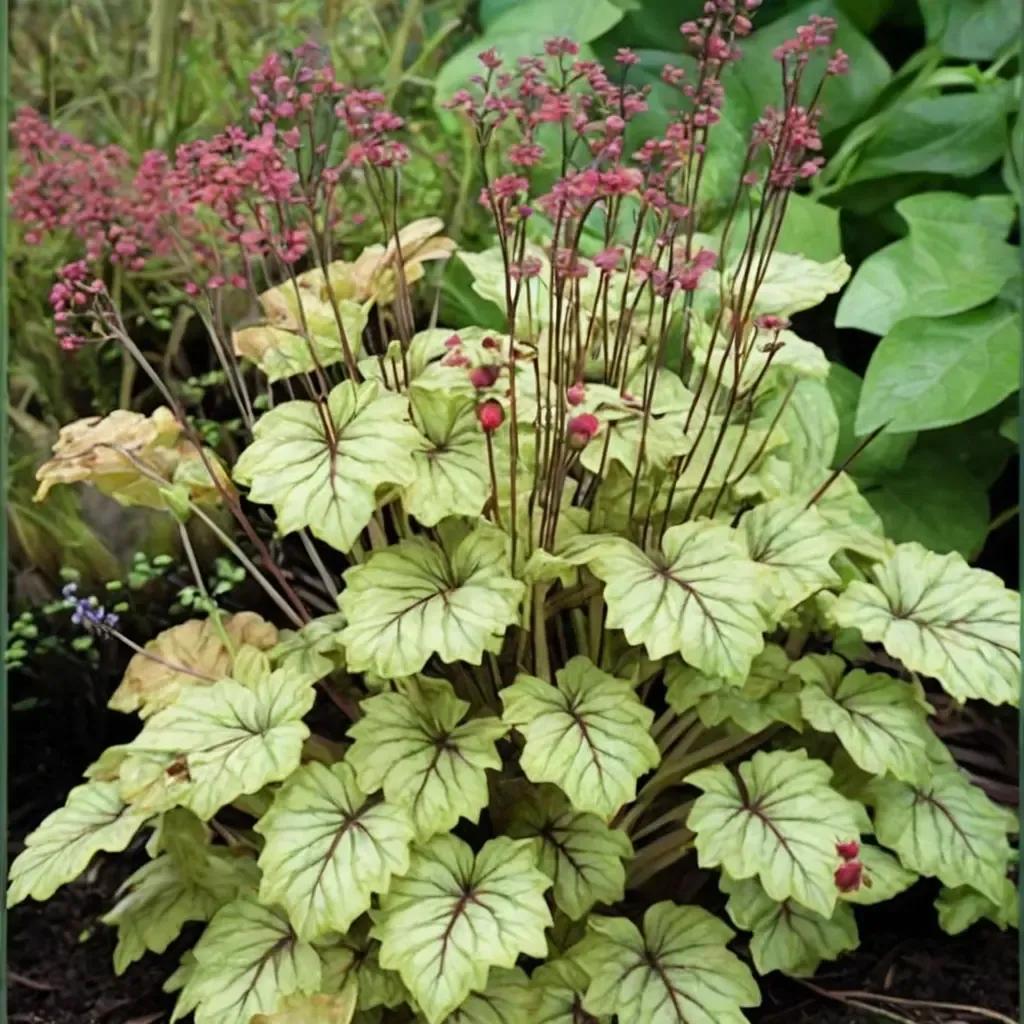
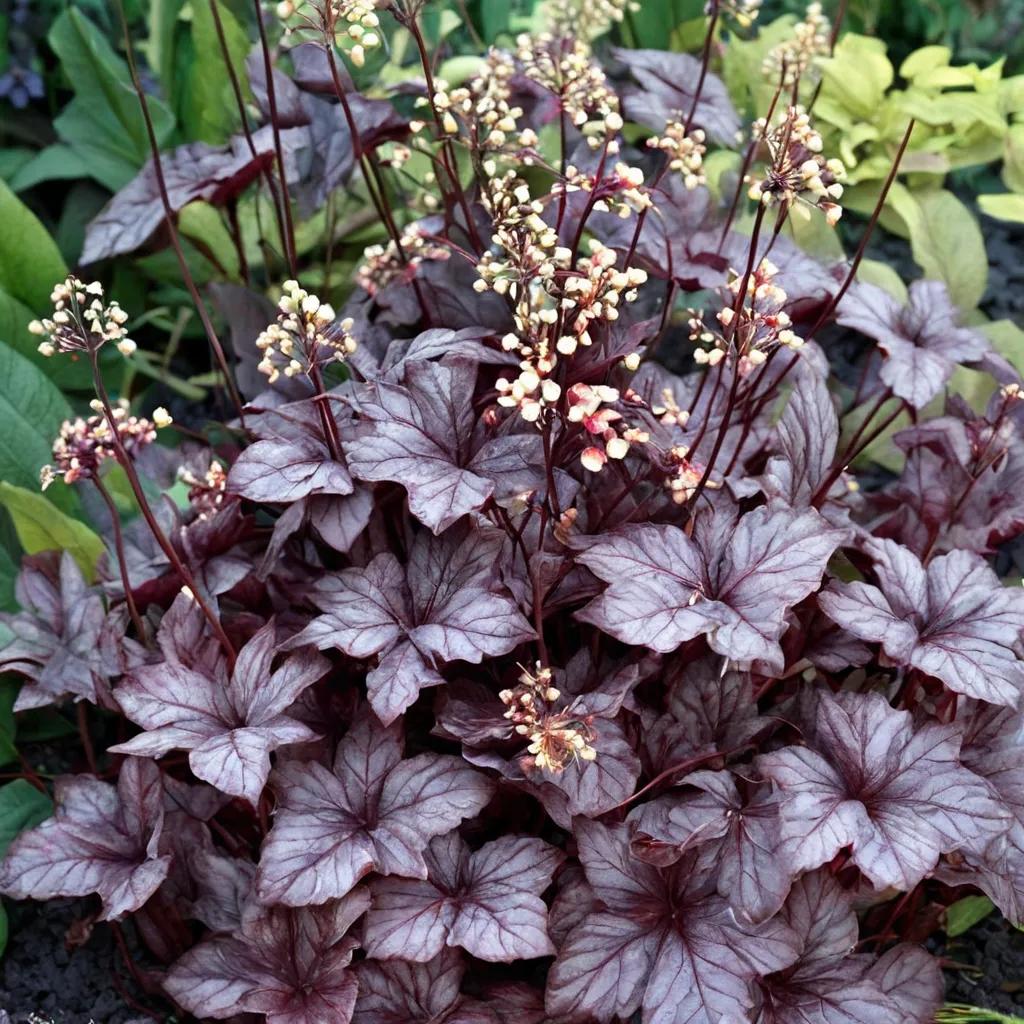

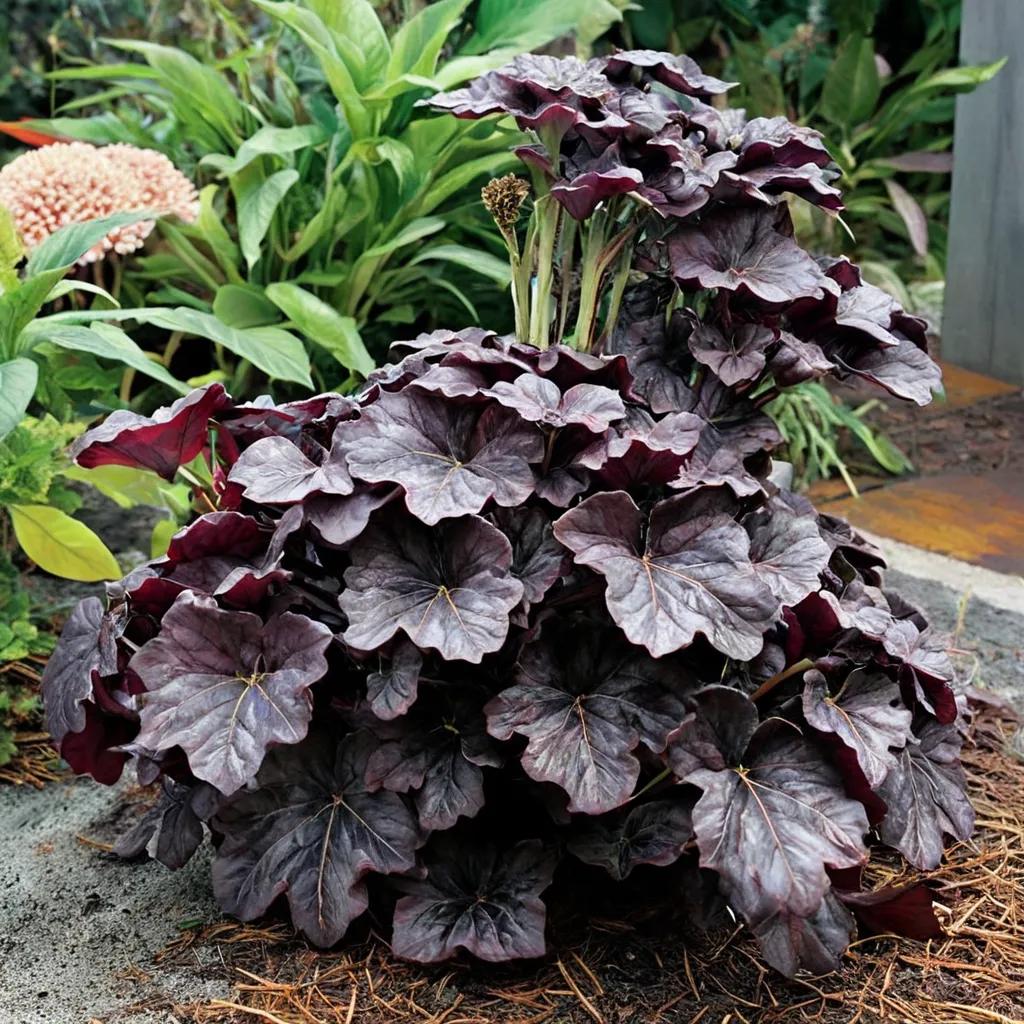
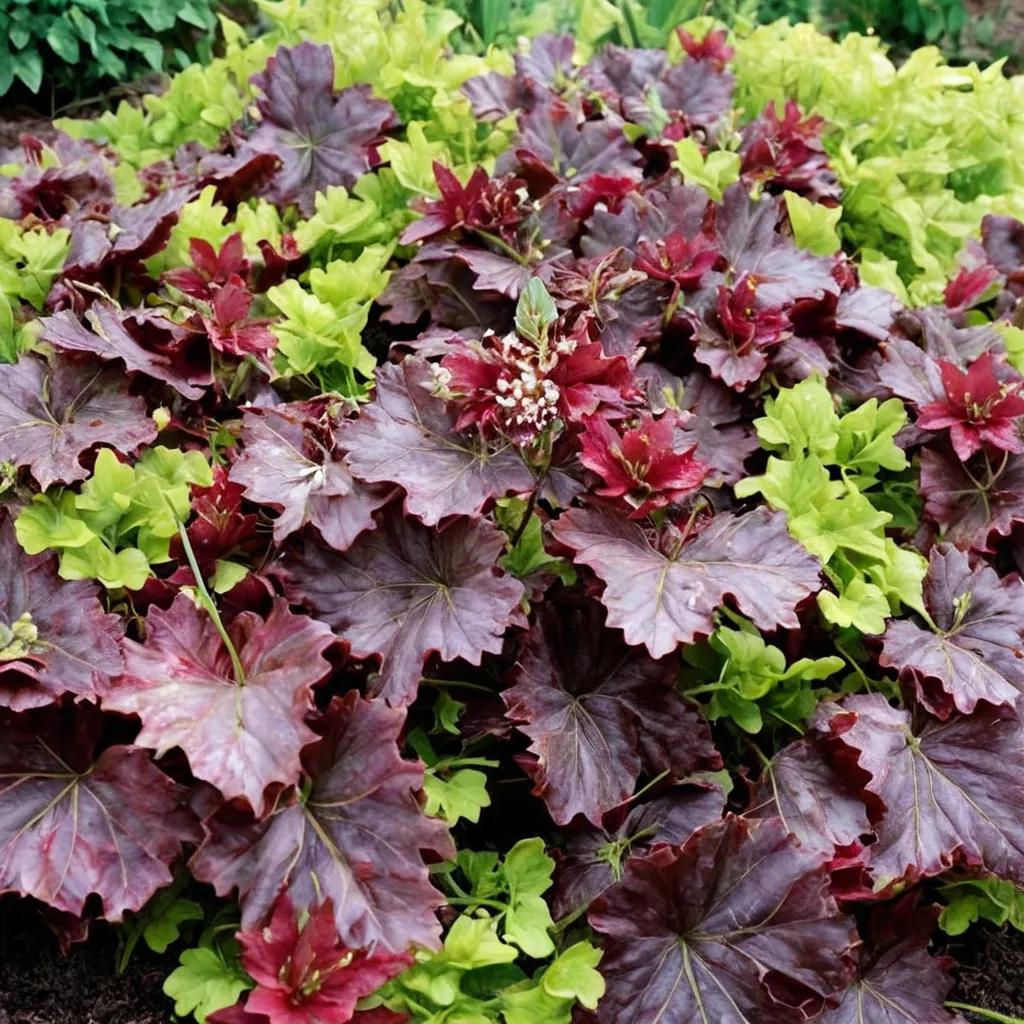
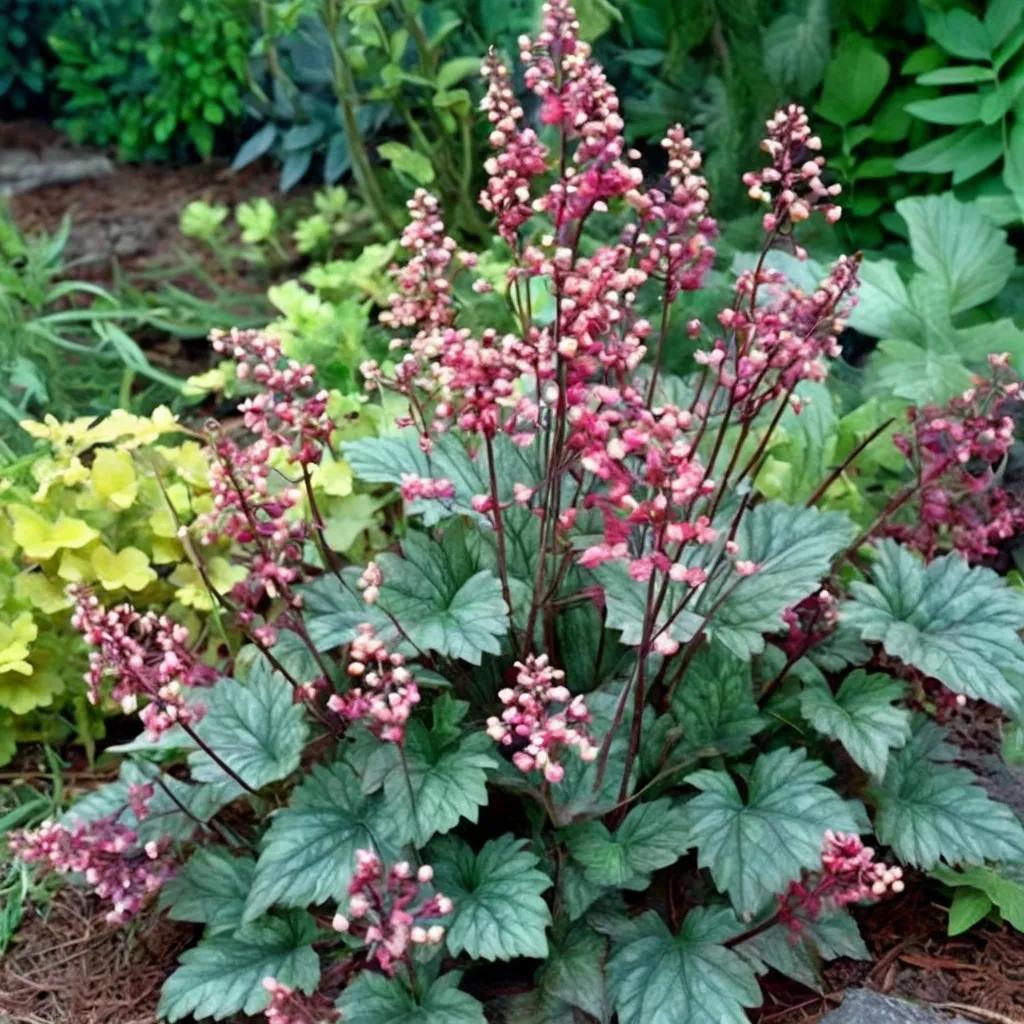
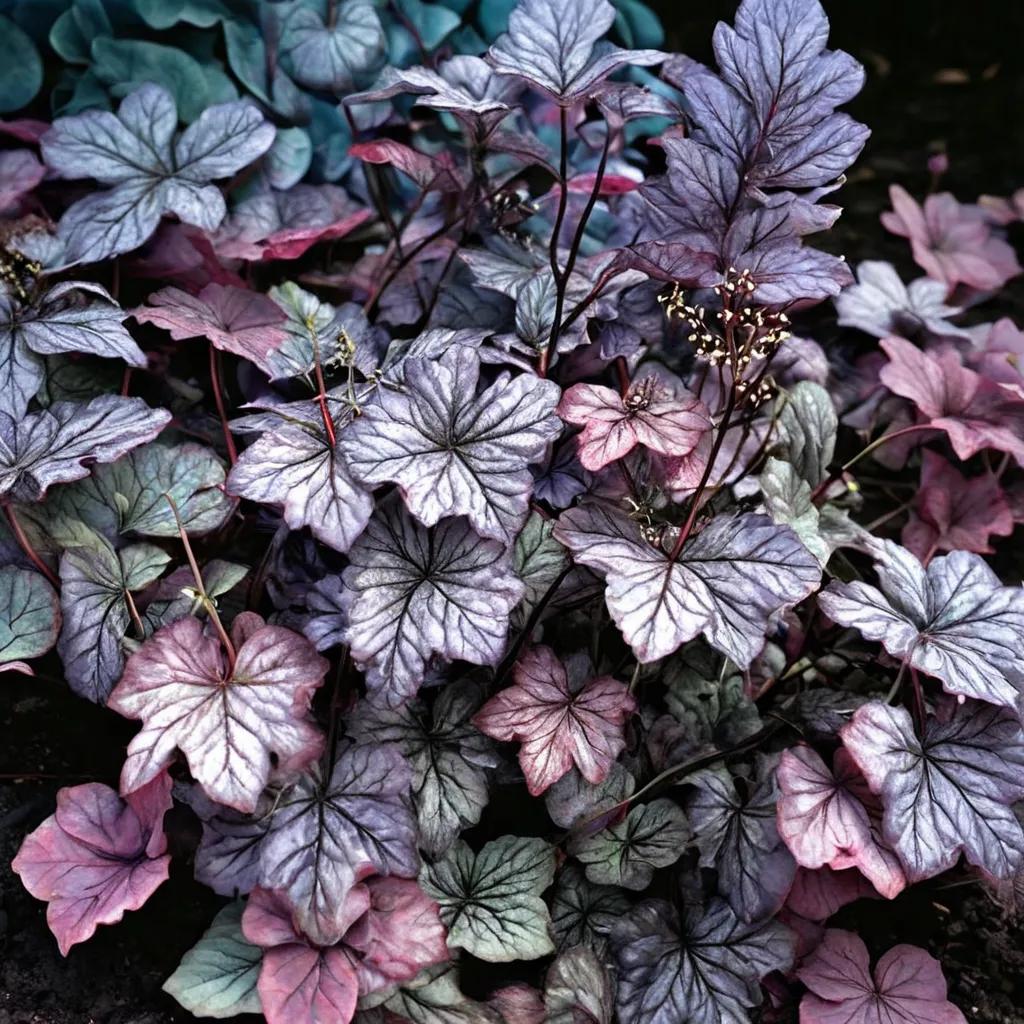








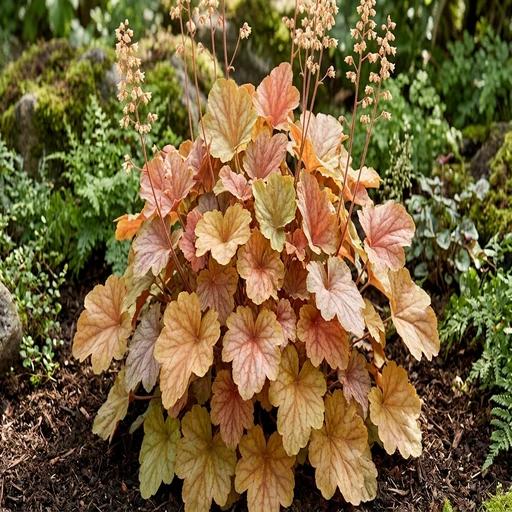

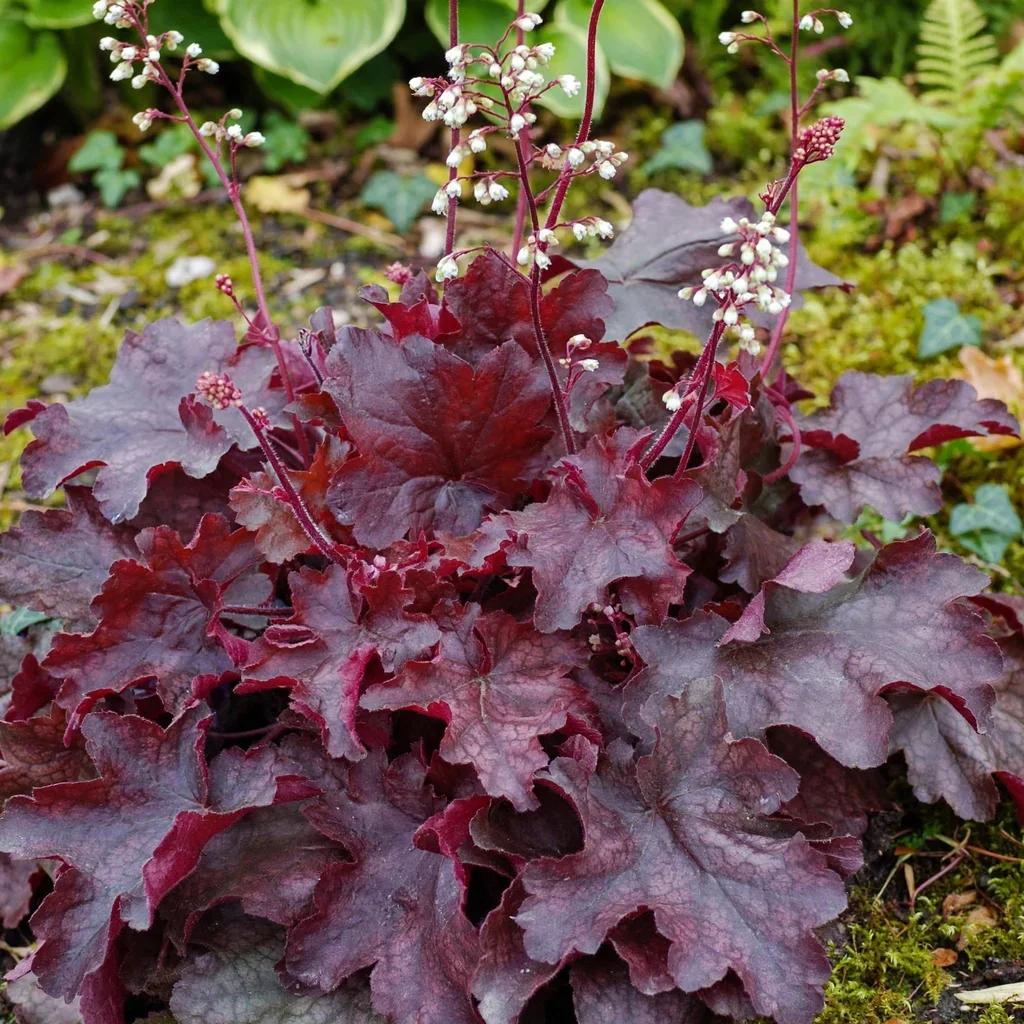
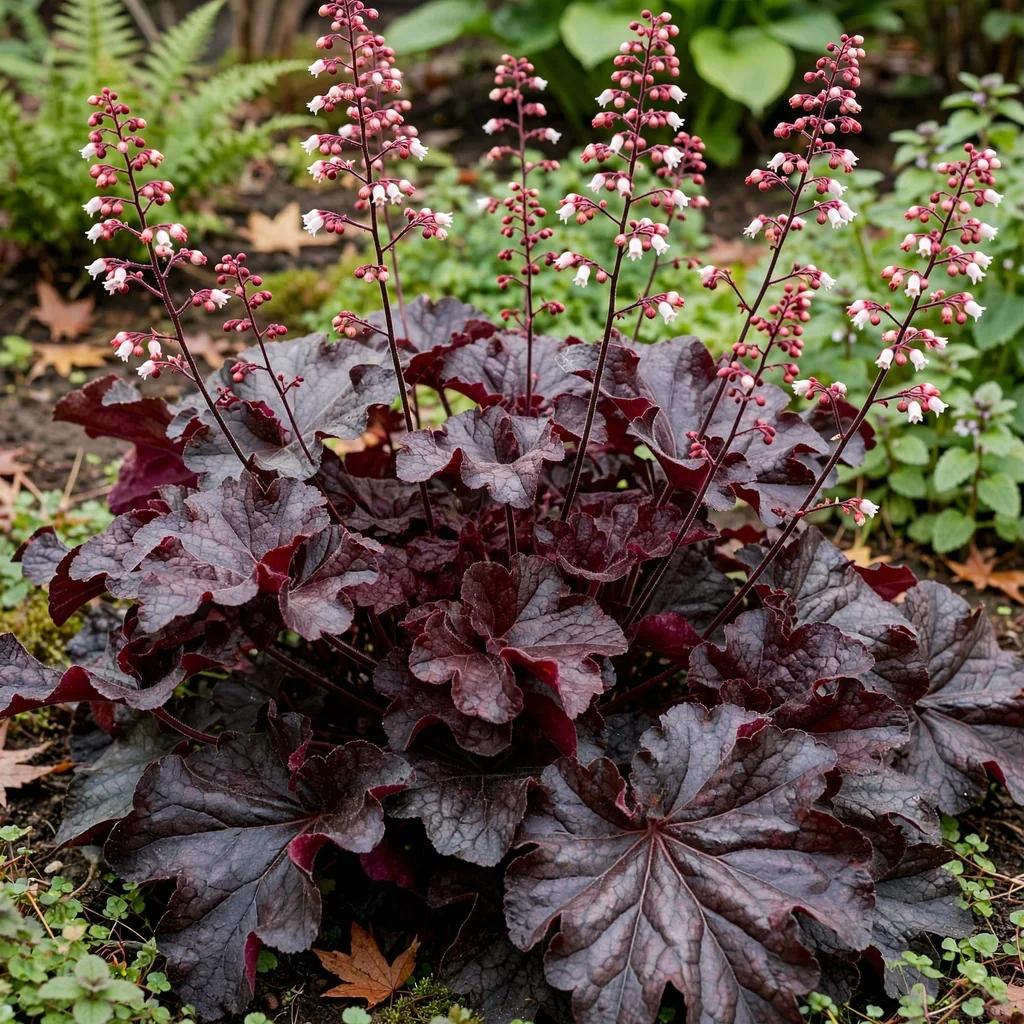
The Story
Plant Bio
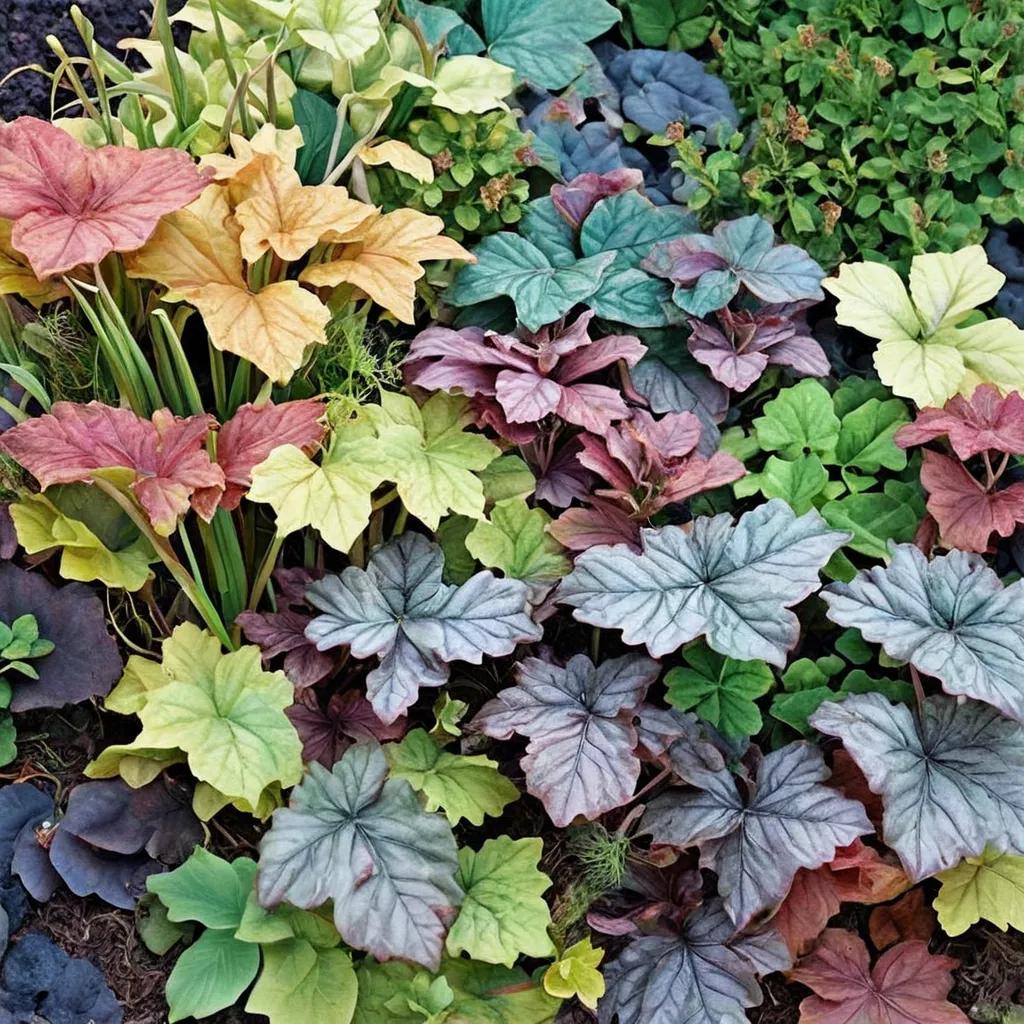
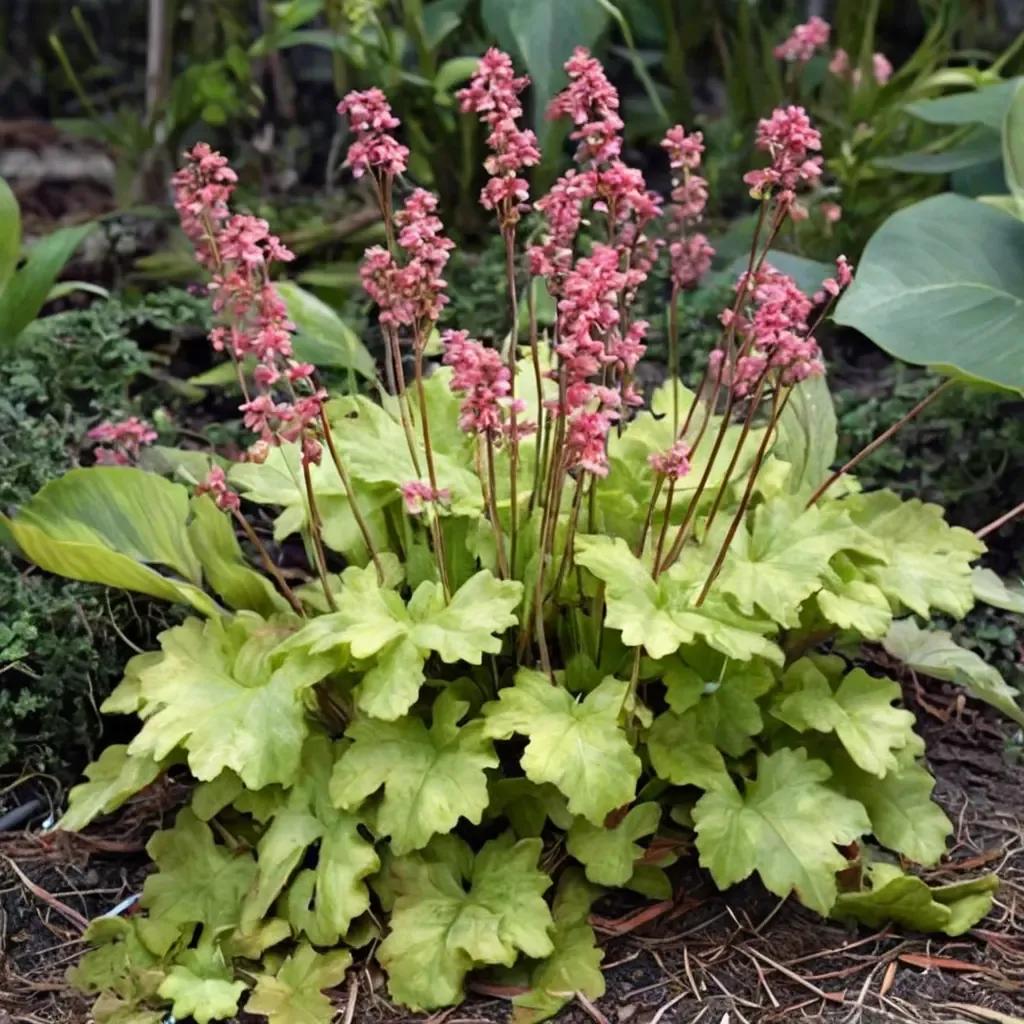
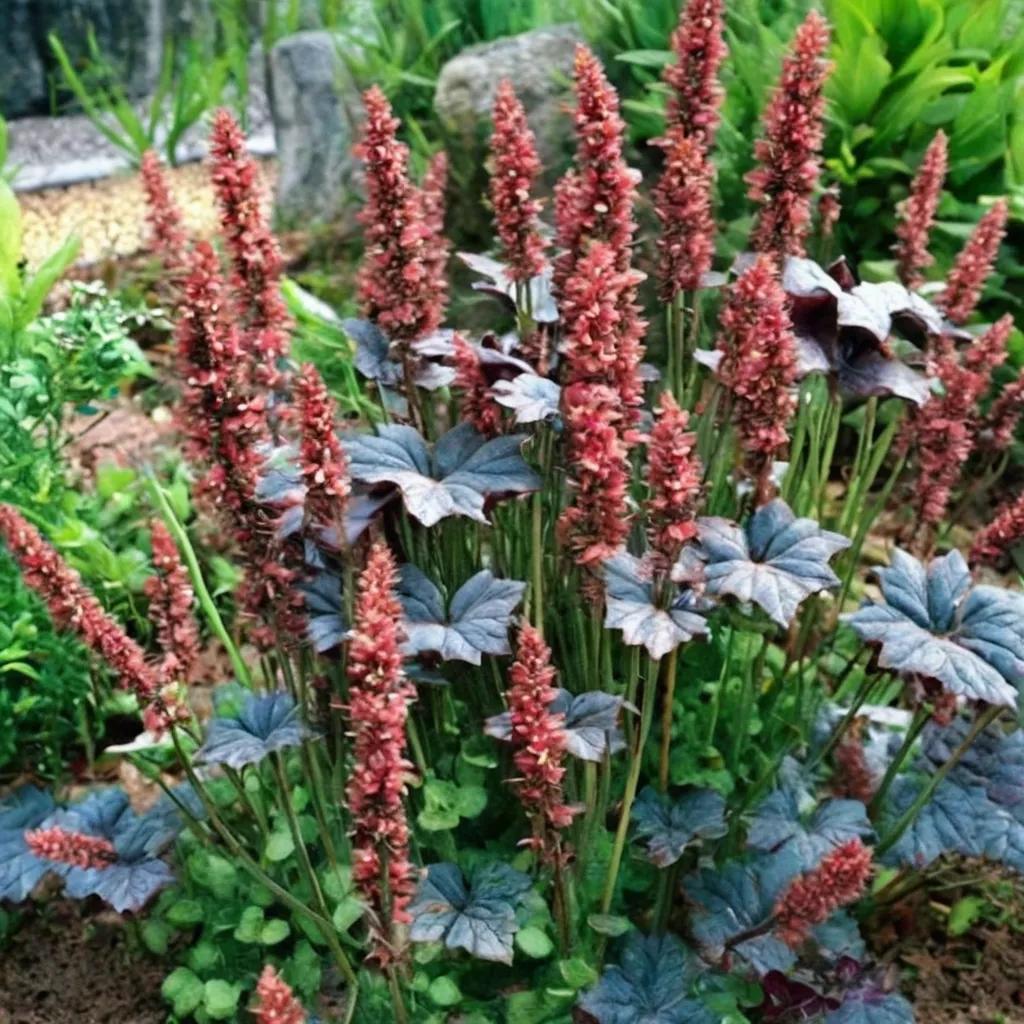
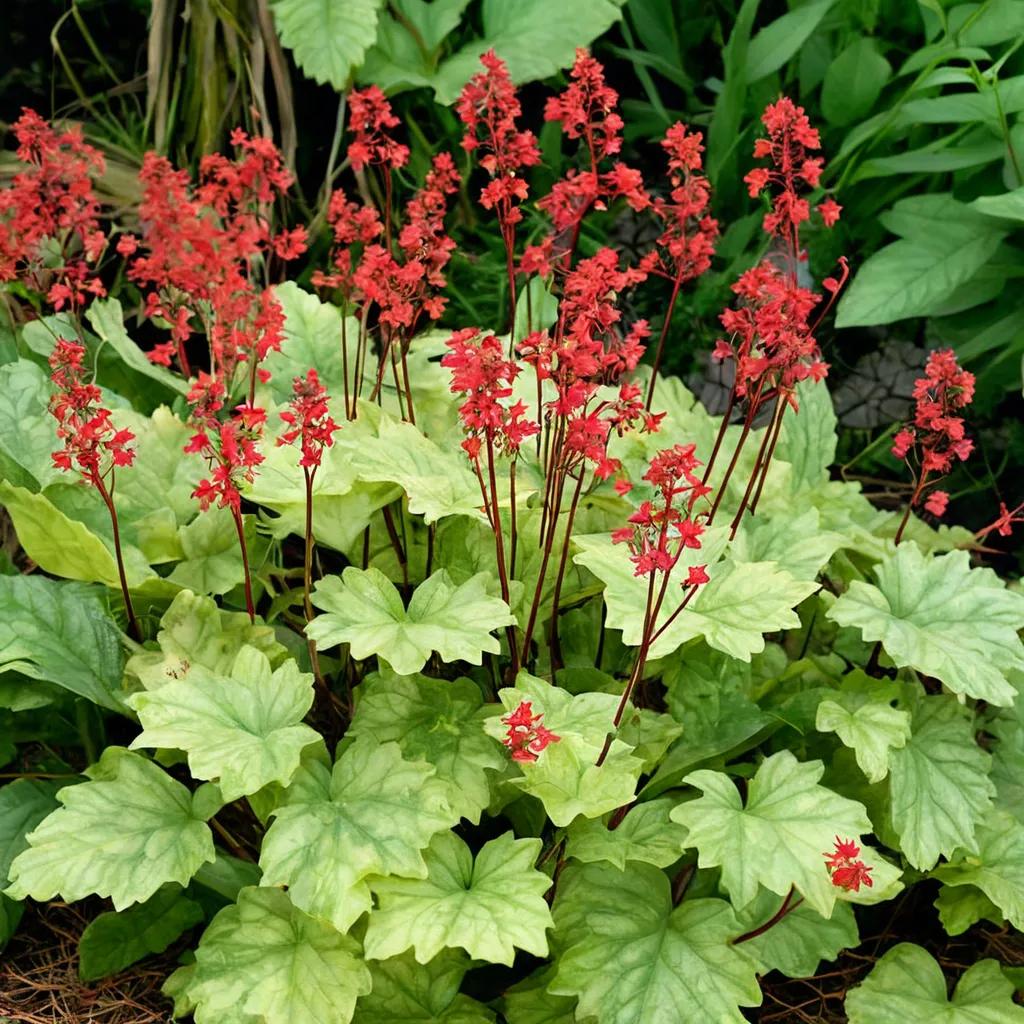
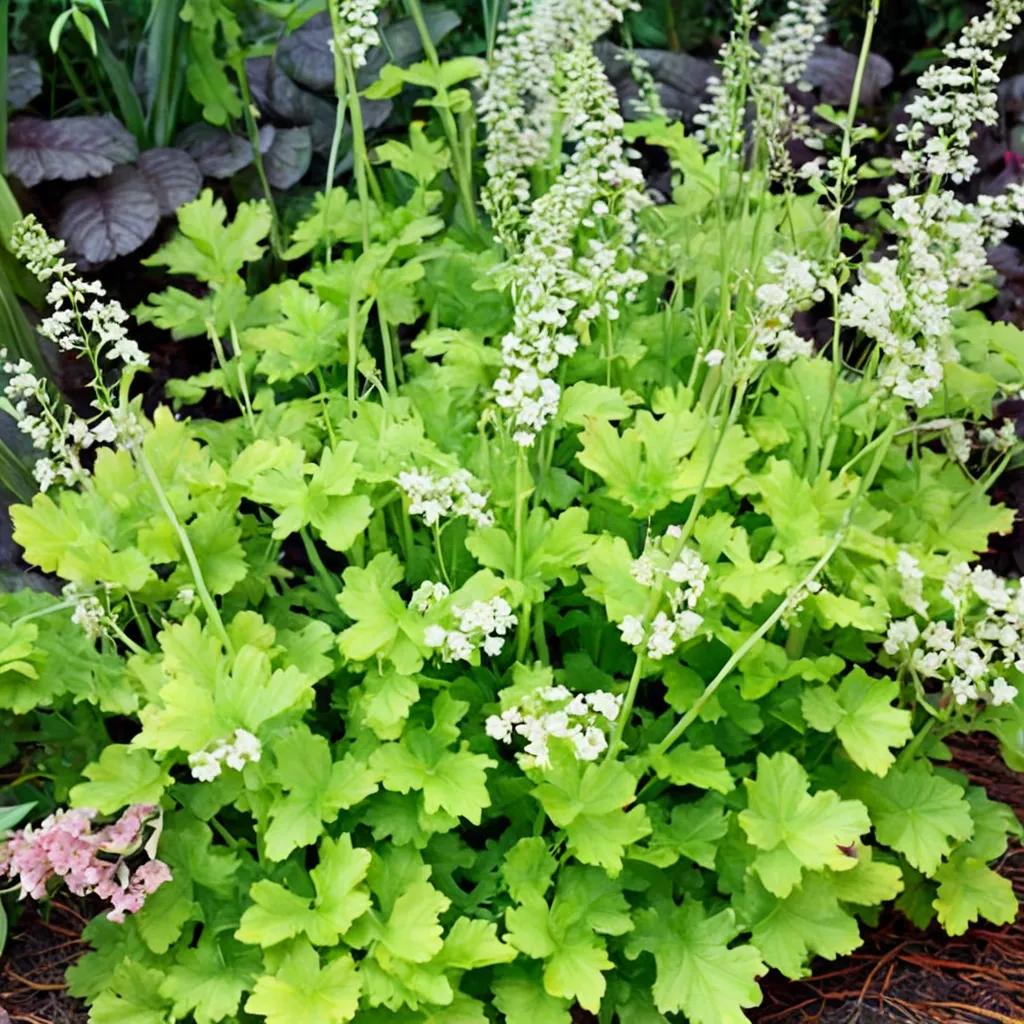
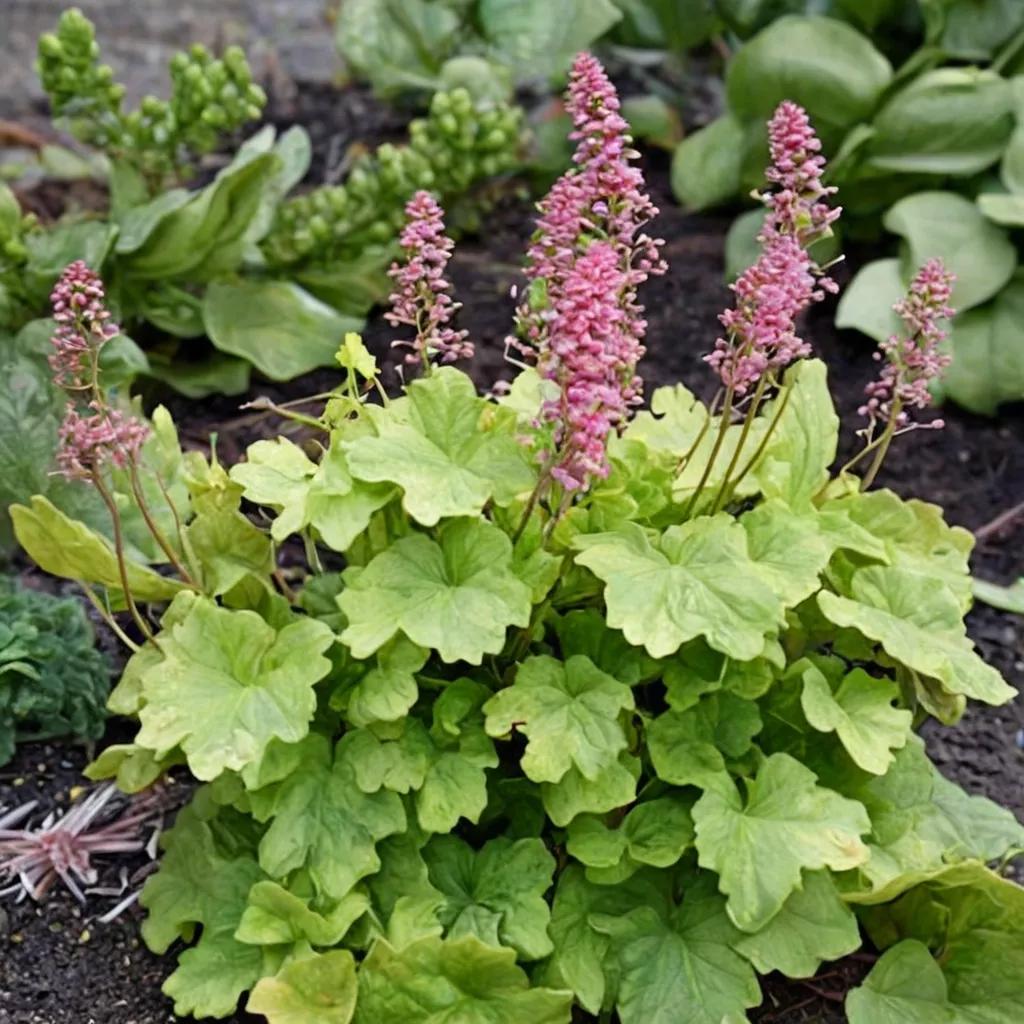
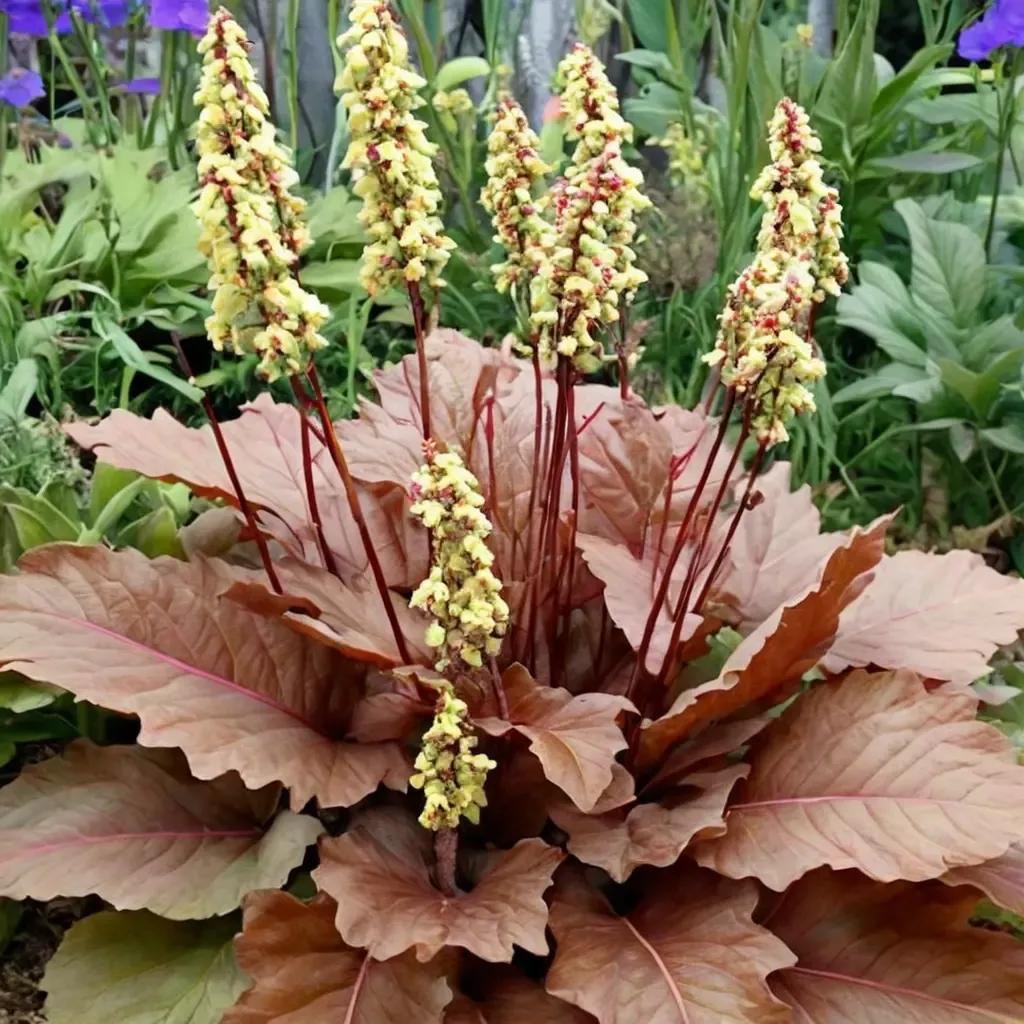
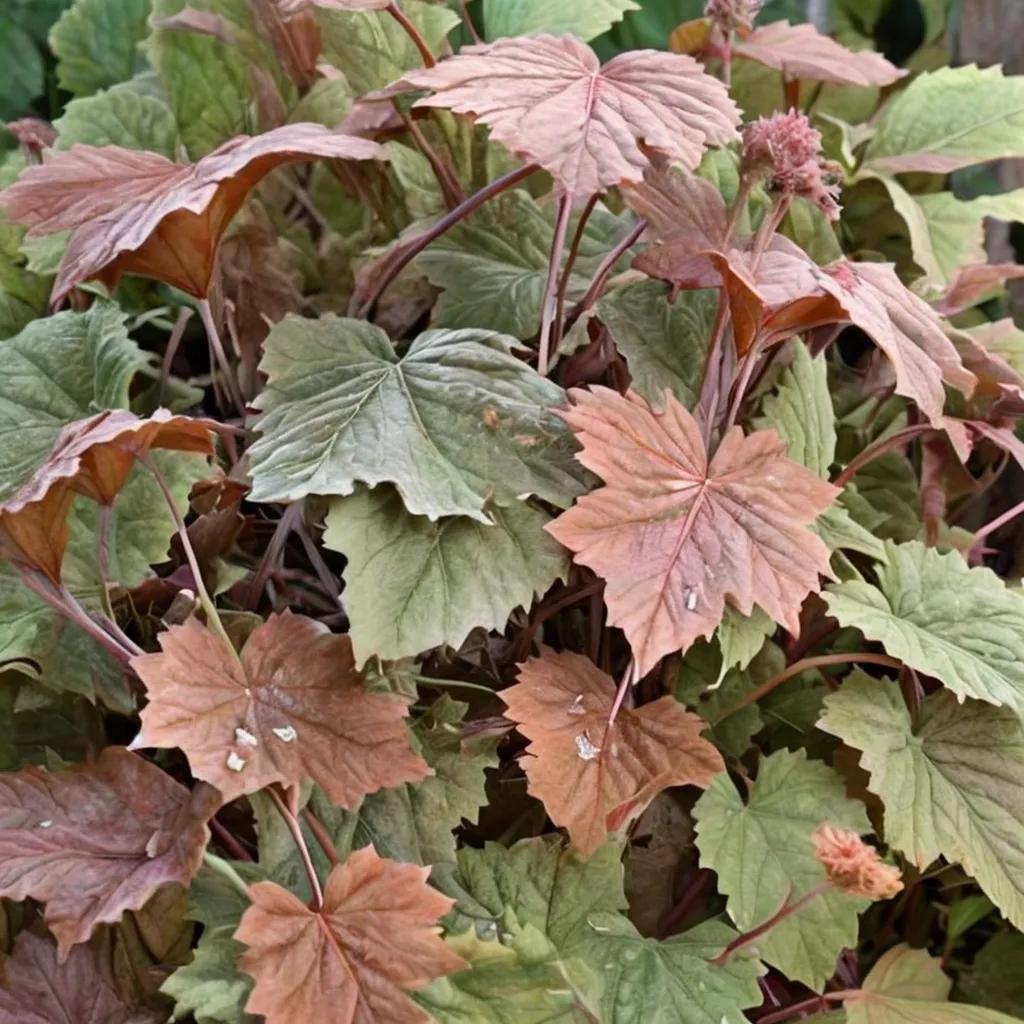
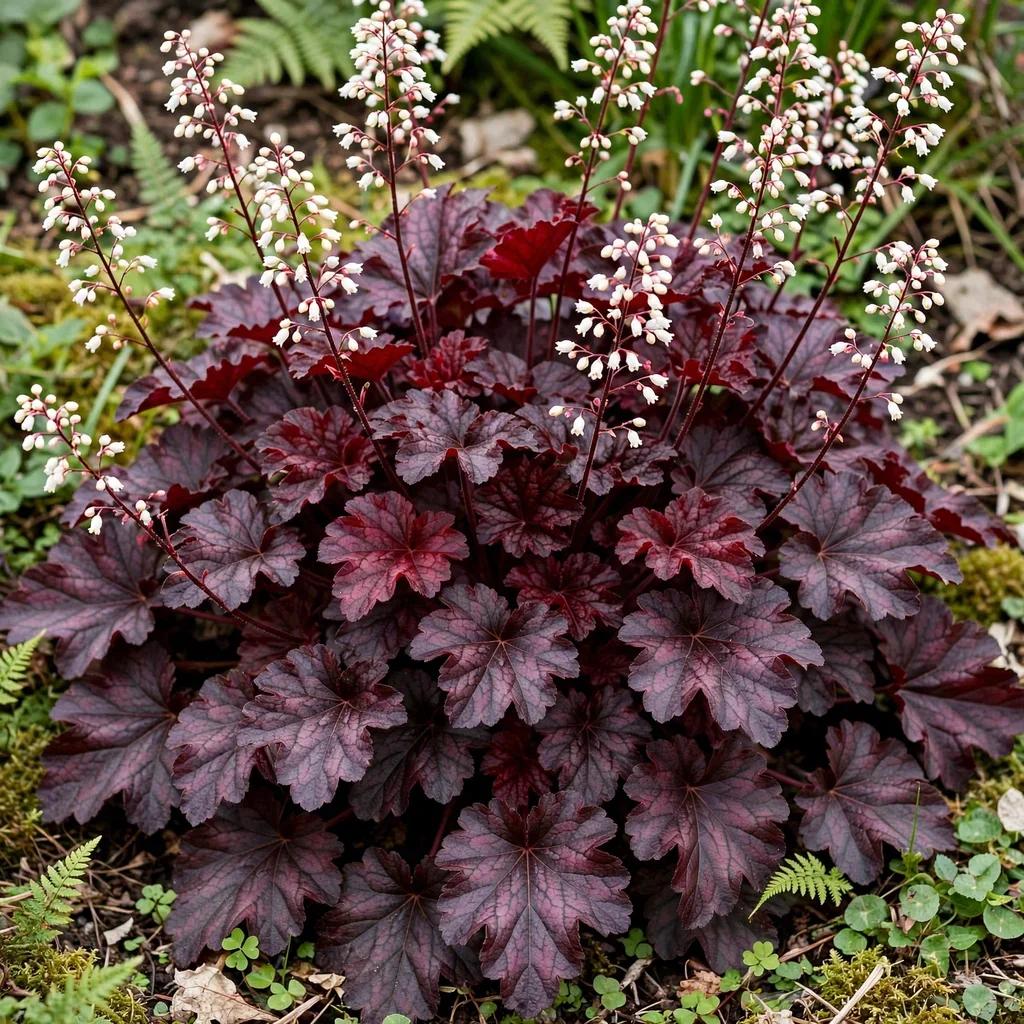
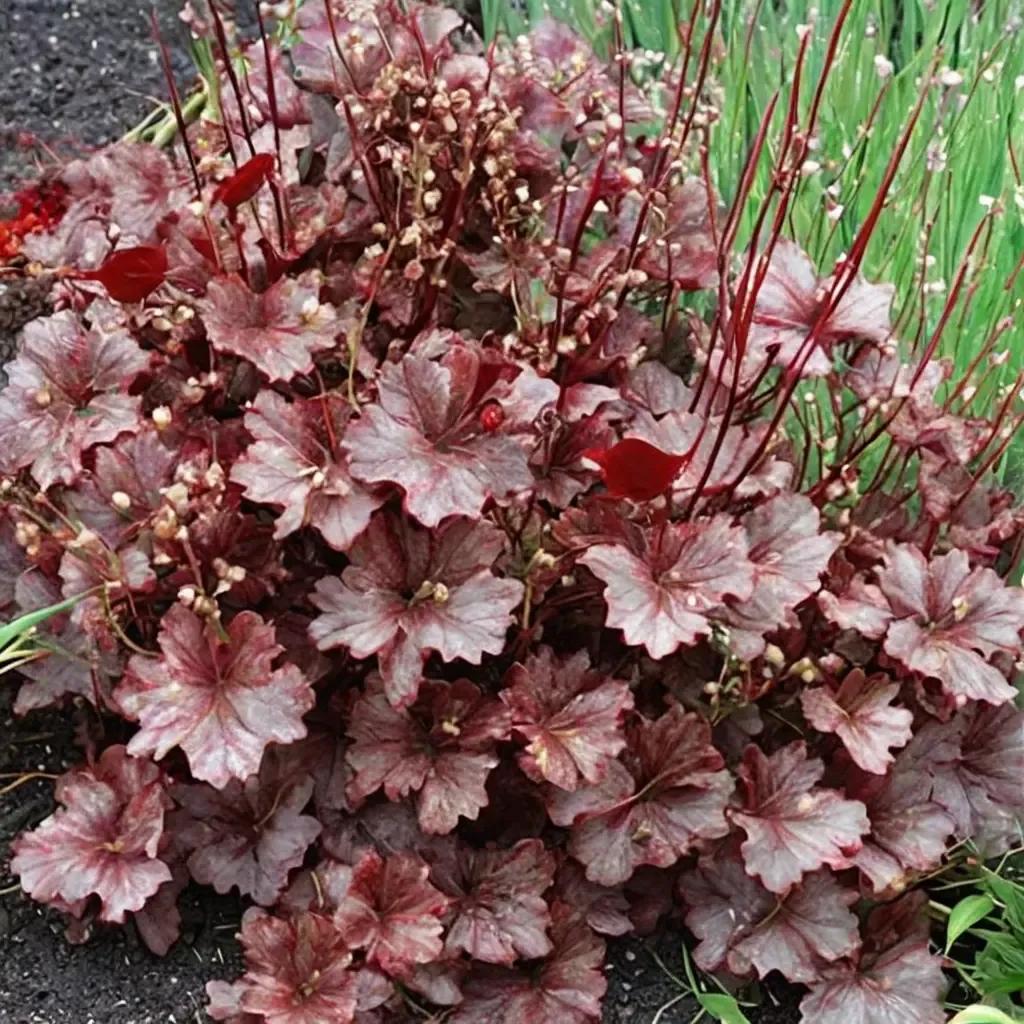
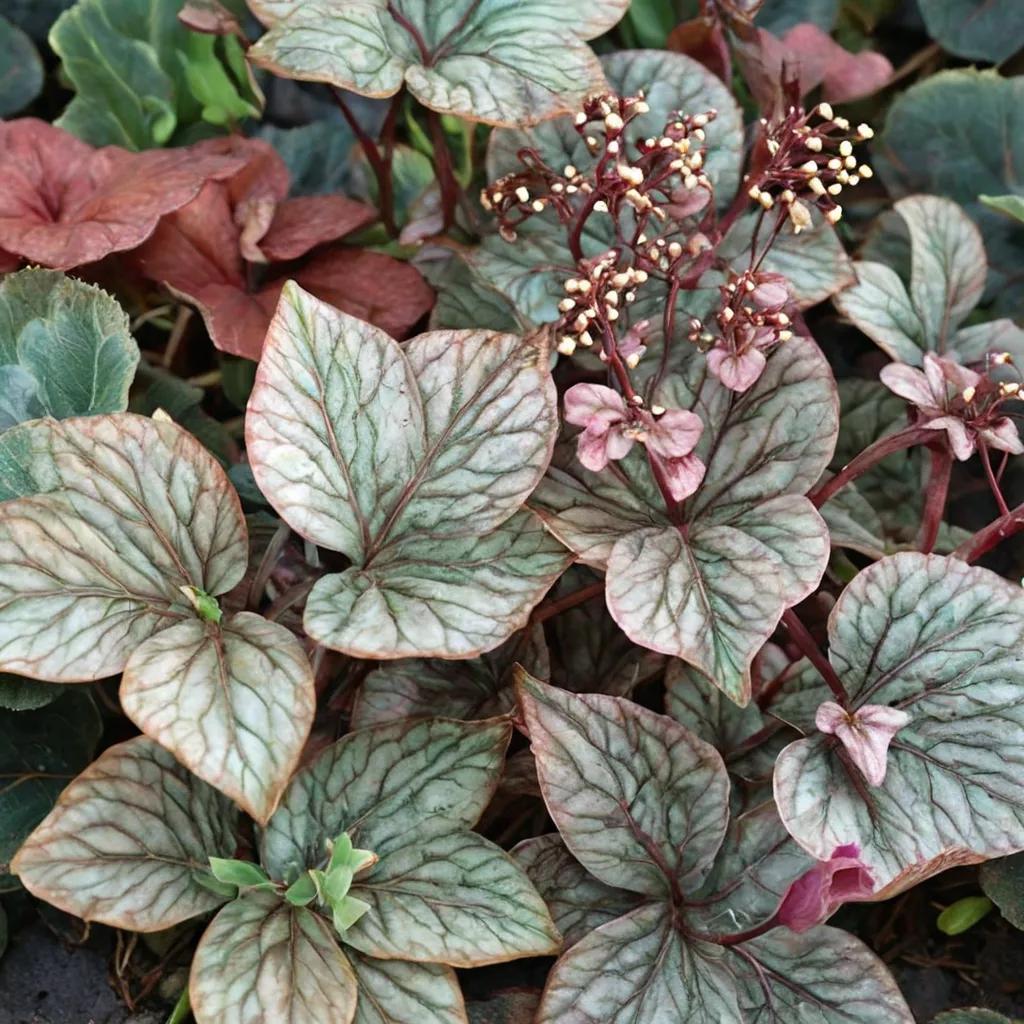
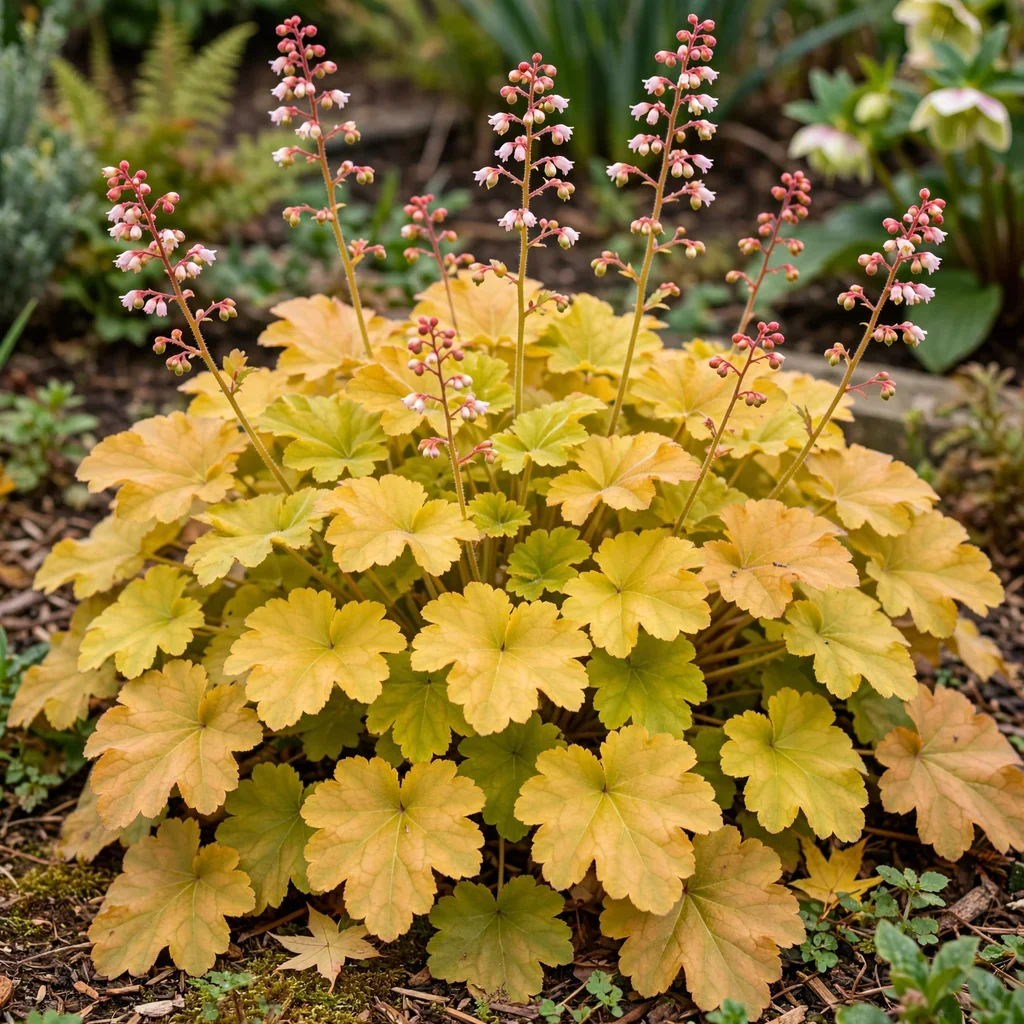
Heuchera is a genus of mounding, semi-evergreen to evergreen perennials native to the woodlands of North America. These plants are grown primarily for their dense, rounded clumps of lobed foliage and slender, upright panicles of small, bell-shaped flowers.
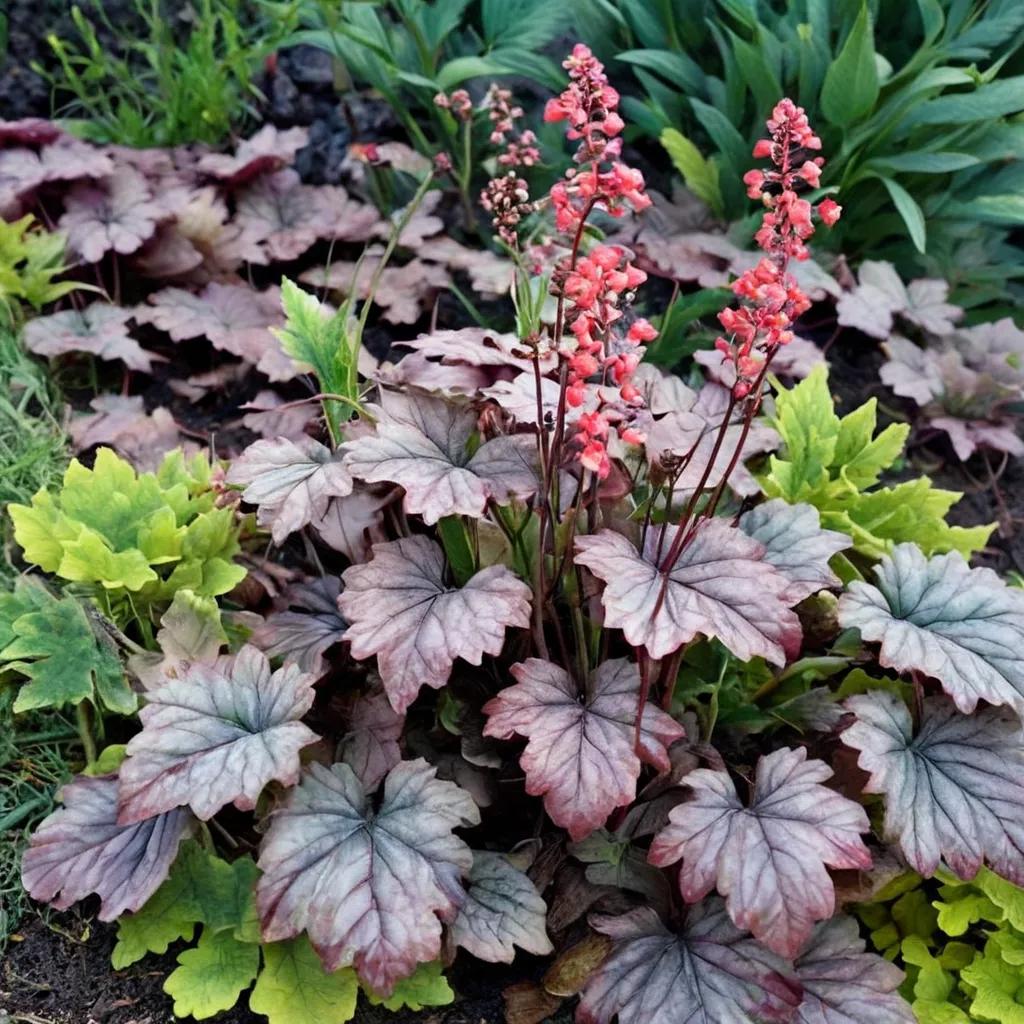
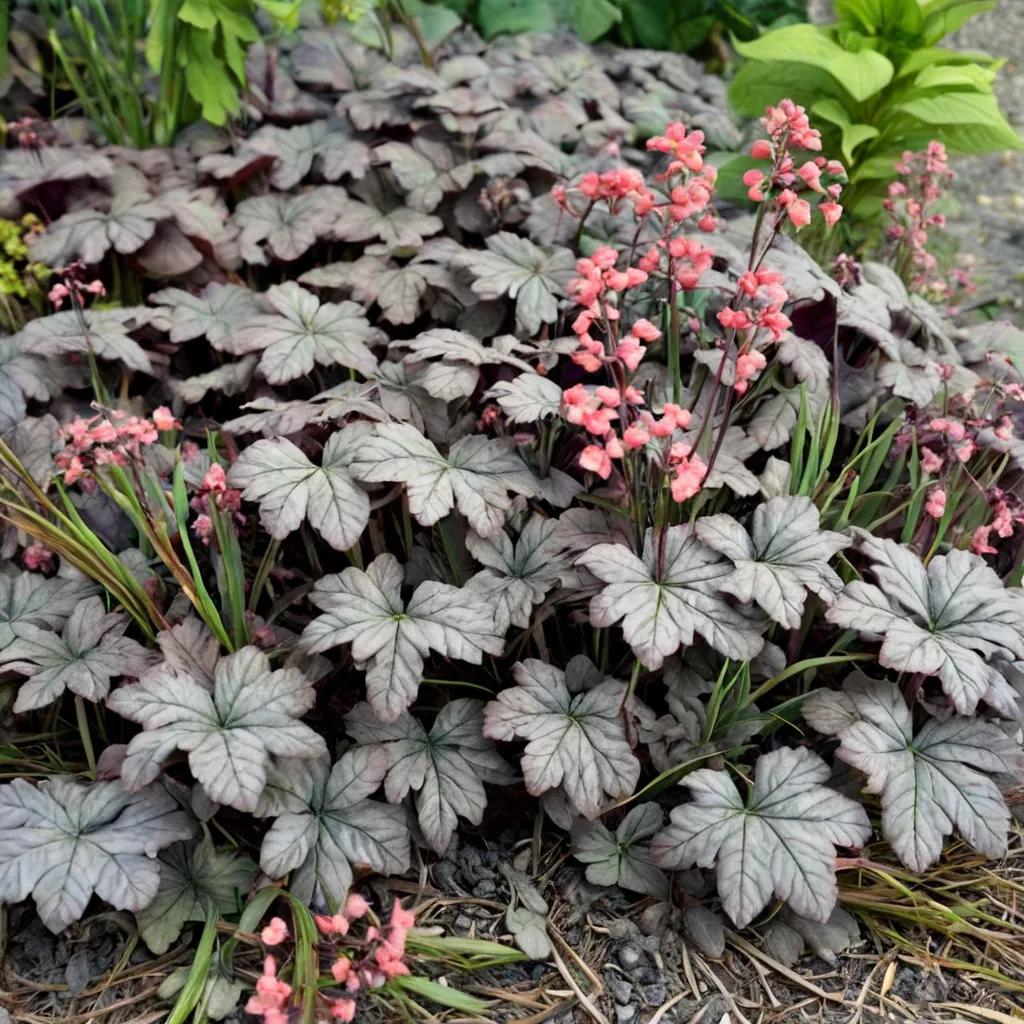
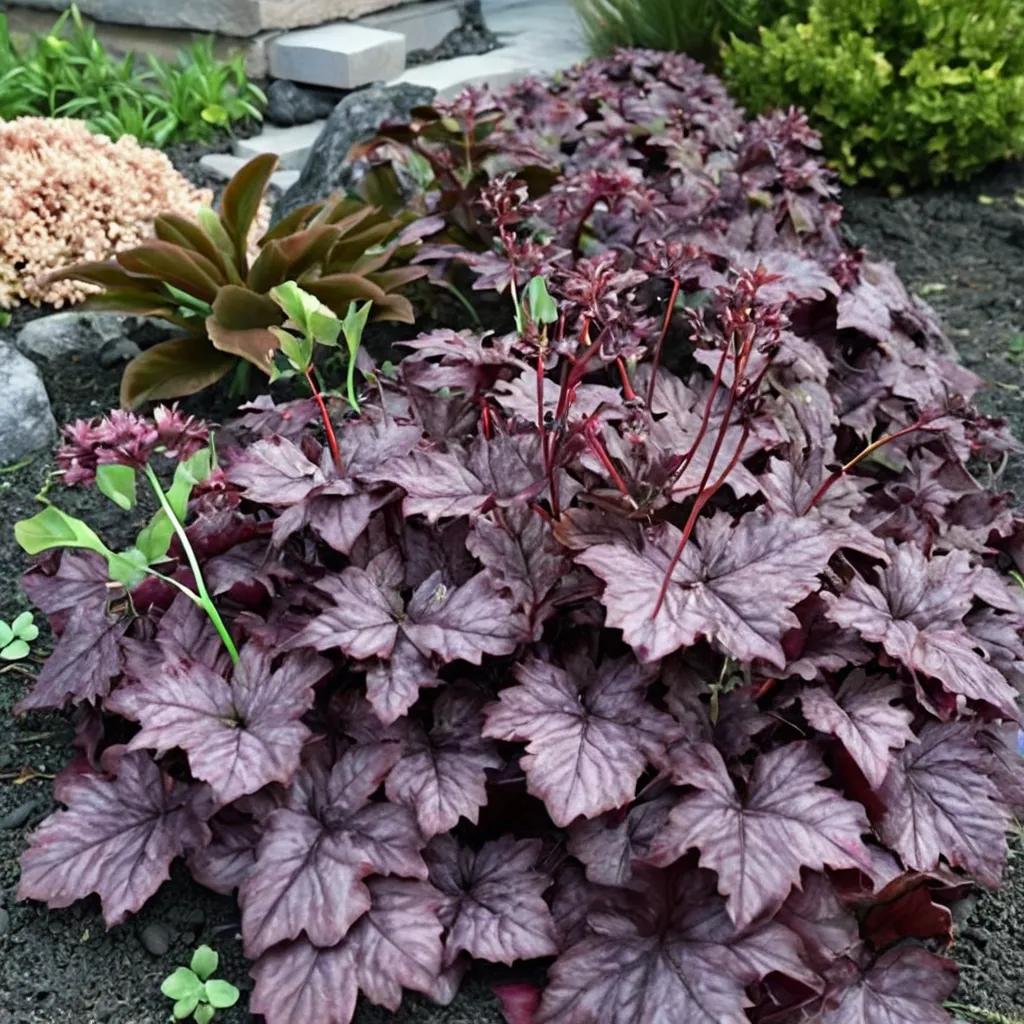
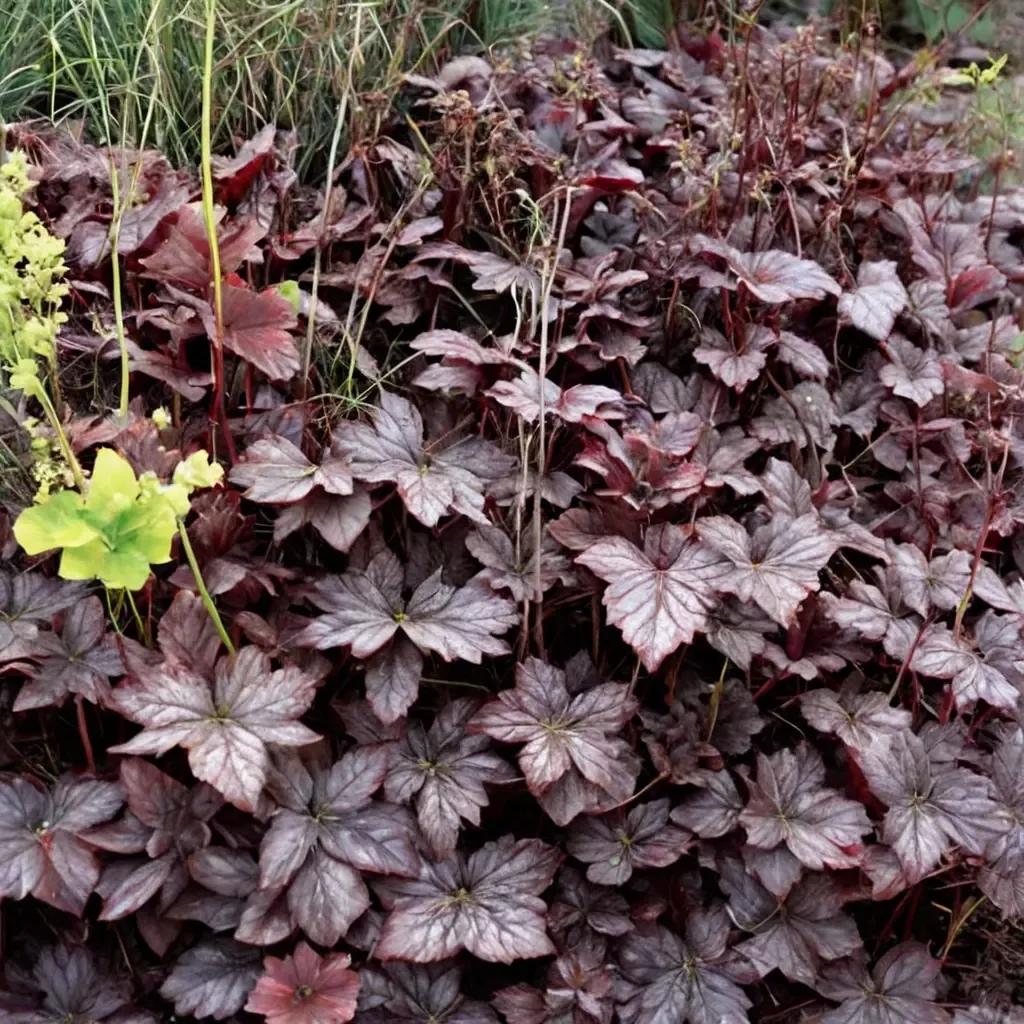
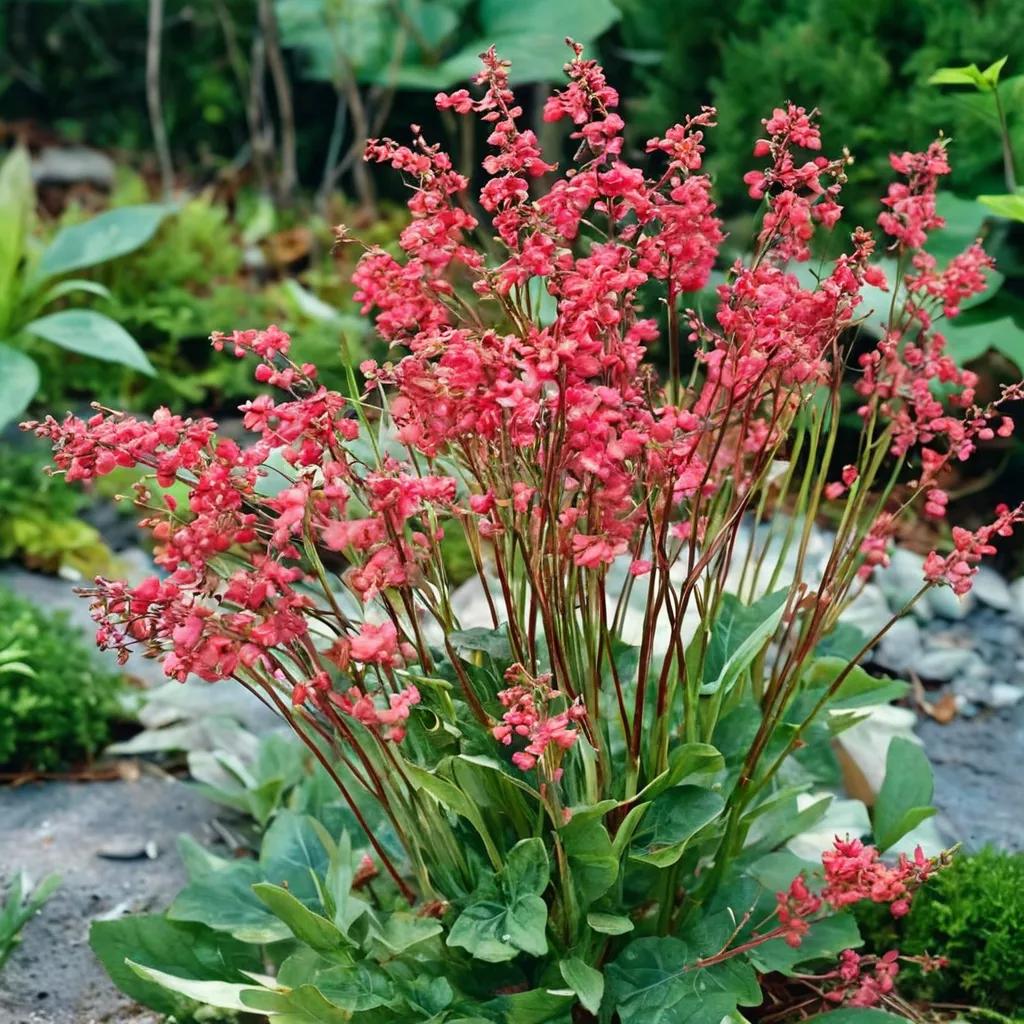
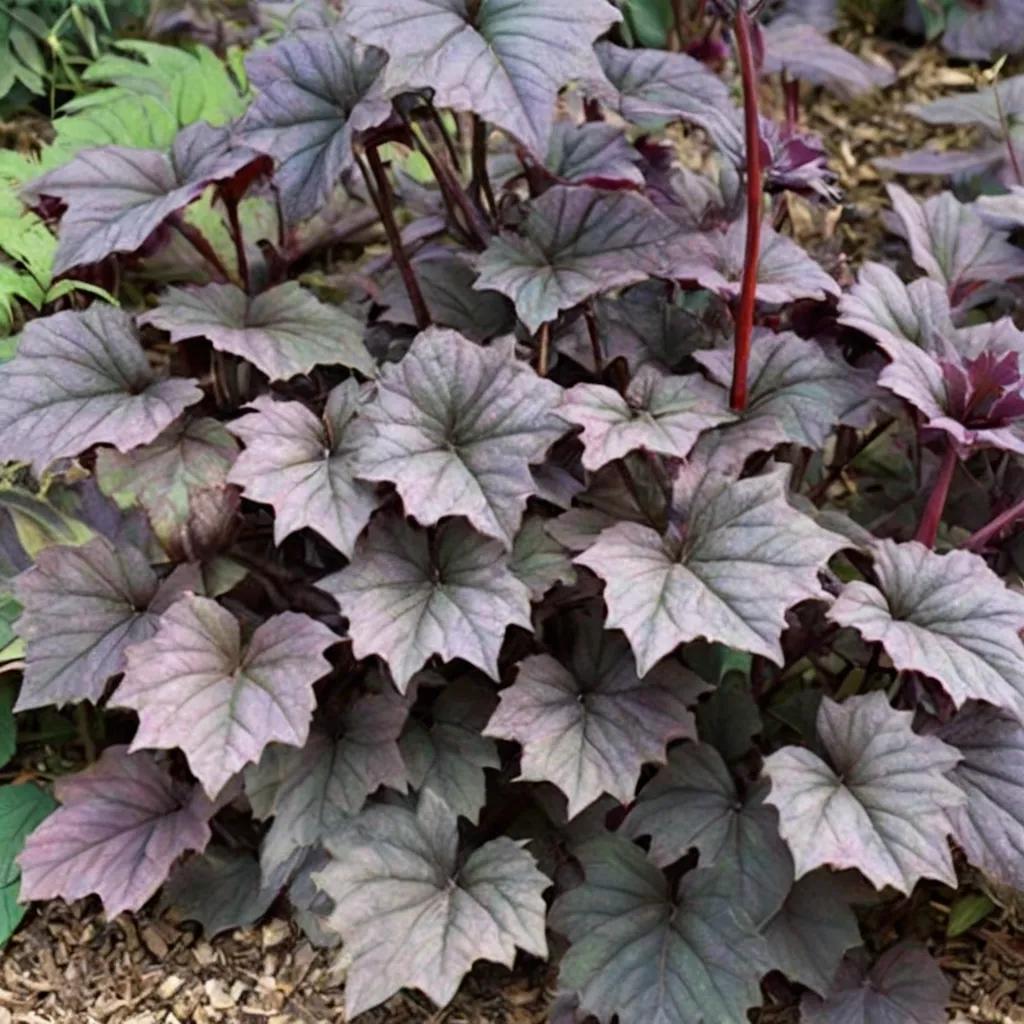
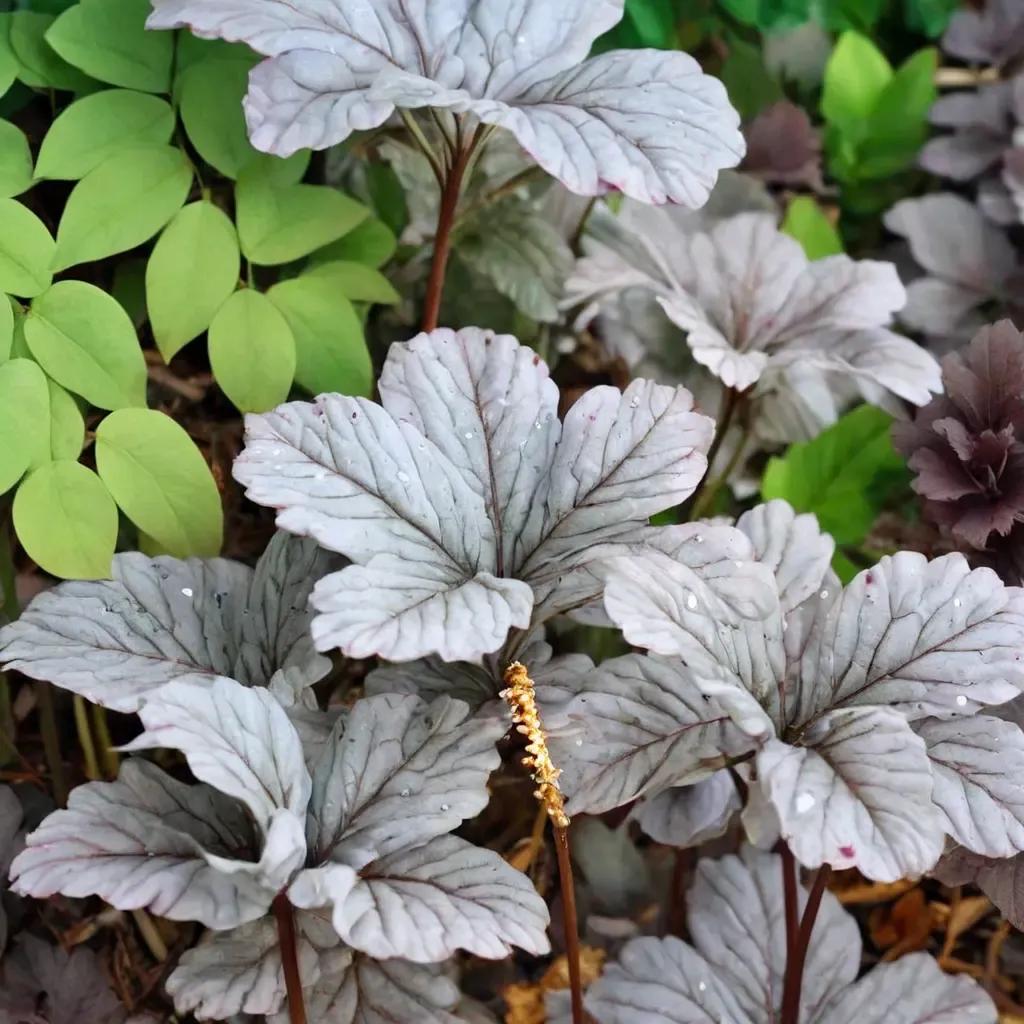
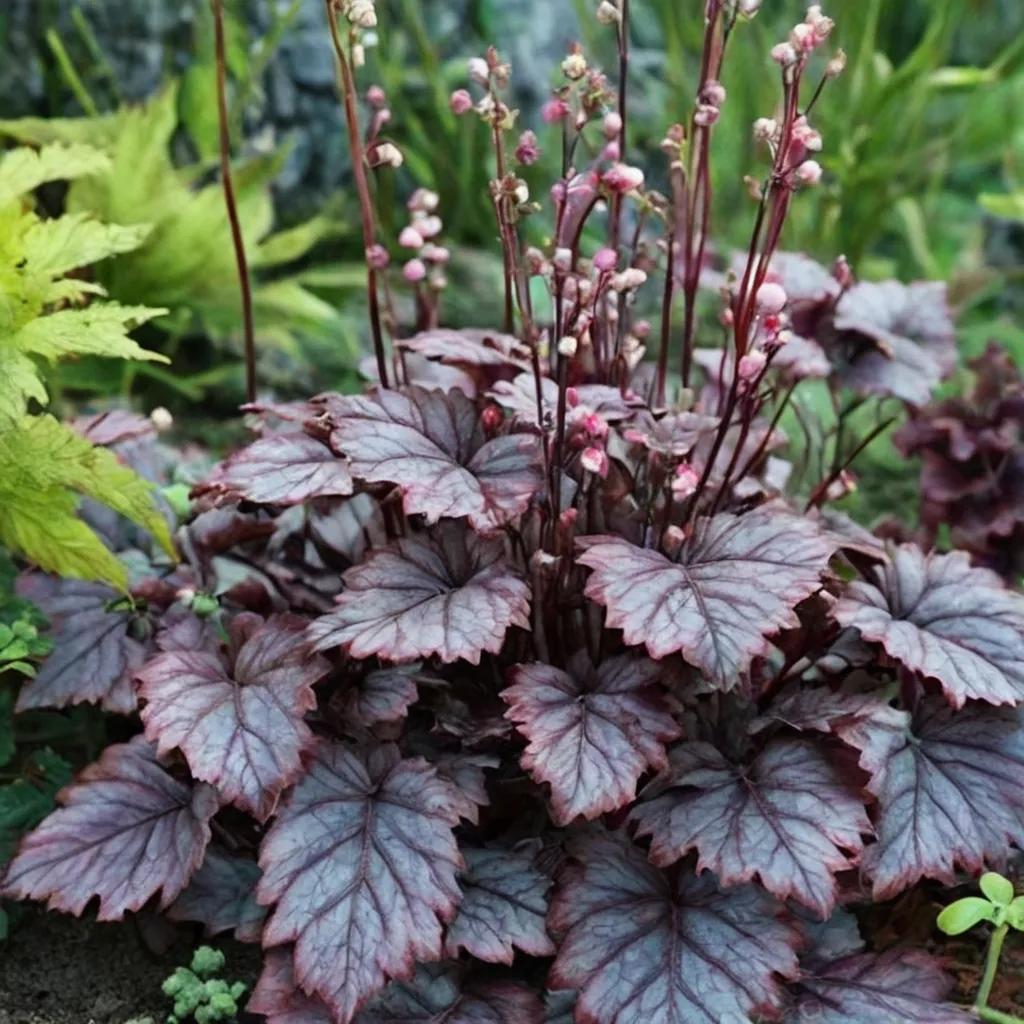
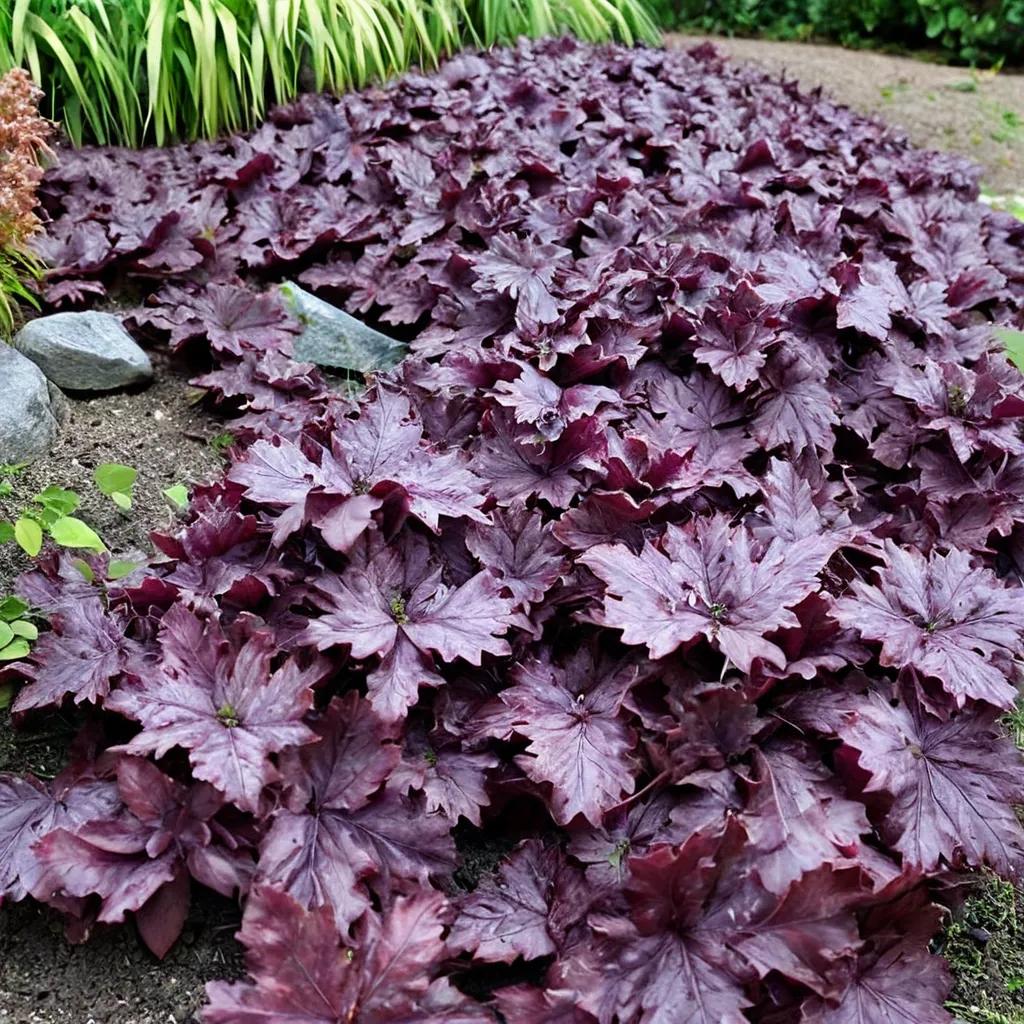
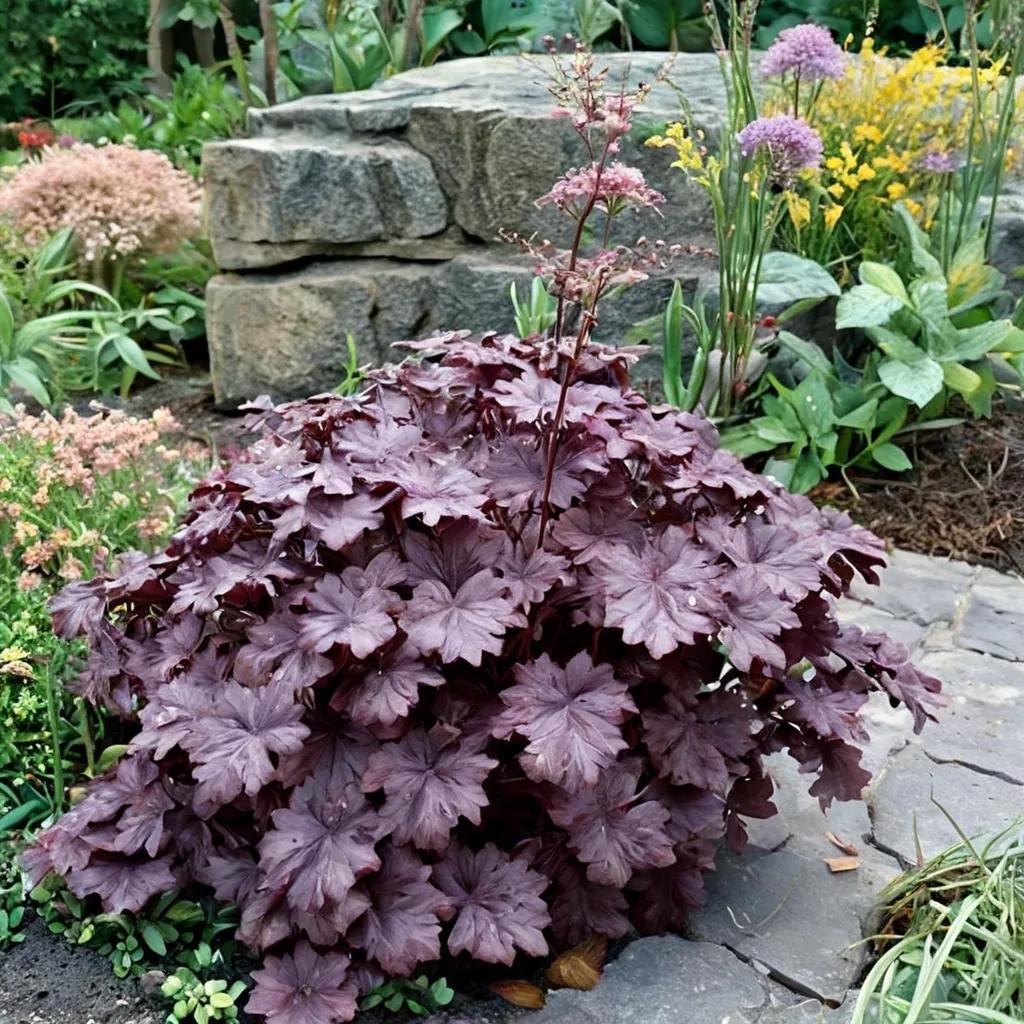
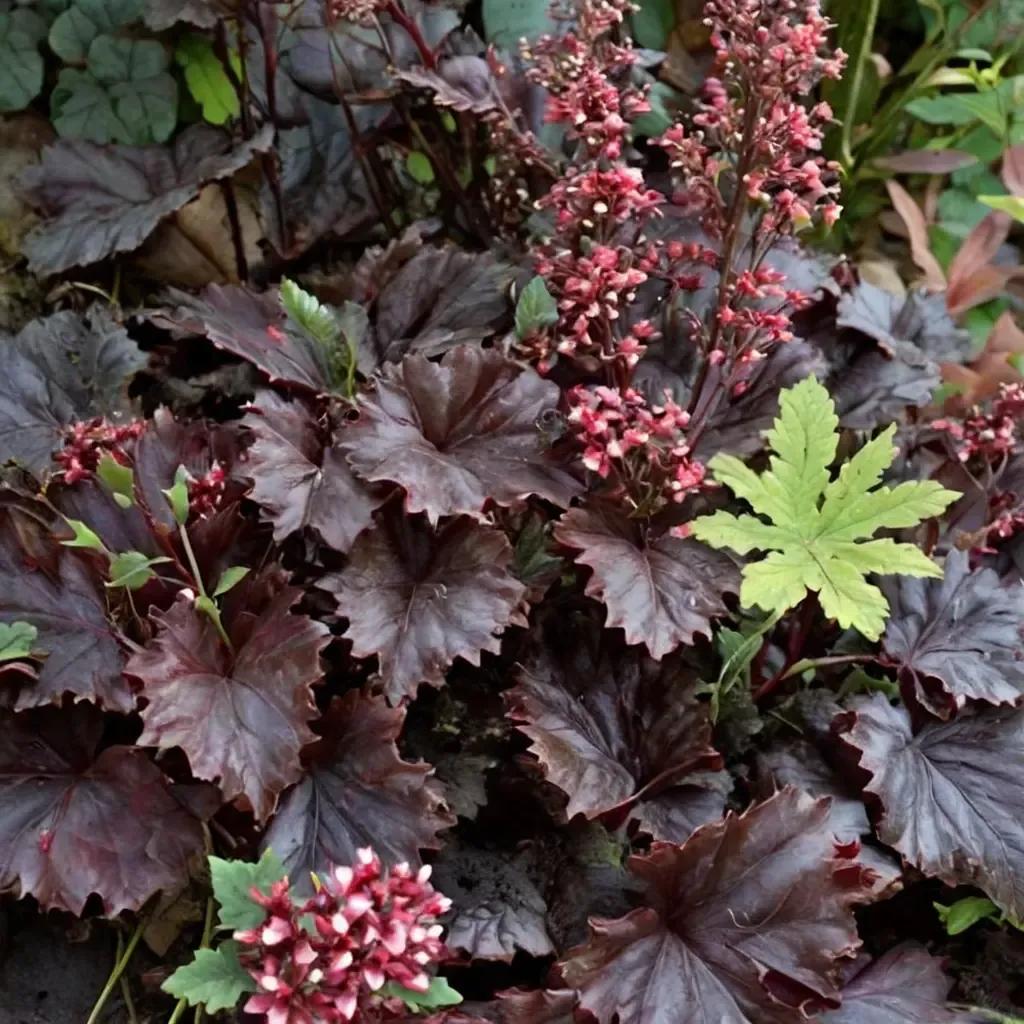
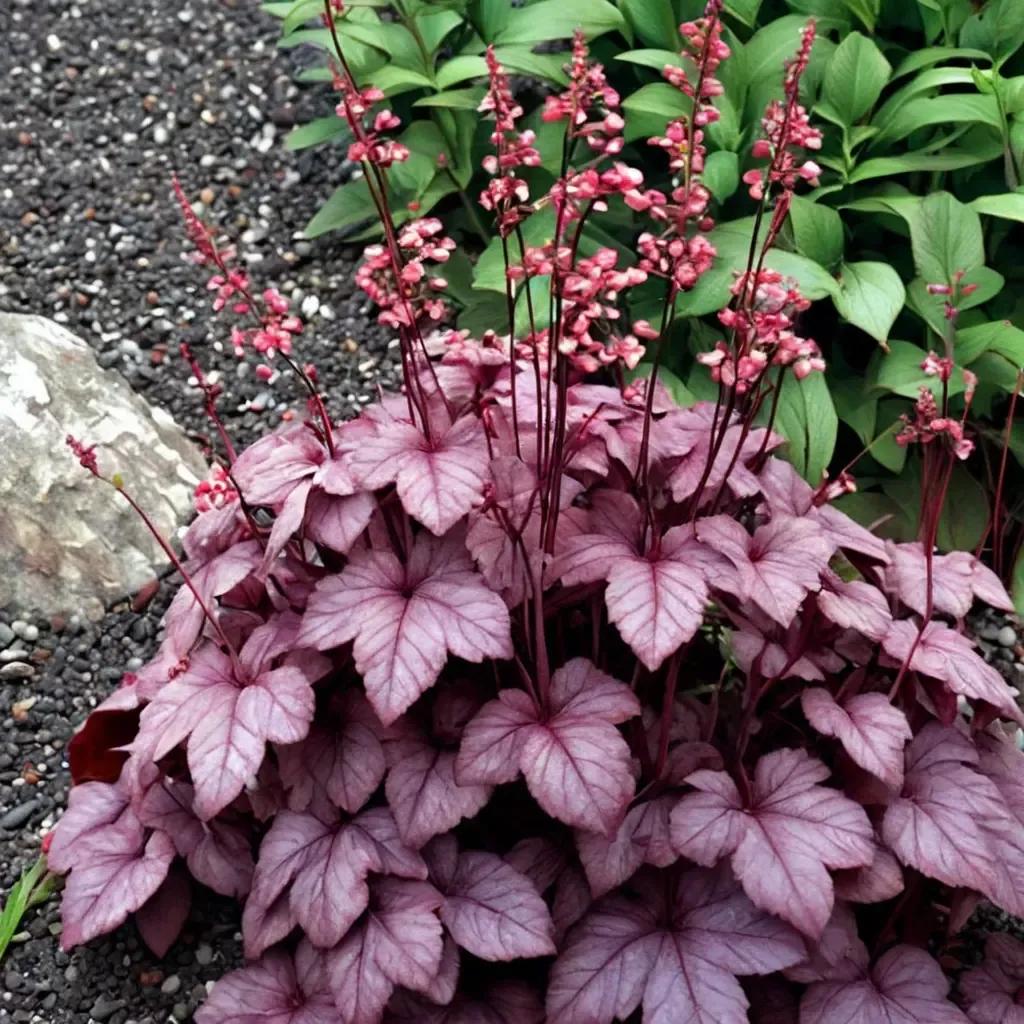
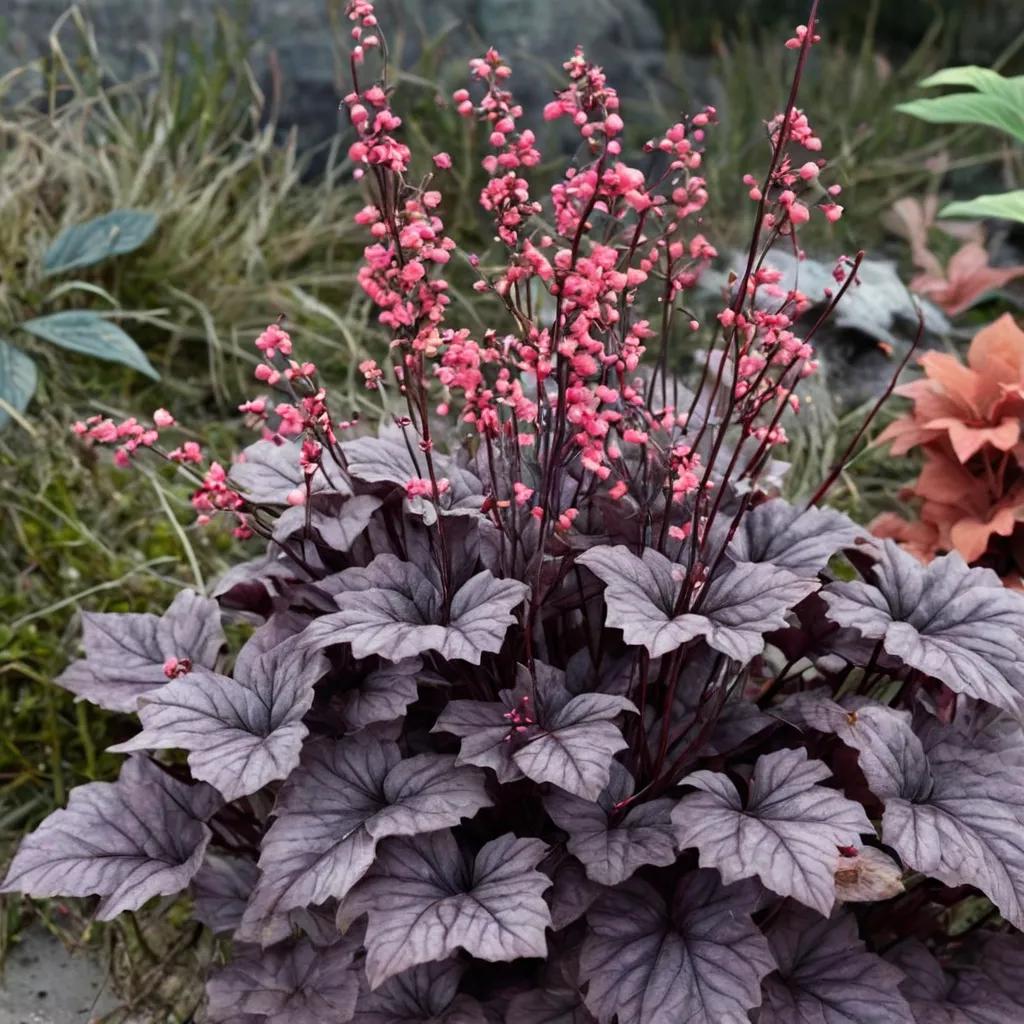
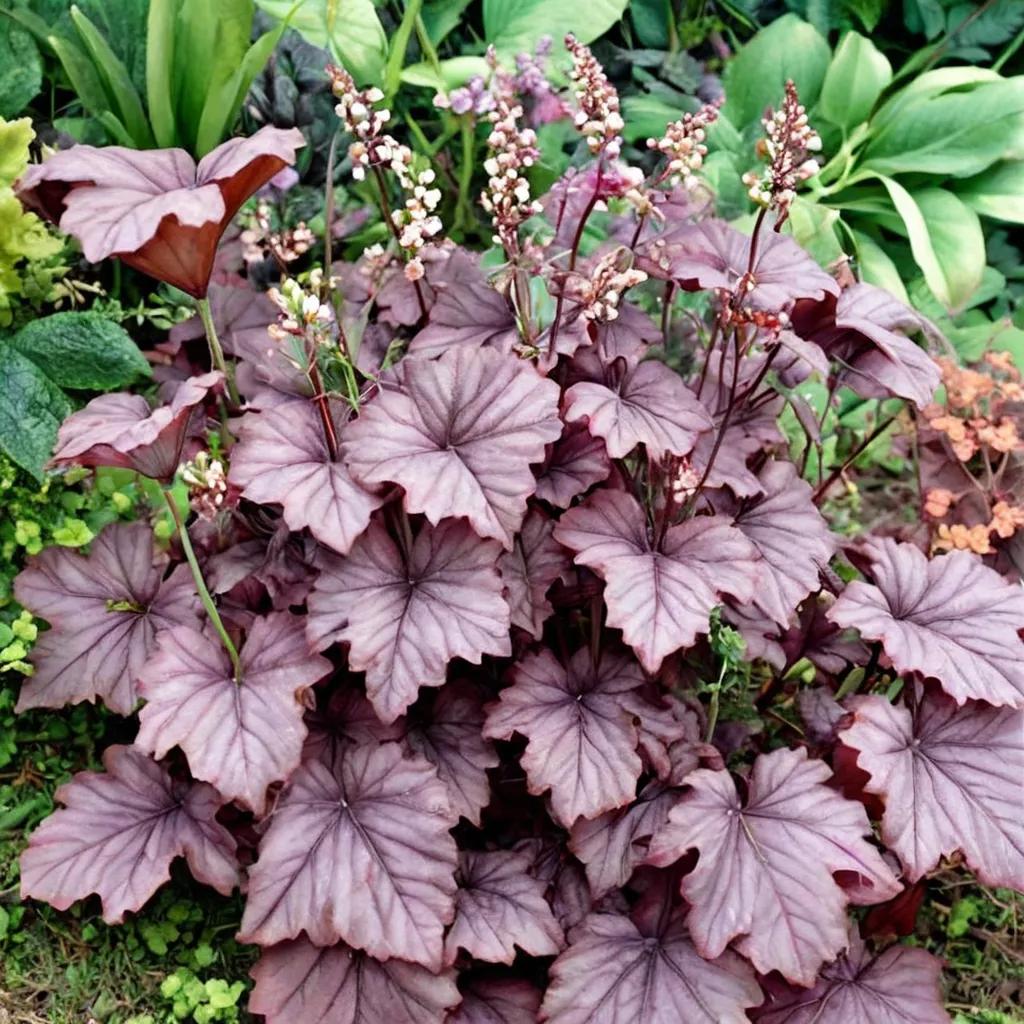
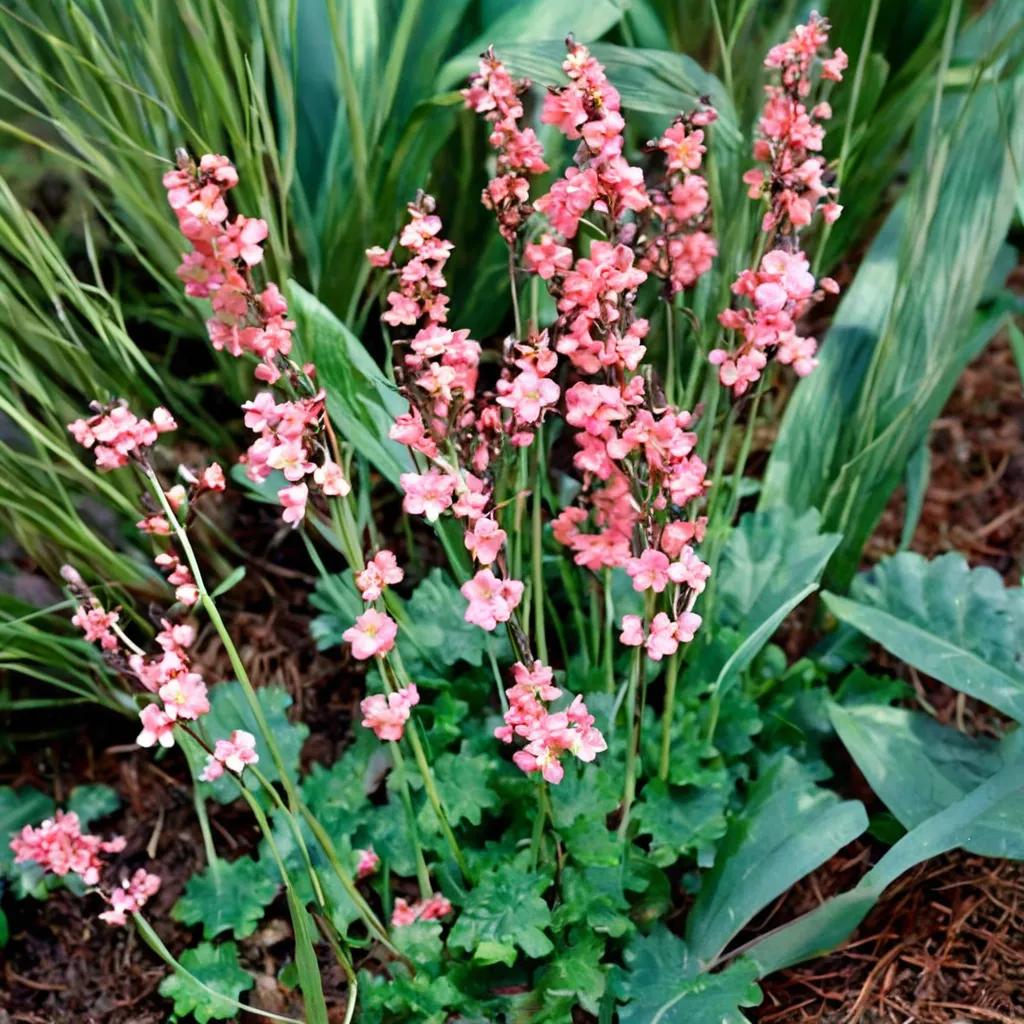
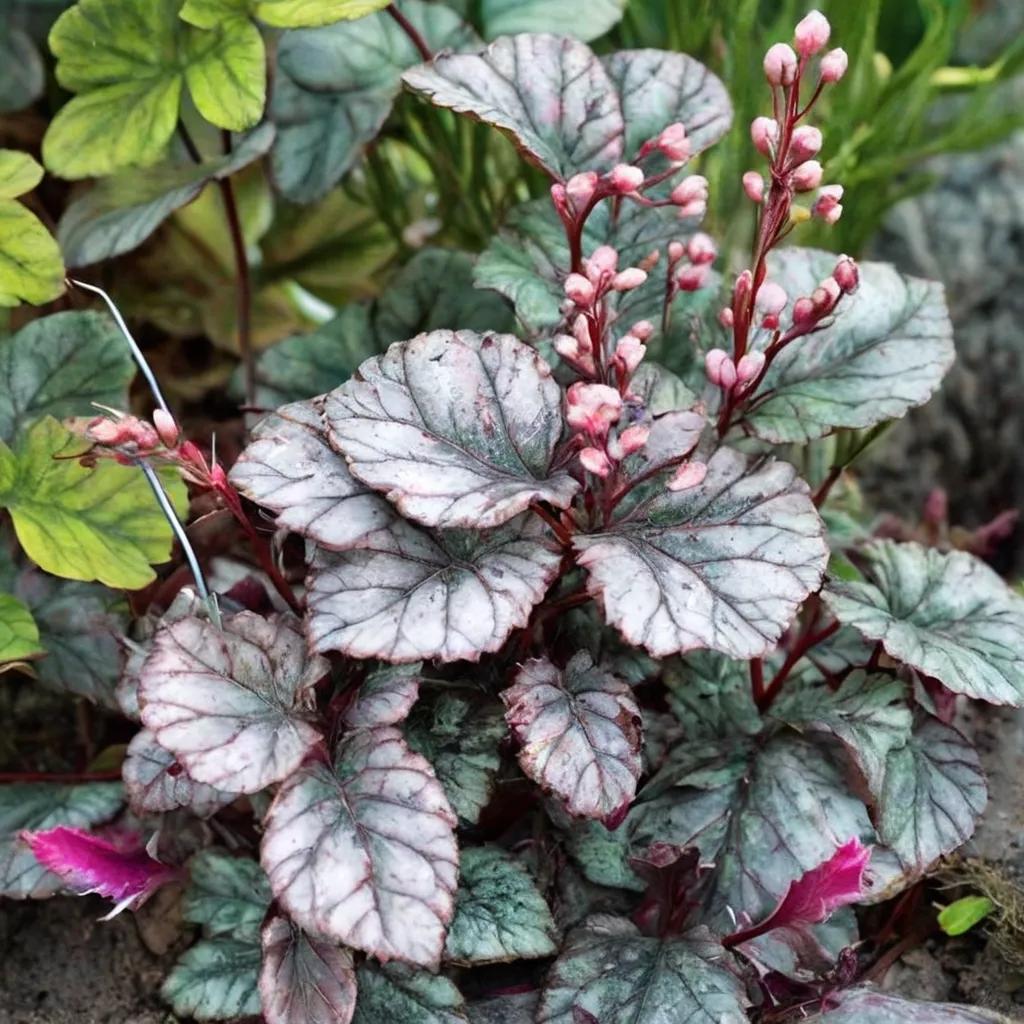
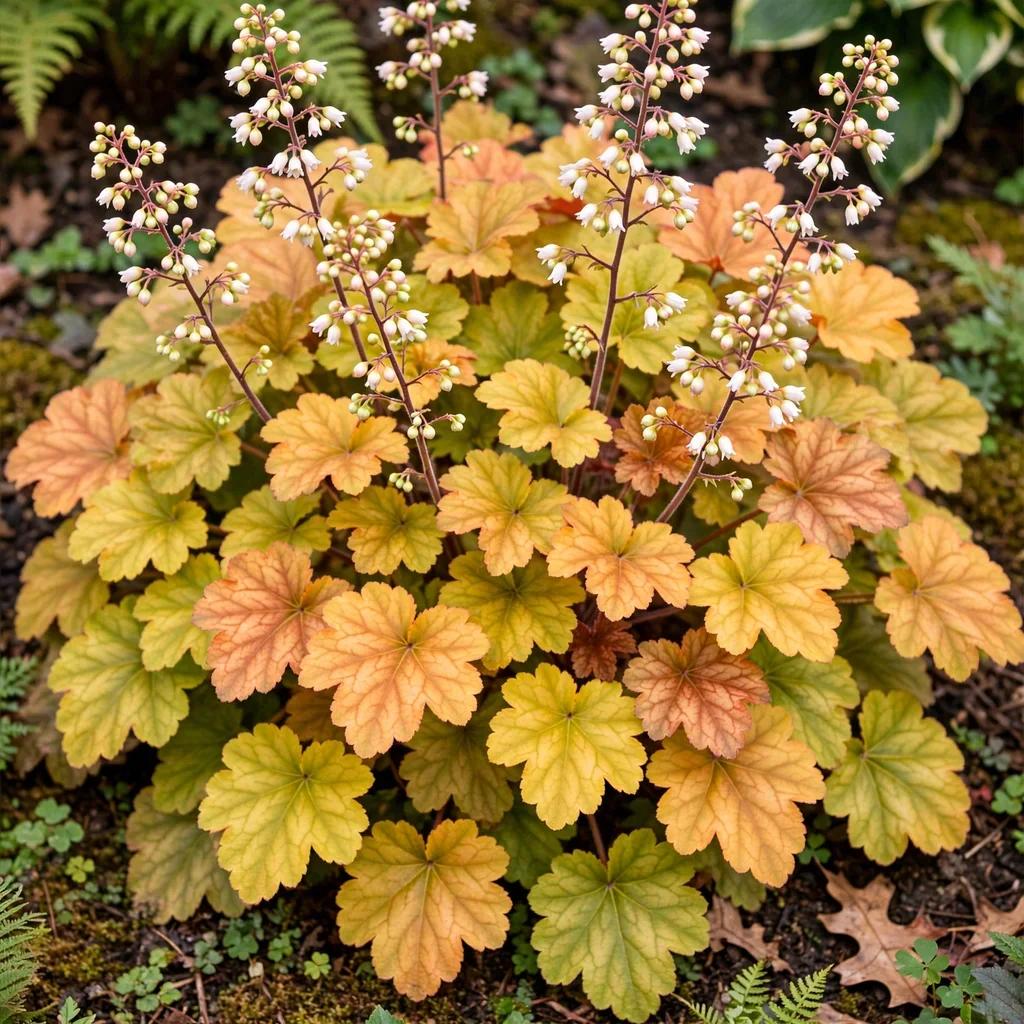
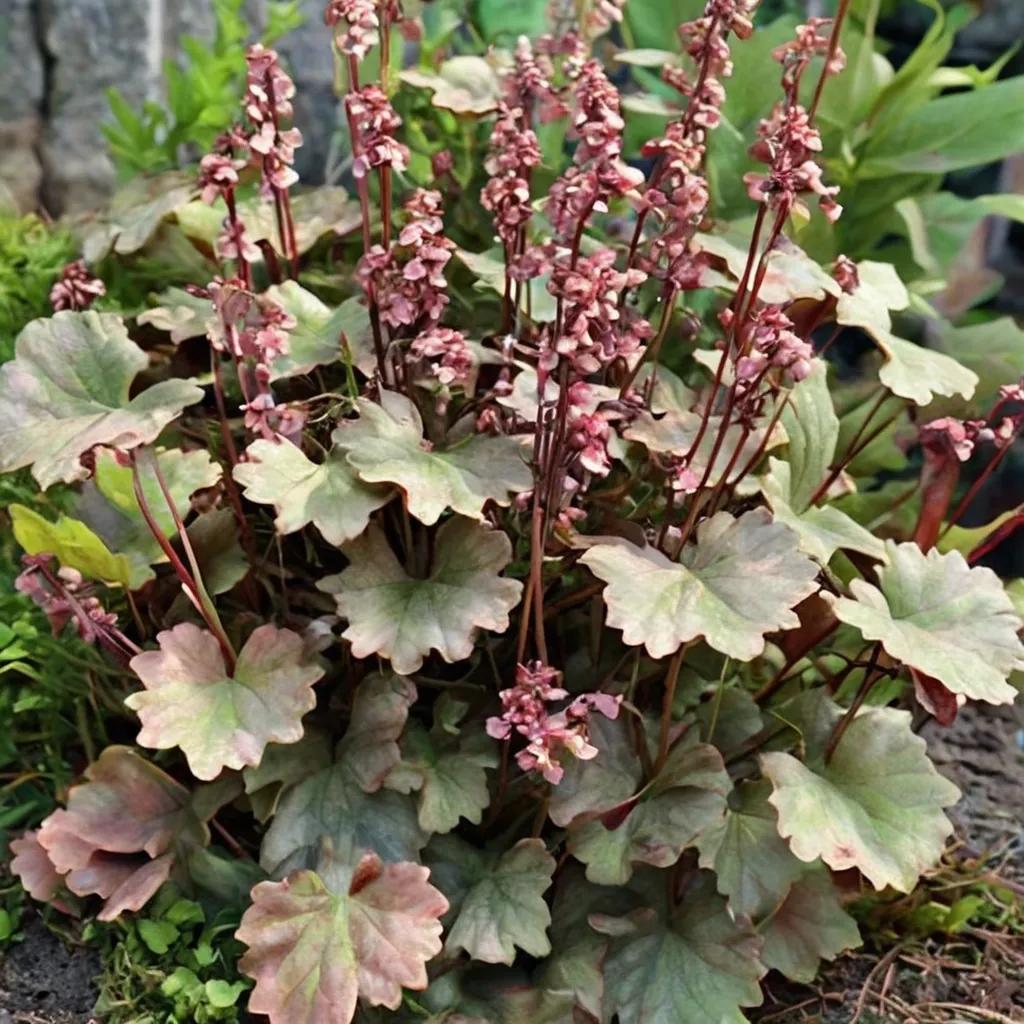
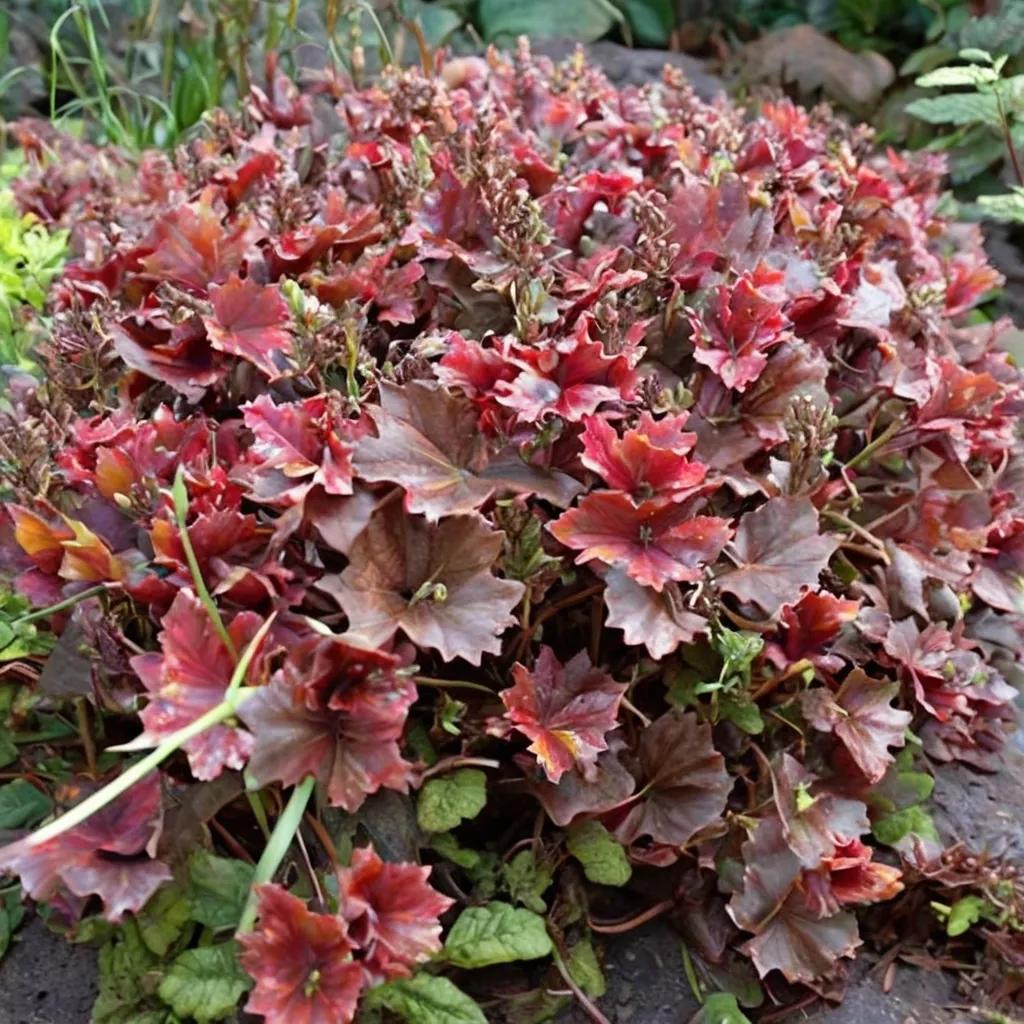
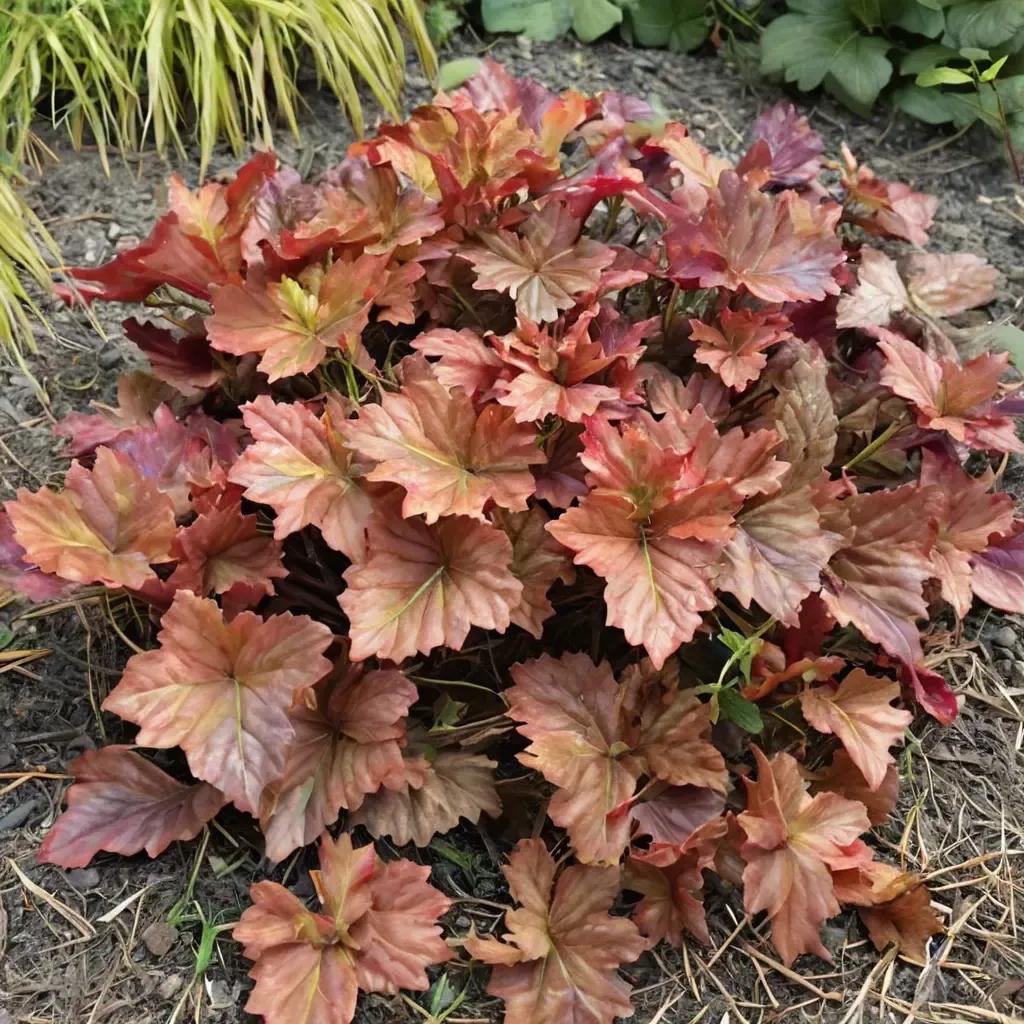
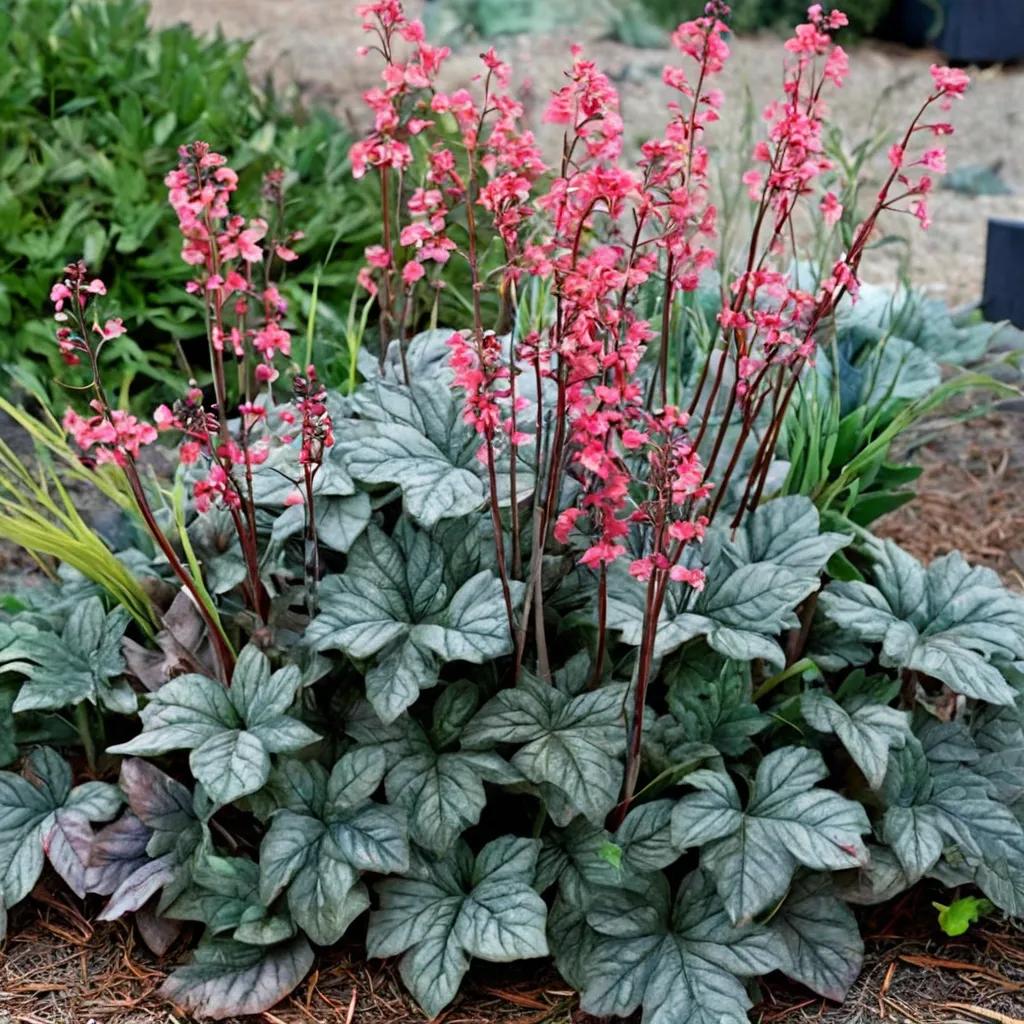
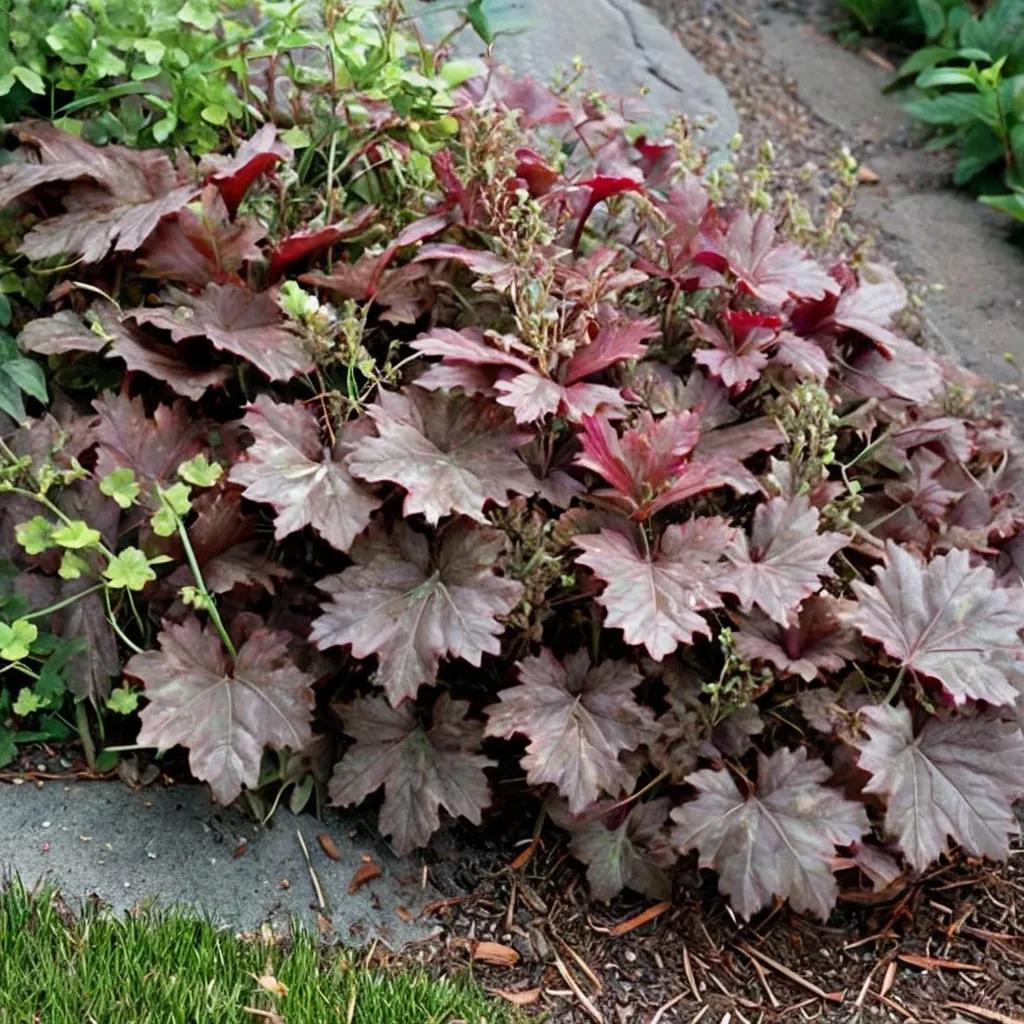
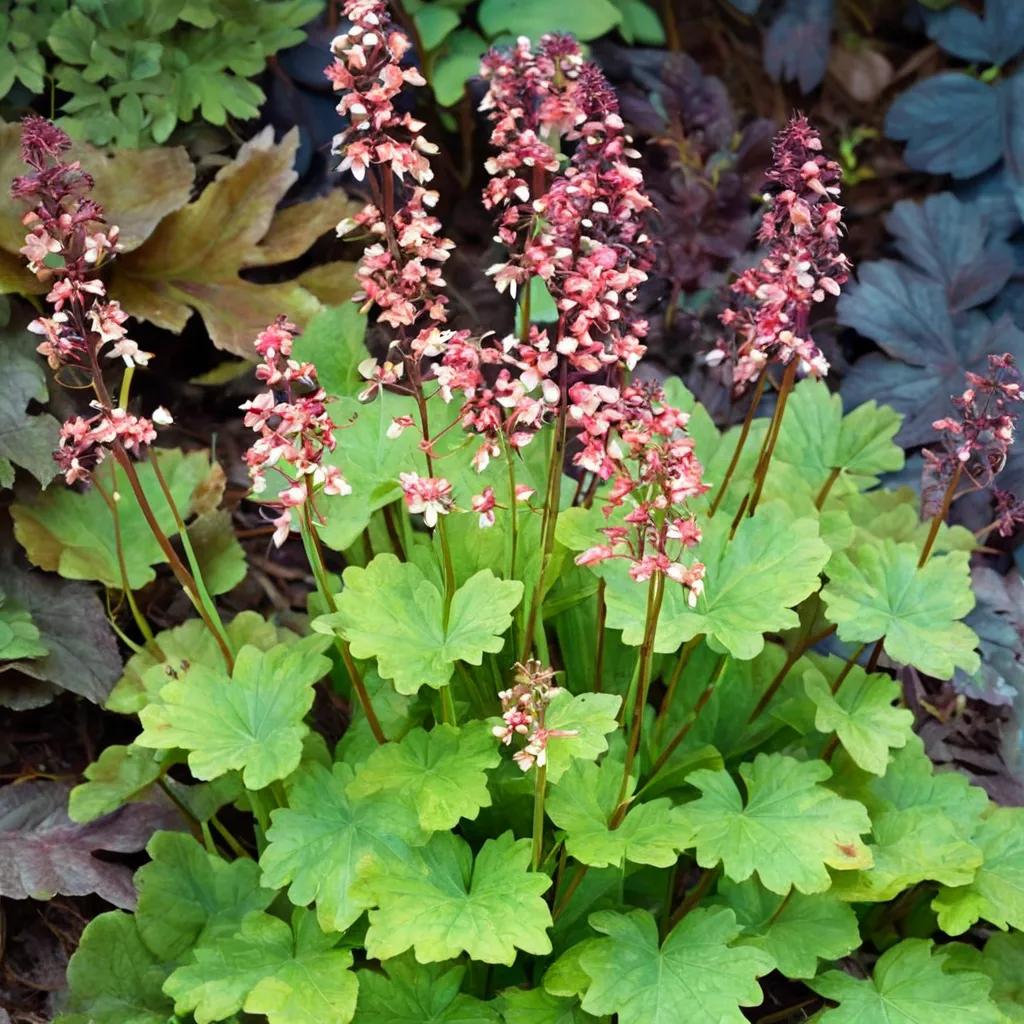
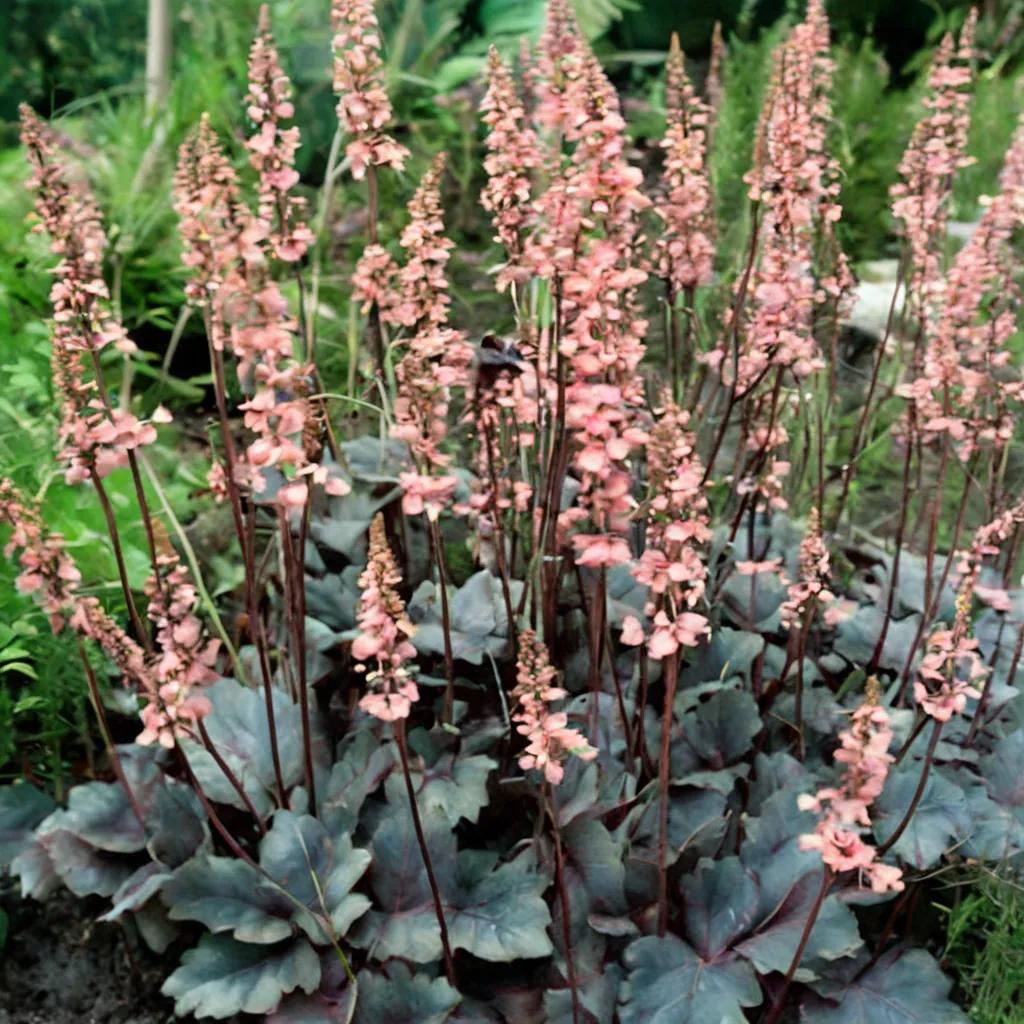
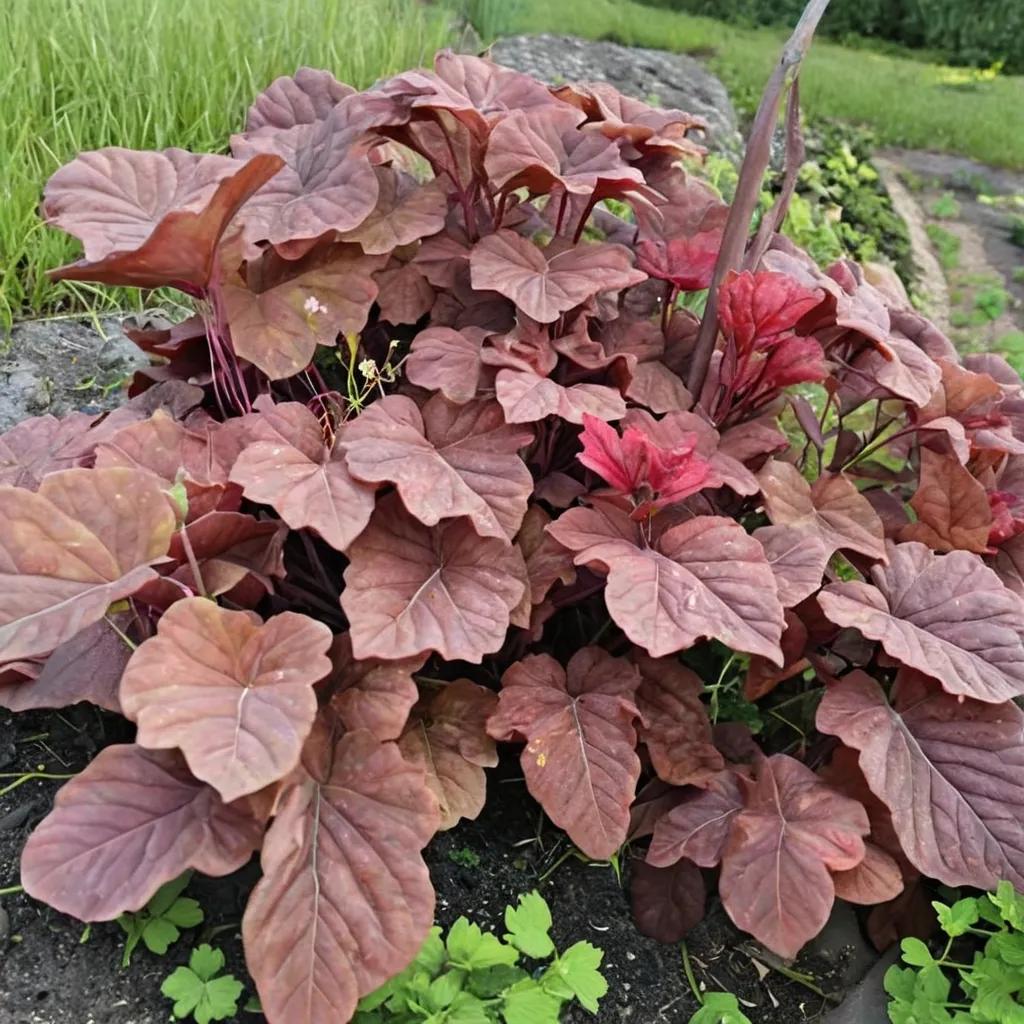
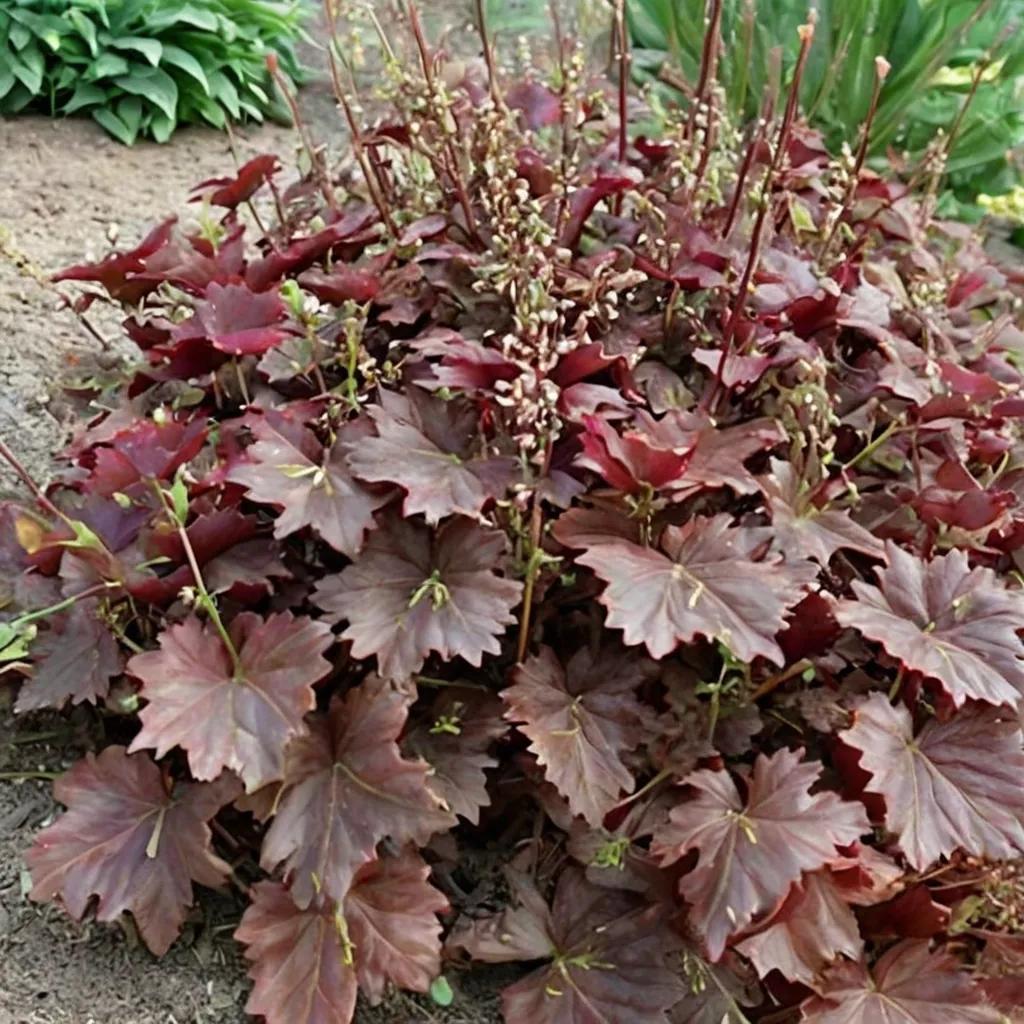
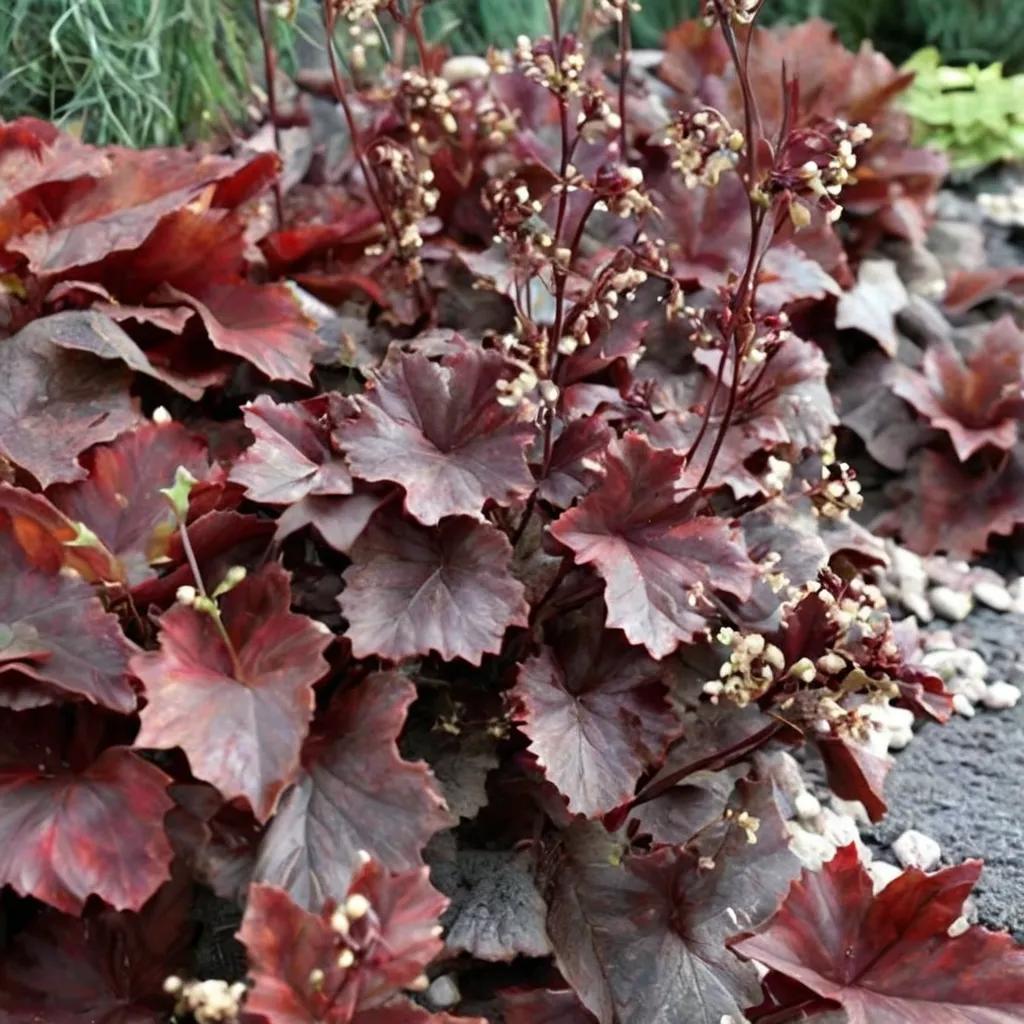
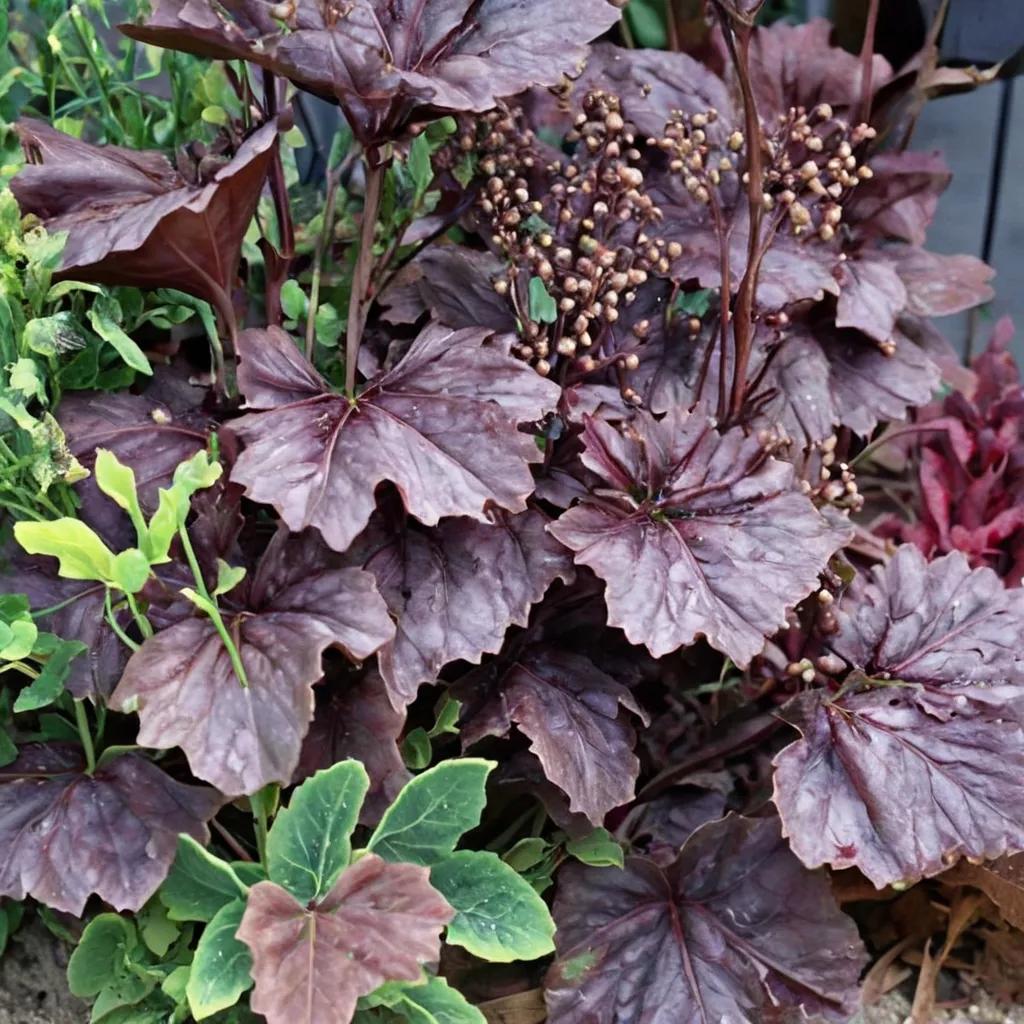
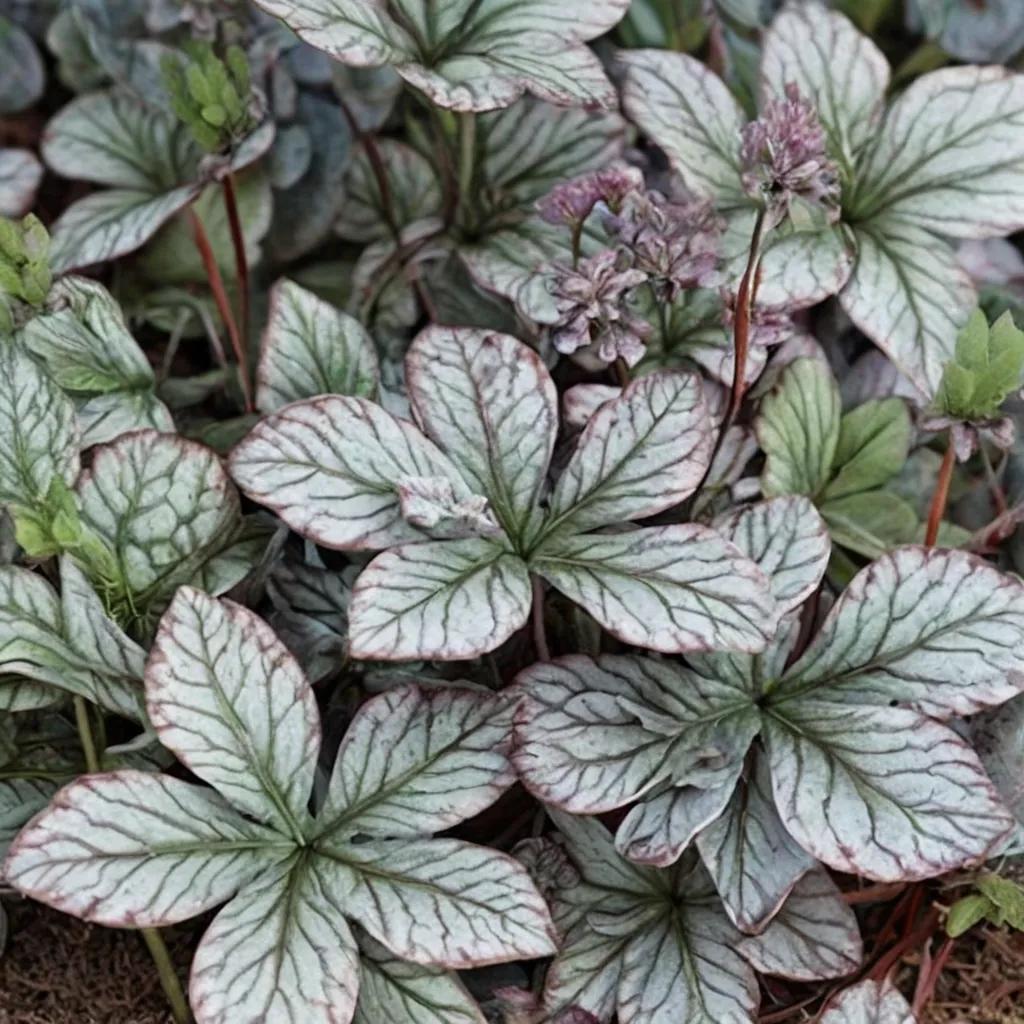
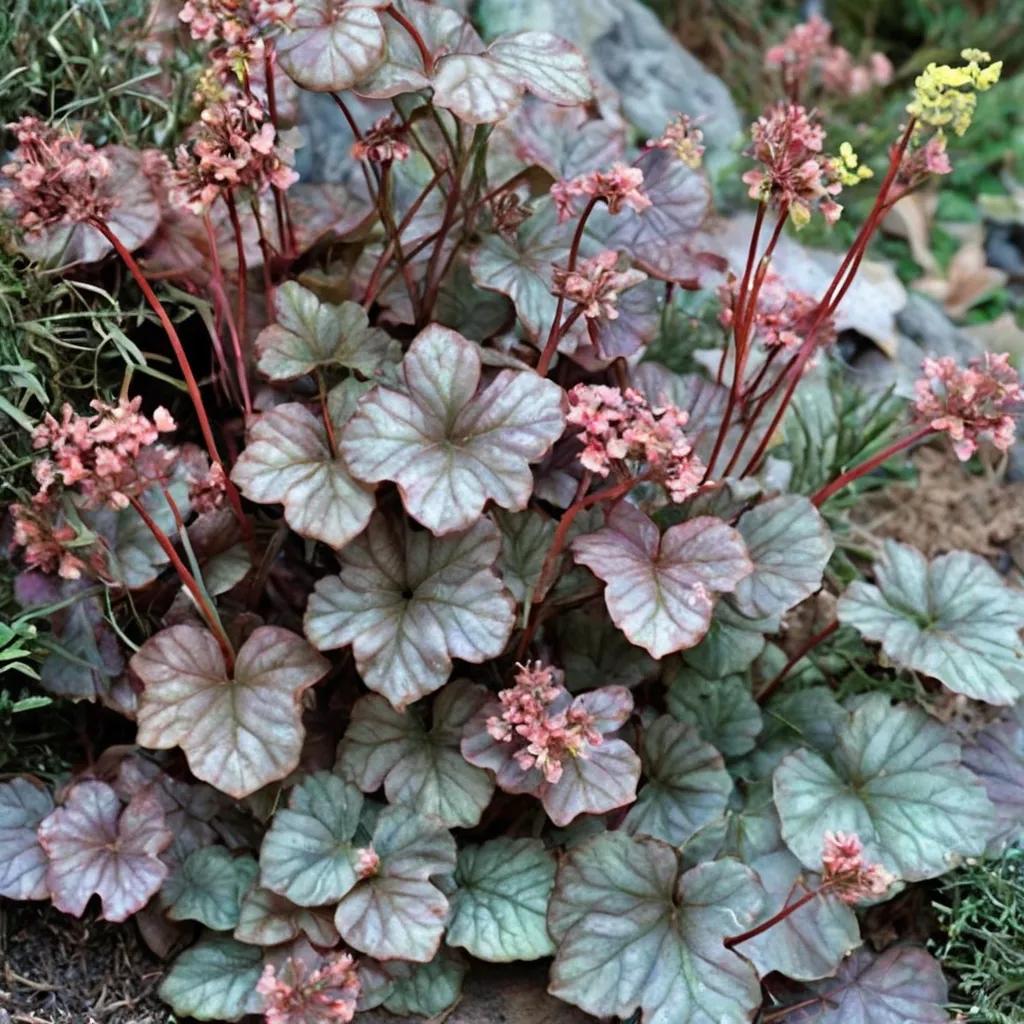
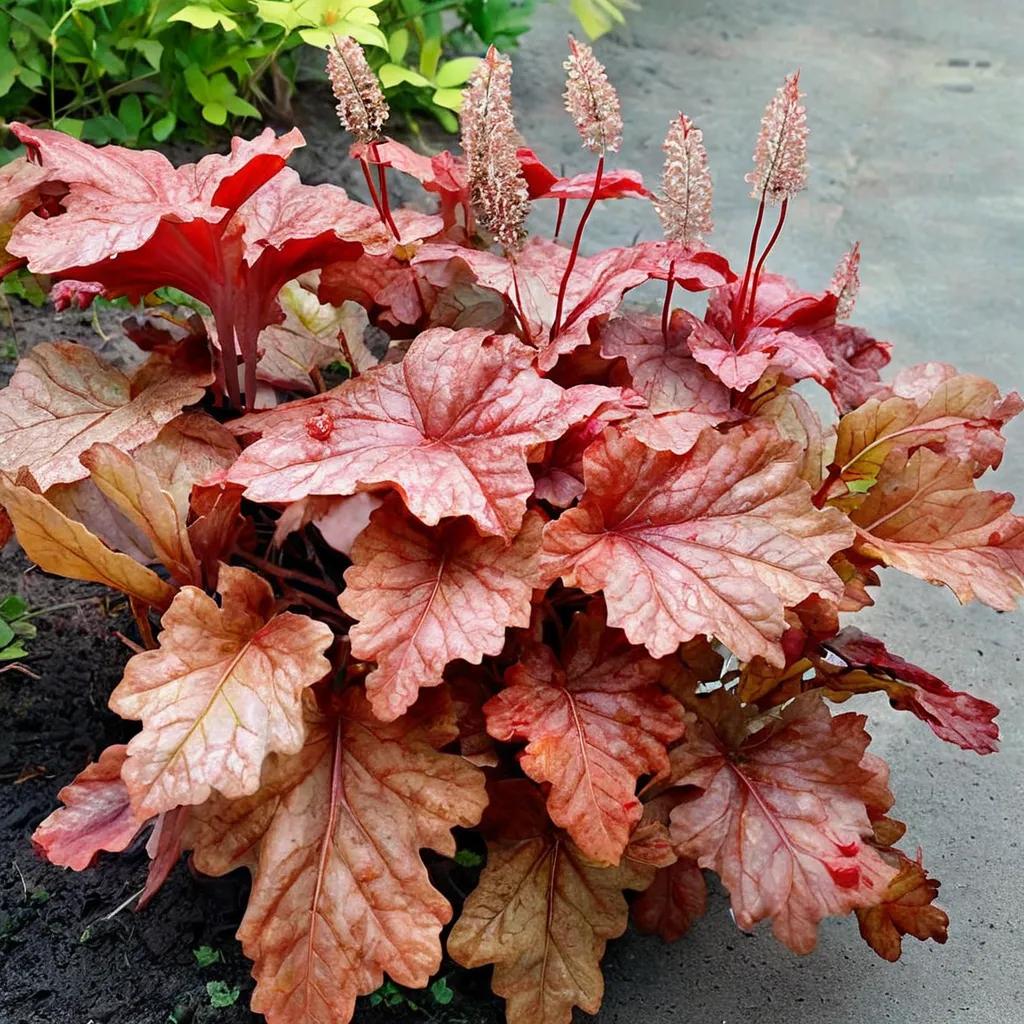
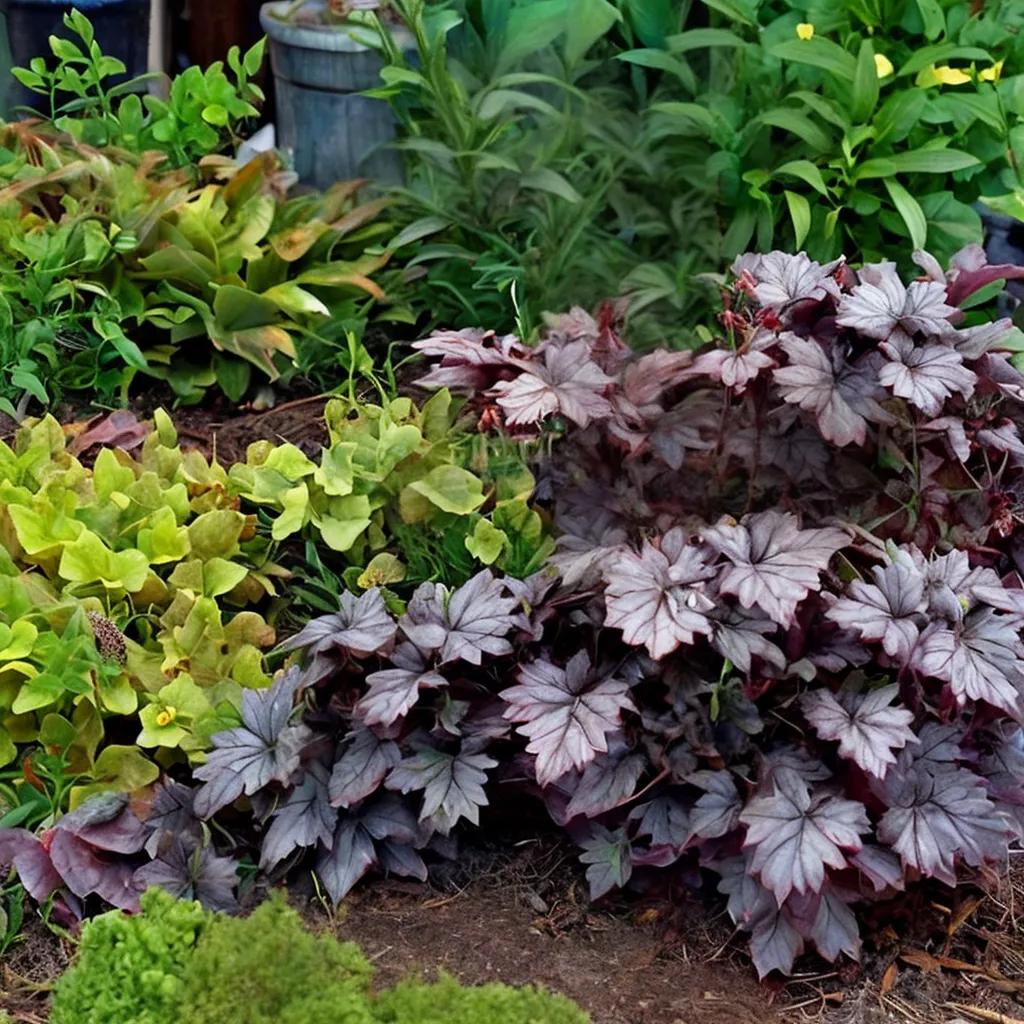
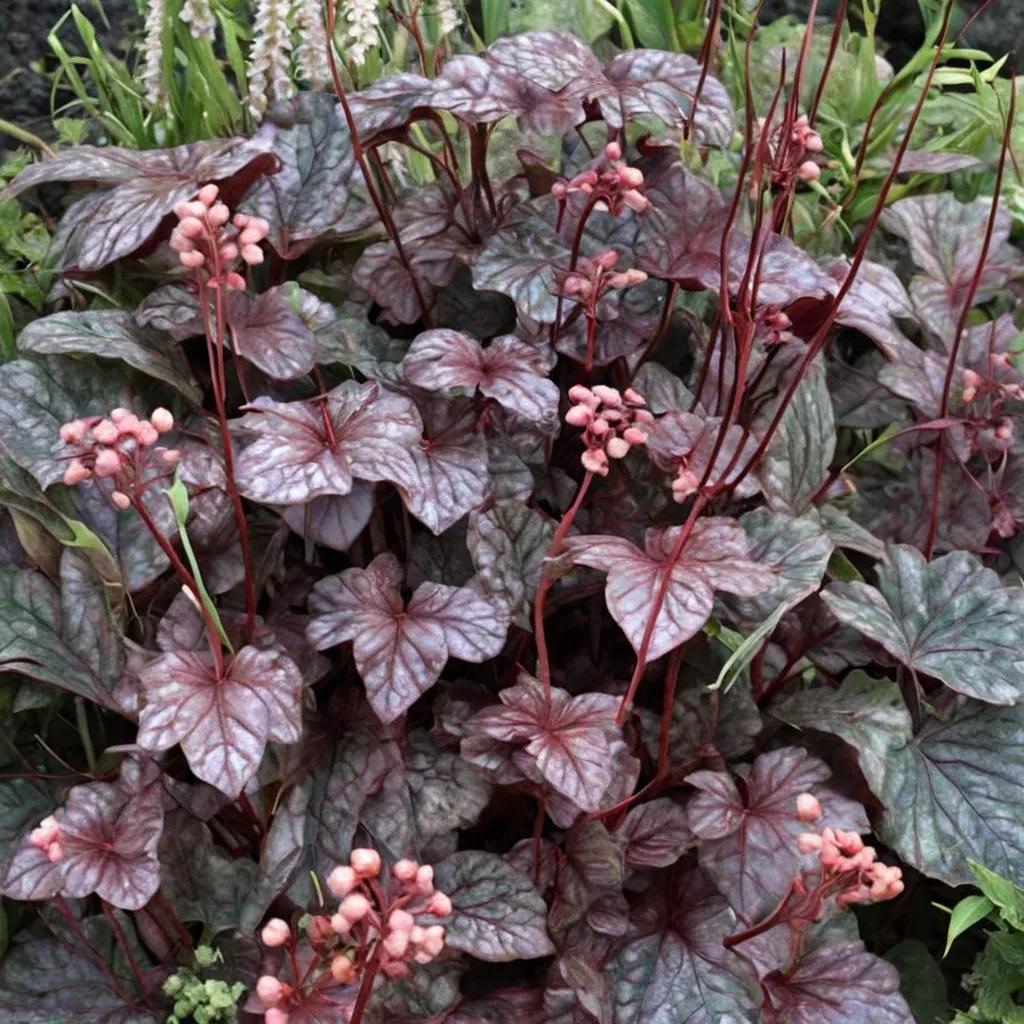
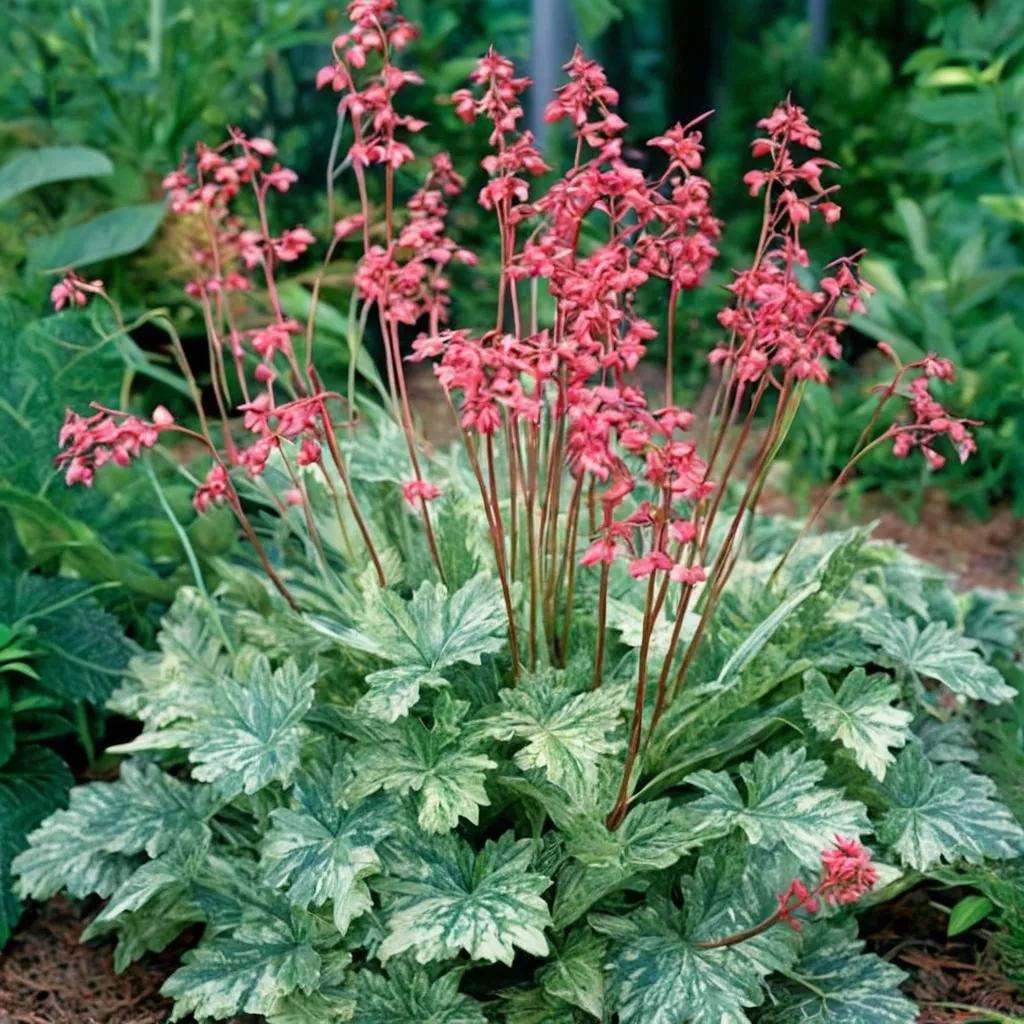
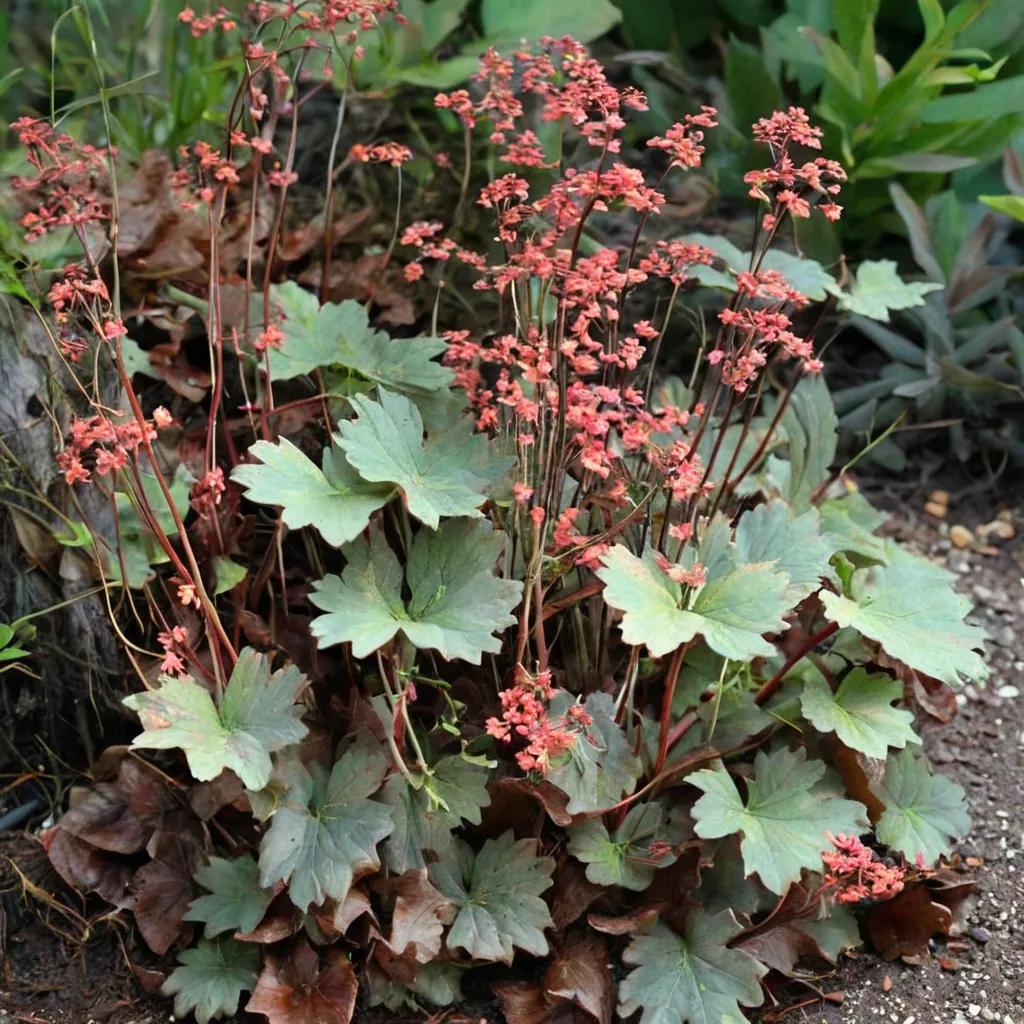
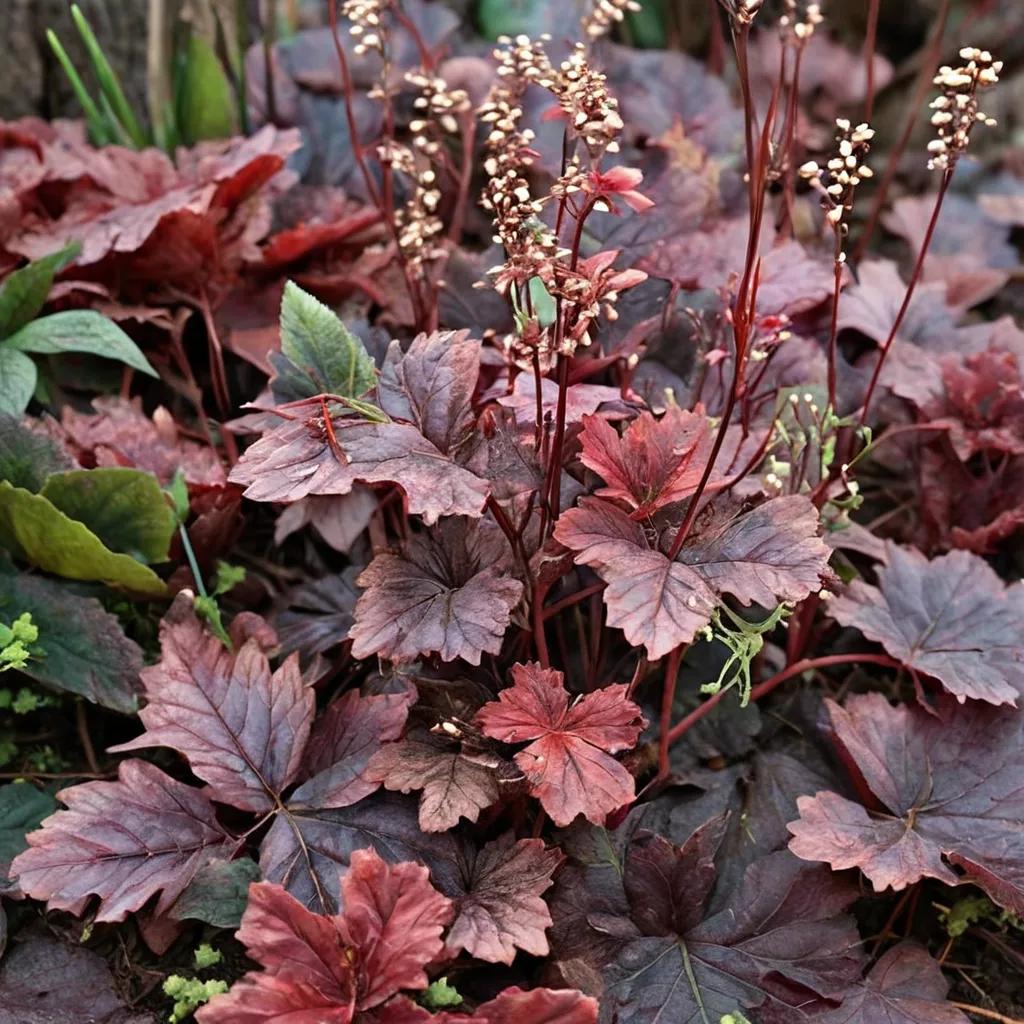
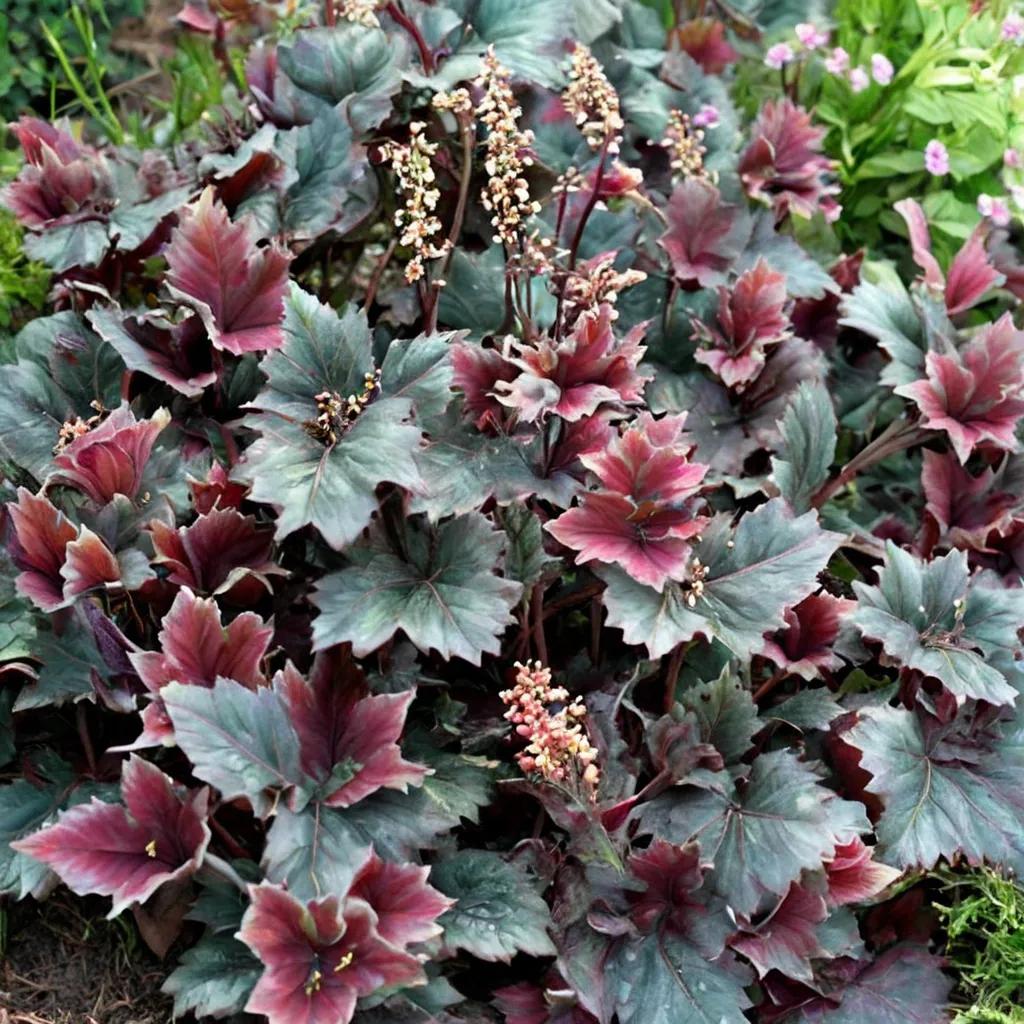
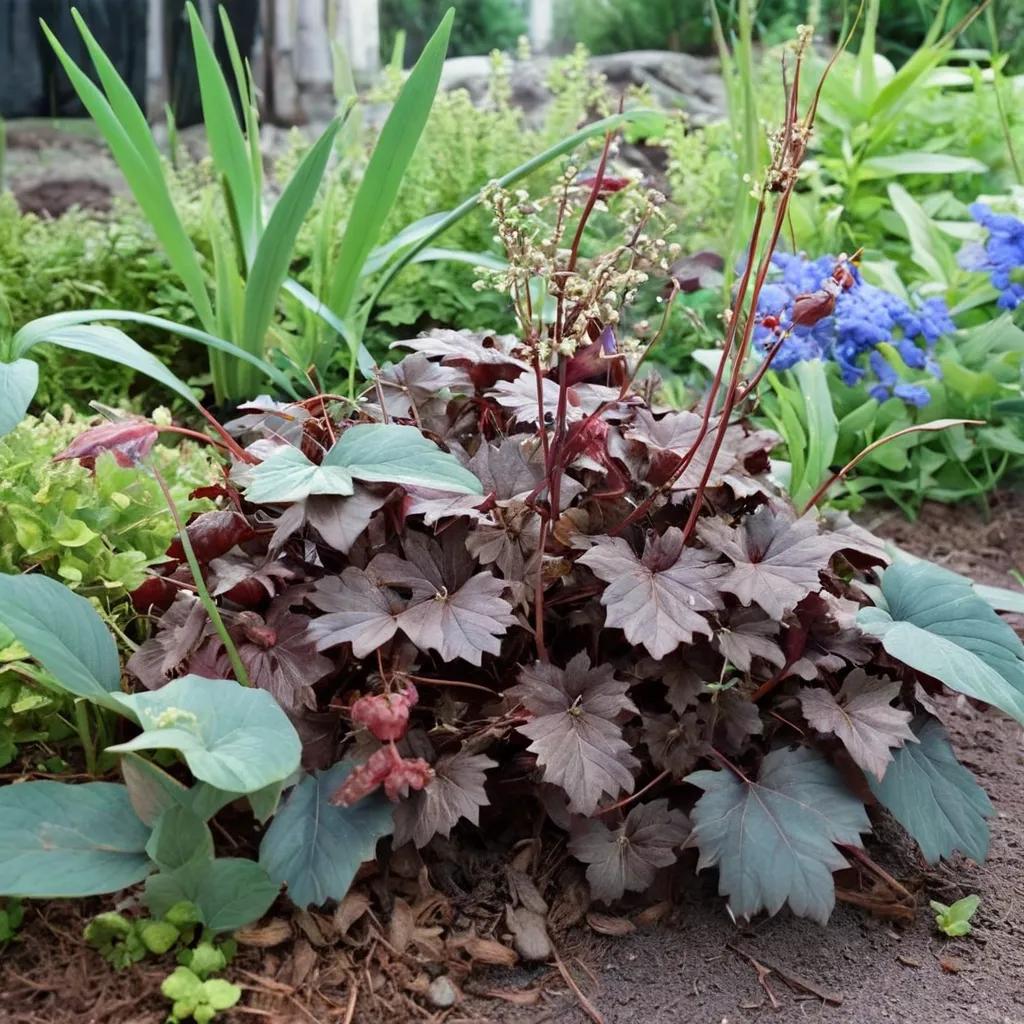
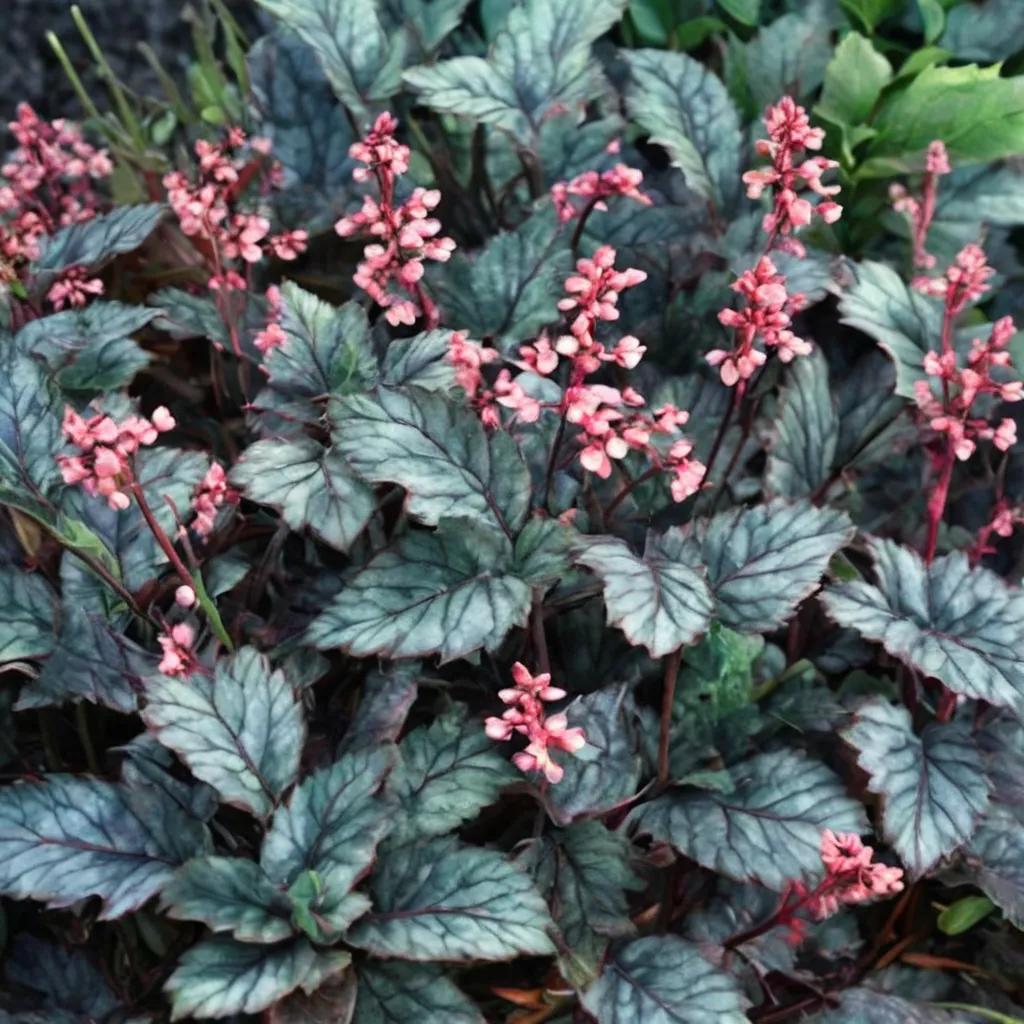
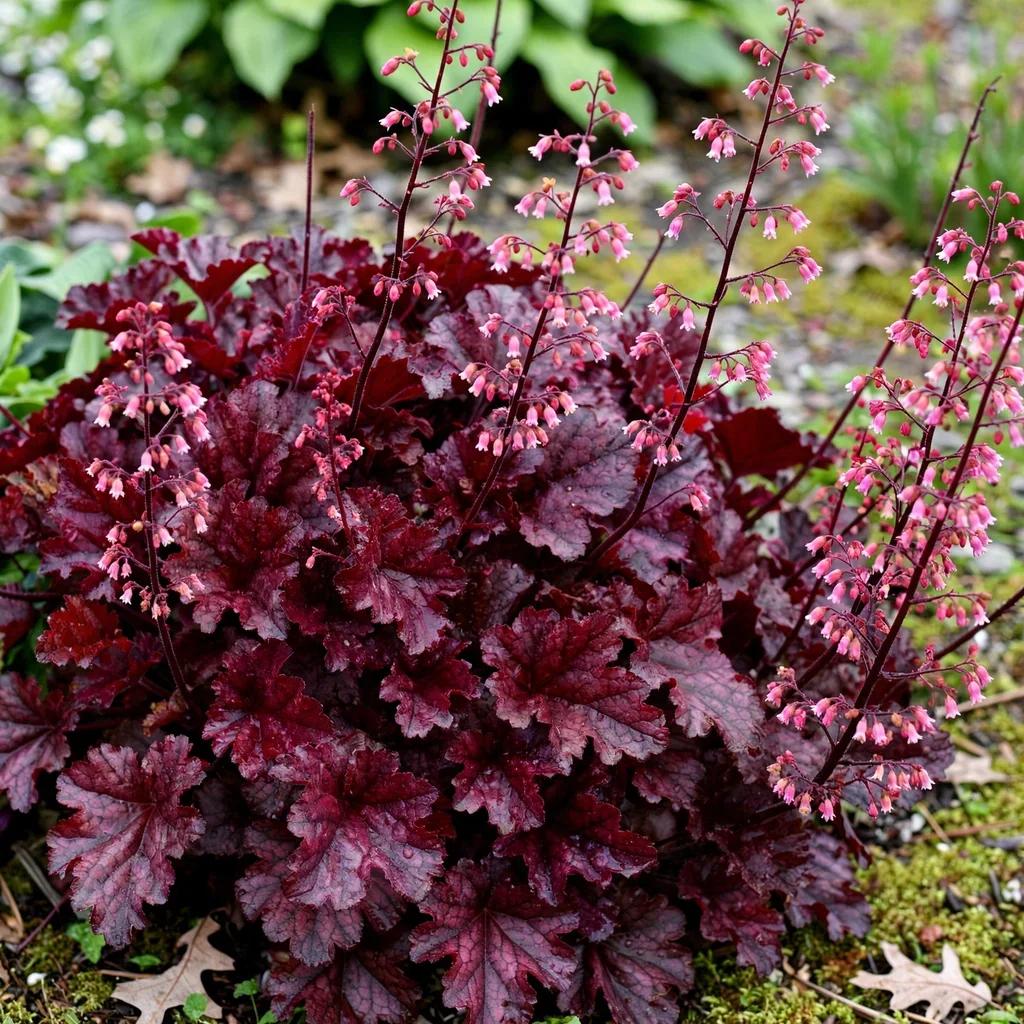
'Sparkling Burgundy' is distinguished by its ruffled leaves that emerge bright rose-burgundy in spring before developing a white veil over olive and burgundy tones. In winter, the foliage shifts to a deep wine-red, providing year-round color contrast beneath spikes of tiny white flowers.
Uses & Benefits:
Essentials
At a Glance
Plant Type
Perennial
Height
14"
Width
20"
Light
Full Sun, Partial Sun
Zones
4, 5, 6, 7, 8, 9
Water
Medium
Humidity
Moderate
Lifespan
Perennial
Native To
North America (Parental genus)
Toxicity
Non-toxic
Bloom period
Late spring – Mid-summer
In flower about 3 months of the year
Planting
How to Grow
- Select a site with organically rich, humusy, well-draining soil in partial shade, ensuring protection from hot afternoon sun.
- Dig a hole twice the width of the root ball and amend with compost to improve drainage and soil structure.
- Set the plant in the hole so the crown sits slightly above the surrounding soil level, then backfill and firm gently.
- Water thoroughly at the base to settle the soil, and apply a thin layer of mulch, keeping it clear of the crown.
Pro Tip
Position the crown precisely flush with or slightly above the soil surface; planting too deep traps moisture and triggers crown rot, while planting too shallow leaves the root system vulnerable to winter frost heaving.
Keep It Thriving
Care Guide
Do
- Water consistently to maintain even soil moisture, especially during dry summer spells.
- Apply a light top-dressing of organic compost or slow-release fertilizer in early spring.
- Divide overgrown clumps every three to four years in spring to maintain vigor and prevent woody crown buildup.
Don't
- Do not plant in heavy, unamended clay or low-lying areas where water pools, which causes fatal root rot.
- Do not prune back into old, leafless woody stems as the plant cannot regenerate from old wood.
- Do not allow mulch to pile up against or bury the central crown of the plant.
Seasonal Care Calendar
| Task | Jan | Feb | Mar | Apr | May | Jun | Jul | Aug | Sep | Oct | Nov | Dec |
|---|---|---|---|---|---|---|---|---|---|---|---|---|
| Deadhead | ||||||||||||
| Divide | ||||||||||||
| Fertilize | ||||||||||||
| Spring Cleanup | ||||||||||||
| Winter Prep |
Watch Out For
Pests & Diseases
Common Pests
Common Diseases
In the Garden
Landscape Uses & Companions
Landscape Uses
Companion Plants
Multiply
Propagation Methods
Good to Know
Common Questions
Sparkling Burgundy Coral Bells questions
What zones can Sparkling Burgundy Coral Bells grow in?
Sparkling Burgundy Coral Bells is hardy in USDA Zones 4–9: in that range it survives winter in the ground. Warmer than Zone 9, winter isn't the problem: it prefers colder winters, and summer heat can shorten its life.
Is Sparkling Burgundy Coral Bells deer resistant?
Yes — Sparkling Burgundy Coral Bells is rated deer-resistant. Deer typically pass it over, though extreme hunger can override any plant's defenses.
When does Sparkling Burgundy Coral Bells bloom?
Sparkling Burgundy Coral Bells typically blooms from late spring to mid-summer. Exact timing shifts a week or two with your zone — Sow's bloom calendar maps it to your garden.
Does Sparkling Burgundy Coral Bells need full sun?
Sparkling Burgundy Coral Bells does best in full sun to part shade. In hot climates, afternoon shade keeps blooms fresher longer.
More Heuchera to compare
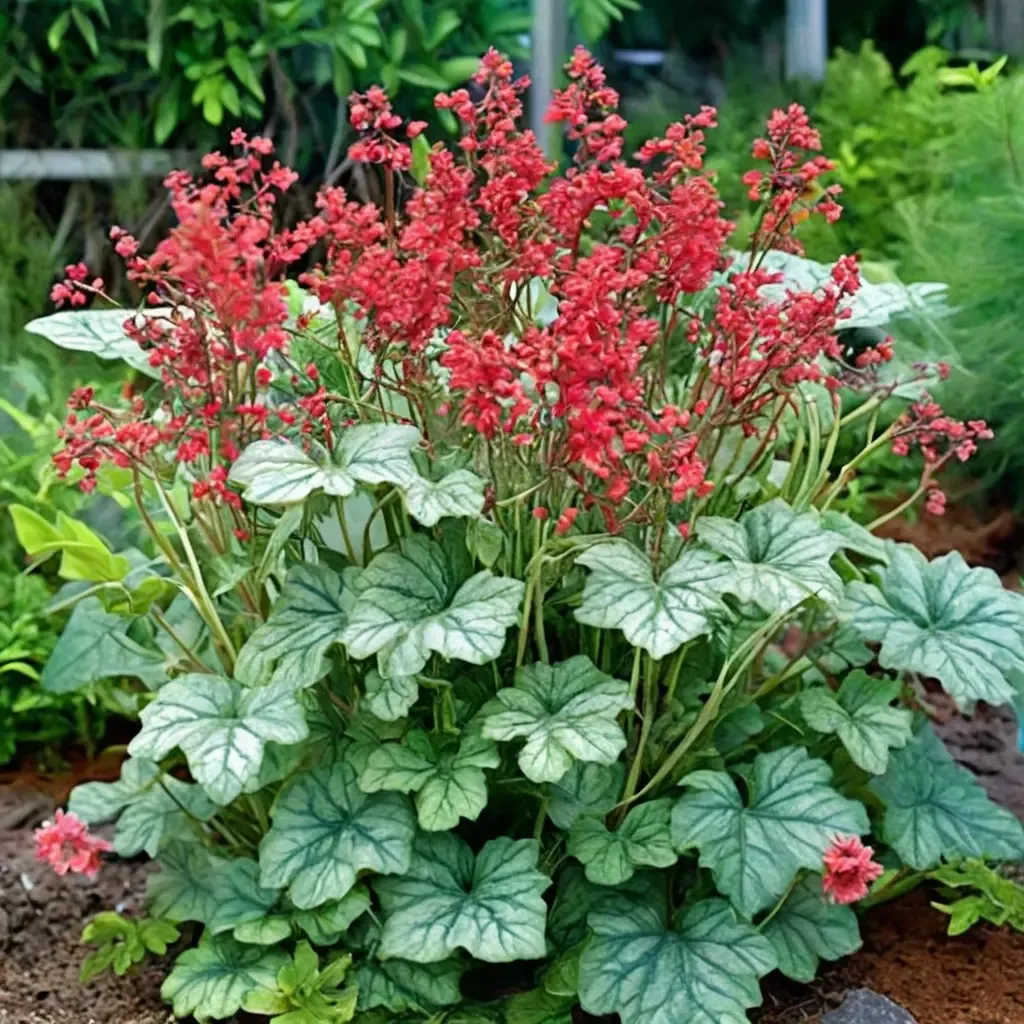
Mixed Coral Bells
Heuchera sanguinea 'Mixed Coral Bells'
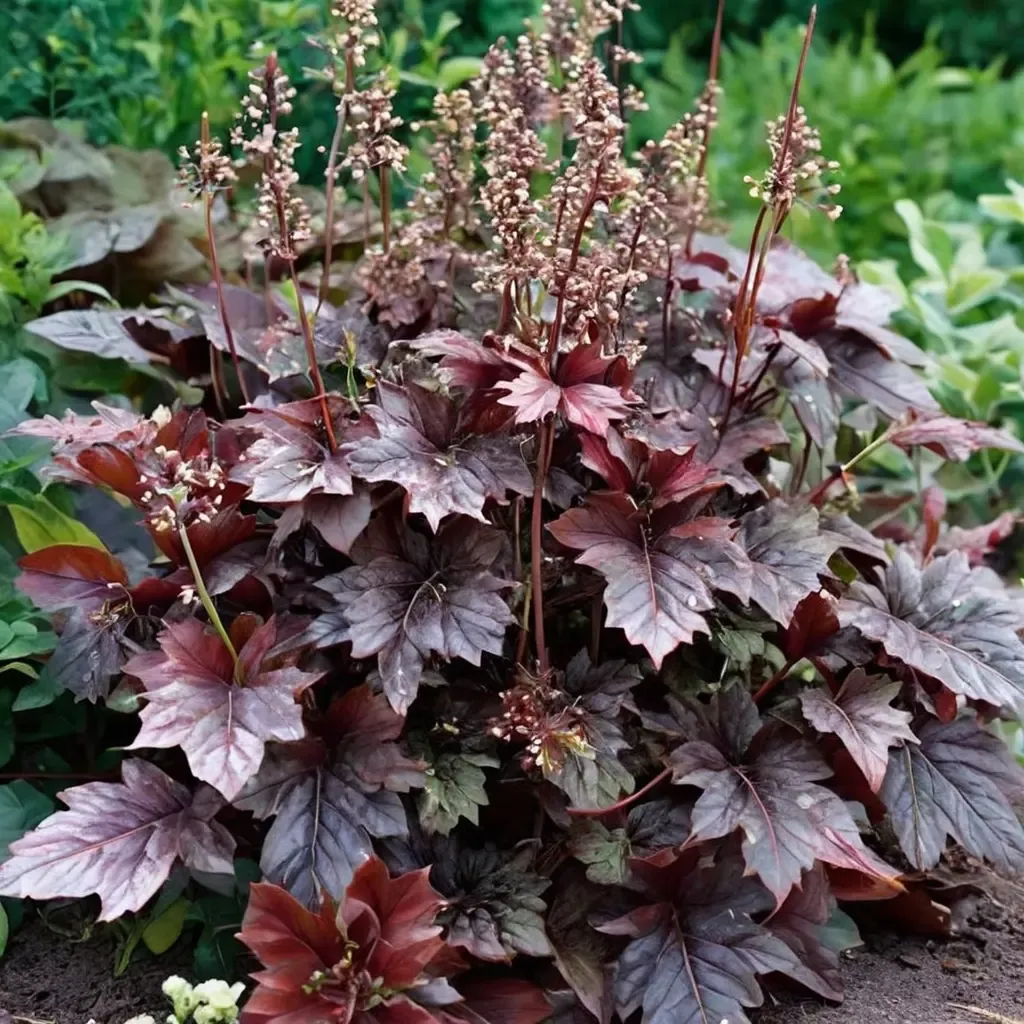
Palace Purple Coral Bells
Heuchera americana 'Palace Purple'
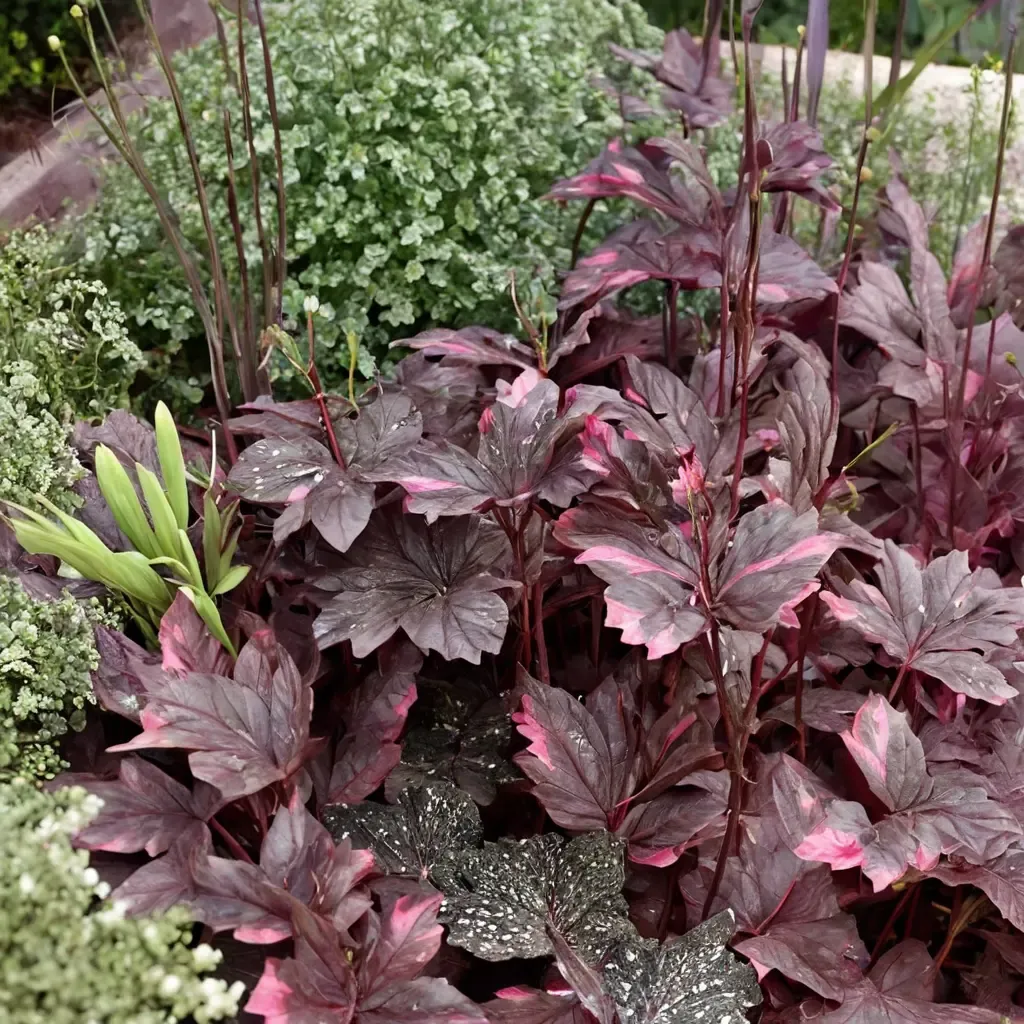
Midnight Rose Coral Bell
Heuchera x brizoides 'Midnight Rose'
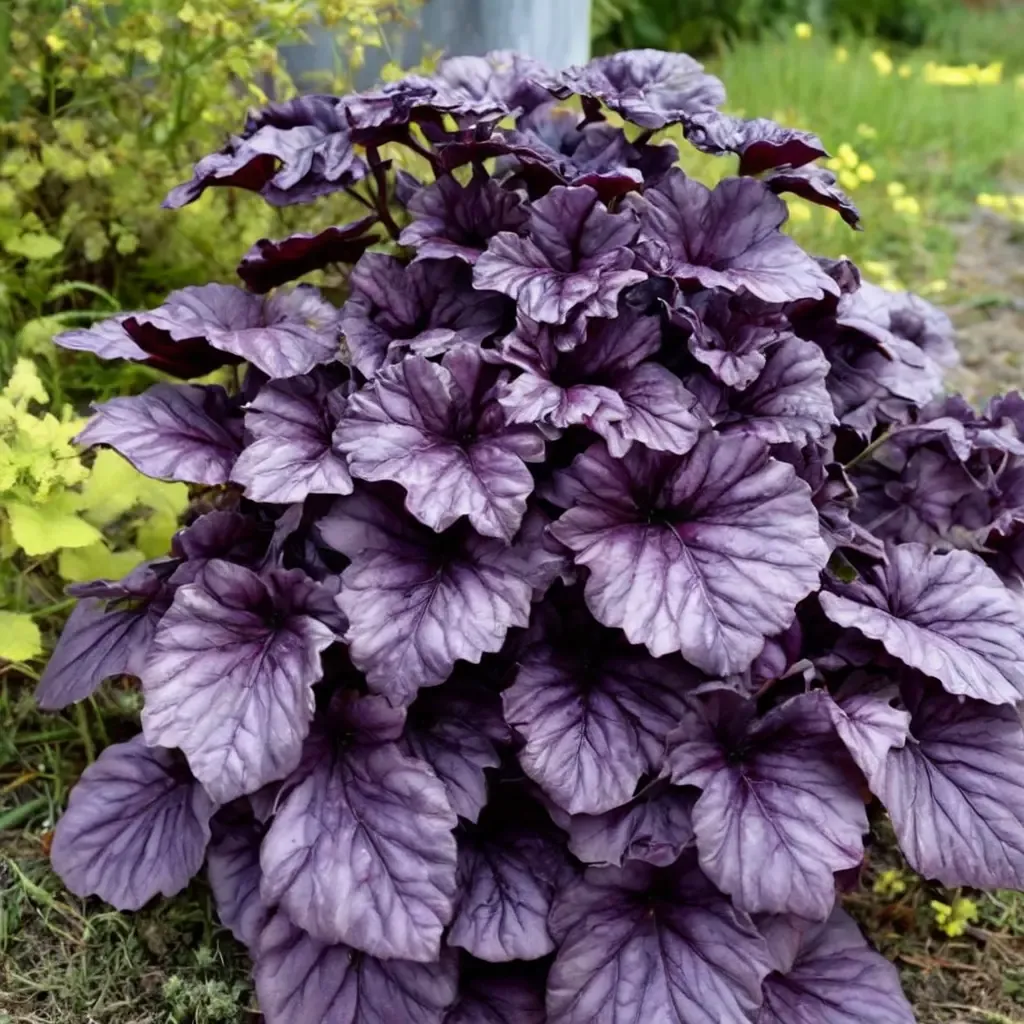
Wildberry Coral Bells
Heuchera x brizoides 'Wildberry'
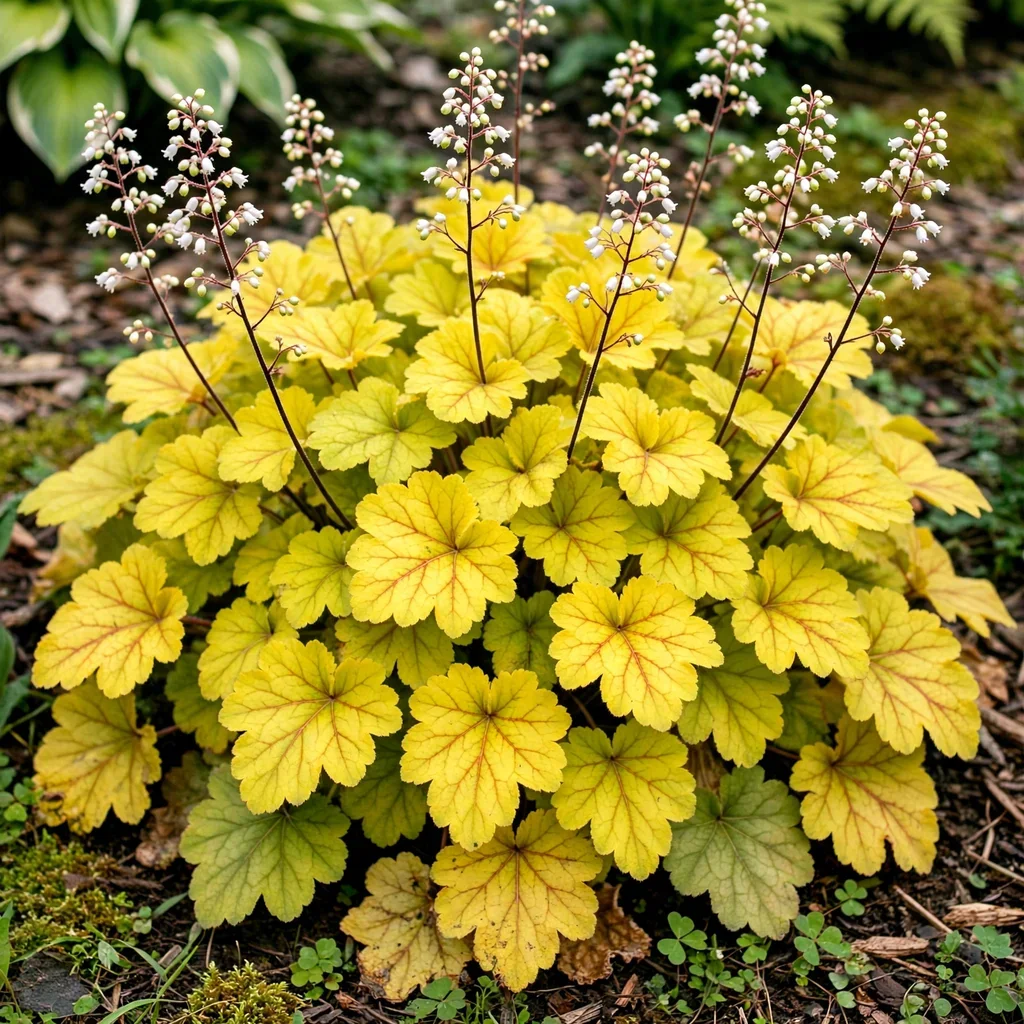
Electra Coral Bells
Heuchera sanguinea 'Electra'
Caramel Coral Bells
Heuchera sanguinea 'Caramel'
Keep exploring
Explore the genus
Grow Sparkling Burgundy Coral Bells with confidence
See it in a design of your actual yard, get zone-matched care reminders, and track it season by season in your garden journal.