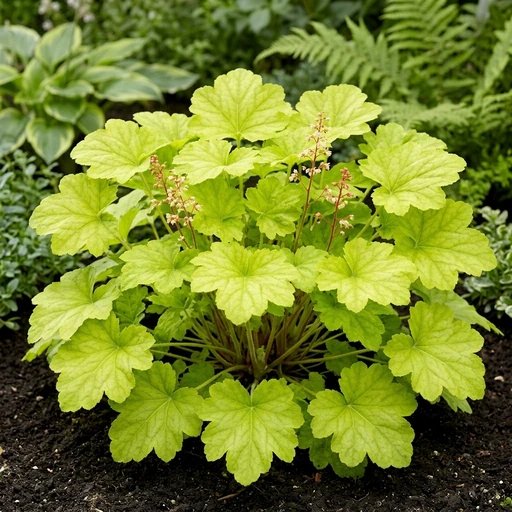
Garden hybrid
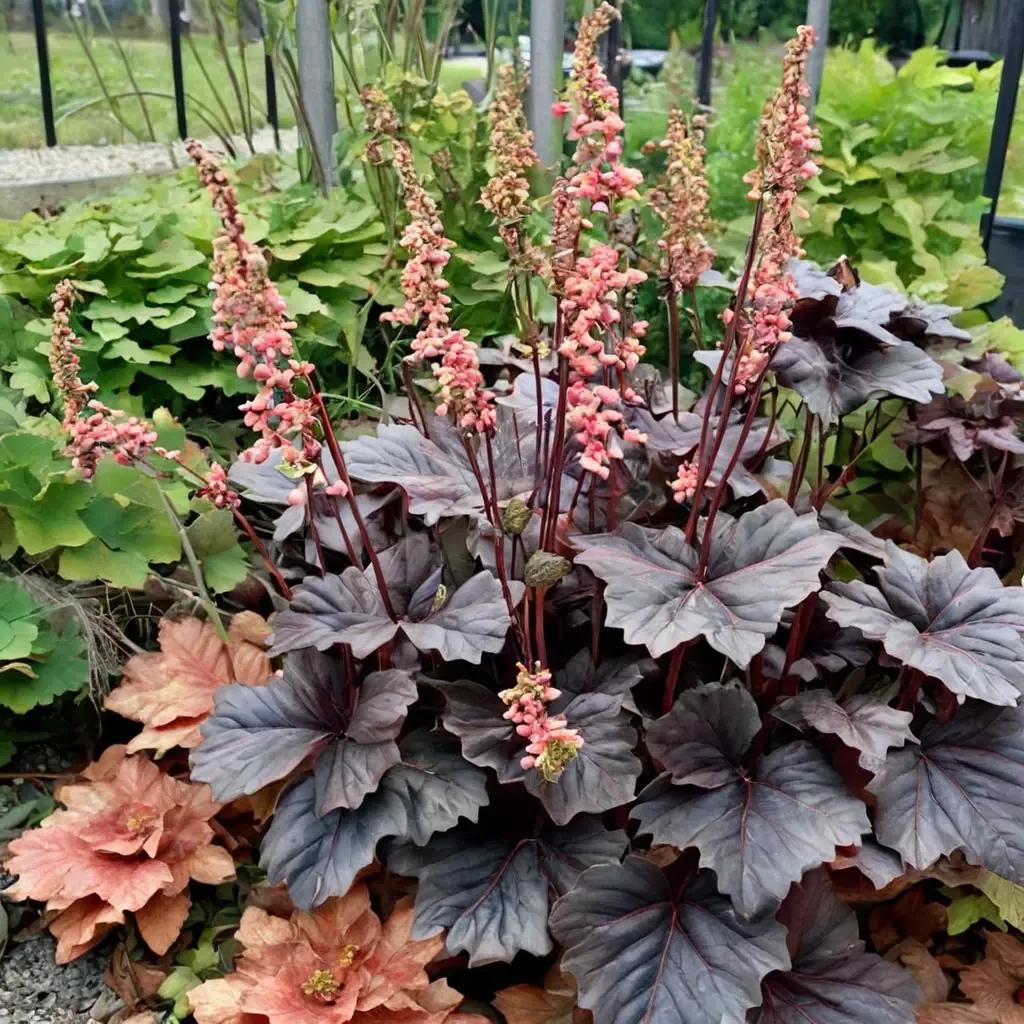 Heuchera x hybridaCoral Bells
81 other cultivars
 ‘Wild Rose’Primo Wild Rose Coral Bells
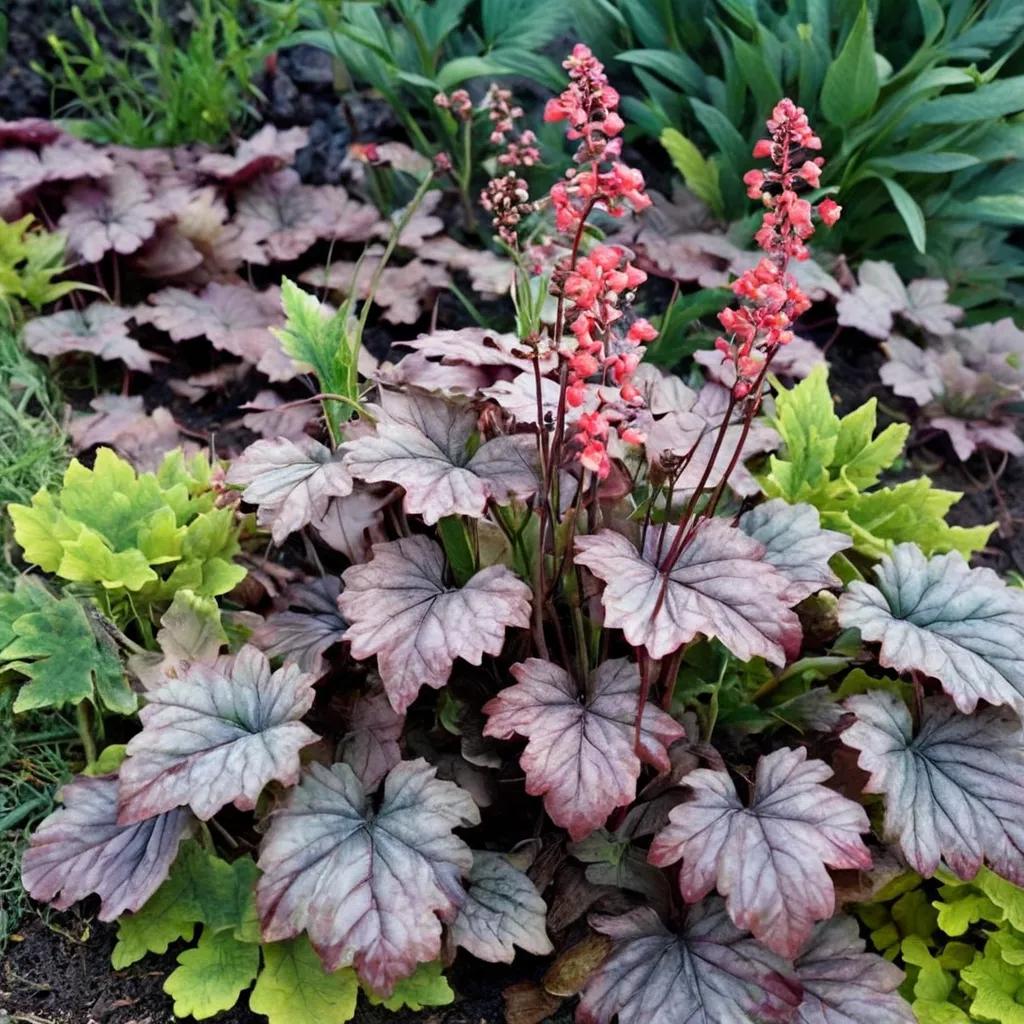 ‘Checkers’Checkers Coral Bells
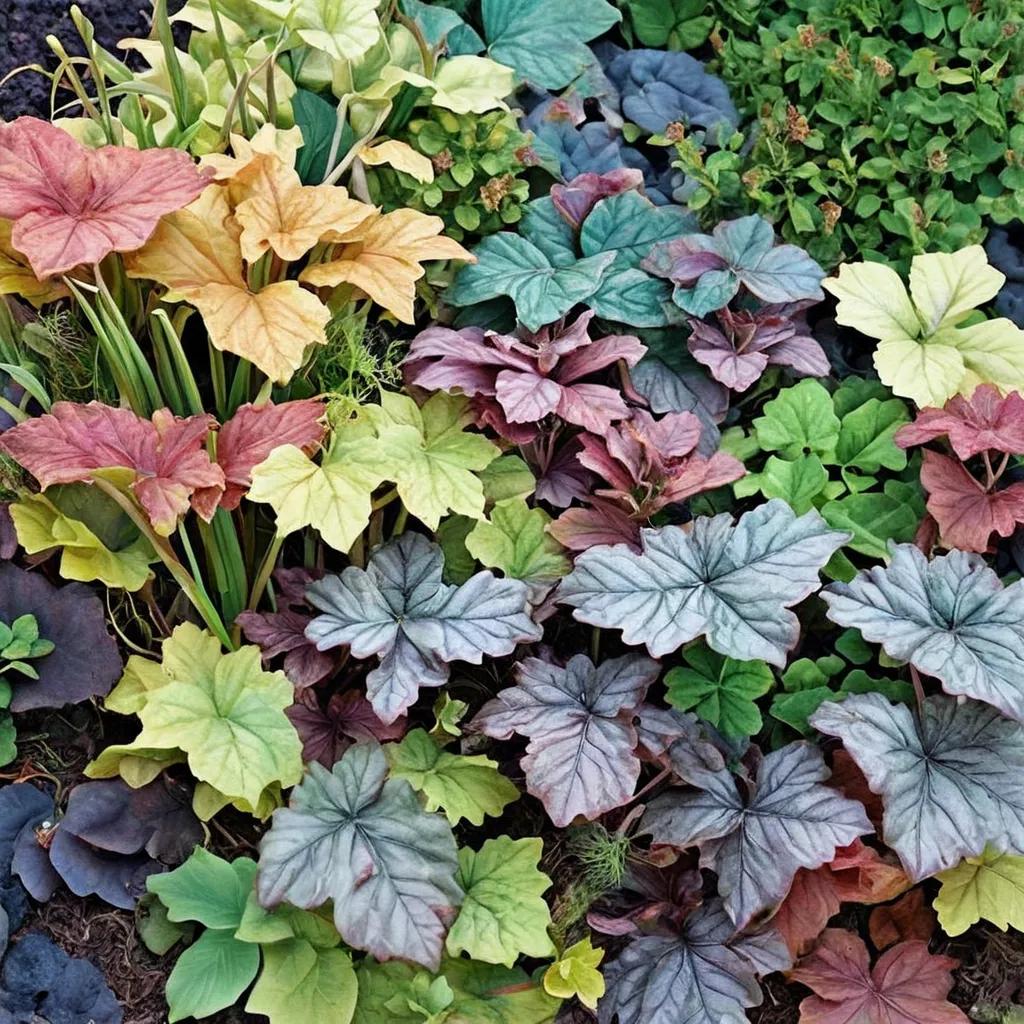 ‘Mix’Coral Bells Mix
 ‘Winter Red’Winter Red Heuchera
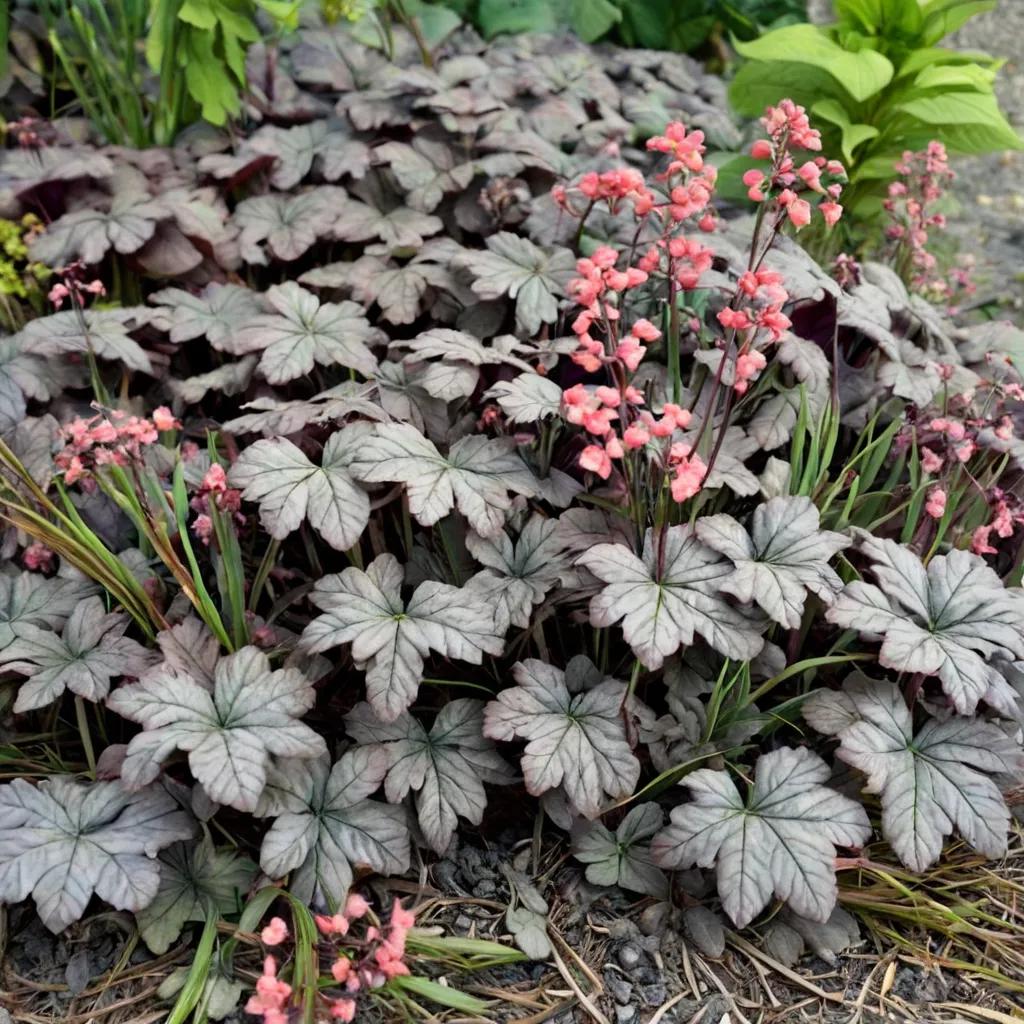 ‘Smoke and Mirrors’Coral Bells Smoke and Mirrors
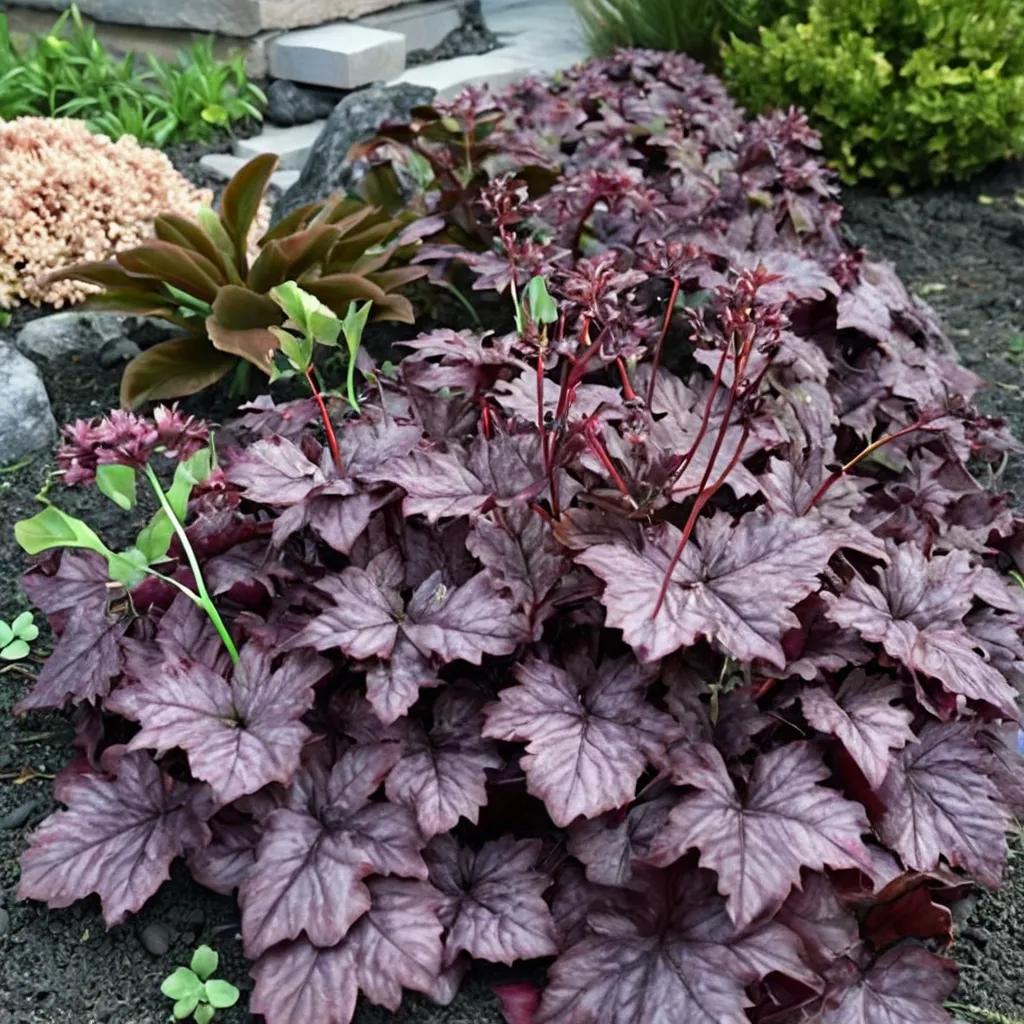 ‘Purple Sails’Purple Sails Coral Bells
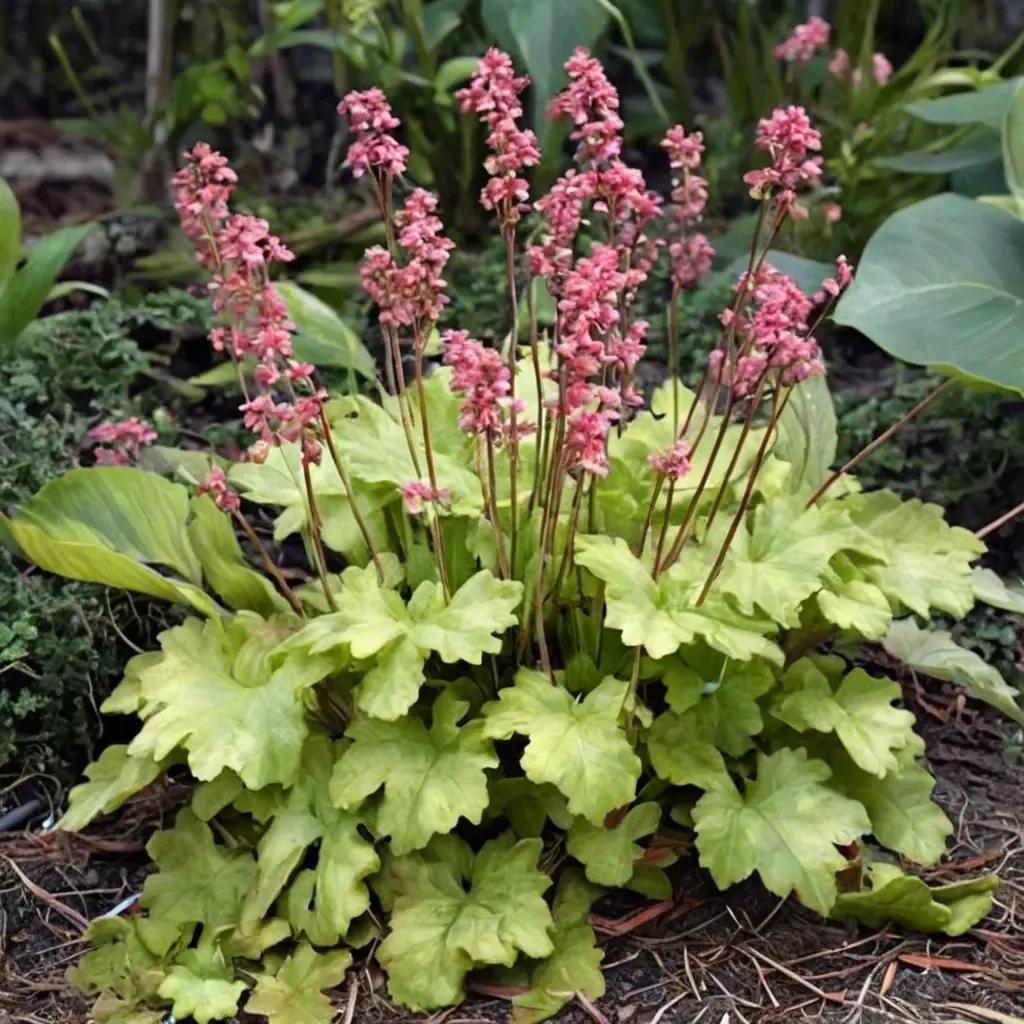 ‘Timeless Glow’Timeless Glow Coral Bells
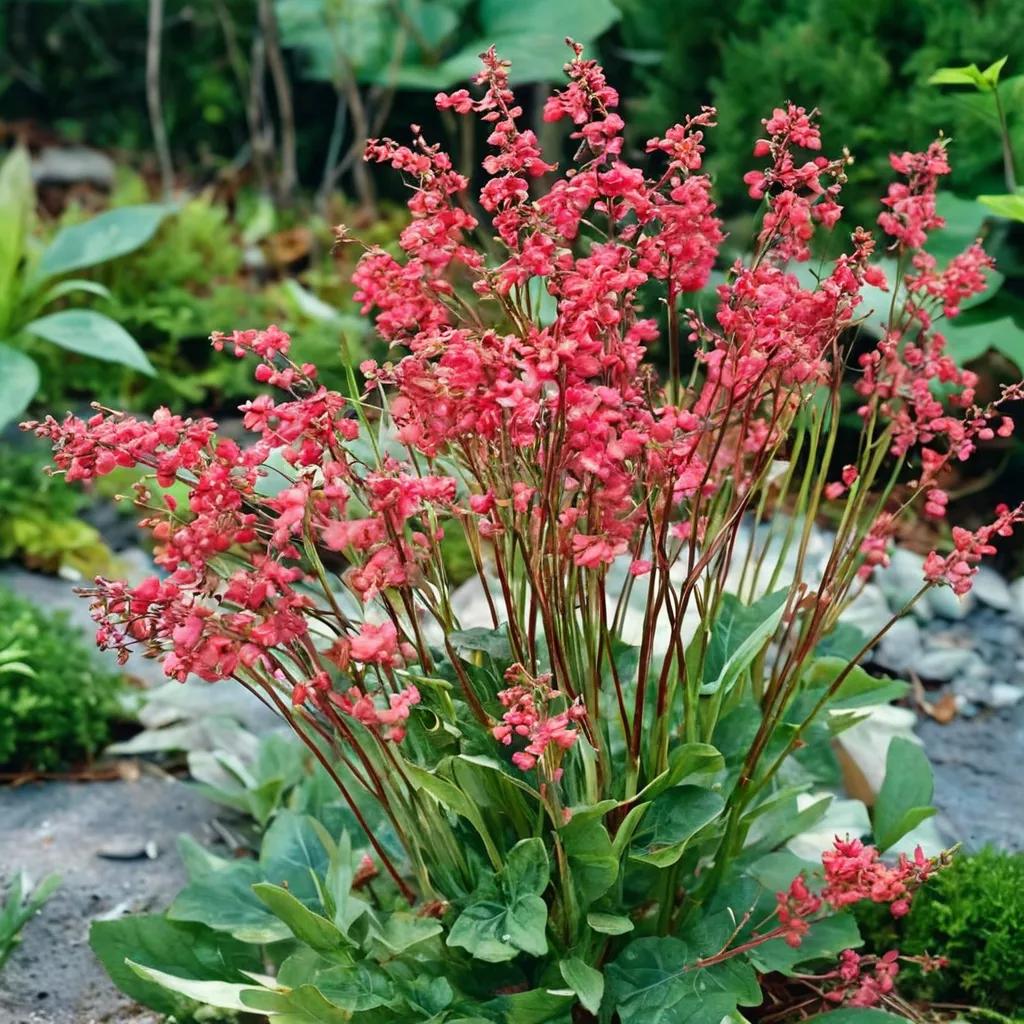 ‘Firefly’Coral Bells 'Firefly'
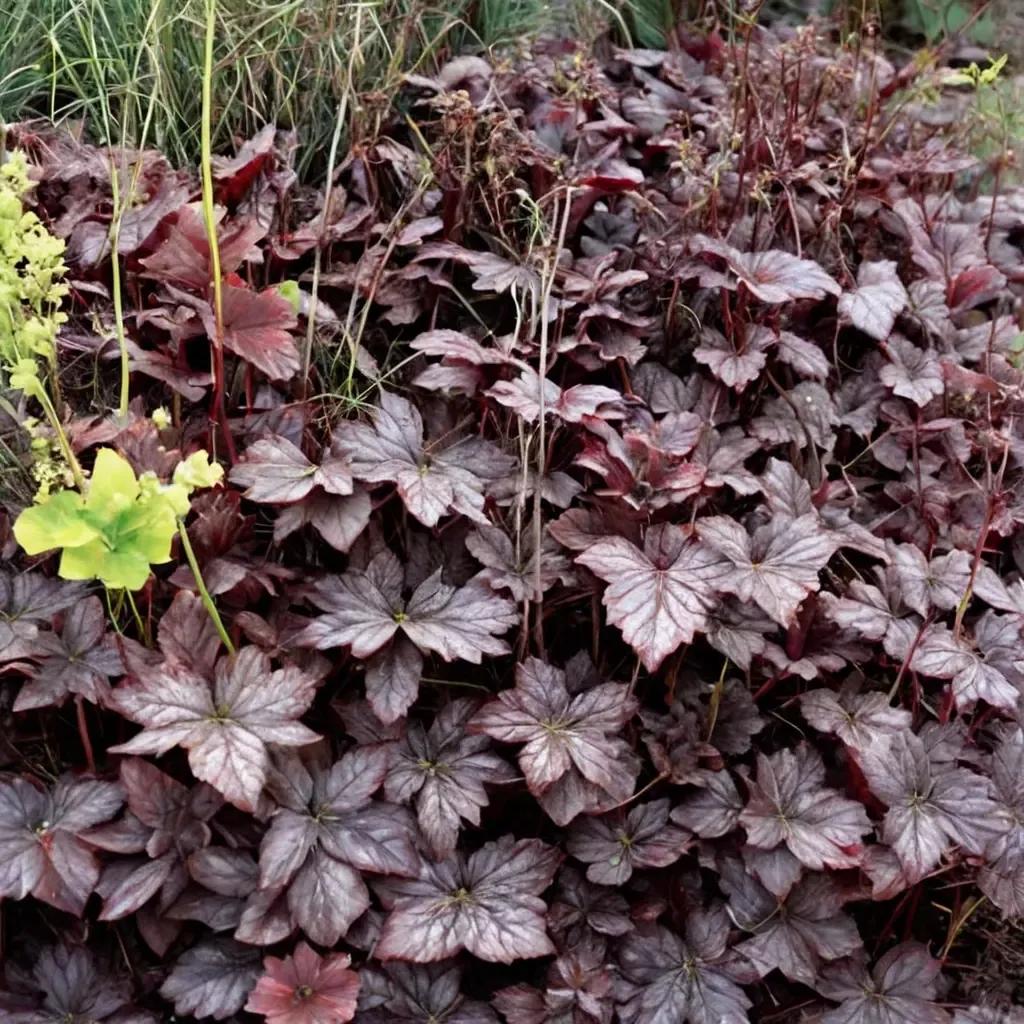 ‘Plum Pudding’Plum Pudding Coral Bells
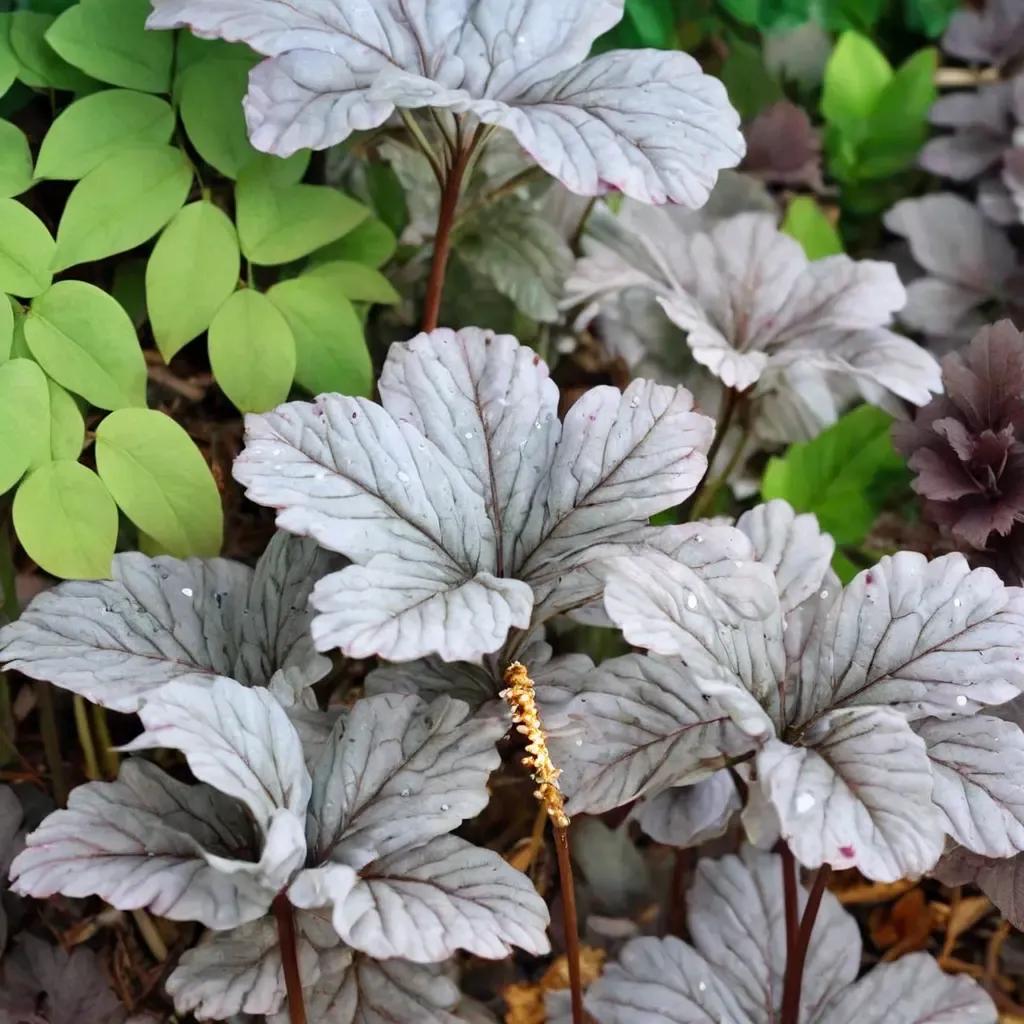 ‘Stainless Steel’Stainless Steel Coral Bells
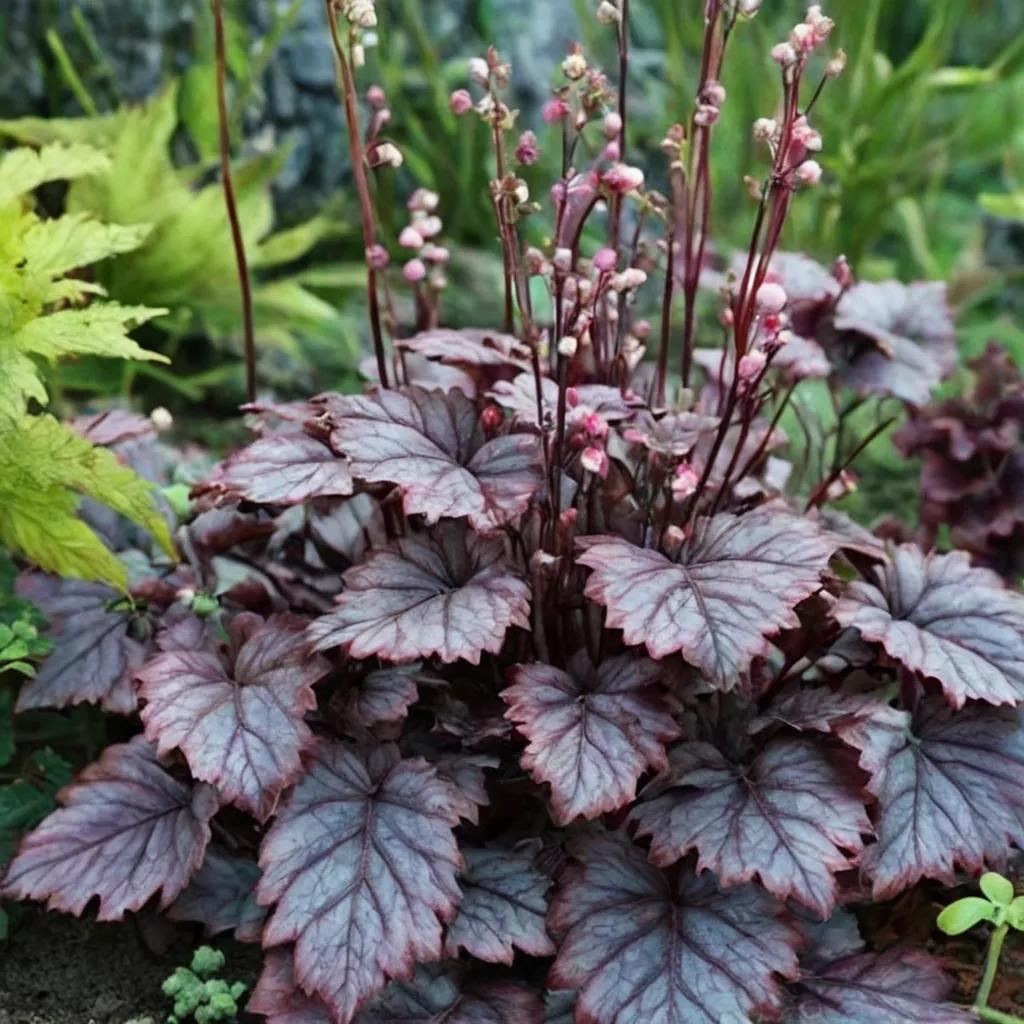 ‘Prince’Coral Bells Prince
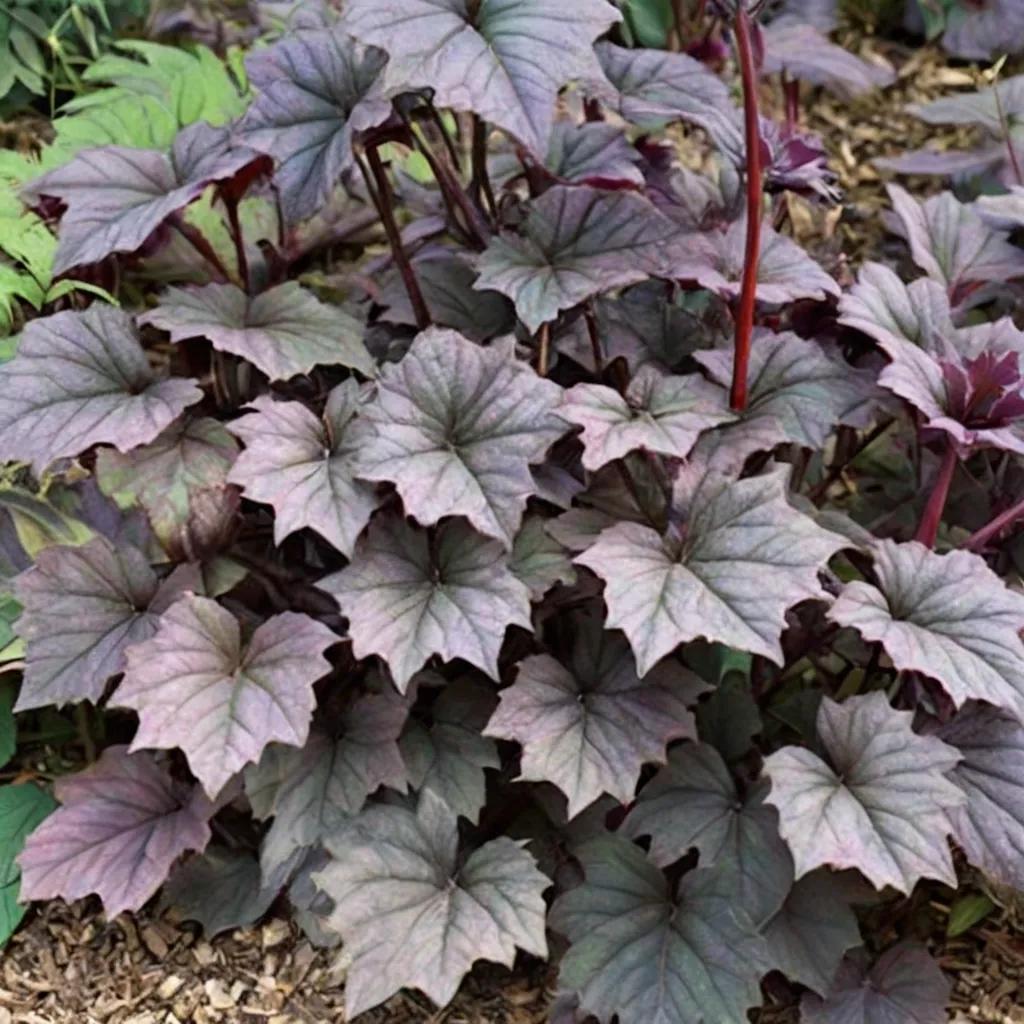 ‘Frosted Violet’Frosted Violet Coral Bells
 ‘Plum Royale’Plum Royale Coral Bells
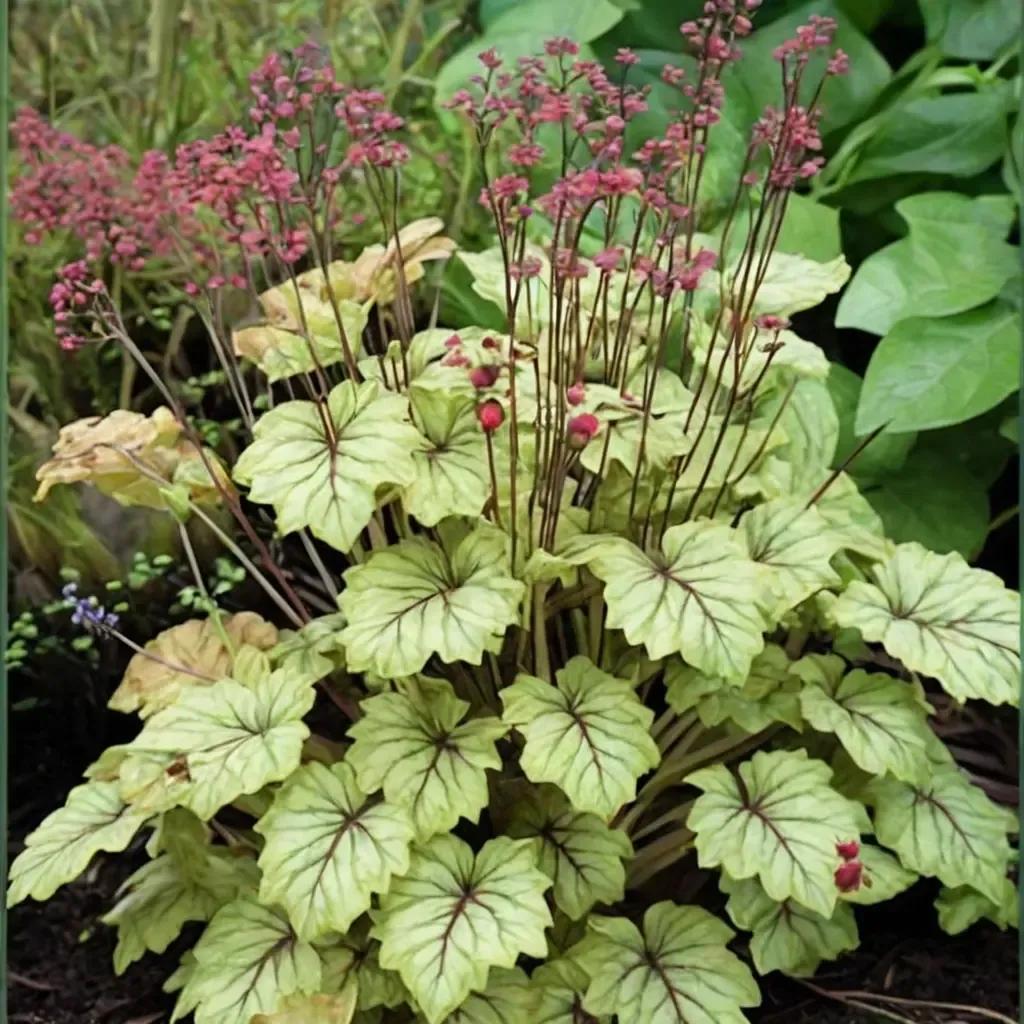 ‘Circus’Circus Coral Bells
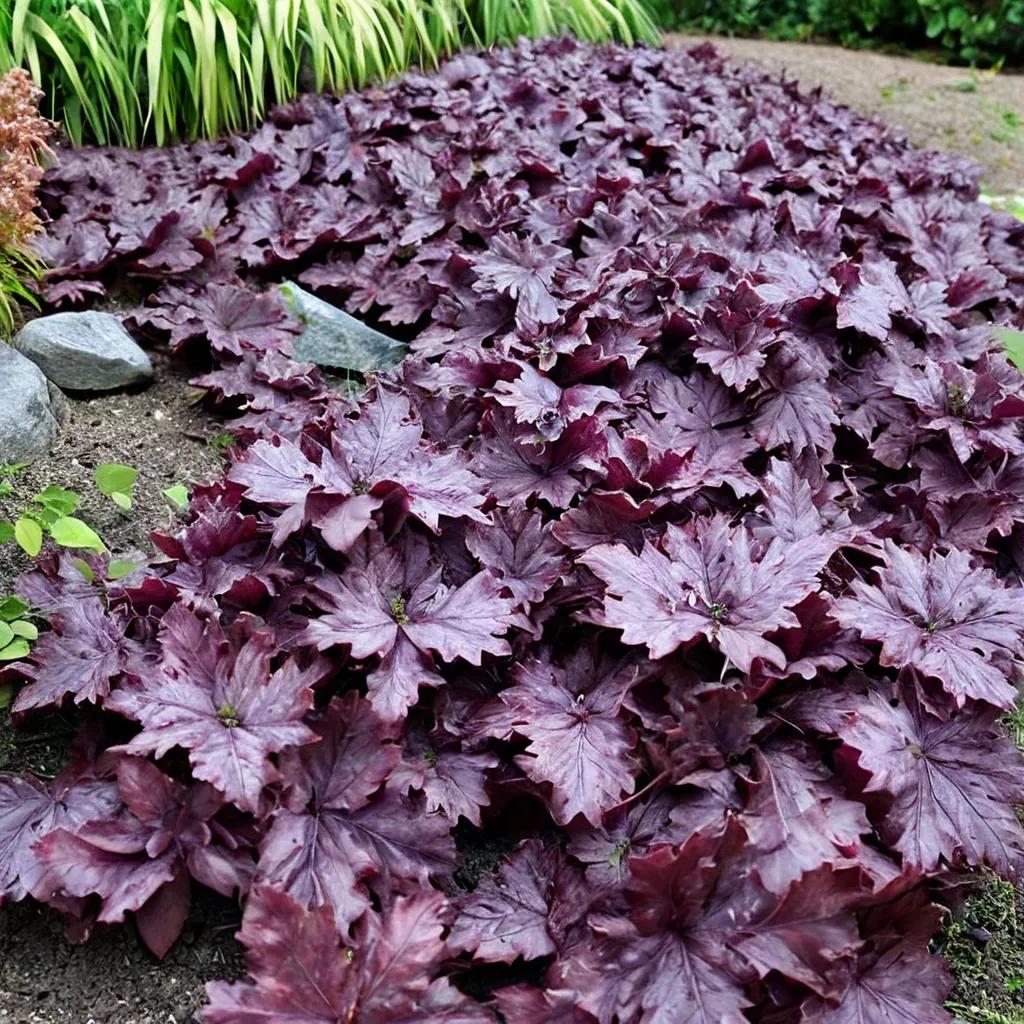 ‘Forever Purple’Forever Purple Heuchera
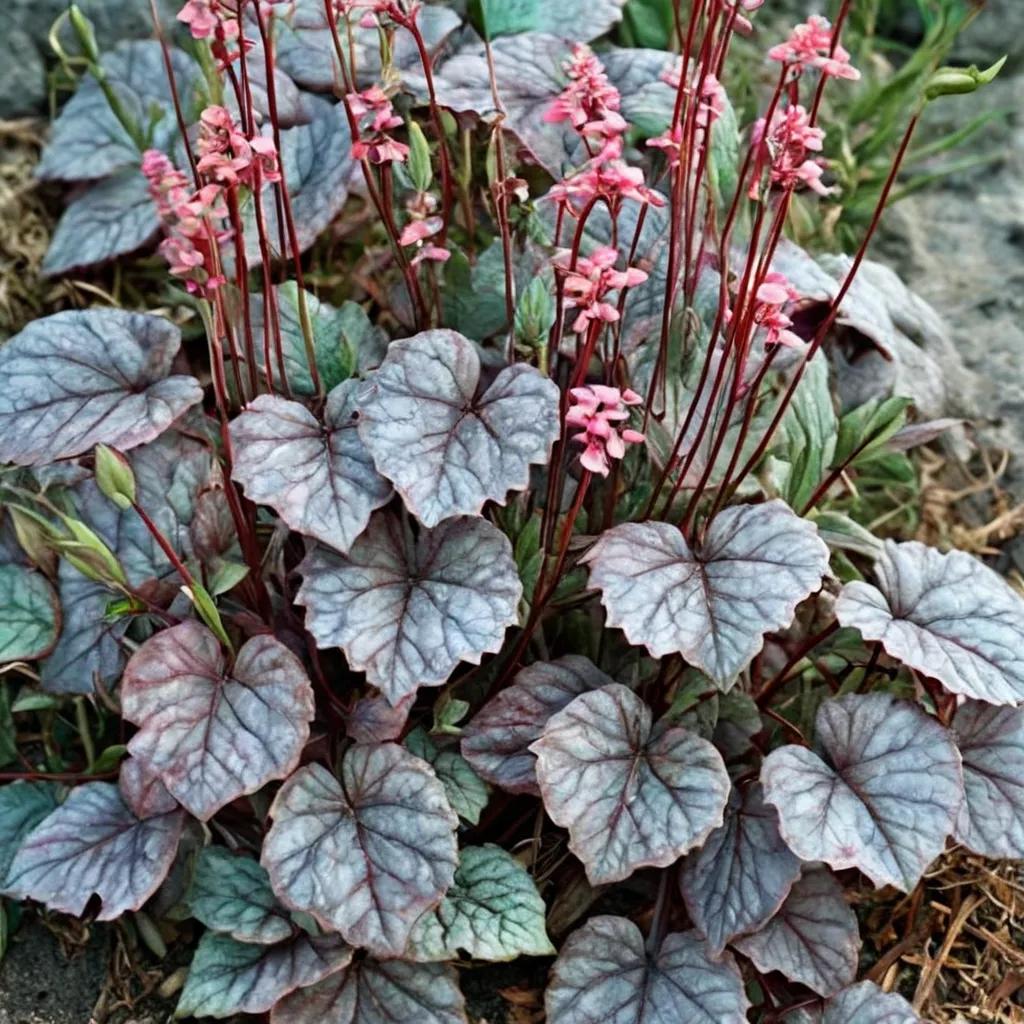 ‘Silver Shadows’Silver Shadows Coral Bells
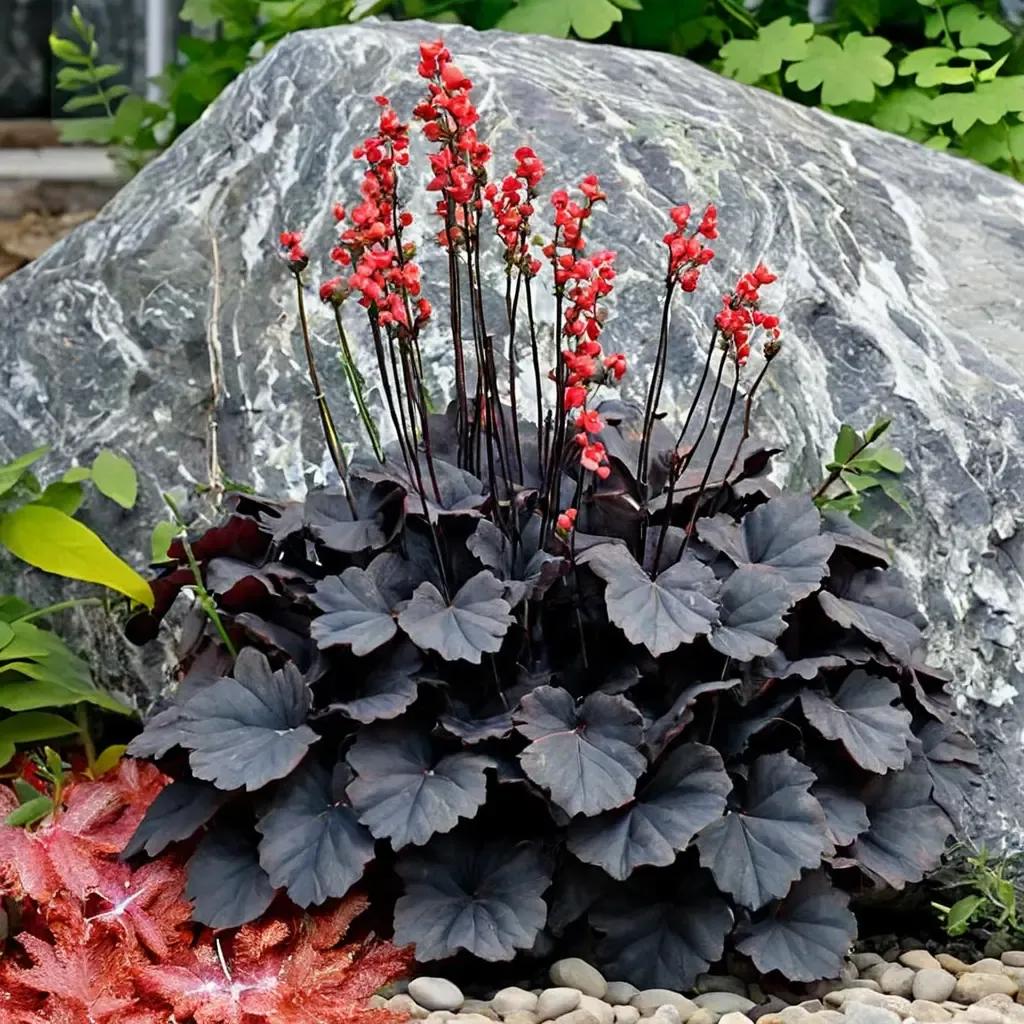 ‘Black Forest Cake’Black Forest Cake Coral Bells
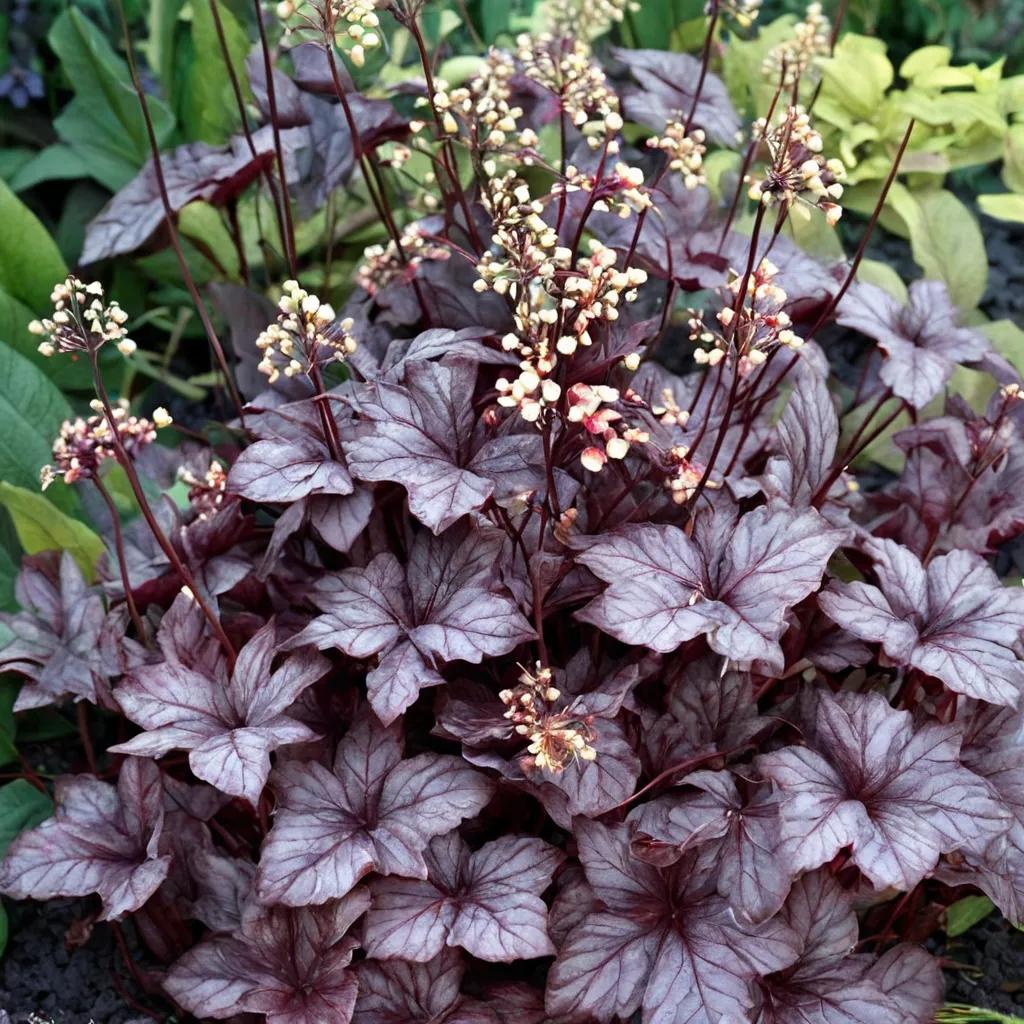 ‘Shanghai’Shanghai Coral Bells
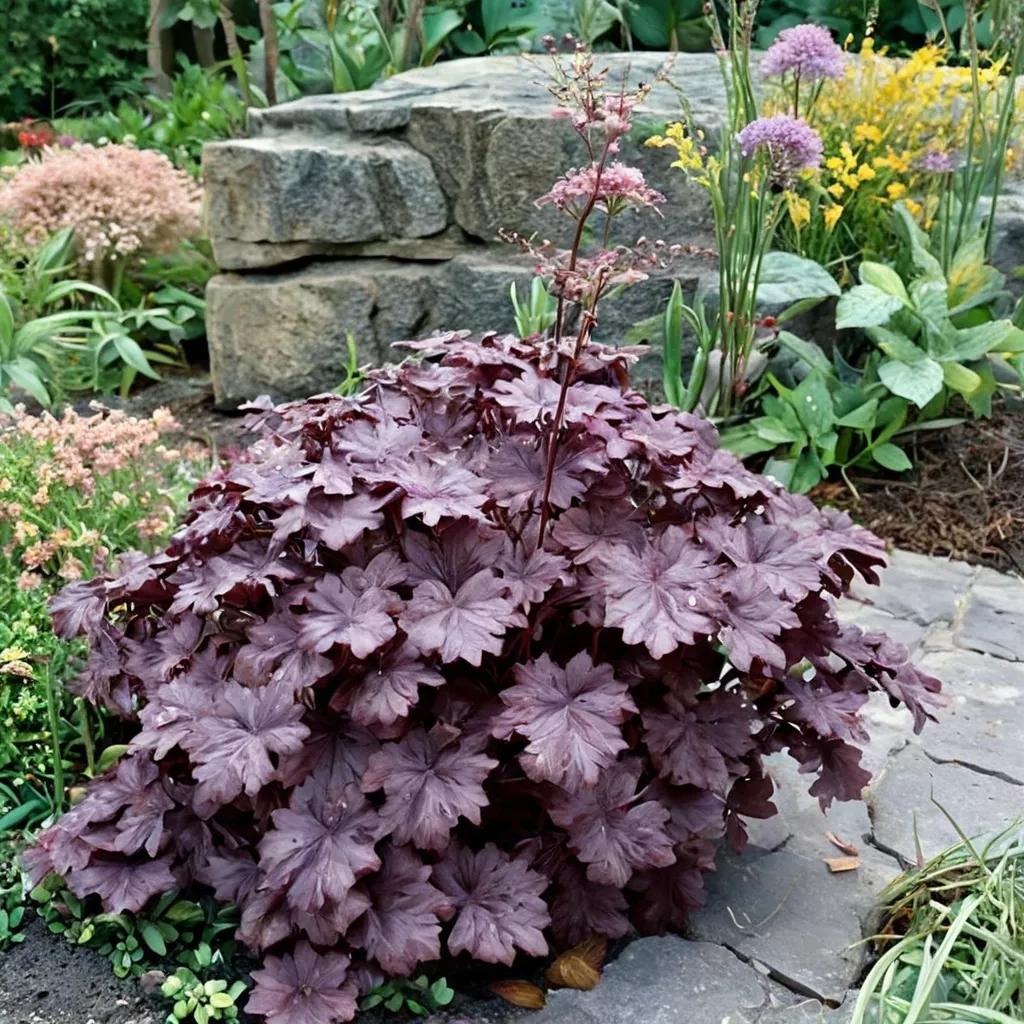 ‘Amethyst’Amethyst Myst Coral Bells
 ‘Southern Comfort’Southern Comfort Coral Bells
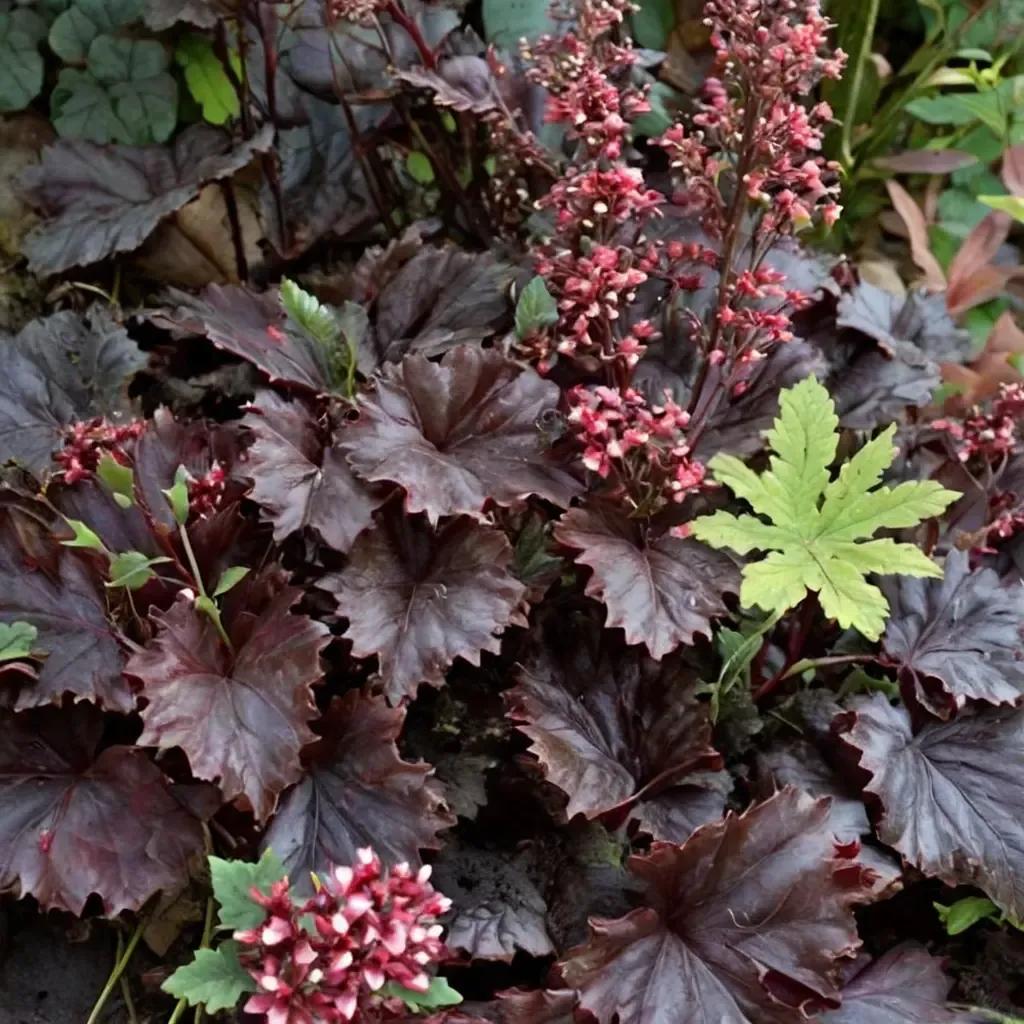 ‘Black Taffeta’Black Taffeta Coral Bells
 ‘Tnheufr’Tnheufr Coral Bells
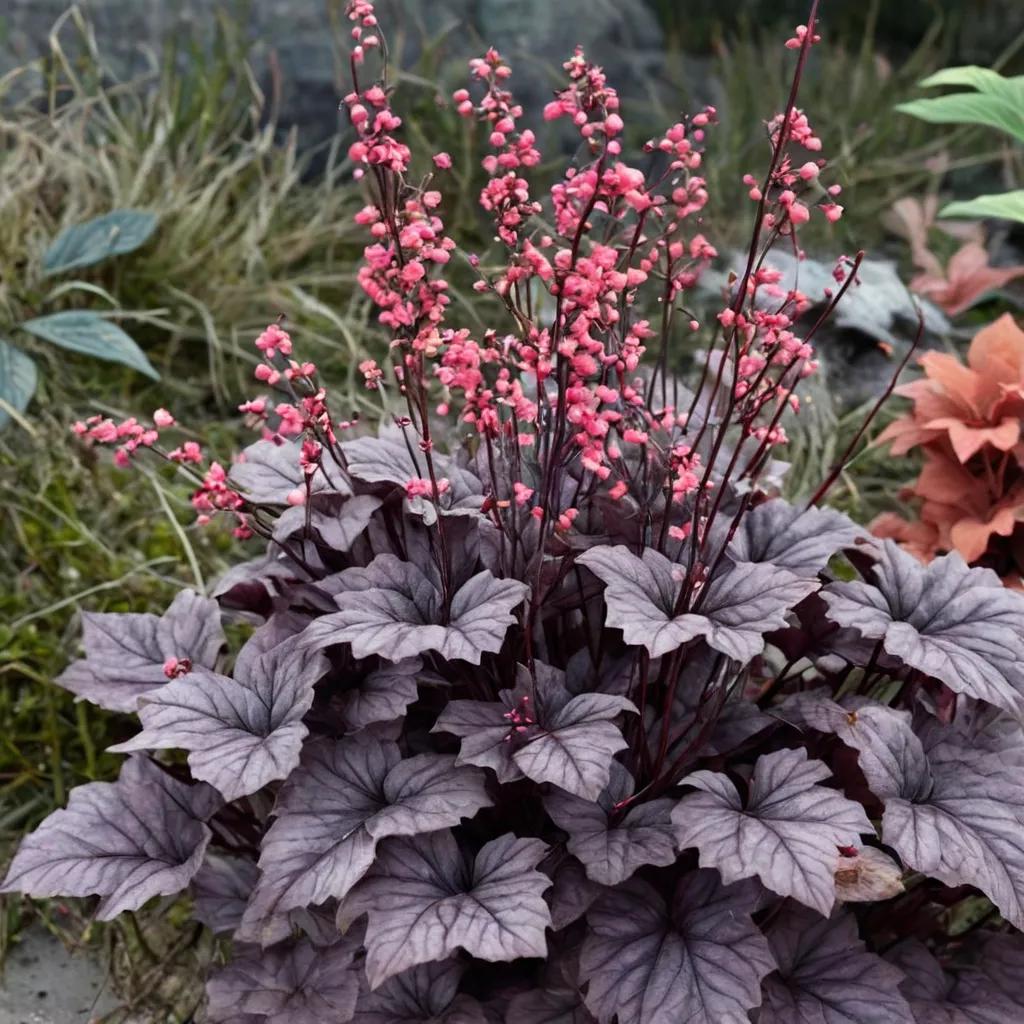 ‘Grape Timeless’Grape Timeless Coral Bells
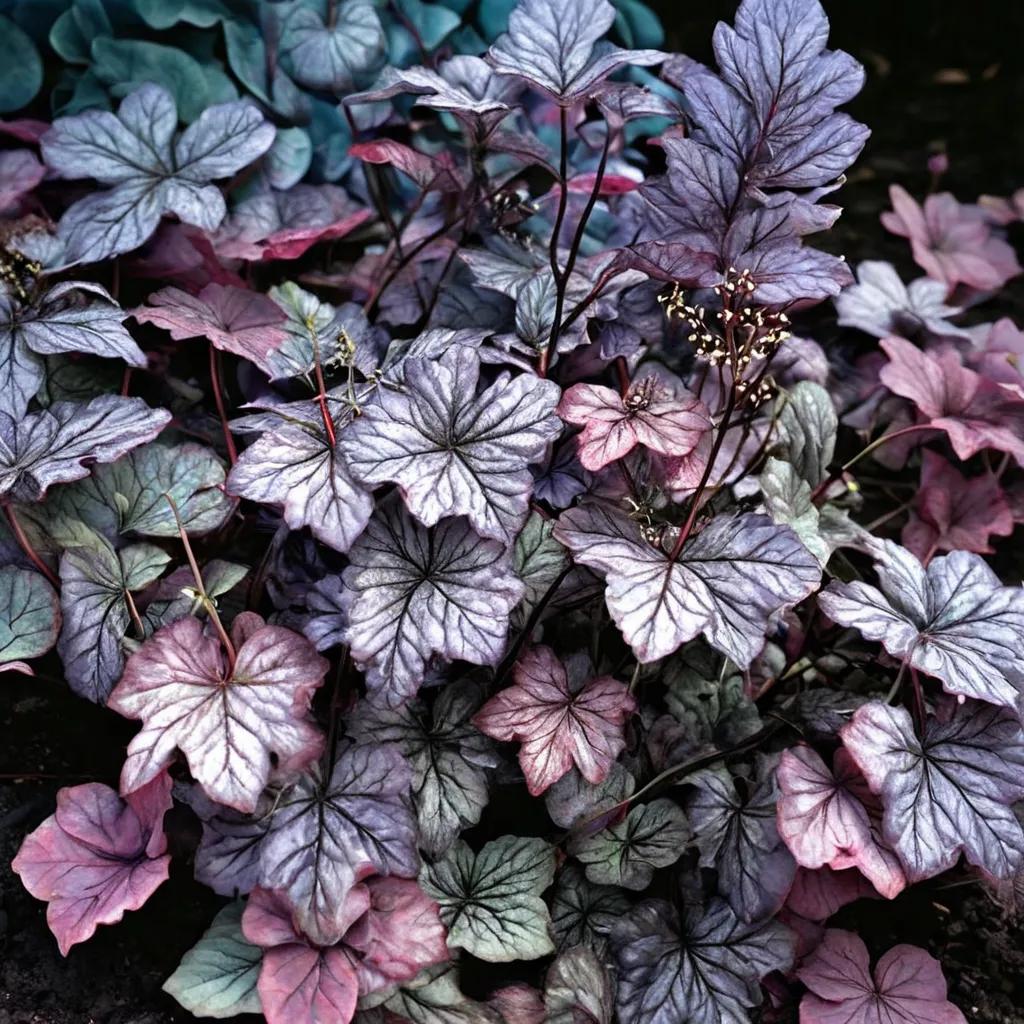 ‘Cascade Dawn’Cascade Dawn Coral Bells
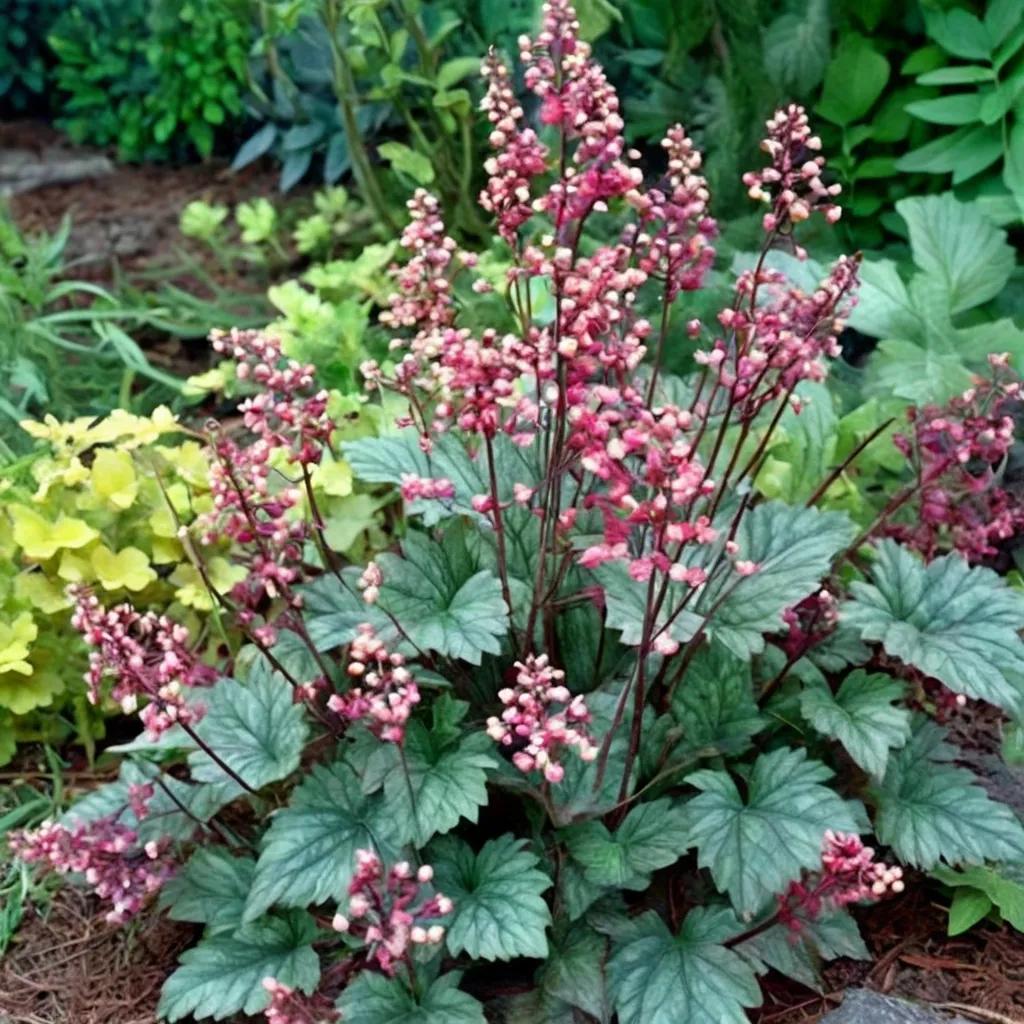 ‘Carousel’Heuchera Carousel
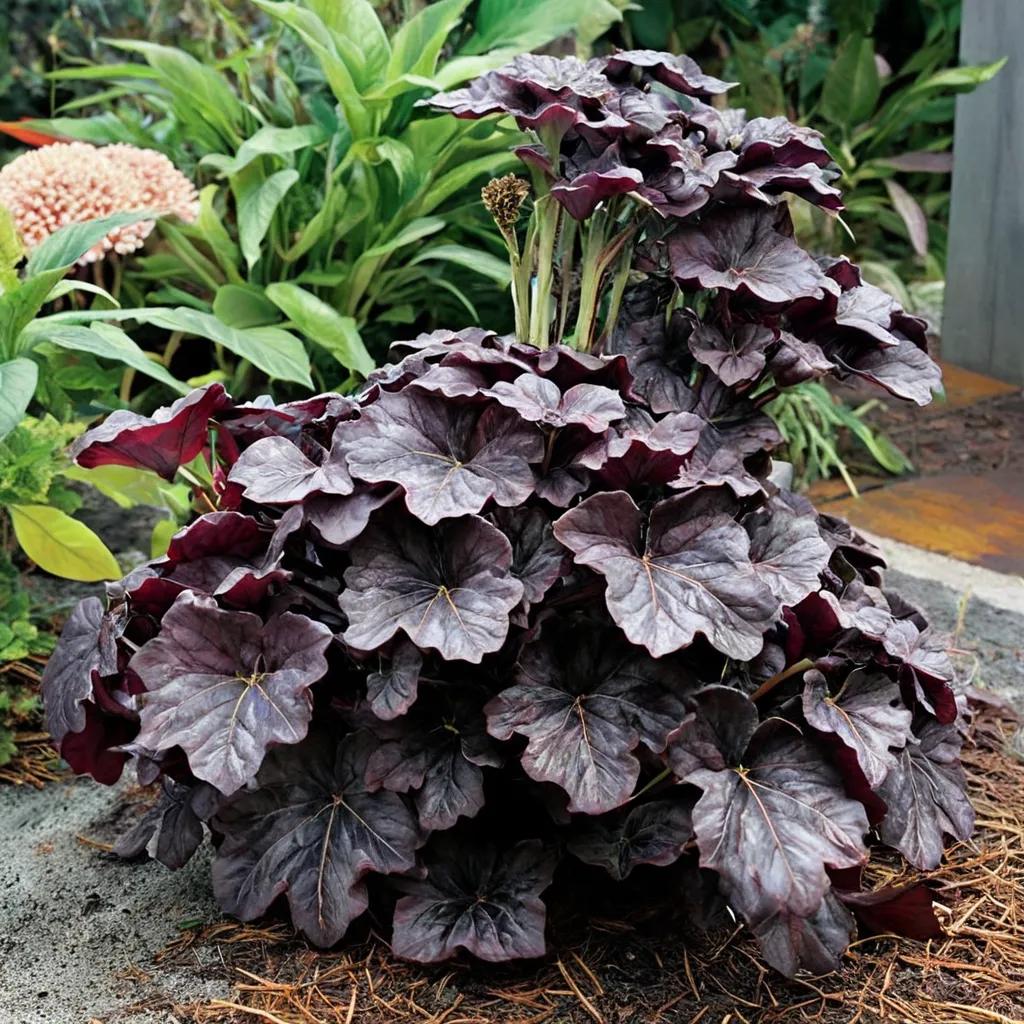 ‘Grande Black’'Grande Black' Coral Bells
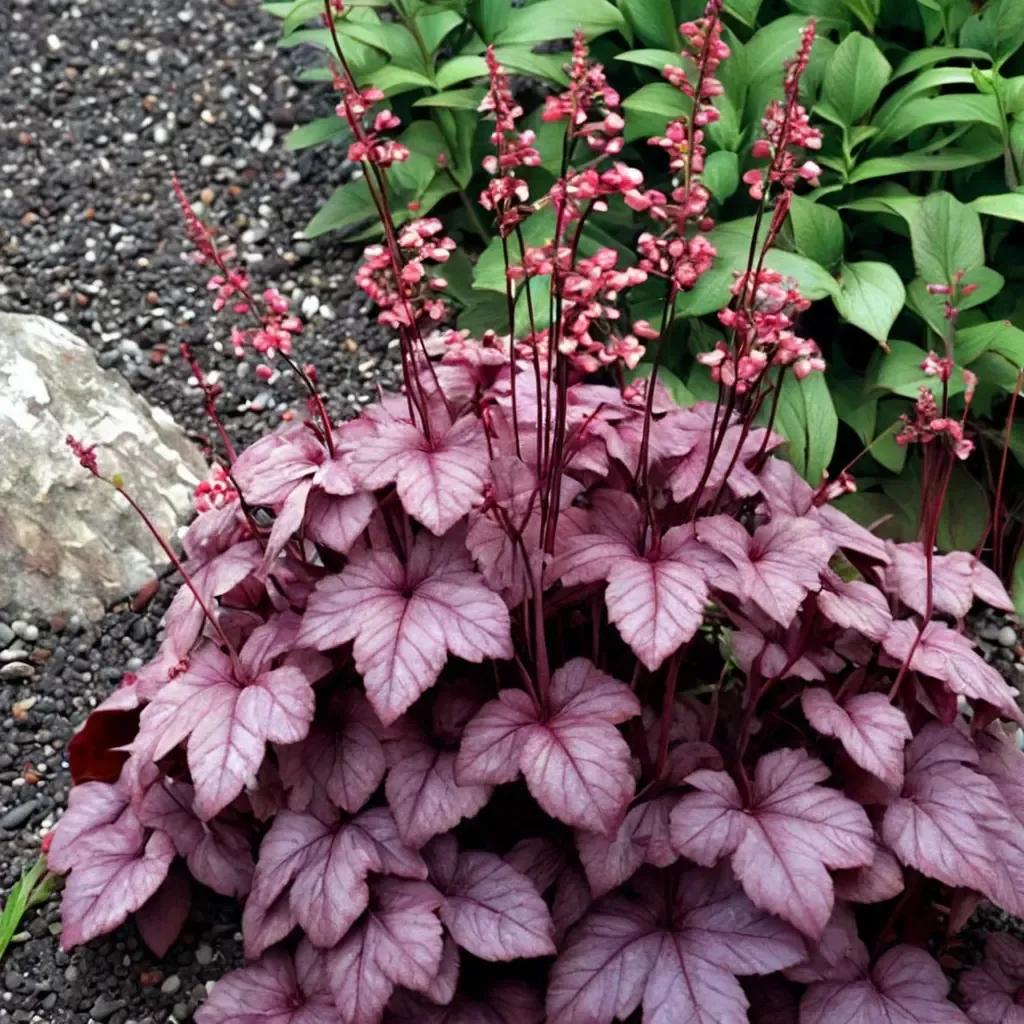 ‘Grape Soda’Grape Soda Coral Bell
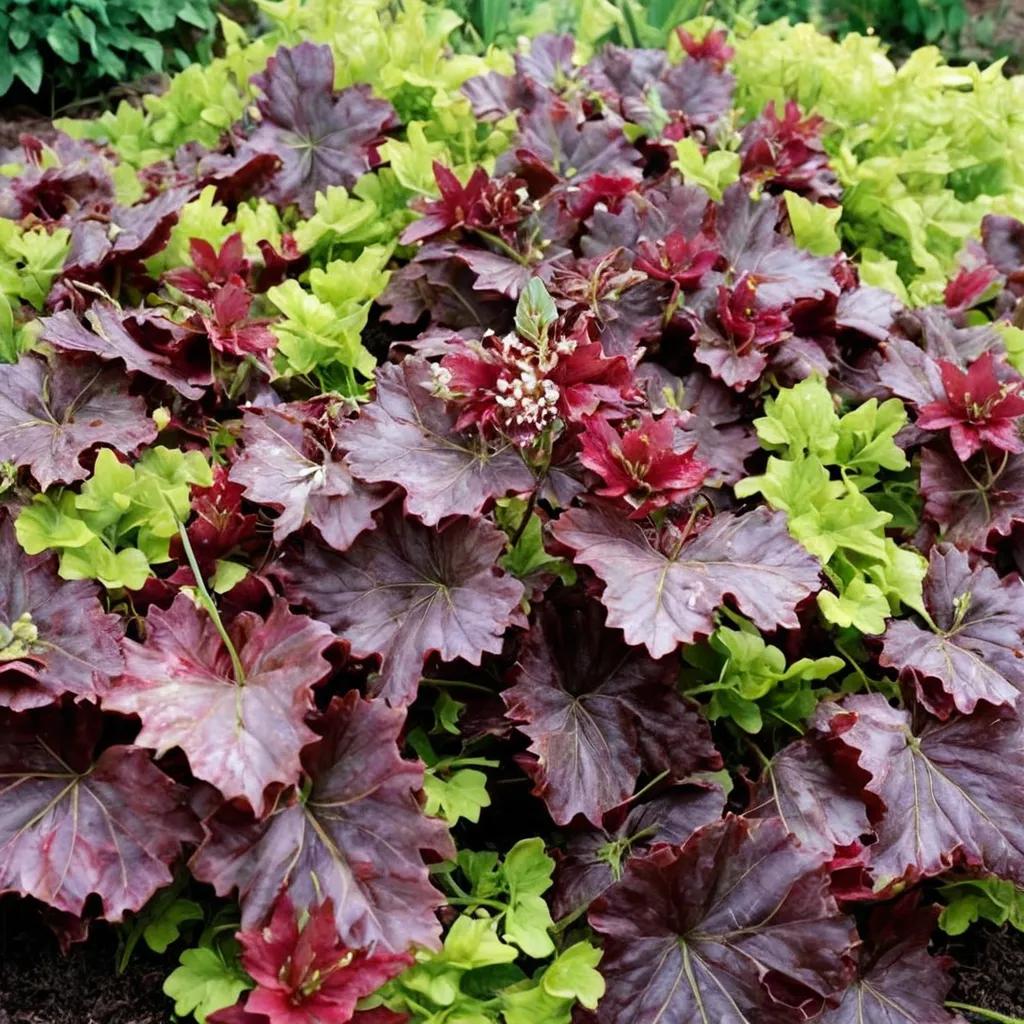 ‘Lace Ruffles’Coral Bells 'Lace Ruffles'
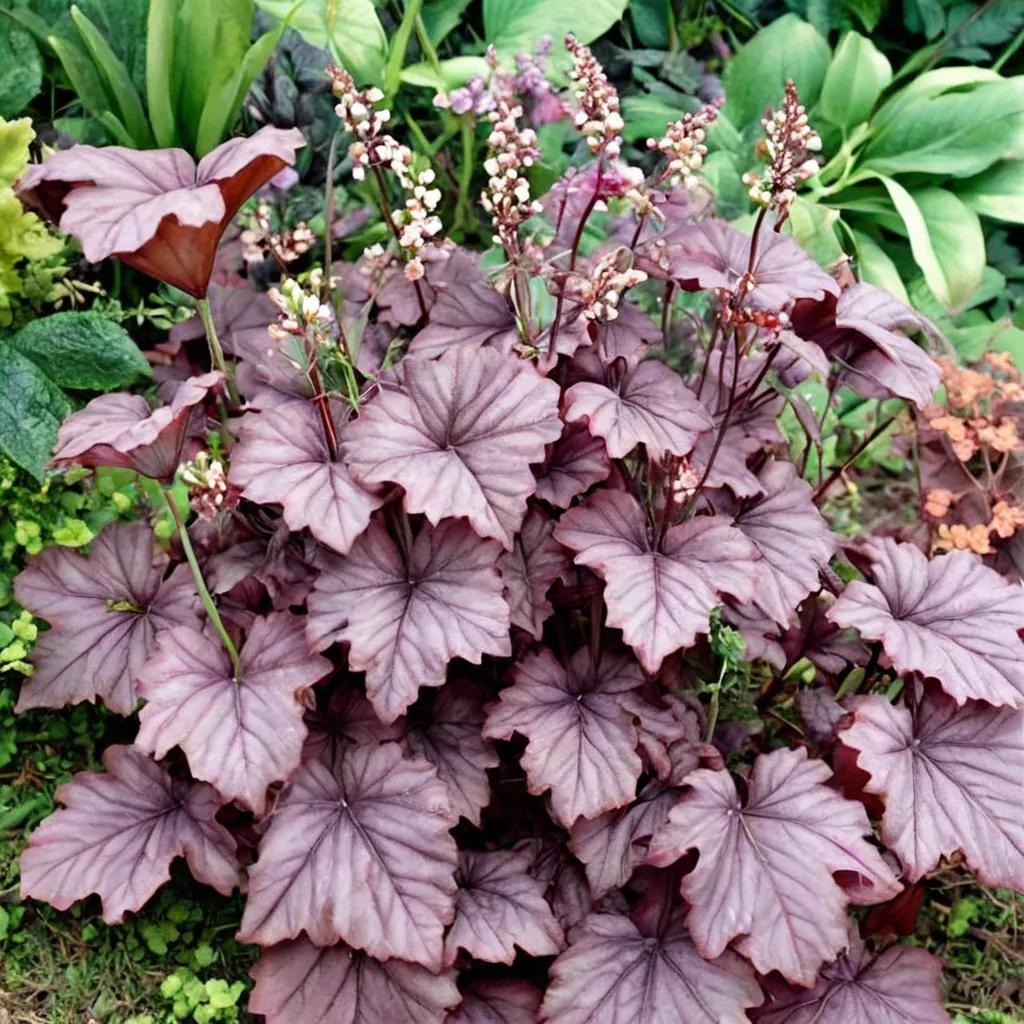 ‘Sugar Berry’Heuchera Sugar Berry
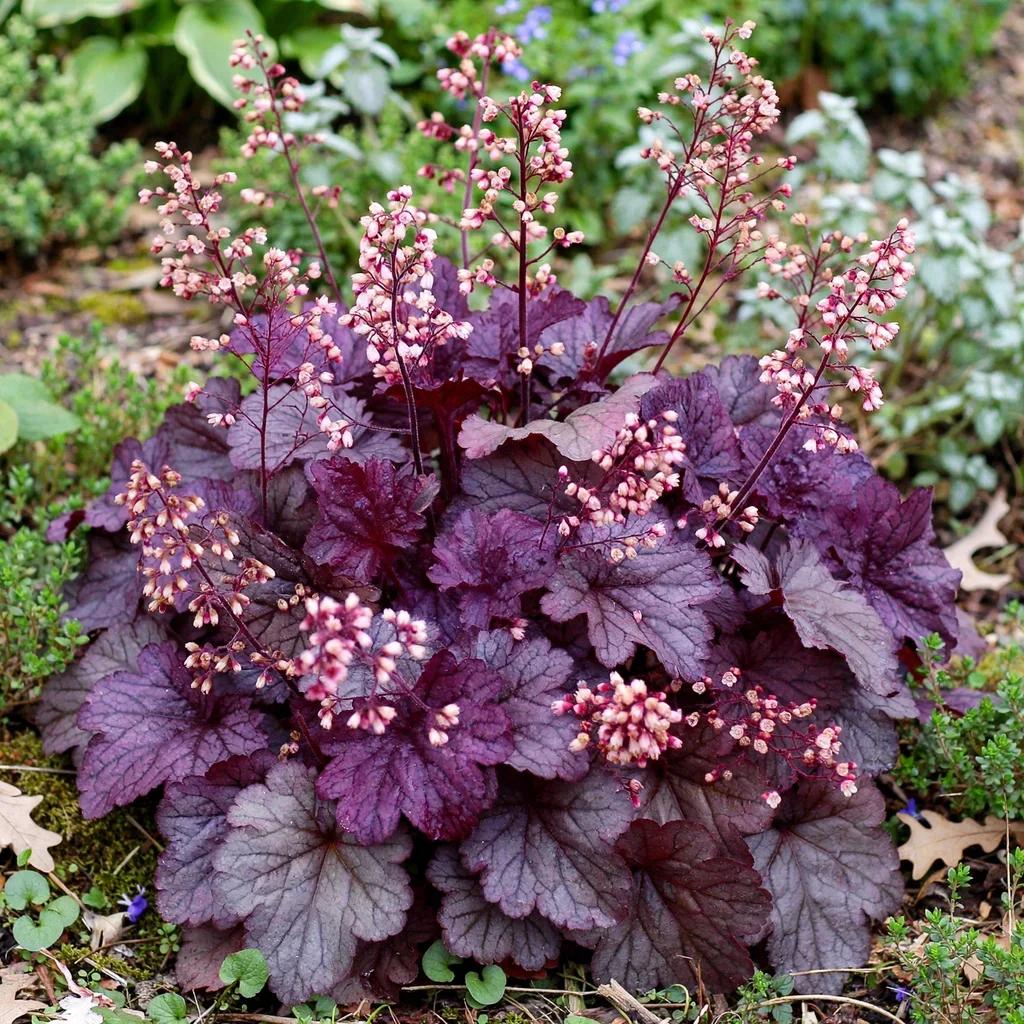 ‘Sparkling Burgundy’Sparkling Burgundy Coral Bells
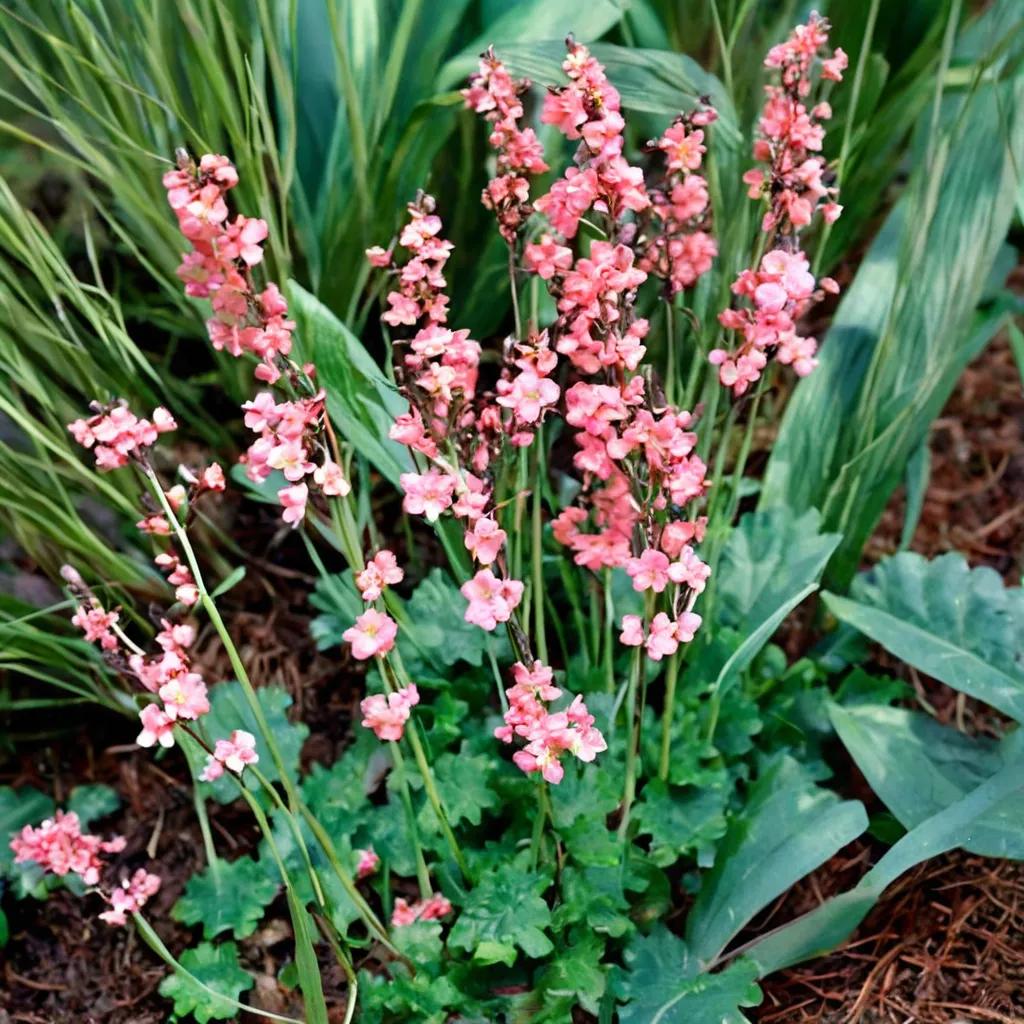 ‘Strawberry Candy’Strawberry Candy Heuchera
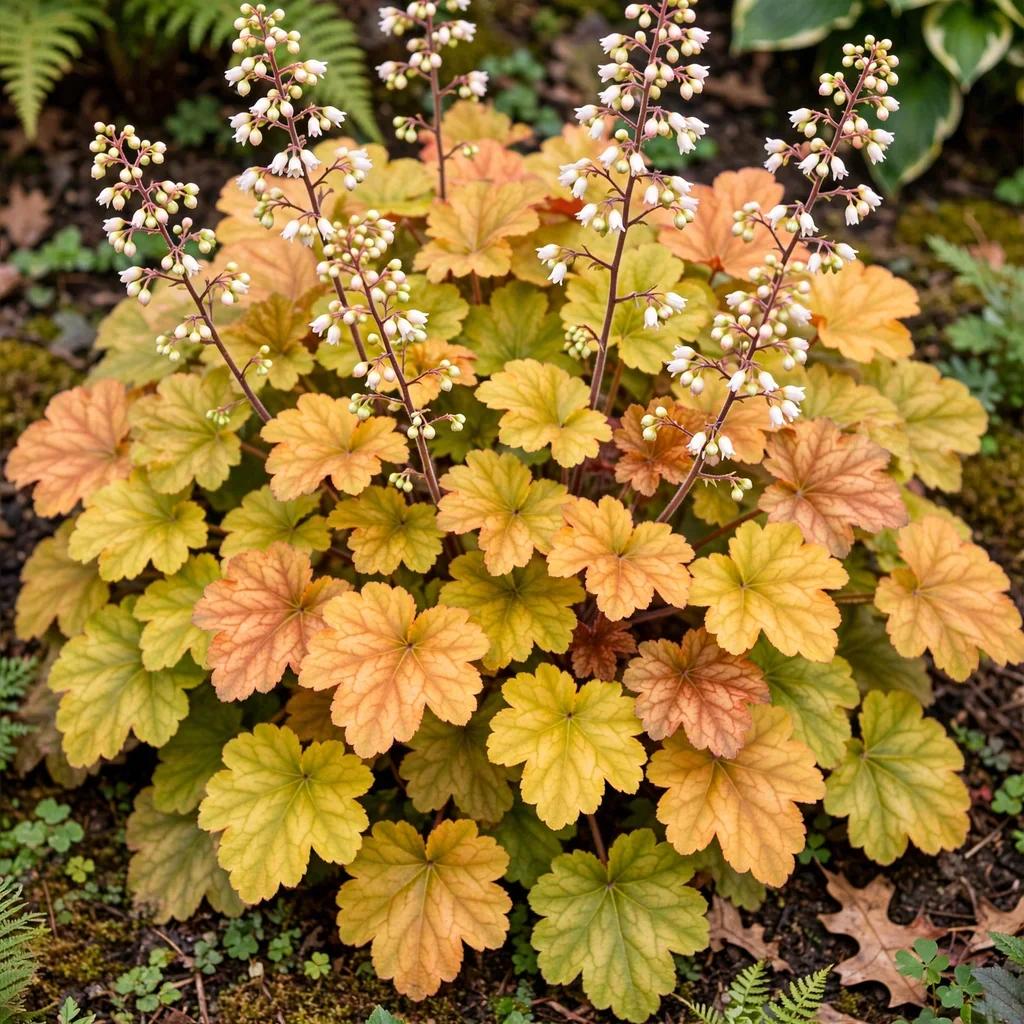 ‘Peach Flambe’Heuchera Peach Flambe
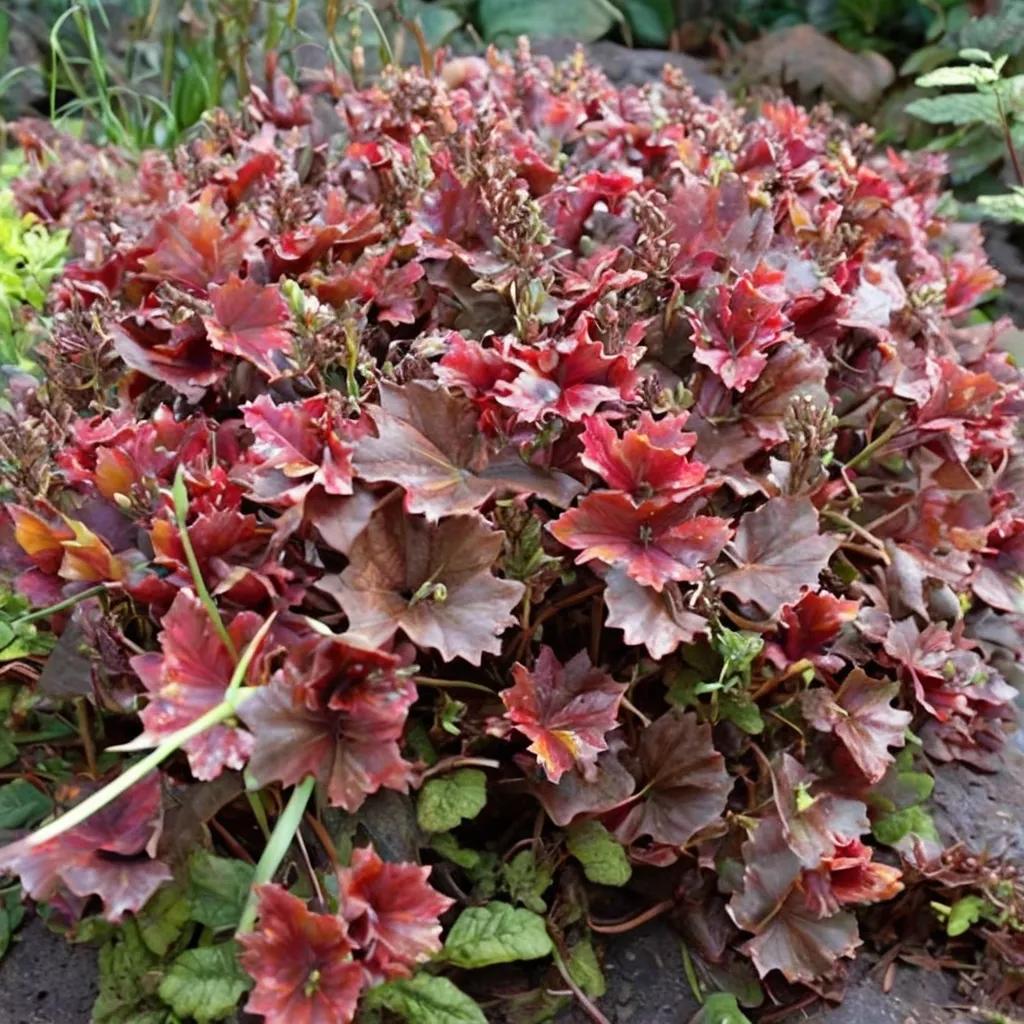 ‘Crimson Curls’Crimson Curls Coral Bells
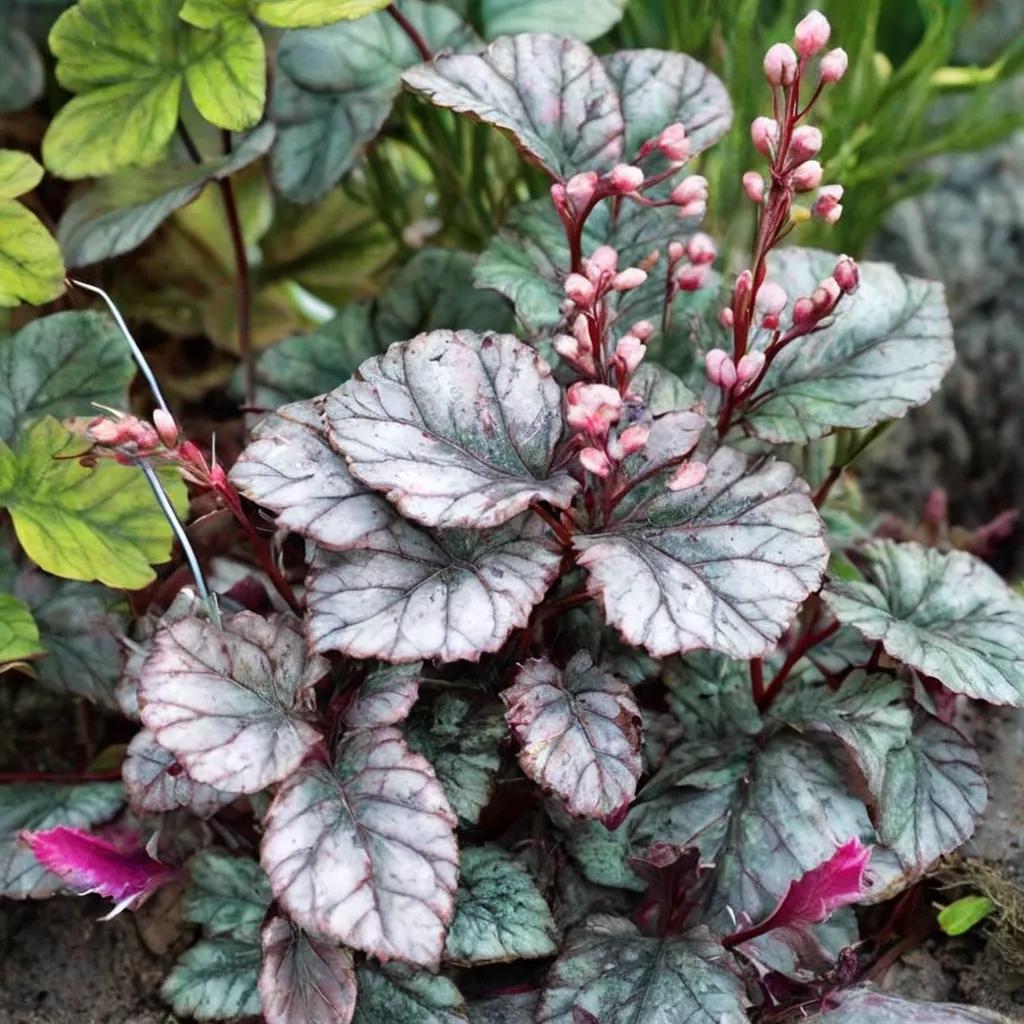 ‘Pewter Moon’Pewter Moon Heuchera
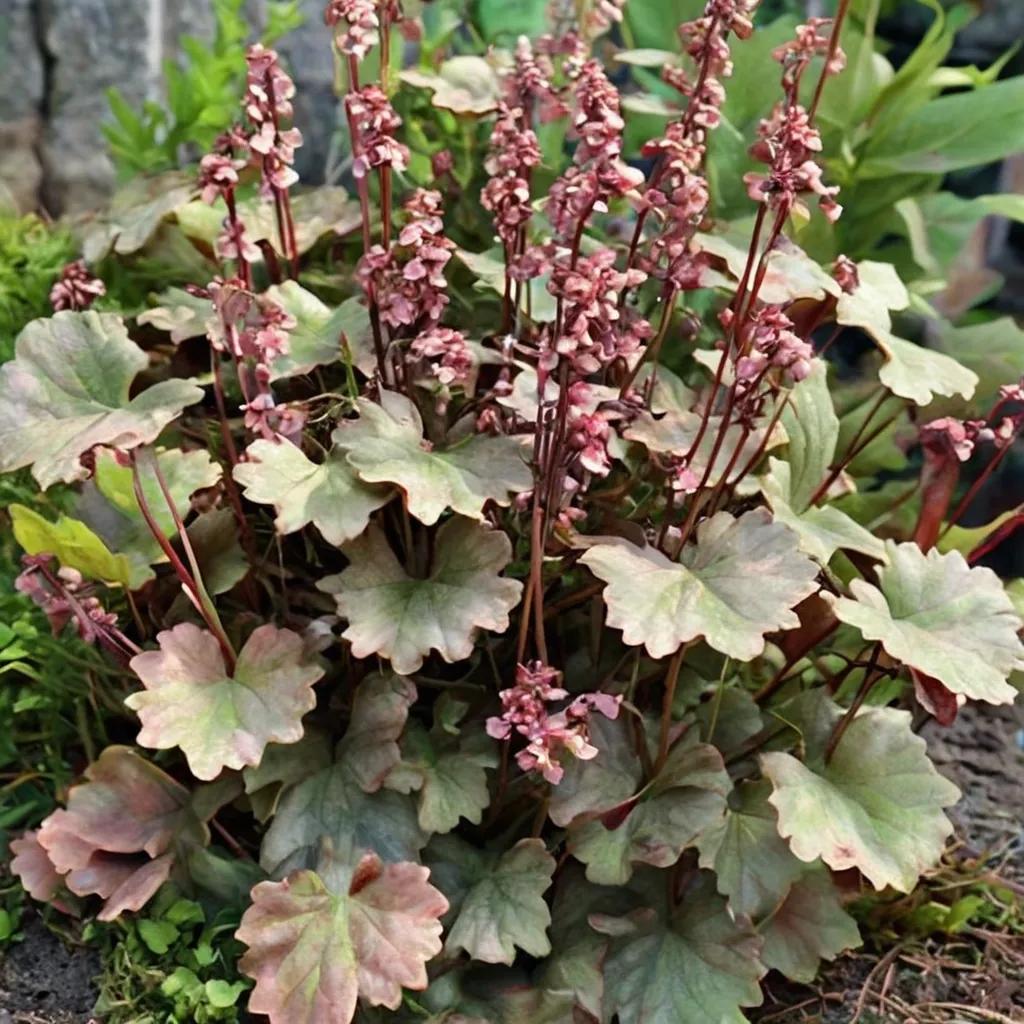 ‘Petite Pearl Fairy’Heuchera Petite Pearl Fairy
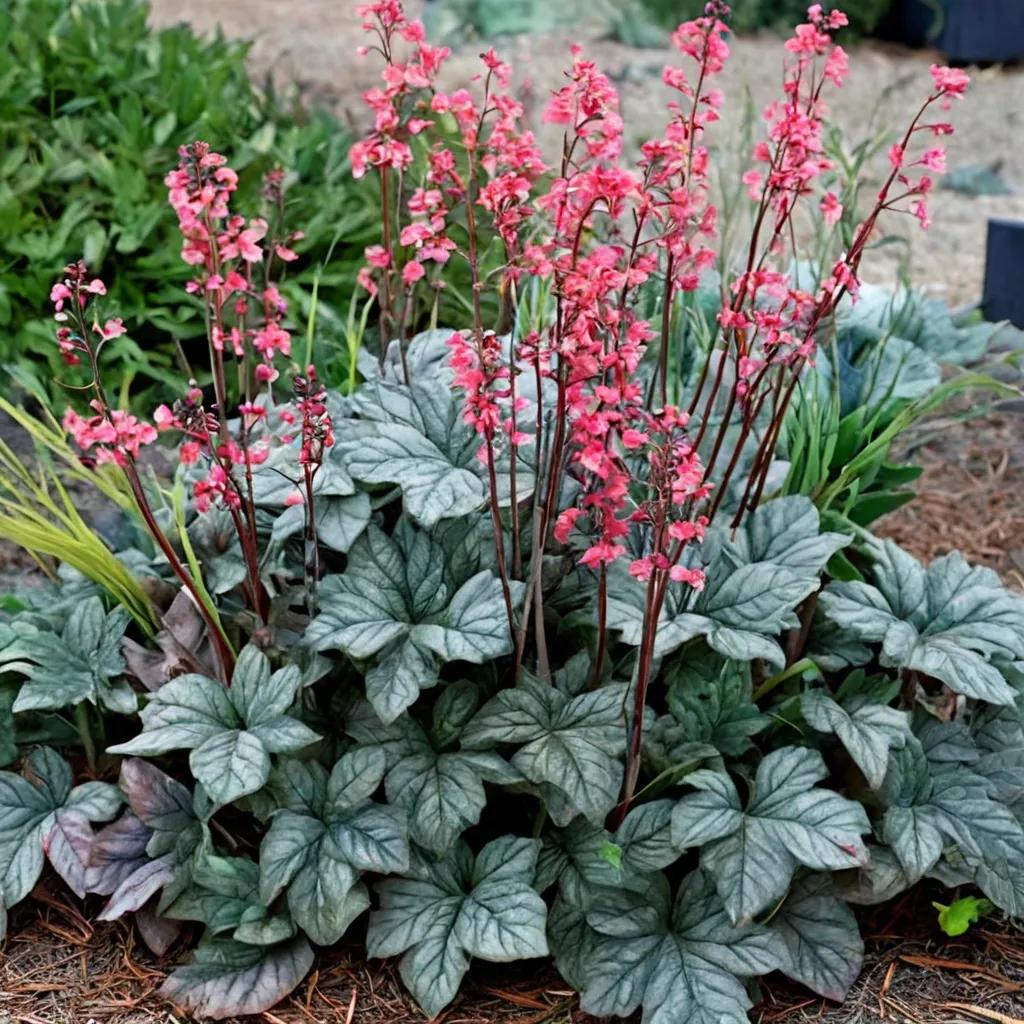 ‘Shimmer’Heuchera Shimmer
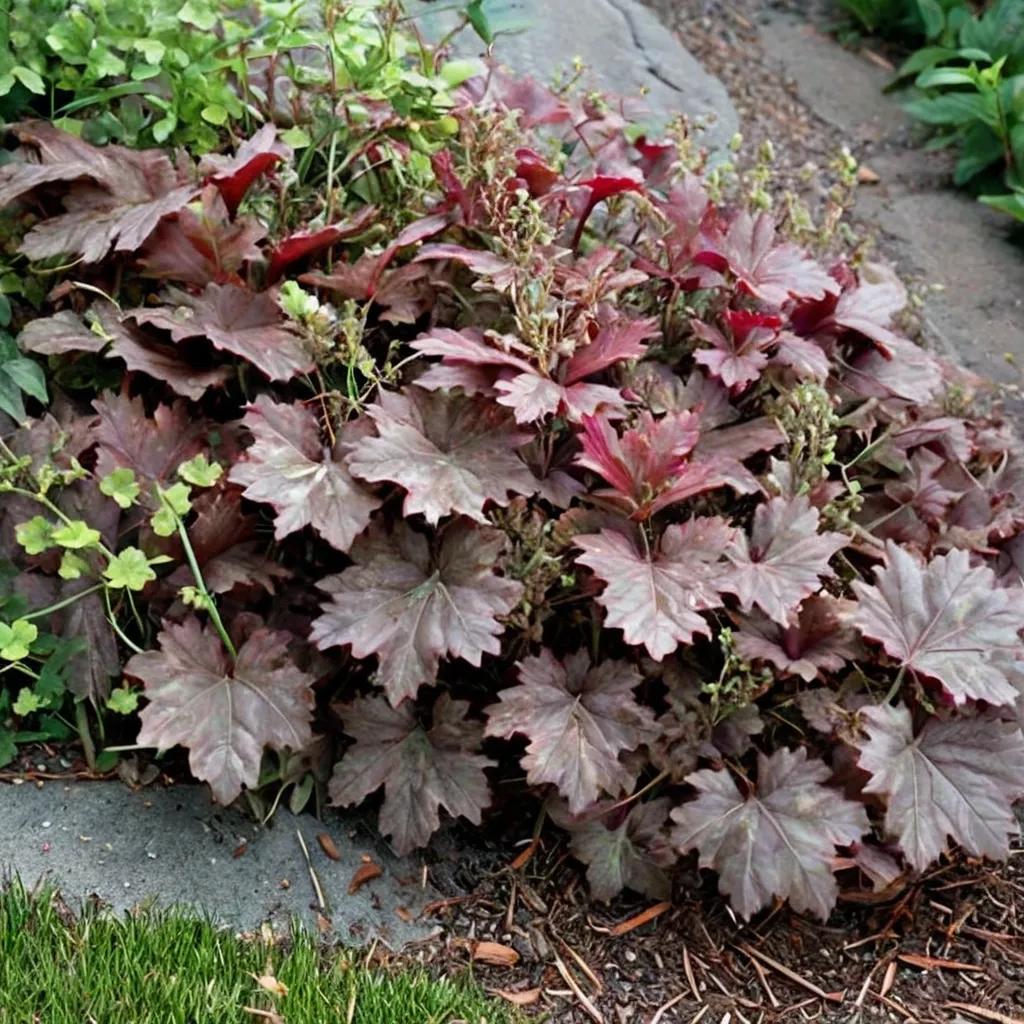 ‘Stormy Seas’Heuchera Stormy Seas
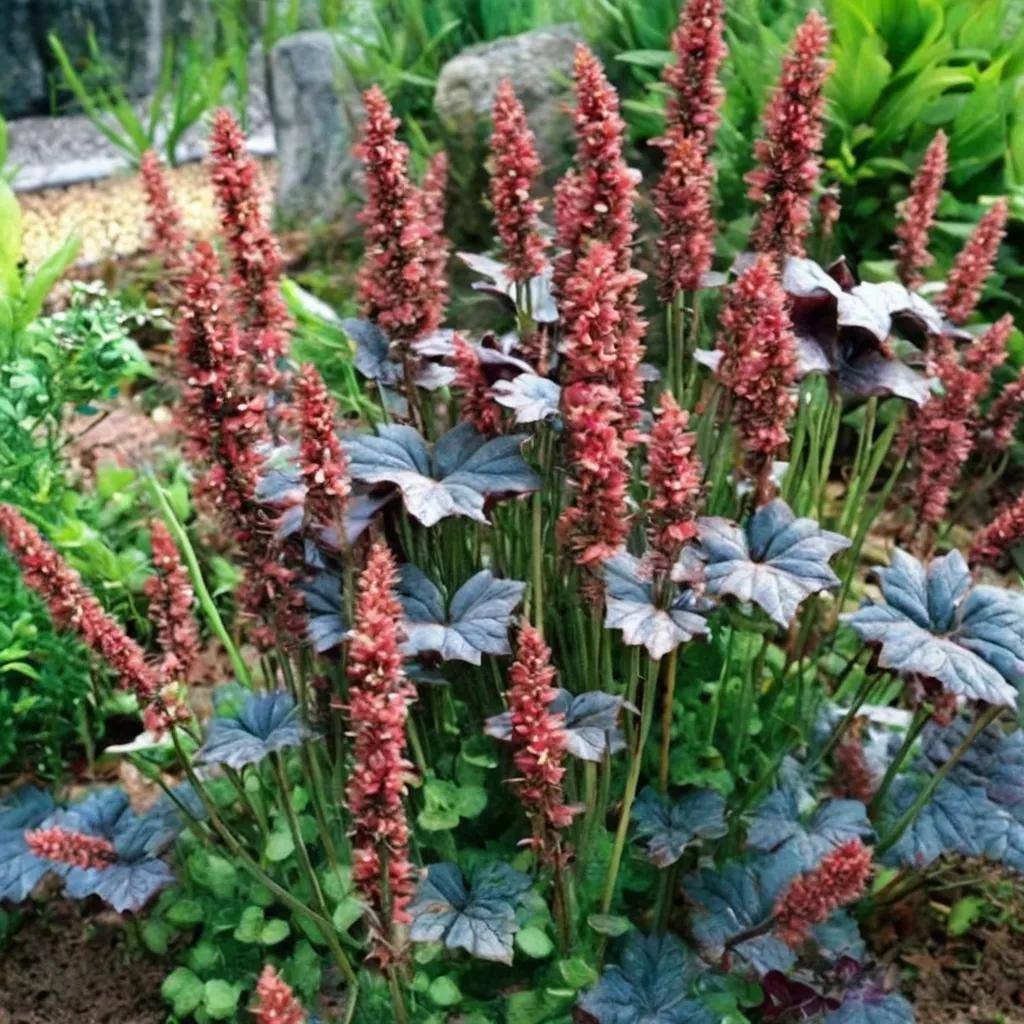 ‘Regal Robe’Coral Bells Regal Robe
 ‘Carnival Cinnamon Stick’Carnival Cinnamon Stick Heuchera
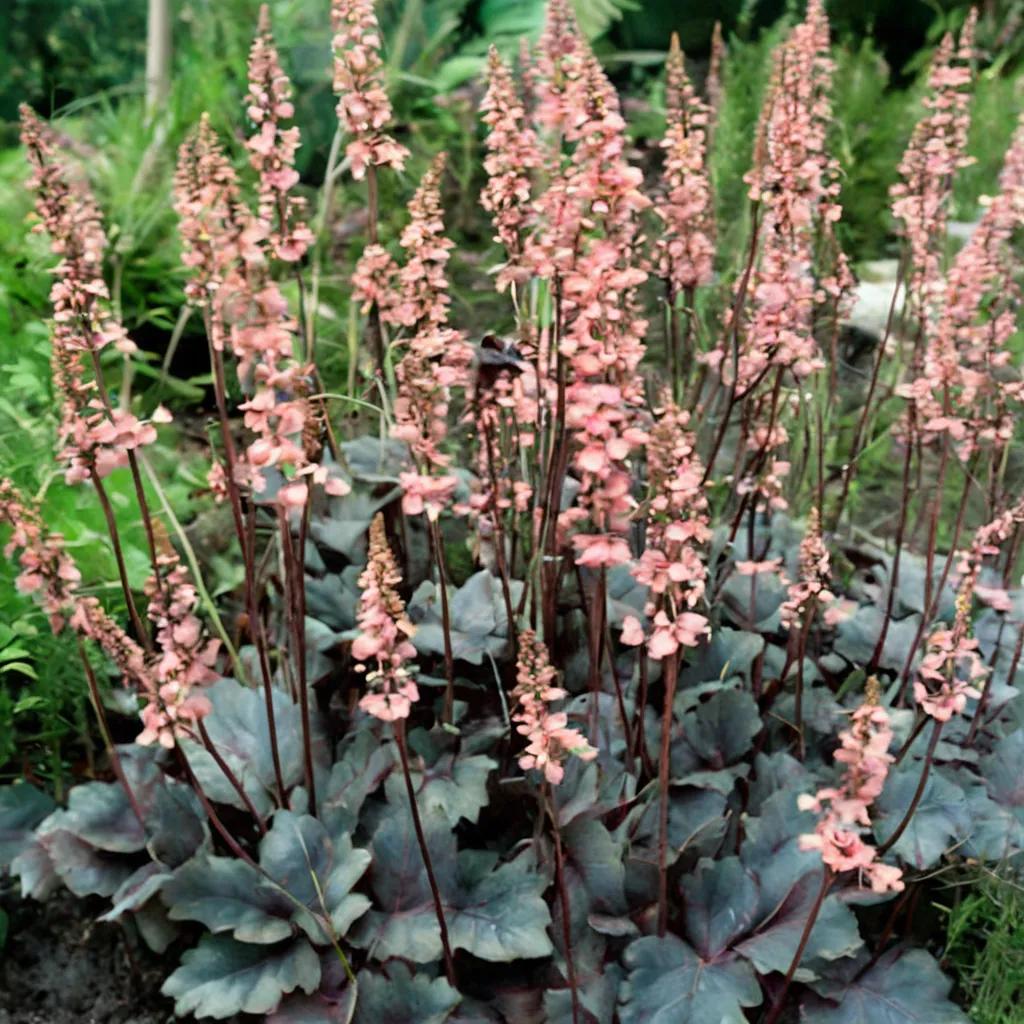 ‘Vesuvius’Heuchera Vesuvius
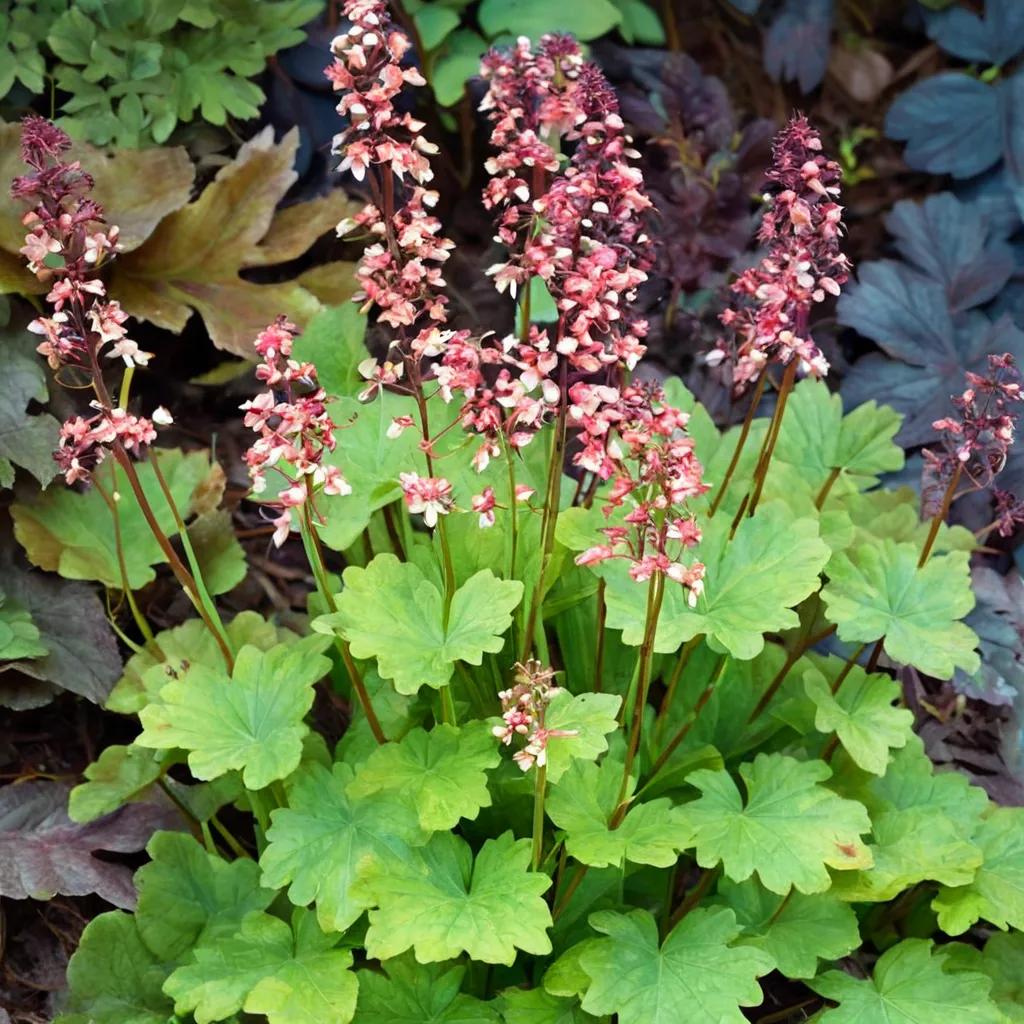 ‘Sweet Tart’Coral Bells Sweet Tart
 ‘Marmalade’Marmalade Coral Bells
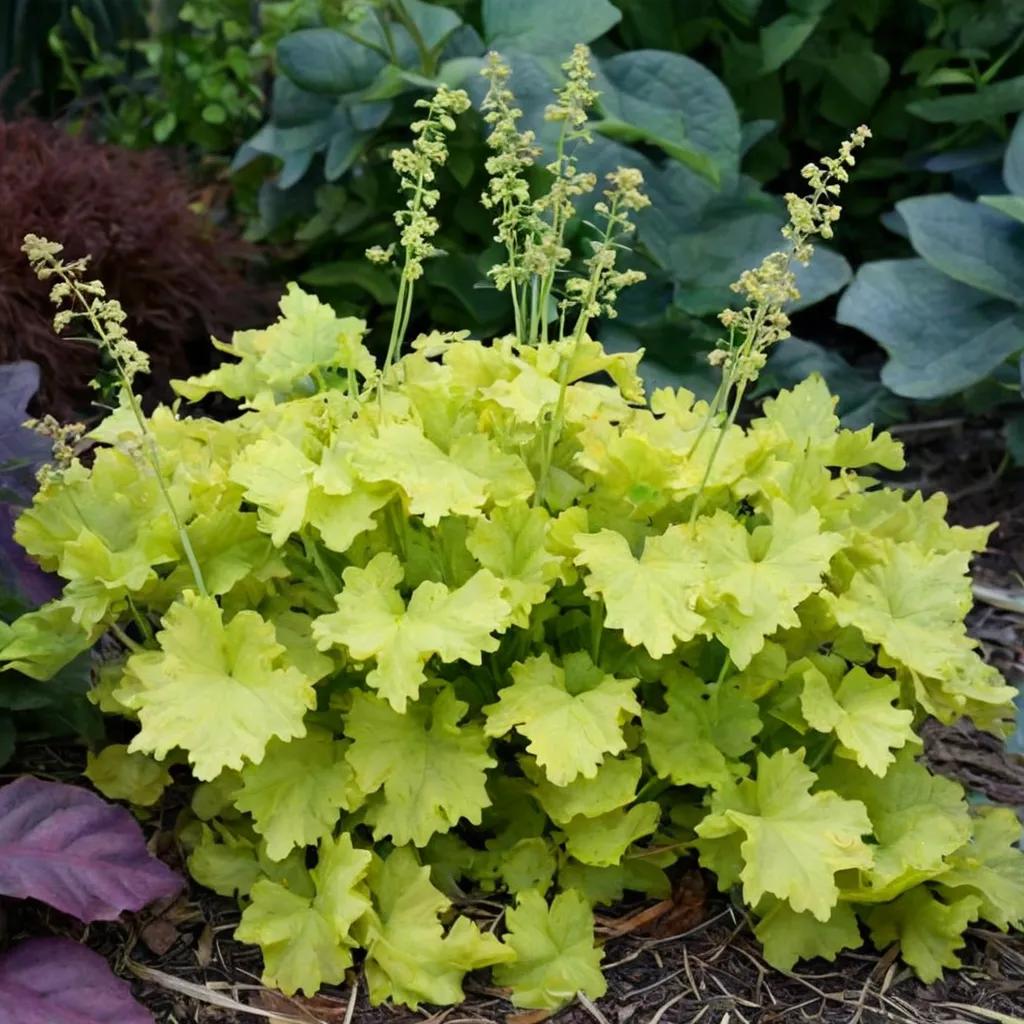 ‘Twist of Lime’Coral Bells 'Twist of Lime'
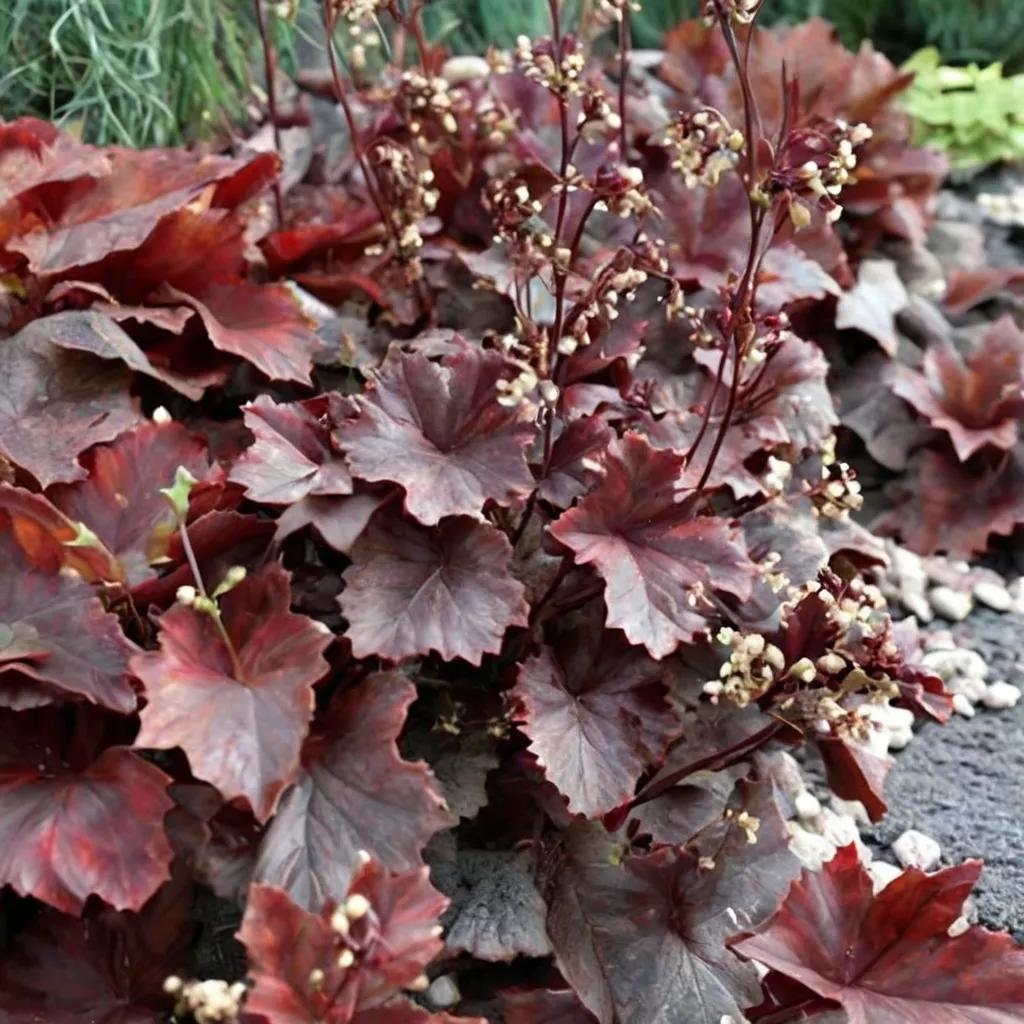 ‘Black Beauty’Black Beauty Coral Bells
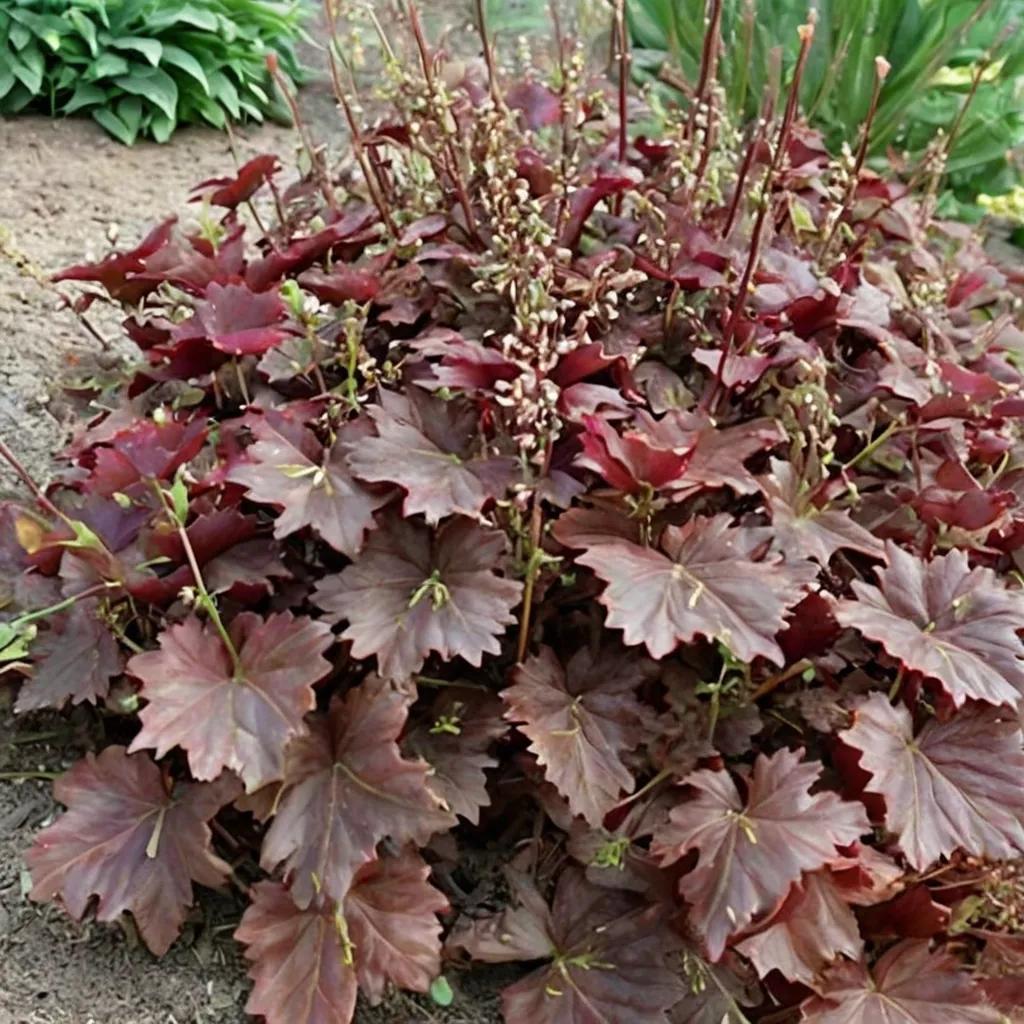 ‘Chocolate Ruffles’Chocolate Ruffles Coral Bell
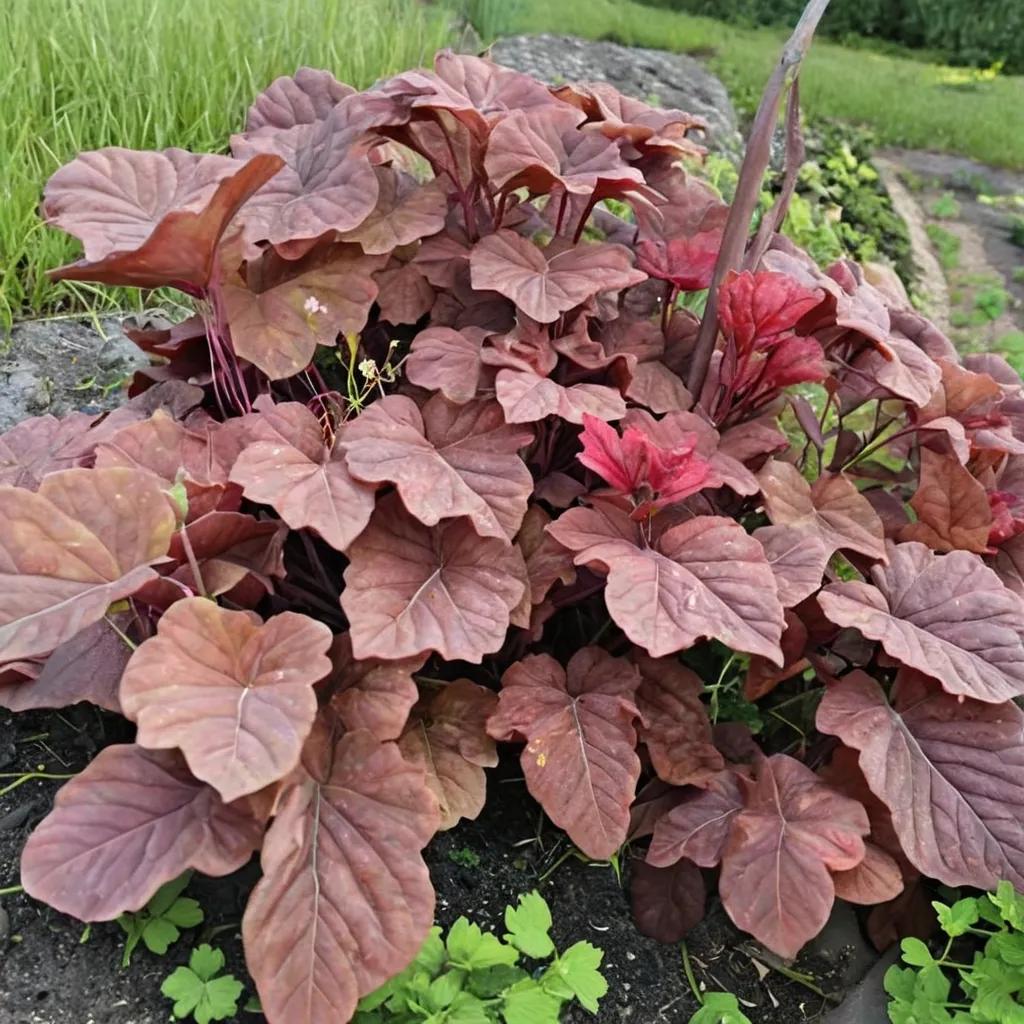 ‘Lava Lamp’Heuchera Lava Lamp
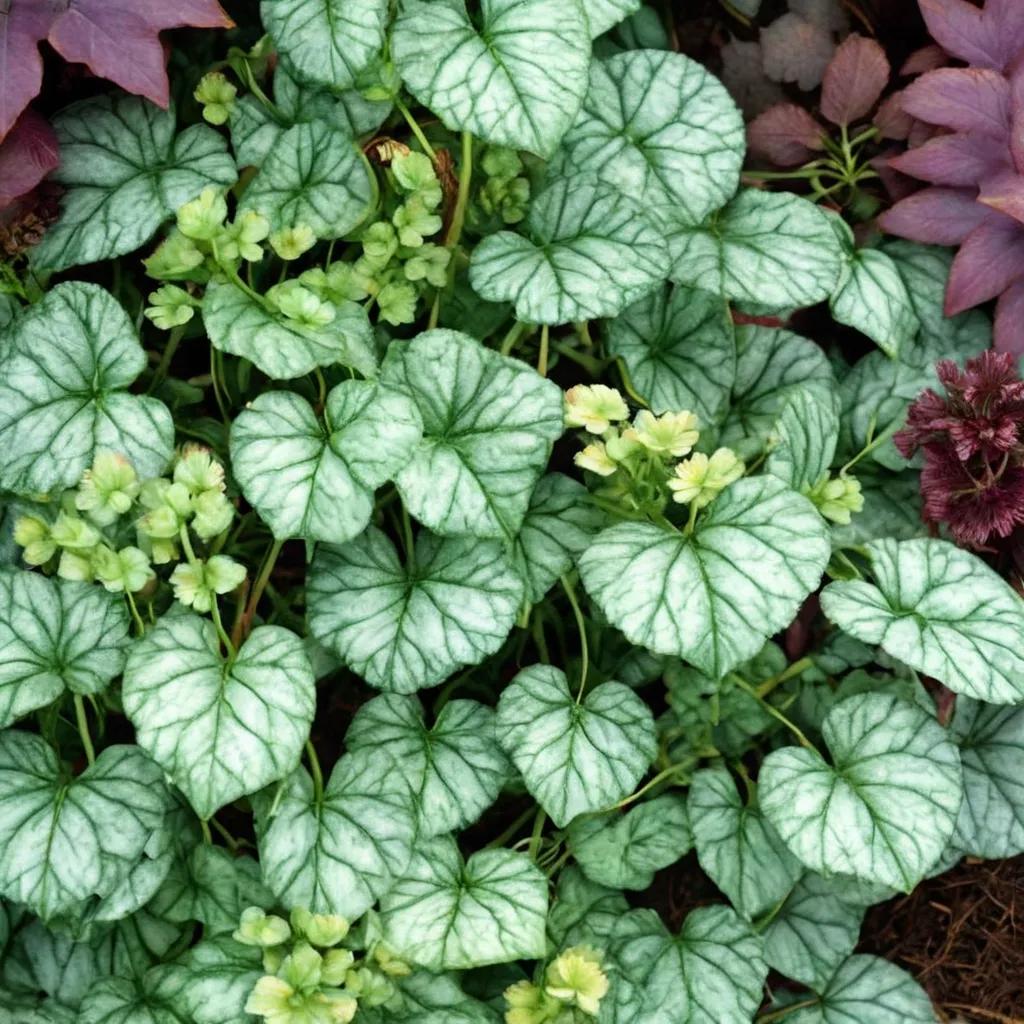 ‘Mint Frost’Mint Frost Heuchera
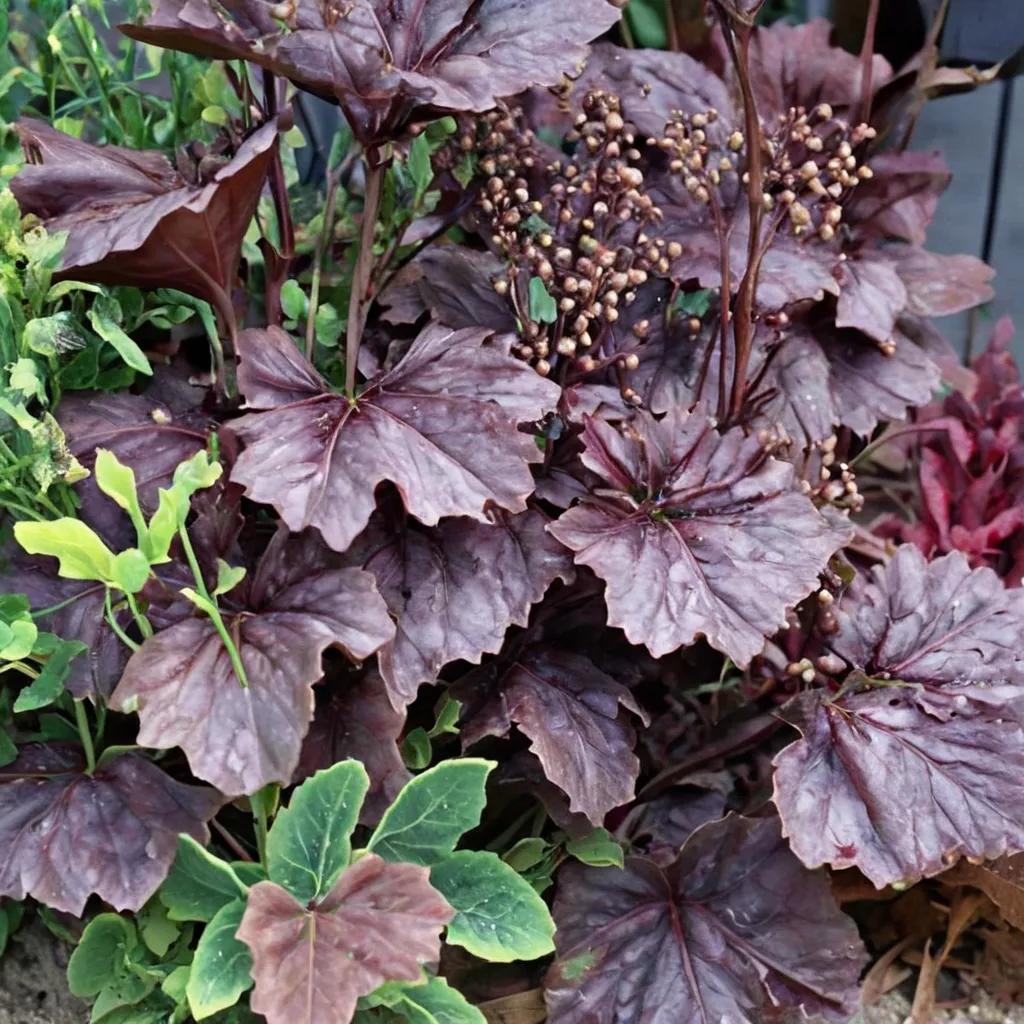 ‘Chocolate Veil’Coral Bells Chocolate Veil
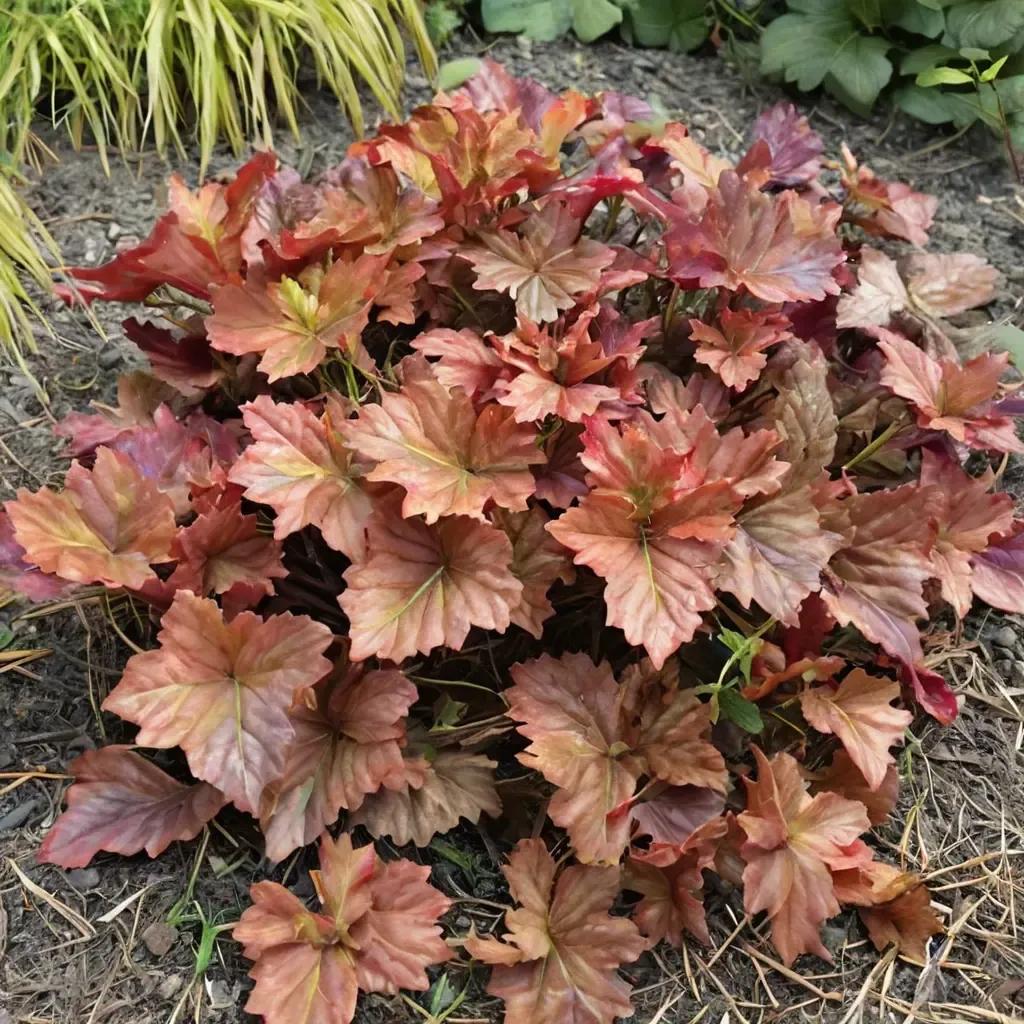 ‘Peachberry Ice’Peachberry Ice Coral Bells
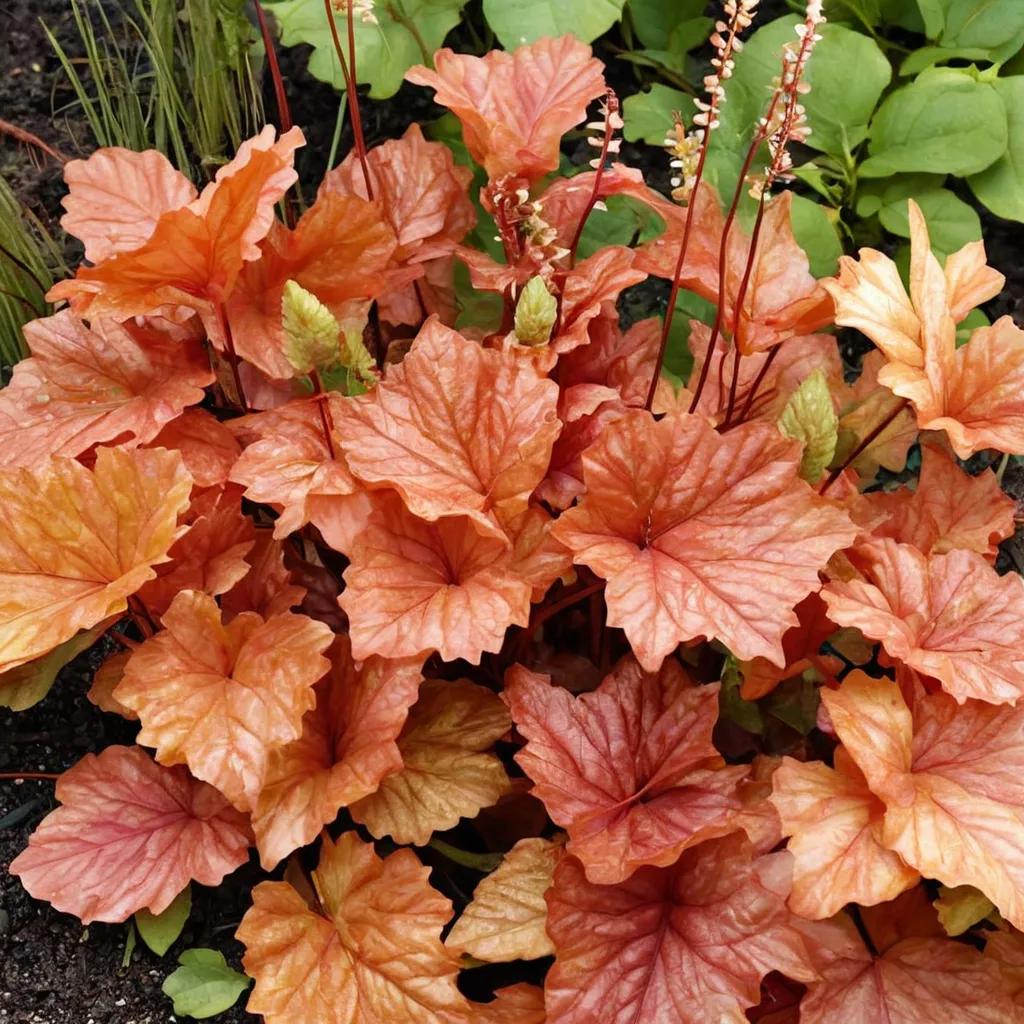 ‘Paprika’Paprika Coral Bells
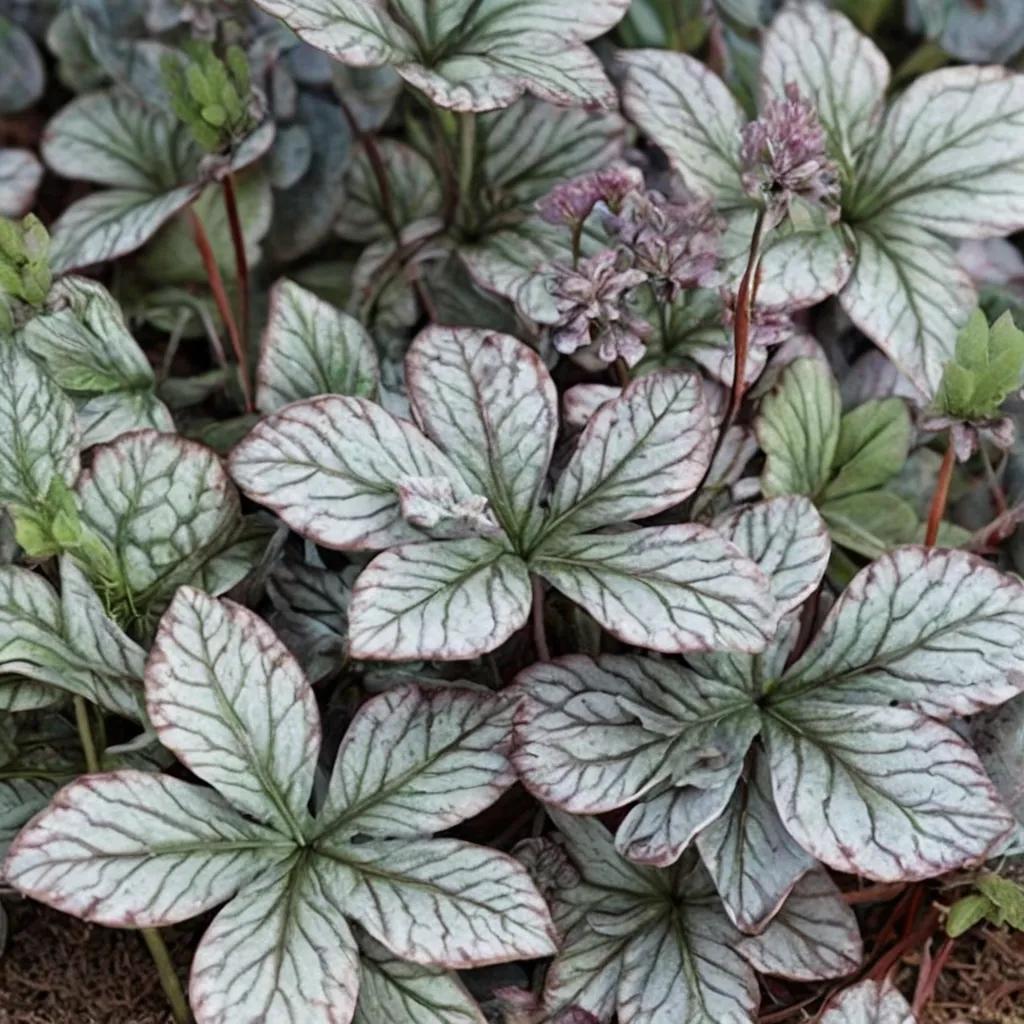 ‘Prince of Silver’Prince of Silver Heuchera
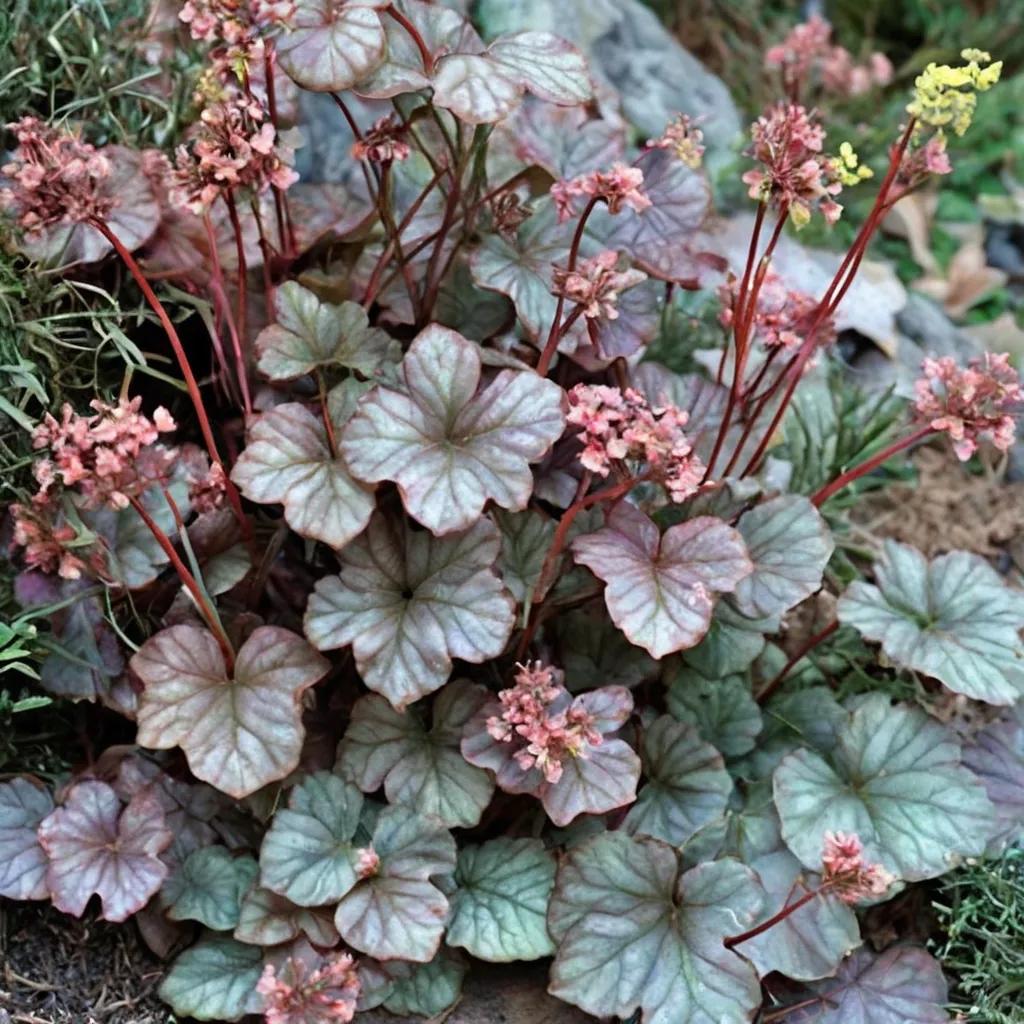 ‘Regina’Coral Bells Regina
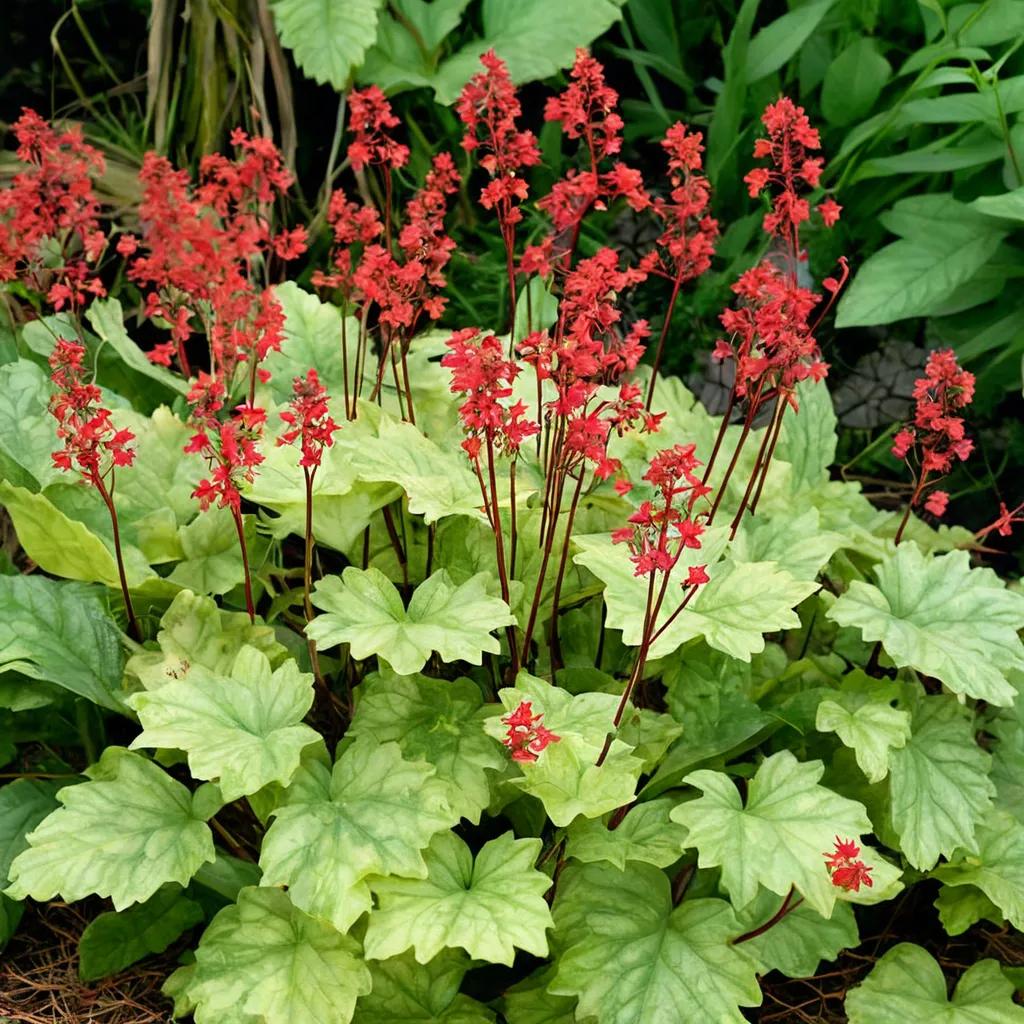 ‘Tokyo’Tokyo Coral Bells
 ‘Rosamund’Heuchera Rosamund Coral Bells
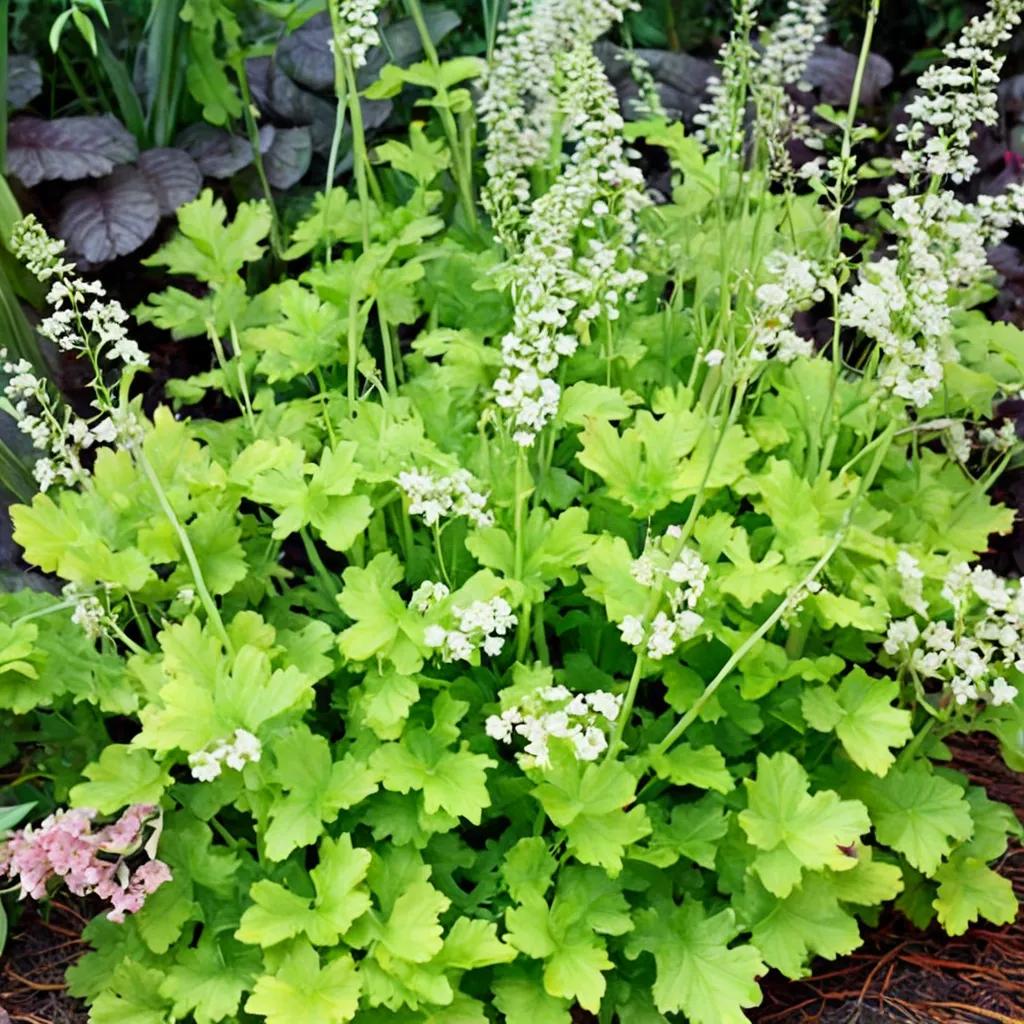 ‘Lime Rickey’Lime Rickey Coral Bells
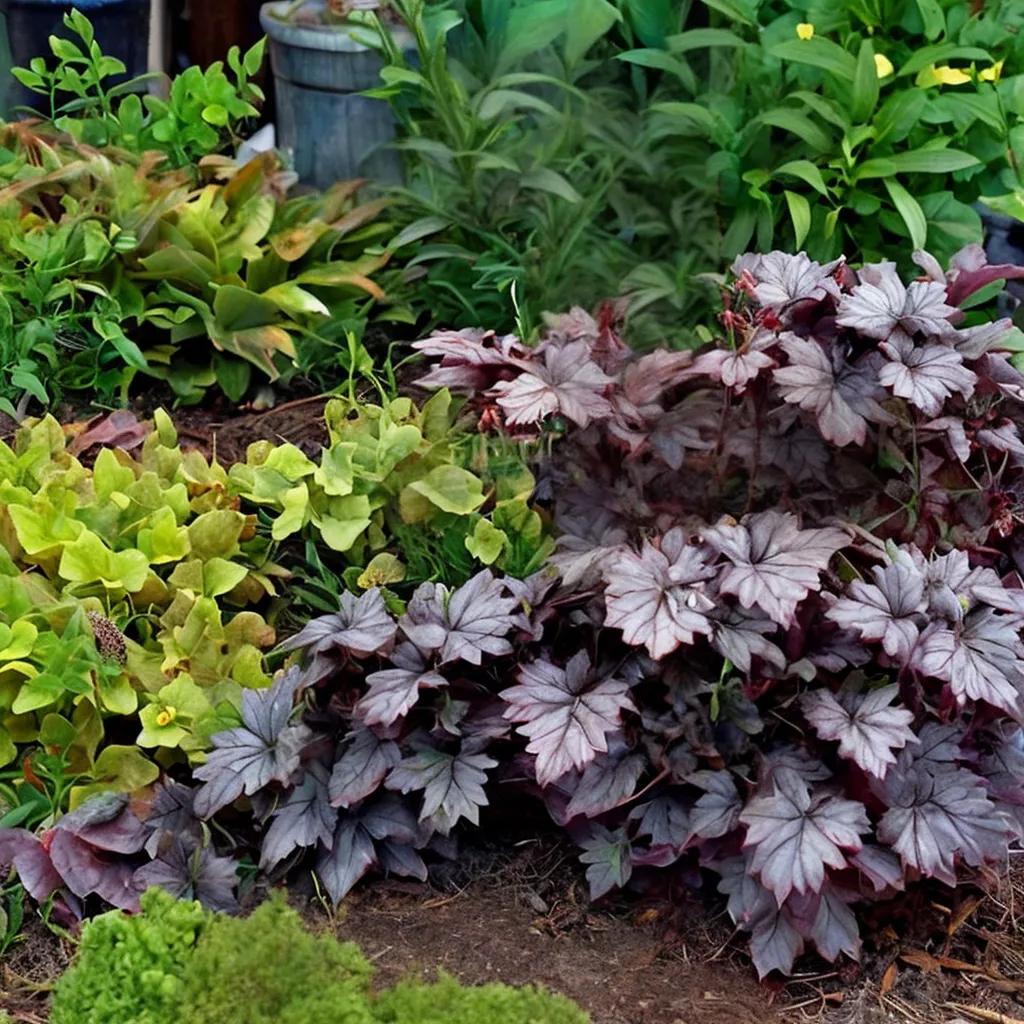 ‘Peacock Feathers’Heuchera Peacock Feathers
 ‘Velvet Knight’Velvet Night Coral Bells
 ‘Northern Exposure Red’Northern Exposure Red Coral Bell
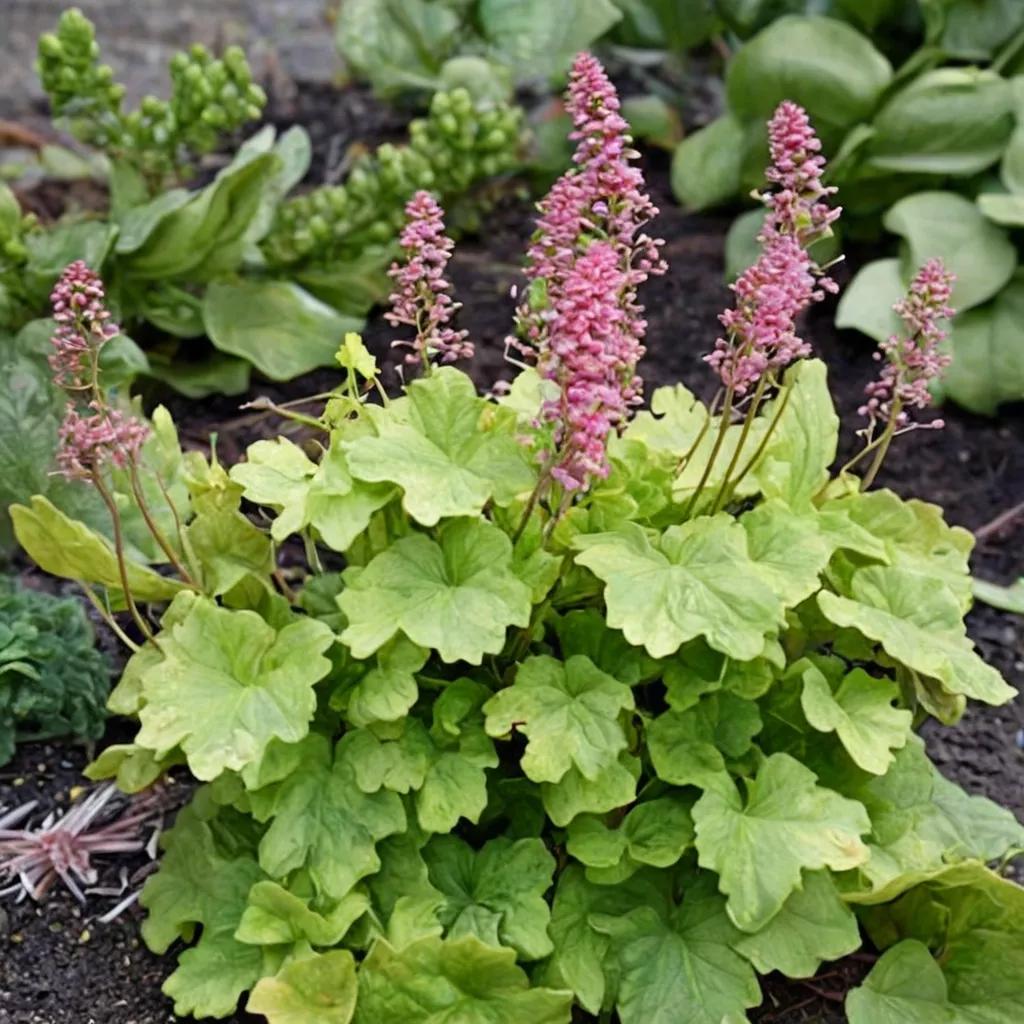 ‘Pistachio Ambrosia’Heuchera Pistachio Ambrosia
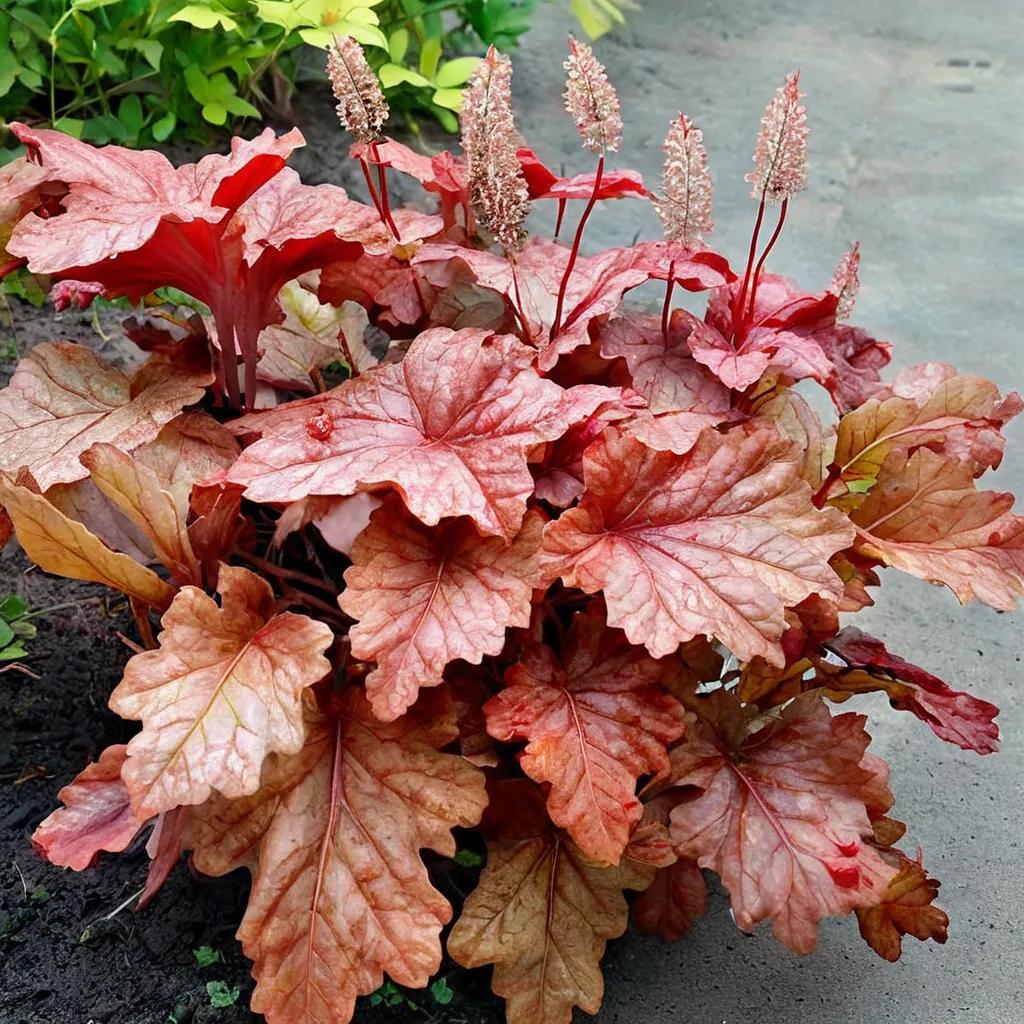 ‘Peach Smoothie’Heuchera Peach Smoothie
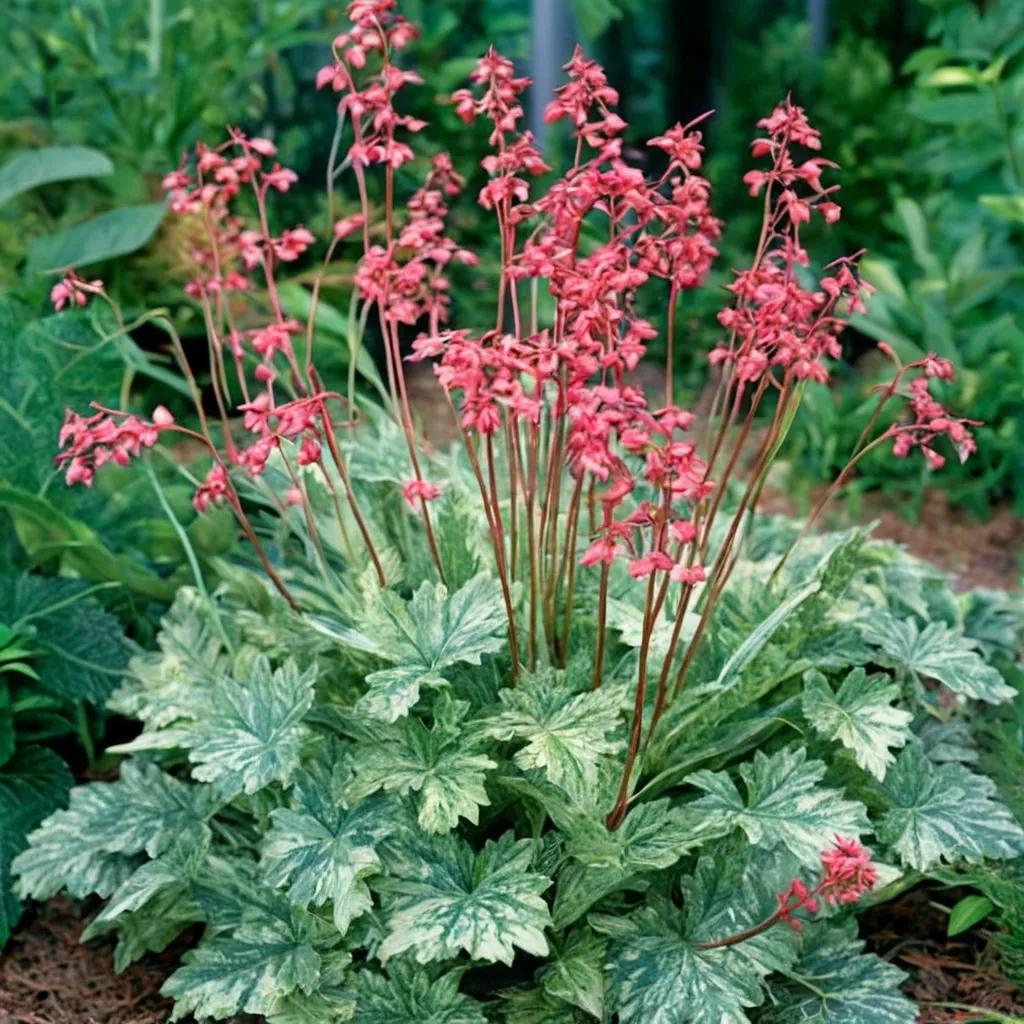 ‘Snow Angel’Heuchera Snow Angel
 ‘Starry Night’Starry Night Coral Bells
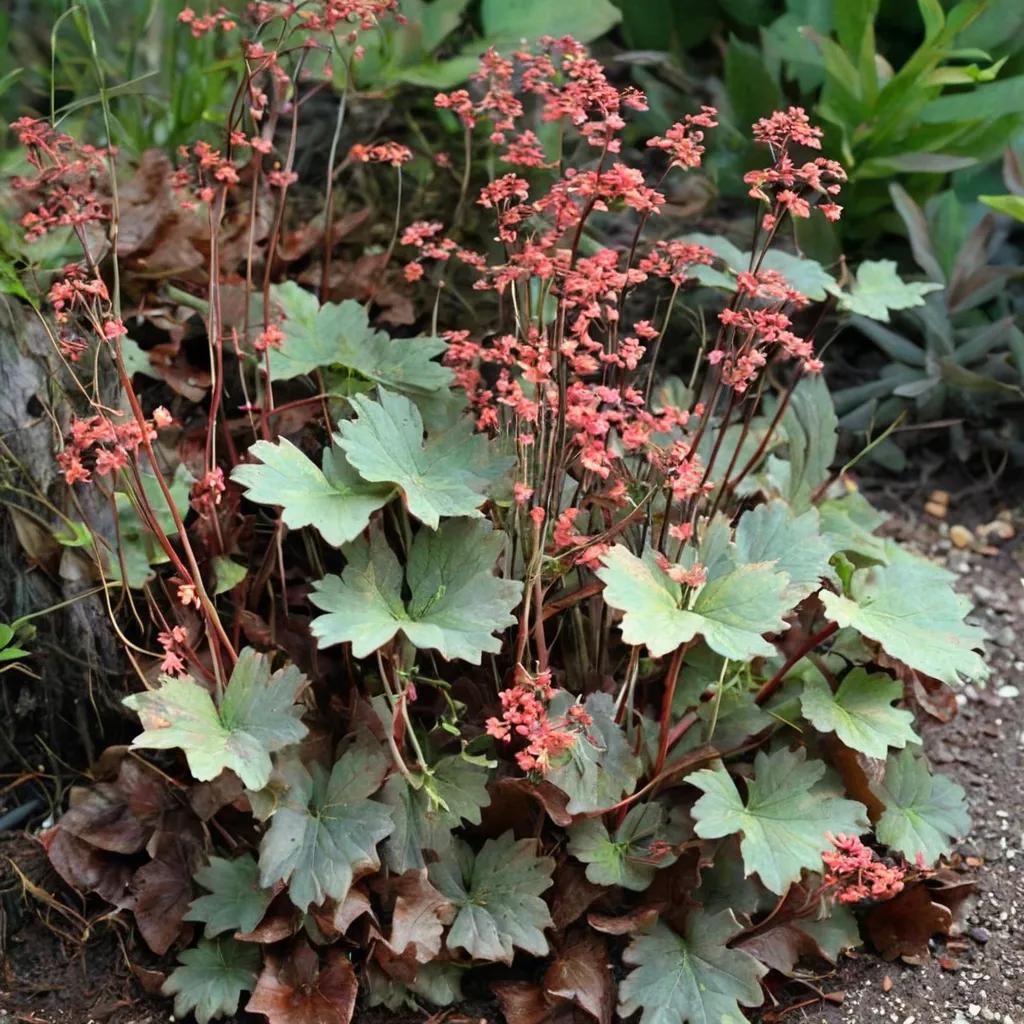 ‘Cherries Jubilee’Coral Bells Cherries Jubilee
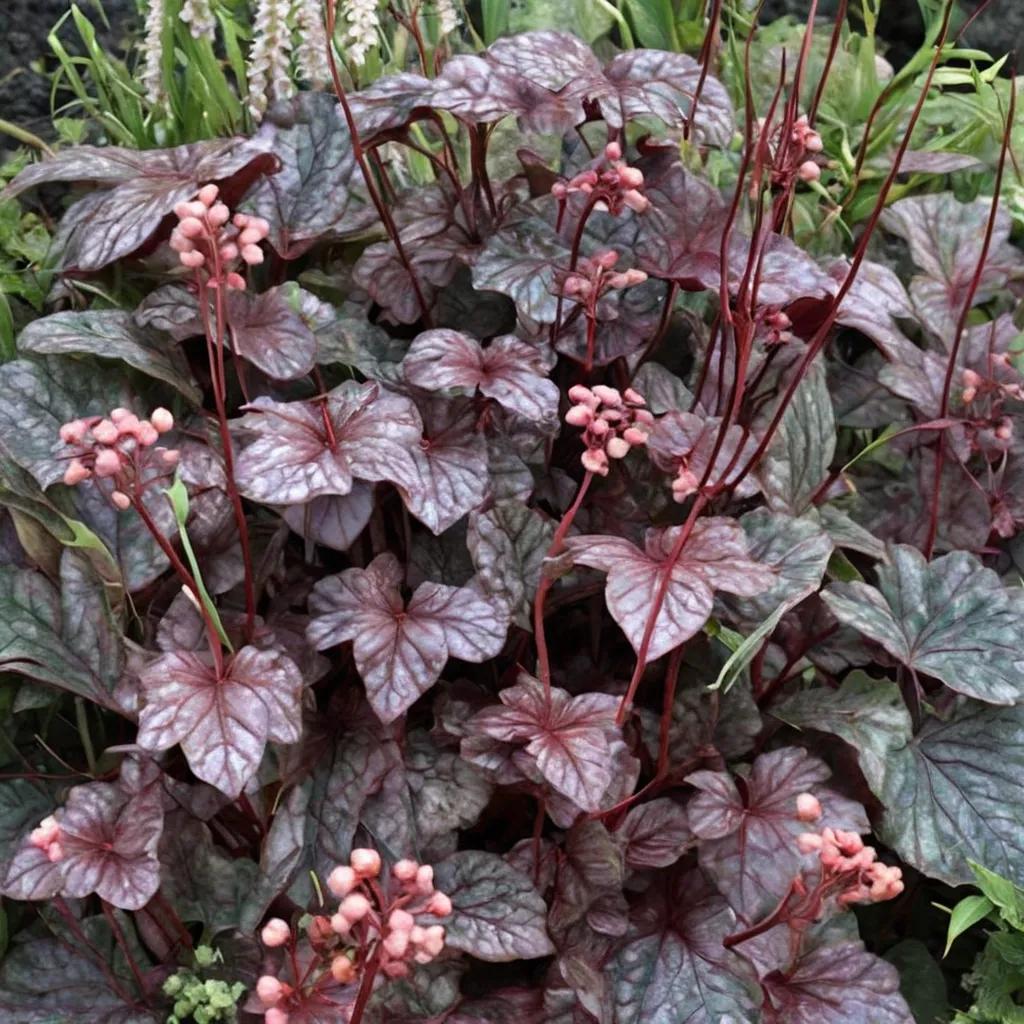 ‘Cathedral Windows’Coral Bells Cathedral Windows
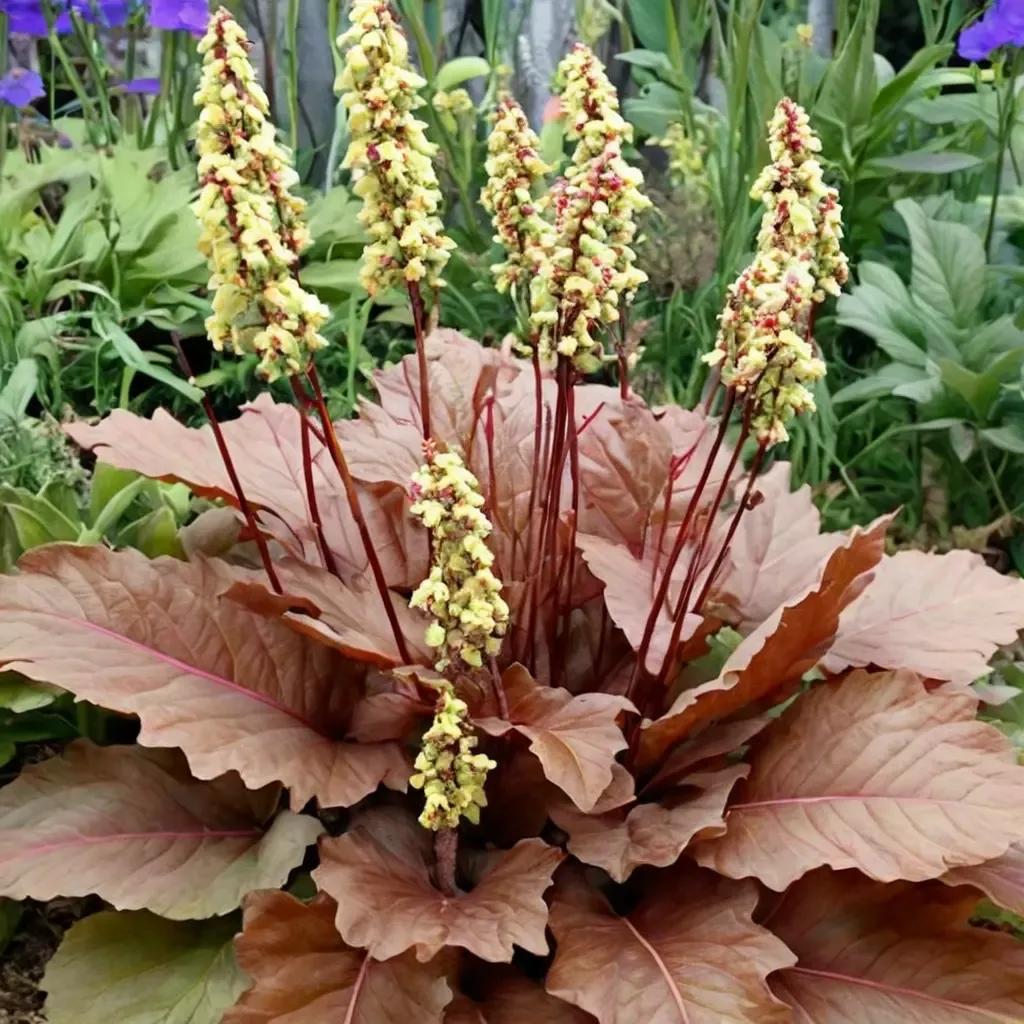 ‘Blondie’Blondie Coral Bell
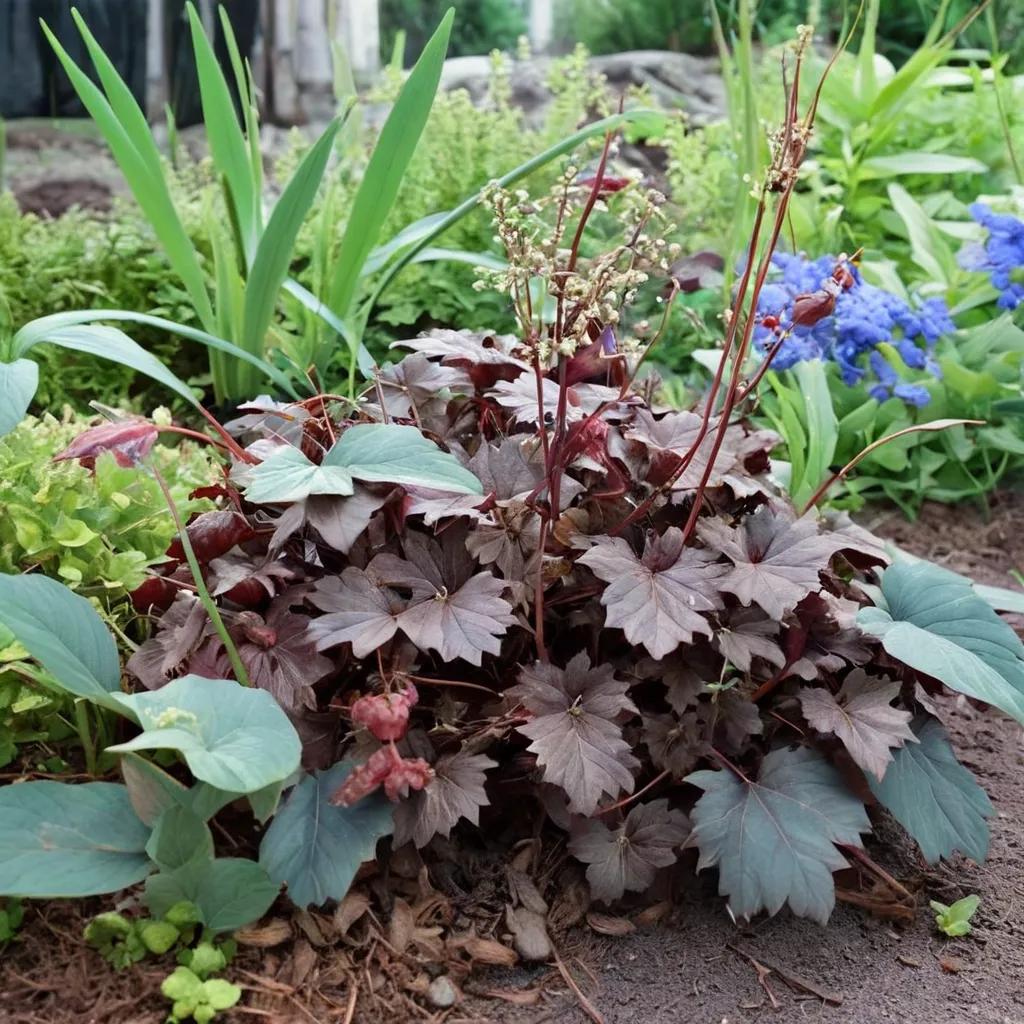 ‘Palace Passion’Coral Bells Palace Passion
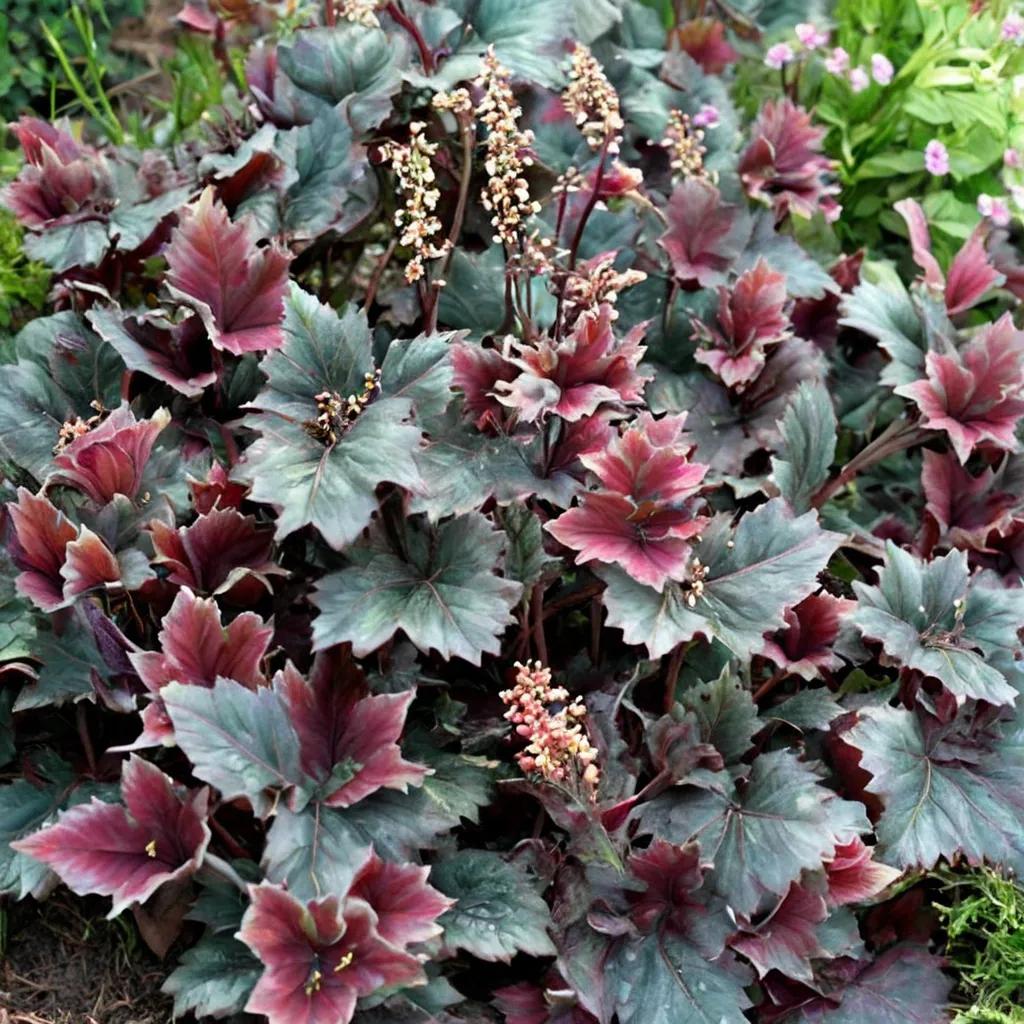 ‘Purple Petticoats’Heuchera Purple Petticoats
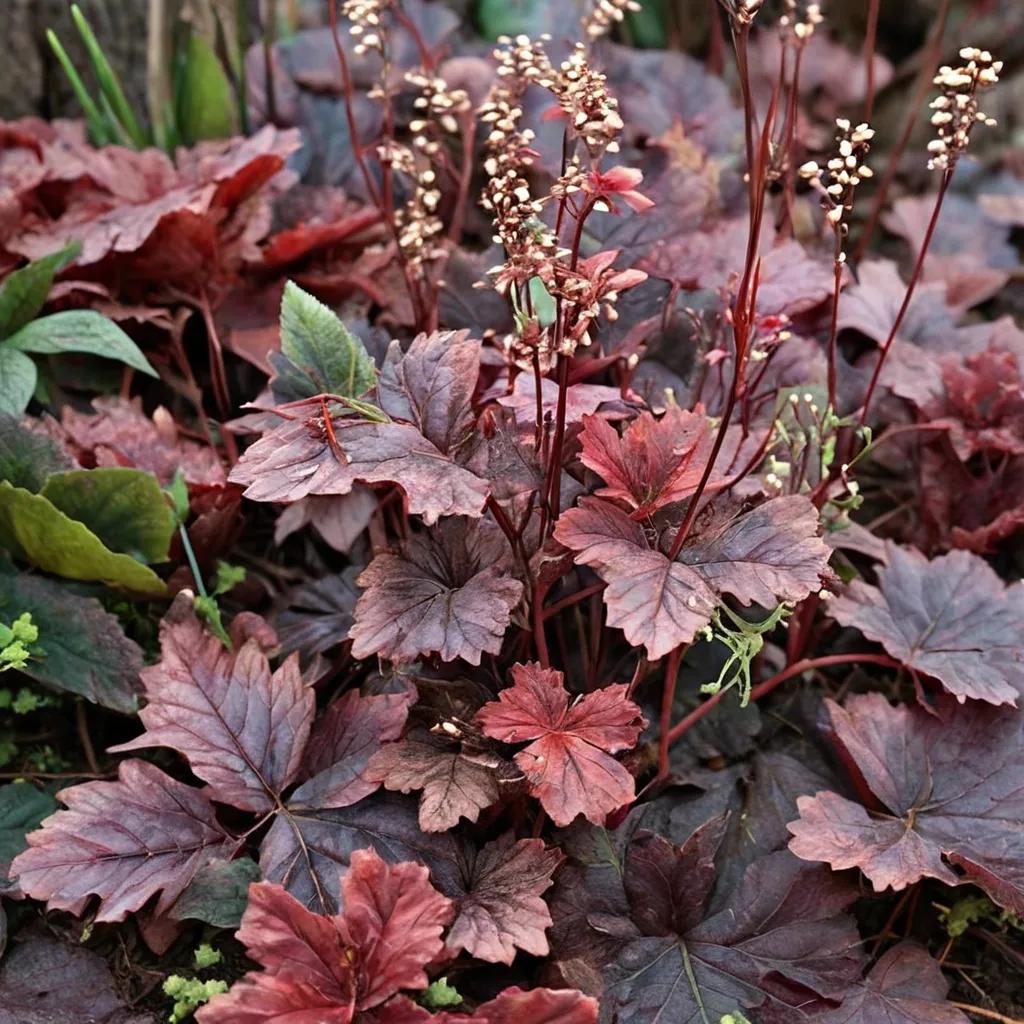 ‘Cajun Fire’Heuchera Cajun Fire
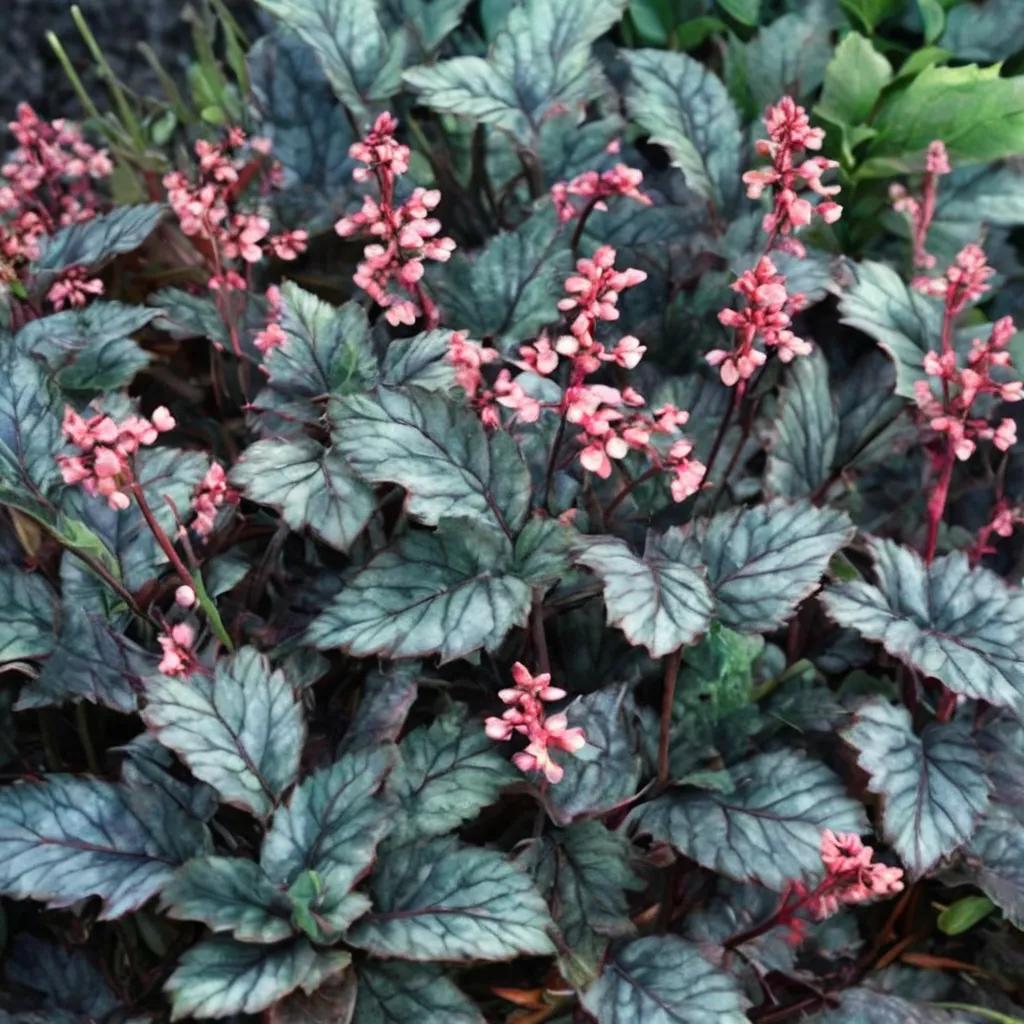 ‘Raspberry Ice’Heuchera Raspberry Ice
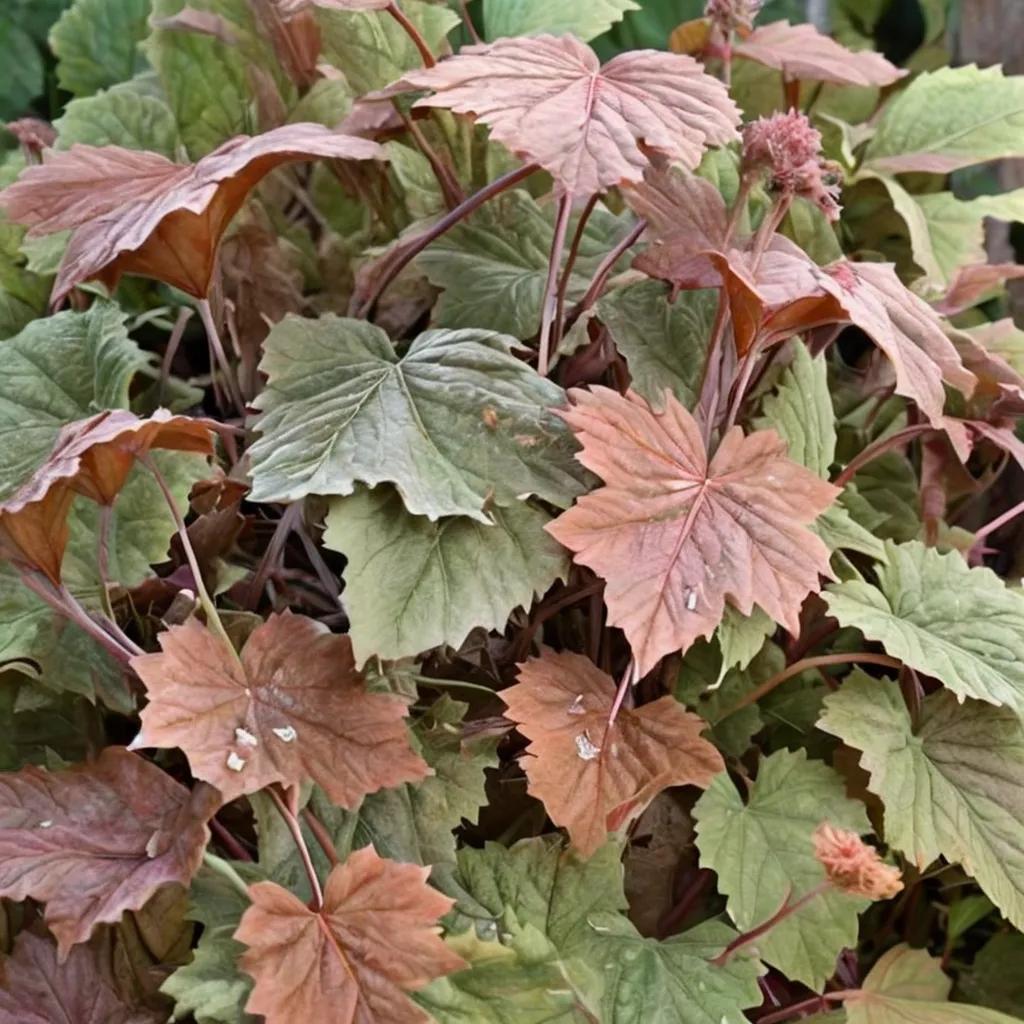 ‘Brownies’Heuchera Brownies
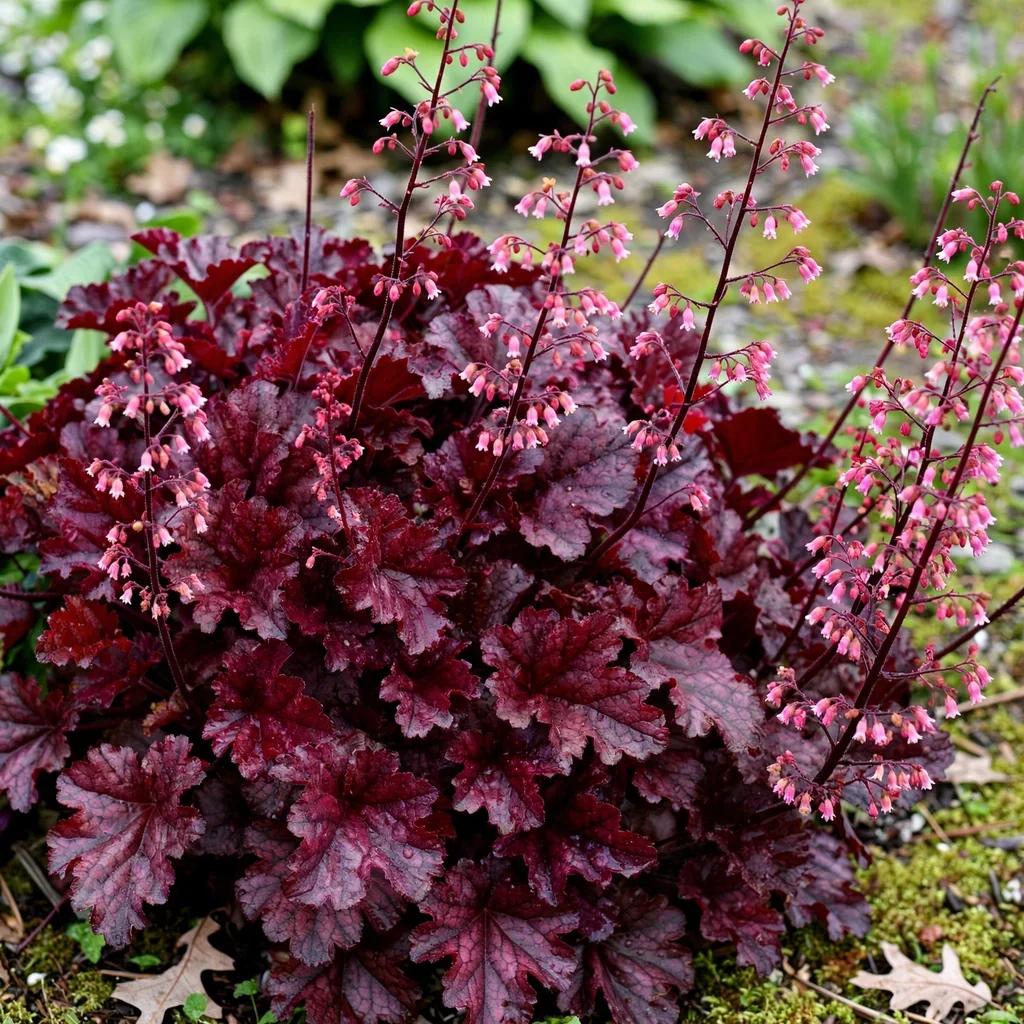 ‘Ruby Ruffles’Heuchera Ruby Ruffles
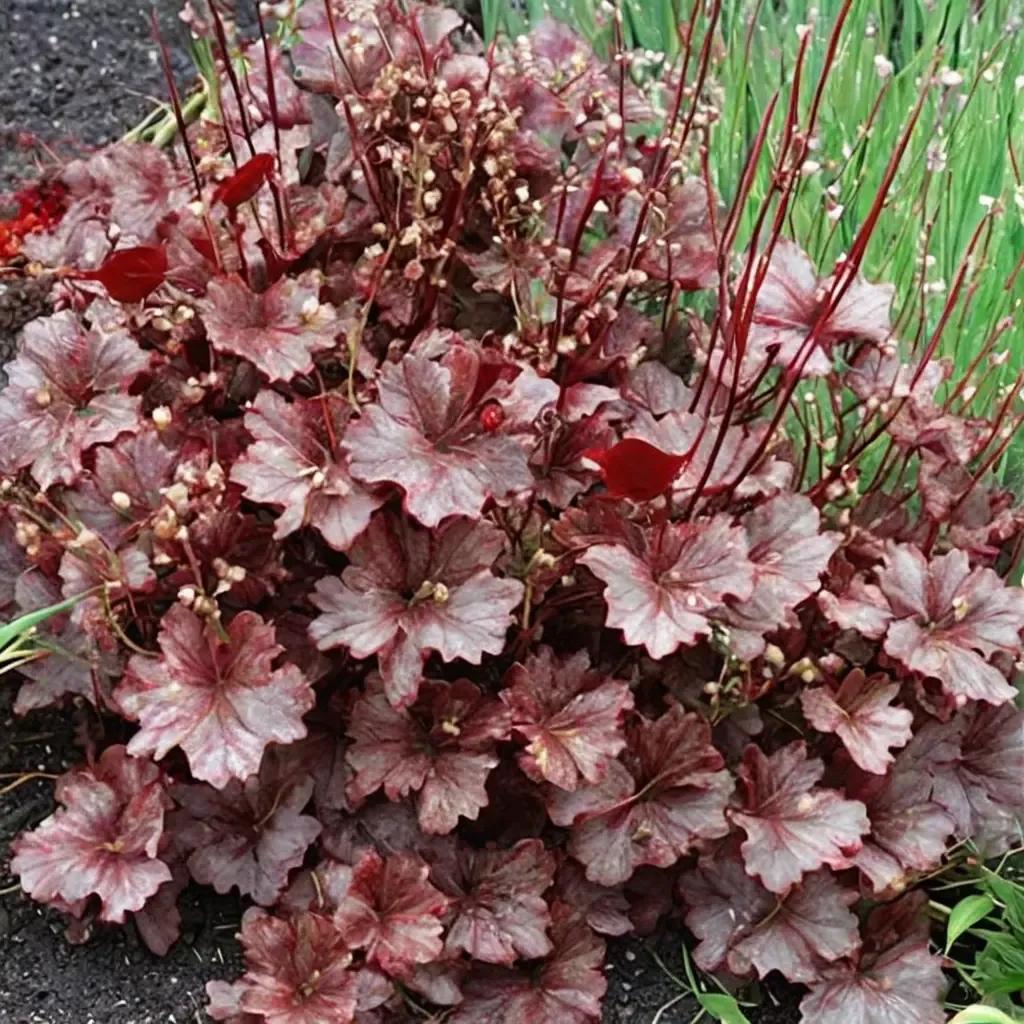 ‘Berry Marmalade’Berry Marmalade Coral Bells
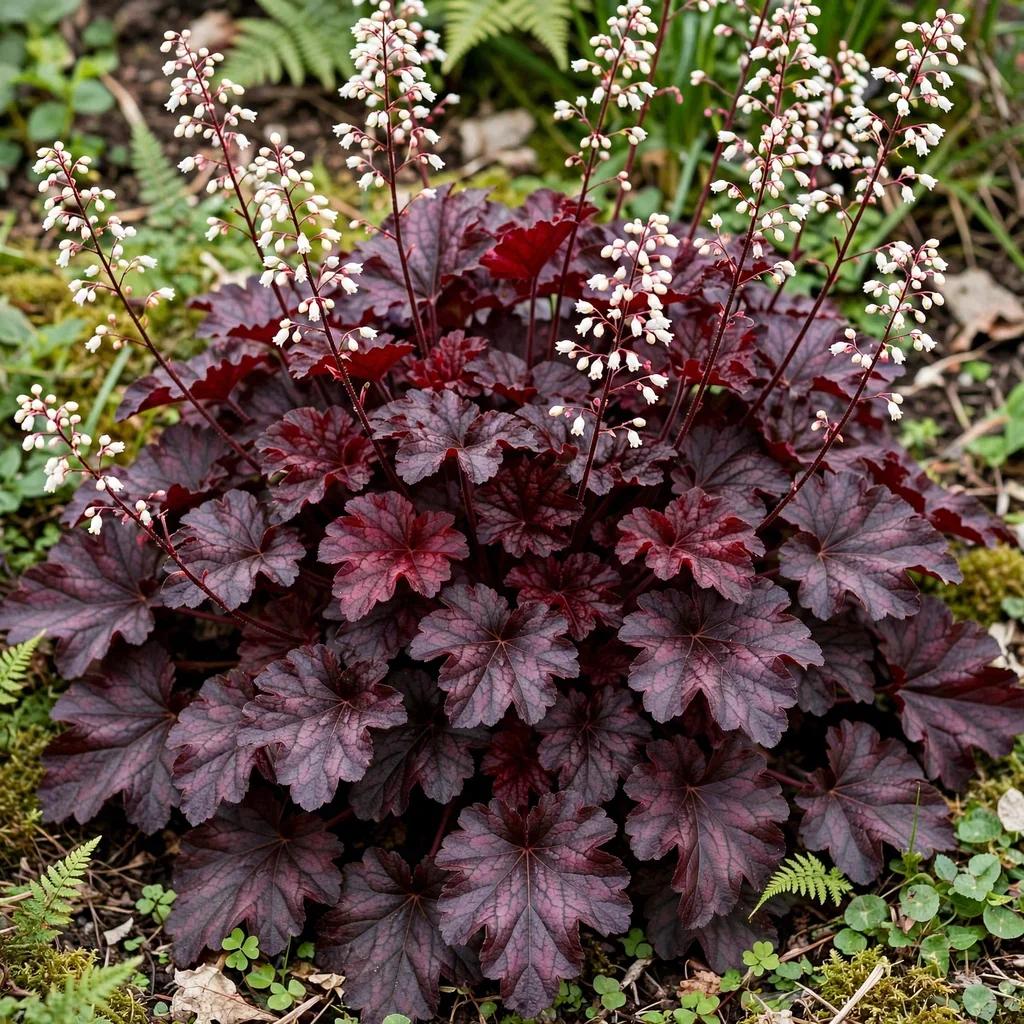 ‘Ruby Veil’Heuchera Ruby Veil
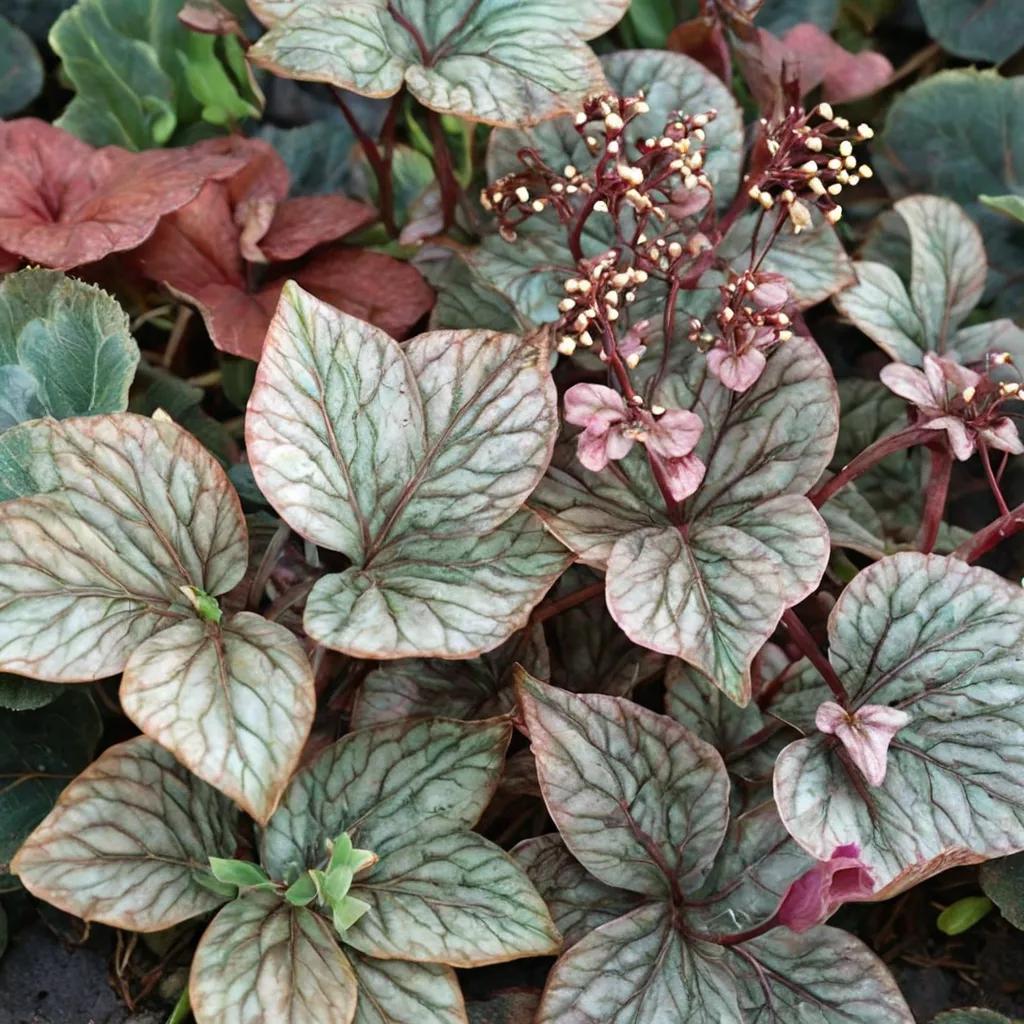 ‘Pewter Veil’Heuchera Pewter Veil
 ‘Tnheufp’Primo Peachberry Ice Coral Bells
 ‘Apple Twist’Heuchera 'Apple Twist'
 ‘Spearmint’Spearmint Coral Bells
 ‘Carnival Rose Granita’Carnival Rose Granita Coral Bells
 ‘Electric Lime’Electric Lime Coral Bells
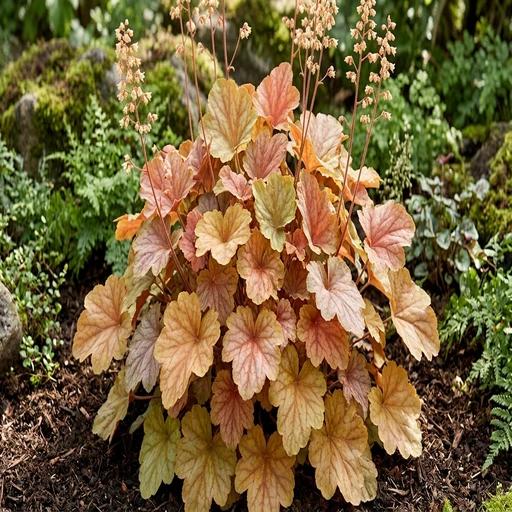 ‘Carnival Peach Parfait’Carnival Peach Parfait Coral Bells
 ‘Northern Exposure Lime’Northern Exposure Lime Coral Bells
The Story
Plant Bio
Heuchera are mounding, evergreen to semi-evergreen perennials grown primarily for their colorful, often ruffled or lobed foliage. They produce delicate, bell-shaped flowers on tall, wiry stems.
'Pistache' is known for its large, chartreuse to lime-green leaves that hold their color well, even in some sun. The vibrant foliage brightens shady spots in the garden.
Uses & Benefits:
Essentials
At a Glance
Plant Type
Perennial
Height
18"
Width
18"
Light
Partial Sun, Shade
Zones
4, 5, 6, 7, 8, 9
Water
Average
Humidity
Average
Lifespan
Perennial
Native To
North America (genus)
Toxicity
Non-toxic
Bloom period
Late spring – Mid-summer
In flower about 3 months of the year
Planting
How to Grow
- Select a spot with morning sun and afternoon shade.
- Amend soil with compost for rich, well-drained conditions.
- Dig a hole as deep and twice as wide as the pot.
- Plant the crown slightly above soil level to prevent rot.
- Water thoroughly after planting to settle the soil.
- Apply a layer of mulch to conserve moisture and protect roots.
Pro Tip
Ensure excellent drainage, especially in winter, to prevent crown rot, the most common issue for coral bells.
Keep It Thriving
Care Guide
Do
- Provide consistent moisture but avoid waterlogged soil.
- Divide every 3-4 years in spring to rejuvenate the plant.
- Remove spent flower stalks to improve appearance.
- Mulch in winter in colder zones to prevent frost heaving.
Don't
- Don't plant the crown too deep.
- Don't overwater, as this leads to crown rot.
- Avoid planting in heavy, wet clay soil without amendment.
- Don't expose to harsh afternoon sun which can scorch the leaves.
Seasonal Care Calendar
| Task | Jan | Feb | Mar | Apr | May | Jun | Jul | Aug | Sep | Oct | Nov | Dec |
|---|---|---|---|---|---|---|---|---|---|---|---|---|
| Deadhead | ||||||||||||
| Divide | ||||||||||||
| Mulch | ||||||||||||
| Plant | ||||||||||||
| Spring Cleanup |
Watch Out For
Pests & Diseases
Common Pests
Common Diseases
In the Garden
Landscape Uses & Companions
Landscape Uses
Companion Plants
Multiply
Propagation Methods
Good to Know
Common Questions
Pistache Coral Bells questions
What zones can Pistache Coral Bells grow in?
Pistache Coral Bells is hardy in USDA Zones 4–9. Inside that range it survives winter in the ground; outside it, grow it as an annual or a container plant you protect.
Is Pistache Coral Bells deer resistant?
Yes — Pistache Coral Bells is rated deer-resistant. Deer typically pass it over, though extreme hunger can override any plant's defenses.
When does Pistache Coral Bells bloom?
Pistache Coral Bells typically blooms in late spring through mid-summer. Exact timing shifts a week or two with your zone — Sow's bloom calendar maps it to your garden.
Does Pistache Coral Bells need full sun?
Pistache Coral Bells does best in part shade.
More Heuchera to compare
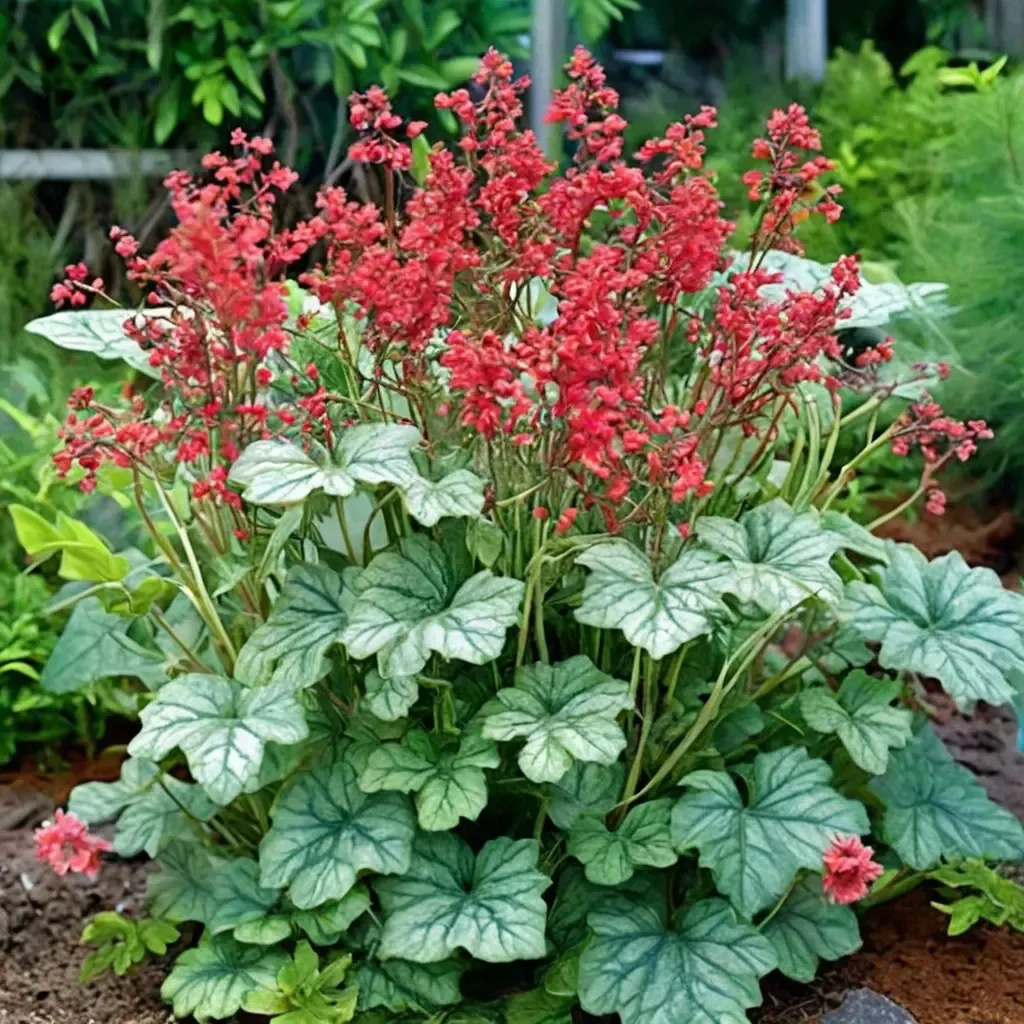
Mixed Coral Bells
Heuchera sanguinea 'Mixed Coral Bells'
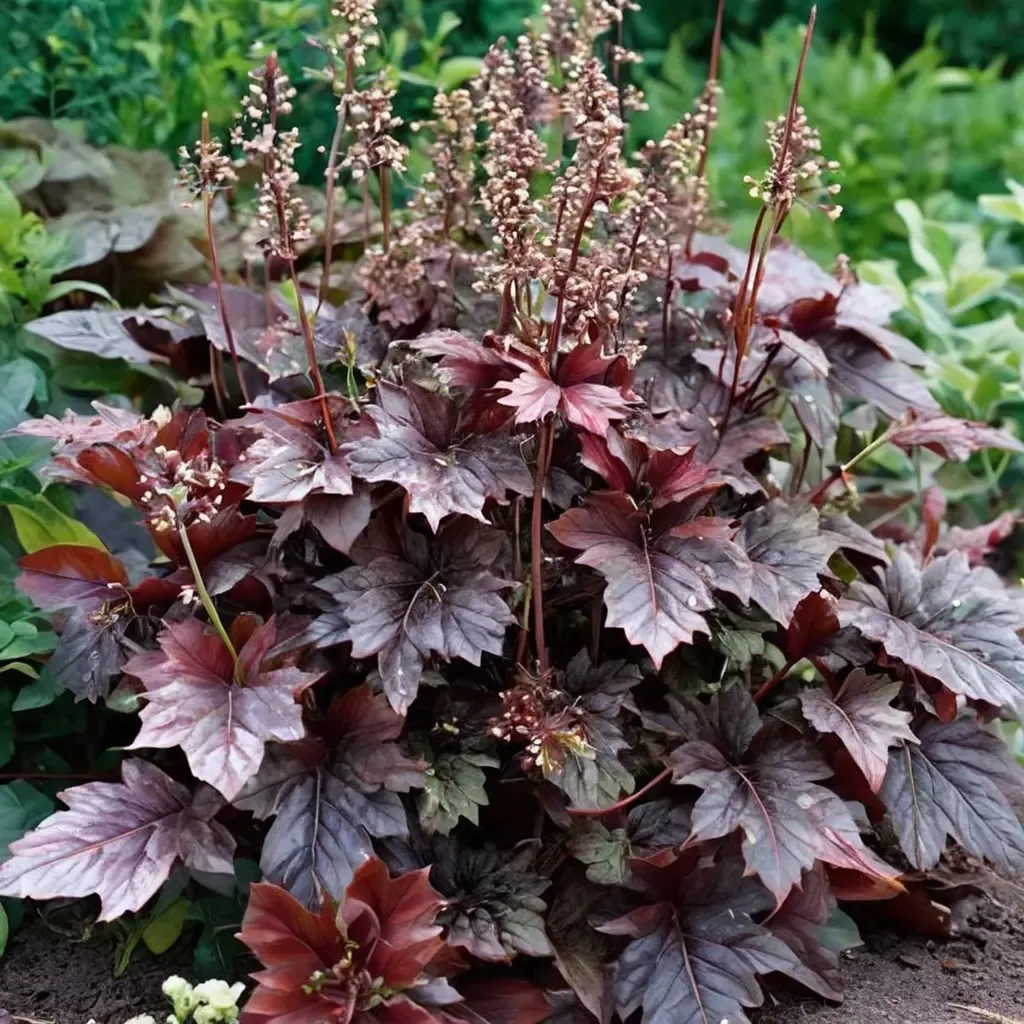
Palace Purple Coral Bells
Heuchera americana 'Palace Purple'
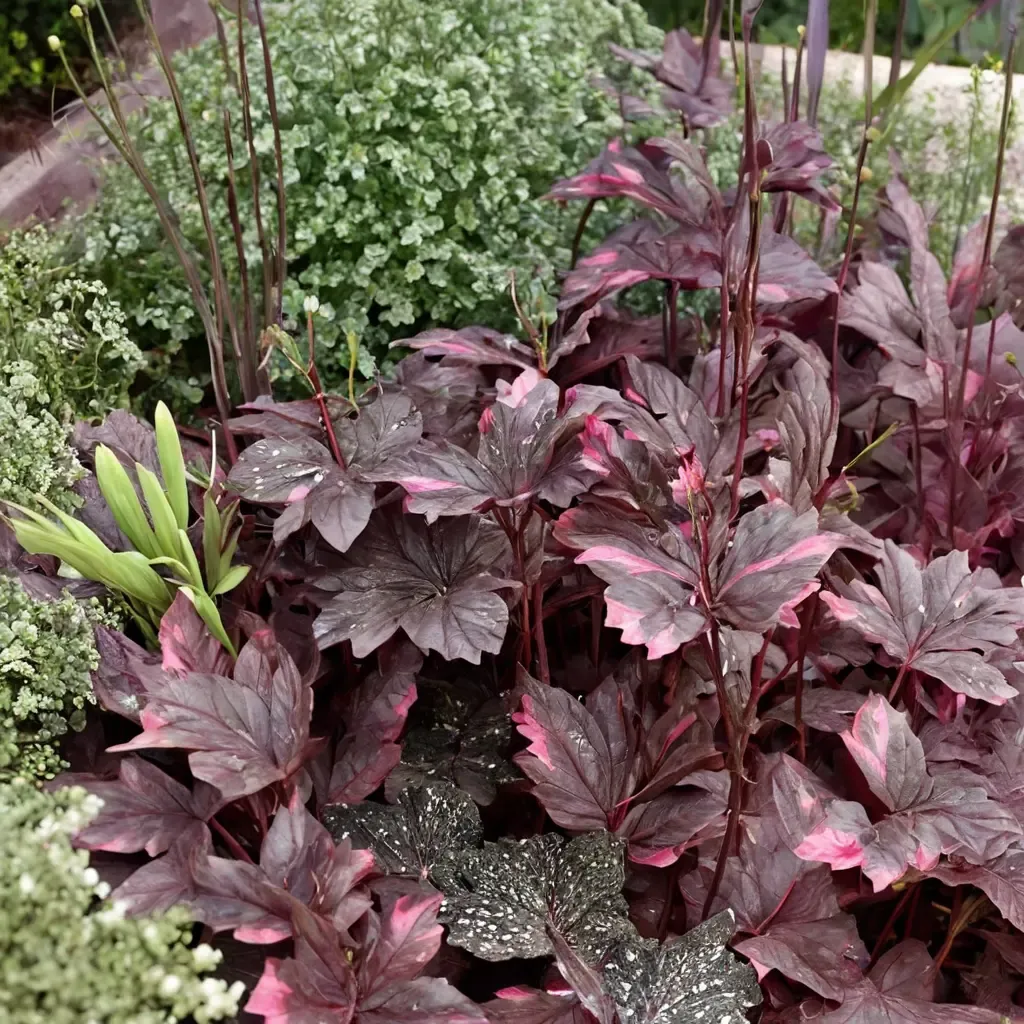
Midnight Rose Coral Bell
Heuchera x brizoides 'Midnight Rose'
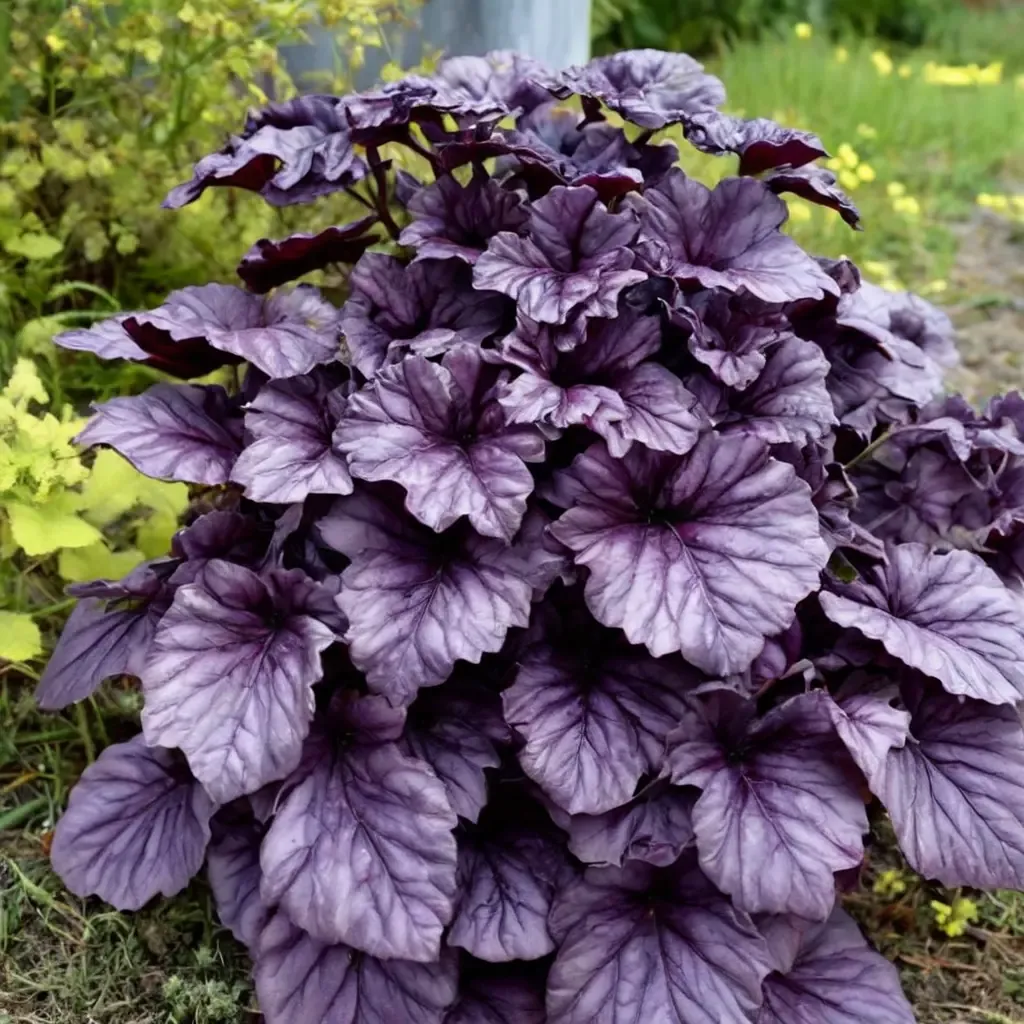
Wildberry Coral Bells
Heuchera x brizoides 'Wildberry'
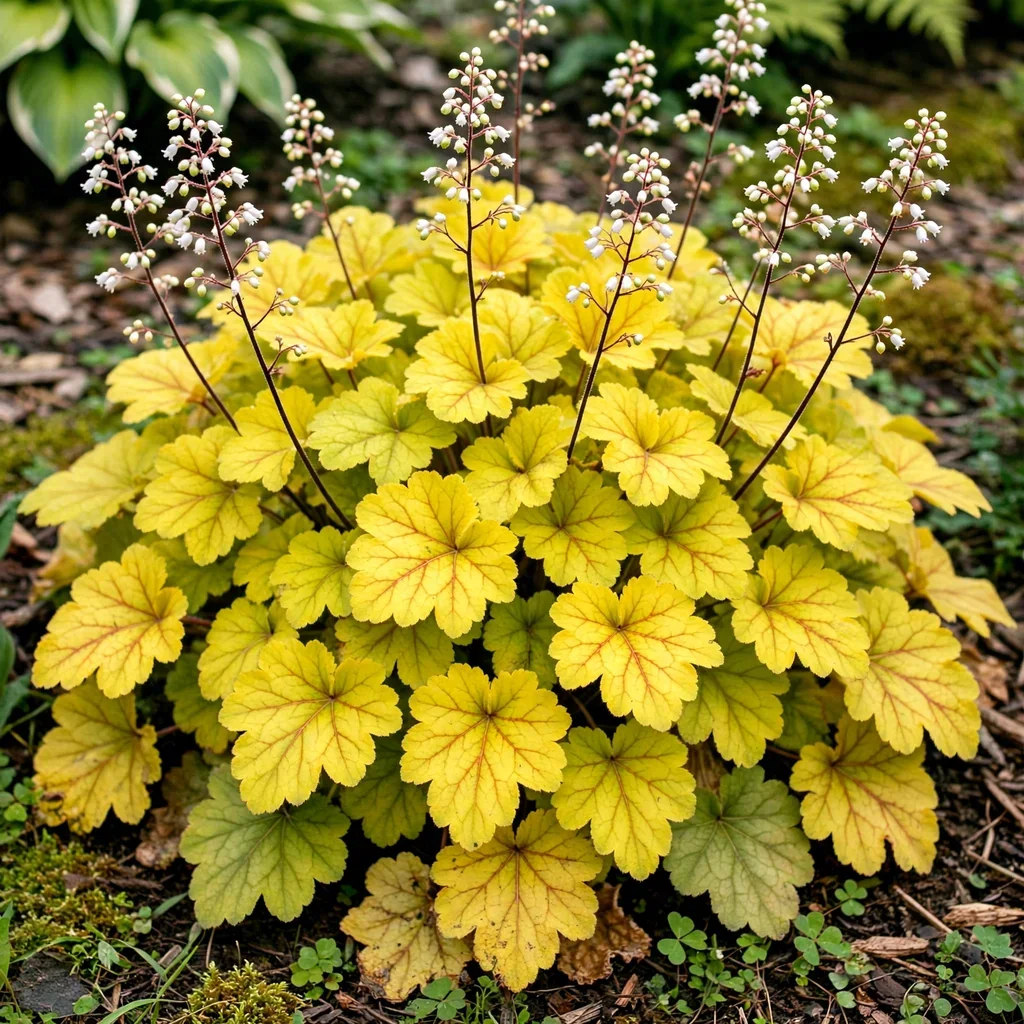
Electra Coral Bells
Heuchera sanguinea 'Electra'
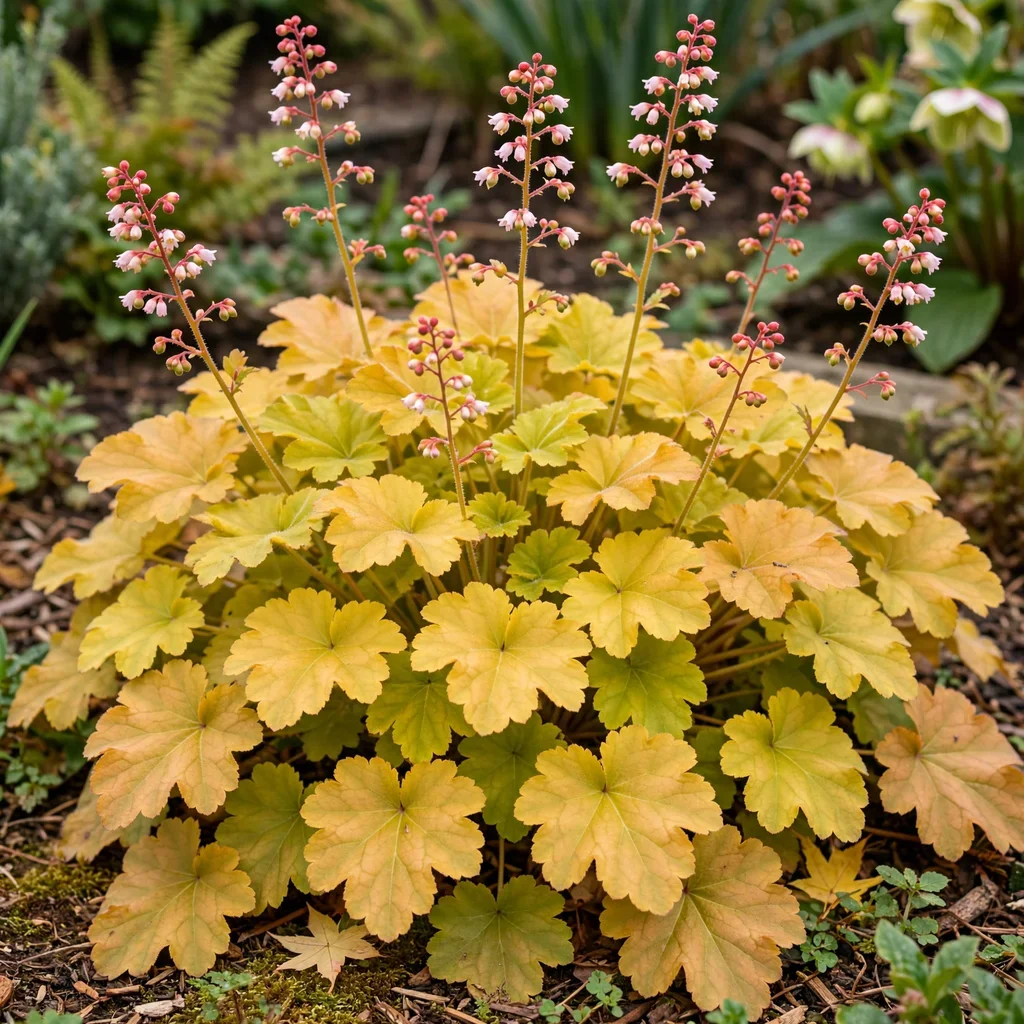
Caramel Coral Bells
Heuchera sanguinea 'Caramel'
Keep exploring
Explore the genus
Grow Pistache Coral Bells with confidence
See it in a design of your actual yard, get zone-matched care reminders, and track it season by season in your garden journal.