Species
 Carex comansNew Zealand Hair Sedge
1 other cultivar
The Story
Plant Bio
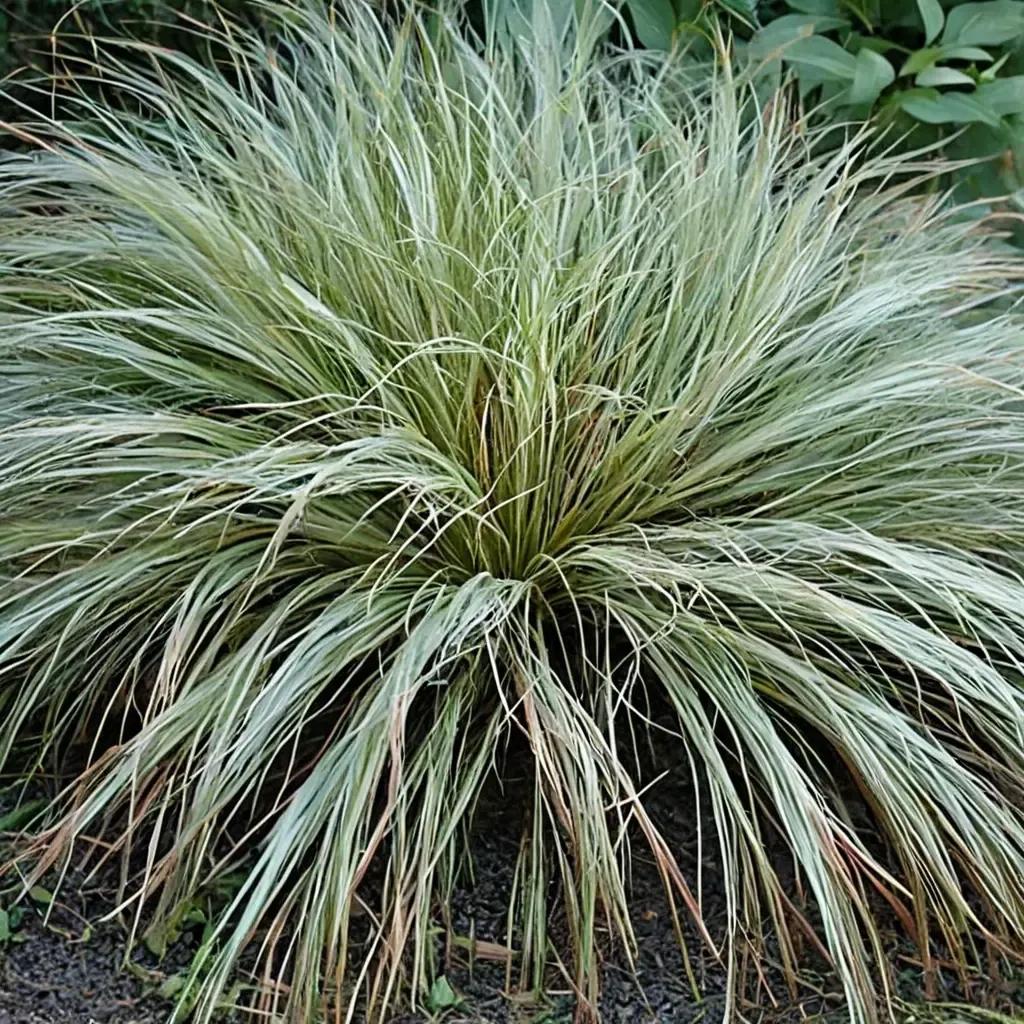
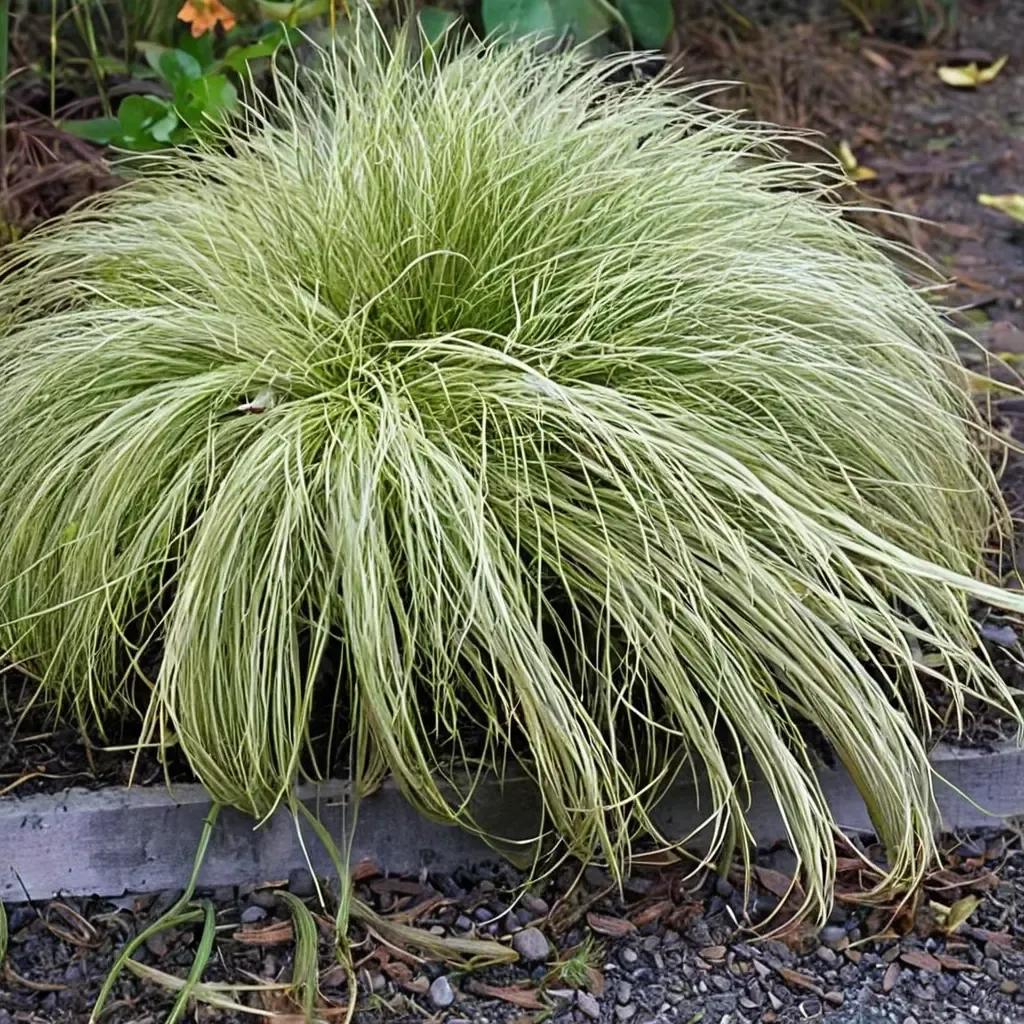
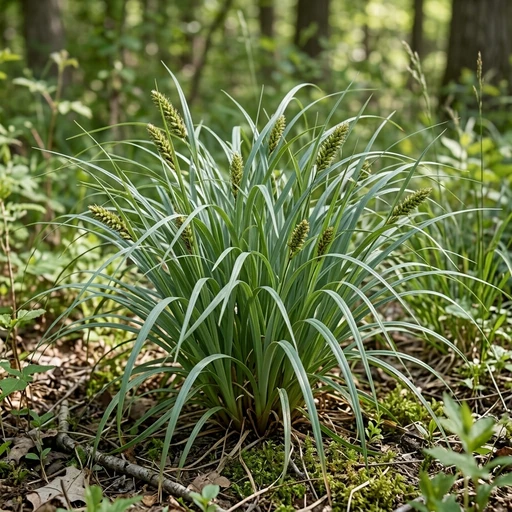
Carex comans is an evergreen sedge native to New Zealand, forming dense, fountain-like mounds of extremely fine, hair-like foliage. The inconspicuous brown flower spikes appear on slender stems in late spring and summer, nesting quietly within the cascading tufts.
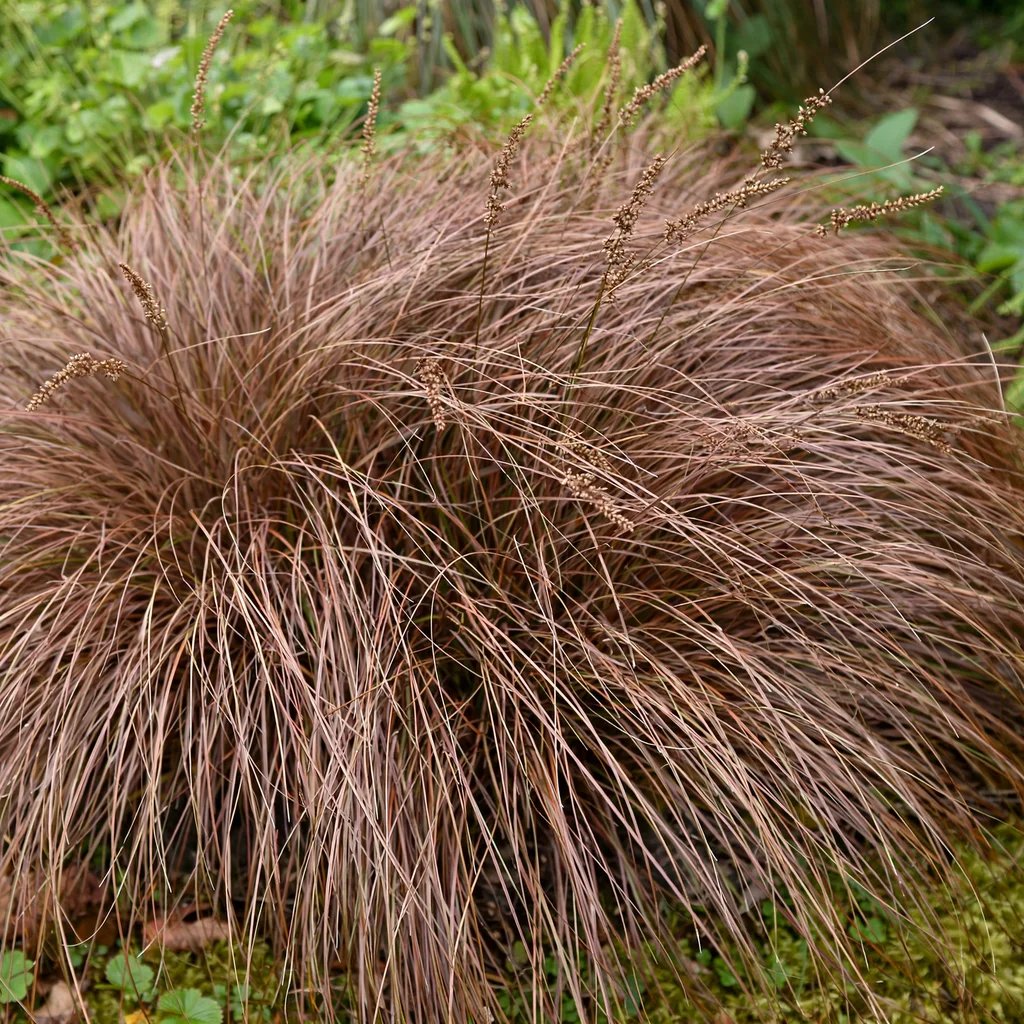
'Bronzina' is distinguished by its coppery, bronzy-brown leaves that display subtle metallic highlights when grown in full sun. This cultivar maintains its rich, warm coloration throughout the year, providing a striking structural contrast to green-foliaged garden companions.
Uses & Benefits:
Essentials
At a Glance
Plant Type
Grass
Height
10"
Width
18"
Light
Full Sun, Partial Sun
Zones
6, 7, 8, 9
Water
Moderate
Humidity
Moderate
Lifespan
Perennial
Native To
New Zealand
Toxicity
Non-toxic
Bloom period
Late spring – Summer
In flower about 4 months of the year
Planting
How to Grow
- Select a planting site with full sun to partial shade and exceptionally well-drained soil.
- Dig a hole twice the width of the root ball and set the plant at the same depth it was in the container.
- Backfill with native soil mixed with grit or sand to ensure sharp drainage, then water in thoroughly.
- Apply a light layer of mulch around the base, keeping it clear of the crown to prevent moisture retention.
Pro Tip
Do not shear this sedge to the ground in winter like a deciduous grass, as cutting into the crown can kill the plant; instead, gently comb out dead interior foliage by hand in spring.
Keep It Thriving
Care Guide
Do
- Plant in highly permeable, gritty soil to prevent winter wetness.
- Gently comb out dead leaves with gloved fingers in early spring.
- Water moderately during dry spells once the plant is established.
Don't
- Do not cut the foliage back to the ground, which can permanently damage or kill the crown.
- Do not plant in heavy clay or low-lying areas prone to standing water.
- Avoid heavy applications of chemical fertilizers, which cause rapid stress.
Seasonal Care Calendar
| Task | Jan | Feb | Mar | Apr | May | Jun | Jul | Aug | Sep | Oct | Nov | Dec |
|---|---|---|---|---|---|---|---|---|---|---|---|---|
| Fertilize | ||||||||||||
| Pest Check | ||||||||||||
| Propagate | ||||||||||||
| Spring Cleanup |
Watch Out For
Pests & Diseases
Common Pests
Common Diseases
In the Garden
Landscape Uses & Companions
Landscape Uses
Multiply
Propagation Methods
Good to Know
Common Questions
Bronze New Zealand Hair Sedge questions
What zones can Bronze New Zealand Hair Sedge grow in?
Bronze New Zealand Hair Sedge is hardy in USDA Zones 6–9. Inside that range it survives winter in the ground; outside it, grow it as an annual or a container plant you protect.
Is Bronze New Zealand Hair Sedge deer resistant?
Yes — Bronze New Zealand Hair Sedge is rated deer-resistant. Deer typically pass it over, though extreme hunger can override any plant's defenses.
When does Bronze New Zealand Hair Sedge bloom?
Bronze New Zealand Hair Sedge typically blooms in late spring through summer. Exact timing shifts a week or two with your zone — Sow's bloom calendar maps it to your garden.
Does Bronze New Zealand Hair Sedge need full sun?
Bronze New Zealand Hair Sedge does best in full sun to part shade. In hot climates, afternoon shade keeps blooms fresher longer.
Is Bronze New Zealand Hair Sedge drought tolerant?
Yes — once established (usually after the first full season), Bronze New Zealand Hair Sedge handles dry spells with minimal watering. Water deeply its first year to build the root system that makes that possible.
More Carex to compare
Pennsylvania Sedge
Carex pensylvanica
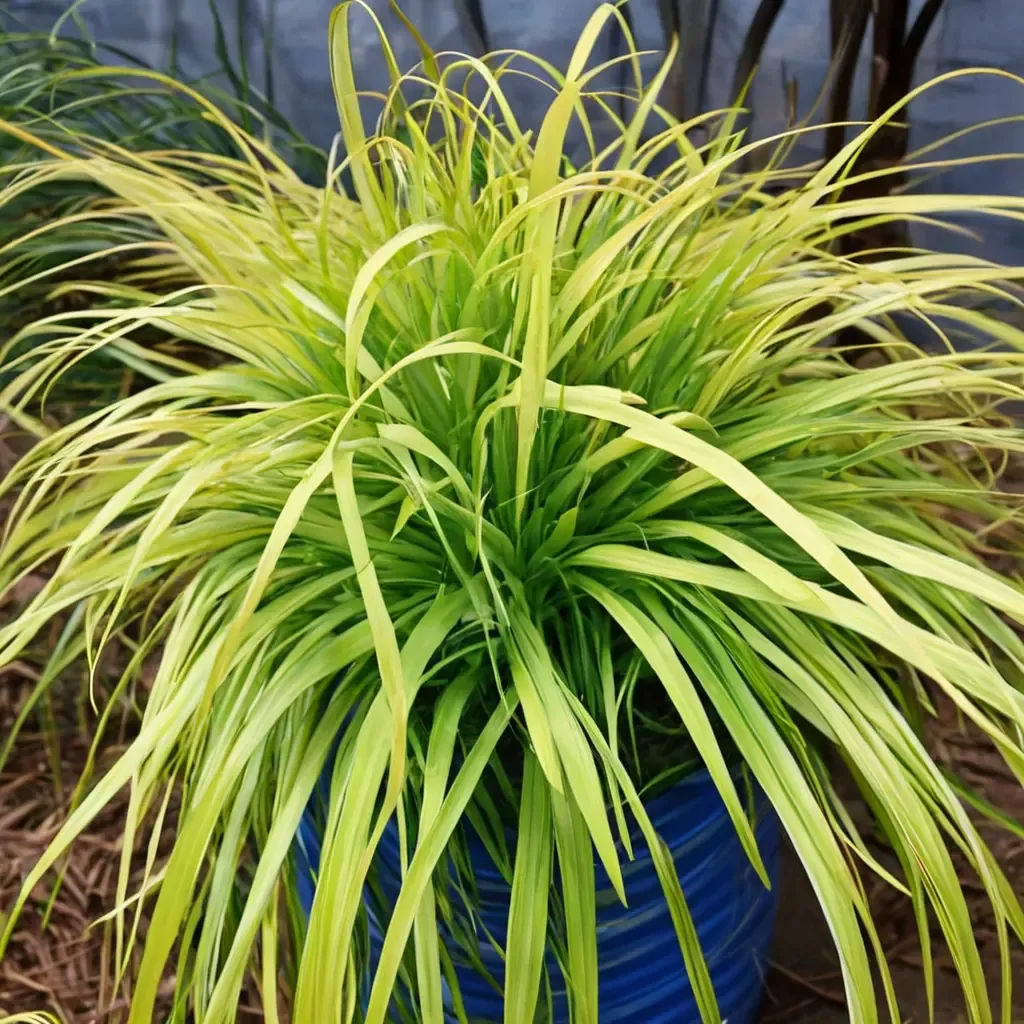
Everillo Sedge
Carex oshimensis 'Everillo'
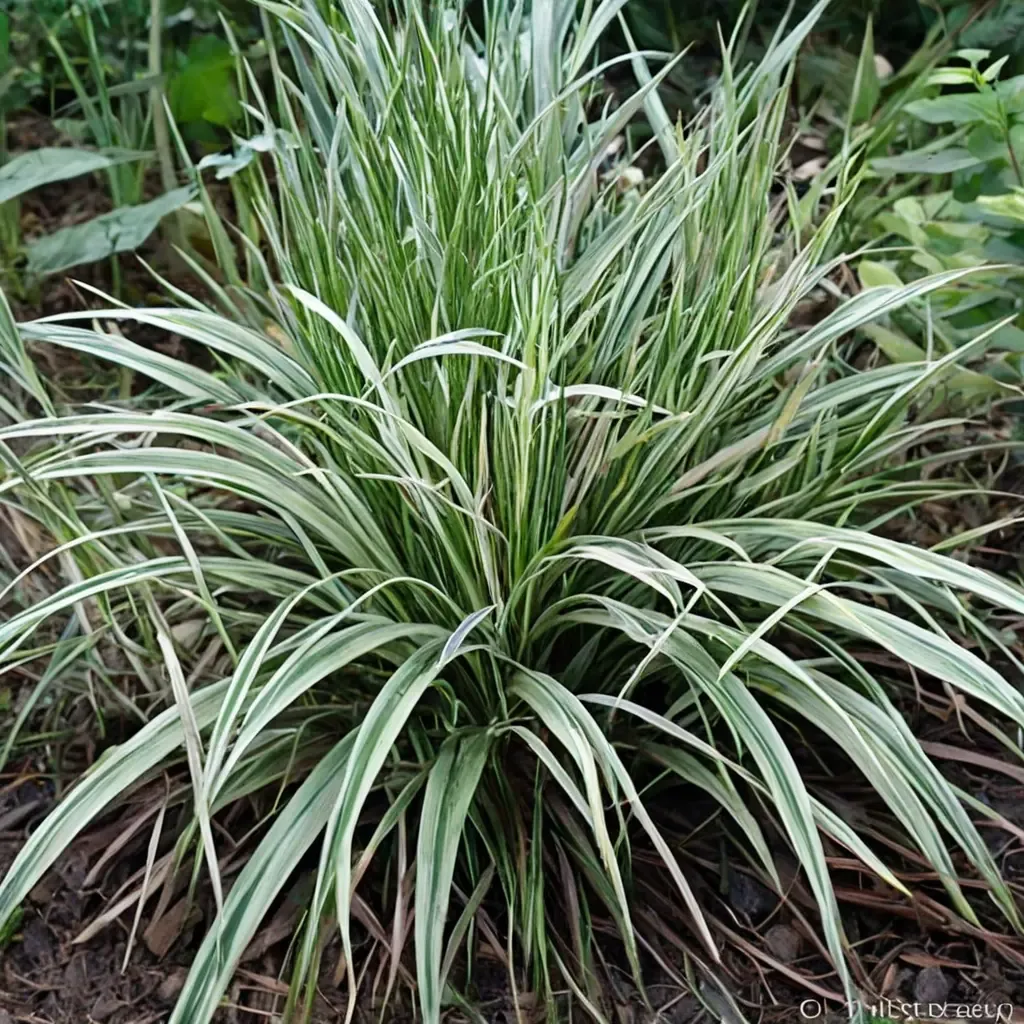
Japanese Sedge
Carex morrowii
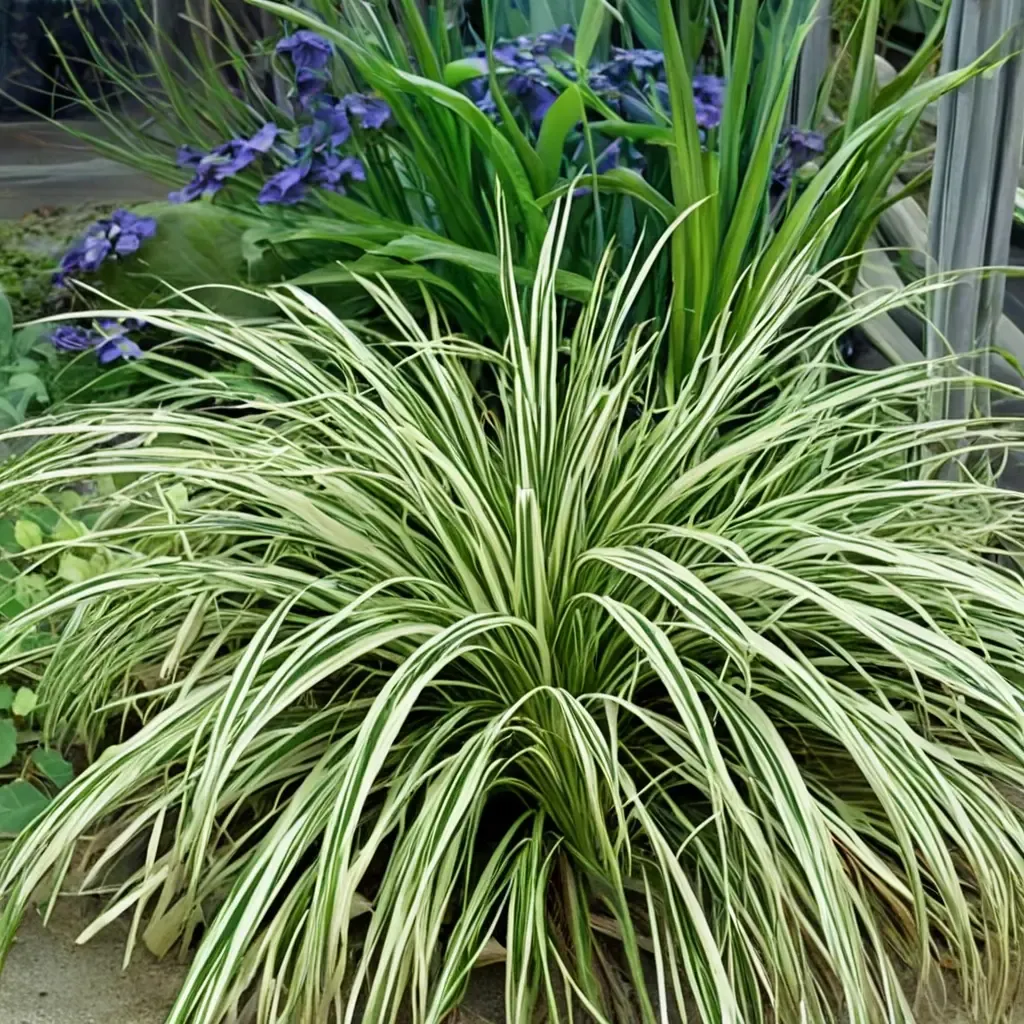
Evergold Japanese Sedge
Carex oshimensis 'Evergold'
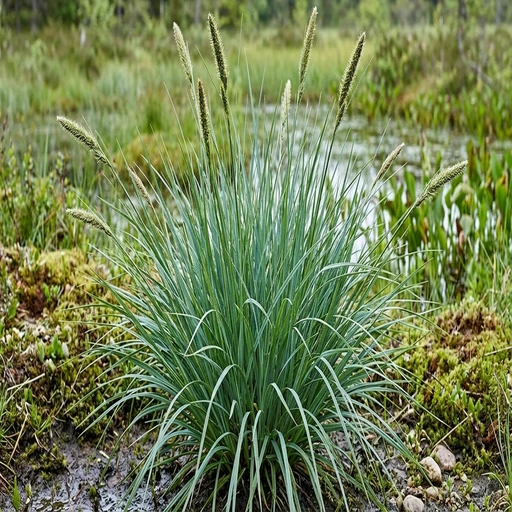
Comosa Sedge
Carex comosa
Shortbeak Sedge
Carex brevior
Keep exploring
Explore the genus
Hardy in your zone?
Grow Bronze New Zealand Hair Sedge with confidence
See it in a design of your actual yard, get zone-matched care reminders, and track it season by season in your garden journal.