The Story
Plant Bio
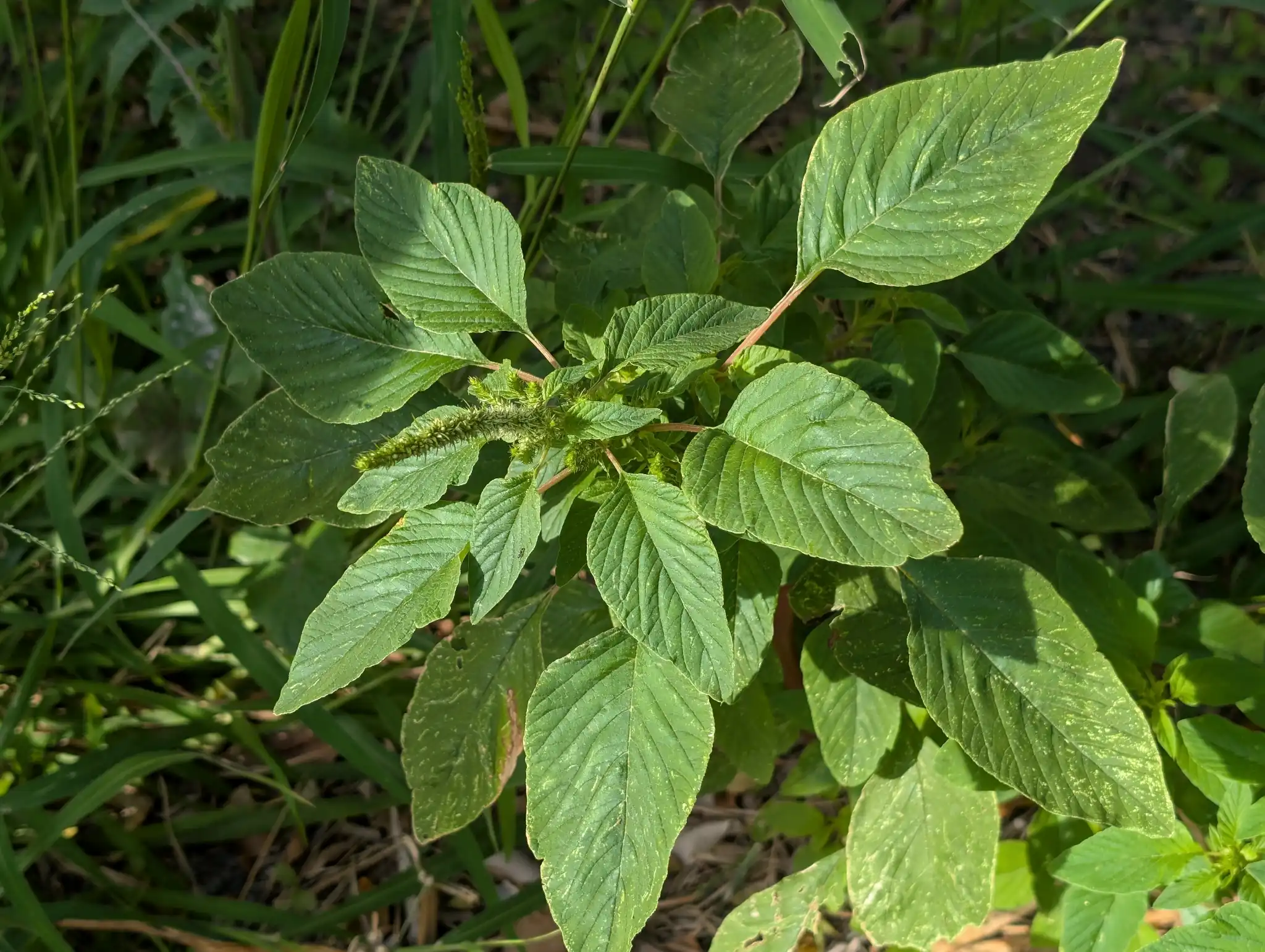
Amaranthus spinosus is an erect, branching summer annual herb native to tropical and subtropical regions of the Americas. It features alternate, ovate to lanceolate green leaves with dull undersides and sharp, paired spines at the base of each leaf petiole.
This species is distinguished by its rigid nodal spines and its dual flowering structure, which consists of dense axillary clusters and long, slender terminal panicles. The greenish flowers produce prolific seeds that germinate rapidly in warm, disturbed soils.
Uses & Benefits:
Essentials
At a Glance
Plant Type
Annual
Height
40"
Width
24"
Light
Full Sun
Zones
4, 5, 6, 7, 8, 9, 10
Water
Low
Humidity
High
Lifespan
Annual
Native To
Americas
Toxicity
Toxic to Livestock
Bloom period
Summer – Fall
In flower about 6 months of the year
Planting
How to Grow
- Sow seeds directly into warm, disturbed soil in a location receiving full sun after all danger of frost has passed.
- Water lightly to keep the soil moist until germination occurs, which happens rapidly in warm temperatures.
- Allow the soil to dry between waterings once established, as the plant possesses high drought tolerance.
- Monitor the plant closely and hand-pull or deadhead before seed set to prevent unwanted spreading.
Pro Tip
Wear heavy leather gloves when working near this plant to avoid painful punctures from the rigid nodal spines. To prevent aggressive self-sowing, cut back the terminal flowering spikes before they transition from green to seed.
Keep It Thriving
Care Guide
Do
- Wear heavy leather gloves when handling the plant to protect against the sharp, rigid nodal spines.
- Grow in full sun and well-drained soil to ensure strong, upright growth.
- Remove spent flowering spikes early in the season to control self-seeding.
Don't
- Do not apply high-nitrogen fertilizers, as this encourages excessive, weak vegetative growth.
- Do not allow livestock to graze heavily on the foliage, as it can accumulate toxic levels of nitrates and oxalates.
- Do not plant near pastures or cultivated fields where it can easily escape and become an invasive weed.
Seasonal Care Calendar
| Task | Jan | Feb | Mar | Apr | May | Jun | Jul | Aug | Sep | Oct | Nov | Dec |
|---|---|---|---|---|---|---|---|---|---|---|---|---|
| Deadhead | ||||||||||||
| Pest Check | ||||||||||||
| Plant | ||||||||||||
| Spring Cleanup |
Watch Out For
Pests & Diseases
Common Pests
Common Diseases
In the Garden
Landscape Uses & Companions
Landscape Uses
Companion Plants
Multiply
Propagation Methods
Good to Know
Common Questions
Spiny Amaranth questions
What zones can Spiny Amaranth grow in?
Spiny Amaranth is hardy in USDA Zones 4–10. Inside that range it survives winter in the ground; outside it, grow it as an annual or a container plant you protect.
When does Spiny Amaranth bloom?
Spiny Amaranth typically blooms in summer through fall. Exact timing shifts a week or two with your zone — Sow's bloom calendar maps it to your garden.
Does Spiny Amaranth need full sun?
Spiny Amaranth does best in full sun (6+ hours).
Is Spiny Amaranth drought tolerant?
Yes — once established (usually after the first full season), Spiny Amaranth handles dry spells with minimal watering. Water deeply its first year to build the root system that makes that possible.
More Amaranthus to compare
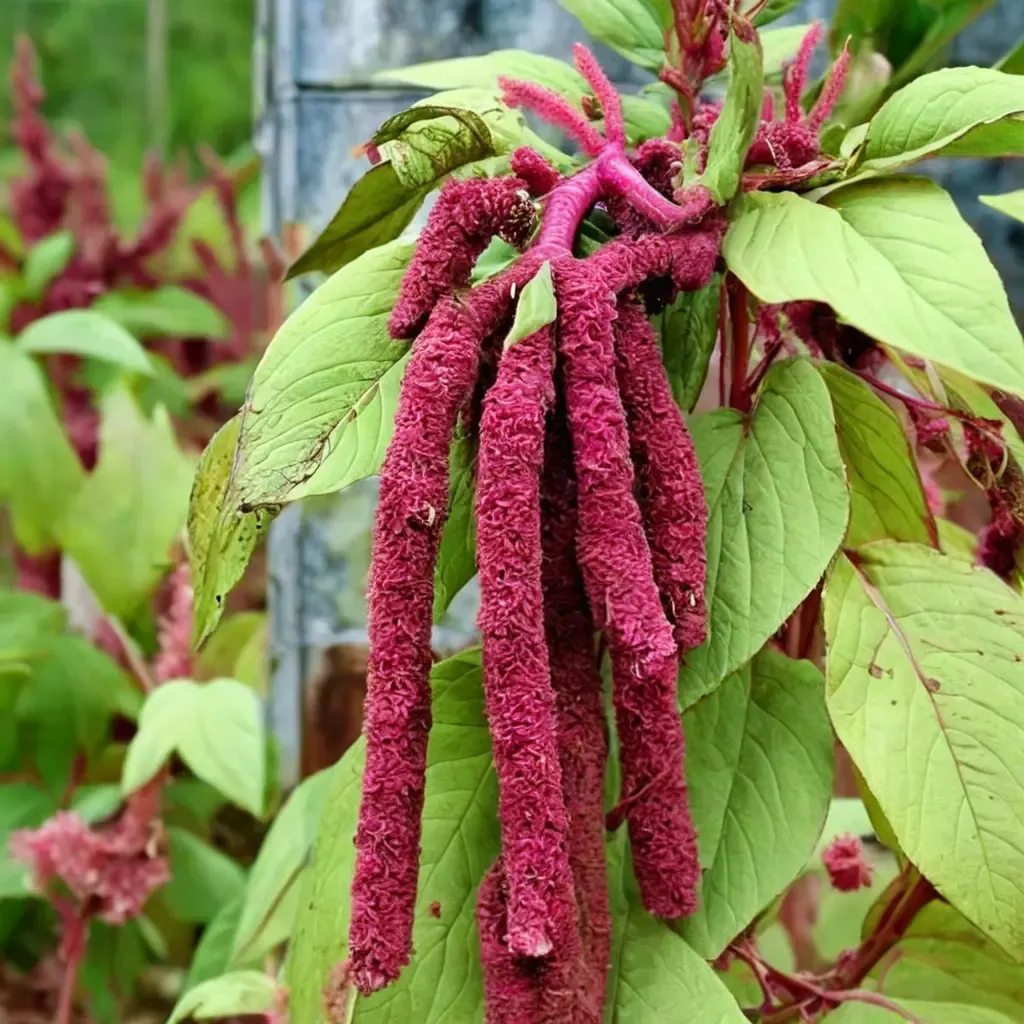
Love-Lies-Bleeding
Amaranthus caudatus
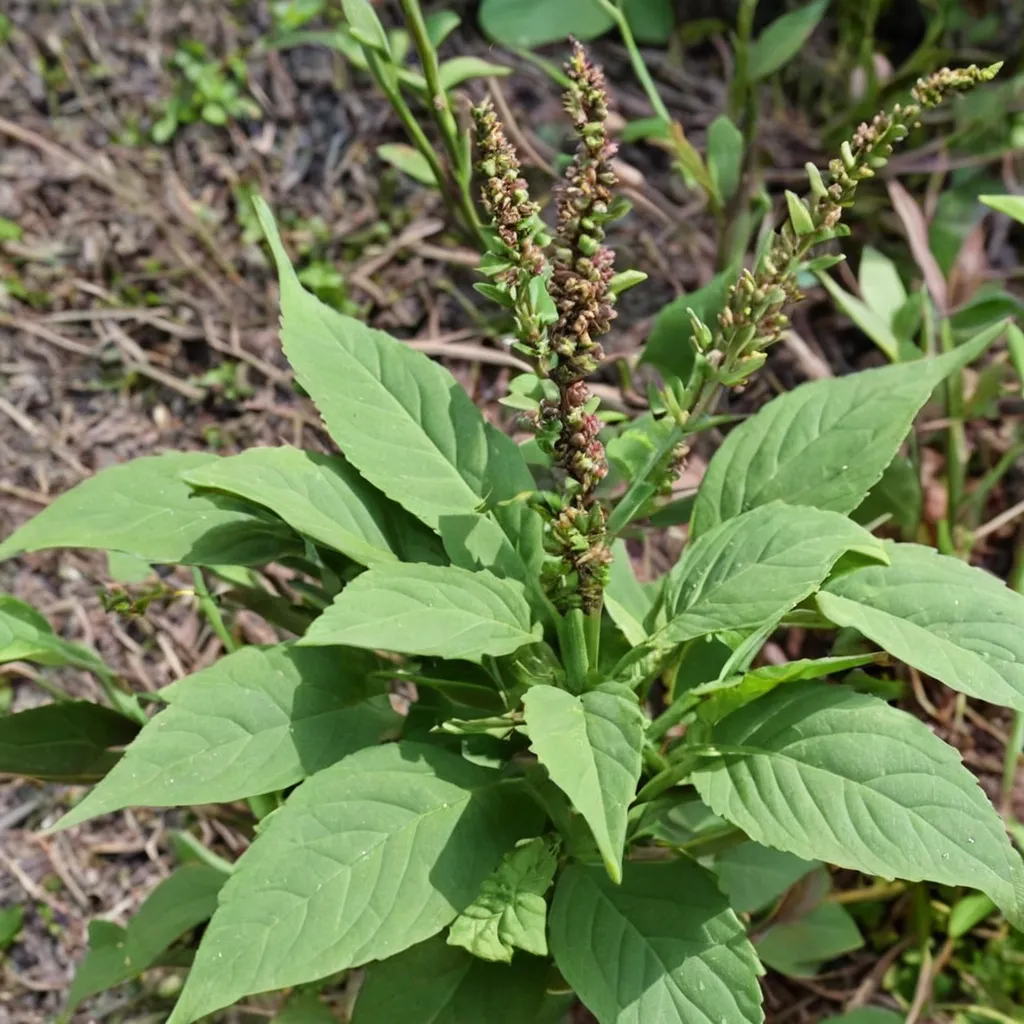
Green Amaranth
Amaranthus viridis
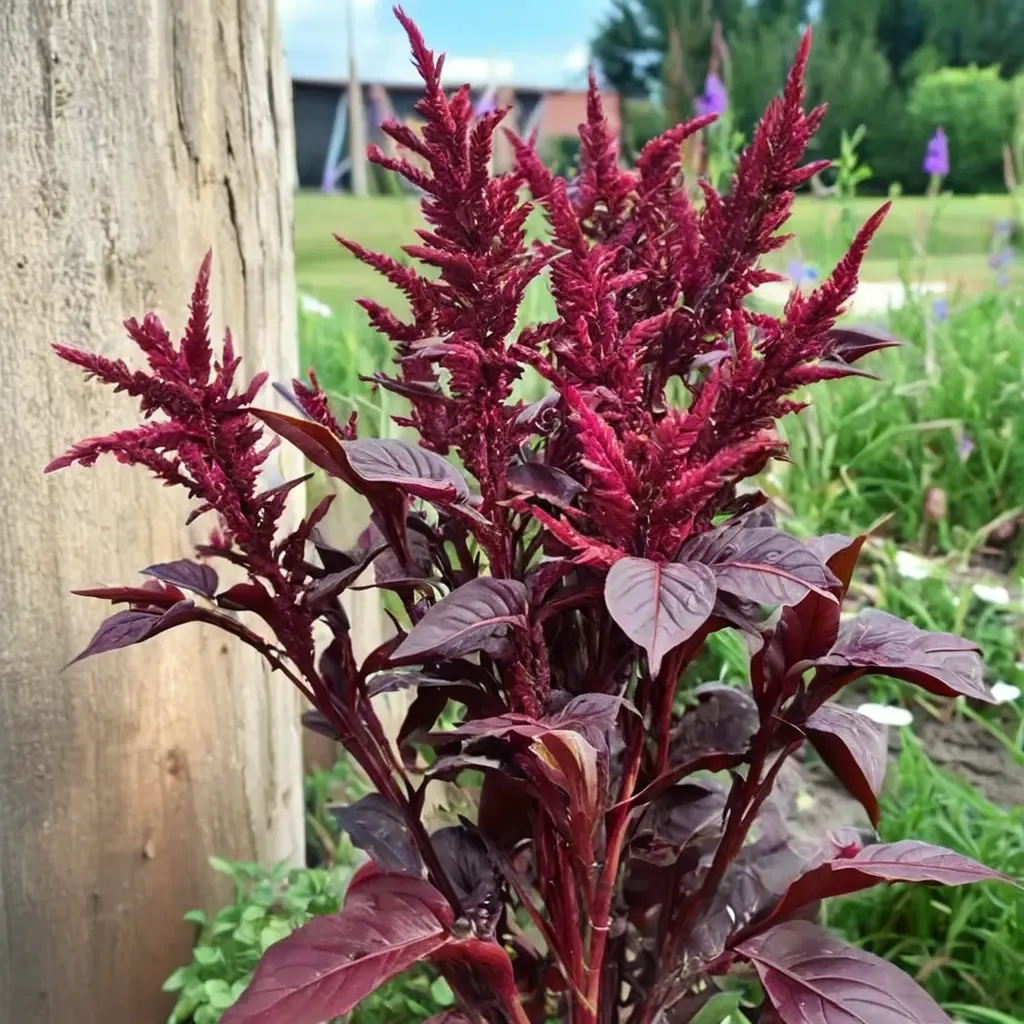
Velvet Curtains Amaranth
Amaranthus cruentus 'Velvet Curtains'
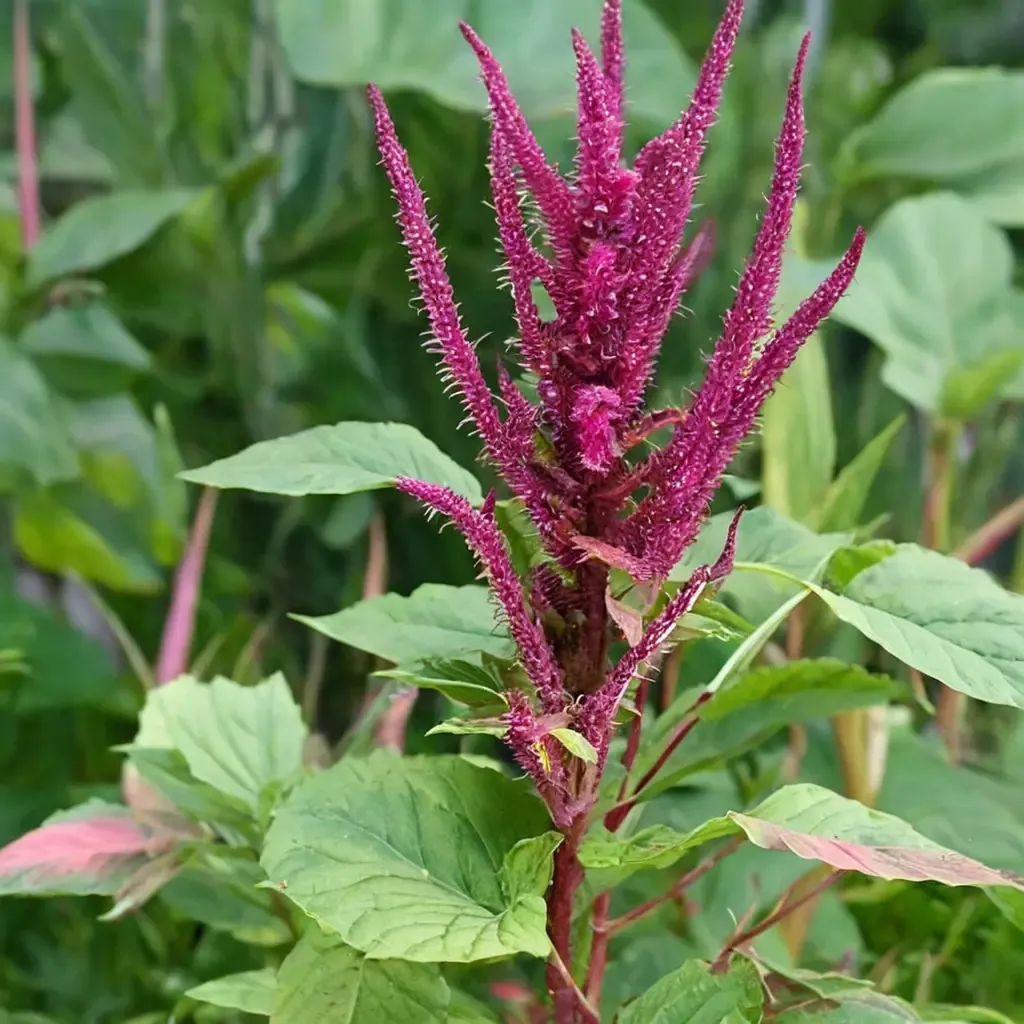
Red Amaranth
Amaranthus cruentus
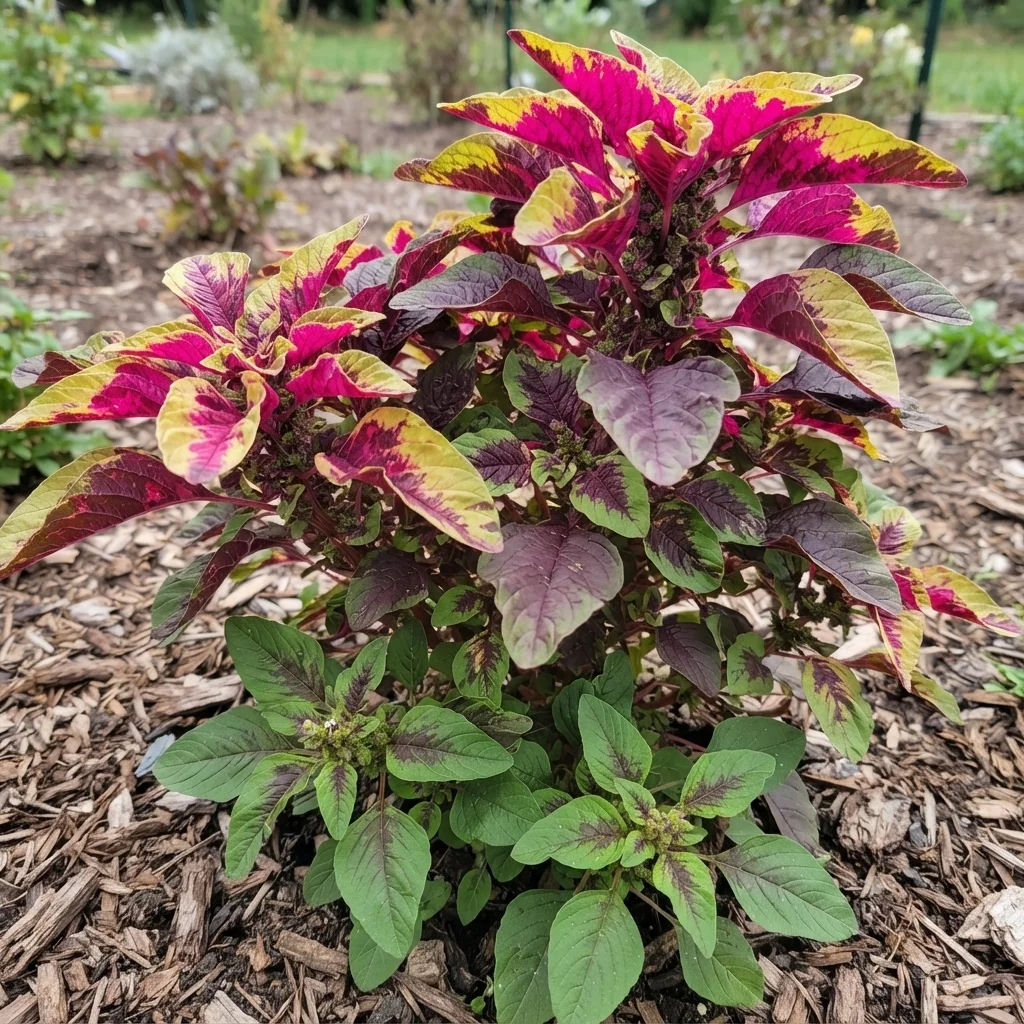
Joseph's Coat
Amaranthus tricolor
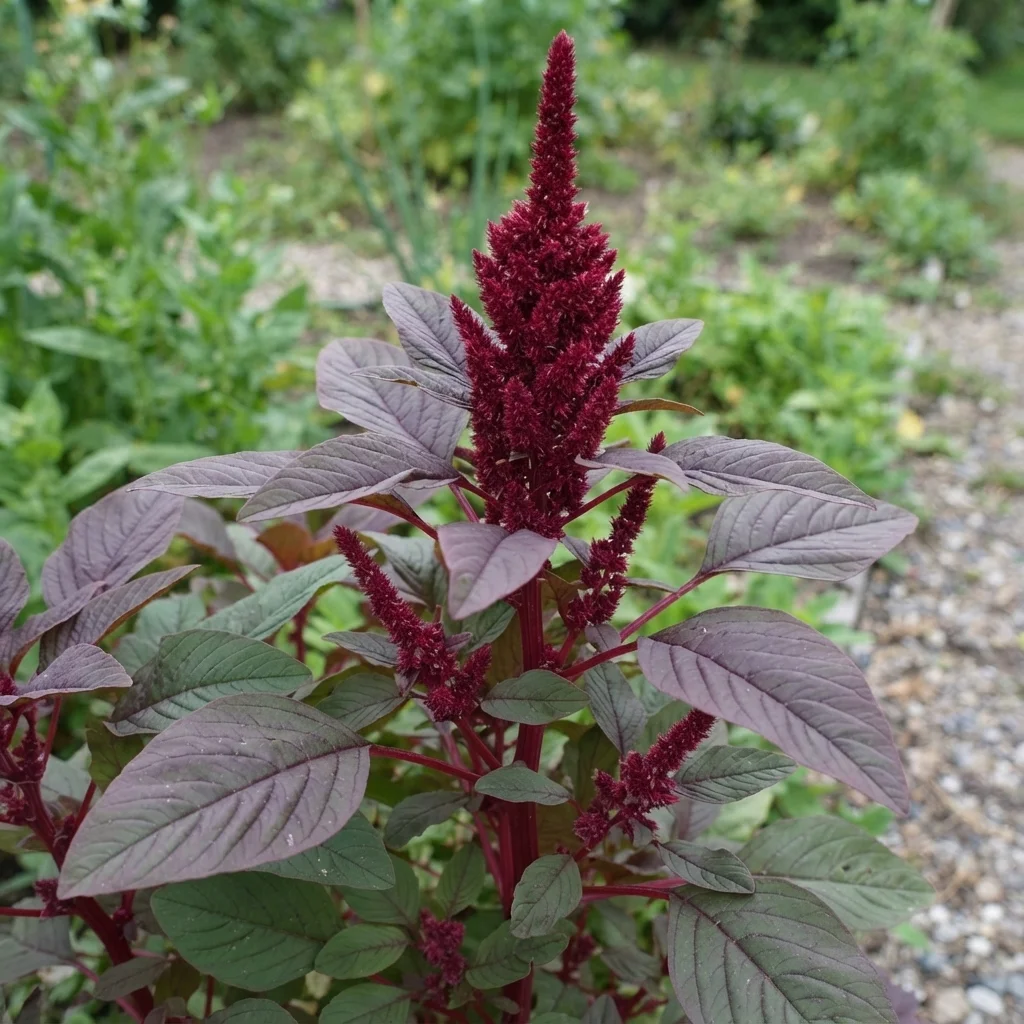
Prince's-feather
Amaranthus hypochondriacus
Keep exploring
Explore the genus
Grow Spiny Amaranth with confidence
See it in a design of your actual yard, get zone-matched care reminders, and track it season by season in your garden journal.