The Story
Plant Bio
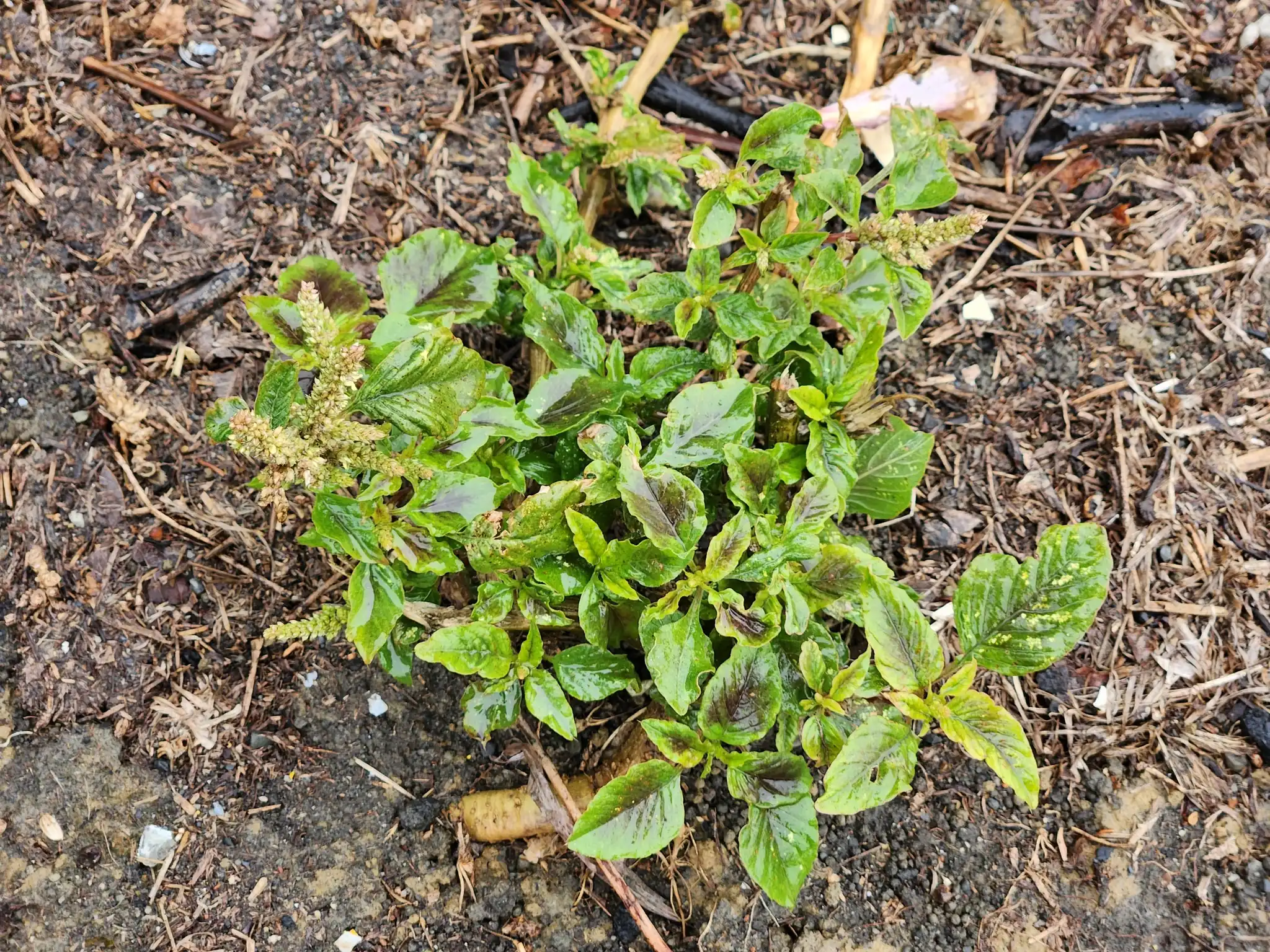
Amaranthus tricolor is an upright, bushy summer annual native to tropical Asia, valued for its highly variegated foliage rather than its flowers. The stout stems support alternate, lanceolate to ovate leaves that display brilliant combinations of red, yellow, green, and copper as the season progresses.
The inconspicuous green or purple flowers are held in small axillary clusters, completely obscured by the vivid upper foliage. New growth emerges in bright yellow or green before transitioning to deep copper and fiery red tones under full sun.
Uses & Benefits:
Essentials
At a Glance
Plant Type
Annual
Height
60"
Width
24"
Light
Full Sun
Zones
4, 5, 6, 7, 8, 9, 10
Water
Low to moderate
Humidity
High
Lifespan
Annual
Native To
Tropical Asia
Toxicity
Toxic to livestock in large quantities; contains oxalates
Bloom period
Summer – Fall
In flower about 6 months of the year
Marketplace
Where to Buy
Shipping costs Year-round shipping Free shipping
Planting
How to Grow
- Sow seeds directly into well-drained soil after all danger of frost has passed and soil temperatures reach 70 degrees Fahrenheit.
- Choose a planting site in full sun to ensure the most intense foliage color development.
- Water regularly until established, then reduce frequency to allow the top inch of soil to dry out between waterings.
- Pinch back the growing tips of young plants early in the season to encourage branching and a bushier habit.
Pro Tip
Avoid high-nitrogen fertilizers, which stimulate rapid, weak stem growth and cause the foliage to lose its vivid coloration in favor of dull green.
Keep It Thriving
Care Guide
Do
- Pinch young shoots early in the season to promote a denser, bushier form.
- Ensure the soil drains rapidly to prevent root rot in wet conditions.
- Grow in full sun to maximize the intensity of the leaf colors.
Don't
- Do not over-fertilize, especially with nitrogen, as this dulls the foliage colors.
- Do not plant outdoors until the soil has warmed thoroughly in late spring.
- Do not allow the soil to remain waterlogged, which leads to stem and root rot.
Seasonal Care Calendar
| Task | Jan | Feb | Mar | Apr | May | Jun | Jul | Aug | Sep | Oct | Nov | Dec |
|---|---|---|---|---|---|---|---|---|---|---|---|---|
| Fertilize | ||||||||||||
| Pest Check | ||||||||||||
| Pinch | ||||||||||||
| Plant |
Watch Out For
Pests & Diseases
Common Pests
Common Diseases
In the Garden
Landscape Uses & Companions
Landscape Uses
Multiply
Propagation Methods
Good to Know
Common Questions
Joseph's Coat questions
What zones can Joseph's Coat grow in?
Joseph's Coat is hardy in USDA Zones 4–10. Inside that range it survives winter in the ground; outside it, grow it as an annual or a container plant you protect.
Is Joseph's Coat deer resistant?
Not reliably. Deer may browse Joseph's Coat, especially tender spring growth — plan on repellents or fencing where pressure is high.
When does Joseph's Coat bloom?
Joseph's Coat typically blooms in summer through fall. Exact timing shifts a week or two with your zone — Sow's bloom calendar maps it to your garden.
Does Joseph's Coat need full sun?
Joseph's Coat does best in full sun (6+ hours).
Is Joseph's Coat drought tolerant?
Yes — once established (usually after the first full season), Joseph's Coat handles dry spells with minimal watering. Water deeply its first year to build the root system that makes that possible.
More Amaranthus to compare
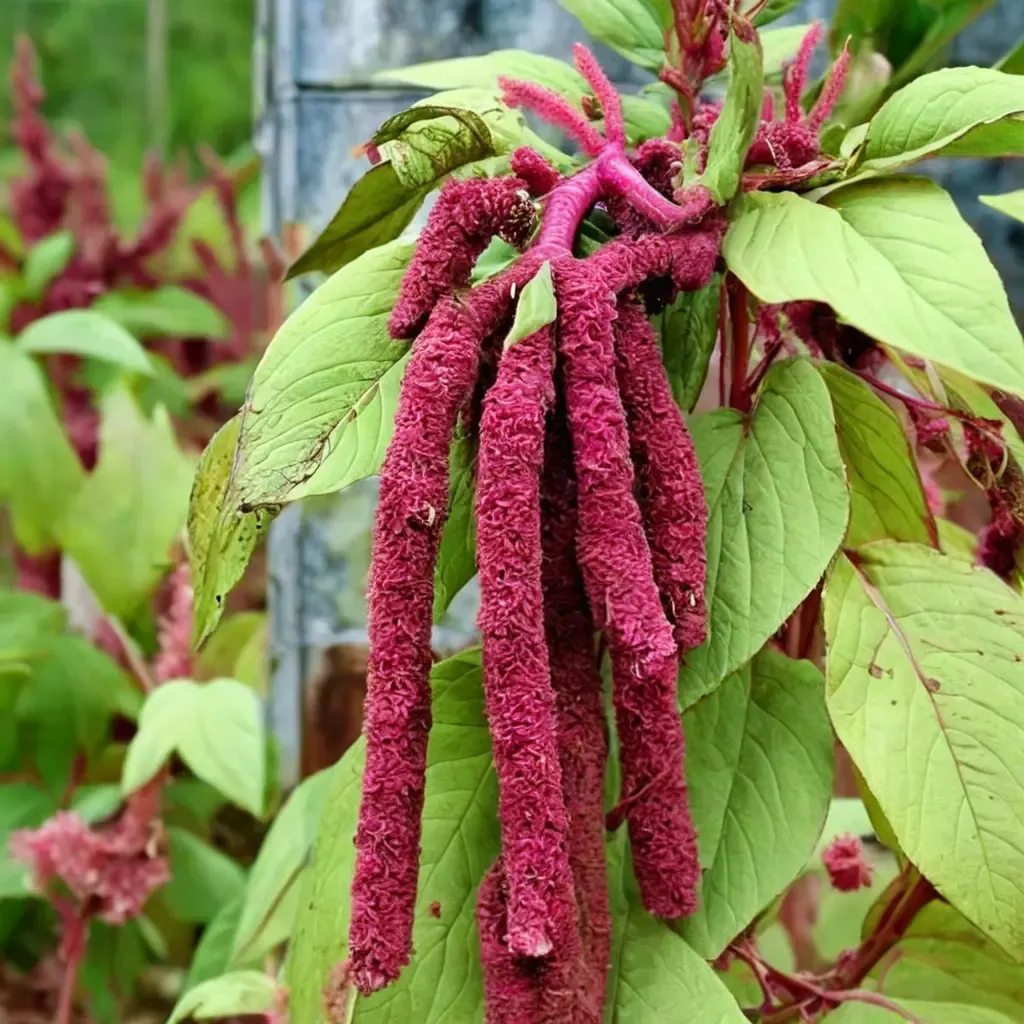
Love-Lies-Bleeding
Amaranthus caudatus
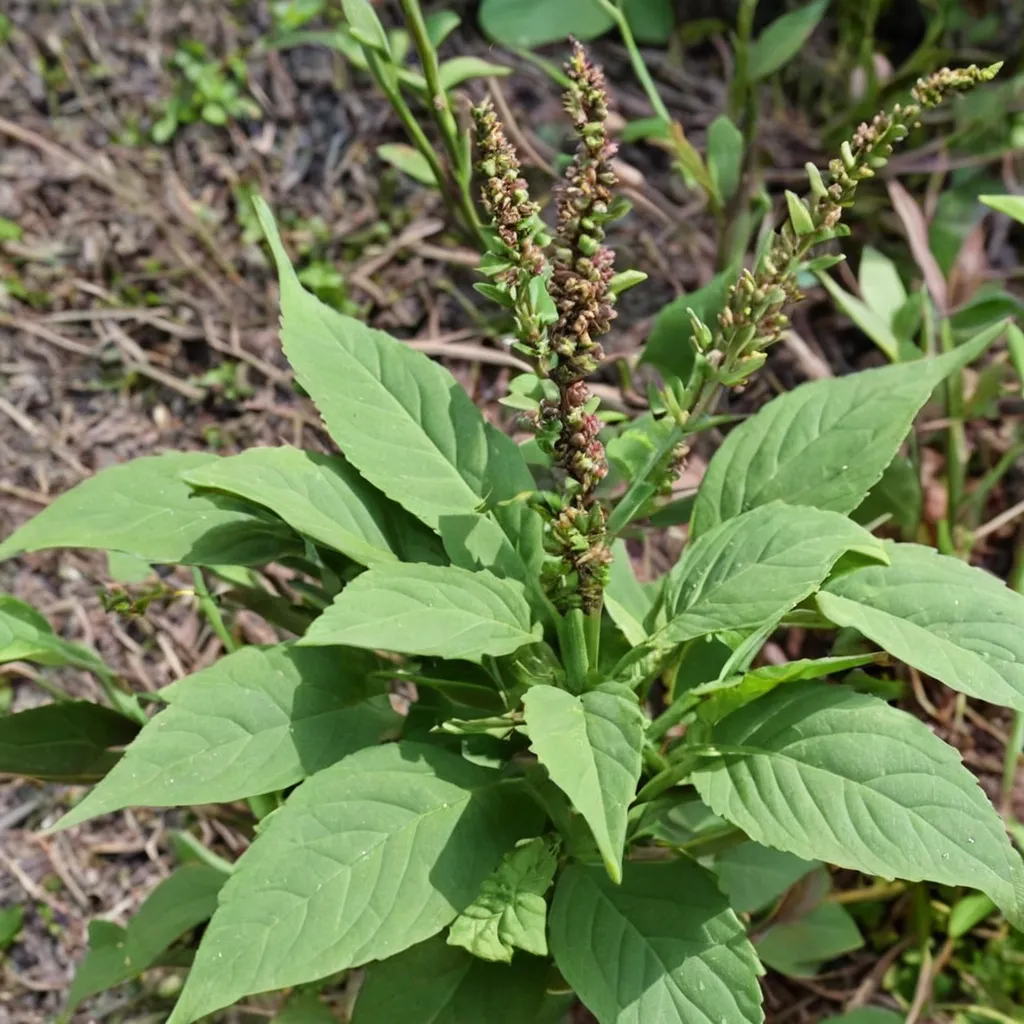
Green Amaranth
Amaranthus viridis
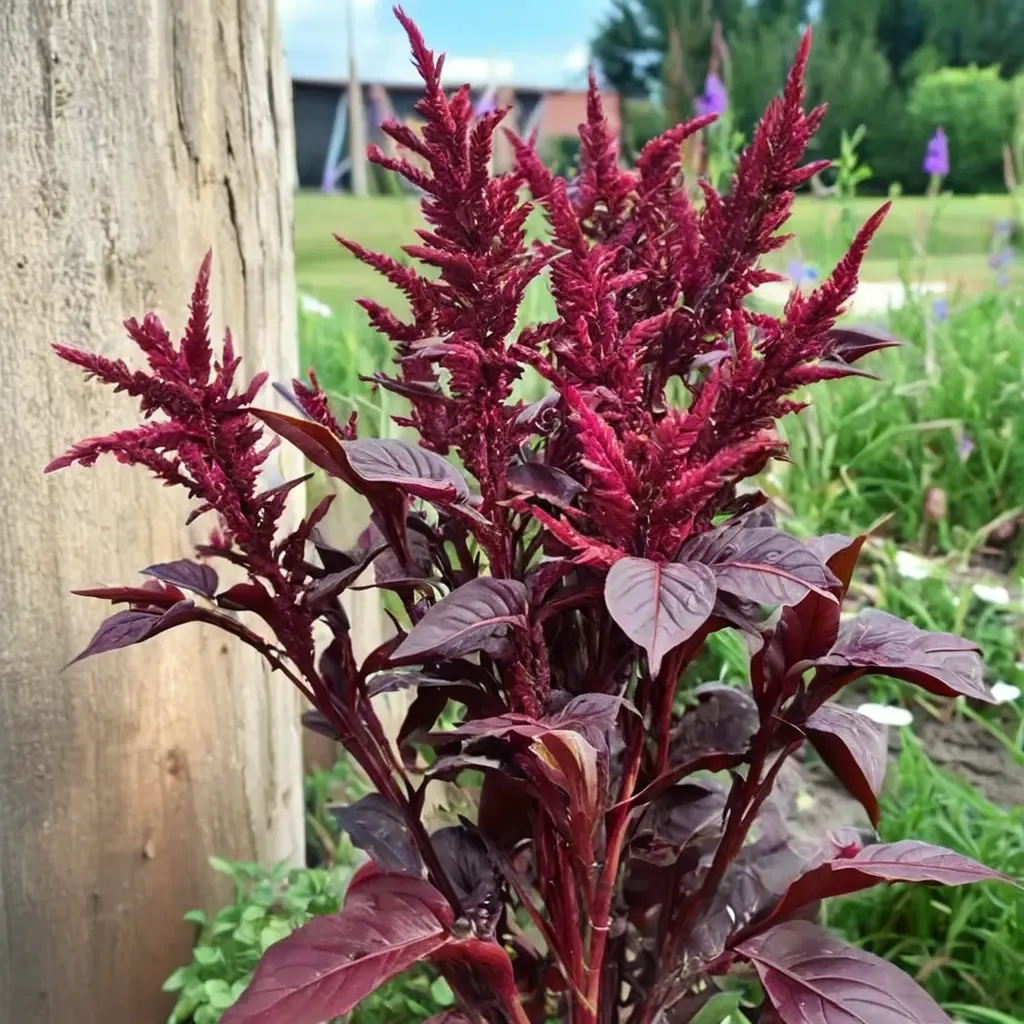
Velvet Curtains Amaranth
Amaranthus cruentus 'Velvet Curtains'
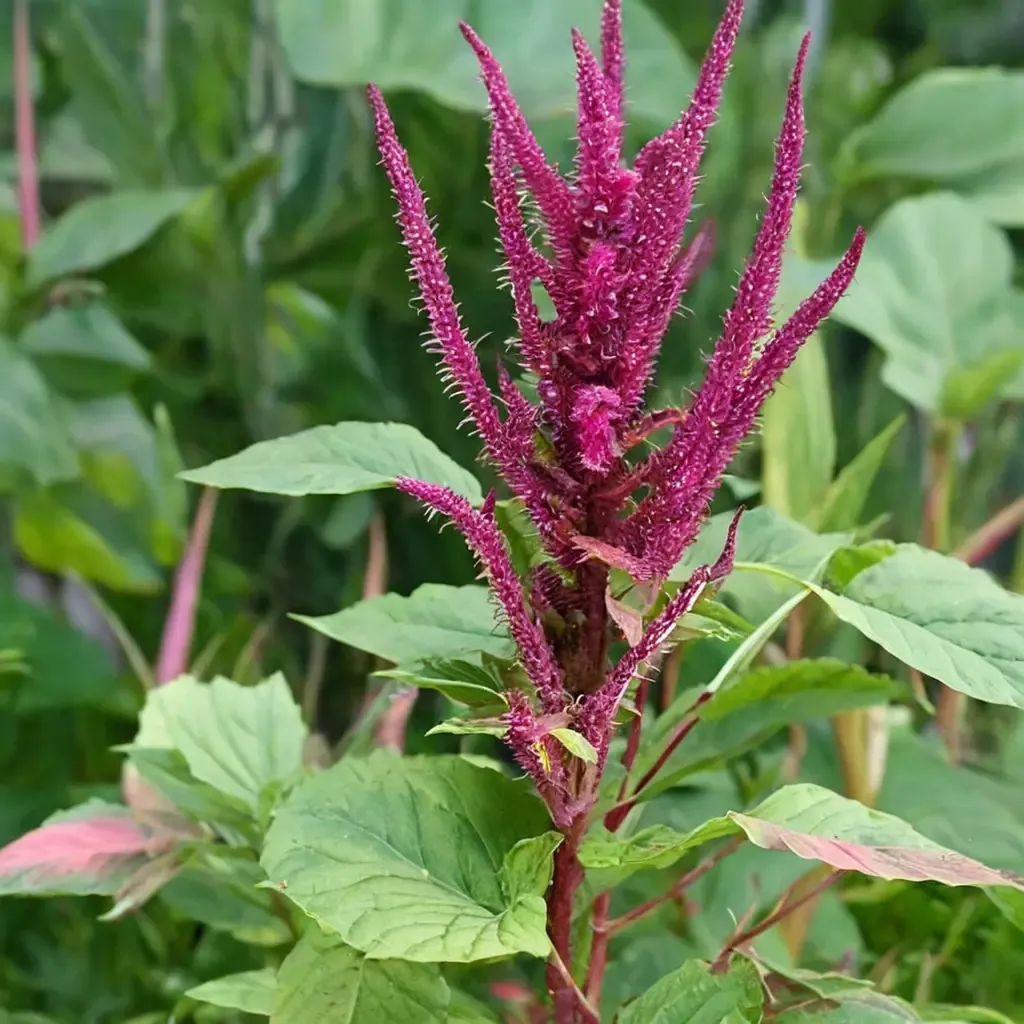
Red Amaranth
Amaranthus cruentus
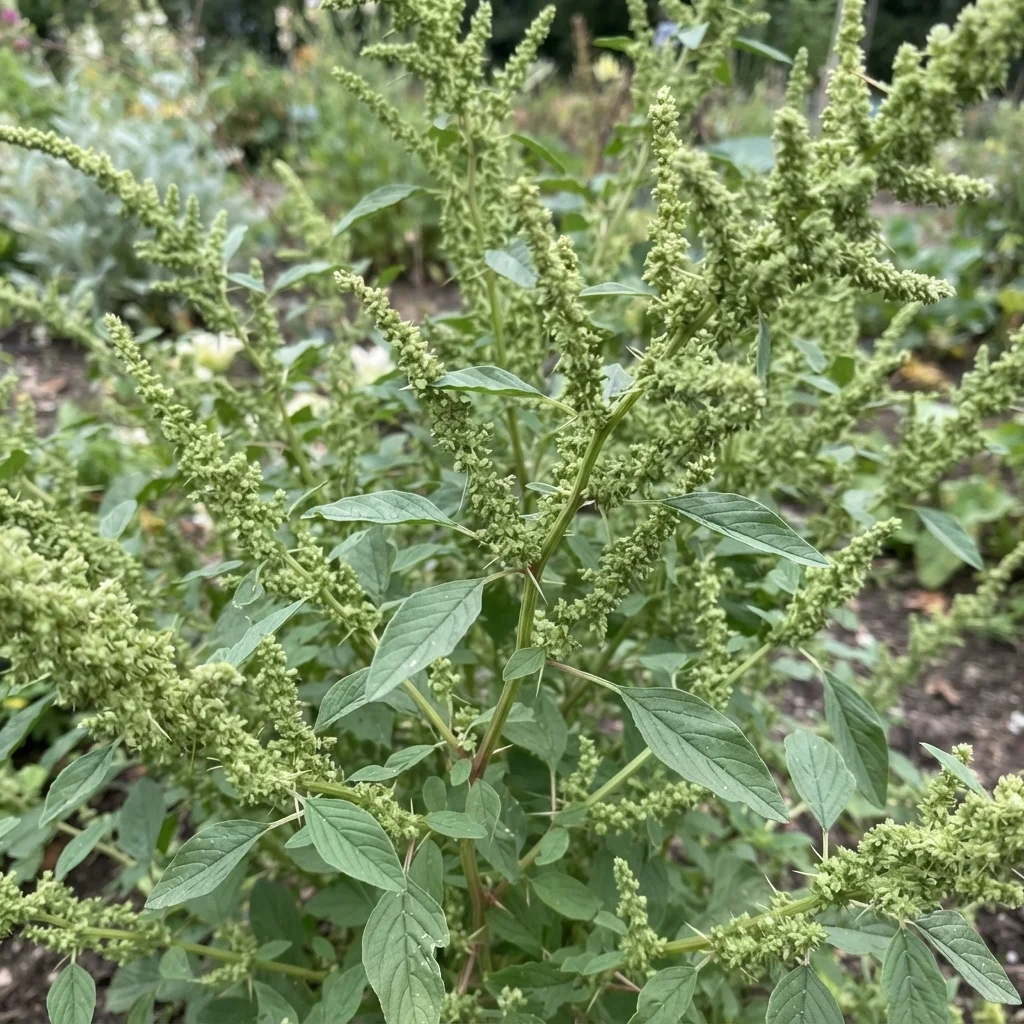
Spiny Amaranth
Amaranthus spinosus
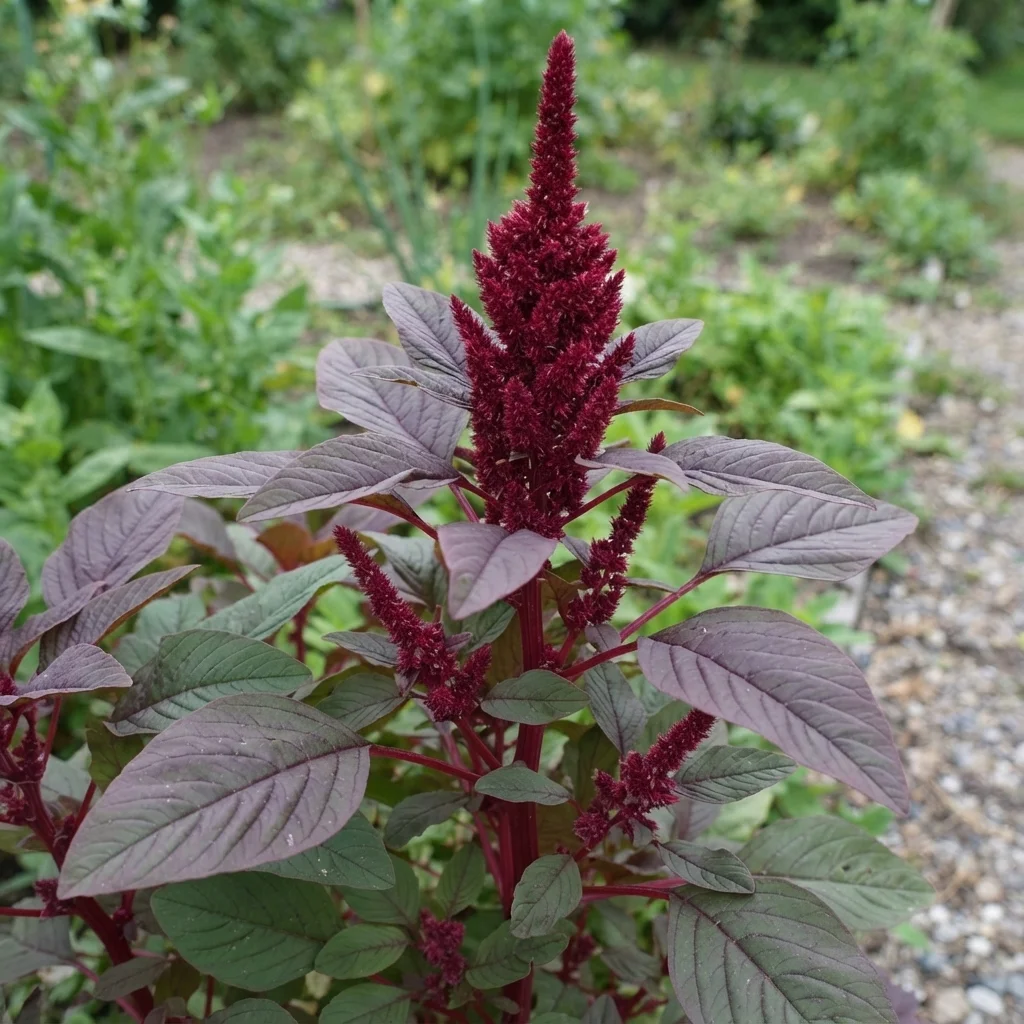
Prince's-feather
Amaranthus hypochondriacus
Keep exploring
Explore the genus
Grow Joseph's Coat with confidence
See it in a design of your actual yard, get zone-matched care reminders, and track it season by season in your garden journal.