The Story
Plant Bio
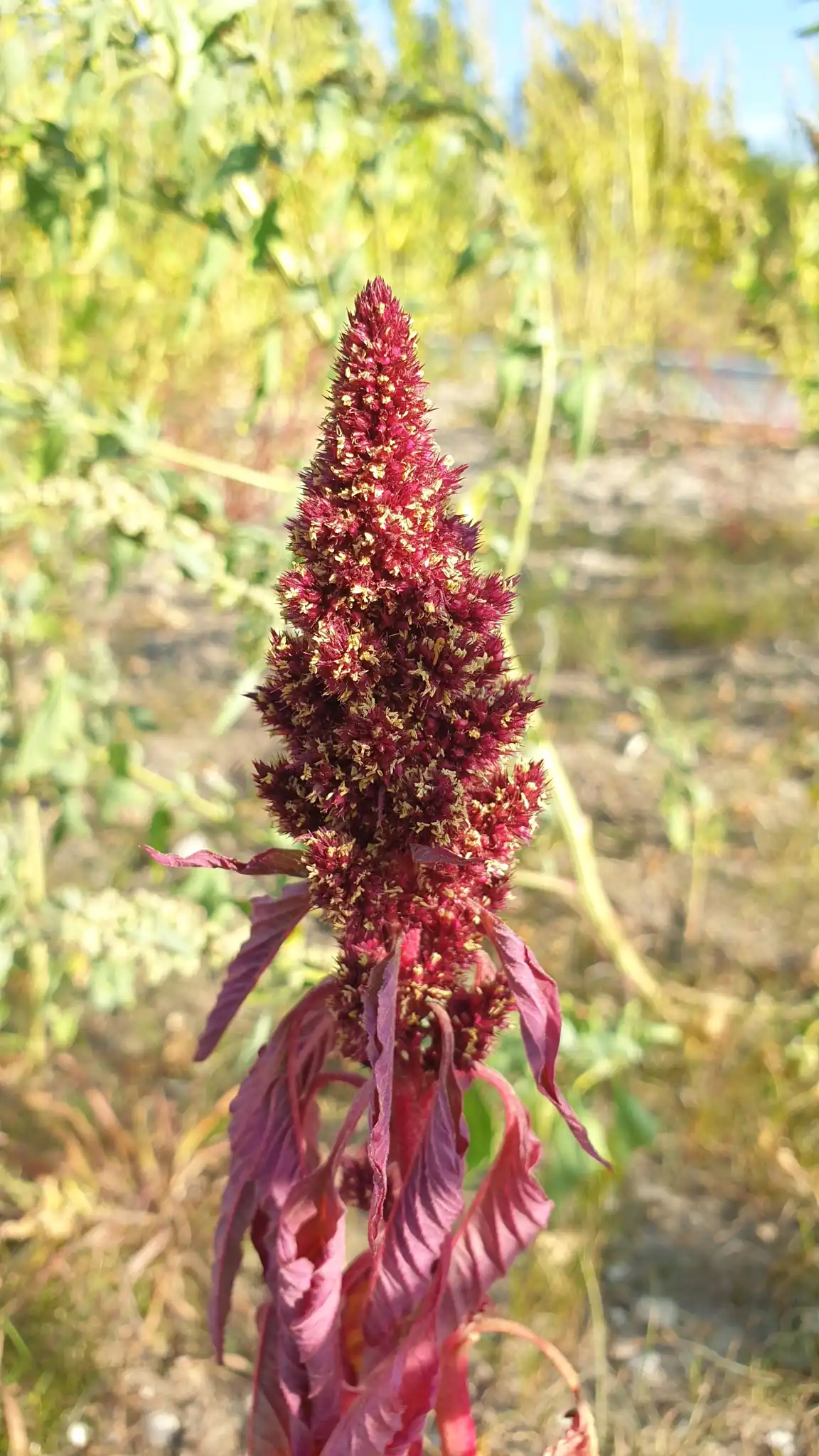
Amaranthus hypochondriacus is a vigorous, upright herbaceous annual distinguished by its stout, succulent stems and bold, colorful foliage. In summer and fall, it produces dense, rigid, catkin-like terminal spikes of deep purplish-red or crimson flowers that stand high above the leaves.
The simple, alternate leaves feature deep green, bronze, or purplish tints depending on the strain. This species serves as an excellent warm-season focal point or cut flower, adapting readily to lean, well-drained soils in full sun.
Uses & Benefits:
Essentials
At a Glance
Plant Type
Annual
Height
79"
Width
24"
Light
Full Sun
Zones
4, 5, 6, 7, 8, 9, 10
Water
Low to Medium
Humidity
Moderate to High
Lifespan
Annual
Native To
North America
Toxicity
Potential nitrate accumulation
Bloom period
Summer – Fall
In flower about 6 months of the year
Planting
How to Grow
- Sow seeds directly outdoors after the last spring frost, or start indoors in plugs four to six weeks prior to planting out.
- Select a site in full sun with fertile, well-drained loamy, sandy, or clay soil.
- Space plants to support dense growth, which helps keep the tall, heavy flower spikes upright.
- Water regularly to establish the root system, then reduce watering to match its natural drought tolerance.
Pro Tip
Keep nitrogen fertilizer lean; excess nitrogen causes top-heavy stems to lodge and leads to a dangerous accumulation of nitrates in the foliage.
Keep It Thriving
Care Guide
Do
- Grow in full sun to ensure strong stems and vibrant foliage color.
- Provide excellent soil drainage to prevent root and stem rot.
- Handle young plugs carefully during transplanting to protect the taproot.
Don't
- Do not over-fertilize with nitrogen, which weakens the stems and causes lodging.
- Do not plant in waterlogged or poorly drained soils.
- Do not prune the terminal flower spikes, as this is an annual grown specifically for its upright blooms.
Seasonal Care Calendar
| Task | Jan | Feb | Mar | Apr | May | Jun | Jul | Aug | Sep | Oct | Nov | Dec |
|---|---|---|---|---|---|---|---|---|---|---|---|---|
| Harvest | ||||||||||||
| Pest Check | ||||||||||||
| Plant | ||||||||||||
| Winter Prep |
Watch Out For
Pests & Diseases
Common Pests
Common Diseases
In the Garden
Landscape Uses & Companions
Landscape Uses
Companion Plants
Multiply
Propagation Methods
Good to Know
Common Questions
Prince's-feather questions
What zones can Prince's-feather grow in?
Prince's-feather is hardy in USDA Zones 4–10. Inside that range it survives winter in the ground; outside it, grow it as an annual or a container plant you protect.
Is Prince's-feather deer resistant?
Not reliably. Deer may browse Prince's-feather, especially tender spring growth — plan on repellents or fencing where pressure is high.
When does Prince's-feather bloom?
Prince's-feather typically blooms in summer through fall. Exact timing shifts a week or two with your zone — Sow's bloom calendar maps it to your garden.
Does Prince's-feather need full sun?
Prince's-feather does best in full sun (6+ hours).
Is Prince's-feather drought tolerant?
Yes — once established (usually after the first full season), Prince's-feather handles dry spells with minimal watering. Water deeply its first year to build the root system that makes that possible.
More Amaranthus to compare
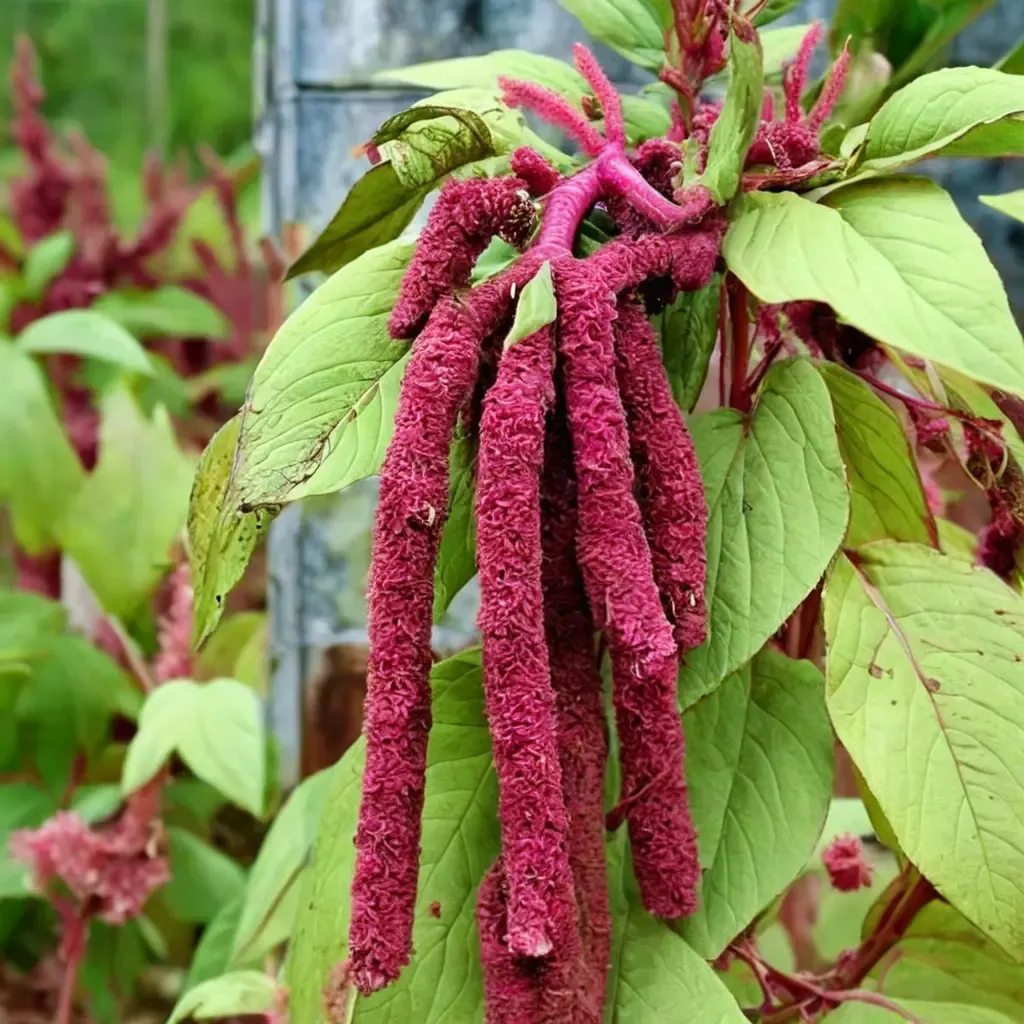
Love-Lies-Bleeding
Amaranthus caudatus
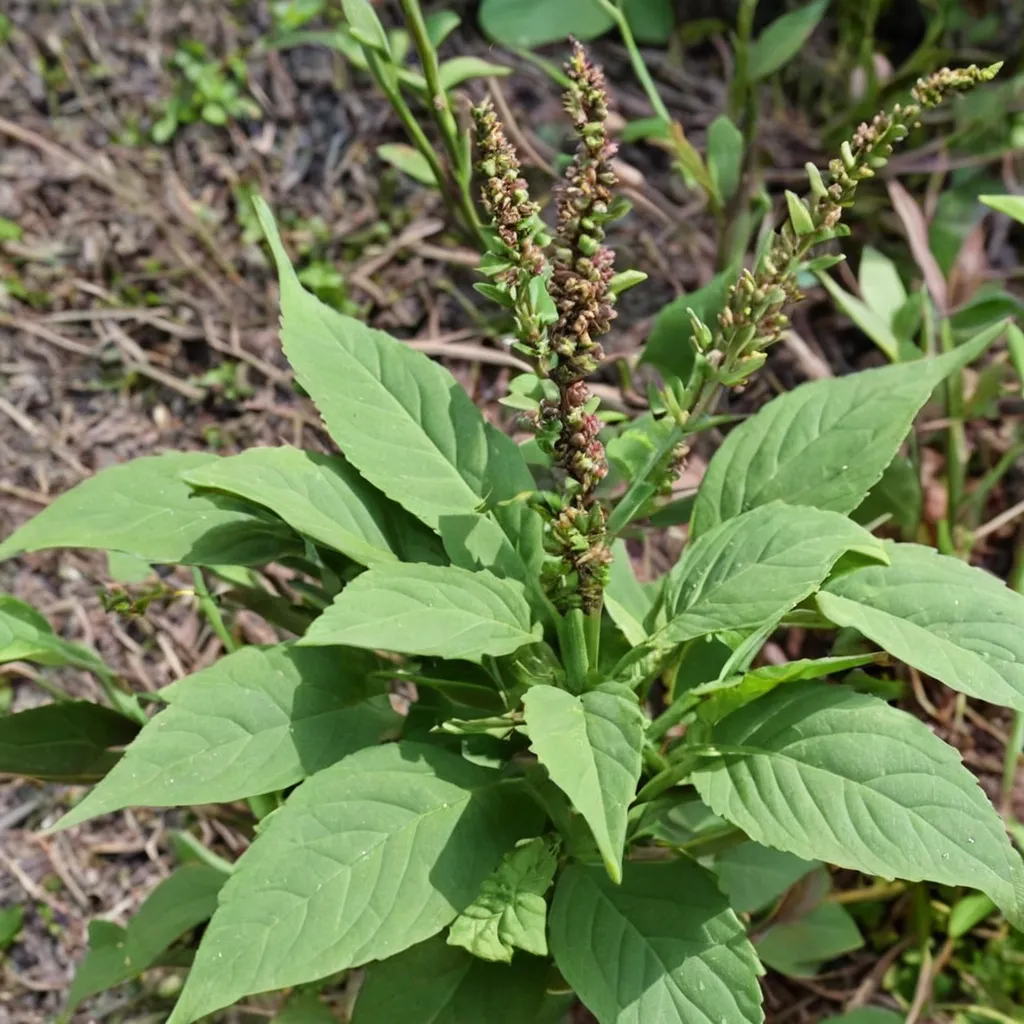
Green Amaranth
Amaranthus viridis
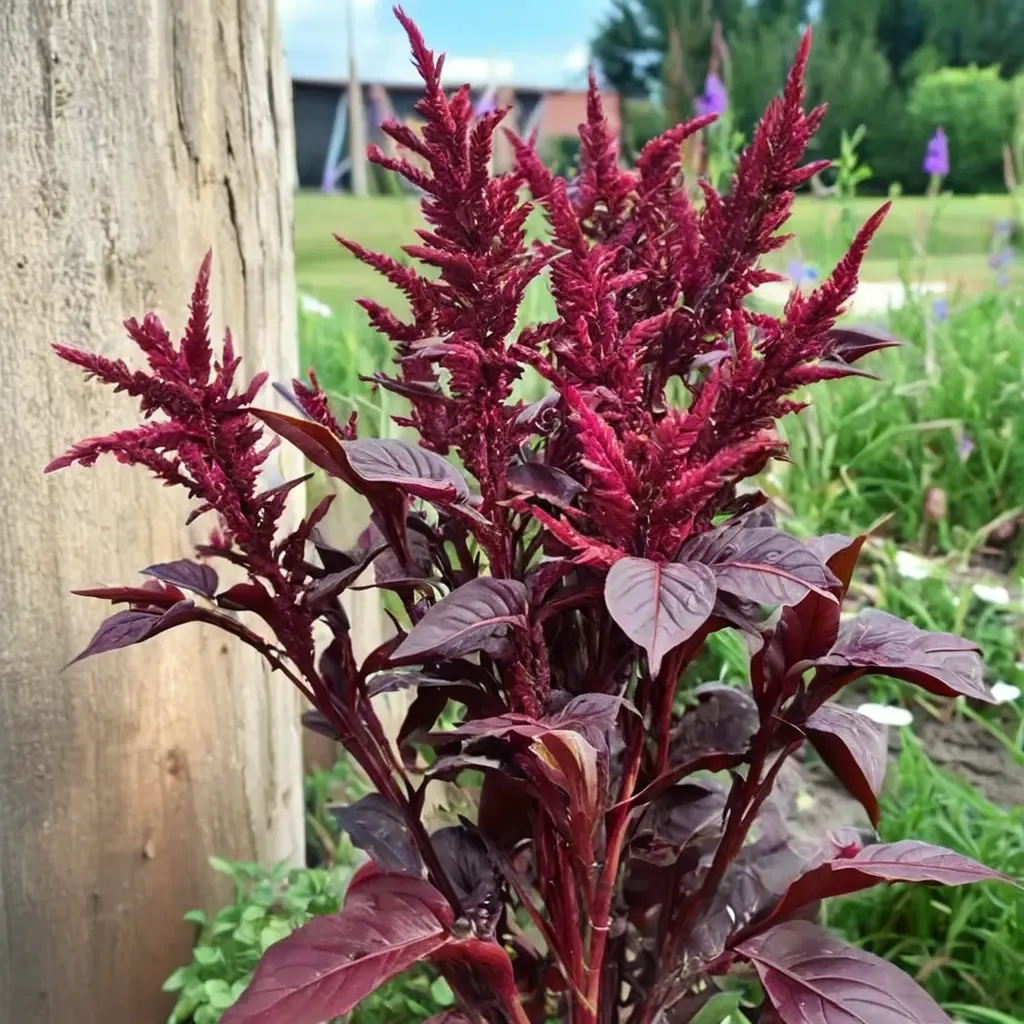
Velvet Curtains Amaranth
Amaranthus cruentus 'Velvet Curtains'
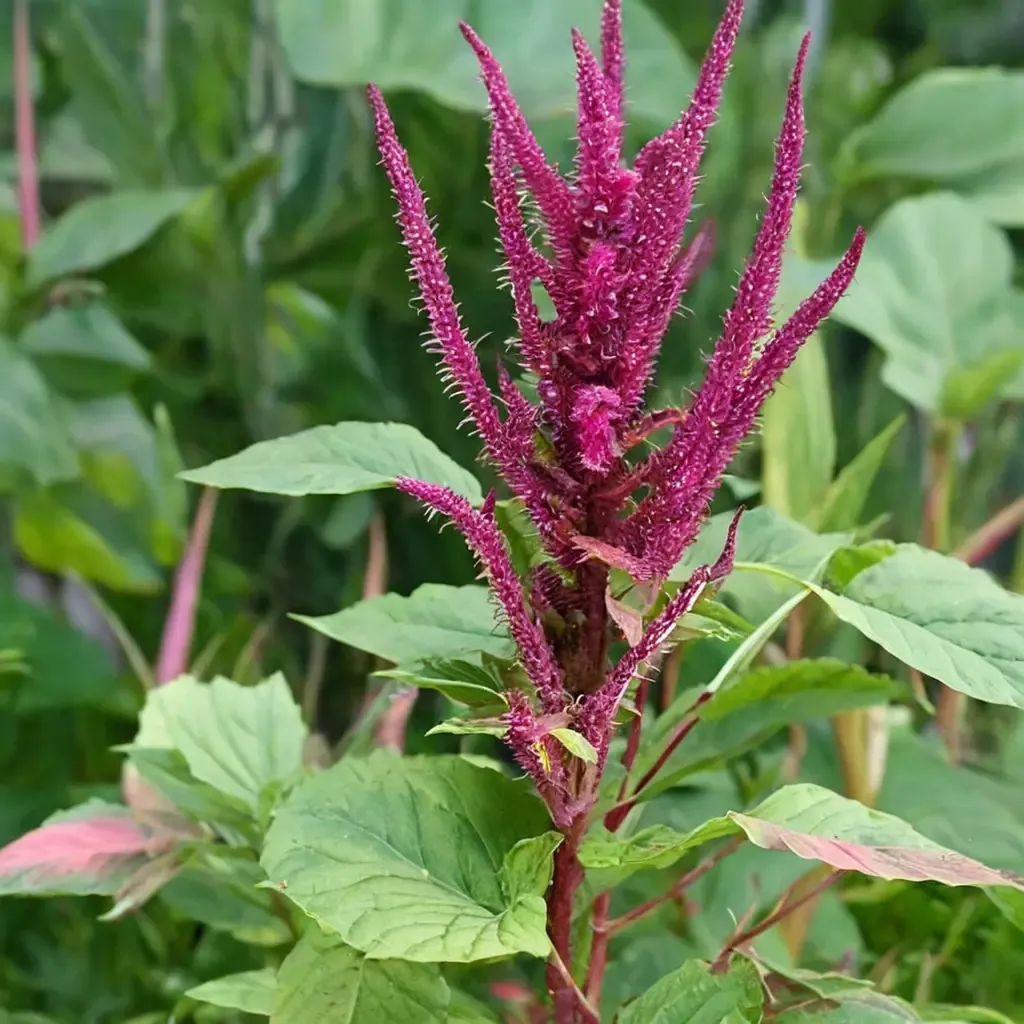
Red Amaranth
Amaranthus cruentus
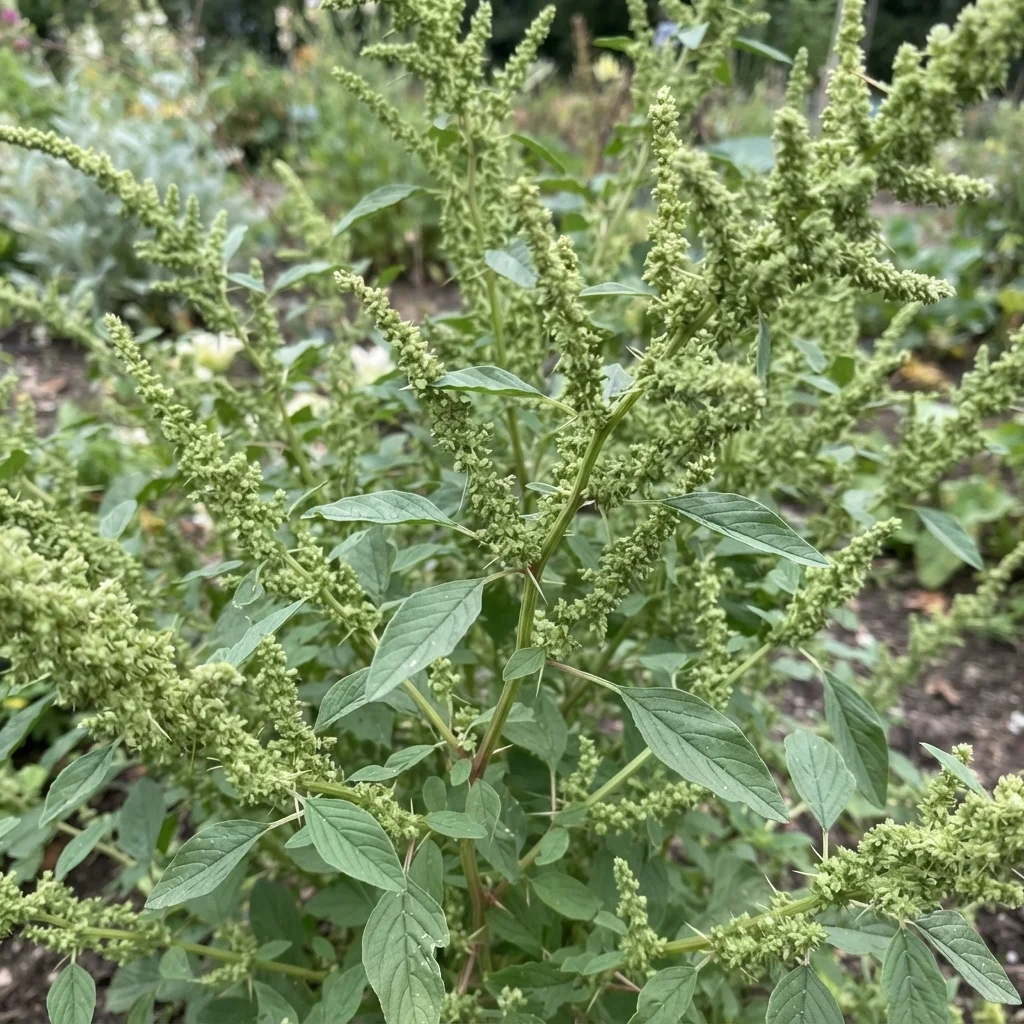
Spiny Amaranth
Amaranthus spinosus
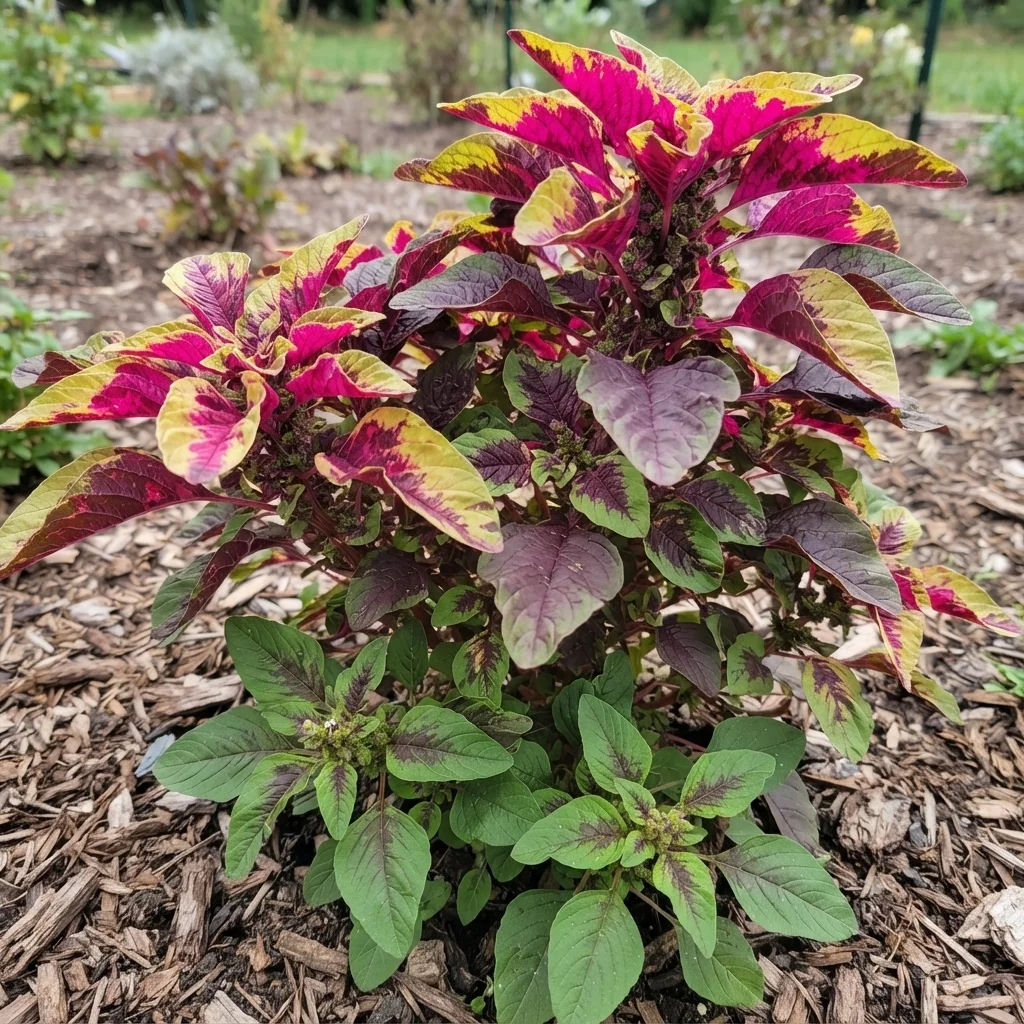
Joseph's Coat
Amaranthus tricolor
Keep exploring
Explore the genus
Grow Prince's-feather with confidence
See it in a design of your actual yard, get zone-matched care reminders, and track it season by season in your garden journal.